Throughout automotive history, rival manufacturers constantly pushed the boundaries of engineering, safety, and luxury in an attempt to make their cars outshine their competitors. While many breakthroughs eventually became standard industry features, other ambitious experiments proved far too bizarre, impractical, or ahead of their time for everyday drivers. Exploring these rare classic cars reveals a fascinating era when designers were willing to test almost any concept on the open road.
From built-in record players and swivel driver seats to fifth-wheel parking systems and glowing tires, these quirky inventions showcased bold innovation mixed with unpredictable real-world performance. Though consumers ultimately rejected these gimmicks due to mechanical failures, high costs, or safety concerns, they remain unforgettable chapters in transportation history. Here are sixteen vintage cars with unusual features that never quite caught on.
1. 1957 Chrysler Imperial: In-dash highway Hi-Fi record player
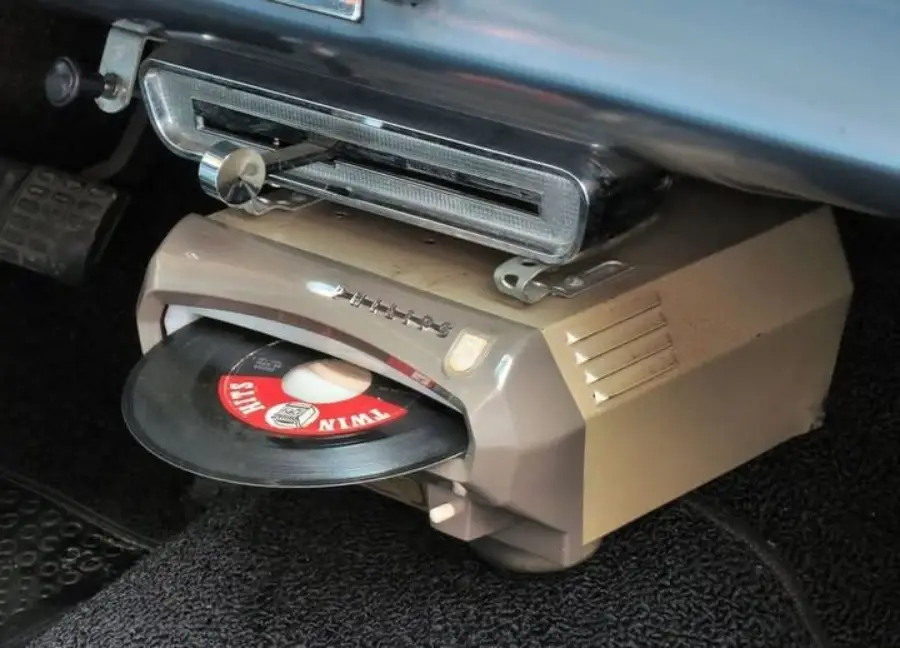
Chrysler attempted to bring personal audio to long drives by offering a factory-installed turntable mounted beneath the dashboard. Playing proprietary seven-inch records at sixteen revolutions per minute, the system relied on heavy stylus pressure to prevent skipping, but bumpy roads routinely ruined vinyl records anyway.
2. 1950s Goodyear illuminated tires
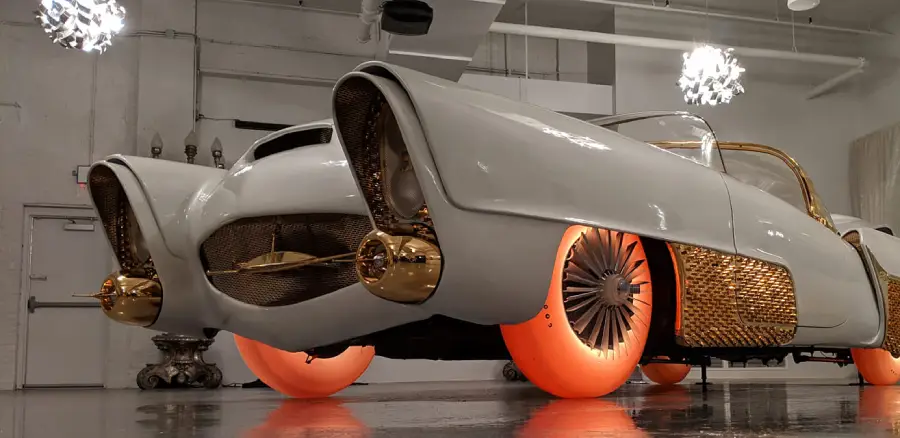
Goodyear engineered experimental translucent tires made from a synthetic rubber compound called Neothane, illuminated by eighteen tiny light bulbs mounted inside the wheel rim. Intended to improve night visibility and add custom style, the bulbs frequently failed, and the clear rubber lost its luster after picking up road dirt.
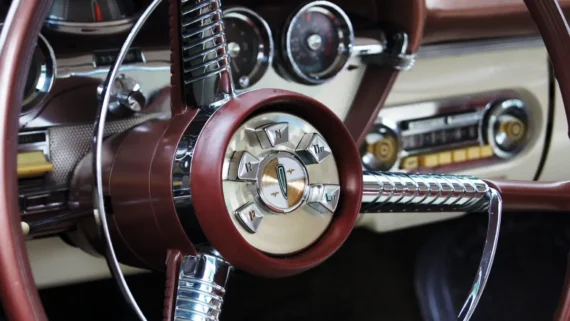
3. 1958 Ford Edsel: Teletouch steering wheel gear selector
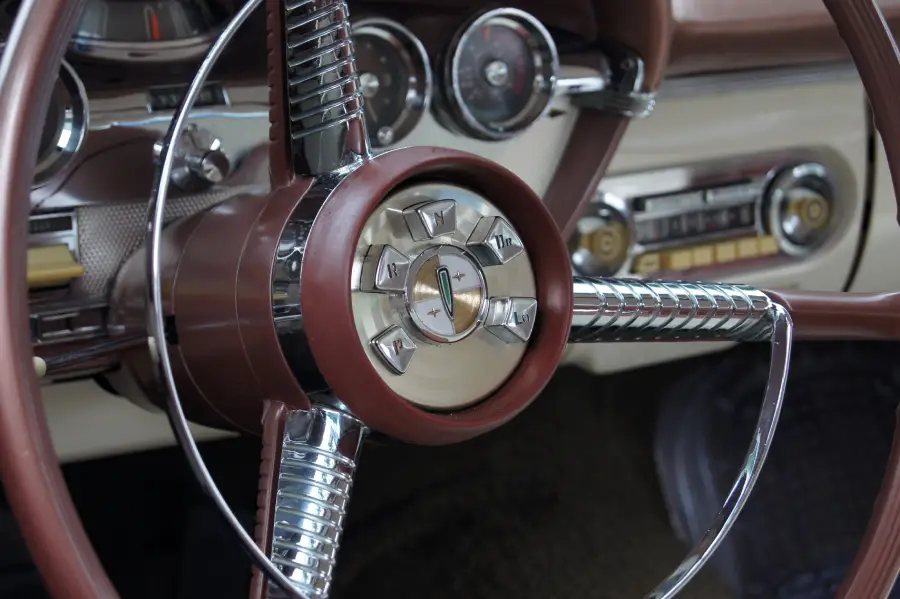
The infamous Ford Edsel placed push-button automatic transmission controls right in the center hub of the steering wheel. Drivers routinely shifted gears by mistake while attempting to honk the horn, and the fragile electrical wiring inside the steering column was prone to shorting out.
4. 1930s Cadillac V-16: Vacuum-assisted mechanical brakes
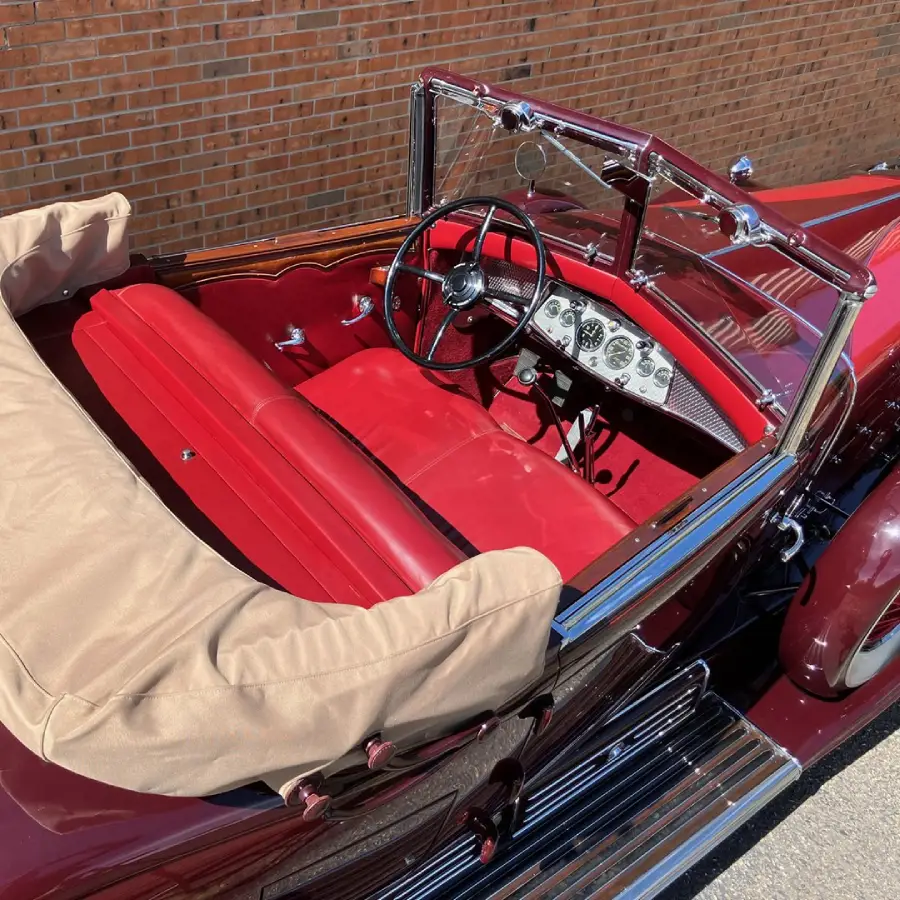
Before hydraulic power brakes became common, early Cadillac V-16 models used an intricate engine vacuum system to amplify pedal pressure on massive drum brakes. While effective when working properly, any sudden loss of engine vacuum left drivers fighting a terrifyingly heavy brake pedal.
5. 1953 Buick Skylark: Selectronic foot-operated radio tuner
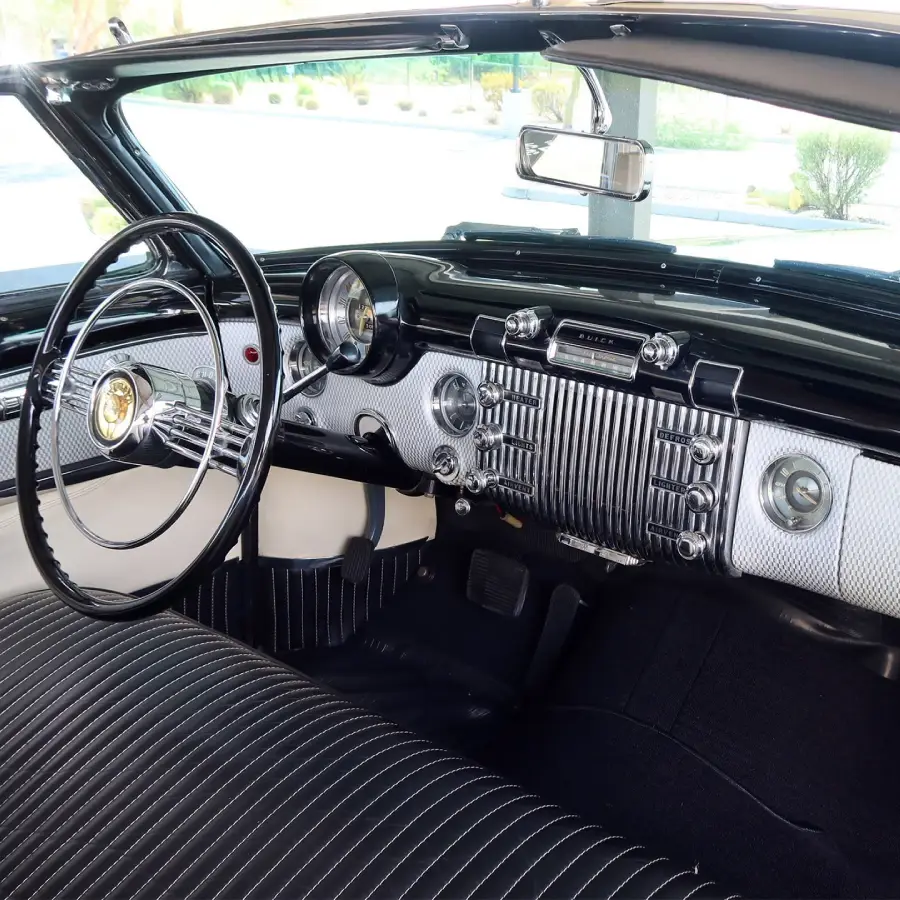
Buick introduced a floor-mounted foot pedal that allowed drivers to change radio stations without taking their hands off the steering wheel. Located just above the floorboard carpet, the pedal was frequently kicked by accident, causing radio stations to jump constantly while driving.
Trending on The Scroller

6. 1951 Studebaker Commander: Hill-holder clutch system
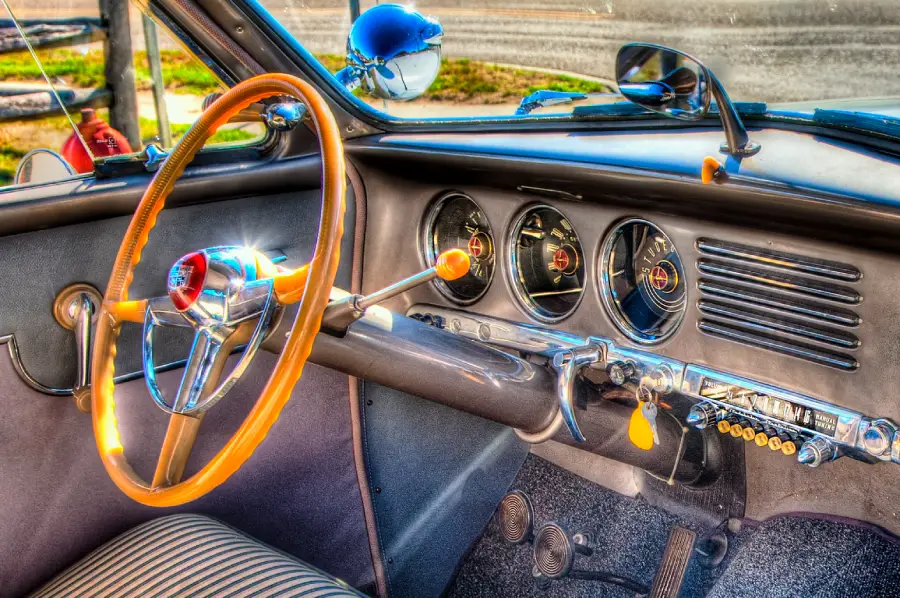
Studebaker incorporated a specialized hydraulic anti-rollback valve linked to the clutch pedal on manual transmission models. Designed to prevent rolling backward on steep inclines, the system often seized up over time, locking the brakes unexpectedly during routine gear shifts.
7. 1961 Plymouth Fury: Square “Squircle” steering wheel
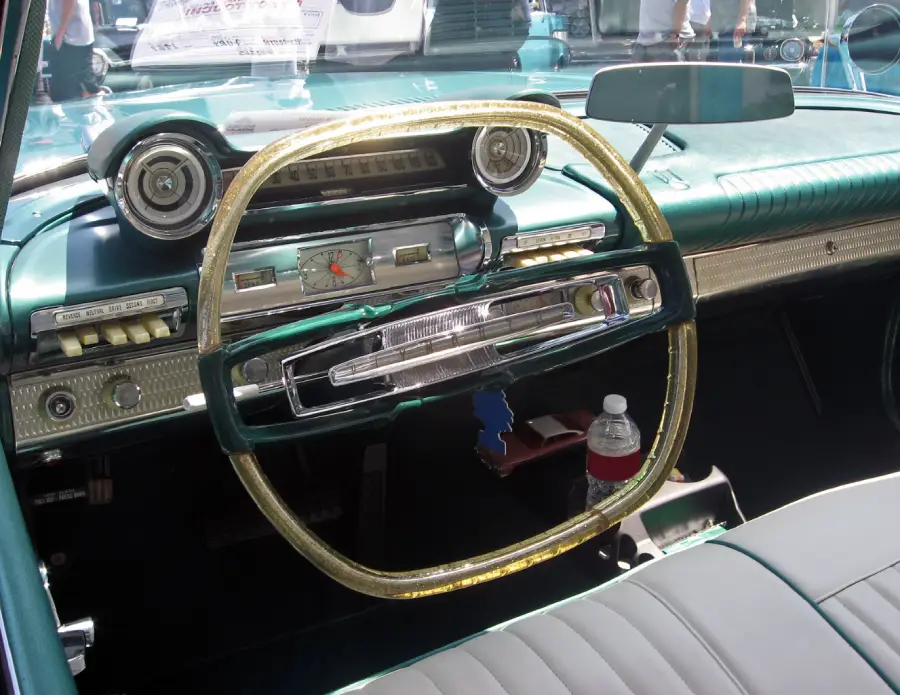
Plymouth equipped select models with a flattened, squared-off steering wheel designed to give the driver’s legs extra clearance and provide an unobstructed view of the instrument cluster. Motorists disliked the awkward hand placement during sharp turns, forcing Plymouth to abandon the shape after two model years.
8. 1954 Nash Ambassador: Farina-designed airliner reclining seats
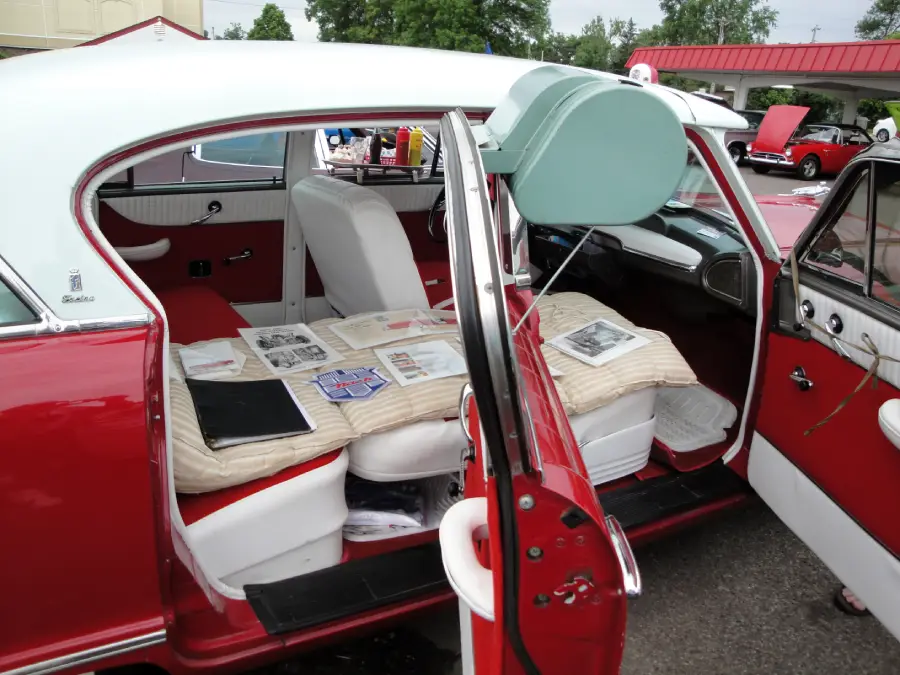
Nash marketed passenger seats that folded completely flat to transform the interior into a full-sized twin bed. While perfect for outdoor camping trips, local law enforcement raised safety concerns regarding motorists driving while passengers slept prone in the cabin.
Sign up for our newsletter
9. 1930s ParkCar: Fifth-wheel trunk parking system
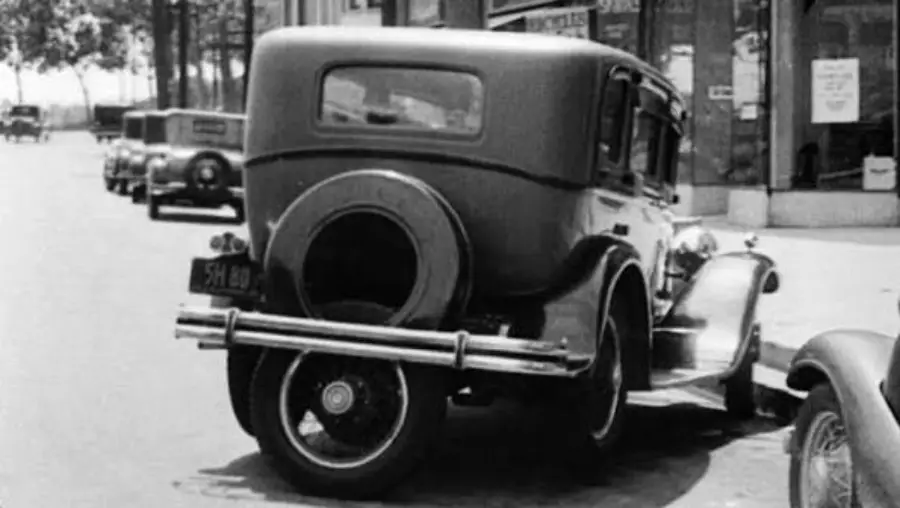
To conquer tight parallel parking spaces, independent inventors developed a drop-down fifth wheel mounted beneath the rear trunk. Powered by the driveshaft, the motorized wheel lifted the rear tires off the ground and swung the back end of the car directly into parking spots.
10. 1980s Subaru BRAT: Bed-mounted rear jump seats
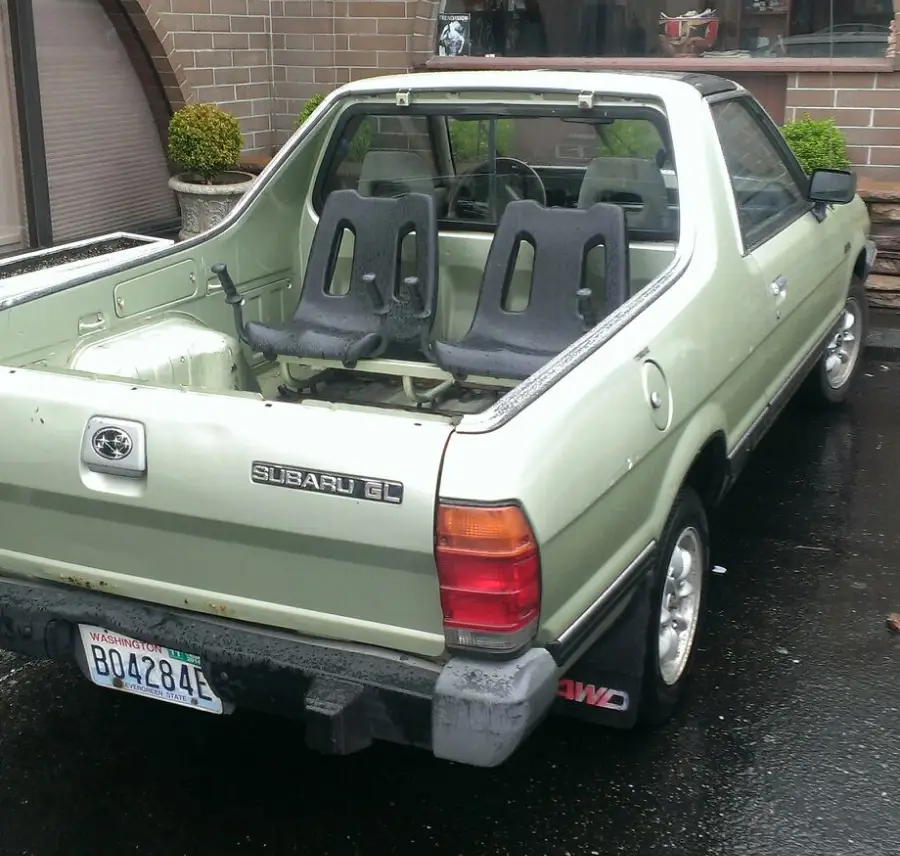
To circumvent a twenty-five percent tariff on imported light trucks known as the Chicken Tax, Subaru welded plastic jump seats into the open cargo bed. This legal loophole classified the vehicle as a passenger car, though riding exposed to the elements in open rear seats was far from comfortable.
11. 1958 Oldsmobile Super 88: Trans-Portable removable radio
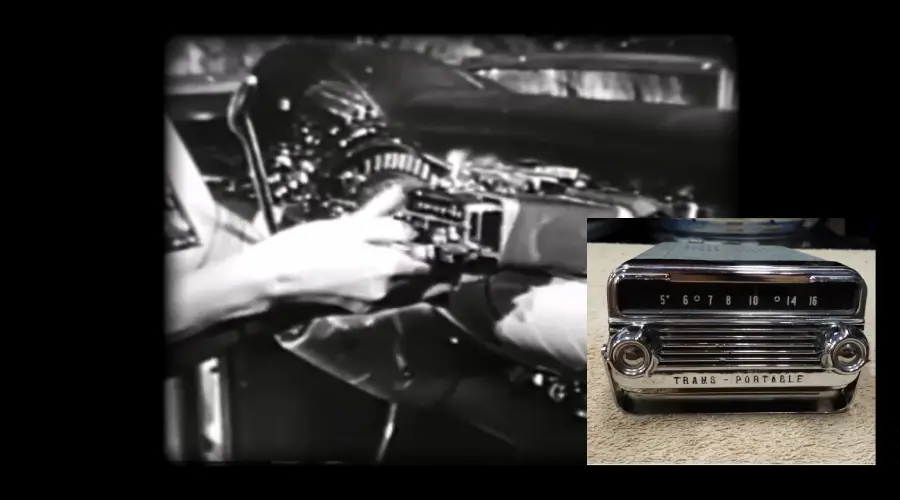
Oldsmobile offered a dash-mounted radio unit that could be unlocked and pulled completely out of the glovebox to serve as a portable transistor radio for picnics. The heavy unit drained its internal batteries rapidly when detached from the car’s electrical circuit.
12. 1965 Ford Aurora Concept: L-shaped lounge rear seating
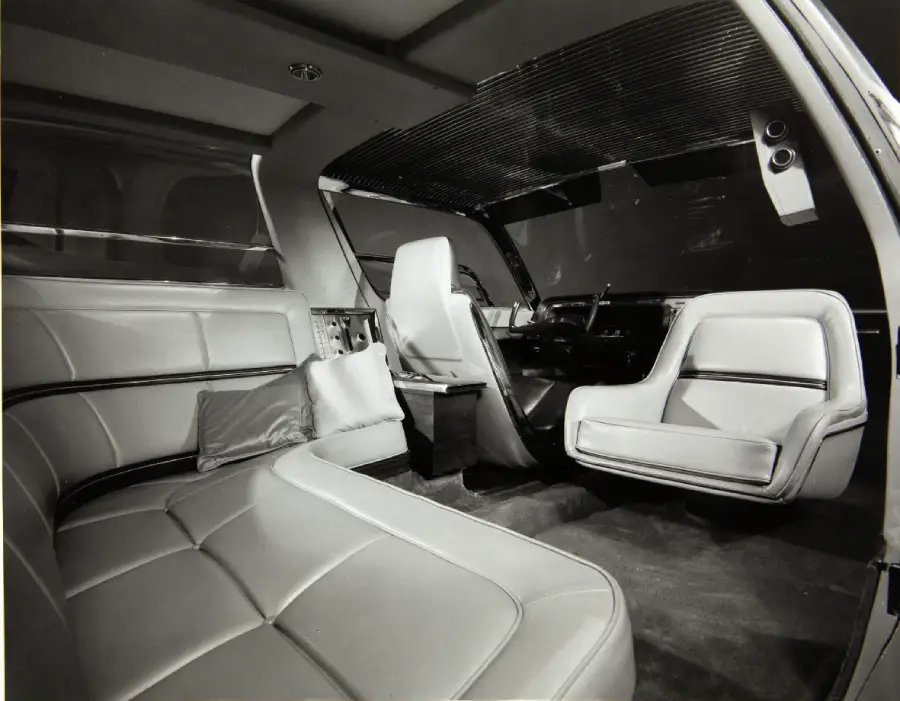
Ford experimented with interior layouts by replacing traditional rear bench seats with a curved, sofa-like lounge arrangement. Passengers faced inward to converse easily, but the complete lack of seatbelts and lateral support made the design a severe safety hazard during quick stops.
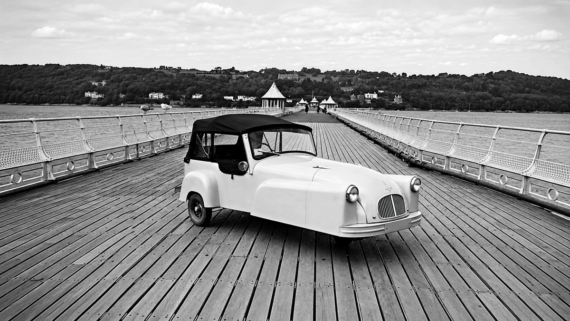
13. 1947 Vanguard-Sebring CitiCar: Dashboard canvas pull-curtains

The primitive CitiCar electric vehicle omitted traditional glass roll-down side windows in favor of snap-on canvas curtains with clear plastic panels. The lightweight fabric flapped loudly at top speeds and leaked cold air and rain into the cabin during inclement weather.
14. 1959 Chevrolet Impala: Swivel front bucket seats
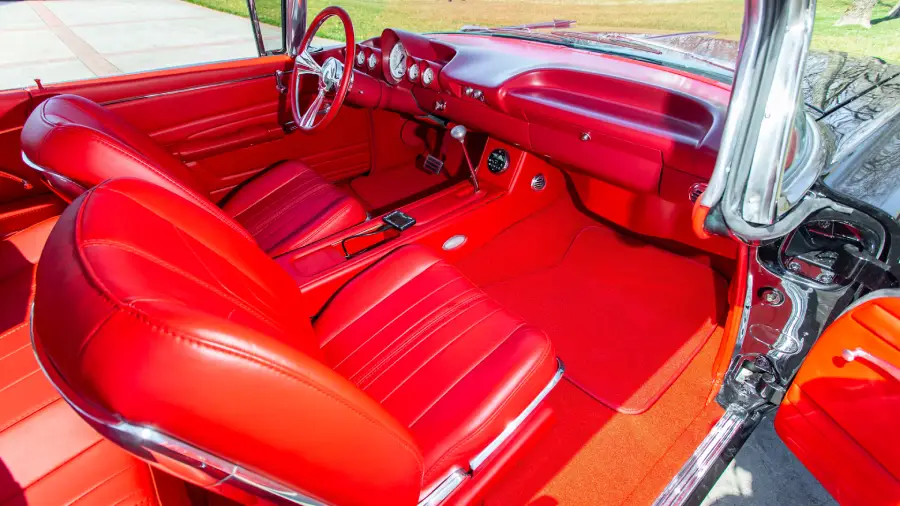
Chevrolet introduced front bucket seats that automatically pivoted forty-five degrees outward when opening the door, easing entry and exit for passengers in formal attire. The complex swivel mechanism added excessive weight to the floorpan and loosened after repeated use.
15. 1980s Buick Riviera: Graphic control center CRT touchscreen
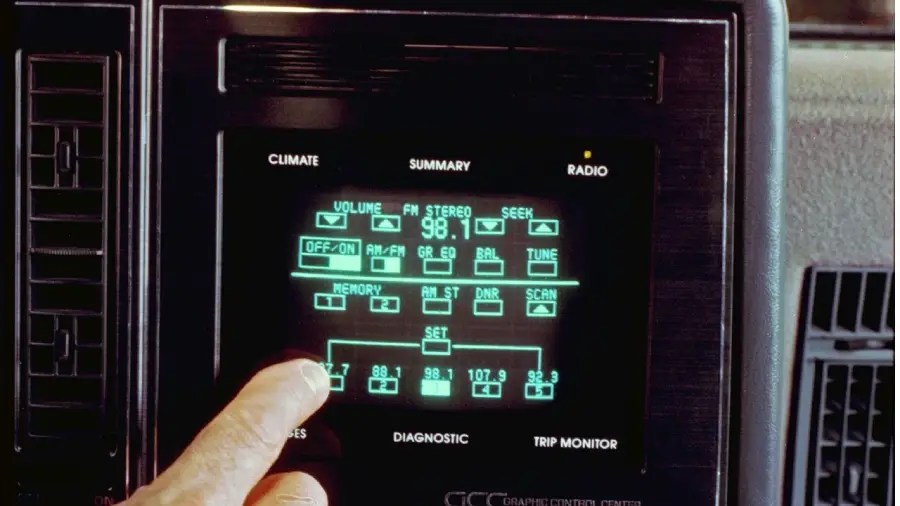
Decades before modern infotainment screens, the 1986 Riviera featured a green monochrome cathode-ray tube touchscreen to operate climate controls and diagnostics. Drivers found the sluggish, glowing screen extremely distracting to operate while watching the road.
16. 1960 Amphicar Model 770: Dual-propeller amphibious body
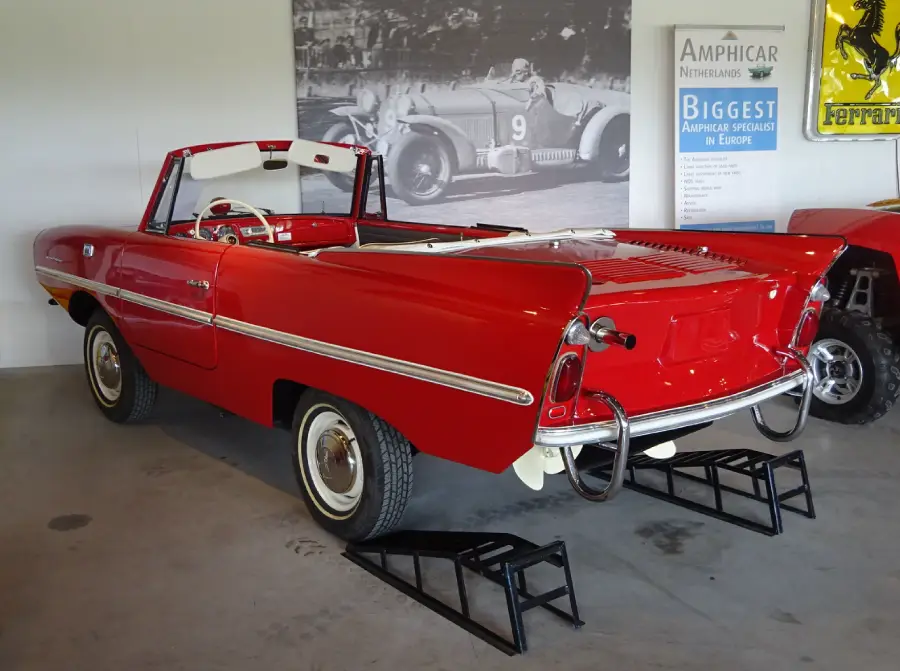
The German-built Amphicar functioned as both a road vehicle and a motorboat, equipped with twin rear propellers driven by the engine. While a remarkable novelty, its steel body required constant greasing at thirteen distinct points after every water voyage to prevent rapid rusting.
In the mood for more interesting cars?
Exploring these bizarre automotive experiments offers a fascinating look at the trial-and-error process that shaped modern vehicle design. The creative mix of glowing rubber, built-in turntables, and swing-out seats proves that automotive history is full of ambitious ideas that missed the mark. If you love discovering vintage car culture, retro tech archives, and entertaining historical deep dives, be sure to check out these 16 Classic Cars With Peak 1950s Tail Fins, or these 16 Classic Cars With Pop-Up Headlights. You may also like these 14 Unusual 1960s Cars That Turned Heads.