Car safety features are so ordinary today that most drivers barely notice them. Buckle a belt, glance at the backup camera, tap the brakes, and head out. Yet many of those familiar protections exist because years of real-world crashes exposed exactly where cars were failing the people inside them.
The story isn’t a neat parade of inventions triggered by single disasters. Instead, crash research, recurring injuries, engineering discoveries, and regulation gradually transformed the automobile. Each feature below represents a problem engineers eventually decided drivers shouldn’t have to face unprotected.
1. Laminated Safety Windshields
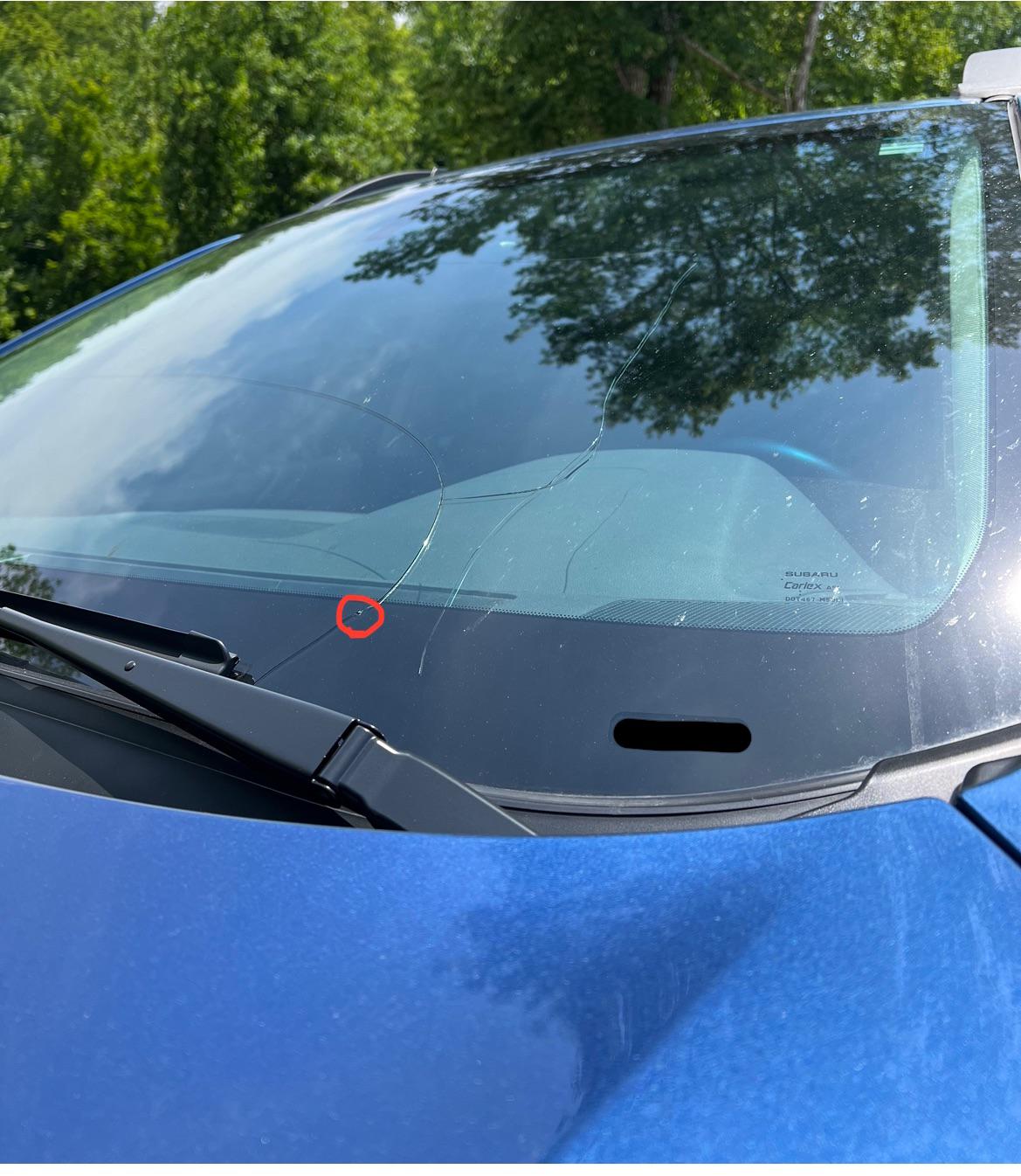
A windshield once had the potential to become part of the crash itself. Early plate glass could break into dangerous shards, adding severe cuts and ejection hazards to an already violent collision. Laminated safety glazing provided a smarter response: holding much of the fractured glass together instead of letting it scatter through the cabin.
2. Padded Dashboards and Recessed Controls
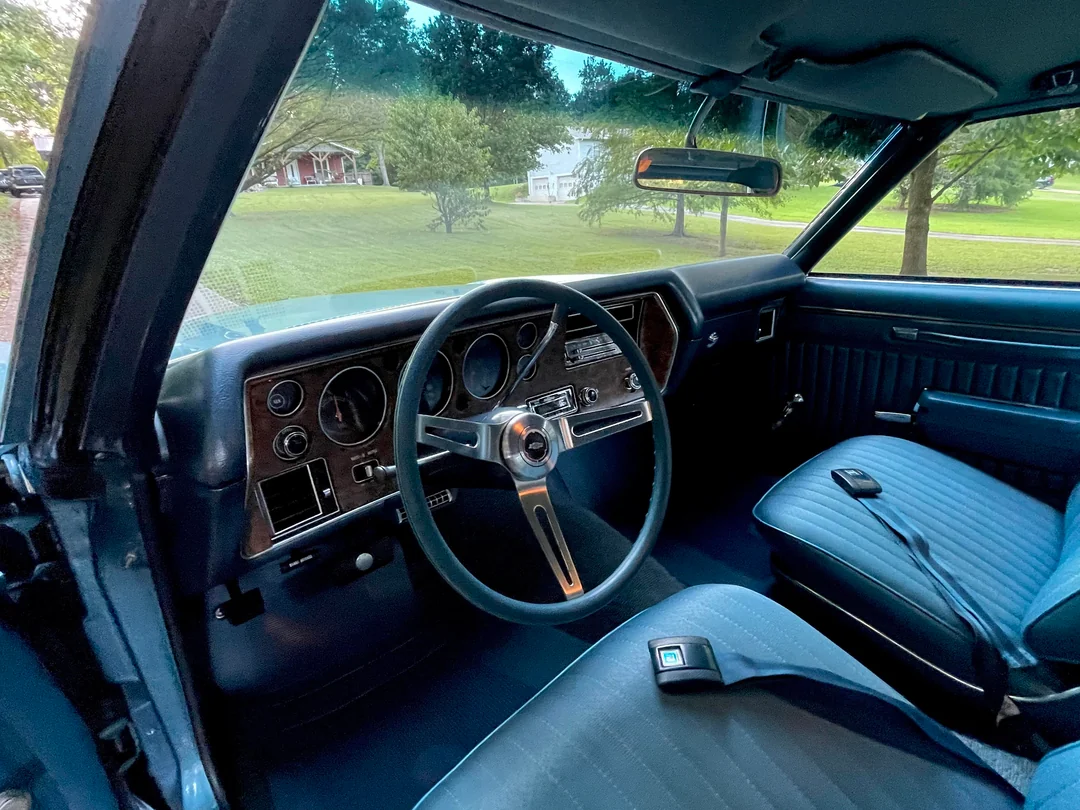
Look at the interior of an early automobile, and something becomes uncomfortable once you know what to notice: hard metal surfaces, rigid knobs, and controls pointing toward the occupants. Crash-injury research showed what happened when bodies struck them, helping push dashboards toward padding and interior hardware designed to be considerably less aggressive.
3. Three-Point Seat Belts
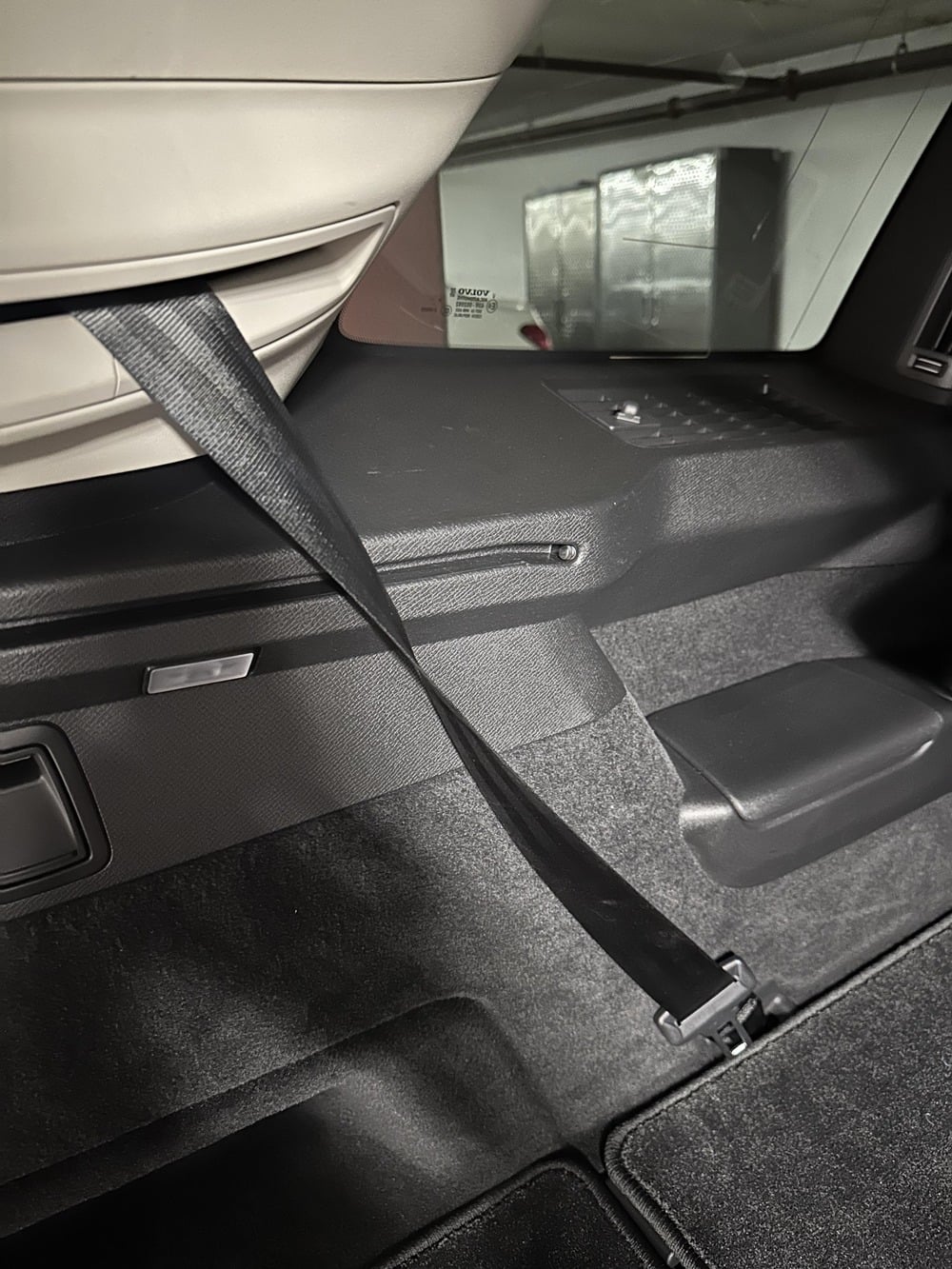
One belt changed how the human body experienced a crash. Nils Bohlin’s 1959 Volvo three-point design restrained both the torso and pelvis, improving on lap belts that concentrated restraint lower on the body. The clever part was its simplicity: the basic geometry remains instantly recognizable more than six decades later.
4. Crumple Zones
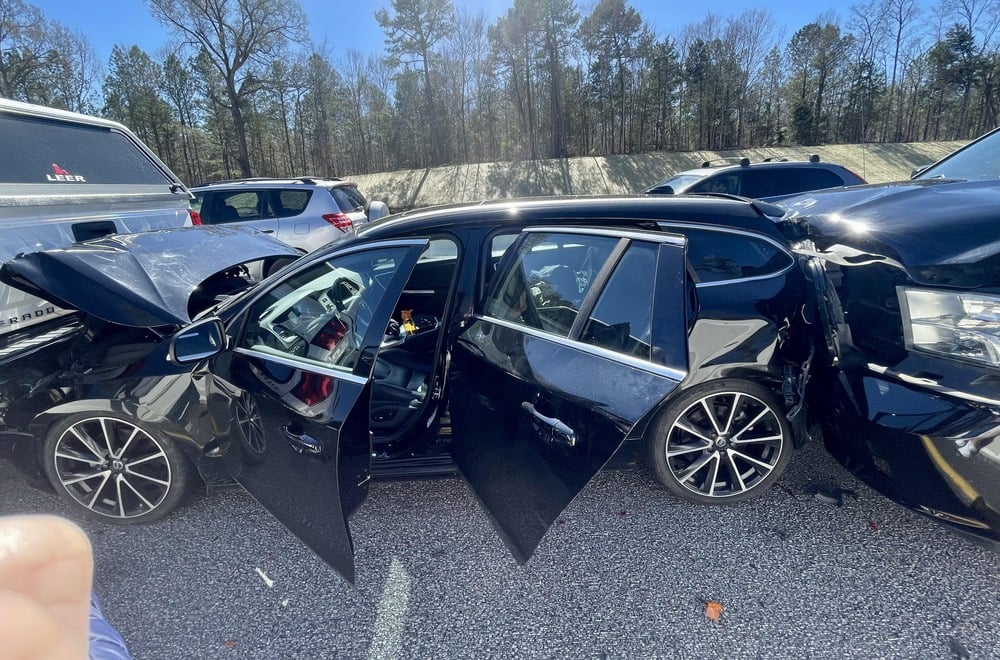
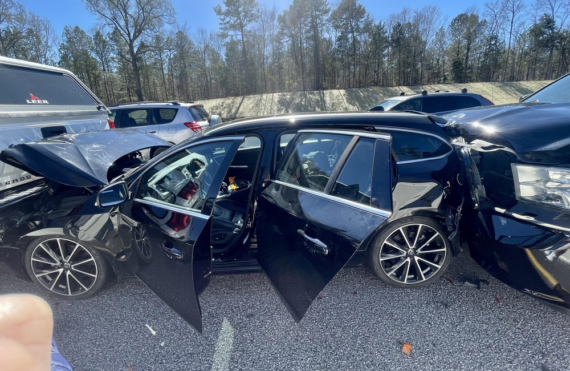
Why would anyone deliberately design a car to crumple in a crash? Because preserving the sheet metal isn’t the priority. Preserving the space around the people is. Béla Barényi’s safety-cell and crumple-zone concept allowed sections of the vehicle to deform and manage impact energy while the occupant compartment was designed to remain better protected.
5. Collapsible Steering Columns

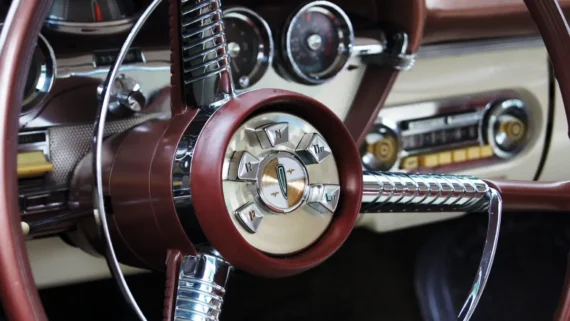
For drivers in older cars, the steering column presented a particularly nasty problem during frontal crashes: the rigid structure could be driven backward toward the person sitting directly in front of it. Energy-absorbing and collapsible steering columns were designed to reduce that intrusion, turning a dangerous piece of hardware into something capable of giving way during an impact.
Trending on The Scroller
6. Head Restraints

The humble headrest is doing far more than providing somewhere to lean at a stoplight. Rear-end crashes revealed how violently the head could move backward relative to the torso, exposing the neck to whiplash. Head restraints were developed, and later regulated, to limit that rearward movement when another vehicle suddenly arrives from behind.
7. Dual-Circuit Brakes
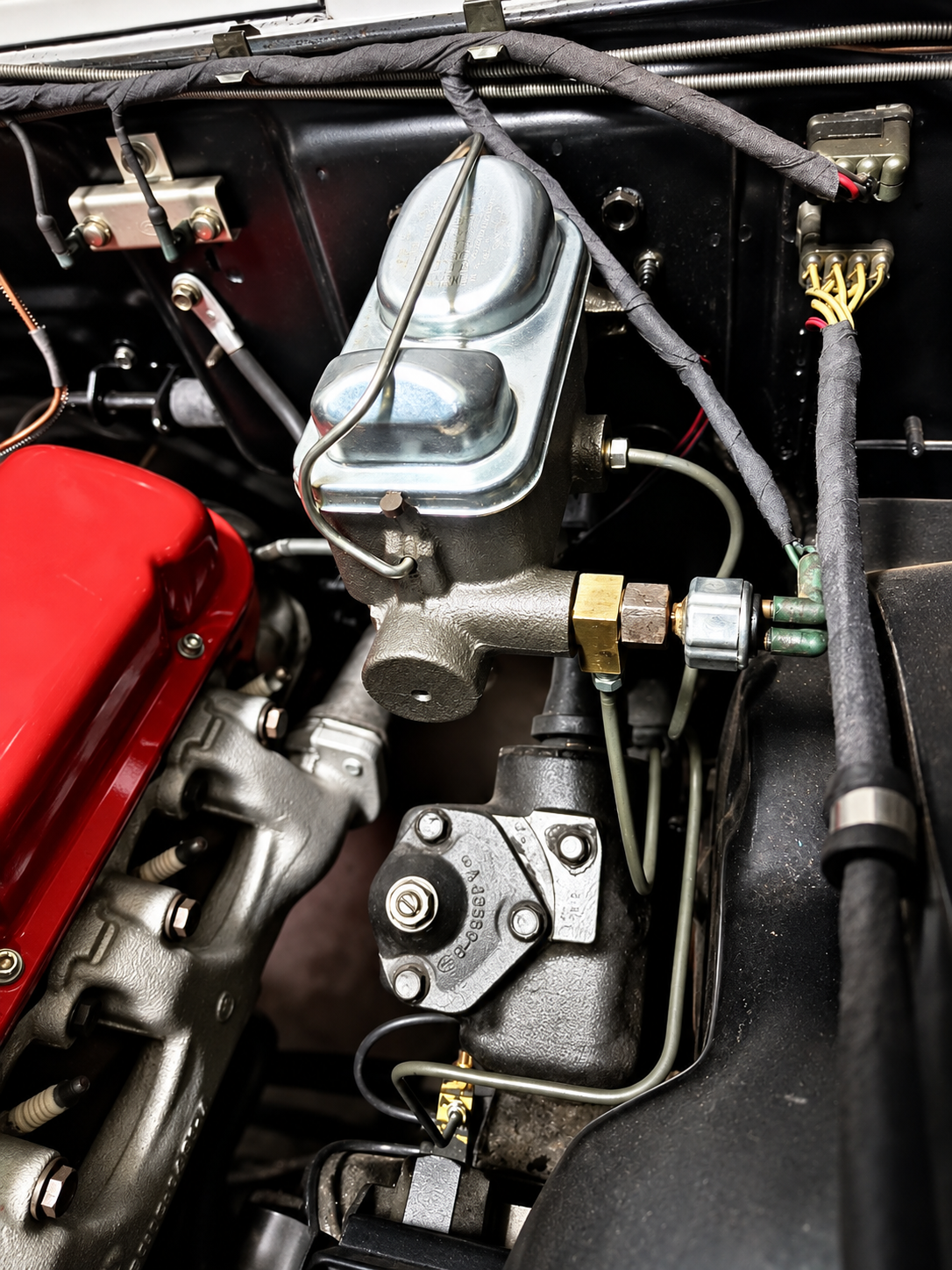
Brake systems needed a backup plan. With a single hydraulic circuit, one failure could wipe out most braking ability at exactly the moment it was needed. Splitting the system into two circuits added redundancy, meaning one failure would not necessarily leave the driver with no effective braking at all. Sometimes the biggest safety upgrade is simply refusing to trust one system completely.
8. Side-Impact Door Protection
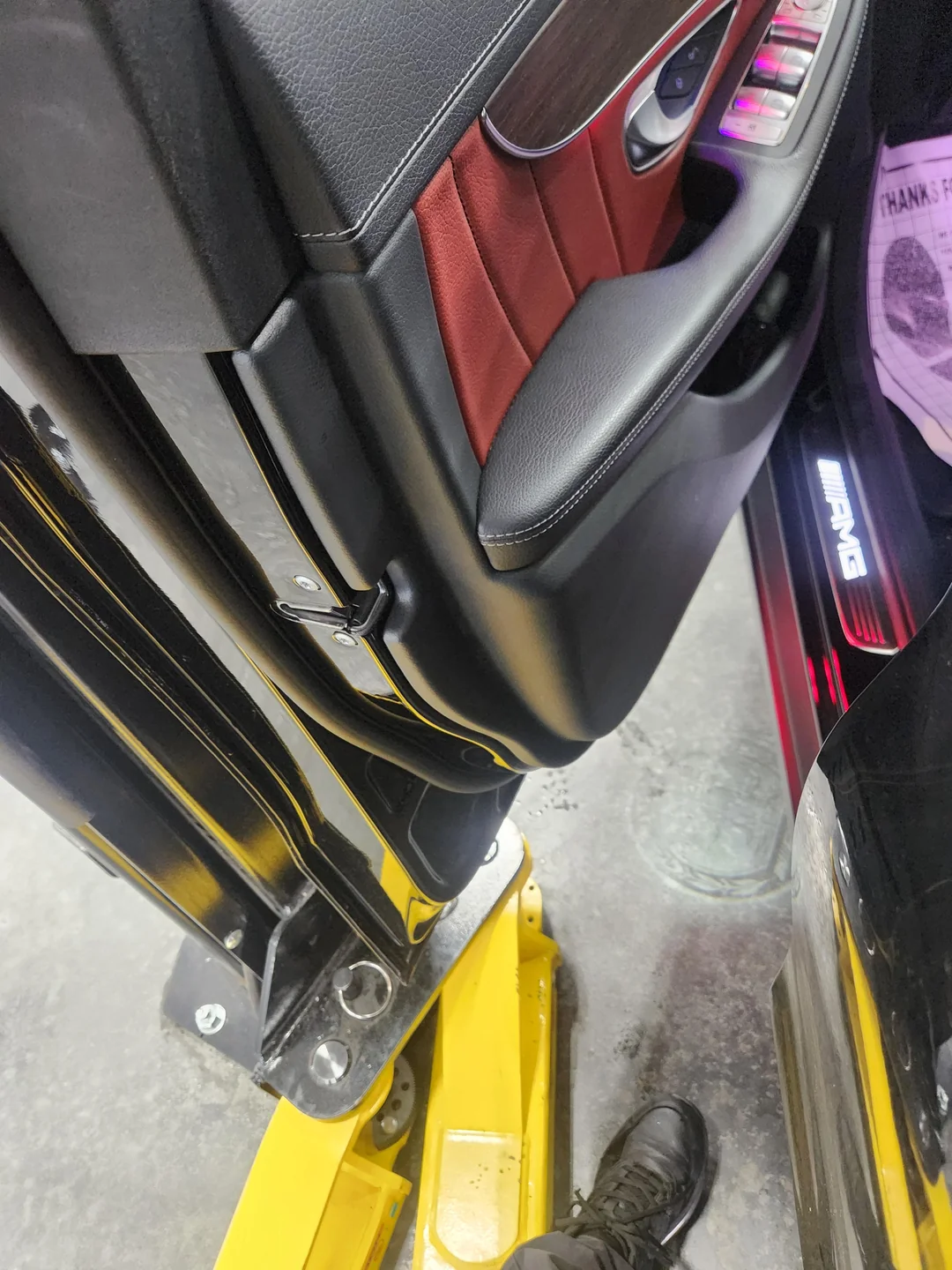
There’s an engine compartment ahead of the driver and a trunk or cargo area behind. But what substantial buffer exists beside an occupant? Not much. Side crashes leave precious little crush space, so stronger doors, structural beams, and eventually tougher side-impact standards were developed to reduce how deeply another vehicle could intrude into the passenger compartment.
Sign up for our newsletter
9. Airbags
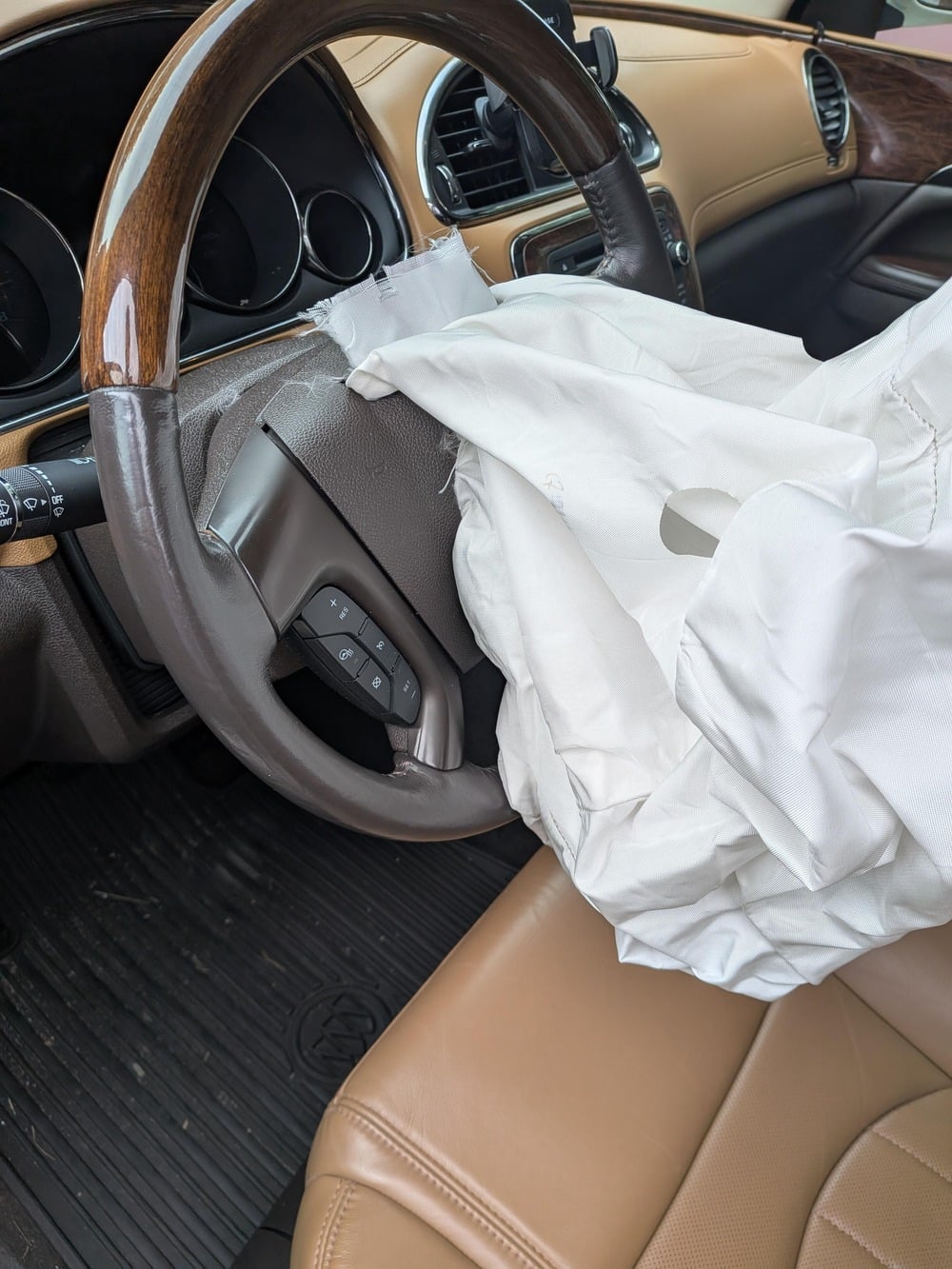
Airbags didn’t suddenly appear after one defining crash. Their development stretched from early patents through practical crash-sensing systems and eventually federal requirements. The crucial detail is that they were never meant to make seat belts obsolete. Airbags supplement belts, adding another layer of frontal occupant protection when a collision becomes unavoidable.
10. Anti-Lock Brakes
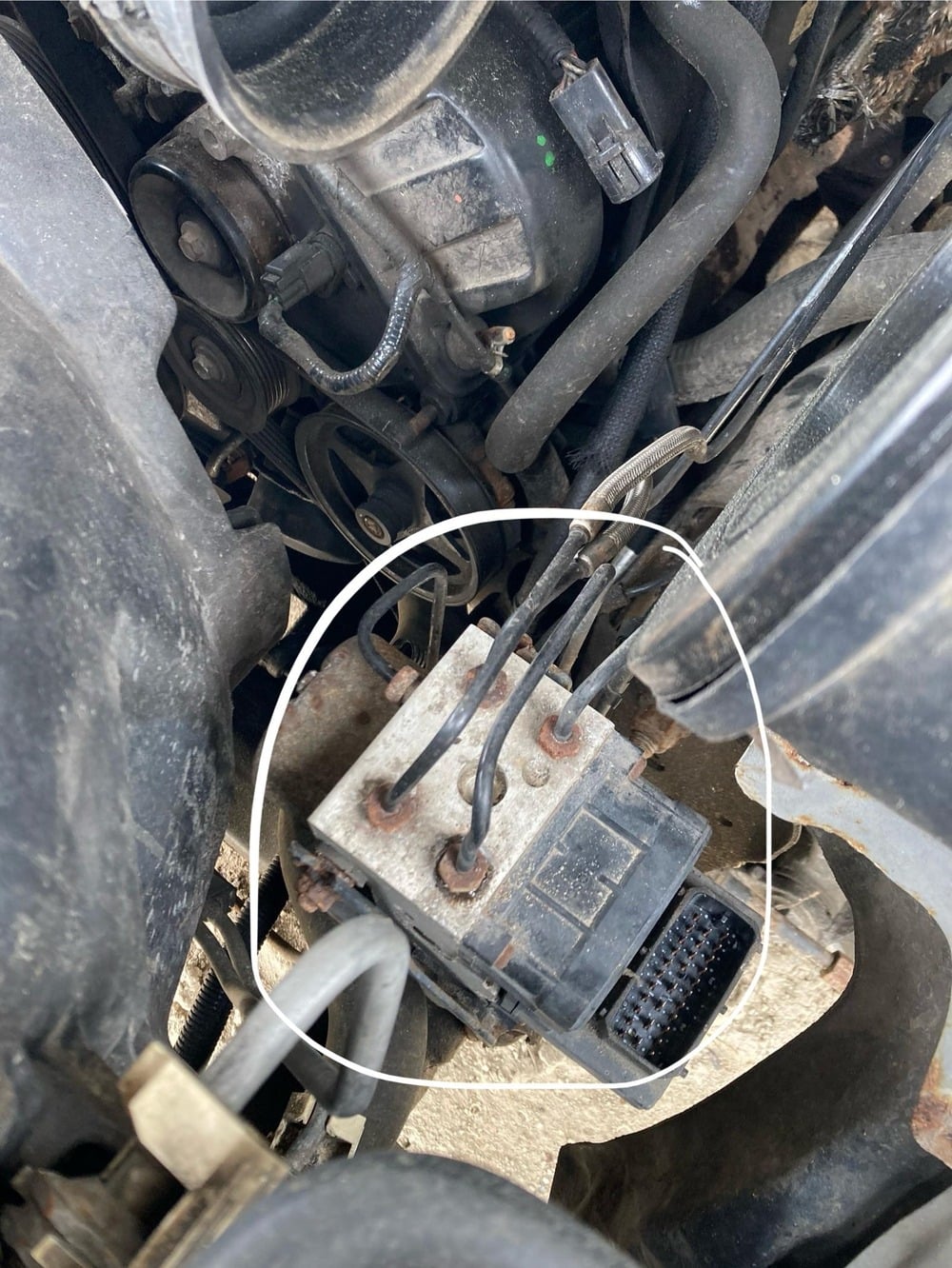
Car safety features don´t only protect occupants after impact; some were created to help drivers retain control before one happens. Hard braking can lock conventional wheels, taking steering control with it. ABS rapidly modulates brake pressure so the wheels can keep rotating, helping a driver steer while braking aggressively instead of simply sliding toward trouble.
11. Center High-Mounted Stop Lamp
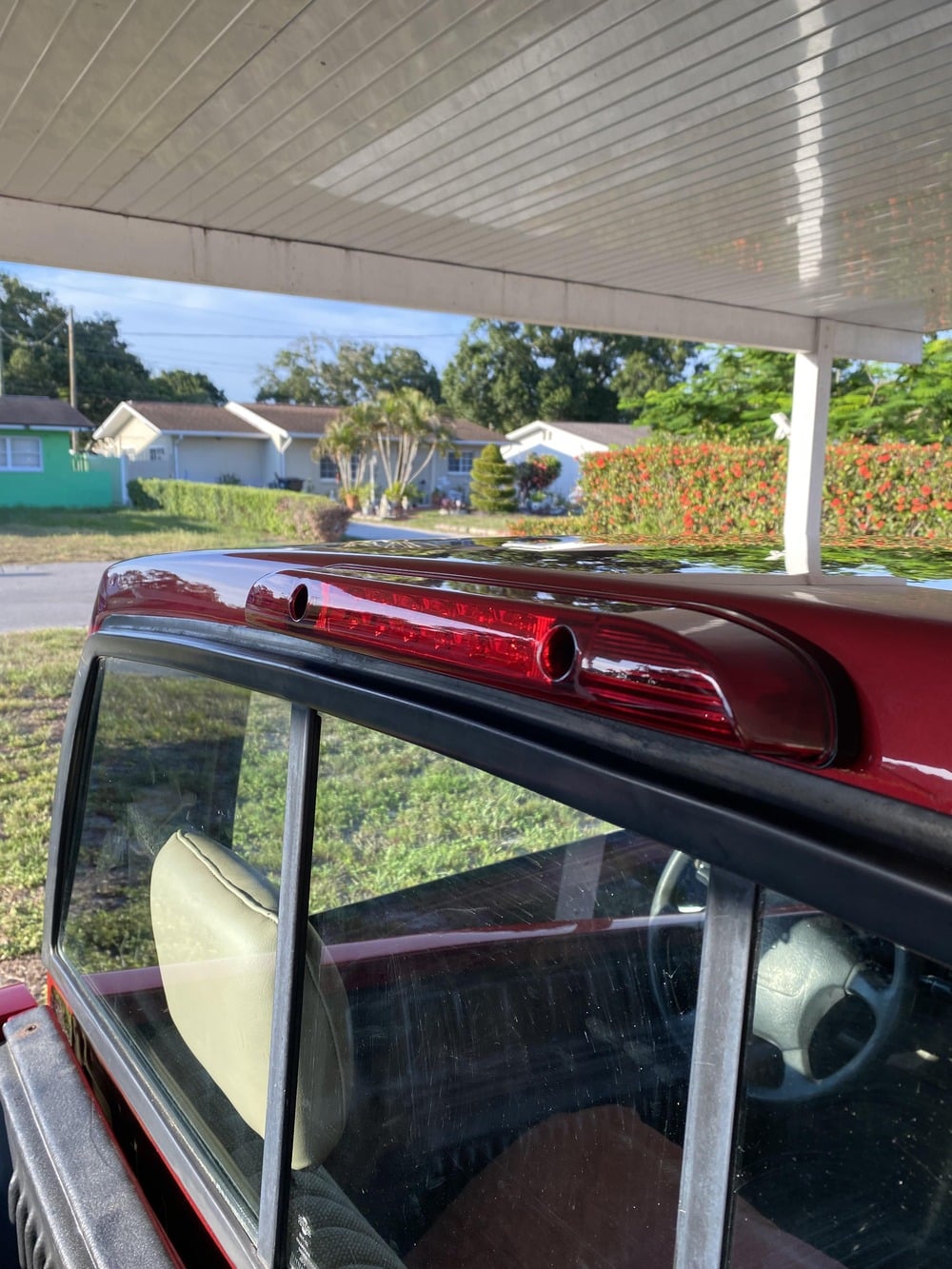
One extra red light sounds almost laughably simple. Could placing it higher really help prevent crashes? Rear-end collision research supported exactly that idea, putting a third brake lamp high and centrally where following drivers could spot it more easily. The feature became mandatory on U.S. passenger cars manufactured on or after September 1, 1985.
12. Electronic Stability Control
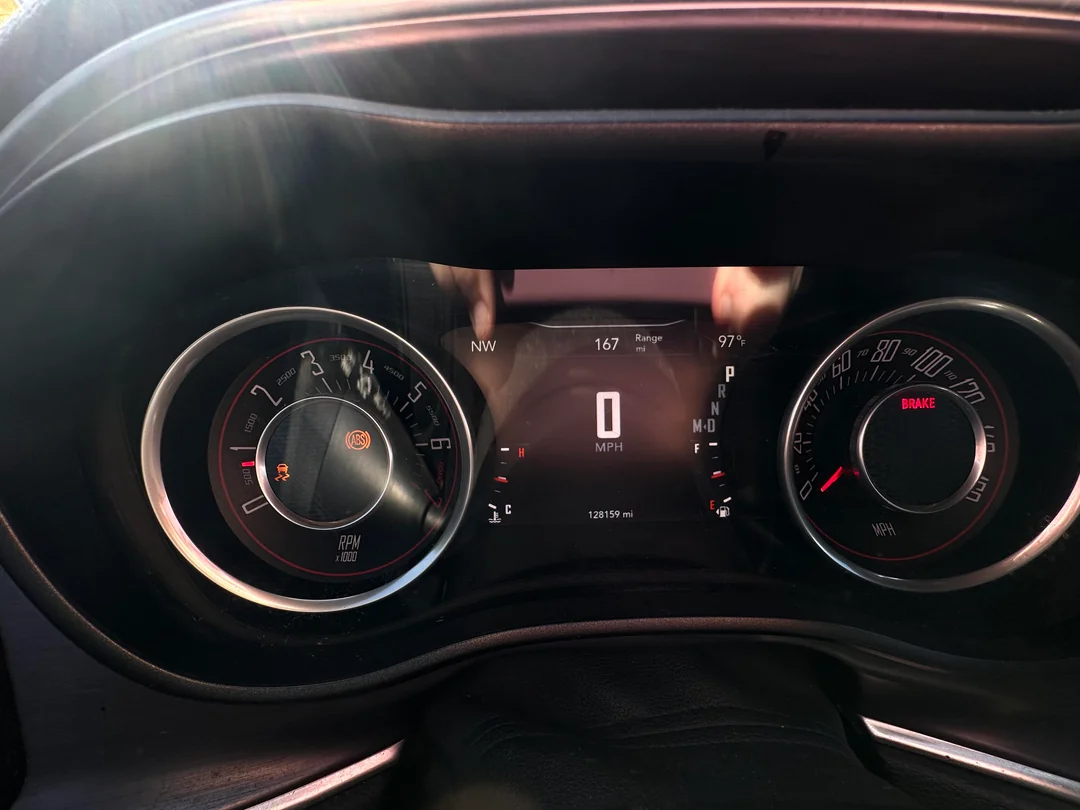
A driver turns the wheel, but the car begins heading somewhere else. That’s the dangerous mismatch electronic stability control was designed to fight. Loss-of-control and rollover crashes helped drive its adoption, with ESC selectively braking individual wheels to help keep a vehicle on its intended path. In the U.S., it has been required on all new cars since September 1, 2011.
13. Tire Pressure Monitoring Systems
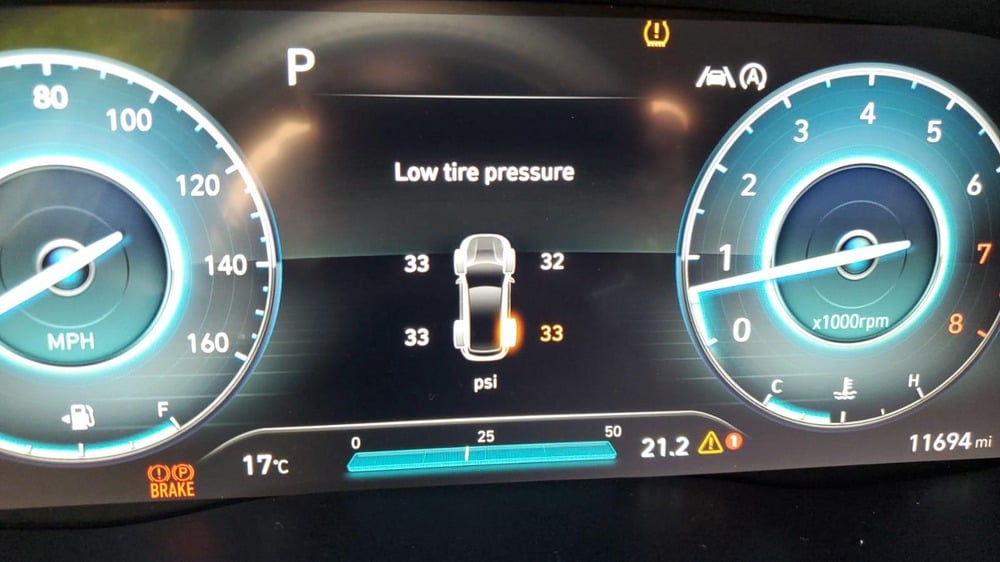
That little tire-shaped warning light carries a much longer history than its dashboard footprint suggests. The Firestone/Ford tire crisis and the 2000 TREAD Act helped drive the federal requirement for tire-pressure monitoring systems, giving drivers an automatic warning when tires become significantly underinflated instead of expecting them to discover the problem themselves.
14. Stronger Fuel-System Integrity
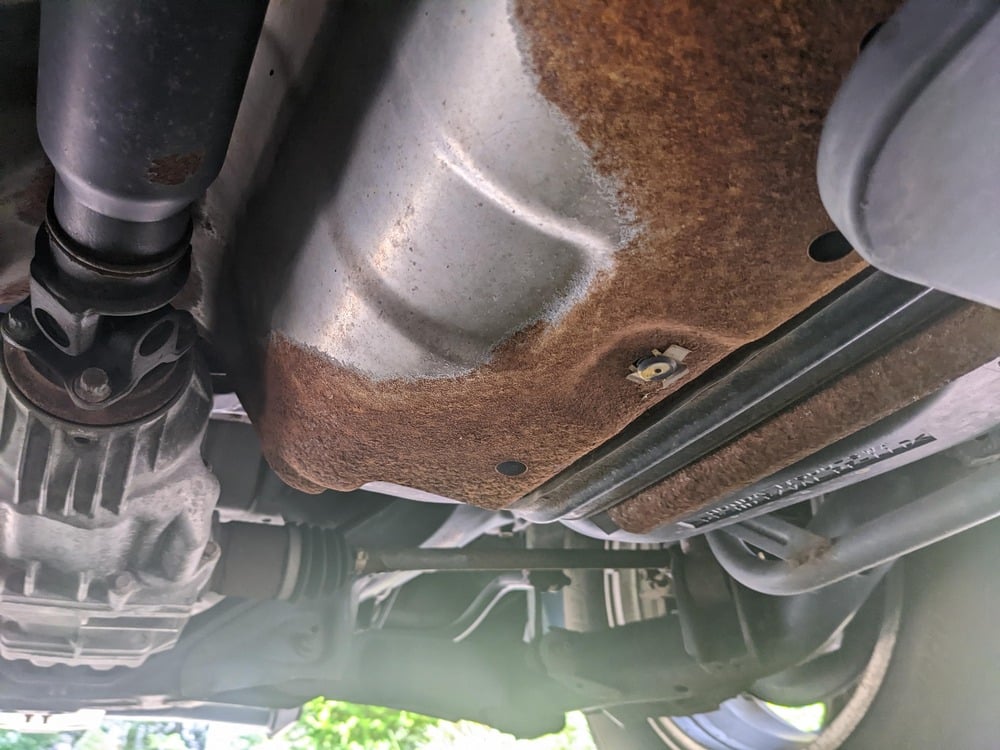
A vehicle has stopped moving after a collision, so the danger is over, right? Post-crash fires demonstrated why the answer can be no. Fuel leakage became an important safety target, pushing federal standards toward better fuel-system performance in rear and side impacts. The goal was to prevent the initial collision from developing into an entirely different emergency afterward.
15. Side-Curtain Airbags
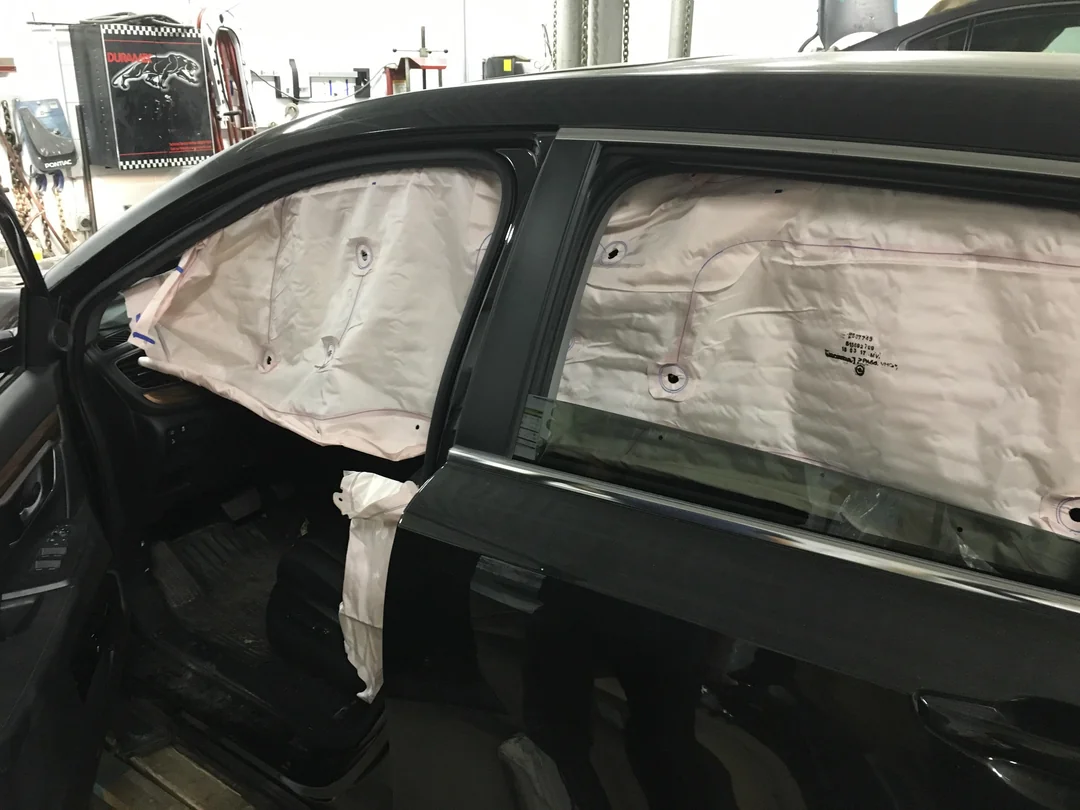
Once frontal airbags became familiar, another vulnerability remained painfully obvious: the sides of the cabin. Head injuries during side impacts and rollovers pushed airbag protection beyond the steering wheel and dashboard. Side-curtain airbags deploy along the windows and roof rail, adding cushioning where occupants otherwise have comparatively little vehicle structure separating them from an impact.
16. Stronger Roof-Crush Protection
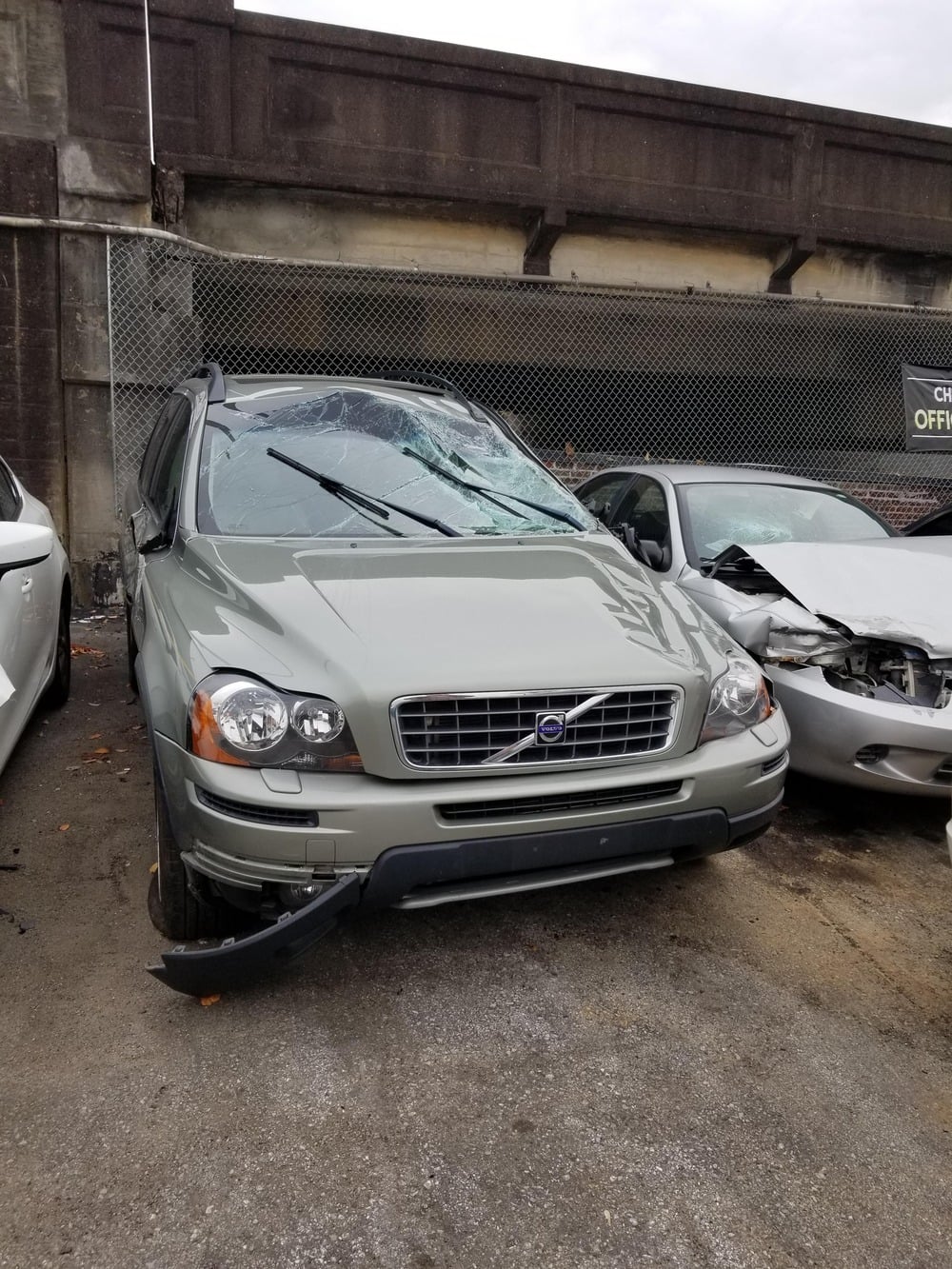
Imagine the car’s own weight becoming part of the threat. That’s what can happen in a rollover when the roof is forced toward the passenger compartment. Rollover injuries highlighted the need for stronger roof structures capable of better preserving survival space. The lesson was straightforward: occupants need room around them even when the vehicle ends up somewhere no car is supposed to be.
17. Child Safety Seats
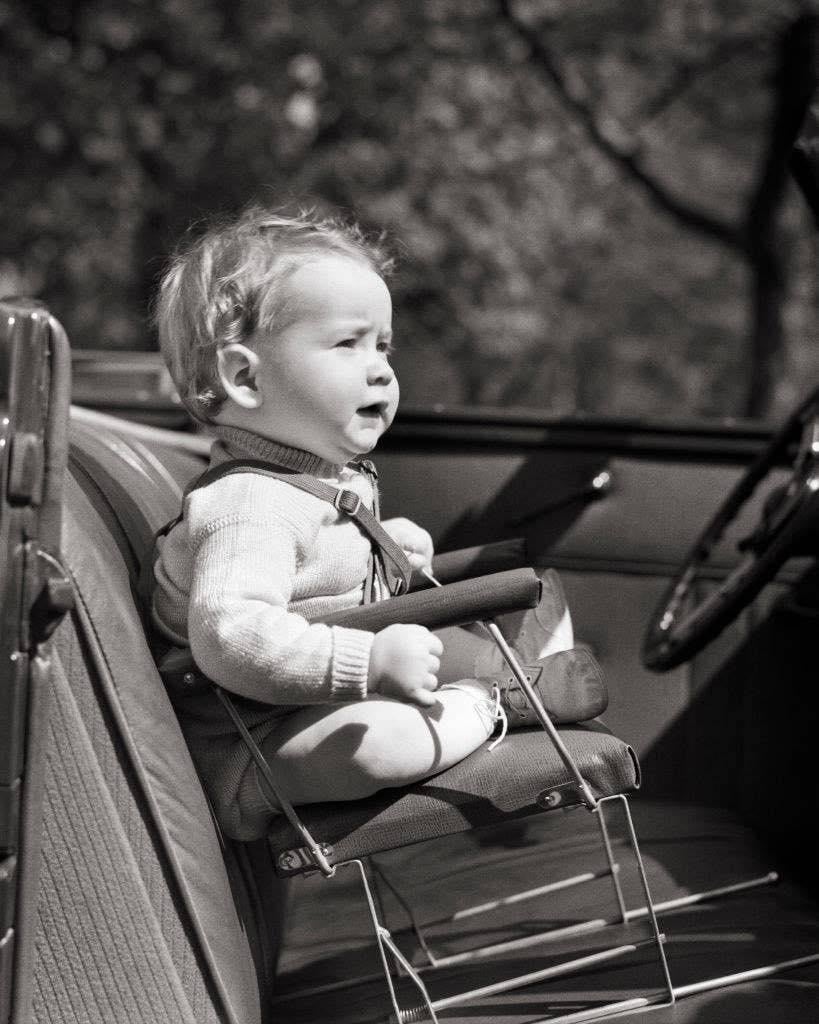
Children aren’t simply smaller adults, and crash protection eventually had to acknowledge that. Adult seat belts don’t fit infants and small children correctly, so child-specific restraints evolved around their different proportions and vulnerabilities. Rear-facing designs in particular addressed the need to protect young passengers in ways an ordinary adult restraint simply couldn’t.
18. LATCH Child-Seat Anchors
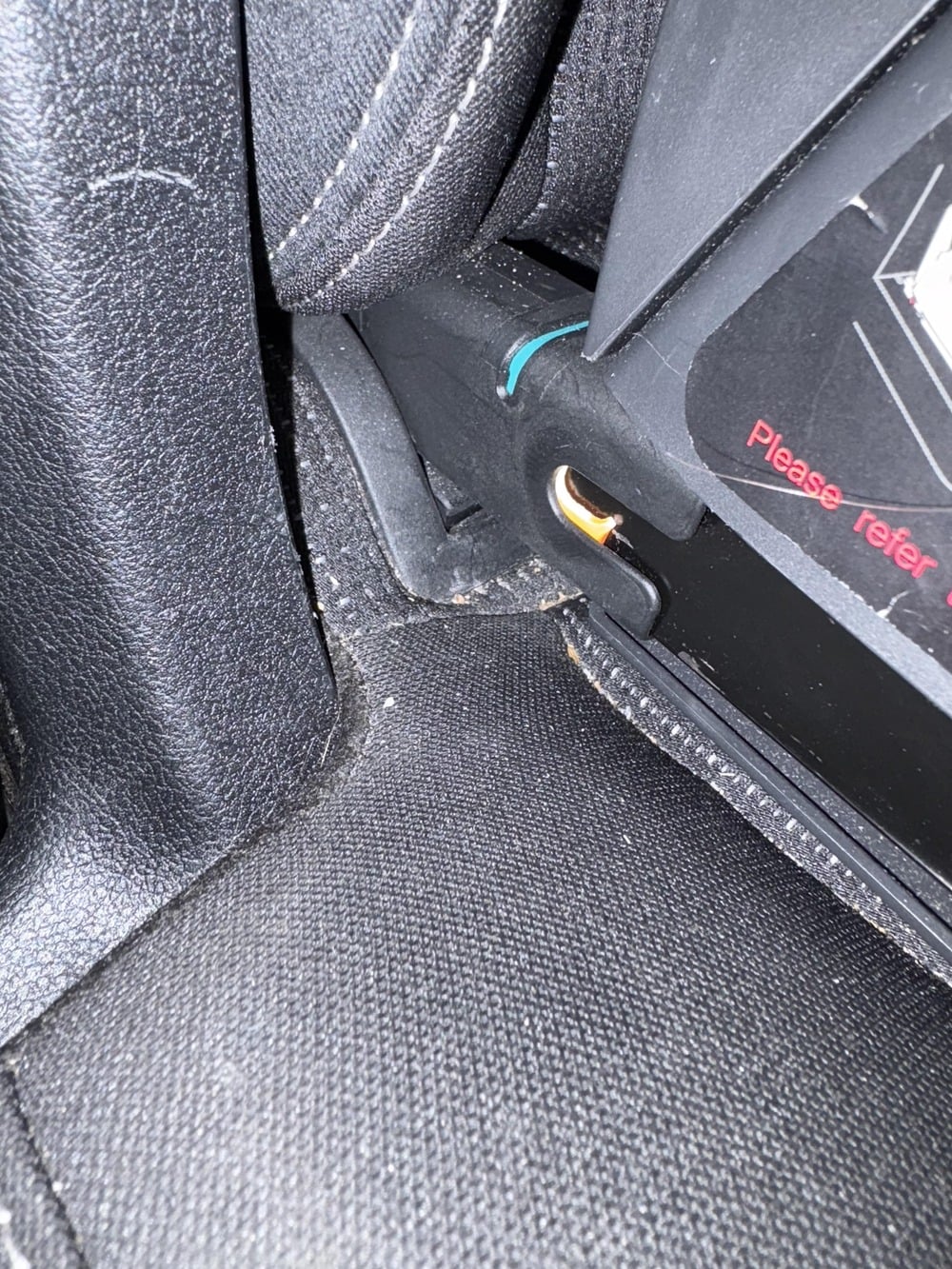
The child seat could be perfectly engineered and still have one frustrating weakness: installation. Seat-belt installations could be confusing and prone to errors, helping motivate standardized lower anchors and tethers. LATCH gave compatible child restraints dedicated attachment points, making one of the most important pieces of safety equipment in the car easier to secure correctly.
19. Backup Cameras
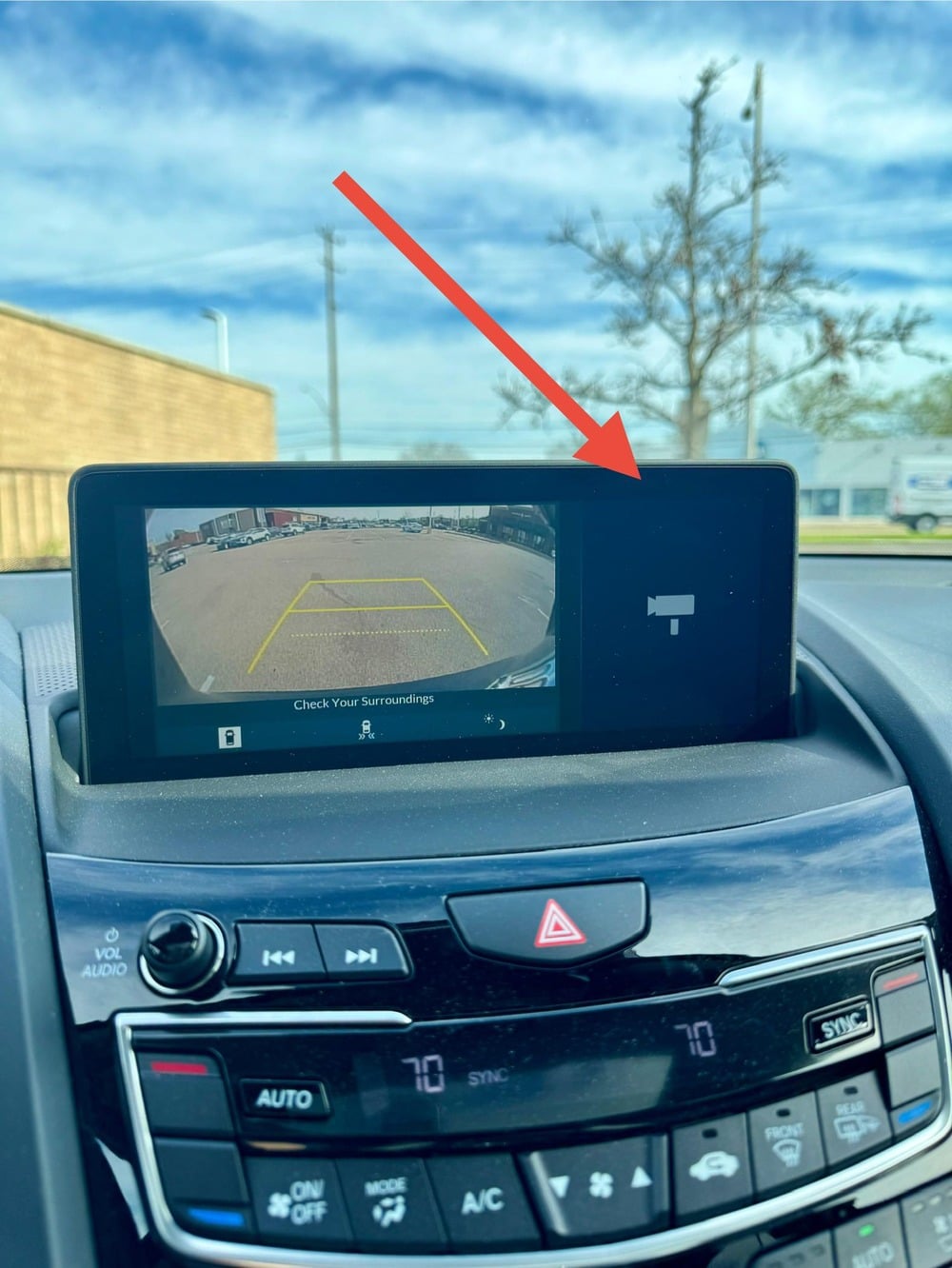
Most drivers first appreciated backup cameras for making parking easier, but convenience wasn’t the reason they became mandatory. Backover crashes, particularly those involving children, drove federal rear-visibility action. What could a driver do about a hazard completely hidden behind the vehicle? Rearview video offered an answer, and the systems became required on new U.S. light vehicles by May 2018.
20. Automatic Emergency Braking
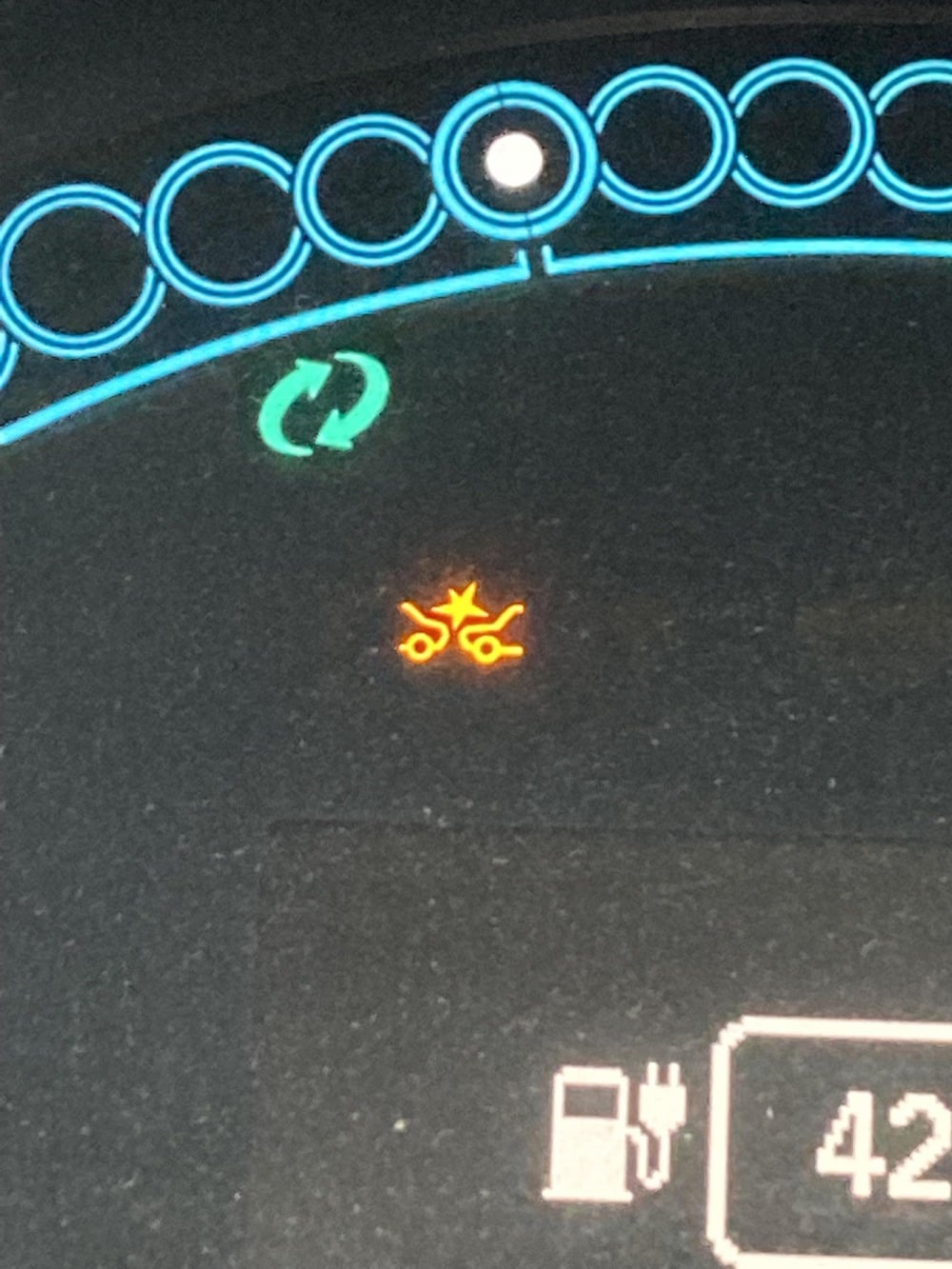
The newest evolution of crash safety increasingly happens before the crash. Persistent rear-end and pedestrian collisions led to systems capable of detecting an imminent impact and automatically applying the brakes when the driver doesn’t respond quickly enough. Instead of merely reducing injuries once contact occurs, automatic emergency braking represents a larger shift toward stopping some collisions from happening at all.
Cars didn’t become safer because engineers solved one enormous problem. They became safer because crashes kept exposing smaller ones: dangerous glass, intrusive steering columns, locked wheels, collapsing roofs, poorly fitting restraints, and hazards drivers couldn’t see. Today’s vehicle is essentially a rolling archive of those lessons, with each familiar protection carrying the same question that has shaped automotive safety for generations: what went wrong last time, and how do we stop it from happening again?
Keep Exploring The Scroller
Everyday objects have histories hiding in plain sight, and some of the most ordinary features around us were shaped by surprisingly high-stakes problems. Keep exploring The Scroller for more forgotten inventions, engineering turning points, and familiar things with backstories far stranger than they first appear:
16 Vintage Cars With Features That Never Caught On
16 Cars From the 1980s and the Pop-Up Headlights That Defined Their Look