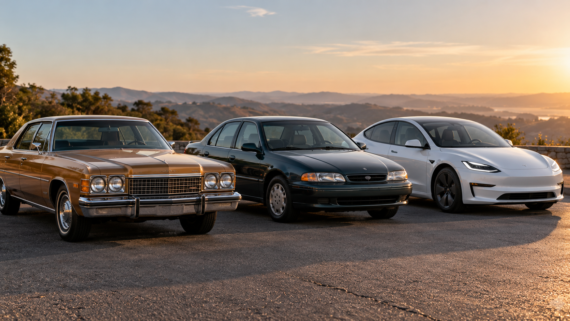
Cars have come a long way since the days when driving meant handling everything yourself, from checking tire pressure to figuring out why the engine was making that weird noise. And while horsepower gets plenty of attention, some of the biggest automotive changes have happened behind the scenes.
Modern vehicles can spot hazards, diagnose mechanical problems, and even recover energy that older cars simply wasted. Here are 16 ways cars have changed that have little to do with how fast they can go.
Seat Belts Went From Optional Equipment to a Lifesaving Essential
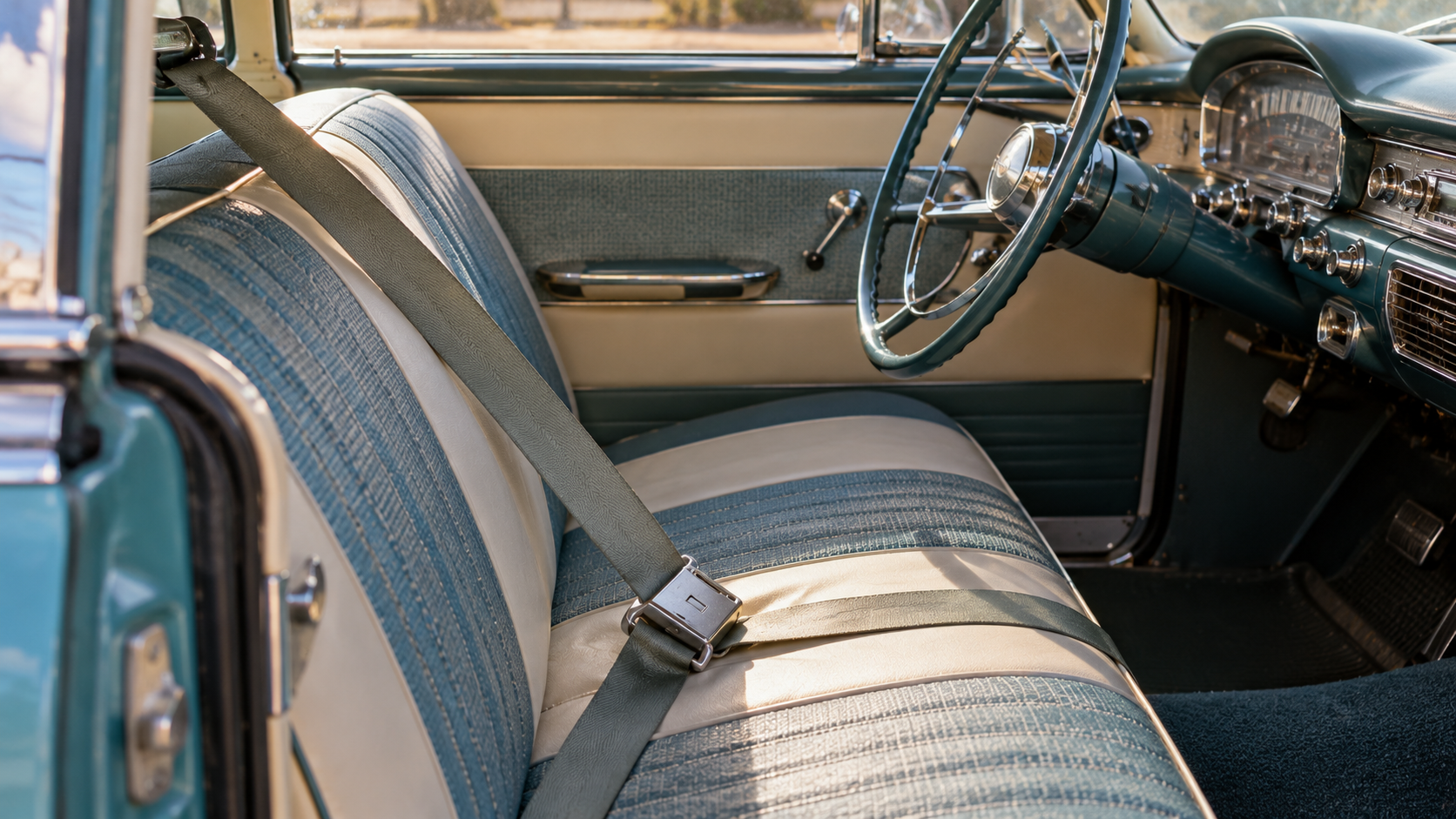
Today’s three-point seat belt is so ordinary that most drivers barely think about it. But NHTSA estimates that seat belts saved nearly 330,000 lives between 1960 and 2012. Modern systems can also tighten the belt during a crash to help restrain occupants. It’s one of those rare inventions that work best when you barely notice it.
Airbags Gave Cars a Built-In Cushion for Crashes
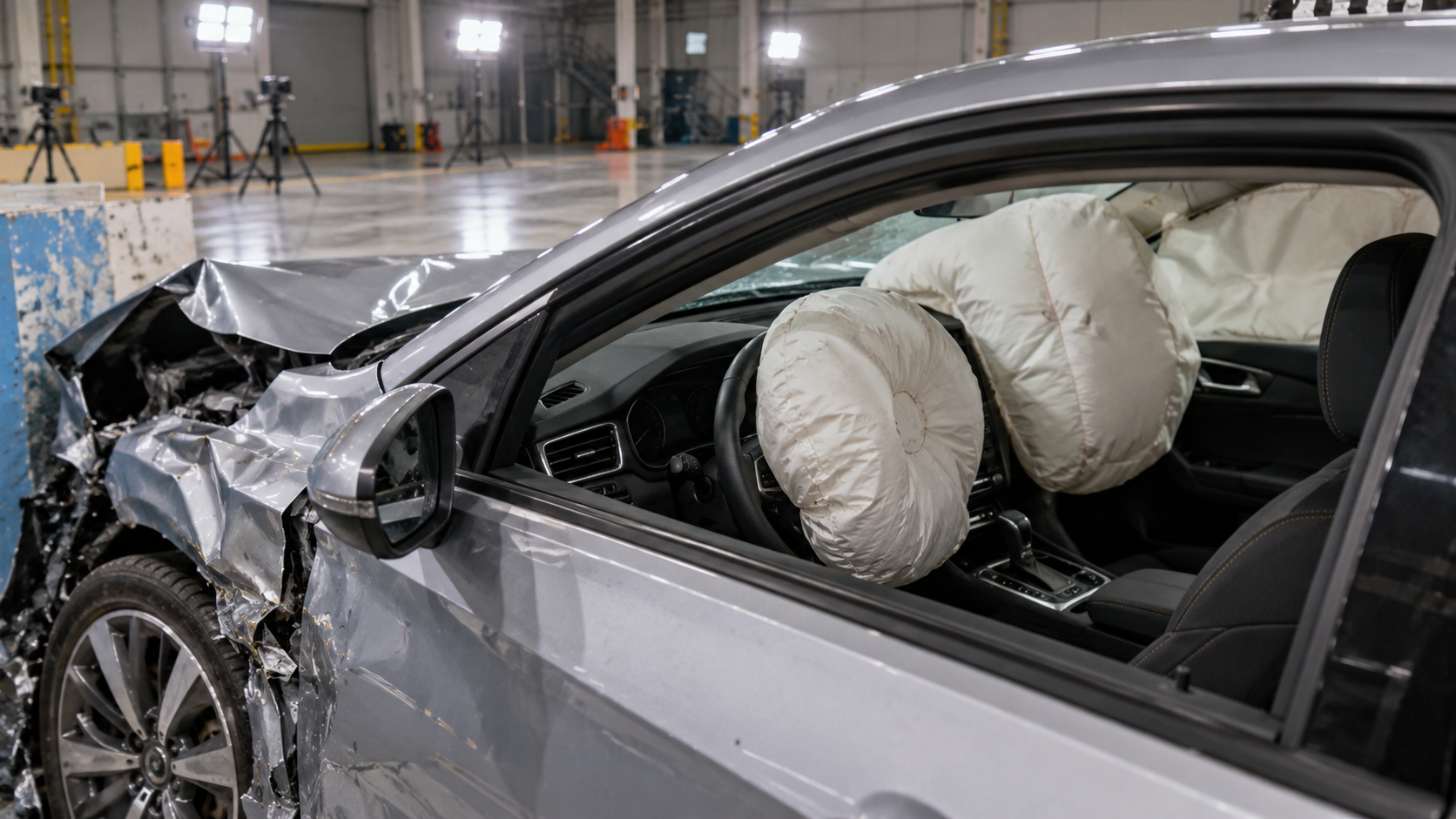
Airbags went from experimental technology to a standard part of vehicle safety. Dual frontal airbags became mandatory in new passenger cars starting with the 1998 model year and in new light trucks for 1999. Many vehicles now add side-impact and curtain airbags, too. Your car’s interior has become considerably better at cushioning a bad day.
Cars Can Help Correct a Skid Before Things Get Out of Hand
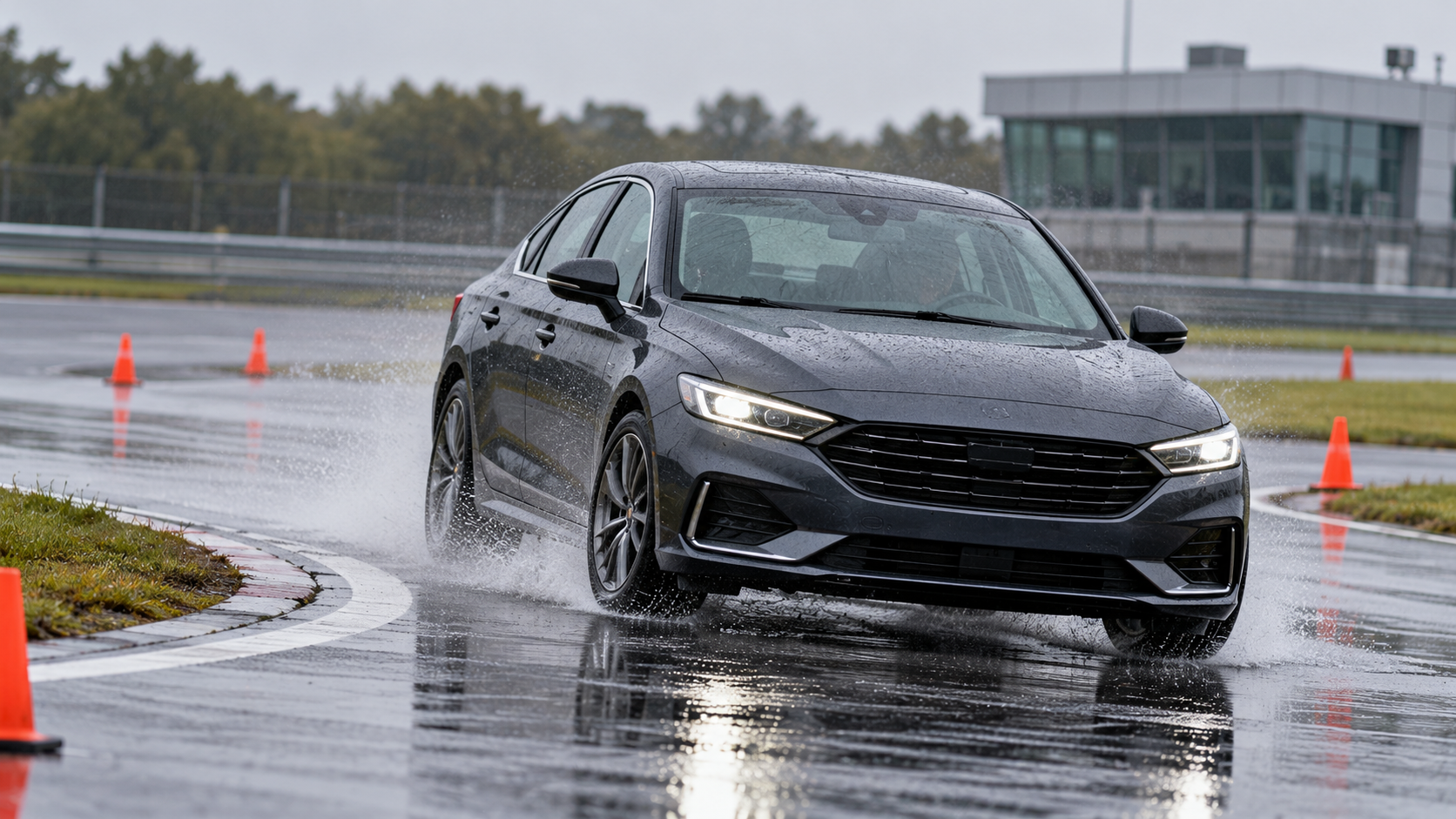
A sliding car once depended largely on the driver’s reflexes, steering, and throttle control to recover. Electronic stability control uses sensors and computer-controlled braking to help prevent spinouts and loss of control. It has been required on all new passenger vehicles since September 1, 2011. Basically, your car now has a digital backup plan for those moments when physics gets ambitious.
Backup Cameras Made Reversing Less of a Guessing Game
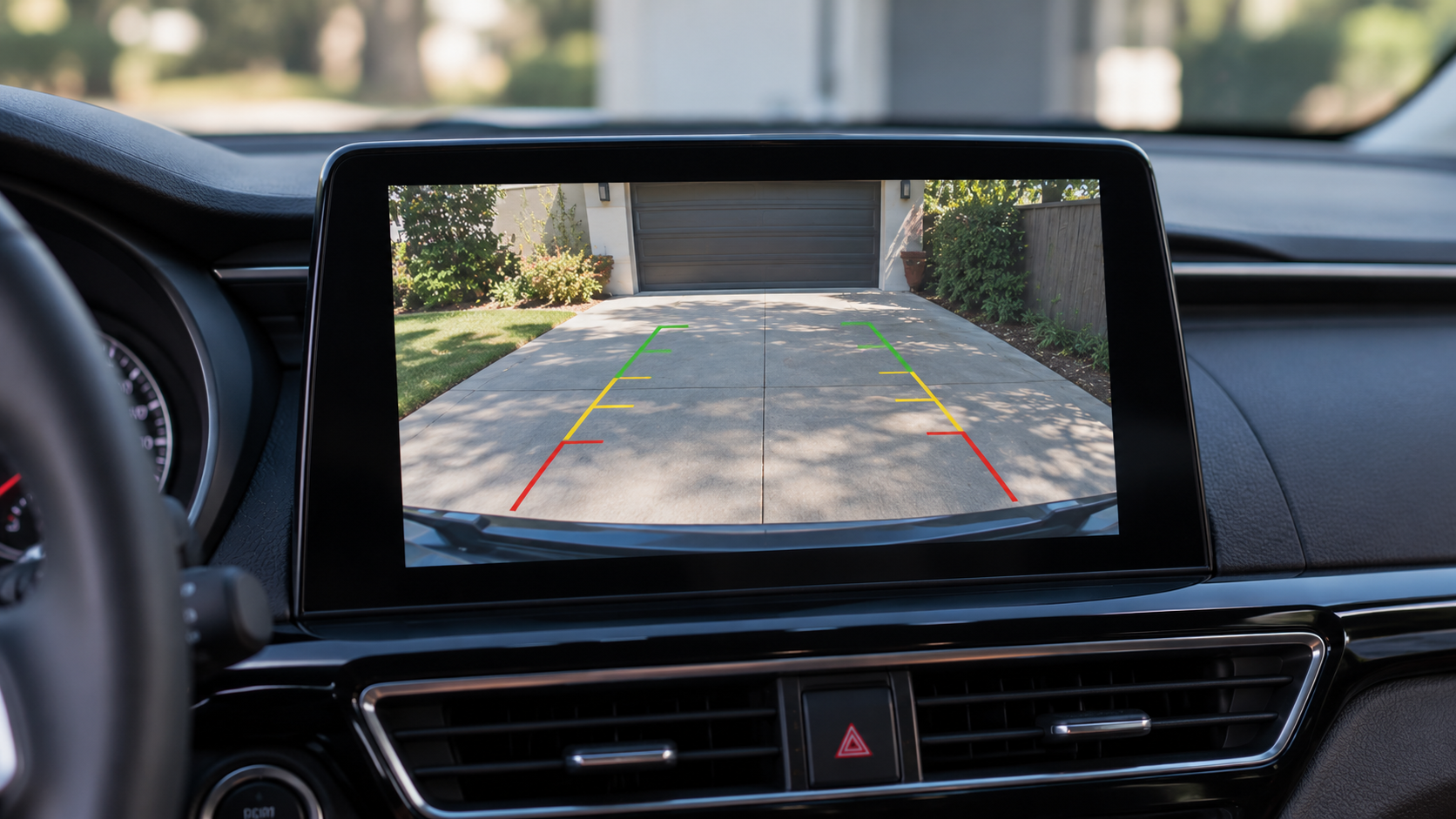
Before backup cameras, drivers had to rely on mirrors, turning around, and hoping nothing was hiding directly behind the vehicle. Federal rules made rearview video systems standard on new vehicles beginning May 1, 2018. They provide a view of areas that can be difficult to see from the driver’s seat. Parallel parking still isn’t everyone’s favorite activity, but at least the guesswork has improved.
Your Car Can Warn You When a Tire Loses Pressure
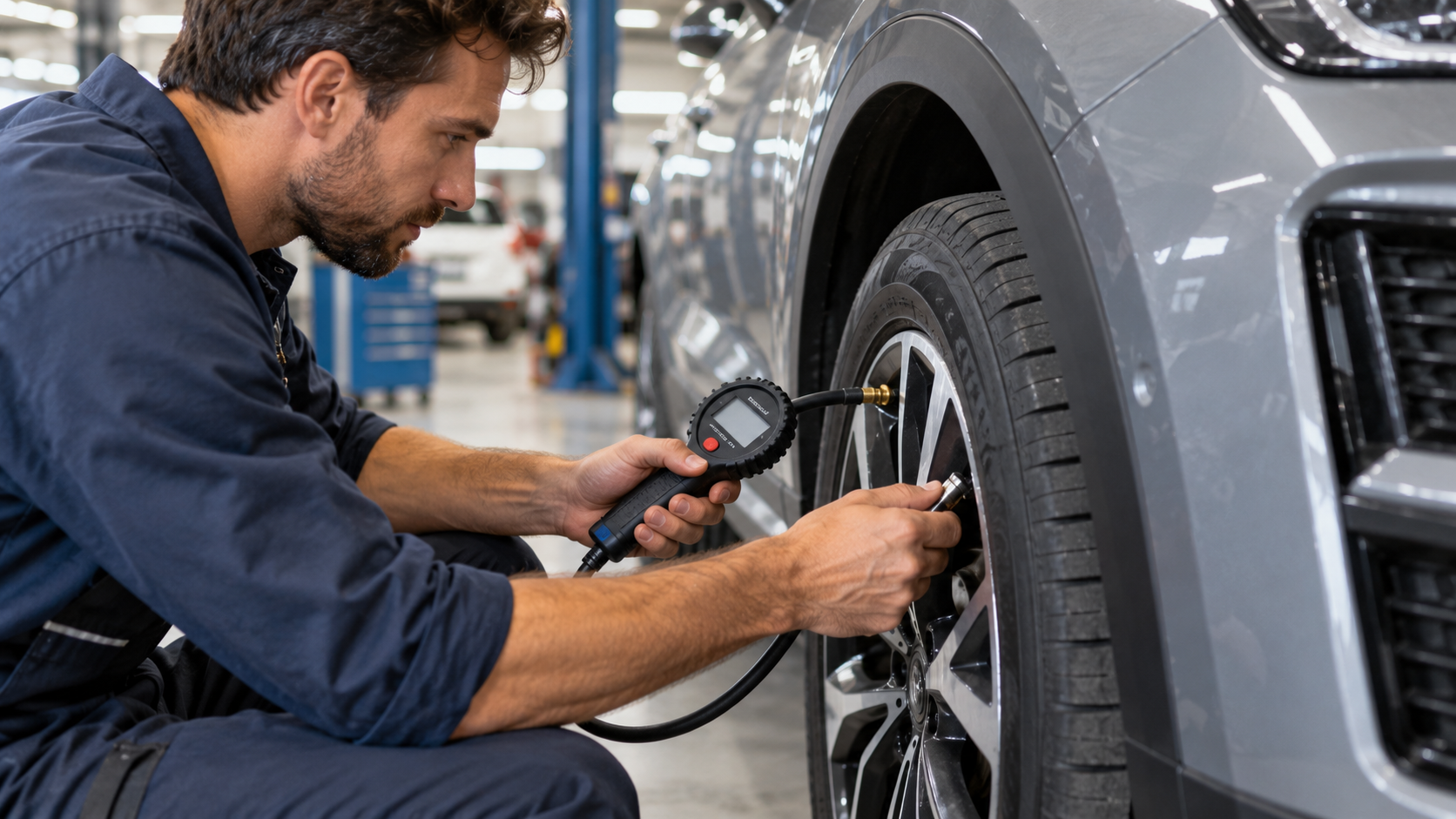
Drivers used to check tire pressure manually or wait until a tire looked noticeably soft. Tire-pressure monitoring systems now use sensors to warn when pressure drops too low. Since the 2008 model year, passenger cars, light trucks, and vans sold in the U.S. have been required to include these systems. Your dashboard can now deliver the bad news before your eyes do.
Trending on The Scroller


Cars Can Keep an Eye on Your Blind Spots
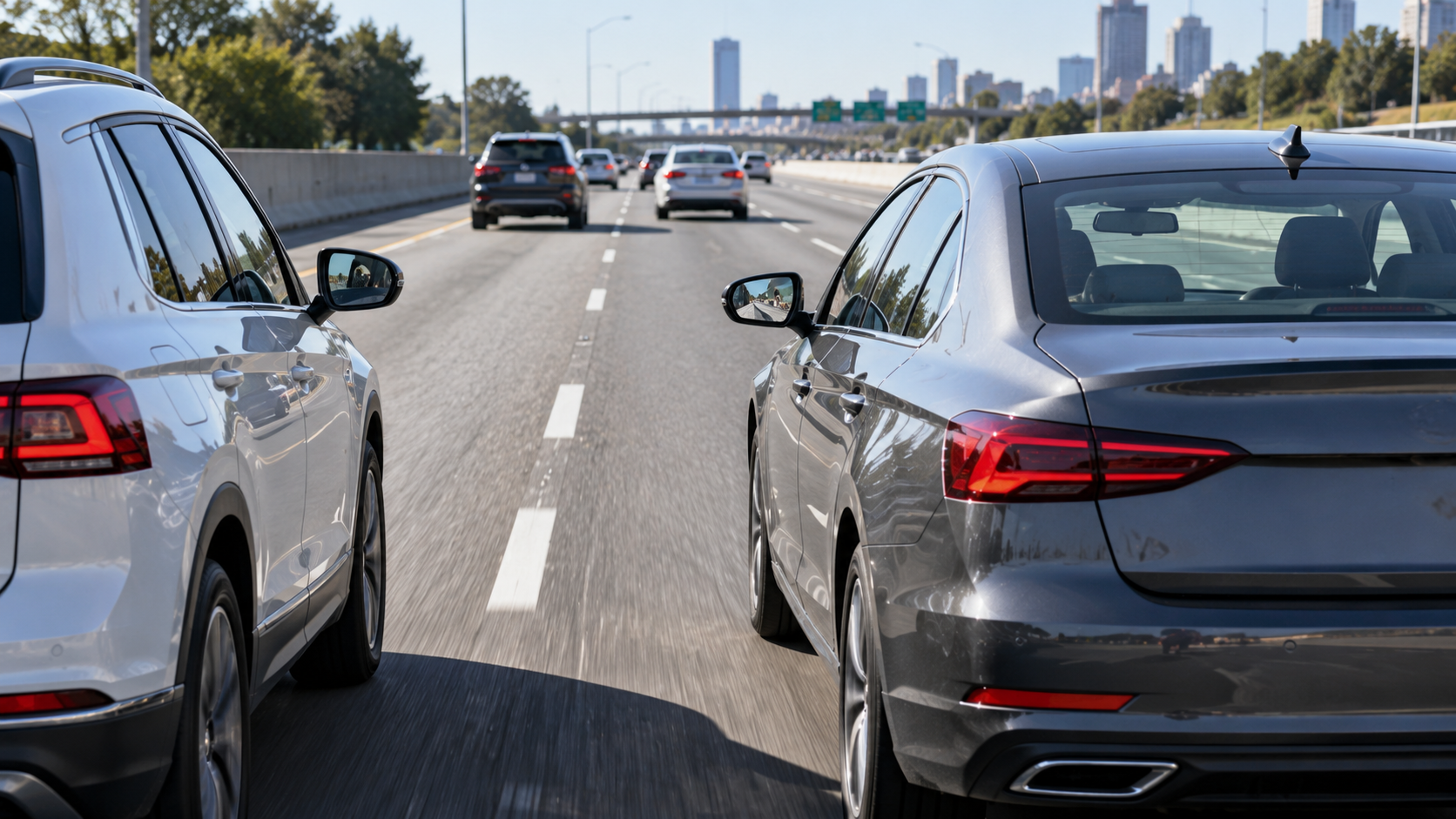
Checking mirrors and turning your head are still important, but modern cars can provide an extra set of eyes. Blind-spot monitoring systems use radar, cameras, or other sensors to detect vehicles traveling beside you and issue a warning. Older cars left this job entirely to the driver. Now, your vehicle can politely point out that changing lanes might be a terrible idea.
Some Cars Can Hit the Brakes Before You Do
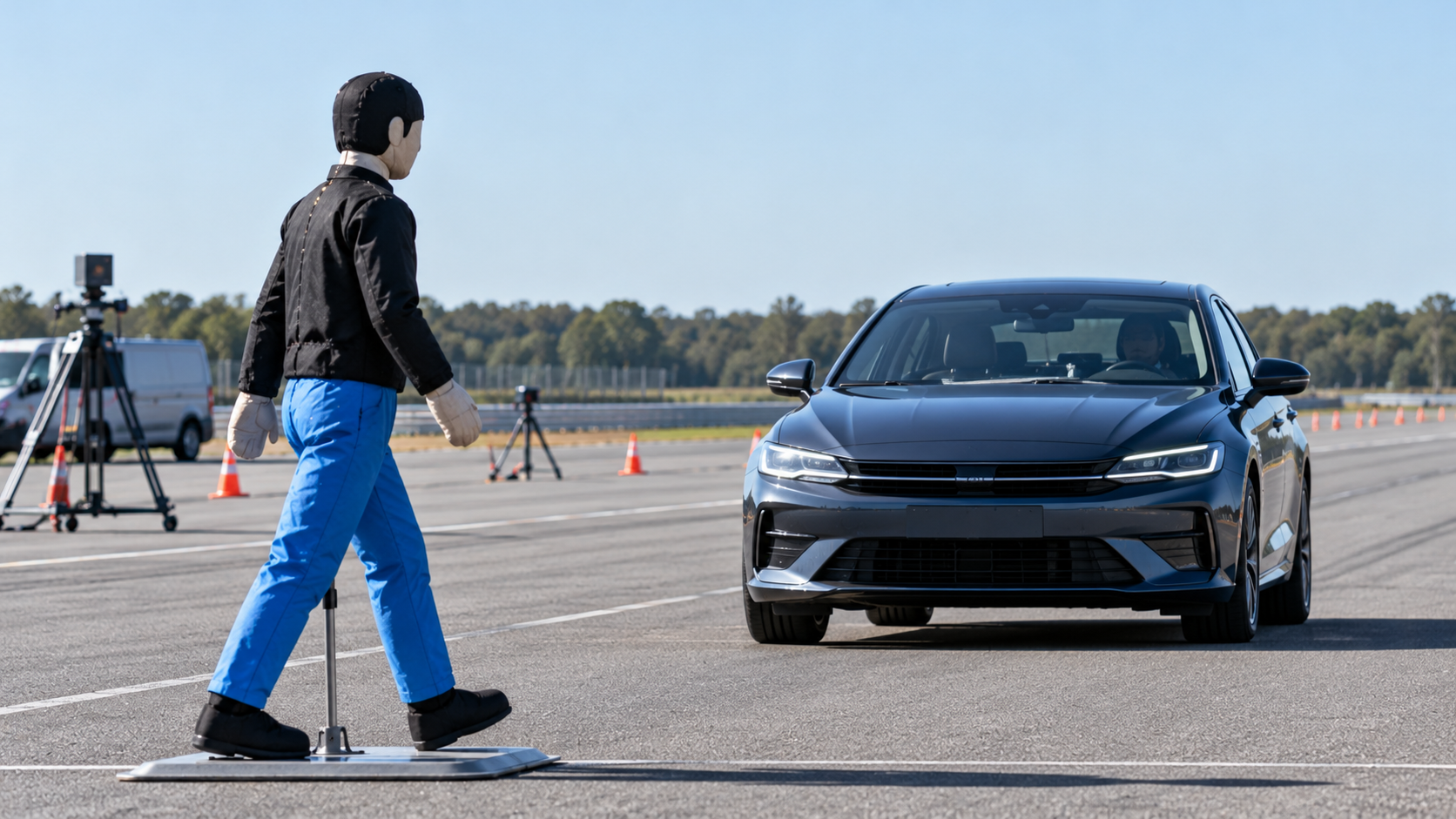
Modern driver-assistance systems can do more than beep when something goes wrong. Automatic emergency braking can detect an impending collision and apply the brakes if the driver doesn’t respond quickly enough. Related systems may also detect pedestrians or warn of forward collisions. It’s not a substitute for paying attention, but it’s a useful safety net when human reaction time falls short.
Fuel Economy Has More Than Doubled Since the 1970s
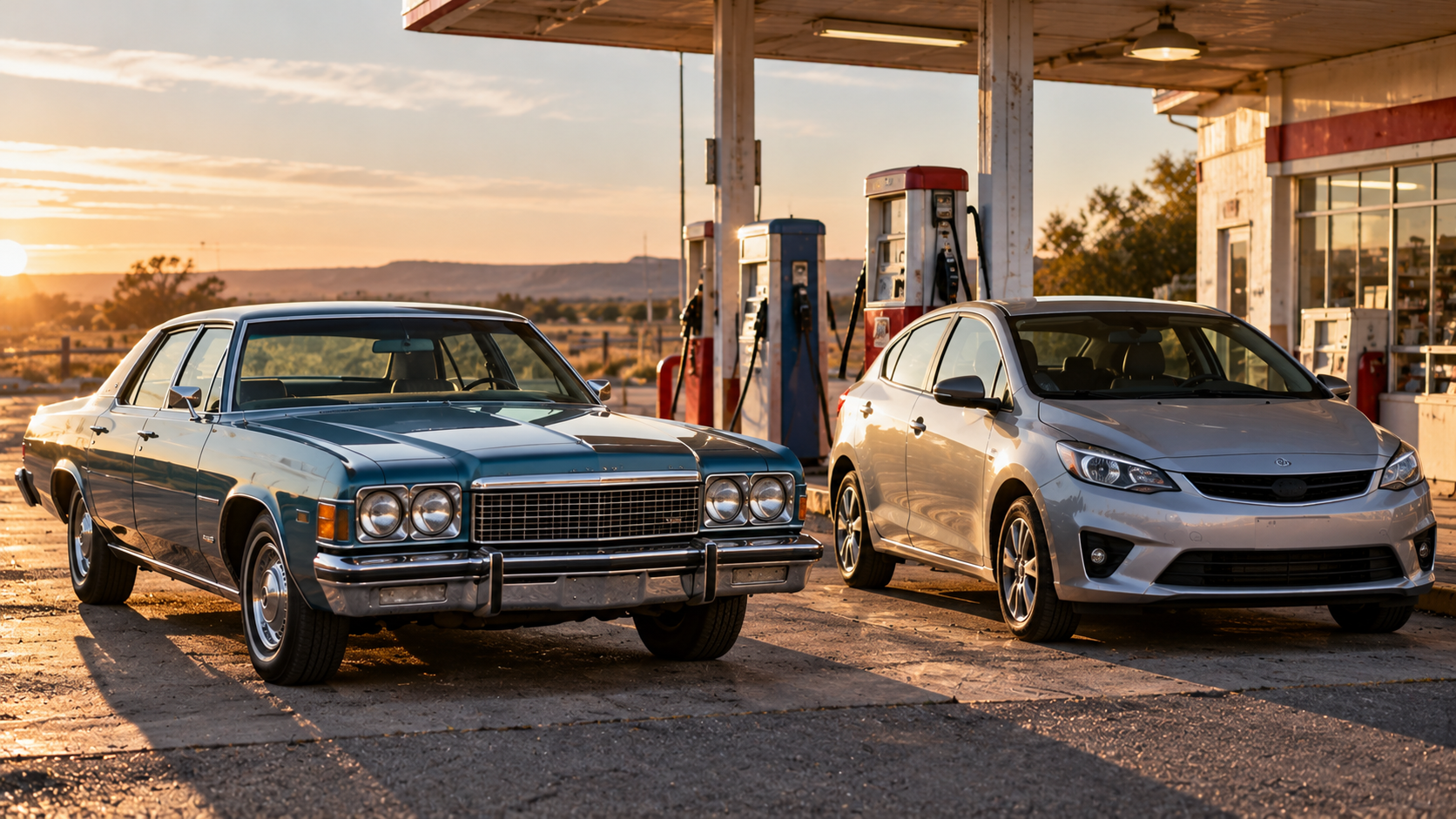
Cars haven’t just become more efficient in theory. According to EPA data, average estimated real-world fuel economy for new light-duty vehicles rose from 13.1 miles per gallon in 1975 to 27.2 mpg in 2024. That’s more than double the distance per gallon. Your grandparents’ car might have had plenty of character, but stretching a tank of gas probably wasn’t its strongest selling point.
Sign up for our newsletter
Cars Become More Powerful Without Sacrificing Efficiency
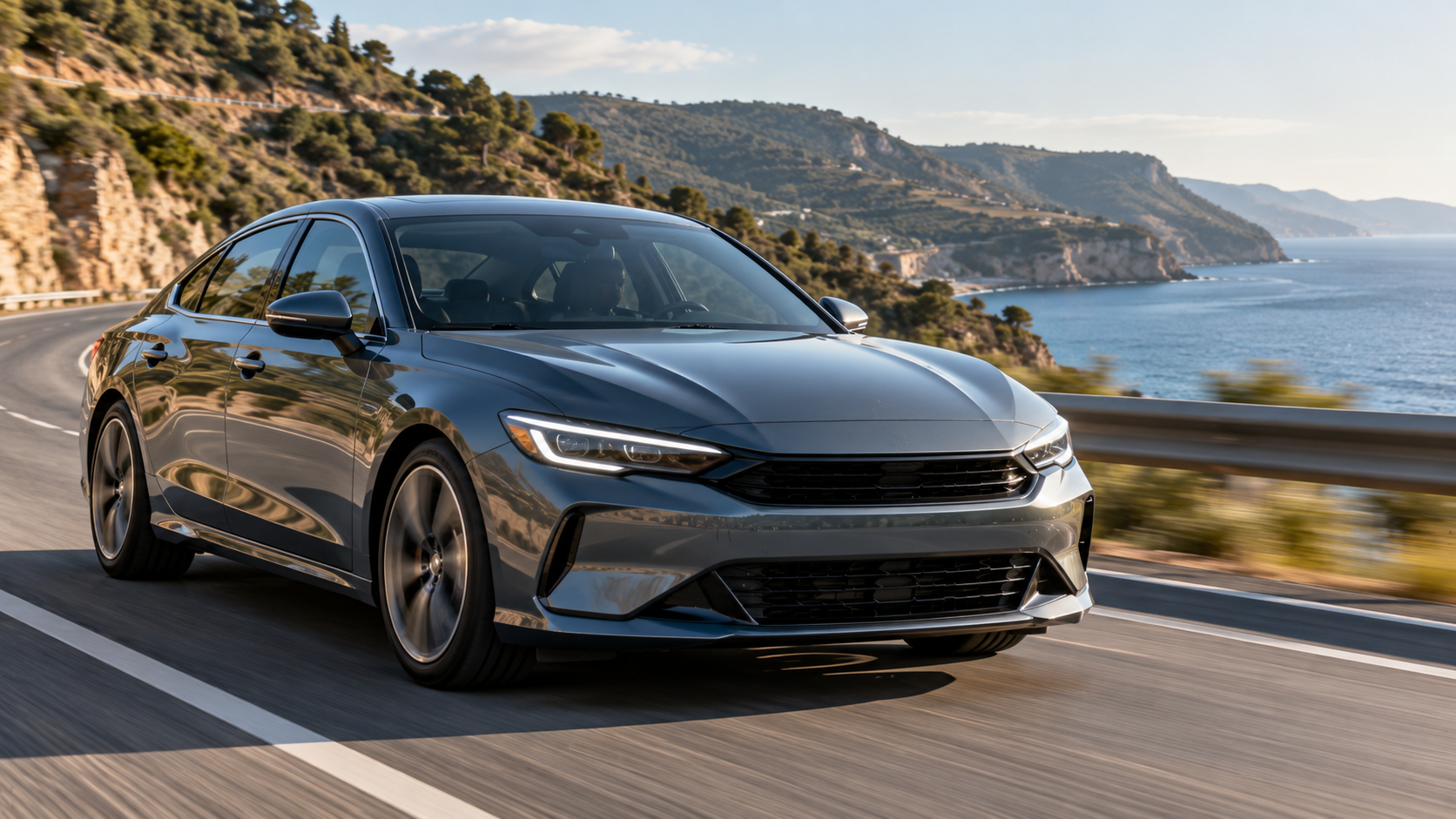
Better fuel economy didn’t require turning every car into a slow-moving box. The EPA’s 50-year analysis found that new vehicles became roughly twice as powerful and twice as fuel-efficient compared with the mid-1970s. Improvements in engines, transmissions, aerodynamics, electronics, and hybrid technology helped make both gains possible. Apparently, automotive engineers decided drivers could have their horsepower and save fuel, too.
Car Exhaust Became Dramatically Cleaner
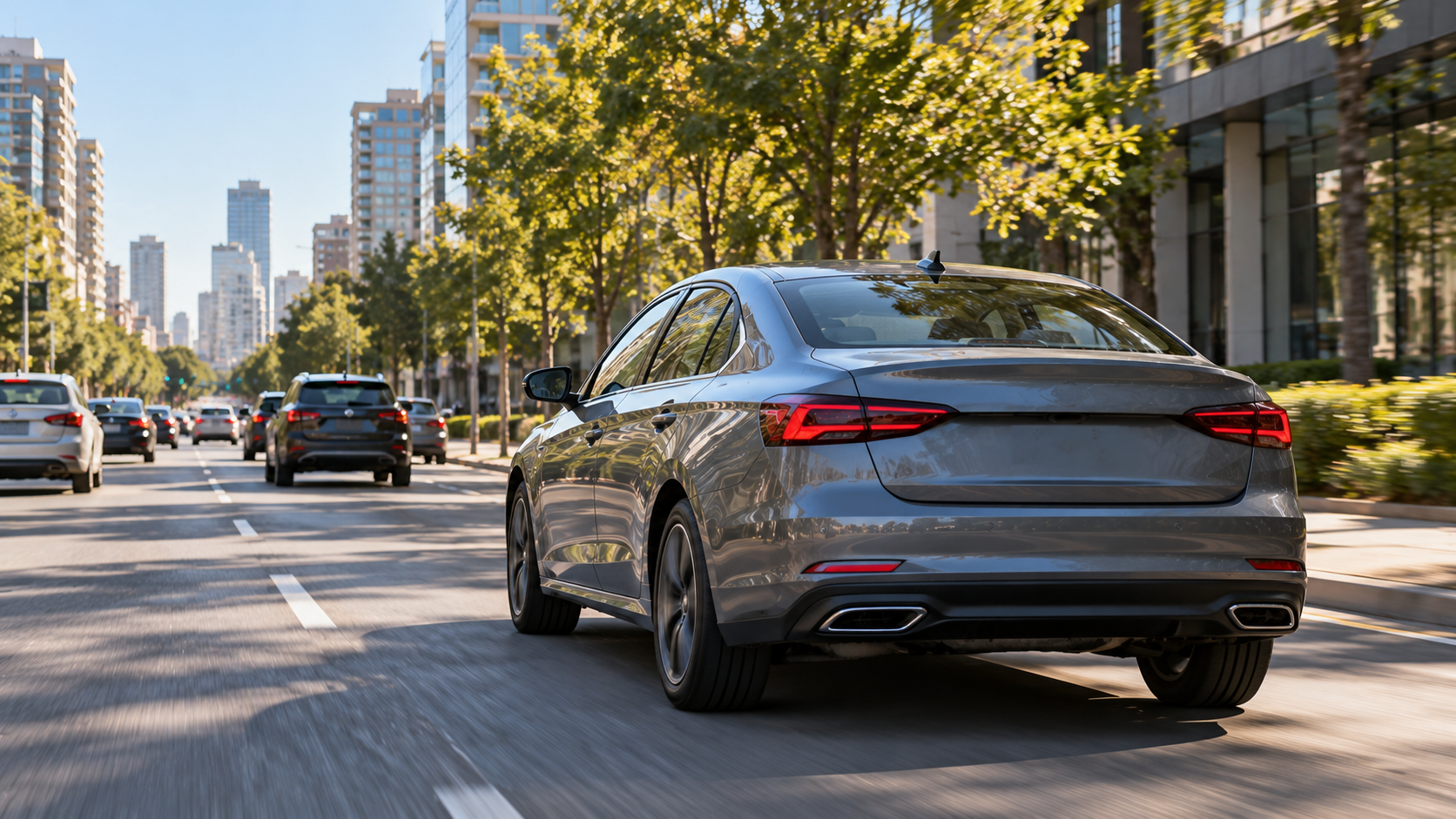
Vehicles from the early 1970s could release far more harmful pollution than modern cars. Stricter emissions standards encouraged the adoption of catalytic converters, cleaner fuels, oxygen sensors, and computerized engine controls. According to the EPA, today’s new vehicles are roughly 99% cleaner for common pollutants than those from 1975. It’s a major change that you can’t appreciate just by looking at a car’s paint job.
Cars Helped Push Leaded Gasoline Off American Roads
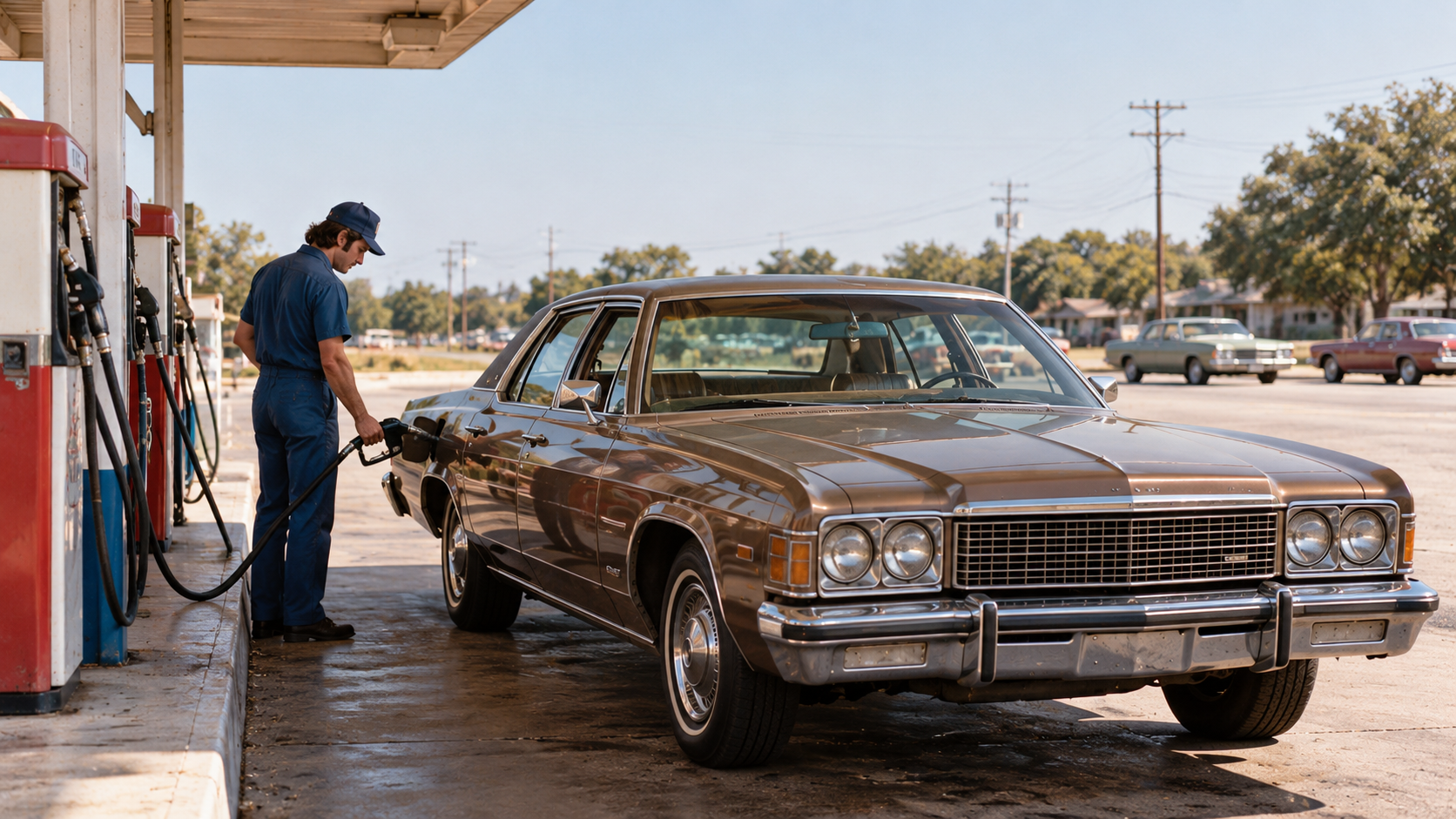
One of the biggest automotive changes happened at the gas pump. Catalytic converters introduced on 1975-model vehicles required unleaded gasoline, helping accelerate the move away from leaded fuel. Regulations steadily reduced lead during the 1970s and 1980s, and leaded gasoline for on-road vehicles was banned beginning January 1, 1996. Sometimes, progress means changing what’s going into the tank, not what’s coming out of the tailpipe.
Cars Became Computers That Can Diagnose Their Own Problems
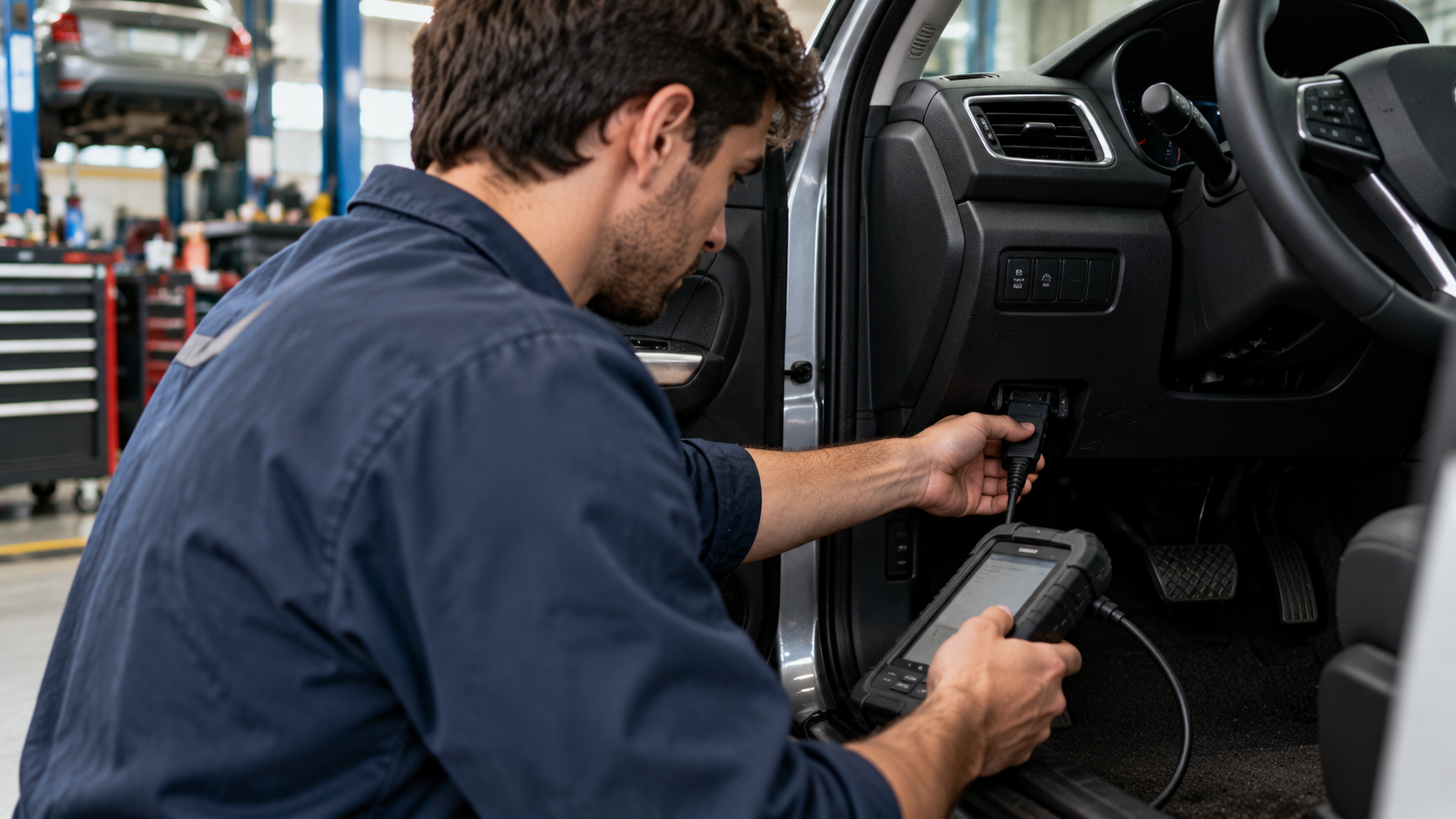
Older mechanics often relied on observation, testing, and experience to figure out what was wrong with a vehicle. Onboard computers gradually changed that process, and standardized diagnostics became required on 1996 and newer cars and light trucks. These systems can detect many faults, trigger the familiar Check Engine light, and store codes for technicians to retrieve. The light still doesn’t tell you exactly what’s wrong, though. Cars haven’t quite learned to explain themselves.
Hybrids Learned to Reuse Energy That Older Cars Wasted
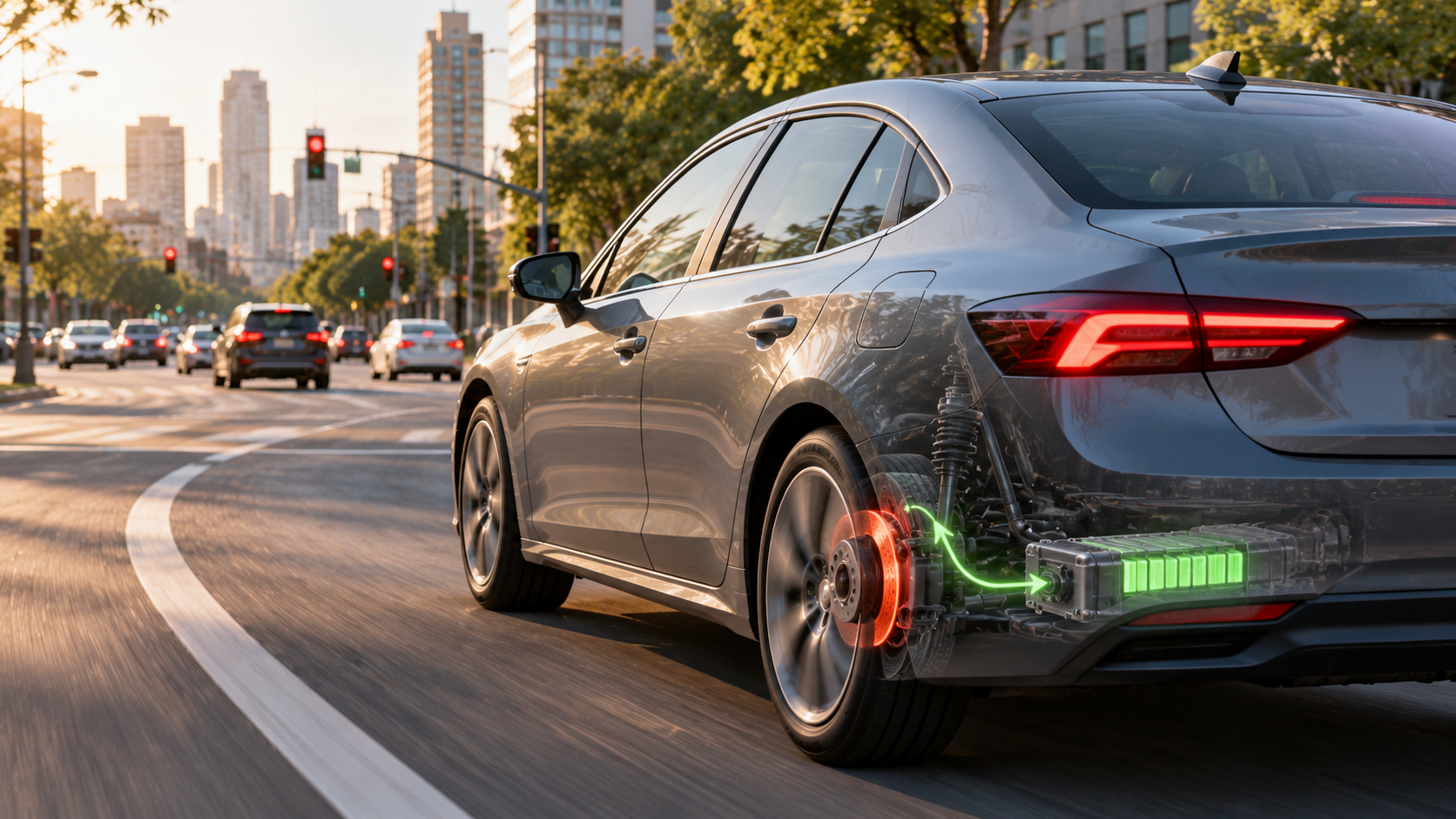
Traditional cars turn much of their motion into heat when braking. Hybrid and electric vehicles can use regenerative braking to capture some of that energy and send it back to the battery. The modern hybrid market expanded rapidly after vehicles such as the Toyota Prius arrived in the late 1990s. Instead of simply throwing energy away, these cars learned to put some of it to work again.
Some Cars No Longer Need Gasoline at All
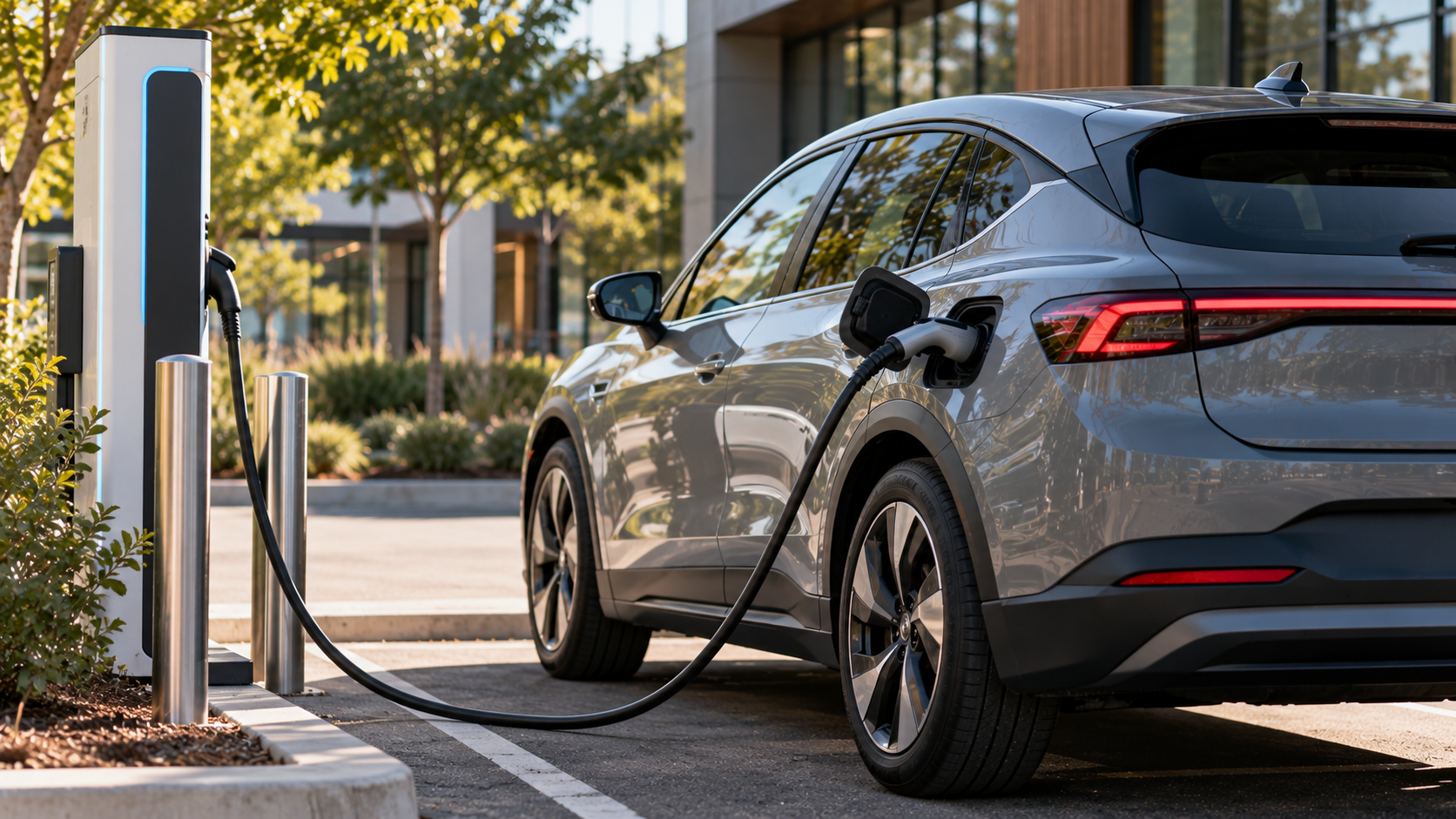
For much of the 20th century, gasoline engines dominated American roads. Battery-electric vehicles have brought a different option back into the mainstream, with the Nissan LEAF and Chevrolet Volt arriving in the U.S. market in 2010. Today’s battery-electric cars can travel hundreds of miles without burning gasoline. The gas station isn’t disappearing overnight, but it no longer has to be part of every driver’s routine.
Safety Standards Changed the Structure of Cars Themselves
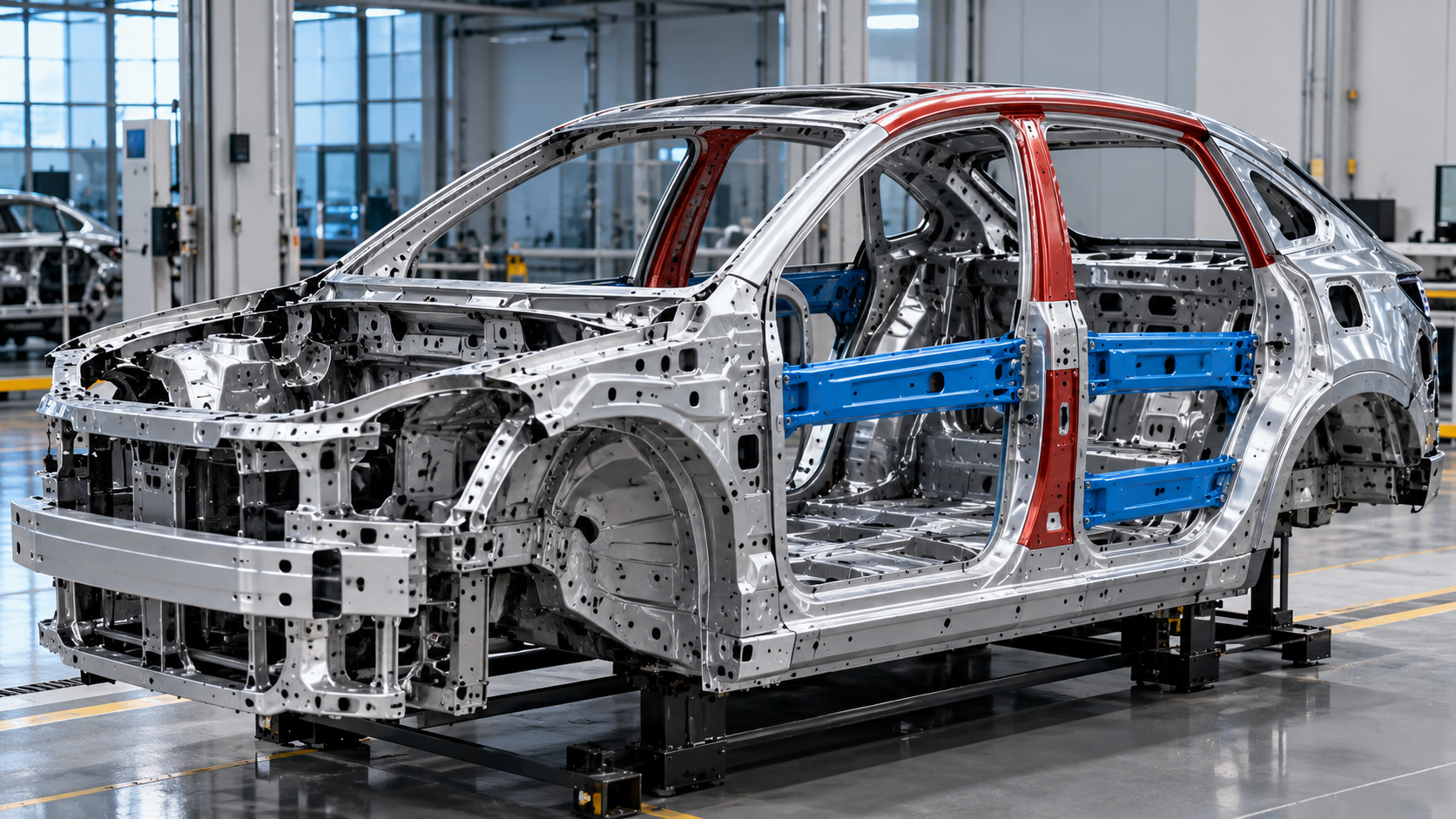
Modern vehicle safety isn’t just about adding gadgets to the dashboard. Federal standards have shaped brakes, steering systems, restraints, crash structures, fuel systems, and many other components. NHTSA estimates that federal motor-vehicle safety standards prevented more than 860,000 deaths and 49 million nonfatal injuries between 1968 and 2019. That’s a reminder that some of the most important safety improvements are the ones you can’t see.
Cars Are Moving From Warning Drivers to Helping The Drive
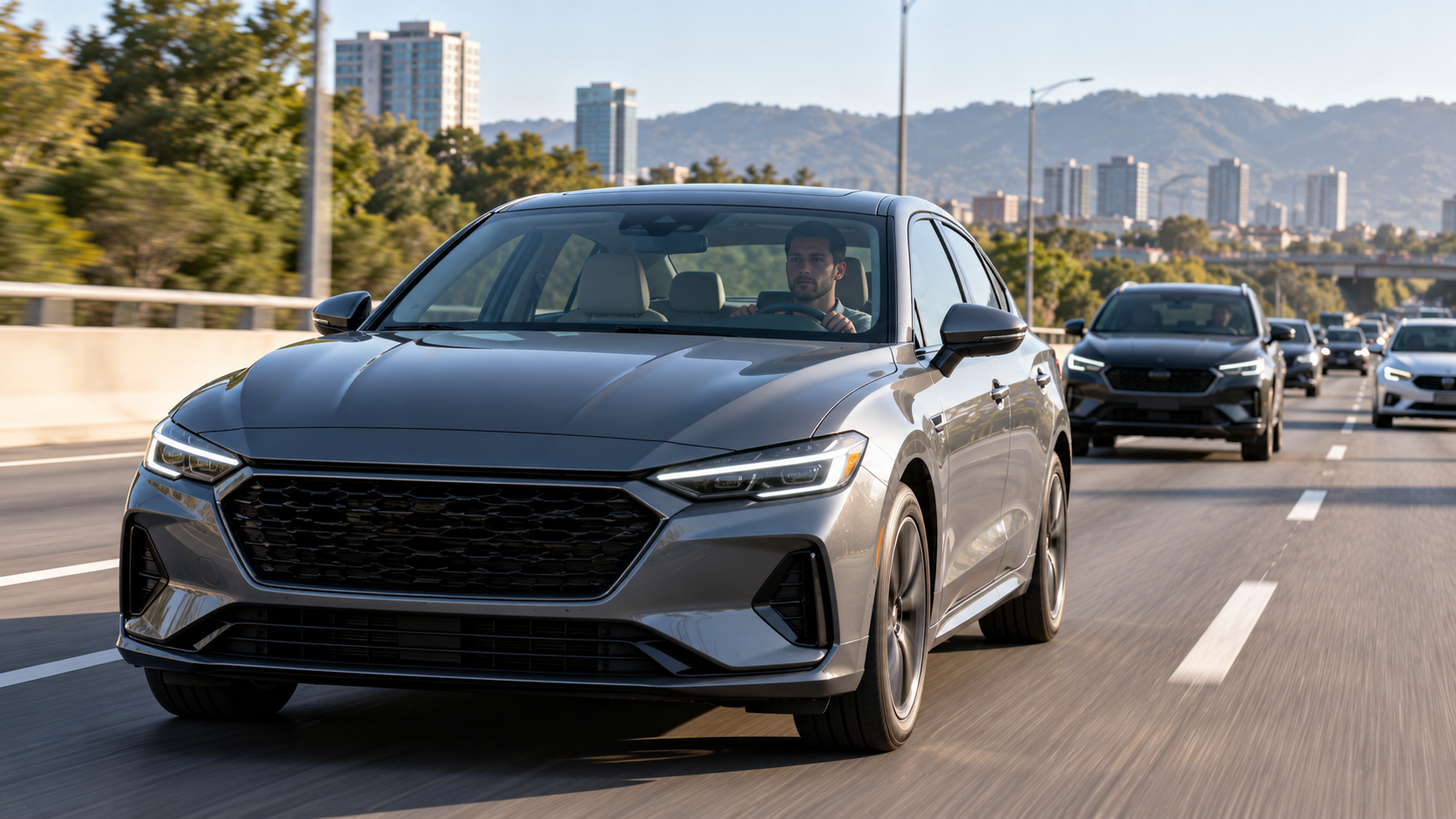
Cruise control once represented a major convenience, but today’s vehicles can offer adaptive cruise control, lane-keeping assistance, lane centering, automatic emergency braking, and rear cross-traffic alerts. Depending on the system, a car may just adjust its speed, steering, or braking to assist the driver. Vehicles are increasingly becoming active partners rather than machines that simply follow commands. Just remember: assistance doesn’t mean you can stop paying attention.