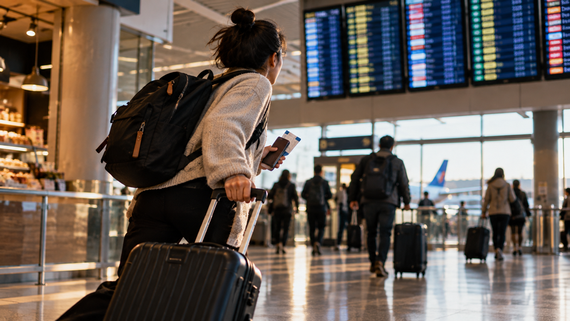
Budget travel in 2016 came with a fairly familiar set of tricks: pack light, book a cheap apartment, watch for last-minute flights, and avoid expensive tourist attractions. Some of those ideas still work, but the rules behind them have changed considerably. Airlines have rewritten their baggage policies, popular destinations have introduced new visitor fees, and several once-reliable bargains have become harder to find. Even the way travelers search for cheap flights has changed, leaving some old advice looking surprisingly outdated.
1. Budget Airlines Let Passengers Bring More Luggage for Free
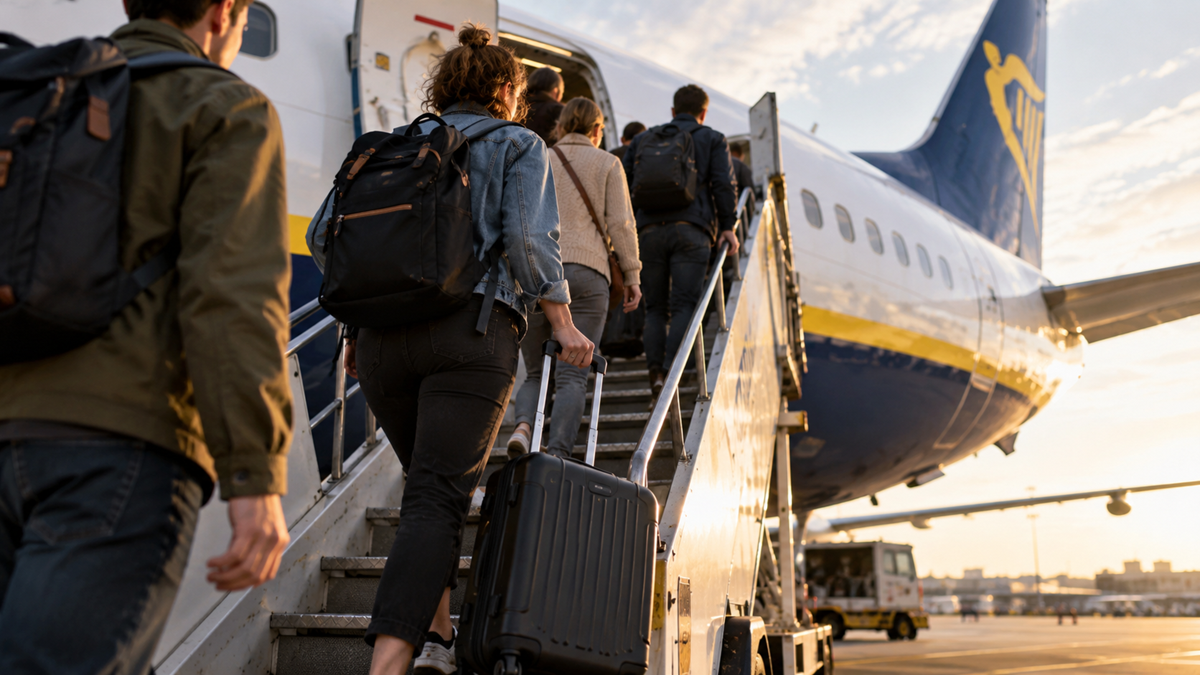
Flying with a small rolling suitcase used to be relatively straightforward on many European budget airlines. In 2016, Ryanair passengers could bring a small personal bag and a larger cabin bag without paying an additional baggage fee, although the larger bag might be placed in the hold. That changed in November 2018, when the airline restricted its standard free allowance to one small bag. Travelers wanting to bring a rolling suitcase now generally need to purchase an additional baggage option or a fare that includes it. The cheapest advertised ticket can become considerably less attractive once luggage is included.
2. Renting an Apartment Was Often the Obvious Budget Choice

Airbnb helped turn apartment rentals into a popular alternative to conventional hotels during the 2010s. A private room or an entire apartment could offer more space, cooking facilities, and a lower nightly rate, particularly for groups. But service fees, cleaning charges, and minimum-stay requirements have complicated those comparisons. In April 2025, Airbnb made total-price displays standard worldwide, allowing guests to see fees before taxes directly in search results. Apartments can still offer excellent value, but comparing the full stay cost with a hotel is now essential.
3. Buying Plane Tickets on Tuesday Was Supposed to Save Money

For years, travelers were told that Tuesday was the magic day for finding cheap flights. The advice appeared in travel blogs, newspaper articles, and countless conversations about airfare. Google’s 2026 flight research, however, found that booking on Wednesday, the cheapest day in its analysis, saved only about 1.4% compared with Sunday, the most expensive. Choosing cheaper departure dates and avoiding expensive travel periods generally matters much more than waiting for a particular weekday.
4. Last-Minute Flights Were Worth Waiting For
Stories about cheap last-minute airline seats once encouraged travelers to hold off booking until departure approached. Those opportunities haven’t disappeared completely, particularly through occasional promotions and unsold vacation packages. But waiting is a risky strategy for ordinary scheduled flights, especially on popular international routes. Google’s 2026 airfare analysis found that flights from U.S. markets to Europe generally offered better prices well before departure, with average fares bottoming out around 90 days ahead. Other destinations follow different patterns, so there’s no universal booking window. Leaving everything until the final week is hardly a dependable money-saving plan.
5. Travelers Across Europe Had to Worry About Roaming Charges

Crossing a European border once meant checking mobile roaming rates before opening a map or sending pictures home. That changed on June 15, 2017, when the European Union introduced its Roam Like at Home rules. Eligible customers can now use their domestic mobile allowances across participating European countries without ordinary roaming surcharges, subject to fair-use conditions. The rules don’t automatically apply to every foreign visitor or phone plan, and countries outside the participating area can still be expensive. But for many European travelers, a major holiday expense effectively disappeared.
Trending on The Scroller


6. The Japan Rail Pass Was an Easy Recommendation

For visitors planning several long-distance train journeys across Japan, the nationwide Japan Rail Pass was once a remarkably convenient bargain. In 2016, the seven-day ordinary pass cost ¥29,110, making it especially attractive for travelers planning multiple trips on Japan’s high-speed rail network. The price increased substantially in October 2023, reaching ¥50,000, and purchases through authorized overseas agencies rose to ¥53,000 in October 2026. Buying the pass directly through the official website still costs ¥50,000. Unlimited travel can remain worthwhile on certain itineraries, but individual tickets and regional passes now deserve a closer look before purchasing.
7. Visiting Venice Didn’t Require a Separate Day-Trip Fee

A budget day in Venice used to be relatively simple: arrive by train, walk through the narrow streets, and spend as little as possible. In 2024, the city introduced an experimental access fee for certain day visitors. During the 2026 season, eligible visitors entering the historic center on designated dates paid €5 if they arranged payment early or €10 closer to arrival. The program ended for the year on July 26, and the fee was not operating afterward. Still, the experiment introduced a consideration that travelers in 2016 never had to include in their plans.
8. Visiting Britain Didn’t Require an Electronic Travel Authorization
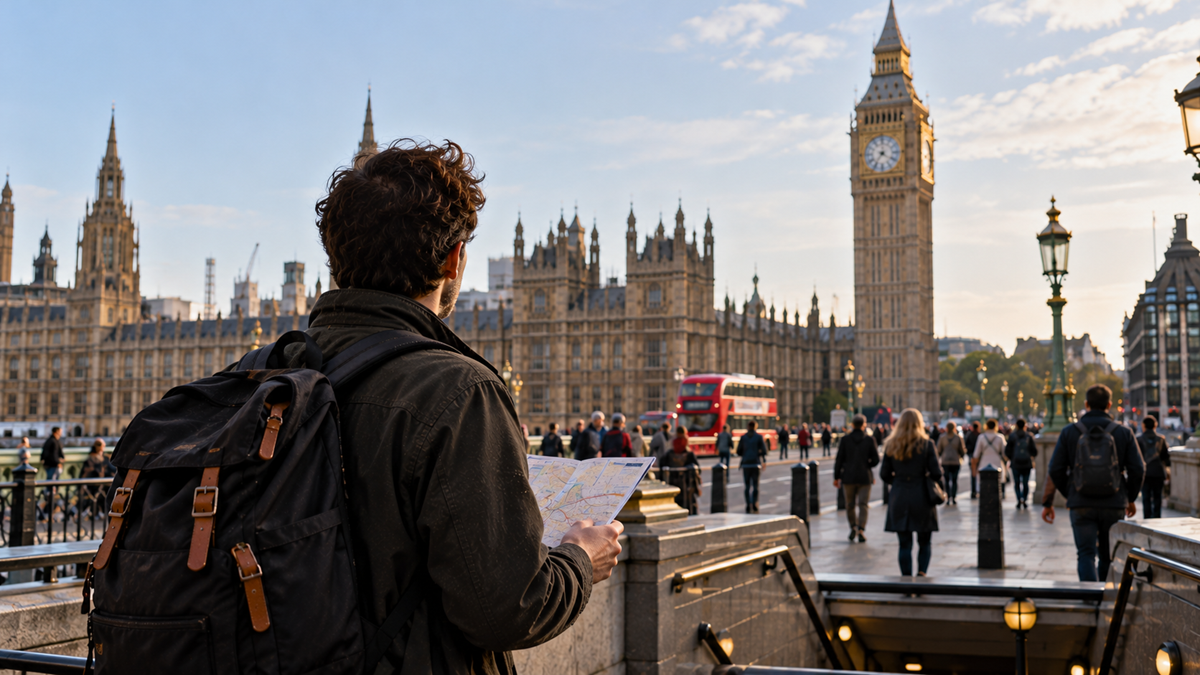
For many tourists, visiting the United Kingdom once involved little more than booking transportation and making sure their passport was valid. The country’s Electronic Travel Authorisation system has added another step for visitors from numerous countries that previously enjoyed visa-free entry. Since February 25, 2026, eligible travelers have been required to obtain digital permission before traveling, with airlines checking documentation before boarding. The authorization now costs £20 and generally remains valid for two years or until the passport expires, whichever comes first. It’s another expense to consider when planning a cheap weekend in London or Edinburgh.
Sign up for our newsletter
9. New Zealand Didn’t Charge Its Current Visitor Levy

New Zealand’s scenery has long attracted travelers willing to sleep in hostels, rent campervans, and spend weeks exploring the country. But a government visitor levy that didn’t exist in 2016 has added to the upfront cost of many trips. Introduced in July 2019 at NZ$35, the International Visitor Conservation and Tourism Levy increased to NZ$100 in October 2024. Most international visitors pay it when applying for a visa or electronic travel authority, although exemptions apply. That’s a substantial extra expense for someone traveling on a tight budget.
10. Amsterdam’s Tourist Taxes Were Much Lower

Finding affordable accommodation in Amsterdam has never been particularly easy, but the additional taxes attached to a room have become more noticeable. In 2016, the city’s accommodation tax was substantially lower than its current rate. Amsterdam now charges a tourist tax equivalent to 12.5% of the overnight accommodation price, excluding VAT. The tax applies across various accommodation types, including hotels, hostels, guesthouses, and short-stay rentals. An inexpensive room can therefore cost more than its advertised base price suggests.
11. Some Major Museums Were Considerably Cheaper

Paris offers a good example of how sightseeing costs can change over a decade. In 2016, a standard adult ticket to the Louvre cost €15, making a visit to one of the world’s most famous museums relatively manageable for travelers watching their expenses. Since January 14, 2026, the museum has charged €22 for eligible European Economic Area citizens and residents, while other visitors pay €32. Free admission still exists for qualifying groups, including visitors under 18, but the old assumption that major museums are inexpensive stops no longer holds everywhere.
12. Finding Short-Term Apartment Rentals in New York Became Much Harder

New York City once had a large selection of short-term apartment listings, even though many operated under restrictions that had existed for years. The city tightened enforcement in September 2023, requiring booking platforms to verify that hosts were properly registered. Renting an entire apartment for fewer than 30 days had already been prohibited in most residential buildings, but the new system made those rules much harder to ignore. Travelers searching for inexpensive alternatives to hotels now face a considerably smaller selection of legal short-term rentals.
13. Basic Economy Didn’t Come With So Many Restrictions
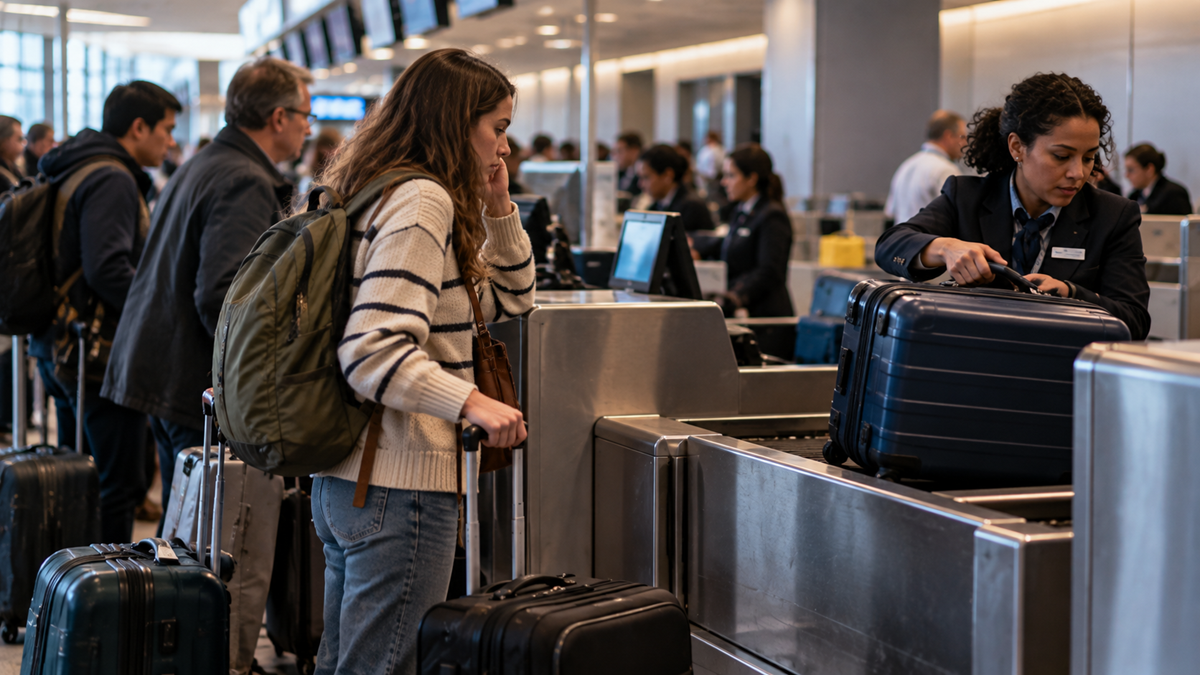
Budget airlines had long been charging separately for extras, but the model spread further into the traditional airline industry during the late 2010s. American Airlines introduced basic economy fares in 2017, joining other major U.S. carriers in offering cheaper tickets with additional restrictions. These fares can limit seat selection, changes, upgrades, or baggage allowances depending on the airline. A ticket on a conventional carrier no longer necessarily includes the flexibility or services passengers might remember from earlier economy travel.
14. Buying a Local SIM Card Was Often the Most Practical Option

Arriving in a foreign airport once meant searching for a mobile phone shop, comparing prepaid packages, and replacing the SIM card in a handset. For travelers whose home plans charged expensive roaming rates, that was often the most practical way to stay connected. The growth of eSIM-compatible phones and international data providers has created another possibility: purchasing a digital travel plan before leaving home. Local physical SIM cards can still be cheaper, particularly for longer stays or when large amounts of data are needed. But spending the first hour of a vacation hunting for a phone shop is no longer necessary for many travelers.
15. Barcelona’s Tourist Tax Was a Minor Part of the Hotel Bill

Barcelona has gradually increased the taxes paid by overnight visitors, and the latest changes have made them much harder to overlook. New rates introduced in April 2026 brought the combined nightly tourist tax for a guest in a four-star hotel to €8.40 per person, while a licensed tourist apartment carries a €9.50 charge. That means two adults spending five nights in a four-star hotel could pay €84 in tourist taxes alone, before considering the room itself. Charges are generally limited to the first seven nights of a stay, and exemptions exist, but the additional expense is far more significant than it was a decade ago.
In the mood for more?
Check out 15 Things Frequent Travelers Always Pack That Casual Tourists Forget, or take a look at 15 Airport Experiences So Good Travelers Arrive Early. If you want to see more travel history, you can check out 15 Travel Destinations That Used to Be Completely Off-Limits to Tourists.