Halloween traditions can feel so thoroughly American that it is easy to imagine pumpkins, costumes, candy, and ghost stories have always belonged together. But peel back the modern holiday, and things get considerably stranger. Long before plastic skeletons appeared on suburban lawns, people across Ireland, Scotland, England, Wales, and the Isle of Man were already spending the season disguising themselves, lighting fires, visiting neighbors, playing fortune-telling games, and wondering whether the dead might be a little closer than usual.
Not every old custom traveled neatly across the Atlantic, and Halloween did not descend from one single ancient festival. Instead, centuries of religious observance, regional folklore, immigration, harvest traditions, and American reinvention slowly tangled together. The result is a holiday filled with fragments of much older customs, some charming, some eerie, and some that make bobbing for apples look surprisingly tame.
1. Carving Jack-o’-Lanterns Began With Turnips
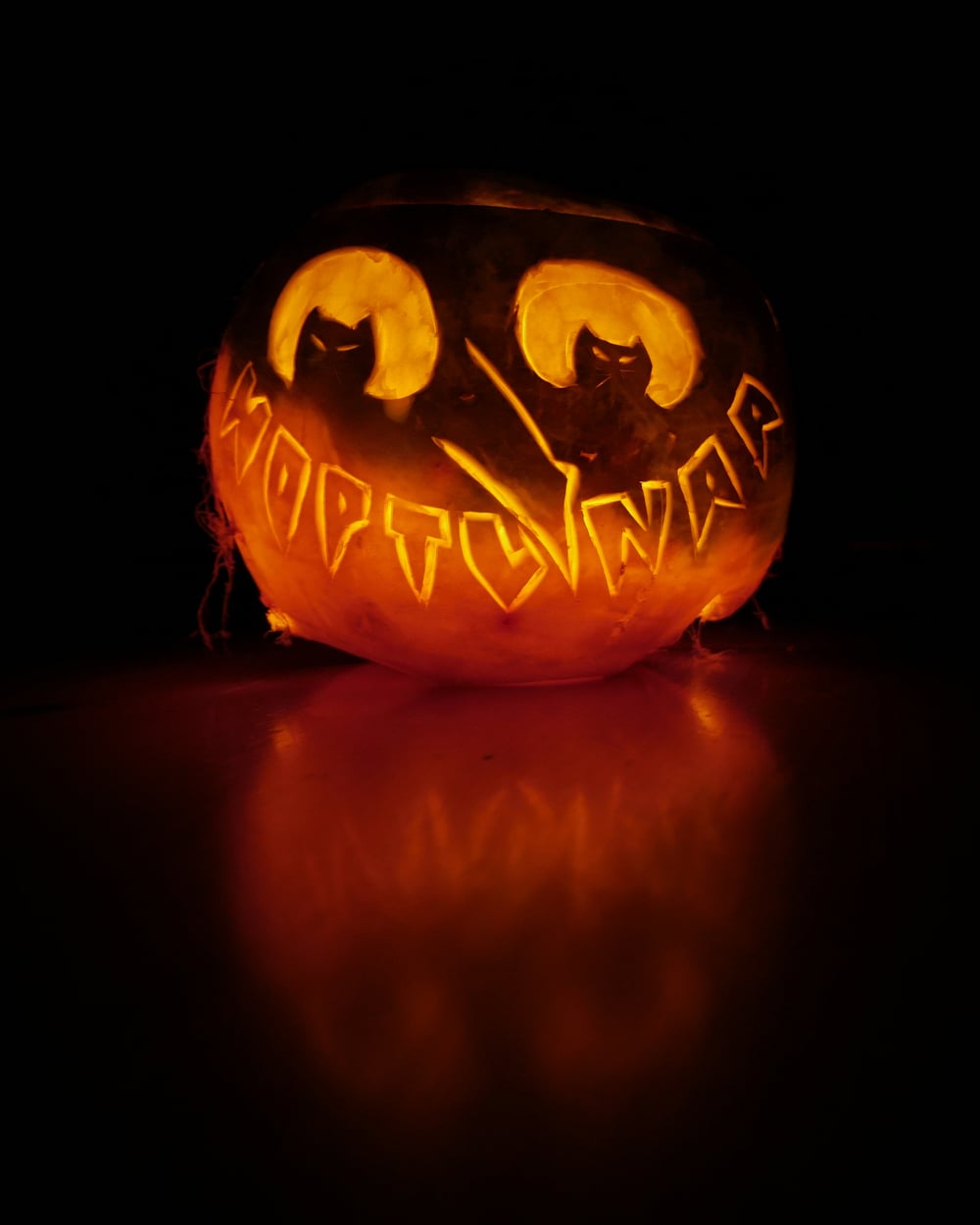
Before pumpkins became Halloween celebrities, people in Ireland and elsewhere in the British Isles carved lanterns from turnips and other root vegetables. Hollowed out, given crude faces, and illuminated from within, they could look far more unsettling than the cheerful orange pumpkins lining American porches today. Pumpkins were plentiful and much easier to carve in North America, so the old lantern tradition eventually received a very convenient American upgrade. Still, there is something about a glowing face hacked into a turnip that feels wonderfully closer to Halloween’s eerie old-world atmosphere.
2. Dressing Up Has Deep Roots in Irish and Scottish Halloween
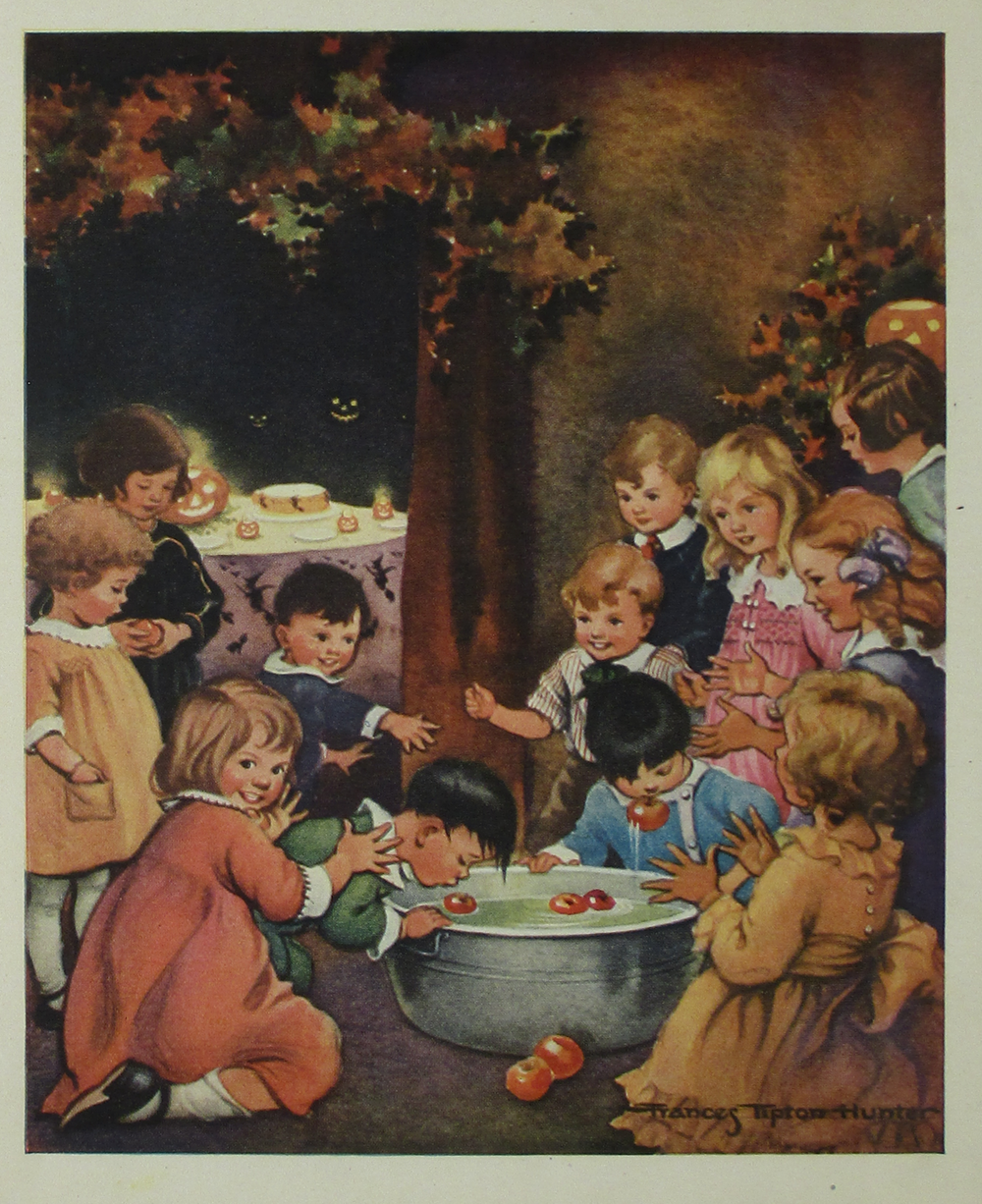
That annual question of what to wear on Halloween has a much older history than the costume aisle at the local store. Disguising, mumming, and guising traditions were practiced in Ireland and Scotland, where people might conceal their identities while taking part in seasonal visiting and festivities. These customs should not be treated as identical to modern Halloween costumes, but they helped establish an idea that remains central to the holiday: October 31 was a night when looking like yourself was apparently optional. Would Halloween even feel like Halloween without that little permission to become someone, or something, else?
3. Guising Helped Set the Stage for Door-to-Door Halloween
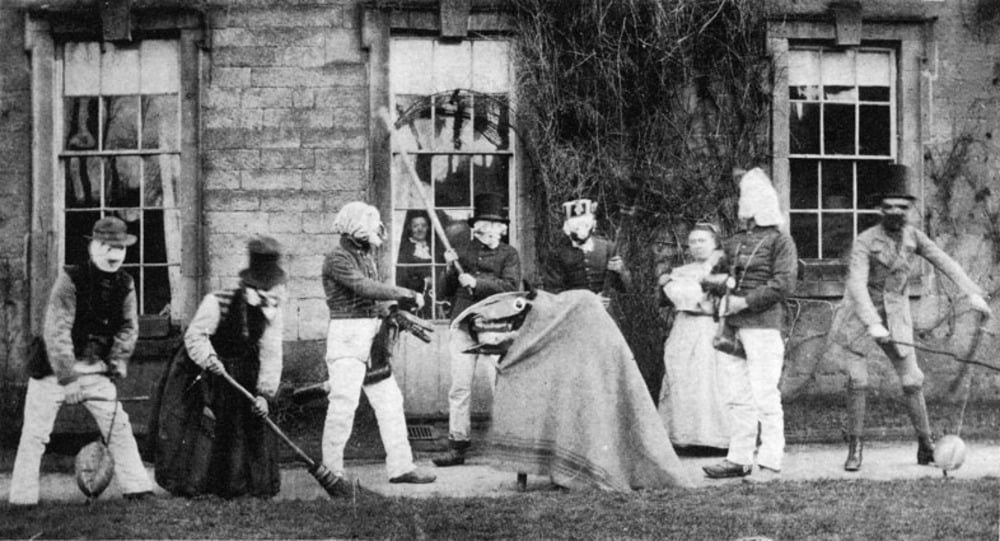
Imagine opening your door and finding disguised children waiting outside. Familiar enough. Except instead of simply announcing “trick or treat,” youngsters participating in Scottish and Irish guising traditions might be expected to earn their reward by performing a song, rhyme, joke, or trick. Guising was one of the customs that preceded and helped shape the door-to-door Halloween practices that later developed in North America. The candy eventually stayed, while the mandatory performance mostly disappeared. Generations of shy children should probably be grateful for that particular edit.
4. Souling Sent People Door to Door for Soul Cakes
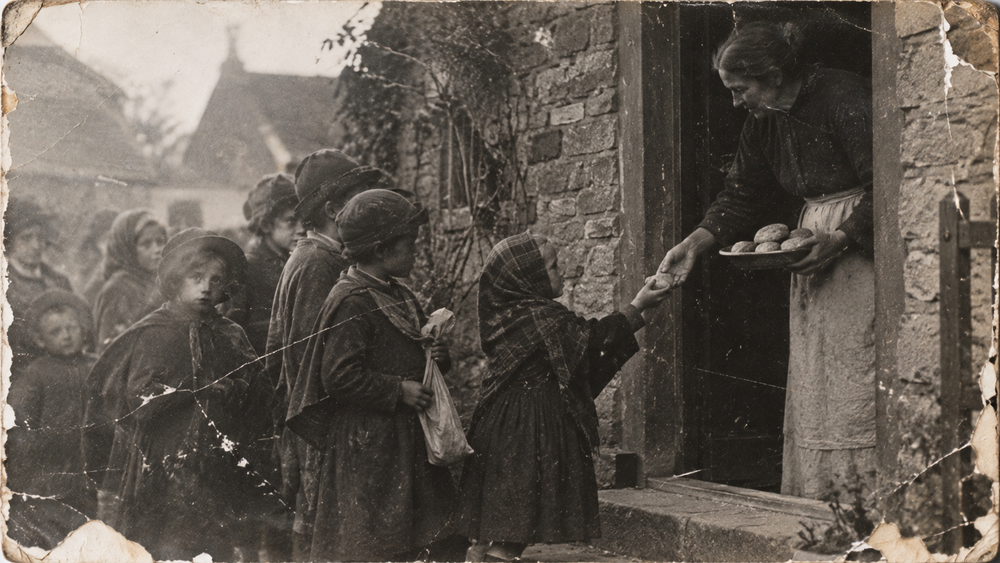
Door-to-door visiting also had another important predecessor in England: souling. During Allhallowtide, poor people and, in later forms, children could visit homes asking for small cakes in exchange for prayers for the dead. Known as soul cakes, these treats belonged to a religious and communal tradition rather than modern trick-or-treating, so the two should not be collapsed into one neat origin story. Still, the resemblance is difficult to miss. A knock at the door, a small offering of food, and the dead lingering somewhere in the meaning of the night. Suddenly that miniature candy bar feels connected to a much older world.
5. Halloween Bonfires Echo Older Fire Customs
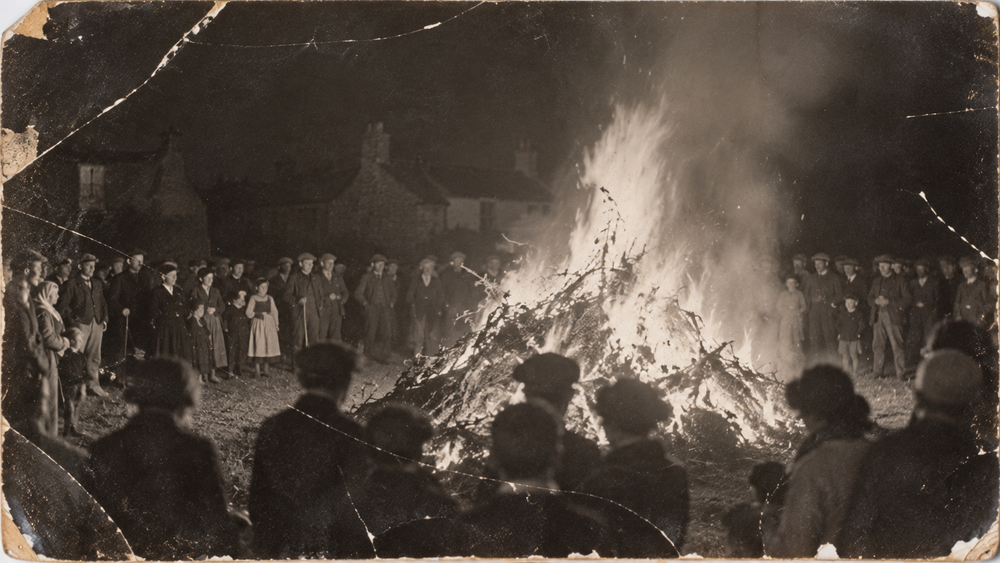
Long before electric jack-o’-lanterns flickered safely on front porches, seasonal celebrations in Ireland, Scotland, and the Isle of Man included large communal fires. Historical Halloween-related fire customs varied by place and period, and drawing a perfectly straight line from ancient ritual to every later bonfire would oversimplify the story. Yet fire remained a powerful feature of autumn gatherings. Picture an October night without streetlights, a community gathered around a blaze, darkness stretching beyond the circle of faces. Doesn’t Halloween immediately feel different when the only thing separating the gathering from the night is fire?
Trending on The Scroller


6. Bobbing for Apples Was a British-Isles Halloween Game
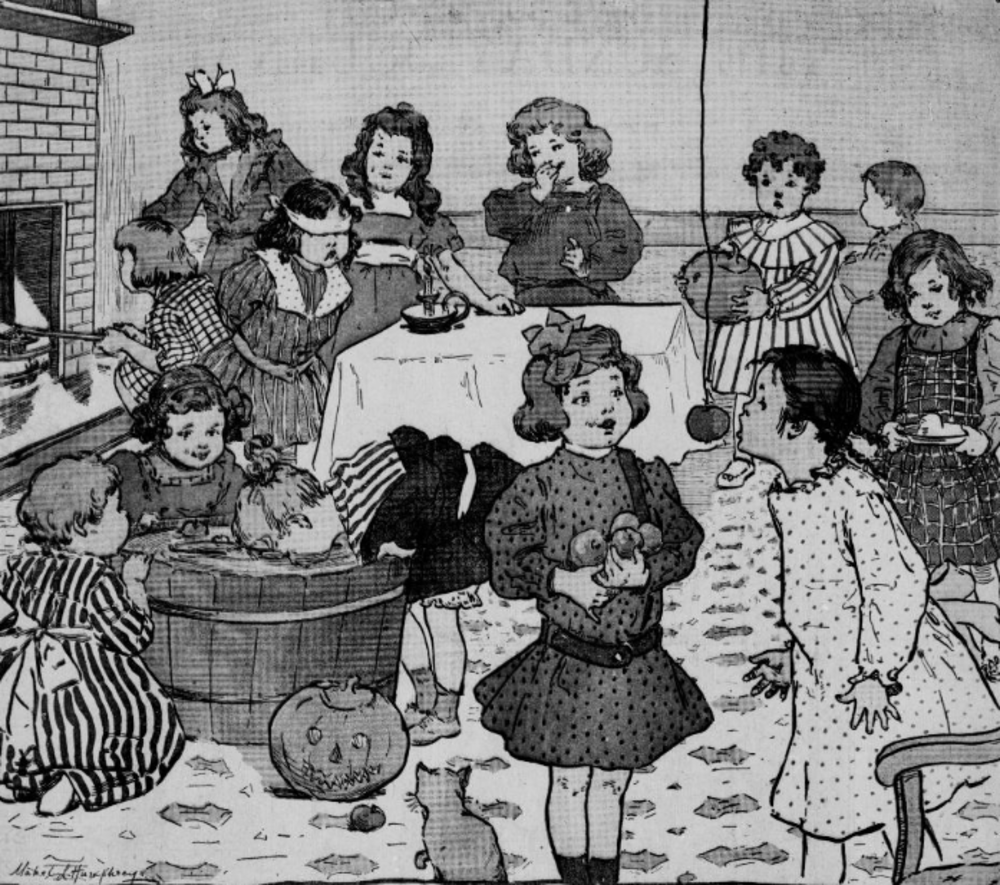
Bobbing for apples was not always the slightly chaotic children’s party game many Americans remember. In Ireland and Britain, apple games became part of Halloween gatherings and were sometimes tangled up with courtship and fortune-telling. Young people could play with considerably more at stake, at least according to the folklore surrounding the games, than simply emerging from a tub with wet hair and an apple between their teeth. The often-repeated claim that the custom directly derives from the Roman goddess Pomona is far less certain. The British-Isles Halloween game itself, however, is well documented.
7. Snap-Apple Made Halloween Dinner a Little Dangerous
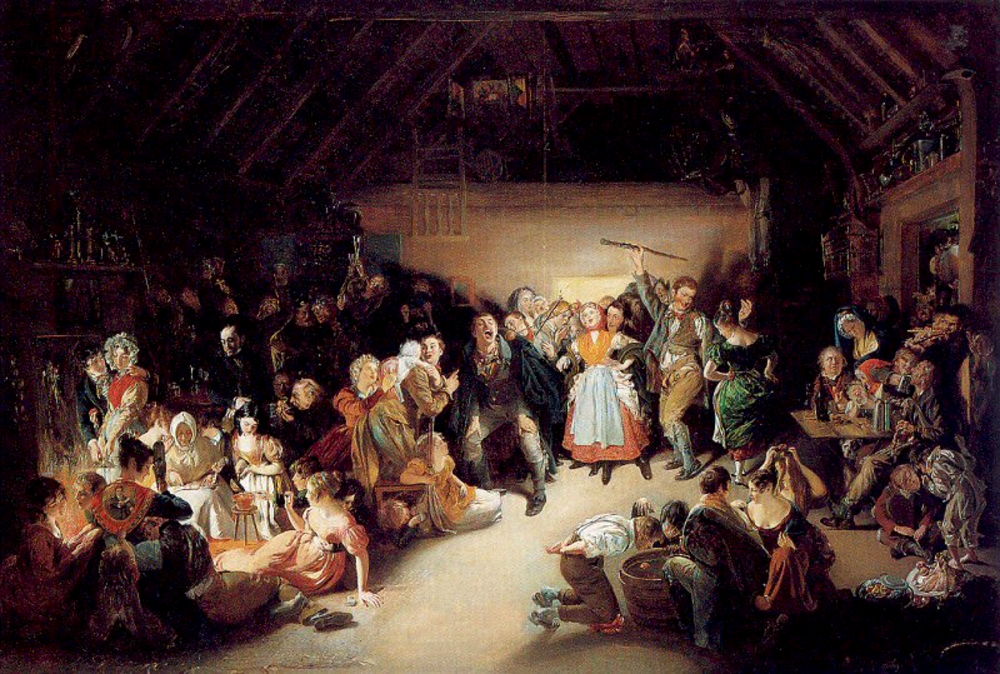
If bobbing for apples seemed insufficiently hazardous, Ireland had another option. Snap-apple involved suspending an apple from a rotating crosspiece and trying to bite it as it swung around. Some versions placed a candle on the opposite end, turning an innocent piece of fruit into something considerably more dramatic. The game became closely associated with Halloween festivities, and period depictions make the gatherings look wonderfully chaotic. Who decided fruit needed this much suspense? Apparently Halloween entertainment once required quick reflexes, strong teeth, and a fairly relaxed attitude toward open flames.
8. Barmbrack Turned Dessert Into Fortune-Telling
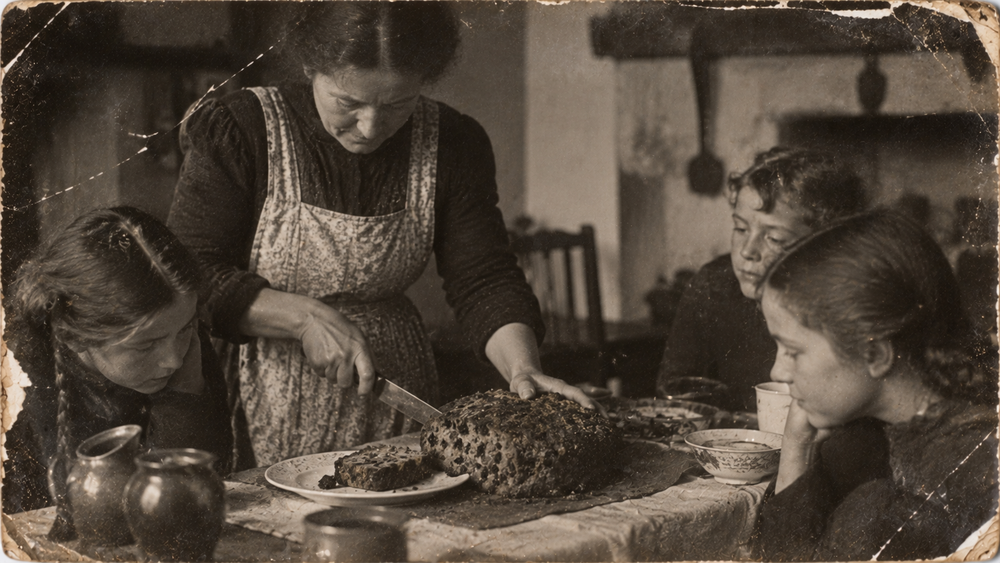
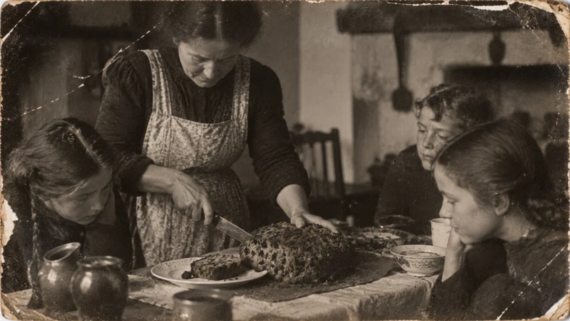
In Ireland, even the food could have secrets. Barmbrack, a fruit loaf associated with Halloween, became part of fortune-telling traditions in which objects were baked inside and interpreted as signs about what the future might hold. Meanings and objects varied, although the ring became especially famous for its association with marriage. Imagine slicing into dessert while everyone at the table waits to see whether your piece contains a prediction about your life. Modern fortune cookies suddenly seem remarkably low-stakes. Halloween was not simply about frightening yourself. Sometimes it was about asking the future to reveal itself over tea.
Sign up for our newsletter
9. Kale and Cabbage Once Predicted Future Spouses
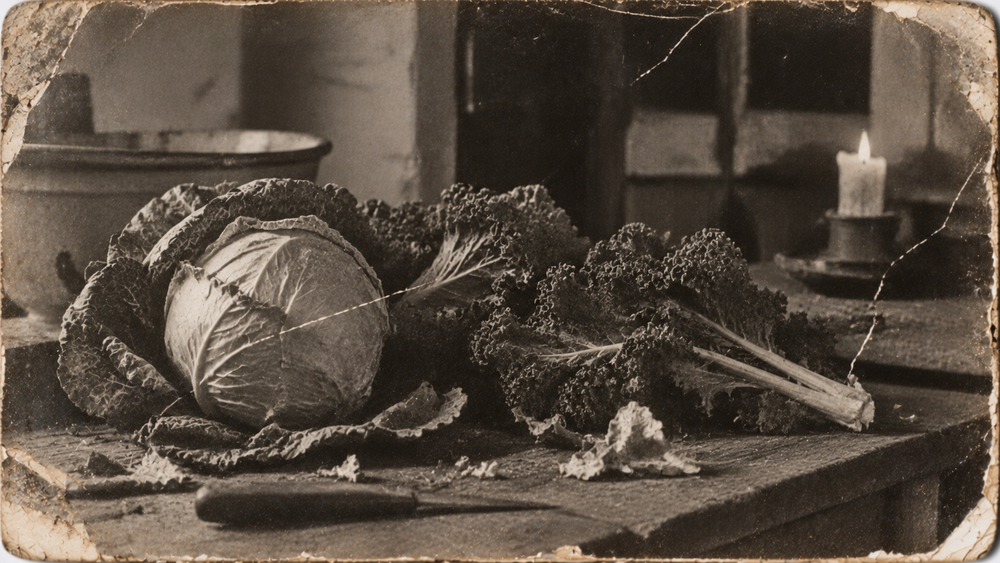
Vegetables had an unexpectedly busy social life at old Halloween gatherings. In parts of Scotland and Ireland, young people used kale or cabbage stalks in matchmaking and divination games, pulling them from the ground and interpreting their appearance as clues about a future spouse. It sounds wonderfully bizarre now, but love and marriage were recurring themes in older Halloween fortune-telling. Before dating apps offered endless profiles, apparently there was always the garden. Would you trust a cabbage with your romantic future? For at least some Halloween revelers, the answer was apparently yes.
10. Nuts Were Burned to Test Romantic Futures
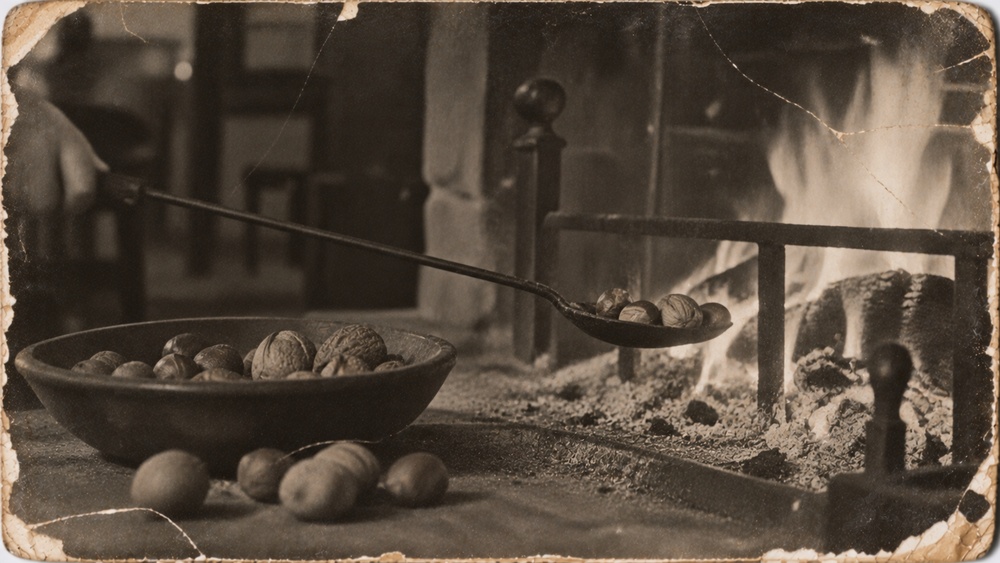
Halloween traditions could turn an ordinary fireplace into something resembling a relationship counselor. In Scotland and elsewhere in Britain, nuts were placed near or in a fire, and their behavior could be interpreted as an omen about romance. Different versions of the custom attached different meanings to what happened as the nuts heated, cracked, jumped, or burned. It was folklore, not science, but that hardly diminished the suspense for people participating. Imagine sitting beside the fire watching two nuts roast while quietly wondering whether your entire love life was about to receive a very smoky review.
11. Mirrors Were Used for Halloween Fortune-Telling
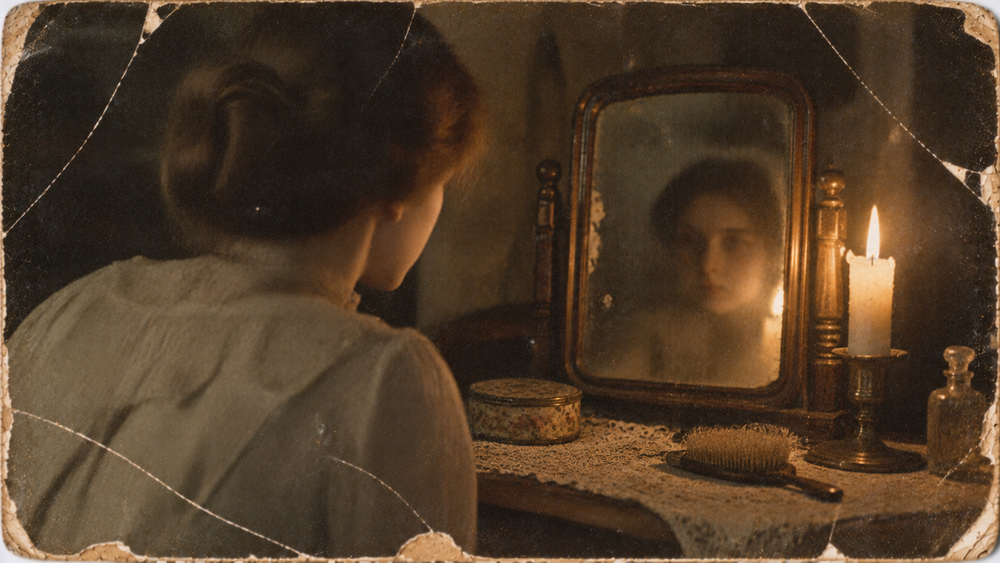
Would you stare into a mirror by candlelight if you had been told another face might appear? Halloween folklore in Britain and Ireland included divination rituals in which mirrors were used in hopes of receiving some sign of a future husband or wife. The details varied, and these were beliefs and games rather than supernatural events presented as fact. But the setting did much of the work: darkness, a candle, a mirror, and someone waiting for an image that was not supposed to be there. Centuries later, horror movies are still borrowing essentially the same ingredients.
12. Apples and Nuts Became Symbols of Halloween Divination
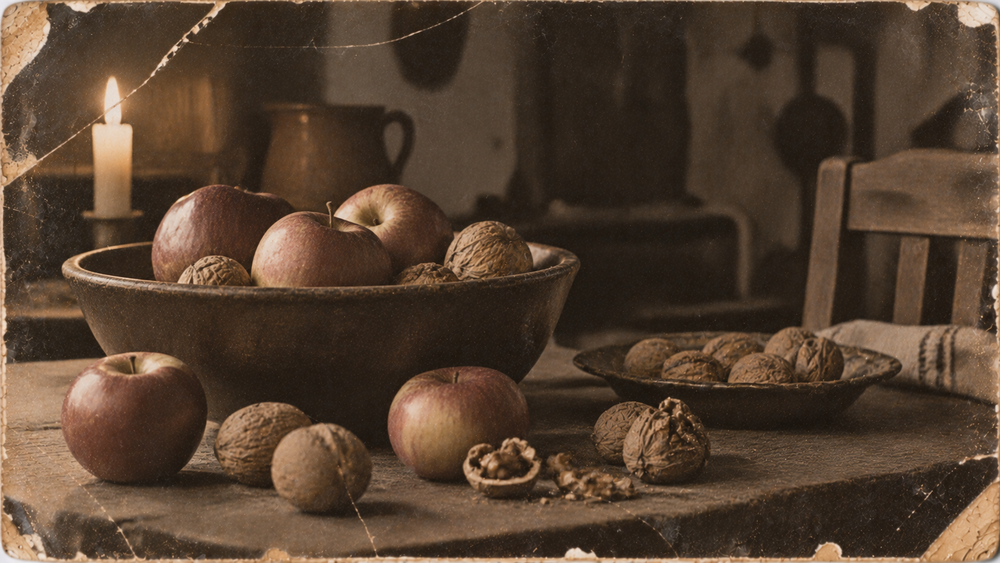
Look around an older Halloween gathering and the decorations might seem surprisingly edible. Apples and nuts were seasonal foods, but across Britain and Ireland they also became fixtures of games concerned with romance, marriage, luck, and the future. A familiar harvest could therefore become a collection of possible omens once Halloween arrived. There is something revealing about that transformation. People did not need elaborate props to make the evening mysterious. They used what was already on the table, then gave it another meaning. An apple was dinner until someone decided it might know whom you were going to marry.
13. Ghost Stories Fit the Season of the Dead
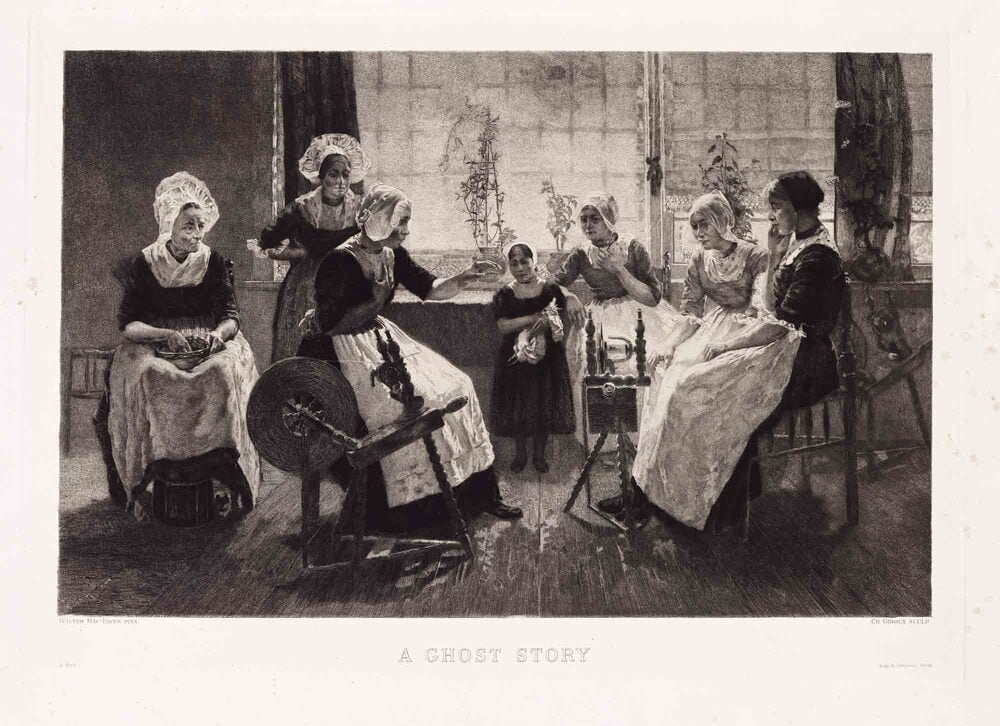
Ghost stories hardly needed much encouragement to find a home at Halloween. Allhallowtide already placed remembrance of the dead near the center of the season, while folk traditions across Britain and Ireland carried their own beliefs about spirits and uncanny encounters. Over time, telling frightening stories became another way to inhabit that atmosphere. Imagine a room lit by fire or candlelight, everyone gathered close, and one person beginning a story about something that supposedly happened just beyond the village. Would you have wanted the seat beside the window? The tradition survives because a dark October night remains remarkably good at making impossible things feel temporarily plausible.
14. Welsh Calan Gaeaf Had Its Own Ominous Customs
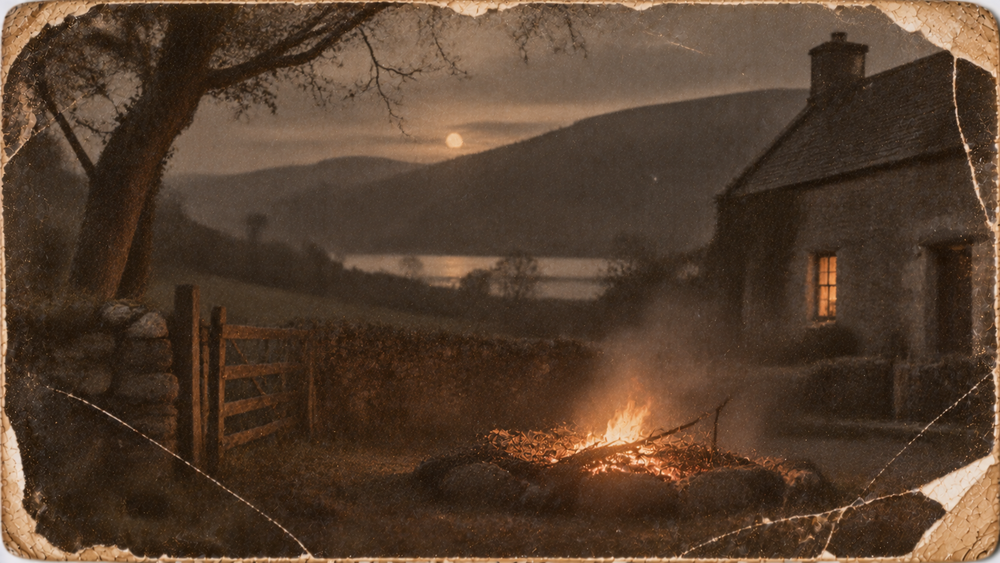
Wales had its own seasonal tradition around the beginning of winter known as Calan Gaeaf, associated with fire, divination, and beliefs about spirits. It is better understood as a related Welsh tradition than simply labeled “Welsh Halloween,” because its history and customs developed within their own cultural setting. Yet its atmosphere feels strikingly familiar: darkness arriving earlier, fires burning outdoors, people thinking about what the coming season might bring, and folklore giving the night an uneasy edge. In a world without electric light, the beginning of winter could feel less like a calendar change and more like crossing a threshold.
15. The Isle of Man Preserved Hop-tu-Naa
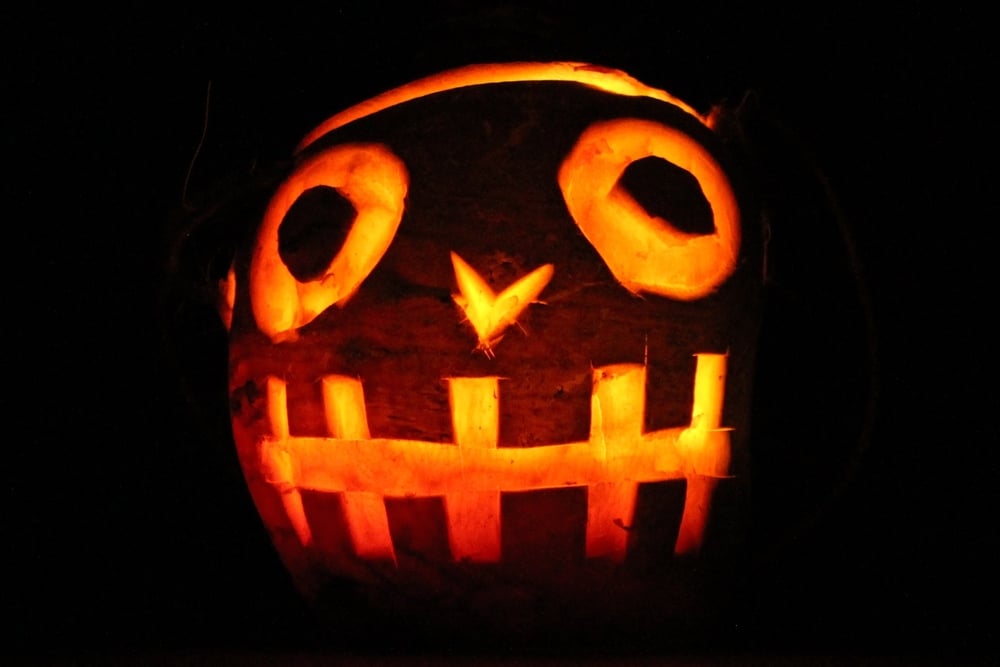
On the Isle of Man, October 31 has long been associated with Hop-tu-Naa, a distinctive Manx tradition involving songs, seasonal customs, and carved turnip lanterns. Those lanterns deserve a moment of appreciation because they can look genuinely unnerving. A pumpkin is round, bright, and almost friendly. A roughly carved turnip illuminated from inside can resemble something discovered in a cellar that should probably have remained there. Children carrying them through the darkness would have created quite an image. And if that feels strangely close to modern Halloween, it is also a reminder that similar-looking traditions can carry their own regional histories.
16. American Halloween Parties Inherited Old Fortune-Telling Games
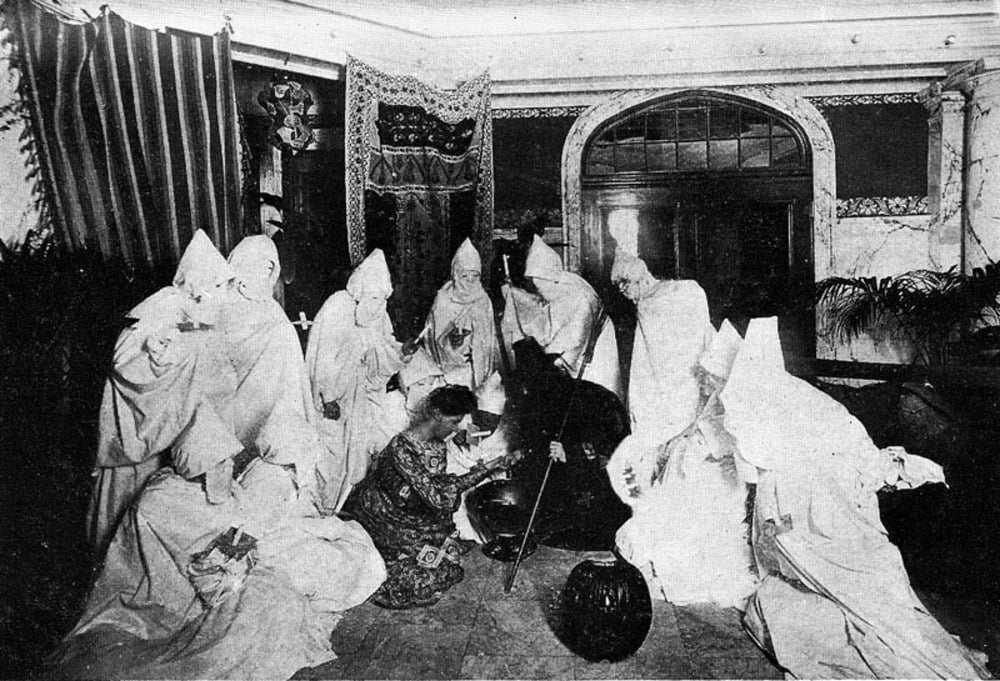
By the late 19th and early 20th centuries, American Halloween parties were filled with games involving romance, marriage, and predictions about the future. Many had precedents in older Irish and British customs, even as Americans reshaped them for a new social setting. Vintage Halloween imagery captures young people gathered around apples, mirrors, candles, and other supposed clues to what awaited them. Before Halloween became overwhelmingly associated with children’s candy, it could be a surprisingly romantic holiday for young adults. Would your future love appear in a mirror? Would an apple peel reveal an initial? The fun depended on almost believing it might.
17. Irish and Scottish Immigration Reshaped Halloween in America
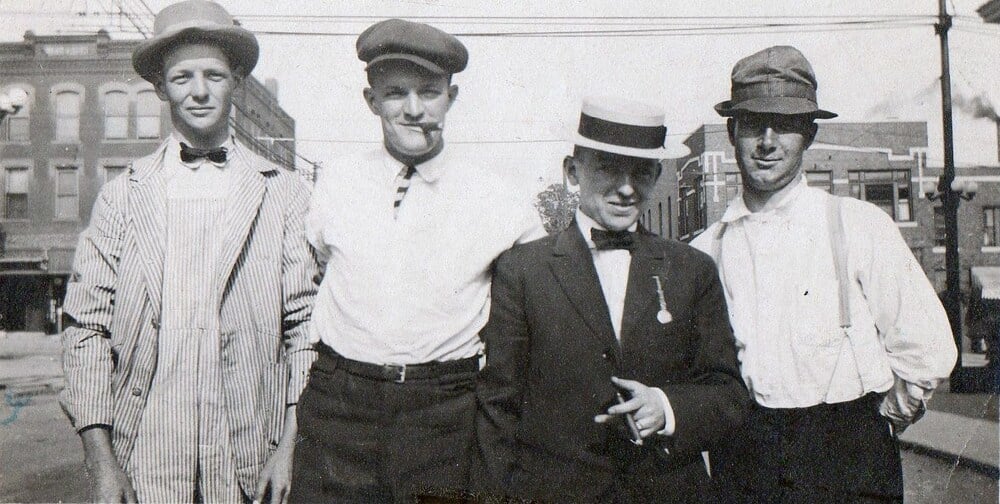
Halloween did not arrive in America as a finished holiday packed neatly into an immigrant’s suitcase. Irish and Scottish immigrants brought customs, stories, foods, games, and seasonal traditions that mixed with practices already developing in North America. Over generations, those pieces changed again as communities, businesses, schools, neighborhoods, and popular culture transformed Halloween into a mass celebration. That messy evolution matters because it explains why the holiday feels both ancient and unmistakably American. The Halloween people celebrate today is less a preserved relic than a cultural patchwork, stitched together, altered, commercialized, and somehow still carrying echoes of much older nights.
18. Pumpkins Show How America Changed What It Received
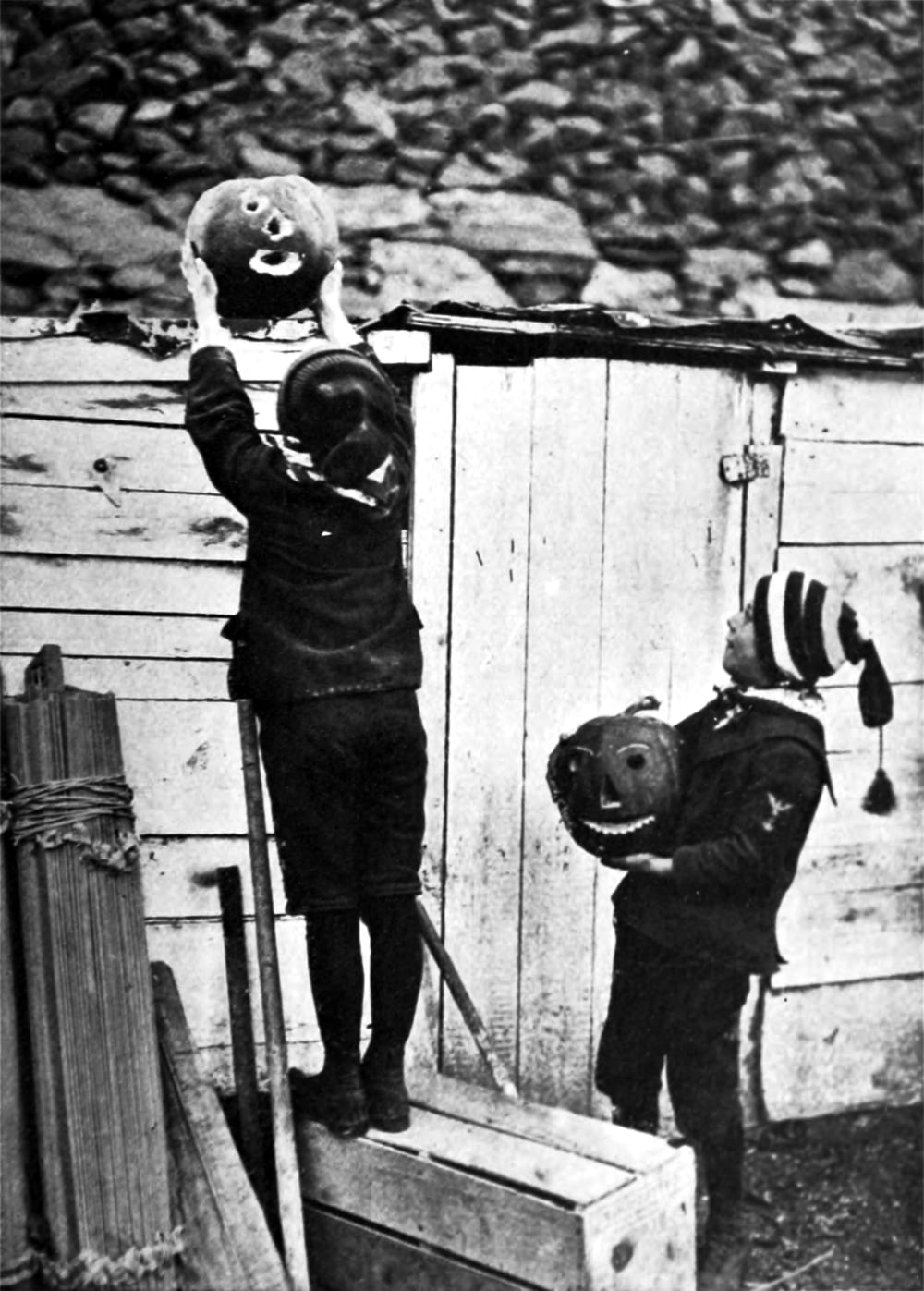
Perhaps nothing captures that transformation better than the pumpkin. The older practice of carving lanterns from root vegetables encountered a North American alternative that was larger, softer, easier to hollow out, and wonderfully suited to grotesque faces. The pumpkin did not simply replace the turnip. It helped transform an inherited custom into one of the most recognizable symbols of American Halloween. Look at an old photograph of children carrying rough jack-o’-lanterns and the connection suddenly becomes visible. Different vegetable, different continent, different century, yet the same irresistible urge to carve a face into something, put a light inside it, and wait for darkness.
Halloween’s history becomes much more interesting once we stop looking for a single birthplace. The holiday Americans know today grew from religious observances, folk beliefs, regional customs, immigration, seasonal foods, community gatherings, and generations of reinvention. Some traditions survived almost visibly. Others changed until only an echo remained. But perhaps that is the most fitting history for Halloween: a holiday filled with old things that never completely disappeared.
Keep Exploring The Scroller
Keep wandering through The Scroller for more strange traditions, forgotten histories, and stories from the past that become much spookier after dark:
15 Spooky Photos of Vintage Halloween Costumes