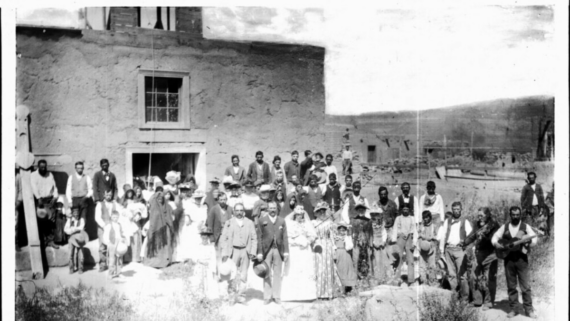
The practical origins of traditions can be much less romantic than the stories people tell about them. Some customs grew around problems as ordinary as coordinating a town, keeping dirt outside, dividing the cost of a meal, or figuring out whether two people were legally allowed to marry.
That does not mean every familiar origin story is true. In fact, several traditions on this list come with popular explanations that history does not fully support. The more interesting story is often how a useful practice, a social function, and a little symbolism became tangled together until nobody remembered which came first.
1. Carrying a Wedding Bouquet
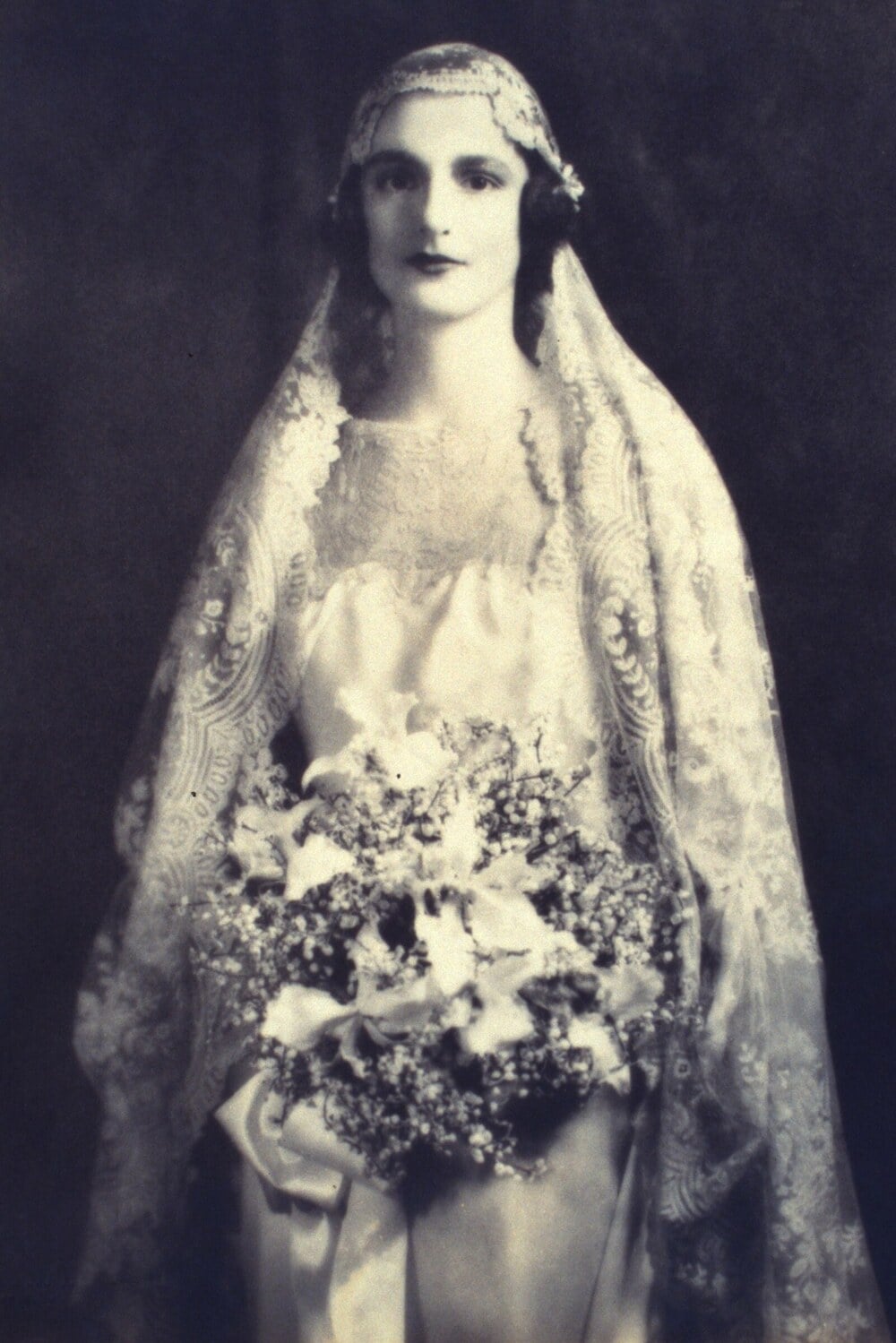
The old story says brides carried fragrant bouquets to cover unpleasant body odor, but history is not nearly that tidy. Herbs and flowers have appeared in wedding ceremonies for centuries, often carrying symbolic, religious, or regional meanings rather than serving as medieval perfume. So while the bouquet in a vintage bridal portrait may look familiar, the supposed hygiene explanation is better treated as folklore than a universal origin story.
2. Ringing Bells to Mark Time
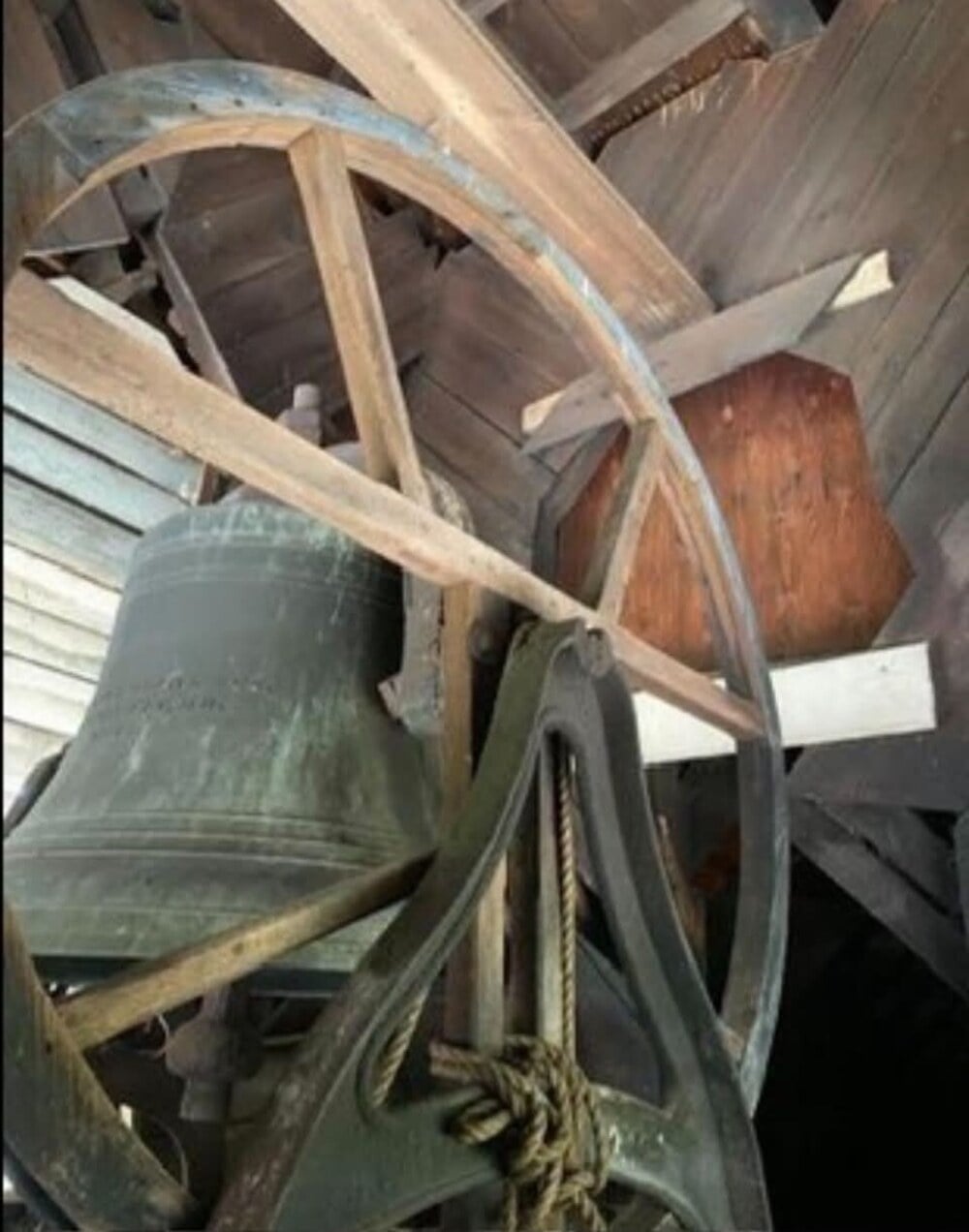
Long before checking the time meant glancing at a wrist or phone, a loud bell could put an entire community on roughly the same schedule. Church, town, and later factory bells helped announce hours and coordinate daily activity for people who did not own personal timepieces. A bell ringing over the rooftops was not merely atmospheric background noise. In the right setting, it functioned as a giant communal clock.
3. Wearing a White Wedding Dress
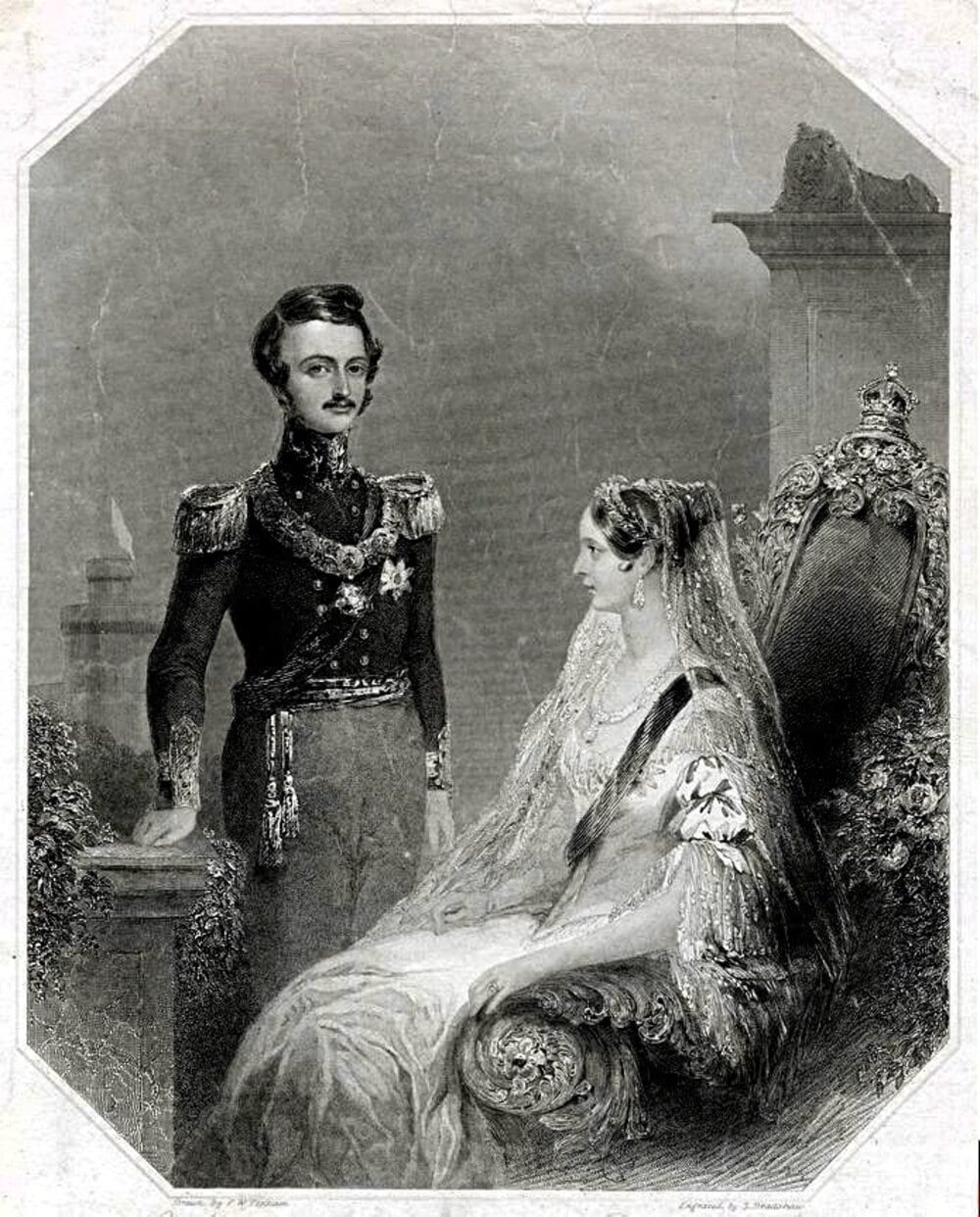
Here is one tradition whose practical-origin credentials fall apart under inspection. White bridal clothing became enormously fashionable after Queen Victoria wore white for her 1840 wedding, but the choice was tied more closely to fashion and status than to some forgotten logistical necessity. Sometimes a tradition survives not because it solved a problem, but because one extremely influential wedding made everybody reconsider what a bride was supposed to look like.
4. The Sunday Best Outfit
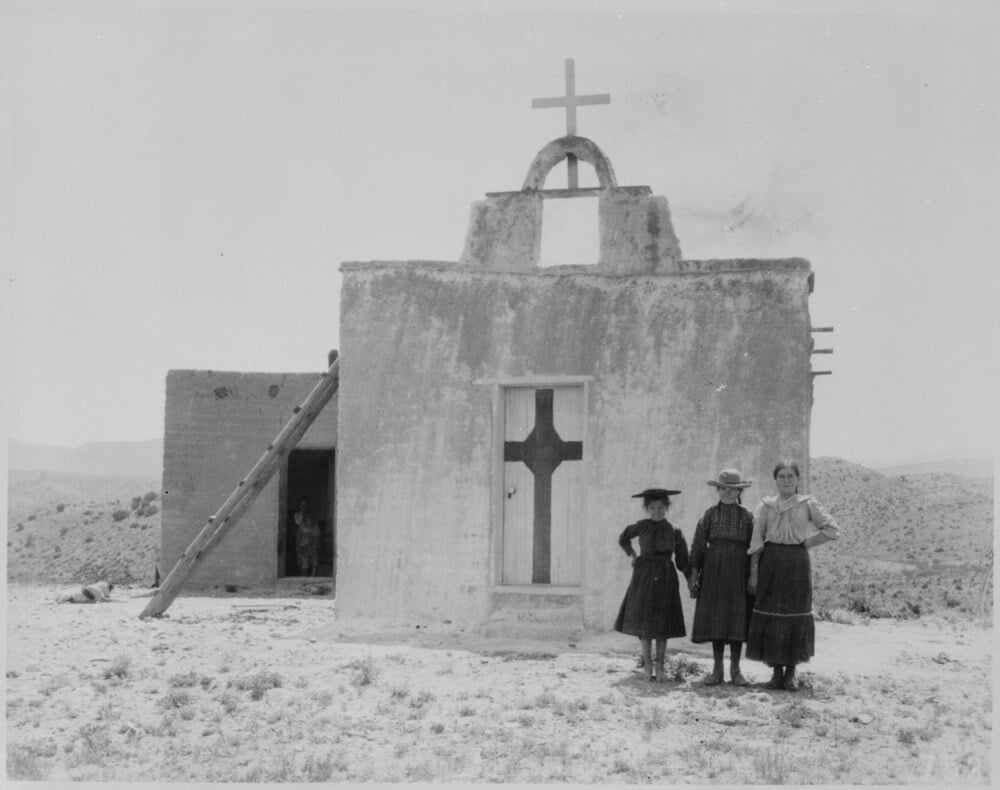
Why save the nicest clothes for Sunday? In communities where worship also served as a major weekly gathering, dressing carefully could communicate respectability while marking the occasion as different from ordinary workdays. There is no single practical invention moment behind “Sunday best,” but its social function makes sense in a world where church was also one of the places neighbors regularly saw and were seen by one another.
5. Harvest Festivals After the Crops Came In
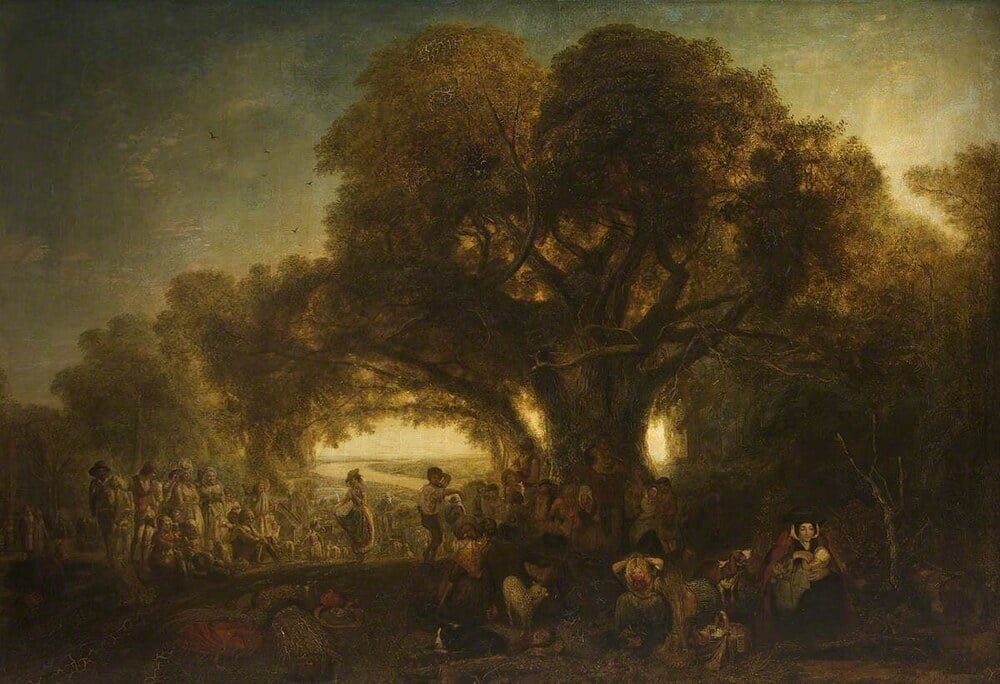
A harvest celebration could arrive at exactly the moment when there was finally something substantial to celebrate. Once crops had been gathered, agrarian communities could mark the end of demanding seasonal work, share food, and give thanks for the security the harvest represented. The religious and symbolic meanings varied widely from place to place, but the calendar itself was anything but arbitrary. First came the harvest. Then came the feast.
Trending on The Scroller

6. Housewarming Parties
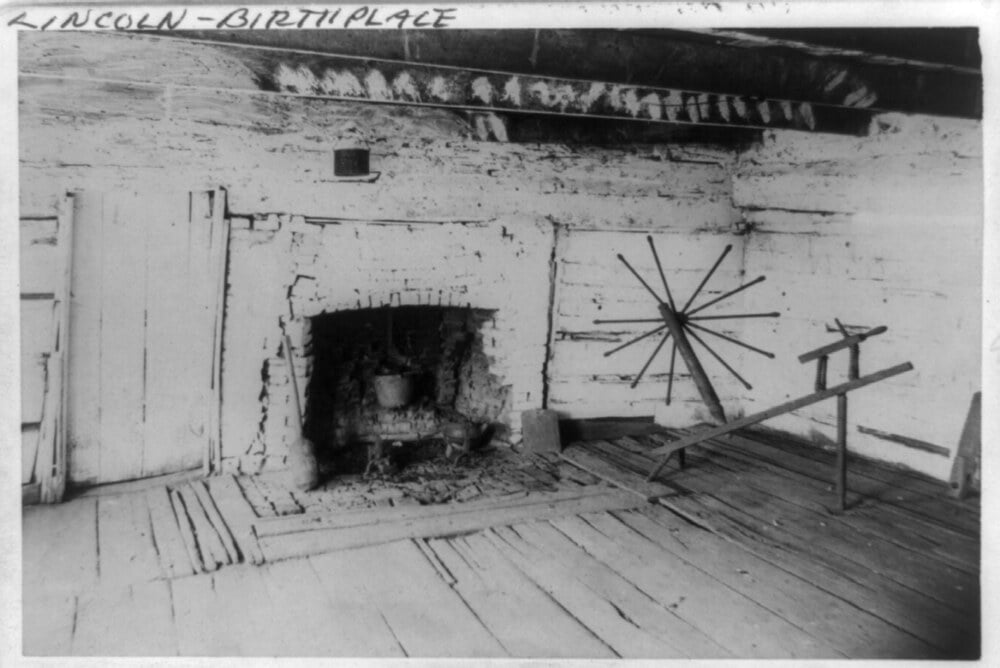
The word sounds surprisingly literal because, in some traditions, it was. Bringing warmth to a new home could involve the hearth and fire rather than the modern parade of wine bottles, plants, and “congratulations on the mortgage” cards. Still, the history differs by region, so the charming idea that every housewarming party descends from neighbors arriving with firewood goes further than the evidence allows. The practical connection between a new household and a warm hearth, however, is easy to understand.
7. Throwing Rice at Newlyweds
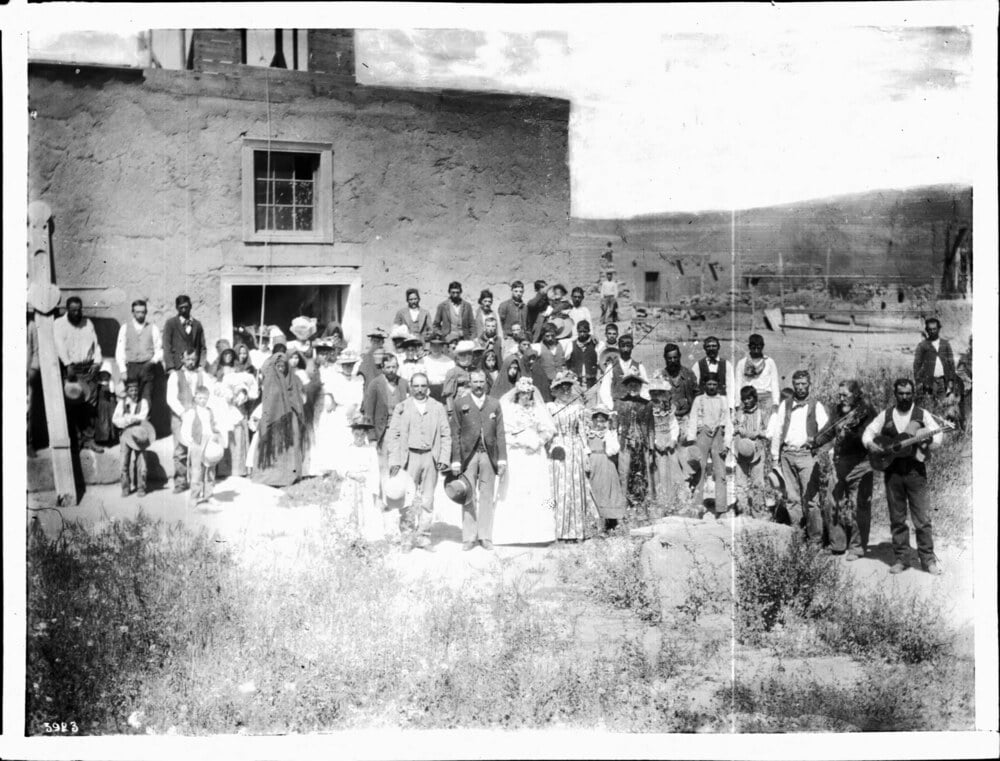
Rice flying through the air makes for a dramatic wedding exit, but this one belongs more comfortably in the symbolism column. Grains have represented fertility, prosperity, and abundance in multiple traditions, rather than serving a clearly documented practical need. So was rice originally tossed because newlyweds desperately needed something useful? Probably not. Its staying power says more about the human fondness for turning hopes for the future into visible rituals.
8. Hanging Stockings by the Fireplace
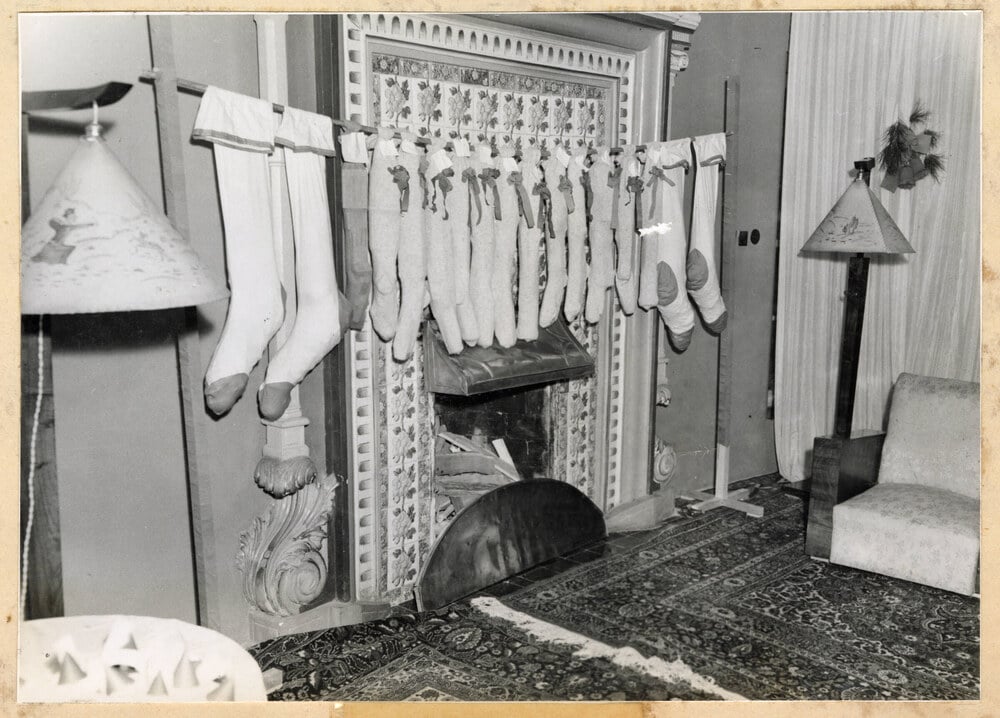
The fireplace certainly was a sensible place to dry damp garments, which makes the popular explanation for Christmas stockings wonderfully tempting. The problem is that tempting does not equal proven. Stories about the custom’s beginnings are largely legendary and vary considerably, so a row of stockings over the hearth cannot be confidently traced back to people simply drying their socks. Sometimes history refuses to cooperate with the cutest explanation available.
Sign up for our newsletter
9. Neighborhood Potluck Suppers
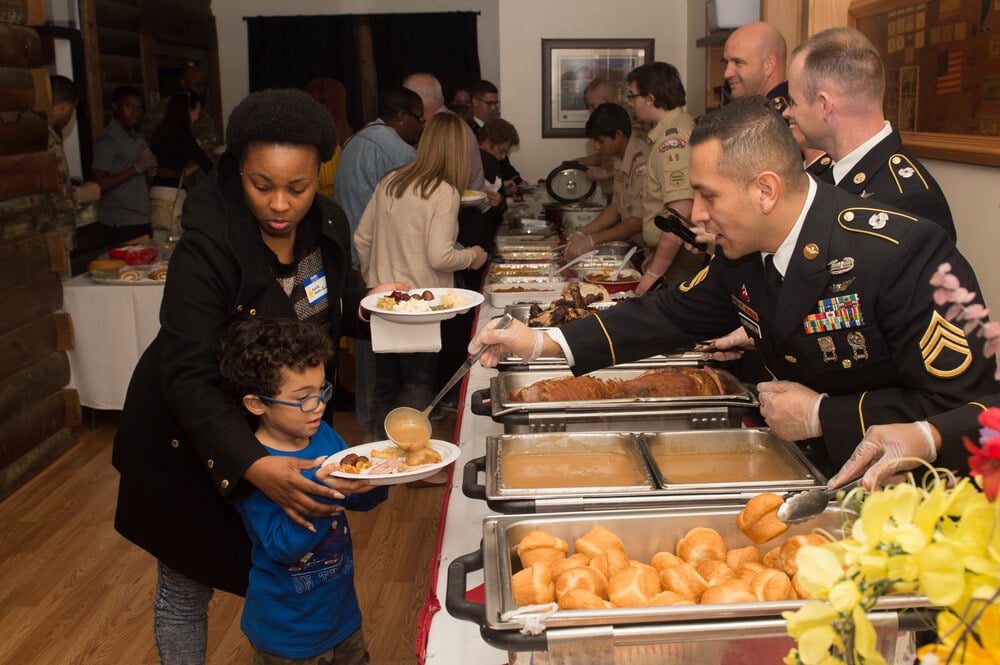
Everybody brings one dish, and suddenly nobody has to cook the entire meal. That simple bit of arithmetic helps explain the practical appeal of community potlucks, particularly in North American church and neighborhood settings. Sharing the cooking spreads both expense and labor across several households while producing enough food for a crowd. No single inventor needs credit for recognizing that dinner becomes much easier when twenty kitchens contribute instead of one.
10. The Wedding Registry
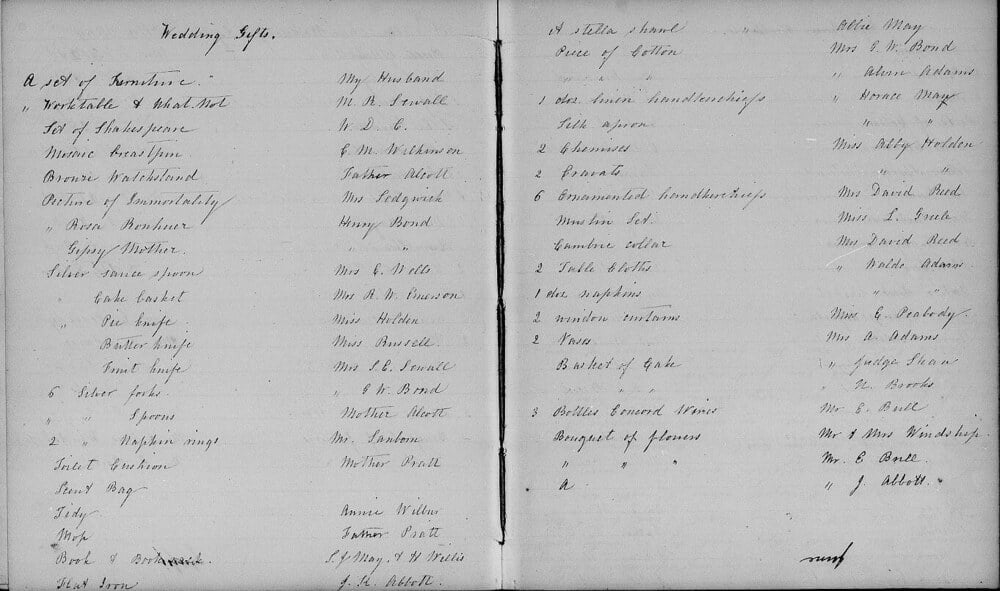
Practical origins of traditions rarely get more straightforward than the wedding registry: couples needed household goods, guests needed guidance, and stores could help prevent the newlyweds from receiving six versions of the same thing. Department stores helped popularize gift registries during the 20th century, turning an awkward guessing game into an organized system. Romantic? Not especially. Efficient enough to survive for generations? Absolutely.
11. Seasonal Spring Cleaning
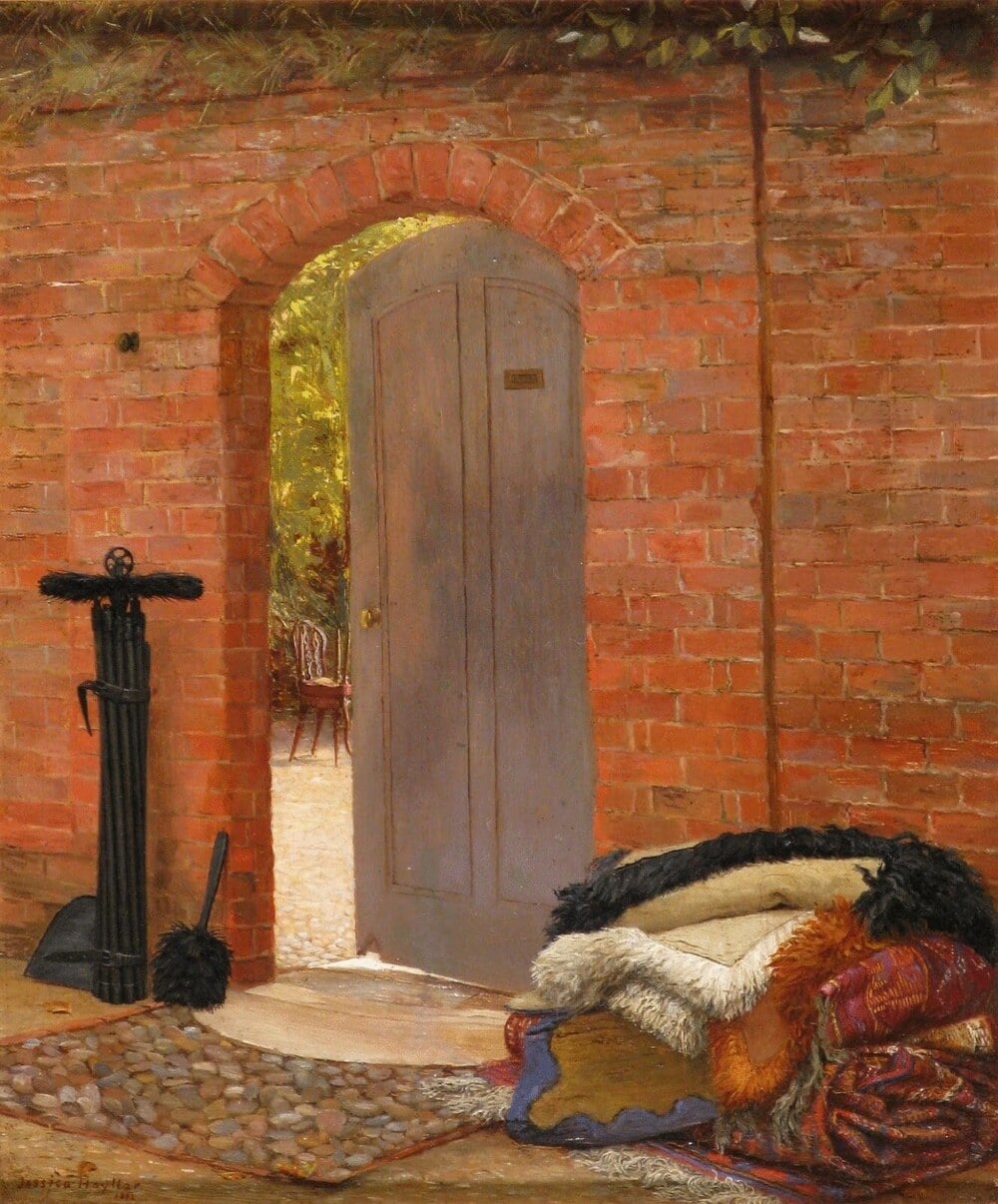
Imagine months of heating a home, keeping it relatively closed against winter weather, and watching soot and grime accumulate indoors. Suddenly, opening the windows and cleaning thoroughly when warmer weather arrived sounds less like a lifestyle trend and more like common sense. That practical seasonal pattern existed in some climates, although it should not be treated as the single origin of spring-cleaning customs everywhere.
12. The Toast Before a Shared Drink
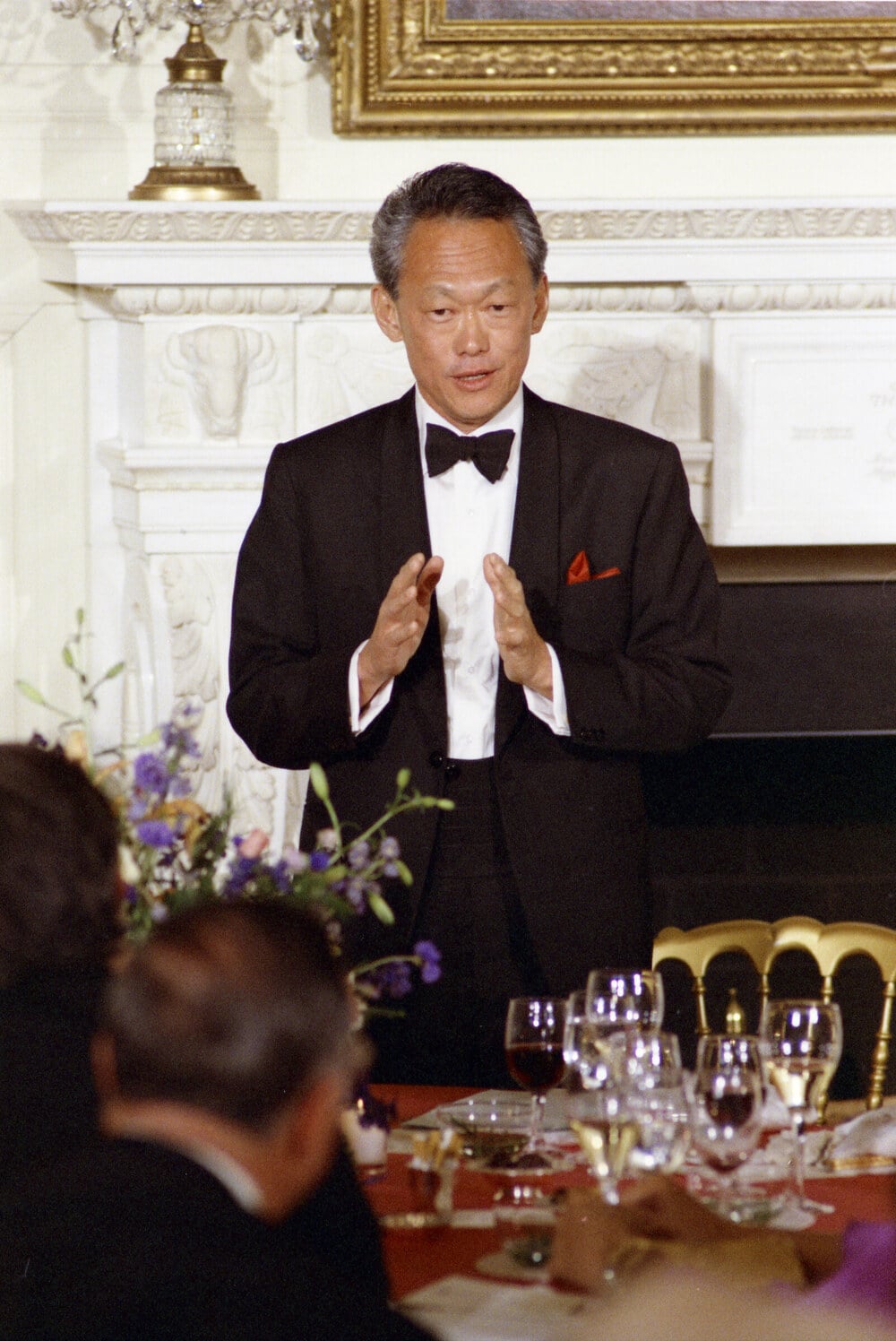
A toast does something wonderfully simple: it gets a group of people to pause together and recognize the same person, event, or idea. That social coordination is real. The much juicier tale that people clinked glasses so violently that drinks splashed together and discouraged poisoning is not established history. Apparently, humanity did not need assassination anxiety to discover that raising a glass together makes a gathering feel official.
13. Bringing Food to a Bereaved Household
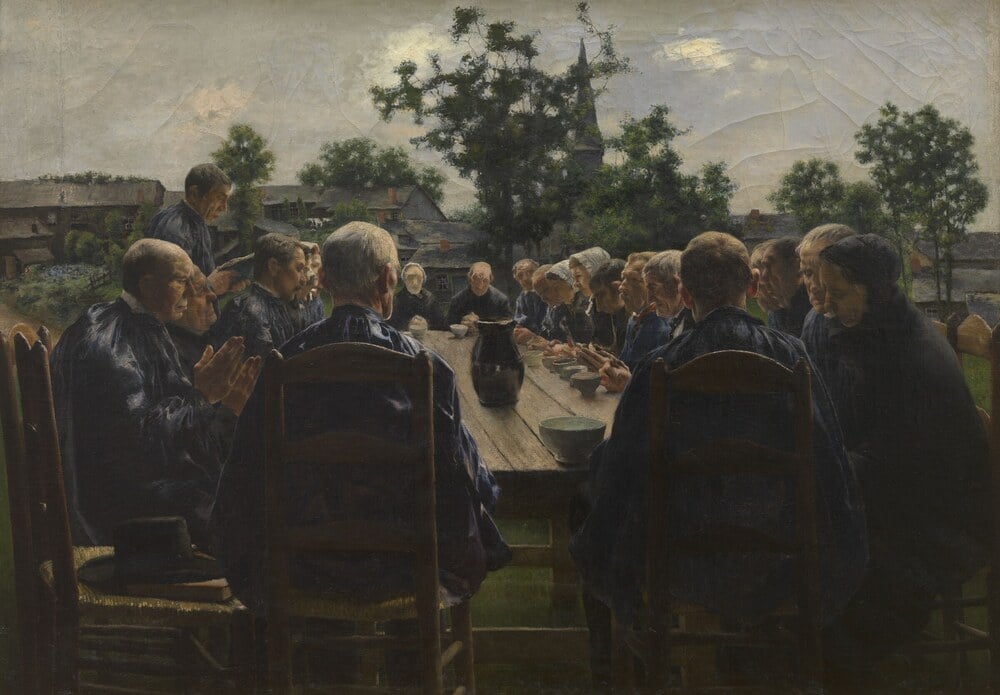
Some traditions need almost no elaborate origin story because their usefulness remains visible today. Grief does not make grocery shopping, cooking, or feeding a household disappear, so bringing prepared food can remove one ordinary burden during an extraordinary moment. Different communities and religions developed their own customs around mourning meals, but the practical impulse is remarkably clear: when someone is struggling, dinner is one thing neighbors can quietly take care of.
14. Midsummer Bonfires
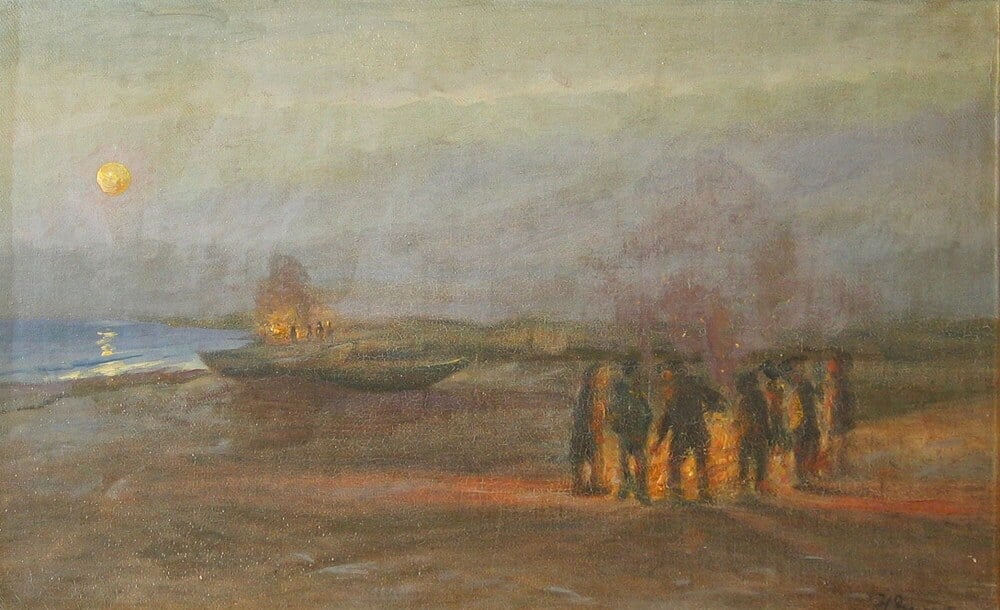
A bonfire visible across the landscape can gather a community around a seasonal marker with impressive efficiency. Midsummer fire traditions have carried agricultural, religious, and symbolic meanings in different places, so reducing them to one practical explanation would flatten a much richer history. Were the fires simply an old-fashioned form of pest control? That popular explanation is far too neat. Their relationship to seasonal calendars and communal gathering is much more defensible.
15. Removing Shoes Before Entering a Home
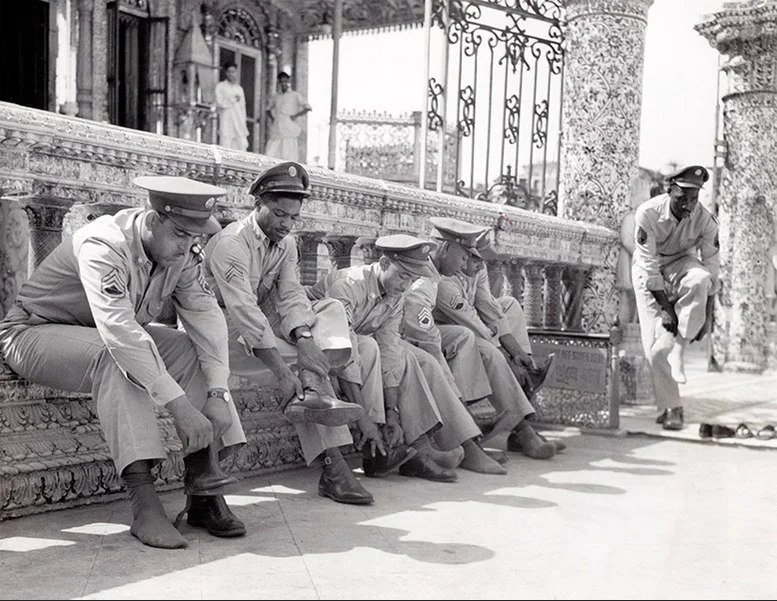
Mud has never needed a cultural explanation. Leaving shoes at the entrance offers an obvious way to keep whatever is outside from traveling across indoor floors, although shoe-removal customs can also carry religious, cultural, and spatial meanings that differ dramatically between societies. In traditions such as those associated with Japanese entry spaces, the boundary between outdoors and indoors becomes physically visible. One small habit can organize an entire home.
16. The Afternoon Tea Break
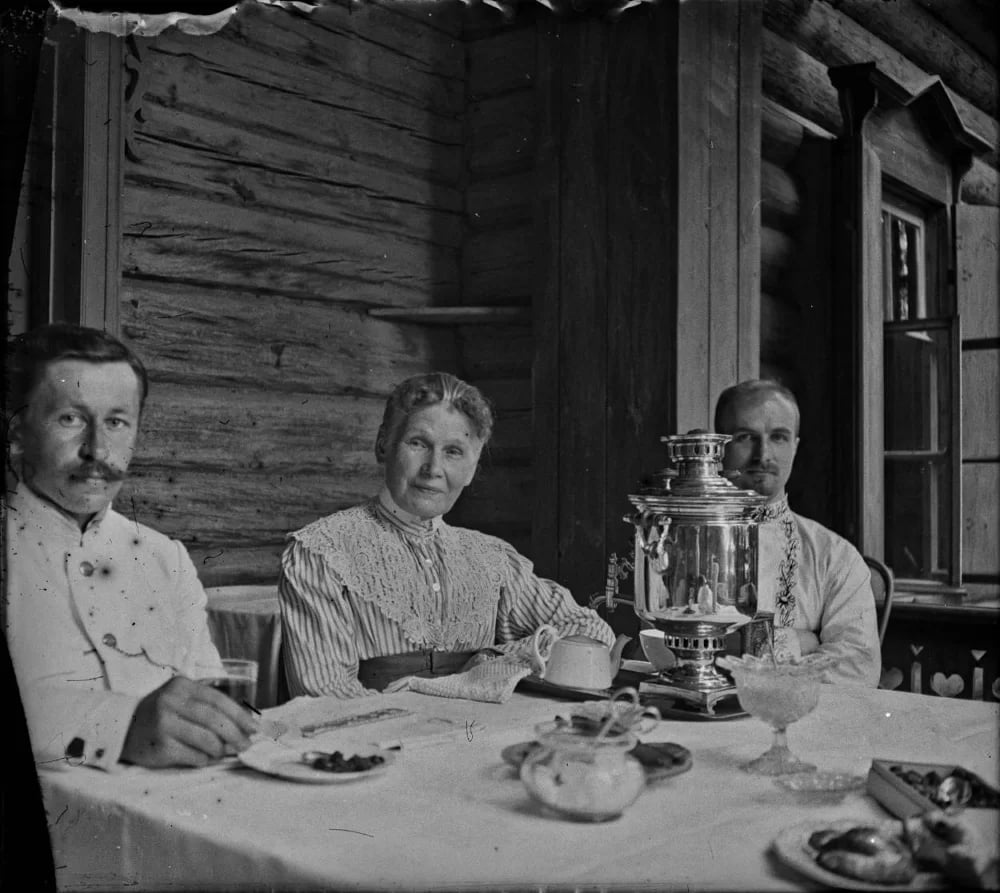
Not every cup of tea belongs to the same historical tradition. British afternoon tea developed its own social identity, while tea breaks within working schedules served a more plainly functional purpose: predictable pauses gave people a chance to rest and refresh during the day. Blending those histories into one elegant Victorian origin story is tempting, but misleading. Sometimes the fancy tea table and the worker’s mug are distant cousins, not twins.
17. Preserving Food for Holiday Feasts

Before refrigeration could keep a supermarket’s worth of ingredients waiting indefinitely, winter celebrations depended heavily on what could actually survive until winter. Curing, drying, pickling, smoking, and baking made foods last, allowing stored ingredients to become part of seasonal feasts. The specific dishes differed across regions and calendars, but the underlying problem was universal enough: how do you put something special on the table when the growing season is over? Preservation supplied part of the answer.
18. Wedding Banns Announced in Church
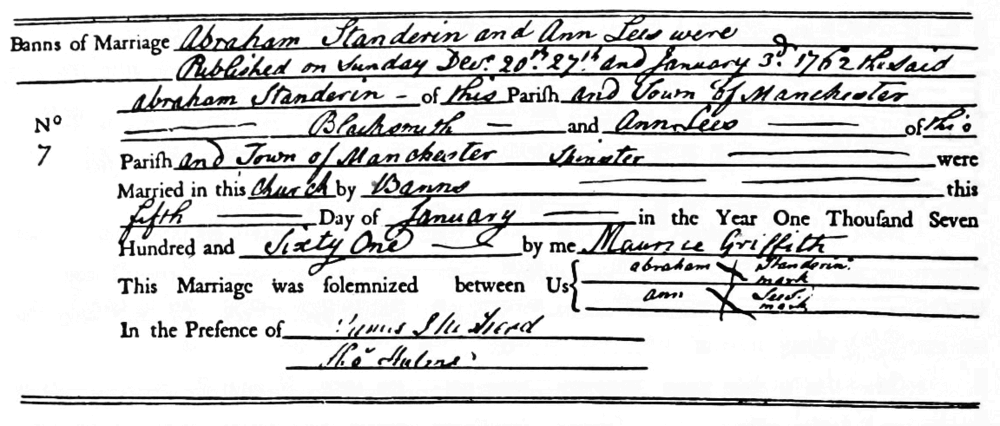
This tradition had paperwork hiding beneath the ceremony. In some Christian jurisdictions, banns publicly announced an intended marriage before the wedding, giving members of the community an opportunity to reveal legal impediments to the union. In other words, the announcement was not merely an old-fashioned flourish. It performed a recognizable legal and administrative function long before modern databases could make checking records considerably less public.
19. Giving Guests a Place at the Table
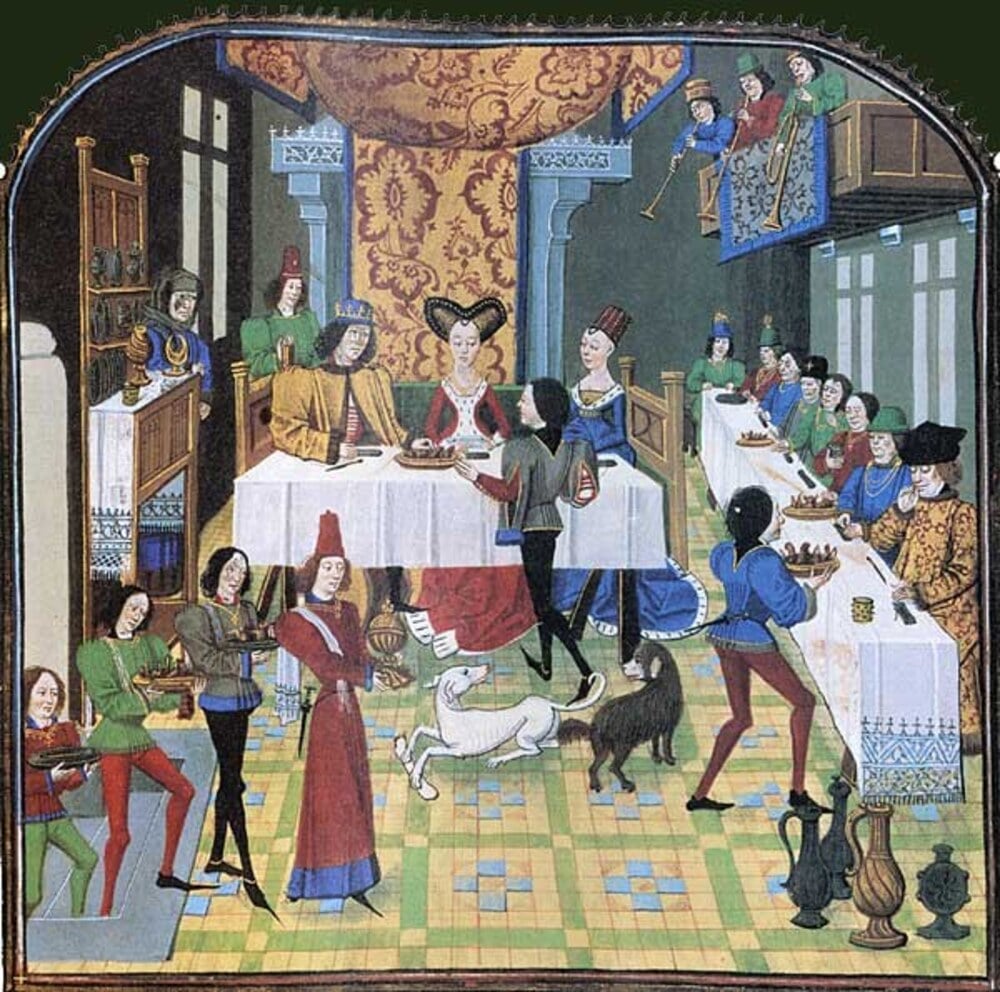
Once a ceremonial meal becomes large enough, “sit wherever” can turn into logistical chaos surprisingly quickly. Seating arrangements help organize guests, manage a large gathering, and historically could also make social hierarchy painfully visible. There is no single universal moment when humanity invented assigned seating, but its practical function is obvious in elaborate banquets: somebody eventually has to decide where everybody goes.
Traditions often become more interesting when the neat origin story falls away. Some began with practical concerns, others mixed usefulness with symbolism, and a few acquired explanations long after the custom itself was established. What connects them is the way ordinary solutions and social habits can outlive the circumstances that once made them useful, eventually becoming something people simply do because people before them did it too.
Keep Exploring The Scroller
Ever wonder how many other perfectly ordinary habits are carrying centuries of history around with them? Keep exploring The Scroller for more forgotten customs, surprising origins, and everyday traditions with stories hiding just beneath the surface:
16 Famous Traditions That Began by Pure Accident