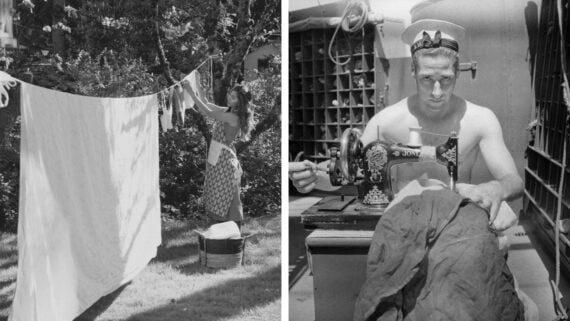
The 1900s were full of customs and routines that once felt completely normal but have slowly faded away with time. As technology advanced and lifestyles changed, many long-standing traditions slipped out of everyday life. What were once common practices in homes, communities, and families now feel like reminders of a world that worked very differently from the one we know today.
We’re taking a look at eighteen traditions that disappeared as the 1900s came to an end. Each one allows us to see how people lived, connected, and celebrated in the past, and how much our daily habits have evolved since then. Let’s dive into 18 traditions that died with the 1900s.
1. Canning and preserving food at home
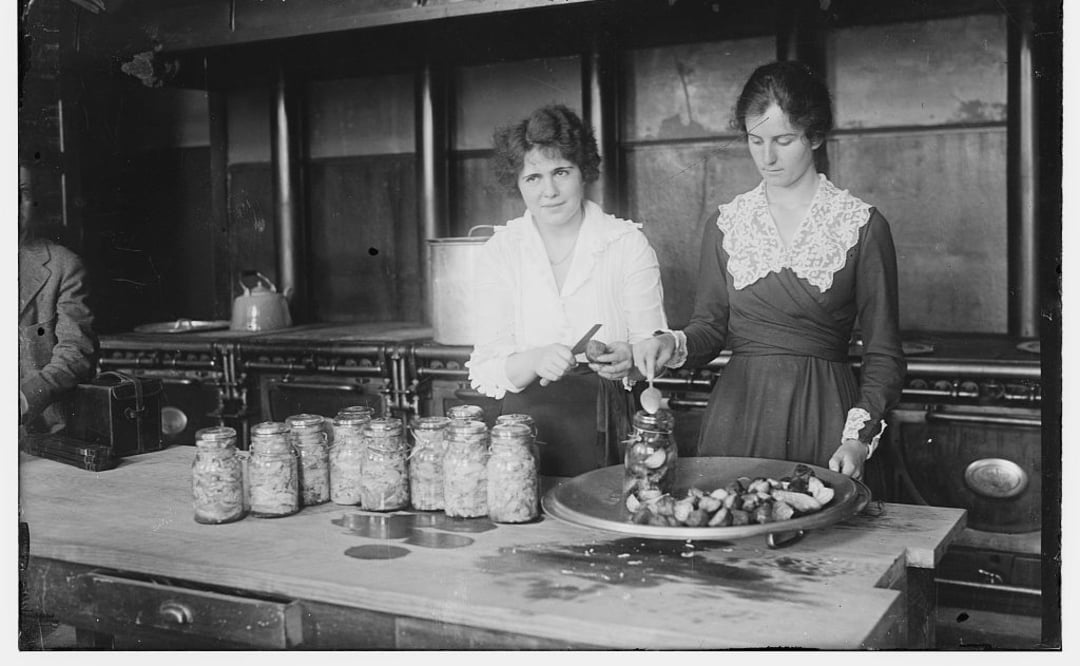
Families once spent long afternoons turning garden harvests into jars of preserved vegetables and fruits. The work required knowledge, time, and a rhythm passed from one generation to the next. Shelves lined with colorful jars were a source of pride in many homes. Modern convenience foods have made this once routine practice far less common.
2. Milk delivery to the doorstep
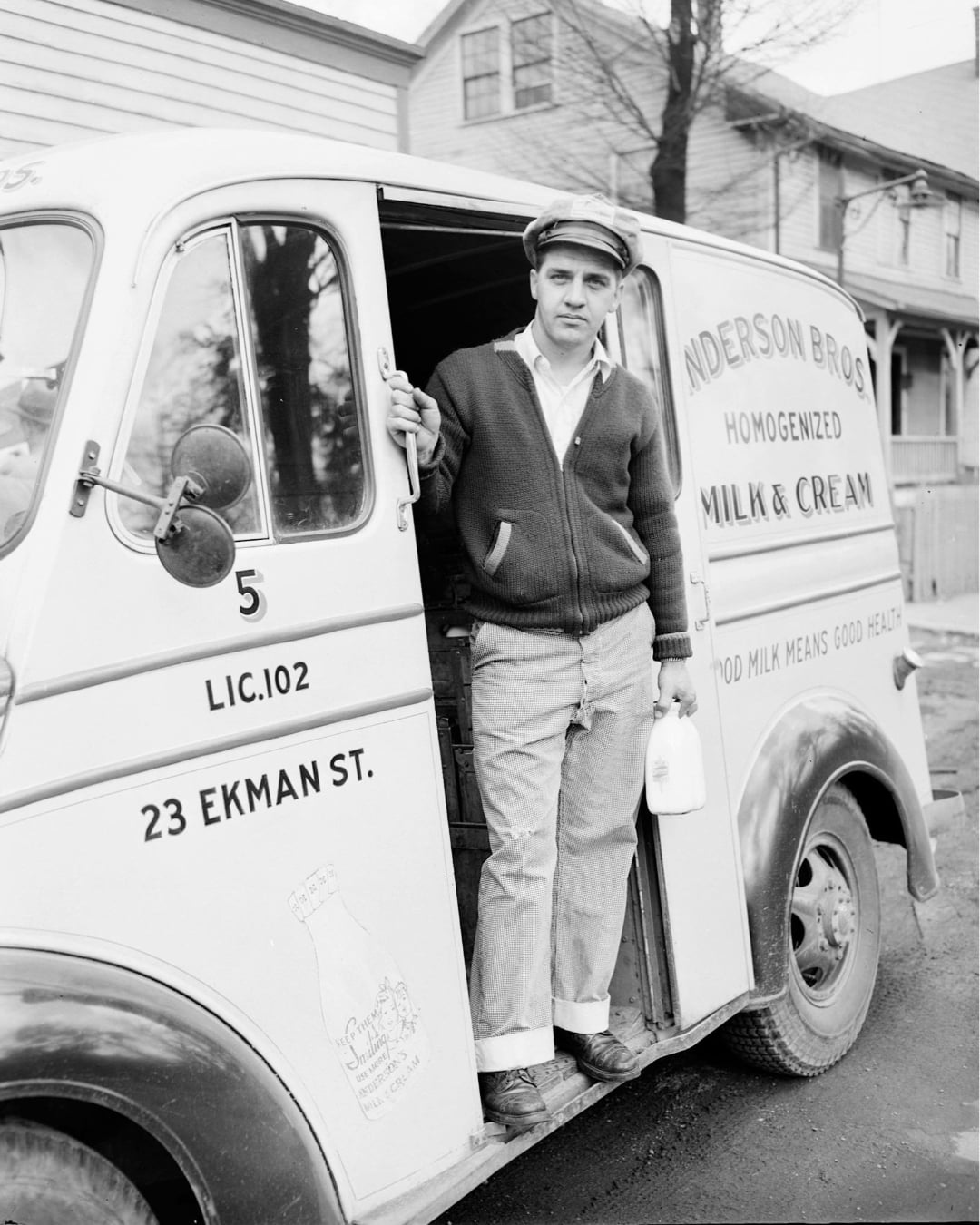
Fresh milk was delivered directly to the doorstep in sturdy glass bottles. Families relied on the milkman for daily or weekly service that felt both personal and dependable. Empty bottles were cleaned and set out for collection, creating a small routine within the household. Refrigeration and supermarkets eventually made home delivery rare.
3. Making photo albums
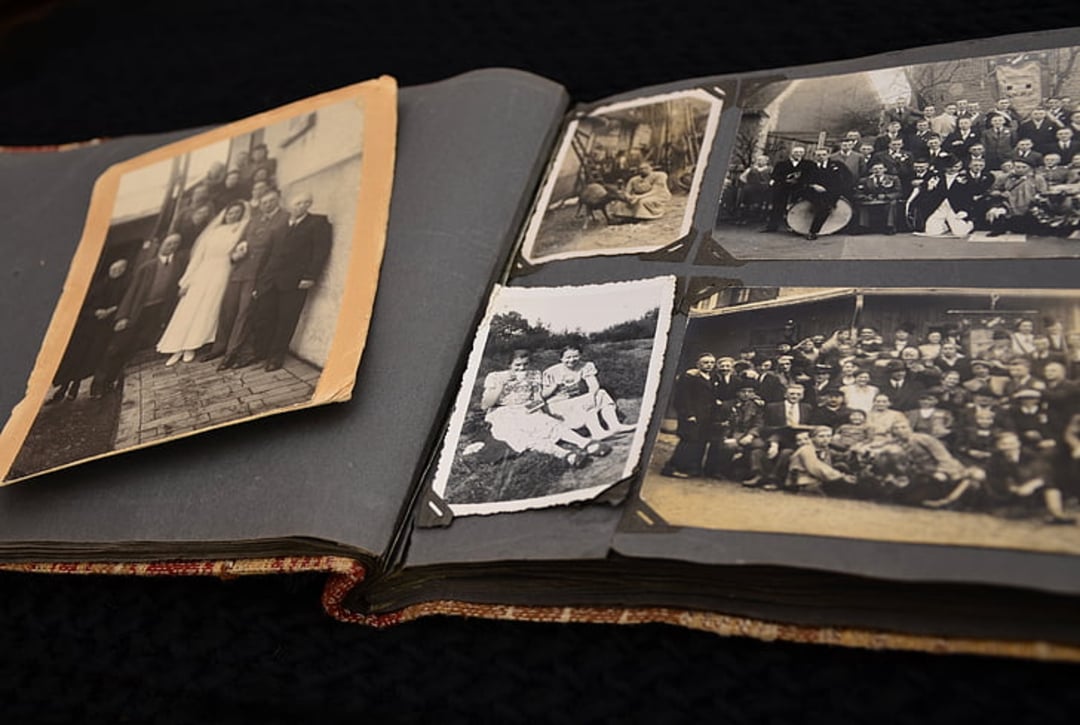
Making photo albums used to be a small but meaningful ritual in many households. Families would gather printed photos and spend time choosing which ones deserved a spot in the album, often laughing or reminiscing as they worked. Holding an album and flipping through its pages made memories feel real in a way that was comforting and personal. Today, most of our pictures stay on our phones, where thousands of snapshots live quietly in digital folders. It is convenient, but it does not always offer the same joy as opening a well-loved album filled with moments you can actually hold in your hands.
4. Writing checks for everyday purchases

Checks were a common method of payment for groceries, clothing, and nearly every routine expense. People kept checkbooks balanced and neatly recorded every transaction. Store clerks often verified identification before accepting a check, which made the process feel formal. Today, electronic payments have replaced the need for this careful routine.
5. Visiting the library for research

Finding information once meant visiting the local library and searching card catalogs with quiet focus. Students and adults browsed rows of encyclopedias and reference books to complete their work. Librarians offered guidance and expertise that shaped the learning experience. Online resources have replaced much of this hands-on research.
Trending on The Scroller

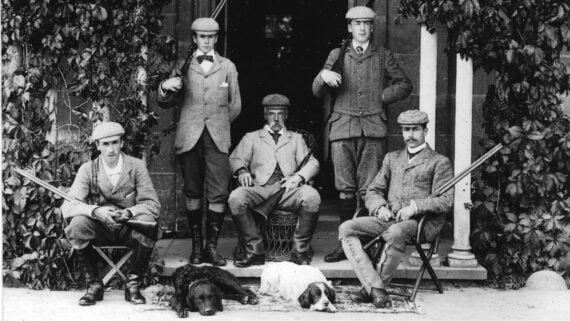
6. Repairing things instead of replacing them
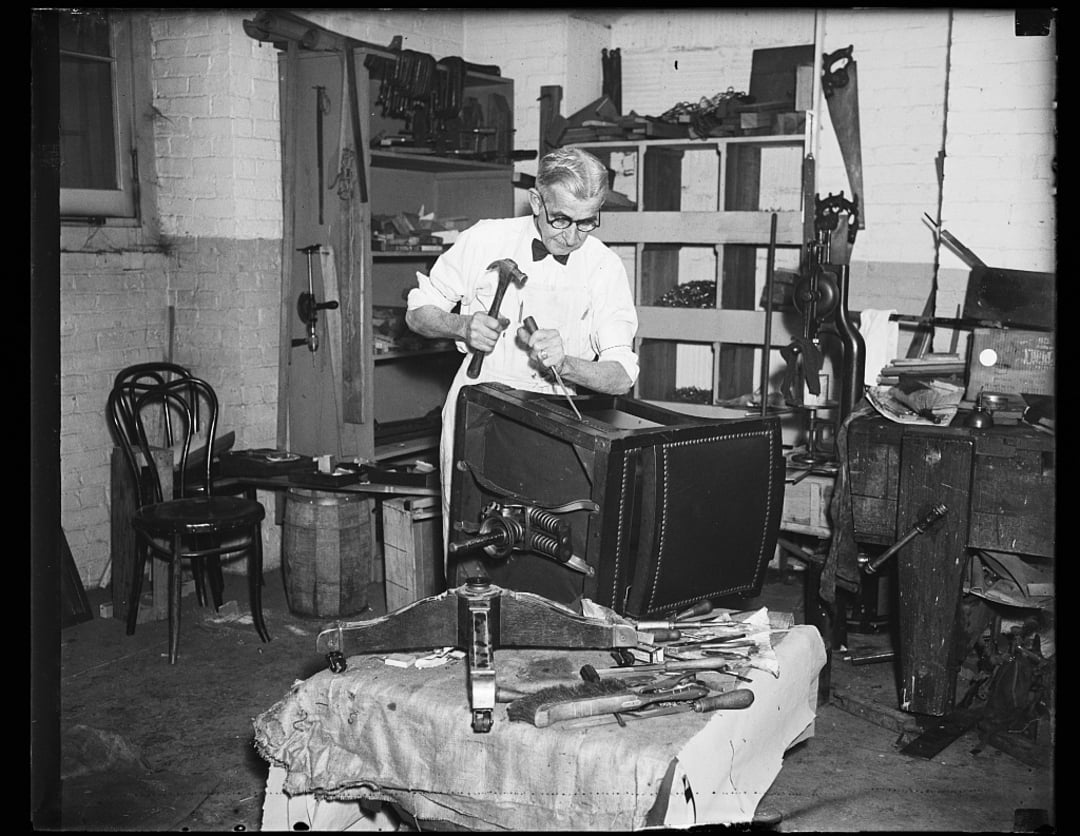
Parents used to teach kids how to fix things around the house, from leaky faucets to torn clothes. These moments taught patience, problem-solving, and pride in making something last. Today, broken items are often replaced instead of repaired, and those hands-on lessons have become rare. The simple act of fixing things together created memories that lasted far beyond the project itself.
7. Hanging your laundry
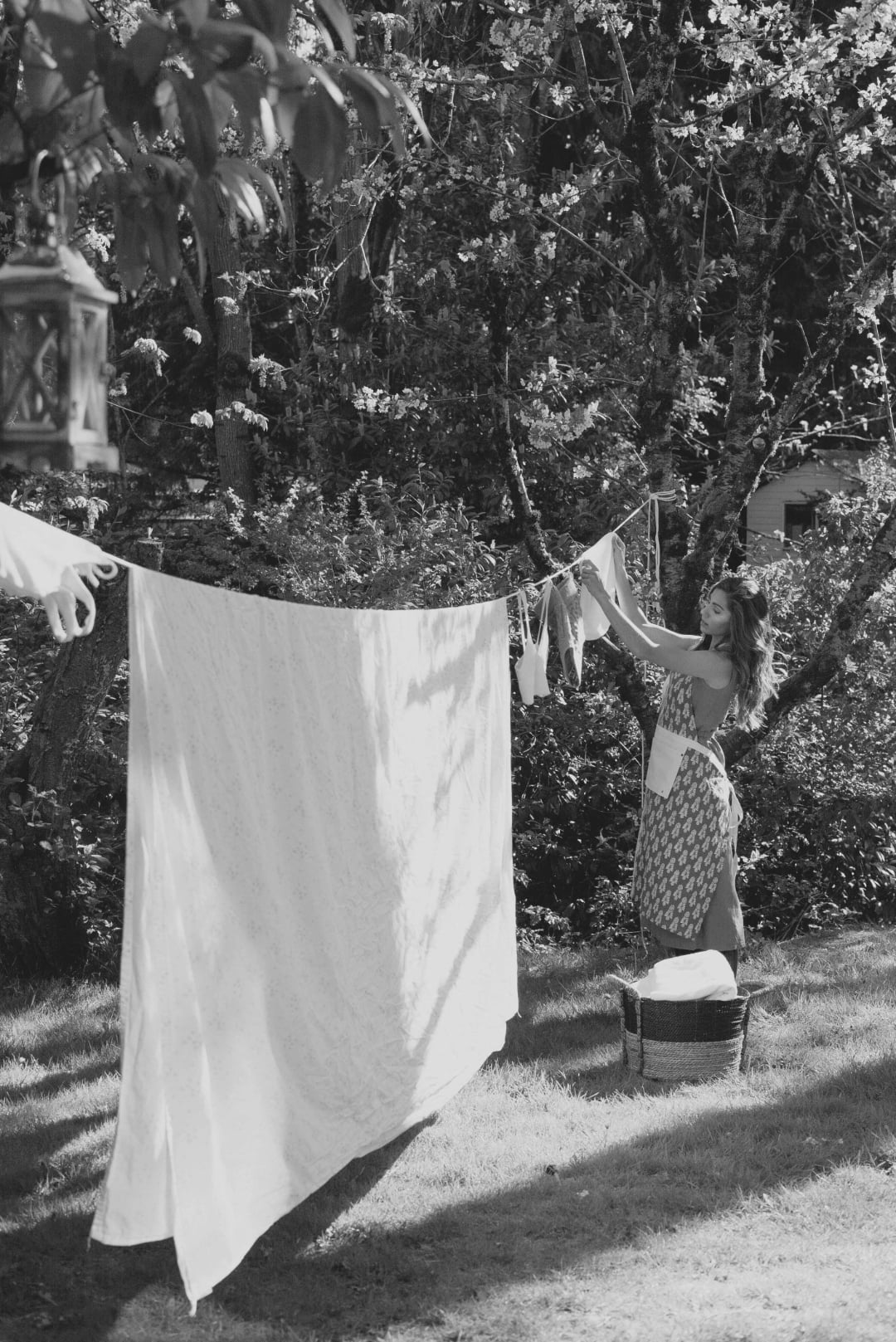
Backyards often featured clotheslines filled with fresh laundry drying in the open air. The scent of sun-dried fabric carried through neighborhoods and offered a familiar sign of daily life. Hanging and collecting clothes created a simple routine that was both thrifty and environmentally friendly. Electric dryers have made this method less common in many places.
8. Watching TV as a family
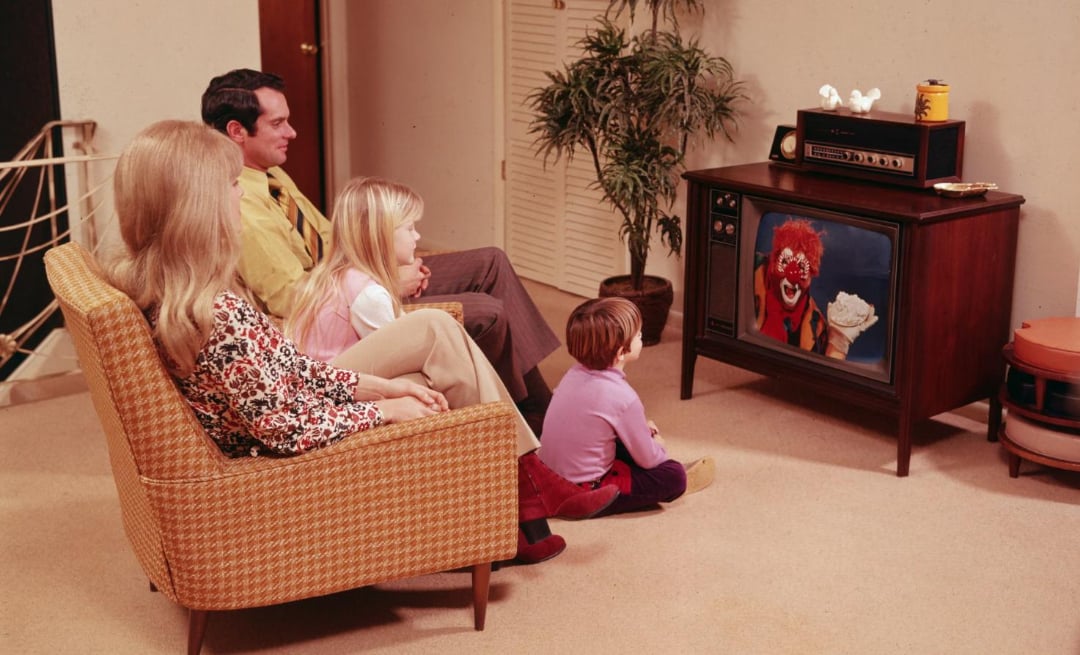
Families once gathered around the television at a specific hour to watch their favorite programs. Missing the time slot meant waiting for a rerun because recordings were not easily available. This shared experience brought people together in a way that felt communal. Today, everyone can stream exactly what they want to watch right to their phone or tablet.
Sign up for our newsletter
9. Using paper maps for travel
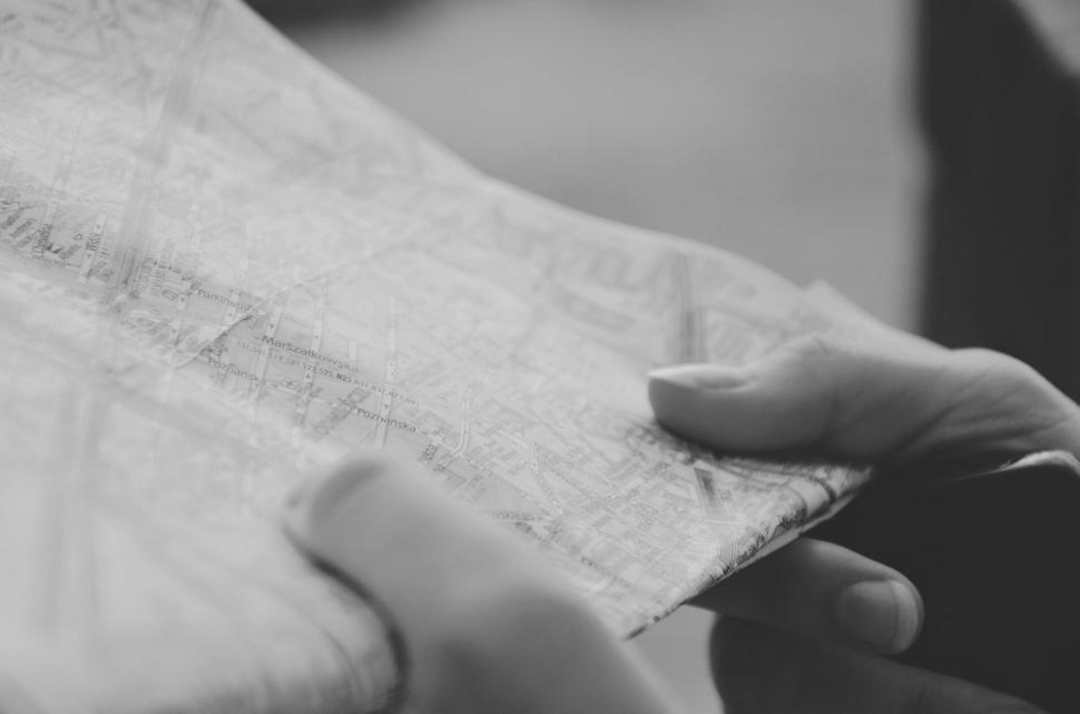
Road trips required unfolding large paper maps and studying them carefully before setting off. Navigators in the passenger seat followed the route and alerted the driver to turns and exits. Learning how to read a map was a useful skill that many people took pride in. GPS technology has removed much of the guesswork that once defined travel.
10. Formal dress for everyday errands
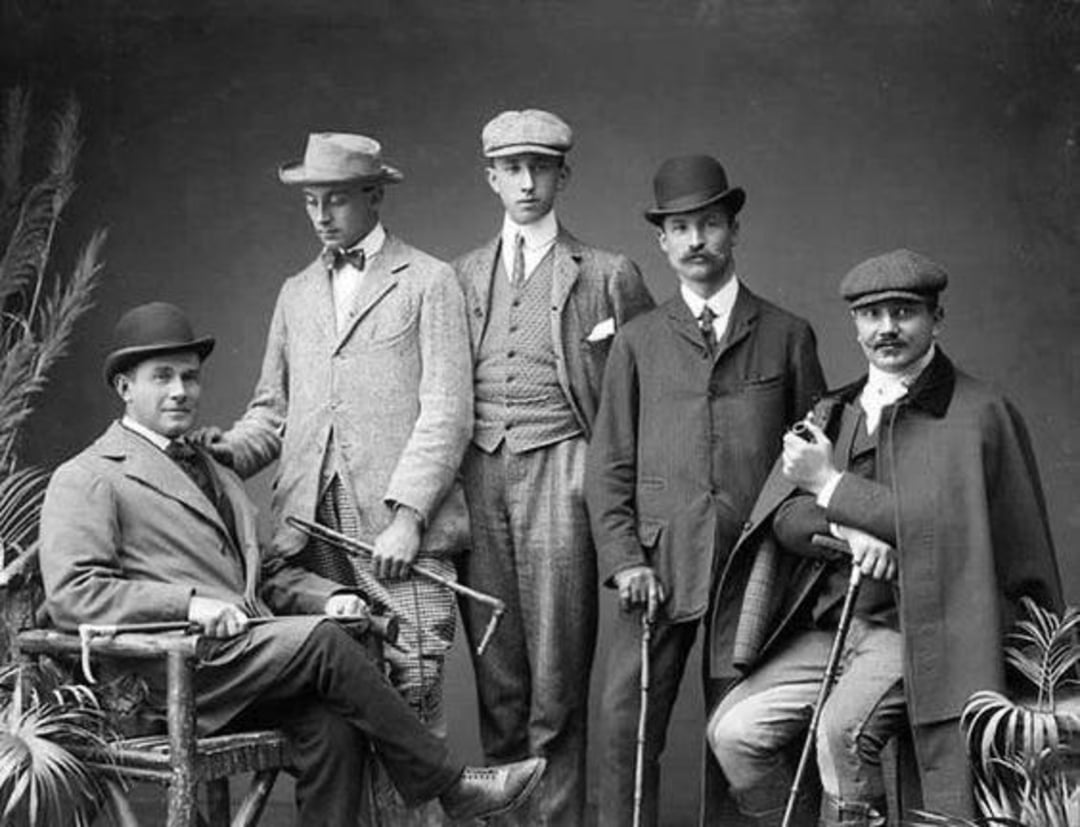
People once dressed neatly even for routine outings like shopping or going downtown. Hats, gloves, and polished shoes were part of standard attire for both men and women. Dressing well was seen as a sign of respect for oneself and the community, and modern fashion has become far more relaxed and informal.
11. Sewing and mending your own clothes
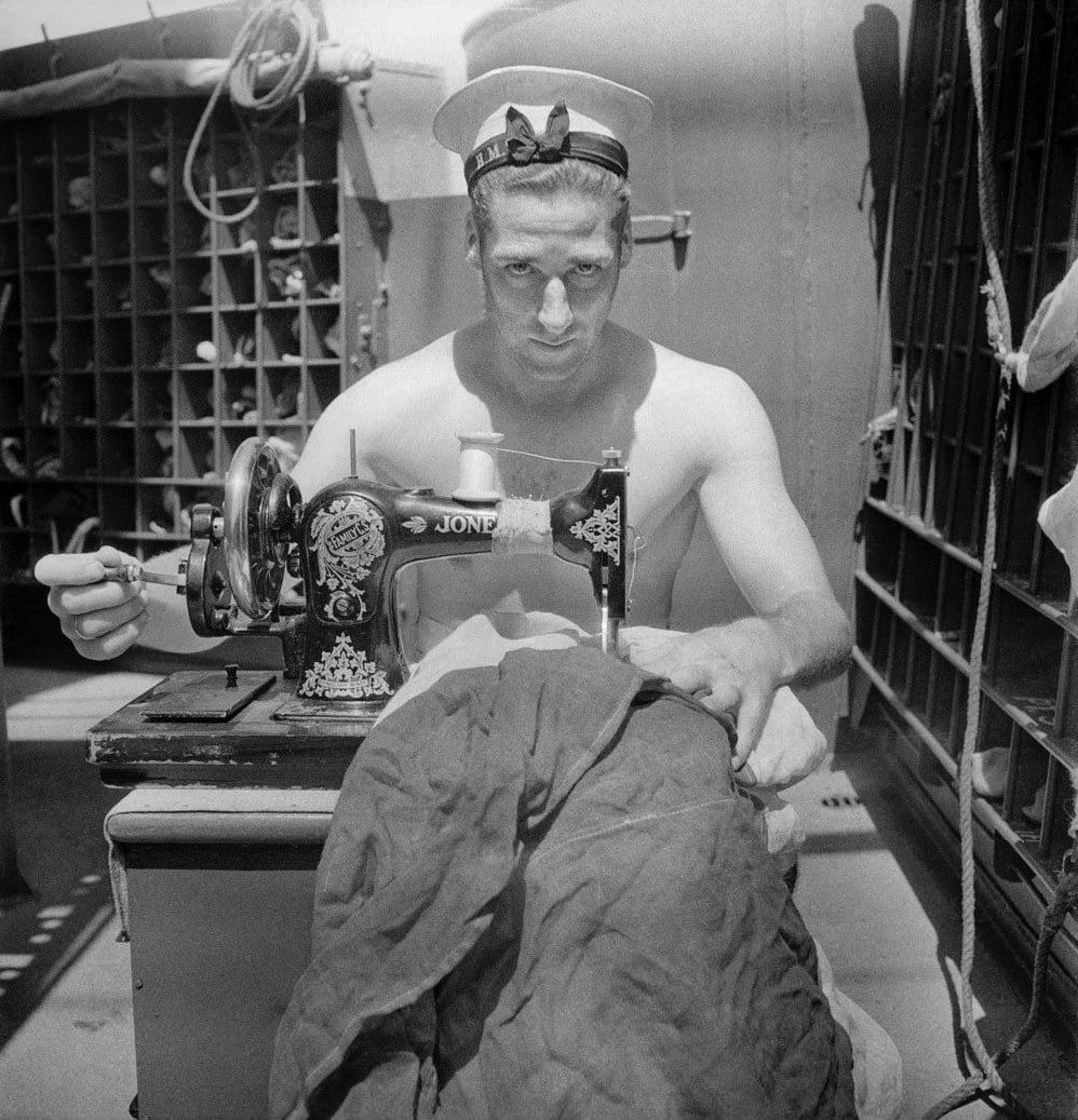
Many people once made or mended their own clothes, often learning skills from parents or grandparents. Sewing was practical, creative, and even social, with neighbors trading tips and patterns. Every repaired garment told a story of care and resourcefulness. Now most clothing is bought ready-made, and the craft of stitching has become a hobby rather than a necessity. The act of creating something to wear carried pride that is hard to replicate today.
12. Knitting for the family
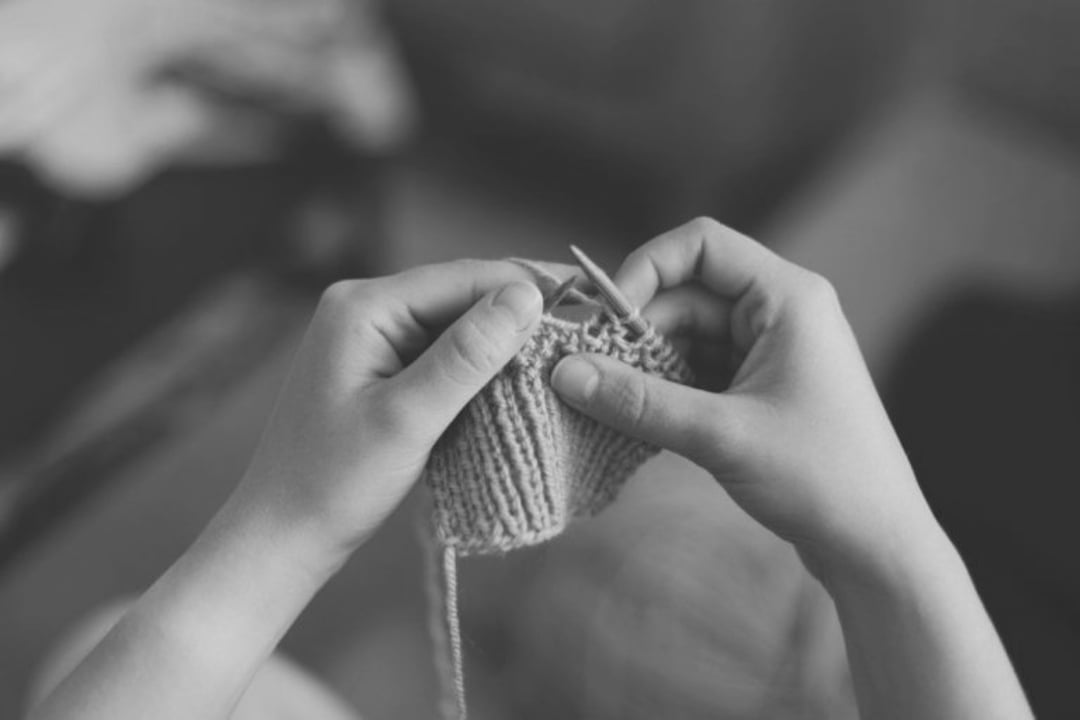
Knitting was a common skill, and many people made scarves, sweaters, and socks for family members. The craft was both practical and meditative, often creating items that lasted for years. Handmade pieces were treasured for the time and care woven into every stitch. With mass-produced clothing, knitting has mostly become a hobby or artistic pursuit. The rhythm of needles and yarn once connected hearts across generations.
13. Home churned butter
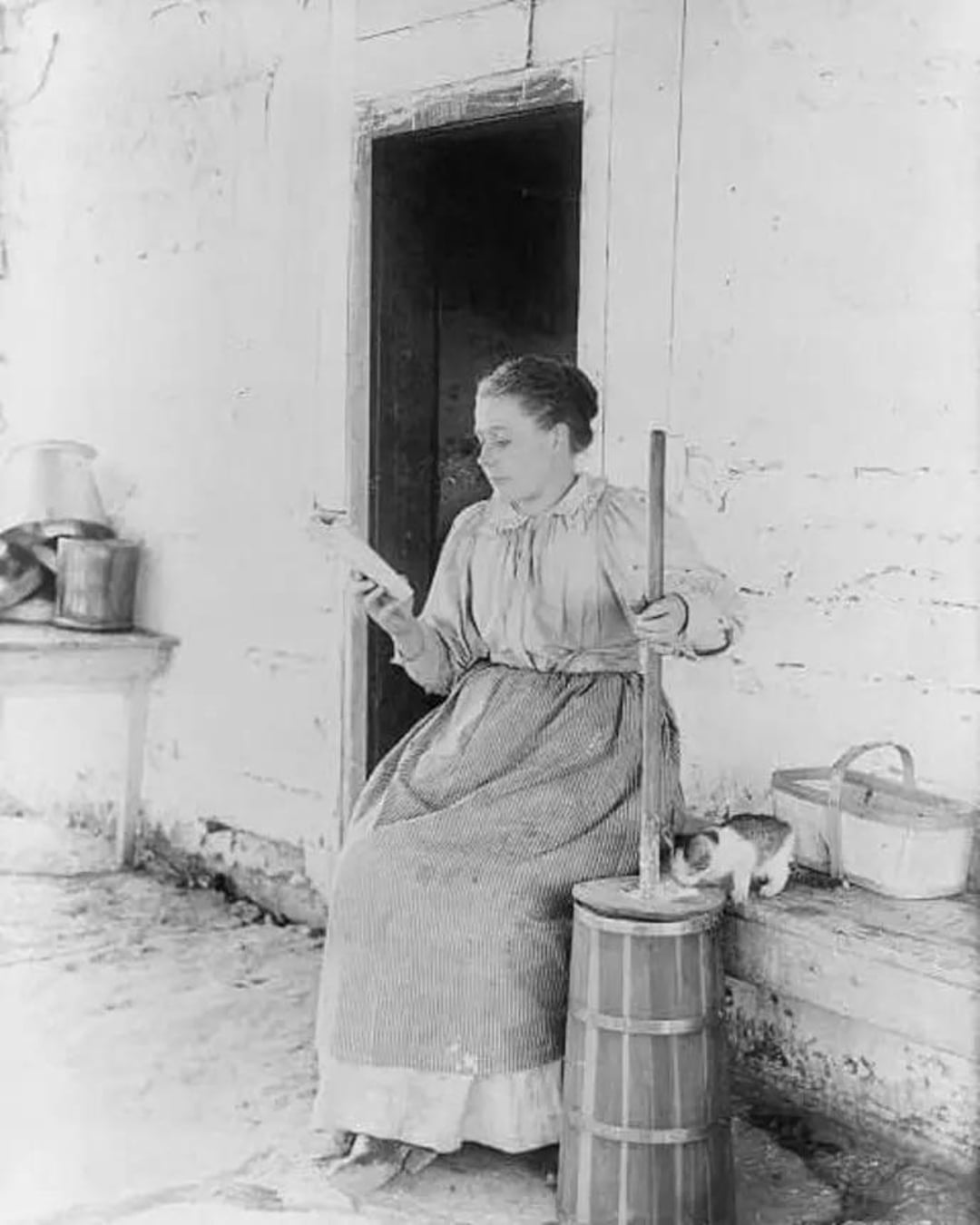
Families once churned their own butter from cream, turning labor into a ritual that brought everyone together. Children often helped, watching with fascination as liquid transformed into solid butter. It was hard work, but the reward was rich, creamy, homemade flavor. Now, store-bought butter has replaced the need for churning, and the tactile pleasure of the process is rare. Making butter at home was more than cooking; it was a hands-on lesson in patience.
14. Making bread at home
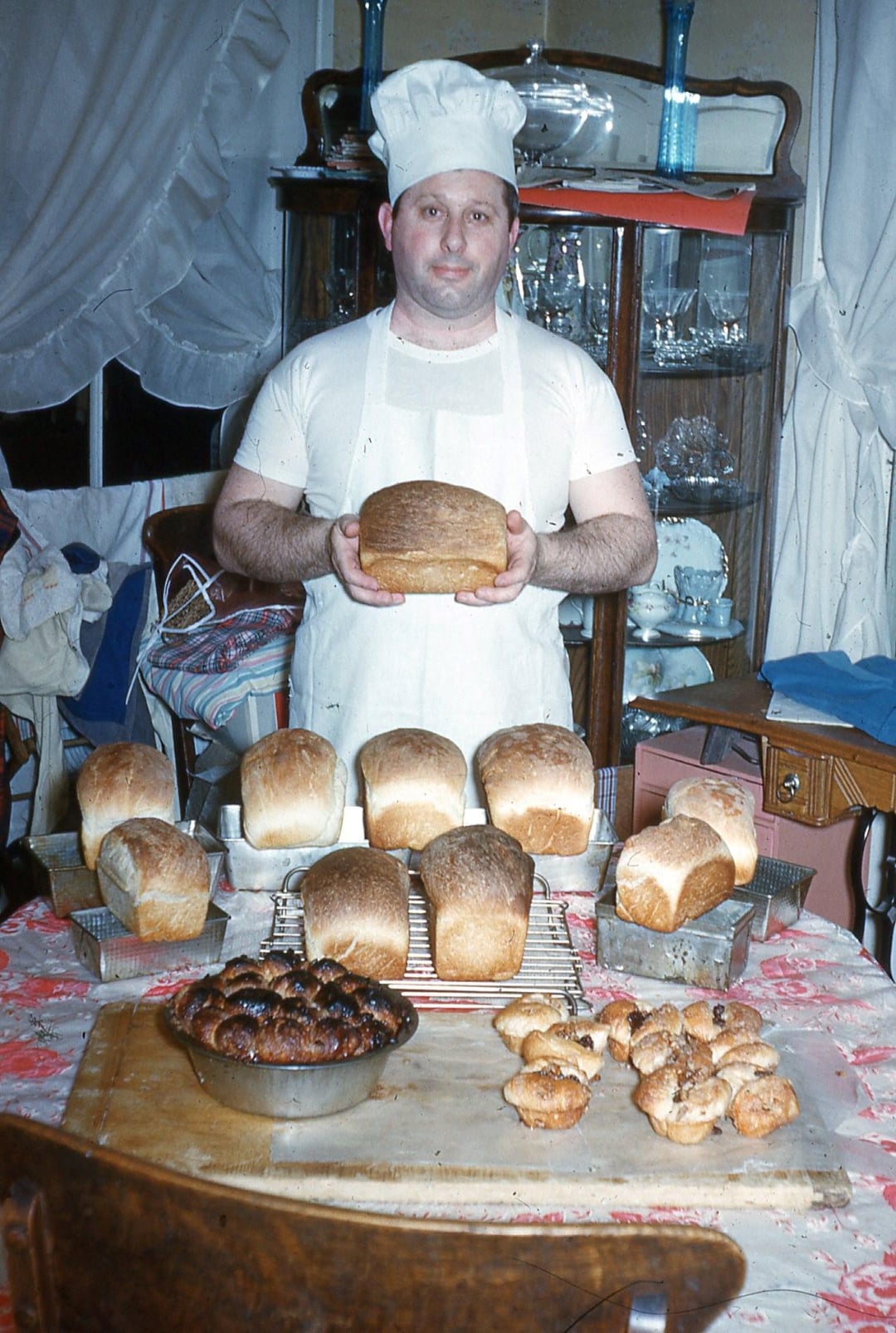
Families once baked their own bread every week, filling homes with the smell of yeast and warmth. Baking was both a chore and a comfort, and children often helped knead or shape the loaves. Store-bought bread has replaced this hands-on tradition for most households. The process created a rhythm in domestic life and a sense of accomplishment. Homemade bread connected people to both tradition and daily sustenance.
15. Listening to the radio as a family
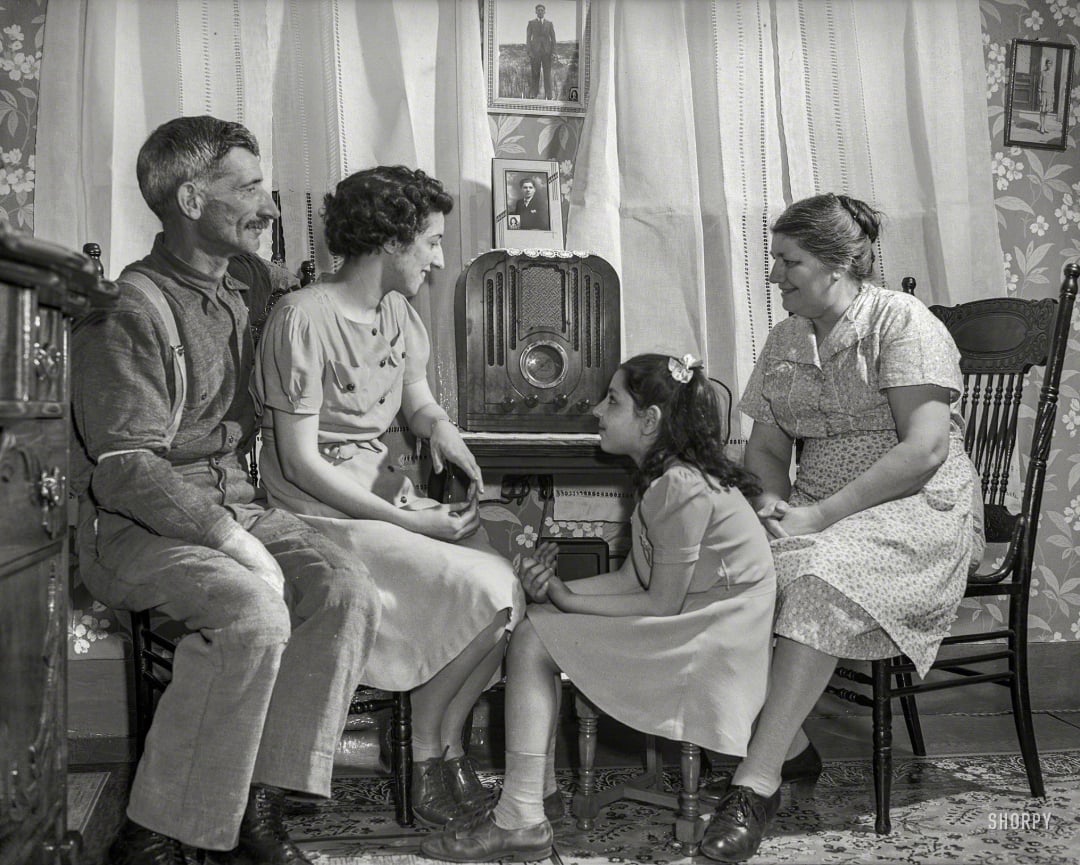
Before television, families gathered to listen to news, music, and serialized dramas on the radio. Listening together created shared suspense, laughter, or excitement. It was a communal activity that marked evenings with rhythm and routine. Today, media consumption is often solitary through phones or personal devices. Radio was both entertainment and a social anchor in households.
16. Making homemade candy
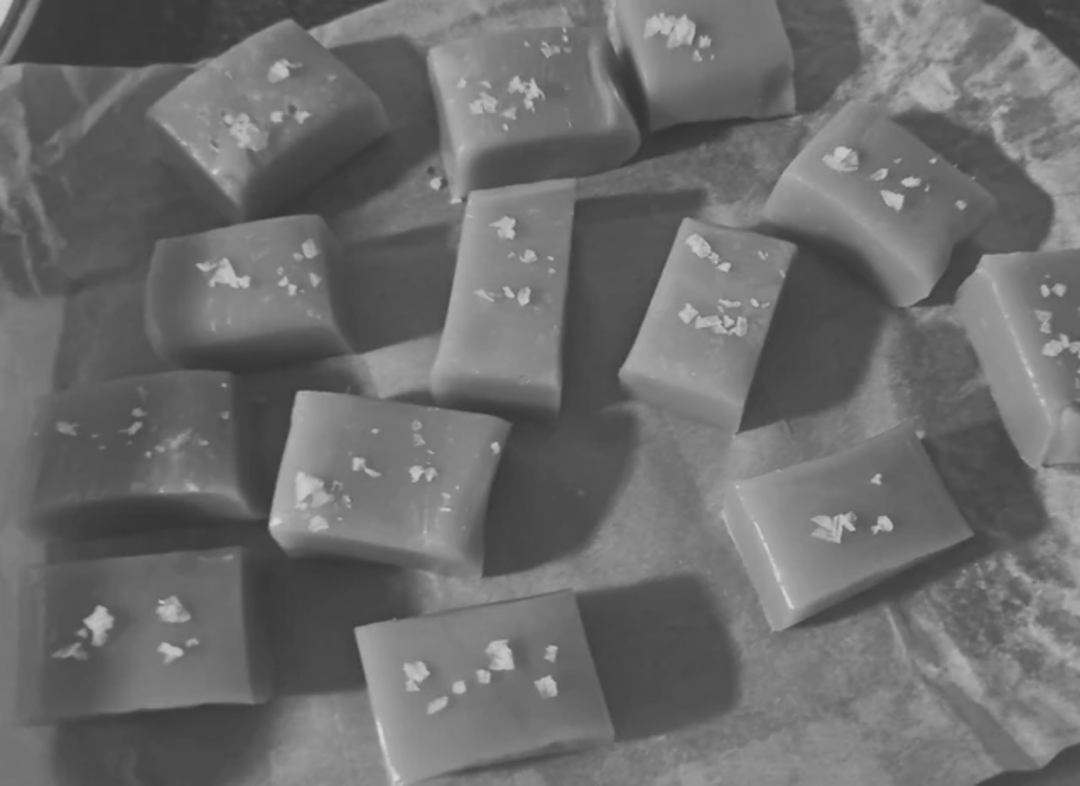
Candy was often made at home, especially for holidays or celebrations. Parents and children cooked sugar, stirred mixtures, and shaped treats together. Each candy carried effort, skill, and a personal touch. Store-bought sweets have largely replaced this practice. Making candy was a creative activity that brought families together in the kitchen.
17. Making homemade soap
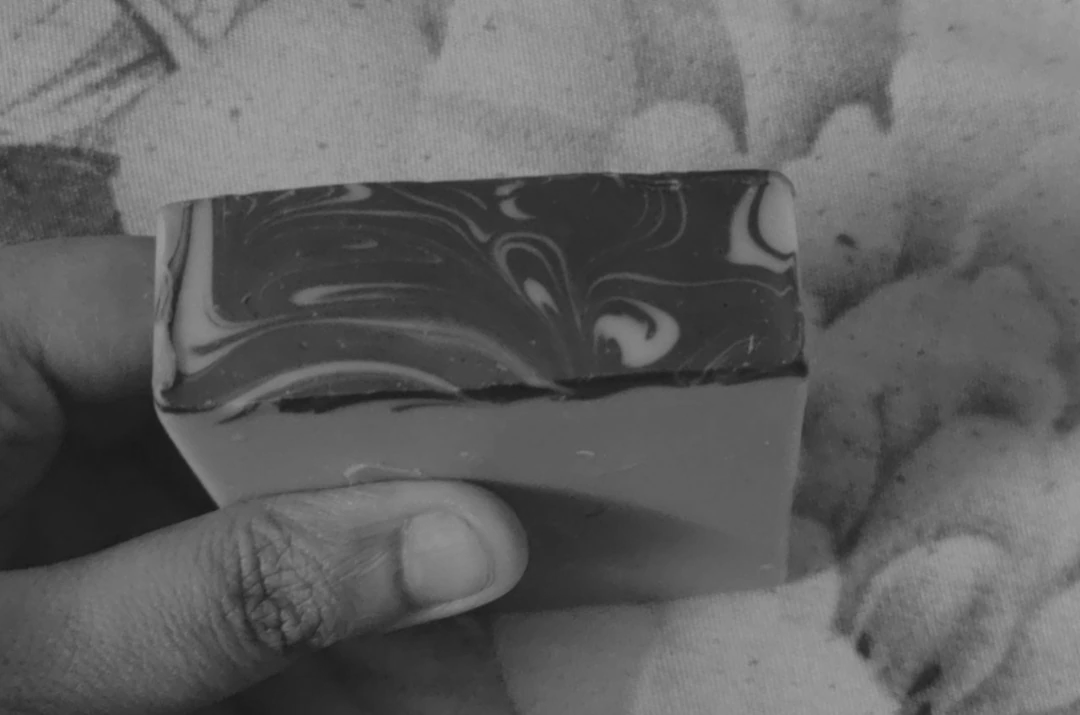
Soap was often made at home from fats and lye, a careful process that required patience and precision. Families crafted it in batches, sometimes adding herbs or scents for personalization. The work was practical, creative, and educational. Store-bought soap has removed the need for this practice in daily life. Homemade soap-making combined skill, care, and a sense of accomplishment.
18. Family gardening
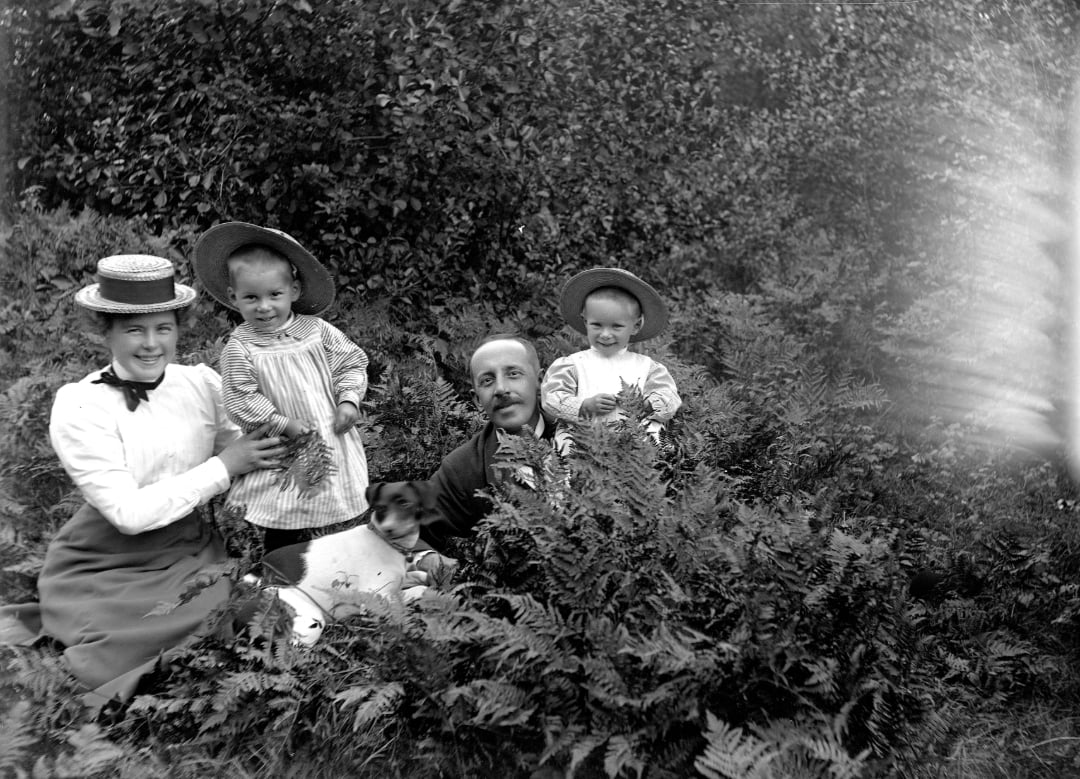
Many households maintained vegetable gardens where every member had a role. Children learned planting, watering, and harvesting, often enjoying the reward of fresh food. Gardens shaped daily routines and offered both work and recreation. Supermarkets and pre-packaged produce have made home gardening less essential. The practice taught responsibility, patience, and a connection to the earth.
Want to see more 1900s content?
Check out 15 1900s Presidents Who Had The Highest IQ, or take a look at 15 Old Wives’ Tales From The Early 1900s. Finally, if you want to see animals that went extinct in the 1900s, check out 16 Animals That Went Extinct In The Late 1900s (1980s-1990s).