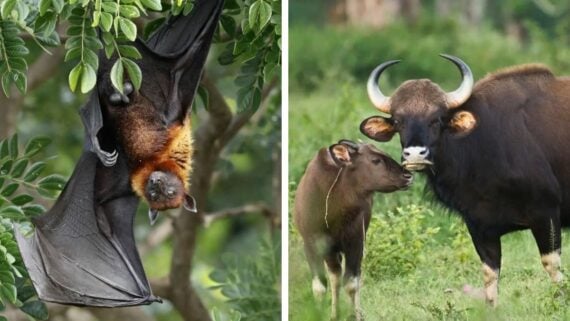
The late 1900s were a time of rapid change for our planet, and unfortunately, some of its most unique inhabitants did not survive. Between the 1980s and 1990s, several animal species disappeared forever, victims of habitat loss, human activity, and environmental pressures. Each extinction serves as a stark reminder of how fragile life can be and how quickly a species can vanish.
This list remembers sixteen animals that were lost during that period, highlighting the diversity of creatures that once roamed the Earth. Their stories are a mix of tragedy and caution, showing the lasting impact humans can have on the natural world and why conservation efforts remain more important than ever. Let’s dive into 16 animals that went extinct in the late 1900s.
1. The Dusky Seaside Sparrow
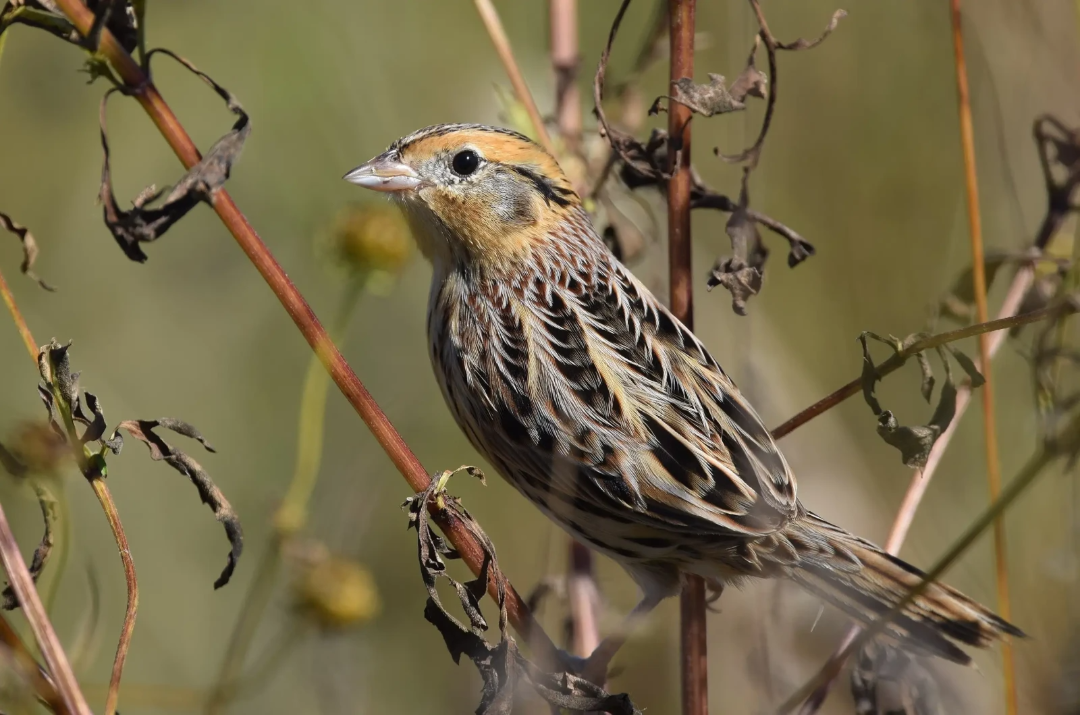
The dusky seaside sparrow was a unique Florida marsh‑dwelling sparrow that died off because of habitat loss from mosquito control projects and pollution. The last known birds died in the 1980s, and the subspecies was officially declared extinct in 1990.
2. The Golden Toad
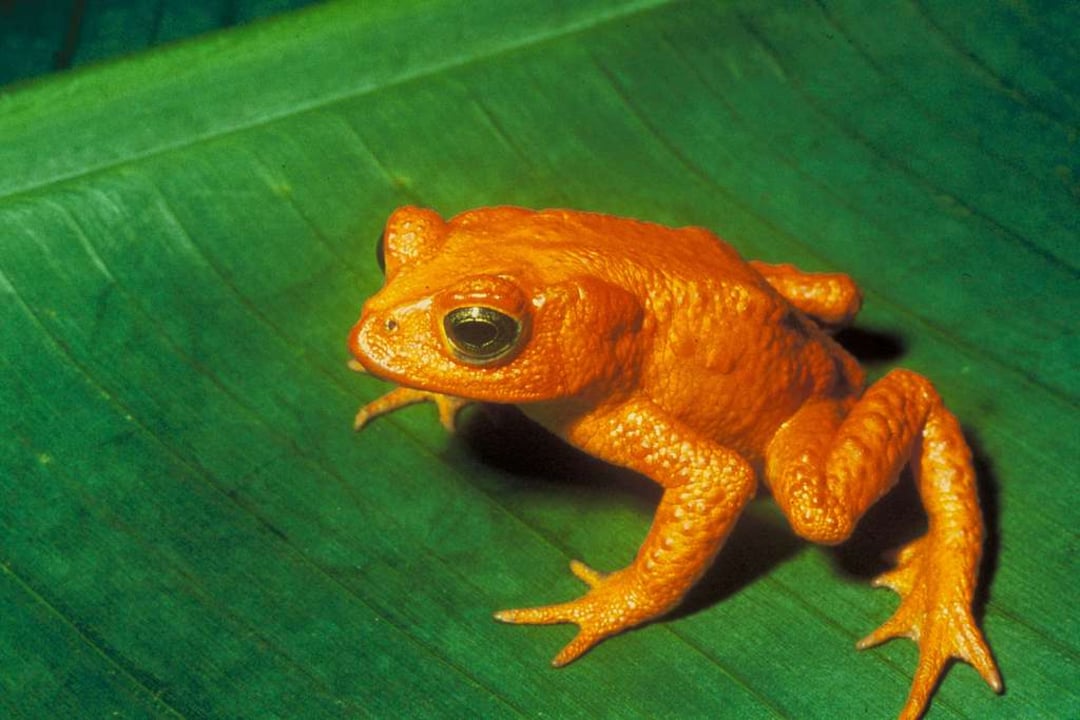
The golden toad was a small, neon-orange amphibian found only in the high-altitude cloud forests of Costa Rica. Scientists believe a combination of climate change and a deadly fungus led to its sudden disappearance from the wild. It was officially declared extinct in 1989.
3. The Southern Gastric-Brooding Frog
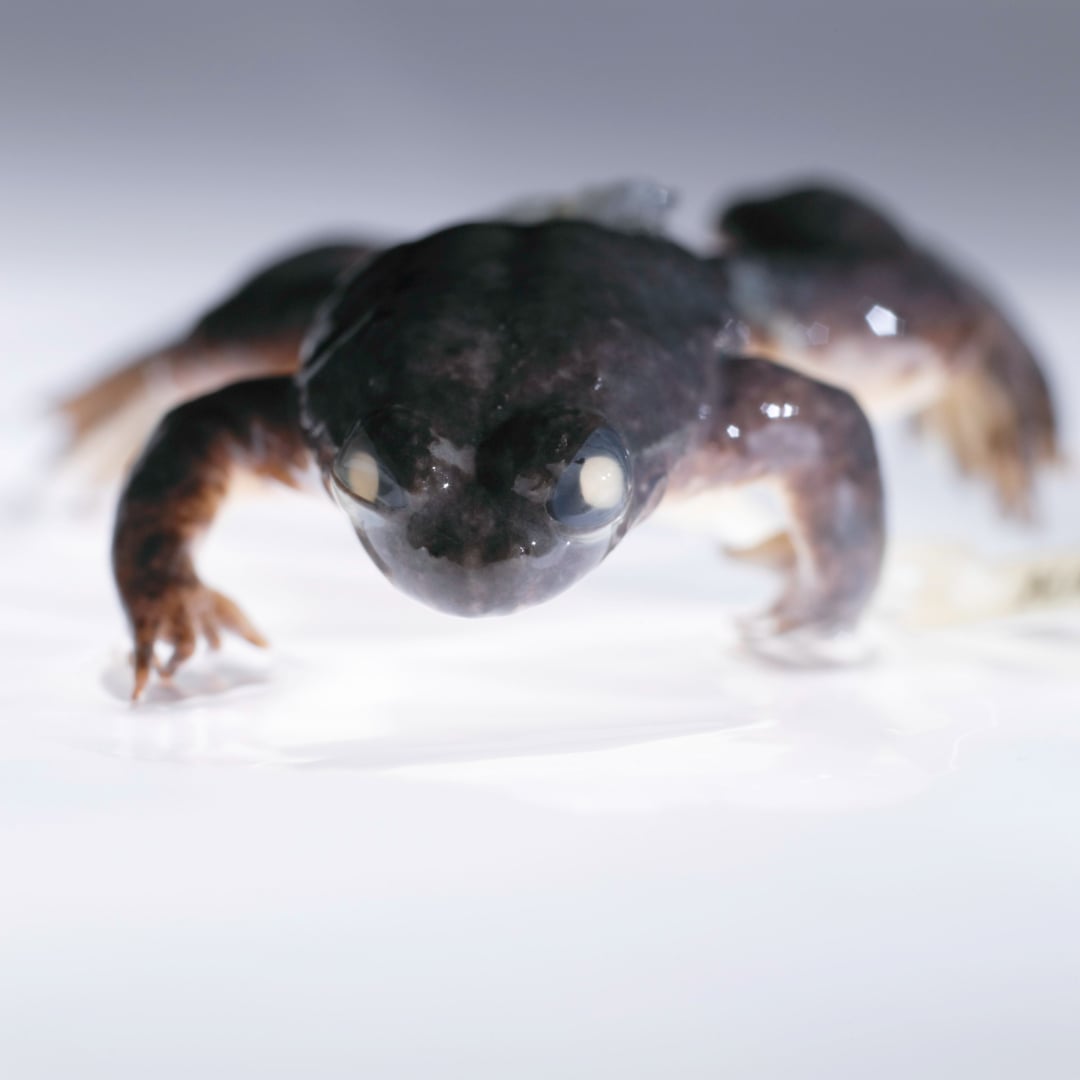
The southern gastric-brooding frog was an Australian species famous for a unique reproductive method where the female raised her young inside her stomach. Pollution and habitat degradation are thought to be the primary drivers of its rapid decline. The species was officially declared extinct in 1983.
4. The Tecopa Pupfish

Native to the hot springs of the Mojave Desert, this small fish could survive in water temperatures exceeding one hundred degrees. Human development of the springs and the introduction of non-native species caused its numbers to plummet, and it was officially declared extinct in 1981.
5. Atitlan Grebe
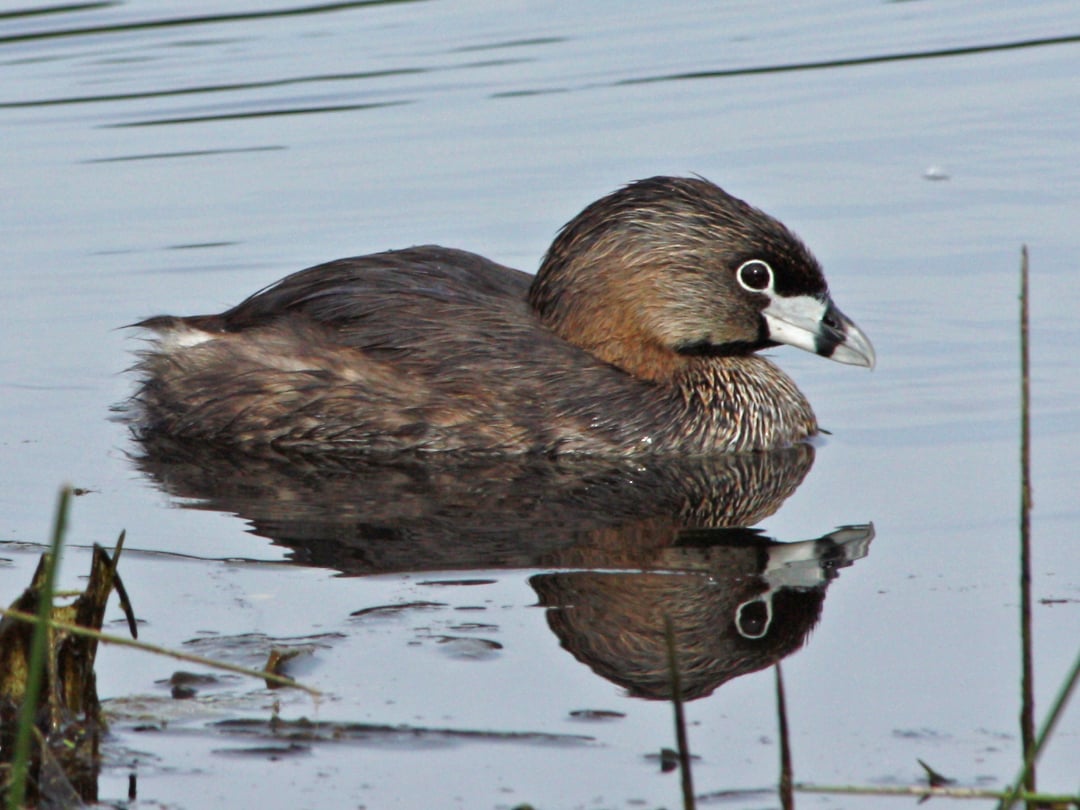
The Atitlán grebe was a large, flightless waterbird found only on Lake Atitlán in Guatemala. It struggled to survive after the introduction of invasive bass and the destruction of its nesting reeds. Following a significant earthquake and further habitat loss, it was declared extinct in 1989.
Trending on The Scroller

6. Guam Flying Fox
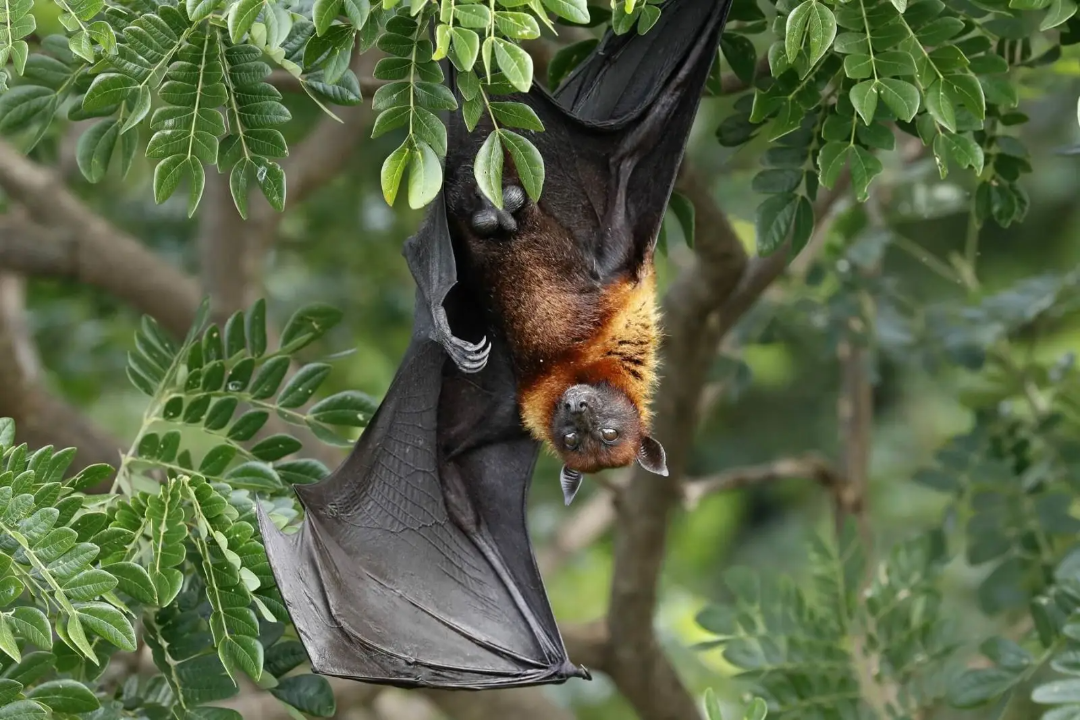
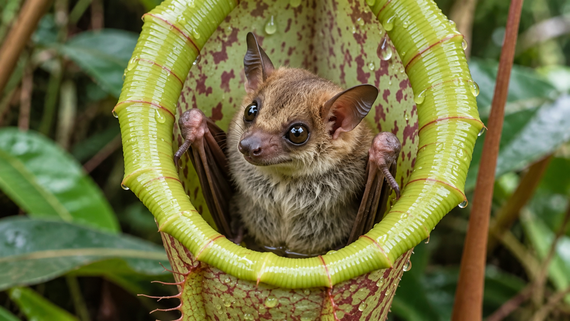
This small fruit bat was recognizable by the golden fur around its neck and its delicate features. Overhunting by humans and predation by the invasive brown tree snake led to its rapid downfall on the island of Guam. The species was declared extinct in 1984.
7. Catarina Pupfish
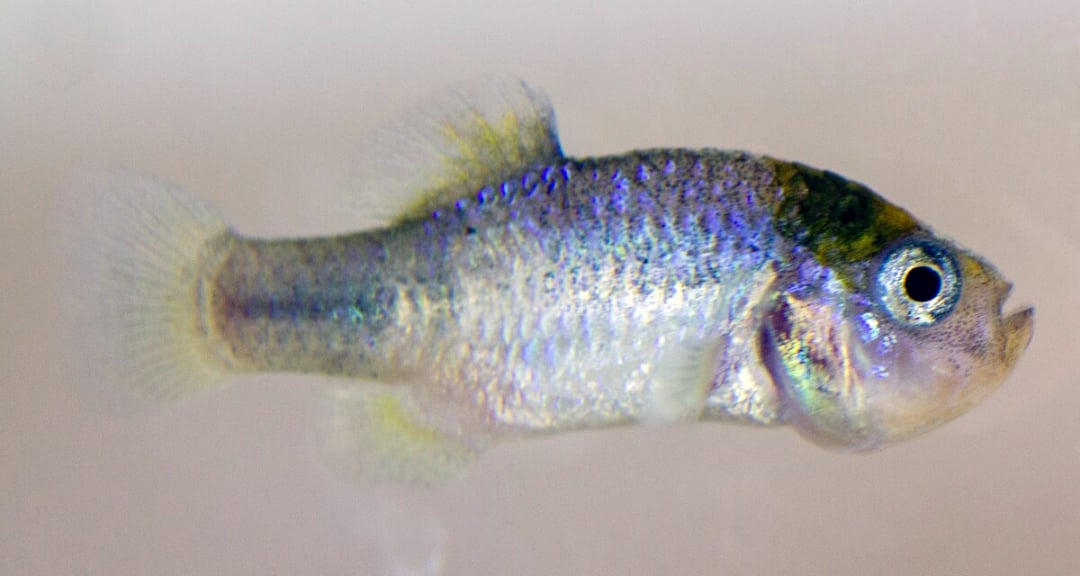
This iridescent blue fish was native to a single spring in Mexico that eventually dried up due to excessive groundwater pumping. Without its specialized habitat, the remaining population could not survive in the wild.
8. Round Island Burrowing Boa
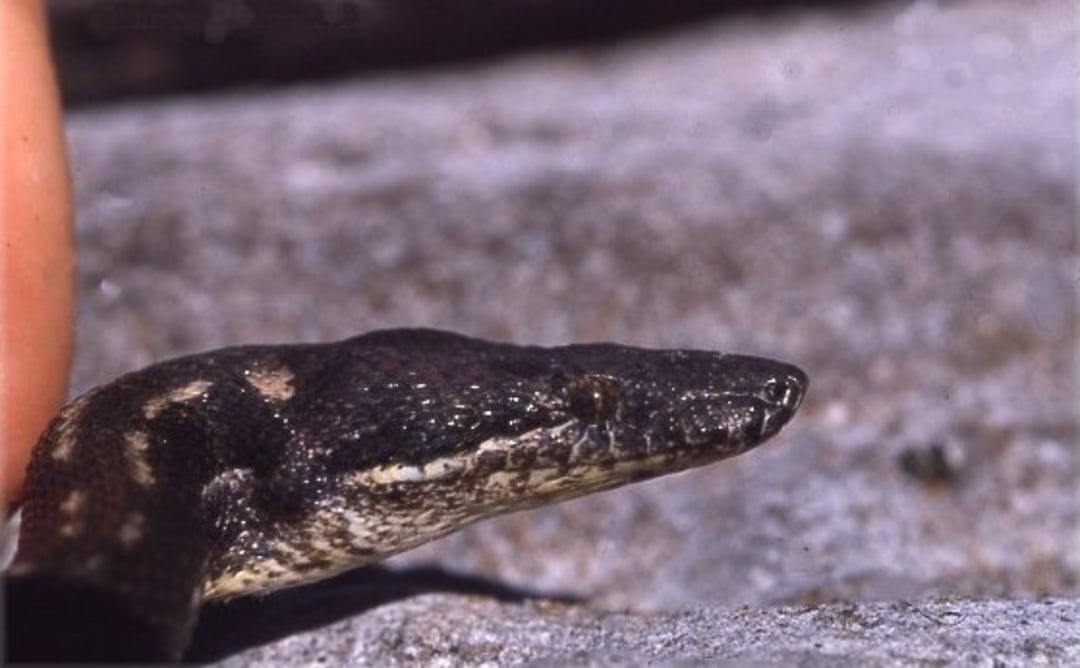
This unique snake from Mauritius possessed a rare hinged jaw used to grip its slippery prey. The destruction of its island habitat by invasive goats and rabbits left it with nowhere to hide or hunt. The snake was declared extinct in 1996.
Sign up for our newsletter
9. The Mariana Mallard
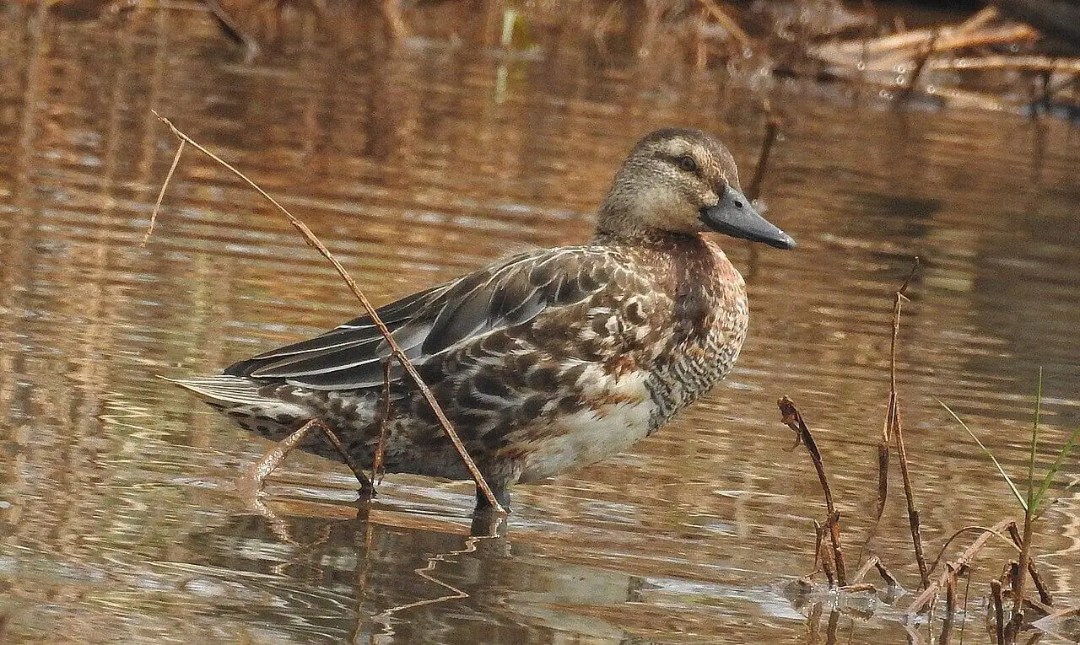
This duck was a specialized resident of the Mariana Islands and featured a mix of green and brown feathers. Extensive drainage of its wetland habitats for agriculture and hunting pressure caused its extinction. It was declared extinct in 1981 after the last captive individuals died.
10. The Kouprey
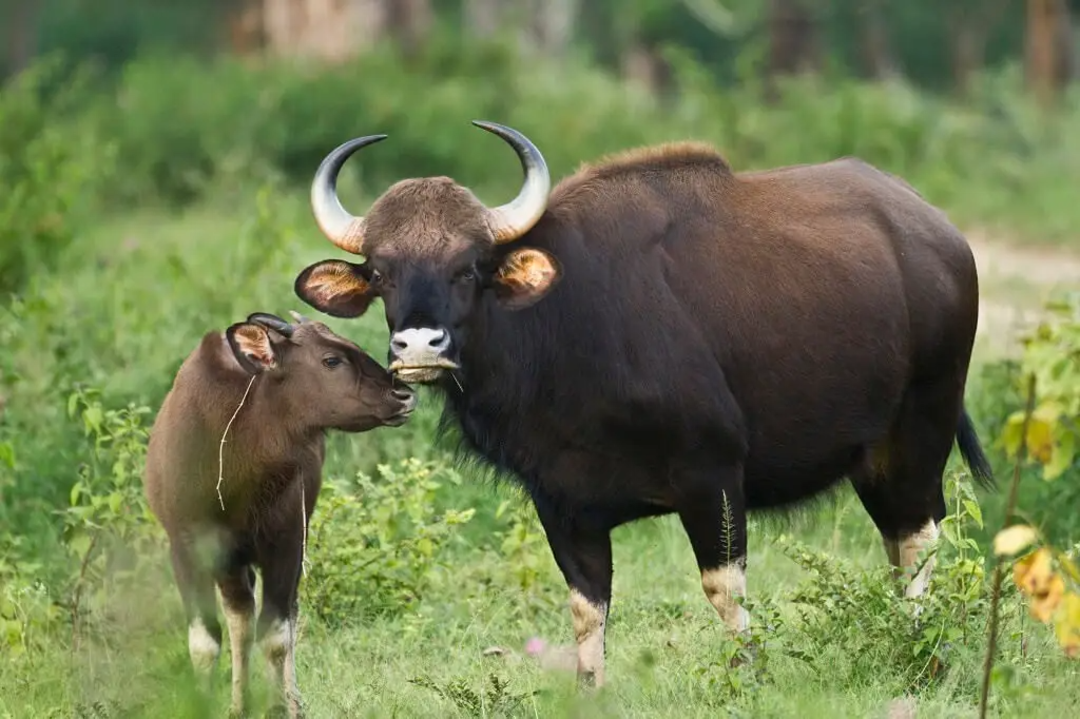
The kouprey was a massive forest ox from Cambodia with distinctive, frayed horns that made it look prehistoric. Decades of civil unrest and uncontrolled poaching for its meat and horns eventually wiped it out. It hasn’t been sighted since 1983, so it is likely extinct.
11. The Canary Islands Oystercatcher
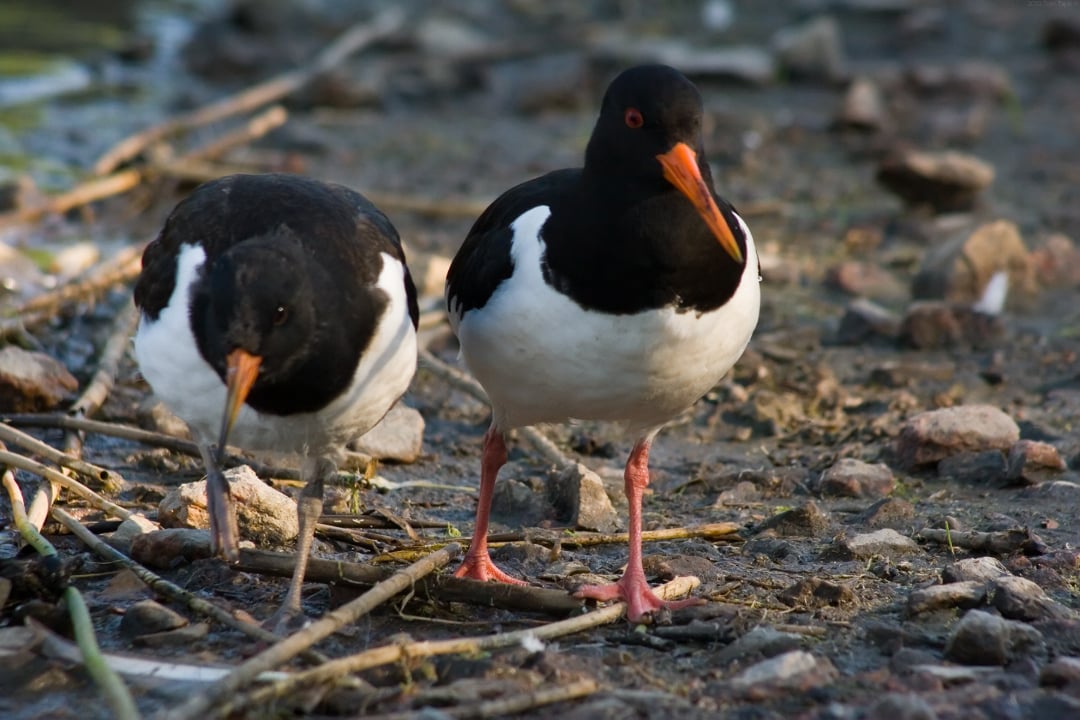
This jet-black shorebird with a bright orange beak lived along the rocky coasts of the Canary Islands. Overharvesting of the shellfish it relied on for food caused the species to starve out. The bird was officially declared extinct in 1994.
12. Saint Helena Giant Earwig
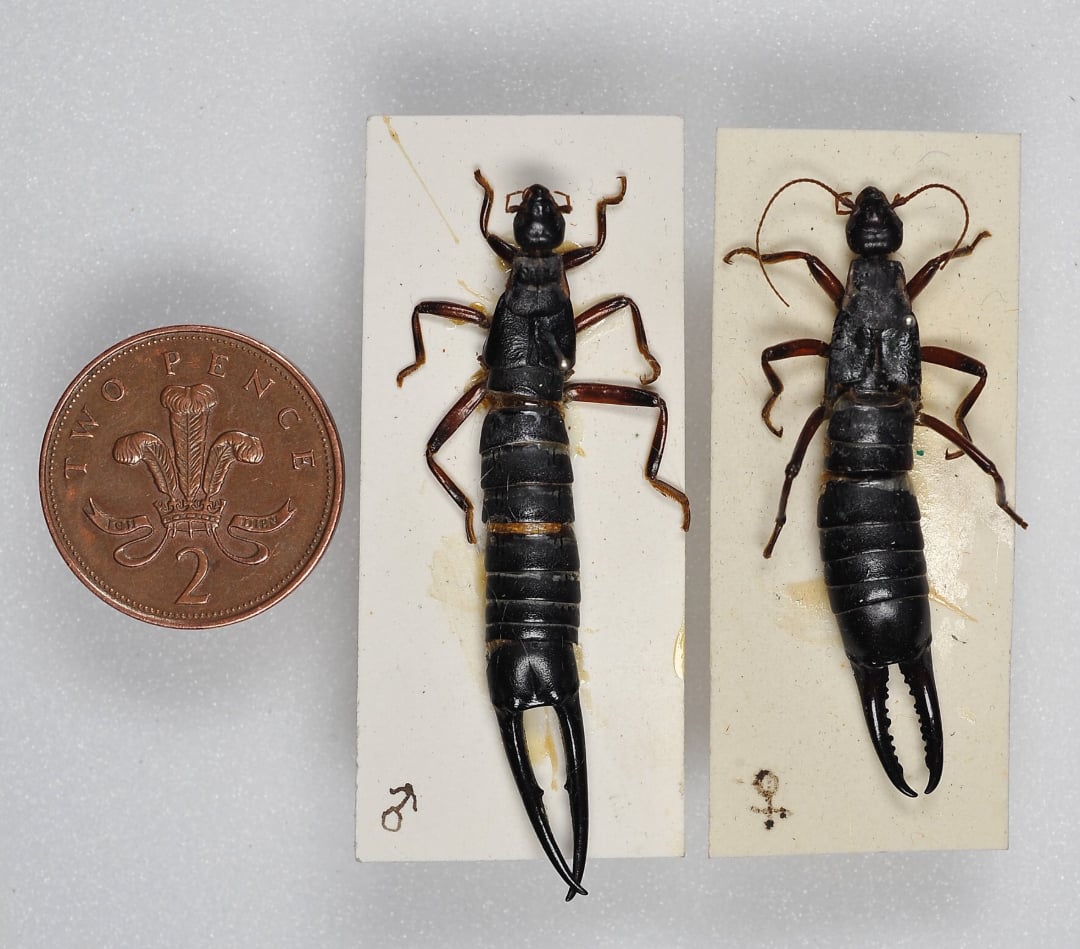
Reaching lengths of up to three inches, this was the largest earwig ever known to exist. The removal of the surface stones it lived under and predation by introduced centipedes led to its demise.
13. Javan Tiger
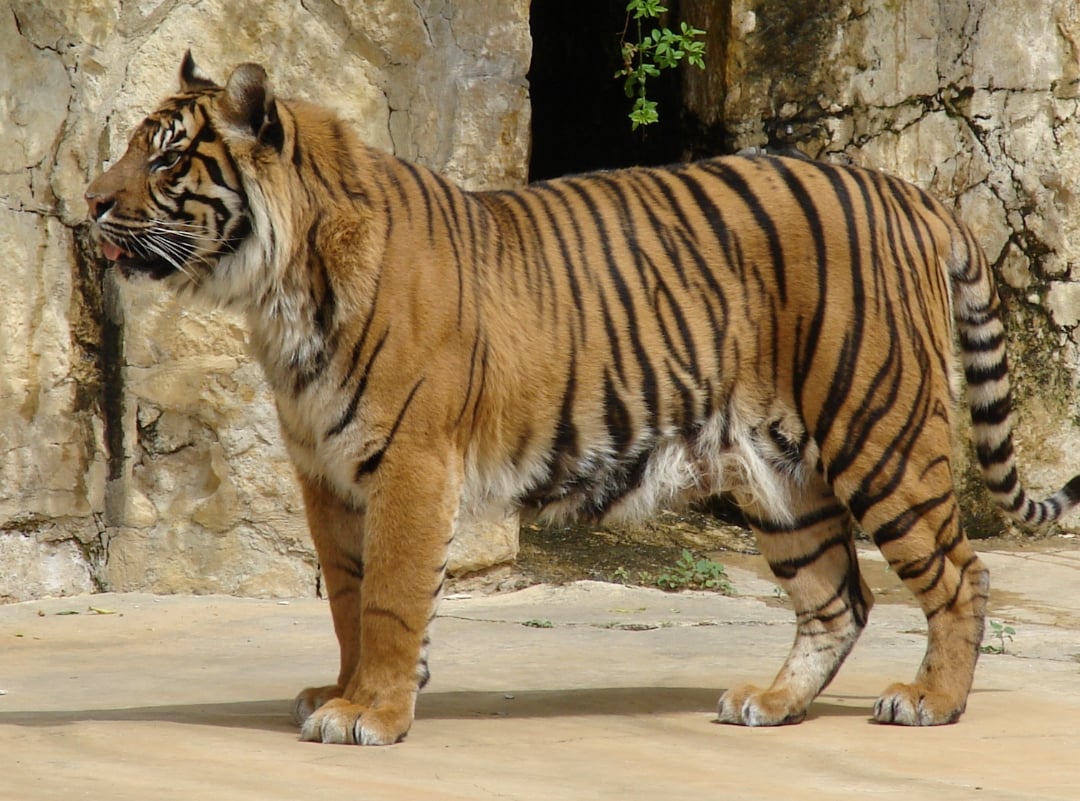
This subspecies of tiger was native to the island of Java and was smaller than its mainland relatives. Massive deforestation for plantations and direct hunting by humans led to its total disappearance. The big cat was officially declared extinct in 1994.
14. Palestinian Painted Frog
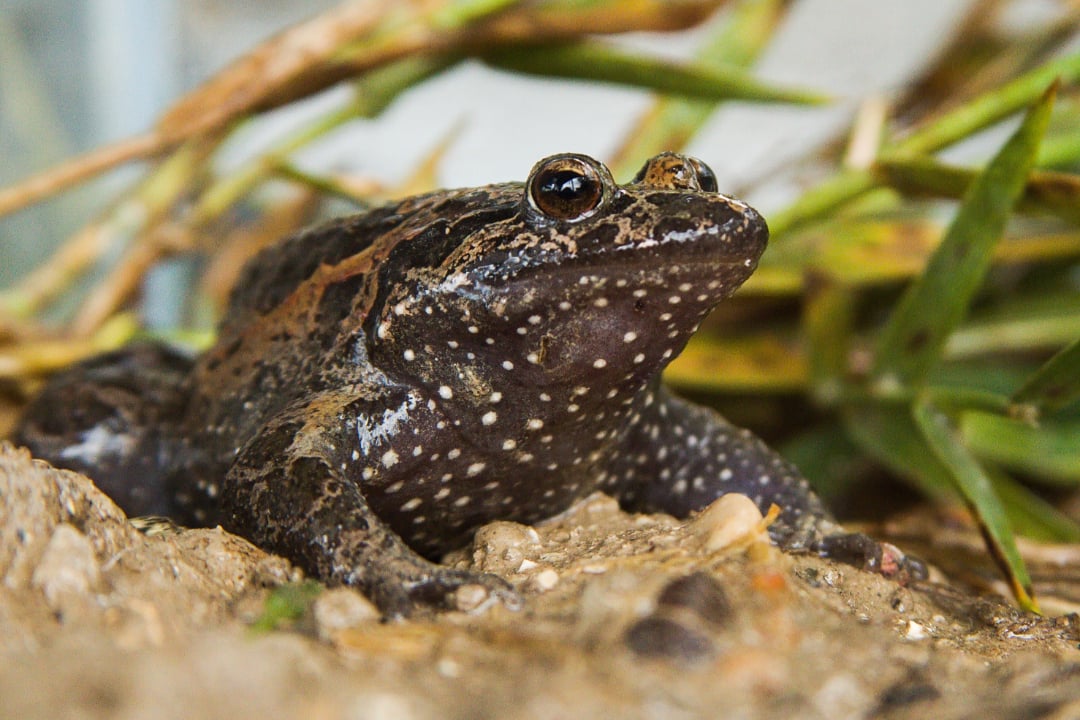
This amphibian featured a dark belly with white spots and was endemic to the Hula marshes of Israel. The drainage of its swampy home to create farmland destroyed its only habitat. The species was declared extinct in 1996.
15. Long-Legged Thicketbird

The long-legged thicketbird was known for its exceptionally long legs and shy nature in the forests of Fiji. Predation by introduced mongooses and cats made it impossible for the species to maintain its numbers. It was declared extinct in 1994.
16. The Japanese Sea Lion
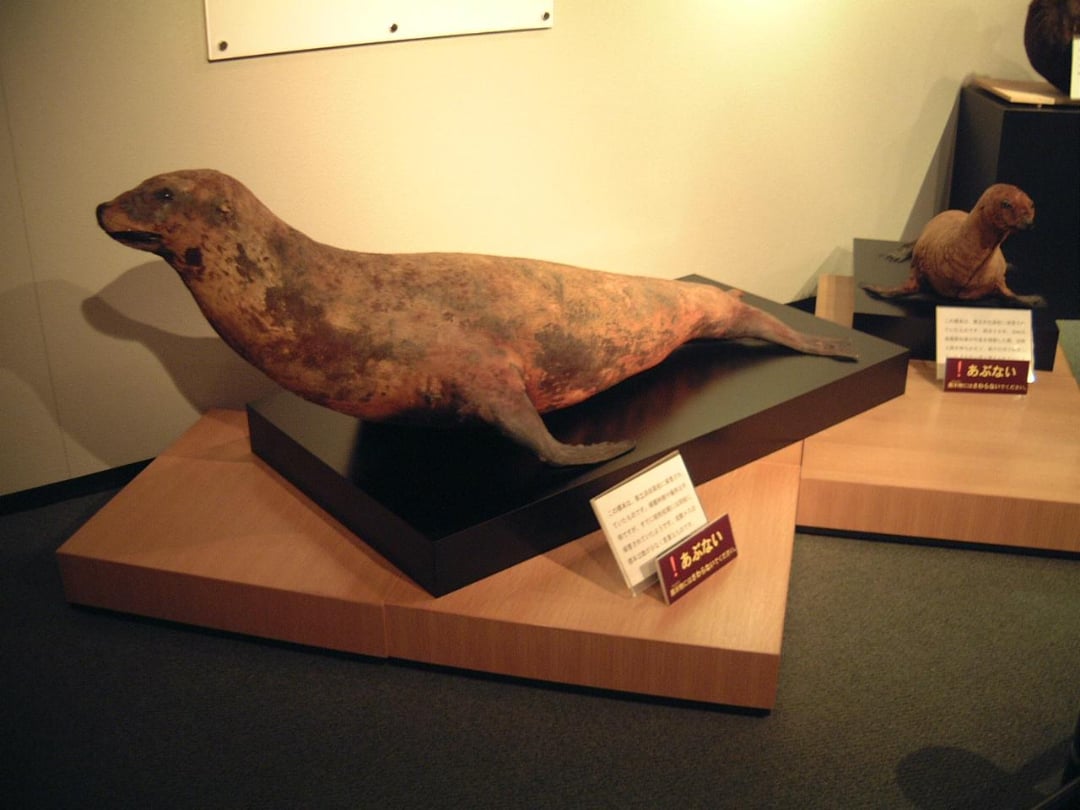
The Japanese sea lion was a large marine mammal that inhabited the coastal areas of the Japanese Archipelago and the Korean Peninsula. Intense commercial harvesting for its skin and oil, combined with habitat destruction during the mid-twentieth century, led to its extinction
Want to see more wacky animal content?
Check out 20 Animals That Look Like They Were Designed by a Committee with No Budget, or take a look at 15 Endangered Animals That Need Our Help. Finally, if you want to see mystical animals, check out 20 Mystical Animals That Prove Cryptozoology Isn’t All Smoke And Mirrors.