Earth has been home to millions of fascinating species throughout its history. Unfortunately, many animals have disappeared forever due to natural changes, habitat loss, overhunting, and environmental shifts. Some vanished centuries ago, while others disappeared surprisingly recently. These extinct animals remind us how fragile ecosystems can be and why conservation efforts matter today.
Dodo
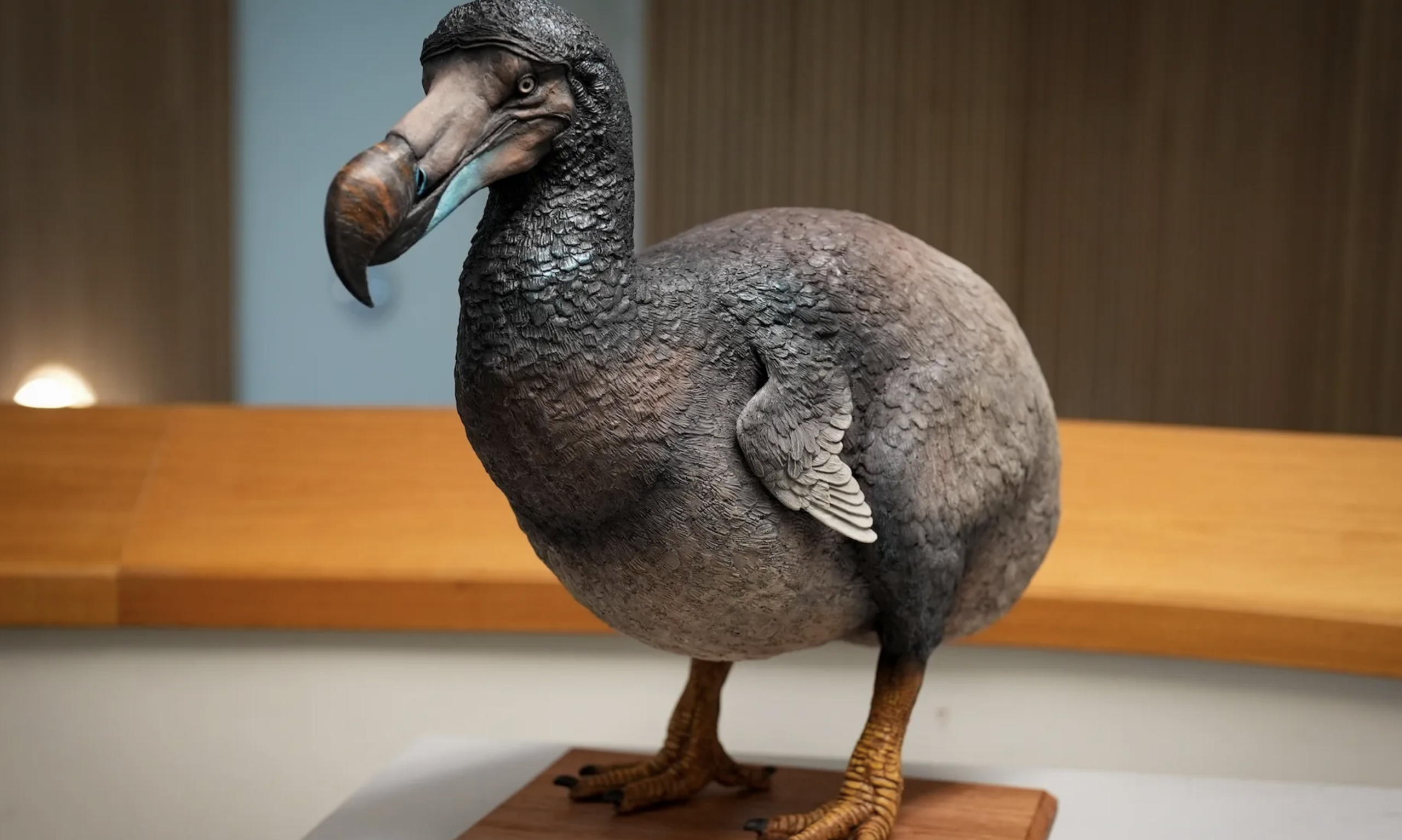
The dodo is one of the most famous extinct animals in history. This flightless bird lived on the island of Mauritius in the Indian Ocean. When sailors arrived in the late 1500s, the birds had no fear of humans, which made them easy targets. Within less than a century of human arrival, the dodo was completely wiped out due to hunting and the introduction of invasive animals.
Woolly Mammoth
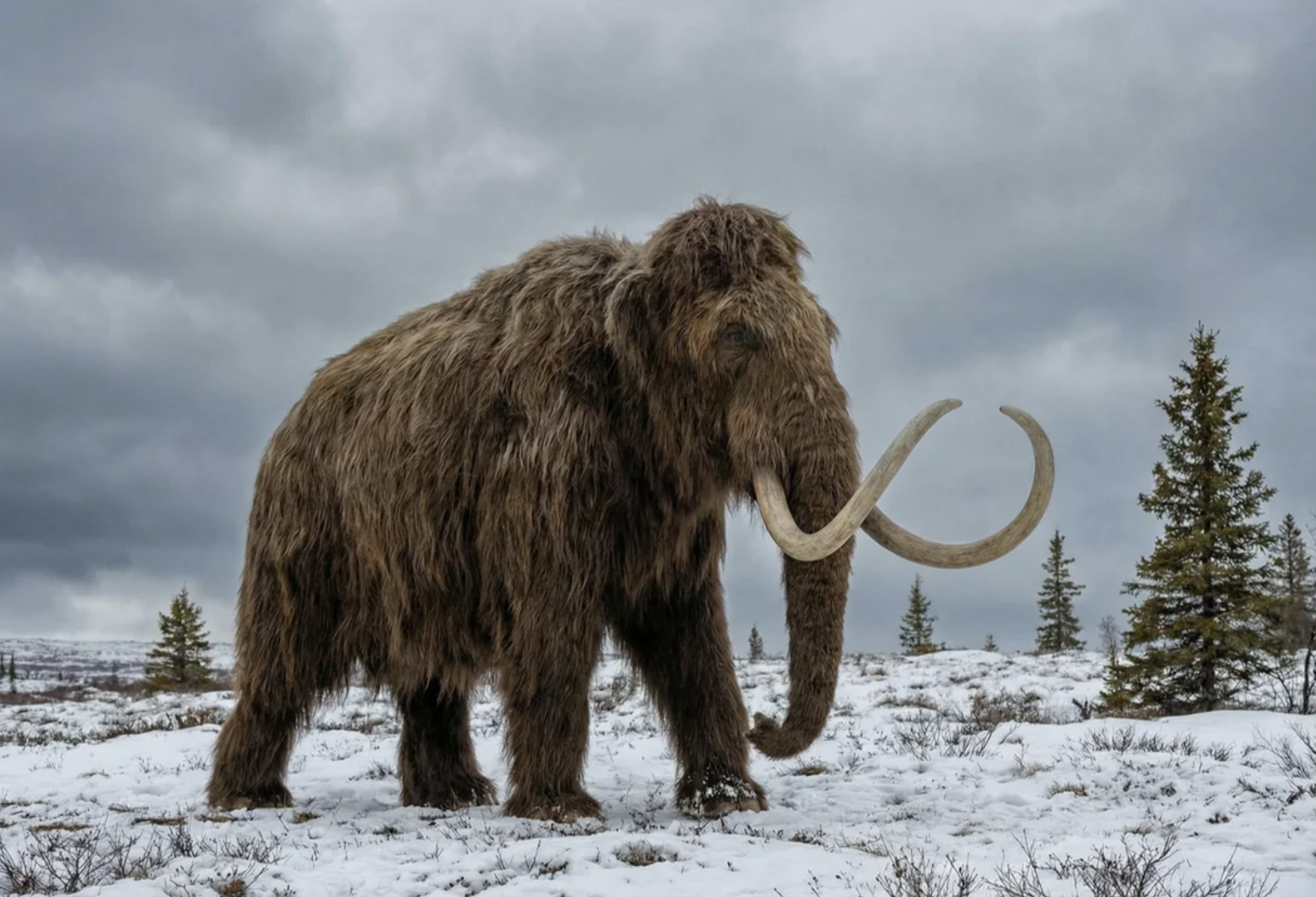
The woolly mammoth resembled a modern elephant but was covered in thick fur to survive the Ice Age. These massive animals roamed across North America, Europe, and Asia thousands of years ago. Climate changes and human hunting likely contributed to their extinction, with the last known population disappearing around 4,000 years ago.
Saber-Toothed Tiger (Smilodon)
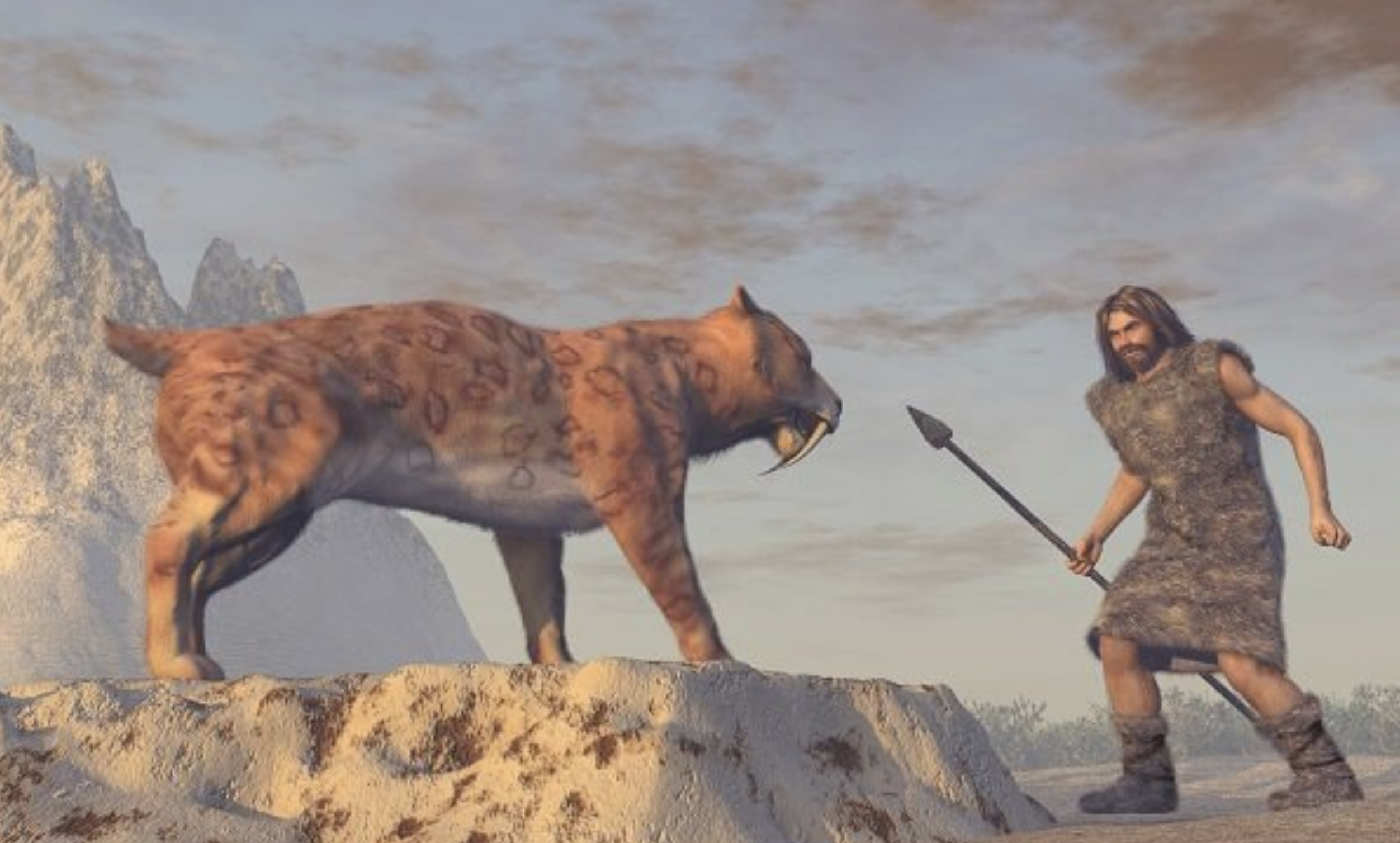
Despite the name, the saber-toothed tiger was not closely related to modern tigers. This prehistoric predator had long curved canine teeth used for hunting large prey. Smilodon lived during the Ice Age and vanished around 10,000 years ago as ecosystems changed and many large mammals disappeared.
Passenger Pigeon
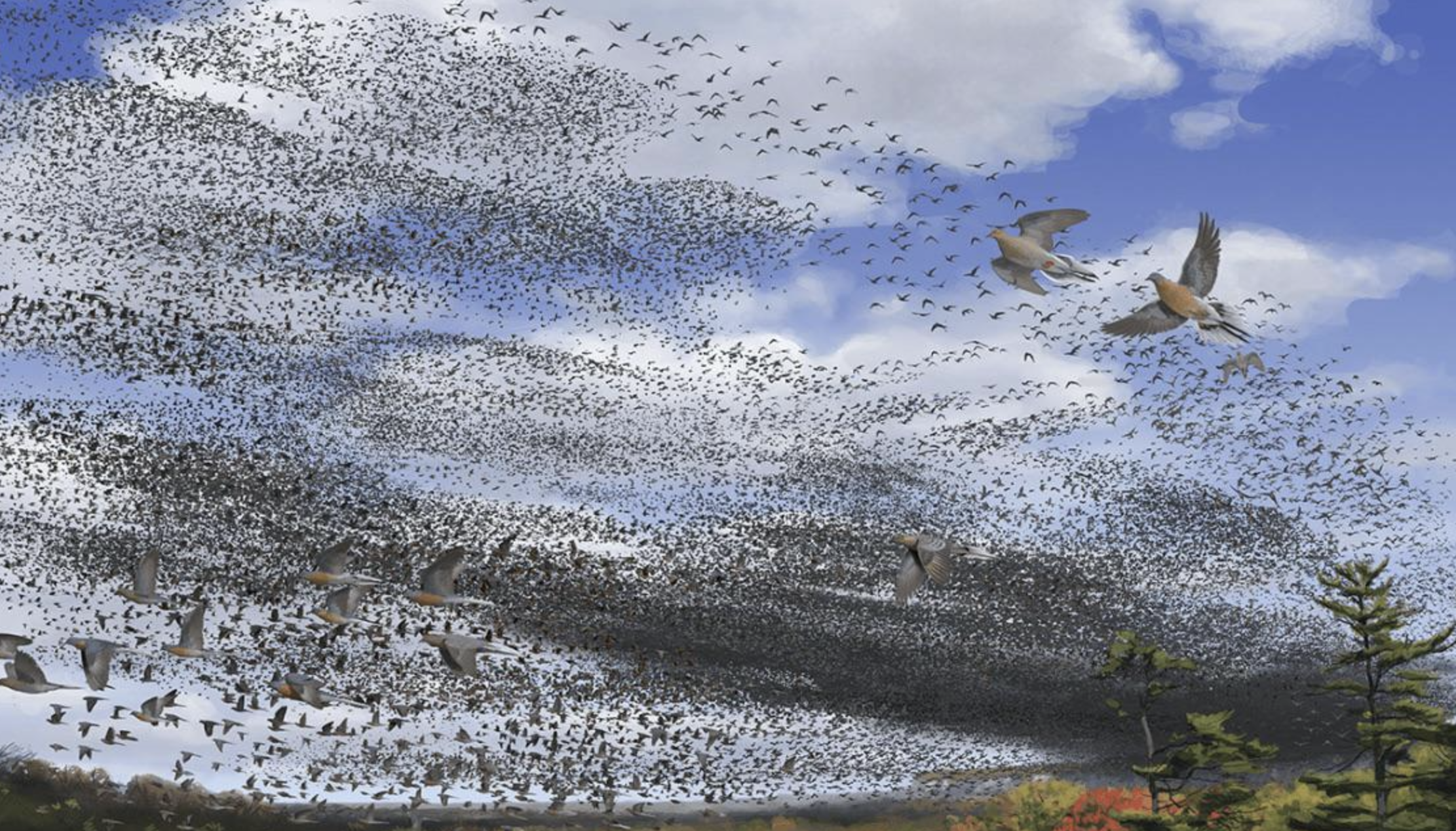
The passenger pigeon once filled the skies of North America in massive flocks that could stretch for miles. In the 19th century, commercial hunting and habitat destruction caused their numbers to collapse. The last known passenger pigeon, named Martha, died in a zoo in 1914.
Tasmanian Tiger (Thylacine)
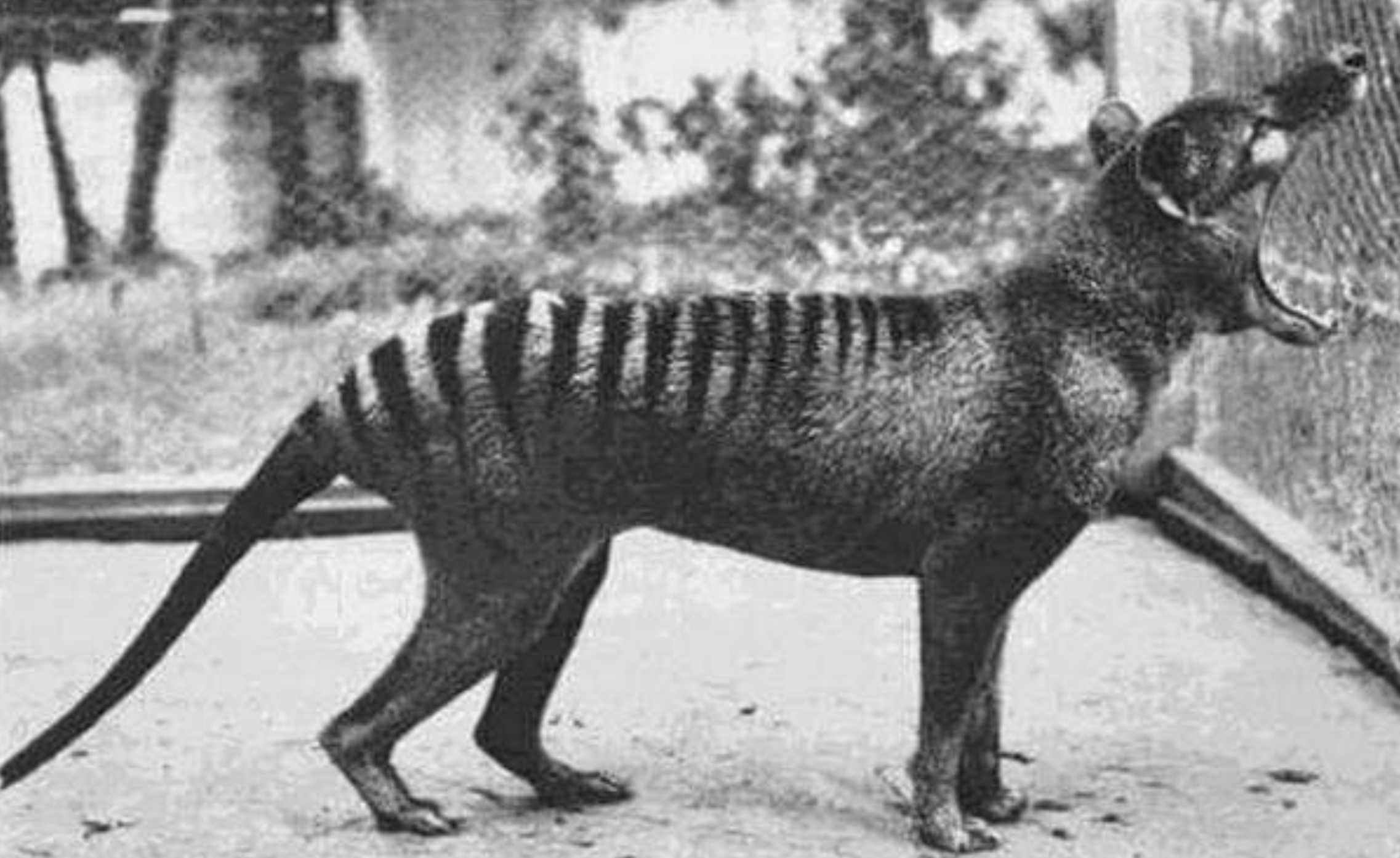
The Tasmanian tiger was a carnivorous marsupial native to Australia and Tasmania. It had a dog-like body with distinctive tiger-like stripes on its back. After years of hunting and habitat loss, the species disappeared. The last known thylacine died in captivity in 1936.
Trending on The Scroller
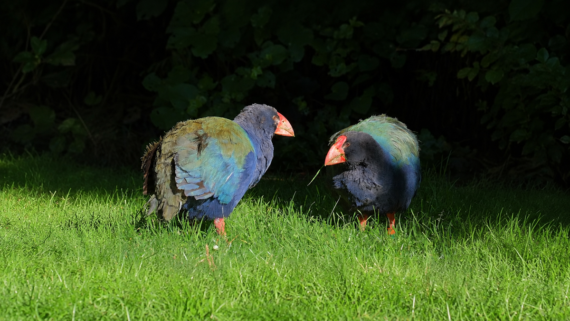
Great Auk
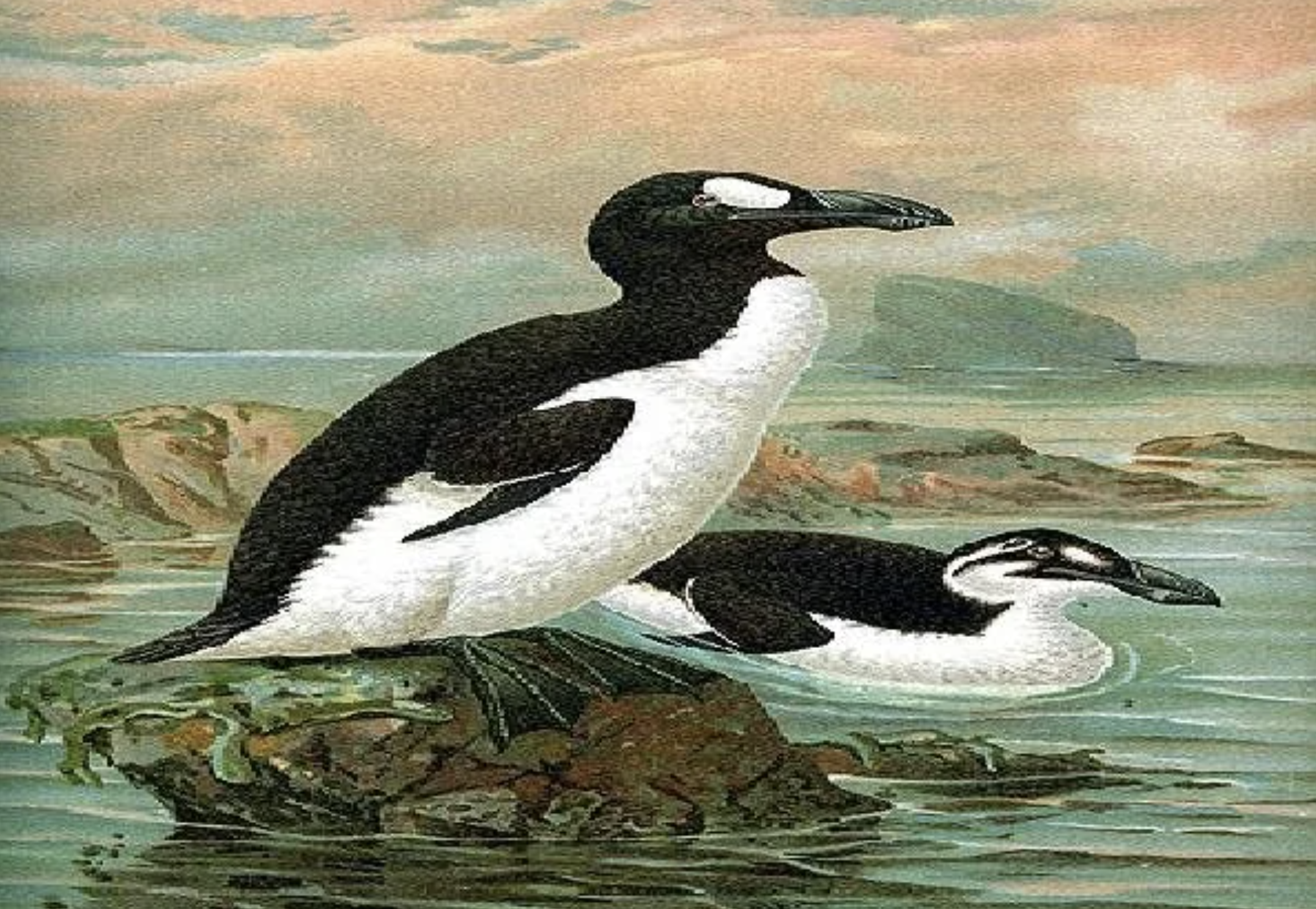
The great auk was a large flightless seabird that lived across the North Atlantic. It was hunted extensively for its feathers, meat, and eggs. By the mid-1800s, the species had been driven to extinction due to overhunting.
Steller’s Sea Cow
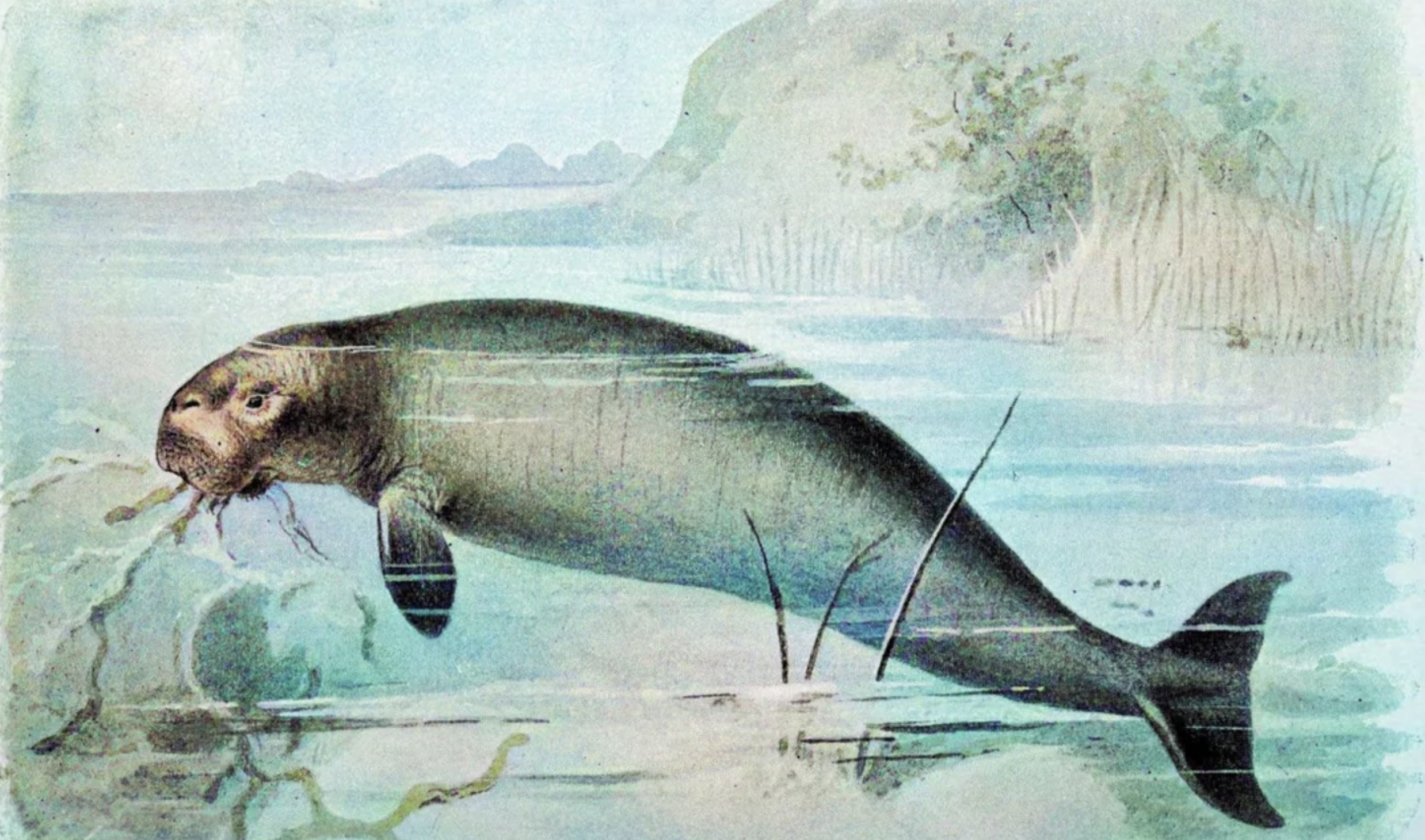
Steller’s sea cow was a massive marine mammal related to manatees and dugongs. It could grow up to 30 feet long and lived in the cold waters of the North Pacific. Discovered by European explorers in 1741, the species was hunted so heavily that it became extinct within only a few decades.
Irish Elk
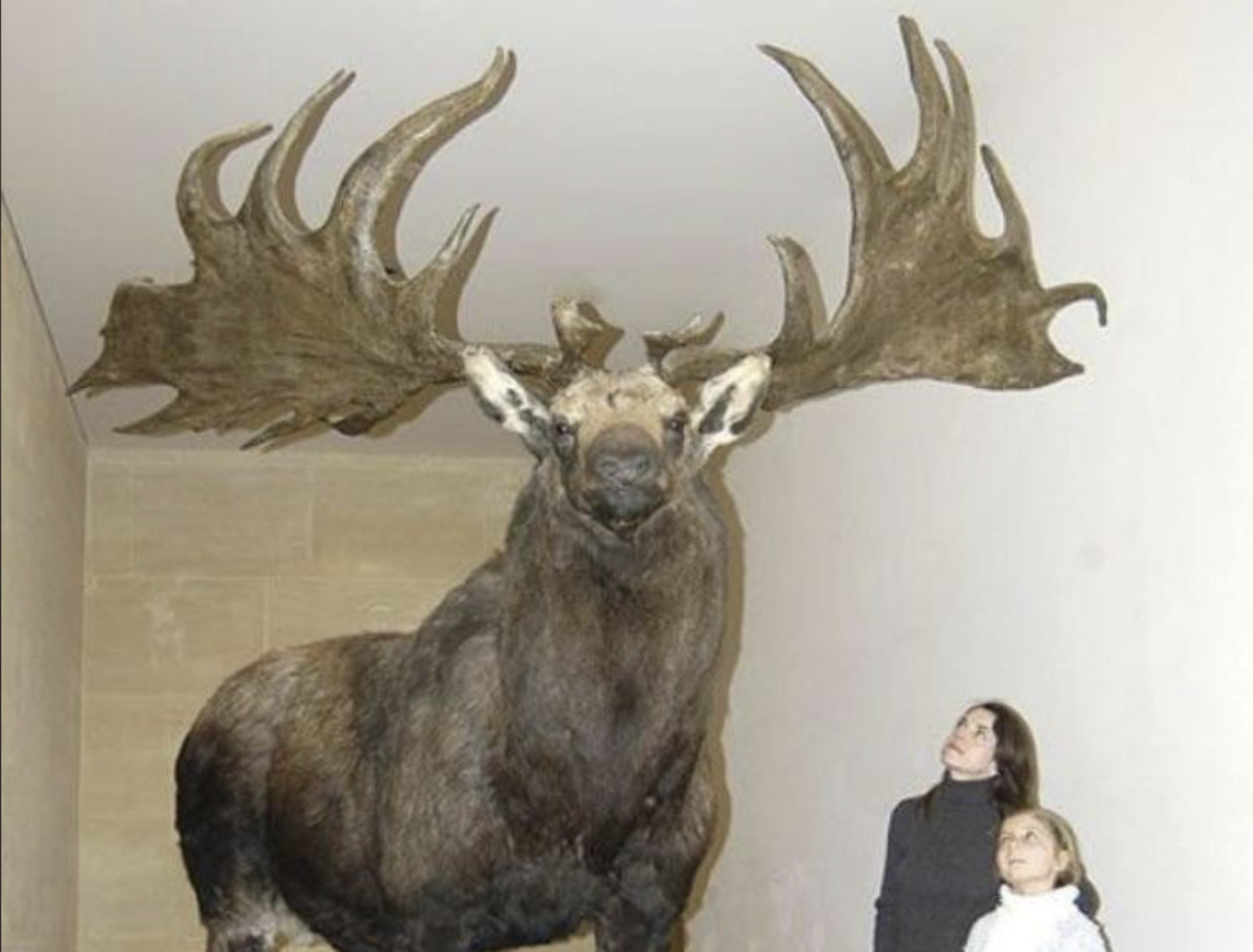
Despite its name, the Irish elk lived across much of Europe and Asia. It was one of the largest deer species ever, known for its enormous antlers that could span over 12 feet. Scientists believe environmental changes and food shortages contributed to its extinction around 7,700 years ago.
Sign up for our newsletter
Quagga
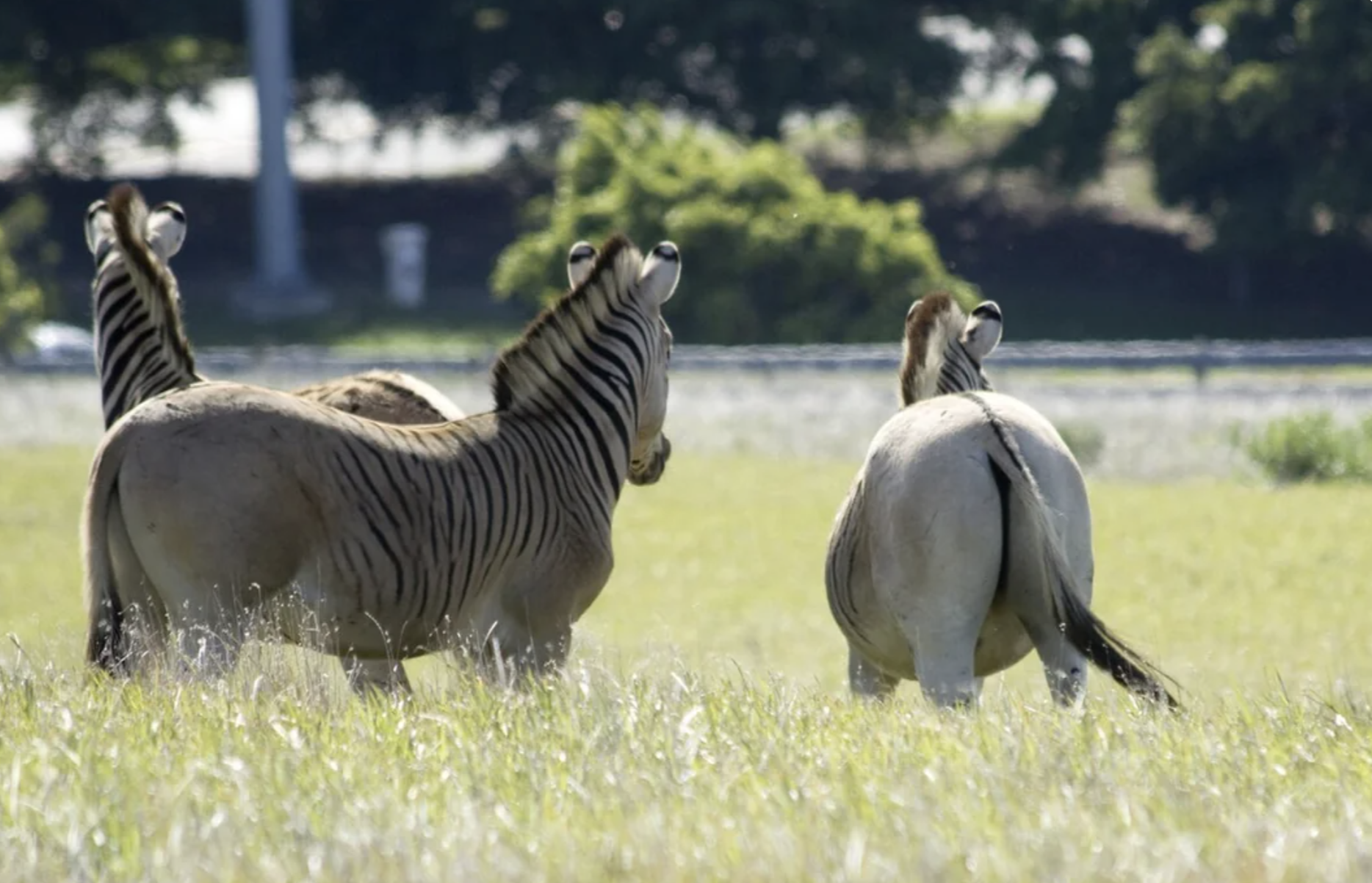
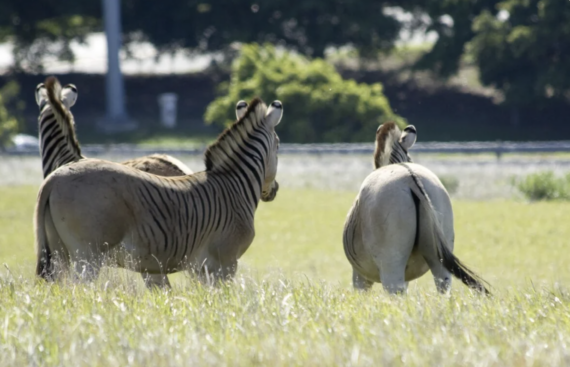
The quagga looked like a zebra in the front and a horse in the back. It lived in South Africa and was hunted heavily by settlers during the 19th century. The last known quagga died in captivity in 1883.
Pyrenean Ibex
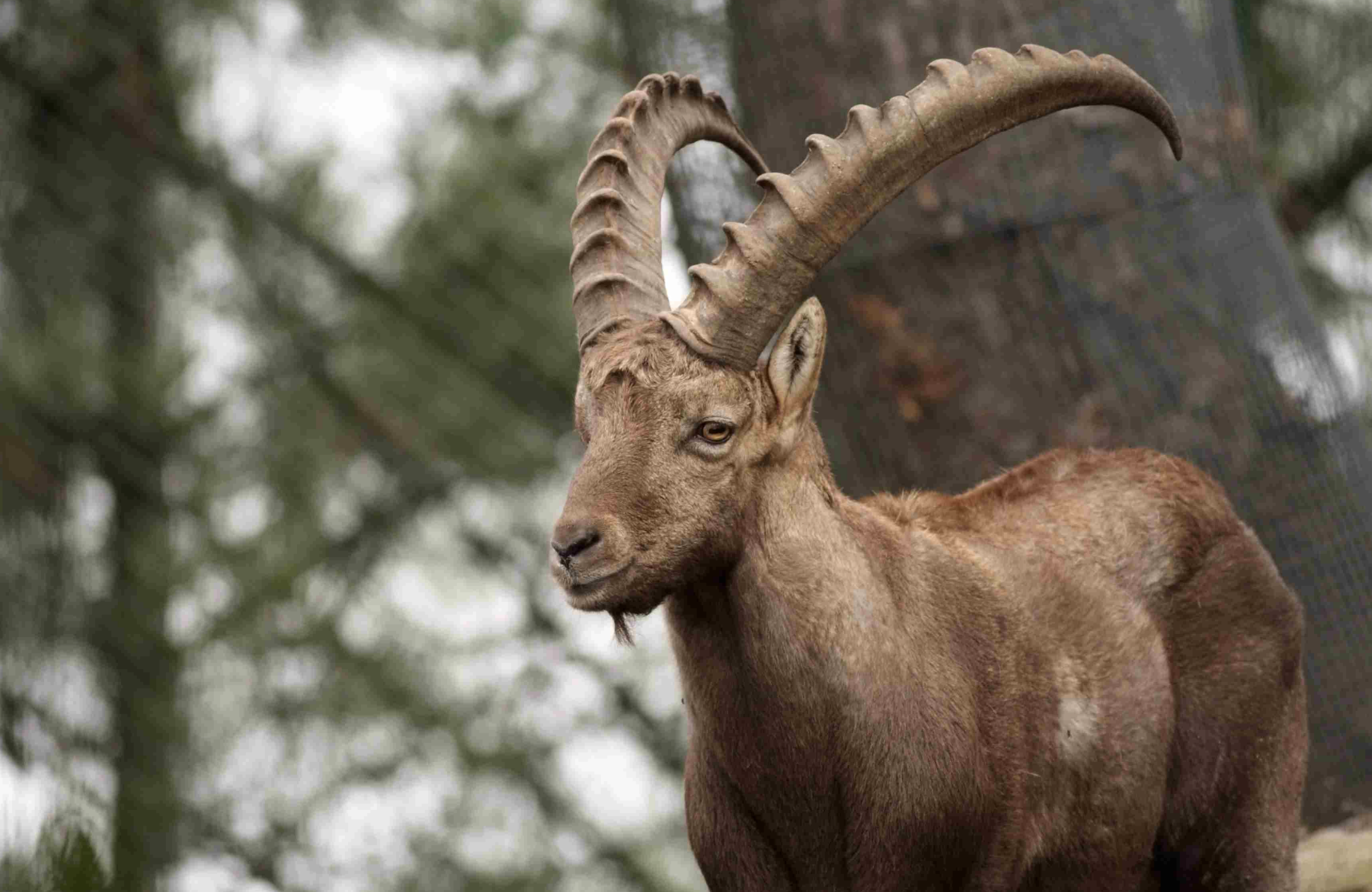
The Pyrenean ibex was a wild mountain goat that lived in the Pyrenees mountains between Spain and France. Overhunting caused its numbers to decline rapidly. The last known individual died in 2000, making it one of the most recent animal extinctions.
Moa

Moas were giant flightless birds that lived in New Zealand. Some species grew over 10 feet tall, making them among the tallest birds to ever exist. They were hunted to extinction by early human settlers around 600 years ago.
Carolina Parakeet

The Carolina parakeet was the only native parrot species in the eastern United States. Known for its bright green feathers and yellow head, it once lived in large flocks. Habitat destruction and hunting led to its extinction. The last captive bird died in 1918.
Golden Toad
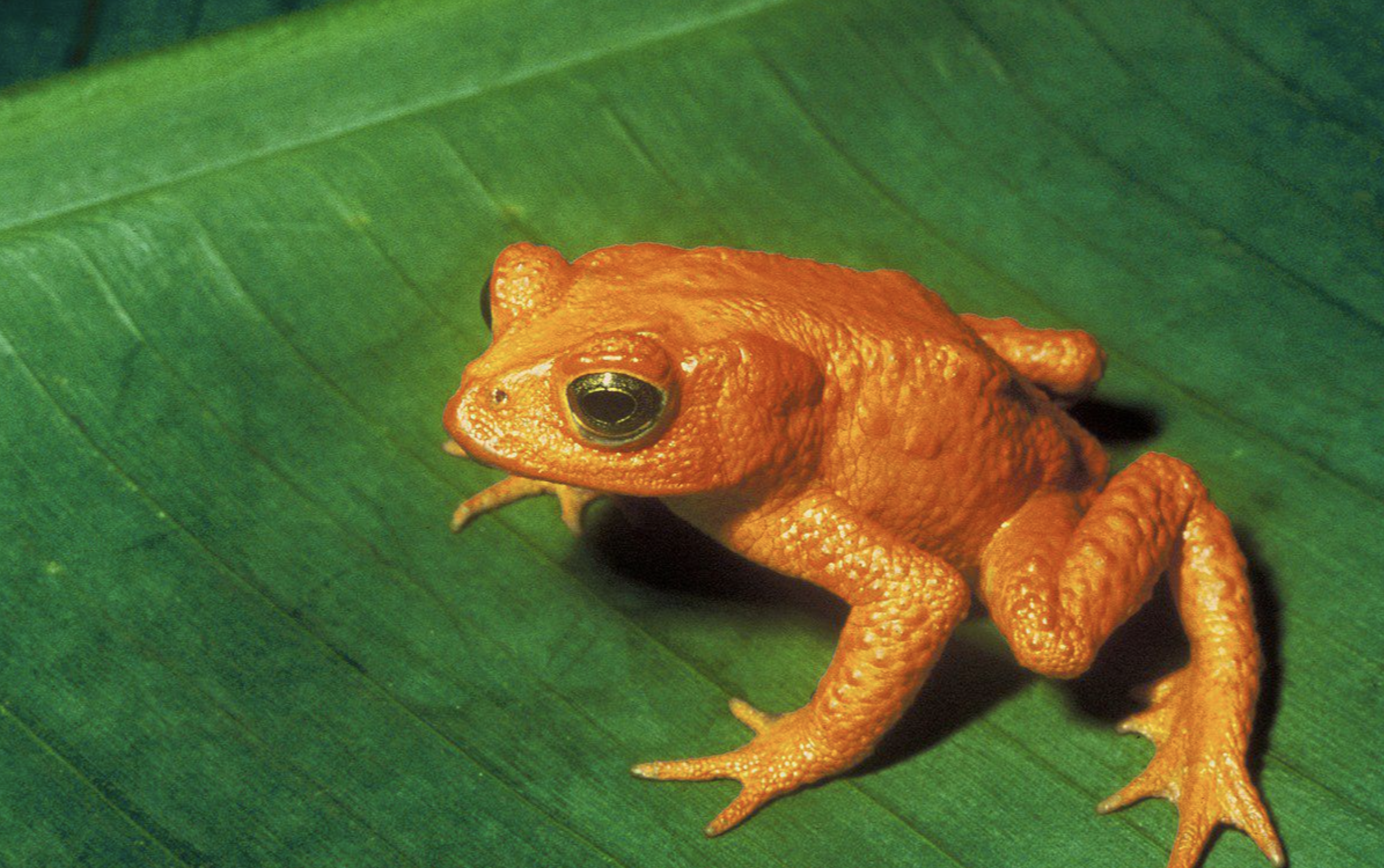
The golden toad lived in the cloud forests of Costa Rica and was known for its striking orange color. Scientists first discovered it in the 1960s. Climate change and environmental shifts are believed to have caused its extinction in the late 1980s.
Baiji River Dolphin
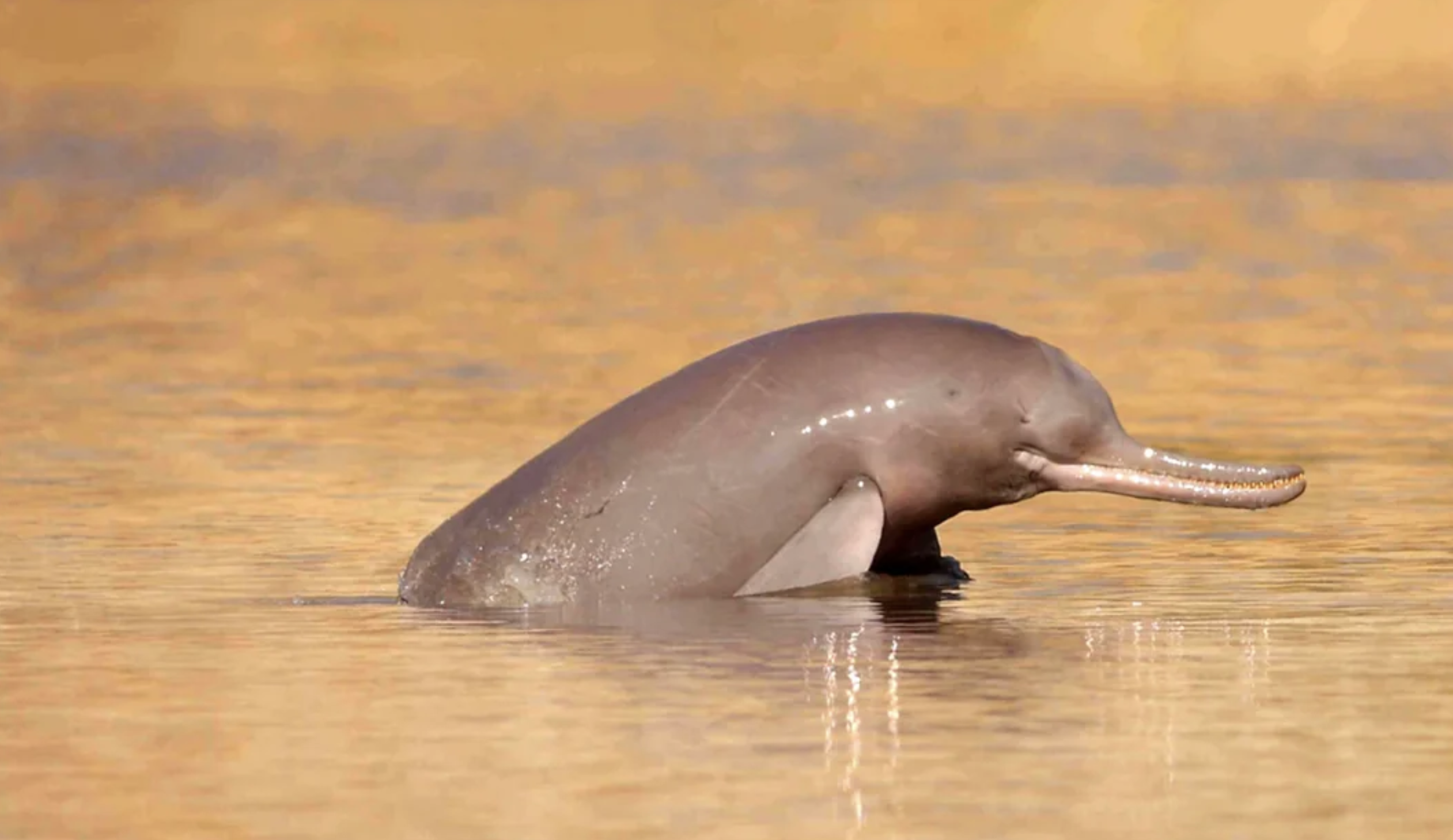
The baiji, also known as the Yangtze River dolphin, lived in China’s Yangtze River for millions of years. Pollution, shipping traffic, and habitat disruption caused its population to collapse, and it was declared functionally extinct in the early 2000s.
Woolly Rhinoceros
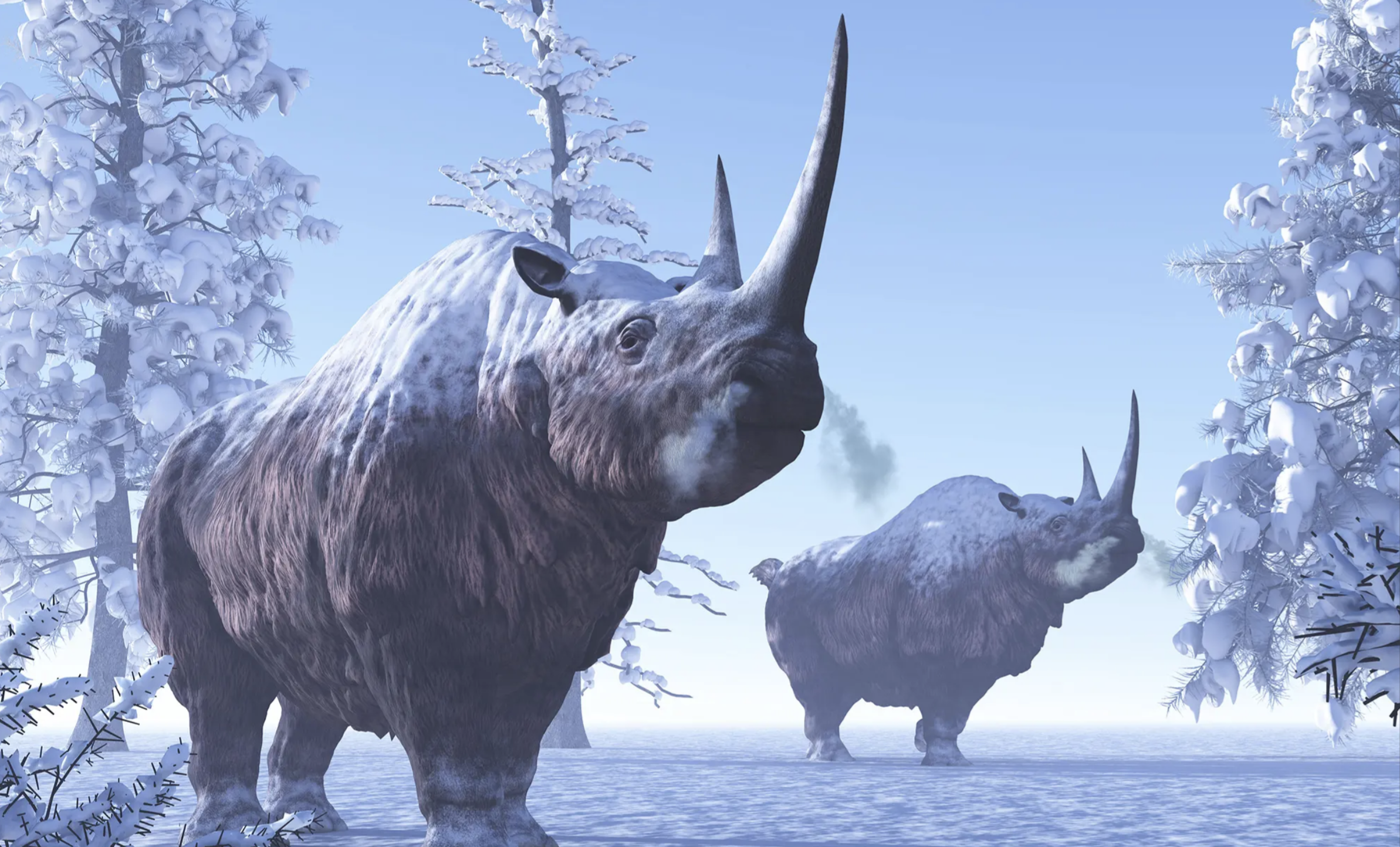
The woolly rhinoceros lived alongside mammoths during the Ice Age. Covered in thick fur and equipped with large horns, it was well adapted to cold climates. Changing environments and human hunting likely led to its extinction around 10,000 years ago.
Want to know more about animals?
The loss of these animals serves as a powerful reminder of how easily species can disappear. While some extinctions occurred naturally, many were driven or accelerated by human activity. Today, conservation efforts aim to protect endangered species and preserve biodiversity so that more animals do not join the growing list of those lost forever. If you loved this content, check out 19 Animals That Look Like Pure Science Fiction Monsters, or 16 Animals That Went Extinct In The Late 1900s (1980s-1990s).