There is a universal law of nature that dictates that almost every creature, no matter how intimidating it may grow up to be, starts its life as a concentrated ball of pure adorability. We often find ourselves captivated by baby animals because they represent a sense of wonder and innocence that is impossible to ignore. Whether it’s a tiny elephant stumbling over its own trunk or a fluffy penguin chick huddled against the cold, these little ones possess a unique charm that transcends species. Their oversized ears, wobbly legs, and wide-eyed curiosity remind us that the world is a much softer place than we often give it credit for.
The fascination with baby animals isn’t just about their looks; it’s about watching them navigate the world for the very first time. Every small hop, curious sniff, and accidental tumble is a milestone in their development, and we are lucky enough to have a front-row seat to these precious moments. From the depths of the ocean to the highest mountain peaks, nature’s nursery is always full of surprises that can brighten even the gloomiest day. We’ve rounded up twenty of the most heart-melting examples of tiny creatures who are completely unaware of their own star power, proving that small truly is beautiful.
1. The baby elephant
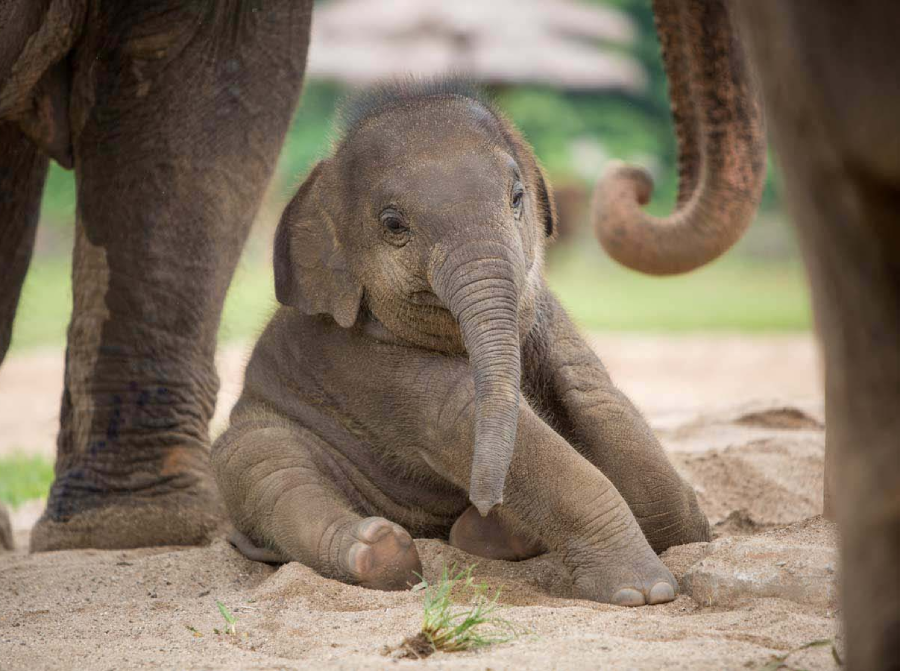
A newborn elephant can weigh up to 200 pounds, but it is still one of the clumsiest baby animals on the planet. They are born with very little control over their trunks, often stepping on them or swinging them around in total confusion. It takes about a year for them to master the 100,000 different muscles in their trunk, which leads to some truly hilarious and adorable struggles during bath time. Despite their size, they are incredibly social and stay very close to their mothers for protection and comfort.
2. The red panda cub
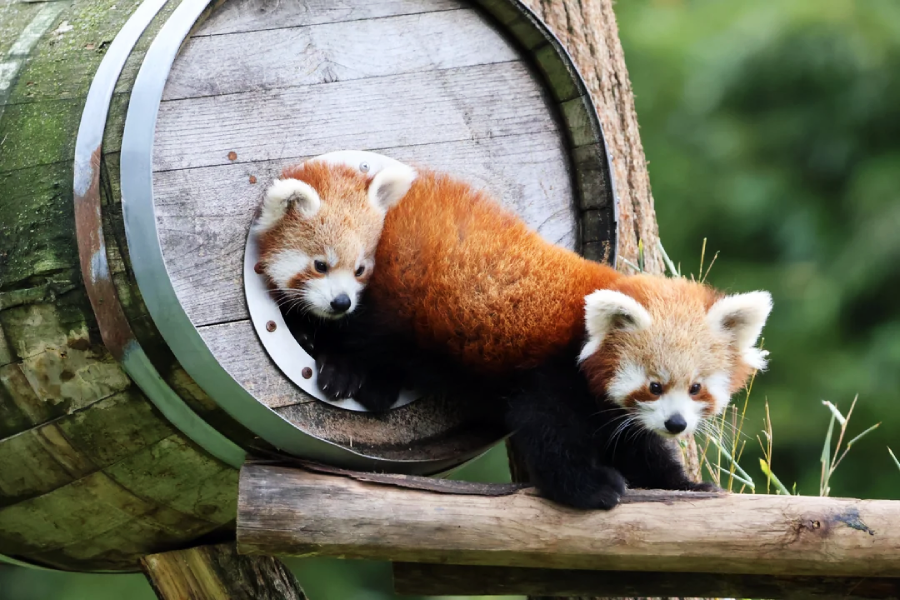
Red panda cubs are born covered in thick, gray fur that eventually turns into the iconic rusty-red color we know and love. These tiny creatures are incredibly playful and spend most of their early days tumbling around in the safety of their nest. They are native to the high-altitude forests of the Himalayas, where their fluffy tails help them stay warm during the freezing nights. Watching a cub try to stand on its hind legs to look “intimidating” is perhaps the cutest failed attempt at aggression in the animal kingdom.
3. The seal pup
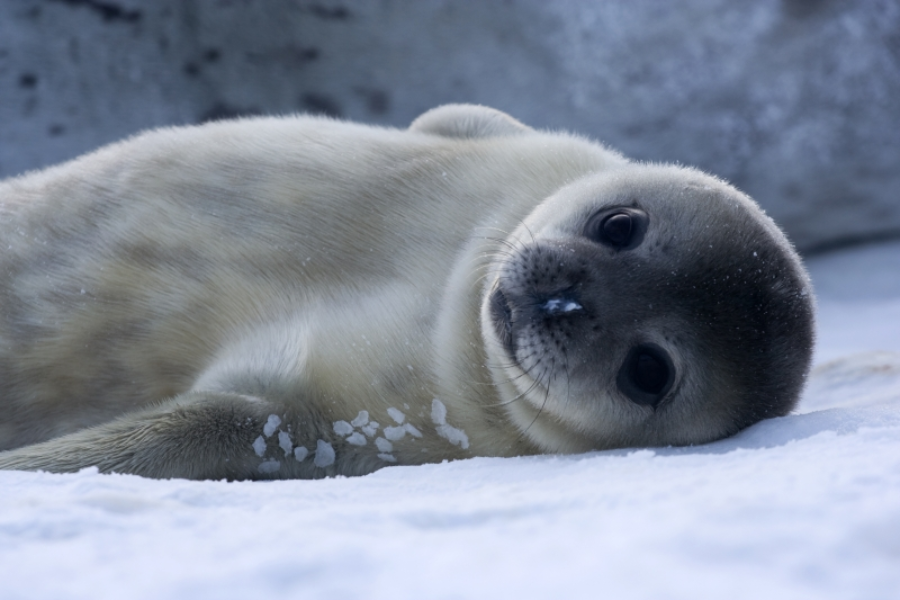
Seal pups are famous for their massive, dark eyes and their snow-white coats, which help them blend into the ice and snow. These little ones are born with a layer of blubber that keeps them buoyant and warm in the frigid Arctic waters. They spend the first few weeks of their lives lounging on the ice while their mothers hunt for fish nearby. Their vocalizations sound surprisingly like human babies, which only adds to the overwhelming sense of protectiveness they inspire in anyone who sees them.
4. The baby sloth
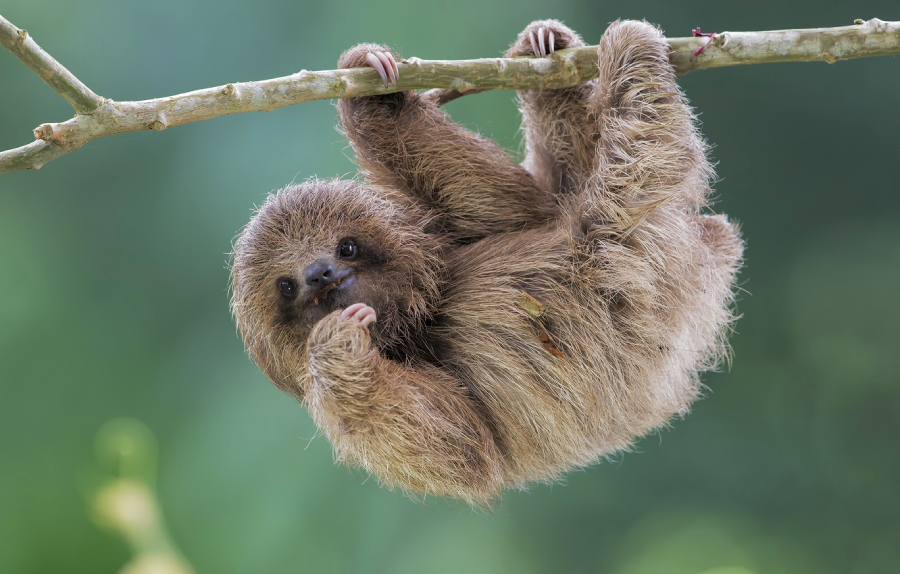
A baby sloth is the definition of “slow and steady,” spending almost 24 hours a day clinging tightly to its mother’s fur. They are born with their eyes open and all their teeth, ready to start their very leisurely life in the rainforest canopy. These tiny creatures move so slowly that algae can actually grow on their fur, providing a natural green camouflage against predators. There is nothing quite as tingly as seeing a baby sloth reach out for a hibiscus flower with its tiny, curved claws.
5. The penguin chick
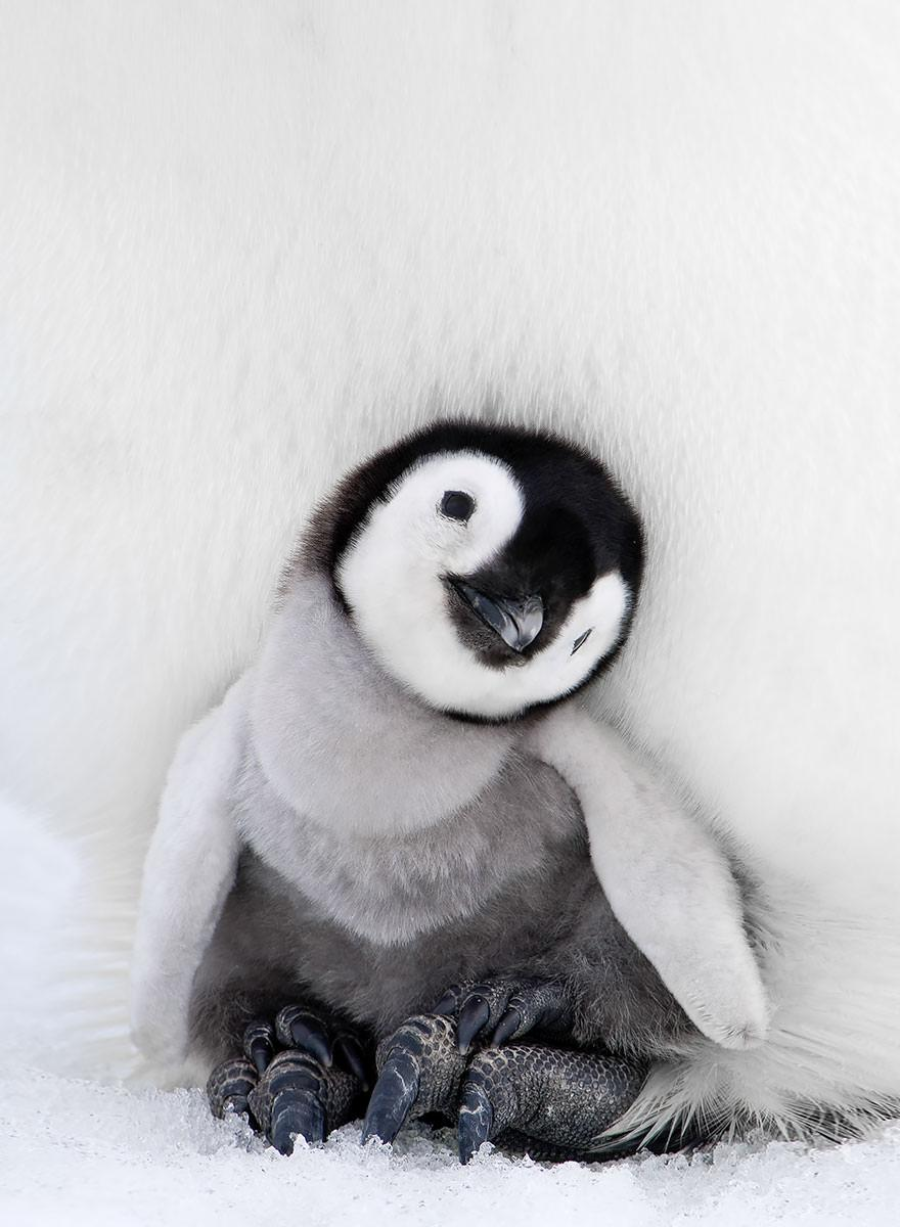
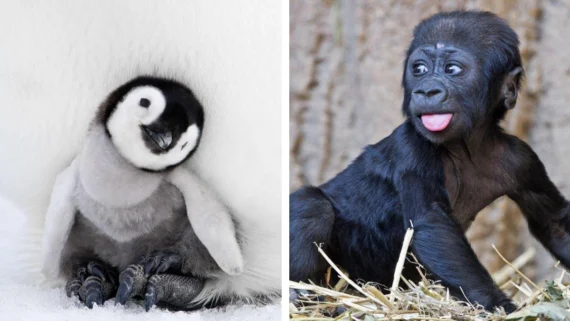
Penguin chicks are basically giant balls of gray fuzz that look like they’ve swallowed a small pillow. They spend their early days tucked away in a “brood patch” between their parents’ feet to stay shielded from the Antarctic wind. As they grow, they join crèches or groups of other chicks to stay warm and safe while the adults go off to find food. Their waddling walk is undeniably charming, especially when they try to keep up with the fast-moving adults on the slippery ice.
Trending on The Scroller
6. The baby sea otter
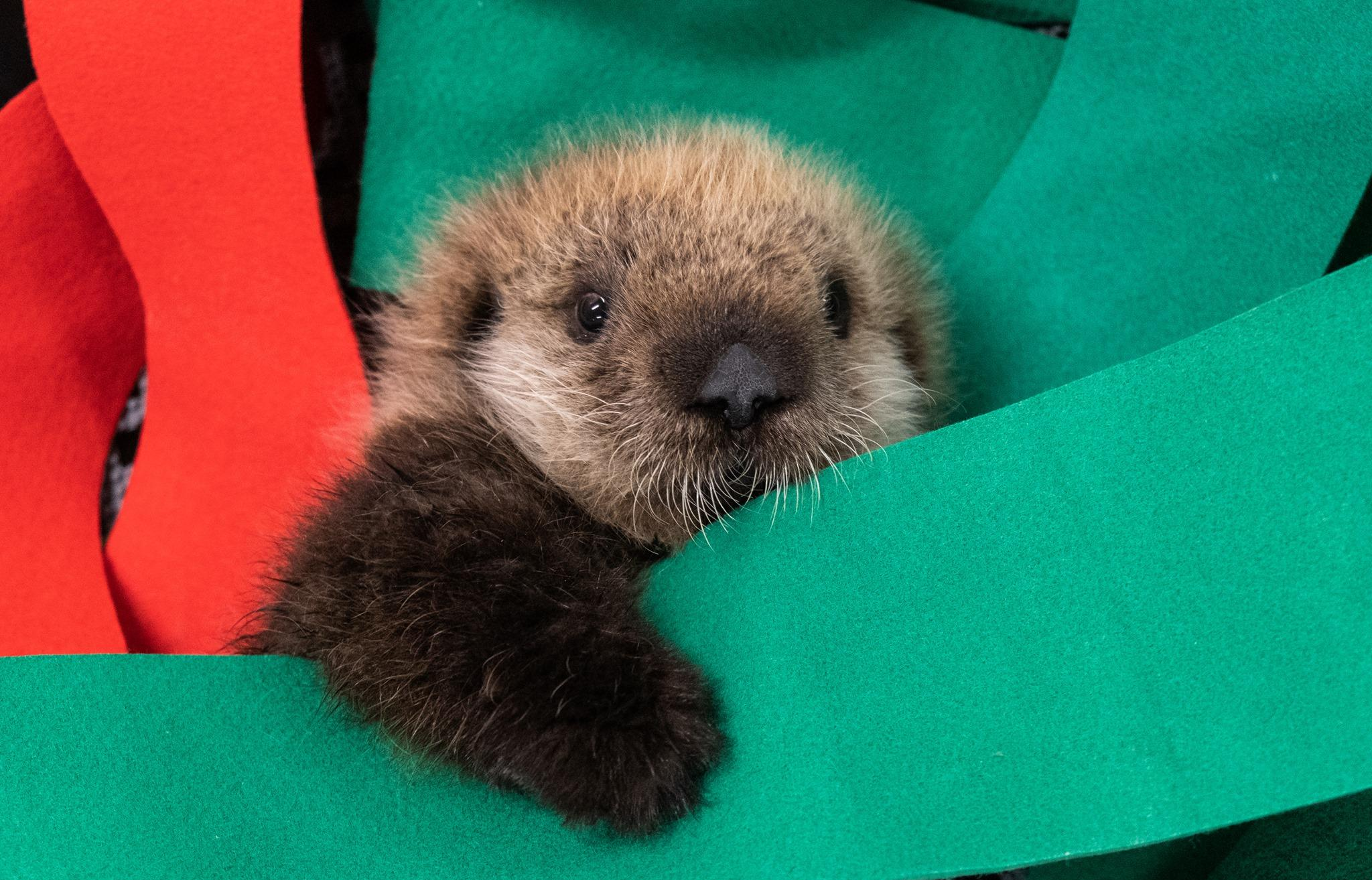
Baby sea otters are so buoyant that they can’t actually dive underwater until they grow out of their fluffy pup fur. To keep them from drifting away while she hunts, a mother otter will often wrap her baby in giant strands of kelp. They are incredibly vocal and spend a lot of time grooming themselves to keep their fur waterproof and warm. Seeing a mother otter floating on her back with her pup sleeping on her chest is the ultimate nature’s hug moment.
7. The fawn
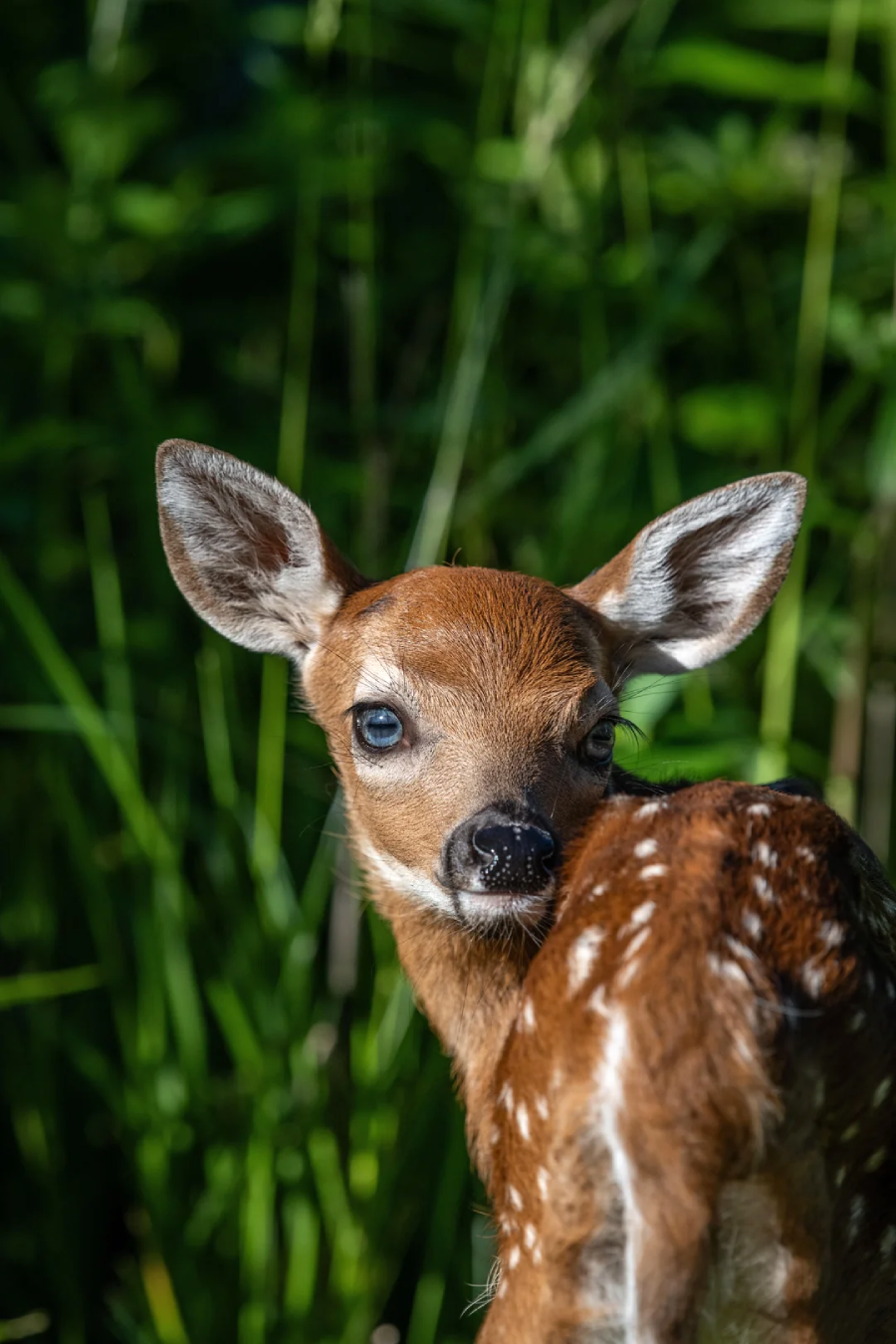
Fawns are born with a beautiful pattern of white spots that mimic the dappled sunlight hitting the forest floor. They have almost no scent when they are born, which is a brilliant evolutionary tactic to keep them hidden from predators. For the first few days, they stay perfectly still in the tall grass while their mother grazes nearby. Watching a fawn take its very first wobbly steps on those long, thin legs is a masterclass in fragile elegance.
8. The lion cub
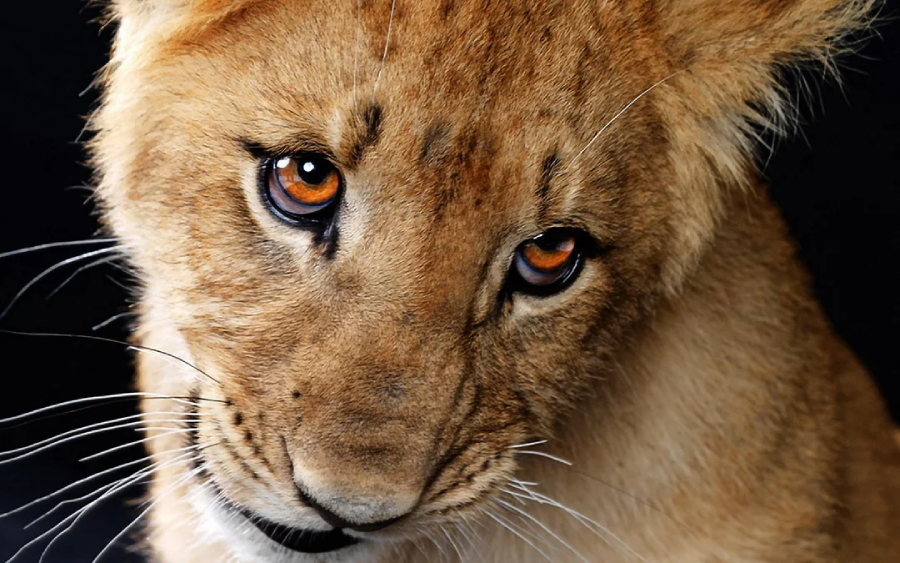
Lion cubs are born with spots on their fur that eventually fade away as they grow into the golden kings of the savanna. They are incredibly rowdy and spend their days practicing their “pounce” on the tails of the adult lions in the pride. While they might try to let out a ferocious roar, it usually comes out as a tiny, high-pitched squeak. Their oversized paws are a sign of the massive predators they will eventually become, but for now, they are just adorable troublemakers.
Sign up for our newsletter
9. The baby hippo
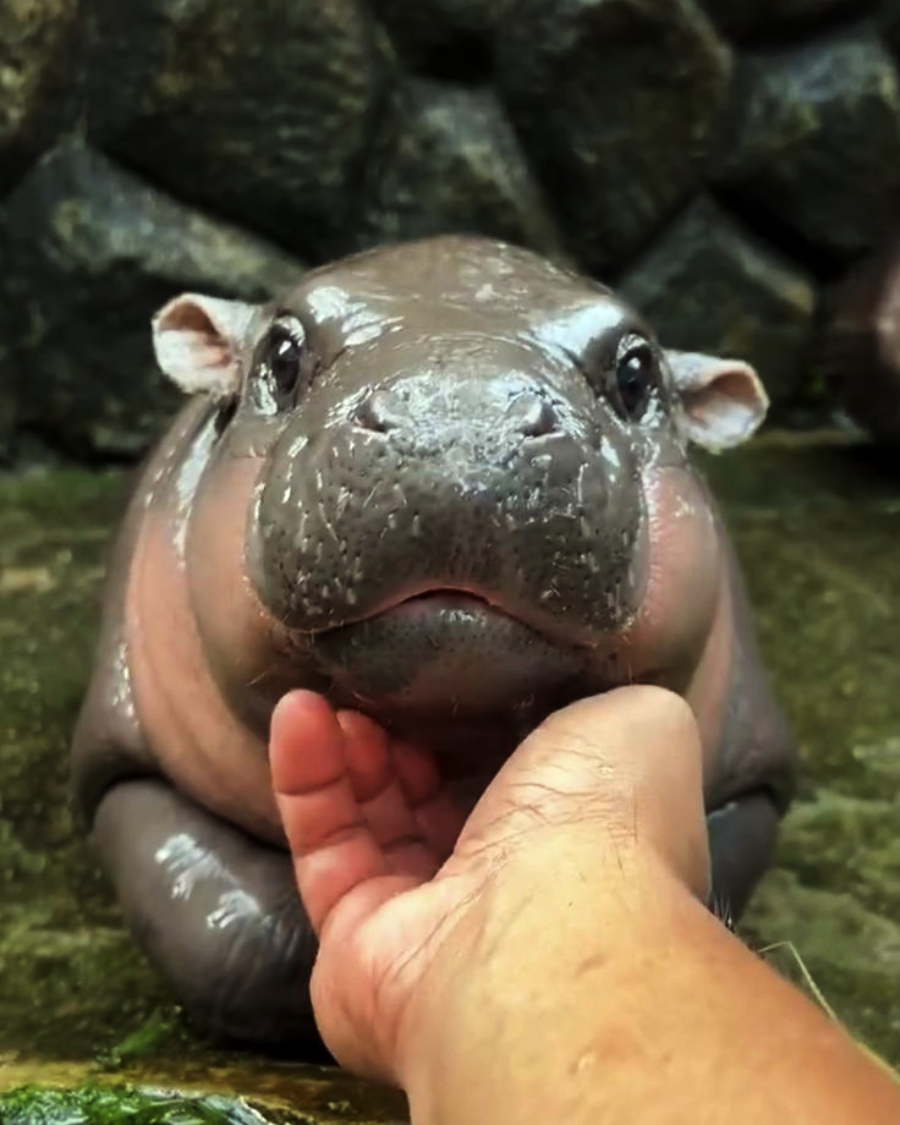
Despite growing into one of Africa’s most dangerous animals, a baby hippo is a surprisingly graceful underwater acrobat. They are often born underwater and can actually swim and nurse before they can even walk on land. They love to rest their chins on their mother’s back while floating in the river to stay safe from crocodiles. Their smooth, pinkish skin is very sensitive to the sun, which is why they spend most of the day submerged in the cooling water.
10. The giraffe calf
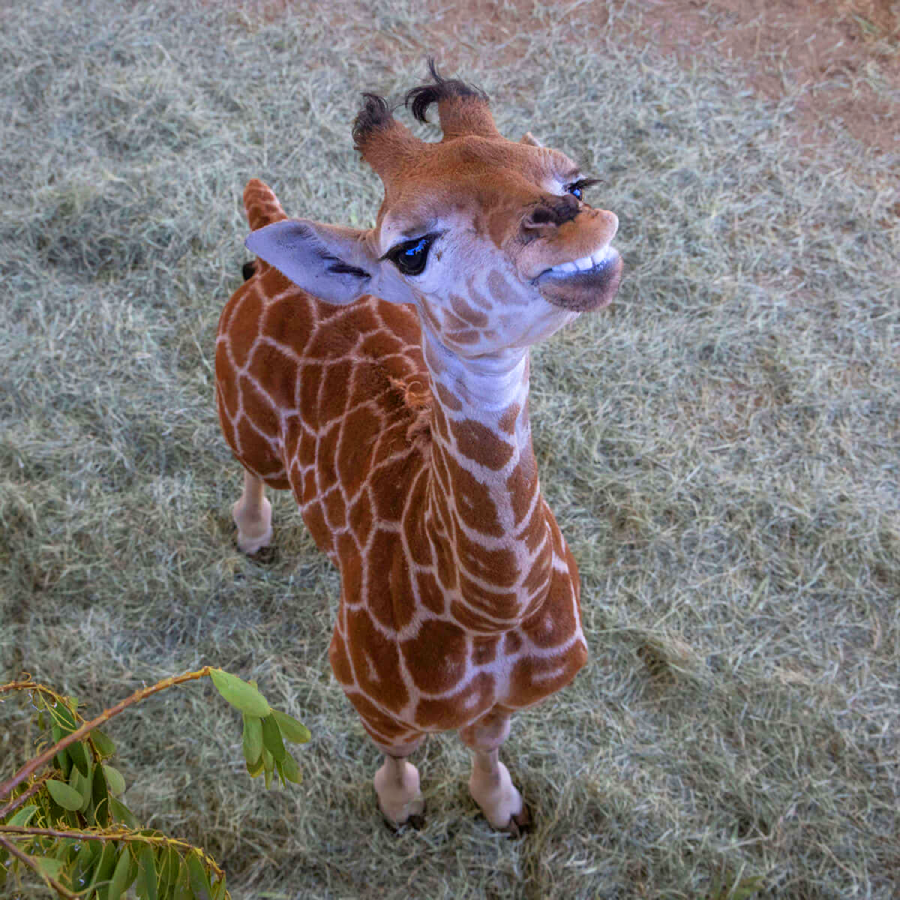
A giraffe calf enters the world with a six-foot drop to the ground, which is a pretty dramatic way to start life. Within 30 minutes, these incredible baby animals are standing up and ready to run with the rest of the herd. Their spots are as unique as human fingerprints, and no two giraffes have the exact same pattern. Seeing a newborn giraffe try to figure out how to fold its long legs to take a nap is a truly heartwarming sight.
11. The piglet
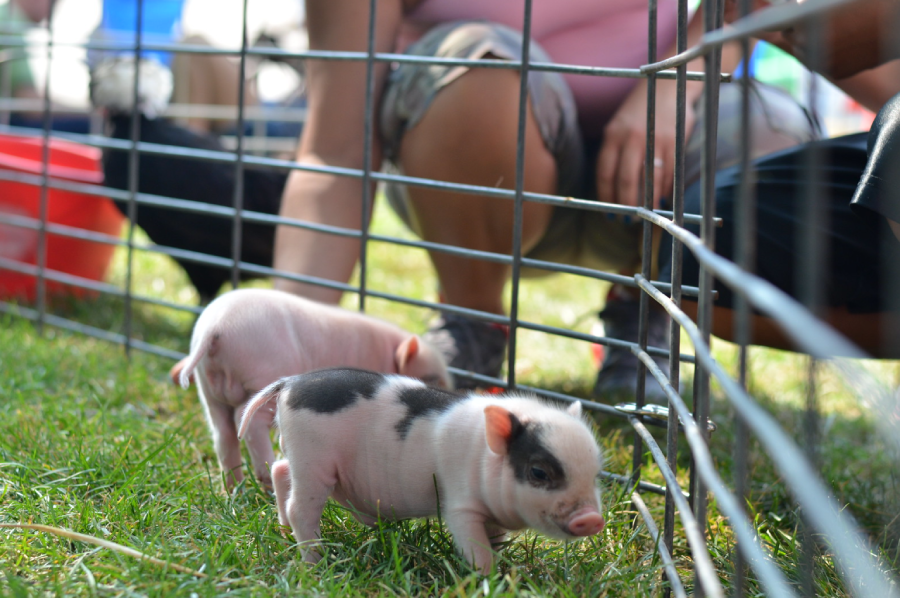
Piglets are famously intelligent and social, often forming close bonds with their siblings within hours of being born. They are incredibly fast and love to run “zoomies” around the farm, squealing with pure excitement. Each piglet actually has a preferred teat on their mother and will fight to defend their spot during feeding time. Their curly tails and wiggly snouts make them a favorite for anyone looking for a dose of farmyard charm.
12. The baby gorilla
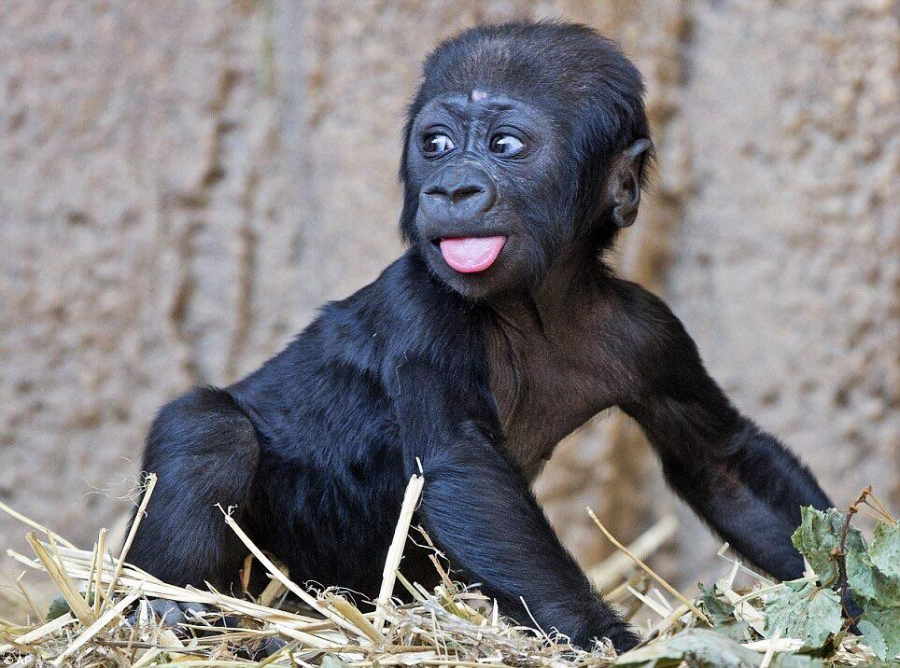
Baby gorillas are remarkably similar to human infants, clinging to their mothers and observing the world with deep, thoughtful eyes. They stay in constant physical contact with their mothers for the first several months of their lives. As they grow, they become the class clowns of the troop, swinging from vines and playfully bothering the older silverbacks. Their tiny hands have individual fingerprints just like ours, highlighting our close evolutionary connection.
13. The duckling
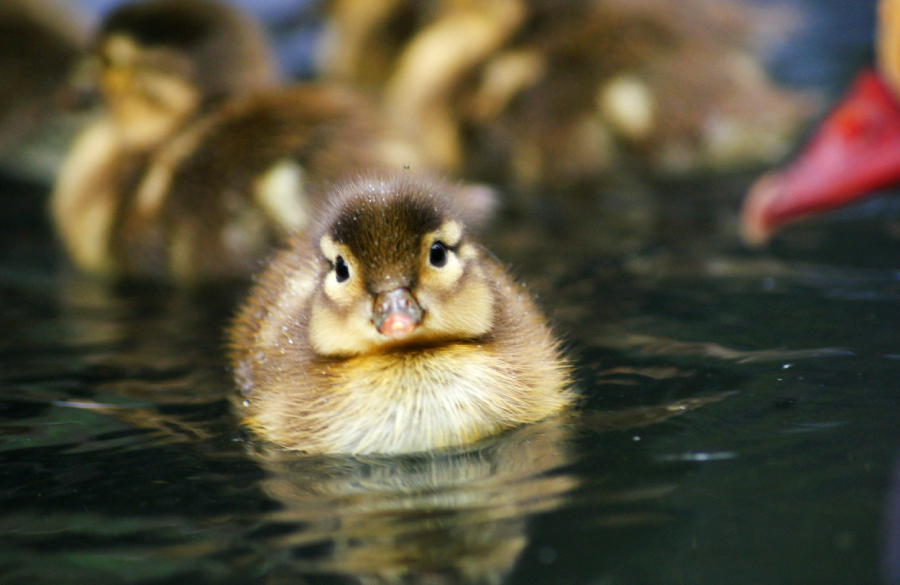
There is nothing quite like a line of fluffy yellow ducklings following their mother in a perfect row. They are born with a natural instinct to imprint on the first moving object they see, which is usually their protective mother. Ducklings are incredibly waterproof from birth thanks to a special oil they rub on their feathers. Watching a group of them dive into the water for the first time is a flurry of tiny splashes and happy chirps.
14. The baby hedgehog
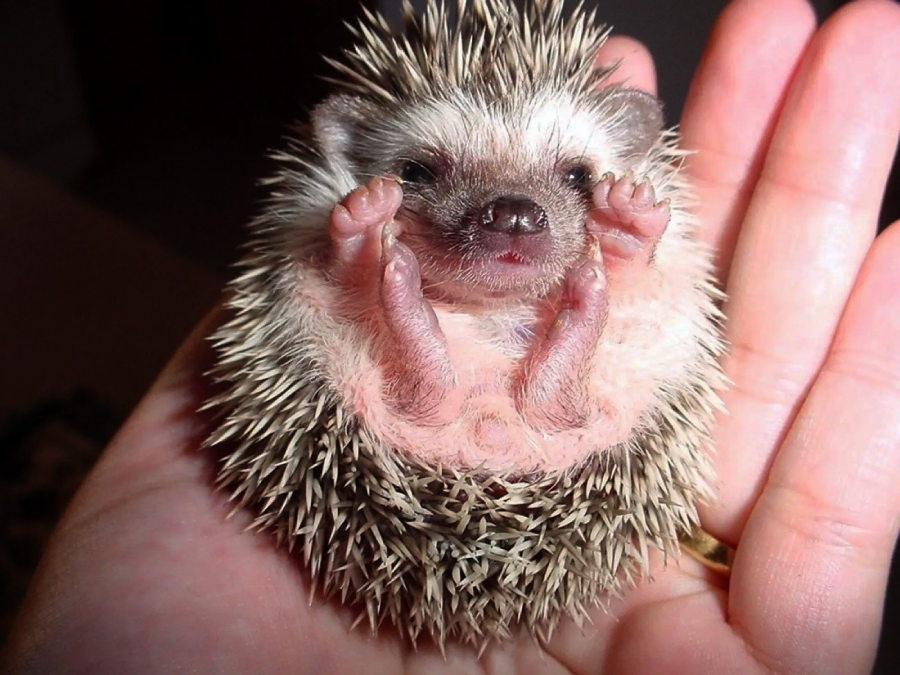
Baby hedgehogs, known as hoglets, are born with their quills hidden under a layer of fluid-filled skin to protect their mother during birth. Within hours, their tiny white soft spikes emerge, eventually hardening into the protective armor we recognize. They are born blind and rely on their incredible sense of smell to find their way around the nest. When they are startled, they try to roll into a tiny ball, looking like a very grumpy but adorable pinecone.
15. The koala joey
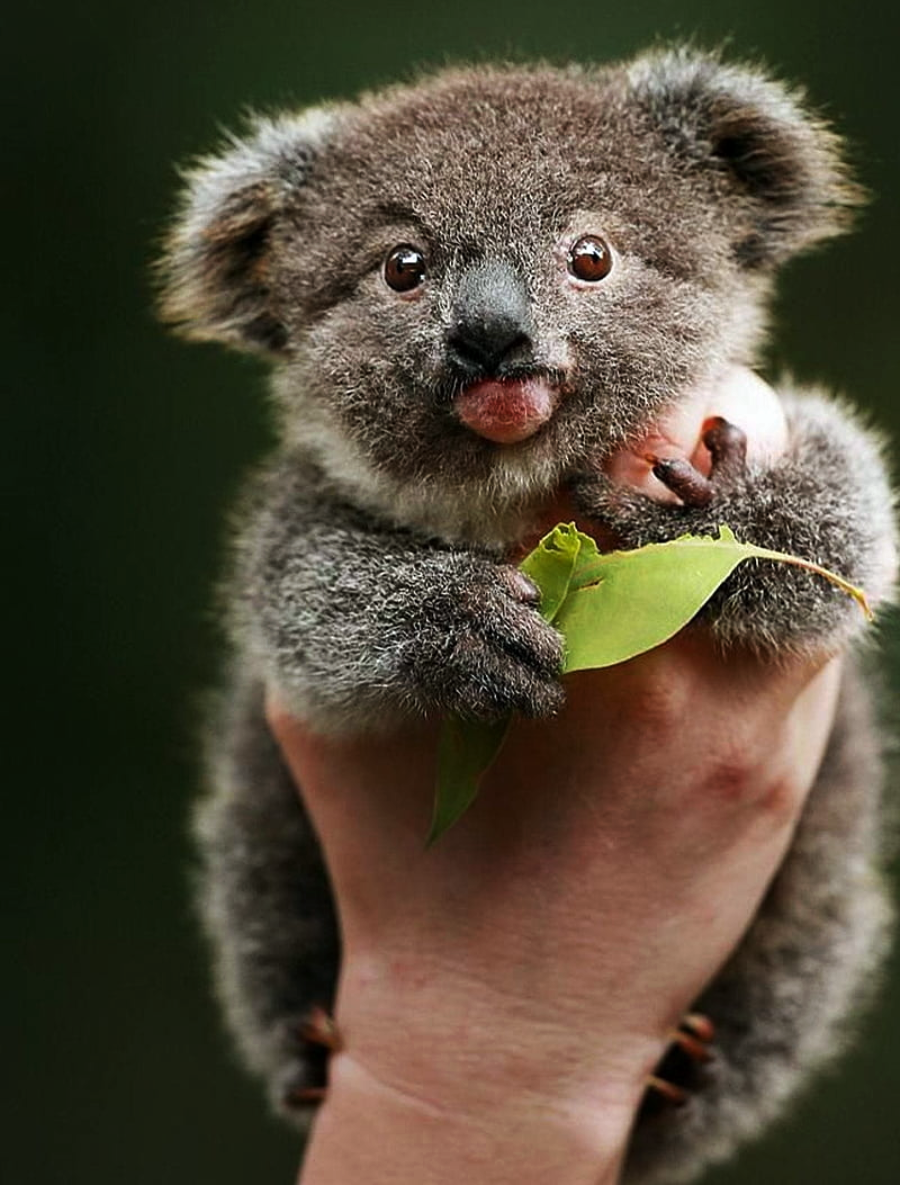
A koala joey is about the size of a jellybean when it is born and must climb into its mother’s pouch entirely by instinct. It spends six months tucked away in total darkness before it is brave enough to peek its head out and see the eucalyptus trees. Once they outgrow the pouch, they spend another six months riding on their mother’s back like a tiny backpack. Their fuzzy ears and large black noses make them one of the most iconic cute animals in the world.
16. The snow leopard cub
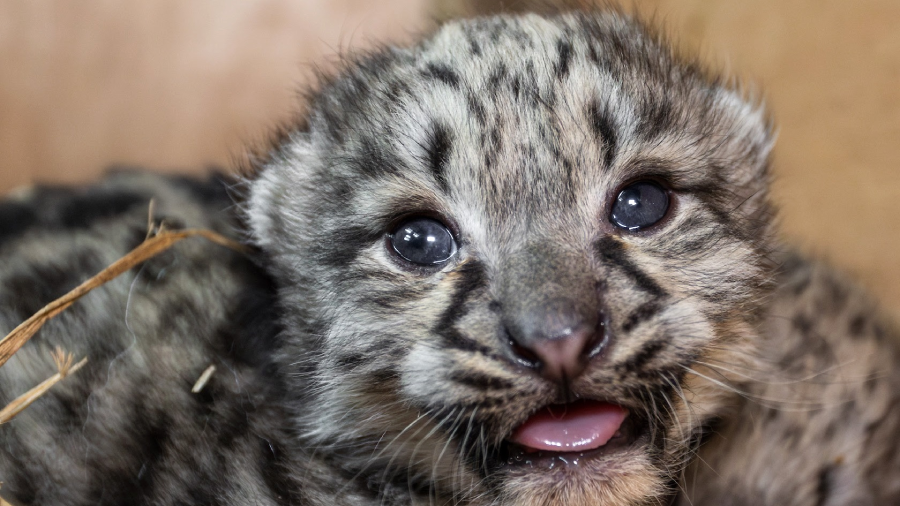
Snow leopard cubs are born in rocky dens high in the mountains, covered in thick fur to survive the sub-zero temperatures. They have incredibly long, thick tails that they often wrap around themselves like a scarf to stay warm. These “ghosts of the mountain” are very rare to see in the wild, making every photo of a cub a true scientific treasure. Their blue eyes at birth eventually change to a piercing green or gray as they mature into apex predators.
17. The baby rhino
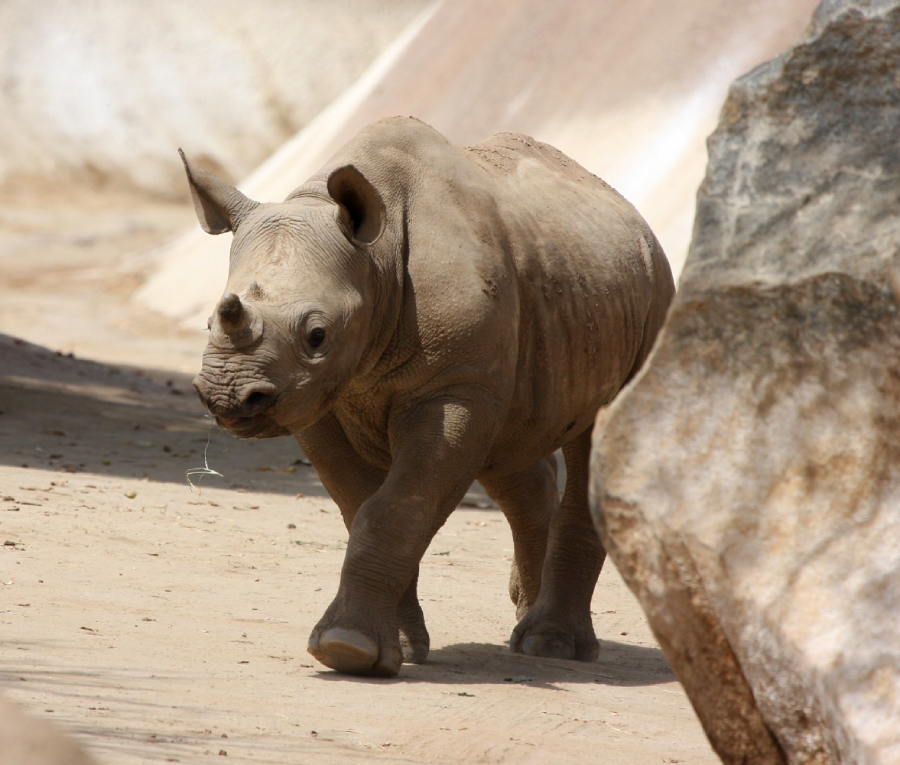
Baby rhinos are born without their signature horns, sporting just a small, darkened patch on their snout where the horn will eventually grow. They are surprisingly energetic and love to gallop around their mothers, often initiating play fights with inanimate objects like bushes or rocks. They are very vocal and communicate with their mothers through a series of whimpers and squeaks that sound nothing like a three-ton beast. Their thick, folded skin makes them look like they are wearing a suit of armor that is slightly too big for them.
18. The lamb
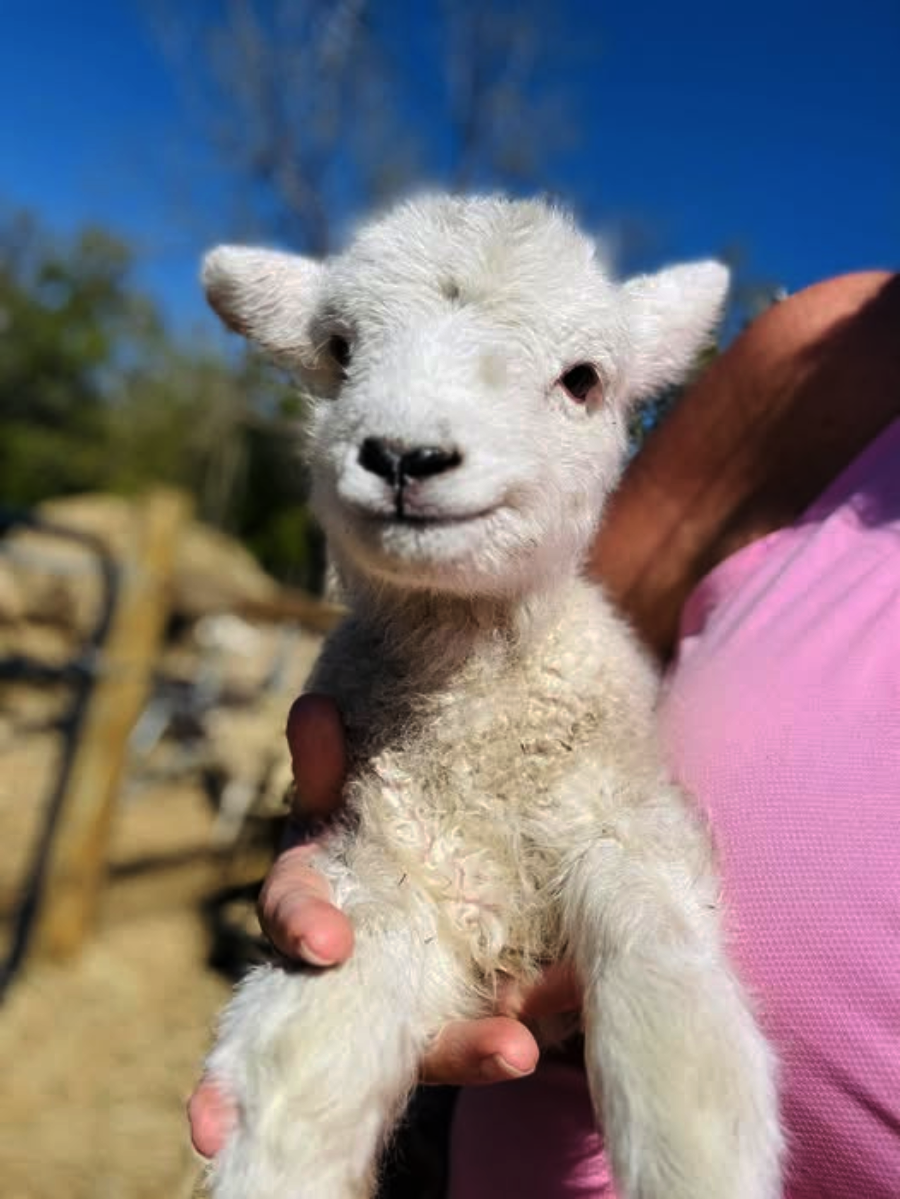
Lambs are the universal symbol of spring, known for their playful boing jumps where all four feet leave the ground at once. They can recognize their mother’s unique bleat from a large distance, even in a crowded field of hundreds of sheep. Their wool is incredibly soft and curly when they are young, giving them a cloud-like appearance as they frolic in the grass. Watching a lamb wag its tiny tail while nursing is one of the most peaceful sights on a farm.
19. The baby fox
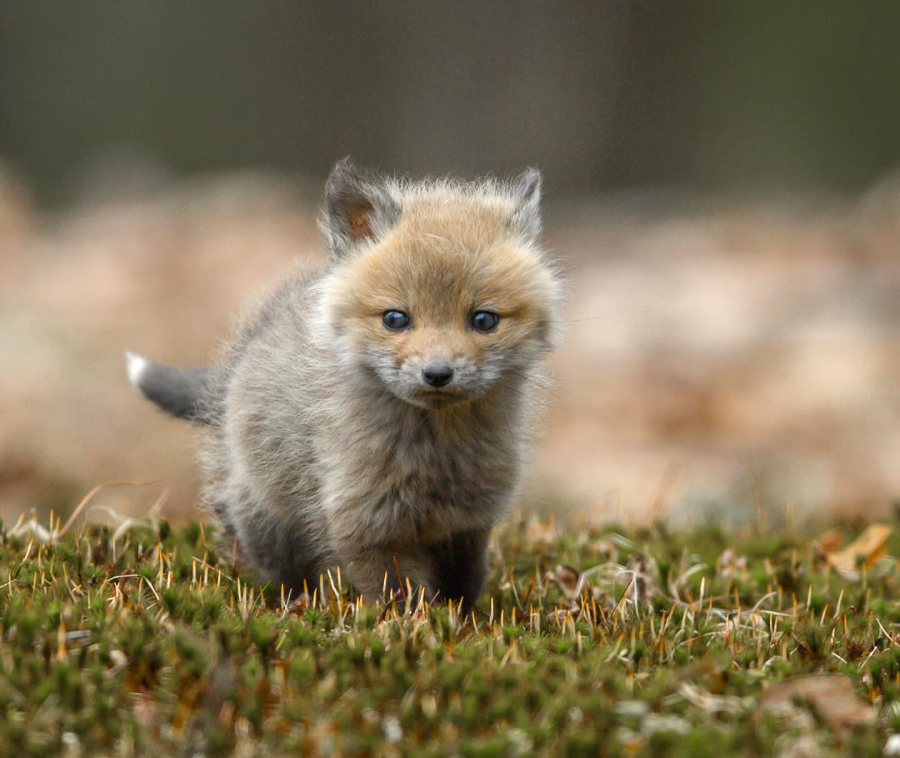
Baby foxes, or kits, are born with short, dark fur that doesn’t turn red until they are several weeks old. They are incredibly curious and spend their days exploring the area around their den under the watchful eye of their parents. They are famous for their high-pitched yips and their love of playing “tag” with their siblings. A kit’s oversized ears help them hear insects moving underground, a skill they start practicing almost as soon as they can walk.
20. The giant panda cub
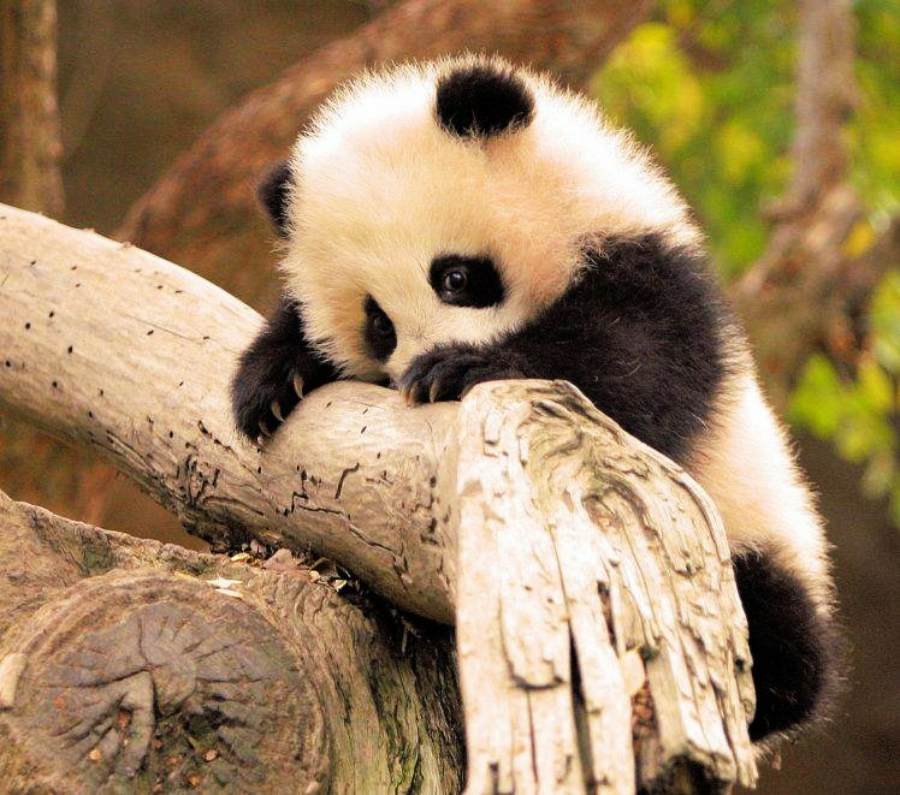
A giant panda cub is born pink, blind, and roughly 1/900th the size of its mother, about the size of a stick of butter. It takes weeks for their iconic black and white patches to appear through their thin white fuzz. They are famously clumsy and often roll over or sneeze themselves into a state of confusion, much to the delight of internet viewers. Because they are so small at birth, the bond between a panda mother and her cub is one of the most protective and intense in nature.
Want more stories about the animal kingdom?
Spending time looking at these baby animals is a gentle reminder of the beauty and resilience inherent in the natural world. Their journey from fragile newborns to capable adults is a story of survival that happens every single day in every corner of the globe. If you need more heartwarming content to brighten your day, don’t miss these 20 Baby Animals That Grow Into Different Creatures, or 15 Heartwarming Photos of Interspecies Animal Friendships. You may also like these 20 Animals Caught in the Act Doing Things They Shouldn’t.