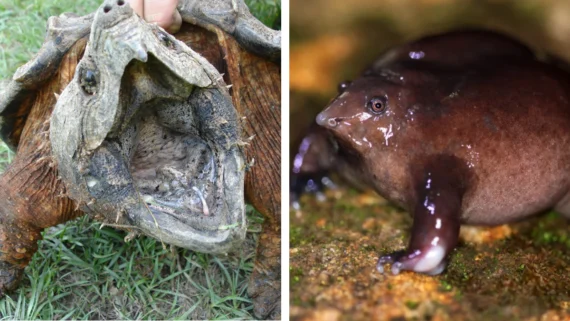
When we think of the Mesozoic Era, we usually imagine massive reptiles and prehistoric jungles, but some of the most fascinating species from that time are actually still walking, swimming, and crawling among us today. These biological marvels, often referred to as “living fossils,” found an evolutionary sweet spot millions of years ago and decided to stick with it. While thousands of other creatures went extinct, these resilient survivors managed to navigate ice ages, shifting continents, and mass extinctions without needing to change their basic design. They are the ultimate time travelers, offering us a direct, living link to a world that existed long before the first human ever took a breath.
Sadly, despite their incredible track record of survival, many of these ancient species are now facing a threat they aren’t equipped to handle: the rapid pace of human industrialization. From the deep trenches of the ocean to the isolated forests of New Zealand, these creatures are currently listed as endangered or critically vulnerable. Protecting them isn’t just about saving an animal; it’s about preserving a piece of Earth’s primordial history that has remained intact for eons. We’ve gathered fifteen of the most incredible “old souls” of the animal kingdom that are currently fighting to keep their prehistoric lineage alive in the 21st century.
1. The Coelacanth
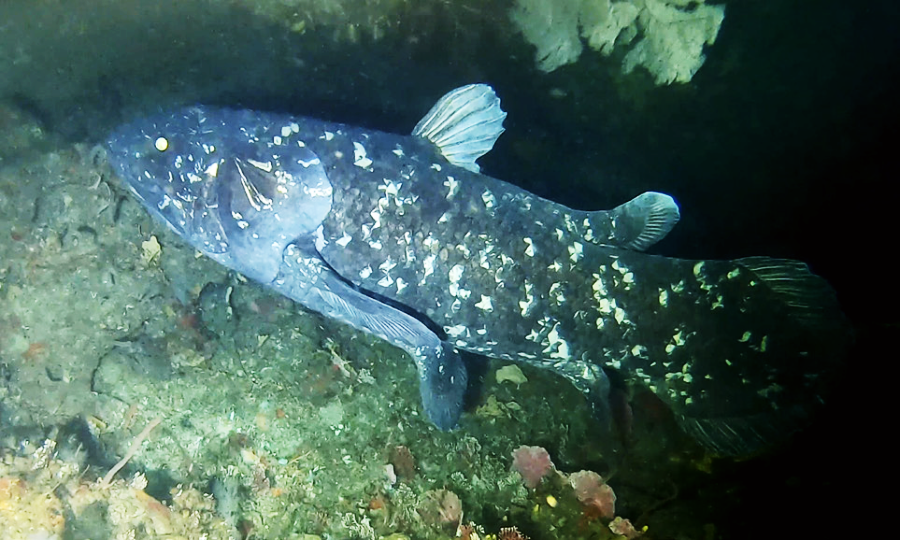
The Coelacanth is perhaps the most famous “living fossil” in the world, once thought to have gone extinct alongside the dinosaurs 66 million years ago. It shocked the scientific community in 1938 when a living specimen was discovered off the coast of South Africa, looking exactly like its fossilized ancestors. These deep-sea dwellers have unique lobed fins that move more like the legs of a land animal than the fins of a fish. They can live up to 100 years and possess a special rostral organ in their snouts that helps them detect prey through electrical impulses.
2. The Tuatara
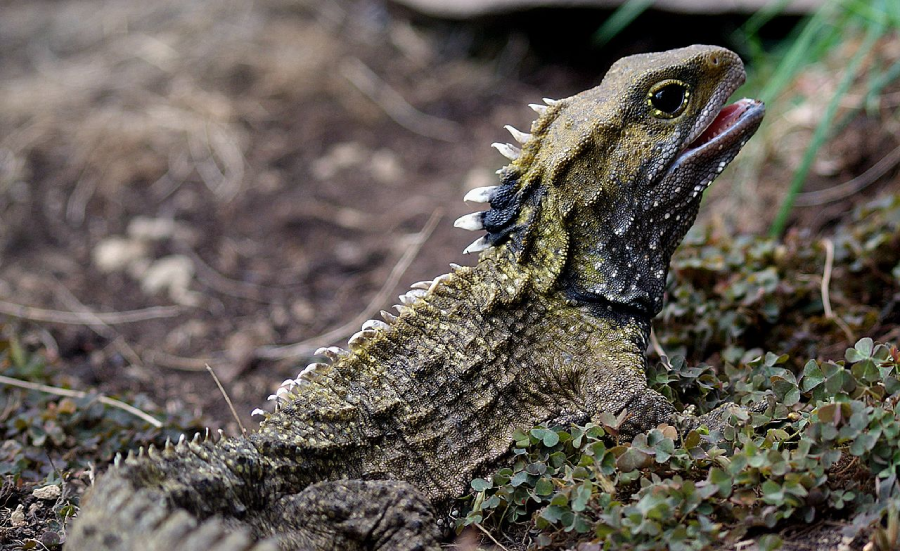
Found only on a few small islands off the coast of New Zealand, the Tuatara is the last surviving member of an order of reptiles that flourished 200 million years ago. Although they look like lizards, they are part of a distinct lineage that predates many of the most famous dinosaurs. One of their most alien features is a third eye on the top of their heads, which is used to detect light cycles and help regulate their body temperature. They are incredibly slow-moving creatures, often taking over a decade to reach sexual maturity and living well beyond a century.
3. The Horseshoe Crab
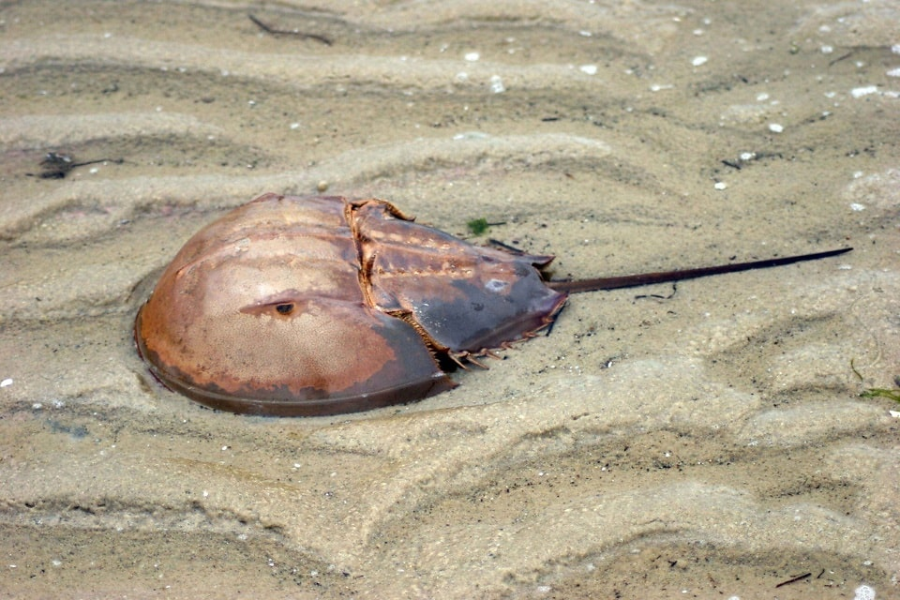
With a design that hasn’t changed in over 450 million years, the Horseshoe Crab is older than the rings of Saturn and has survived five major mass extinctions. They aren’t actually crabs at all, but are more closely related to spiders and scorpions, sporting ten eyes scattered across their armored bodies. Their blue, copper-based blood is one of the most valuable liquids on Earth because it contains a unique protein used to test the safety of every vaccine and IV drip produced. Despite their vital service to humanity, they face massive habitat loss as the beaches they use for spawning continue to disappear.
4. The Nautilus
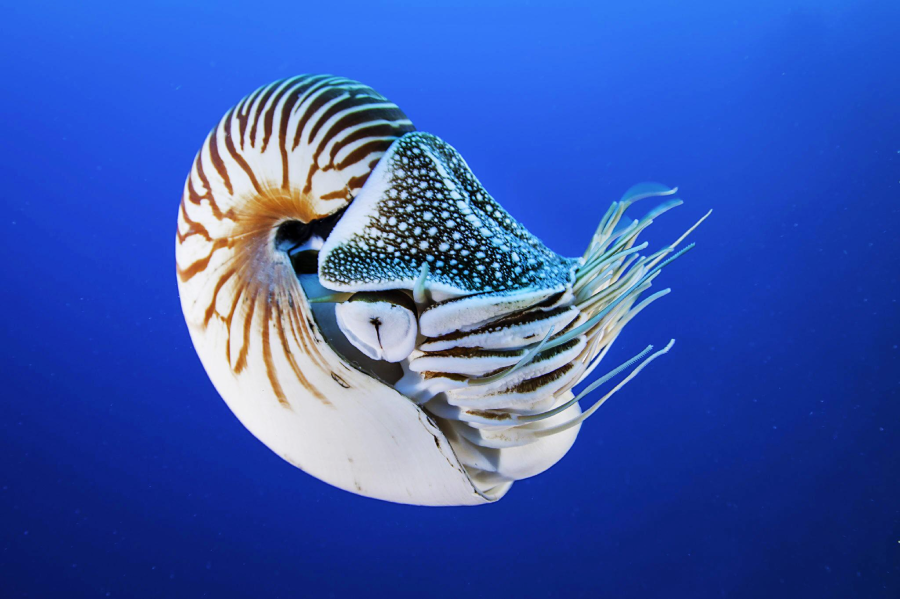
The Nautilus has been drifting through the world’s oceans for 500 million years, long before the first trees ever appeared on land. They live inside beautiful, spiraled shells divided into multiple chambers, using gas to regulate their buoyancy like a natural submarine. Because they have very poor eyesight, they rely almost entirely on a highly developed sense of smell to find food in the dark depths. Their shells are so perfectly engineered that they can withstand the crushing pressures of the deep sea, yet they are highly sought after by collectors, putting the species at risk.
5. The Chinese Giant Salamander
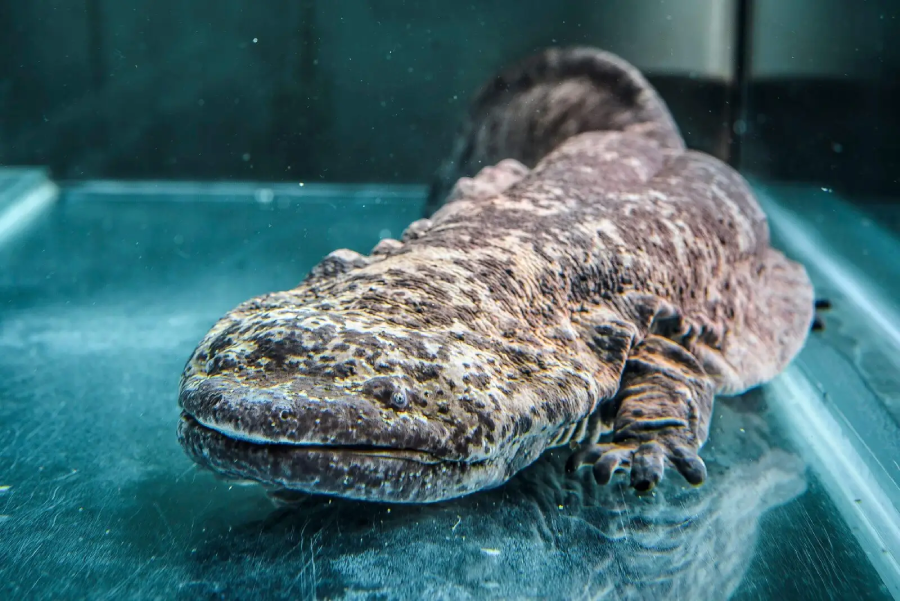
This massive amphibian can grow up to nearly six feet long and has remained virtually unchanged for 170 million years. Known as “living fossils” of the freshwater world, they breathe through their skin and have vocalizations that famously sound like a crying human infant. They are apex predators in their mountain stream habitats, but their numbers have plummeted due to pollution and over-harvesting for the luxury food market. It is a bizarre, prehistoric creature that looks more like a river-dwelling dragon than a modern salamander.
Trending on The Scroller

6. The Okapi
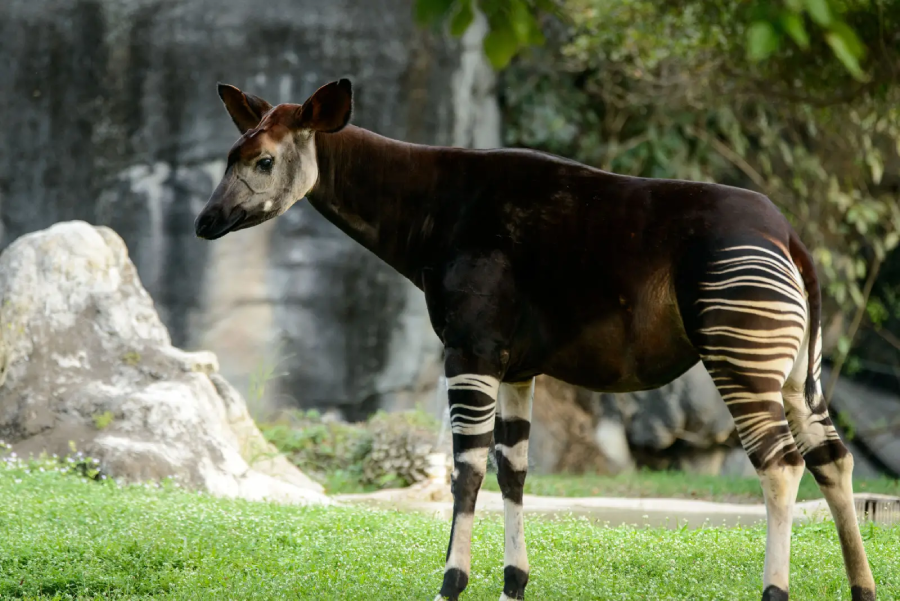
Often called the “Forest Giraffe,” the Okapi is the only living relative of the giraffe and has a body plan that dates back to the Miocene epoch. They have striking zebra-like stripes on their hindquarters, which act as camouflage in the dappled light of the Congo rainforest. Their tongues are so long and prehensile that they can actually use them to wash their own eyelids and ears. Because they are so elusive and live in such dense jungles, they were unknown to the Western world until 1901, leading many to believe they were a mythical creature.
7. The Gharial
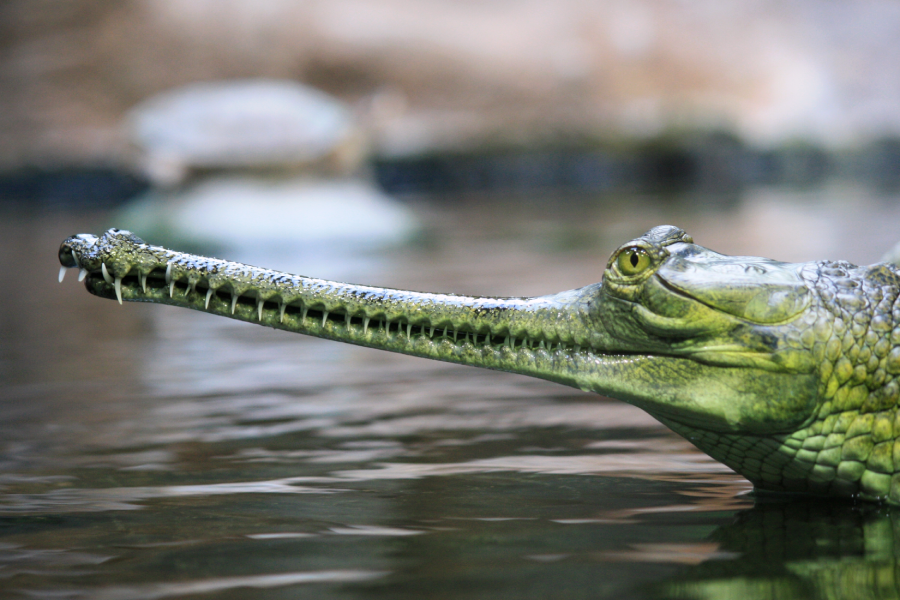
This unique crocodilian is easily recognized by its extremely long, thin snout filled with over 100 interlocking teeth. Their lineage split from other crocodiles and alligators over 40 million years ago, making them a true relic of the age of reptiles. They are specialized fish-eaters and are the most aquatic of all crocodilians, rarely leaving the water except to bask or lay eggs. Male gharials develop a large bulbous growth on the end of their snout called a “ghara,” which they use to make buzzing sounds and blow bubbles during courtship.
8. The Platypus
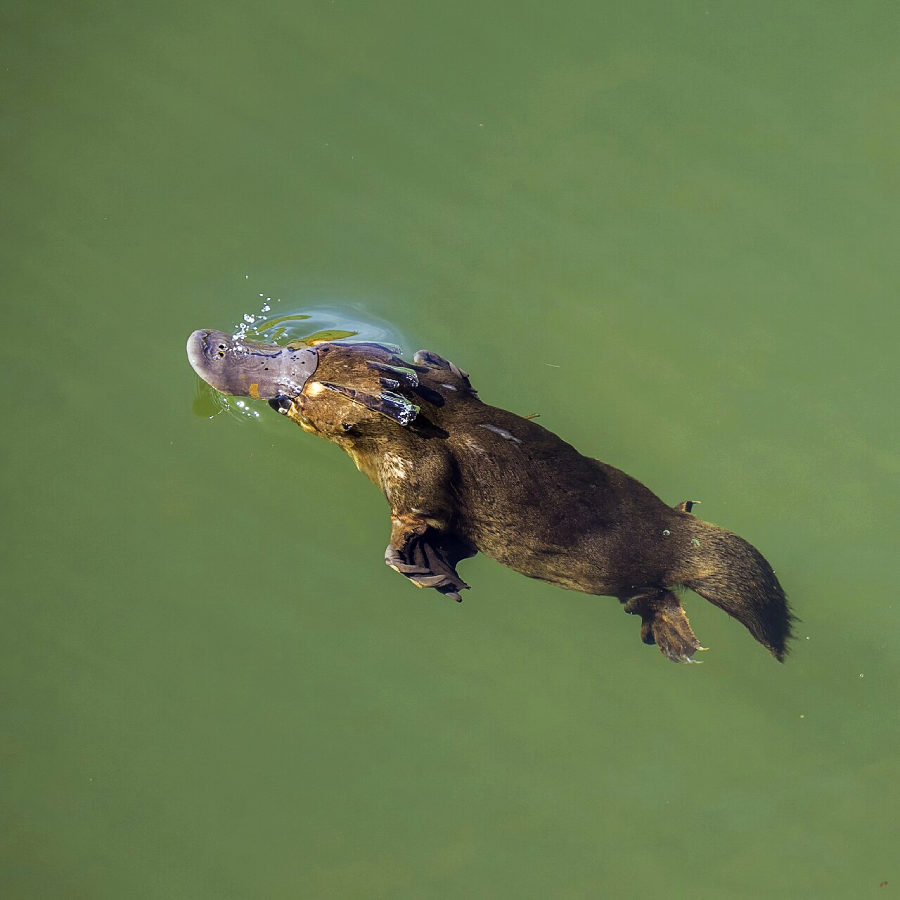
The Platypus is one of the most evolutionarily confused species on Earth, sporting a duck-like bill, beaver-like tail, and otter-like feet. They are monotremes, meaning they are part of an ancient group of mammals that lay eggs instead of giving birth to live young. These creatures have remained unchanged for over 100 million years and are one of the few mammals capable of producing venom through spurs on their hind legs. They also hunt using “electrolocation,” sensing the tiny muscle contractions of their prey while swimming with their eyes and ears tightly shut.
Sign up for our newsletter
9. The Komodo Dragon
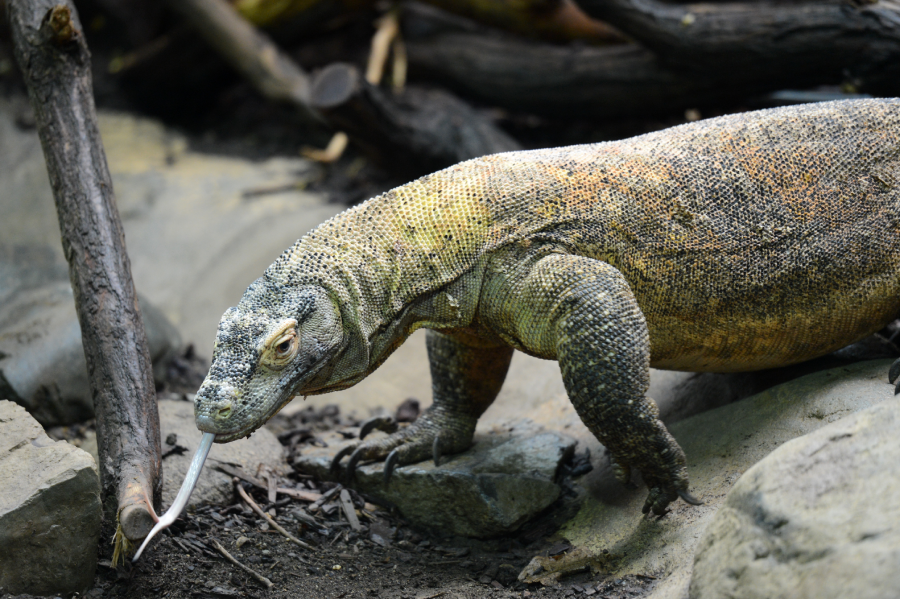
As the largest and heaviest lizards on the planet, Komodo dragons are the closest thing we have to a living, fire-free dinosaur. Their ancestors first appeared in Australia roughly 40 million years ago, and they have dominated the isolated islands of Indonesia ever since. They possess a terrifying “delivery system” for venom that prevents their prey’s blood from clotting, causing them to go into shock. Despite their fearsome reputation, they are highly intelligent and have been observed playing with objects and recognizing their human keepers in captivity.
10. The Sawfish
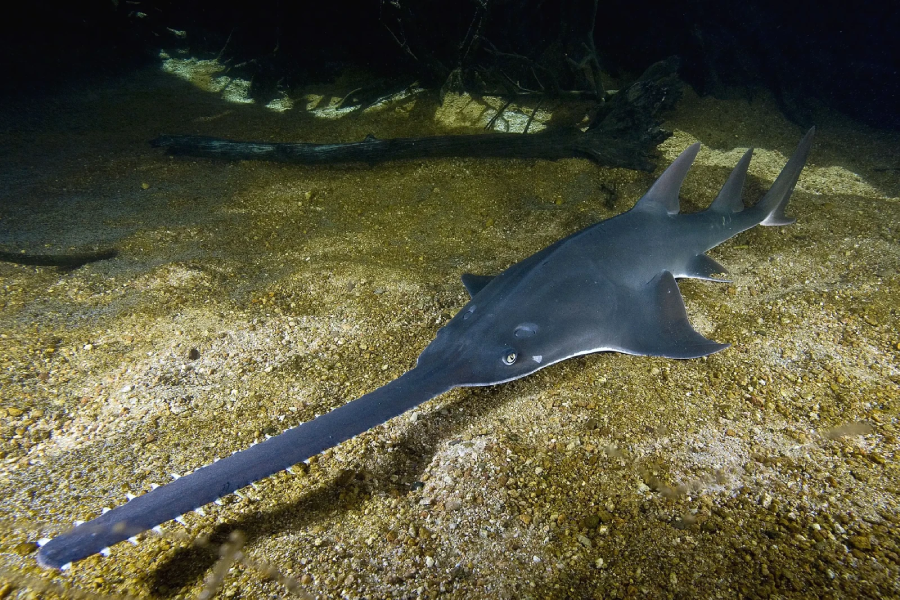
The Sawfish is a prehistoric ray that looks like it swam straight out of a nightmare, equipped with a long, flat snout lined with sharp transverse teeth. This saw is actually a highly sensitive sensory organ that can detect the heartbeat of hidden prey and even slice through schools of fish. They have existed in our oceans for roughly 56 million years, but their unique snouts make them incredibly easy to entangle in fishing nets. They are now among the most threatened marine fish in the world, with many populations having disappeared entirely from their former ranges.
11. The Sturgeon
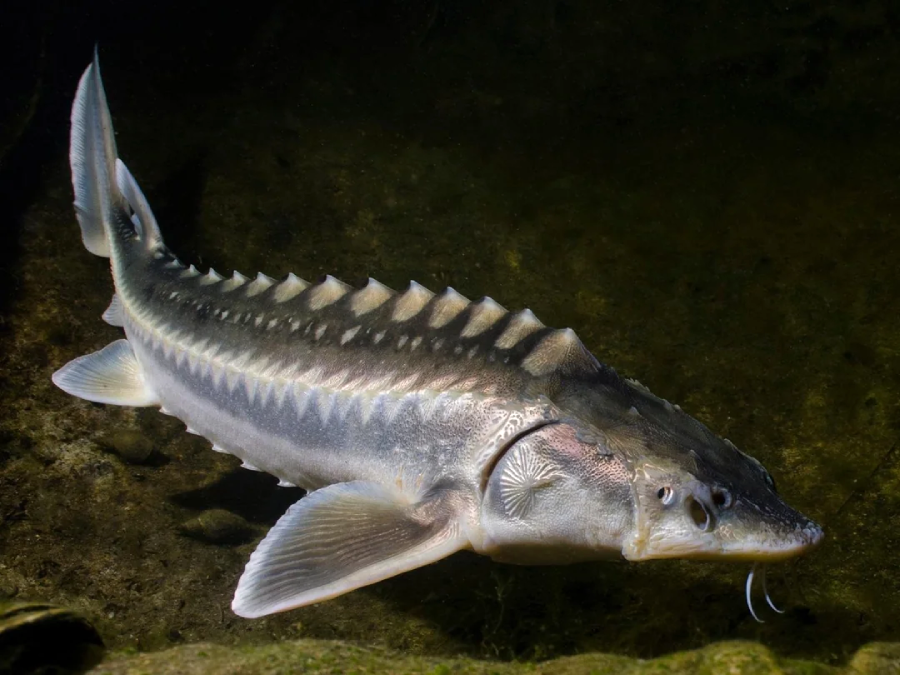
Sturgeon are ancient bony fish that have been around since the Jurassic period, often referred to as the “Leviathans of the Great Lakes.” They lack scales and are instead covered in five rows of bony plates called scutes, giving them a rugged, armored appearance. These fish can live for over 150 years and grow to massive sizes, with some species reaching over 20 feet in length. They are most famous (and most endangered) because of their unfertilized eggs, which are processed into the world’s most expensive caviar.
12. The Purple Frog
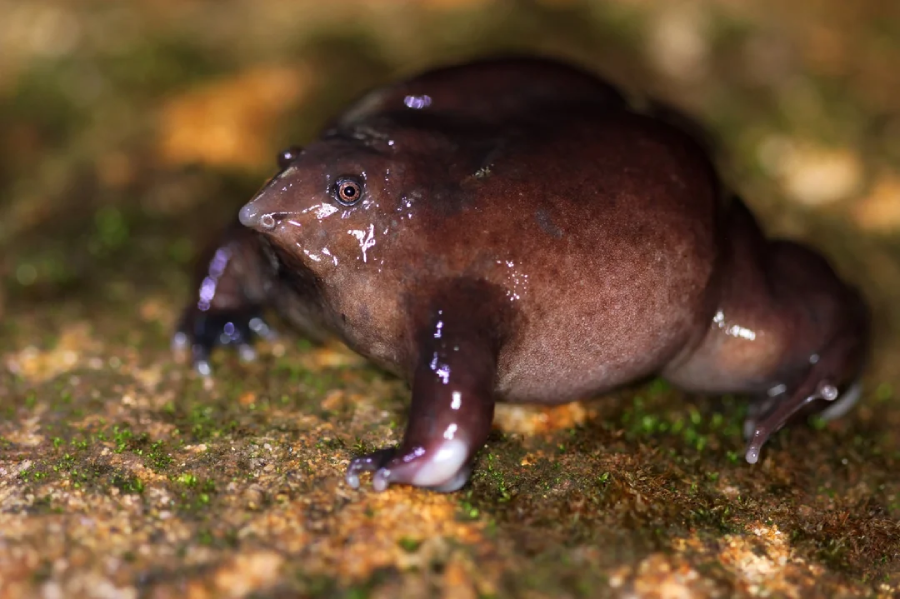
Discovered in India in 2003, the Purple Frog belongs to a lineage that has been evolving independently for about 130 million years. They look like a bloated, purple balloon with a tiny, pointed snout, and they spend almost their entire lives underground. They only emerge for two weeks every year during the monsoon season to mate in temporary forest pools. Because they are so specialized for a life in the soil, they are extremely vulnerable to any changes in the forest floor or the local water cycle.
13. The Goblin Shark
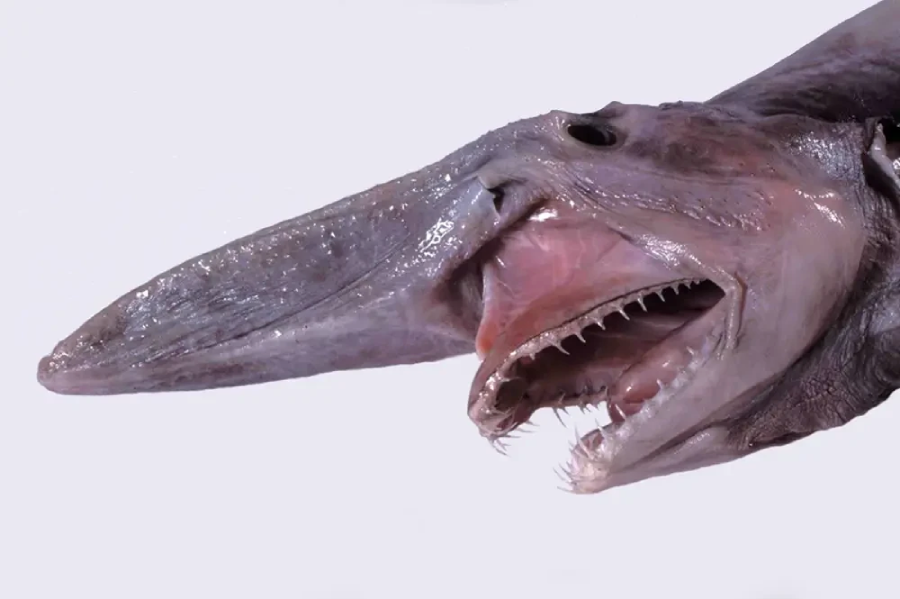
The Goblin Shark is a terrifyingly beautiful “living fossil” that haunts the deep sea with a lineage stretching back 125 million years. They are known for their long, protruding snout and jaws that can snap forward at lightning speed to snatch unsuspecting prey. Their skin is semi-translucent, giving them a pinkish hue as their blood vessels show through the surface. Because they live in such extreme depths, they are rarely seen by humans, and almost everything we know about them comes from accidental catches by deep-sea fishermen.
14. The Red Panda
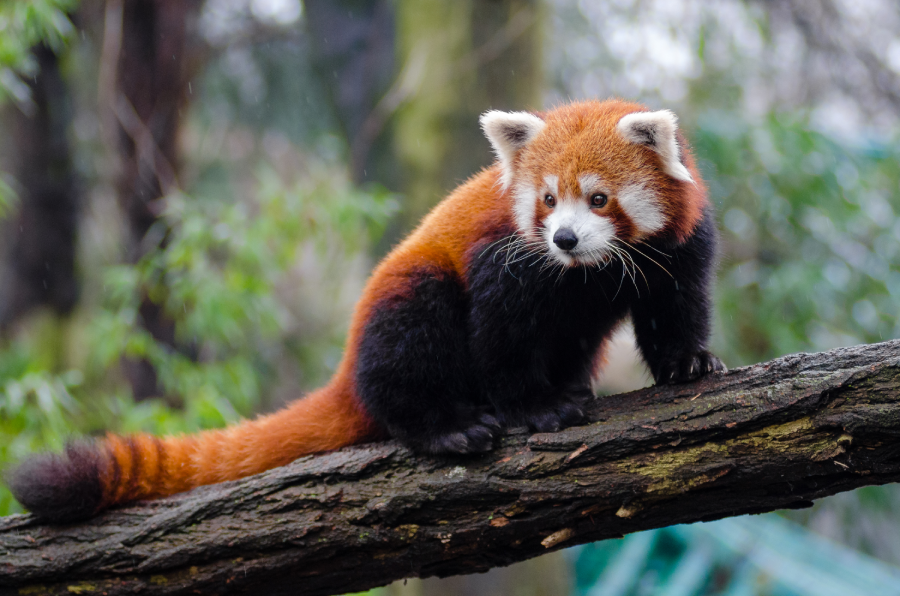
While they share a name with the Giant Panda, the Red Panda is actually a member of its own unique family that dates back tens of millions of years. They are more closely related to skunks and raccoons than bears, acting as the sole survivors of an ancient evolutionary branch. These “Firefoxes” are masters of the canopy, using their bushy, ringed tails for balance and as a built-in blanket during cold mountain nights. Their habitat in the Himalayas is shrinking rapidly, making this ancient tree-dweller one of the most vulnerable carnivores in Asia.
15. The Alligator Snapping Turtle
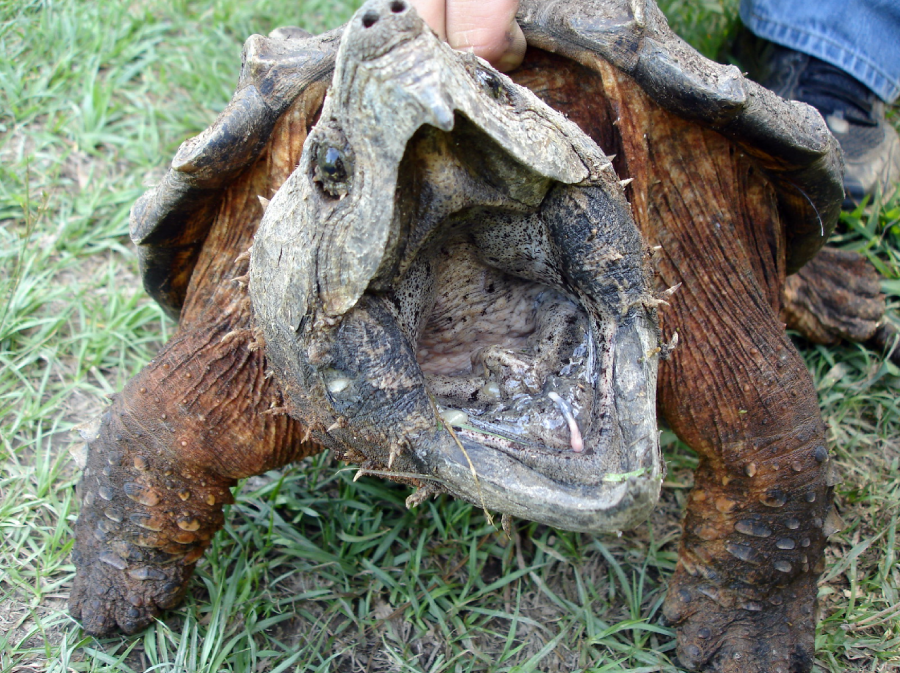
This “dinosaur of the turtle world” has a jagged shell and a primitive appearance that hasn’t changed in nearly 70 million years. They are the largest freshwater turtles in North America and possess a bite force strong enough to snap through bone and heavy wood. Inside their mouths, they have a unique, worm-shaped piece of flesh on their tongue that they wiggle to lure curious fish right into their jaws. They can stay submerged for up to 50 minutes at a time, waiting patiently in the muck for an easy meal to swim by.
Want more facts about animals?
Protecting these ancient species is about more than just conservation; it is about honoring the incredible resilience of life itself. These survivors have seen the world change in ways we can barely imagine, and losing them now would mean losing a piece of Earth’s soul. If you were fascinated by these prehistoric wonders and want to know more about animals, don’t miss these 15 Wild Animals That Mate For Life, or 16 Animals Declared Extinct in the Late 1900s. You can also check out these 20 Animals That Look Like Nature Ran Out of Budget.