Age has always been one of the most fascinating topics humans talk about. People constantly wonder how long living beings can survive, how their bodies change over time, and whether aging can ever truly be slowed down. Usually, these conversations revolve around one of humanity’s favorite companions: dogs. Their life expectancy, growth, and visible aging signs are things almost everyone notices. But dogs are far from the only animals whose age sparks curiosity. In fact, nature is filled with creatures that completely challenge everything humans think they know about growing old.
The reality is that not every living being processes time the same way humans do, and discovering these differences can feel mind-blowing. Nature has countless ways of proving how extraordinary it truly is, and aging is one of the clearest examples of that mystery. Scientists, marine biologists, and researchers from organizations like National Geographic and leading universities continue studying these incredible species to better understand longevity, regeneration, and survival. So if you thought aging looked the same for every creature on Earth, these animals are about to completely change your perspective.
1. Immortal Jellyfish
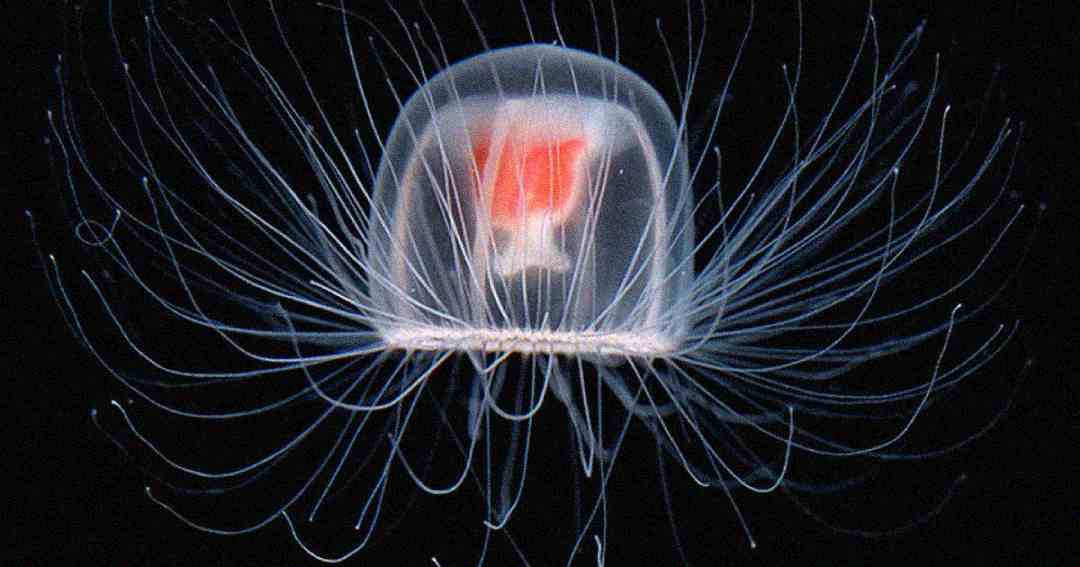
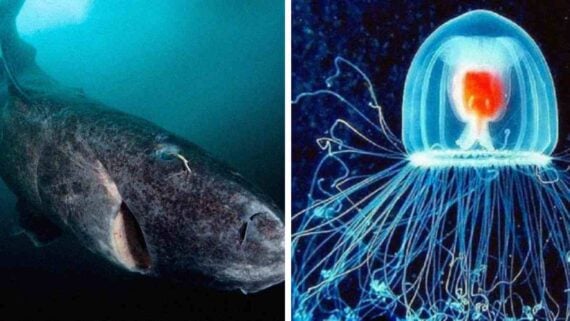
Probably the most interesting of them all. The immortal jellyfish is famous for doing something almost no other creature can achieve: reversing its own life cycle. When stressed, injured, or starving, it can transform its mature cells back into a younger state and begin life again as a polyp. Scientists describe this biological process as transdifferentiation, and it has turned this tiny jellyfish into one of the most studied marine animals on Earth. While it can still die from predators or disease, its ability to avoid traditional aging makes it extraordinary.
2. Greenland Shark
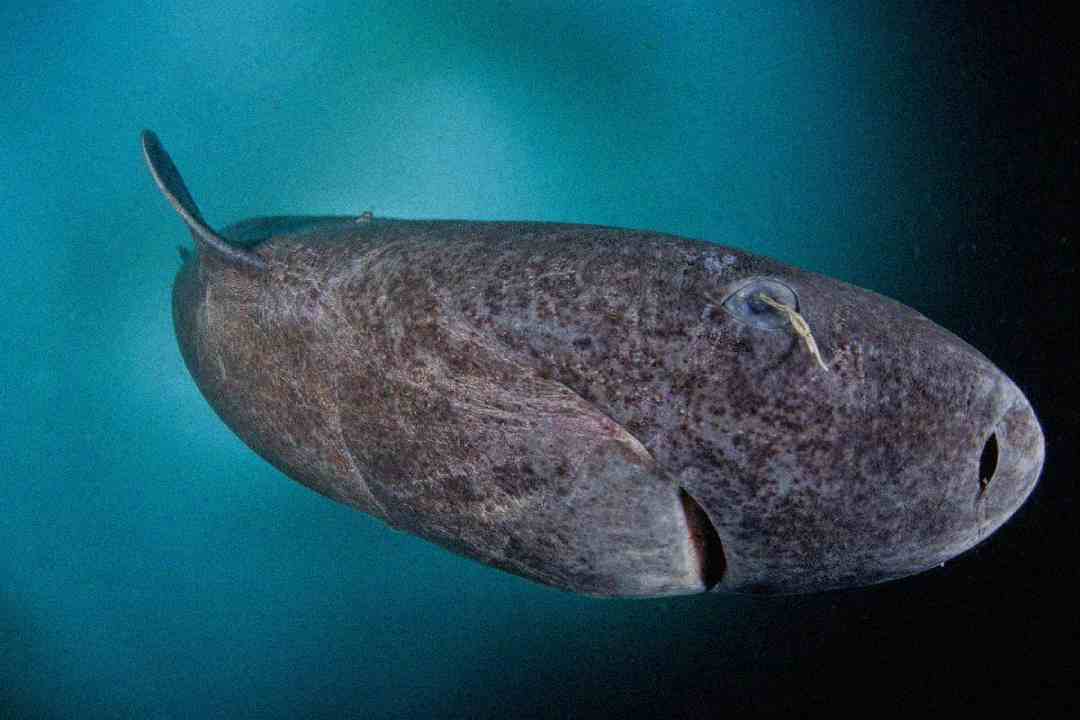
The Greenland shark lives in the icy waters of the North Atlantic and Arctic Oceans, where temperatures remain brutally cold year-round. According to scientific research, some individuals may live for over 400 years, making them the longest-living vertebrates ever recorded. These sharks grow incredibly slowly, sometimes less than a centimeter per year, and they do not even reach maturity until around 150 years old. Their extremely slow metabolism appears to play a major role in how differently they age compared to humans and most marine animals.
3. Bowhead Whale
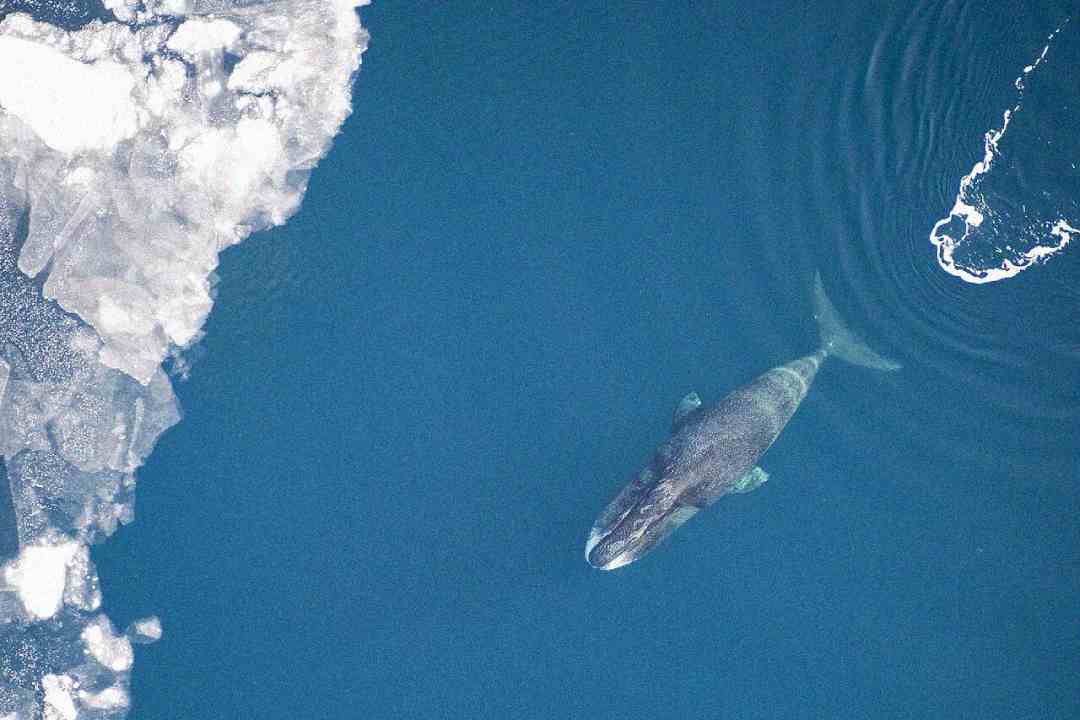
Found throughout Arctic waters, the bowhead whale is another species known for extraordinary longevity. Some individuals are believed to survive for more than 200 years, with evidence discovered through ancient harpoon fragments embedded in their bodies. Unlike humans, these whales show remarkable resistance to age-related diseases and cellular damage. Scientists have studied their genes and found unique adaptations connected to DNA repair and cancer resistance. Their thick blubber and ability to thrive in freezing environments also contribute to their survival. Even after two centuries, many bowhead whales remain active and capable of reproduction.
4. Galápagos Tortoise
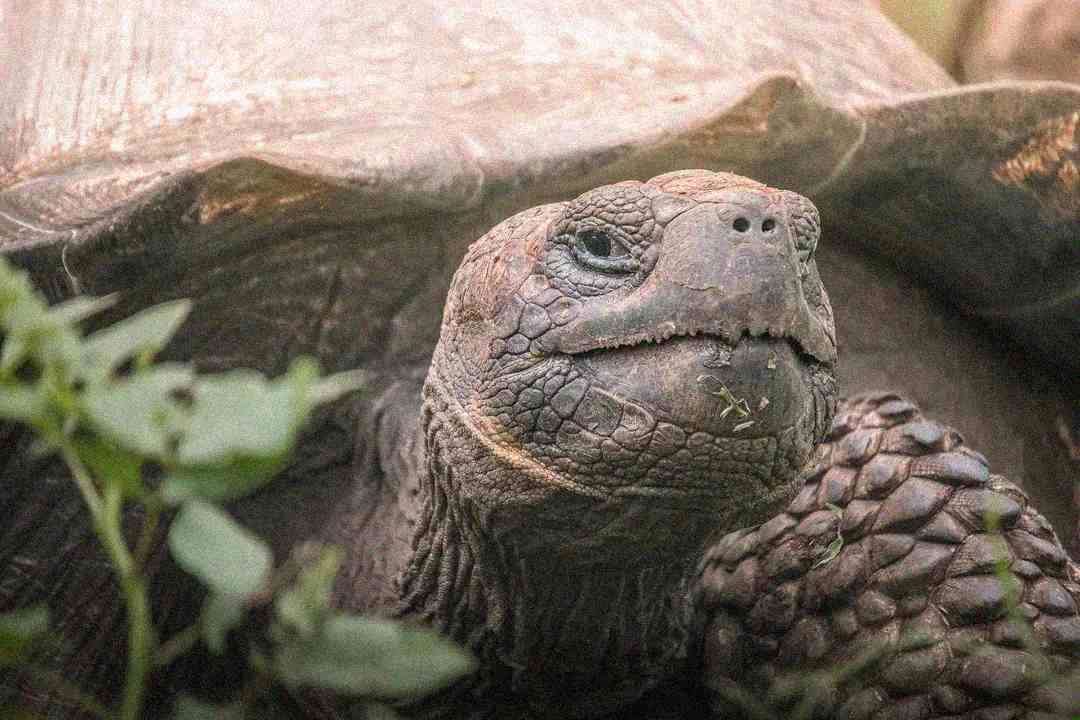
These giant tortoises have become symbols of extreme longevity. Many individuals regularly live past 100 years, and some historical records suggest certain tortoises reached over 170 years old. Their slow metabolism and calm lifestyle help reduce physical stress on their bodies over time. Unlike humans, they age at a much slower visible rate, often maintaining strong mobility and reproductive ability late into life.
5. Ocean Quahog Clam
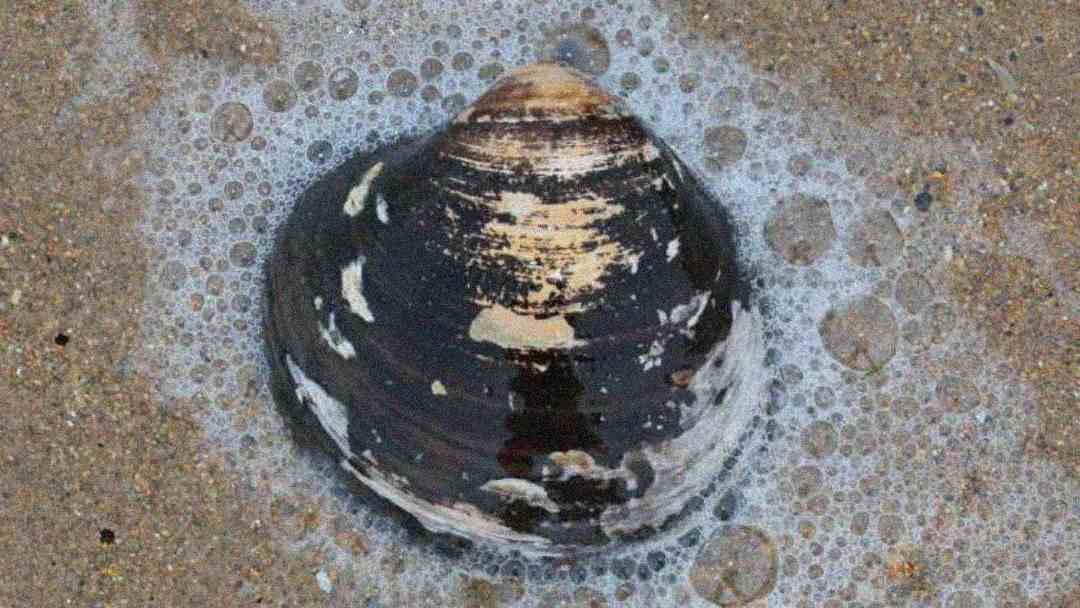
This clam speciesis one of the oldest non-colonial animals ever discovered. A specimen nicknamed “Ming” was estimated to be over 500 years old. Ocean quahogs age exceptionally slowly because their metabolism operates at a reduced pace in cold underwater environments. Scientists determine their age by counting growth rings on the shell, similar to studying tree rings. These clams experience very limited cellular deterioration compared to humans, which helps explain how they can survive for centuries beneath the ocean floor.
Trending on The Scroller
6. Hydra
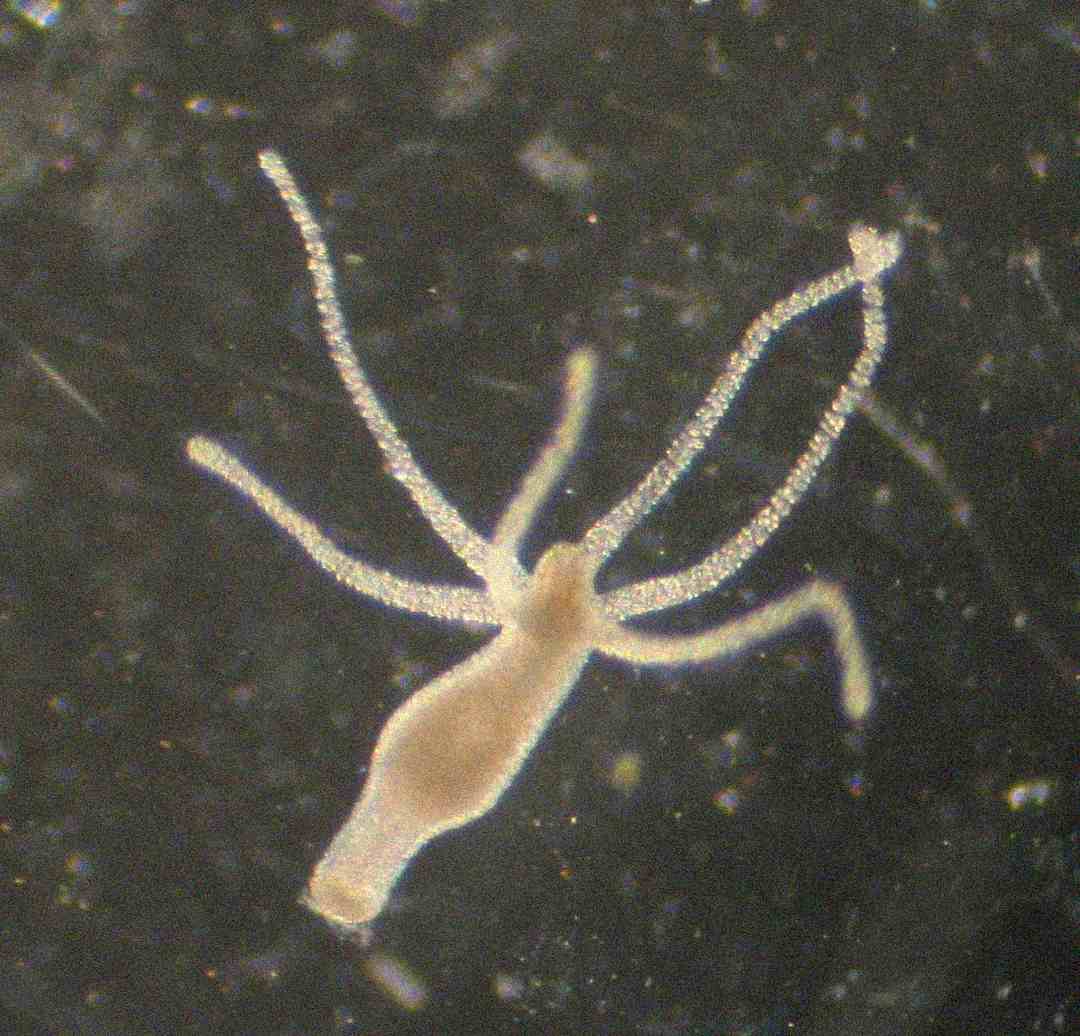
Hydras are tiny freshwater organisms found in ponds, lakes, and slow-moving rivers around the world. Scientists consider them biologically fascinating because they show almost no measurable signs of aging. Their stem cells continuously renew themselves, allowing damaged cells to be replaced indefinitely. Researchers have observed hydras reproducing and surviving for years without the typical physical decline seen in humans and many animals.
7. Lobster
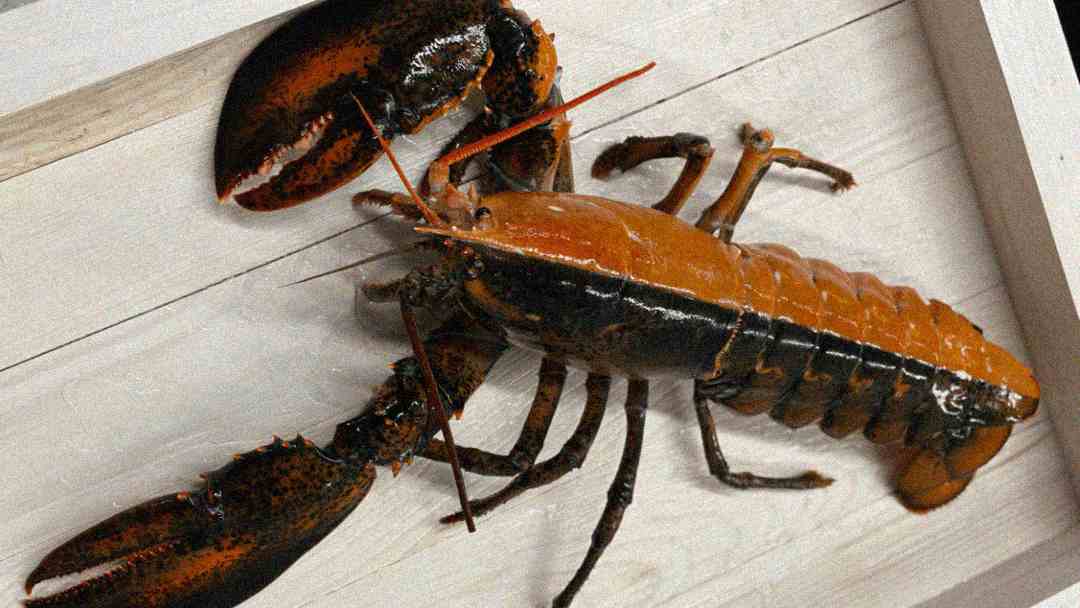
Unlike humans, lobsters continue growing throughout their lives because they produce high levels of an enzyme called telomerase, which helps repair DNA. Scientists believe this process allows their cells to remain healthier for longer periods. Lobsters are not fully immortal, since molting eventually becomes too physically demanding. Still, their aging process differs dramatically from most mammals, and very large lobsters may be decades old before reaching their enormous size.
8. Rougheye Rockfish
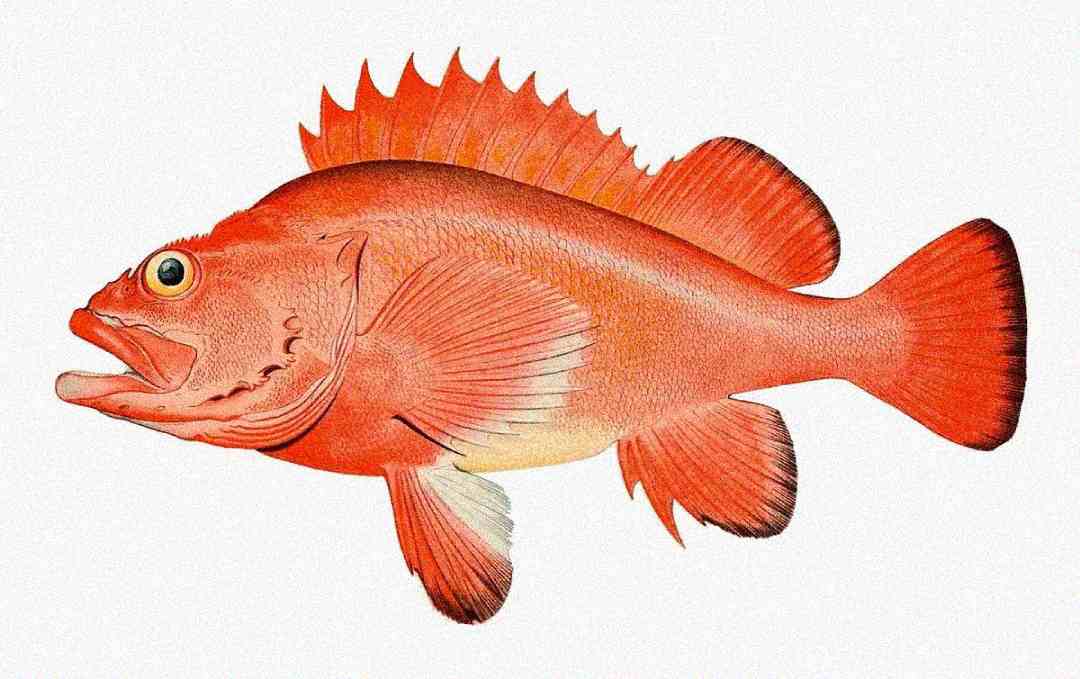
The rougheye rockfish is capable of surviving for more than 200 years. They age extremely slowly due to cold temperatures and reduced metabolic activity. Scientists determine their life by studying structures inside their ears called otoliths, which form annual growth layers. Their longevity has made them especially important for marine conservation efforts because overfishing can remove centuries-old populations from ecosystems.
Sign up for our newsletter
9. Aldabra Giant Tortoise
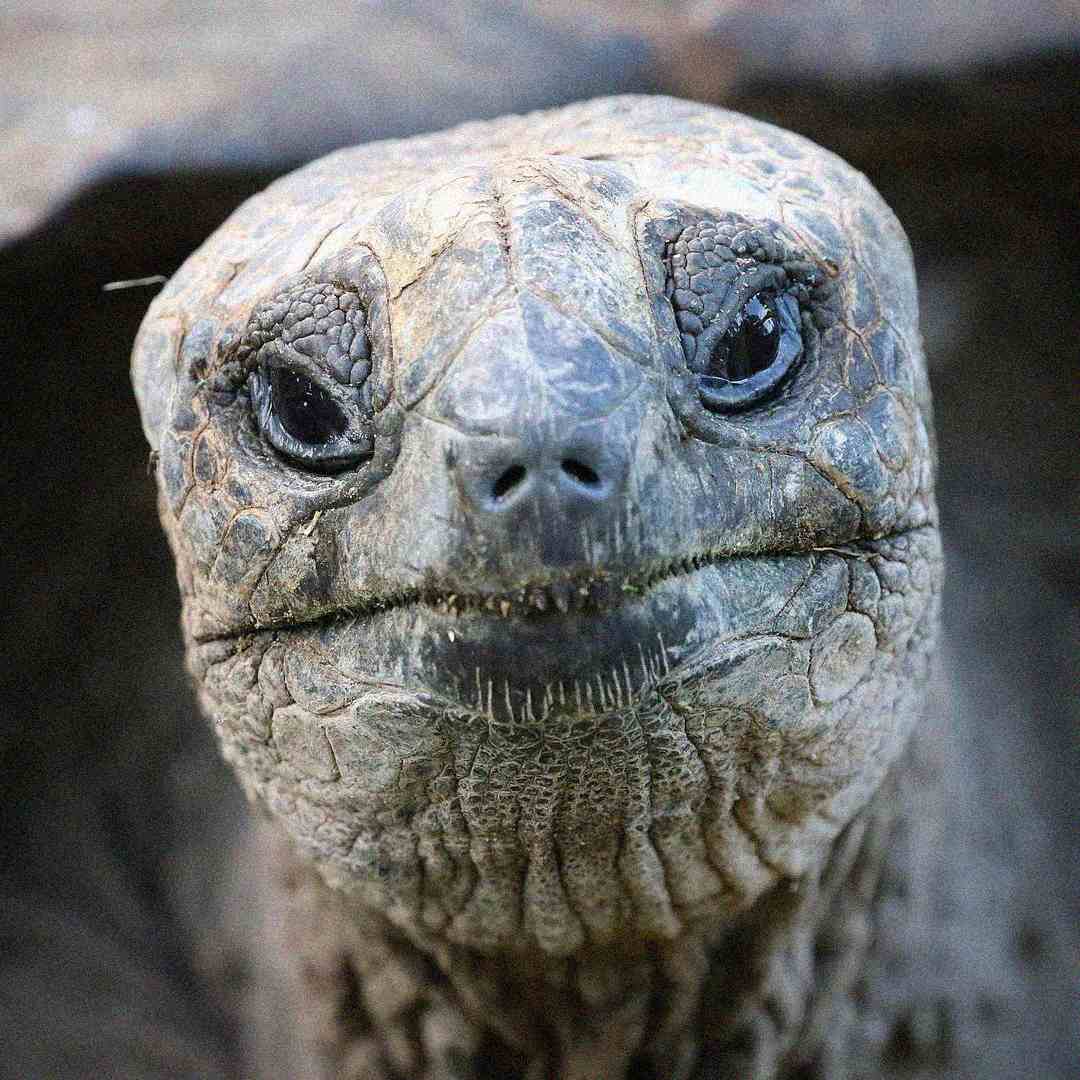
Living mainly on the Aldabra Atoll in the Seychelles, these tortoises are among the longest-living land animals on Earth. Many reach ages well over 100 years, and some documented individuals have surpassed 150. Their slow movement and reduced energy demands contribute to their gradual aging process. Unlike humans, they often maintain stable physical condition for most of their lifespan.
10. Tuatara
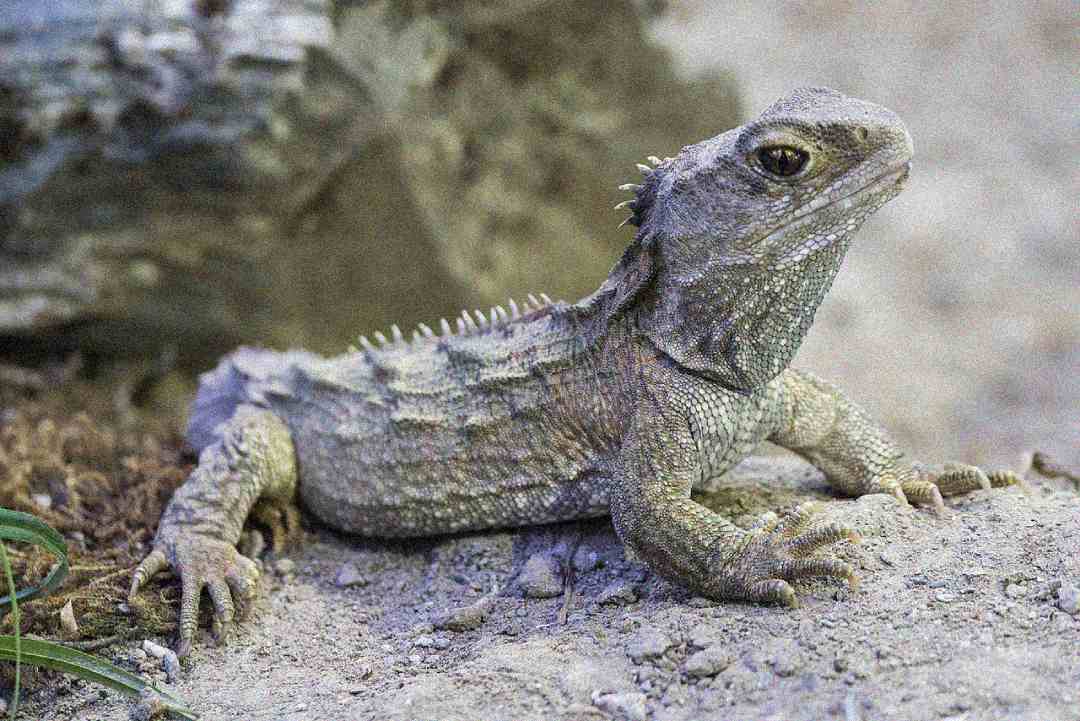
The tuatara, native to New Zealand, is often called a “living fossil” because it belongs to an ancient reptile lineage dating back over 200 million years. Tuataras mature incredibly slowly and can continue growing for decades. Some individuals live beyond 100 years while maintaining reproductive abilities late in life. Their body temperature is lower than most reptiles, and their metabolism operates at a uniquely slow pace.
11. Koi Fish
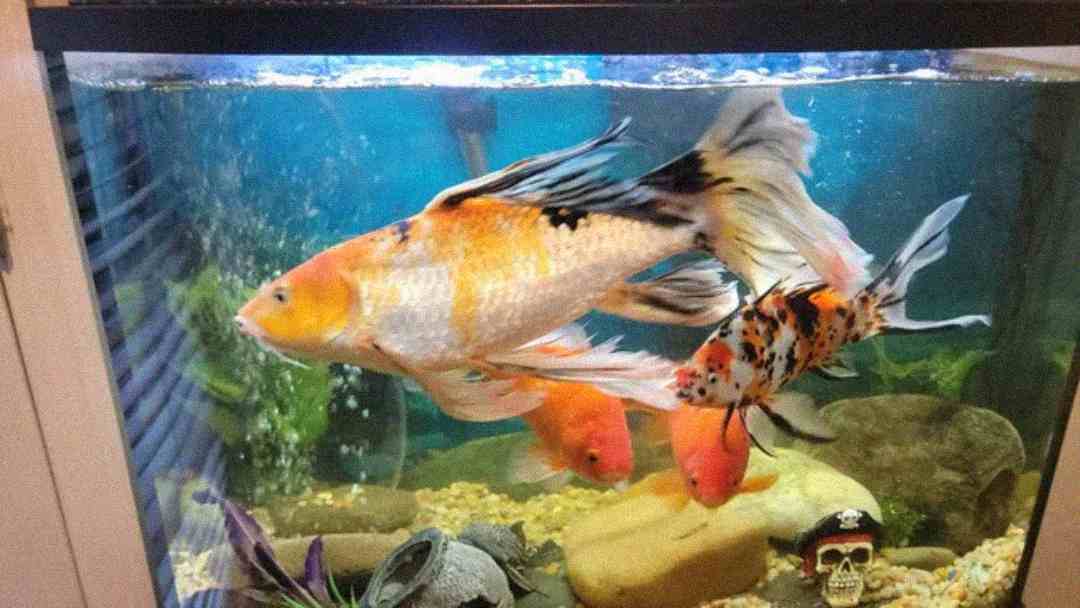
Koi fish, originally developed in Japan, are famous not only for their beauty but also for their longevity. Under excellent conditions, some koi can survive for more than 100 years. One legendary koi named Hanako reportedly lived over two centuries according to historical records and scale analysis. Unlike many fish species, koi continue adapting to their environment throughout their lives and can remain active even at advanced ages. Their lifespan depends heavily on water quality, temperature, nutrition, and careful care from breeders.
12. Naked Mole Rat
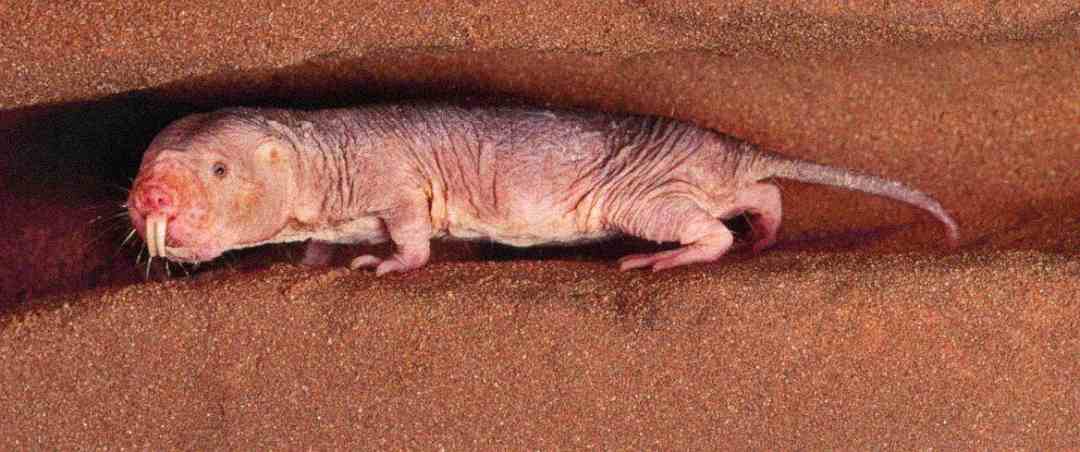
These rats are tiny underground mammals with remarkably unusual aging patterns. Despite their small size, they can survive for more than 30 years, far longer than similar rodents. Scientists have also discovered that they show extremely low cancer rates and maintain stable body functions for most of their lives. Their cells appear unusually resistant to damage caused by aging. Because of this, researchers frequently study them in laboratories to better understand disease resistance and longevity in mammals.
13. Red Sea Urchin
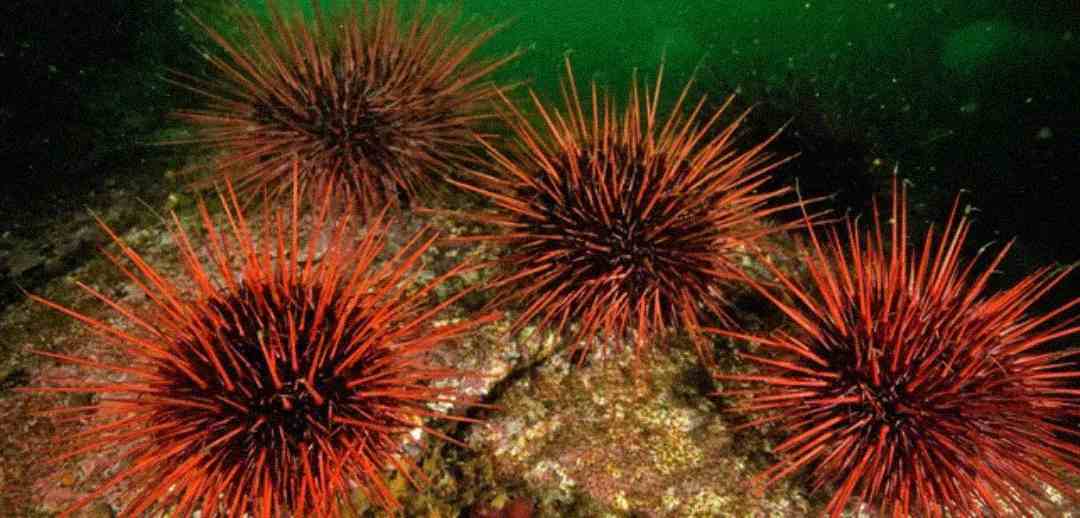
The red sea urchin inhabits the Pacific coastline from Alaska to Baja California. These spiny marine animals can survive for more than 100 years while displaying surprisingly limited biological decline. Scientists examining older specimens found little evidence of weakened reproductive ability or severe aging. Their slow growth and cold-water habitat contribute to their longevity. Even after decades underwater, many sea urchins remain capable of regenerating damaged spines and tissue, helping them survive in rocky ocean environments.
14. Lake Sturgeon
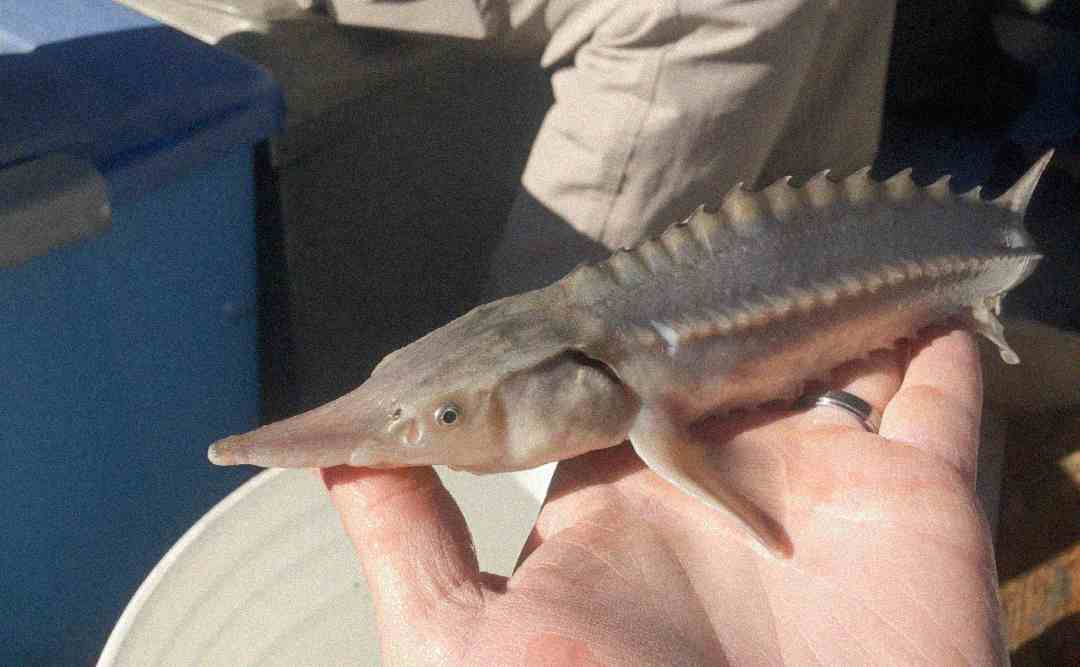
Lake sturgeons inhabit freshwater systems across North America and are among the oldest fish species still alive today. Females can survive for more than 150 years, while males often live several decades less. These ancient fish grow slowly and reproduce infrequently, which makes them especially vulnerable to environmental changes and overfishing. Scientists have observed that lake sturgeons maintain steady growth for much of their lifespan instead of experiencing rapid physical decline.
15. Glass Sponge
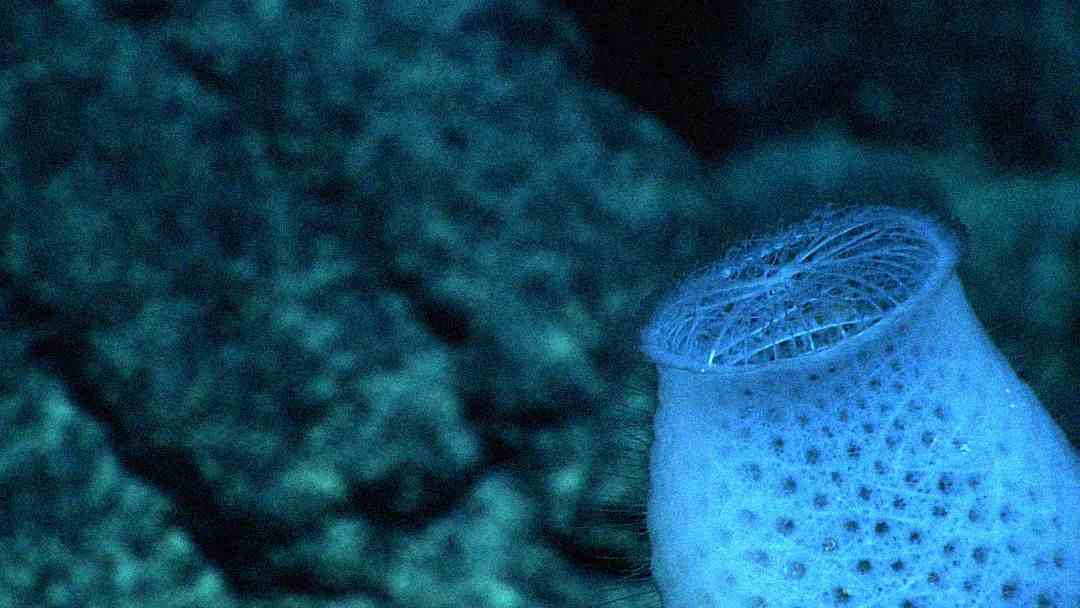
Deep in the Pacific Ocean, certain glass sponges may survive for thousands of years, making them some of the oldest living organisms on Earth. These delicate creatures form intricate skeletal structures made from silica and grow at an extremely slow pace. Researchers studying ancient reef systems discovered some colonies that likely began forming long before modern human civilization existed. Living in dark, stable deep-sea environments protects them from many natural threats. Their slow biological activity allows them to age in a completely different way from fast-living animals and humans.
Want to learn more about animals?
Looking back at these incredible creatures, one thing becomes clear: aging is not the same for every living being. Studying these animals opens our minds to biological processes humans are still trying to understand, from regeneration and DNA repair to disease resistance and extreme longevity. Every discovery teaches scientists something new about evolution, survival, and the hidden complexity of nature. The more we learn about these species, the more we realize how extraordinary the natural world really is.
Did you enjoy this article? There’s plenty more fascinating information waiting for you. Keep exploring our content to discover more unbelievable animals, strange scientific facts, and incredible stories from around the world: 20 Fun Animal Facts That Sound Totally Made Up (But Aren’t), 20 Animals That Prove Cryptozoology Isn’t All Hype, and 15 Animals That Were Extinct and Then Weren’t.