Animals that fake being dangerous are some of the most surprising examples of survival strategies in nature. Instead of relying on strength or venom, these creatures use illusion, mimicry, and clever behaviors to convince predators they are not worth the risk. What looks like aggression or danger is often nothing more than a well-practiced act designed to keep them alive. The animal kingdom constantly reminds us that survival is not always about power, but about adaptation. Creatures across the world have developed unusual ways to defend themselves, many of which challenge our expectations.
Just like humans, animals can surprise us in the strangest ways, revealing a complexity we rarely get to fully understand. Our planet is filled with species we may never encounter in real life. There are simply too many to know them all, and many remain hidden in remote environments. That’s why articles like this exist, to bring you closer to those fascinating creatures that can evoke curiosity, amazement, and even disbelief. By exploring animals that rely on deception rather than strength, we begin to appreciate the subtle intelligence behind nature’s designs. These species may not be dangerous at all, but their ability to appear threatening can make all the difference between life and death.
1. Hognose Snake
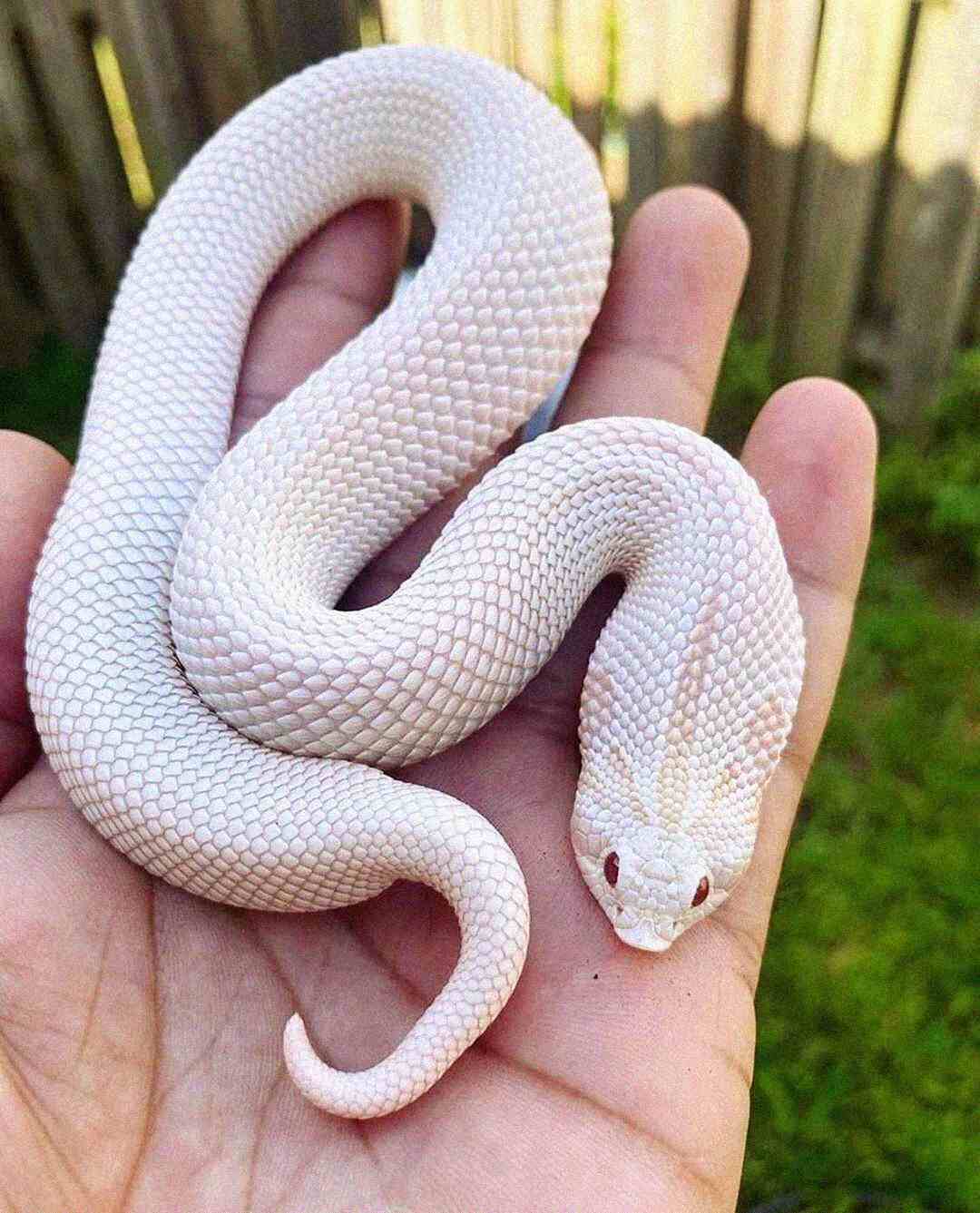
Native to North America, the hognose snake is famous for its dramatic defensive displays. When threatened, it spreads its neck like a cobra, hisses loudly, and strikes without actually biting. If this doesn’t work, it rolls onto its back and plays dead. Despite the performance, it is harmless to humans, and its behavior has been extensively documented as a bluff rather than a real attack, so striking that it feels like something straight out of a National Geographic documentary.
2. Hoverfly
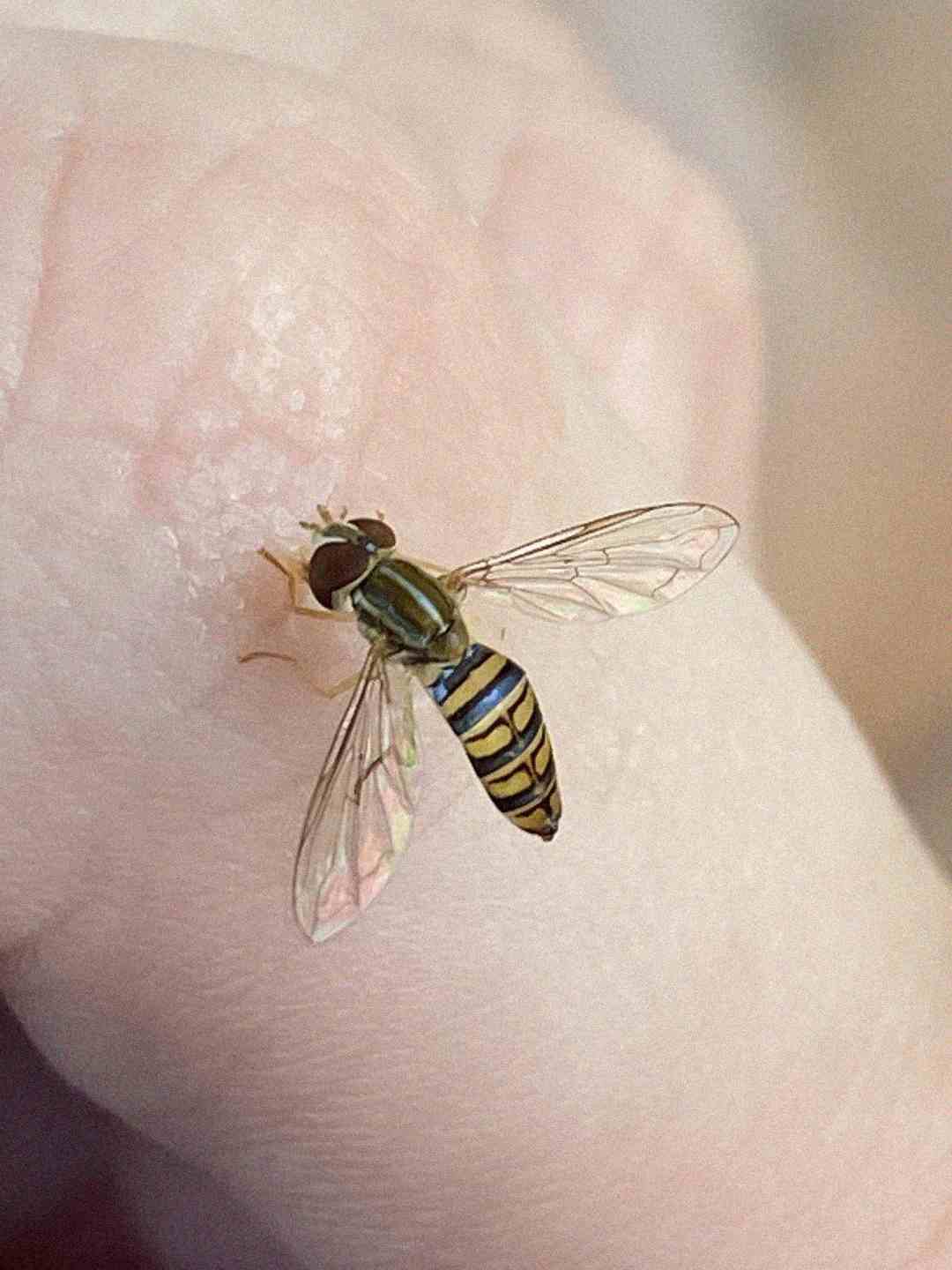
Found worldwide, hoverflies resemble bees or wasps with their yellow and black stripes. This mimicry discourages predators that associate those colors with painful stings. However, hoverflies cannot sting at all and are completely harmless, relying entirely on appearance for protection.
3. Milk Snake
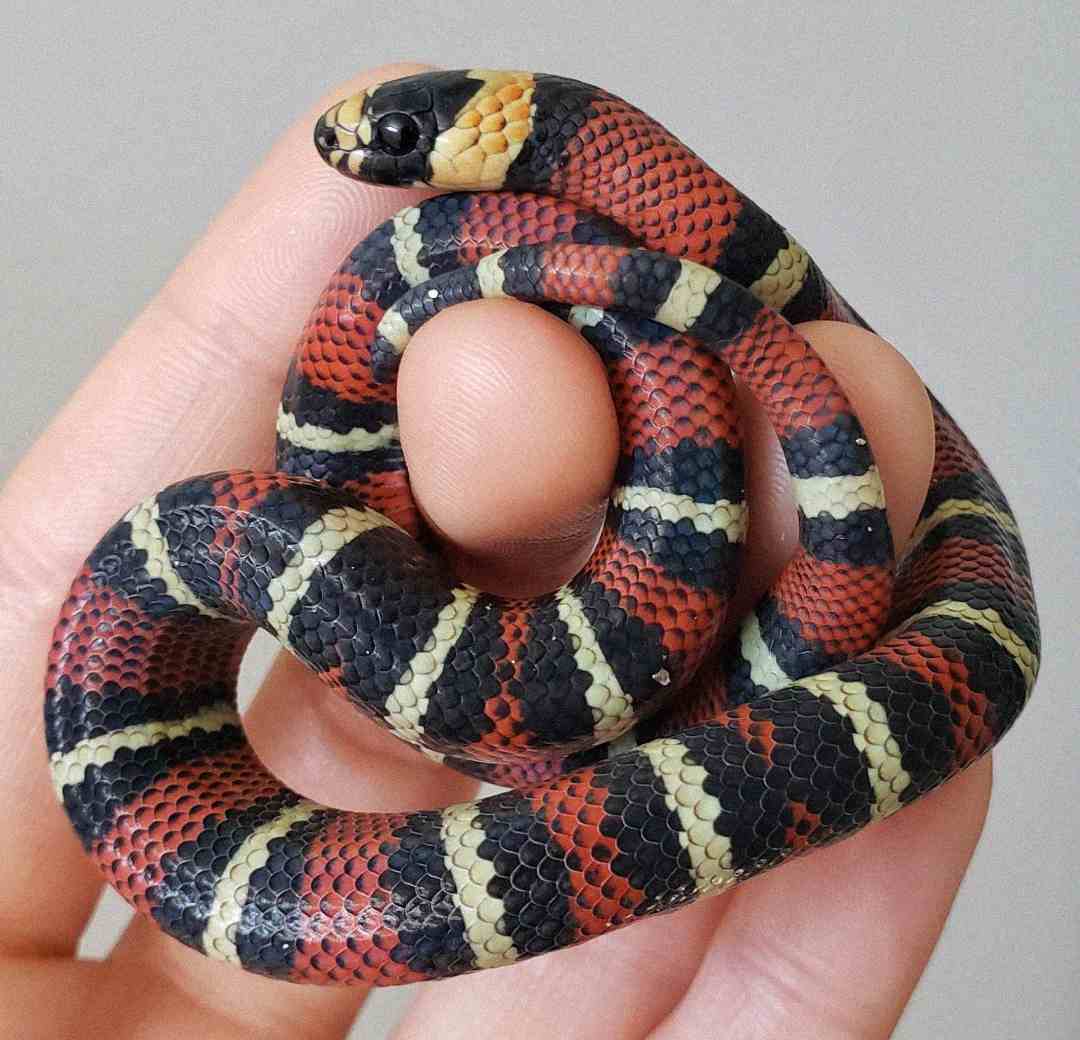
This North and Central American species imitates the coloration of venomous coral snakes. Just like the hoverfly, color plays a key role in confusing predators. Its red, black, and yellow bands create the illusion of danger, but milk snakes are non-venomous constrictors with a calm nature.
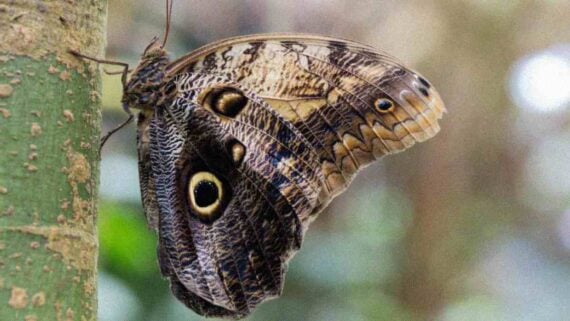
4. Owl Butterfly
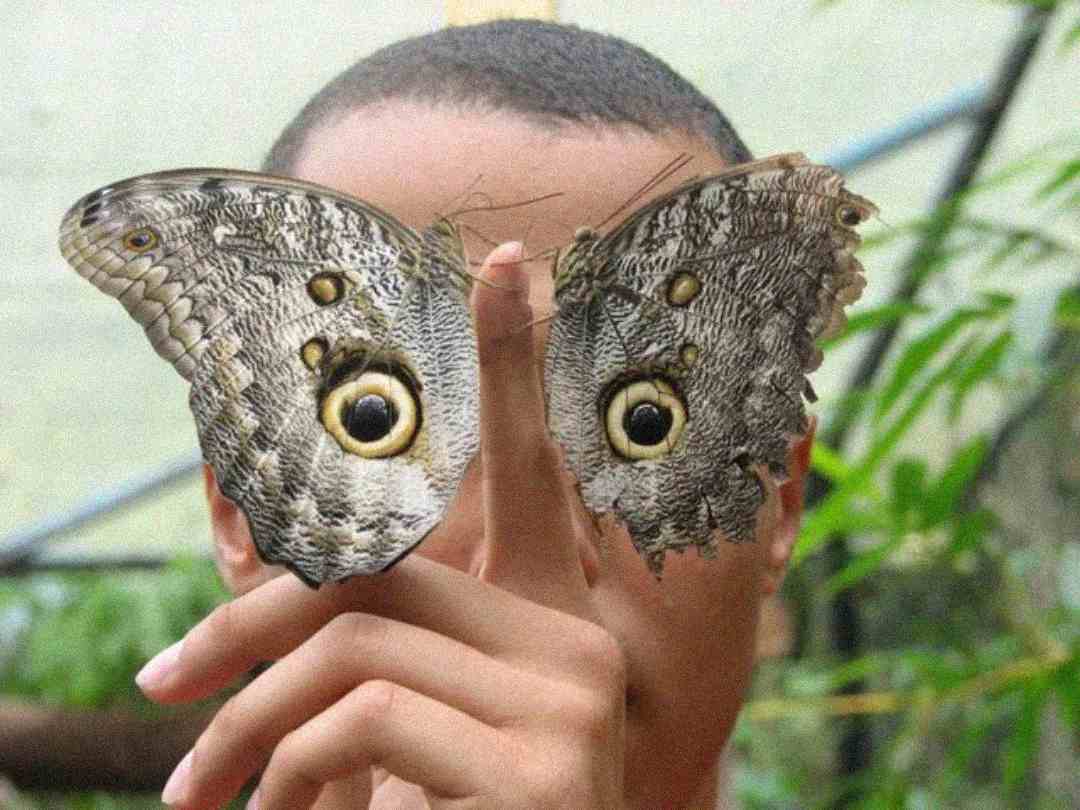
Native to Central and South America, this butterfly displays large eye-like patterns on its wings. When threatened, it suddenly reveals them to resemble the eyes of a predator such as an owl. This startles attackers long enough for it to escape, even though it has no real defenses.
5. Bluffing Octopus
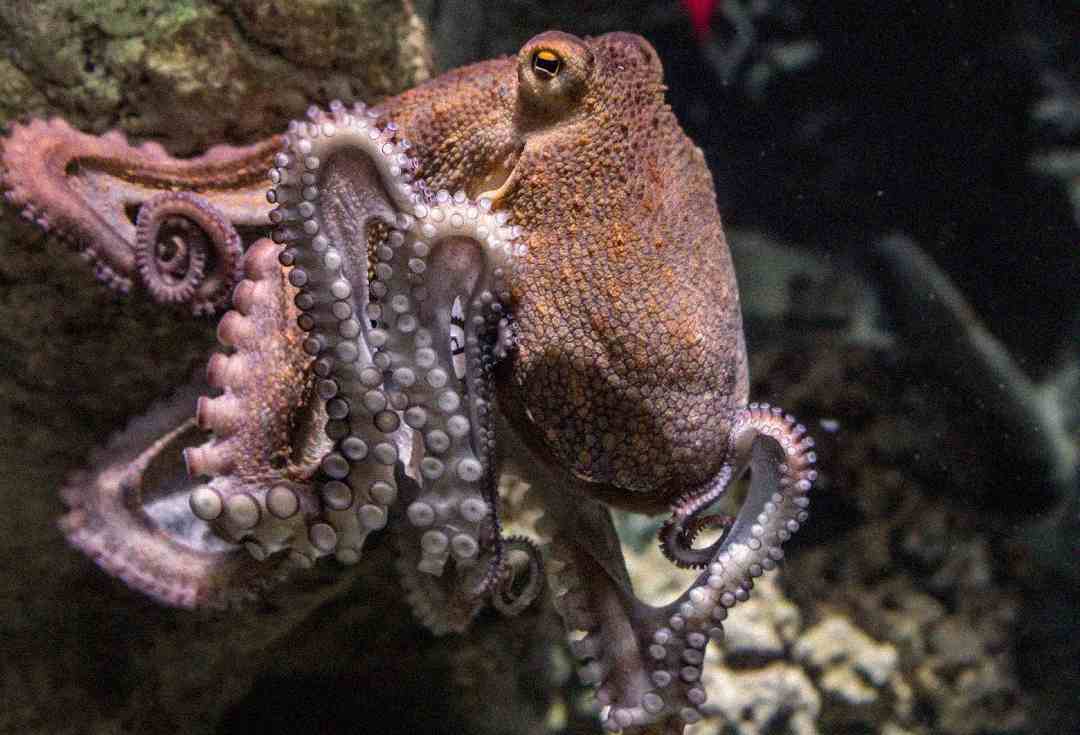
Living in tropical waters, some octopus species use rapid color changes and body postures to mimic venomous marine animals. They may flatten their bodies or display bold patterns to appear toxic. Research shows these displays are purely visual deterrents rather than actual threats.
Trending on The Scroller
6. Eastern Tiger Swallowtail Caterpillar
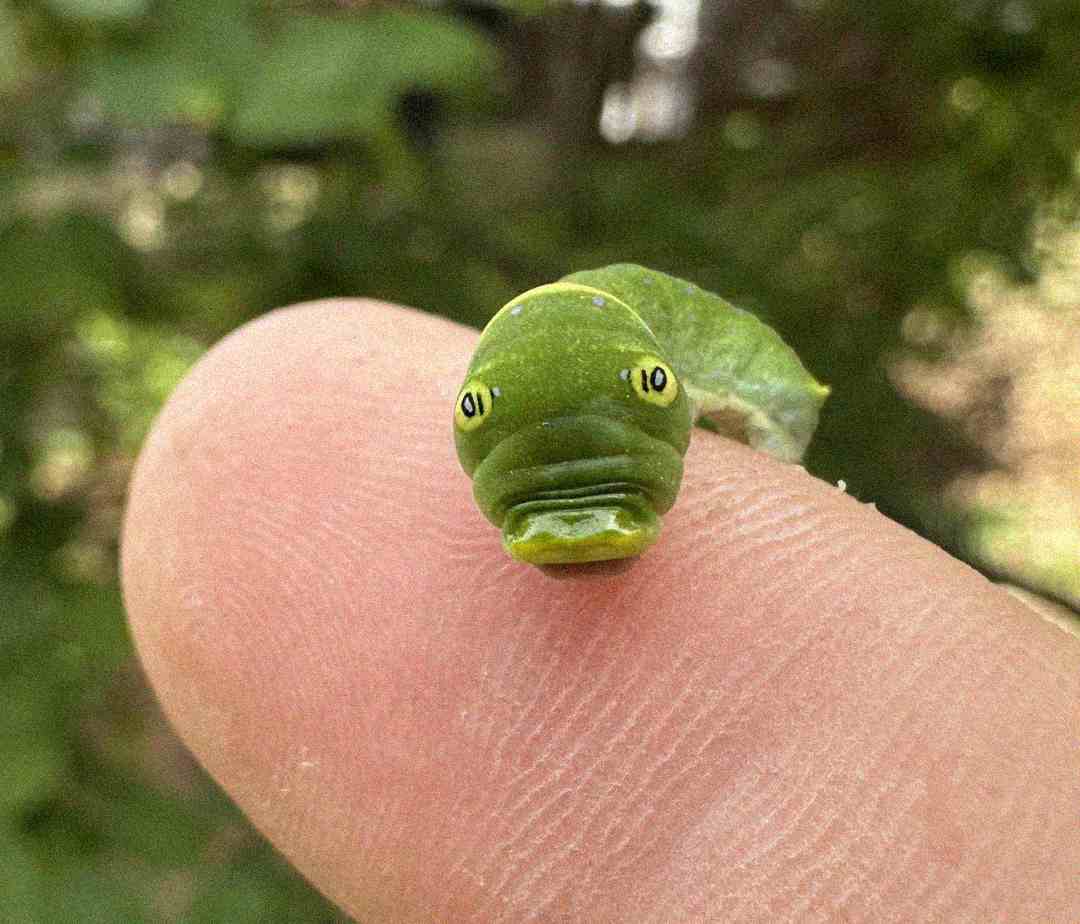
This caterpillar, found in North America, mimics a snake by inflating parts of its body and displaying eye-like markings. When disturbed, it jerks its head to strengthen the illusion. Despite its intimidating appearance, it is completely harmless.
7. Vinegaroon
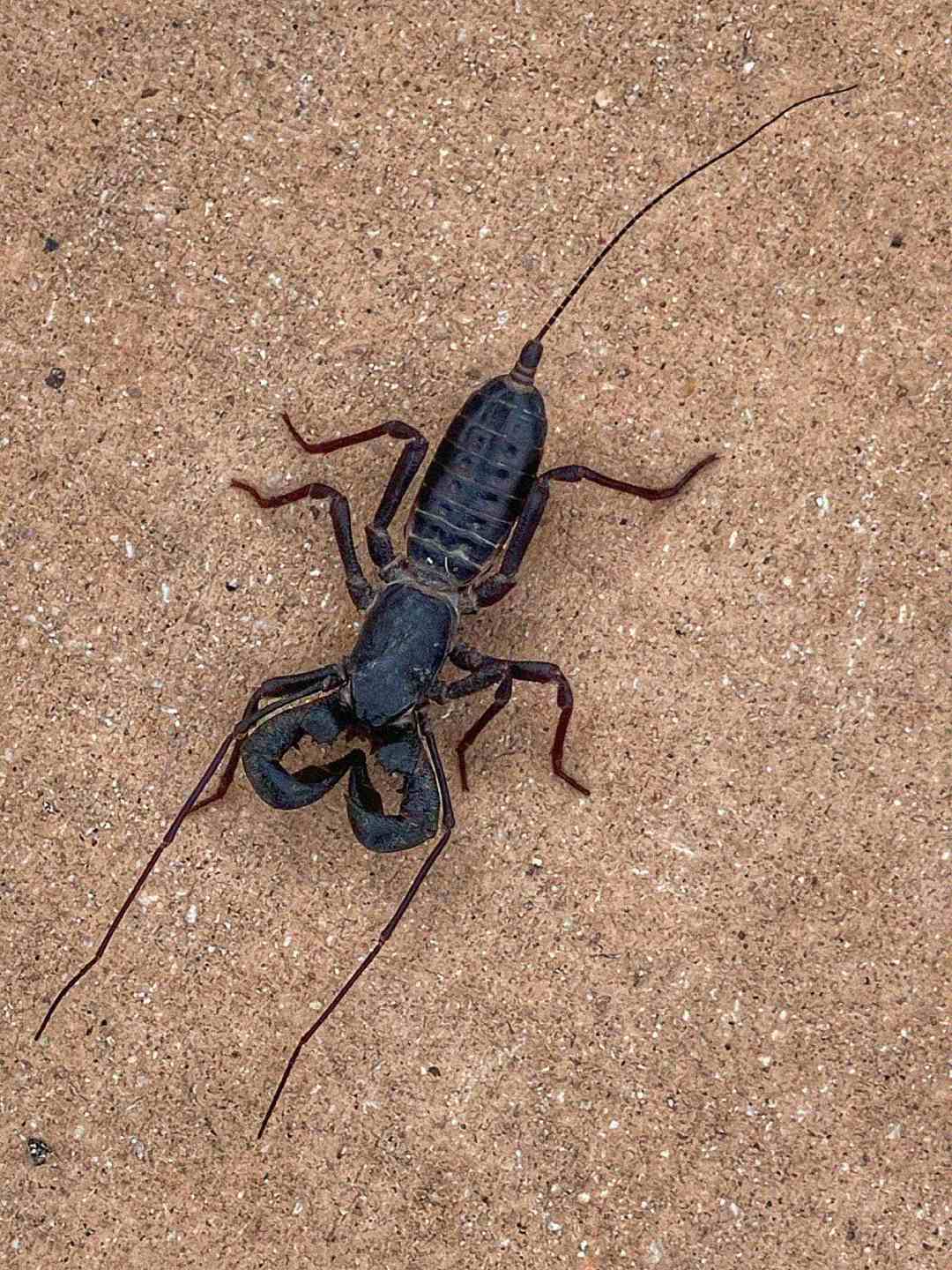
Also known as whip scorpions, these desert creatures look terrifying, like a mix between a scorpion and a spider. But despite their appearance, they don’t have venom and can’t sting. Their main defense is spraying a mild acidic liquid (like vinegar), which is harmless to humans. They’re actually shy and avoid confrontation.
8. False Cobra (Hognose Variant)
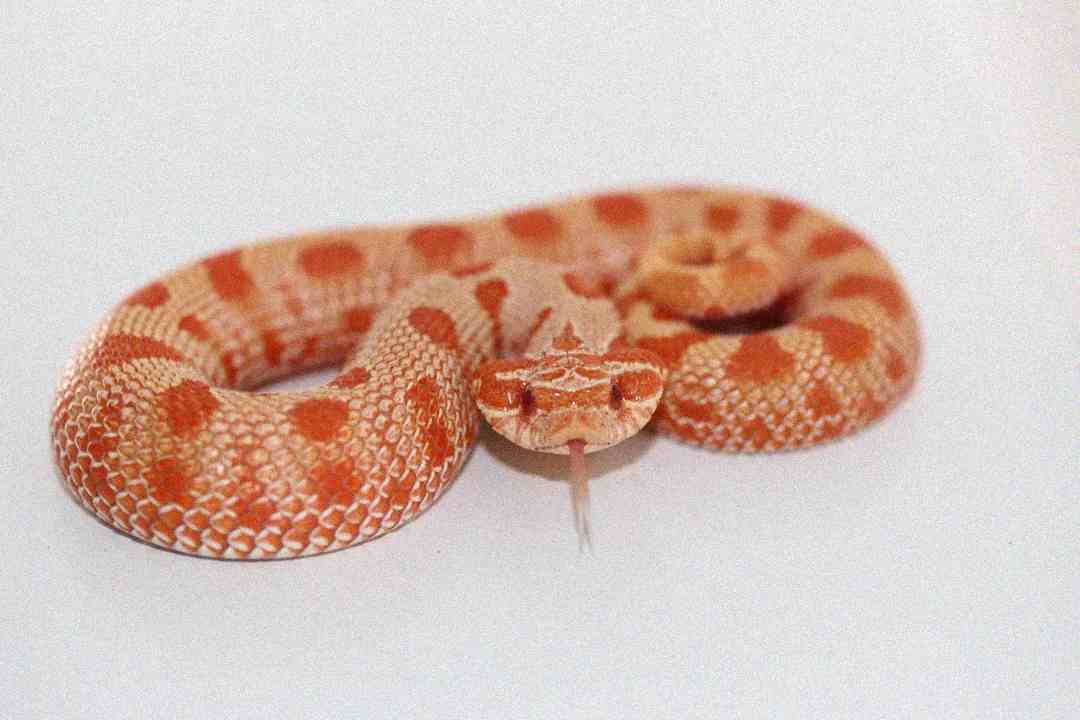
In parts of Africa and Asia, certain non-venomous snakes mimic cobras by raising their heads and flattening their necks. These displays closely resemble true cobra behavior but come without venom, showing how evolution often repeats effective survival strategies.
Sign up for our newsletter
9. Peacock Flounder
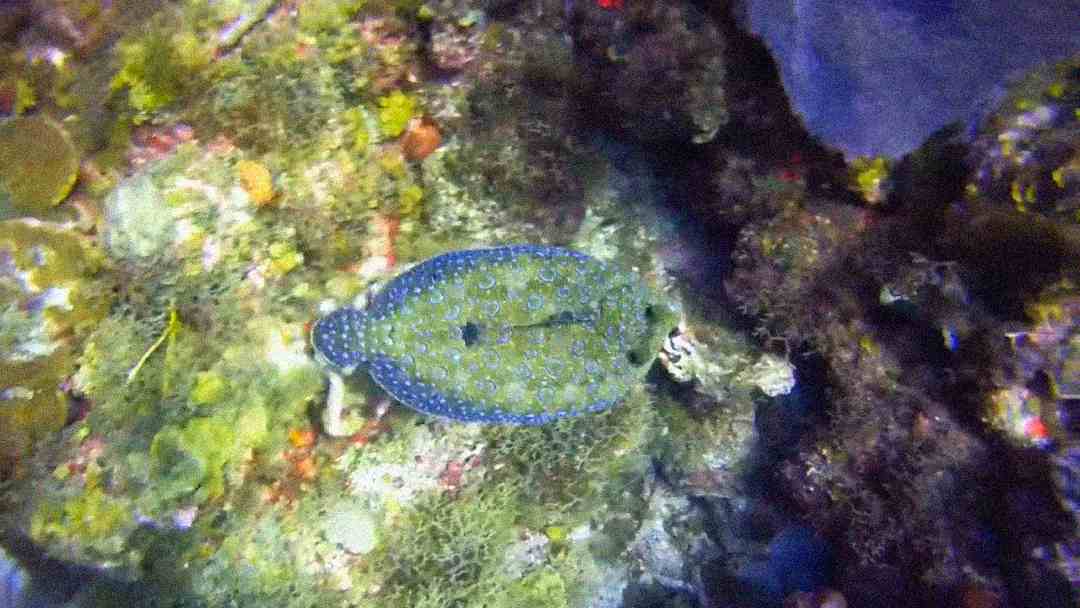
This fish, found in tropical oceans, can rapidly change its color and pattern to resemble toxic or dangerous species. It may flash bright colors to confuse predators. Studies confirm it does not produce toxins and depends on visual deception instead.
10. Atlas Moth
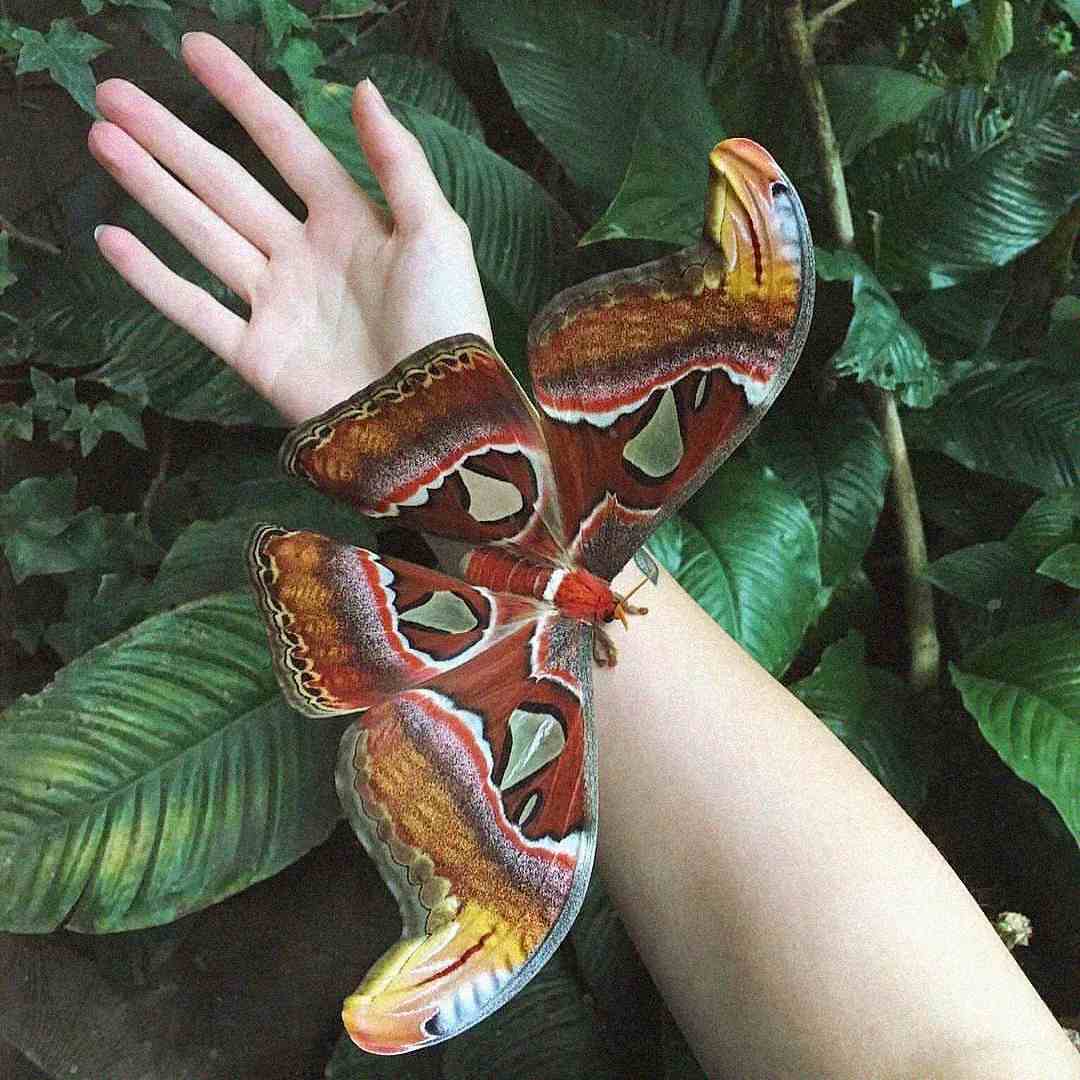
Native to Southeast Asia, the atlas moth has wing tips that resemble snake heads. When threatened, it moves its wings in a way that enhances the illusion. Despite its striking appearance, it is completely harmless.
11. Jumping Spider (Ant Mimic)
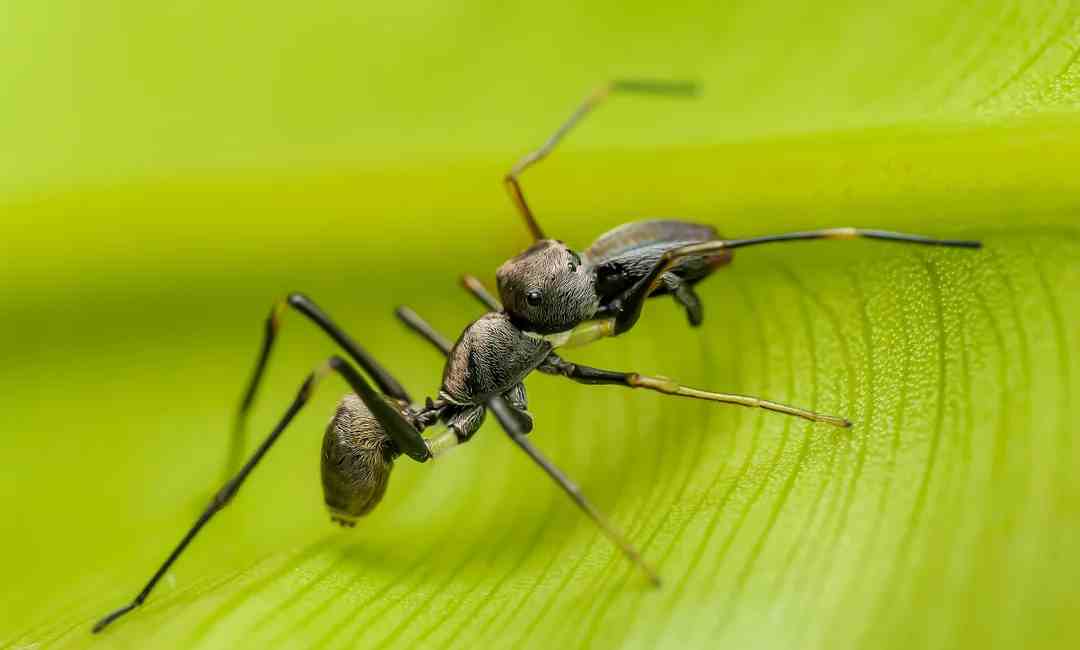
Certain jumping spiders imitate ants in both appearance and movement. Since many predators avoid ants due to their aggression and chemical defenses, this mimicry offers protection. These spiders are not dangerous to humans.
12. Viceroy Butterfly
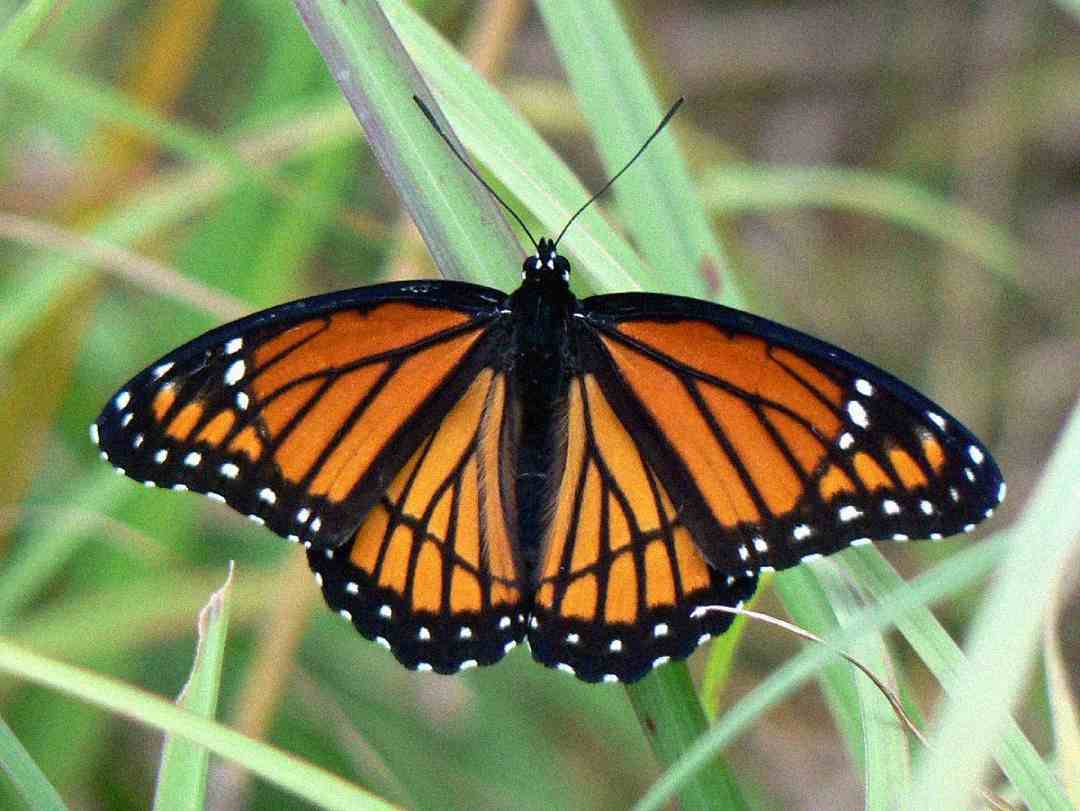
This North American butterfly closely resembles the toxic monarch butterfly. Predators that have learned to avoid monarchs often leave viceroys alone as well. While not dangerous, this resemblance plays a crucial role in its survival.
13. Puss Caterpillar
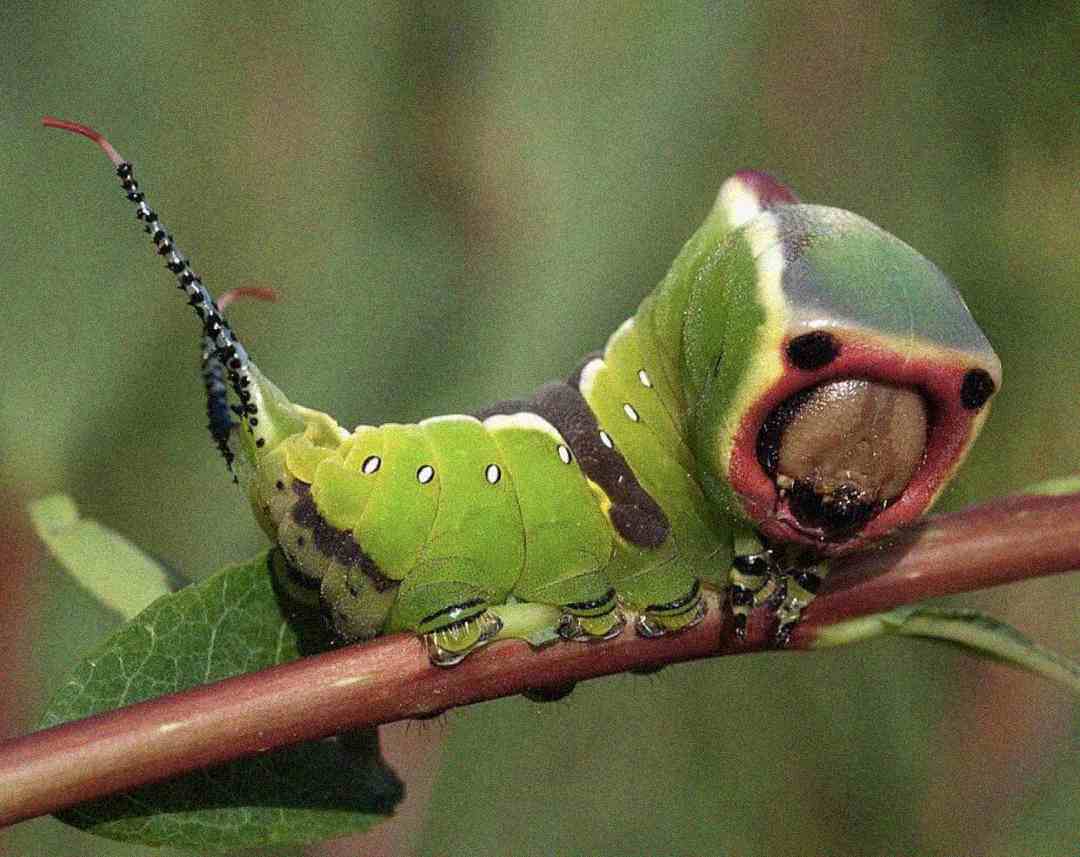
Found in the southern United States, this caterpillar looks like a small furry animal. Its appearance can suggest something larger or more threatening. Although it can cause irritation if touched, it does not actively attack predators and relies mostly on deception.
14. Mimic Octopus
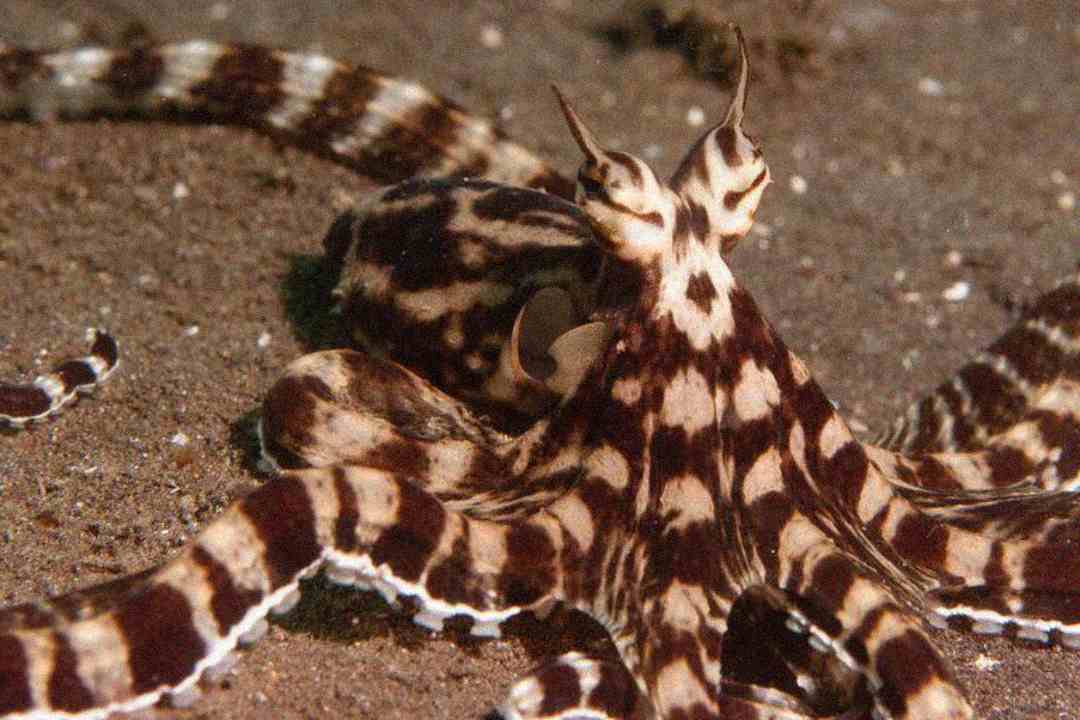
In Indo-Pacific waters, the mimic octopus can imitate multiple dangerous animals, such as lionfish or sea snakes. It changes both shape and movement depending on the situation, making it one of the most advanced examples of defensive mimicry in nature.
15. Clearwing Moth
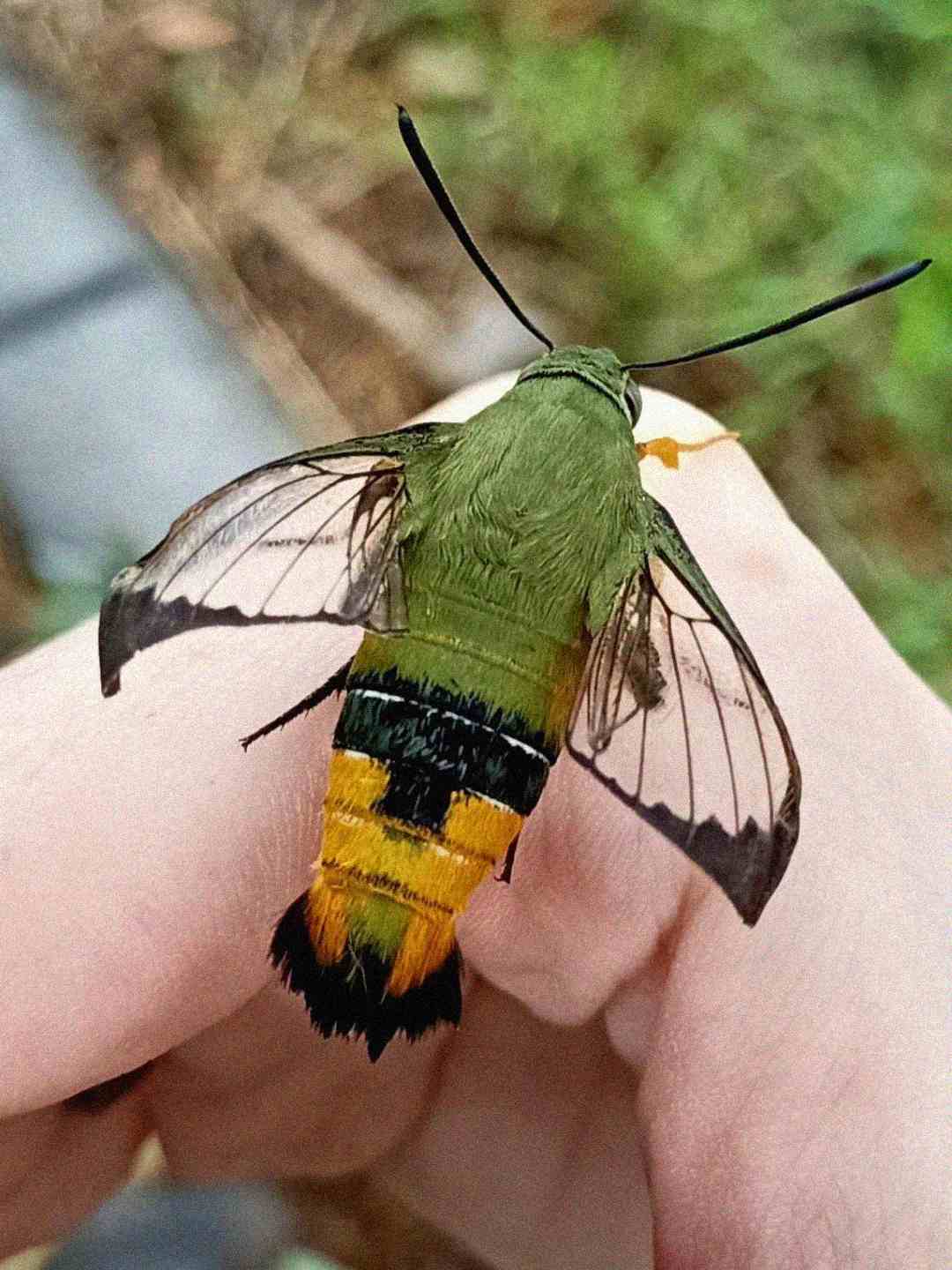
These moths resemble wasps with transparent wings and similar body shapes. Predators mistake them for stinging insects and avoid them. In reality, they lack stingers and are entirely harmless.
16. Death’s-Head Hawkmoth
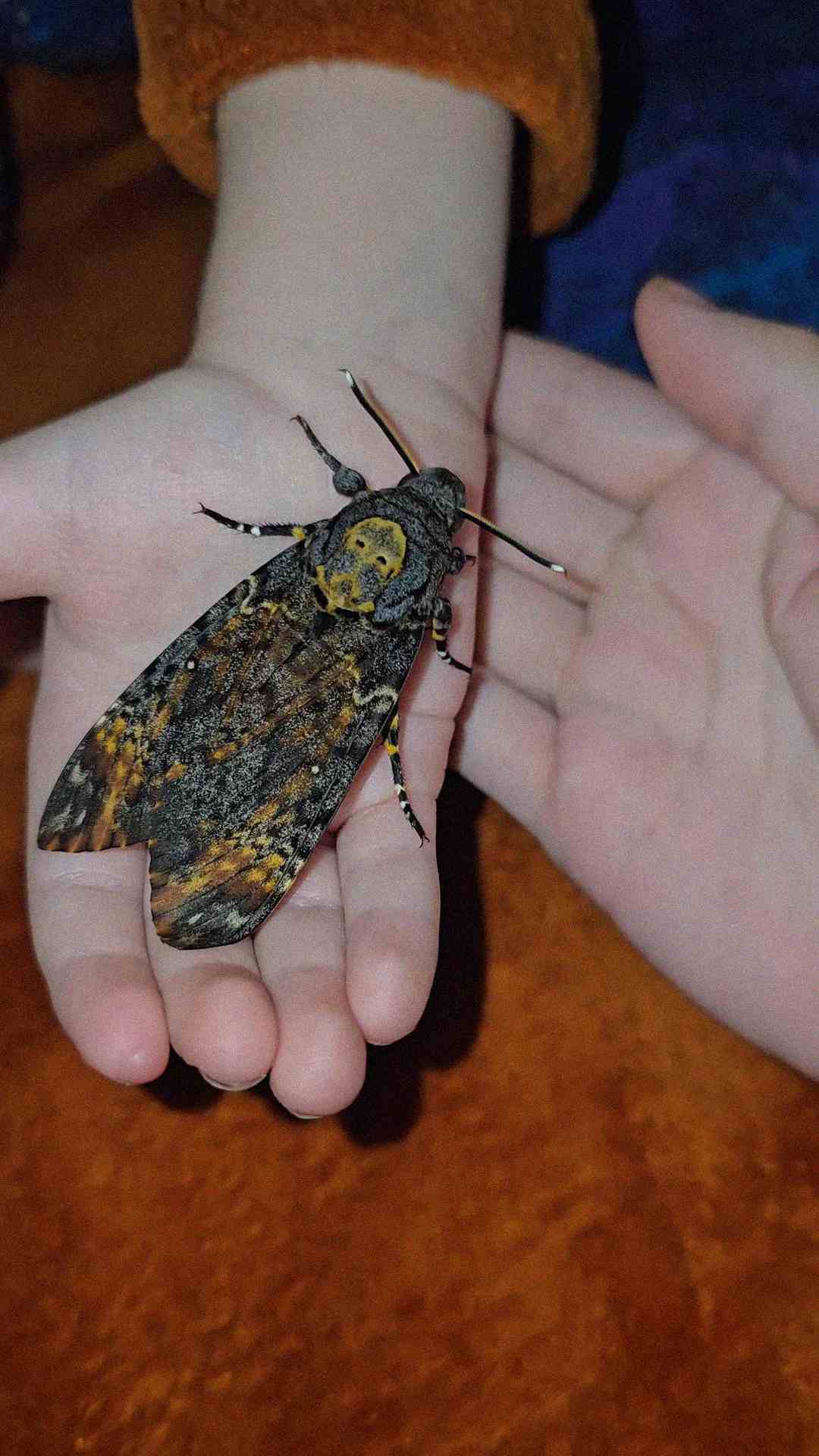
Native to Europe and Africa, this moth produces a squeaking sound when disturbed, mimicking defensive noises of other animals. Combined with its skull-like marking, it creates an intimidating impression without posing any real threat.
17. Decorator crab
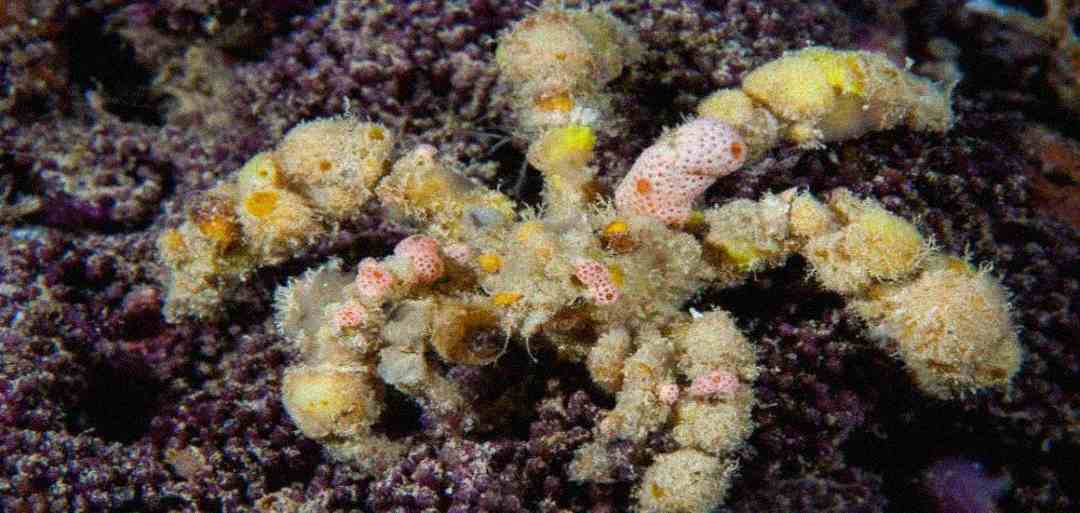
Decorator crabs attach pieces of algae, sponges, or other materials to their shells to blend in, or sometimes to look unappealing or dangerous. This camouflage can make them seem more intimidating or difficult to recognize. They are not dangerous to humans and depend on disguise for protection.
18. Frilled lizard
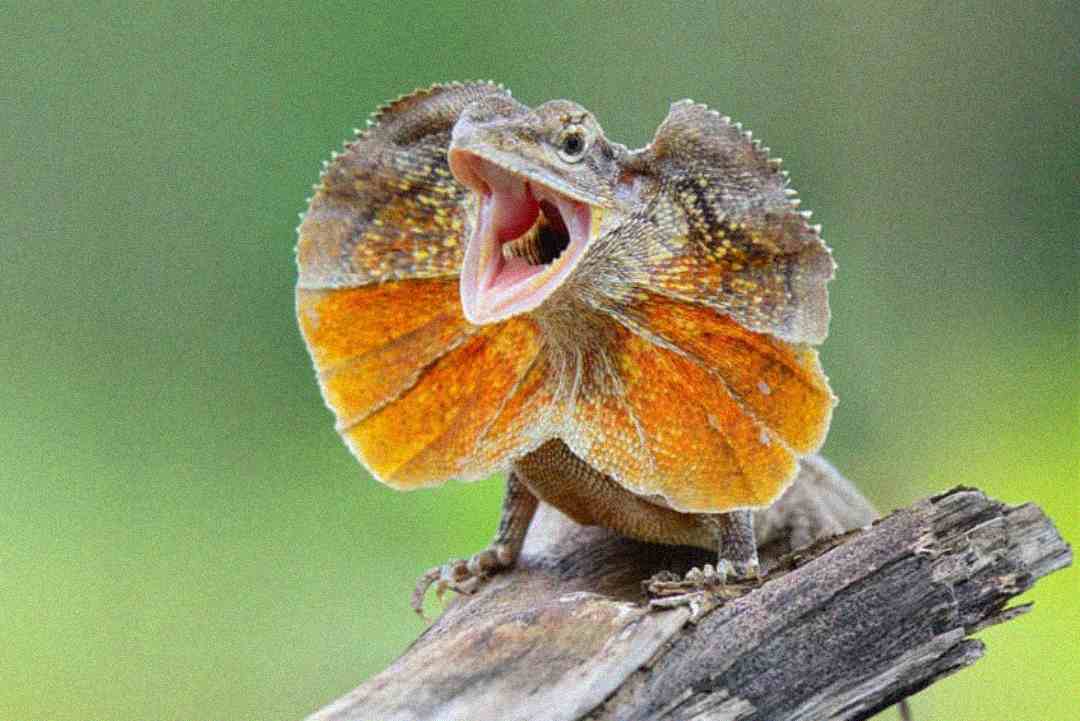
This Australian reptile looks incredibly intimidating when threatened, it opens its large frill, hisses, and even runs on two legs toward predators. The display makes it appear much bigger and more aggressive than it actually is. In reality, it’s harmless to humans and prefers to scare threats away rather than fight.
19. Certain Moths (Bat Batesian Mimics)
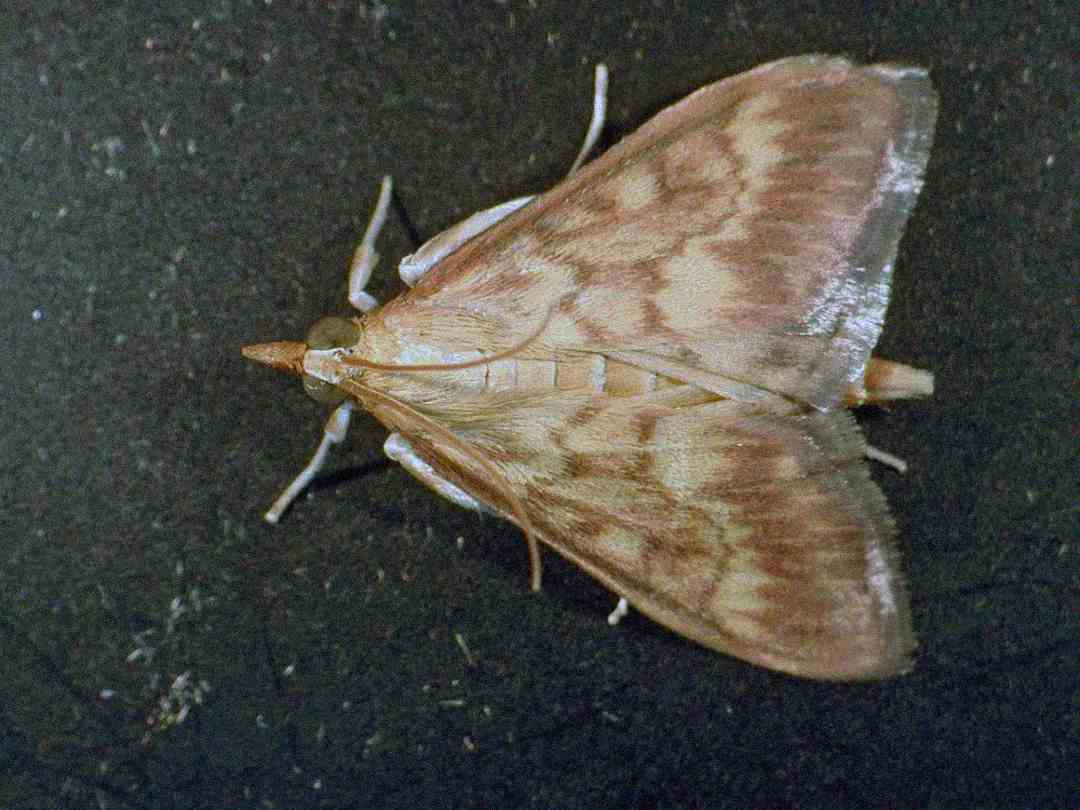
Some moths produce ultrasonic clicks similar to those of toxic species, confusing predators such as bats. This acoustic mimicry creates the impression of danger where none exists, allowing them to avoid being eaten.
20. Longhorn Beetle (Wasp Mimic)
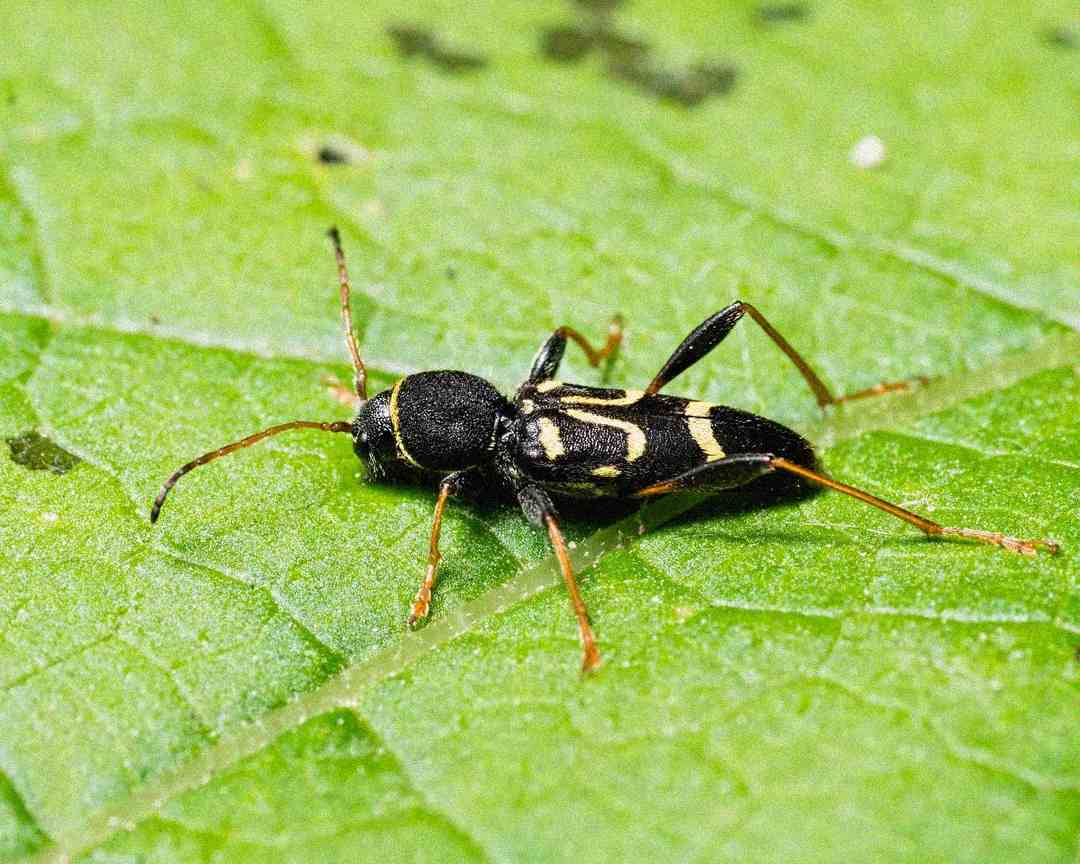
These beetles resemble wasps with elongated bodies and similar coloration. Found worldwide, they also mimic wasp-like movements. Despite appearances, they do not sting and are not aggressive.
To truly understand nature, we need to keep exploring animals that fake being dangerous and uncover the surprising strategies they use to survive.
The animal world is full of unexpected behaviors that challenge what we think we know. Who would imagine that so many creatures rely on deception rather than strength? These species remind us that survival is not always about being the strongest, but about being the smartest. In the wild, every advantage matters, and even the smallest illusion can mean the difference between life and death.
Learning about these animals highlights just how fascinating and complex nature really is. It shows us that evolution can produce not only powerful predators but also brilliant tricksters that thrive through strategy and adaptation. If discovering animals that fake being dangerous sparked your curiosity, there’s still so much more to explore. The natural world is vast and filled with incredible stories waiting to be uncovered. Keep reading our articles and dive deeper into the wonders of wildlife. You’re only just getting started: 15 Animals That Showed Up Somewhere They Had Absolutely No Business Being, 15 Animals That Look Cute But Are Surprisingly Dangerous, and 20 Baby Animals Who Have No Idea How Cute They Are.