In the world of biology, being declared extinct is usually a permanent sentence, but nature occasionally loves to prove us wrong. These incredible animals, often referred to as “Lazarus species,” managed to survive in the shadows while the rest of the world moved on, assuming they had vanished forever. For many of these creatures, their rediscovery is a moment of pure scientific shock, often happening by sheer accident when a researcher stumbles upon a specimen in a local market or a remote mountain range. Finding these animals alive isn’t just a win for biodiversity; it’s a powerful reminder that our planet still holds massive secrets in its most unreachable corners.
The stories behind these resurrections are as diverse as the animals themselves, ranging from deep-sea fish that outlived the dinosaurs to flightless birds that hid on volcanic rocks. When a species returns from the dead, it challenges everything we thought we knew about its habitats and their resilience against human intervention. It gives us a rare second chance to protect what we once thought was lost, turning a tale of tragedy into one of hope and conservation. We’ve rounded up fifteen of the most jaw-dropping examples of creatures that cheated extinction and reappeared just when we thought they were history.
1. The Coelacanth
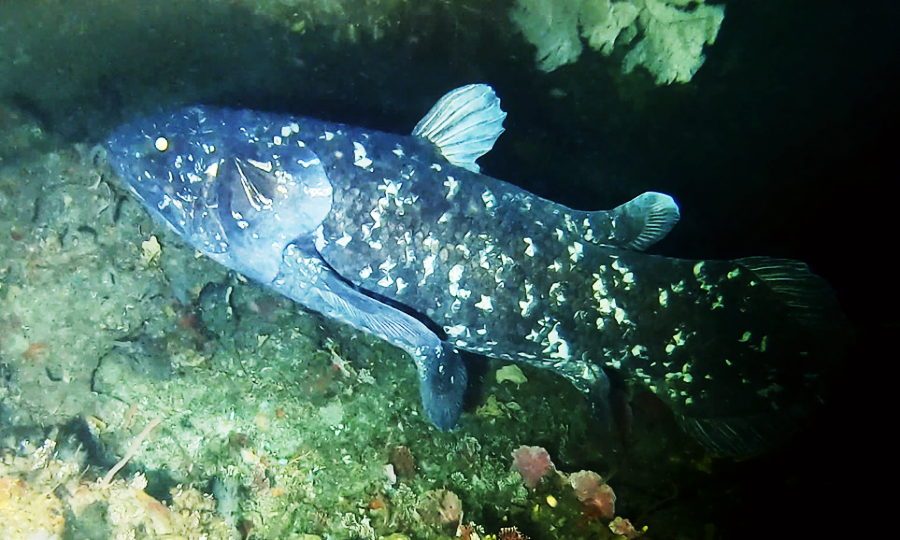
This prehistoric fish is the ultimate survivor, having been thought to have gone extinct 66 million years ago along with the dinosaurs. In 1938, a museum curator found one in a local fisherman’s catch off the coast of South Africa, sending shockwaves through the scientific community. These animals are essentially living fossils, with lobed fins that resemble the limbs of the first land-dwelling vertebrates. They live in the deep, dark depths of the ocean, which is how they managed to stay hidden from human eyes for millions of years.
2. The Takahe
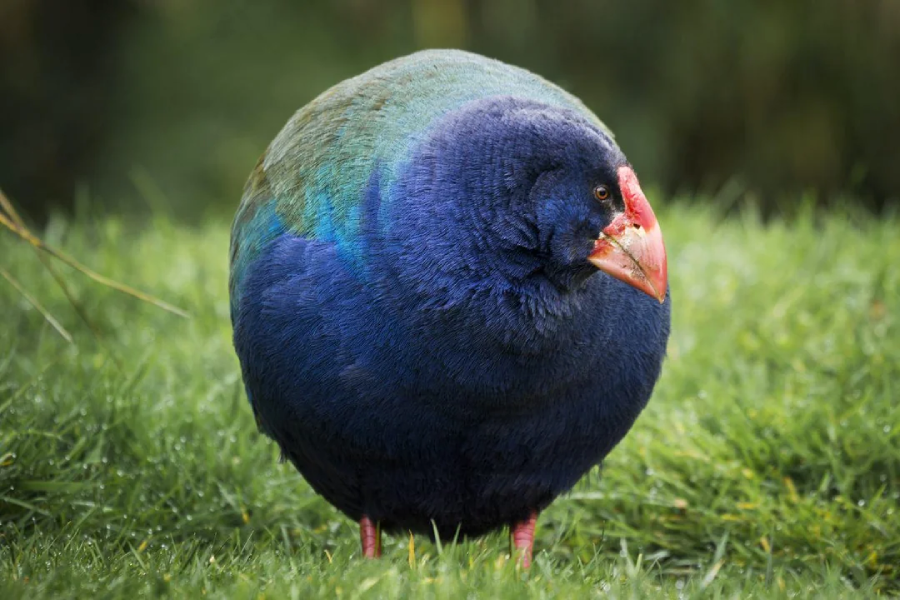
This large, flightless bird from New Zealand was officially declared extinct in 1898 after the last known specimens were hunted. However, a dedicated doctor named Geoffrey Orbell refused to believe they were gone and spent years searching the remote Murchison Mountains. In 1948, he finally spotted the vibrant blue and green feathers of a Takahe, proving the species had survived in a secluded high-altitude valley. Today, they are a national treasure in New Zealand, though their population remains carefully managed to prevent them from disappearing a second time.
3. The Chacoan Peccary
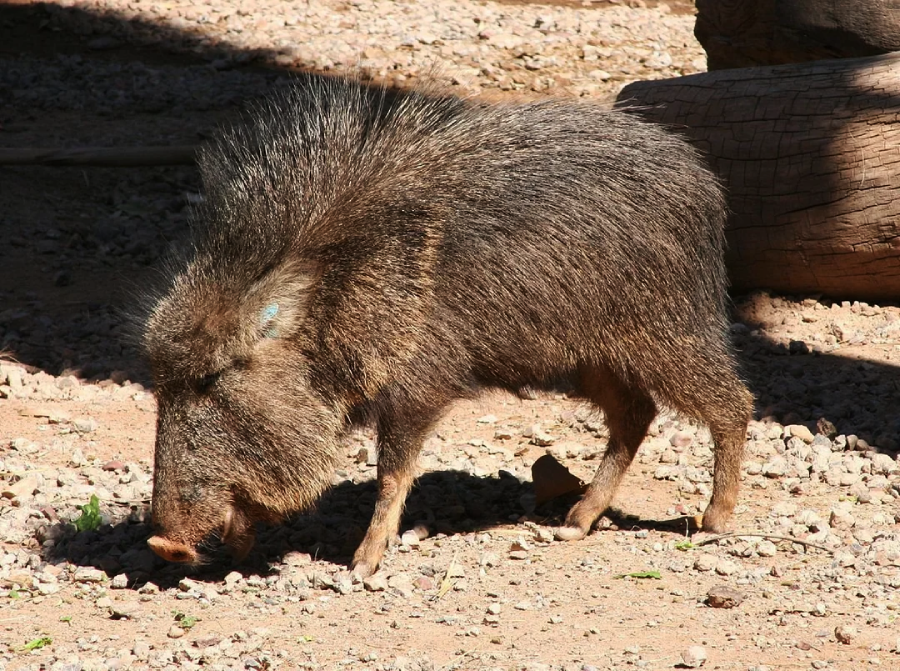
For a long time, this pig-like animal was only known to scientists through fossilized remains, leading everyone to believe it had died out over 10,000 years ago. That all changed in 1971 when researchers realized that the “large wild pig” the local people in Paraguay had been seeing was actually the long-lost species. These animals are social and resilient, living in the harsh, dry scrubland of the Gran Chaco. Their discovery was a massive wake-up call that “fossil” species could still be walking the earth in plain sight.
4. Lord Howe Island Stick Insect
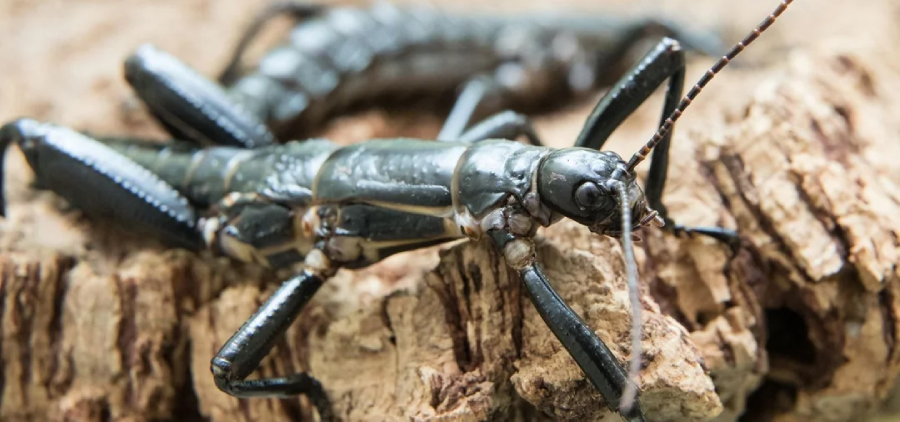
Often called “land lobsters,” these massive insects were thought to be wiped out by rats after a shipwreck on Lord Howe Island in 1918. For decades, they existed only in museum collections until a few dead specimens were found on a nearby volcanic spire called Ball’s Pyramid in the 1960s. In 2001, climbers finally found a tiny living population of just 24 individuals clinging to a single bush on that vertical rock face. It is considered one of the most miraculous survivals in the insect world, and a captive breeding program is now helping to restore their numbers.
5. New Caledonian Crested Gecko
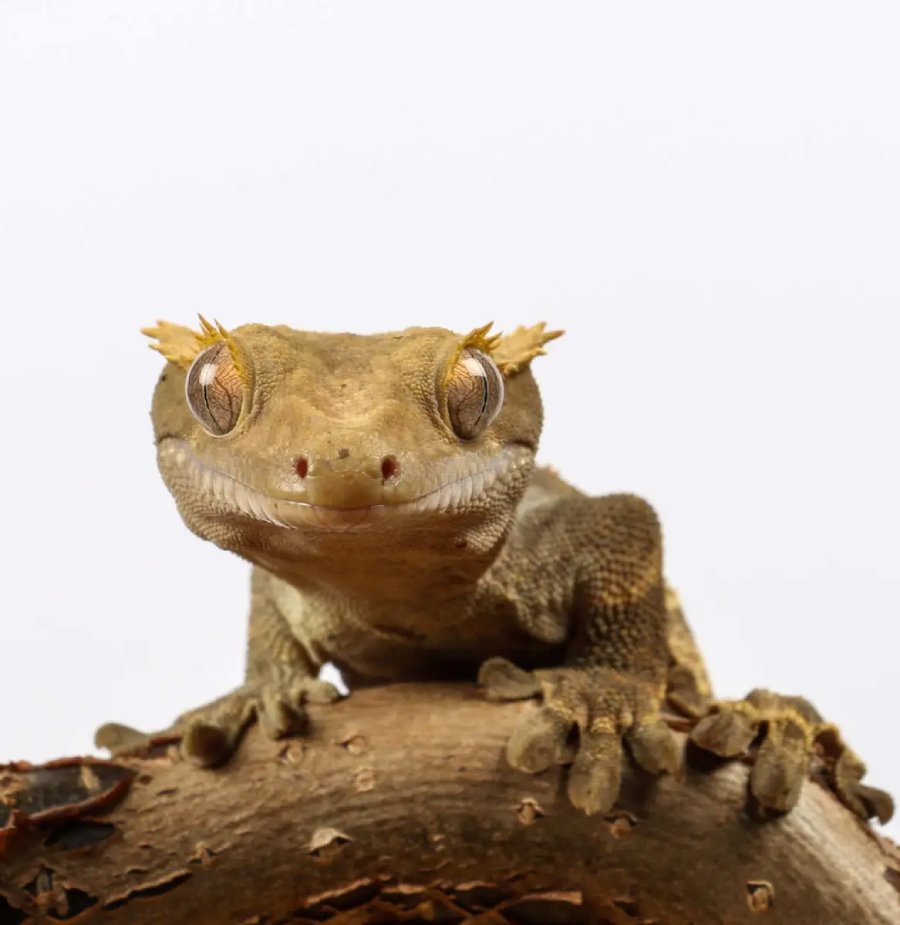
This gecko is a favorite in the pet trade today, but before 1994, it was considered extinct for over a century. It was rediscovered following a tropical storm when researchers found it thriving on the islands of New Caledonia. These animals have unique “eyelash” structures and the ability to jump significant distances to escape predators. Because they were found so recently, every crested gecko in a terrarium today is a descendant of the small group found in that lucky 1940s rediscovery.
Trending on The Scroller

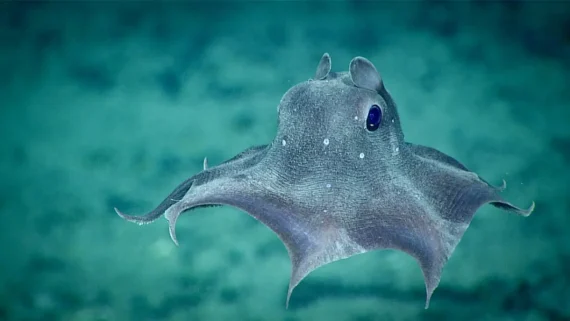
6. The Bermuda Petrel
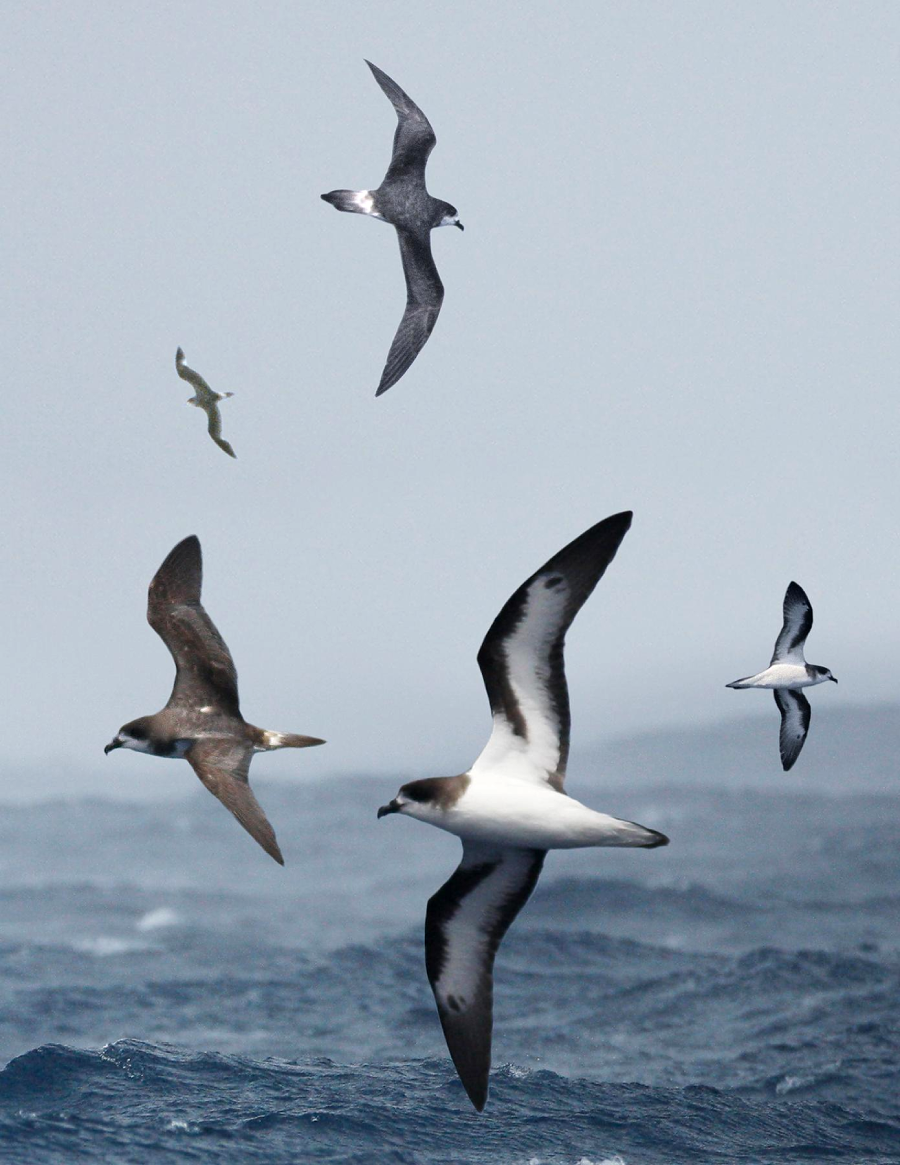
This seabird is the national symbol of Bermuda and was thought to be extinct for nearly 300 years due to hunting and invasive species. In 1951, a small group of scientists found 18 nesting pairs on remote, rocky islets, sparking one of the most intense conservation efforts in history. These animals spend most of their lives at sea and only return to land to breed, which helped their survival go unnoticed for centuries. Their rediscovery is considered one of the greatest success stories in modern ornithology.
7. The Laotian Rock Rat
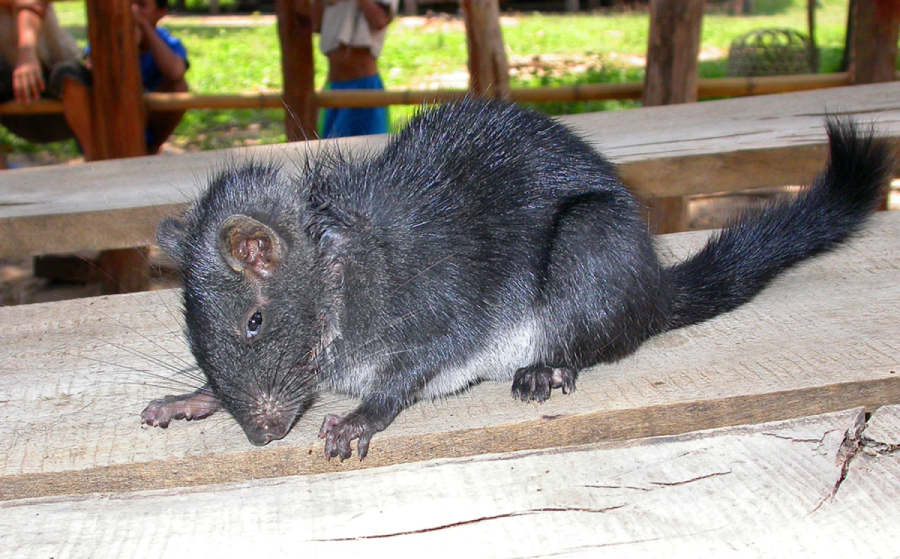
What makes this animal fascinating is that it was first discovered in a meat market in Laos in 1996, where scientists realized it looked like no known rodent. Further research revealed it belongs to a family of mammals thought to have died out 11 million years ago. These animals have a peculiar appearance, with a bushy tail like a squirrel and a very distinctive skull. It’s a reminder that sometimes, living fossils are literally just around the corner at the local market.
8. The Black-Footed Ferret
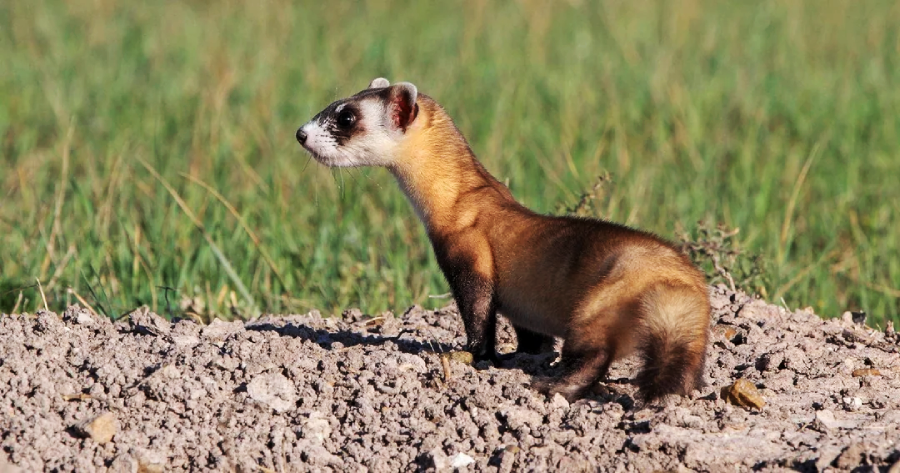
This is one of North America’s rarest mammals and was declared extinct twice before its definitive comeback. In 1981, a farm dog in Wyoming brought a dead specimen to its owners, leading to the discovery of a small surviving colony. These animals depend almost exclusively on prairie dogs for food and shelter, making them highly vulnerable to changes in their ecosystem. Thanks to captive breeding programs, they are now running across the plains again, though their future remains delicate.
Sign up for our newsletter
9. The Arakan Forest Turtle
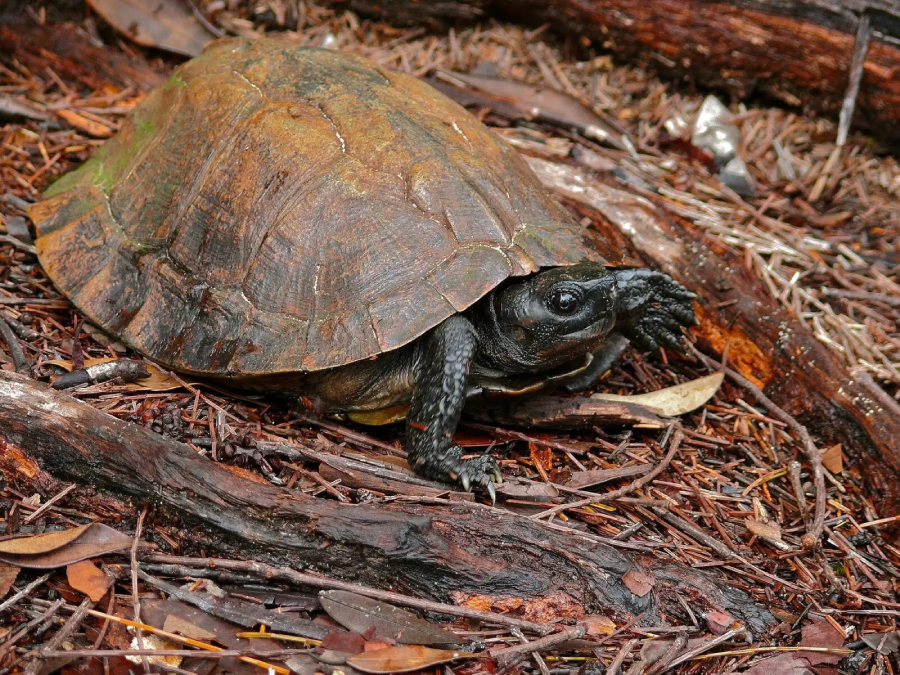
For nearly a century, this turtle only existed in historical records after being last seen in 1908 in the jungles of Myanmar. It wasn’t until 1994 that researchers found it for sale in an Asian food market, realizing the species was still alive deep in the woods. These animals are extremely difficult to track due to their solitary behavior and ability to camouflage among dry leaves. Their reappearance gave conservationists hope that other lost reptile species might still inhabit the region.
10. The Caspian Horse

It was believed that this ancient breed of horse, once the pride of Persian kings, had vanished over a thousand years ago. In 1965, an American researcher named Louise Firouz found several small specimens pulling carts in a remote coastal area of Iran. These animals are unique for their small size but racehorse proportions, distinguishing them from common ponies. Their rediscovery allowed for the recovery of a genetic line thought to be lost forever to history.
11. The Terror Skink
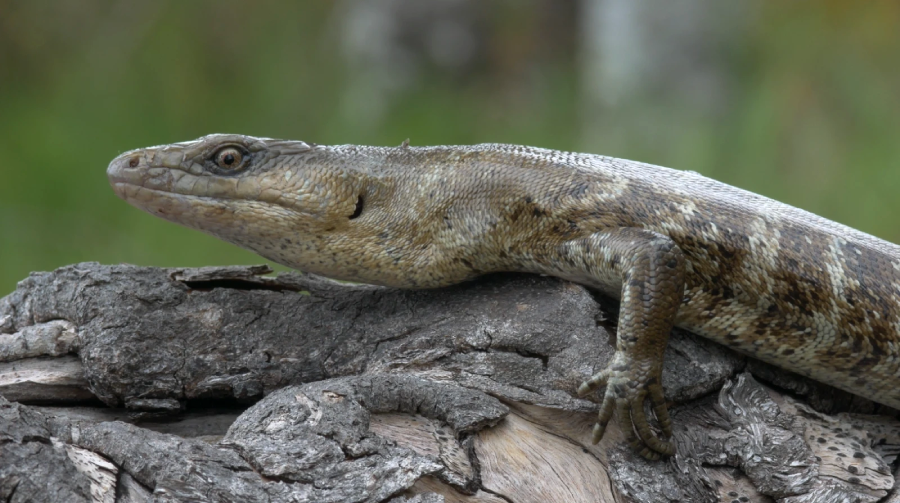
This lizard with sharp, curved teeth earned its name from its intimidating look, but it was given up for dead in the 1990s. In 2003, a team of scientists rediscovered it on a small islet off the coast of New Caledonia, confirming it remained the top predator of its tiny ecosystem. These animals are experts at hiding in rock crevices, making them nearly invisible to humans. Its return has allowed for the study of how reptiles evolve in extreme isolation.
12. The Pygmy Possum
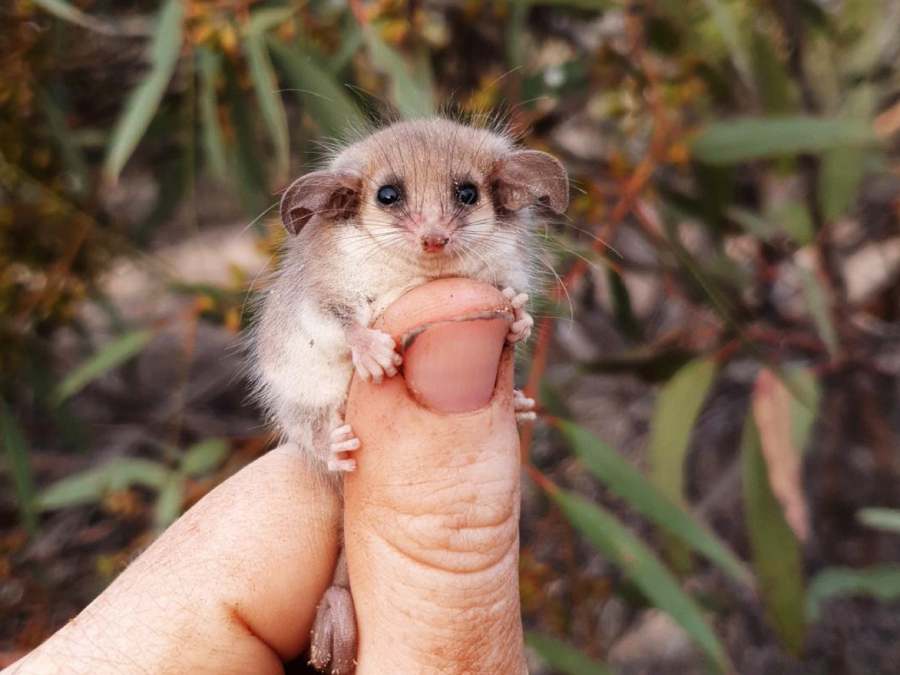
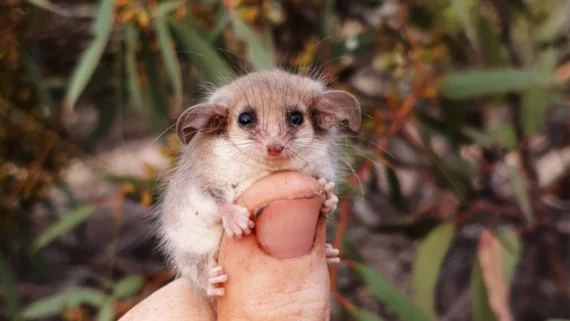
The Mountain Pygmy Possum was known only from fossils until a living specimen appeared out of nowhere at a ski resort in Australia in 1966. It is the only Australian marsupial that hibernates during cold months under the snow, a survival trick that likely kept it hidden for so long. These animals are tiny and rely on a very specific alpine habitat that is now threatened by climate change. Its story is one of the most surprising in Australian fauna, going from a fossil to a mountain dweller.
13. The Fernandina Island Tortoise
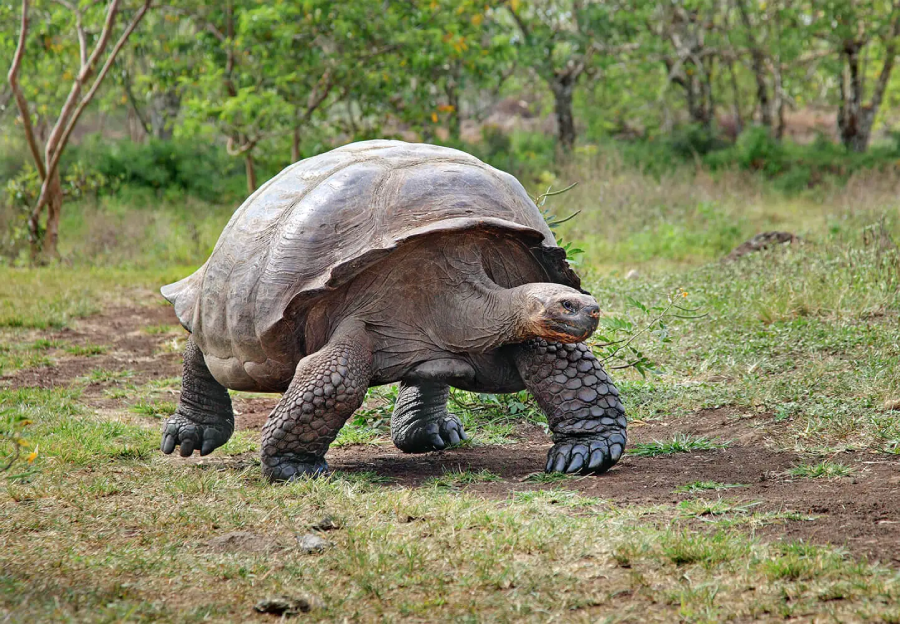
This species of giant Galapagos tortoise hadn’t been seen since 1906, leading the scientific community to believe it was gone forever. In 2019, an expedition found an elderly female living in an isolated patch of Fernandina Island, surrounded by hardened lava flows. These animals can live for over a hundred years, meaning this lonely individual might have witnessed an entire century of absolute solitude. Her discovery has reopened the possibility of finding more individuals to save the species.
14. The Night Parrot
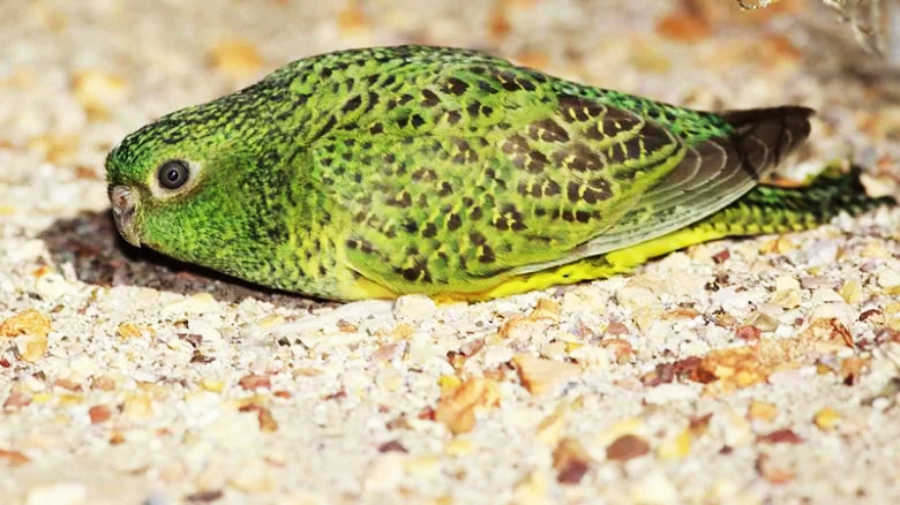
Considered one of the most elusive birds in the world, Australia’s Night Parrot was missing for nearly 80 years. In 2013, a wildlife photographer managed to capture images of a live one after years of obsessive searching in the desert. These animals are creatures of the night that live in the most remote grasslands, making them incredibly difficult to locate. Its rediscovery was so significant that the exact location of the population was kept a secret to protect them from intruders.
15. The Vietnam Mouse-Deer
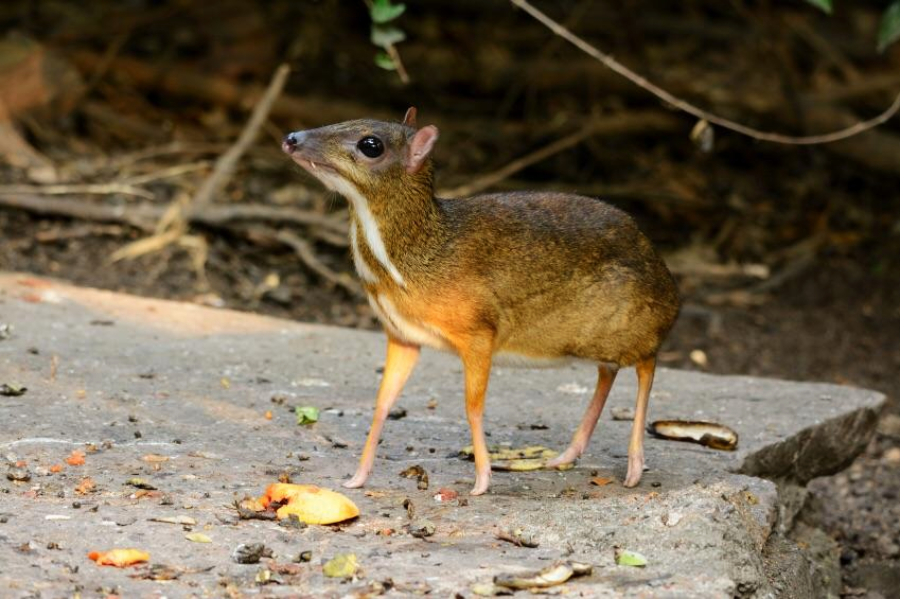
Also known as the Silver-backed Chevrotain, this tiny ungulate hadn’t been documented by scientists since 1990. In 2019, camera traps in the jungles of Vietnam captured thousands of photos of this rabbit-sized creature, proving they were thriving in silence. These animals are famous for their shyness and their ability to move noiselessly through dense vegetation. Its triumphant return has inspired new efforts to protect Southeast Asian jungles from illegal hunting.
Explore more about the animal kingdom:
Learning about these resilient animals reminds us that nature is far more mysterious and persistent than we often give it credit for. These stories of survival offer a glimmer of hope in a time of environmental uncertainty, showing that it’s never too late to save a species. If you’re fascinated by the wonders of the animal world, don’t miss these 15 Animals That Could Disappear Within the Next Decade, or 15 Ancient Species That Are Now in Danger. You can also check out these 16 Animals Declared Extinct in the Late 1900s.