While we often consider a century to be the ultimate milestone for human longevity, the natural world is home to several animals that view a hundred years as merely a warm-up. From the dark depths of the Arctic oceans to the slow-paced islands of the Pacific, certain species have developed biological “superpowers” that allow them to resist aging and disease in ways that baffle modern science. These long-lived creatures exist in a different temporal reality, witnessing entire human eras pass by while they continue their slow and steady journey through life.
Understanding how these animals manage to survive for centuries offers us a humbling look at our own place in the ecosystem. Some of these species have survived world wars, the industrial revolution, and the rise of the digital age, all without showing the typical signs of physical decline we associate with getting older. Whether it’s through a glacially slow metabolism or the ability to regenerate their own cells, these record-breakers prove that in the wild, time is a very flexible concept. Let’s dive into the lives of the creatures that have truly mastered the art of staying alive.
1. Greenland shark – Up to 400+ years
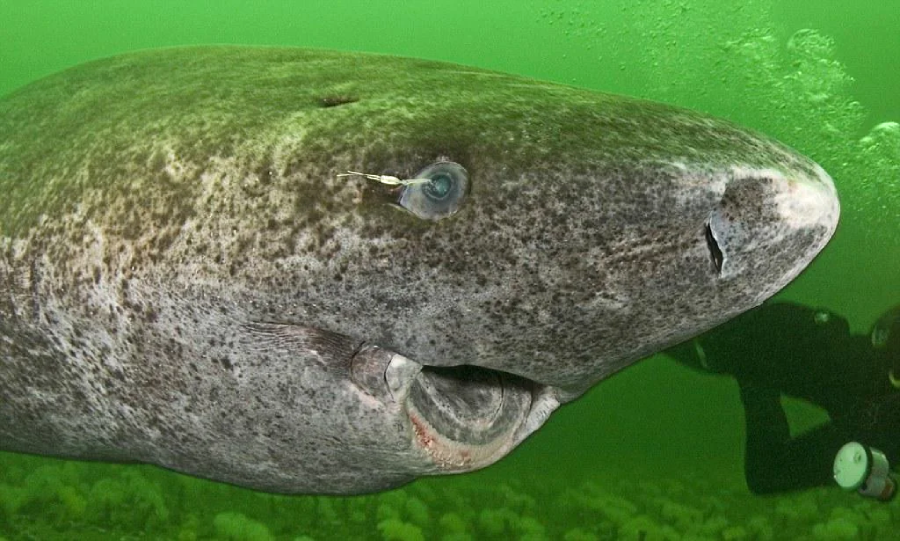
Swimming in the freezing waters of the North Atlantic, the Greenland shark is the undisputed king of vertebrate longevity. These massive animals grow at a rate of only about one centimeter per year and don’t even reach puberty until they are roughly 150 years old. Using radiocarbon dating on the lenses of their eyes, scientists discovered one female that was estimated to be nearly 400 years old. This means there are sharks currently swimming in our oceans that were alive when the Mayflower set sail for the Americas.
2. Ocean Quahog – Up to 500+ years
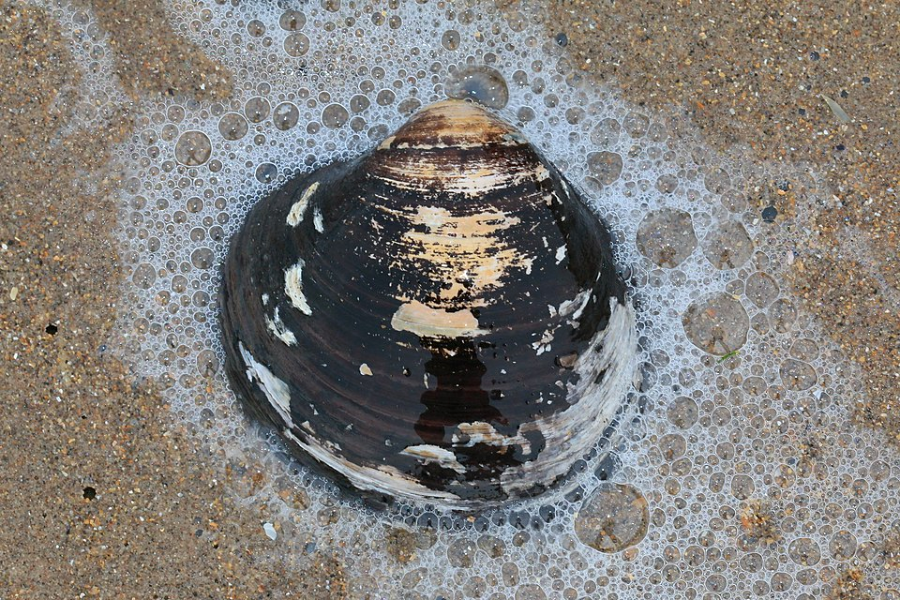
The Ocean Quahog is a seemingly unremarkable clam, but it holds the record for the longest-lived non-colonial animal ever discovered. One specific individual, nicknamed Ming, was found to be 507 years old when it was accidentally killed by researchers during a study. These clams live in the cold, stable environments of the North Atlantic, where they maintain an incredibly slow metabolism. Their shells grow a new ring every year, acting as a biological ledger of the ocean’s history over the last half millennium.
3. Bowhead whale – Up to 200+ years
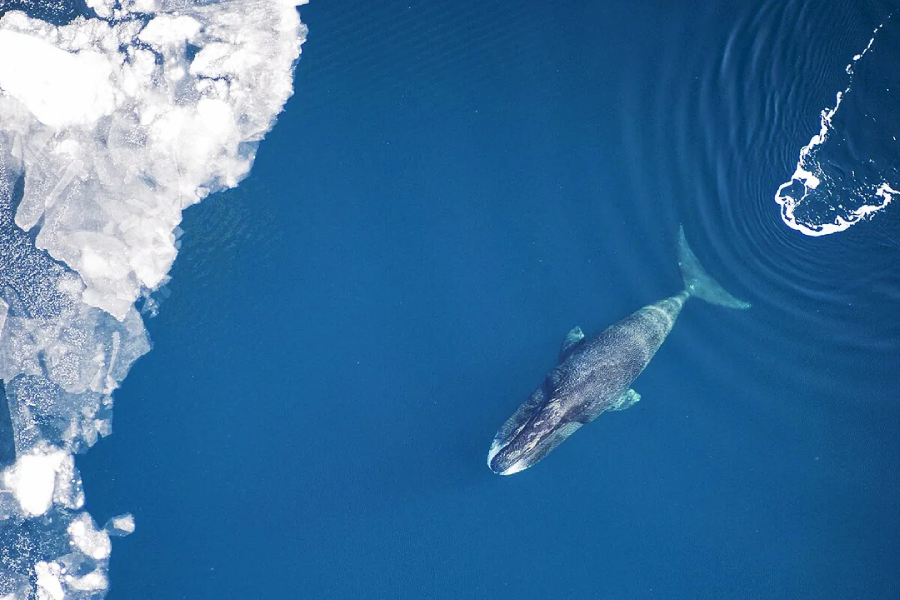
Bowhead whales are the longest-living mammals on the planet, with some individuals estimated to be over 200 years old. Researchers discovered their incredible lifespan after finding ancient stone harpoon points embedded in the blubber of living whales, left over from failed hunts in the 1800s. These giants have evolved a unique genetic resistance to cancer and cardiovascular disease, allowing them to grow old without the typical health issues mammals face. It is surreal to imagine a creature that remembers the pre-industrial ocean still singing its songs today.
4. Immortal jellyfish
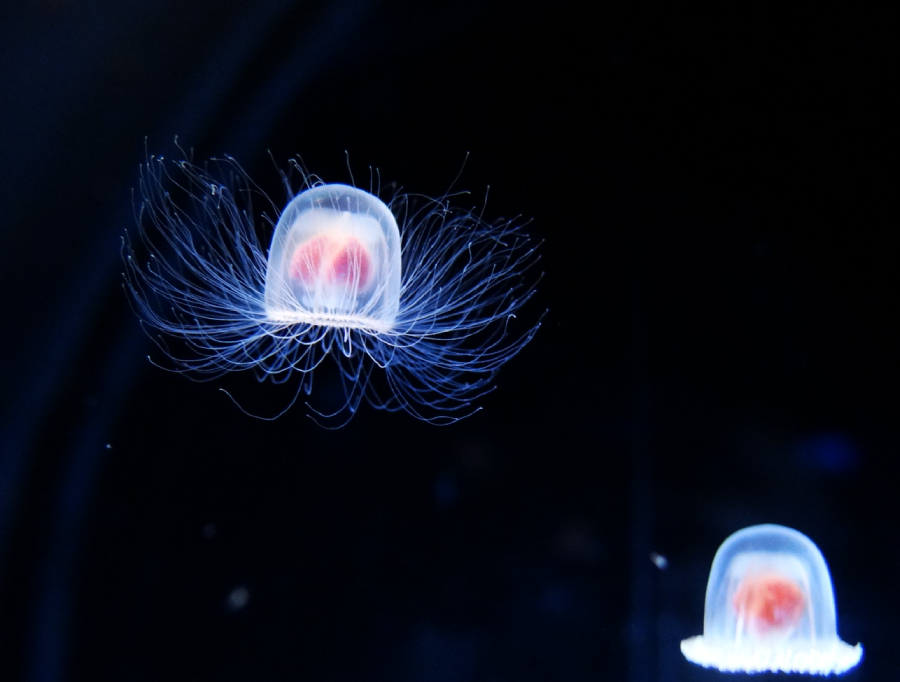
Also known as Turritopsis dohrnii, this tiny creature is the only one on the list that could technically live forever because it can literally reverse its aging process. When faced with physical stress or starvation, the immortal jellyfish transforms its adult cells back into a youthful polyp state. It effectively hits a reset button on its life cycle, starting over from the very beginning as a biological clone of itself. While they often fall victim to predators, their ability to defy natural death makes them a subject of intense study for longevity researchers.
5. Galapagos giant tortoise – Up to 170+ years
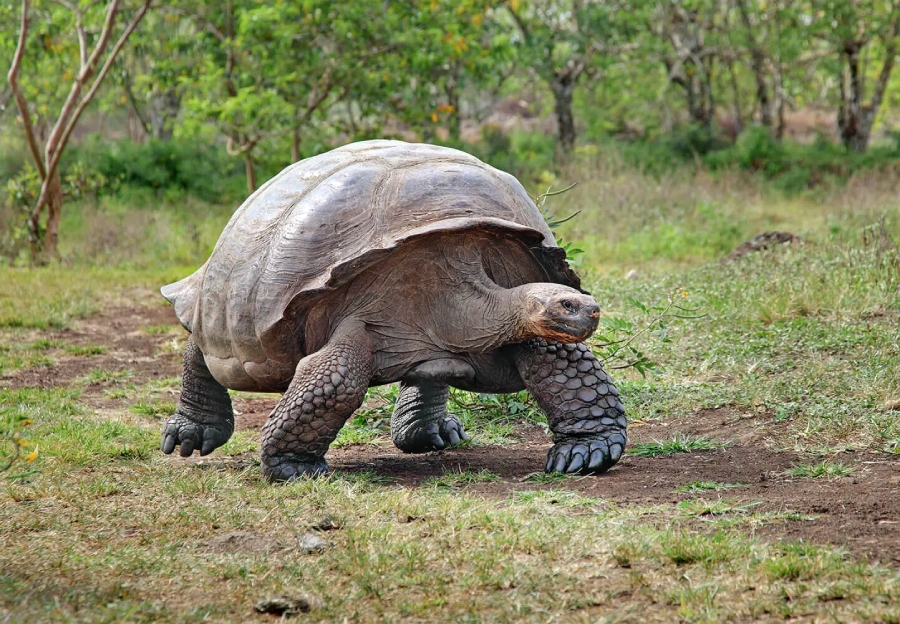
These iconic island dwellers are the most famous symbols of long life in the animal kingdom. The most well-known individual, Harriet, was allegedly collected by Charles Darwin himself and lived to be approximately 175 years old before passing away in a zoo. Their slow movement and extremely efficient water storage allow them to survive in harsh environments for decades without a meal. Because they lack natural predators on their native islands, they can simply focus on growing slowly and living peacefully for nearly two centuries.
Trending on The Scroller
6. Rougheye rockfish – Up to 200+ years
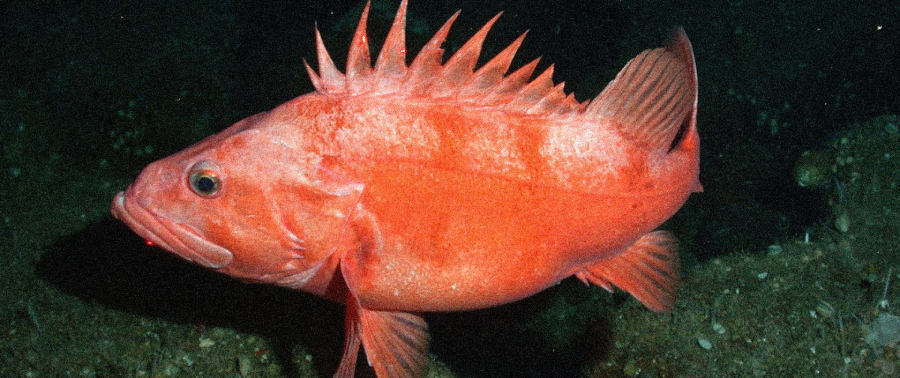
Living in the deep, cold waters of the North Pacific, the rougheye rockfish is one of the longest-living fish in existence. Scientists have aged individuals at 205 years old, noting that they show very few signs of senescence, or age-related decline. Their longevity is attributed to their high-pressure, low-temperature habitat, which keeps their biological processes running at a crawl. These fish spend their long lives hiding in rocky crevices, slowly growing and reproducing for over two human lifespans.
7. Red sea urchin – Up to 200+ years
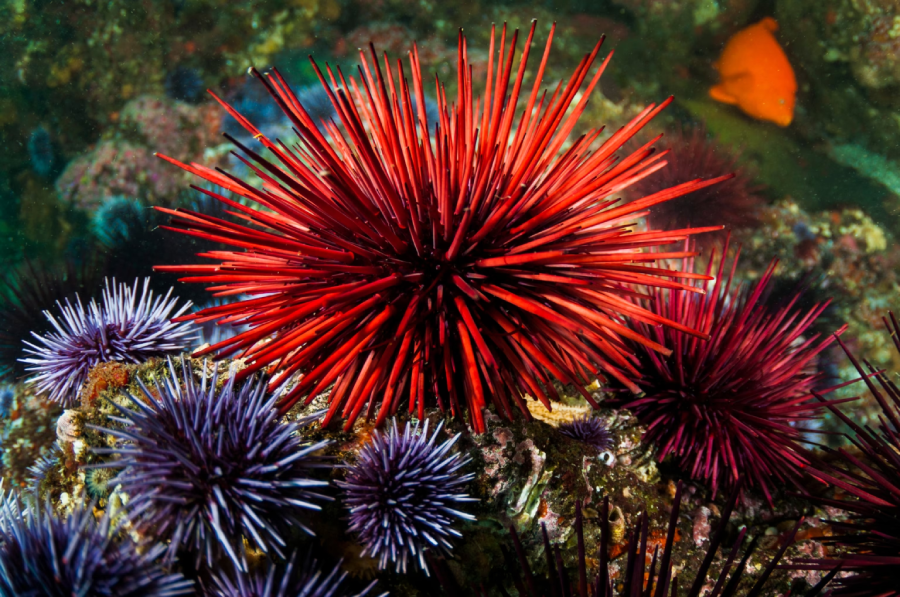
Found along the rocky shores of the Pacific Ocean, the red sea urchin is much more than just a prickly ball of spines. Studies have shown that these animals can live for over 200 years without losing their ability to reproduce or showing any signs of frailty. Carbon-14 dating has proven that they grow very slowly and can maintain their health well into their second century. Remarkably, a 200-year-old urchin is just as physically fit and capable of regenerating its spines as a 10-year-old youngster.
8. African elephant – Up to 70-80 years
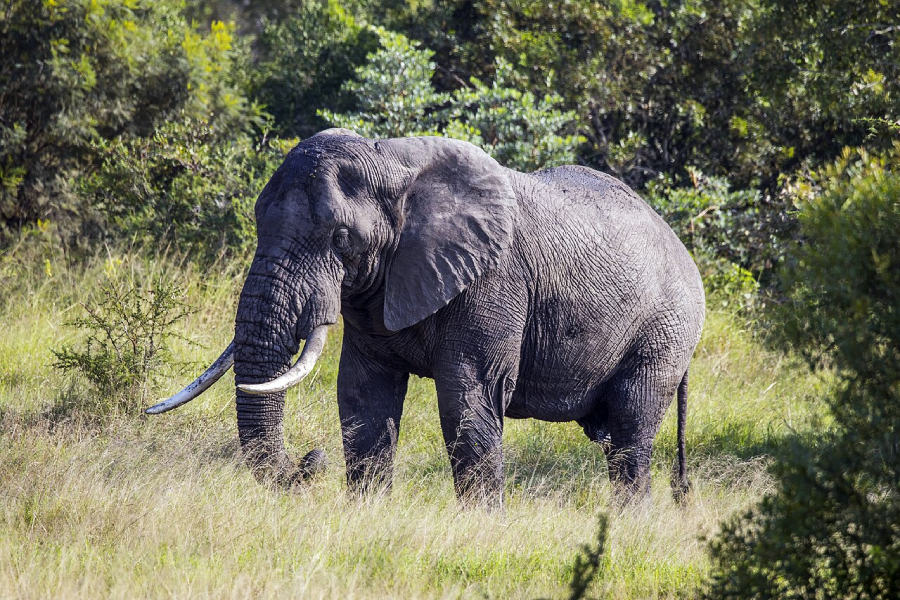
While their lifespan is the closest to ours on this list, African elephants are notable for reaching ages that rival human life expectancy in the wild. These highly intelligent giants maintain deep social bonds and have matriarchs who lead the herd based on memories from decades prior. Their longevity is crucial for their survival, as the wisdom of the elders helps the herd find water during extreme droughts. They are one of the few species that experience a complex aging process similar to humans, including cognitive decline and social bereavement.
Sign up for our newsletter
9. Aldabra giant tortoise – Up to 250+ years
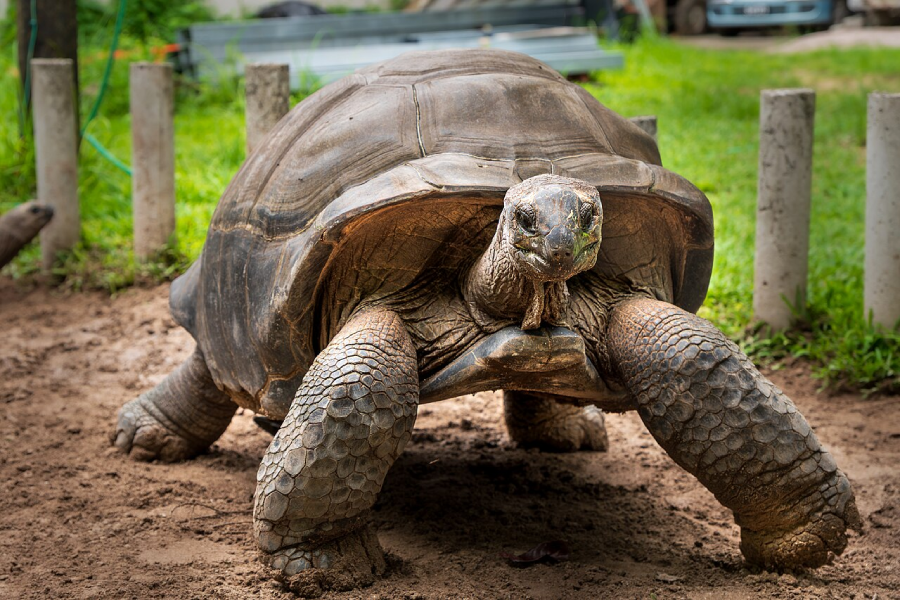
Hailing from the Aldabra Atoll in the Seychelles, these tortoises might actually be the true record holders for land animals. An individual named Adwaita died in 2006 at an estimated age of 255 years, having spent over a century in a Calcutta zoo. These creatures have a remarkably simple lifestyle consisting mostly of eating grass and resting in the sun, which seems to be the secret to their eternal youth. They were already elderly when the first steam engine was invented, outliving generations of their human caretakers.
10. Tuatara – Up to 100+ years
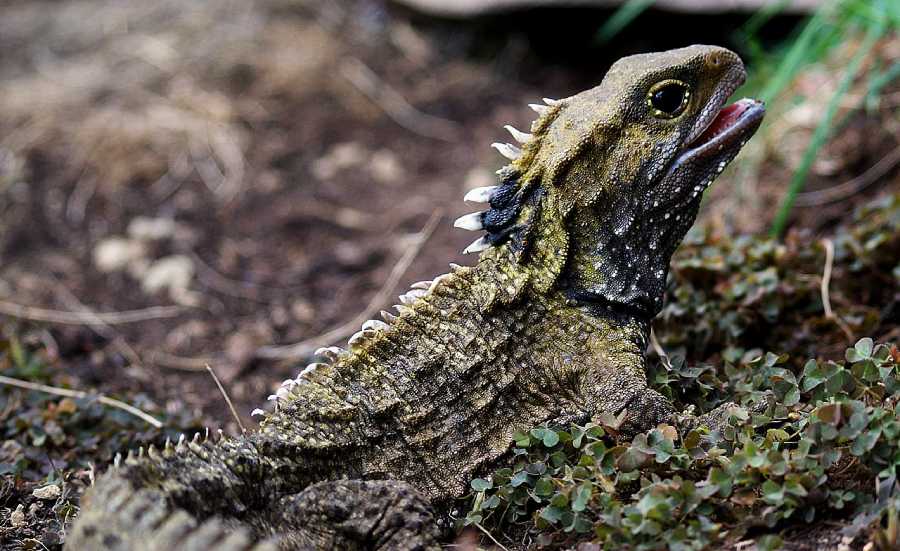
Often called living fossils, the Tuatara is a unique reptile found only in New Zealand that is the last survivor of an order from the dinosaur era. They grow incredibly slowly and have a lower body temperature than most reptiles, which contributes to their long life. One famous male named Henry became a father for the first time in captivity at the ripe old age of 111. Despite their lizard-like appearance, their anatomy is so ancient that they are considered a biological category of their own.
11. Koi fish – Up to 200+ years
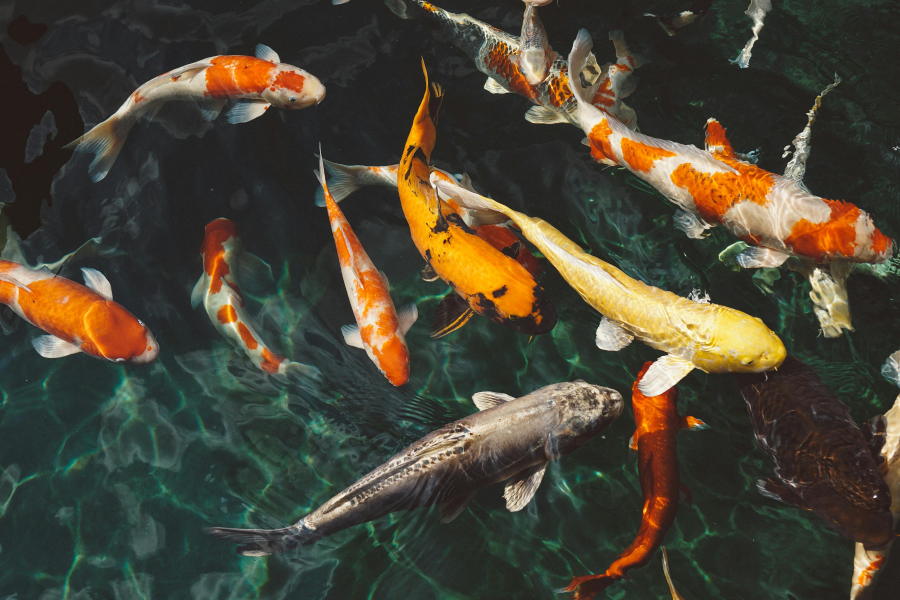
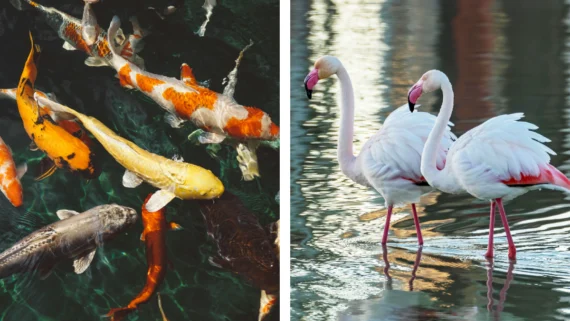
While typical pet koi live for about 25 to 30 years, certain legendary Japanese individuals have lived much longer. The most famous was a scarlet koi named Hanako, whose age was determined to be 226 years after researchers analyzed the rings on her scales. Hanako passed away in 1977, meaning she was born during the height of the Edo period in Japan. These ornamental fish are highly prized for their beauty, but their potential for extreme longevity is their most surprising trait.
12. Glass sponge – Up to 10,000+ years
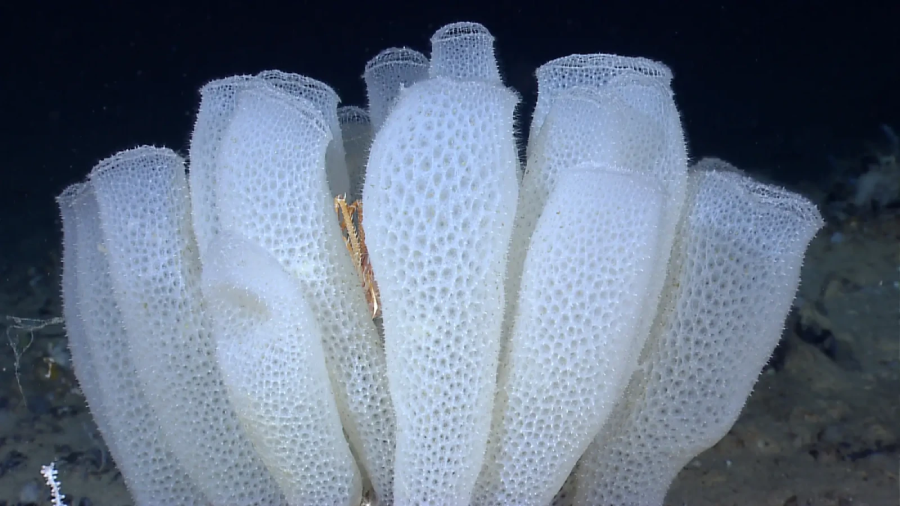
Moving into the realm of the nearly eternal, the glass sponge is a deep-sea filter feeder that builds a skeleton out of silica. Scientists have estimated that some specimens in the East China Sea are over 11,000 years old, making them the oldest living organisms on Earth. They grow in the extreme silence and cold of the deep ocean, where almost nothing changes for millennia. These sponges have been filtering water since the end of the last Ice Age, quietly watching the world change from miles below the surface.
13. Macaw – Up to 80+ years
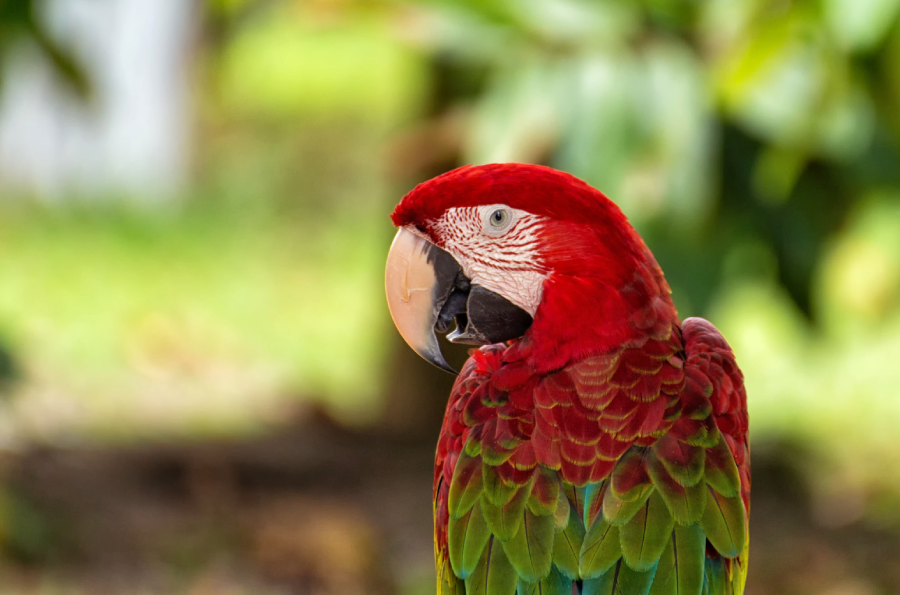
In the world of birds, the larger parrots like Macaws are famous for outliving their owners. These vibrant animals have the intelligence of a small child and can live well into their 80s if cared for properly in captivity. There are numerous recorded cases of Macaws being passed down through three generations of the same family. Because they form such strong emotional bonds, their long lifespan makes them a massive lifelong commitment for anyone who decides to adopt one.
14. Deep-sea tube worms – Up to 250+ years
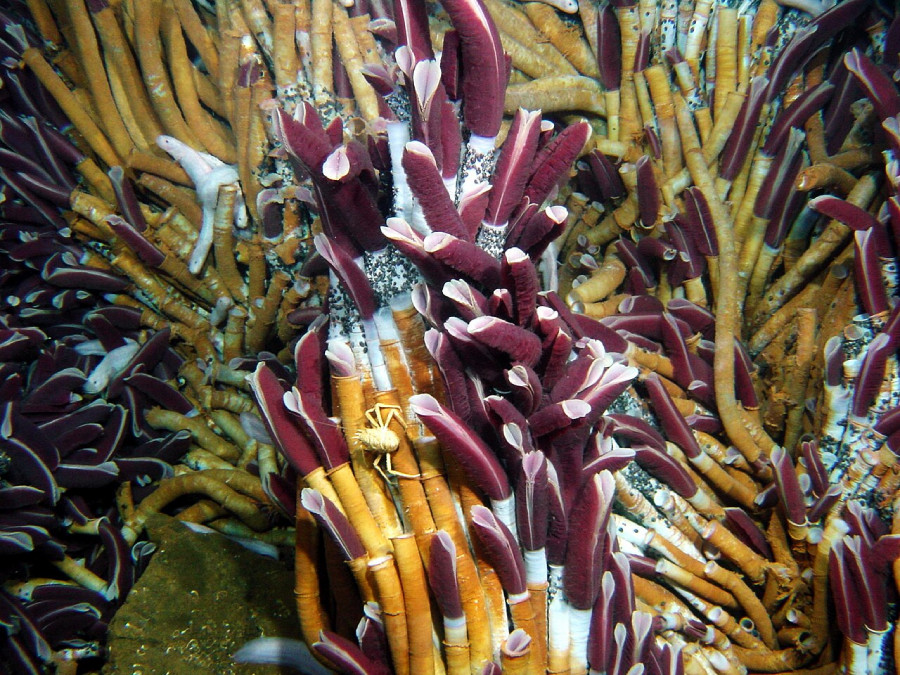
Hidden away from the sun near hydrothermal vents and cold seeps, these alien-looking animals have mastered the art of extreme longevity in total darkness. Unlike most creatures that rely on sunlight, these worms survive through a symbiotic relationship with bacteria that convert chemicals from the ocean floor into energy. Scientists have discovered that some species, like Escarpia laminata, grow at a glacial pace and can easily surpass 250 years of age. Their environment is so stable and free from typical predators that they simply continue to grow slowly in their protective chitin tubes for centuries, far beneath the waves.
15. Lake sturgeon – Up to 150+ years
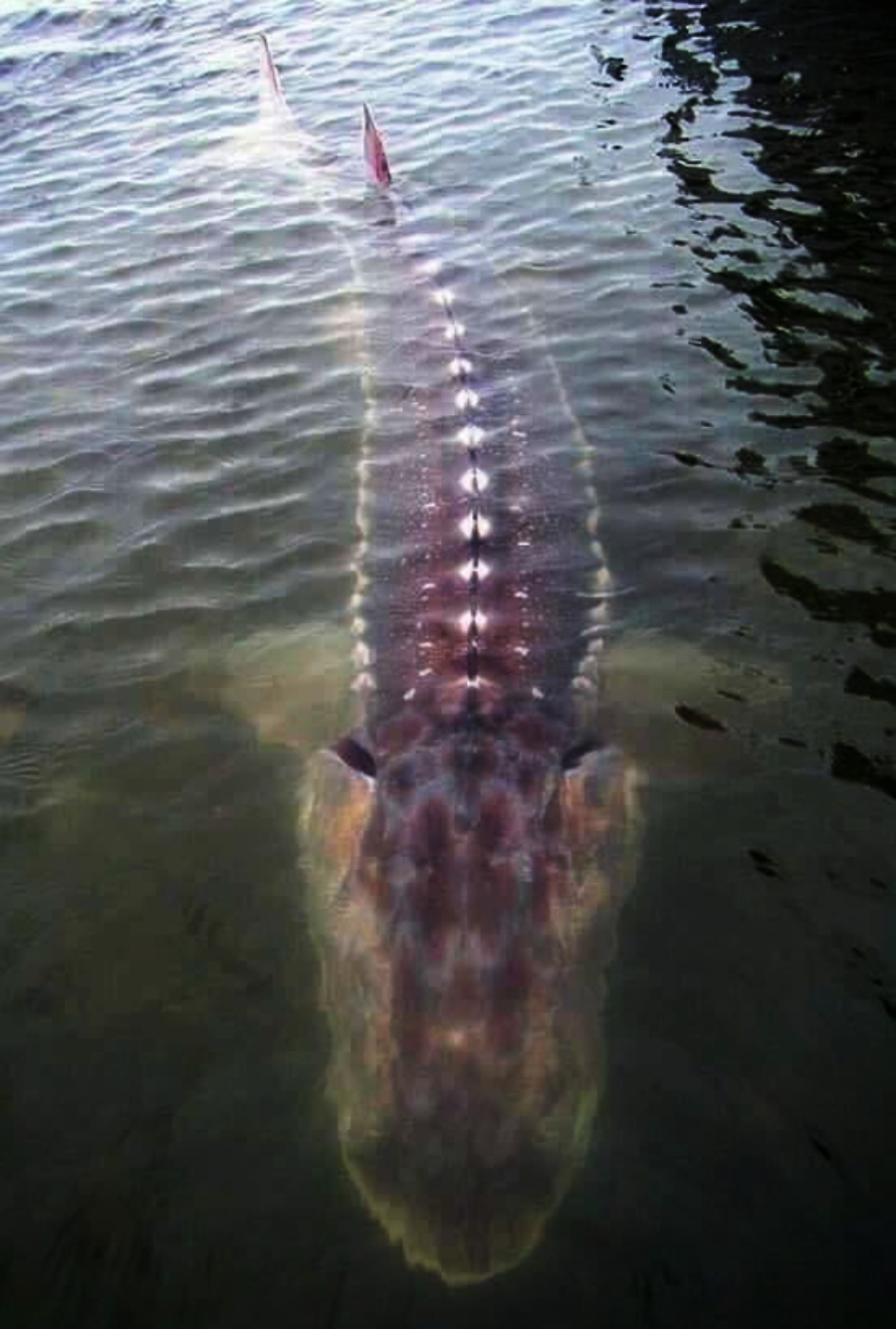
These prehistoric-looking fish can be found in the Great Lakes and are the largest freshwater fish in North America. Females grow more slowly than males but live much longer, with some individuals confirmed to be over 150 years old. They are often called dinosaur fish because they have remained largely unchanged for millions of years. Because they take up to 30 years just to reach reproductive age, their long-term survival is highly dependent on their ability to avoid human interference for over a century.
16. Olm – Up to 100+ years
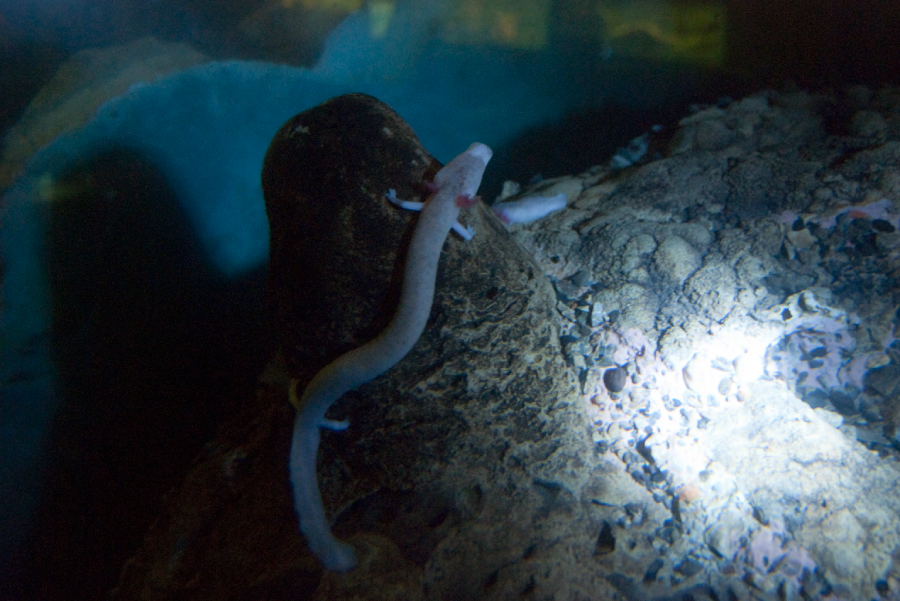
The olm is a blind, pale salamander that lives in the underwater caves of the Balkans and is often called the human fish due to its skin color. These strange animals have an incredibly slow metabolism and can go for up to ten years without eating a single meal. While most amphibians have relatively short lives, the olm can live for over a century, likely due to the lack of predators and the extreme stability of their cave environment. They spend their long lives in a state of near-permanent power-saving mode, moving very little and aging at a fraction of the speed of their surface-dwelling cousins.
17. Laysan albatross – Up to 70+ years
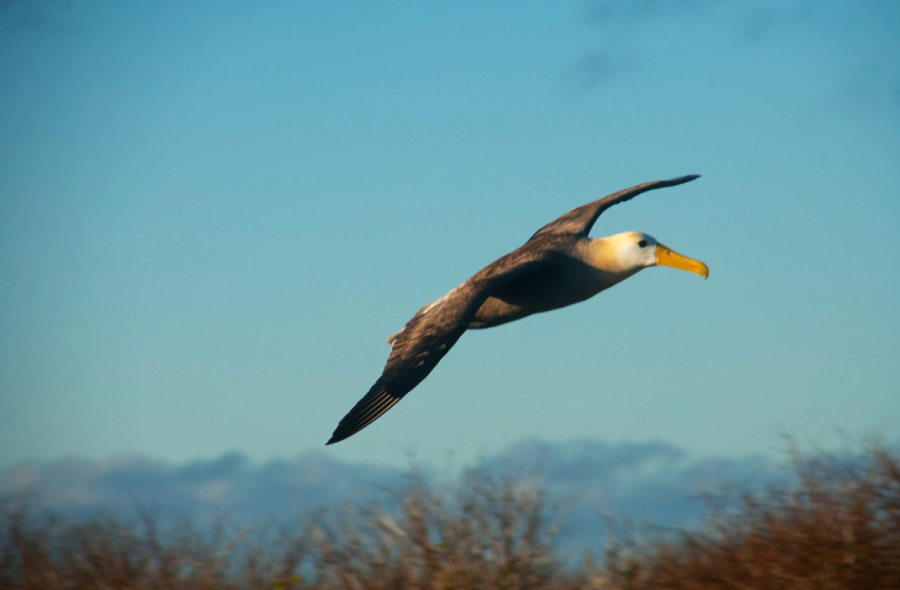
The world’s oldest known wild bird is a Laysan albatross named Wisdom, who was first banded by scientists in 1956 and is still going strong today. Most birds of her species live only about 12 to 40 years, but Wisdom has defied the odds by successfully raising over 30 chicks well into her 70s. She spends the vast majority of her long life soaring over the North Pacific, covering millions of miles in flight, which is equivalent to several trips to the moon and back. Her resilience has made her a global symbol for conservation and a living testament to the endurance of avian animals.
18. Greater flamingo – Up to 80+ years
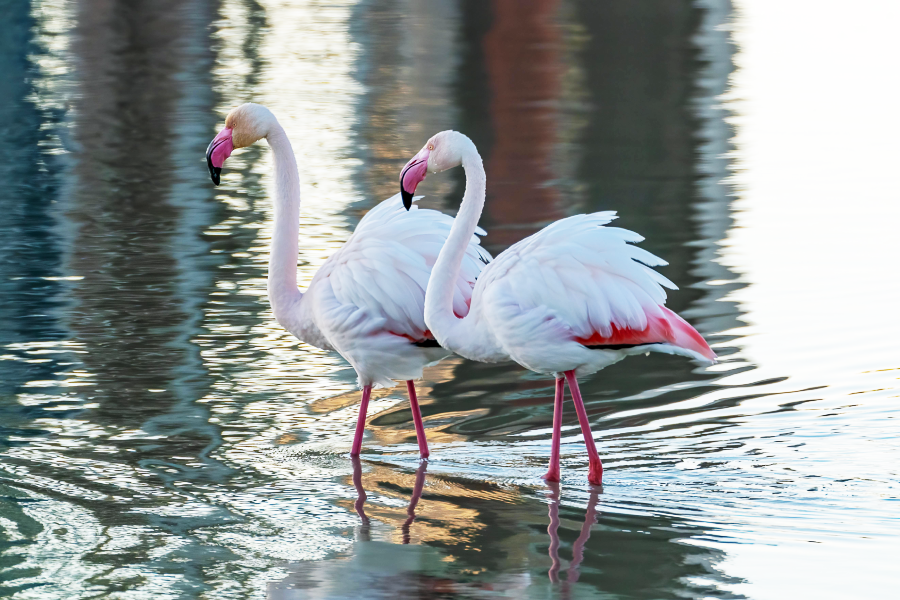
While wild flamingos usually live around 20 to 30 years, a legendary greater flamingo nicknamed Greater lived to be at least 83 at the Adelaide Zoo in Australia. He arrived at the zoo as an adult in 1933, meaning his true age was likely much higher, as researchers didn’t know exactly when he hatched. Greater survived several attacks and the harsh realities of the 20th century before finally passing away in 2014 due to age-related complications. He proved that with a steady diet and protection from predators, these elegant animals can live through multiple human generations.
In the mood for more animal kingdom curiosities?
The incredible endurance of these animals reminds us that nature has many different ways of measuring time. From the rapid-fire lives of insects to the millennial journey of a glass sponge, every creature has its own pace. If you enjoyed discovering these biological marvels, you won’t want to miss these 15 Amazing Animals That Returned from Extinction, or 15 Animals That Could Disappear Within the Next Decade. You may also enjoy these 20 Photos of Baby Animals That Will Melt Your Heart.