Our planet is home to a breathtaking array of animals, many of which possess abilities and appearances that seem straight out of a fantasy novel. However, the sad reality is that many of these unique species are currently balancing on a razor’s edge, fighting for survival against habitat loss and changing climates. From the dense jungles of Southeast Asia to the frigid waters of the Arctic, these creatures represent the incredible diversity of life on Earth. Seeing them in their natural habitat is becoming an increasingly rare privilege, as their populations dwindle to numbers that can sometimes be counted on just two hands.
Raising awareness about these endangered animals is the first step in ensuring that 2030 isn’t the year we say a final goodbye to them. Each of these species plays a vital role in its specific ecosystem, and their disappearance would create a void that no other creature could fill. By looking at these rare photos and learning the stories behind their struggle, we can better appreciate the urgent need for conservation. We’ve gathered fifteen of the most critically endangered species that we are at risk of losing forever if we don’t act now to protect their remaining strongholds.
1. The Vaquita
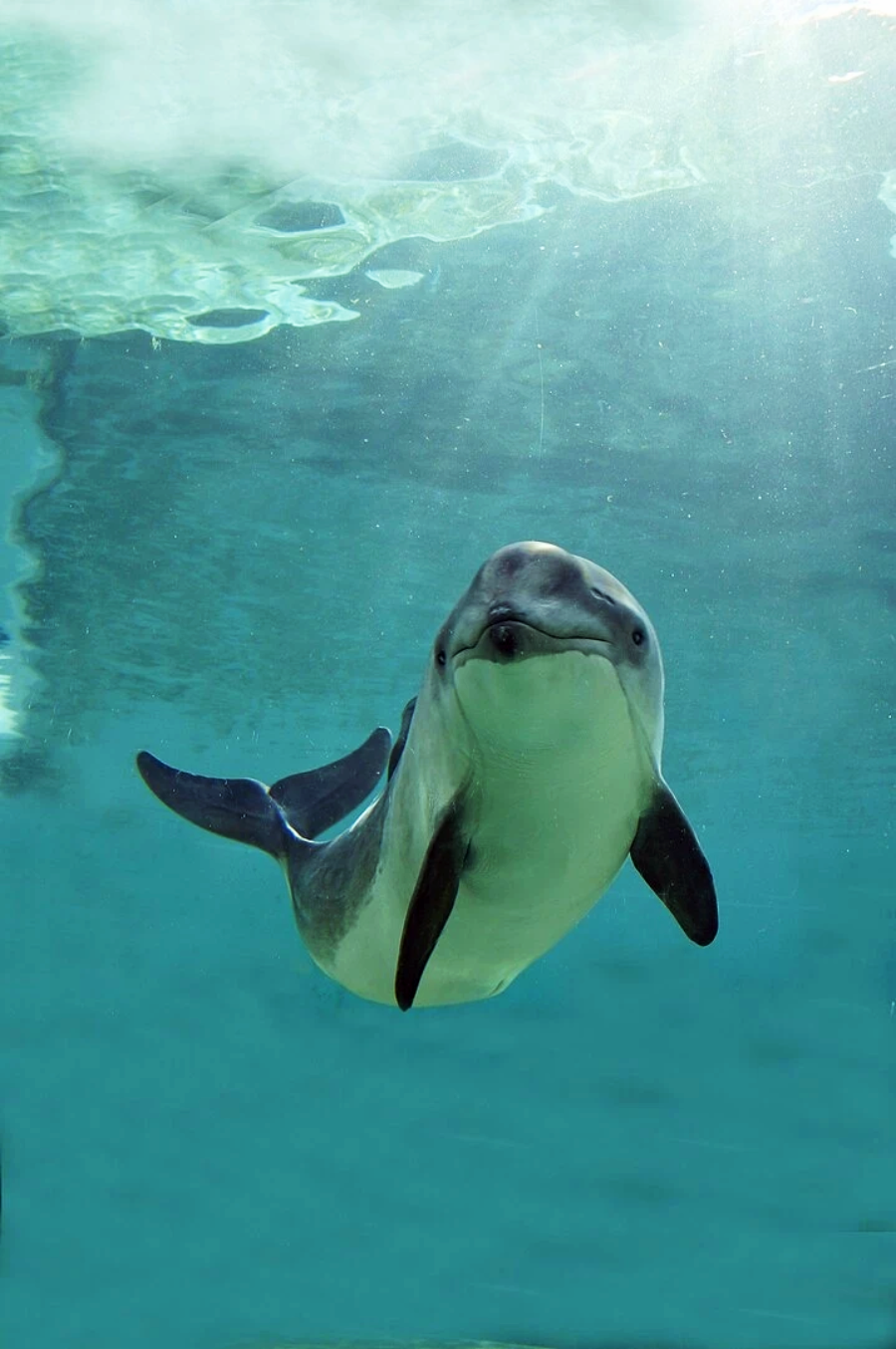
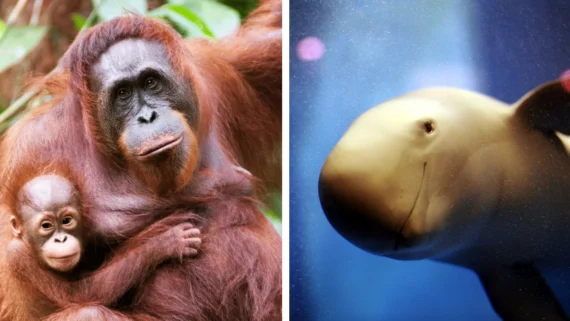
The Vaquita is the world’s smallest and most endangered cetacean, found only in the northernmost tip of the Gulf of California. Known for the dark rings around its eyes that make it look like a sea-dwelling panda, there are estimated to be fewer than ten individuals left in the wild. They are incredibly shy and are almost never seen by humans, often drowning in illegal gill nets intended for other fish. Scientists are working around the clock to remove these nets, as the loss of this tiny porpoise would be a devastating blow to marine biodiversity.
2. The Saola
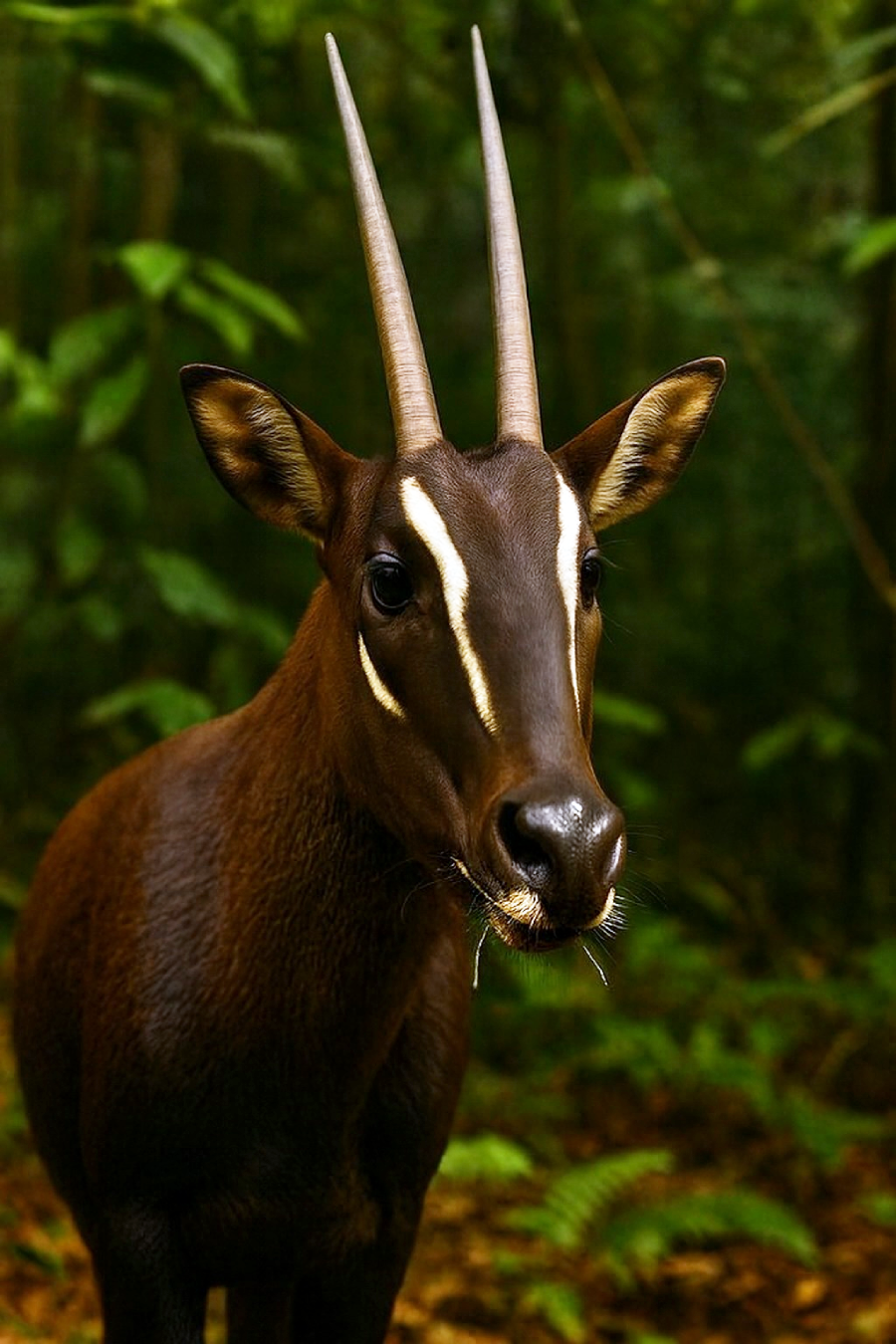
Discovered only in 1992, the Saola is one of the rarest large mammals on Earth, inhabiting the Annamite Mountains of Vietnam and Laos. It earned the nickname “Asian Unicorn” not because it has one horn (it actually has two long, parallel ones) but because it is so rarely sighted that it feels like a myth. No biologist has actually seen a Saola in the wild, and our only knowledge of them comes from a handful of camera trap photos. Their cousin-like resemblance to antelope and cattle makes them a biological mystery that we are desperately trying to solve before they vanish.
3. The Javan Rhino
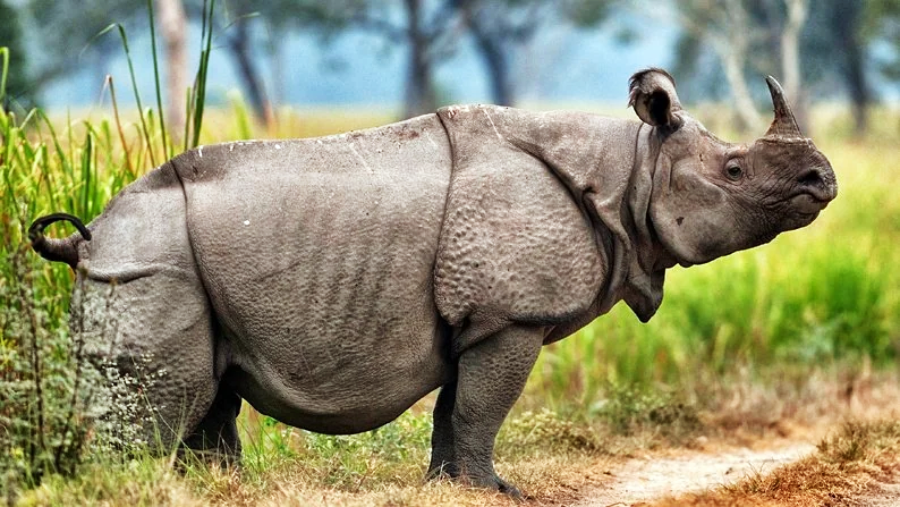
The Javan Rhino is perhaps the rarest large mammal in the world, with a single remaining population of around 75 individuals living in Ujung Kulon National Park in Indonesia. Unlike other rhino species, the Javan rhino has only one horn, and females often have no horn at all. They are extremely solitary creatures that love to wallow in mud holes to stay cool and protect their skin from insects. Because they are all concentrated in one small area, a single natural disaster like a tsunami or disease outbreak could wipe out the entire species overnight.
4. The Kakapo
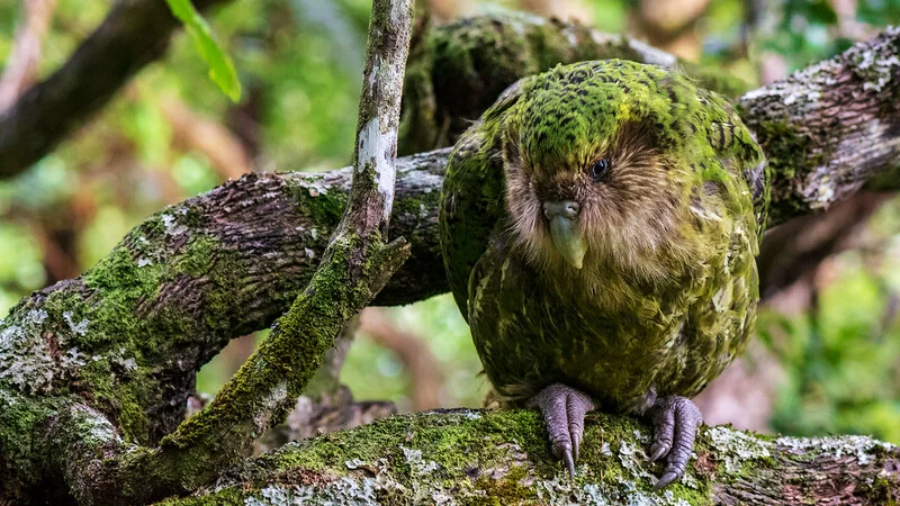
The Kakapo is a large, flightless, nocturnal parrot from New Zealand that has evolved some of the strangest behaviors in the bird world. It is the only parrot that “leks,” meaning the males gather in a specific arena to perform booming calls to attract females. Because they evolved without land predators, their only defense is to freeze and hope their moss-green feathers camouflage them against the forest floor. Currently, every single living Kakapo has a name and is tracked by conservationists to ensure they successfully breed and survive.
5. The Amur Leopard
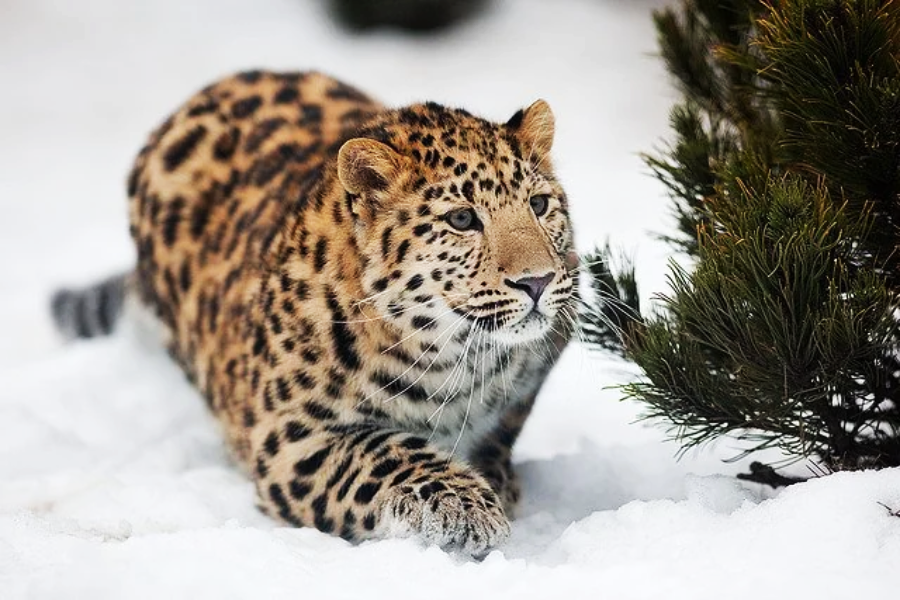
Found in the temperate forests of the Russian Far East, the Amur Leopard is a master of survival in extreme cold, but it is down to its last few dozen members. They are known for having one of the most beautiful coats in the animal kingdom, which changes color and thickness depending on the season. Unlike other leopards that prefer the heat, these big cats are perfectly adapted to deep snow and freezing temperatures. Conservation efforts have seen a small rebound in their numbers recently, but they remain critically vulnerable to poaching and forest fires.
Trending on The Scroller

6. The Sumatran Elephant
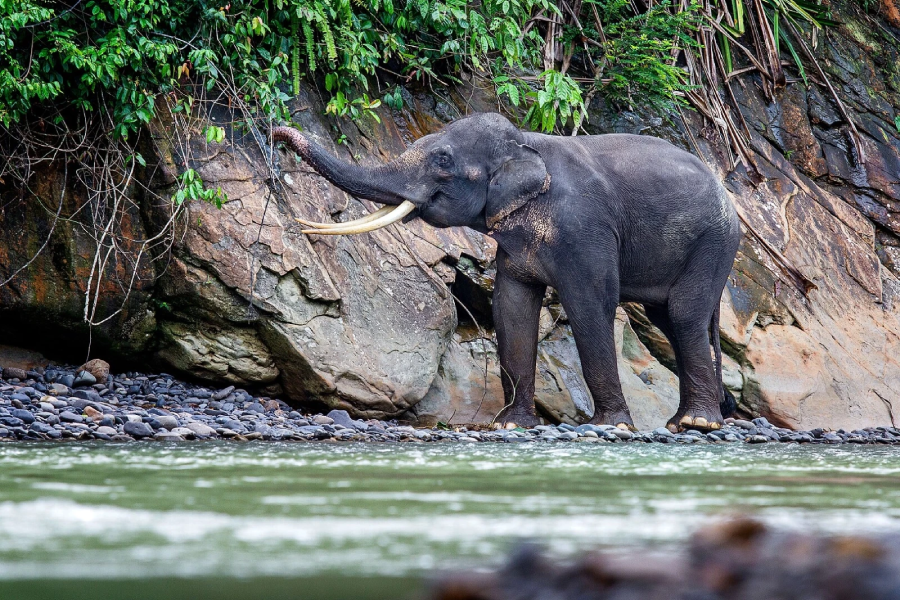
As the smallest of the Asian elephants, these gentle giants are losing their forest homes at an alarming rate to palm oil plantations. They are highly intelligent and have been known to garden the rainforest by dispersing seeds that grow into the next generation of trees. Interestingly, they can communicate using infrasound, low-frequency rumbles that travel through the ground and are felt by other elephants miles away. Without a massive effort to protect their remaining corridors, we could lose the “Engineers of the Forest” within just a few years.
7. The Yangtze Finless Porpoise
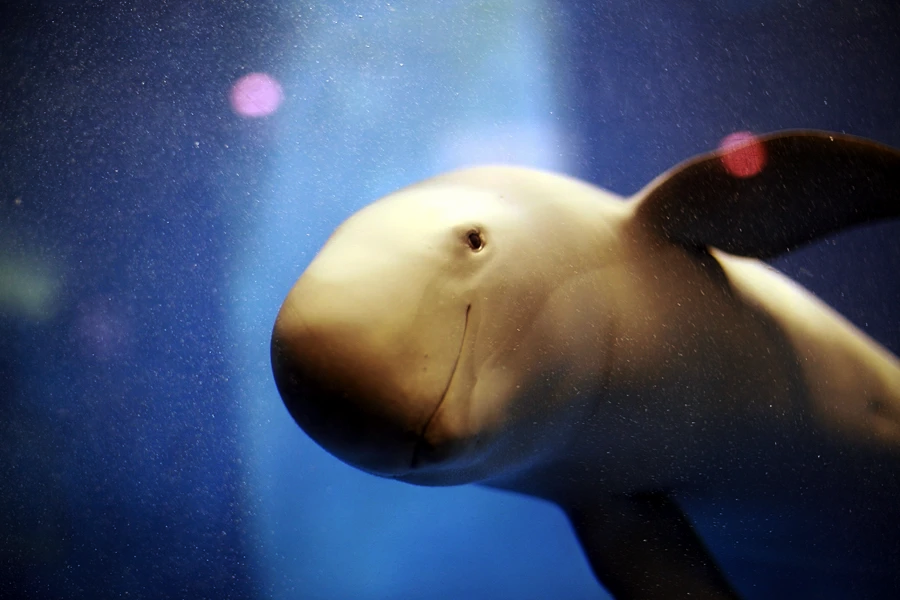
Often called the “Smiling Angel” because of its permanent, sweet expression, this freshwater porpoise is the last of its kind in the Yangtze River. It is famous for its intelligence, which is said to be on par with a gorilla, and its playful nature in the water. Unlike many other porpoises, it completely lacks a dorsal fin, giving it a smooth, sleek look as it surfaces to breathe. The heavy boat traffic and pollution in the river have made its home increasingly dangerous, leaving its future hanging in the balance.
8. The Black-Footed Ferret
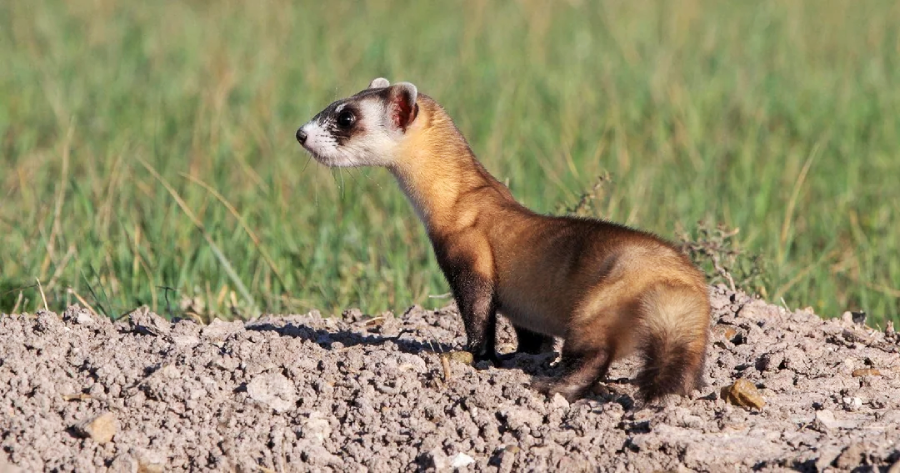
Once thought to be extinct, the Black-Footed Ferret was rediscovered in 1981 thanks to a ranch dog that brought one home. They are the only ferret species native to North America and are incredibly skilled nocturnal hunters, specifically preying on prairie dogs. Their survival is entirely dependent on the health of the prairie dog colonies, which have shrunk significantly due to land development. Seeing one in the wild is a rare treat, as they spend about 90% of their lives in underground burrows.
Sign up for our newsletter
9. The Mountain Gorilla
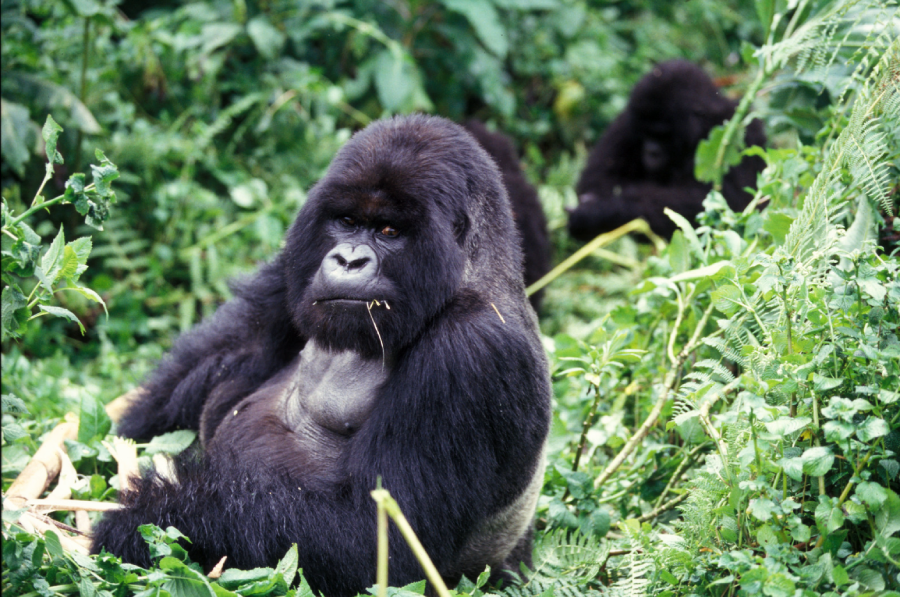
Restricted to two small “islands” of forest in Central Africa, the Mountain Gorilla is a powerful symbol of conservation success, though it remains critically endangered. These animals share about 98% of our DNA and live in tight-knit family groups led by a dominant silverback male. They are surprisingly gentle for their size, spending most of their day munching on bamboo shoots and wild celery. While their numbers have slowly risen to over 1,000, they face constant threats from habitat encroachment and human-borne illnesses.
10. The Philippine Eagle
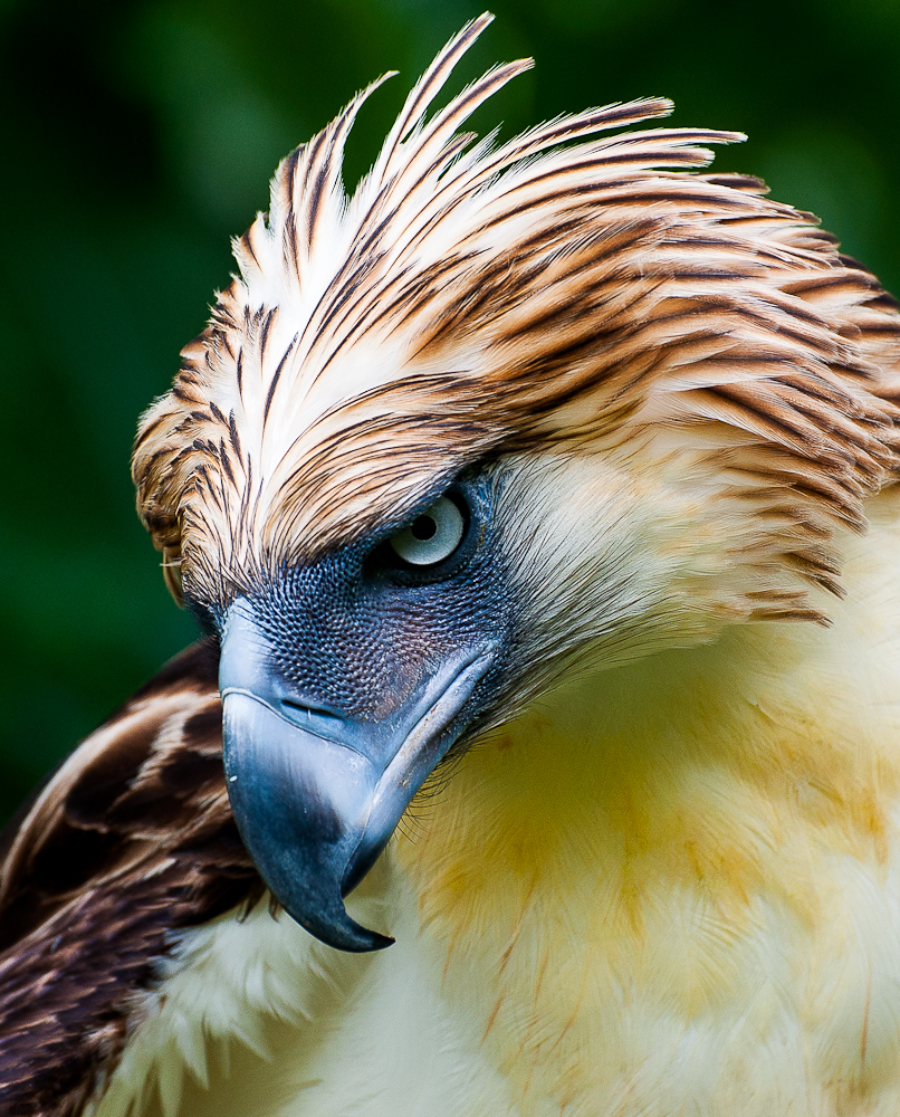
With a massive wingspan and a striking crest of feathers that looks like a lion’s mane, this is the world’s largest eagle in terms of length. It is also known as the monkey-eating eagle, though its diet actually consists of a wide variety of island wildlife, including flying lemurs and snakes. These birds are fiercely loyal and usually mate for life, only laying a single egg every two years. Because they require a huge amount of old-growth forest to hunt, the logging industry in the Philippines has pushed them into tiny, isolated pockets of the jungle.
11. The Sunda Pangolin
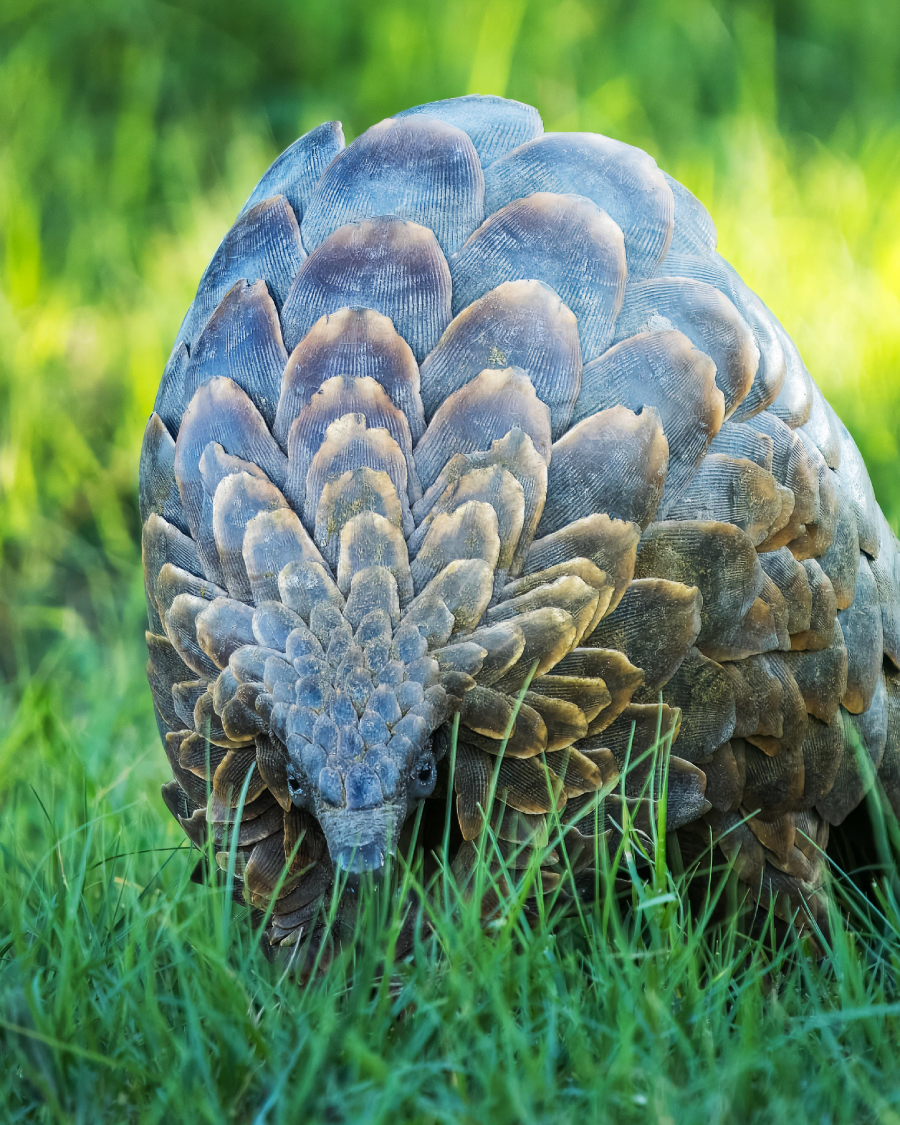
Often described as a walking pinecone, the Pangolin is the only mammal in the world covered in hard, overlapping scales. When threatened, they roll into a tight ball that is nearly impossible for a predator like a lion or tiger to penetrate. Sadly, this defense makes them easy for humans to pick up, and they are currently the most trafficked mammal on the planet. They are the silent heroes of the ecosystem, eating millions of ants and termites each year to keep insect populations in check.
12. The Hawksbill Turtle
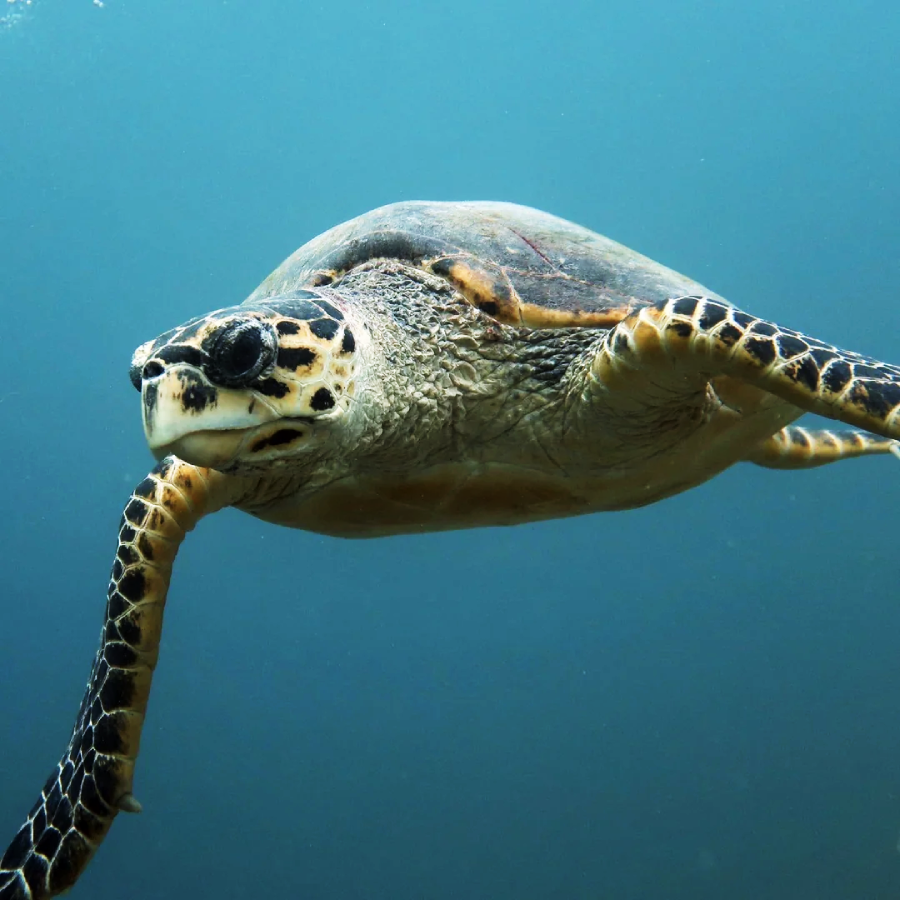
Named for its narrow, pointed beak that looks like a bird of prey, this sea turtle is vital for the health of coral reefs. It is one of the few animals that eat sea sponges, which prevents the sponges from overgrowing and suffocating the coral. Their shells have a beautiful, marbled pattern that has unfortunately made them a target for the illegal tortoiseshell trade for centuries. They travel thousands of miles across the oceans, yet they always return to the exact same beach where they were born to lay their own eggs.
13. The Sumatran Orangutan
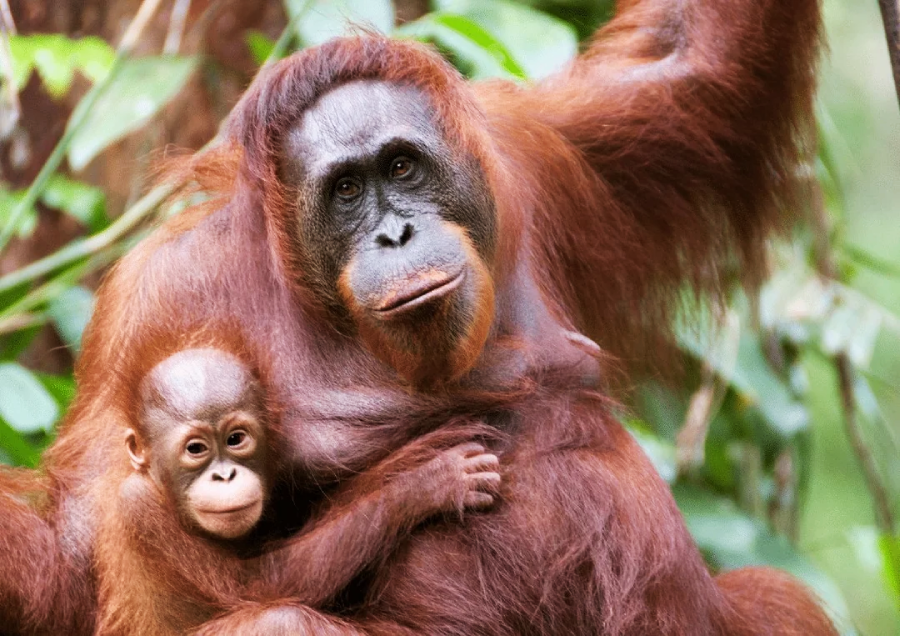
Orangutans are the world’s largest tree-dwelling mammals, and the Sumatran species is known for its particularly long, orange hair and deep social bonds. They are incredibly observant and have been seen using sticks as tools to fish for ants or large leaves as makeshift umbrellas during rainstorms. Young orangutans stay with their mothers for up to eight years, learning the complex map of the forest and which fruits are safe to eat. As their jungle is replaced by farms, these “People of the Forest” are running out of places to climb.
14. The Red Wolf
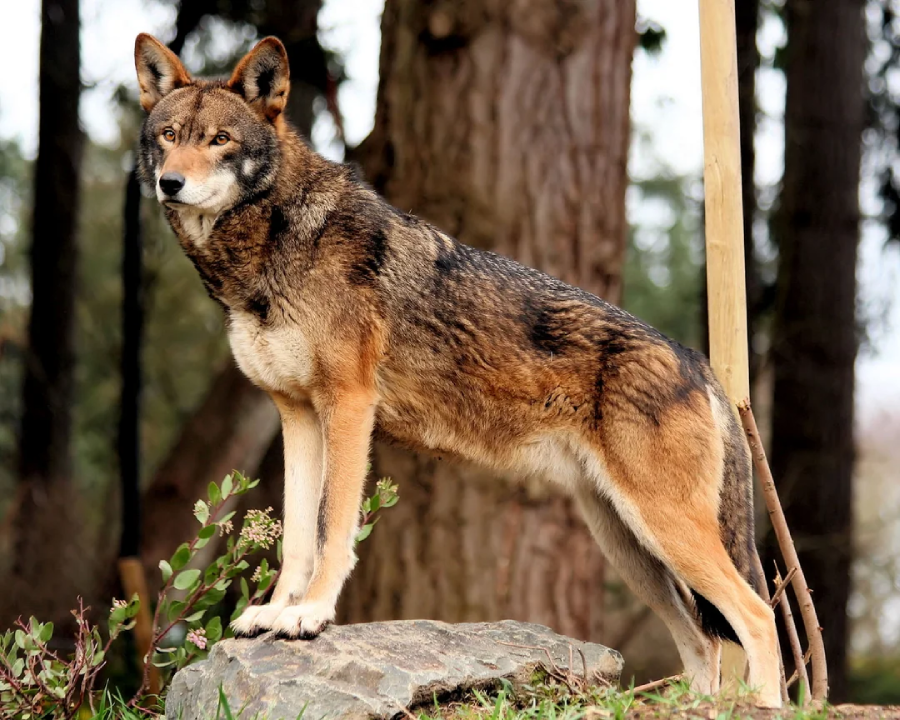
While many people know about Gray Wolves, the Red Wolf is a distinct, smaller species that is native only to the Southeastern United States. They are famous for being incredibly shy and elusive, preferring the thick cover of coastal prairies and forests. By 1980, they were declared extinct in the wild, but a daring captive breeding program allowed a small number to be released back into North Carolina. Today, only a handful of wild individuals remain, making them one of the rarest canines on the entire planet.
15. The Vancouver Island Marmot
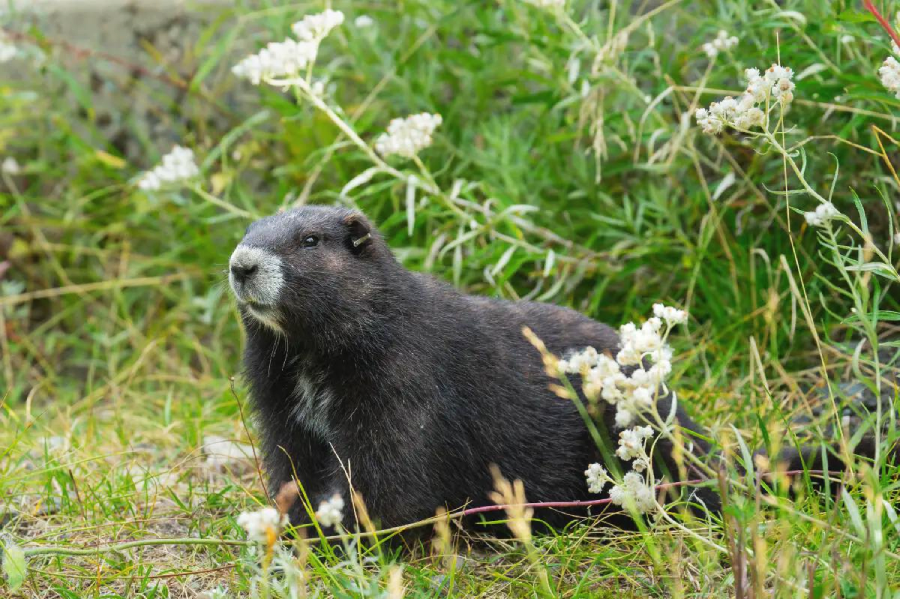
This chocolate-colored ground squirrel is found only on the high mountain peaks of Vancouver Island in Canada. They are true hibernators, sleeping for up to seven months of the year deep inside rocky burrows to survive the harsh alpine winters. They have a very sophisticated “vocabulary” of whistles and chirps used to warn their colony about nearby eagles or wolves. Because they only live in very specific mountain meadows, even slight changes in the local climate can have a disastrous impact on their food supply.
Want more interesting facts about animals?
Protecting these incredible animals is more than just a scientific goal; it’s a moral imperative to preserve the beauty and complexity of our world for future generations. Every species we lose is a chapter of Earth’s history that can never be rewritten. If you were moved by the plight of these rare creatures and are interested in more facts about the animal kingdom, don’t miss these 15 Wild Animals That Mate For Life, or 16 Animals Declared Extinct in the Late 1900s. You can also check out these 15 Real Transparent Animals That Look Completely Unreal.