Throughout the animal kingdom, there are animals that form bonds that last a lifetime, showing loyalty and partnership that can be surprising to people. From birds to mammals, these creatures stick with a single mate, raising their young and navigating life together as a team. Their relationships offer a fascinating glimpse into the natural world and the instincts that guide it.
Each example highlights unique behaviors, devotion, and strategies for survival. This proves that love, partnership, and commitment are not just human traits. Let’s dive into 15 animals that mate for life.
1. Gray Wolves
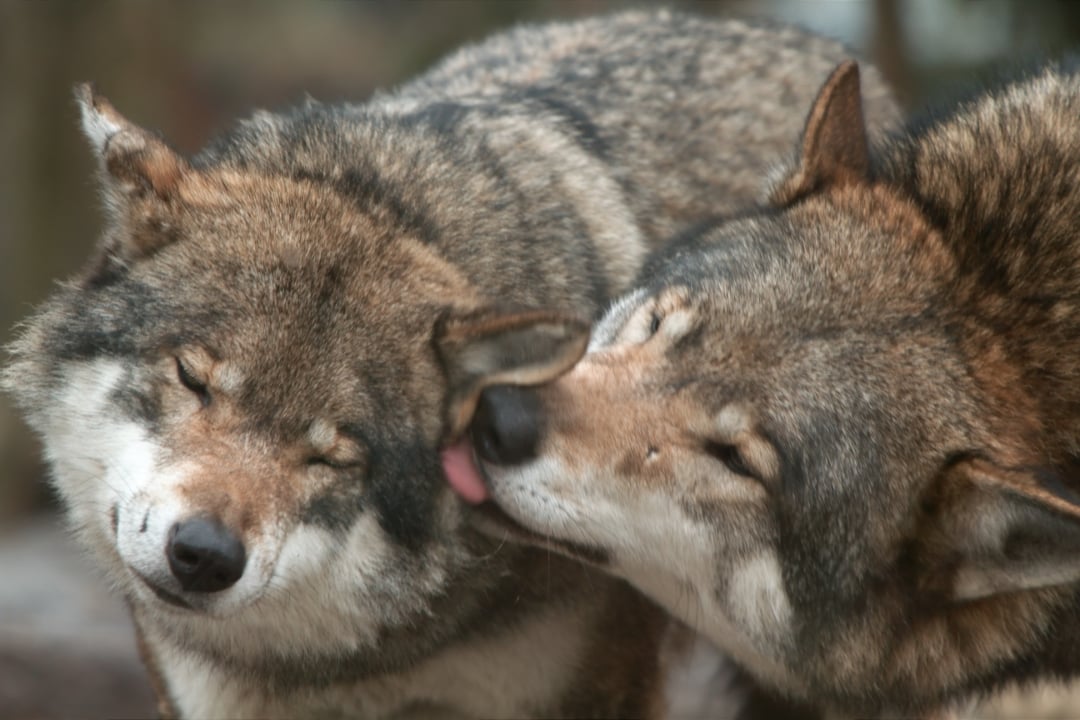
Gray wolves are highly social animals that rely on structured packs to survive. Within the pack, the alpha male and female often form a monogamous pair that mates for life, though partners will be replaced if one dies. This strong bond helps maintain pack cohesion and ensures coordinated hunting. Wolves raise their pups cooperatively, with the entire pack participating in care and protection. Lifelong partnerships are why wolf pups have such a high chance of survival.
2. Beavers
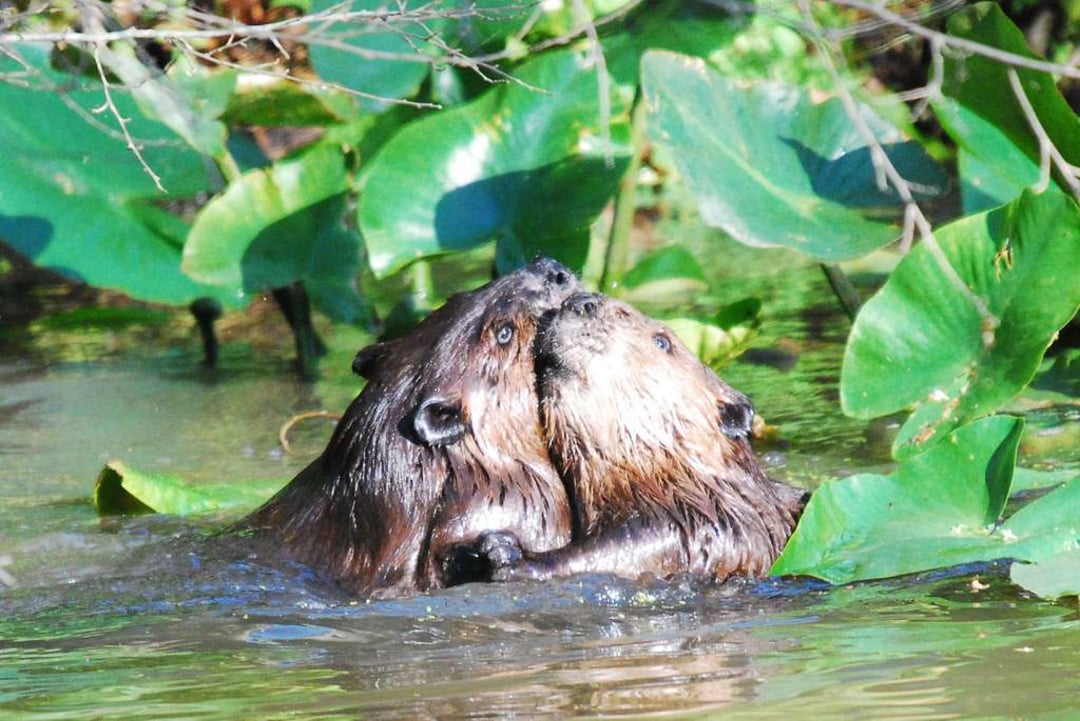
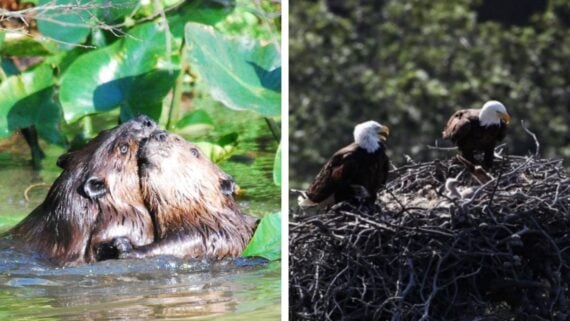
Beavers are iconic for their dam-building skills, and they also have a reputation for long-term monogamous relationships. A bonded pair works together to construct and maintain lodges, which provide safety for their young. Their cooperation extends to gathering food and defending their territory. Beavers often stay with the same partner for decades, a rarity among rodents. The stability of the pair helps ensure the survival of their kids.
3. Bald Eagles
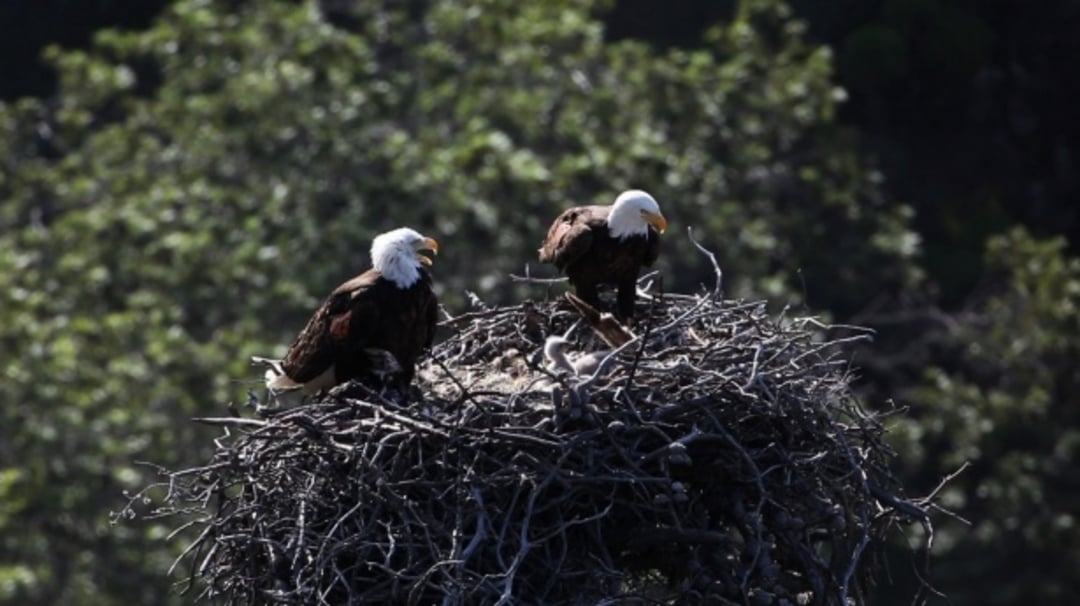
Bald eagles are among the few birds that typically mate for life. Pairs return to the same nest year after year, repairing and expanding it to accommodate growing broods. They coordinate hunting and share responsibilities for incubating eggs. This commitment ensures higher survival rates for their young. Lifelong bonds also stabilize territories, reducing competition with other eagles.
4. Albatross
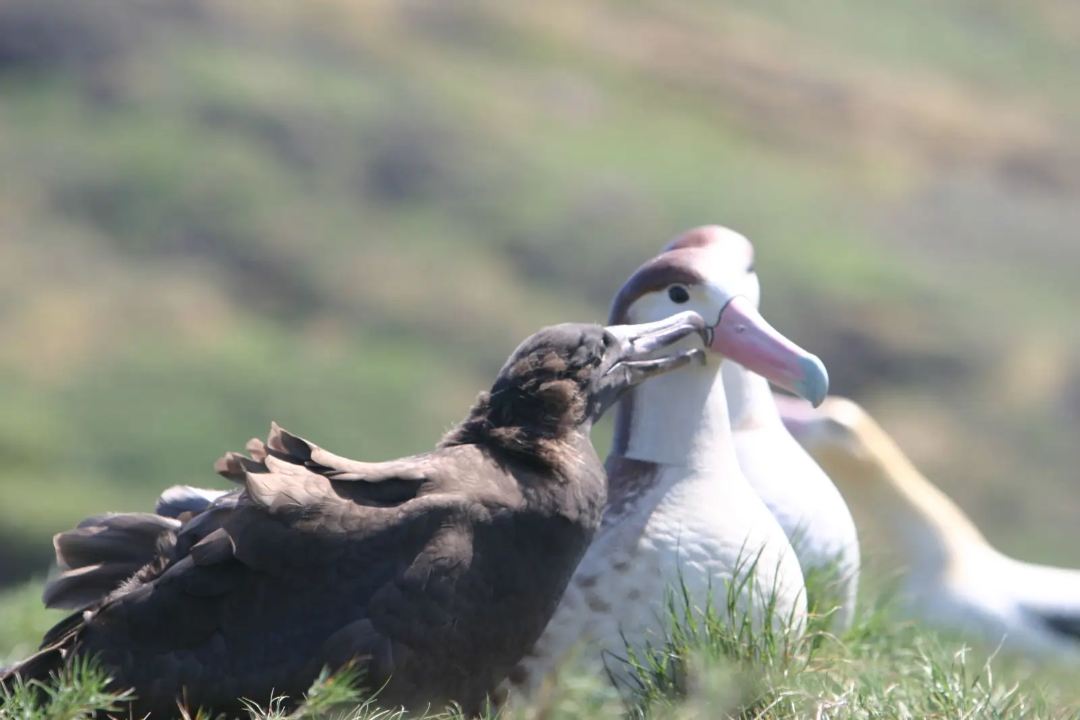
Albatrosses are famous for their extraordinary lifespan and commitment to one partner. They engage in complex courtship dances and return annually to the same nesting site. These seabirds invest heavily in raising a single chick, which can take over a year to fledge. The lifelong bond maximizes reproductive success in a harsh, open-ocean environment. Separation often leads to long and sad periods of search and reunion.
5. Dik-Diks
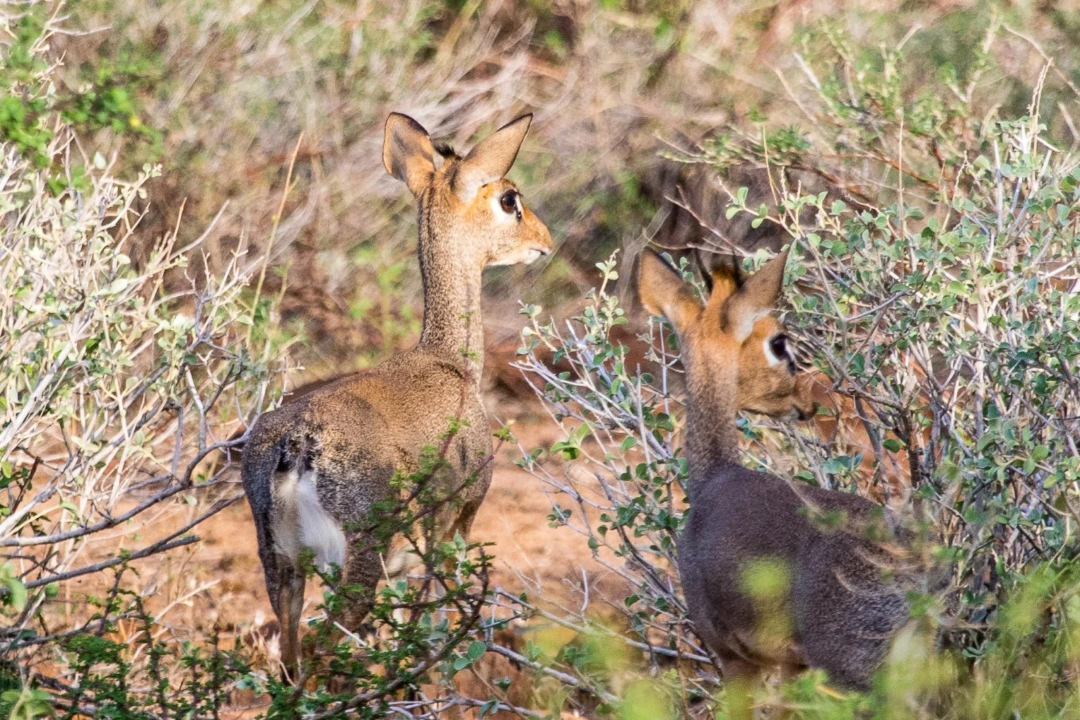
Dik-diks, small African antelopes, form lifelong pairs that defend a shared territory. Their monogamy is unusual among this type of species, but it provides constant vigilance against predators. Pairs communicate constantly with alarm calls and scent marking. The stability of the partnership enhances calf survival and resource access. Their devotion also reduces energy spent on repeated courtship.
Trending on The Scroller

6. Coyotes
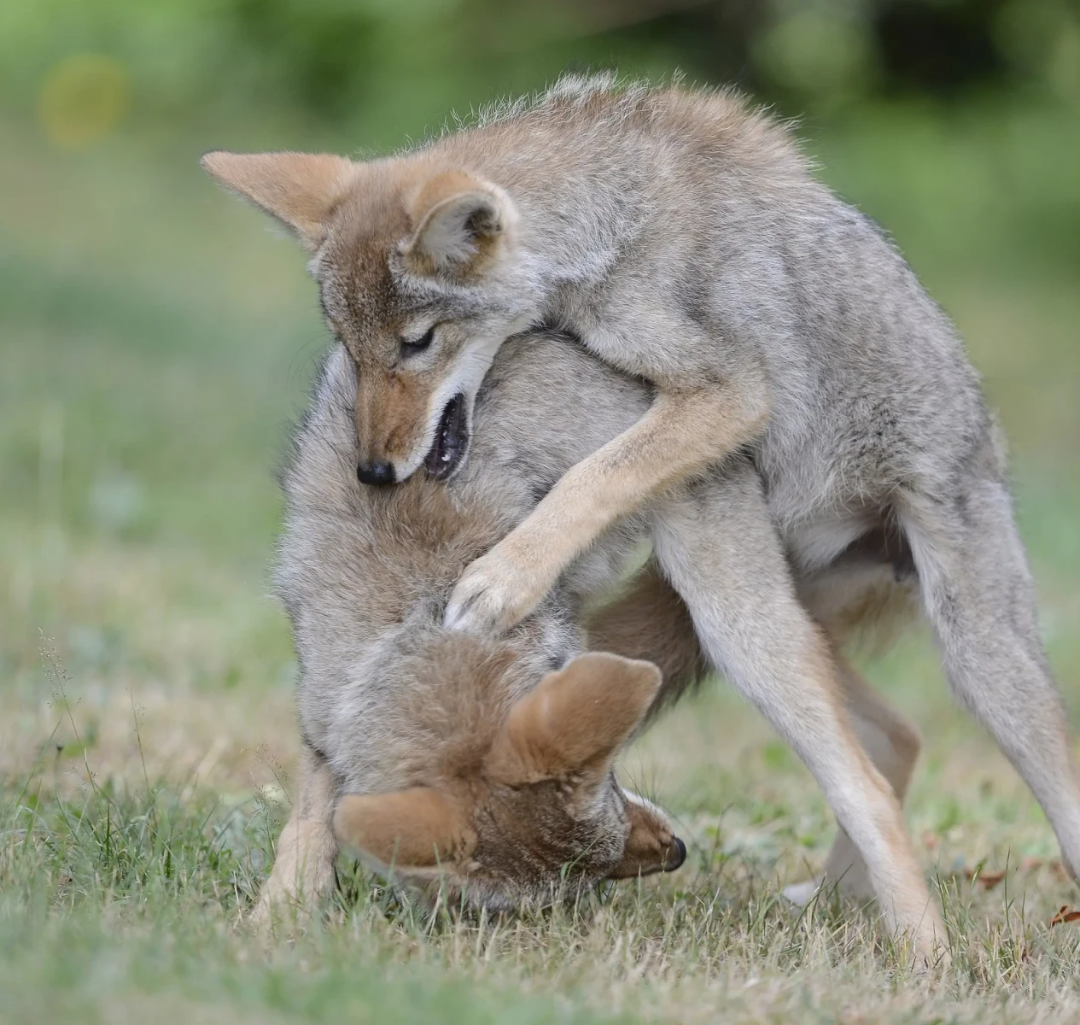
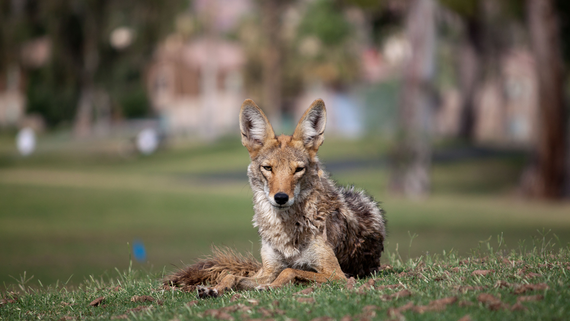
Coyotes often pick one partner and stick with them for years, sometimes for life. A mated pair works together seamlessly and perfectly. They hunt, defend territory, and care for pups as a team. Males are especially attentive fathers, bringing food back to the den and standing guard. Their cooperation gives their young a much better chance of surviving unpredictable environments. This loyalty is one reason coyotes thrive almost everywhere they live.
7. Owl Monkeys
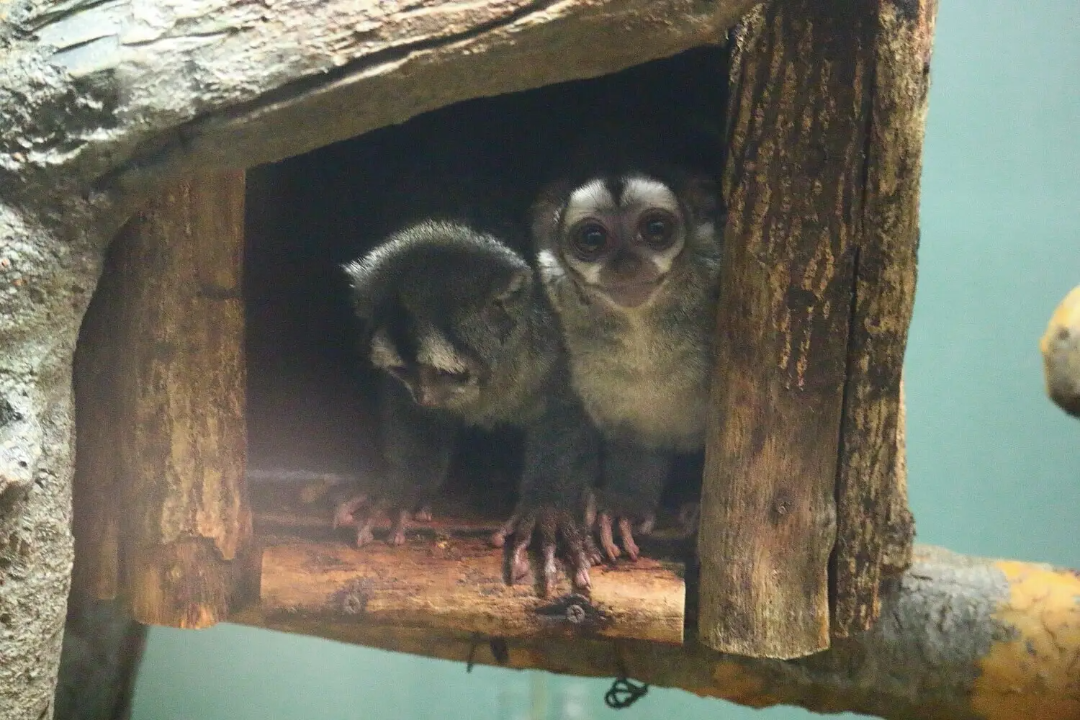
Owl monkeys are among the few primates that exhibit genuine lifelong monogamy. They live in tight little family units, with both parents deeply involved in raising their babies. The fathers often carry the infants, passing them to the mother only for nursing. These close, constant interactions strengthen the pair’s bond over the years. Their devotion is so consistent that scientists often study them to understand pair bonding.
8. California Mice
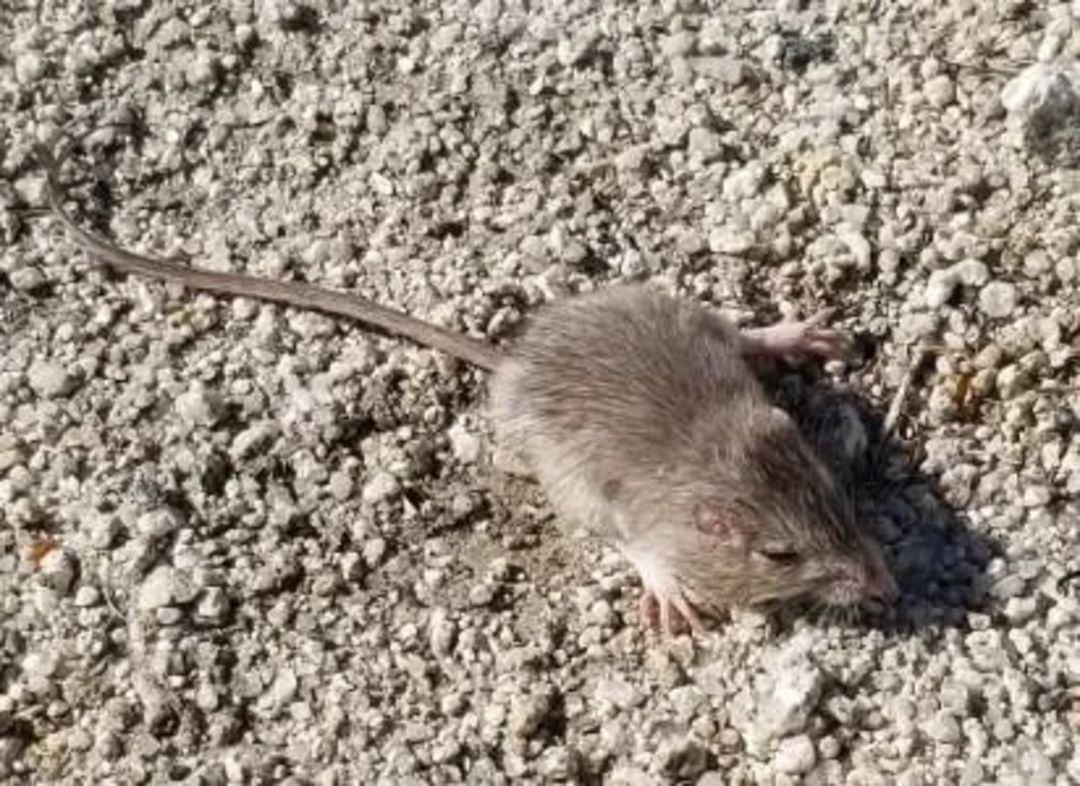
The California mouse forms remarkably steady partnerships, especially compared to most rodents. Once they choose a mate, the two share every aspect of raising their pups. They do things as a team, like nest building, protecting the territory, and even cleaning and warming the young. Their cooperation continues from one breeding season to the next. Because their commitment is so strong, they’re often used as a model species for studying monogamy in mammals. It’s a surprisingly tender animal for its size.
Sign up for our newsletter
9. Prairie Voles
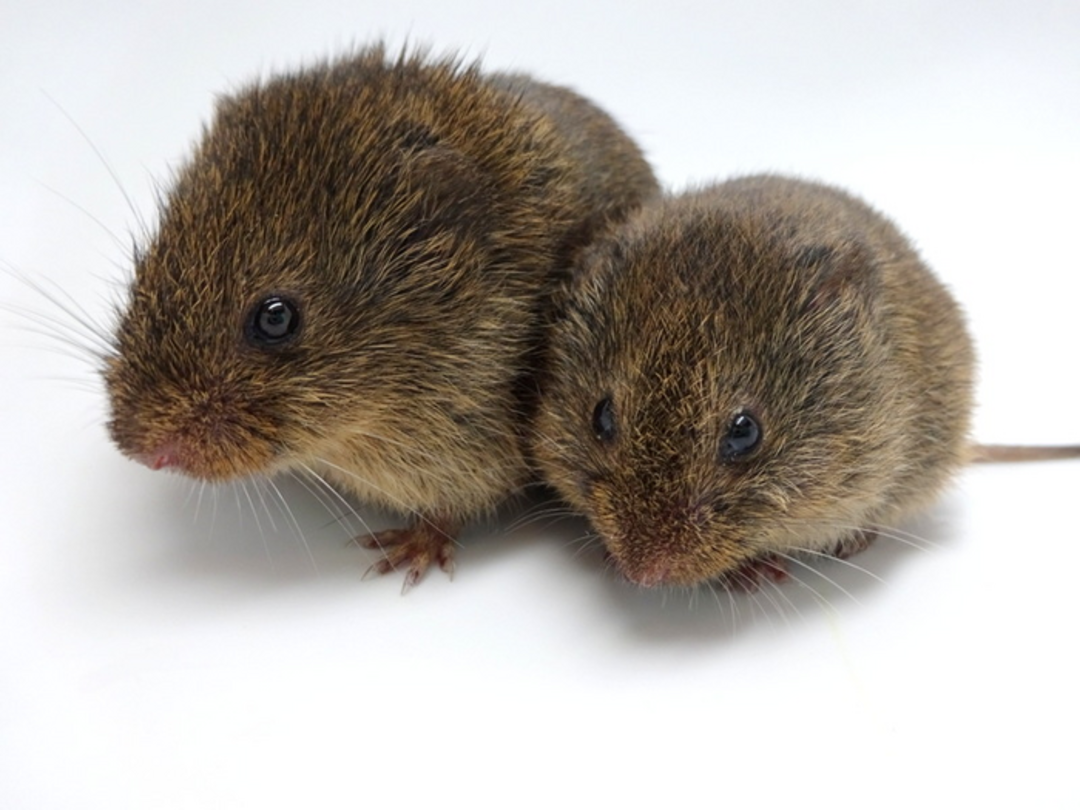
Prairie voles are famous for their deep emotional attachments and lifelong pair bonds. Once two voles bond, they share a nest, raise offspring together, and remain close even outside breeding season. Their devotion is reinforced by brain chemistry that rewards social closeness. Males, in particular, are unusually involved fathers. Few mammals demonstrate such steadfast companionship.
10. Atlantic Puffins
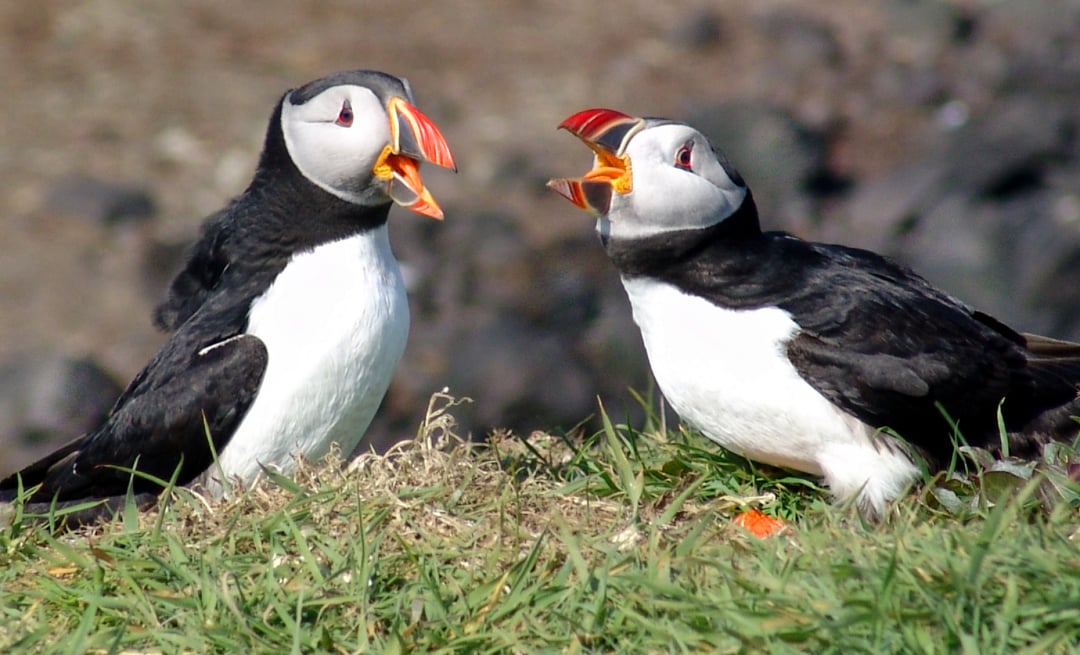
Atlantic puffins usually reunite with the same mate at the same burrow each spring, even after spending months apart at sea. Together, they raise a single chick, splitting feeding duties between fishing trips. This partnership continues year after year, sometimes for decades. Their fidelity is part of what makes them so beloved.
11. Patagonian Mara
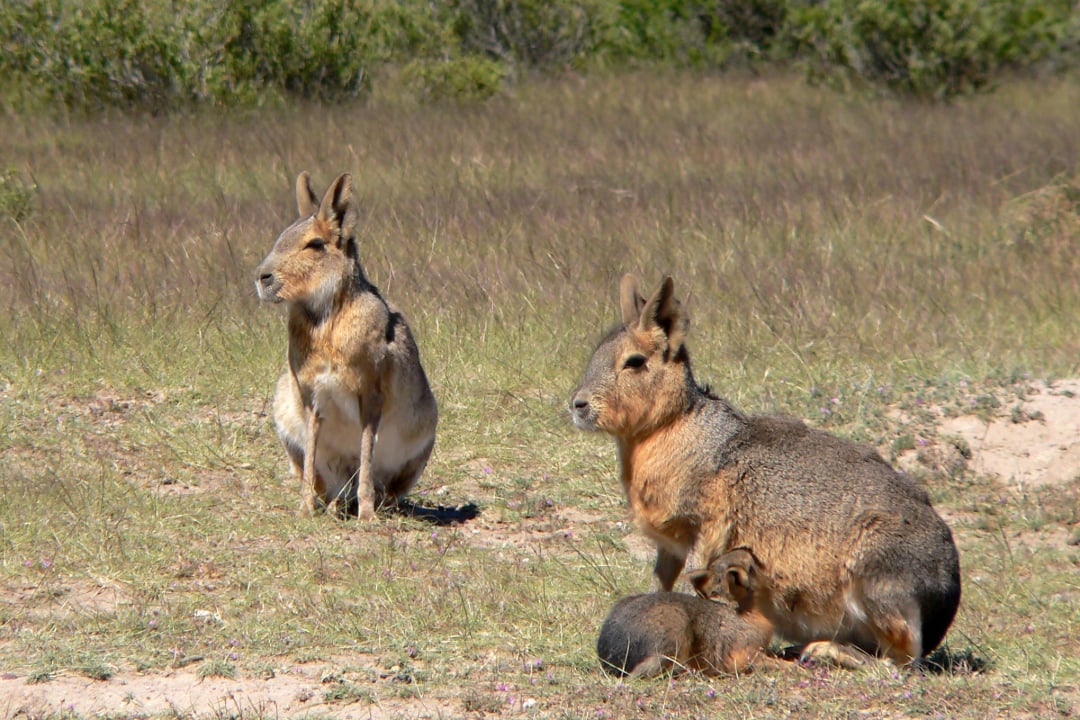
Patagonian maras from Argentina live in committed pairs that last for years. Couples graze side by side and take turns guarding their young. Males follow their partners closely to ensure safety while both parents remain attentive to the pups. Families sometimes raise their young in communal nurseries but the pair remains tightly bonded. Their mix of independence and devotion makes them unique among rodents.
12. Titi Monkeys
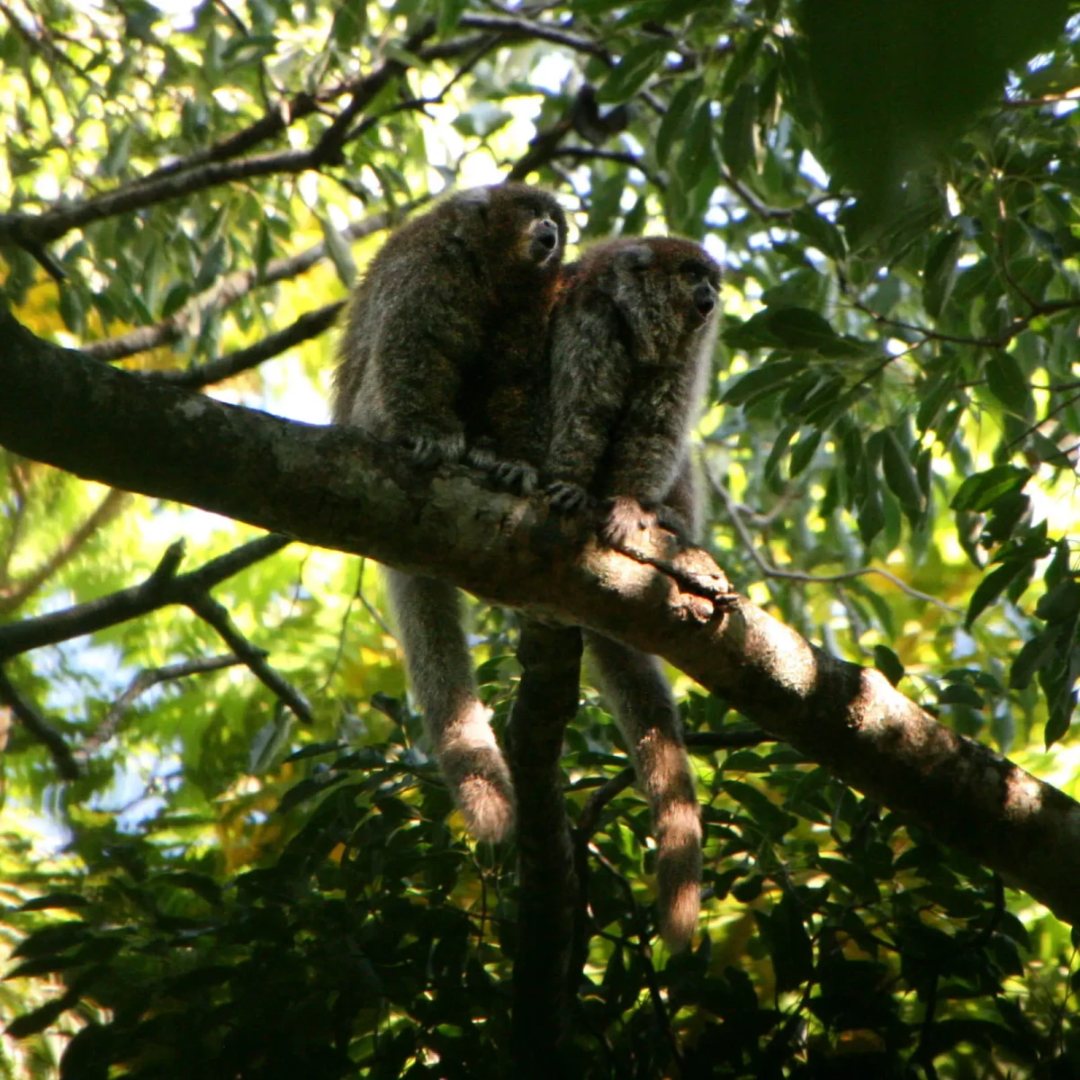
Titi monkeys are one of the most affectionate primates when it comes to lifelong monogamy. Pairs spend much of the day sitting together, intertwining tails, and calling to keep in touch. Fathers carry and protect the infants, handing them to the mother only for nursing. When separated, they show signs of stress, demonstrating the depth of their bond. Once paired, titi monkeys typically remain together for life.
13. Shingleback Skinks
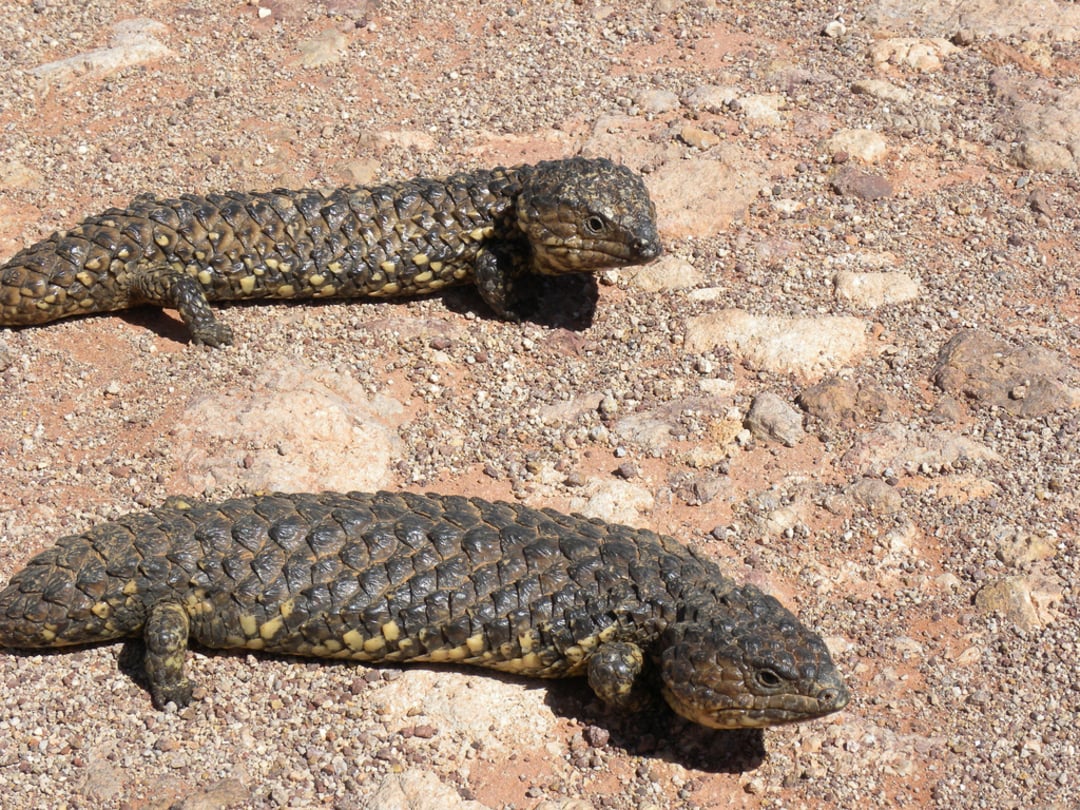
Shingleback skinks are rare among reptiles for forming lifelong monogamous bonds. Pairs reconnect every breeding season with gentle nudges and slow circling displays. They travel together and remain near each other after mating. When one partner dies, the other may stay nearby for days. Their loyalty is legendary among herpetologists.
14. Golden Jackals
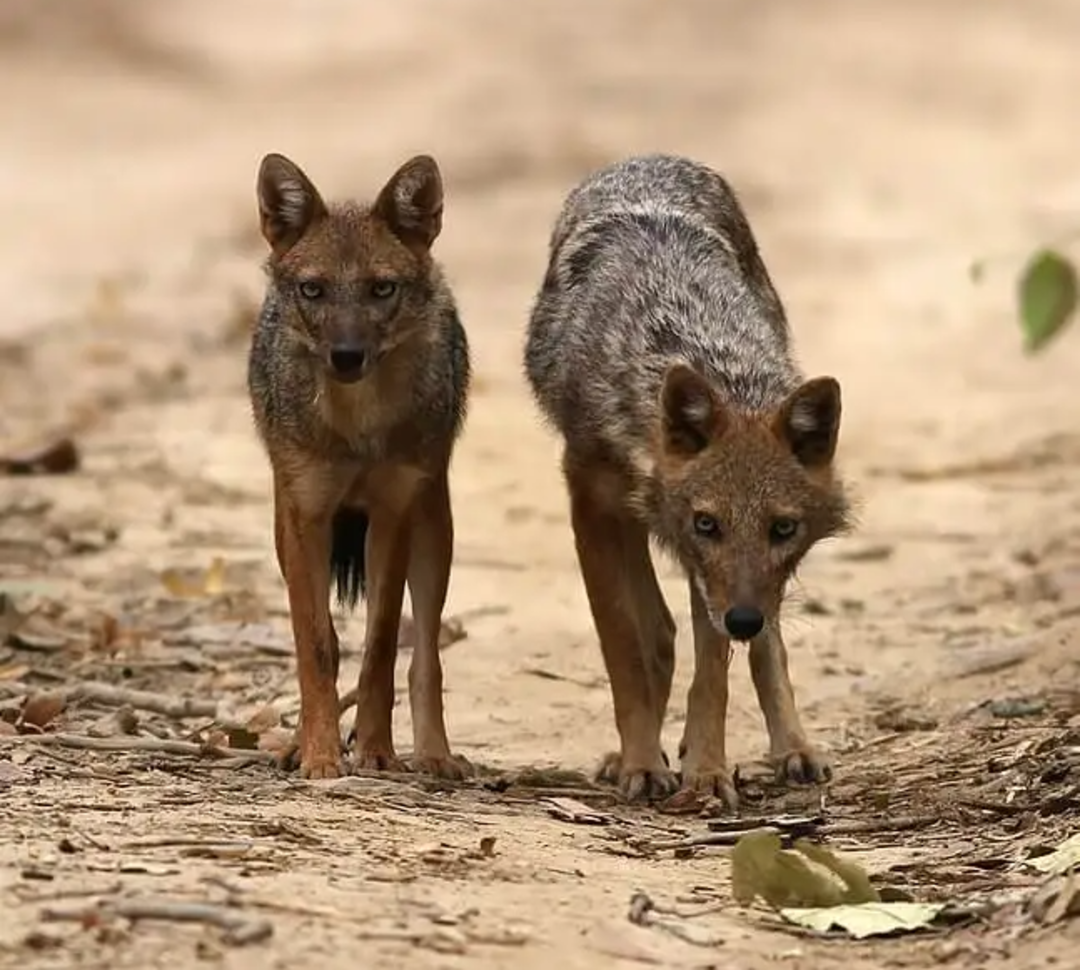
Golden jackals form long-lasting partnerships that focus on cooperation and territory defense. A mated pair hunts together and shares all aspects of pup-rearing, sometimes with help from older offspring. Their territories often remain stable for years because of the pair’s united defense. The success of each litter depends heavily on teamwork, making fidelity the norm. Their family structure is similar to wolves’ but on a smaller scale.
15. Oldfield Mice
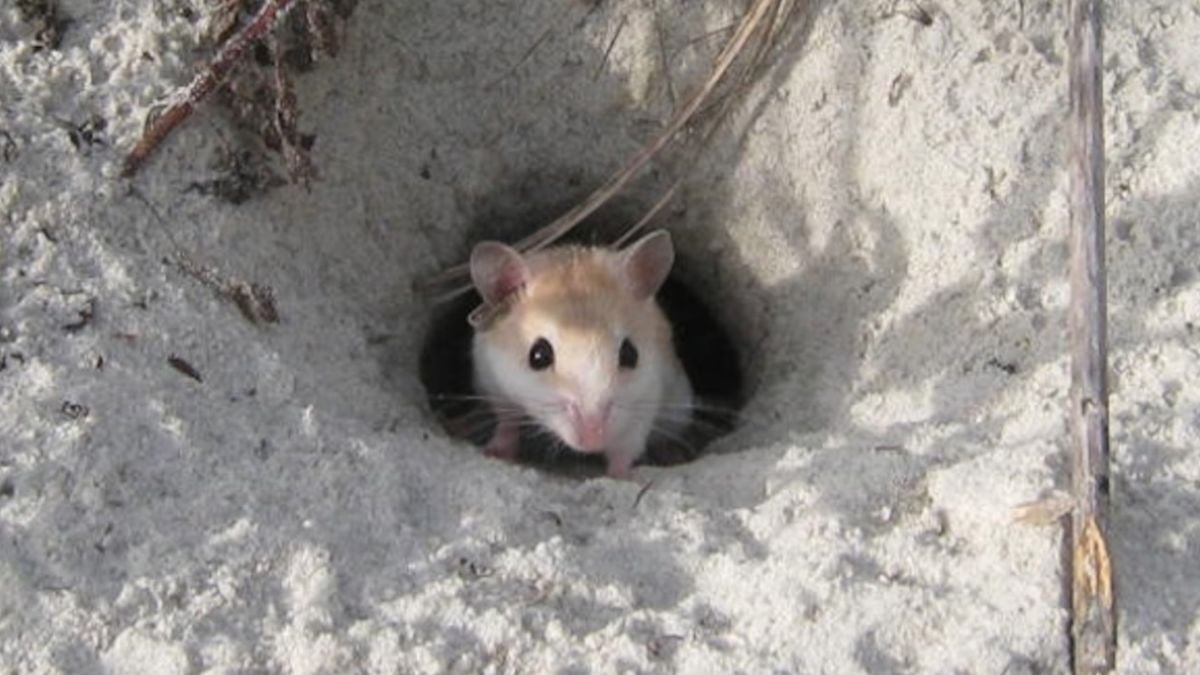
Oldfield mice demonstrate strong evidence of genetic monogamy. Pairs build nests together, raise multiple litters, and remain bonded outside of the breeding season. Males groom their mates, defend the nest, and help keep pups warm. They rarely mate outside the pair, which is rare among rodents. Their devotion has made them a classic model for studying monogamy in mammals.
Want to see more animal content?
Check out 15 Extinct Animals that We Will Never See Again, or take a look at 19 Animals That Look Like Pure Science Fiction Monsters. Finally, if you want to see wild animal behaviors, check out 20 Animal Behaviors That Feel Straight Out of Sci-Fi.