Nature doesn’t just surprise us; it prototypes ideas we’d swear came from a movie. Some animal skills look like planned gadgets: built-in sonar, living bridges, and even tool belts. Others are old lessons in teamwork and problem-solving, passed down long before we put them in textbooks.
This gallery is filled with clear snapshots of behaviors that feel high-tech, but are a 100% wild and real.
1. Octopus toolkits

The veined octopus has been filmed collecting split coconut shells and carrying them across the seafloor like luggage. When trouble shows up, it reassembles the halves as a hard shelter. It’s portable armor and proof of deliberate planning.
2. Archerfish “water guns”

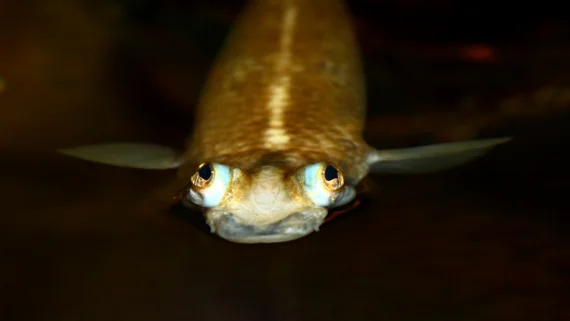
The archerfish knocks insects off branches by spitting a tight jet of water. They correct for light refraction and even learn a better aim by watching others. It’s ballistics, but from a fish.
3. Pistol shrimp shockwaves

A pistol shrimp snaps its oversized claw so fast that it makes a cavitation bubble that collapses with a loud pop. The tiny shockwave can stun any nearby prey. Divers hear the snap like underwater static.
4. Mantis shrimp spring-loaded punches

This little brawler cocks a latch in its limb and throws one of the fastest punches in nature. It also sees polarized and ultraviolet light with a famously complex visual system. Speed and sight make it a reef heavyweight.
5. Mimic octopus changing acts quick

The mimic octopus stretches, stripes, and postures itself to resemble a lionfish, a sea snake, or a flatfish. It chooses the “costume” that best matches the threat. Camouflage becomes theater, and it often works.
Trending on The Scroller
6. Cuttlefish instant camouflage and secret signals

Cuttlefish change color and texture in a blink using skin cells called chromatophores. While they blend into rocks or sand, they can also flash polarized patterns that other animals don’t notice. It’s stealth outside, and messaging on the inside.
7. Dolphins with sponges

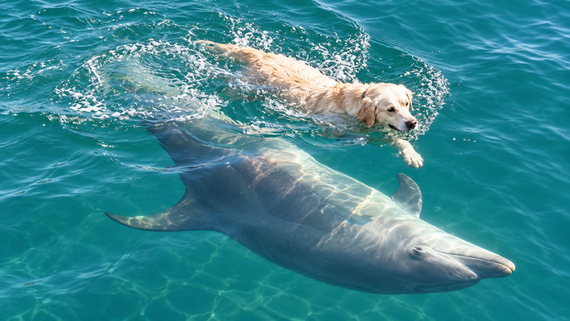
In Shark Baby, bottlenose dolphins wear sea sponges on their snouts while rooting in gritty seafloor for hidden fish. The sponge is a glove and a shield, and moms teach it to calves. It’s a culture, not just a trick.
8. Humpback whales’ bubble-net feeding

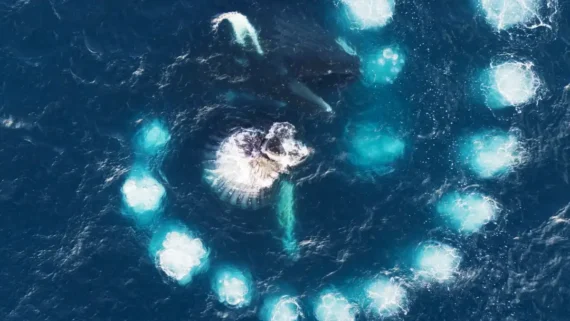
Groups of humpbacks blow a rising spiral of bubbles to corral baitfish into a tight column. Then everyone surges up through the “net” with their mouths open. One whale often gives a low call that lines up the team.
Sign up for our newsletter
9. Orcas that beach on purpose

Some orca pods train youngsters to slide partway onto the shore to grab fast seals, then wriggle back with the next wave. In other places, pods team up to make waves that wash seals off ice. It’s risky, tough, and very coordinated
10. Elephants talking through the ground

Elephants send low rumbles that travel long distances through the soil. Herds read those vibrations with their sensitive feet and trunks, then move together. They also gather around bones and fallen family members in ways that suggest social memory.
11. Honeybee’s “waggle dance” navigation system

Foragers return to the hive and dance a figure-eight to tell others where the good patch is. The angle and length of the waggle encode direction and distance relative to the sun. Bees even adjust for the sun’s movement during the day.
12. Leafcutter ants: farmers with fungus

Leafcutters carry green confetti home, not to eat but to feed a special fungus. The colony gardens that crop, tends it with “antibiotic” microbes, and assigns castes to the work. It’s agriculture in miniature.
13. Army ants that build living bridges

When a gap appears, army ants hook themselves together to make a bridge that other workers can cross. The structure shifts as traffic changes, so the colony keeps moving. It’s like a construction crew made of the crew itself.
14. Bowerbird’s architecture and optical tricks

Male bowerbirds build elaborate display huts and arrange pebbles, shells, and berries by size. Some even create forced-perspective illusions to look bigger. If a rival steals the decorations, the interior-designer war is on.
15. New Caledonian crows that make hooks

These crows craft hooks from twigs or leaves to pull grubs from holes. Young birds learn by watching, and the tools get reused and improved. It’s not just tool use; it’s a tradition.
16. Sea otters that carry a favorite rock

Otters float on their backs and crack shells on a smooth “anvil” stone they sometimes stash under an arm. They also raft together and hold paws so they don’t drift apart. A tidy toolkit and a tidy family life.
17. Beavers reshaping rivers

Beavers dam streams with logs and mud to slow water, building ponds that protect their lodges. The new wetlands invite birds, fish, and frogs back in. The sound of trickling water can even trigger more building.
18. Greater honeyguides that lead humans to honey

In parts of Africa, these wild birds call to people and guide them to bee nests. Humans break open the hive; birds feast on wax and scraps. It’s a cross-species deal with call-and-response “codes”.
19. Electric fish that “see” with electricity

Weakly electric fish like the elephantnose send gentle pulses and read the returning distortions to sense the world. It works in dark, muddy water where vision fails. They also change their signals to avoid jamming each other.
20. Fireflies that synchronize

In certain forests, thousands of males flash in waves that rise and fall together. Synchrony helps females find the right partner in a crowded night sky. Entire riverbanks pulse like a living marquee.
Want more fun facts?
These animal behaviors feel like field notes from another world. If you’re in the mood for more wild wonders, keep scrolling through these 20 Animal Facts That Prove Our World Is More Mysterious Than We Thought, or these 20 Wacky Hybrid Animals People Created on the Internet. You can also take a look at these 18 Exotic Animals Celebrities Actually Had as Pets.