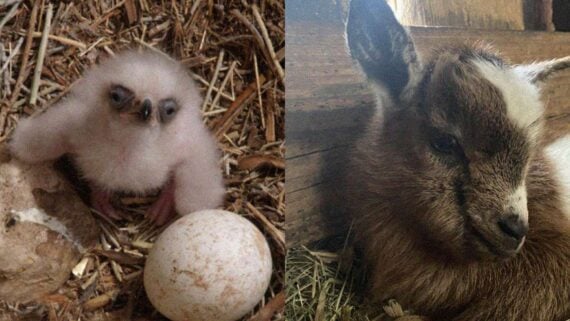
Animals are fascinating, but baby animals take that fascination to a whole new level. They’re not only incredibly interesting, but also irresistibly cute, well, most of the time. The circle of life is something every living being on this planet experiences. We are born, we live, and eventually, we leave this world. And while every stage matters, there’s something truly special about the beginning. Birth is an incredible process, sometimes even shocking, because of how mysterious and powerful it can be.
The result of that process is new life, babies that often look nothing like what they’ll eventually become. Change is a natural part of life. We’re constantly evolving, and our bodies change along the way. The animal kingdom works the same way, but often in even more surprising ways. Baby animals can look completely different from their adult forms, sometimes so much that it’s hard to believe they’re the same species. So let’s dive into the world of nature and explore just how dramatic these transformations can be, from baby animals to the creatures we all recognize.
1. Panda
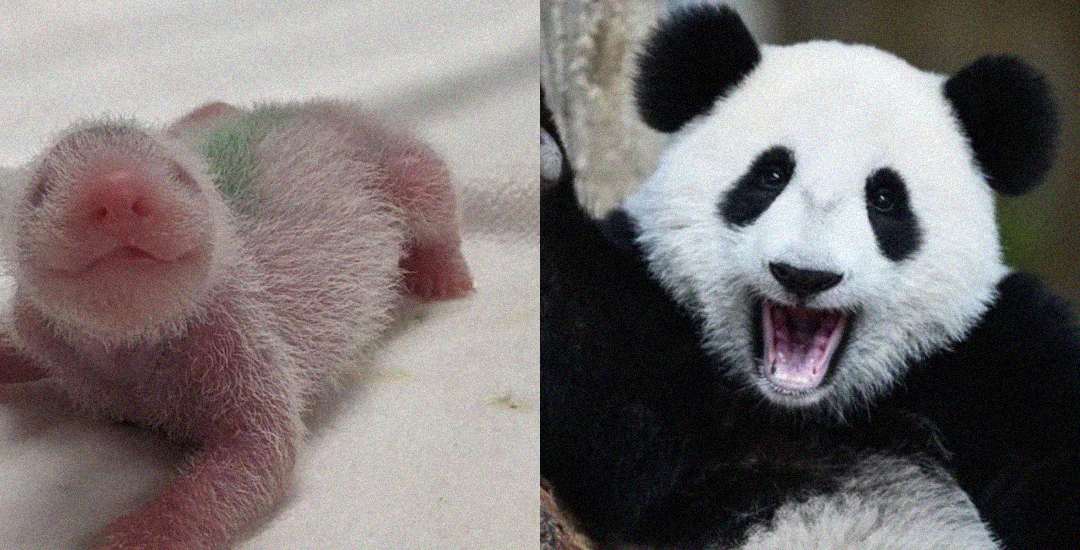
They are born tiny, pink, and almost hairless, nothing like the fluffy black-and-white animal we all know and adore.
2. Frog
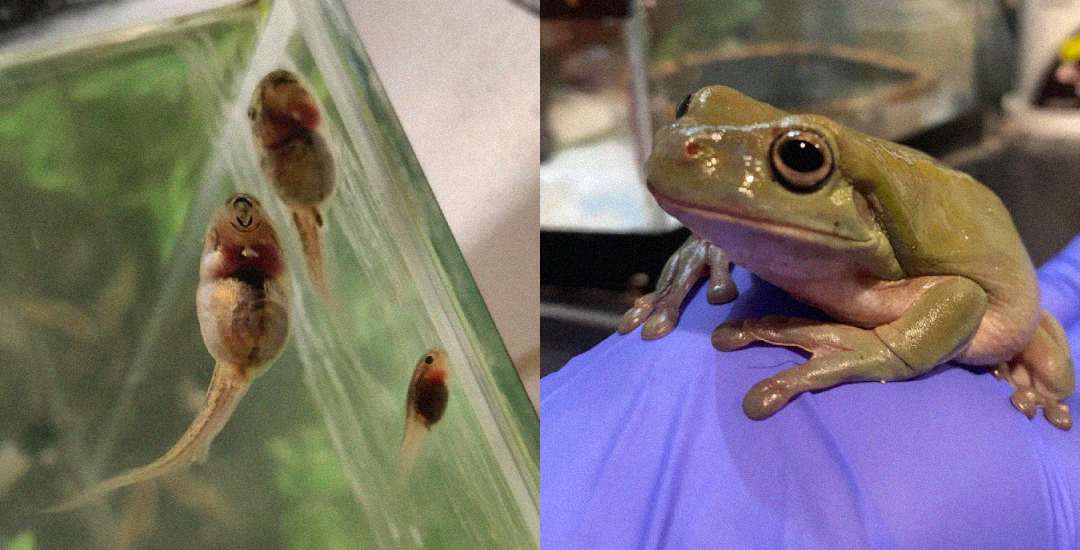
They start life as tadpoles, basically tiny fish with tails, before transforming completely. Every kid’s first shock when they realize those “fish” are actually future frogs.
3. Swan
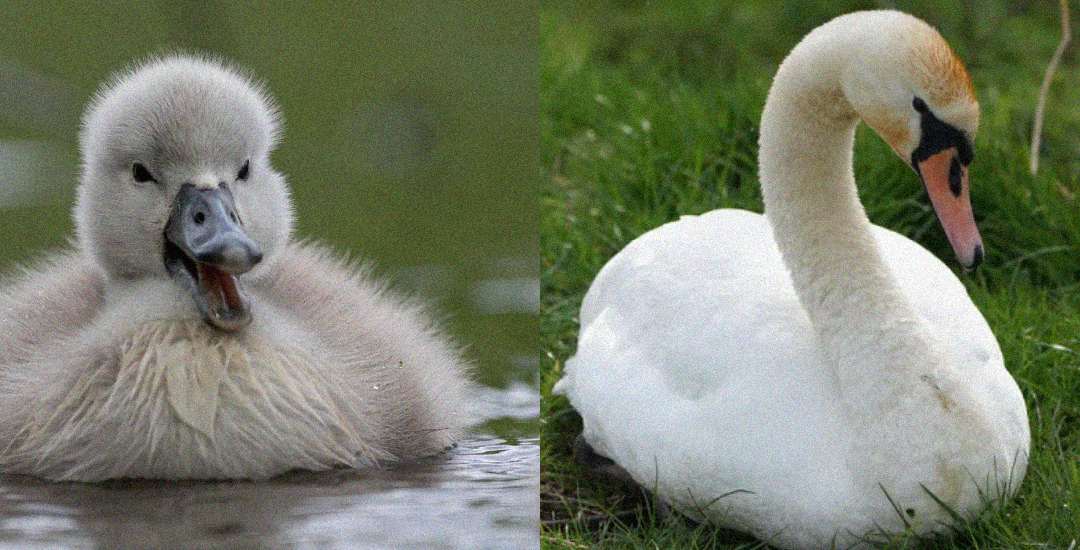
Gray and scruffy as babies, they later become some of the most elegant white birds. The “ugly duckling” story suddenly makes a lot more sense.
4. Tapir
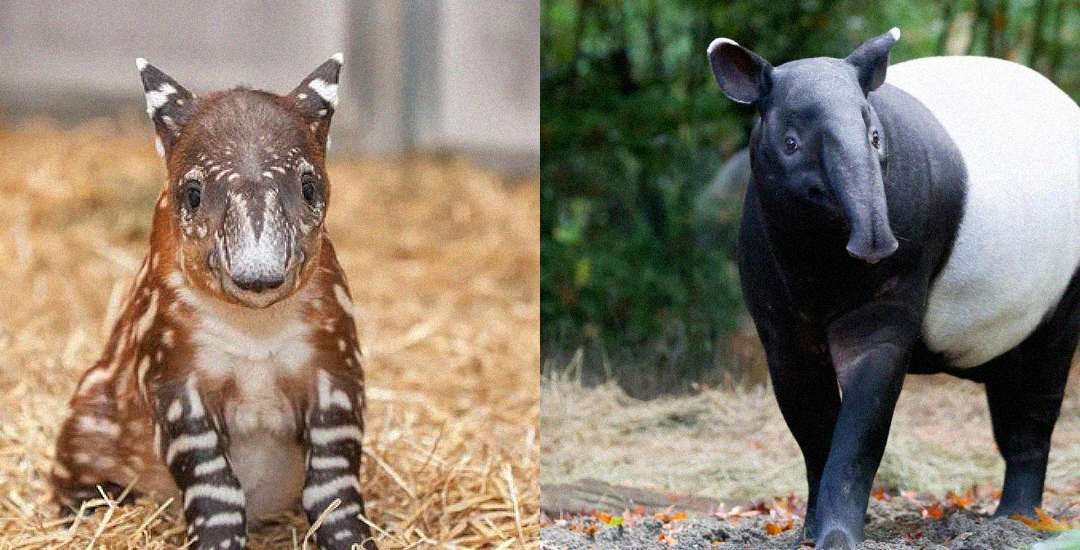
Covered in stripes and spots as babies, like a mini watermelon, but adults lose the pattern and turn solid-colored.
5. Peacock
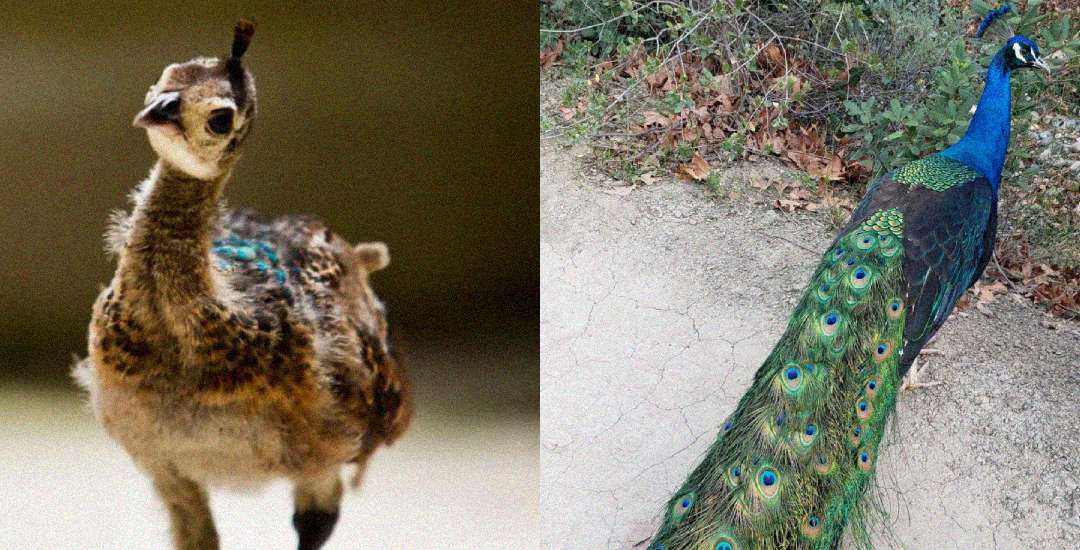
Baby peacocks are dull brown and understated, with no sign of the dramatic feathers to come, especially in males.
Trending on The Scroller

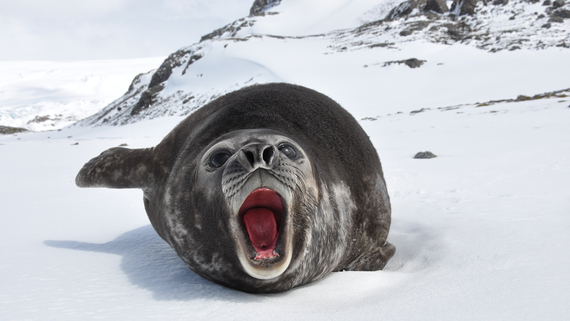
6. Seal
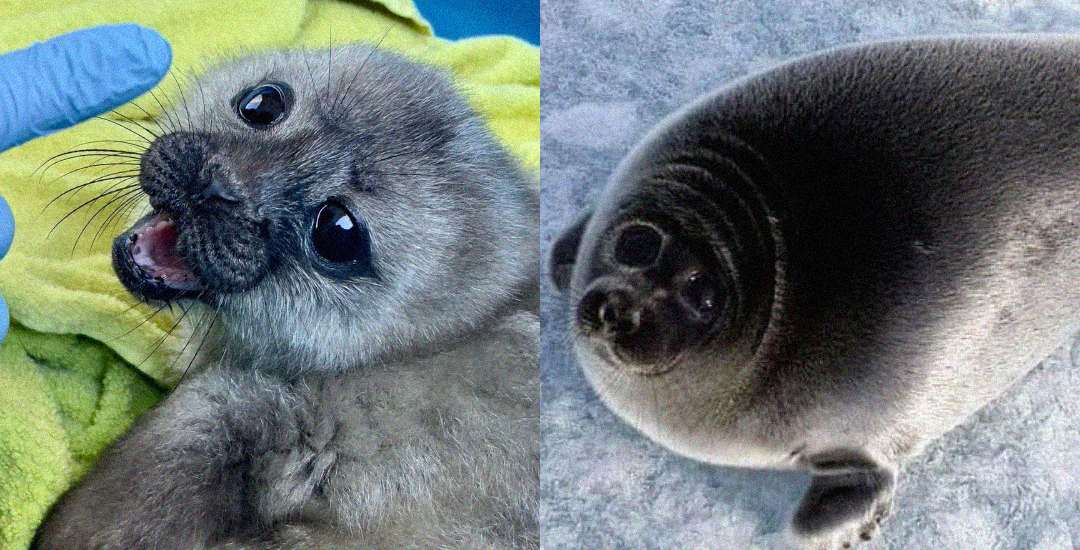
Fluffy and white at birth, they later shed their coat for sleek, darker skin. The colors change completely, but the cuteness stays.
7. Emperor Penguin
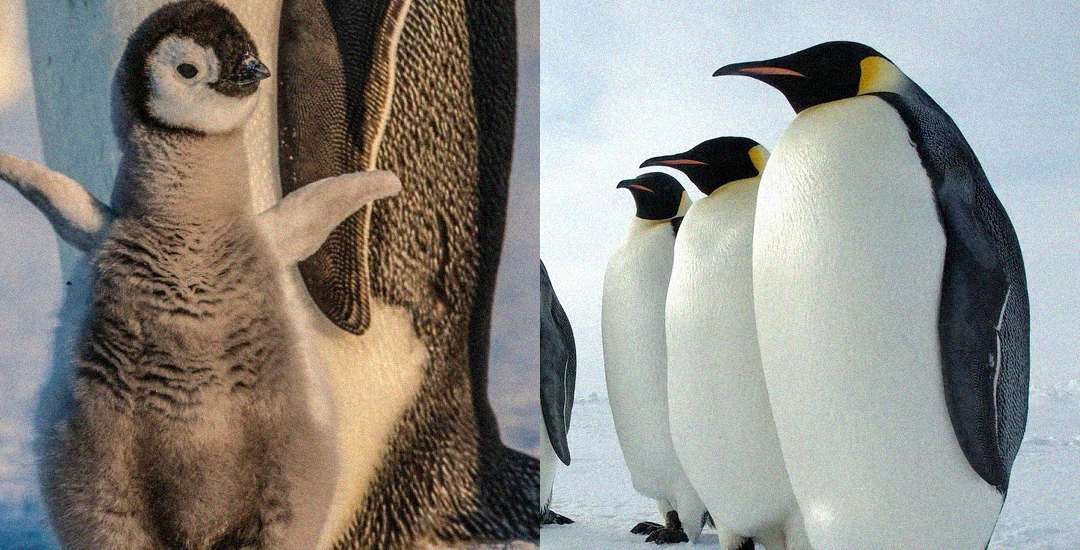
Soft gray fluff as chicks, eventually turning into sharply dressed black-and-white adults straight out of a nature documentary.
8. Flamingo
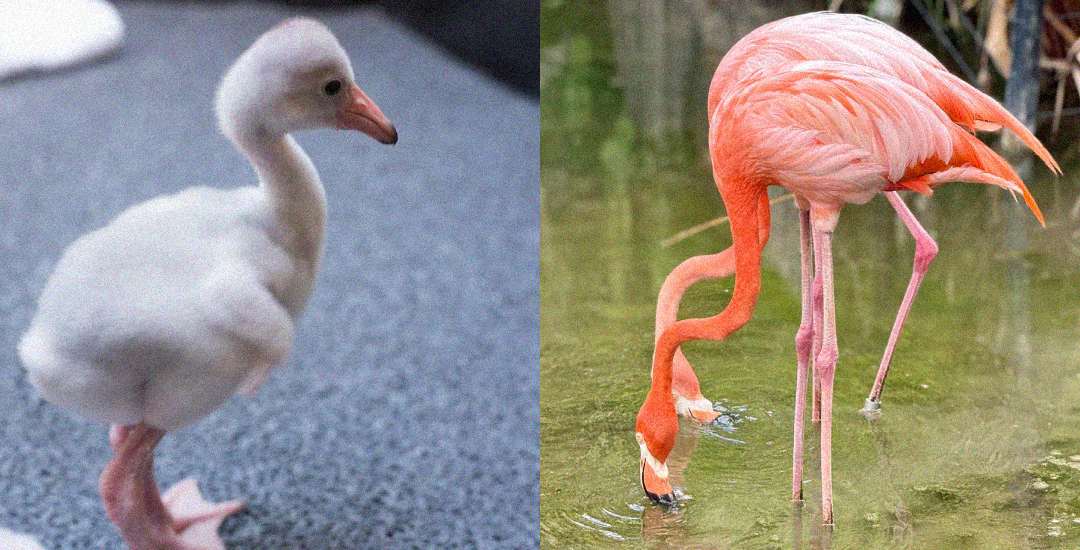
These baby animals are born gray or white, they only turn pink later because of their diet.
Sign up for our newsletter
9. Deer
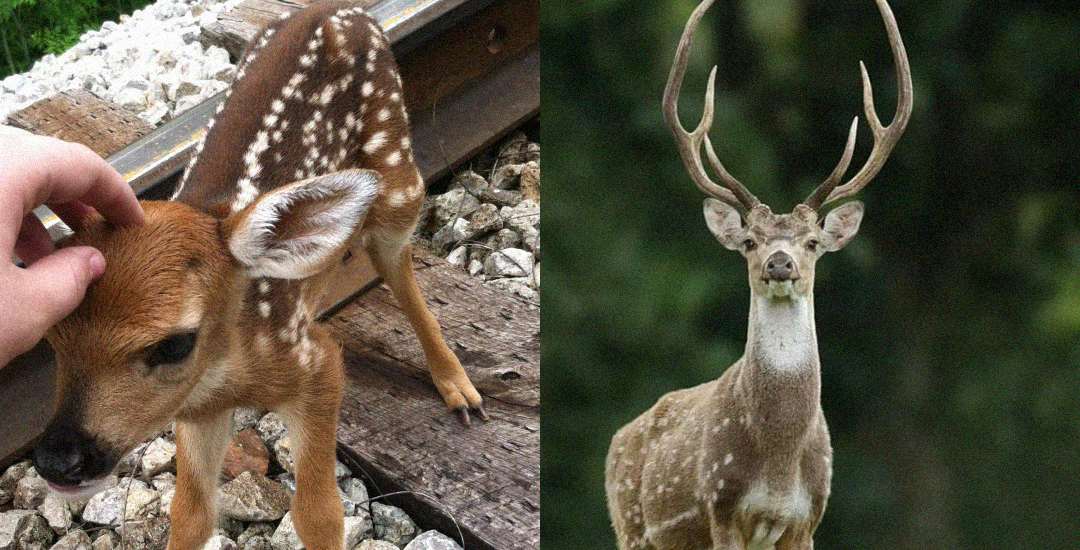
Spotted and delicate as fawns, but those markings gradually disappear as they grow.
10. Hedgehog
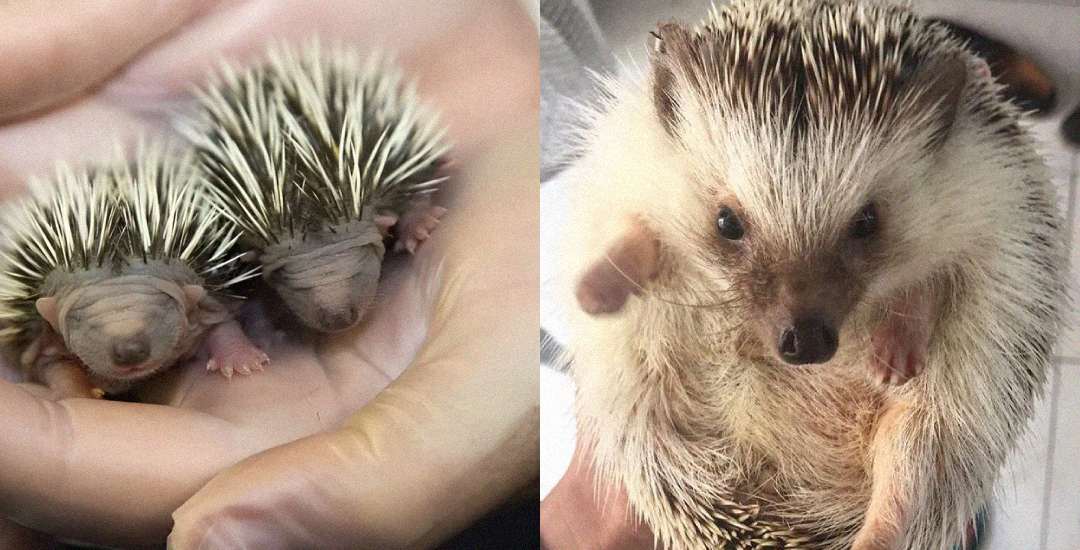
Born with soft quills hidden under their skin, which emerge shortly after birth, nature’s built-in protection system.
11. Cassowary
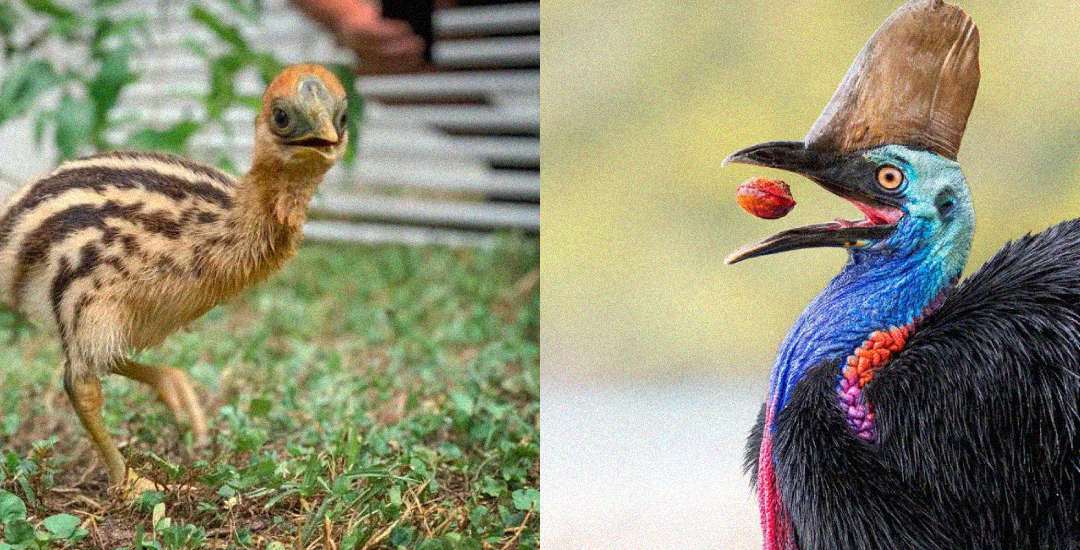
Striped and tiny as chicks, but grow into massive, helmeted birds that look like something out of a prehistoric era.
12. Eel
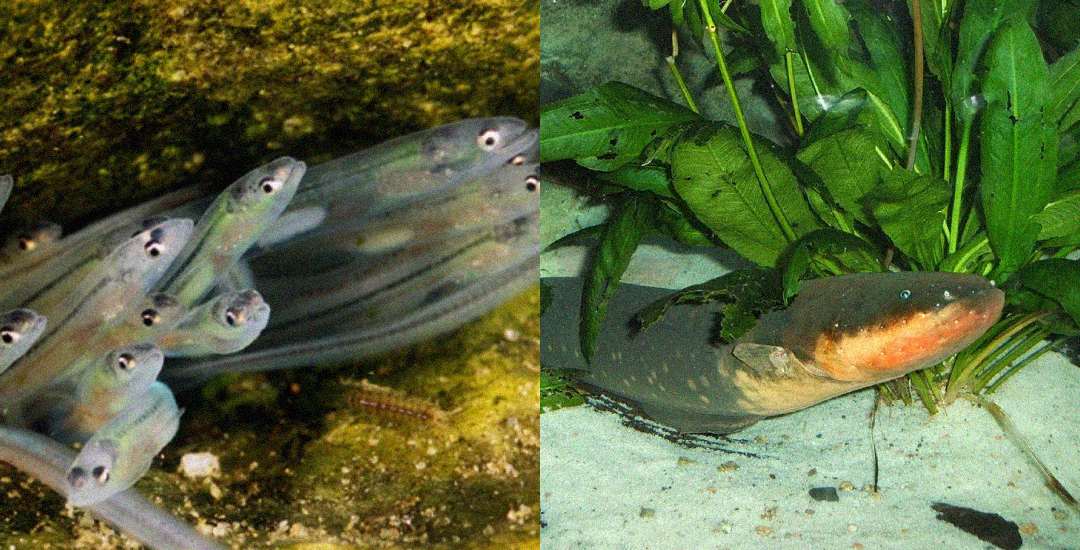
They start out as transparent, leaf-like larvae drifting in the ocean. The transformation into adult eels feels almost unreal.
13. Butterfly
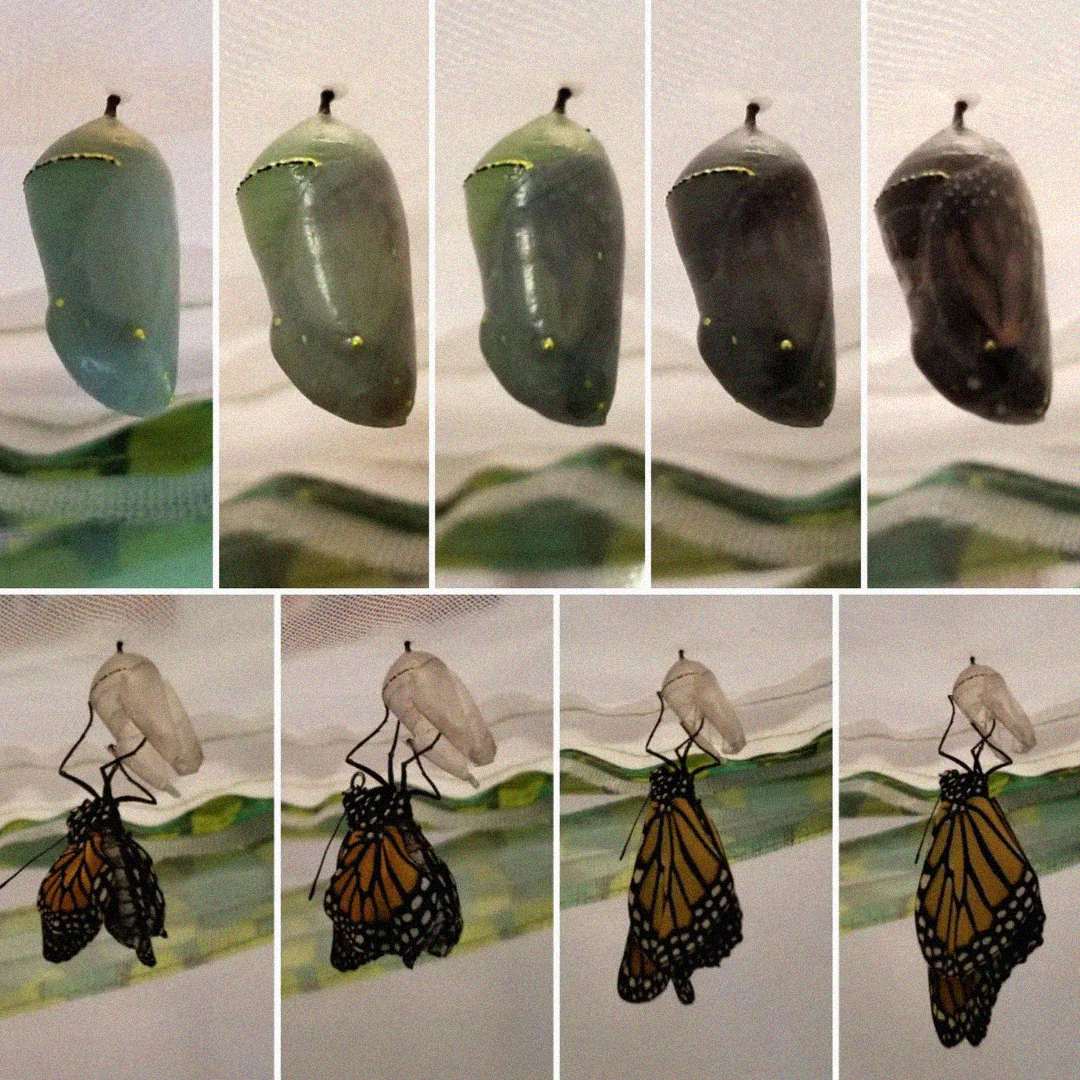
Caterpillars look nothing like the winged insects they become. One of the most fascinating transformations in the entire animal kingdom.
14. Goat
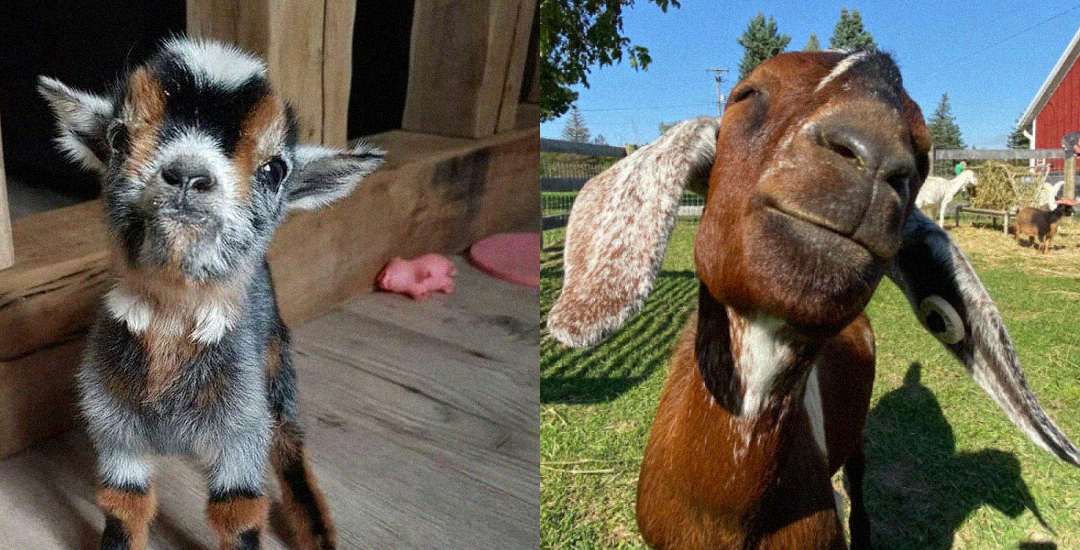
Gangly and awkward at first, then grow into confident, sturdy climbers. Watching them stand for the first time is unforgettable.
15. Bald Eagle
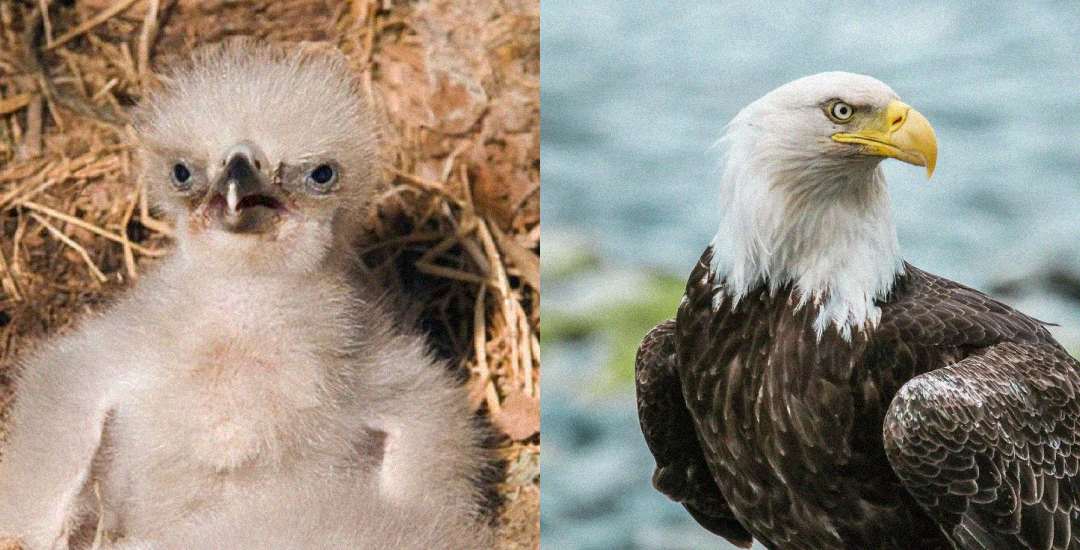
Juveniles are completely brown, no white head until they reach adulthood.
16. Kangaroo
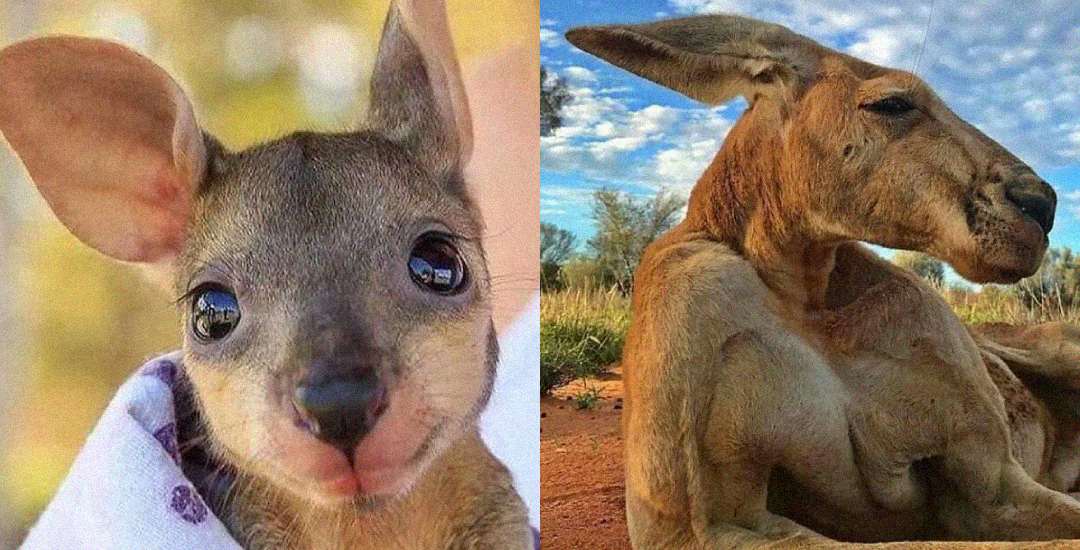
Born extremely underdeveloped, they continue growing safely inside the pouch, one of the most unique starts to life in the animal world.
17. Starfish
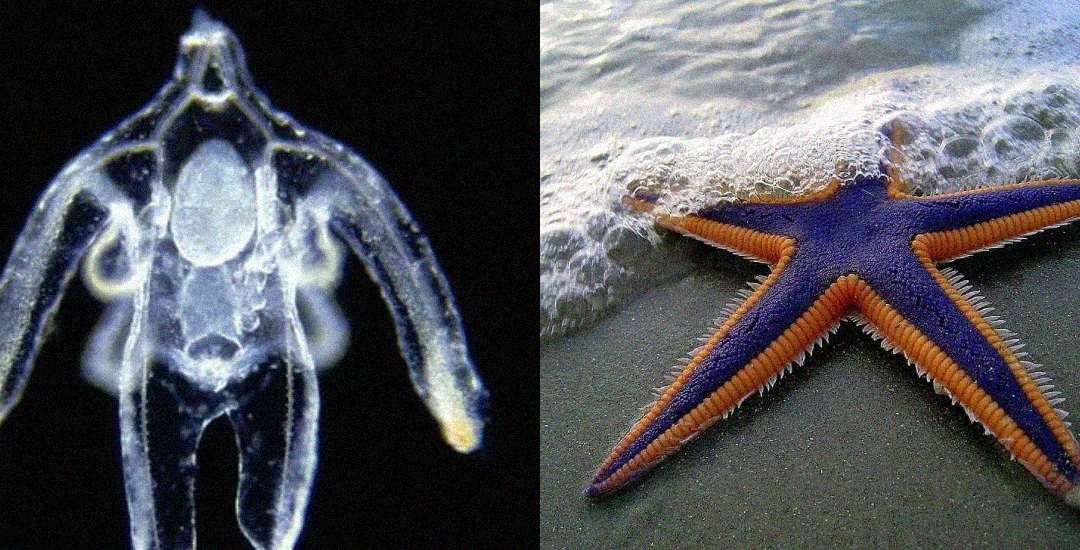
They begin as tiny, symmetrical larvae that don’t resemble their adult shape at all, almost like a different species.
18. Owl
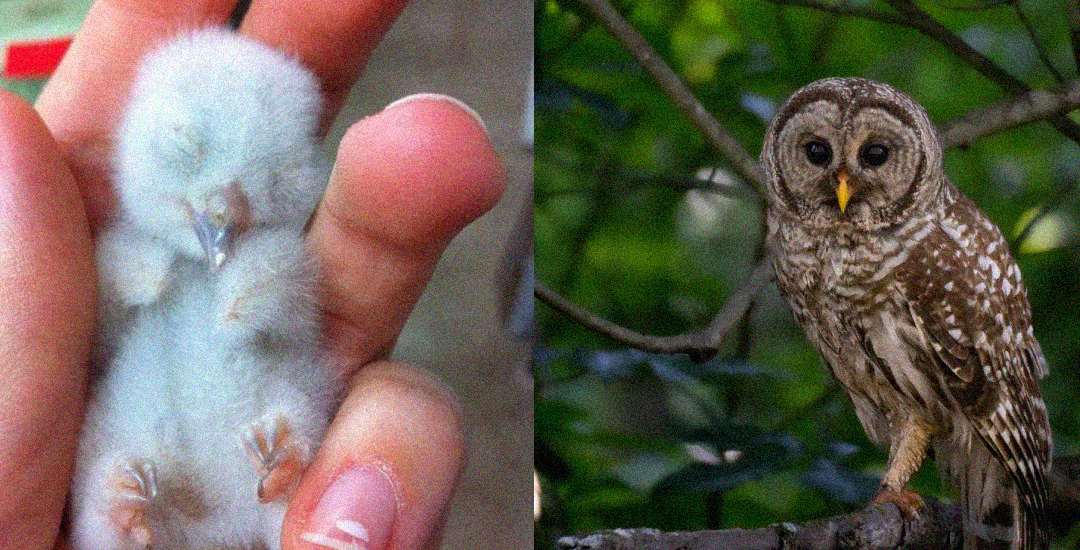
Fluffy and slightly awkward-looking at first, before developing their sharp, iconic features.
19. Horse
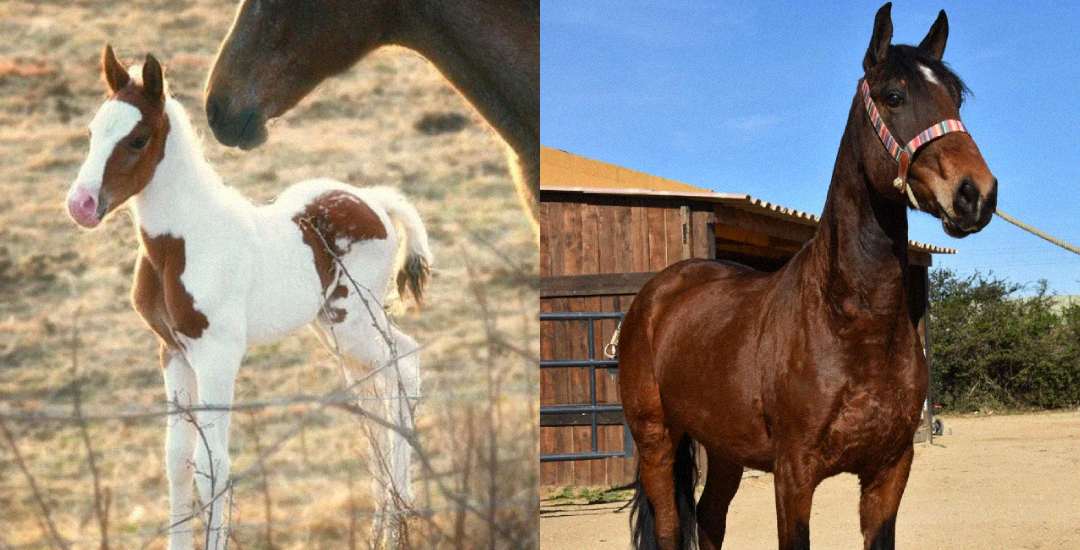
Long-legged and wobbly at birth, but quickly grow into strong, powerful runners.
20. Lobster
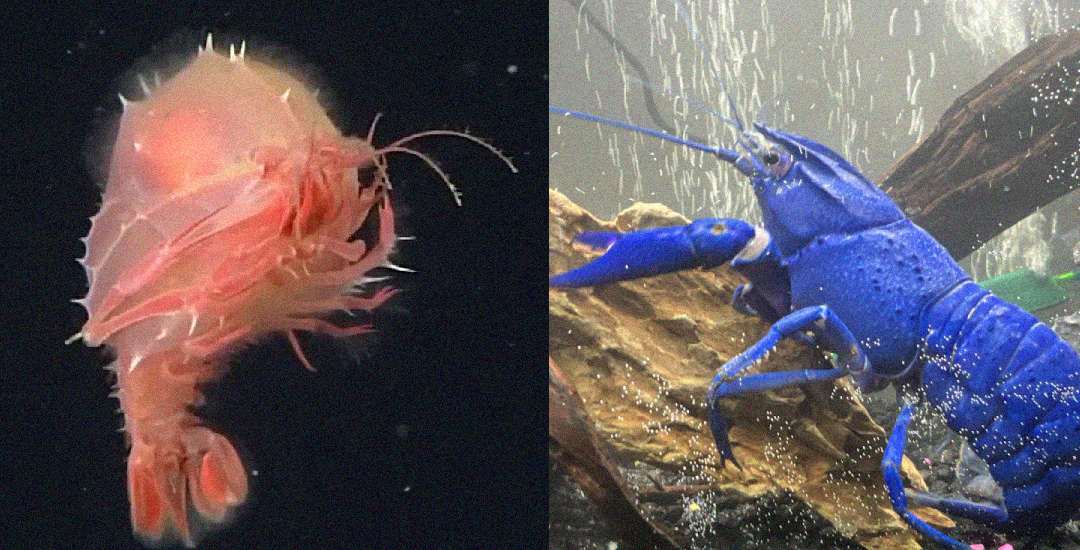
They start as tiny, free-swimming larvae before becoming the hard-shelled creatures we recognize, more like plankton than lobsters at first.
If you love learning about baby animals, there’s so much more to discover, so keep exploring and see what else the animal kingdom has to offer.
Animals truly are incredible. Watching how they grow and evolve is both fascinating and, at times, shocking. Many of these creatures look so different as babies that you might not even recognize them. Chances are, you’ve never seen some of these baby animals before, which makes their transformations even more surprising.
If you enjoyed this, make sure to check out more content about animals and the natural world. We’ve got all kinds of recommendations, but a great place to start is with these articles: 15 Heartwarming Photos of Animals That Formed Bonds with Different Species, 15 Incredible Animals We Might Never See Again by 2030, and 15 Animals With Abilities That Feel Almost Unreal.