Some predators seem to come with their own warning soundtrack. Sharks, wolves, killer whales, and other hunters have spent decades playing villains in movies, news stories, folklore, and campfire tales. Many of them certainly can injure a person, but the actual risk is often very different from the reputation. In several cases, fear has lasted because of a handful of dramatic incidents, old stories, or simply the unsettling fact that these animals are extremely good at hunting something else.
1. Great White Sharks
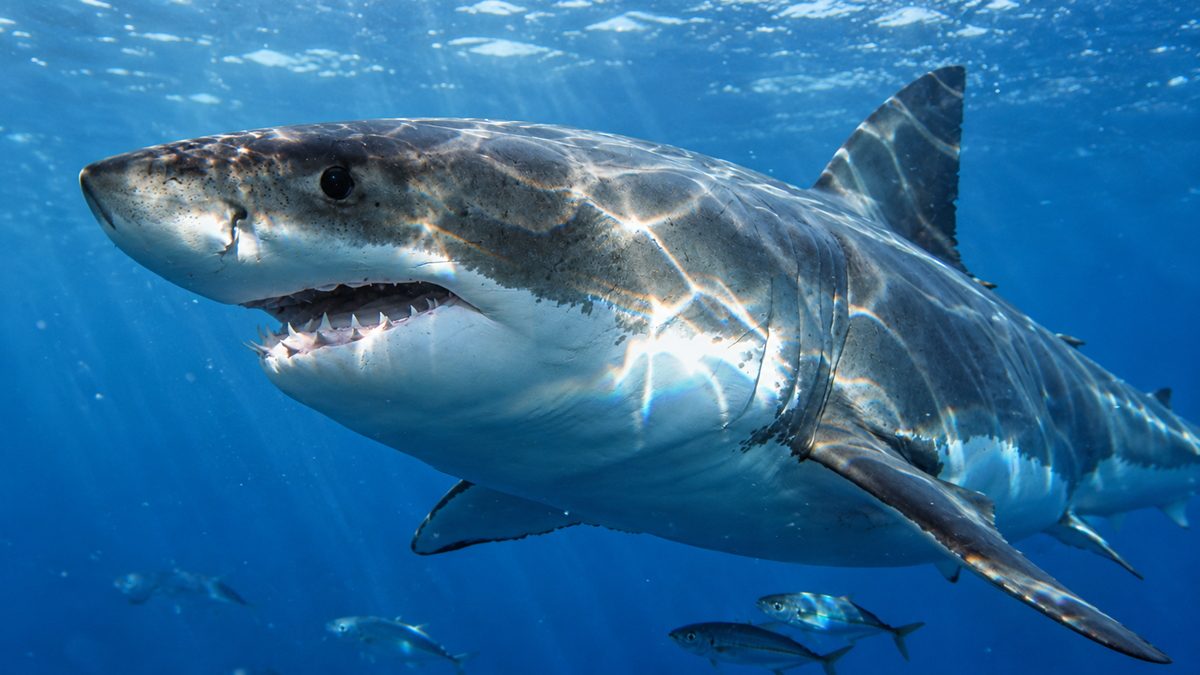
Few animals have had their public image shaped by one movie as thoroughly as the great white shark. Jaws turned the idea of a shark deliberately hunting swimmers into a permanent piece of pop culture, even though humans are not normal great white prey. Shark bites do happen, and great whites are responsible for serious and fatal incidents, but encounters remain extraordinarily uncommon considering how many people enter the ocean every year. The International Shark Attack File recorded 65 unprovoked shark bites worldwide across all shark species in 2025.
2. Gray Wolves
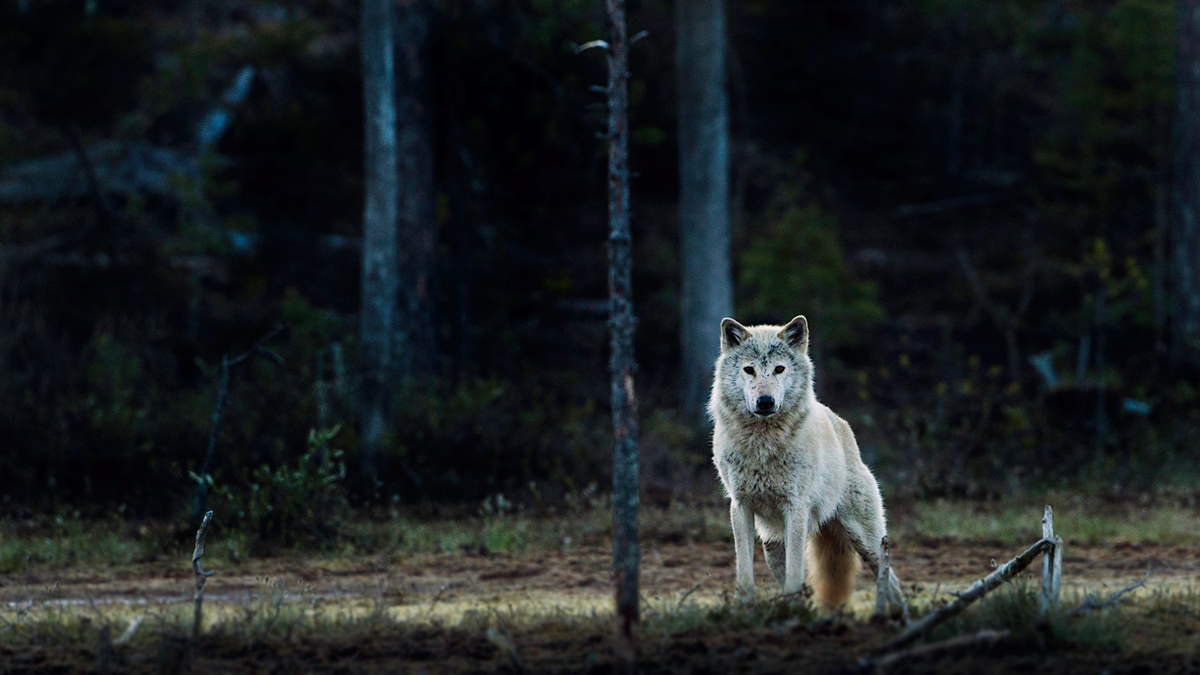
For centuries, European fairy tales gave wolves a remarkably consistent job: lurk in the woods and wait for people. Actual wild wolves are usually much more interested in avoiding humans. Modern attacks are rare, particularly in places where wolves have not become habituated to people, and researchers studying large carnivore incidents have noted how sharply public fear can exceed the documented risk. Livestock conflicts are a different issue, but a wolf living near cattle or sheep is not automatically looking at nearby humans as prey.
3. Orcas
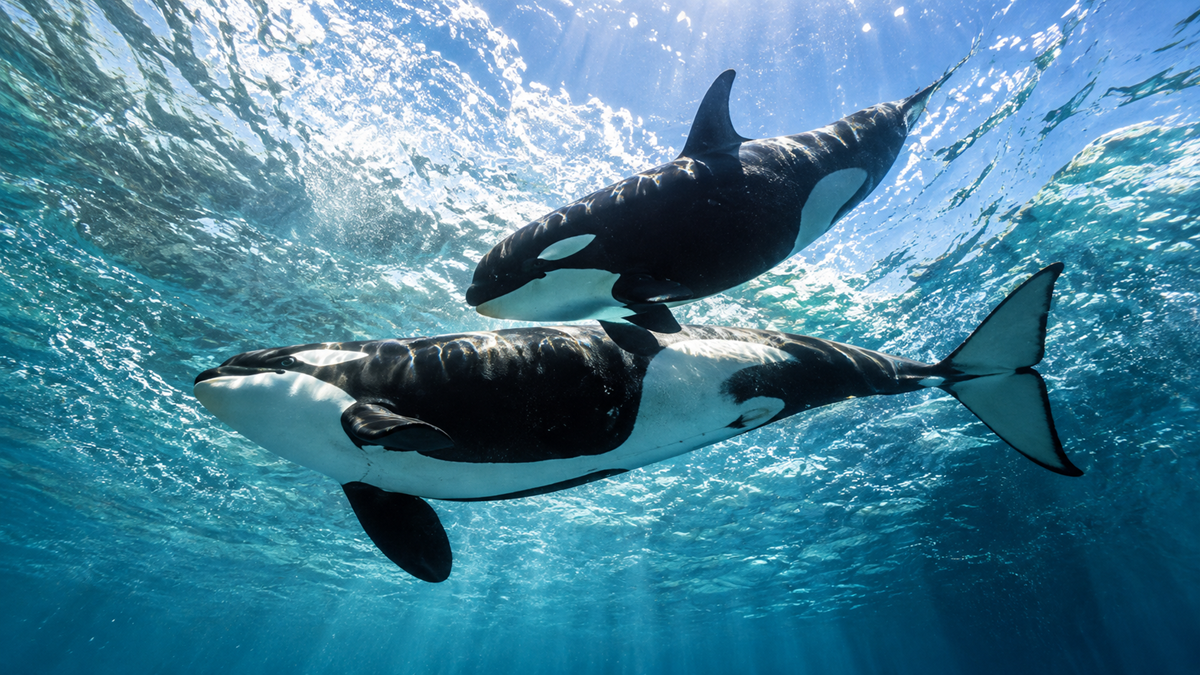
The name “killer whale” does a lot of work here. Orcas are powerful enough to hunt seals, sharks, and even other whales, yet their relationship with humans in the wild is strangely peaceful. There is no confirmed record of a wild orca killing a human, despite decades of divers, researchers, photographers, and boaters entering their habitat. Fatal attacks have occurred in captivity, which helped reinforce the image of orcas as a human threat, while recent encounters involving orcas damaging boats near Europe have added another layer to the story.
4. Coyotes
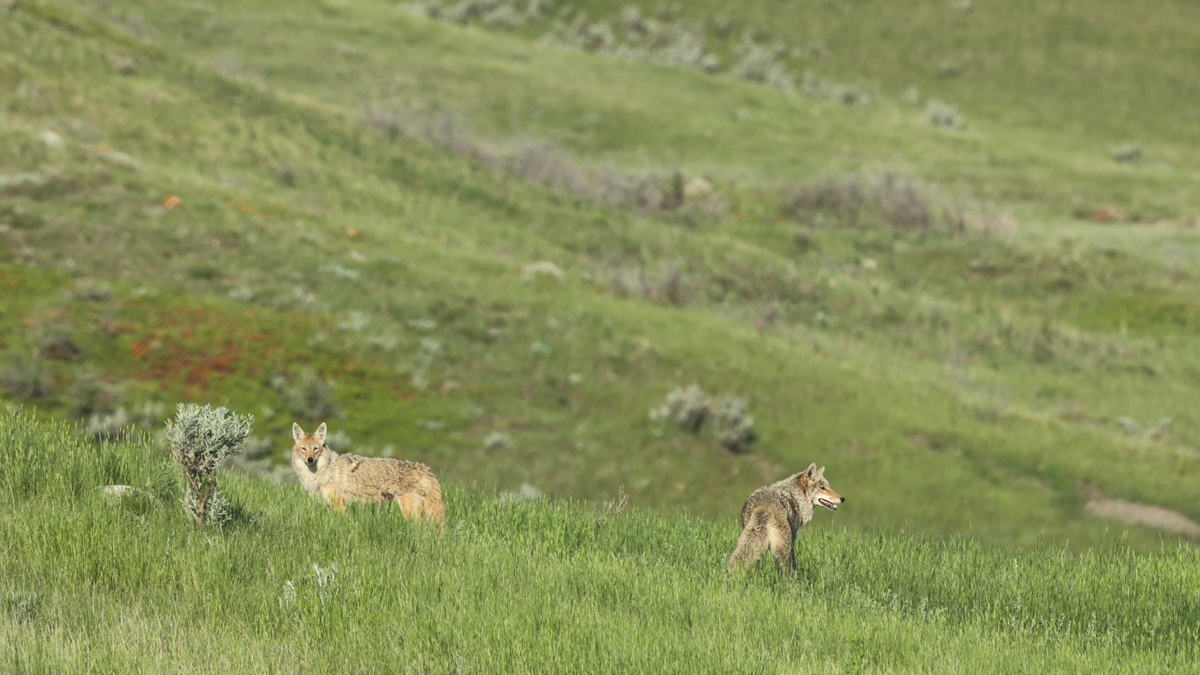
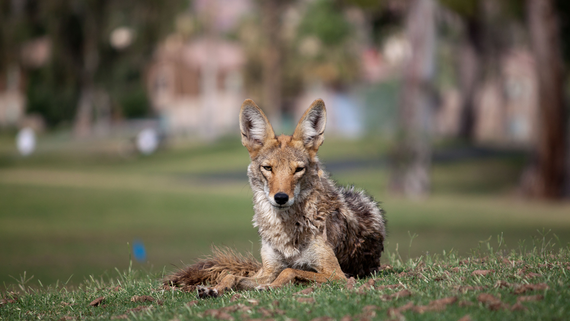
A coyote appearing at the edge of a suburban street can feel much more threatening than seeing the same animal in a nature documentary. In reality, coyotes generally try to avoid people, and attacks are extremely rare. Problems become more likely when animals are deliberately fed, become accustomed to humans, or begin associating neighborhoods with easy food. Their eerie nighttime calls probably have not helped their reputation either, especially since a few coyotes can sound like a much larger pack.
5. Mountain Lions
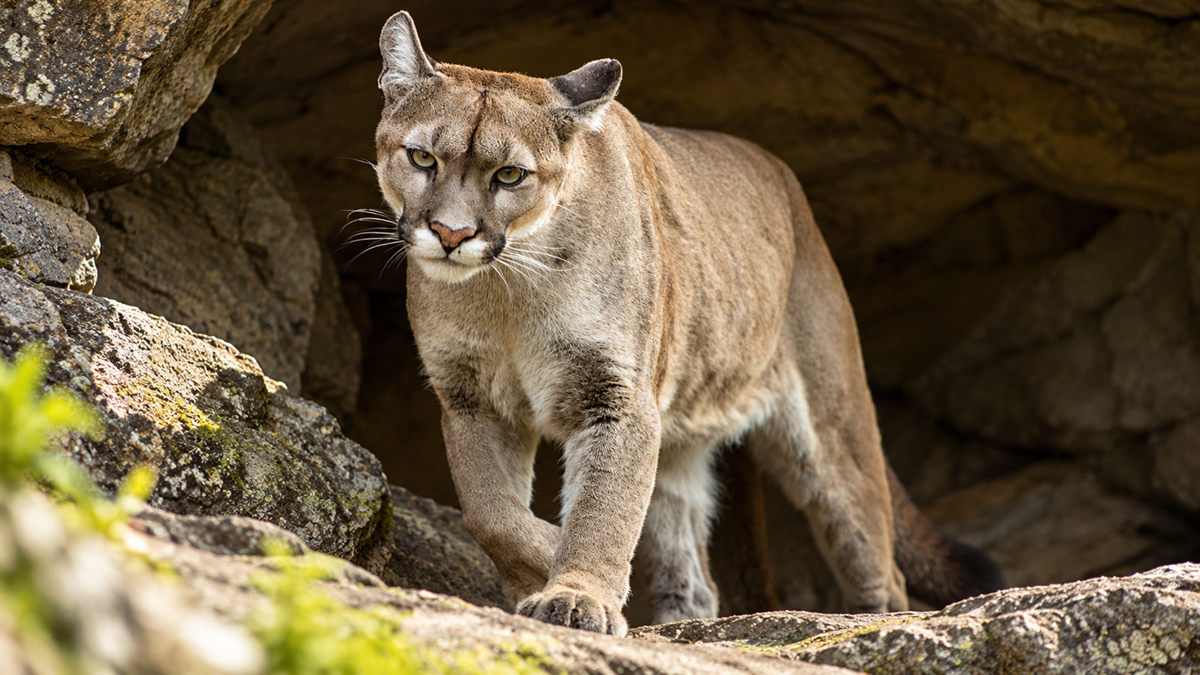
Mountain lions have nearly every feature that makes people nervous about a predator: they are large, quiet, fast, and capable of stalking prey without being noticed. They also live surprisingly close to some heavily populated areas of the western United States. Attacks on people remain rare, however, because mountain lions generally avoid human contact. Much of the anxiety comes from what people cannot see, the knowledge that a cat may have crossed a trail or backyard without anyone realizing it was there.
Trending on The Scroller

6. American Black Bears
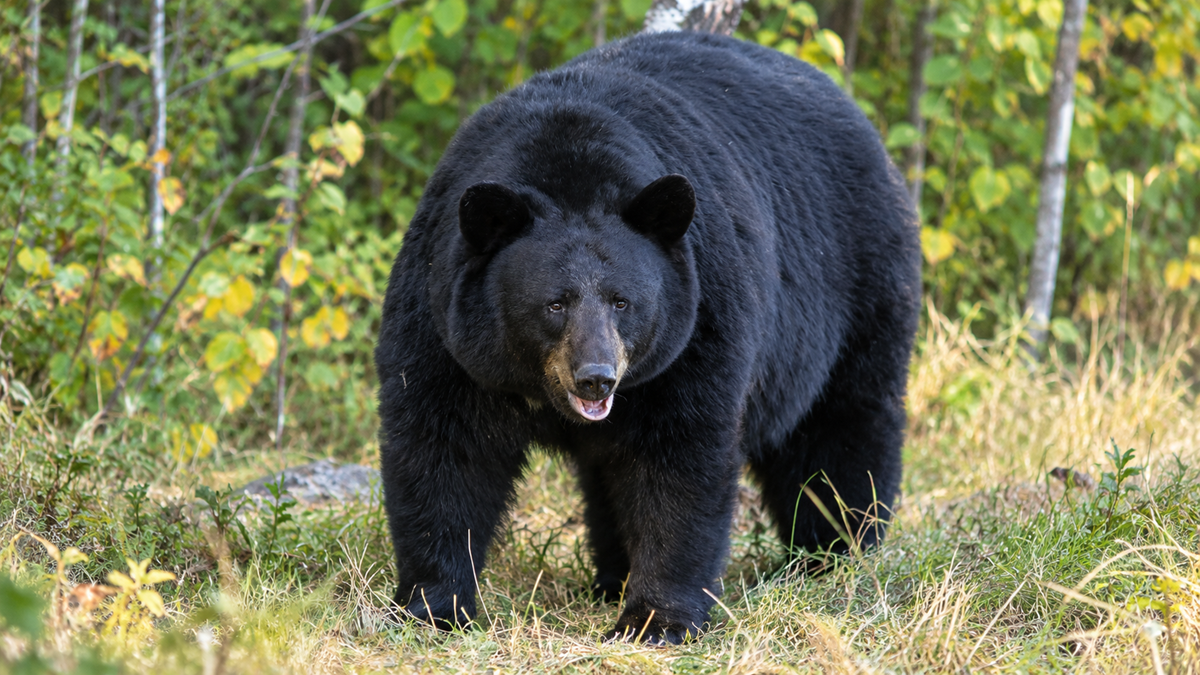
Movies and roadside warnings tend to flatten all bears into one frightening category, but American black bears behave differently from the more aggressive image many people carry in their heads. Most encounters end with the bear retreating or continuing whatever it was doing, especially when people give it space. Conflicts are more likely around unsecured food, garbage, campsites, and animals that have learned to associate humans with a meal. A black bear is absolutely capable of causing severe injury, but merely seeing one does not mean an attack is developing.
7. Piranhas
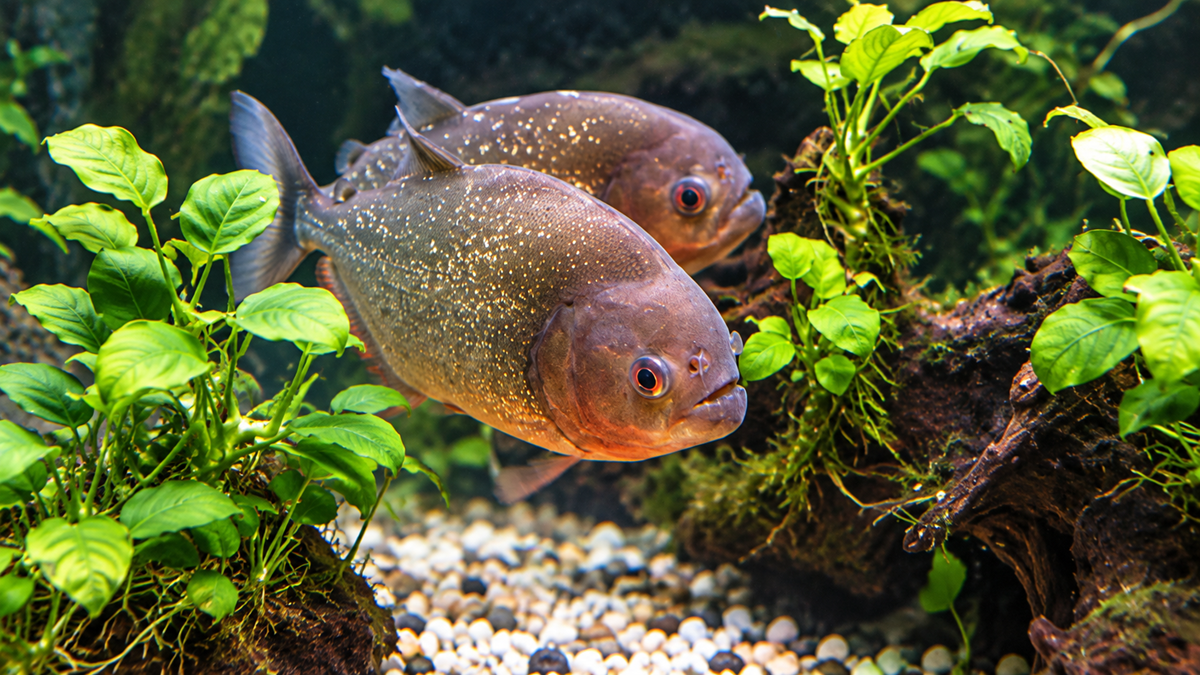
Piranhas may have the widest gap between movie behavior and everyday behavior on this list. Popular fiction often depicts a school stripping a large animal to the bone almost instantly, while real piranhas spend much of their time feeding on fish, insects, crustaceans, plants, seeds, and carrion depending on the species. Bites on people do occur, particularly when water levels are low, or food is scarce, but the famous boiling-water feeding frenzy is largely a cultural invention. Their teeth are real; the swarm from horror movies mostly is not.
8. Barracudas
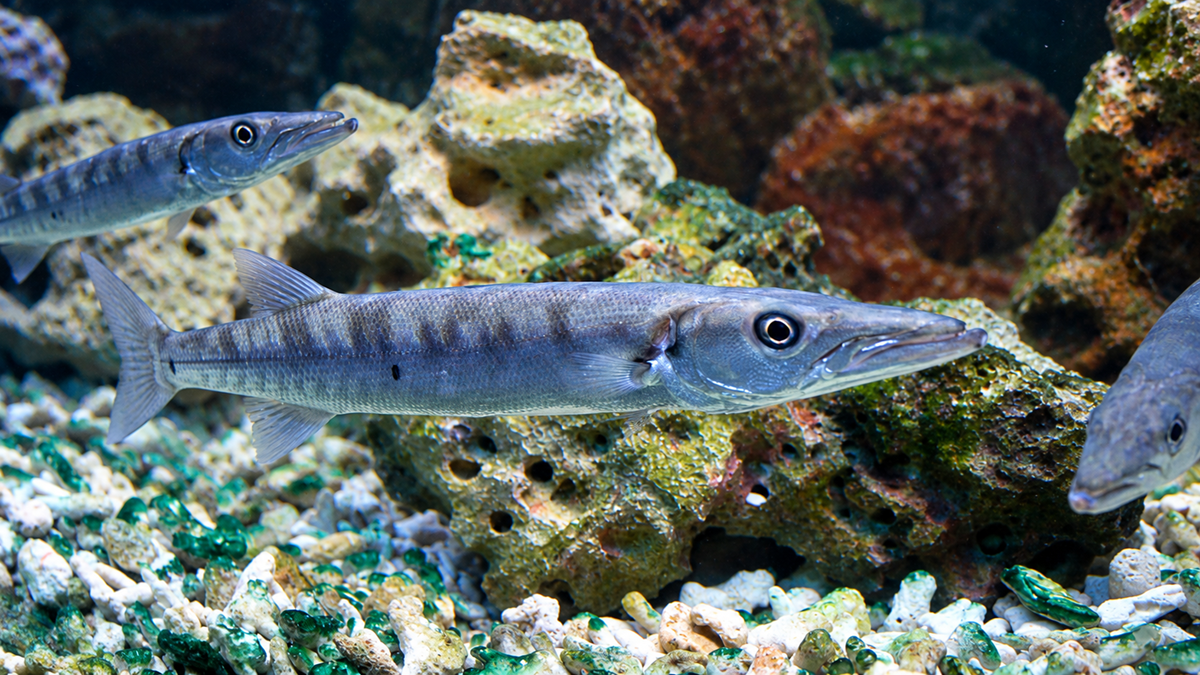
The shape alone is enough to make a barracuda look suspicious. Its long body, large mouth, and visible teeth have made it a classic tropical-water menace, and divers sometimes find the experience of being followed by one unsettling. Attacks are rare, and some documented incidents have involved spearfishing or reflective objects that may resemble flashes from prey. When a bite does happen, it can be serious, but barracudas do not normally patrol reefs looking for swimmers.
Sign up for our newsletter
9. Wolverines
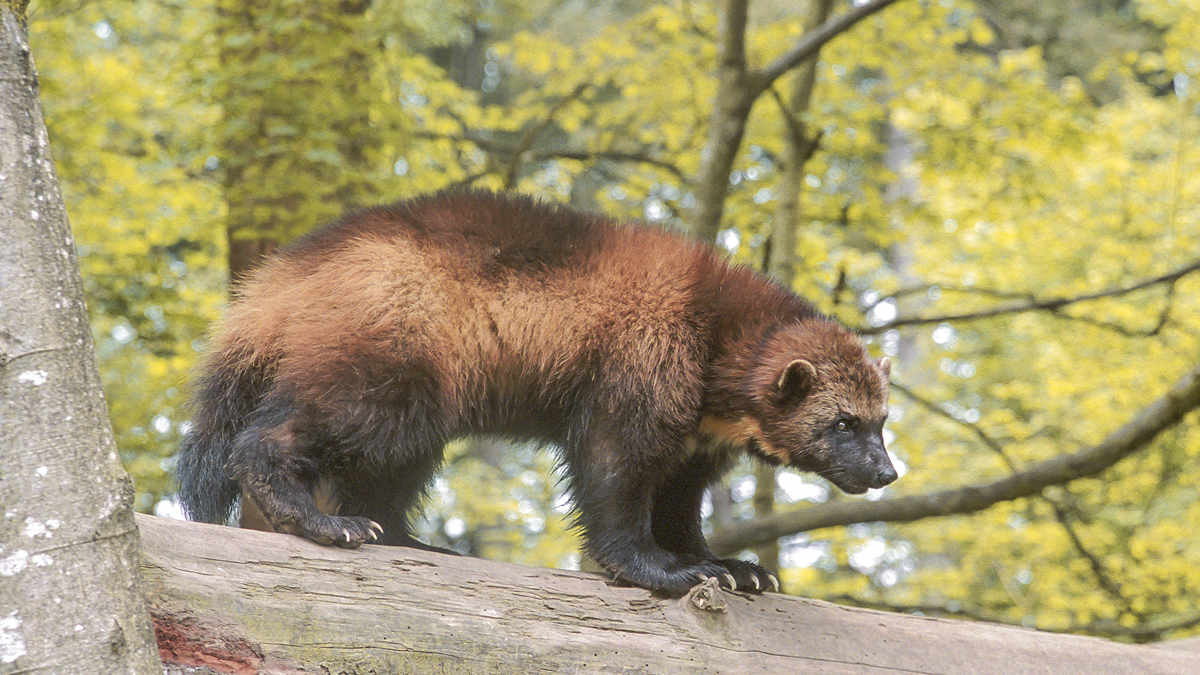
The wolverine has acquired an almost cartoonish reputation for aggression. Stories describe it challenging animals several times its size, fighting over carcasses, and refusing to retreat from anything. Wolverines really are tough, territorial animals, but attacks on people are exceptionally unusual. Their reputation grew largely from behavior toward other animals, traps, food caches, and competitors, then got transferred to humans.
10. Moray Eels
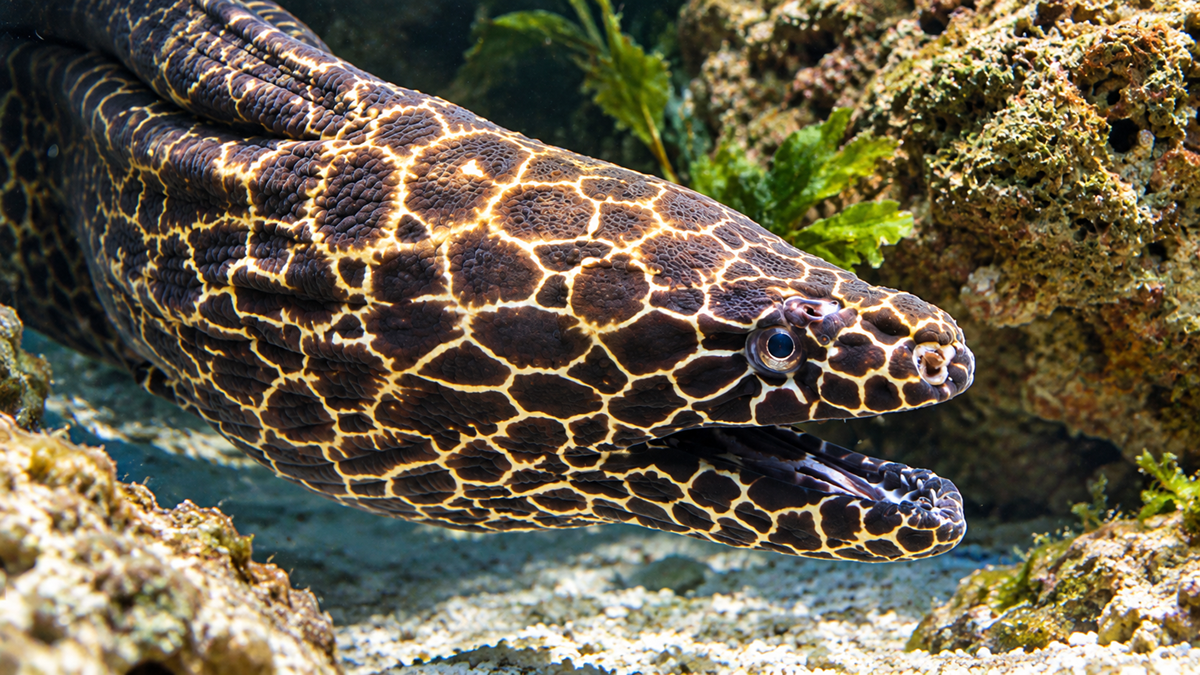
A moray opening and closing its mouth from a dark reef crevice looks like something designed specifically to keep divers away. That motion is partly respiratory, helping the eel move water across its gills, rather than a constant threat display. Morays normally remain close to shelter and do not hunt humans. Bites are possible, particularly when people feed them, handle them, or put hands into crevices, but the animal generally has little reason to leave its hiding place to start trouble.
11. American Alligators
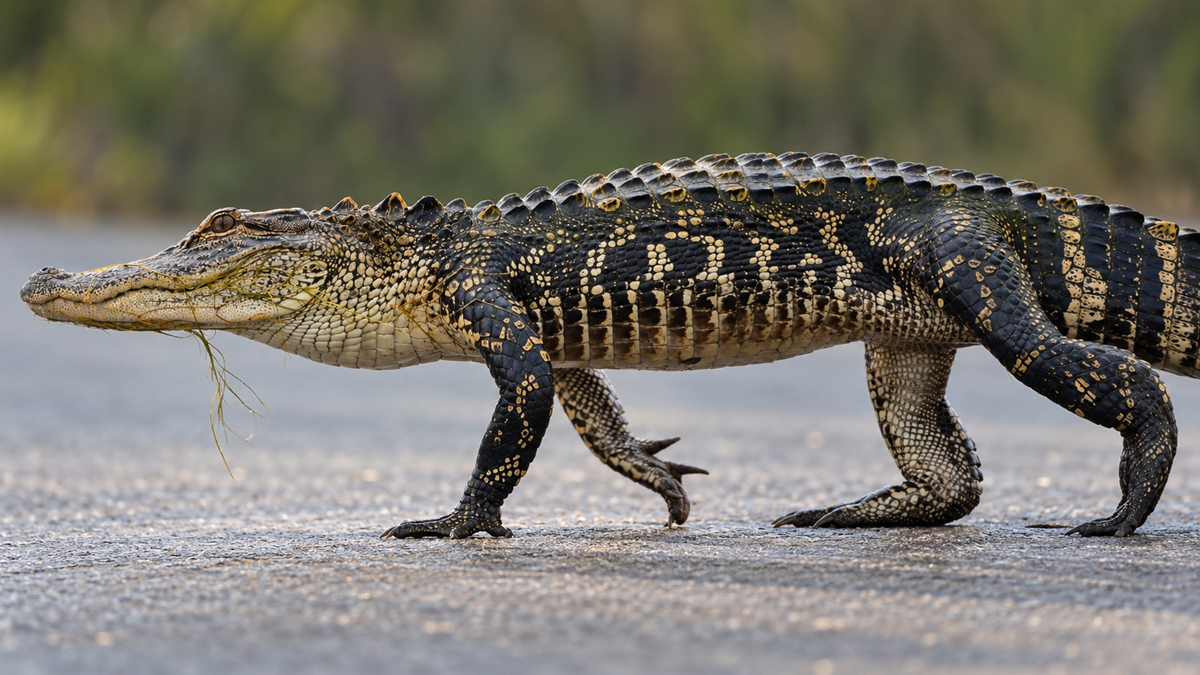
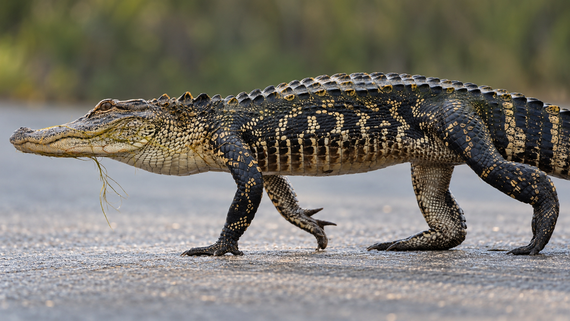
Alligators deserve respect, especially near the water’s edge, but their abundance in the southeastern United States can make the raw number of human encounters misleading. Millions of people live and recreate in alligator habitat, while serious attacks remain comparatively uncommon. Florida wildlife records show only a small number of bites in most years relative to that enormous exposure. Feeding alligators is particularly risky because it can teach them to approach humans instead of keeping their natural distance.
12. Leopard Seals
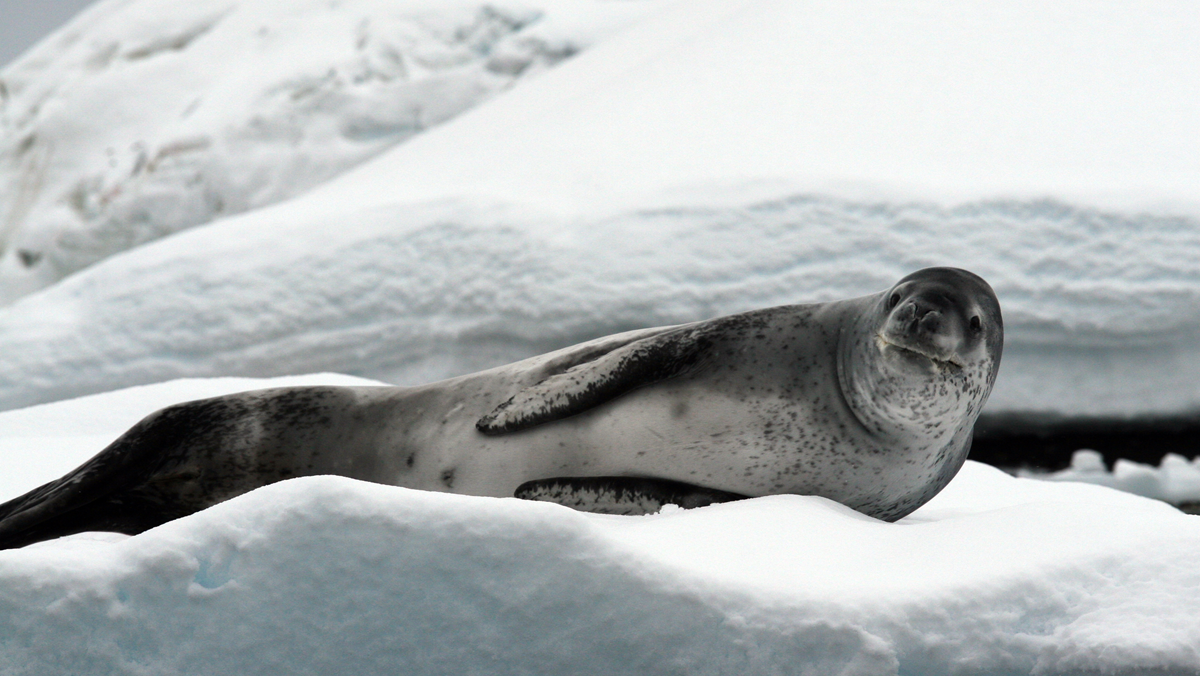
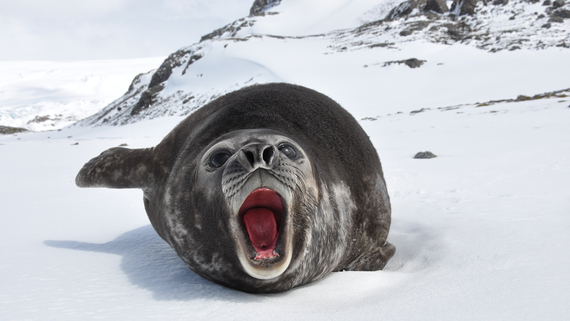
A leopard seal does not look particularly frightening from a distance. Up close, the reptile-like head, long jaws, and teeth built for grabbing penguins change the mood quickly. They are formidable Antarctic predators, but aggressive encounters with humans are rare, partly because relatively few people share their environment. One fatal attack on a researcher in Antarctica in 2003 understandably gave the species a darker reputation, although it remains an exceptional event rather than typical leopard seal behavior.
13. Komodo Dragons
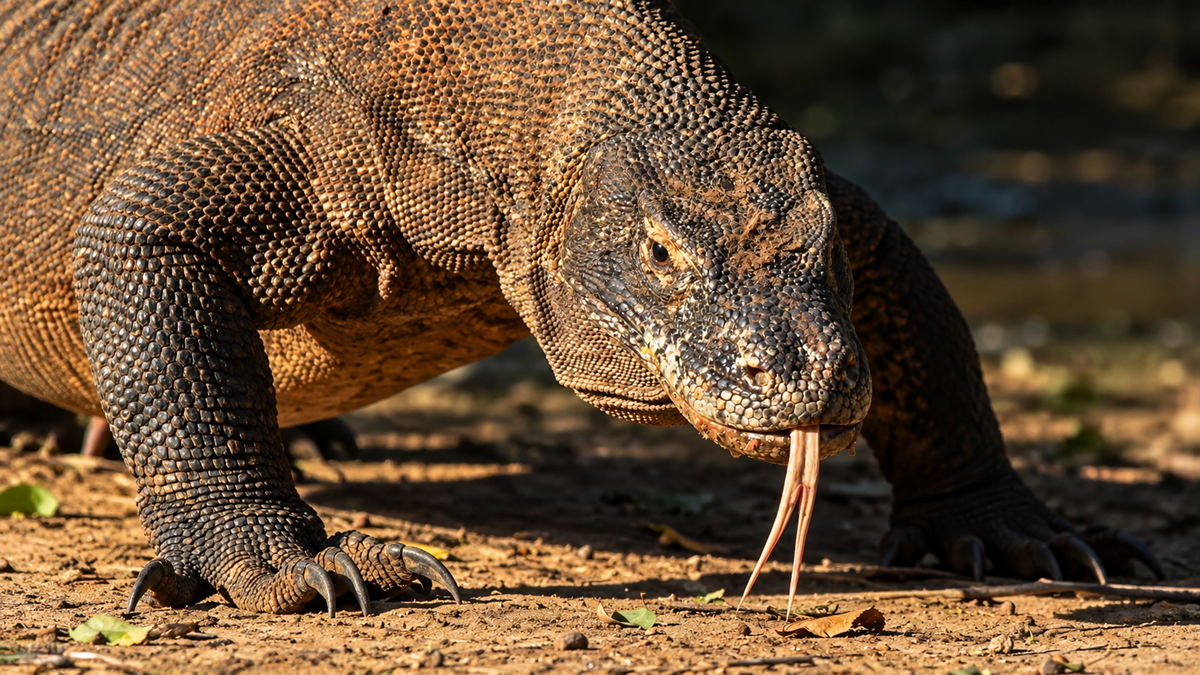
Komodo dragons can kill deer and other large prey, so treating one casually would be a terrible idea. What is exaggerated is the impression that attacks on people are routine. Human encounters are geographically limited to a small part of Indonesia, and serious attacks are unusual rather than an everyday feature of life around the animals. Their enormous size, venomous bite, prehistoric appearance, and habit of eating large carcasses have given them a reputation that hardly needed help from movies.
14. Eurasian Lynx
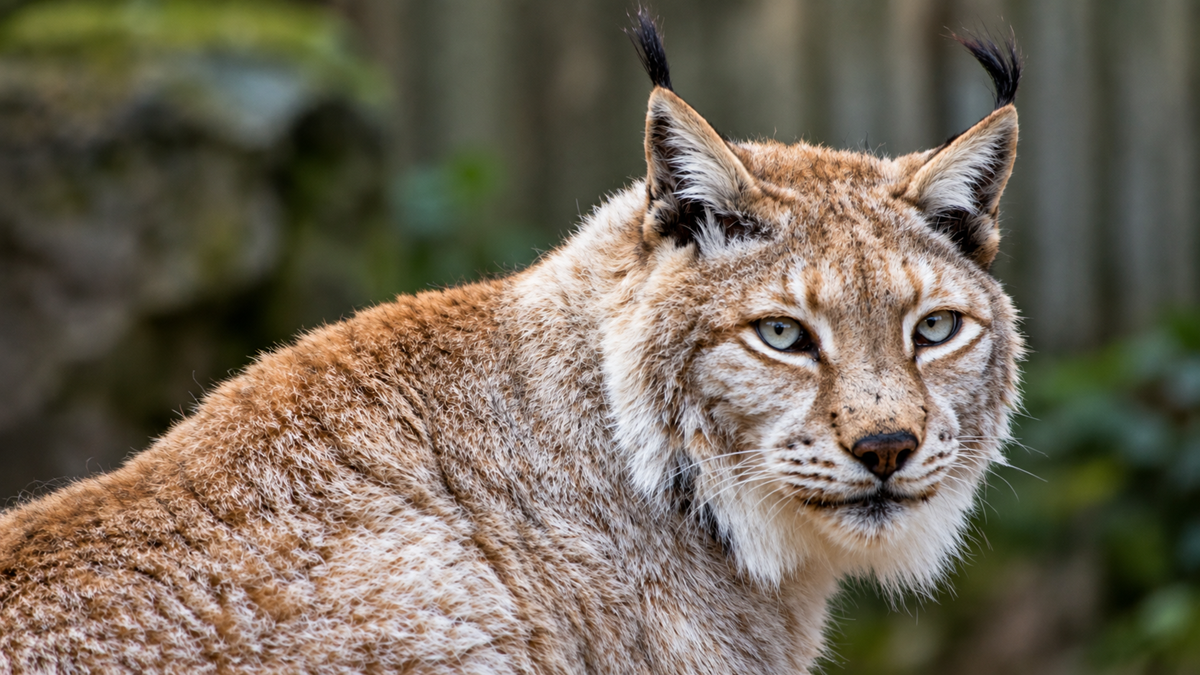
With tufted ears, long legs, and the ability to bring down deer, the Eurasian lynx looks like the kind of wild cat hikers should worry about. In practice, it is famously elusive and aggression toward people is rare. Much of its older reputation came from folklore and from conflicts with hunters and livestock owners, rather than attacks on humans.
15. Spotted Hyenas
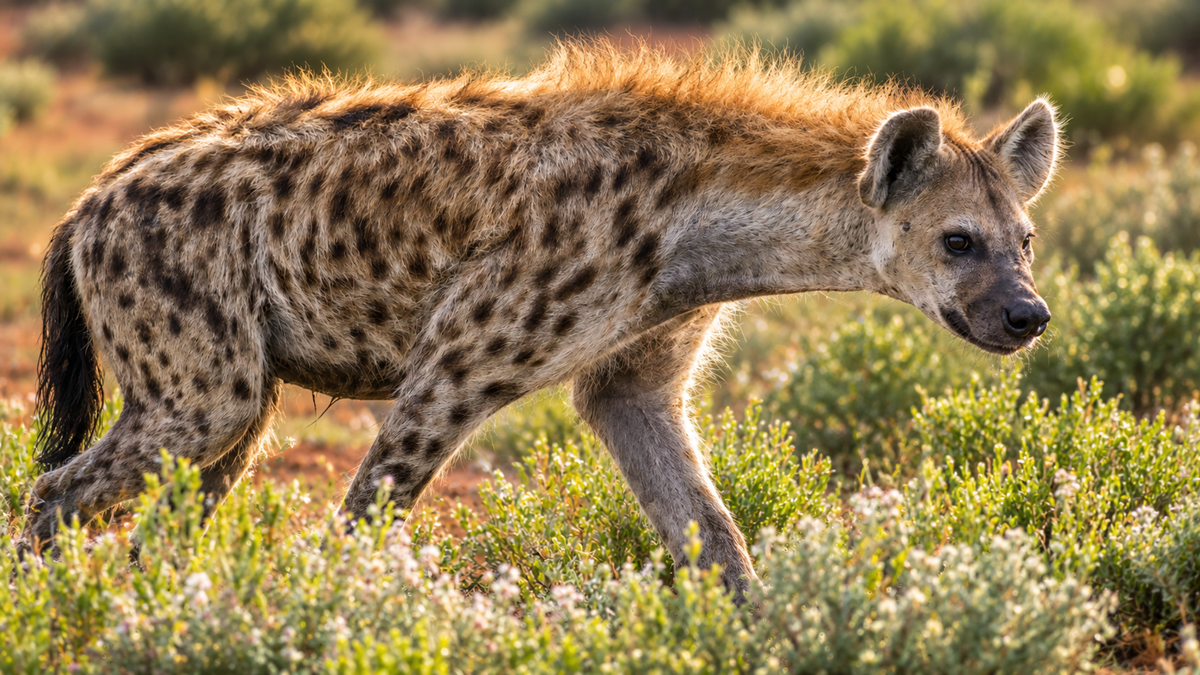
Hyenas occupy an unusually ugly corner of popular culture, often portrayed as cowardly scavengers that become vicious the moment an opportunity appears. Spotted hyenas are actually capable hunters with complicated social lives, and in some regions they live surprisingly close to human settlements. Attacks on people do occur and should not be dismissed, particularly where hyenas have become accustomed to human food or enter communities at night. Still, the idea of a perpetually aggressive animal looking for people is a poor match for most encounters, and centuries of folklore, scavenging around settlements, and their distinctive calls have helped preserve that image.
In the mood for more?
Check out 15 Animals That Could Soon Disappear Forever, or take a look at 15 Surprising Ways Wild Animals Are Adapting to City Life. If you want to see more unusual wildlife stories, you can check out 14 Animals That Detect Signals Our Technology Still Struggles to Read.