Cities look like human habitats, but plenty of wild animals have found ways to treat them as something else entirely. Roads become territorial boundaries, buildings replace cliffs, garbage turns into a food source, and constant noise can even change how animals communicate. In some cases, the differences go beyond learned behavior and show up in anatomy, physiology, or genes. Researchers are still working out just how quickly city life can reshape the species living alongside us.
1. Crested Anoles Are Getting Better Feet for City Surfaces
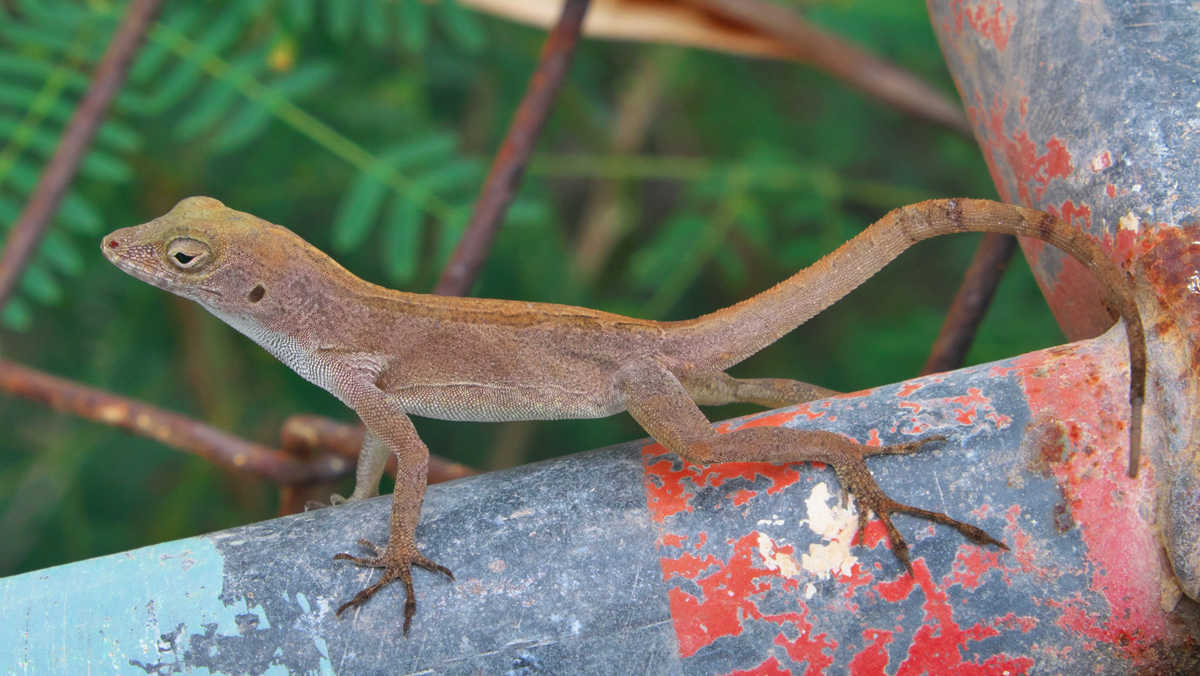
Tree bark and concrete walls present very different climbing problems. In Puerto Rico, urban populations of crested anoles have developed larger adhesive toe pads and differences in the tiny scales, called lamellae, that help them grip surfaces. Researchers studying lizards from multiple sites have found that city animals tend to be better equipped for the broad, smooth surfaces created by buildings, fences, and other human structures.
2. Coyotes Are Becoming Bolder Urban Explorers
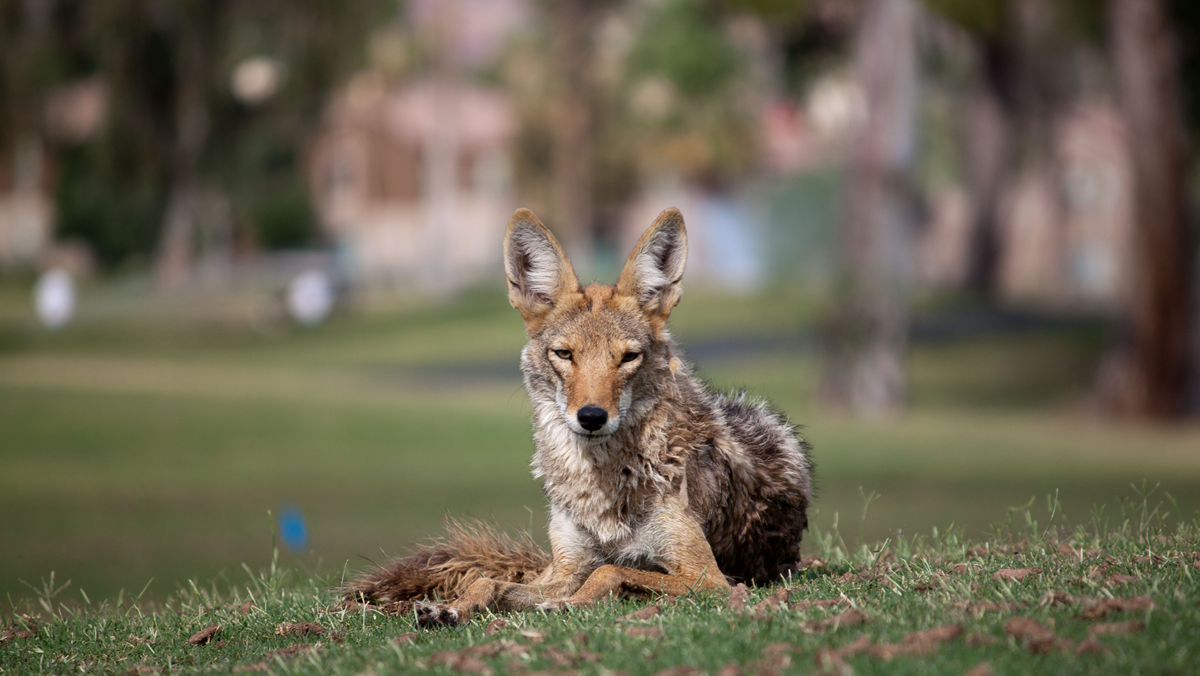
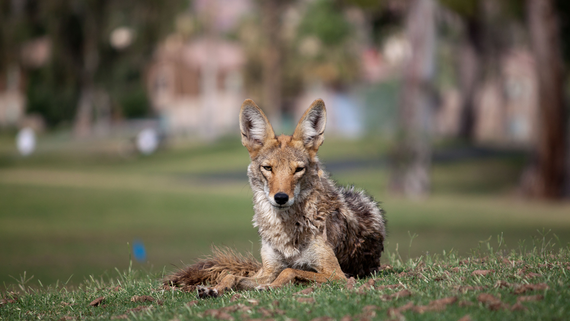
Coyotes now live inside many major North American metropolitan areas, sometimes raising pups surprisingly close to homes and busy roads. Experimental work comparing urban and rural coyotes found city animals to be generally bolder and more willing to investigate unfamiliar situations. The pattern is not identical everywhere, though, and newer research is examining how factors such as human density and neighborhood conditions affect individual behavior.
3. Sydney Cockatoos Learned How to Open Garbage Bins
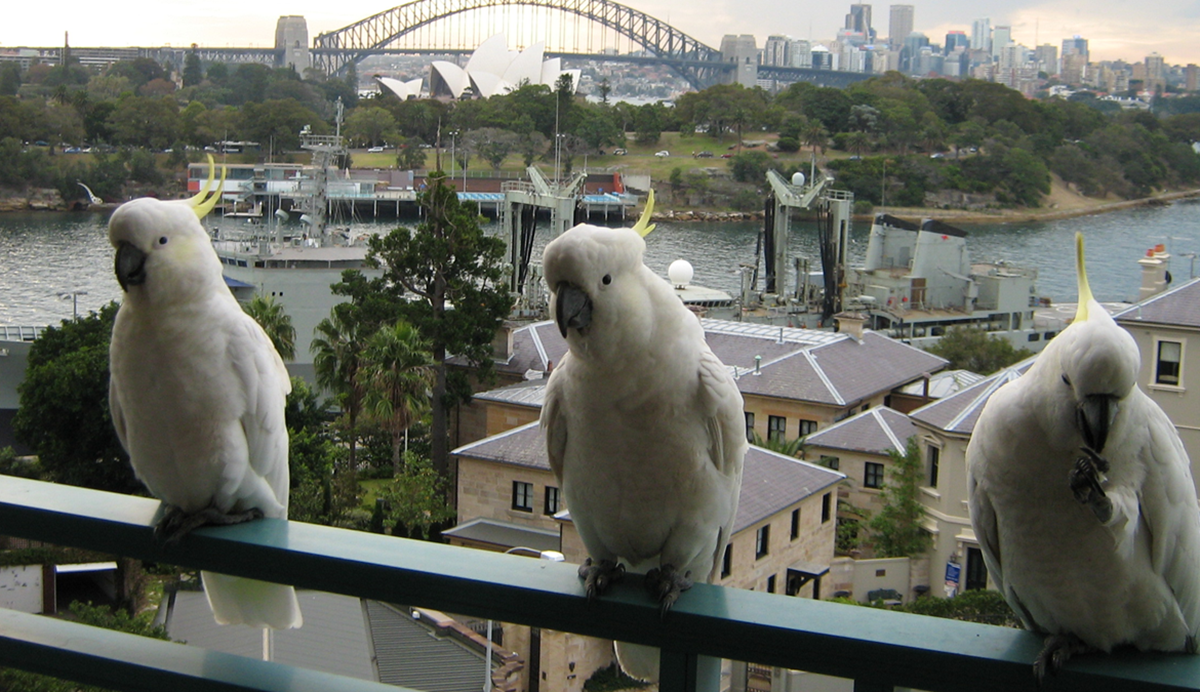
In parts of Sydney, sulphur-crested cockatoos discovered that household garbage bins could be opened with a carefully coordinated sequence of lifting, holding, and shuffling along the lid. Other cockatoos watched and copied them, allowing the technique to spread socially across neighborhoods. Residents responded with increasingly elaborate ways of securing their bins, creating what researchers have described as a possible innovation arms race between people and parrots.
4. Raccoons Are Becoming Expert Urban Problem-Solvers
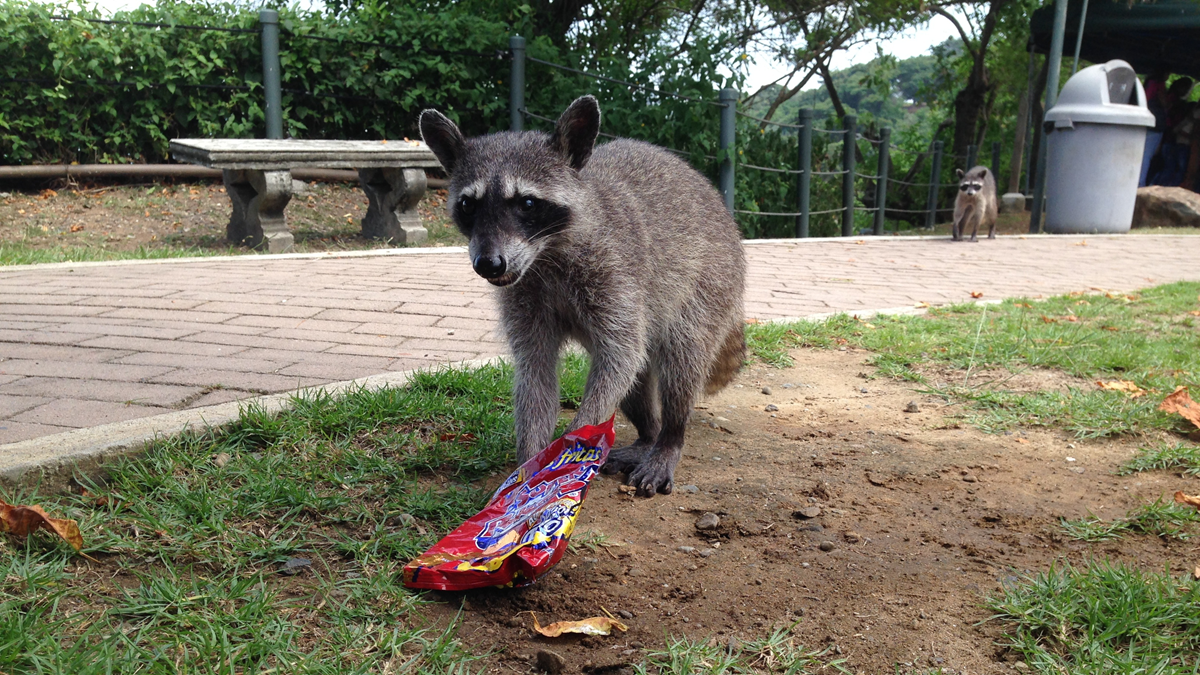
Locked trash cans, bird feeders, and other human-made obstacles have turned city neighborhoods into a constant series of puzzles for raccoons. Field experiments with wild animals have found that raccoons can learn new ways to reach food, remember successful solutions, and switch strategies when researchers change the problem. Recent work has also shown striking differences between individuals, suggesting that flexibility and willingness to explore may help explain why the species does so well around people.
5. London Foxes Have Developed Different Skull Shapes
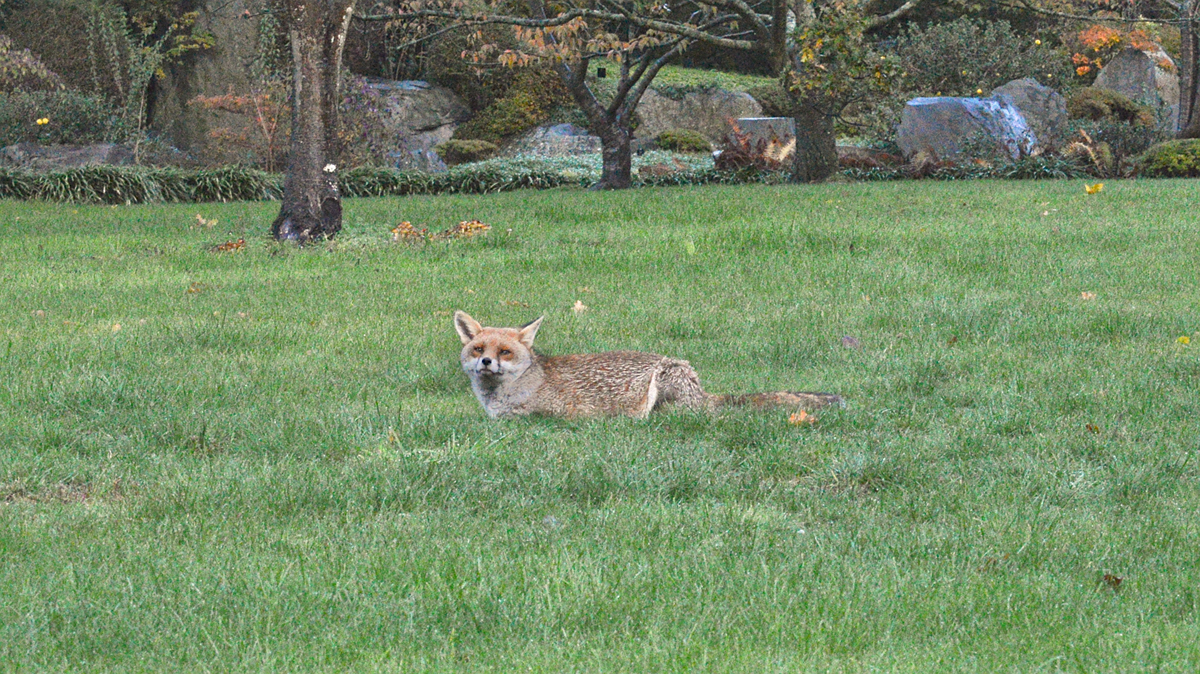
The differences between London’s urban foxes and their rural neighbors can be measured in bone. A study of red fox skulls found that city foxes tended to have shorter, wider muzzles, smaller braincases, and reduced differences between males and females. Researchers suggested that altered feeding demands and other features of city life may be contributing to the divergence.
Trending on The Scroller

6. Blackbirds Have Changed the Way They Sing
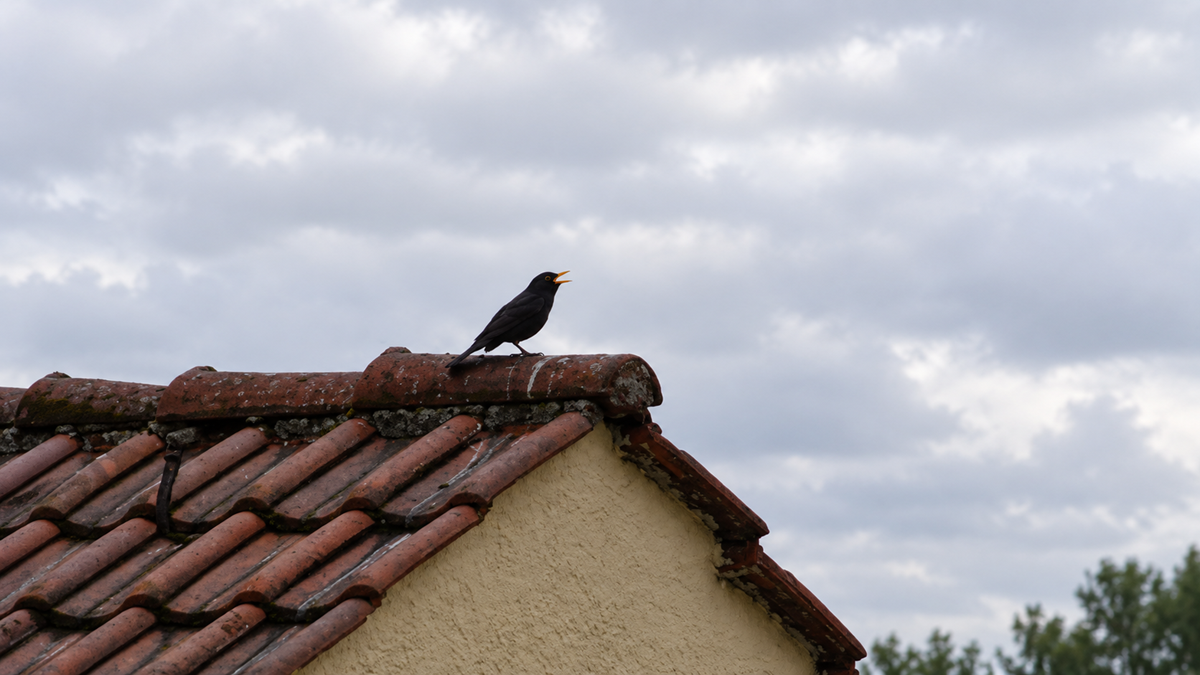
Traffic occupies a lot of the lower-frequency soundscape, which creates a problem for birds trying to make themselves heard. Blackbirds recorded in Vienna’s city center produced songs with higher-frequency elements than birds in nearby forests, as well as shorter songs with fewer elements. Scientists are still cautious about attributing every difference directly to traffic noise, because population density, physiology, and vocal behavior may all contribute.
7. Atlantic Killifish Can Survive Heavily Polluted Water
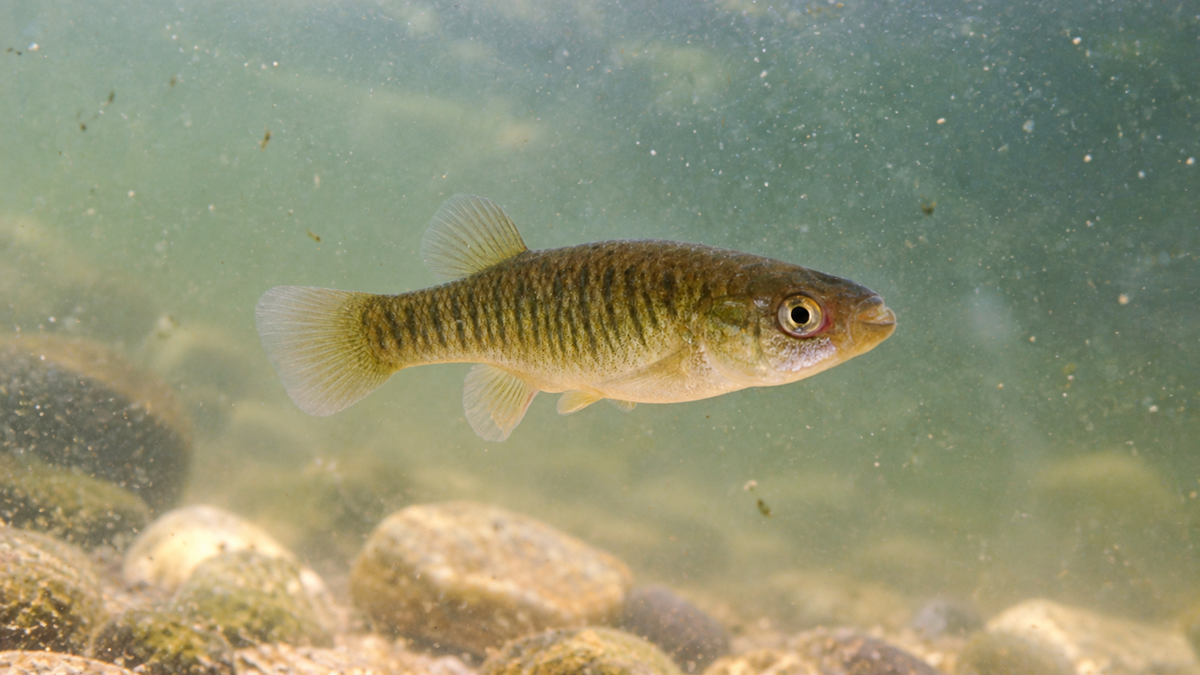
Some urban estuaries along the eastern United States became contaminated with industrial chemicals that would normally be deadly to fish. Local populations of Atlantic killifish nevertheless evolved extreme tolerance to several of these pollutants. Genomic research has found repeated changes involving the same toxicity-response pathway in populations that adapted independently at different polluted sites.
8. City Juncos Became Less Easily Stressed
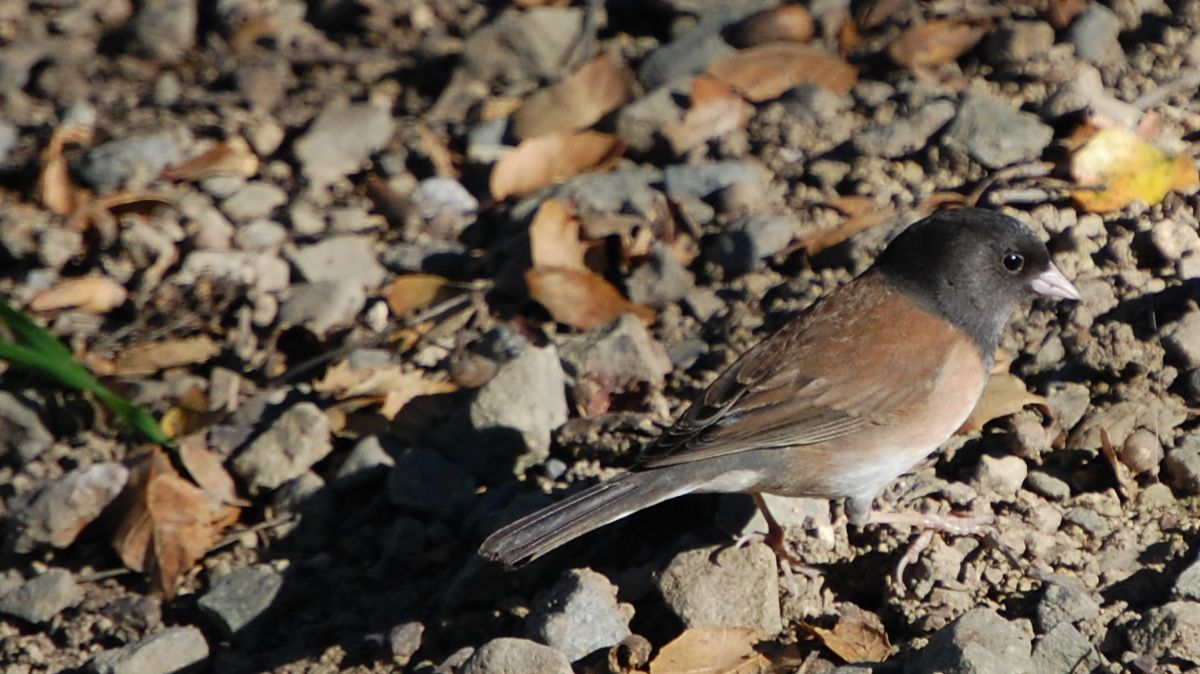
Dark-eyed juncos began breeding on the University of California San Diego campus even though their ancestral local breeding habitat was in nearby mountain forests. Compared with wildland birds, the urban population showed lower hormonal stress responses and allowed people to approach more closely before fleeing. Experiments with birds raised under controlled conditions suggested that at least part of that difference could represent relatively rapid evolutionary change rather than simple habituation.
Sign up for our newsletter
9. Acorn Ants Are Adjusting to Urban Heat Islands
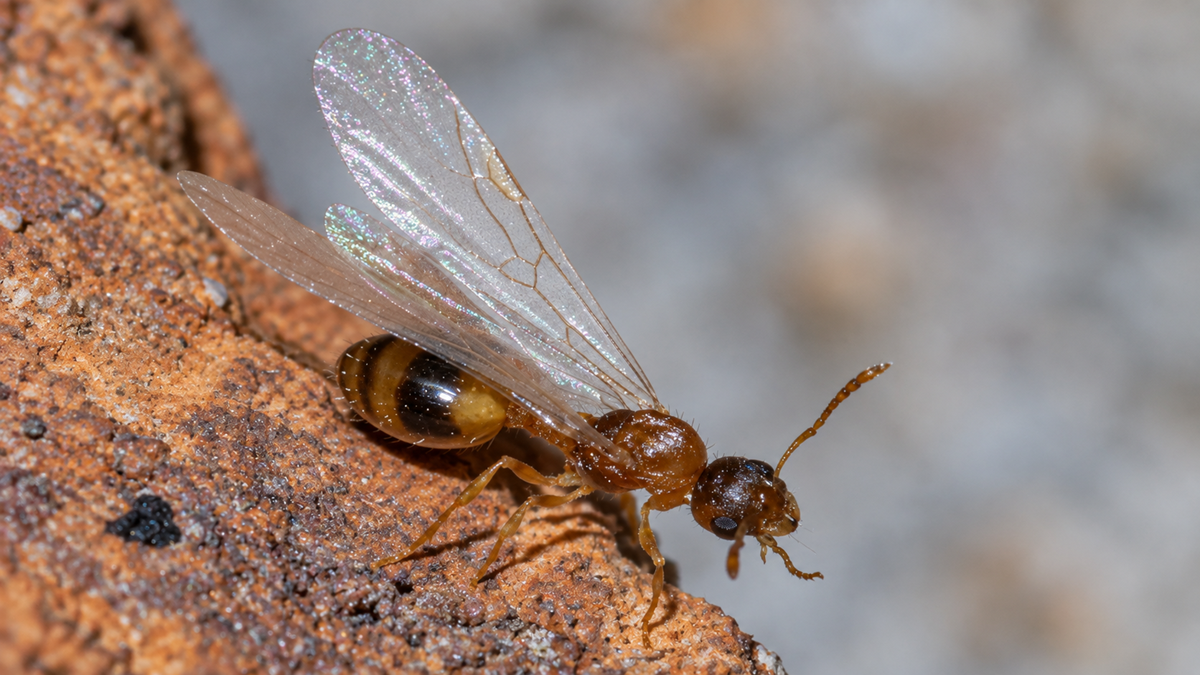
A city sidewalk and a nearby forest can experience very different temperatures, even on the same afternoon. Acorn ants collected from urban populations have shown evolved differences in heat and cold tolerance, including greater heat tolerance in some cities and reduced cold tolerance. Researchers have also found that urban ants can respond differently when temperatures rise rapidly, an important detail in landscapes full of sun-heated pavement and fragmented shade.
10. Parus Major Birds Alter Their Songs Around Urban Noise
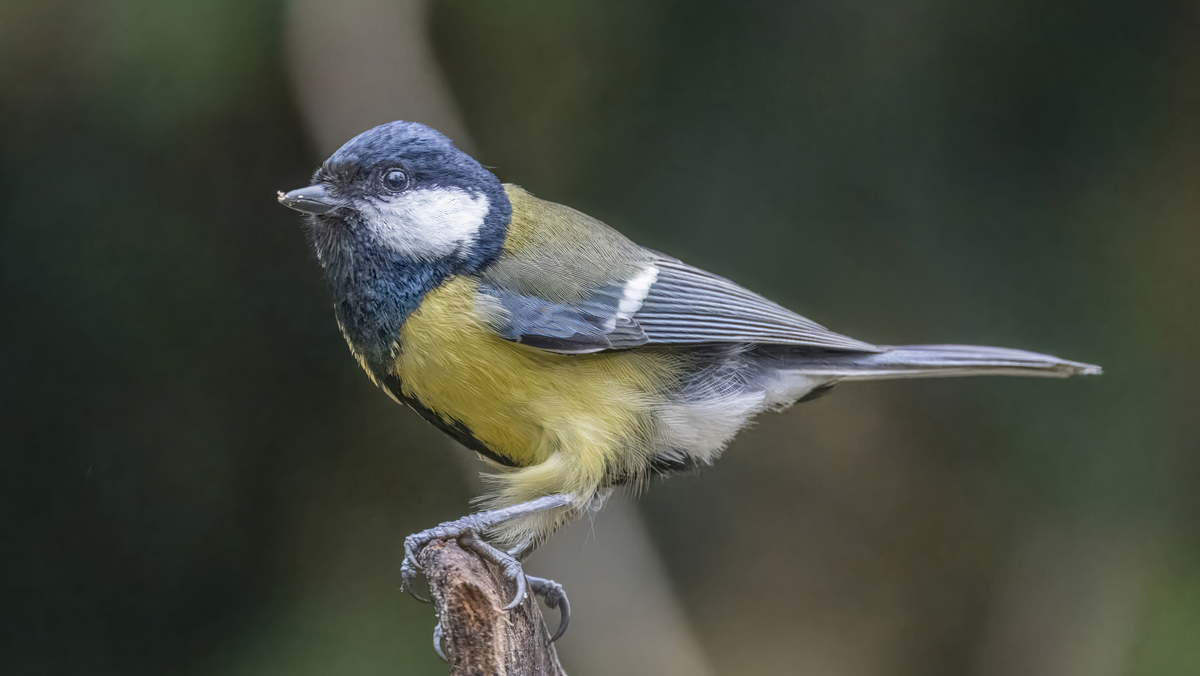
Parus major is one of the most familiar songbirds across Europe, including in parks, gardens, and busy city neighborhoods. Researchers have found that urban populations often sing at higher minimum frequencies, a shift that helps their calls stand out against low-frequency traffic noise. Changes in song speed and duration have also been documented, suggesting that city noise is reshaping how these birds communicate with one another.
11. Brown Tree Frogs Raise Their Voices Above Traffic
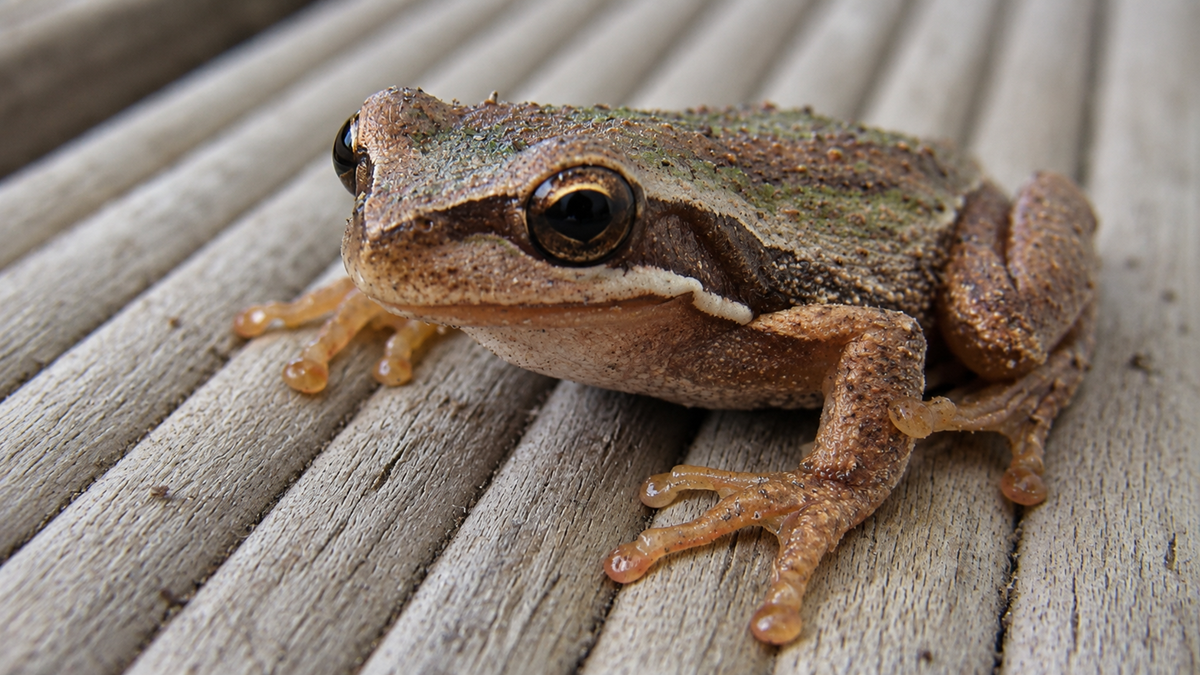
Cars do not just bother animals, they can temporarily alter the signals animals use to find mates. Australian brown tree frogs recorded near a suburban road increased the pitch of their calls immediately after loud traffic passed. The effect was detected hundreds of feet from the road, showing how far an ordinary burst of urban noise can reach into surrounding habitat.
12. Underground Mosquitoes Were Ready for Cities Earlier Than Expected
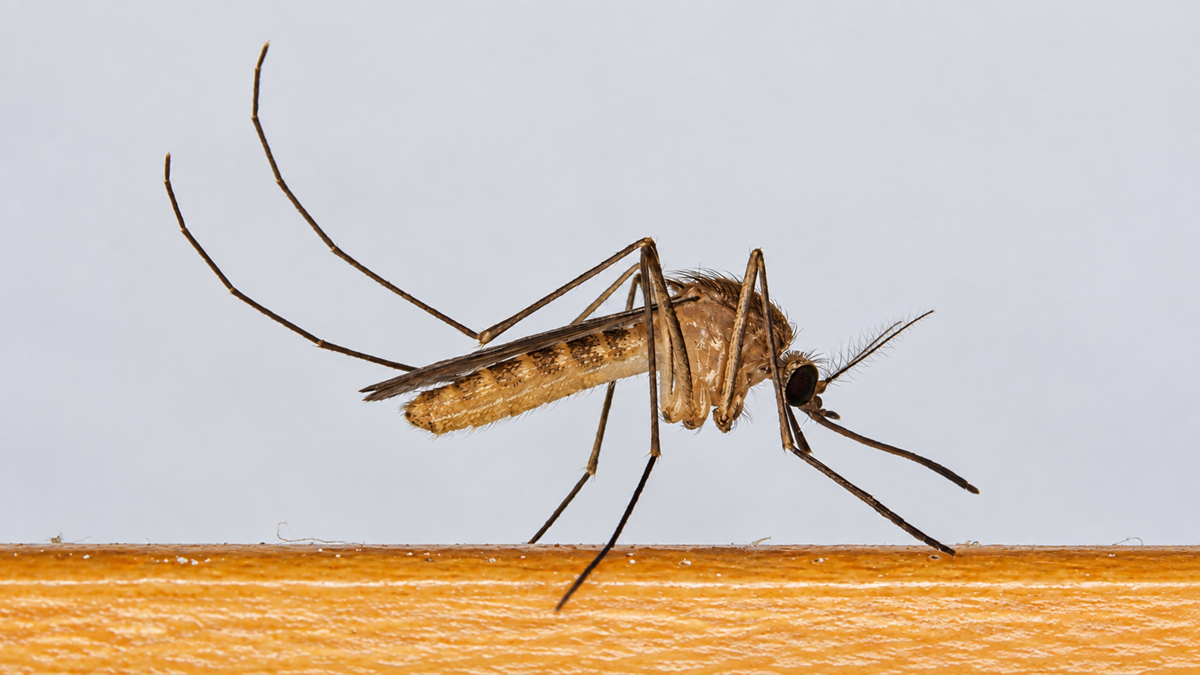
The so-called London Underground mosquito became famous as an example of an insect supposedly evolving inside subway tunnels. Recent genomic work complicated that story. Researchers found that the human-associated form appears to have adapted to human environments more than a thousand years ago, probably around the Mediterranean or Middle East, before later populations moved into modern underground spaces such as the London transit system.
13. Urban Pigeons May Cope Differently With Heavy Metals
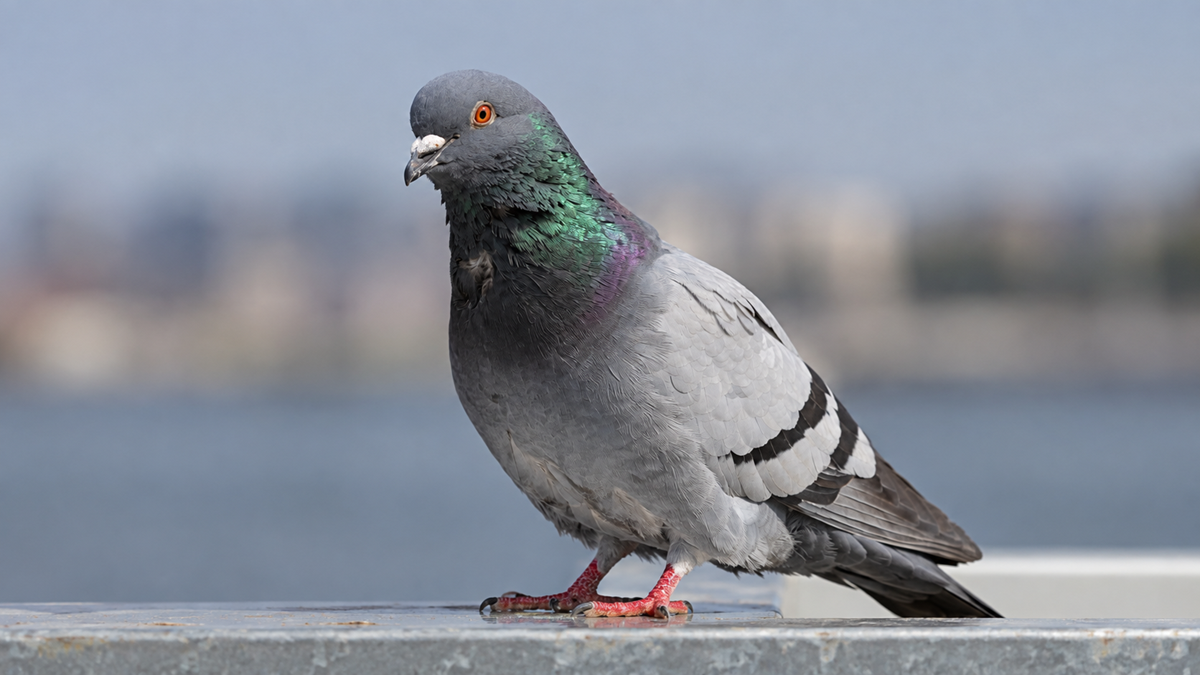
Pigeons spend their lives on sidewalks, roofs, railway stations, and other places where they can encounter lead and other contaminants. Experiments have found that plumage coloration can influence how metals accumulate in feathers and how young birds respond to lead exposure, although the biological relationship is complicated. Recent international research continues to use feral pigeons as a way to understand how urban landscapes shape wildlife exposure to pollution.
14. Bobcats Learn to Navigate Landscapes Full of Roads
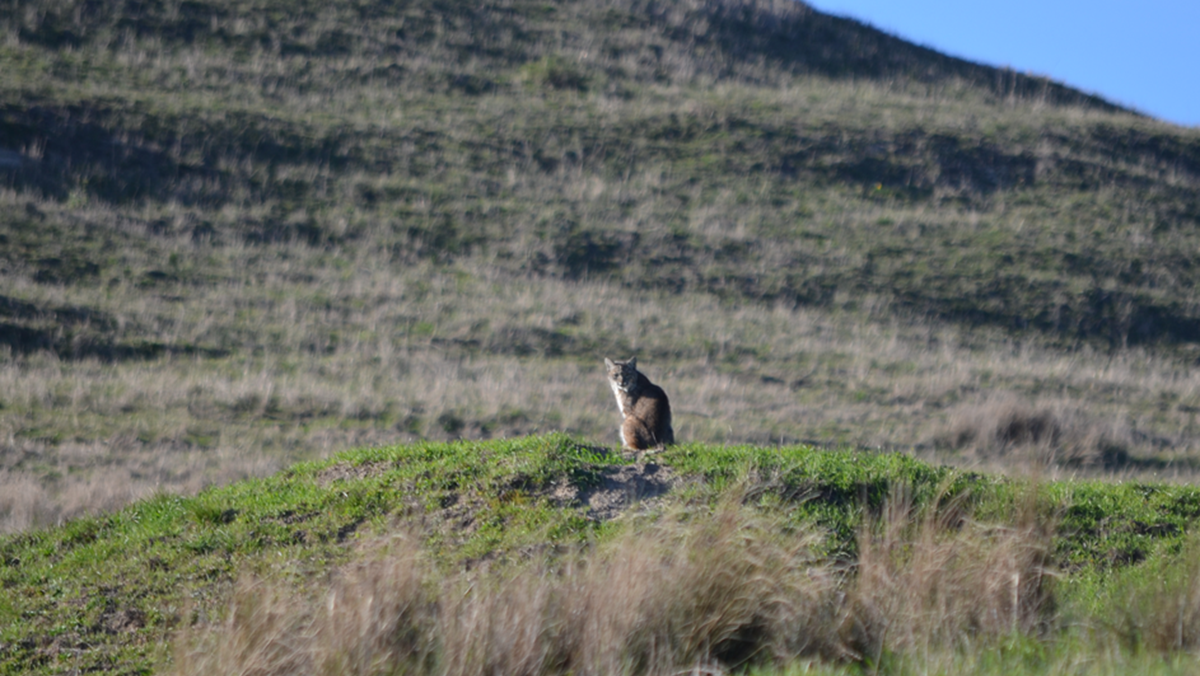
Bobcats still occupy parts of metropolitan landscapes, but getting from one patch of habitat to another can mean negotiating freeways, neighborhoods, and dense road networks. Tracking studies in urban Southern California have shown that roads influence where bobcats establish home ranges and can restrict connectivity across the landscape. City survival for a large predator is therefore partly a matter of learning where movement remains possible.
15. The Same City Pressure Does Not Produce the Same Evolution Everywhere

One of the more interesting lessons from urban wildlife research is that adaptation is not perfectly predictable. Acorn ants exposed to urban heat islands in different cities, for example, showed some parallel changes but also important differences in how their thermal tolerance evolved. Cities may impose similar challenges such as heat, noise, pollution, artificial light, and fragmented habitat, yet local history and genetics can push wildlife toward different solutions.
In the mood for more?
Check out 15 Animals That Could Soon Disappear Forever , or take a look at 15 Overlooked Insects Whose Disappearance Would Cause Real Trouble. If you want to see more wildlife adaptations, you can check out 14 Animals That Detect Signals Our Technology Still Struggles to Read.