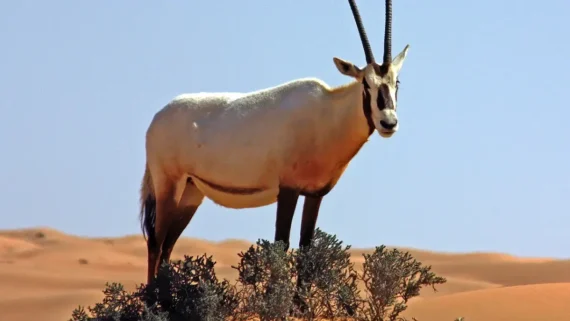
Extinction can feel like something that happened to mammoths and dinosaurs, but plenty of species are living frighteningly close to that line right now. Some survive in a single forest, island, river system, or patch of ocean, while others have been pushed into scattered populations that rarely encounter one another. Habitat destruction, hunting, fishing gear, pollution, and climate change all play a role, often at the same time. These 15 animals offer a glimpse at just how much wildlife could still disappear within our lifetime.
1. Vaquita
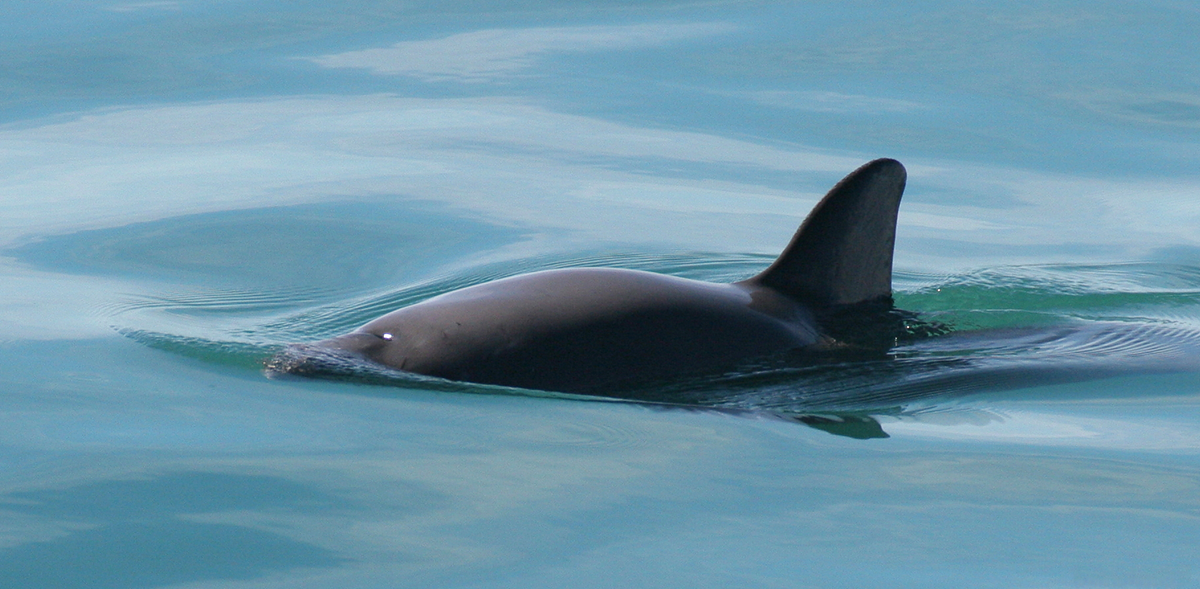
The vaquita has become one of the starkest examples of how quickly a species can approach extinction. This tiny porpoise exists only in the northern Gulf of California in Mexico, and estimates suggest that roughly 10 may remain. Vaquitas are not deliberately hunted, but they become trapped and drown in gillnets, particularly nets associated with the illegal totoaba fishery. Despite the tiny population, surviving animals have continued to reproduce, giving conservationists at least some reason to believe recovery is still biologically possible if the nets disappear from their habitat.
2. Javan Rhino
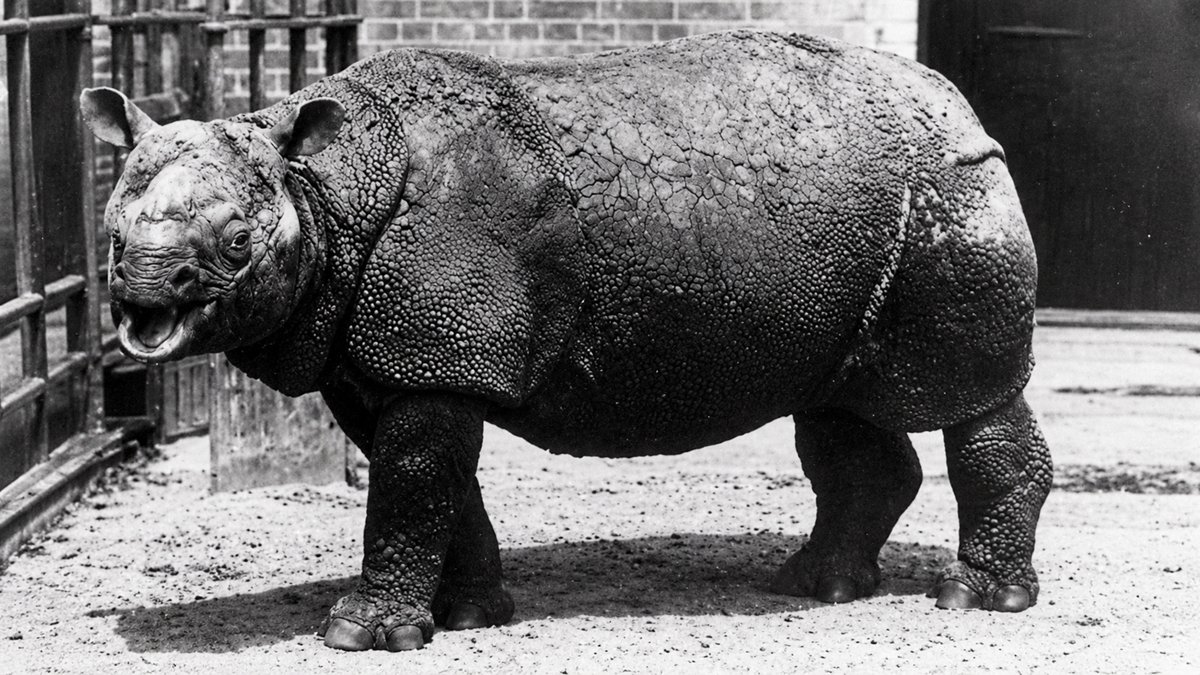
There is now only one wild population of Javan rhinos anywhere on Earth. Around 76 animals survive in Indonesia’s Ujung Kulon National Park, making a single protected area responsible for the future of an entire species. Concentrating every remaining animal in one location also creates unusual risks, including disease, tsunamis, volcanic activity, habitat changes, and the possibility of renewed poaching. Javan rhinos once ranged across a much larger part of South and Southeast Asia.
3. Sumatran Rhino
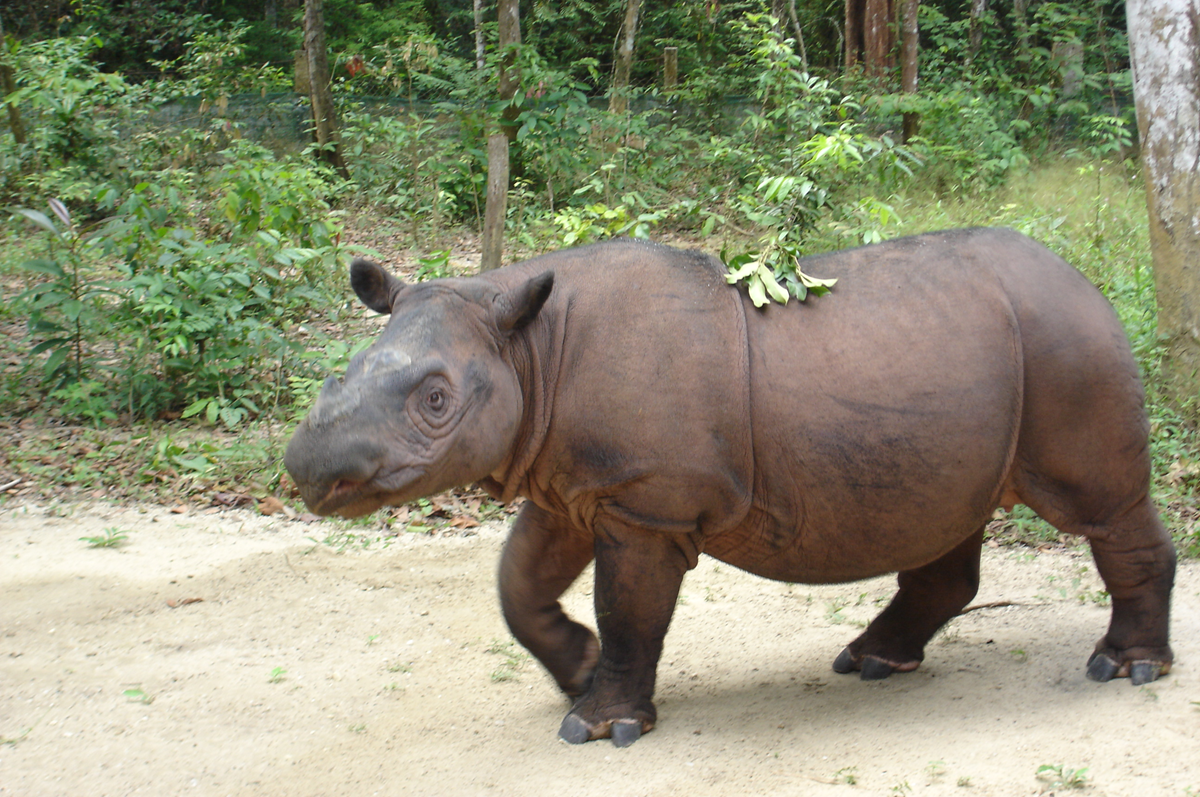
The Sumatran rhino looks noticeably different from its larger relatives. It is small, shaggy, and covered with reddish-brown hair, a reminder of its evolutionary relationship to ancient woolly rhinos. Only around 40 are thought to remain, scattered through isolated patches of forest on Sumatra and Borneo. One of the biggest problems is now simply getting the remaining animals close enough to one another to reproduce.
4. Amur Leopard
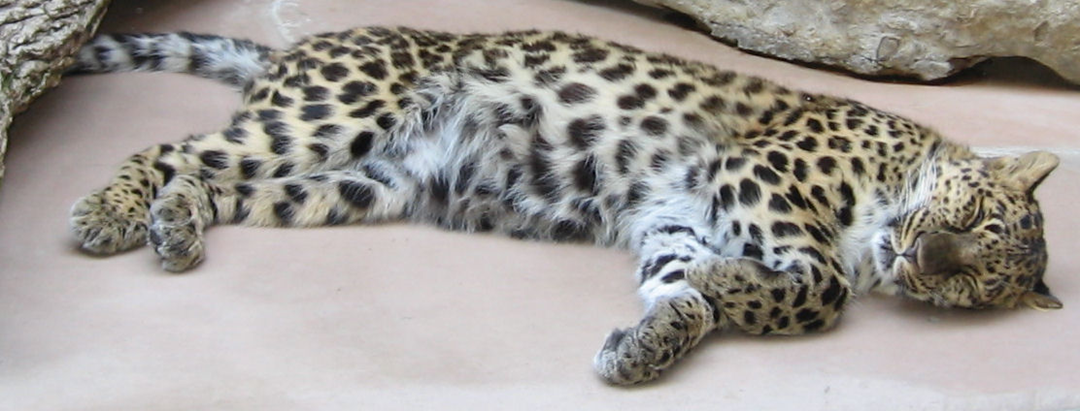
Built for bitter winters rather than tropical jungle, the Amur leopard survives in the temperate forests of the Russian Far East and northeastern China. Its thick coat becomes especially striking in snow, but this beautiful camouflage has not protected it from habitat loss, poaching, declining prey, and decades of extremely low population numbers. Conservation work has helped the wild population increase from earlier lows, but the subspecies remains critically endangered.
5. Saola
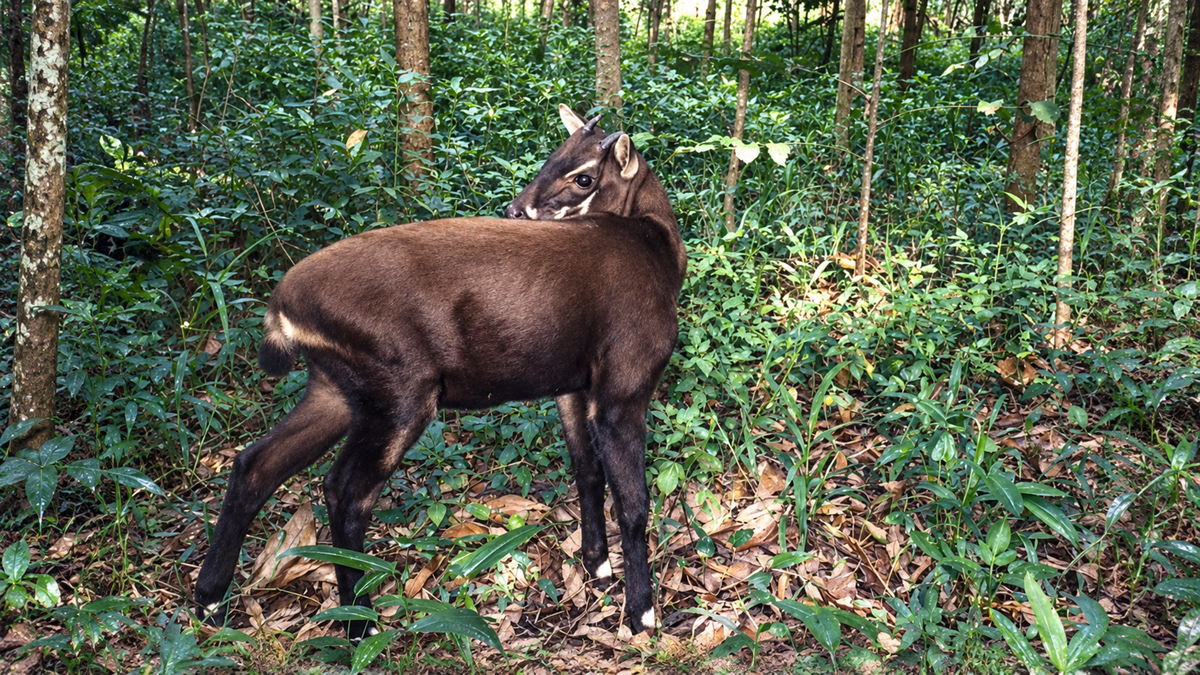
Scientists did not formally discover the saola until 1992, after unusual horns were found during a survey in Vietnam. More than three decades later, researchers still know remarkably little about it. No saola are known to live in captivity; the wild population is unknown, and encounters are so rare that much of what researchers know comes from camera traps and remains found in villages. Wire snares spread throughout forests in Laos and Vietnam are among its biggest threats.
Trending on The Scroller
6. African Forest Elephant
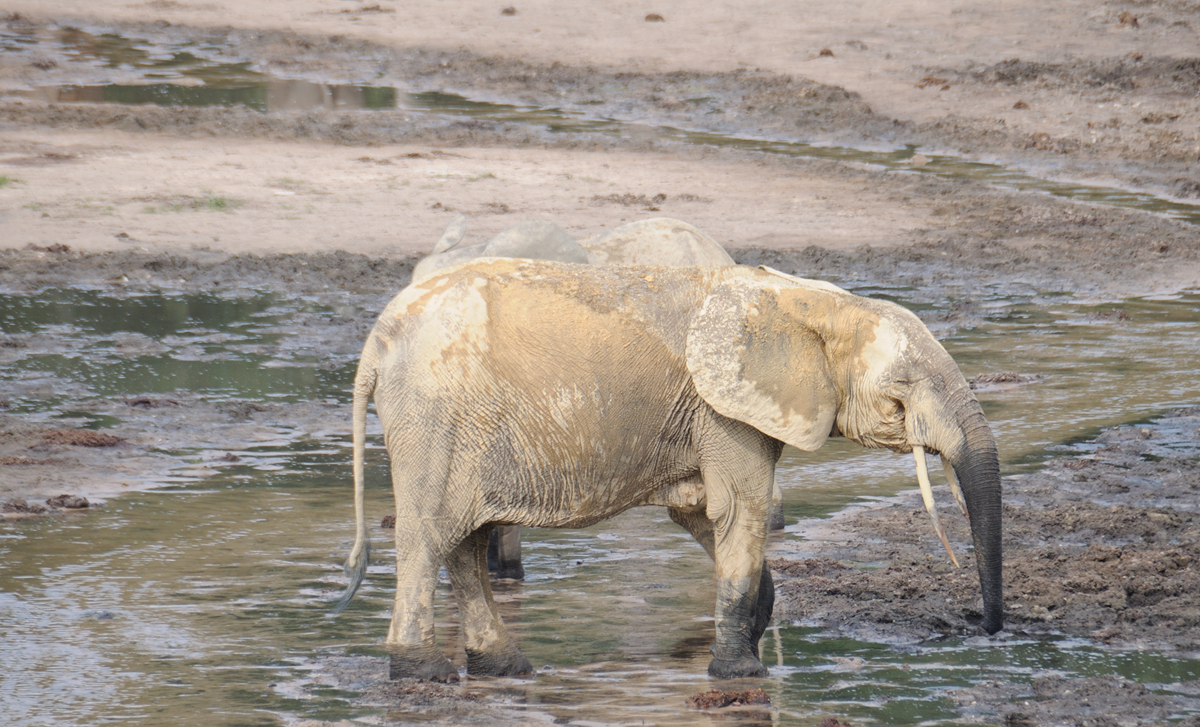
African forest elephants are smaller than the better-known elephants of the savanna, with straighter tusks and a life closely tied to the dense forests of Central and West Africa. That habitat can make them difficult to see, but it has not made them safe. Ivory poaching and the continuing loss and fragmentation of forests have driven severe declines, and the species is now considered critically endangered.
7. Cross River Gorilla
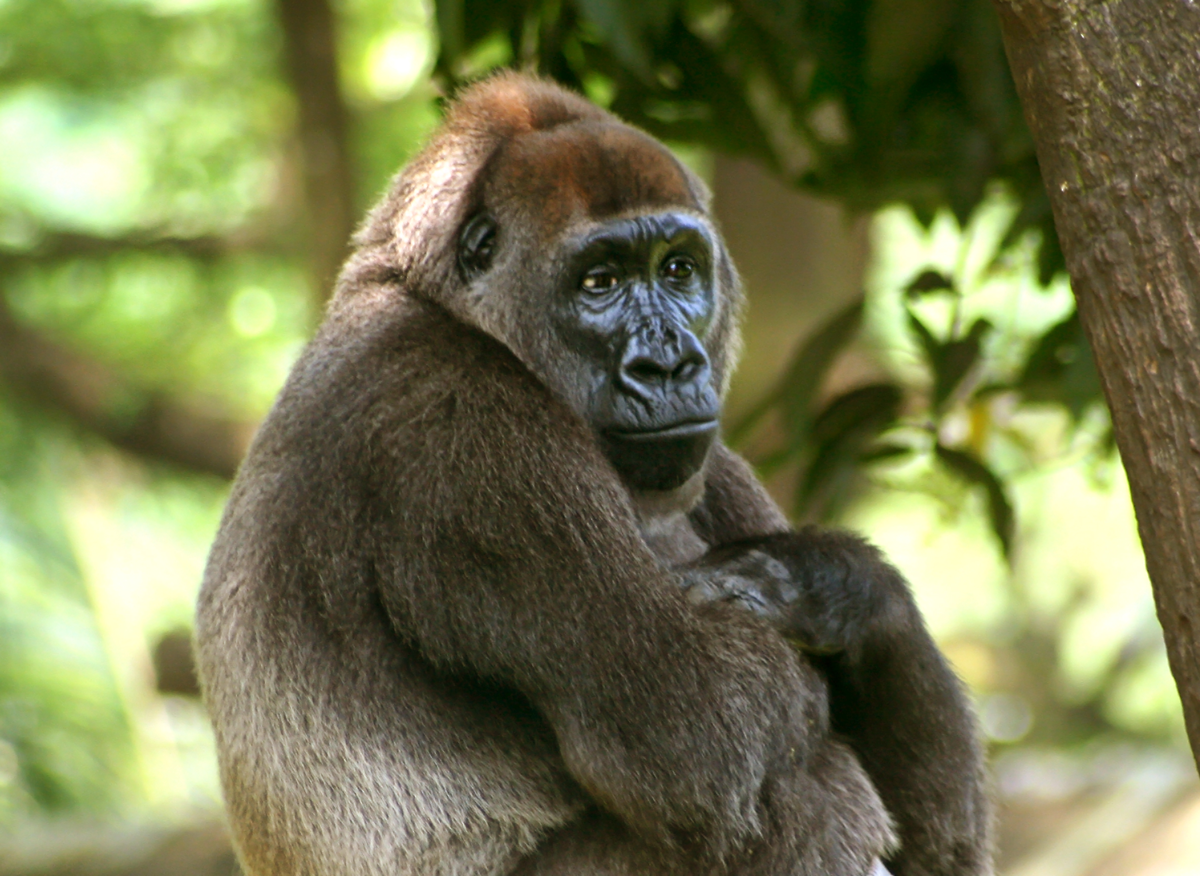
In the forests along the border between Nigeria and Cameroon lives one of the rarest great apes on the planet. Cross River gorillas survive in several small, separated groups, which makes habitat fragmentation especially dangerous. Farming, development, hunting, and human expansion continue to squeeze the forests connecting those populations. The species is classified as critically endangered.
8. Sumatran Orangutan
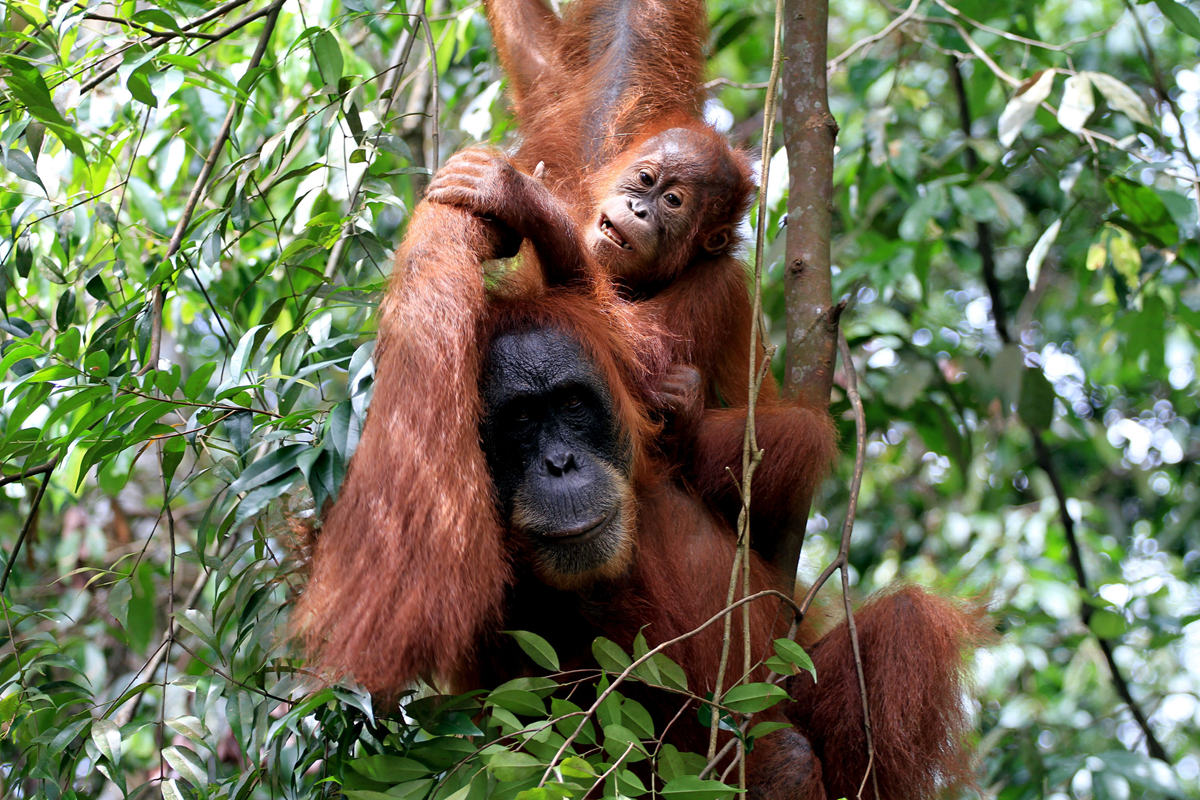
Most Sumatran orangutans spend almost their entire lives above the forest floor. Females rarely come down from the trees at all, moving instead through an interconnected world of branches and canopy. That lifestyle becomes much harder when forests are divided by roads, farms, plantations, and development. The species now survives mainly in northern Sumatra and is classified as critically endangered.
Sign up for our newsletter
9. Hawksbill Sea Turtle
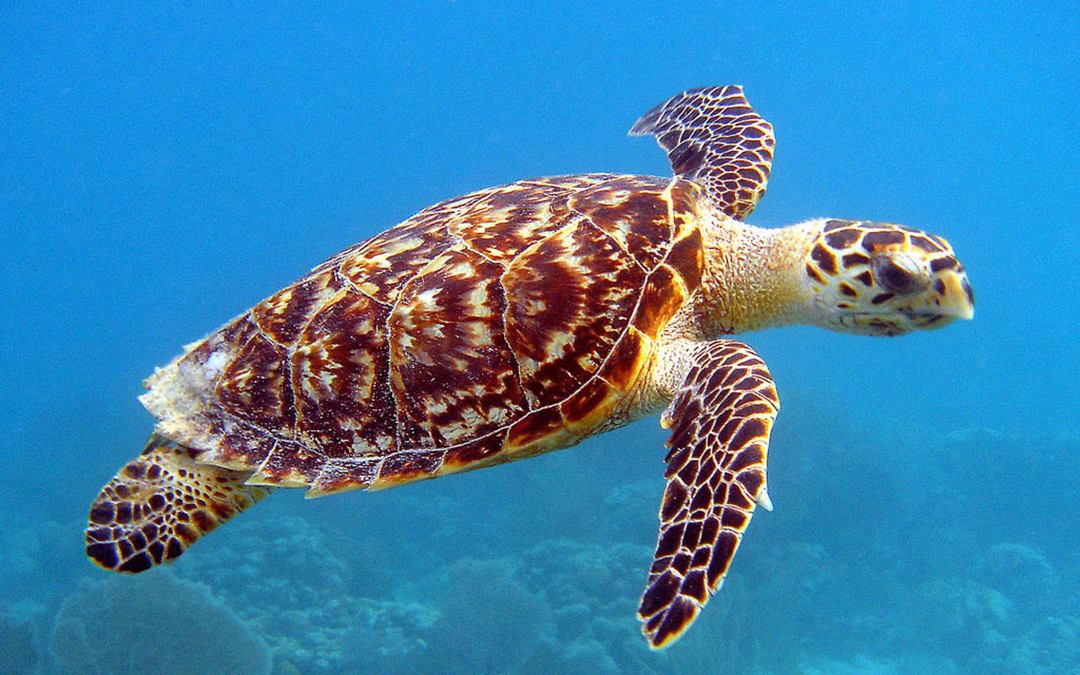
The patterned shell that makes the hawksbill turtle so easy to recognize also helped make it a target. For centuries, its shell was turned into jewelry, combs, ornaments, and other objects sold as “tortoiseshell.” International trade restrictions have reduced that market, but hawksbills still face accidental capture in fishing gear, coastal development, pollution, egg collection, and damage to the coral reefs where they feed. They remain critically endangered.
10. Sunda Tiger
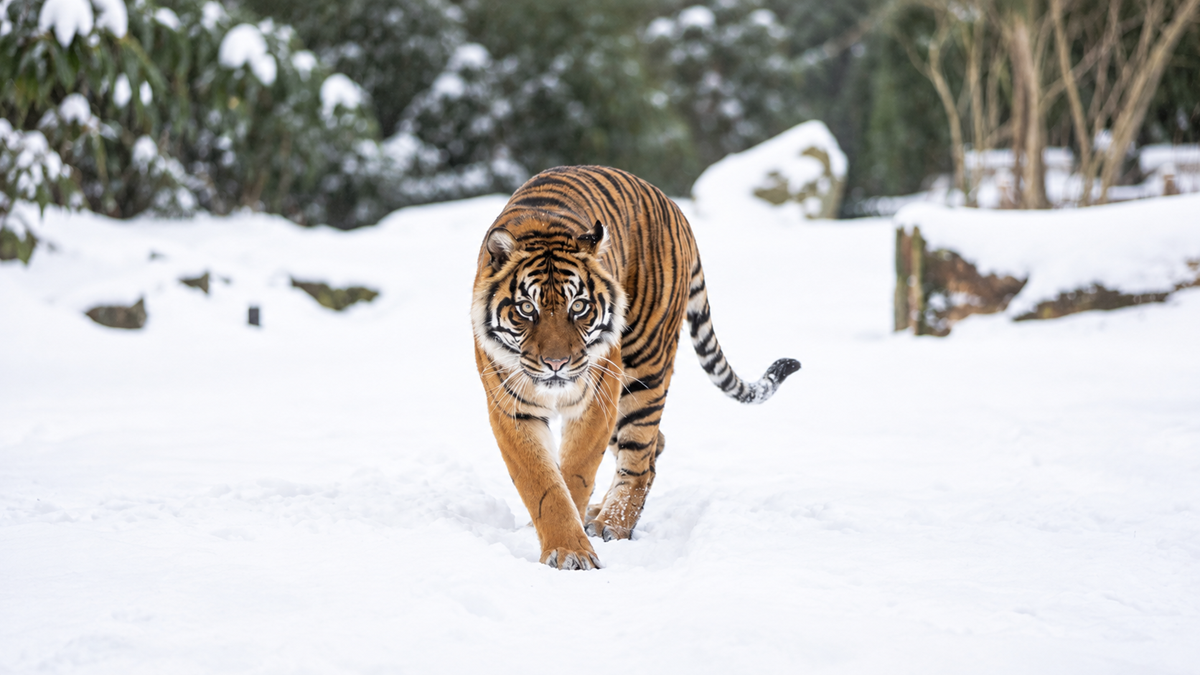
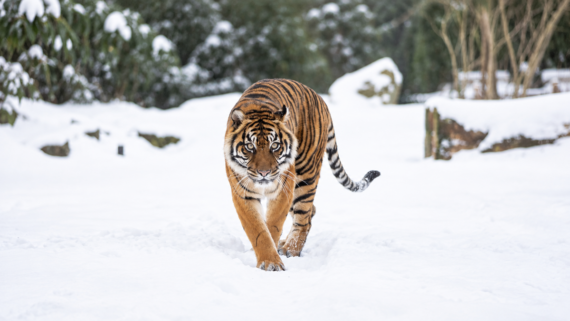
The Sunda tiger survives only on the Indonesian island of Sumatra. Forest clearing has steadily reduced and fragmented its territory, while poaching threatens both the cats and the animals they hunt. Tigers can adapt to different landscapes surprisingly well, but they still need enough connected habitat to hunt, reproduce, and avoid constant conflict with people. The Sunda tiger is critically endangered.
11. Yangtze Finless Porpoise
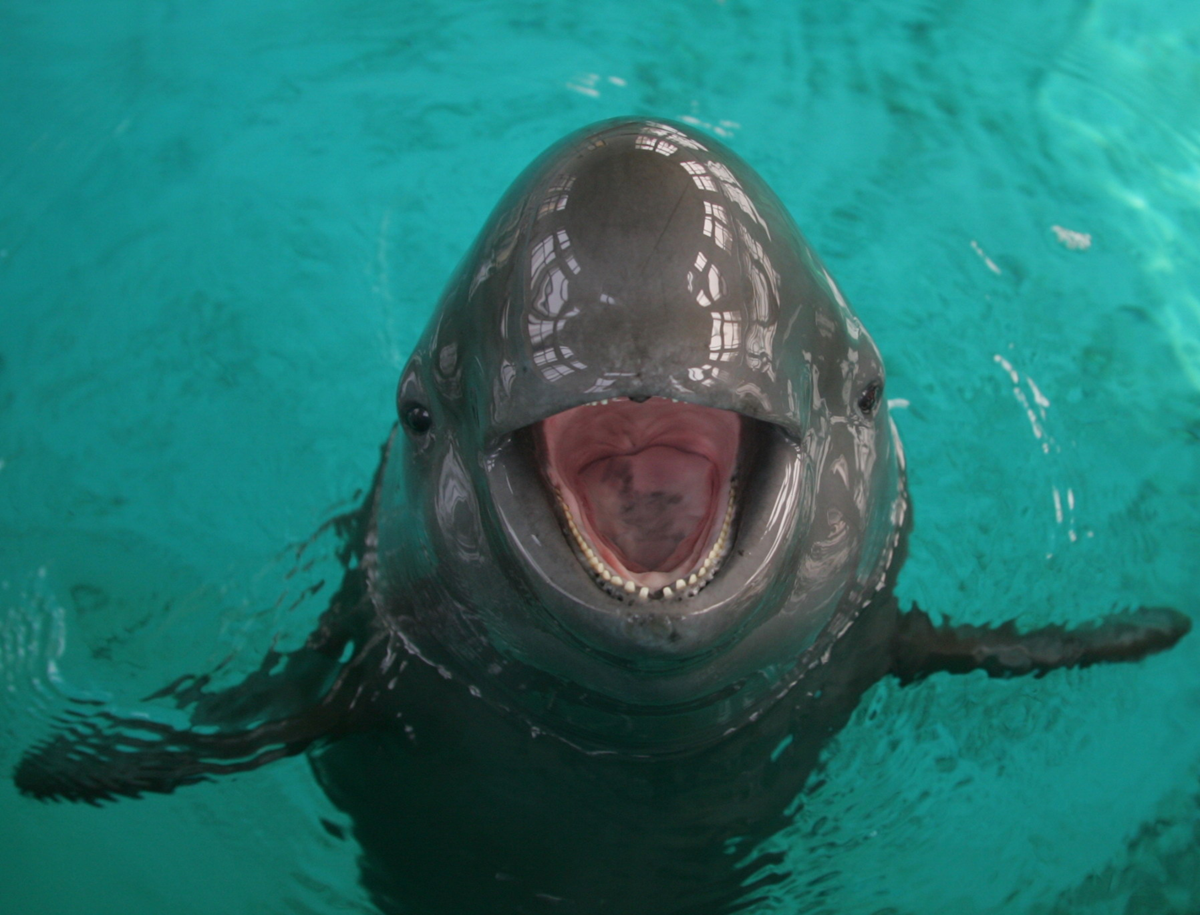
Unlike many of its dolphin relatives, the Yangtze finless porpoise has no dorsal fin. Its rounded head and apparent permanent smile give it an unusually gentle appearance, but life in one of the world’s busiest river systems is anything but gentle. Heavy boat traffic, fishing, pollution, and extensive changes to the Yangtze ecosystem have placed the species under severe pressure. It is now critically endangered.
12. Black Rhino
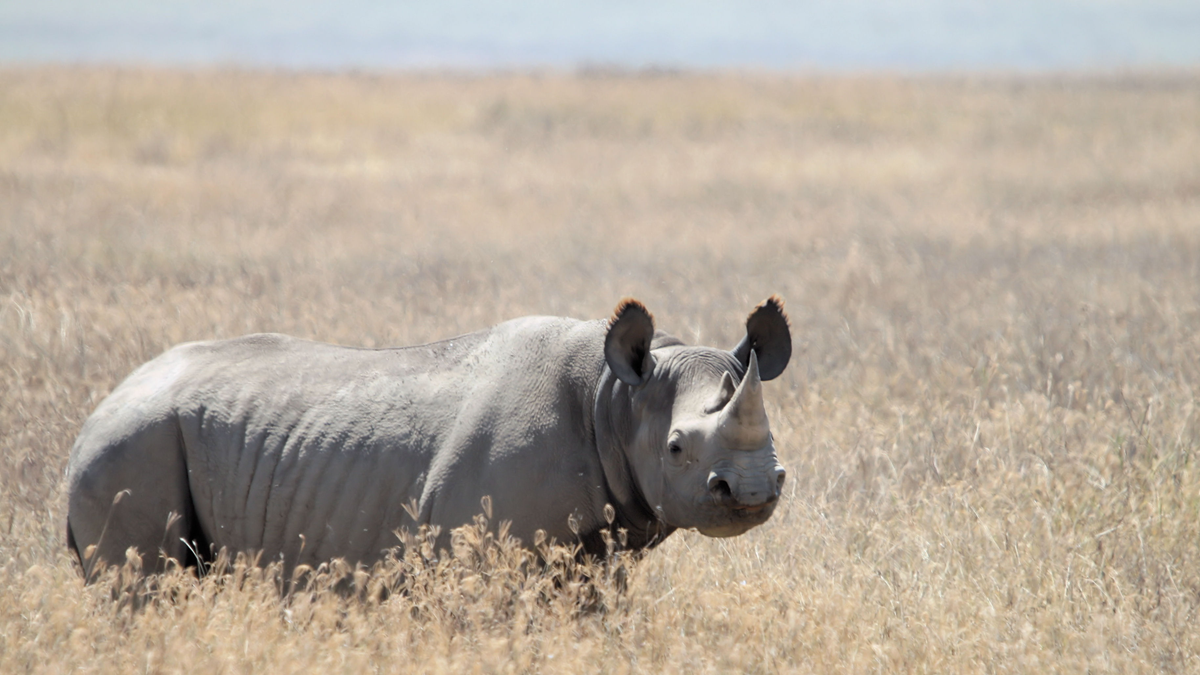
Black rhinos provide a rare mix of good news and uncomfortable perspective. Their numbers have more than doubled since falling below 2,500 animals, with almost 6,500 now estimated in the wild. That recovery is significant, but it has not removed the threat from poaching or restored anything close to the population that existed a century ago. The species remains critically endangered.
13. Bornean Orangutan
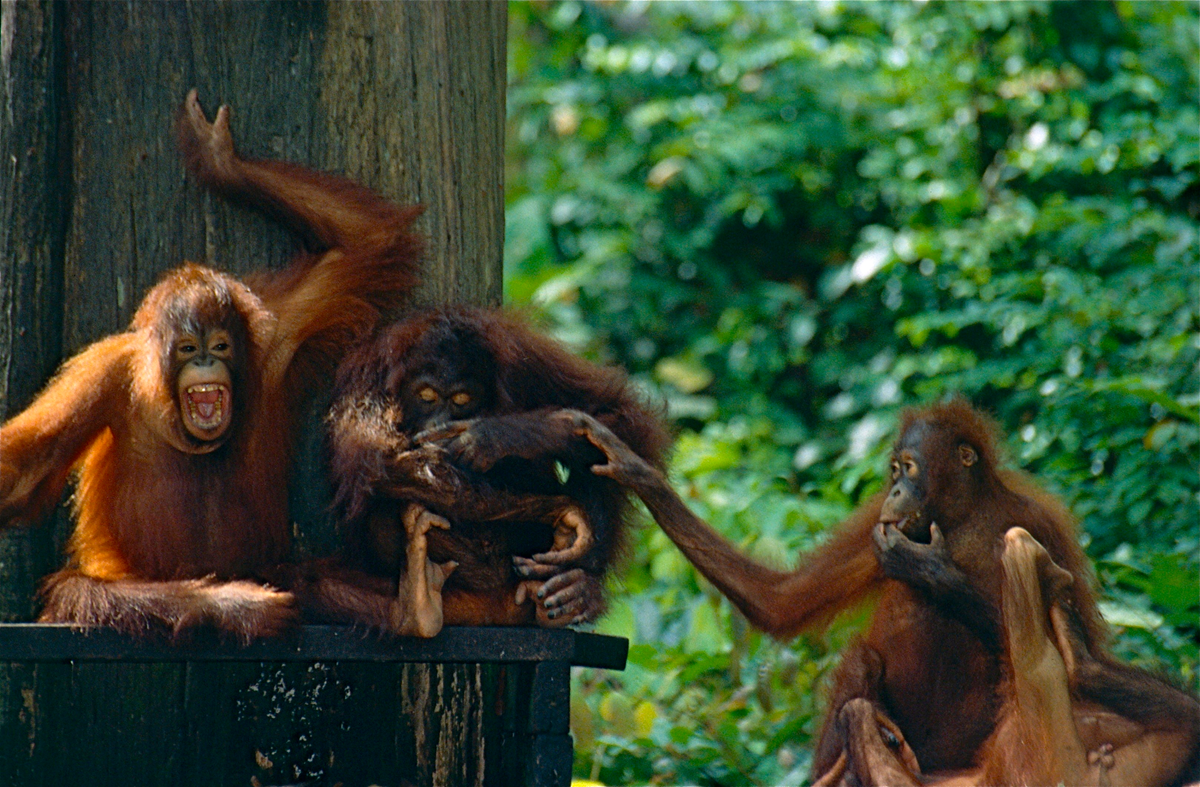
An orangutan may spend years learning which trees fruit at which time, where to find water, and how to move efficiently through the canopy. Losing an old forest therefore means more than losing a collection of trees. Bornean orangutans have been heavily affected by deforestation, agricultural expansion, fires, and hunting across Borneo, leaving the species critically endangered.
14. North Atlantic Right Whale
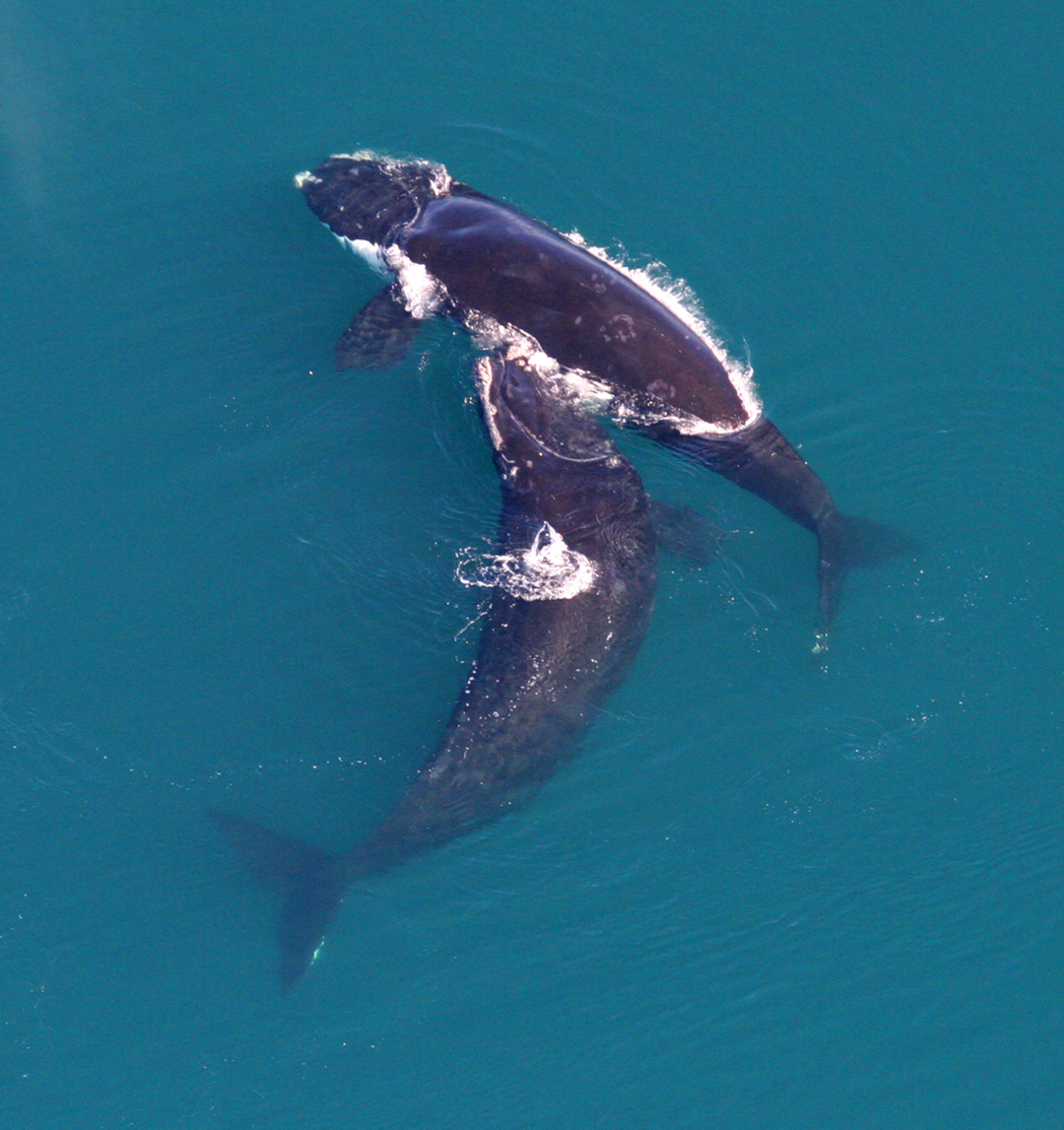
North Atlantic right whales migrate through some of the most heavily used waters along the eastern coasts of Canada and the United States. That puts them directly in the path of two persistent dangers: collisions with vessels and entanglement in fishing gear. Their slow reproductive rate makes every adult female particularly important to the population’s survival.
15. Axolotl
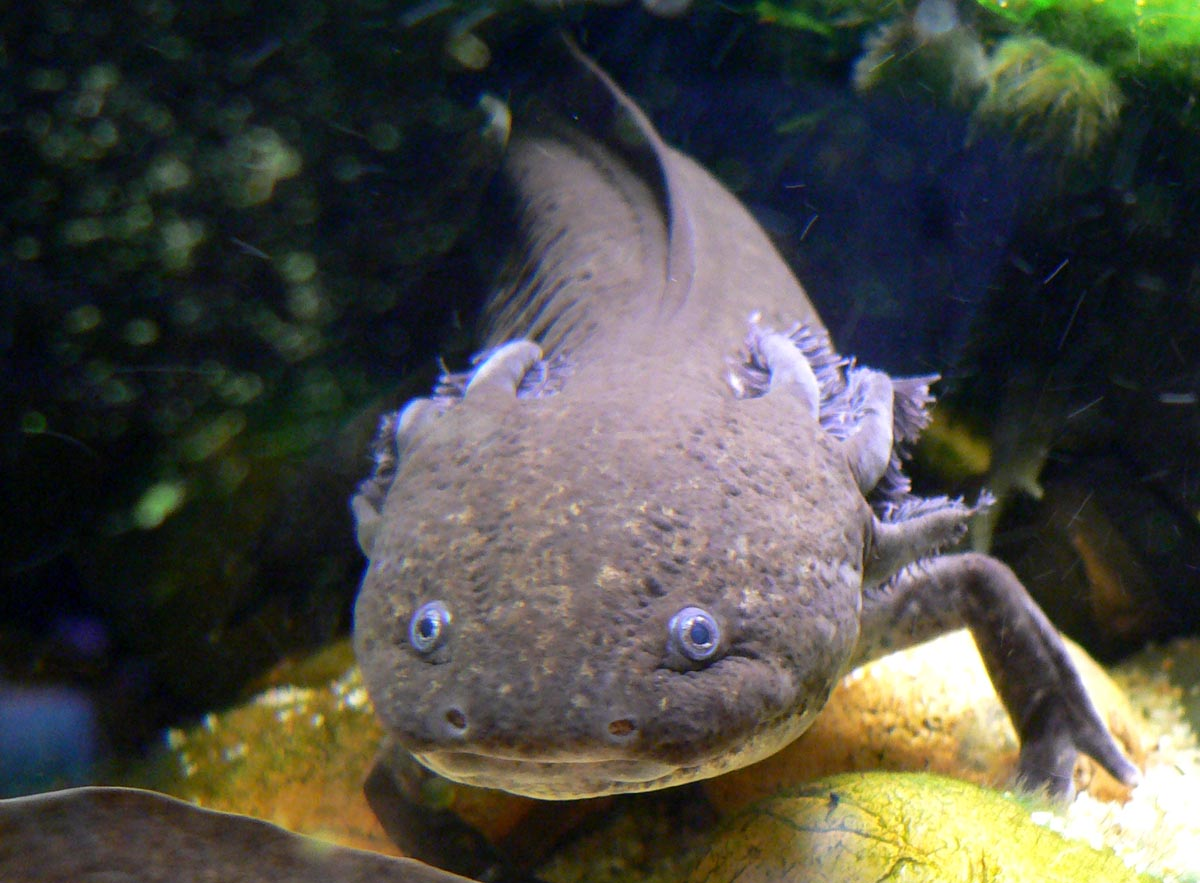
Axolotls are everywhere in aquariums, laboratories, toys, and internet culture, which makes their situation in the wild especially strange. Their natural home is a tiny remnant of the lake system around Mexico City, particularly the canals of Xochimilco. Urbanization, pollution, and introduced fish have transformed that ecosystem, leaving wild axolotls in a far more precarious position than their popularity in captivity might suggest.
In the mood for more?
Check out 15 Animals Thought Extinct Until They Turned Up Alive, or take a look at 14 Animals That Detect Signals Our Technology Still Struggles to Read. If you want to see more remarkable animal stories, you can check out 15 Animals With Social Lives More Complicated Than Most Humans.