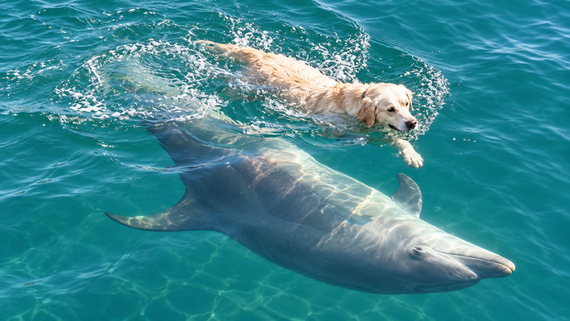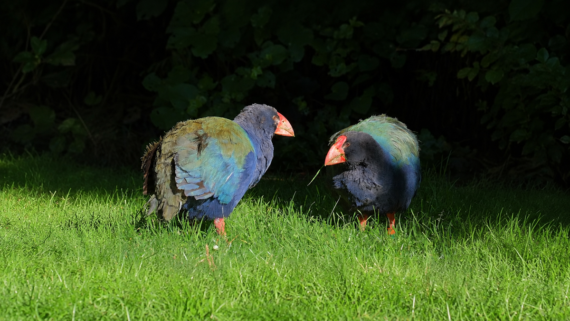
Sometimes an animal disappears so completely that scientists eventually stop expecting to see it again. Decades pass, expeditions come up empty, and the species quietly moves into the extinction column. Then someone catches the wrong fish, climbs the right mountain, checks a termite nest, or notices something strange in a ranch dog’s mouth. These 15 animals managed to stay out of sight far longer than anyone expected.
1. The Coelacanth
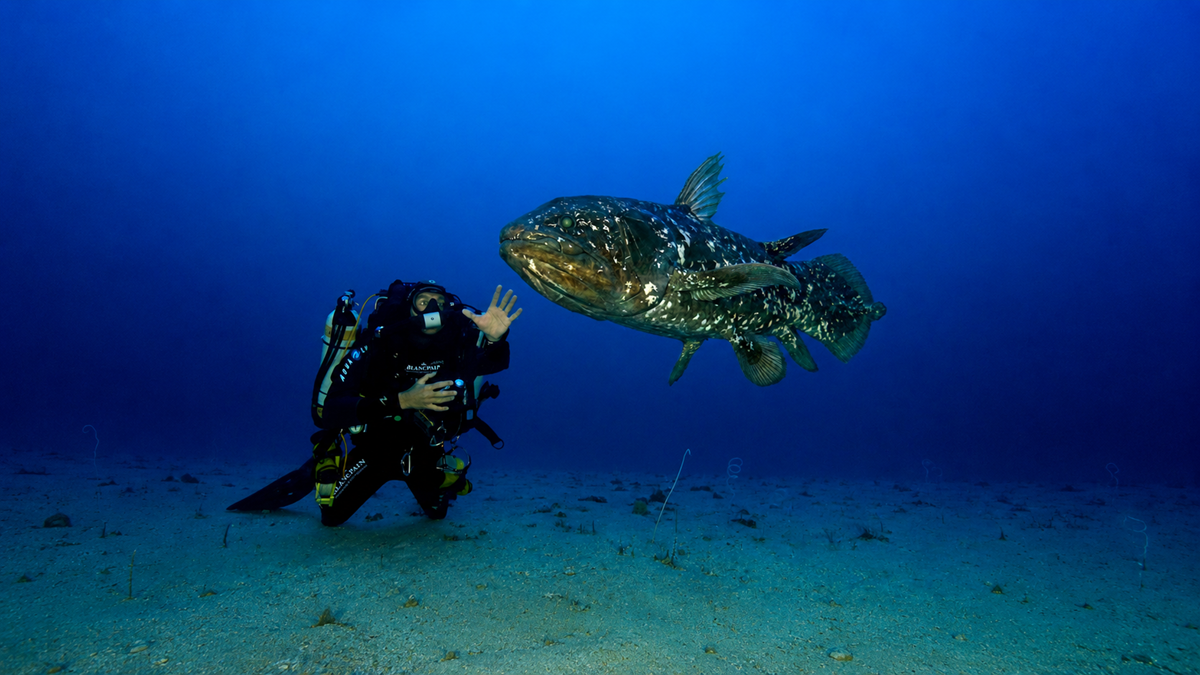
The fish hauled onto a dock in East London, South Africa, in December 1938 did not look like an ordinary catch. Museum curator Marjorie Courtenay-Latimer examined it and contacted ichthyologist J. L. B. Smith, who eventually identified it as a coelacanth, part of a lineage known from fossils and believed to have disappeared around the end of the Cretaceous. Living coelacanths had apparently been swimming in deep waters of the Indian Ocean while scientists knew their relatives almost entirely from stone. It remains one of the classic examples of an animal turning up where the scientific record said it should not exist.
2. The Takahē
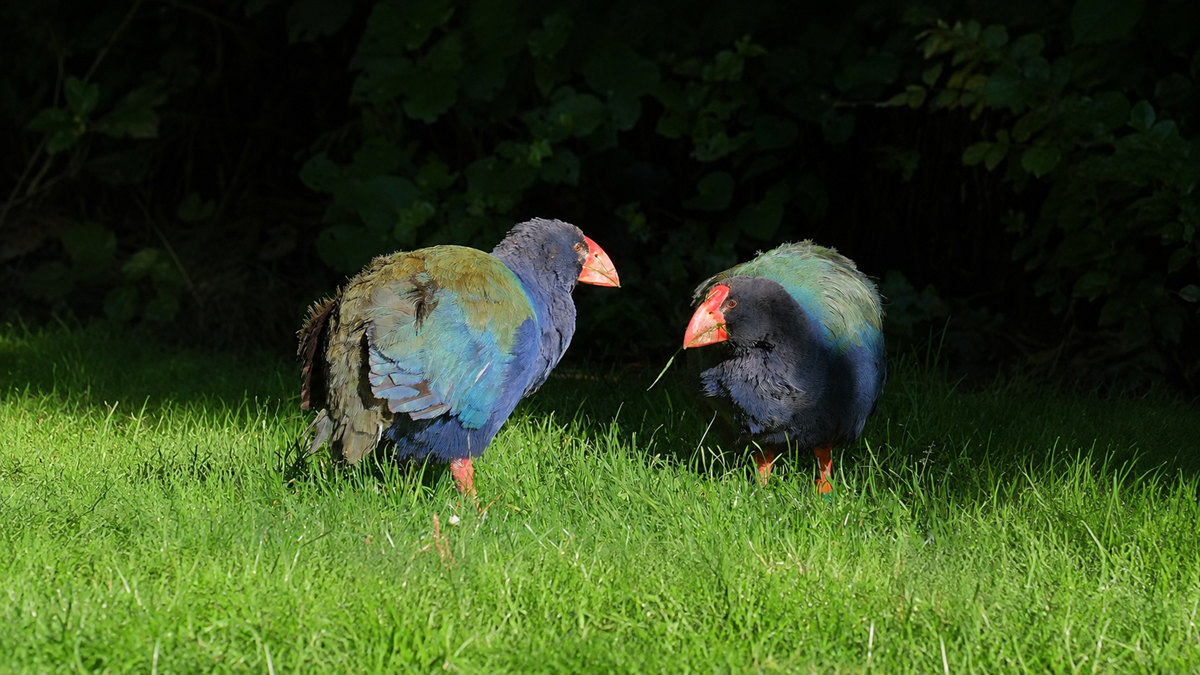
There is nothing especially inconspicuous about a takahē. The New Zealand bird is large, flightless, brightly colored and equipped with a thick red bill, yet it vanished from confirmed records so thoroughly that it was considered extinct for nearly 50 years. Geoffrey Orbell was not convinced. In 1948, he and a small party headed into the remote Murchison Mountains in Fiordland and found living birds in an isolated alpine valley. The takahē had not returned from anywhere, of course. It had simply remained in a rugged corner of the South Island where very few people had been looking.
3. The Lord Howe Island Stick Insect
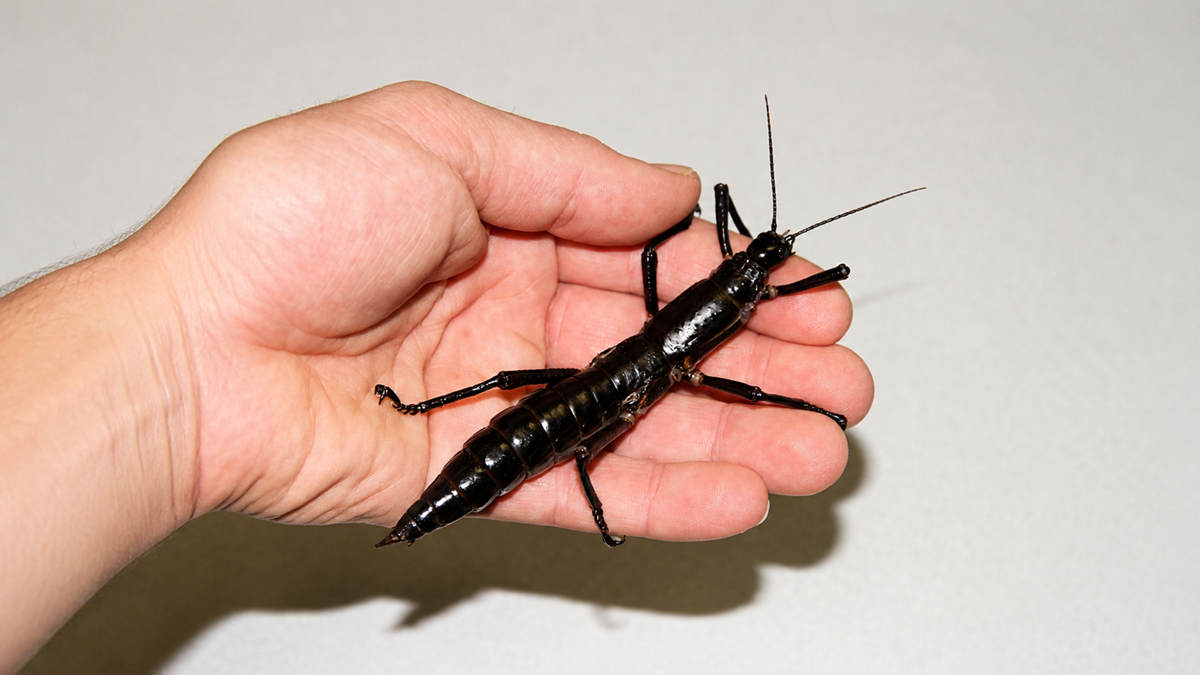
By the 1920s, invasive black rats had wiped the enormous Lord Howe Island stick insect from its namesake Australian island, and the species was presumed extinct. Then researchers found a tiny surviving population in 2001 on Ball’s Pyramid, a steep volcanic outcrop rising from the sea, where the insects were living around a single patch of vegetation.
4. The Black-Footed Ferret
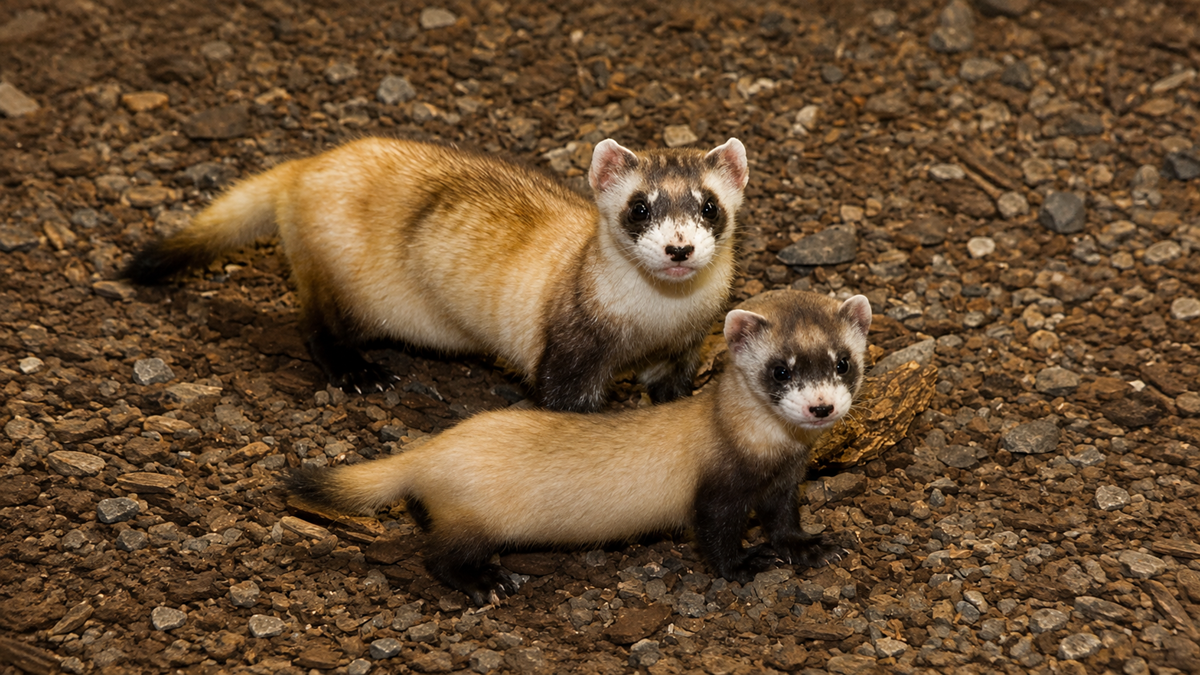
The rediscovery of the black-footed ferret did not begin with a carefully planned scientific expedition. In 1981, a ranch dog near Meeteetse, Wyoming, brought home a dead animal that turned out to be one of the ferrets, a North American species feared extinct in the wild. Wildlife officials followed the clue and located a small surviving population in the area. Those animals later became central to an intensive captive-breeding and reintroduction program. It is difficult to imagine a less formal way to restart the known history of a species than somebody noticing what the dog had dragged in.
5. Gilbert’s Potoroo
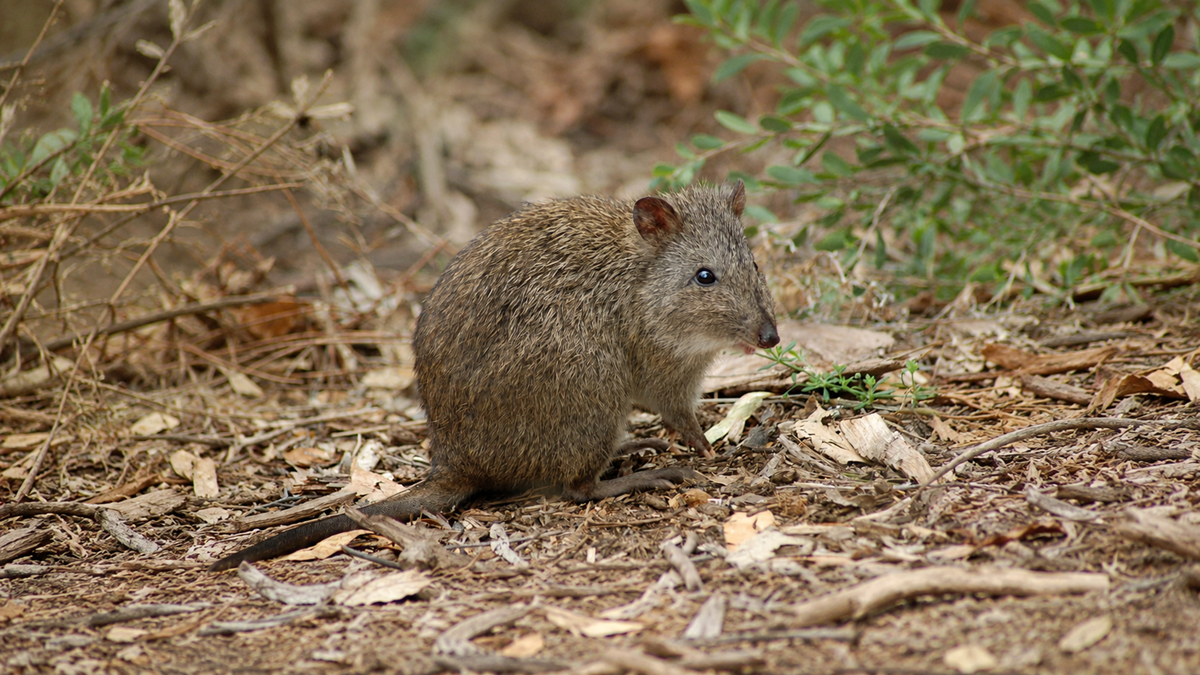
For most of the 20th century, Gilbert’s potoroo was essentially a museum animal. The small marsupial had been collected in Western Australia during the 1800s, but after decades without another confirmed record, it was believed extinct by the early 1900s. That changed in December 1994 at Two Peoples Bay Nature Reserve, near Albany, when researcher Elizabeth Sinclair captured one while working in dense heathland. The discovery was startling partly because the animal had survived in a place conservationists were already studying. A species can apparently hide not only in a remote landscape, but almost under the noses of people trying to protect it.
Trending on The Scroller

6. The Night Parrot
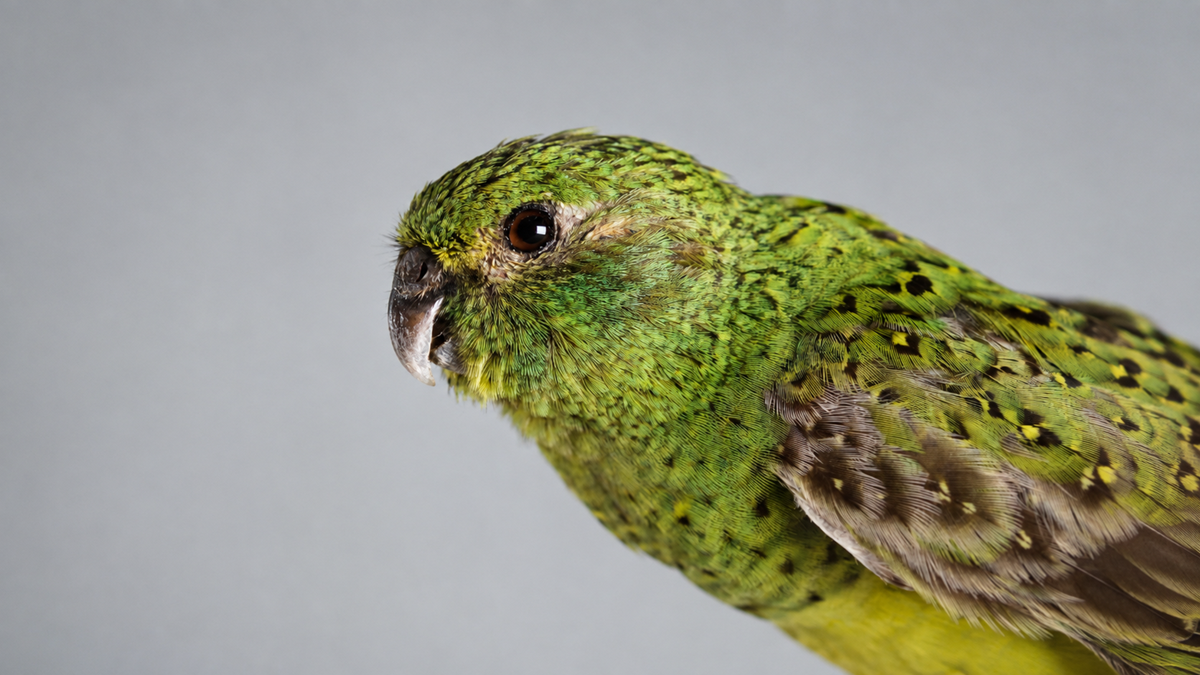
For Australian birdwatchers, the night parrot became the sort of creature people could spend years discussing without ever seeing. Confirmed observations largely disappeared during the 20th century, and the elusive ground-dwelling parrot was presumed extinct for roughly a century. Dead specimens and scattered evidence suggested the story might not be over, but living birds remained maddeningly difficult to document. In 2013, evidence from southwestern Queensland established that a population had survived among remote spinifex country. Even now, it is an unusually secretive bird, active at night and associated with landscapes where finding one small parrot can mean searching an enormous amount of desert.
7. The New Zealand Storm Petrel
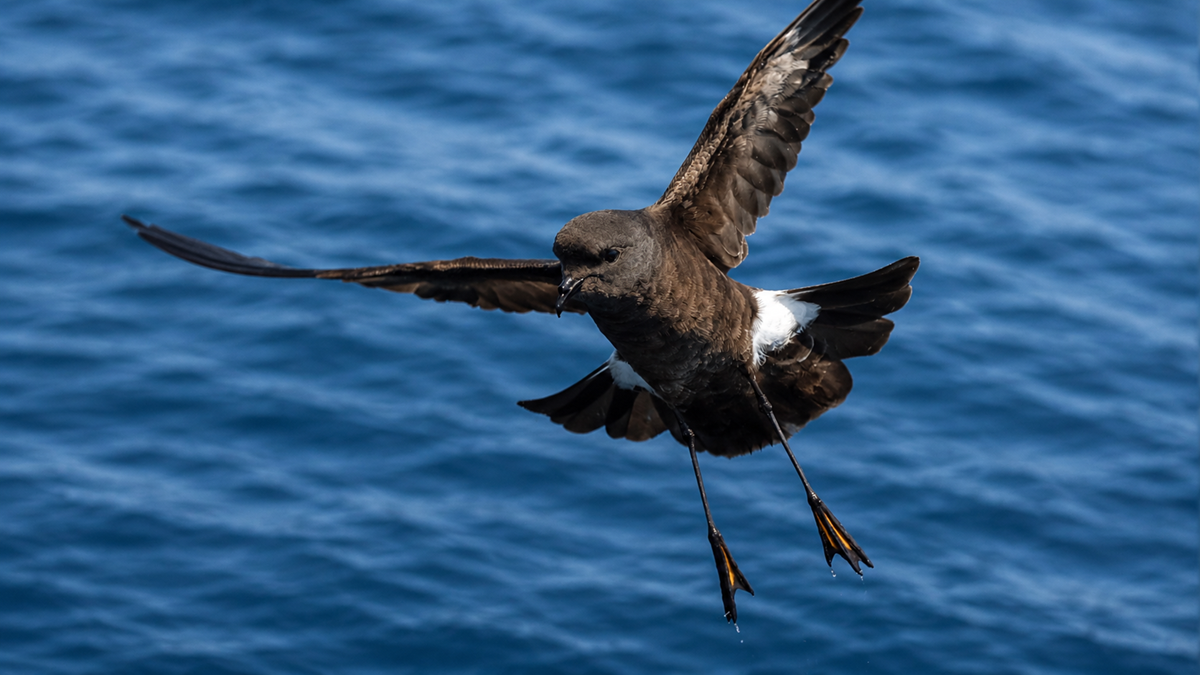
The New Zealand storm petrel was known from old specimens and went unseen for more than a century. Then birders encountered living birds in the Hauraki Gulf in 2003, and in 2013 researchers finally traced their breeding site to Hauturu, or Little Barrier Island.
8. The Fernandina Giant Tortoise
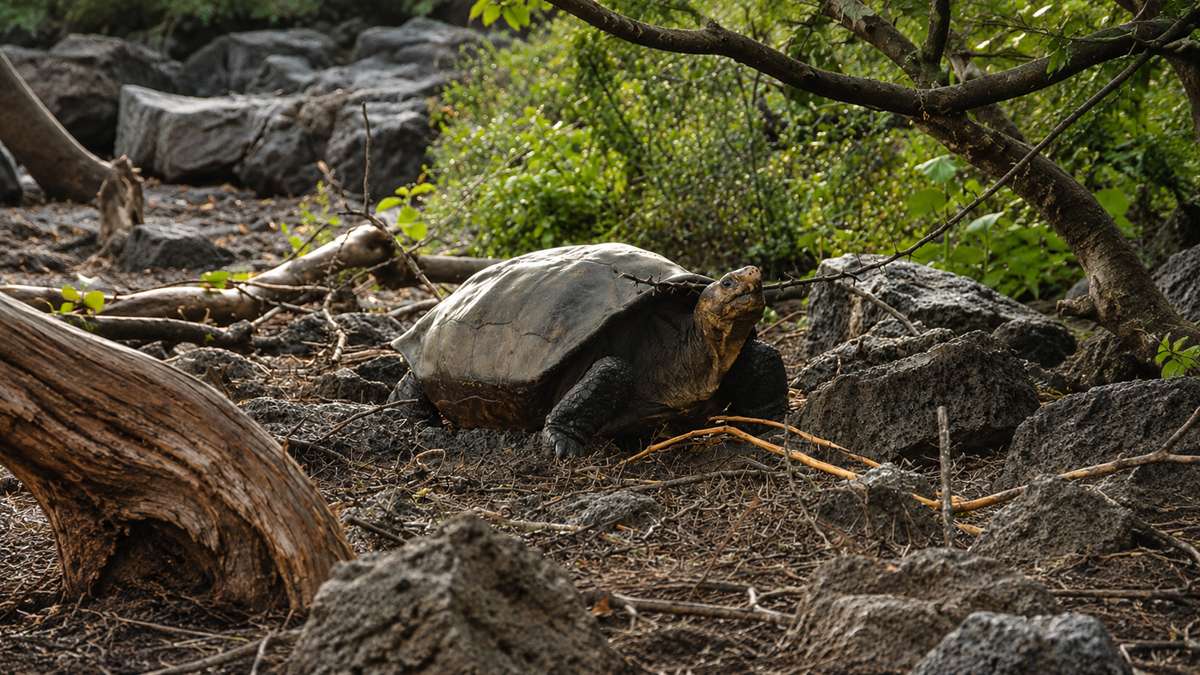
Fernandina Island is an active volcanic island covered in rough lava, which turns out to be a fairly effective place for a giant reptile to avoid people. The Fernandina giant tortoise was known from a specimen collected in 1906 and was long feared extinct. In February 2019, an expedition on the island found an elderly female tortoise hiding among vegetation. There was initially a cautious question hanging over the discovery: was she really the missing species? Genetic work later showed that the 2019 tortoise belonged to the same lineage as the historical Fernandina specimen. More than a century after the last confirmed record, the species was back on the scientific map.
Sign up for our newsletter
9. Wallace’s Giant Bee
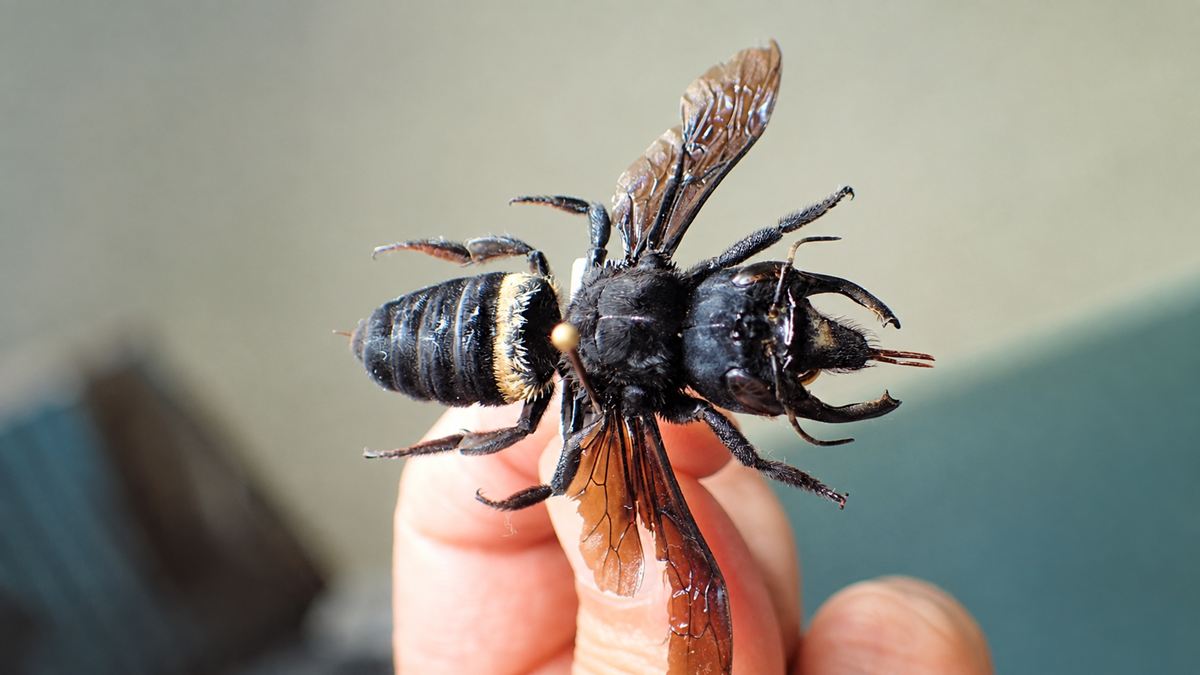
An insect the size of Wallace’s giant bee sounds as though it should be hard to lose. Females can reach a wingspan of roughly two and a half inches, and their oversized jaws make them look unlike a familiar garden bee. Still, after a confirmed scientific sighting in 1981, decades passed with almost nothing. In 2019, a team searching Indonesia’s North Moluccas found a female occupying a termite mound in a tree. That last detail explains quite a lot. Being enormous does not necessarily make an animal easy to find when it lives alone, inside termite nests, in tropical forest on a handful of islands.
10. The Pygmy Tarsier
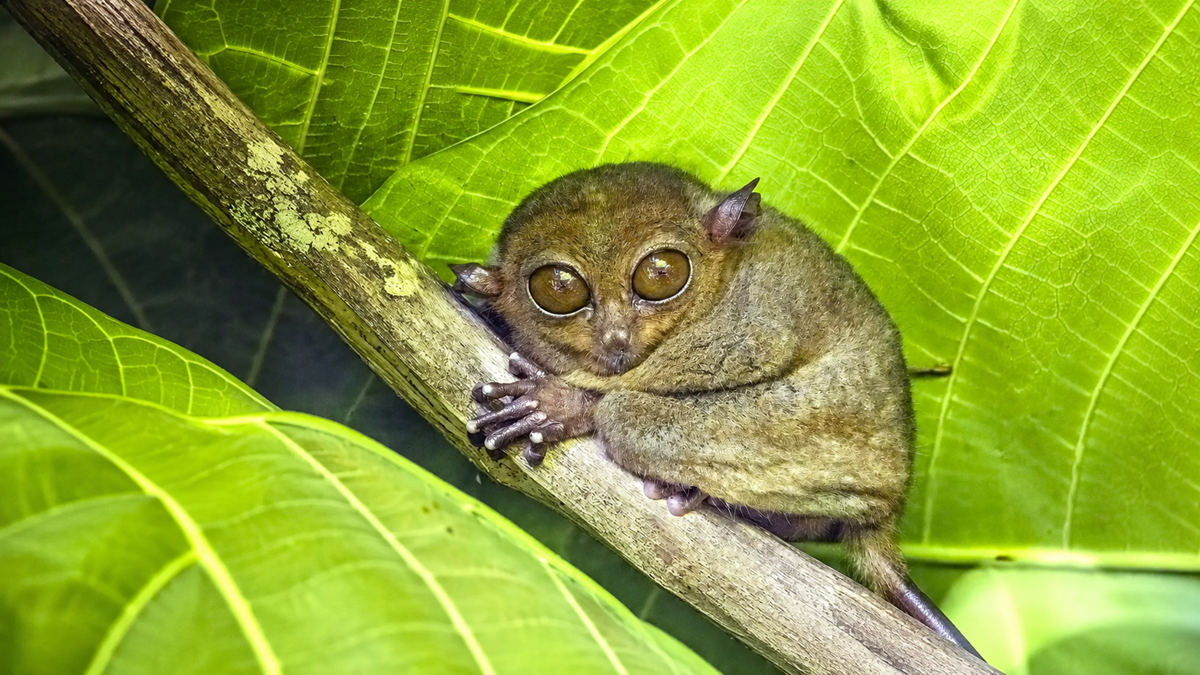
Pygmy tarsiers are tiny, nocturnal primates from the mountains of Sulawesi, Indonesia. For much of the 20th century they seemed to have disappeared, until evidence began surfacing again and researchers captured living animals on Mount Rore Katimbo in 2008. Finding something that small in wet, high-elevation forest was never going to be simple.
11. The Bermuda Petrel
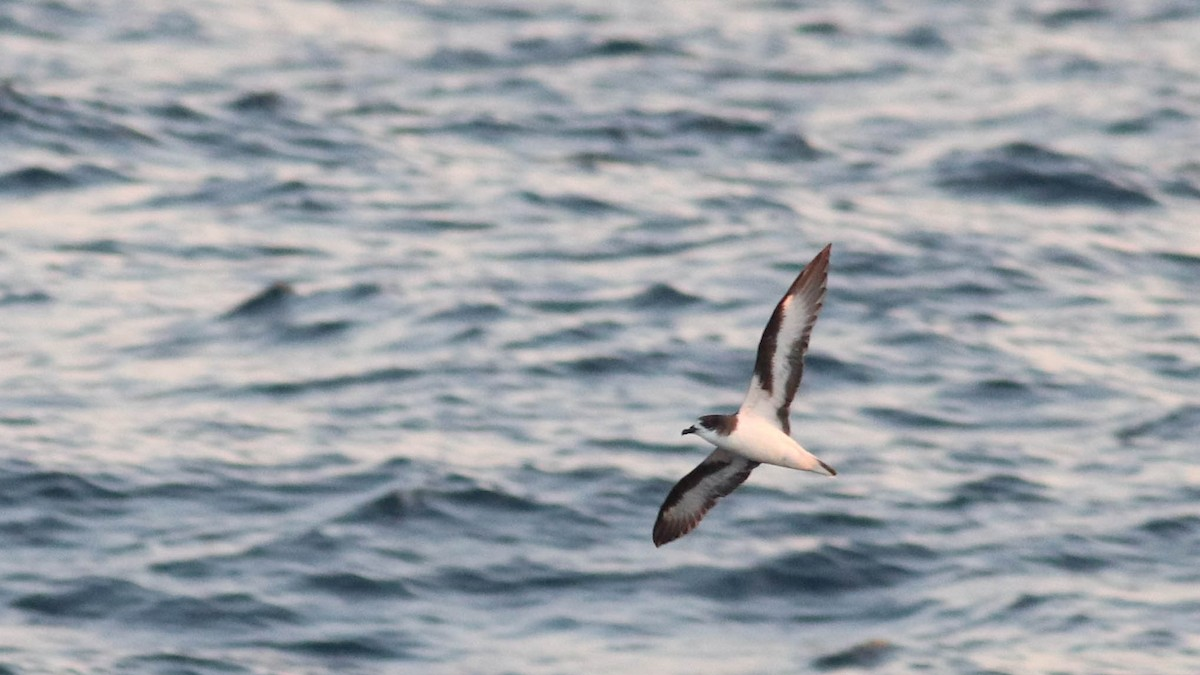
When people settled Bermuda, the cahow, better known as the Bermuda petrel, was abundant enough to become a food source. Introduced animals, hunting and habitat disturbance hit the bird hard, and eventually it seemed to vanish altogether. For roughly three centuries, it was widely considered extinct. Then, in 1951, a scientific expedition located surviving birds breeding on tiny rocky islets in Castle Harbour. Only a handful of breeding pairs remained, tucked into marginal nesting habitat that had allowed them to escape complete disappearance. The species had spent centuries surviving within sight of populated Bermuda, but on scraps of land small enough to be easily overlooked.
12. The Mountain Pygmy-Possum
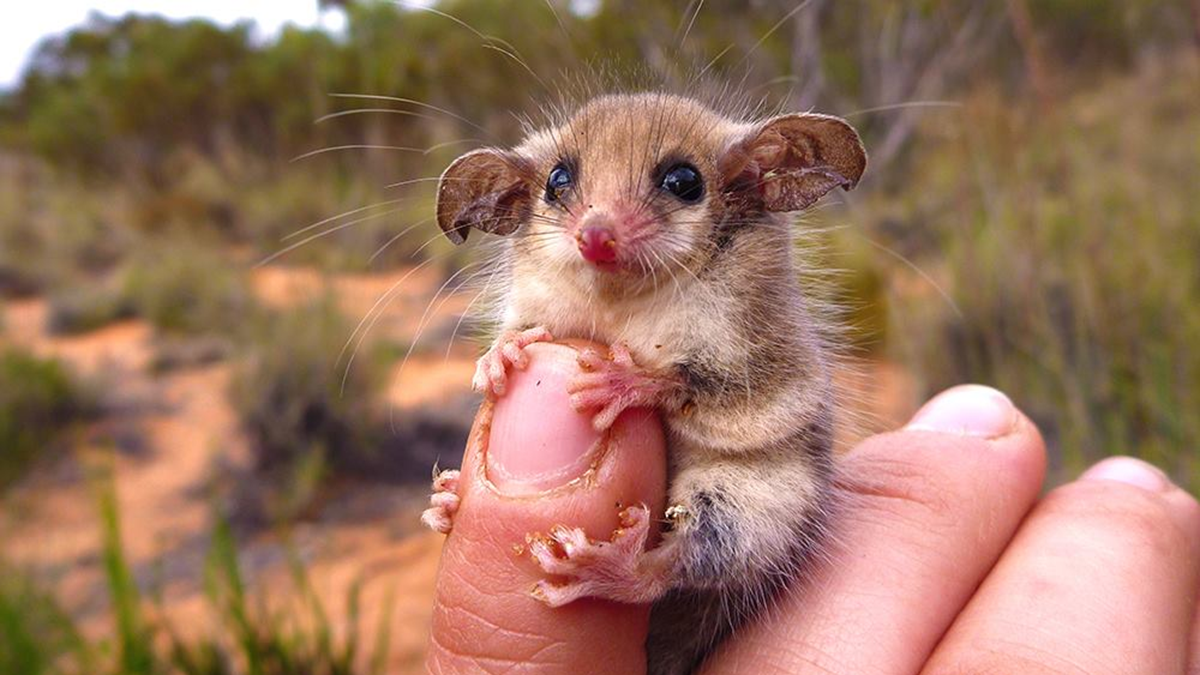
This Australian marsupial was introduced to science backward. Burramys parvus was first described in the 1890s from fossil remains, and for decades nobody had a living animal to point to. Then, in August 1966, one was found in the Victorian Alps. Suddenly a creature known from old bones was a small, furry resident of Australia’s alpine boulder fields. The discovery was especially unusual because finding a living species after it had first been described as a fossil is not the normal sequence of events.
13. The Chacoan Peccary
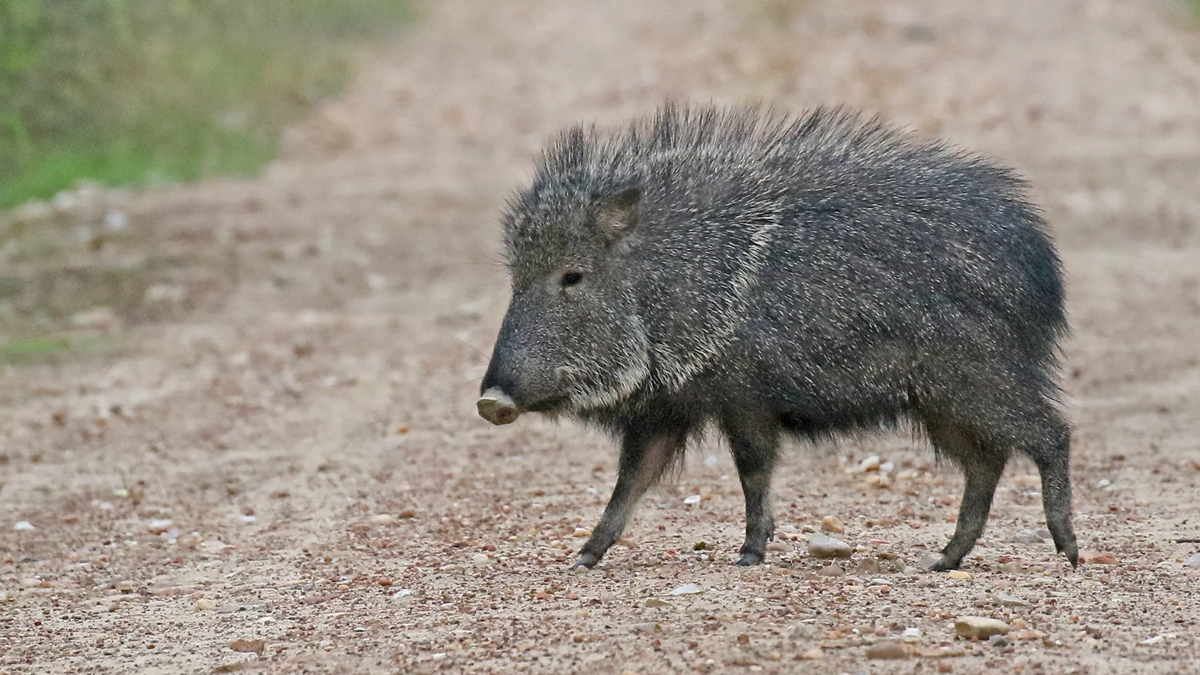
Local people in South America’s Gran Chaco were familiar with the animal, but Western zoology arrived at the story by a much stranger route. The Chacoan peccary was initially described from fossil material and treated as an extinct form. Living animals were later documented in the 1970s in the dry thorn forests of the Gran Chaco, an enormous region spread across parts of Paraguay, Bolivia and Argentina. It was not exactly a species returning from extinction. It was a reminder that a scientific absence and a local absence are two very different things.
14. The Terror Skink
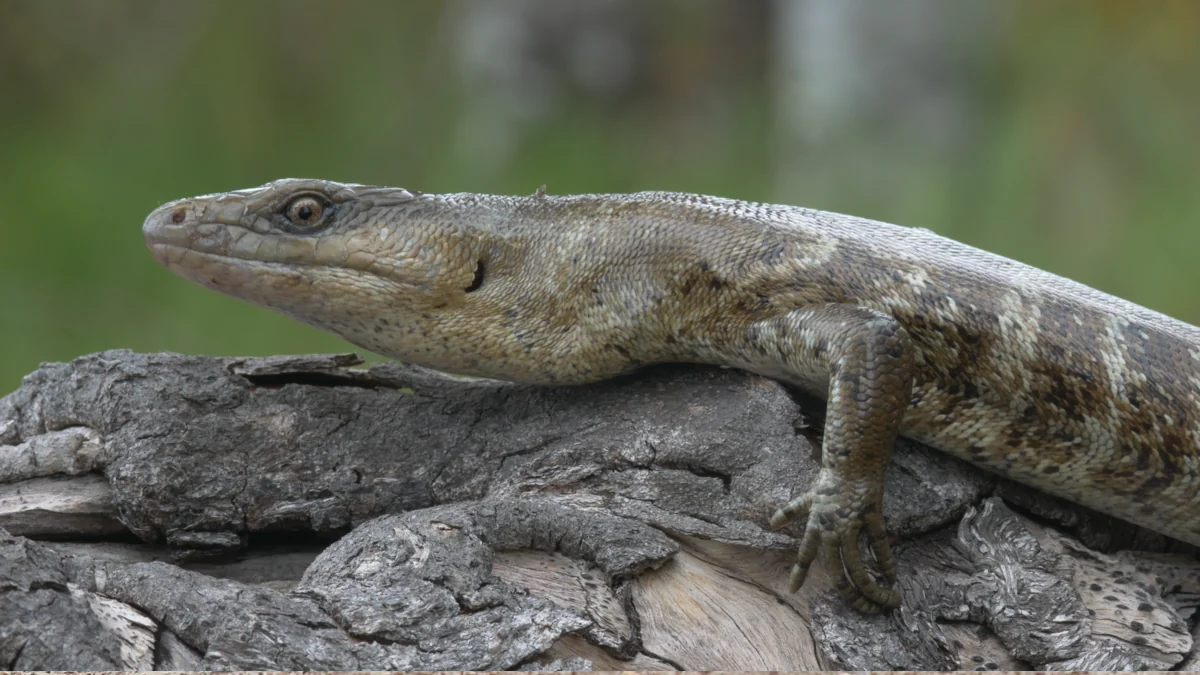
For decades, Bocourt’s terror skink was known from extremely limited historical material from New Caledonia and was presumed extinct. The large lizard eventually turned up alive again on small islets near the Isle of Pines, with rediscovery records beginning in the 1990s and further documentation following in the 2000s.
15. The Laotian Rock Rat
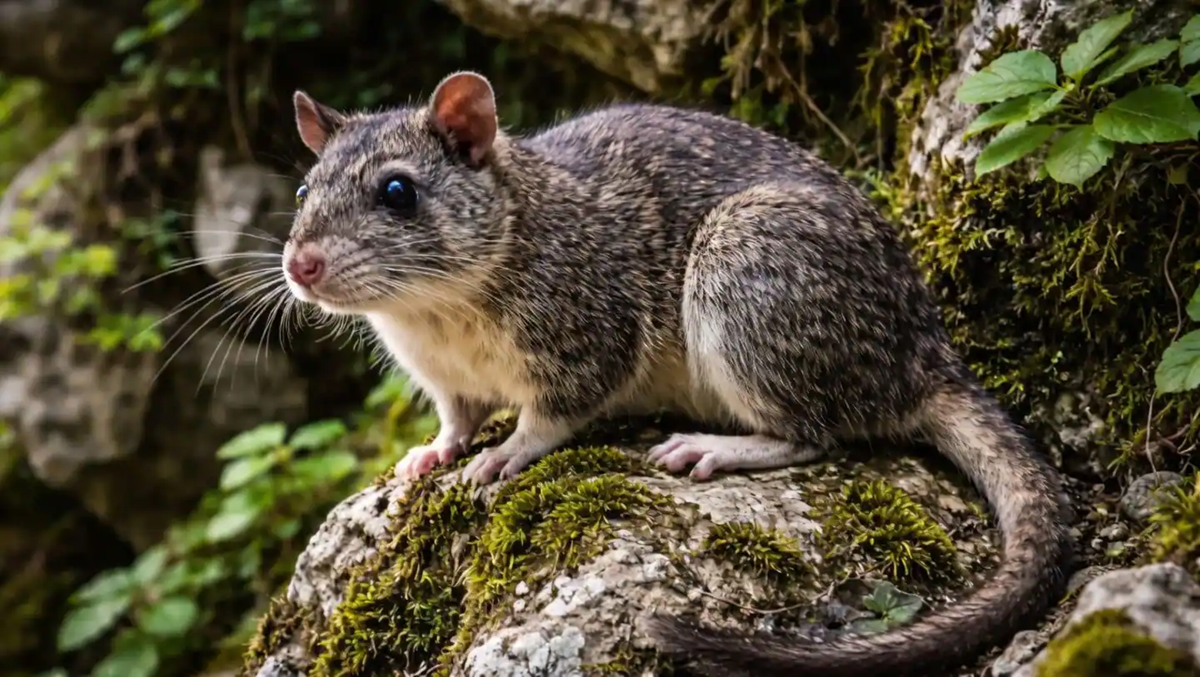
This one has a particularly odd twist. When scientists encountered the Laotian rock rat in the 1990s, the animal seemed so unusual that it was initially placed in a newly recognized family. Later research revealed something far stranger: it was closely related to Diatomyidae, a rodent family thought to have gone extinct around 11 million years ago. Researchers had effectively rediscovered a living branch of an ancient lineage in the limestone landscapes of Laos, where locals already knew it as kha-nyou.
In the mood for more?
Check out 15 Animals With Social Lives More Complicated Than Most Humans, or take a look at 14 Animals That Detect Signals Our Technology Still Struggles to Read. If you want to see more wildlife stories, you can check out 17 of the Most Dangerous Animals on Earth,