Some animals live for only a few days, while others survive for centuries without showing the signs of aging that scientists would normally expect. Deep-sea sharks, giant tortoises, and even tiny freshwater creatures have developed unusual ways of surviving for remarkable lengths of time. Researchers have identified biological mechanisms involving DNA repair, cellular regeneration, and resistance to disease, although many questions remain unanswered. These 15 animals reveal just how differently aging can work across the natural world.
1. Greenland Sharks Can Live for Nearly 400 Years
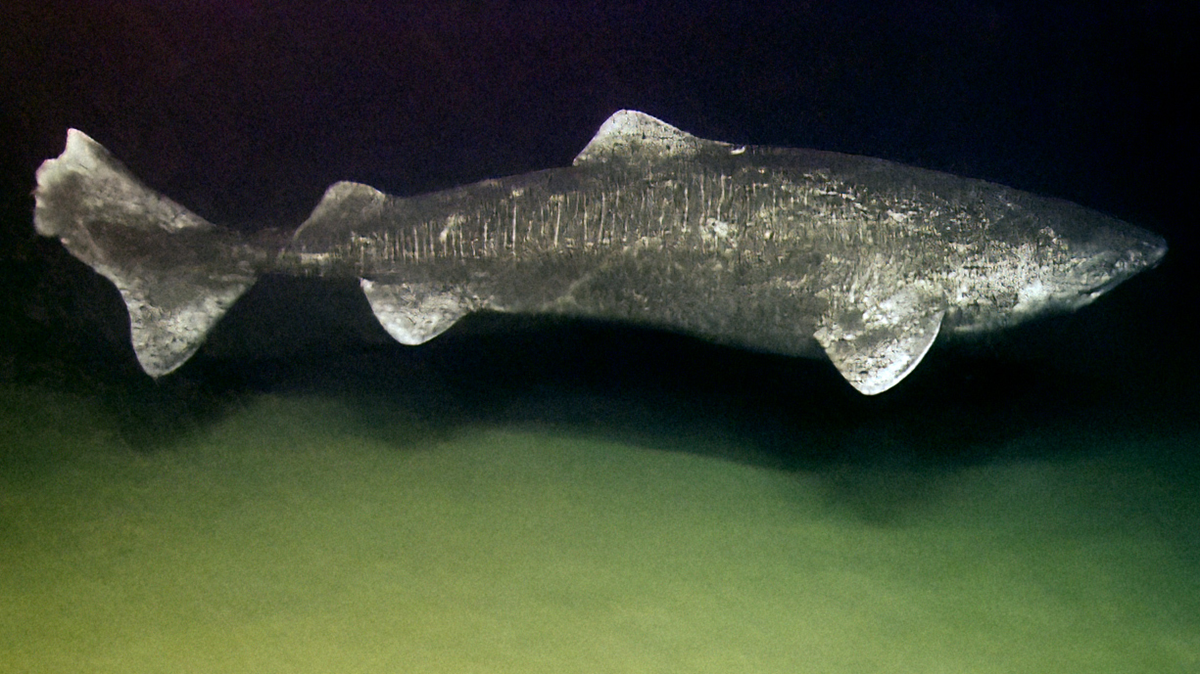
Some Greenland sharks swimming through the Arctic Ocean today may have been alive centuries before the invention of the telephone. In 2016, researchers estimated that one large female was approximately 392 years old, although the calculation included an uncertainty of 120 years in either direction. Scientists determined her age using radiocarbon dating of proteins preserved in the shark’s eye lenses. Their slow growth and cold-water lifestyle may help explain such extraordinary longevity, while genetic research has identified potential adaptations involving DNA repair, immune function, and cancer resistance.
2. Ocean Quahog Clams Can Survive for More Than 500 Years
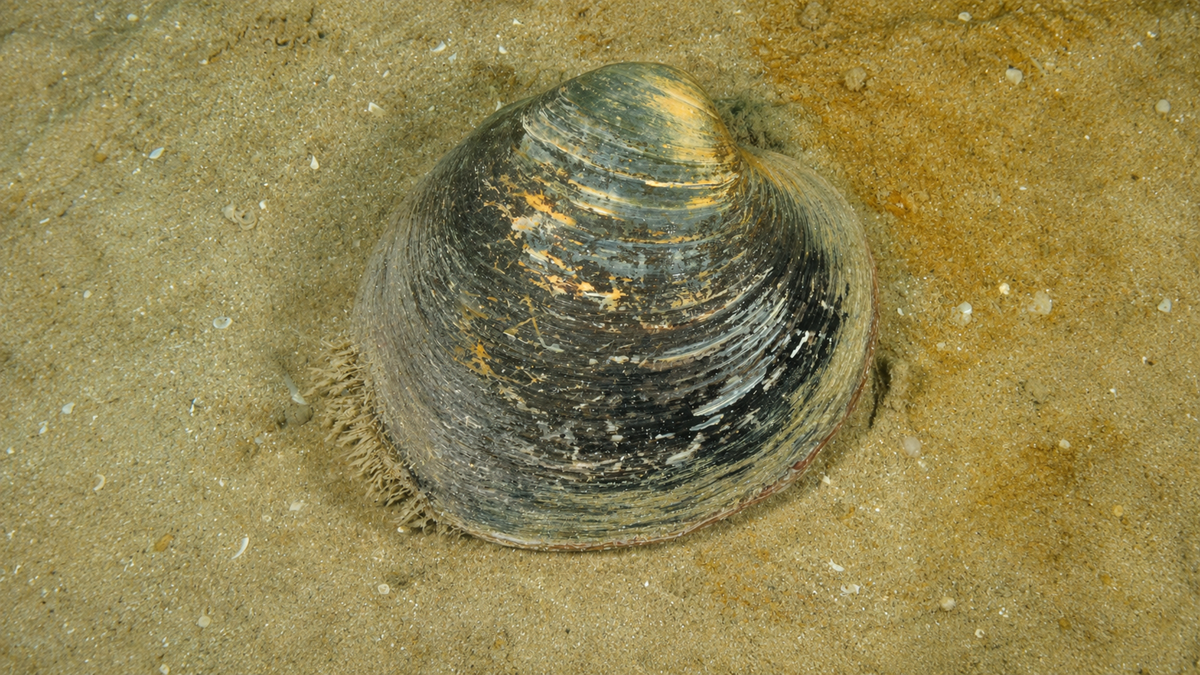
A clam collected near Iceland in 2006 turned out to have been alive since around 1499. Nicknamed Ming, the ocean quahog was eventually determined to be 507 years old, making it one of the oldest individual animals ever scientifically aged. Researchers studying these clams have found that their antioxidant defenses remain relatively stable for much of their adult lives. Their cells also show an unusual ability to maintain protein stability, potentially helping them resist the gradual deterioration associated with aging.
3. Bowhead Whales Have Survived More Than Two Centuries
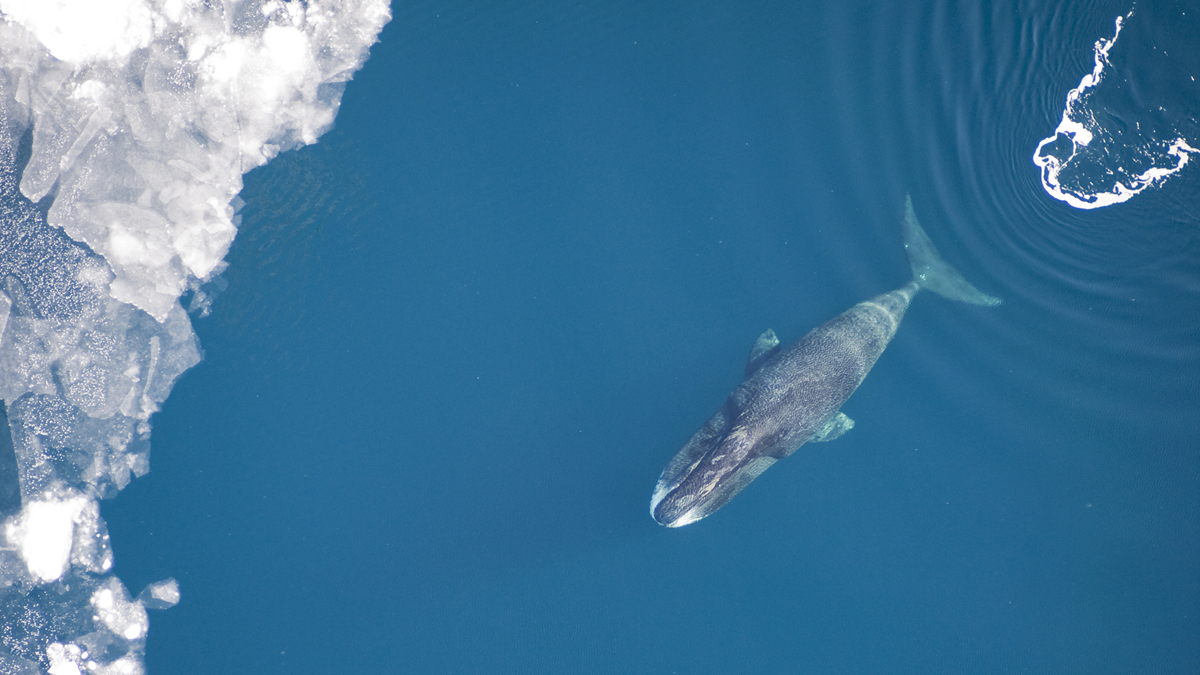
Bowhead whales spend their lives in Arctic waters, where some individuals can survive for more than 200 years. A study published in Nature in 2025 identified a promising explanation involving CIRBP, a protein that helps their cells repair dangerous breaks in DNA. Researchers found that bowhead whale cells were particularly effective at repairing this damage accurately, potentially reducing the accumulation of harmful mutations. This ability may help explain how such enormous mammals can live for centuries without developing cancer as frequently as their size and longevity might suggest.
4. Giant Tortoises Have Unusual Defenses Against Cellular Damage
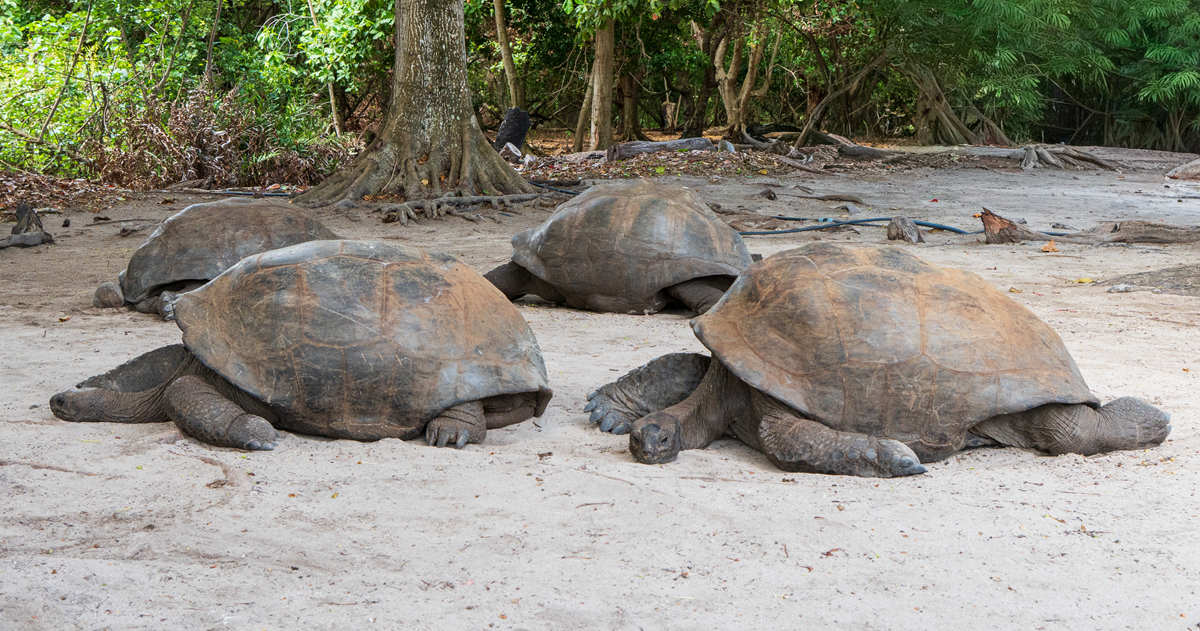
Jonathan, a Seychelles giant tortoise living on Saint Helena, was estimated to be at least 194 years old in 2026. His extraordinary lifespan is not entirely surprising for a group of animals known for aging slowly. Genetic research on giant tortoises has identified adaptations associated with immune function, cancer resistance, and cellular stress responses. Some giant tortoise cells also appear particularly responsive to damage that might otherwise accumulate over a long lifetime, although scientists are still investigating how these defenses contribute to their longevity.
5. Black Coral Colonies Can Remain Alive for More Than 4,000 Years
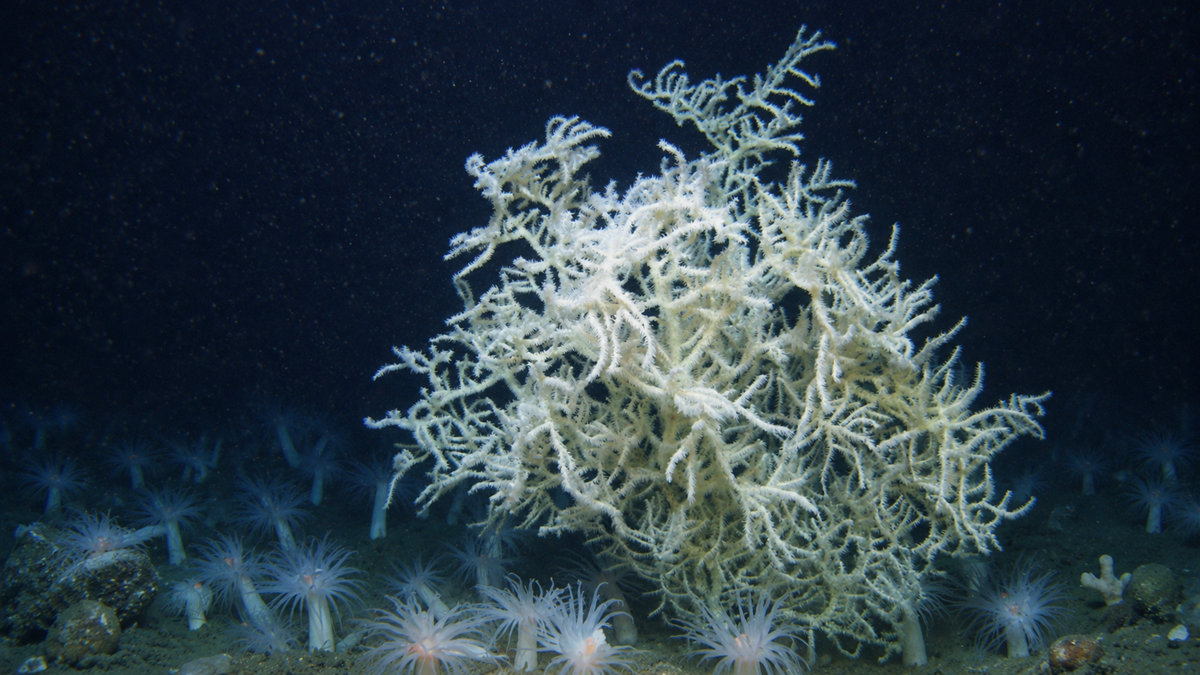
Deep beneath the waters surrounding Hawaii, some coral colonies have existed for longer than many human civilizations. In 2009, researchers reported that a black coral colony had reached an estimated age of 4,265 years. These animals grow extraordinarily slowly, building skeletal structures that can persist as generations of tiny coral polyps maintain the colony. The age refers to the colony rather than any individual polyp, making this a very different kind of longevity from that of a whale or shark.
Trending on The Scroller


6. Red Sea Urchins Can Keep Reproducing for Nearly 200 Years
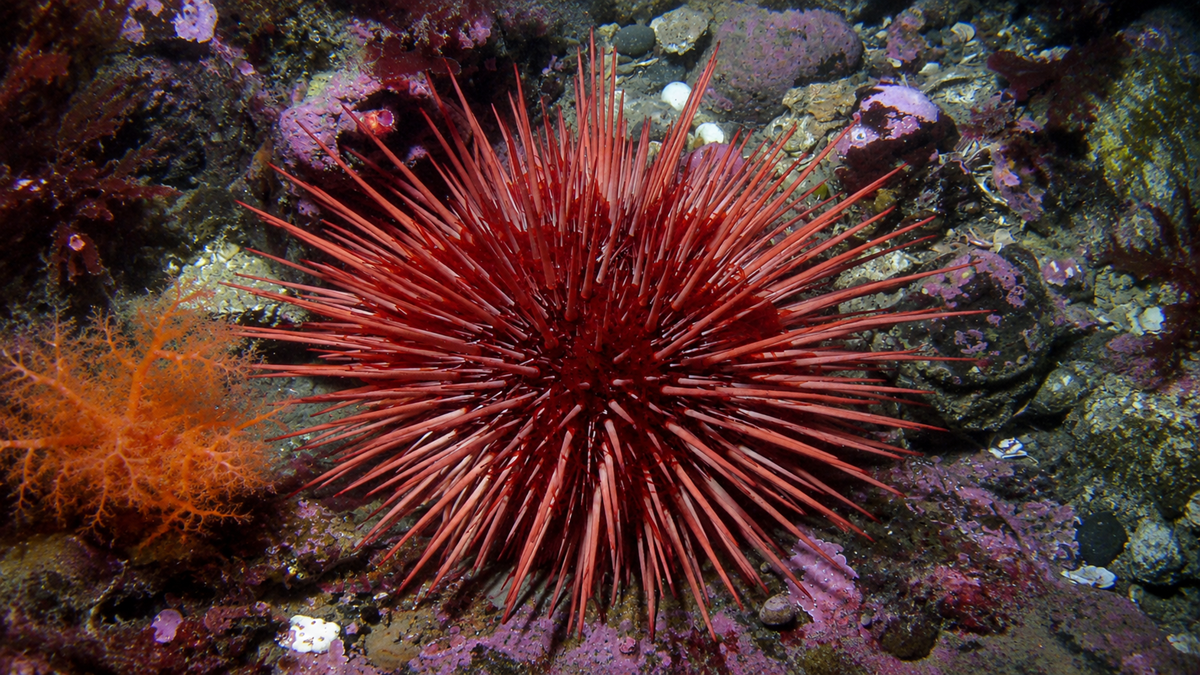
Red sea urchins along the Pacific coast can reach estimated ages of around 200 years without showing the usual decline in reproductive ability. Studies have also found that these animals maintain the capacity to regenerate damaged structures, including their spines and tube feet, as they grow older. Their tissues preserve important cellular maintenance processes that often weaken with age in other species. Scientists describe this unusual pattern as negligible senescence, meaning there is little detectable deterioration associated with advancing age.
7. Rougheye Rockfish Have Genetic Traits Linked to Long Lives
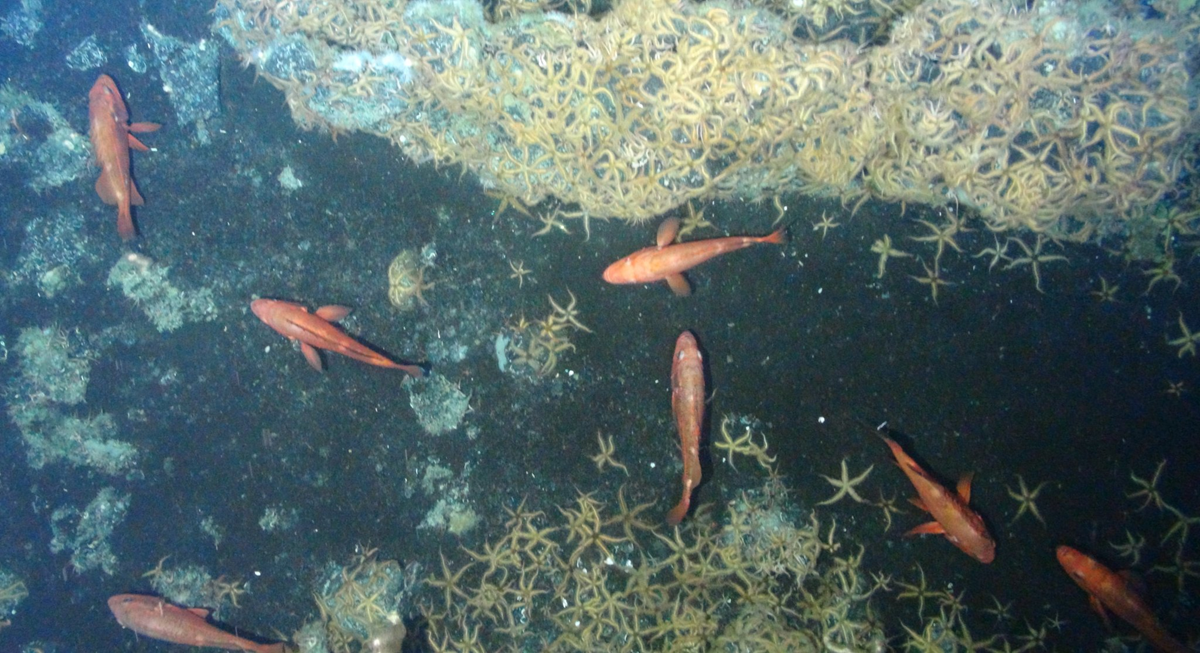
A rougheye rockfish caught off Alaska was estimated to be 205 years old, placing the species among the longest-lived fish ever recorded. Researchers comparing different rockfish species have discovered genetic differences associated with longevity, including pathways involved in insulin signaling and the processing of environmental chemicals. What makes these findings especially interesting is the enormous variation within the group. Some rockfish species live for only a decade or two, while others can survive for well over a century.
8. Glass Sponges May Survive for Thousands of Years
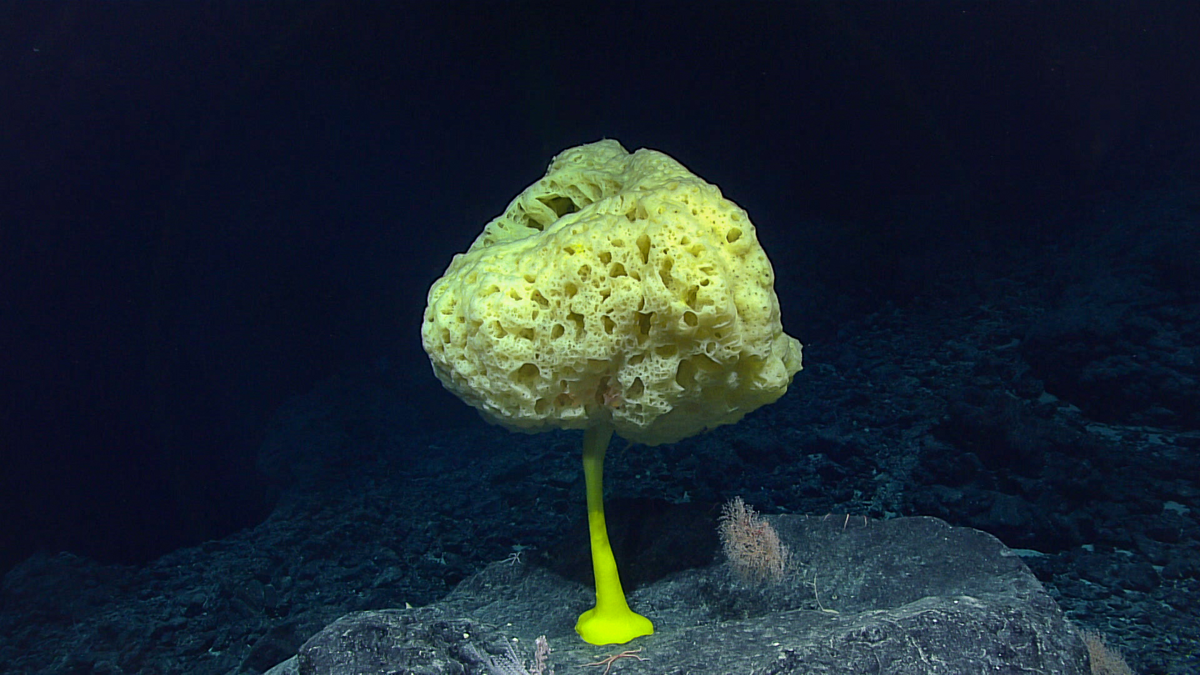
Glass sponges build elaborate skeletons from silica, creating structures that resemble delicate sculptures on the ocean floor. One specimen of the deep-sea sponge Monorhaphis chuni was estimated to have grown for approximately 11,000 years, based on chemical evidence preserved in its giant skeletal spicule. The estimate carries considerable uncertainty, but it suggests an extraordinary capacity for prolonged survival. Extremely slow growth in the relatively stable conditions of the deep ocean is thought to be an important factor.
Sign up for our newsletter
9. Orange Roughy Fish Can Live for More Than a Century
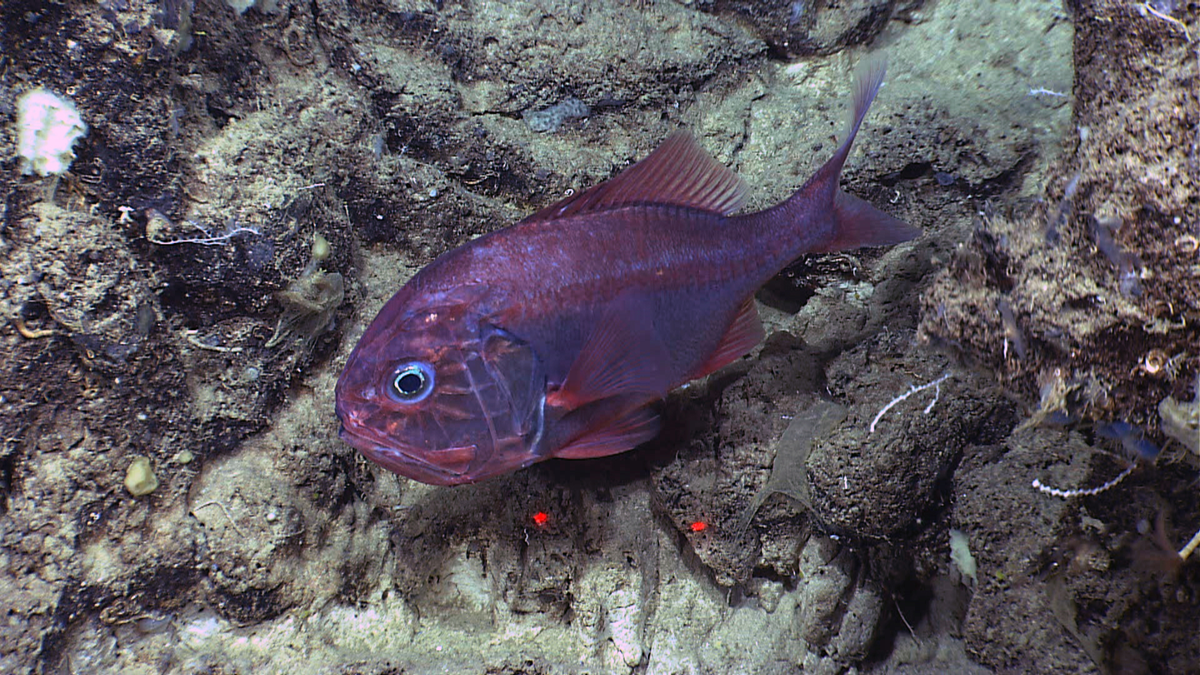
The orange roughy is a deep-sea fish with a life cycle that makes recovery from population declines unusually difficult. Studies of its ear bones, called otoliths, have supported lifespans of approximately 120 to 130 years. These fish grow slowly and may take around 30 years to reach sexual maturity, with some individuals beginning to spawn even later. Their slow development and long reproductive lives help explain why heavy fishing pressure can have consequences lasting for decades.
10. Geoduck Clams Can Spend More Than 160 Years Buried in Sand
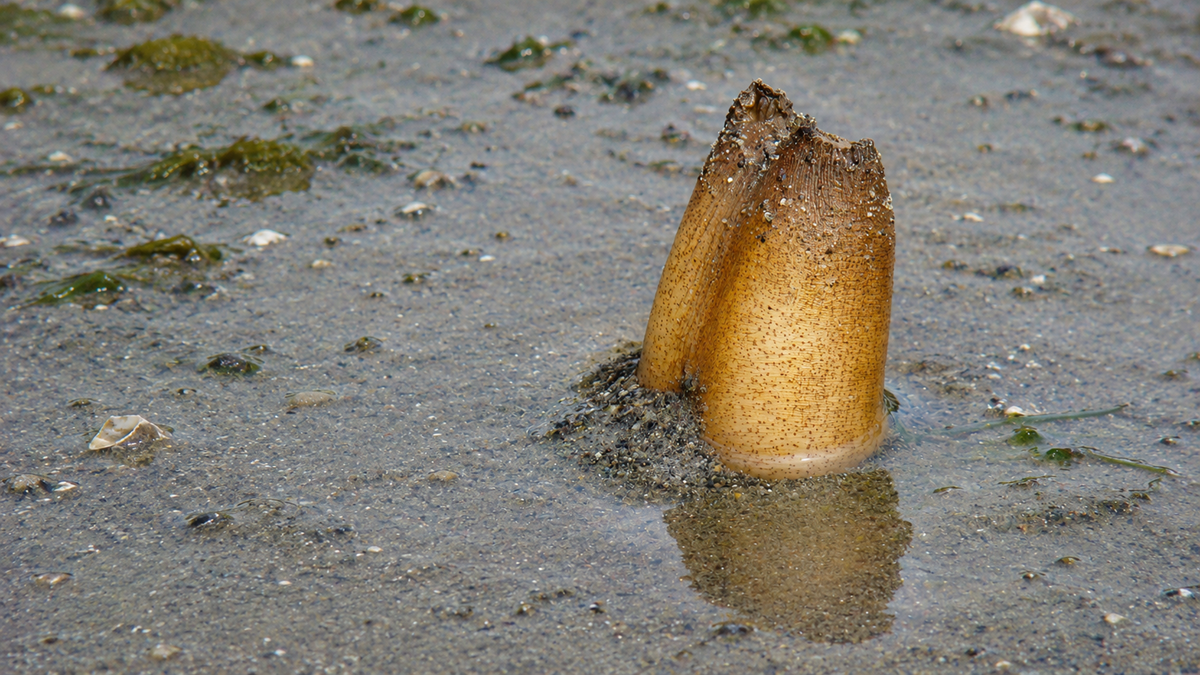
The geoduck is famous for its enormous siphon, which extends far beyond a shell that remains buried beneath the seafloor. The oldest recorded individuals have reached 168 years, spending much of their lives sheltered beneath the sediment. Their relatively protected environment, slow adult growth, and prolonged reproductive activity may contribute to their survival. Scientists have not yet identified a complete cellular explanation for their longevity, but their life history is very different from that of most familiar shellfish.
11. Olms May Live for More Than 100 Years Without Sunlight
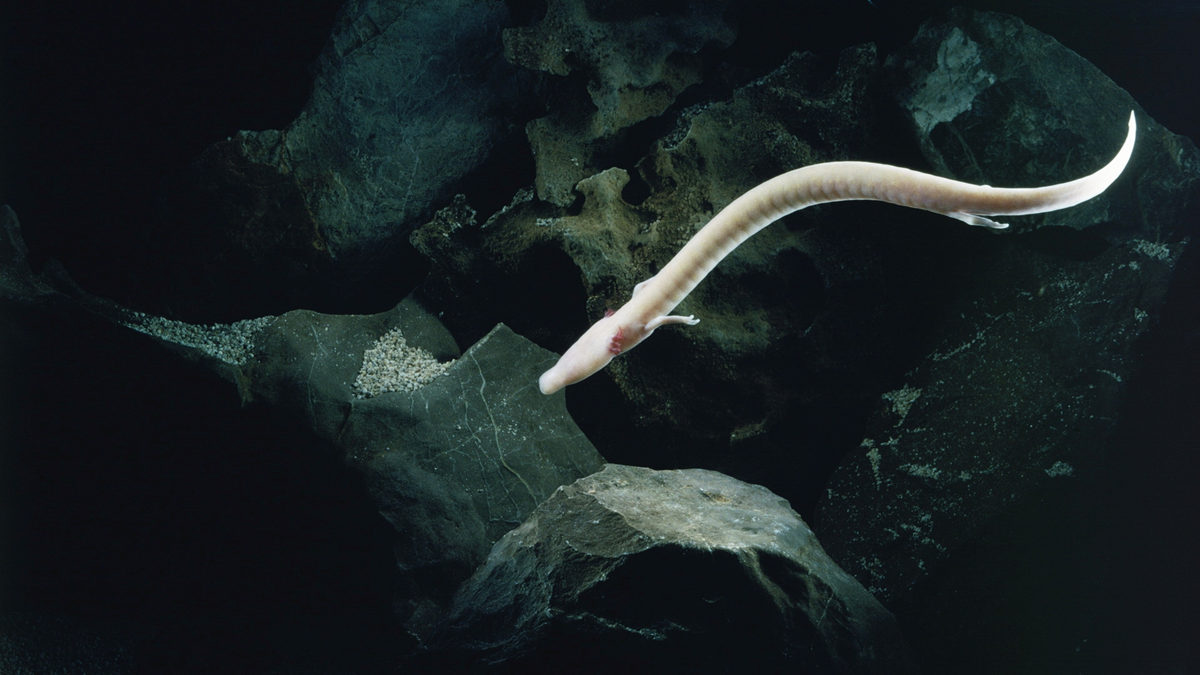
Deep inside the caves of southeastern Europe lives the olm, a pale salamander that spends its entire life in darkness. Despite weighing only a few grams, it has a predicted maximum lifespan exceeding 100 years. Researchers have found that neither its low metabolic rate nor its measured antioxidant activity fully explains this remarkable longevity. Its stable underground habitat and extremely slow reproductive cycle may contribute, but much of its resistance to aging remains a mystery.
12. Tuataras Can Remain Reproductive Beyond 100 Years
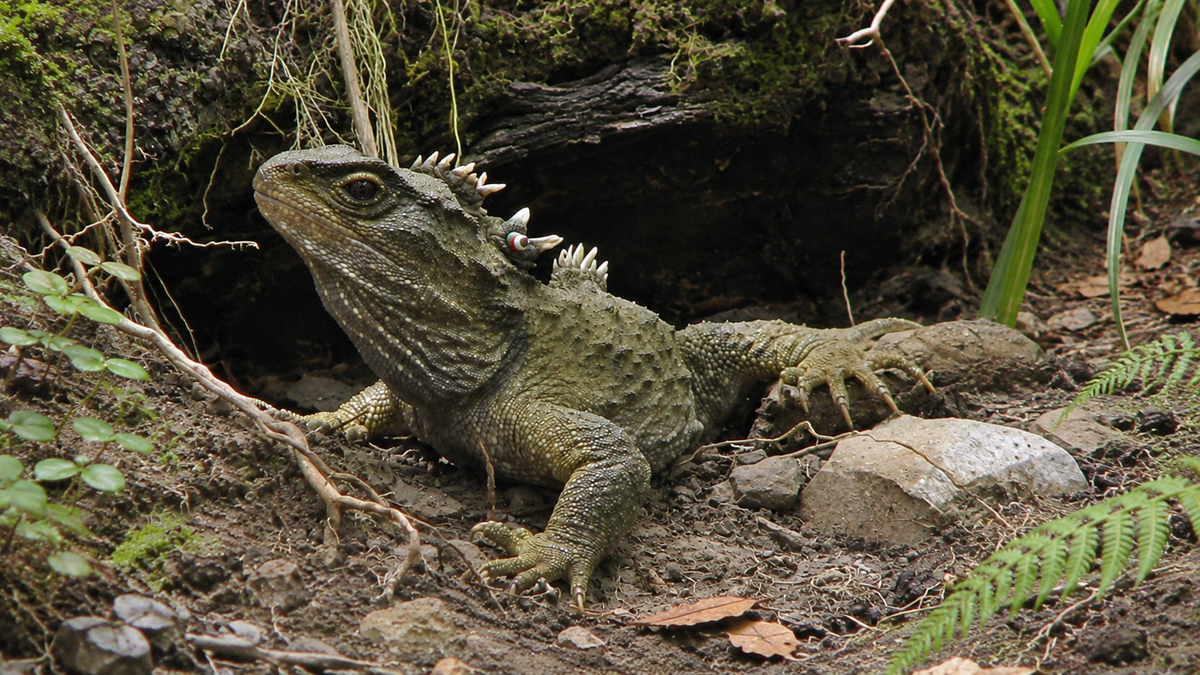
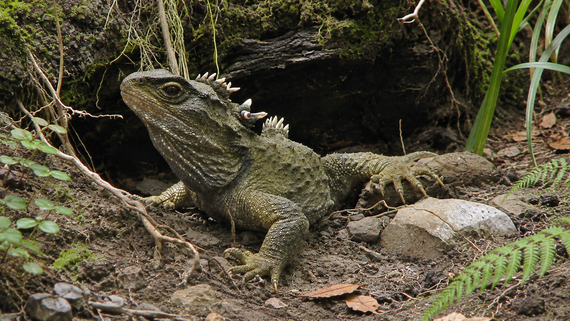
New Zealand’s tuatara looks like a lizard but belongs to a separate reptile lineage that split from the ancestors of modern lizards and snakes roughly 250 million years ago. Individual tuataras can survive beyond 100 years, and reproduction can continue at advanced ages. Their unusually low preferred body temperatures and slow metabolism may contribute to their long lives. Genetic research has also revealed distinctive adaptations involving temperature regulation and protection against oxidative stress, although their precise connection to longevity is still being investigated.
13. Naked Mole-Rats Can Outlive Similar Rodents by Decades
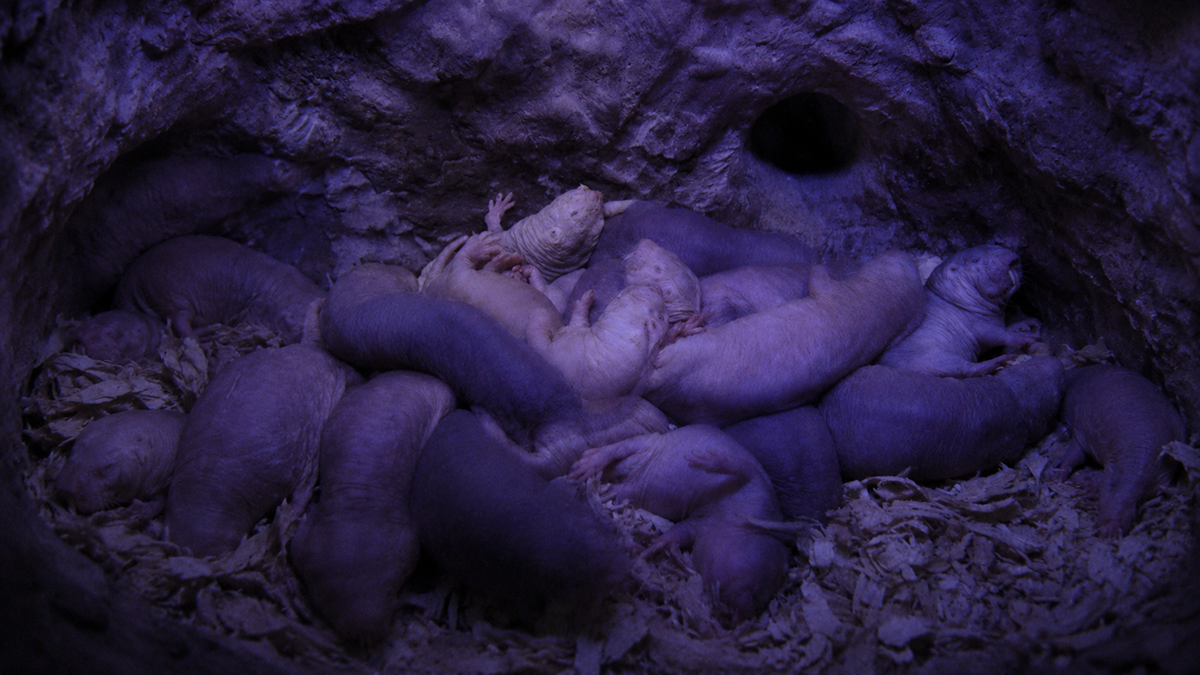
Most small rodents live only a few years, but naked mole-rats can survive for more than three decades. These nearly hairless underground mammals are unusually resistant to cancer, partly through cellular defenses involving a substance called hyaluronan. Research has also identified mechanisms that help protect their cells from stress and maintain tissue function. Their longevity is especially striking because they achieve it without the enormous body size or extremely slow growth associated with many other long-lived animals.
14. Hydra Can Avoid the Usual Biological Signs of Aging
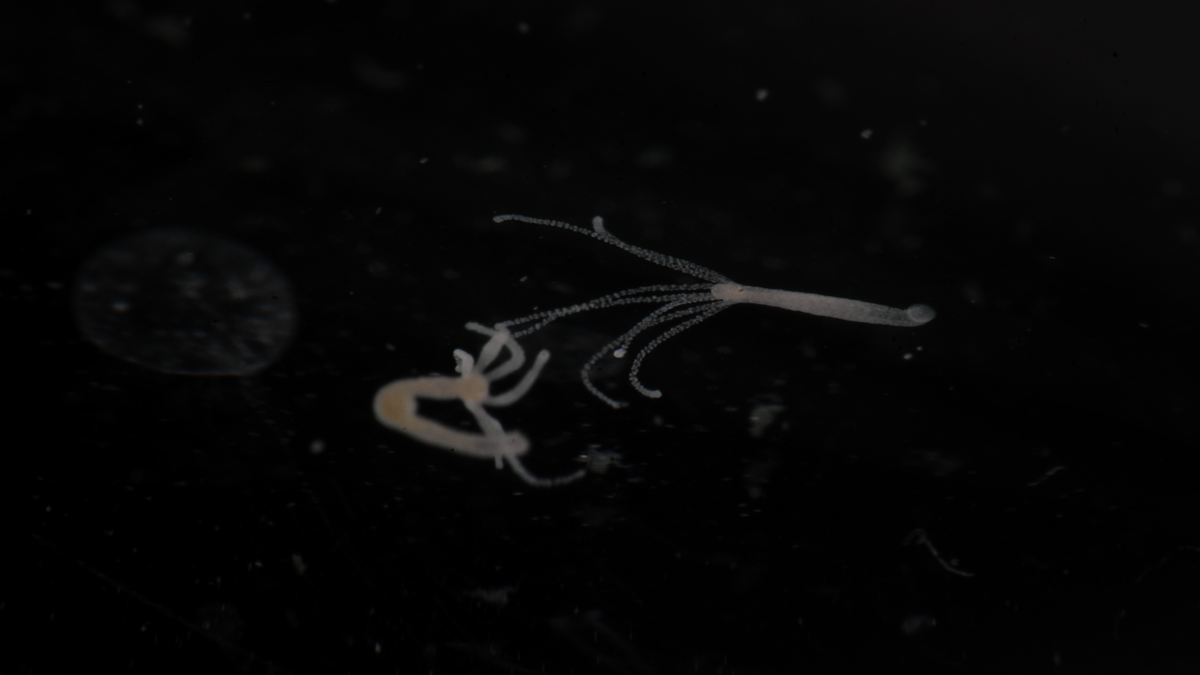
Hydra are tiny freshwater animals with an unusual ability to regenerate their tissues. Their bodies contain constantly active stem cells that replace old or damaged cells throughout their lives. In a long-term study published in 2015, researchers found that hydra maintained extremely low mortality rates and showed no consistent decline in reproduction as they aged. This does not mean they cannot die, but it demonstrates that the familiar pattern of biological aging is not universal.
15. The Immortal Jellyfish Can Reverse Its Own Life Cycle
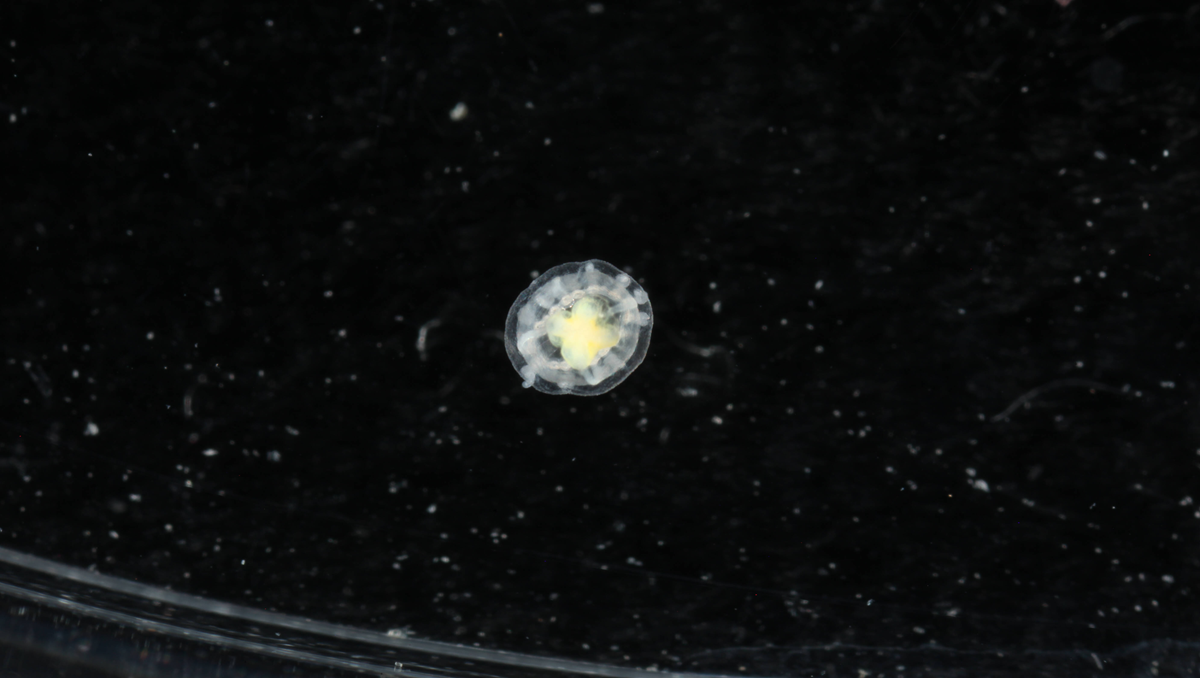
The tiny jellyfish Turritopsis dohrnii has earned its extraordinary nickname through a biological process that sounds almost impossible. Under certain conditions, including injury or environmental stress, it can transform from its adult jellyfish stage back into an earlier polyp stage. This transformation involves cellular reprogramming, effectively allowing the organism to restart its development. Scientists have identified genetic features associated with DNA repair, telomere maintenance, and cellular rejuvenation that may help explain the process. The jellyfish is not truly impossible to kill, however, and there is no evidence that individual animals survive forever in the wild.
In the mood for more?
Check out 15 Strange Ways Animals Sleep That Defy Expectations, or take a look at 15 Animals That Have Had Very Different Fortunes. If you want to see more animal stories, you can check out 15 Animals That Could Soon Disappear Forever.