
A lot of science facts sound fake for the simple reason that real life is under no obligation to sound reasonable. Once you get past the classroom version of how the world works, things get much stranger, much faster. Some of these are famous for a reason, others still feel like they should come with an asterisk. None of them do.
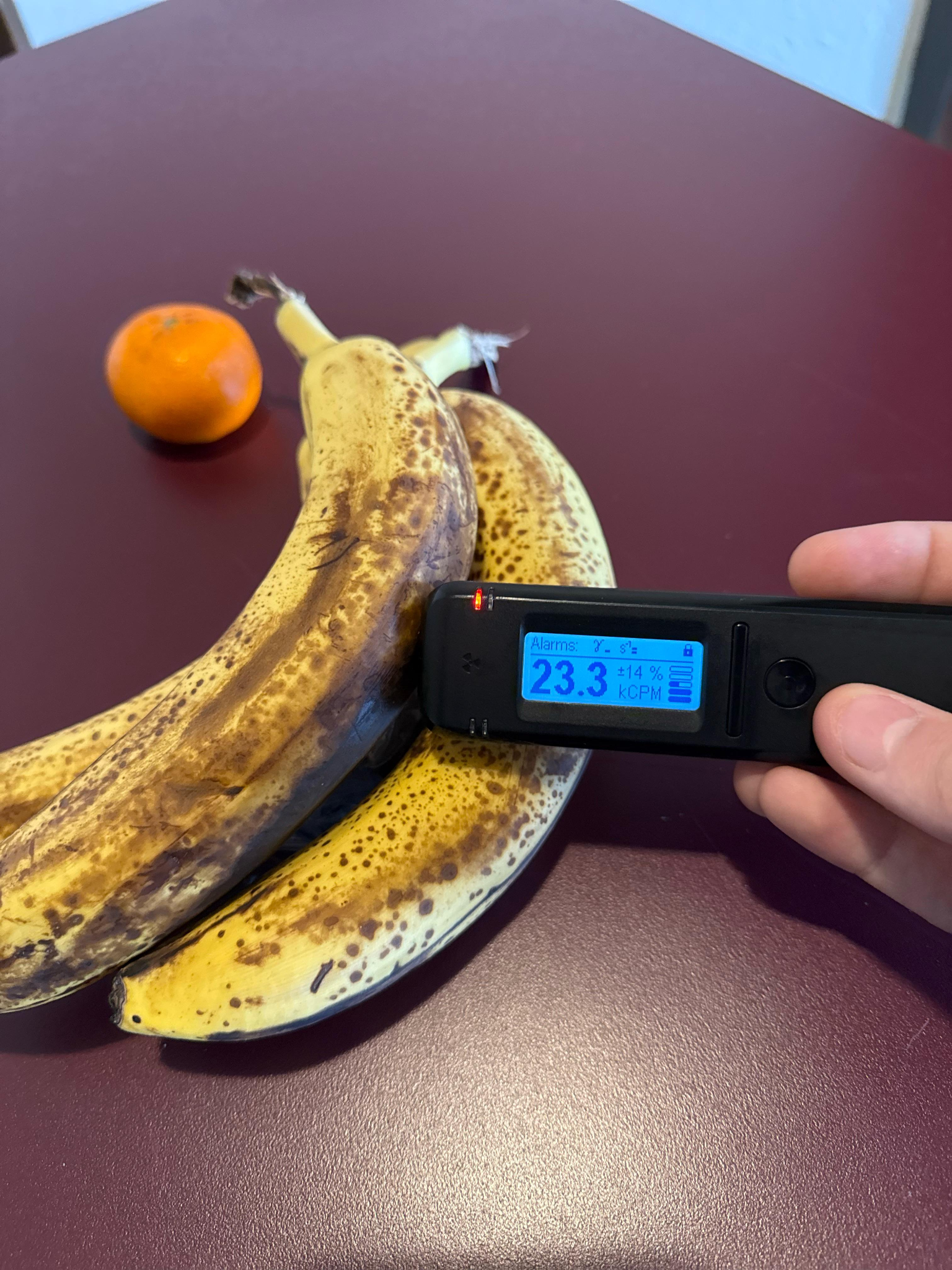
Bananas are radioactive.
r/EatItYouFuckinCoward
Not in a horror movie way, obviously. They contain potassium, and a tiny amount of that is potassium-40, a naturally radioactive isotope. It is harmless at normal levels, but it is still funny that one of the most ordinary foods on Earth technically qualifies as radioactive material.
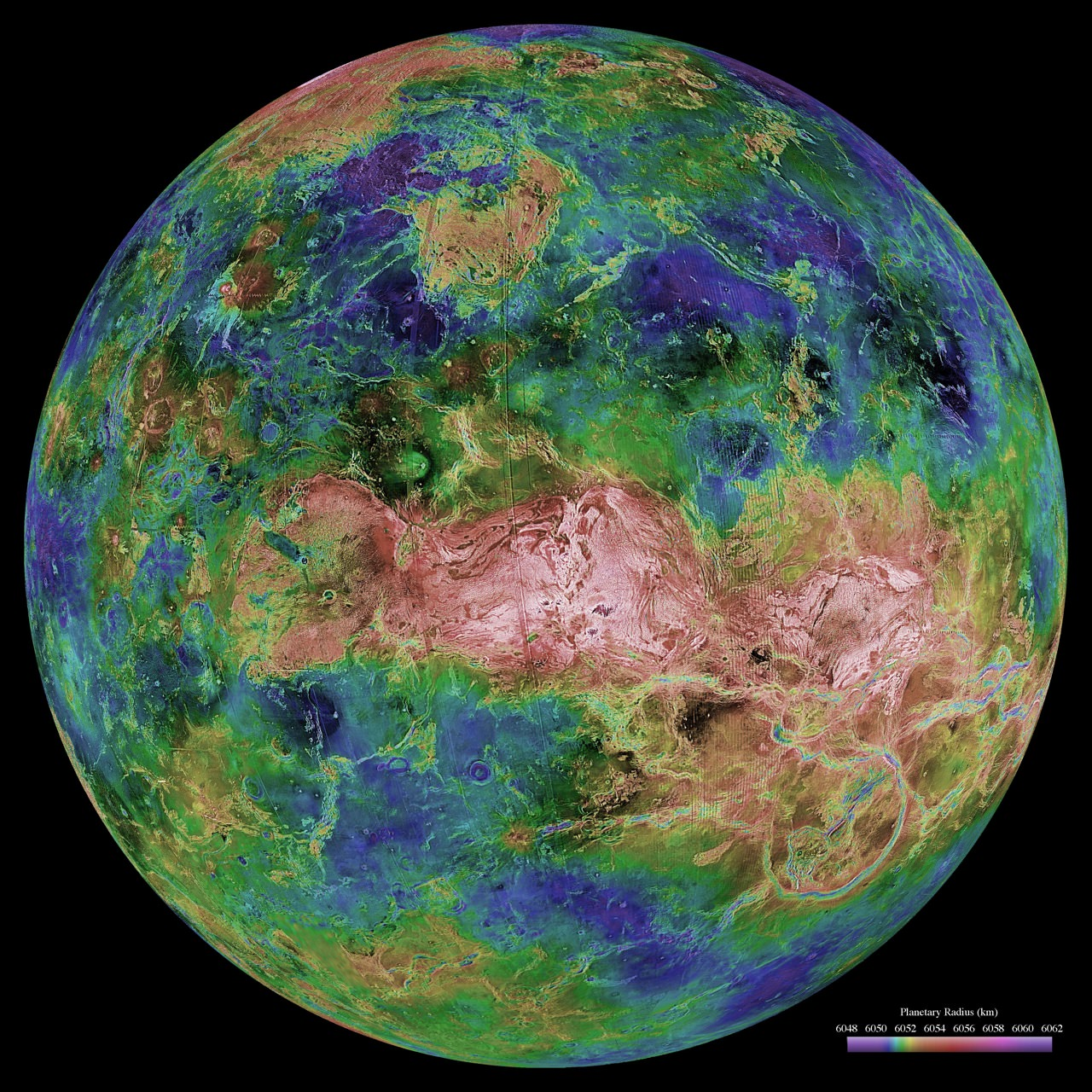
A day on Venus lasts longer than its year.
r/Todayilearned
Venus rotates so slowly that it takes longer to spin once on its axis than it does to complete an orbit around the Sun. That sounds like the kind of fact someone says wrong at a pub quiz and then somehow turns out to be correct.
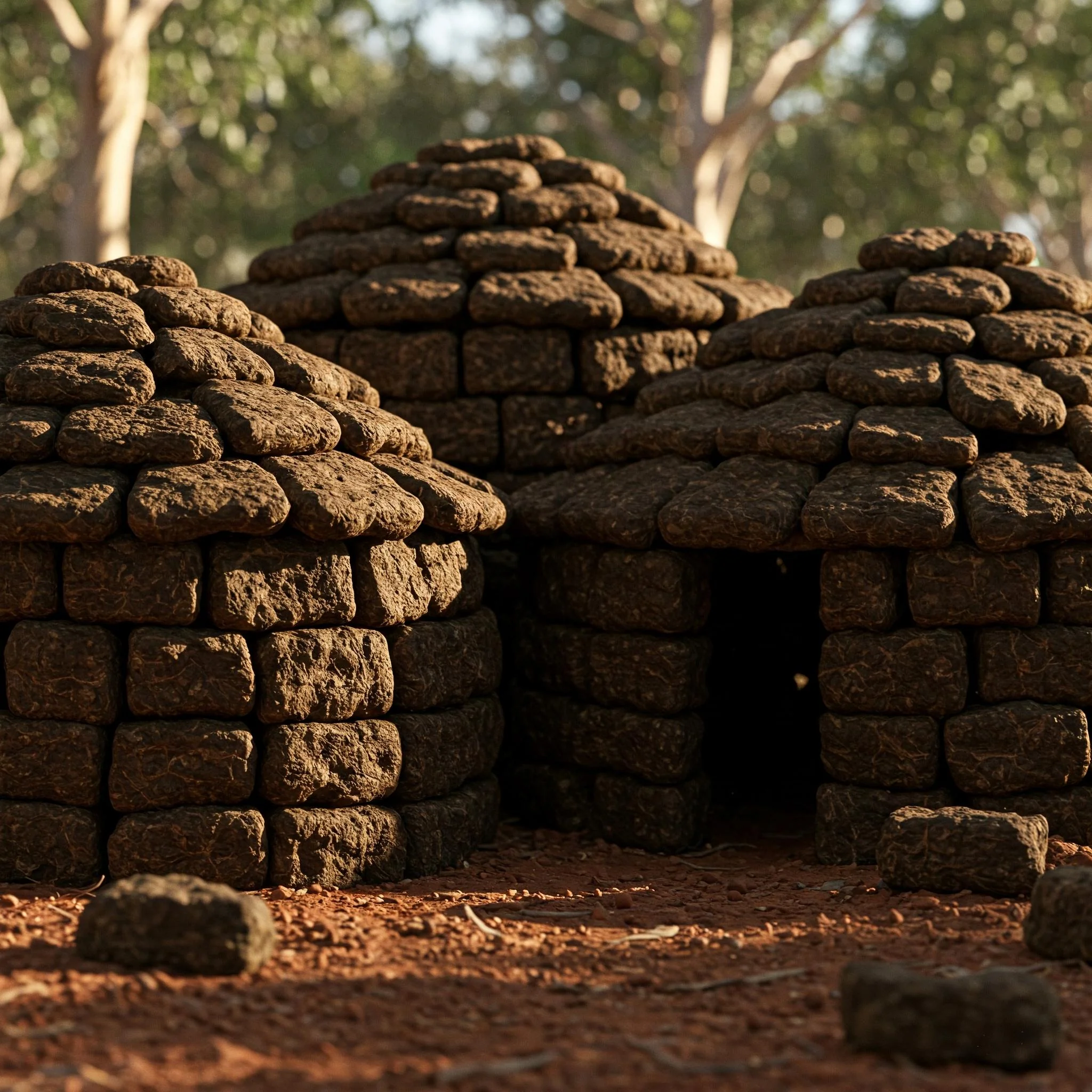
Wombats produce cube-shaped poop.
r/intrstingasfuck
There is no elegant way to ease into that, so there it is. Scientists found that the shape comes from the way material moves through the wombat’s intestines, and the cubes help keep it from rolling away when the animal uses it to mark territory.
Sharks are older than trees.

r/Todayilearned
Sharks have been around for more than 400 million years. Trees showed up later. If your brain rejects that at first, that is a normal reaction.
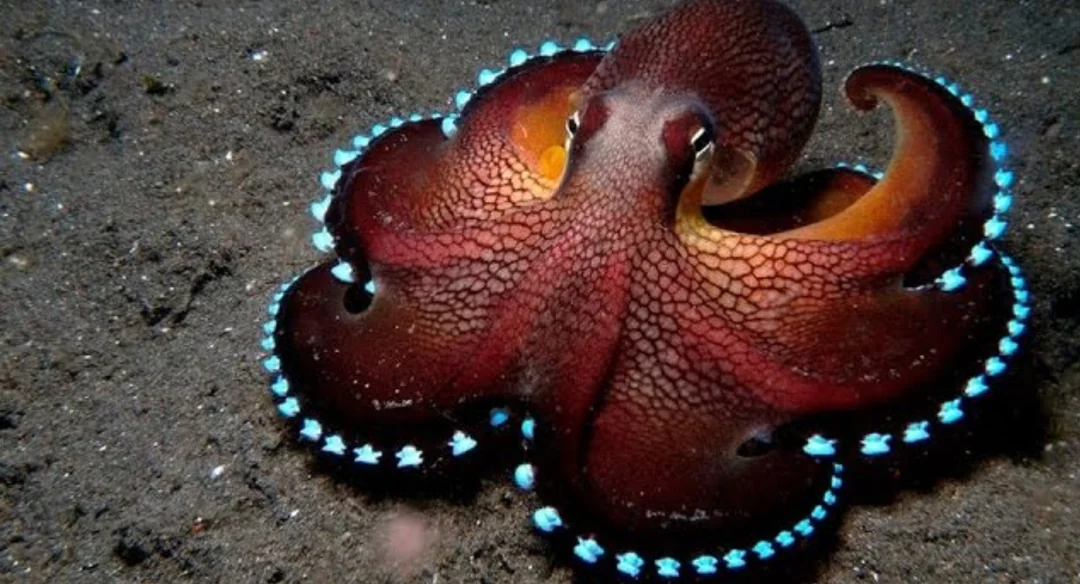
Octopuses have three hearts, and their blood is blue.
r/Naturelsfuckinglit
Their blood uses hemocyanin, a copper-rich protein, instead of hemoglobin, which is iron-based and gives human blood its red color. Two hearts handle the gills, one pumps blood to the rest of the body, and when an octopus swims, that main heart can actually stop beating for a while, which is part of why they prefer crawling.
Trending on The Scroller


There are more ways to shuffle a deck of cards than there are atoms on Earth.

r/Learnuselesstalents
This one sounds exaggerated until you look at the math and realize it is not even close. A standard 52-card deck can be arranged in such an absurd number of possible orders that a proper shuffle almost certainly gives you a sequence that has never existed before.
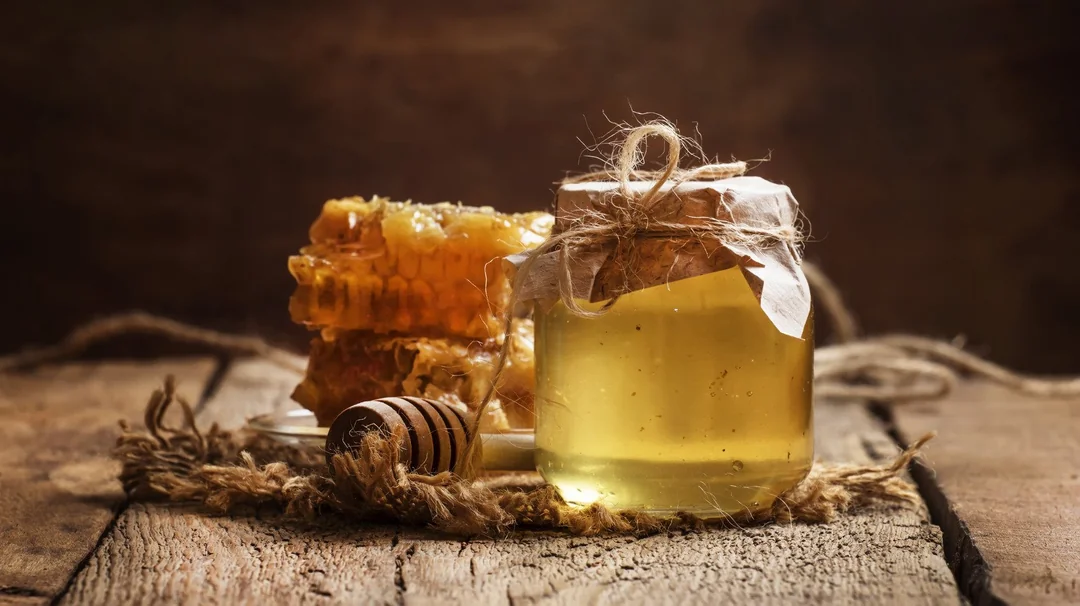
Honey can stay edible for thousands of years.
r/Todayilearned
Archaeologists have found ancient honey in tombs that was still preserved. The trick is that honey is low in moisture and acidic enough to make life difficult for most bacteria and microbes. It may crystallize or look strange after a while, but spoilage is another story.
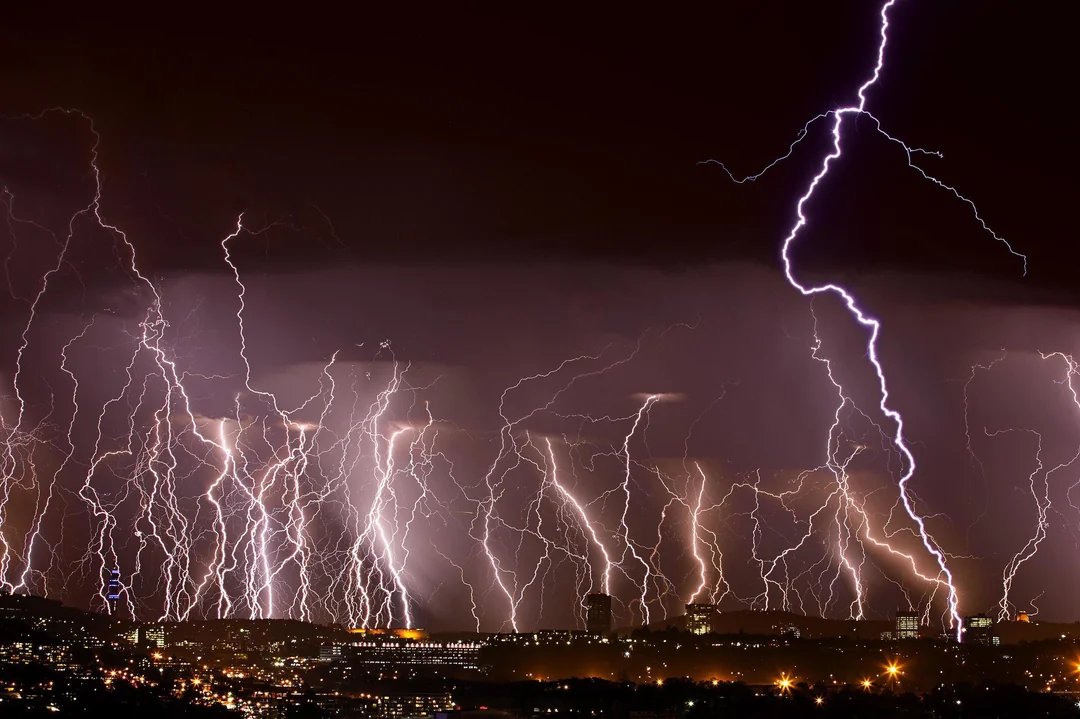
Lightning is hotter than the surface of the Sun.
r/Thunder
Briefly, yes. A lightning bolt can reach temperatures around 30,000 kelvin, while the Sun’s surface is much cooler than that. It is one of those facts that makes weather feel a little less familiar.
Sign up for our newsletter
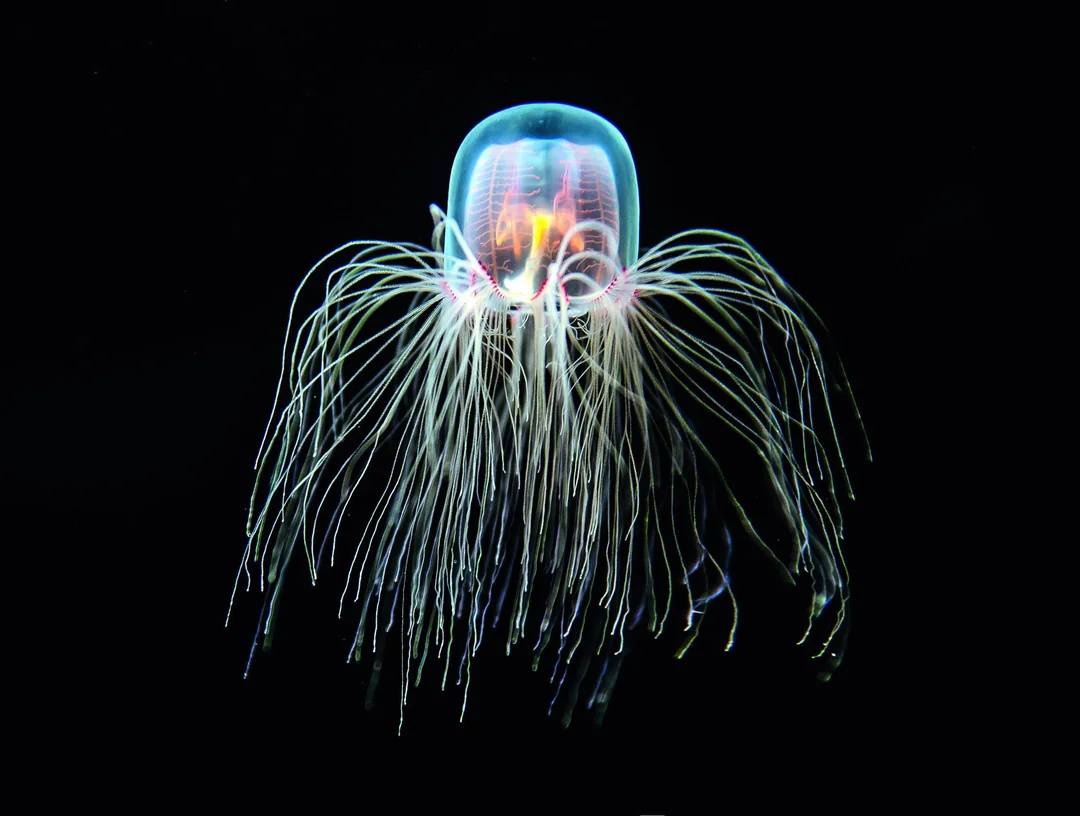
There is a jellyfish that can basically hit reset on its life cycle.
r/intrstingasfuck
Turritopsis dohrnii, often called the immortal jellyfish, can revert from its adult form back into an earlier stage of development under certain conditions. It can still die, so “immortal” is doing a bit of work there, but the underlying fact is real enough.
Hot water can freeze faster than cold water.
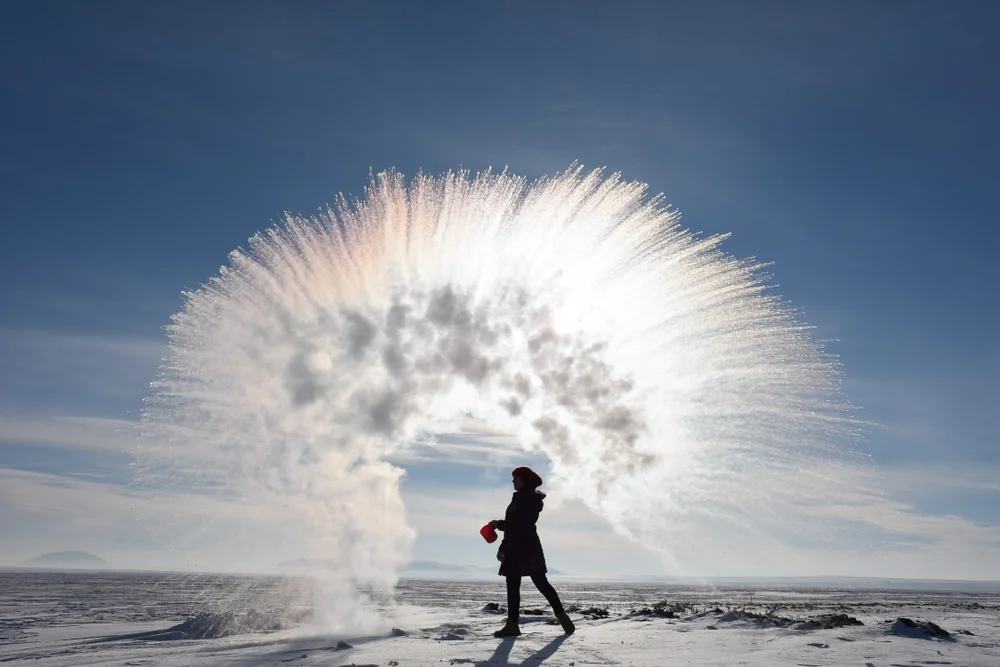
r/science
Not every time, and not under every condition, which is partly why the whole thing remains so weird. The phenomenon is called the Mpemba effect, and even now the full explanation depends on a messy mix of evaporation, convection, supercooling, and other variables that do not fit neatly into a simple rule.
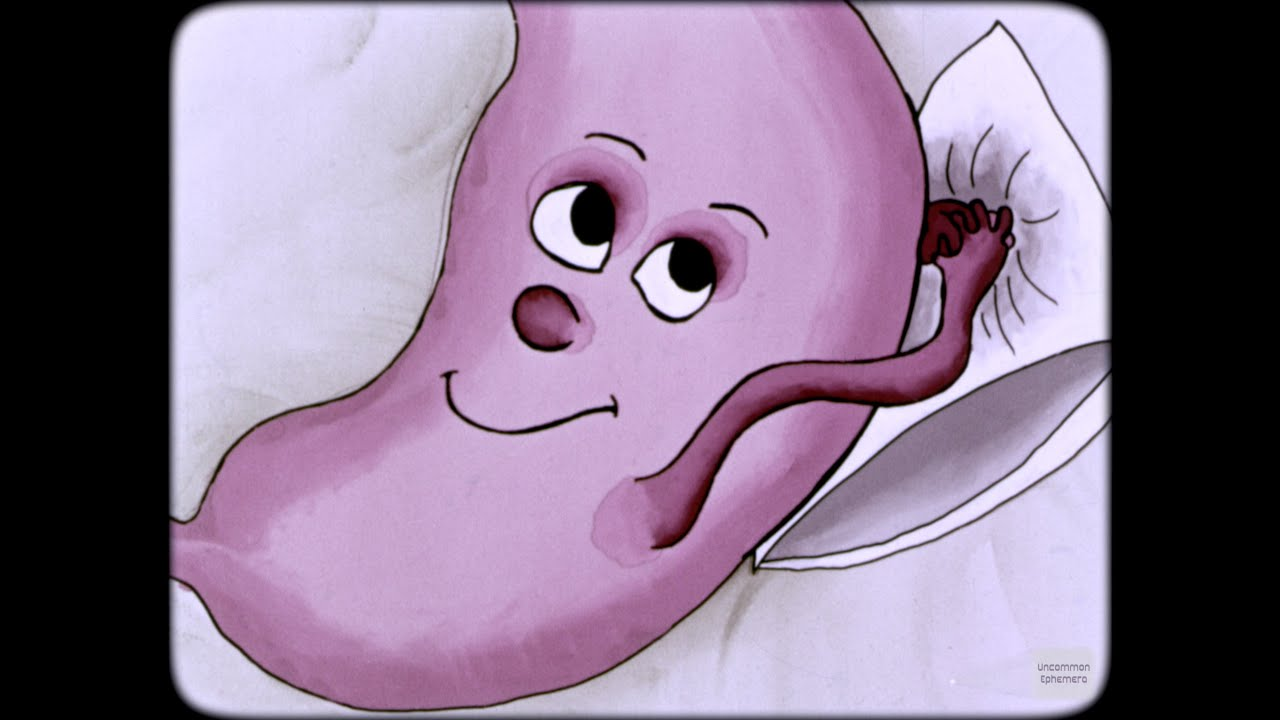
Your stomach is built to handle acid strong enough to break down metal, but it does not digest itself.
r/filmstrips
The reason is not that the acid is somehow selective. The stomach protects itself with a mucus lining and constant cell renewal. When those protections fail, things go bad quickly, which is part of what makes ulcers such a problem.
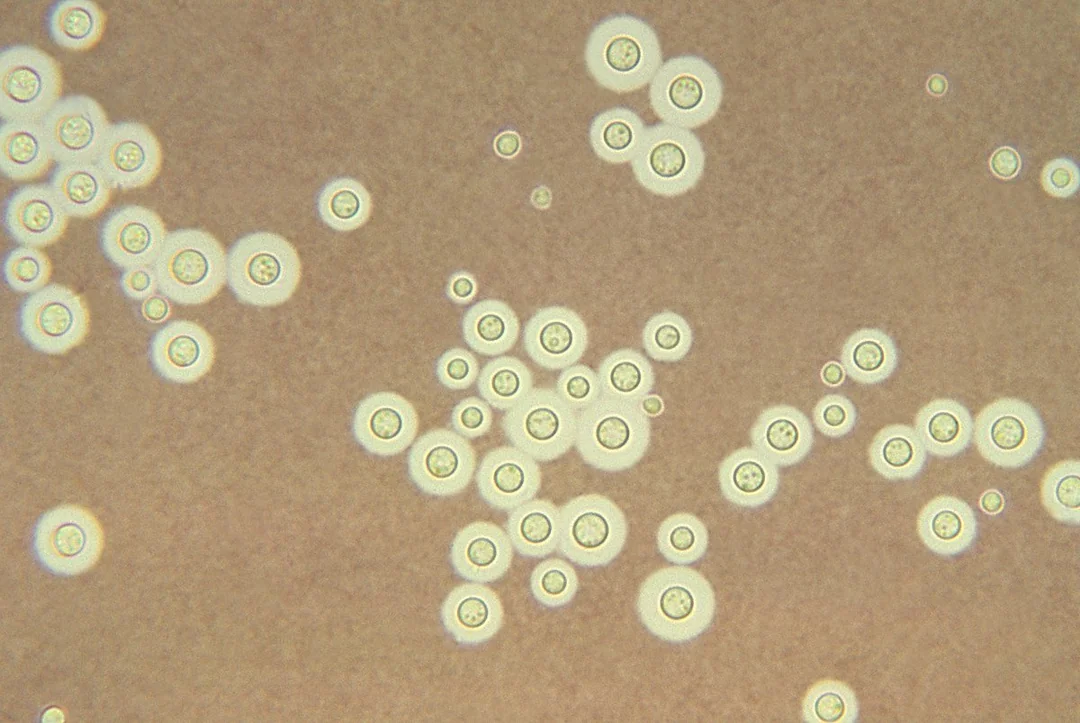
Some fungi seem to handle radiation far better than they should.
r/Todayilearned
Researchers found certain fungi growing in and around Chernobyl, and some studies suggest melanin may help them interact with radiation in unusual ways. It sounds like science fiction written by somebody trying too hard, but it is a real area of study.
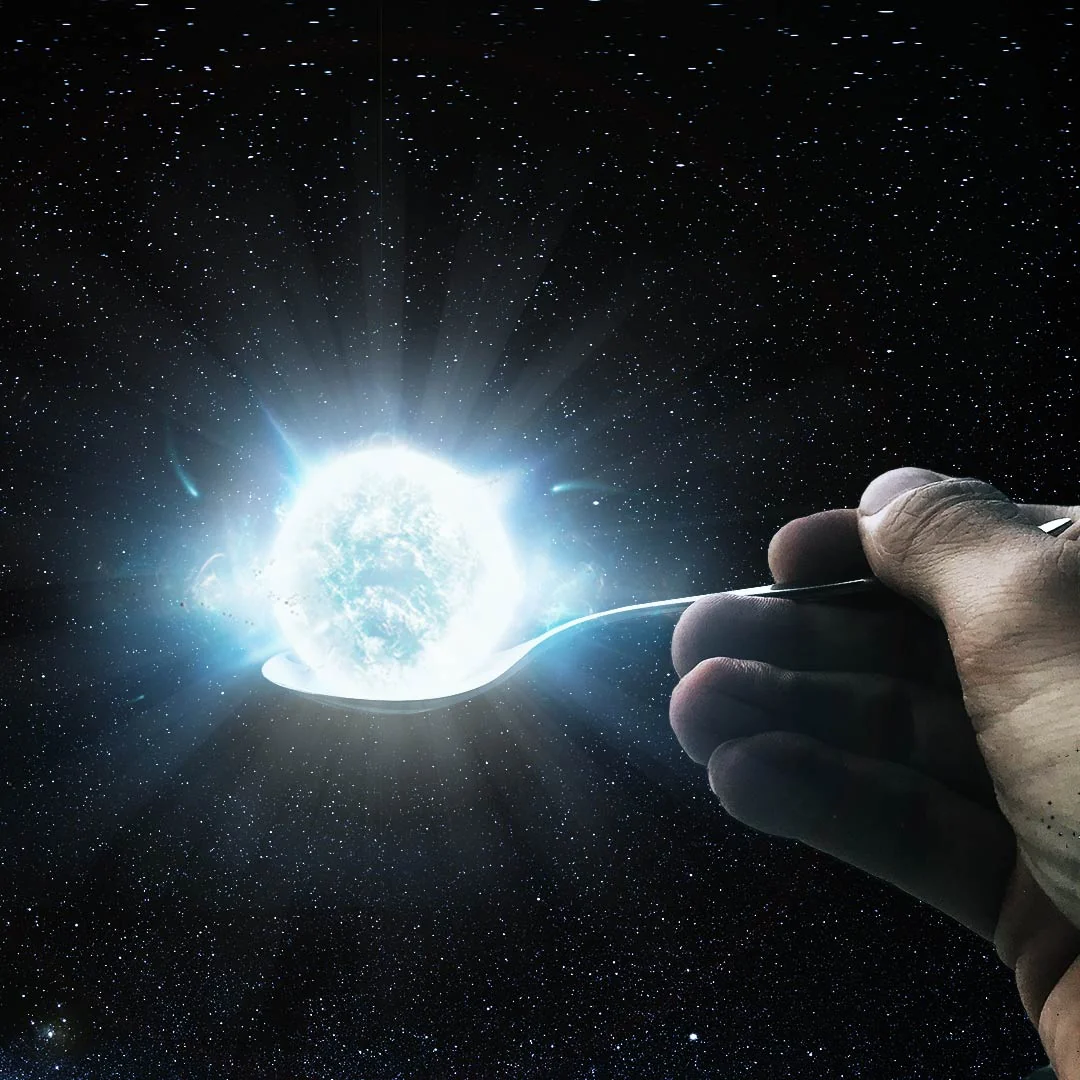
A teaspoon of neutron star material would weigh billions of tons.
r/Astronomy
Space facts are almost unfair because they so often sound invented. Neutron stars compress more mass than the Sun into an object about the size of a city, so the density is way beyond anything that feels intuitive.
Koala fingerprints are remarkably similar to human fingerprints.
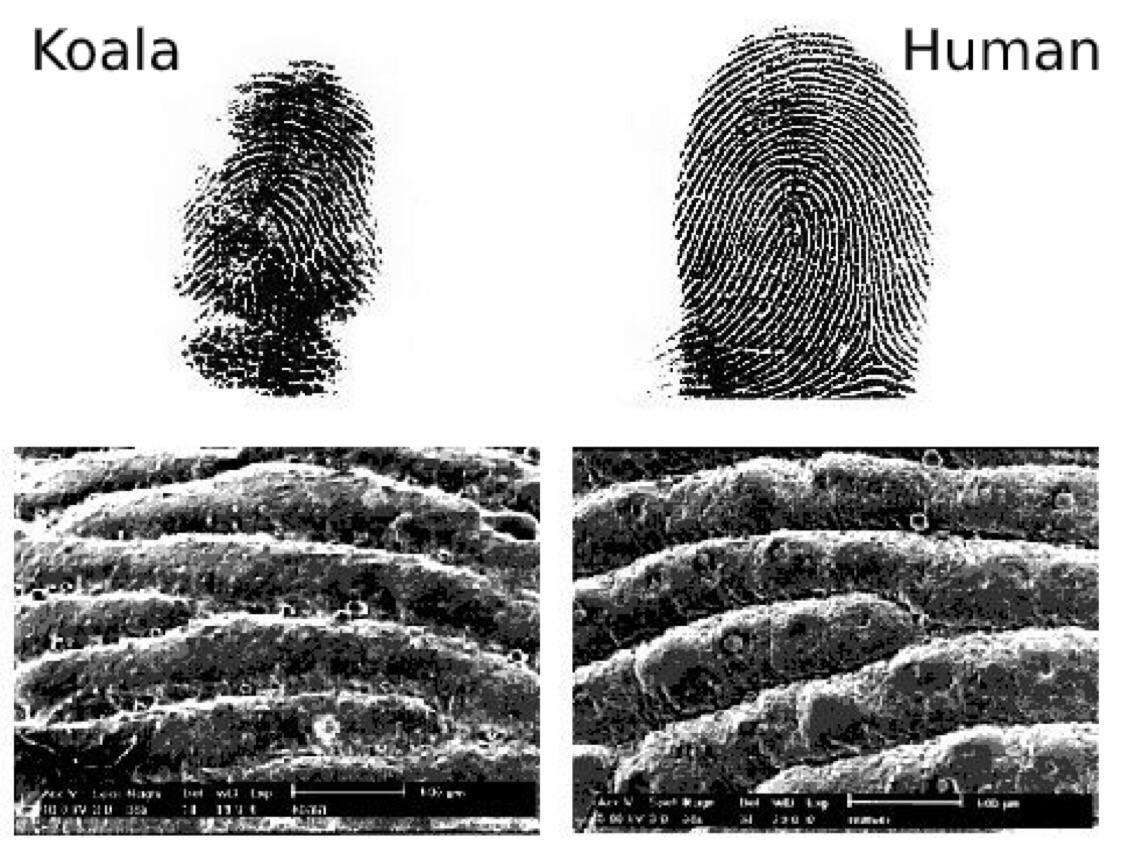
r/funfacts
Similar enough that under certain conditions they can be difficult to distinguish. It is a bizarre little overlap between marsupials and forensic science that nobody would put in a screenplay without getting accused of overdoing it.
Water can boil and freeze at the same time.
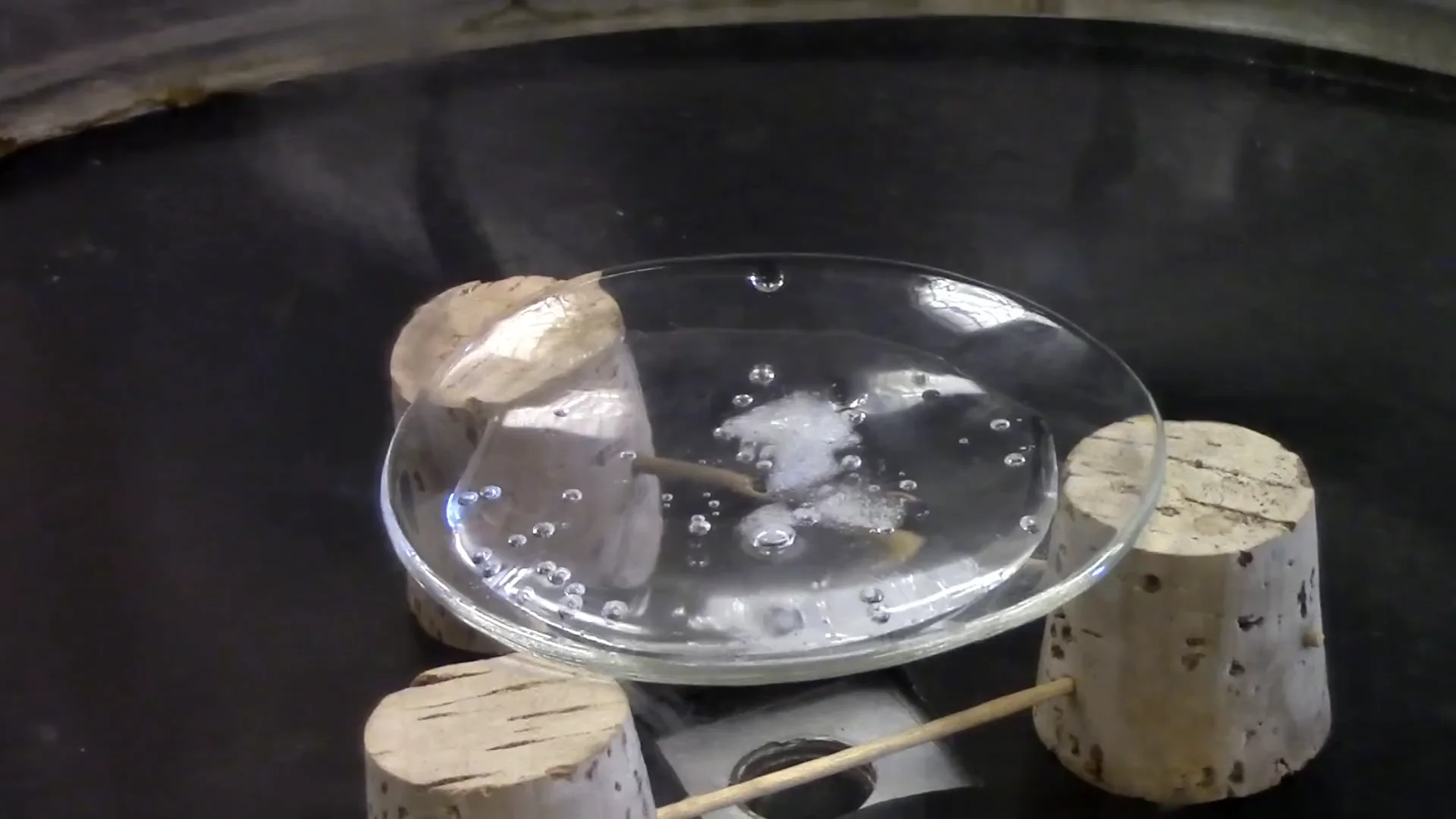
r/damnthatsintresting
Under the right pressure, at what is called the triple point, water can exist as a solid, liquid, and gas all at once. In lab conditions, you can actually watch part of a sample freeze while another part boils, which is rude behavior from a substance most people think they understand.
Space is not full of sound in the usual sense, but it is not exactly dead silent either.
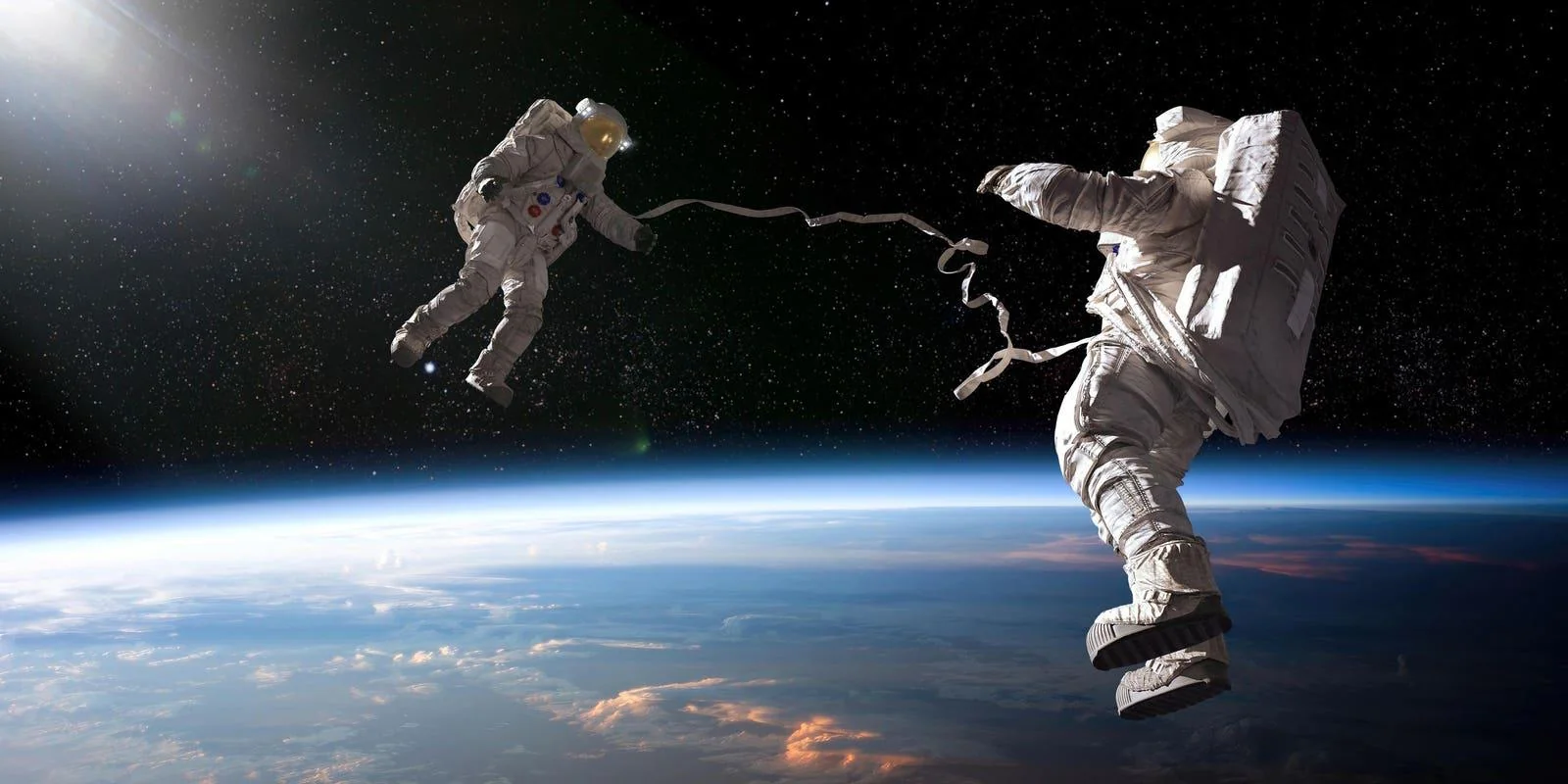
r/Space
Sound waves need a medium like air or water, so you would not hear an explosion in the vacuum of space with your own ears. But space is full of electromagnetic and plasma activity that instruments can detect and convert into sound, which is part of why those eerie NASA recordings feel so unsettling.
Plants can warn each other about danger.
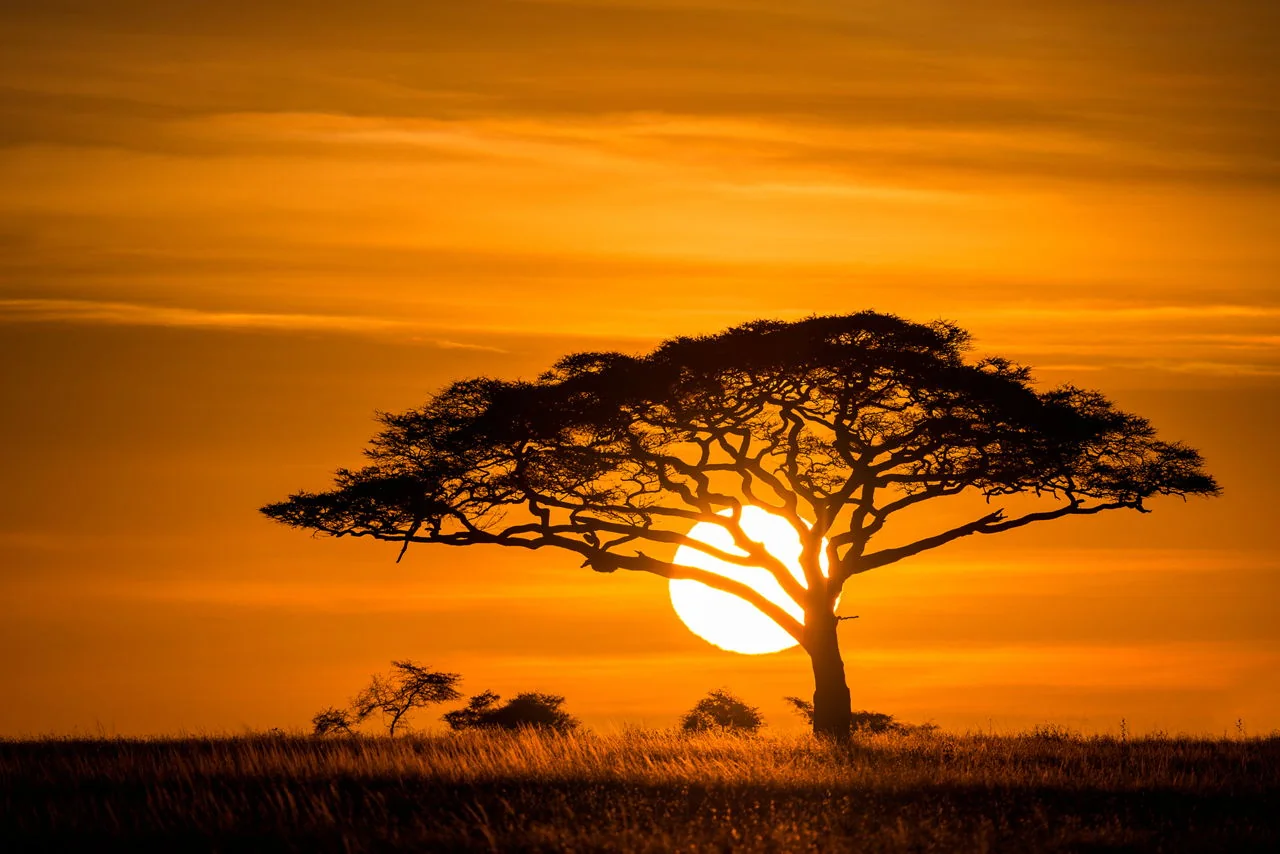
r/nature
They do not do it dramatically, but they do it. Through airborne chemicals and underground fungal networks, plants can send signals that help nearby plants prepare for insect attacks or other stress. The older idea that plants just sit there and passively exist has not aged especially well.
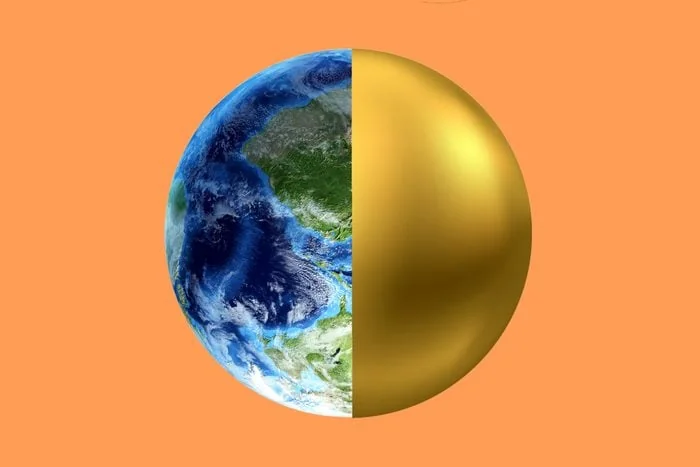
There is enough gold in Earth’s core to coat the whole planet.
r/damnthatsintresting
Most of Earth’s gold sank deep into the planet while it was forming, which is why so much of it is inaccessible. Estimates suggest there is enough down there to cover the entire surface of Earth in a thin layer. Useful to know, not useful in practice.
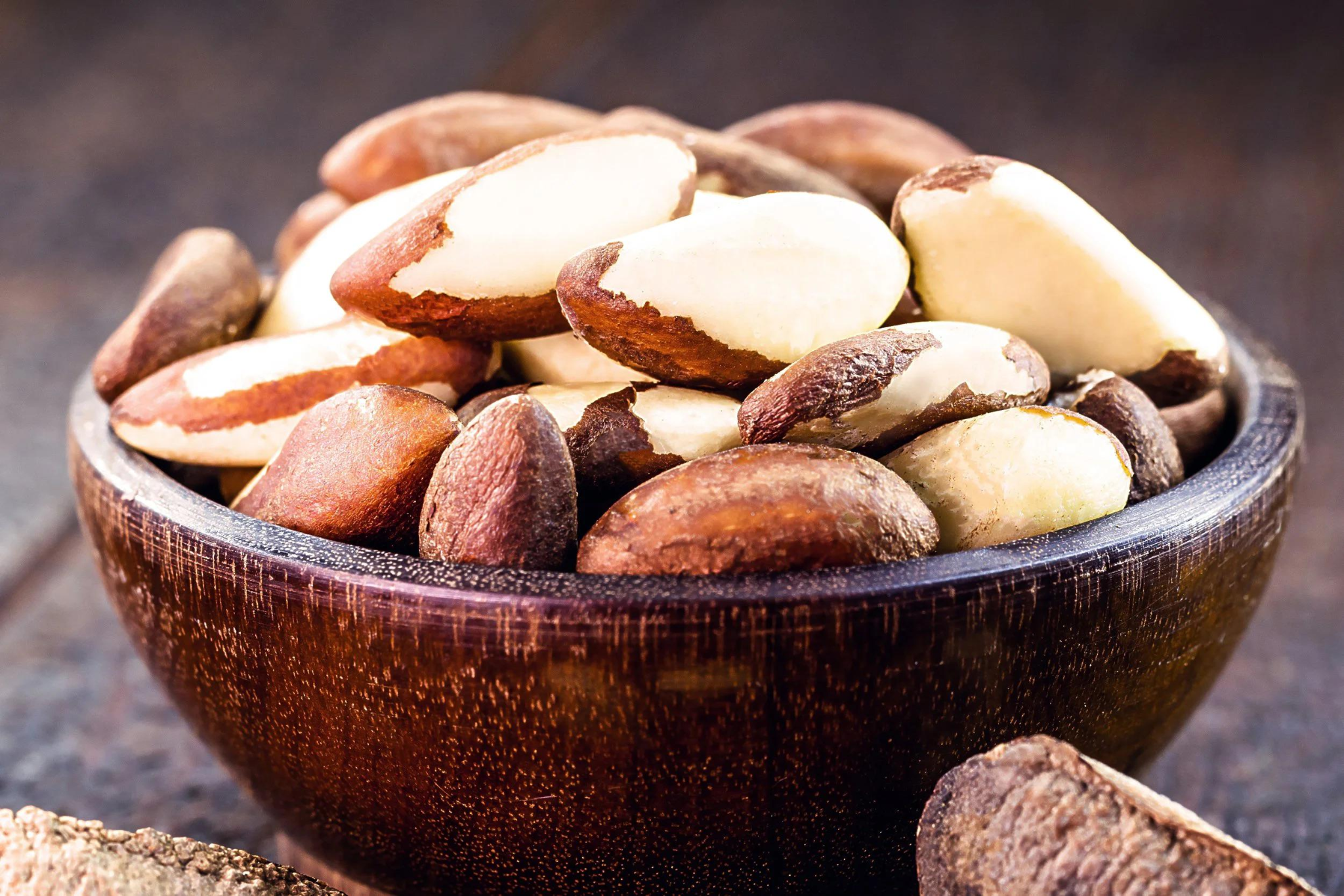
Bananas are not the only weirdly radioactive everyday thing. Brazil nuts can also contain surprisingly high levels of natural radioactivity.
r/asktheworld
It comes from radium absorbed by the tree’s extensive root system. Nobody is turning into a comic book villain from eating trail mix, but it is another reminder that “radioactive” is not always as exotic as people think.
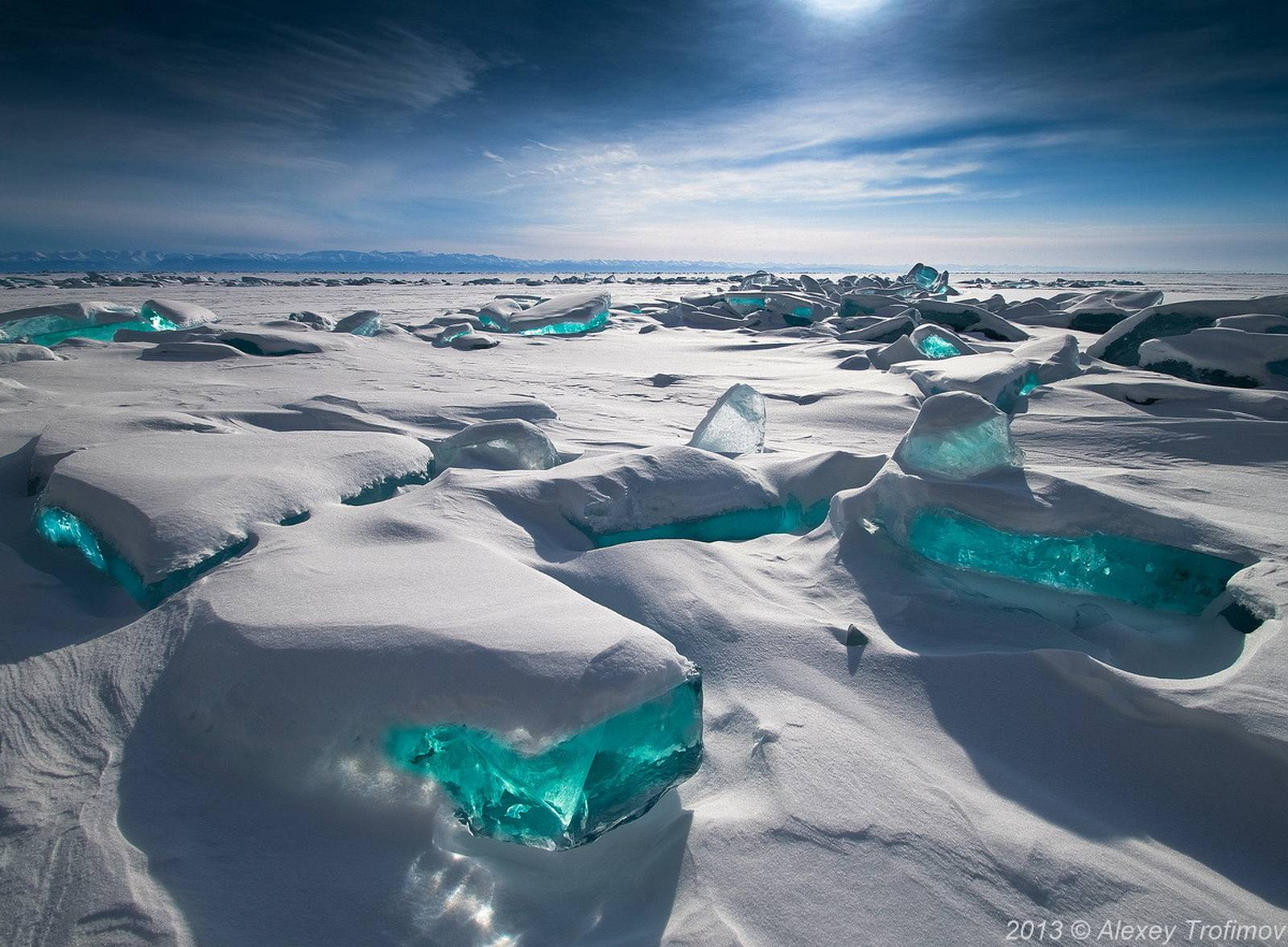
There are lakes trapped beneath Antarctica’s ice that have been sealed off for millions of years.
r/pics
Lake Vostok is the one that gets mentioned most often, and for obvious reasons. A body of water buried under kilometers of ice, isolated for that long, feels less like Earth science and more like the opening act of a very expensive sci-fi film.
That is probably the part science does best, it keeps embarrassing our sense of what sounds plausible. The world is full of facts that would get rejected for being too on the nose if they showed up in fiction. But outside the script room, they just sit there being true.
In the mood for more?
Tou can check out 20 Foods That Shouldn’t Exist (But Do), or 15 Places Around the World That Look Photoshopped, But Aren’t. You can also check out 20 “Impossible” Structures Found Deep in the Ocean That Science Can’t Explain.