Entertainment before TV wasn’t a world of endless boredom and early bedtimes. Long before families gathered around glowing screens, Americans had plenty of ways to turn an ordinary evening into something worth remembering. From homemade concerts and three-dimensional photographs to late-night dances and coin-operated phonographs, the 19th and early 20th centuries offered a surprisingly lively entertainment scene. And unlike today’s streaming marathons, much of the fun involved getting everyone together.
1. Families Turned Their Living Rooms Into Concert Halls
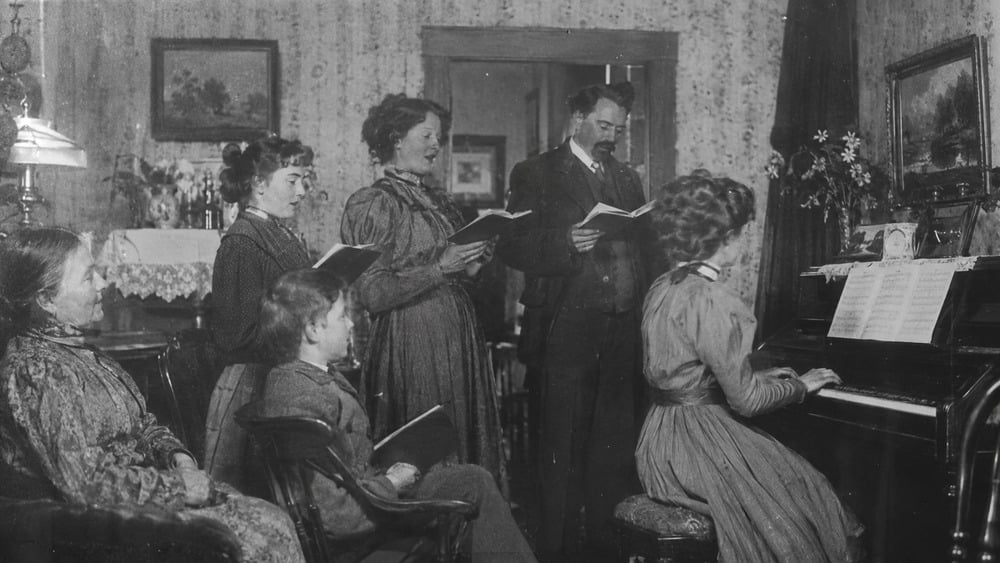
Before pressing play was an option, somebody had to provide the music. Throughout 19th-century America, families gathered around pianos, sang popular songs, and performed pieces from sheet music. Playing an instrument was more than a hobby; it was a valued social skill. A typical evening at home could become an impromptu concert, complete with enthusiastic singers and the occasional wrong note.
2. People Watched 3D Pictures Without Electricity
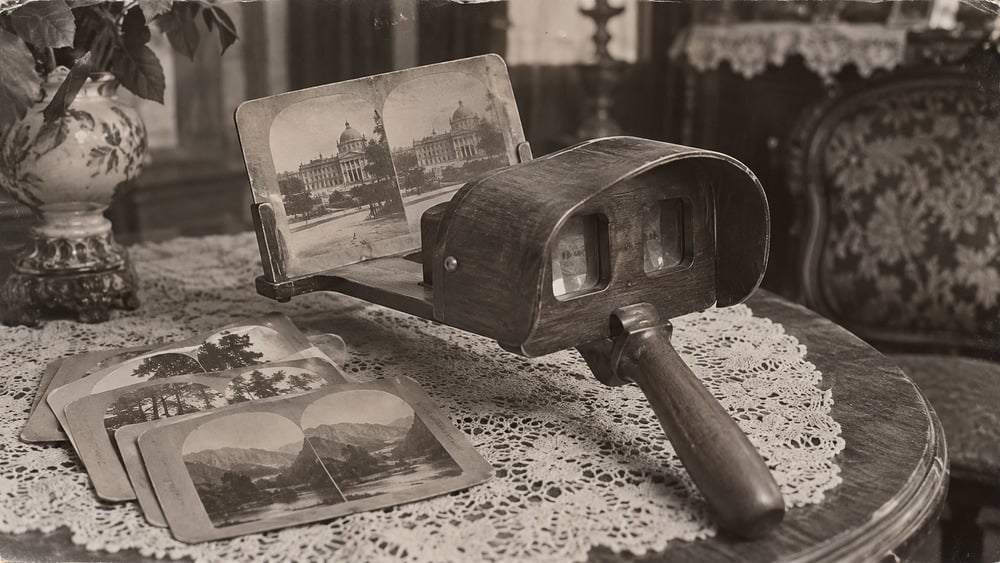
Forget special glasses and movie theater screens. During the late 1800s, stereoscopes allowed families to see photographs with an impressive illusion of depth. By viewing two slightly different images together, people could explore distant cities, famous landmarks, and unfamiliar landscapes from their own homes. It was a remarkably convincing way to travel without packing a suitcase.
3. Magic Lantern Shows Were the Original Projector Nights
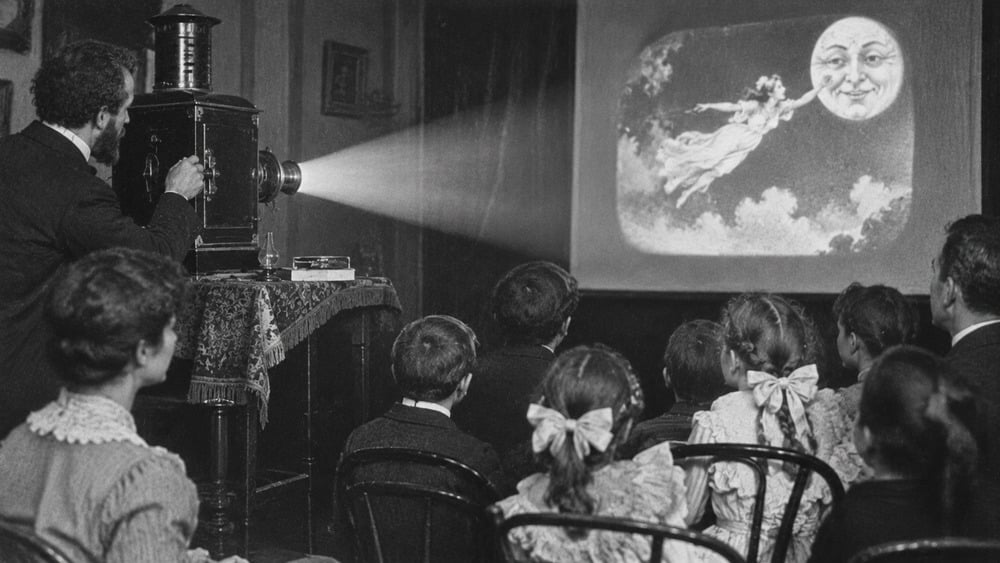
Imagine gathering in a darkened room to watch colorful images appear across a wall. Magic lanterns made that possible by projecting pictures from glass slides, sometimes using movable parts to create the illusion of motion. By the 19th century, presentations could feature narration, music, and elaborate visual effects. Movie nights had a fascinating ancestor, and it didn’t require a television.
4. Reading a Book Aloud Was a Group Activity
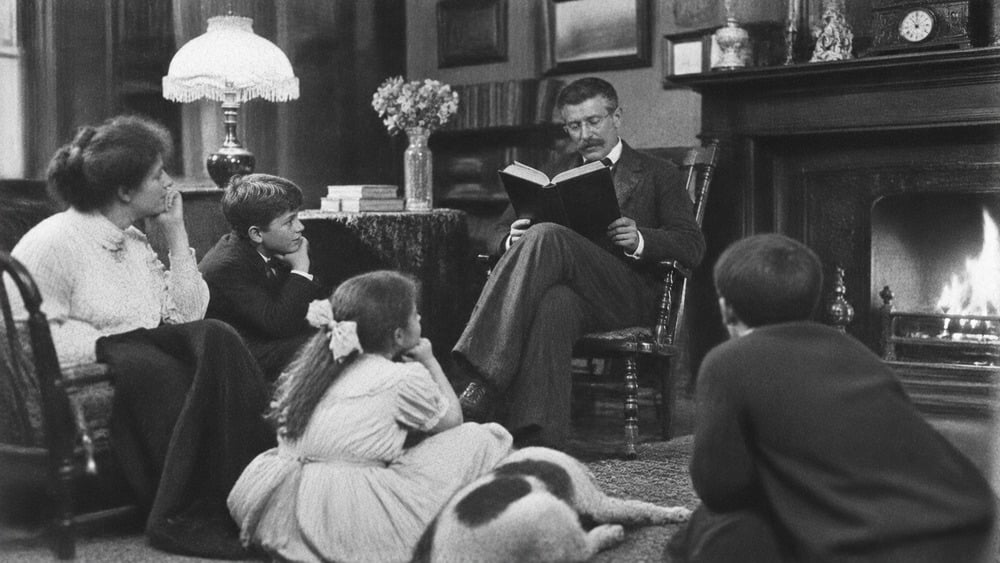
A good story didn´t have to be a private experience. Families often spent evenings listening as someone read books, poetry, or entertaining tales aloud. Readers might take turns, giving everyone a chance to participate. Without an audiobook narrator or streaming subscription, a comfortable chair and an expressive family member could provide an entire evening’s entertainment.
5. Board Games Came With Moral Lessons
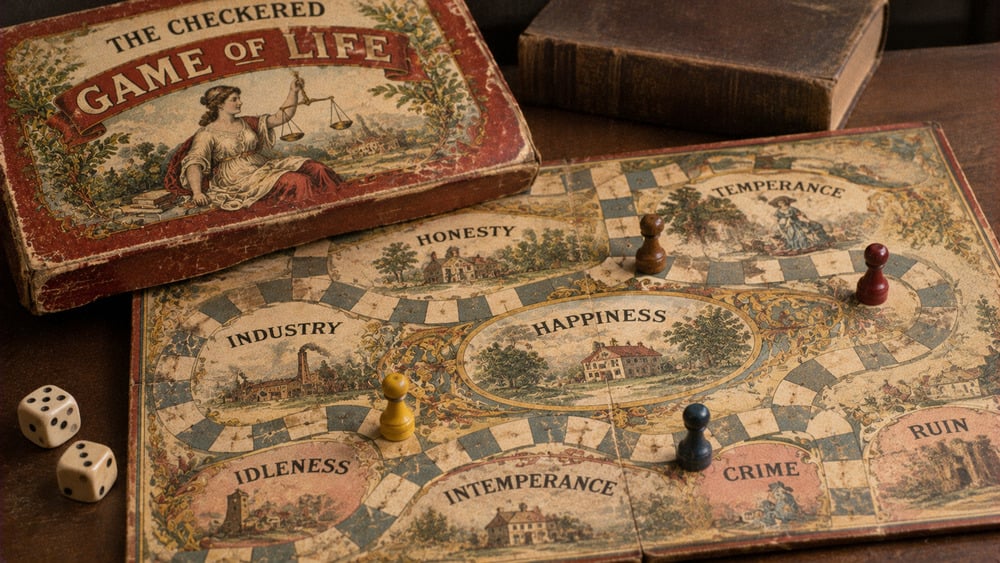
What if winning a board game depended on avoiding bad habits? Milton Bradley´s original Checkered Game of Life, released in 1860, challenged players to pursue virtues such as honesty and temperance while steering clear of troublesome behavior. The concept clearly caught on: its initial run of 45,000 copies sold out during the first year. Family game night came with a surprisingly serious lesson.
Trending on The Scroller

6. Miniature Paper Theaters Let Children Produce Their Own Plays
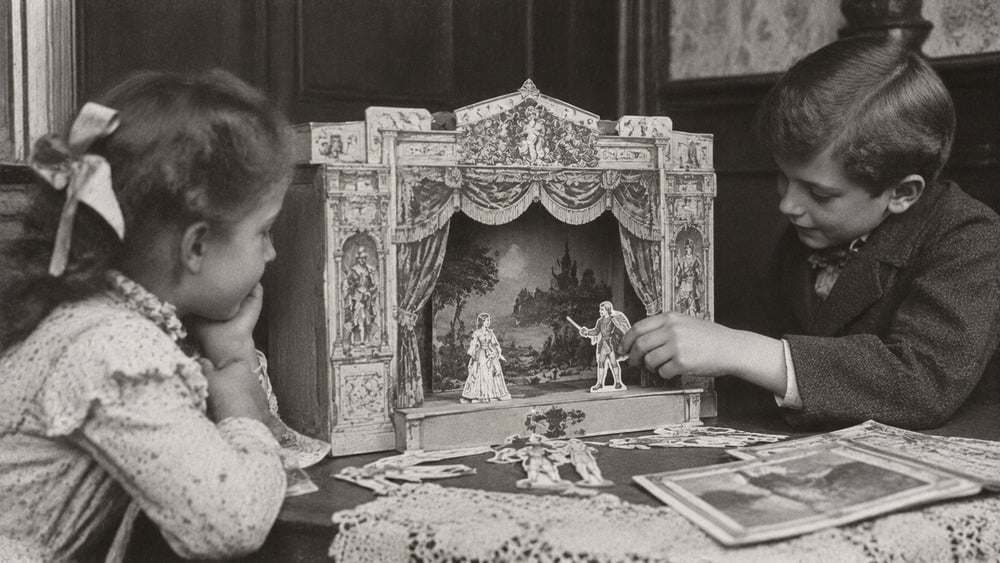
A few sheets of printed paper could transform a tabletop into a drama stage. During the 1800s, miniature theaters came with tiny actors, painted scenery, and interchangeable backdrops for staging everything from pirate adventures to famous plays. Even Charles Dickens enjoyed these little productions. For families with imagination to spare, putting on a show required neither expensive tickets nor a professional cast.
7. Dime Novels Delivered Cheap Adventure Stories
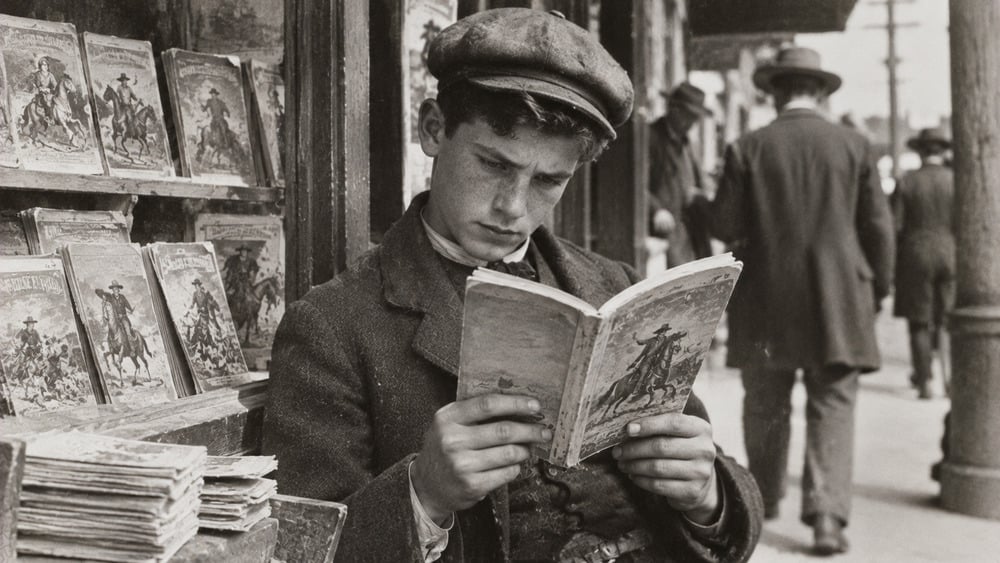
For just ten cents, readers could escape into worlds of outlaws, detectives, frontier heroes, and sensational romances. Dime novels became popular after publisher Irwin P. Beadle & Company helped establish the inexpensive format in 1860. Their appeal was enormous, offering dramatic entertainment at a price ordinary readers could afford. Who needed an action-packed television series when a pocket-sized adventure was waiting?
8. Families Solved Puzzles That Were Originally Geography Lessons
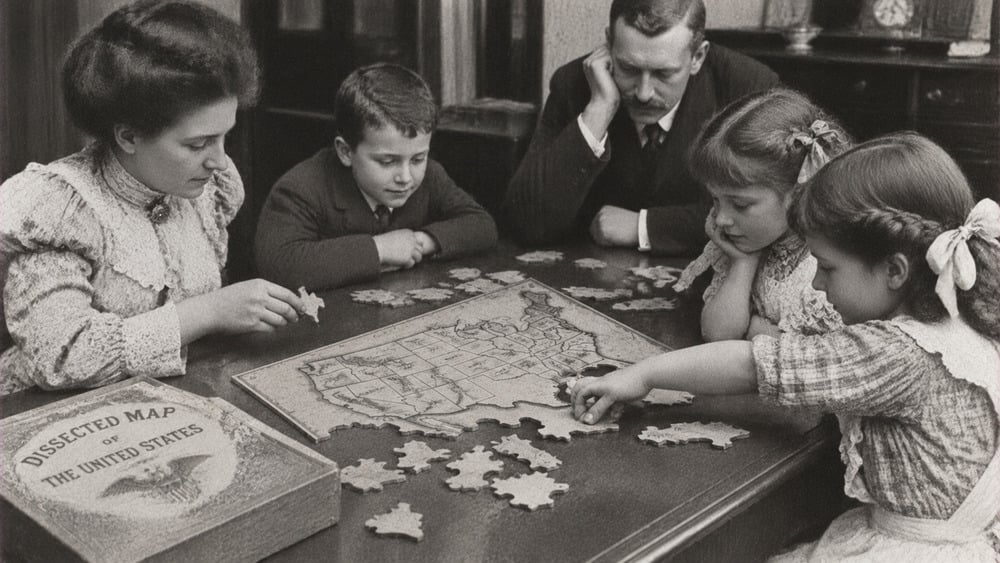
Some of the earliest jigsaw puzzles had a surprisingly educational purpose. Known as dissected maps, they challenged people to assemble geographical regions piece by piece. Initially handmade and expensive, these puzzles became more accessible as woodworking and printing improved during the 1800s. What began as a way to learn geography gradually became a satisfying pastime for families and classrooms alike.
Sign up for our newsletter
9. Dancing Parties Could Continue Until Three in the Morning
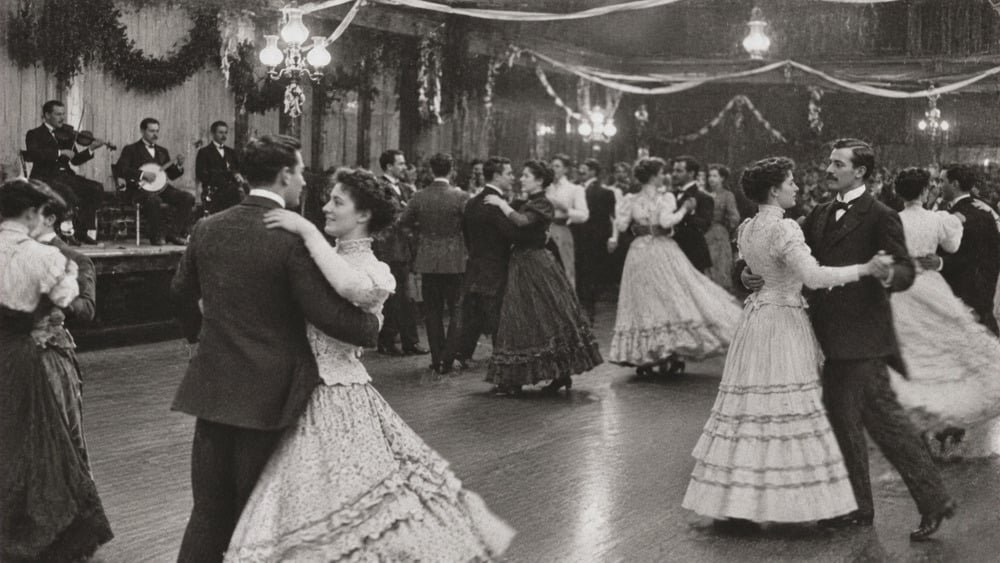
Nineteenth-century social life wasn´t always quiet or restrained. Balls and community dances brought people together for live music, conversation, and opportunities to meet potential partners. In 1849, one Oregon City ball reportedly continued until around two or three in the morning. With musicians keeping the rhythm going, an evening celebration could easily stretch into the next day.
10. Quilting Bees Turned Household Work Into Social Events
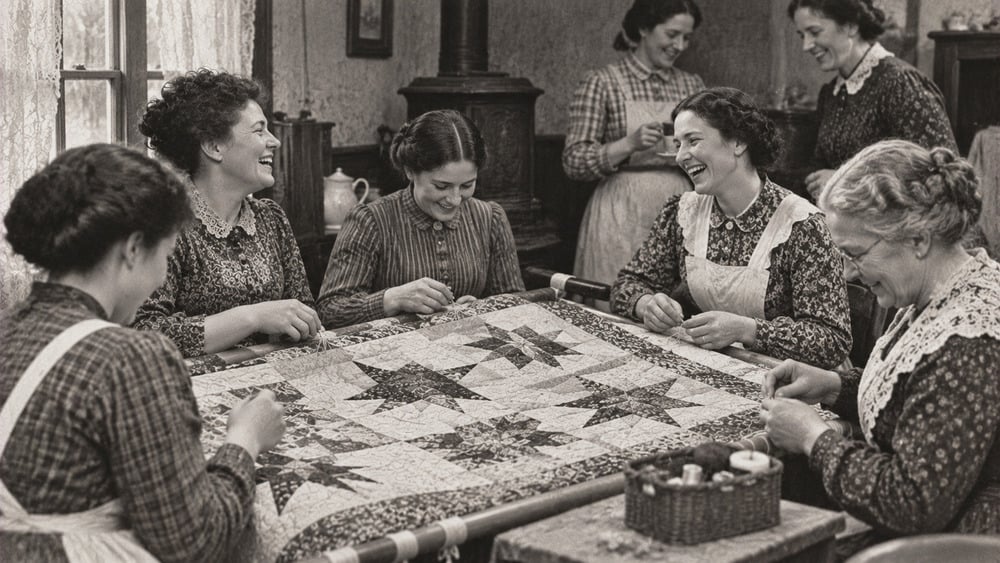
Entertainment before TV sometimes happened while people were getting work done. Quilting bees brought neighbors together around a shared project, with conversation, storytelling, and singing making the hours pass more pleasantly. Similar gatherings, including apple-peeling parties, could feature playful songs with improvised verses. Practical chores became social occasions, proving that productivity and a little fun didn’t have to compete.
11. Vaudeville Shows Offered Something Different Every Few Minutes
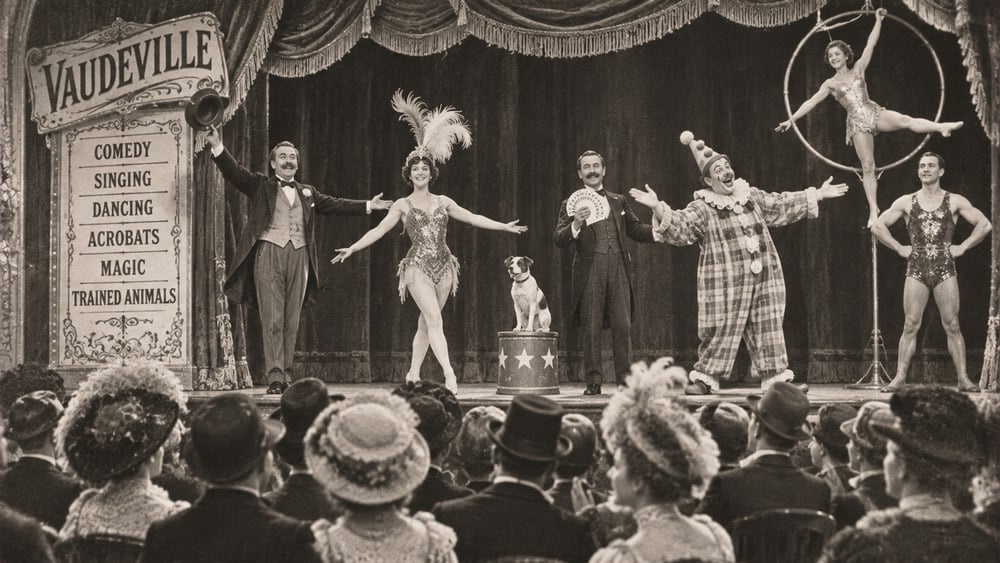
One ticket could deliver an entire evening of unpredictable entertainment. Popular from the 1880s through the 1920s, vaudeville shows typically presented seven to ten acts featuring combinations of comedy, dancing, singing, magic, acrobats, and even trained animals. Audiences barely had time to settle into one performance before another began. It was variety entertainment in its most literal form.
12. Traveling Circuses Were Originally More for Adults Than Children
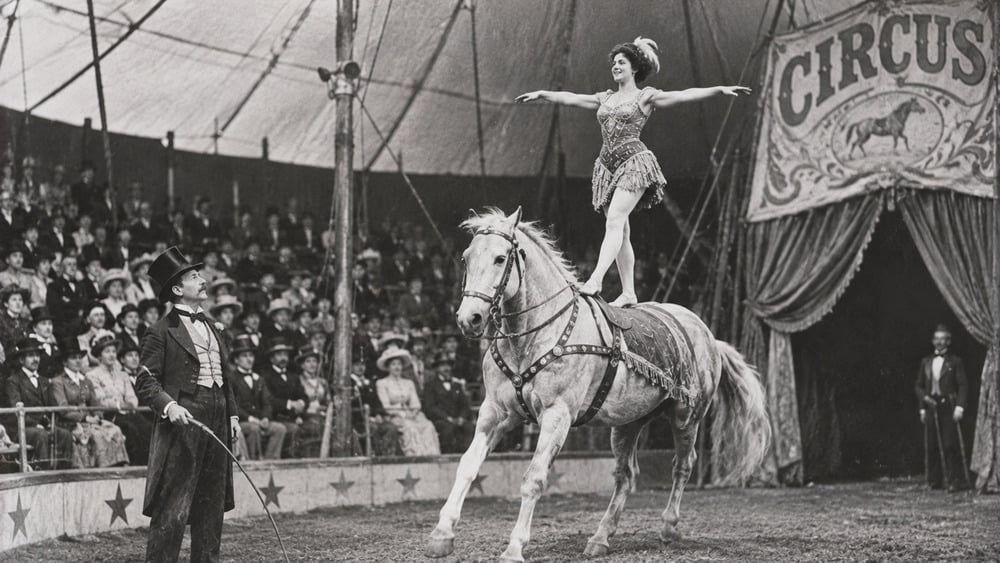
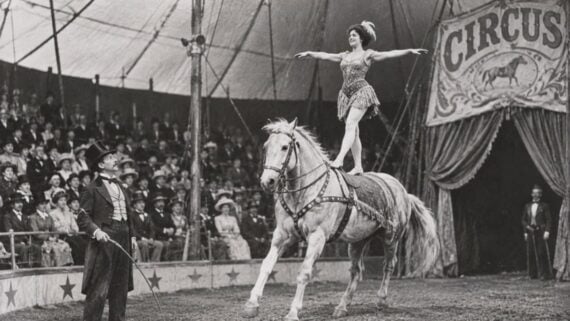
The circus wasn´t always marketed as a family outing. Early American performances primarily catered to adults, emphasizing daring horseback acts and sometimes irreverent comedy. George Washington even attended a circus in Philadelphia in 1793. Only toward the late 19th century did circus companies increasingly position their spectacles as attractions for children and families. The big top had quite a different audience in its early days.
13. Educational Lectures Drew Crowds Looking for Entertainment
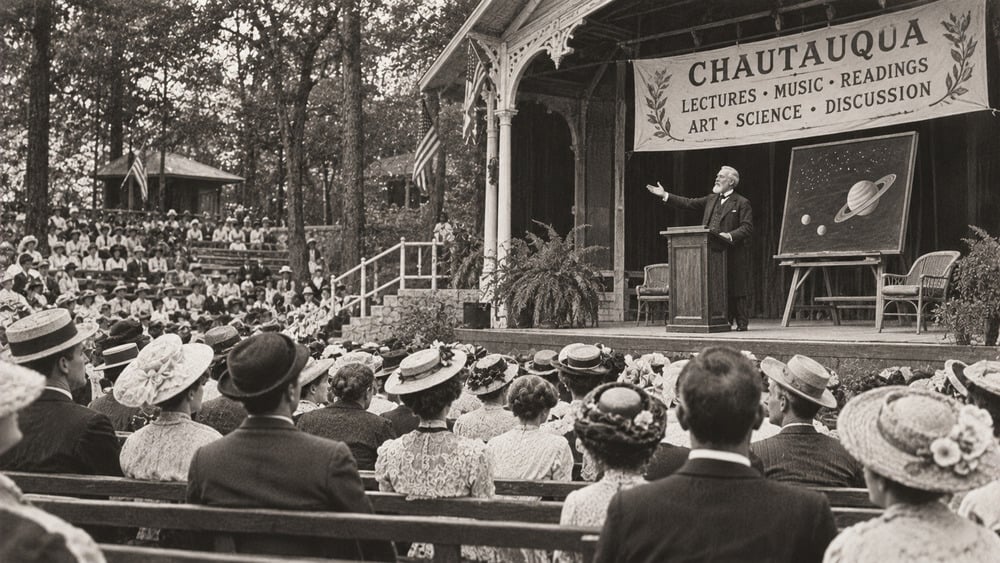
Would thousands of people turn up for an evening of lectures today? In the late 19th century, educational programs could be major attractions. The Chautauqua movement mixed public talks with music, reading, and cultural events. At Glen Echo, Maryland, an educational complex opened in 1891 with an amphitheater seating 8,000 people. Topics ranged from astronomy to literature, often alongside concerts and dances.
14. Town Bands Provided Free Music Before Speakers Existed
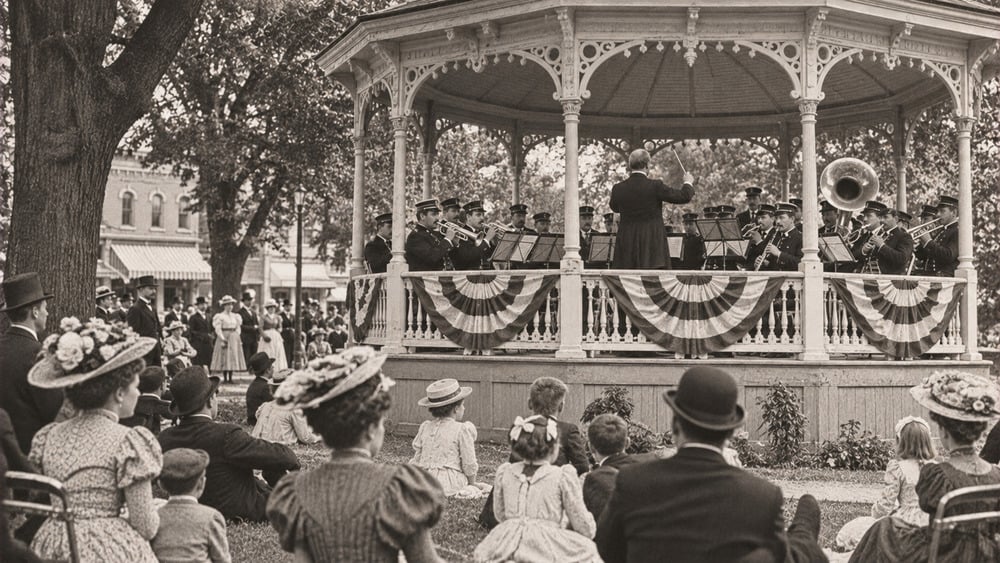
An ordinary town square could become a concert venue when the local band arrived. During the 1880s, community ensembles became popular enough that towns built dedicated bandstands for their performances. Marches, dance tunes, serenades, and classical arrangements filled the air, offering residents access to live music without expensive concert tickets. Sometimes the best entertainment was happening right down the street.
15. County Fairs Offered Much More Than Agricultural Displays
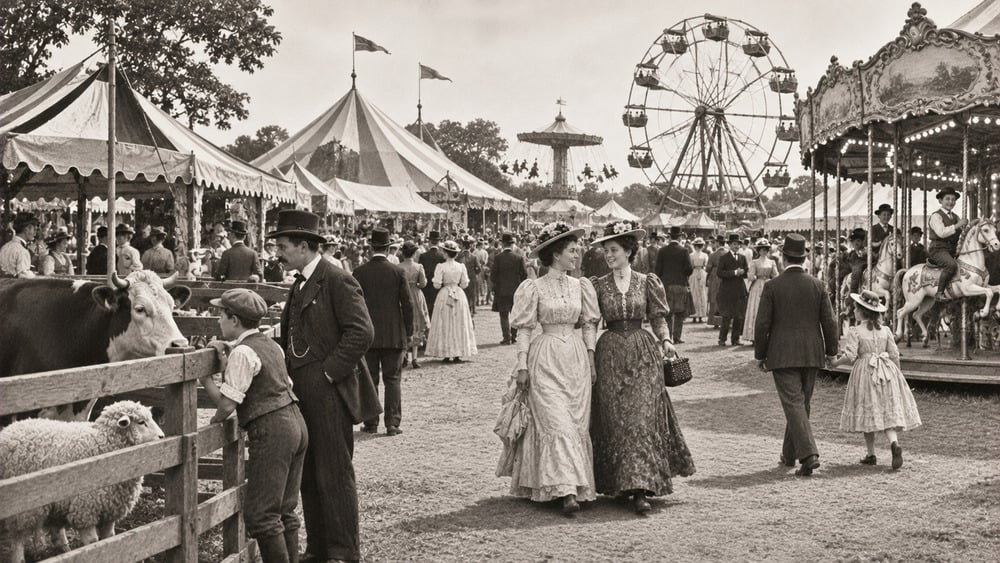
County fairs were about more than showing off prize livestock. These gatherings combined agricultural exhibits with competitions, amusement rides, and opportunities to socialize, giving families a full day of activities away from their usual routines. Larger world’s fairs expanded the idea with technological displays and international exhibitions. For visitors, the excitement came from discovering what might be waiting around the next corner.
16. Baseball Fans Were Already Filling Ballparks Before the Civil War
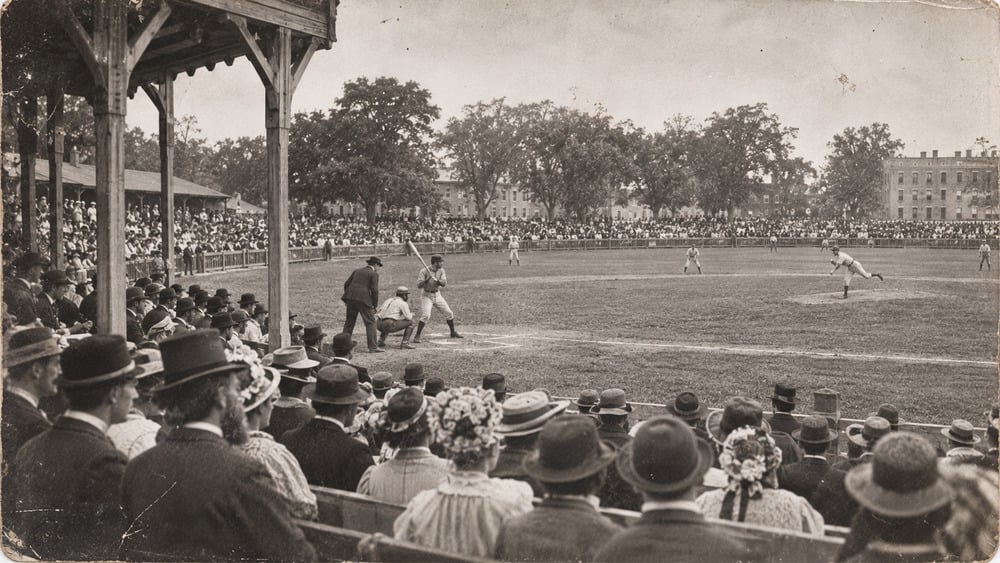
Baseball´s enthusiastic following developed long before anyone could listen to a game on the radio. During the 1840s and 1850s, organized teams appeared across American cities, with more than 100 active in the New York area before the Civil War. Thousands of spectators attended games during the war years. The atmosphere of a crowded ballpark was already becoming part of American entertainment culture.
17. People Paid Coins to Hear Recorded Sound in Public Places
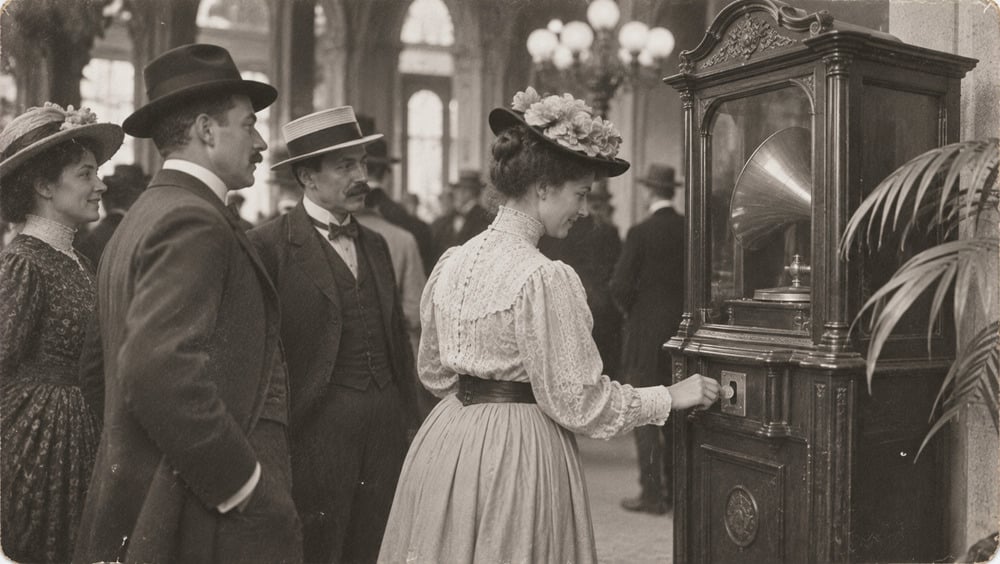
Recorded entertainment wasn´t always something people could enjoy at home. By 1889, coin-operated phonographs were appearing in public places such as hotel lobbies and train stations. Customers inserted money to hear recorded music or spoken performances, experiencing a technology that still felt remarkably new. It was an early glimpse of entertainment on demand, one coin and one listening session at a time.
Long before broadcasting changed everyday life, Americans filled their free time with music, stories, games, performances, and community celebrations. Some activities required elaborate equipment or admission tickets, while others needed little more than a gathering of friends. Many continued long after radio and television arrived, reminding us that the desire to be entertained has always found creative outlets.
Keep Exploring The Scroller
Curious what else everyday life looked like before modern technology took over? Keep exploring The Scroller for more forgotten traditions, surprising inventions, and fascinating glimpses into how earlier generations lived, worked, and had fun:
20 Ways People Stayed Entertained Before Streaming Existed
15 Ways Childhood Independence Has Changed Over the Decades
15 Retro 1980s and 1990s Gaming Setups From Tastemakers of the Time