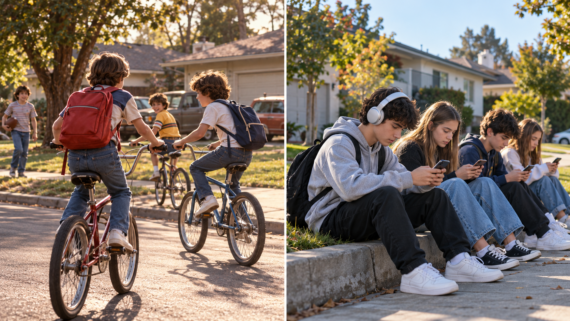
Childhood independence once meant riding a bike around the neighborhood, walking to school with friends, or spending an entire afternoon outside without a parent checking in. For many Americans who grew up in the 1960s, 1970s, and 1980s, those small freedoms were an ordinary part of growing up. Today, the rules surrounding them can look surprisingly different.
Of course, childhood wasn’t equally carefree for everyone, and greater freedom didn’t always mean greater safety. But changes in parenting, technology, transportation, and social expectations have reshaped what children are allowed to do on their own. These 15 shifts reveal just how much the experience of growing up has changed.
1. Walking to School Went From Normal to Unusual

Remember when the walk to school was part of the adventure? In 1969, nearly 48% of American students in kindergarten through eighth grade typically walked or biked to school. By 2009, that figure had dropped to just 12.7%. According to research on school travel, the shift reflects more than changing parenting habits. Many children now live farther from their schools, making walking less practical. What was once an everyday opportunity to navigate the neighborhood independently has increasingly become a trip organized around cars, buses, and adult schedules.
2. Riding a Bike to a Friend’s House Is No Longer a Given
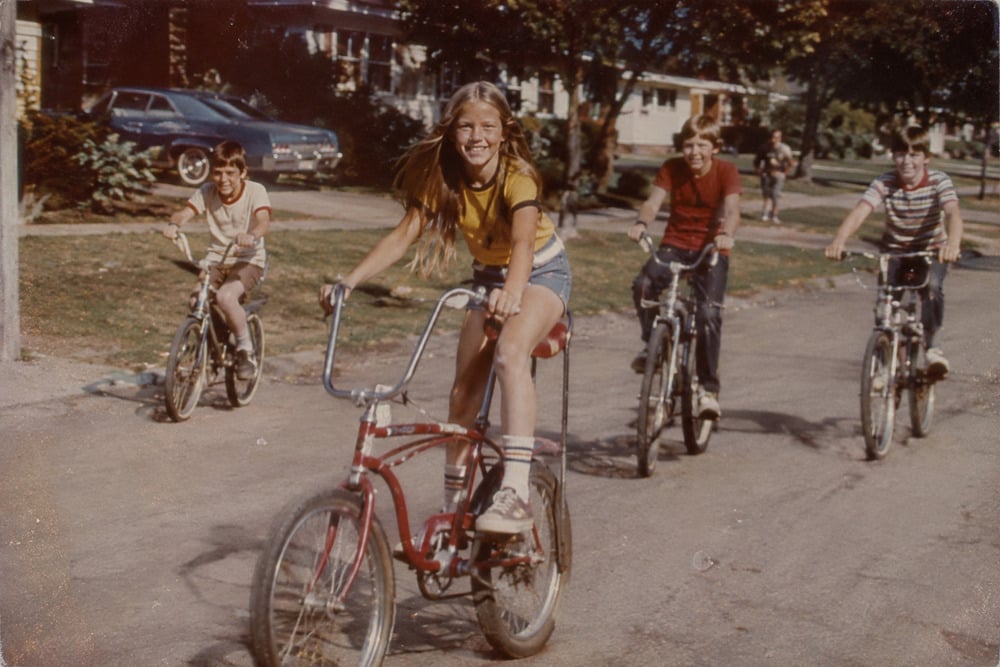
For generations of kids, a bicycle was practically a passport to freedom. It meant visiting friends,m exploring nearby streets, and getting somewhere without asking an adult for a ride. But a 2023 University of Michigan poll found that only 33% of parents of children ages 9 to 11 had allowed their child to walk or bike to a friend’s house without supervision. That doesn’t mean every neighborhood was once safe or every child had the same freedom. Still, it reveals how even a short trip to a friend’s house has become a more deliberate parenting decision.
3. Unstructured Play Lost About a Quarter of Its Time in Just 16 Years
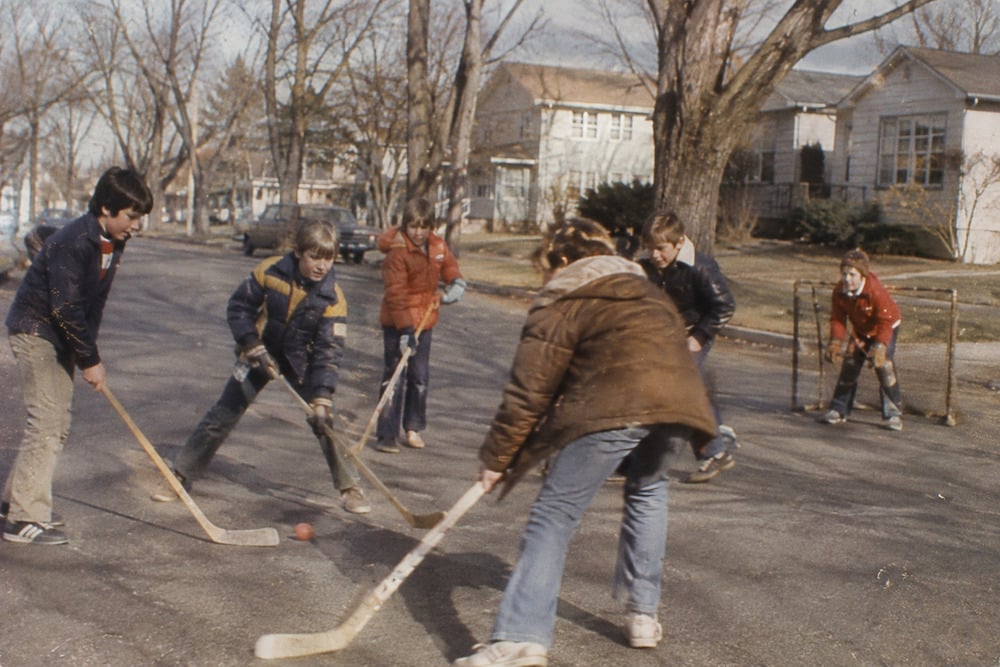
There was a time when an empty afternoon could turn into a backyard adventure, and invented games or hours of wandering between friends´ houses. Research examining American children´s activities between 1981 and 1997 found that free play declined by approximately 25%. During that period, structured activities became increasingly prominent, leaving less time for children to decide how to entertain themselves. Organized sports and lessons can offer valuable experiences, but they also change who controls the afternoon. Instead of children making up the rules as they go, adults are more likely to organize the schedule.
4. Going to the Park Without Parents Has Become a Bigger Decision
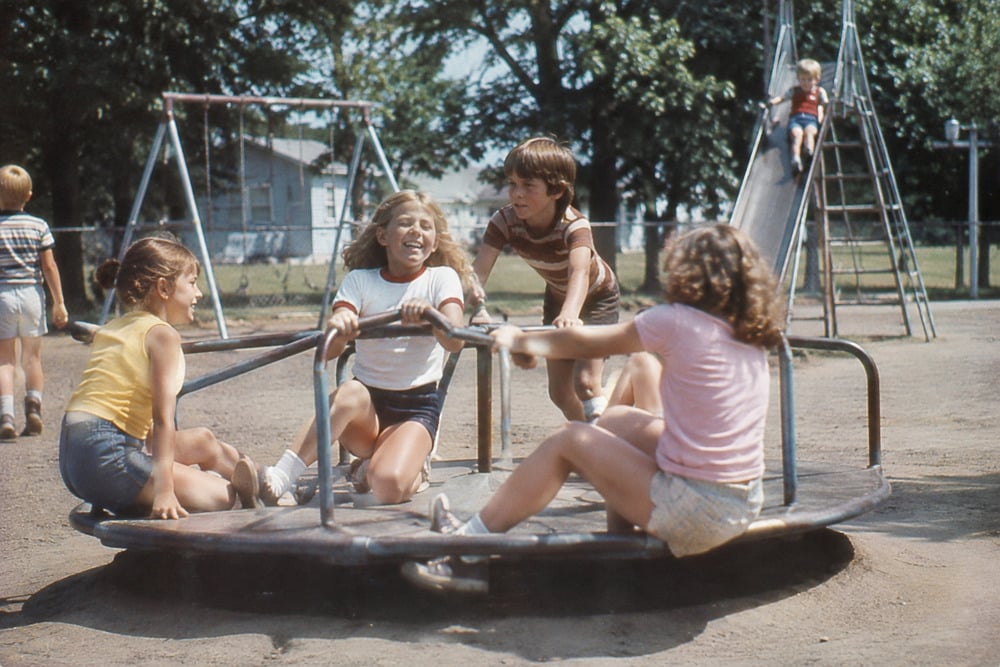
A playground used to be more than a place to climb and swing. It was somewhere children could meet friends, settle disagreements, and figure things out without an adult directing every moment. Yet a 2023 national poll found that only 29% of parents of children ages 9 to 11 had allowed them to play at a park with a friend without supervision. Here’s the interesting part: 84% agreed that children benefit from unsupervised free time. If so many parents recognize its value, why does allowing it still feel like such a difficult decision?
5. Trick-or-Treating Without Parents Is Far Less Automatic

Halloween once offered some children a rare evening of independence, complete with costumes, candy bags, and a carefully negotiated return time. Groups of friends could travel from house to house while parents stayed home. That experience isn’t necessarily the norm today. In a 2023 University of Michigan survey, just 15% of parents of children ages 9 to 11 said they had allowed their child to trick-or-treat with friends without an adult. The costumes and candy remain familiar, but for many families, Halloween now comes with considerably closer supervision.
Trending on The Scroller


6. Staying Home Alone Is Still Common, but Parents Have Reservations
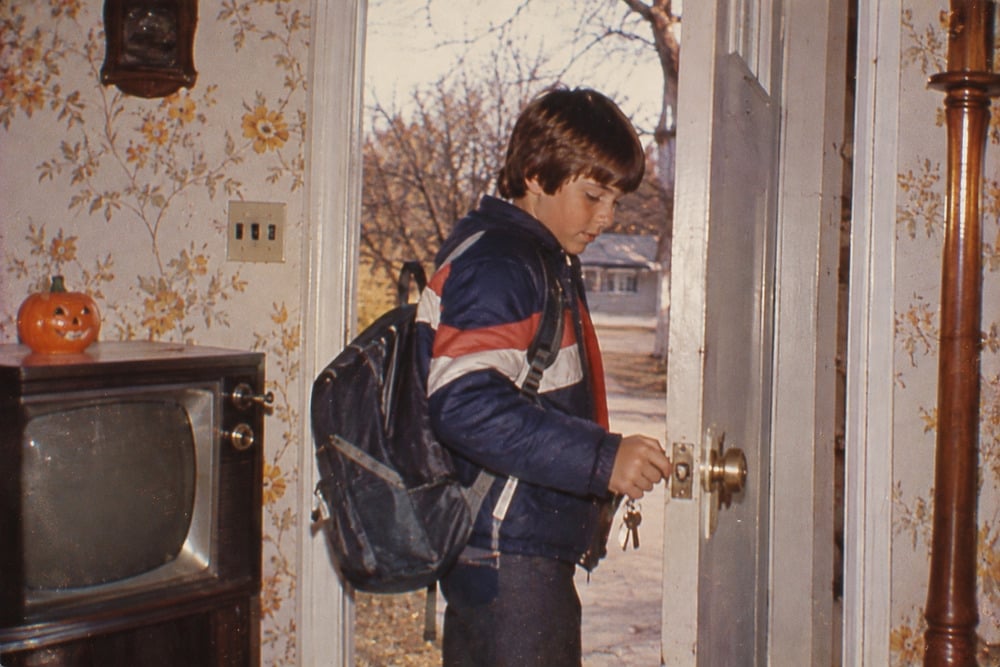
The term latchkey kid brings to mind children arriving home from school, unlocking the front door, and spending a few hours alone before their parents returned from work. Although closely associated with the 1970s and 1980s, staying home without an adult hasn´t disappeared. A 2023 survey found that 58% of parents of children ages 9 to 11 had allowed them to remain home alone for 30 to 60 minutes. The decision still depends on a child’s maturity, family circumstances, and applicable laws. Independence may look different today, but this particular childhood milestone remains surprisingly familiar.
7. Even Exploring a Grocery Store Alone Has Become a Milestone

Picture a parent sending a child to another aisle to grab a box of cereal while they finish shopping. It´s a tiny responsibility, but it requires navigating a public space and completing a task independently. According to the University of Michigan’s 2023 poll, only half of parents of children ages 9 to 11 had allowed their child to look for an item in a store while they remained in another aisle. What once might have seemed like a routine errand can now become a carefully considered step toward independence.
8. Ordering Food Without Mom or Dad Speaking Isn’t Always Expected

Asking for a burger at a restaurant counter might not sound like a major accomplishment, but it involves speaking clearly, making a decision, and interacting with an unfamiliar adult. Those are skills children develop through practice. In a 2023 survey, only 24% of parents of children ages 5 to 8 said their child regularly spoke to unfamiliar adults in business situations, such as ordering food. Researchers suggested that parents may sometimes step in because letting children handle these interactions takes extra time and patience. How often do adults answer for kids simply because it’s faster?
Sign up for our newsletter
9. Managing Allowance Money Is Less Automatic Than It Sounds

A few dollars in a pocket once offered a small but meaningful taste of financial freedom. Children could save for something special, spend everything on candy, or discover that money disappeared faster than expected. Today, those early decisions aren’t necessarily being handed over automatically. A 2023 University of Michigan poll found that only 30% of parents of children ages 5 to 8 said their child regularly decided how to spend allowance or gift money. The survey doesn’t establish whether this was more common decades ago, but it highlights how even small financial choices can remain under parental control.
10. Parents Can Now Follow Their Children’s Whereabouts on a Map
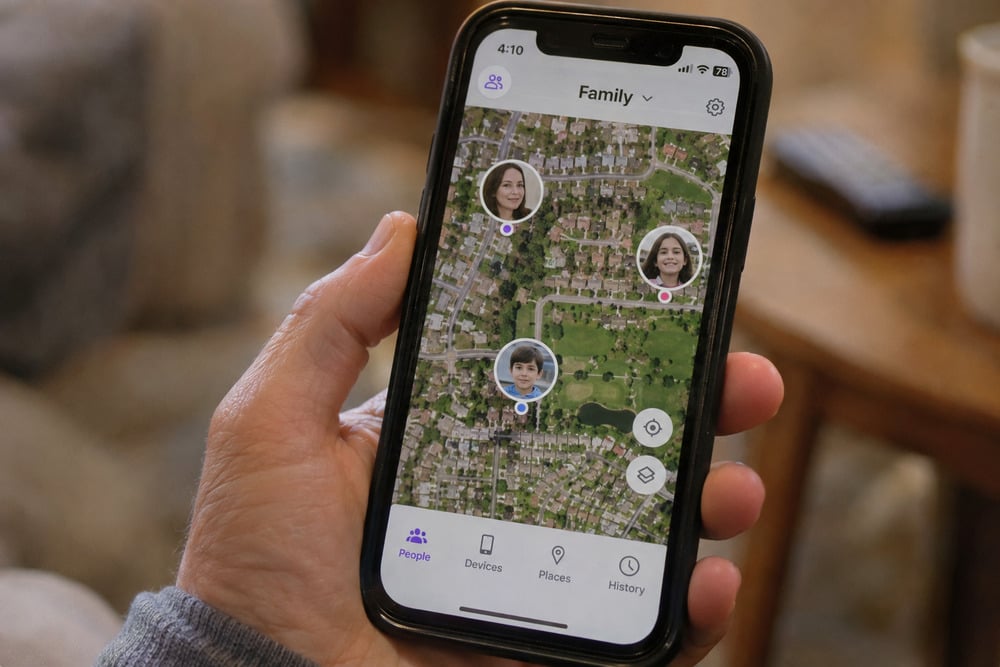
Childhood independence has entered an entirely new era with location-sharing technology. In earlier decades, parents often relied on a promised return time, a phone call, or a neighbor´s reassurance to know where their children were. Now, some can check a map and see a child´s location almost instantly. In a 2024 survey commissioned by Life360, 91% of participating parents whose children had cellphones reported using location-sharing. That company-sponsored finding doesn’t represent every American family, but it illustrates a major change: children can travel independently while still being monitored from a distance.
11. Getting a Driver’s License at 16 Is No Longer Such a Universal Rite of Passage
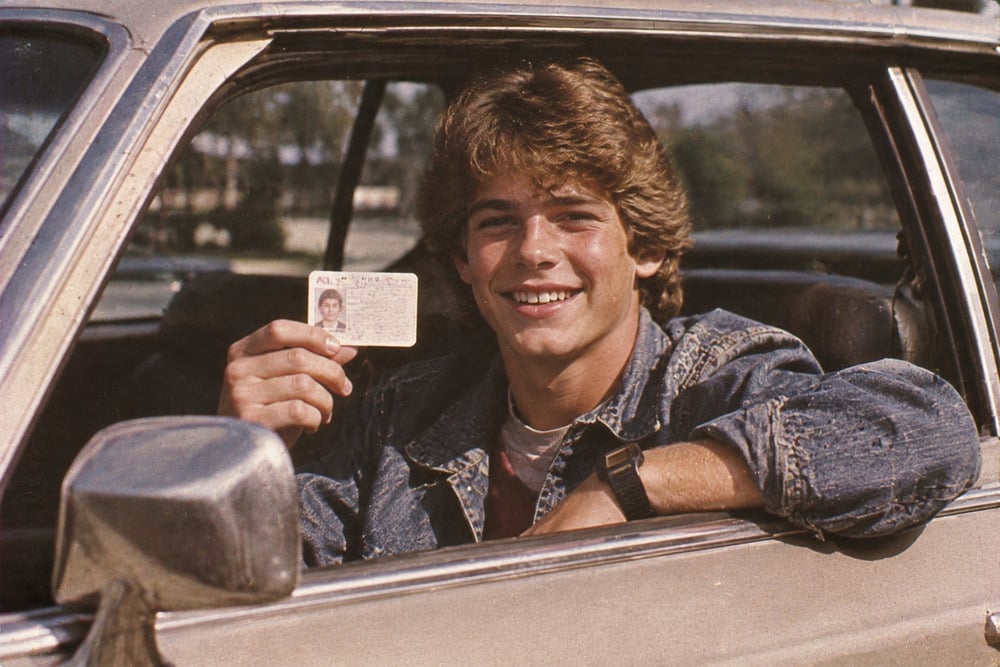
For many American teenagers in the 1980s, turning 16 meant one thing: getting behind the wheel. A driver´s licence offered the possibility of visiting friends, going to work, and escaping dependence on the family carpool. But the numbers tell a different story today. Approximately 46% of American 16-year-olds held a driver’s license in 1983, compared with about 25% in 2014. Federal Highway Administration figures show the share was still only 25.2% in 2023. The teenage dream of driving hasn’t vanished, but it is far less common at 16 than it once was.
12. Summer Jobs No Longer Introduce as Many Teenagers to Financial Independence

Remember the excitement of earning a first paycheck and realizing that money was finally yours to manage? Summer jobs once gave many teenagers tthatexperience trthroughestaurants, grocery stores, and other local businesses. In the summer of 1978, roughly 58% of Americans ages 16 to 19 worked during an average summer month. By July 2026, the employment rate for that age group was 36.5%, according to the Bureau of Labor Statistics. Changing labor markets, school commitments, and competition for jobs have all played a role. For many teenagers, that first taste of financial independence now arrives later.
13. Riding in Cars Became Much More Regulated for Children
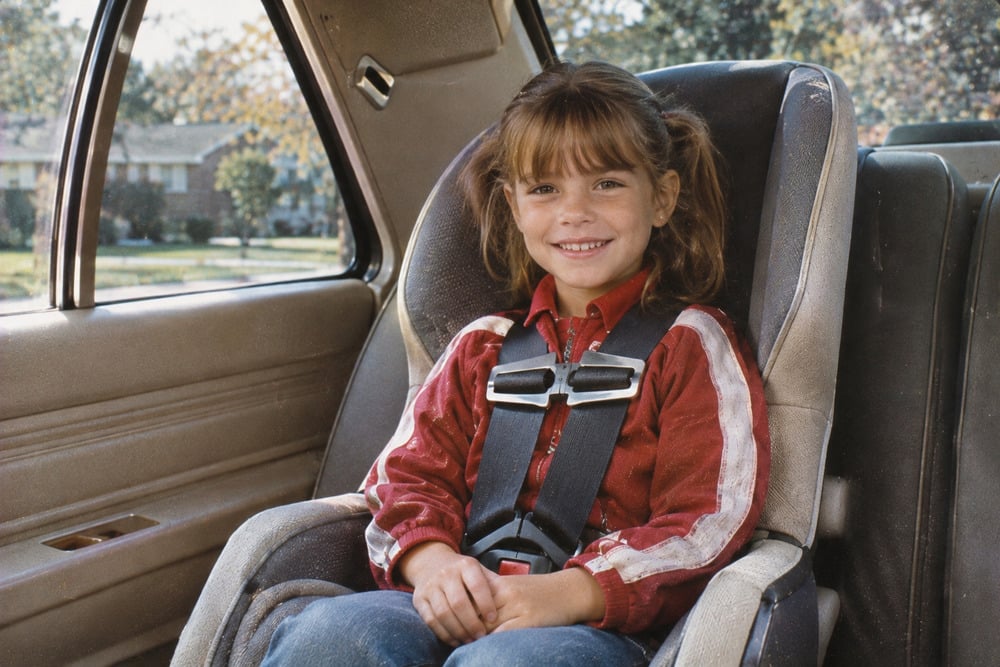
Old family photographs sometimes reveal a startling detail: children riding in cars without the restraints considered essential today. Safety expectations changed dramatically during the late 1970s and early 1980s. Between 1978 and 1985, every U.S. state and Washington, D.C., adopted laws requiring child restraints for young passengers. Requirements later expanded in many places to cover older children and booster seats. These changes reduced the freedom families once had to decide how children traveled, but they also reflected a growing understanding of the importance of protecting young passengers.
14. Playground Adventures Became Subject to Detailed Safety Standards

Tall metal slides, hard ground beneath climbing equipment, and towering playground structures are familiar memories for many adults. Over time, however, playground design became increasingly influenced by formal safety guidance. The U.S. Consumer Product Safety Commission published its first public playground safety handbook in 1981, establishing recommendations for safer equipment and play surfaces. Modern guidance addresses hazards such as dangerous openings and inadequate fall protection. Playgrounds still offer opportunities for adventure, but the spaces themselves are now designed around safety considerations that weren’t always part of earlier childhood experiences.
15. Parents Now Worry About Being Judged for Giving Children Freedom

Perhaps the biggest change isn´t what children are capable of doing, but how adults react when they see a child doing something alone. In a 2023 University of Michigan survey, 14% of parents of children ages 9 to 111 worried that someone might call the police if their child was unsupervised, while 11% feared being considered a bad parent. Another revealing finding? One-quarter of surveyed parents admitted they had criticized someone else for inadequate supervision. Those attitudes suggest that modern childhood independence isn’t shaped only by family rules. The expectations of neighbors, strangers, and other parents can influence it too.
Childhood independence hasn’t disappeared, but it has been reshaped by changing neighborhoods, technology, safety expectations, and parenting attitudes. Children today benefit from protections and conveniences that earlier generations didn’t have, yet some of the everyday opportunities to explore, make decisions, and solve problems independently have become less common. Looking back reveals more than a difference in parenting styles. It shows how the meaning of growing up has evolved.
Keep Exploring The Scroller
Remember the days when a bicycle, a few dollars, and an afternoon without plans felt like endless freedom? There’s plenty more to rediscover. Keep exploring The Scroller for forgotten childhood traditions, surprising generational changes, and everyday experiences that reveal just how different life used to be:
14 Weekend Routines That Defined Childhood in the 90s
15 Childhood Photos of Celebrities Before Fame
20 Childhood Toys That Are Now Worth a Fortune (Check Your Attic!)