
Automatic brain processes are constantly shaping how we experience the world, even when we´re not paying attention. Our eyes move without interrupting what we see, our ears separate overlapping sounds, and our bodies make tiny adjustments to keep us standing upright. Most of this happens so effortlessly that we rarely notice it.
But there’s a surprising amount of work happening behind the scenes. From filling in missing visual information to keeping our gaze steady while we move, these 20 fascinating mechanisms reveal how the brain helps us navigate everyday life without requiring our conscious attention.
1. Your Brain Fills In a Missing Piece of Your Vision
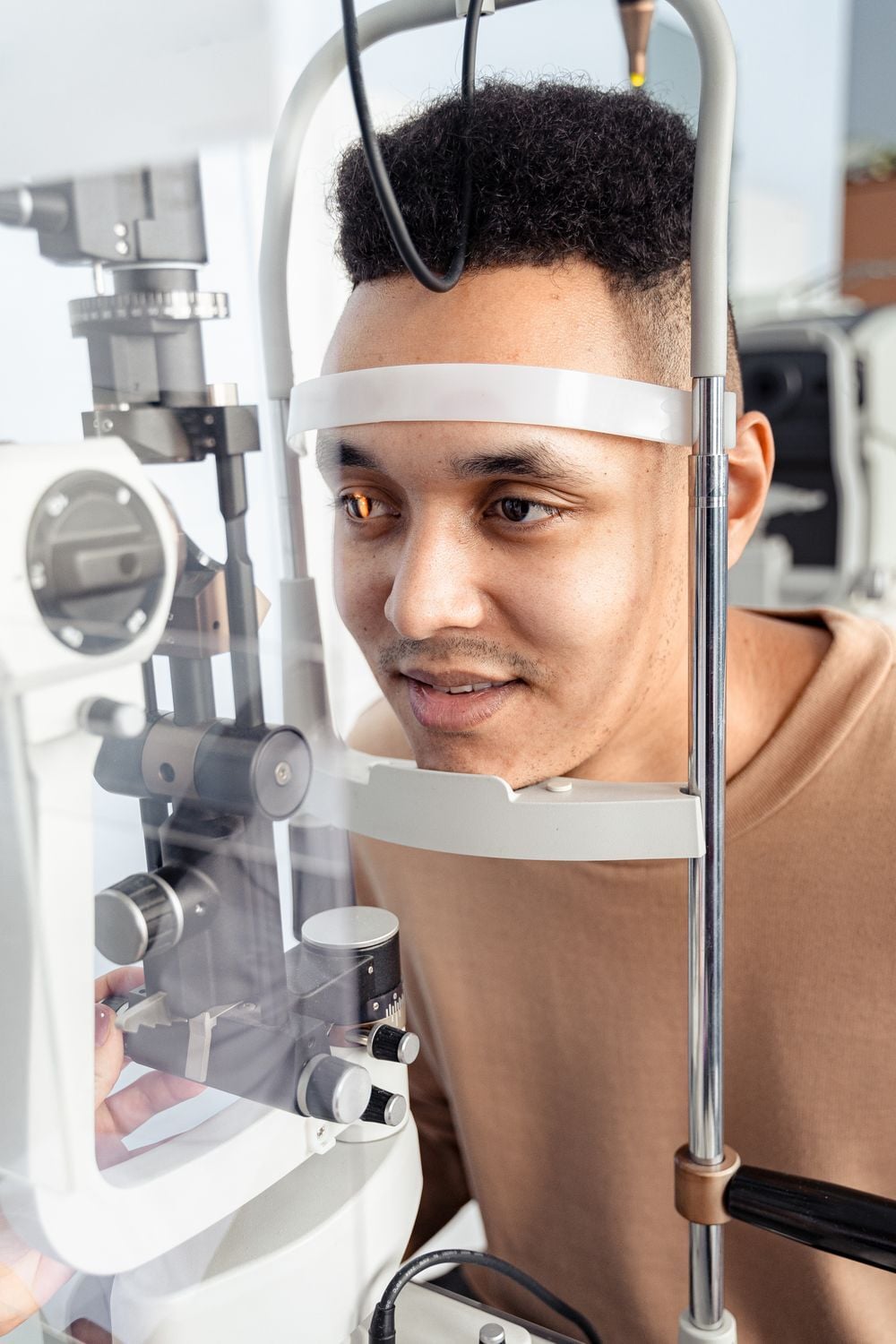
There’s a tiny spot in each eye where the optic nerve exits the retina, leaving an area without the light-sensitive cells needed to detect an image. That means everyone has a natural blind spot, yet we don’t normally see a mysterious hole floating in our vision. Instead, the visual system uses surrounding information to create a continuous-looking scene. Try closing one eye and looking at a simple blind-spot demonstration. An object can seemingly vanish, revealing just how much visual completion happens without our awareness.
2. Your Vision Becomes Less Sensitive During Rapid Eye Movements
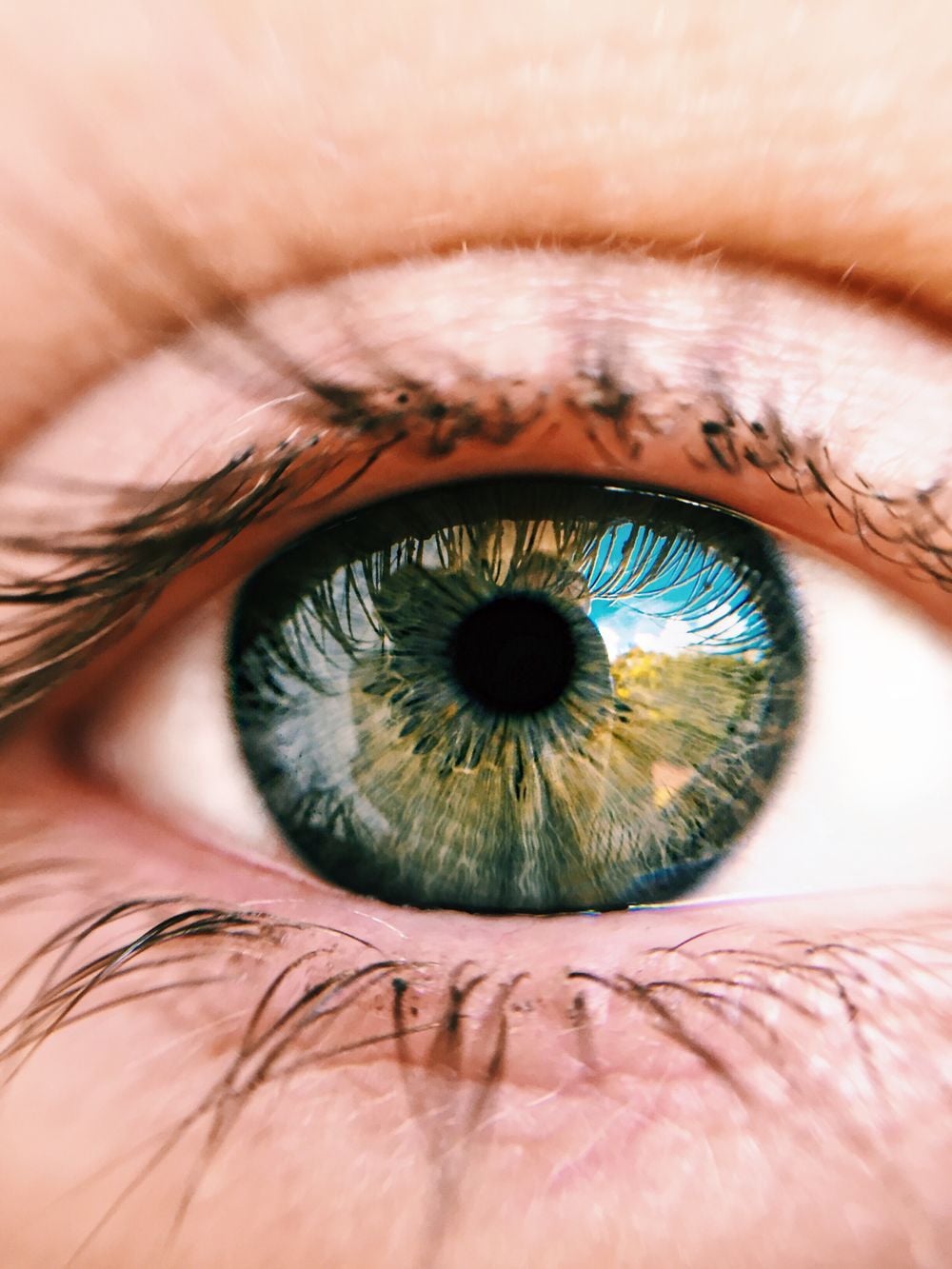
Our eyes make quick movements called saccades several times a second, jumping between words, faces, and objects. Yet the world doesn’t appear to smear every time we look somewhere new. One reason is saccadic suppression, a process that temporarily reduces our sensitivity to certain visual information during these movements. It doesn’t completely switch off vision, but it helps limit the distracting motion that would otherwise accompany our constantly shifting gaze. Researchers have studied this phenomenon to understand how the brain maintains a stable visual experience.
3. Your Brain Adjusts Colors Depending on the Lighting

A white shirt usually looks white whether it’s hanging in bright sunlight or sitting beneath warm indoor lighting. That’s partly thanks to color constancy, the visual system’s ability to interpret colors in relation to their surroundings and illumination. Instead of responding only to the light reaching the eyes, the brain uses contextual clues to estimate an object’s color. The process isn’t perfect, which helps explain why certain optical illusions and photographs can produce wildly different interpretations of the same colors.
4. Your Brain Keeps Distant Objects From Looking Tiny

Ever notice how a car driving away still looks like a normal-sized car, even though its image on your retina becomes smaller? That’s size constancy at work. The visual system combines information about distance, perspective, and familiar objects to maintain a relatively stable perception of their size. Without this ability, the world might seem to be constantly expanding and shrinking as people and objects move around. It’s one of those everyday visual achievements that feels completely ordinary until you think about what’s actually happening.
5. Your Eyes Compare Two Different Images to Create Depth
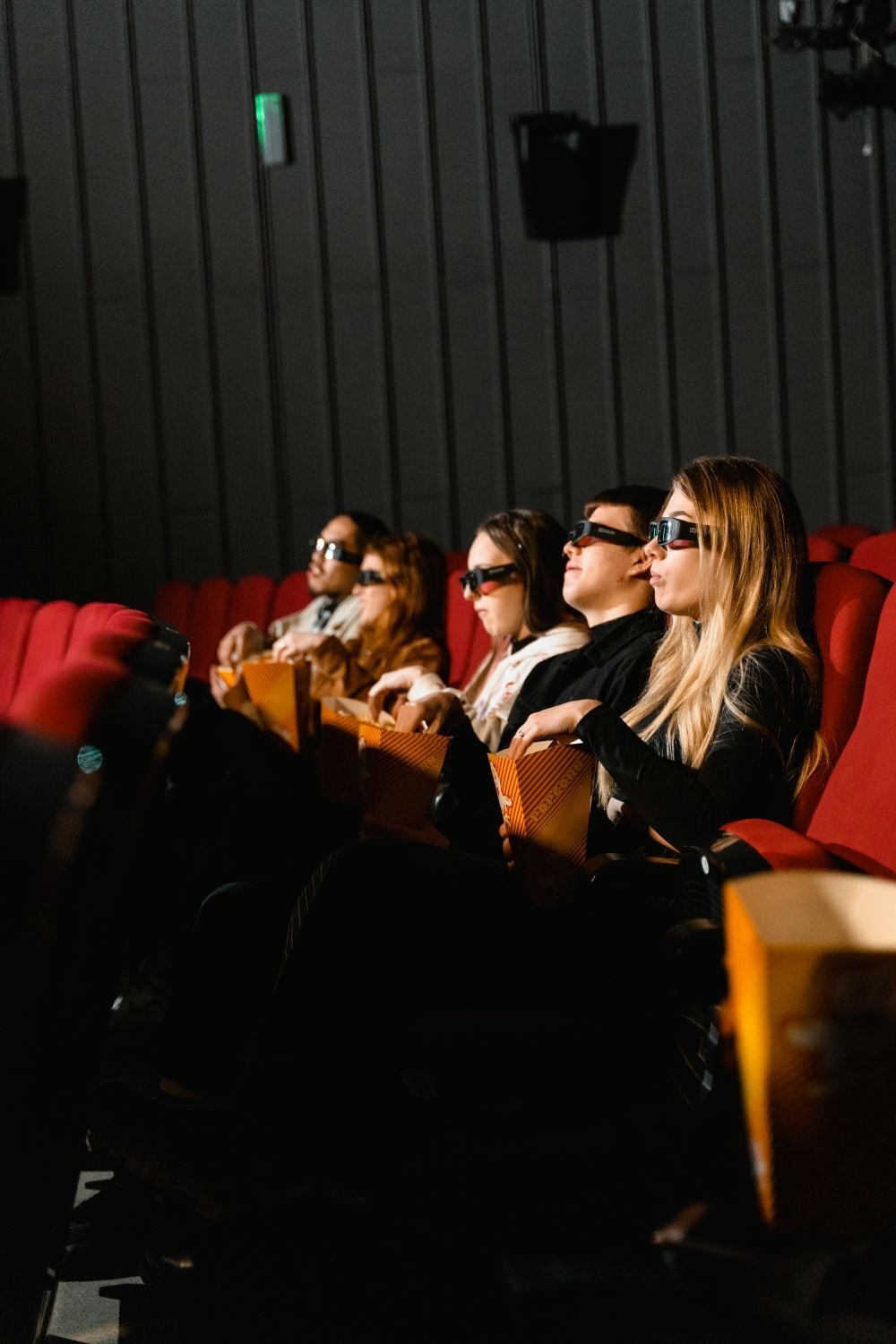
Why does the world look three-dimensional when each eye receives a slightly different two-dimensional image? Because the brain compares those images to estimate distance. This process, known as binocular disparity, helps create stereoscopic depth perception. Objects closer to us generally produce larger differences between the views from our two eyes than distant objects do. It’s also part of the principle behind stereoscopic 3D images. The brain is essentially combining two perspectives into one richer picture, and it does so without asking us to perform any calculations.
Trending on The Scroller


6. Your Brain Uses Movement to Judge How Far Away Things Are

Look out the window of a moving car and notice how nearby trees seem to rush past while distant mountains barely move. That difference is called motion parallax, and the visual system uses it as a clue to depth. Nearby objects generally shift more quickly across our field of vision than distant ones as we move. Even with one eye closed, this information can help us understand the arrangement of objects in space. Who knew an ordinary car ride could demonstrate such an elegant visual trick?
7. Your Brain Separates Different Sounds Into Individual Sources

Imagine sitting in a café surrounded by conversations, clinking cups, background music, and the steady hum of equipment. Somehow, those sounds don’t always blend into one indistinguishable noise. The auditory system organizes incoming sound information into separate perceptual streams, using clues such as pitch, timing, and location. This process is called auditory scene segregation. It helps us follow a conversation or recognize a familiar sound amid competing noise, although particularly crowded environments can still overwhelm our ability to separate everything.
8. Your Ears Help Your Brain Locate Sounds You Can’t See

A sudden noise behind you can make you turn toward its source before you’ve consciously figured out where it came from. How does that happen? The auditory system compares subtle differences in when a sound reaches each ear and how loud it is at each one. These differences provide clues about direction, especially for sounds coming from the sides. The system has limitations, particularly when distinguishing certain positions, but it offers a remarkably useful way to navigate the world without needing to see everything around us.
Sign up for our newsletter
9. Your Brain Can Fill In Missing Sounds During Speech
Ever understood a sentence even though a passing truck drowned out one of the words? Your auditory system may have helped reconstruct the missing speech information. In a phenomenon called phoneme restoration, listeners can perceive a speech sound that has been masked by noise when the surrounding context makes it predictable. The brain isn’t literally recovering the original sound from the noise. Instead, perception is influenced by what the listener expects to hear. It’s a fascinating example of how hearing involves more than simply receiving sound waves.
10. Your Brain Gradually Tunes Out Constant Sensations

Automatic brain processes can make a strong smell seem to fade even when its source hasn´t disappeared. Walk into a room with a noticeable fragrance, and it might seem intense at first, only to become much less obvious after several minutes. This is a familiar example of sensory adaptation, in which sensitivity to a continuous stimulus decreases over time. Similar adjustments occur in other sensory systems, although the mechanisms differ. The result is that persistent background information often becomes less noticeable, allowing changing stimuli to stand out.
11. Your Brain Learns to Ignore Repeated Sounds

Think about a clock ticking in a quiet room. At first, every tick might grab your attention, but eventually you may stop noticing it altogether. This can involve habituation, a form of learning in which the response to a repeated, harmless stimulus decreases. Unlike sensory adaptation, which involves changes in sensory responsiveness, habituation concerns how the nervous system responds to something familiar. The sound hasn’t necessarily become quieter, and your ears haven’t stopped detecting it. Your brain simply has less reason to keep reacting.
12. Your Eyes Automatically Compensate When Your Head Moves

Try keeping your eyes fixed on an object while gently turning your head from side to side. Notice how your gaze remains surprisingly steady? That’s largely thanks to the vestibulo-ocular reflex. Signals from the balance organs in the inner ear help trigger eye movements that counteract the motion of your head. This rapid response keeps images more stable on the retina, making it easier to see clearly while walking or moving. Without it, even ordinary head movements could make the visual world appear to bounce or blur.
13. Your Pupils Change Size Without Asking Permission
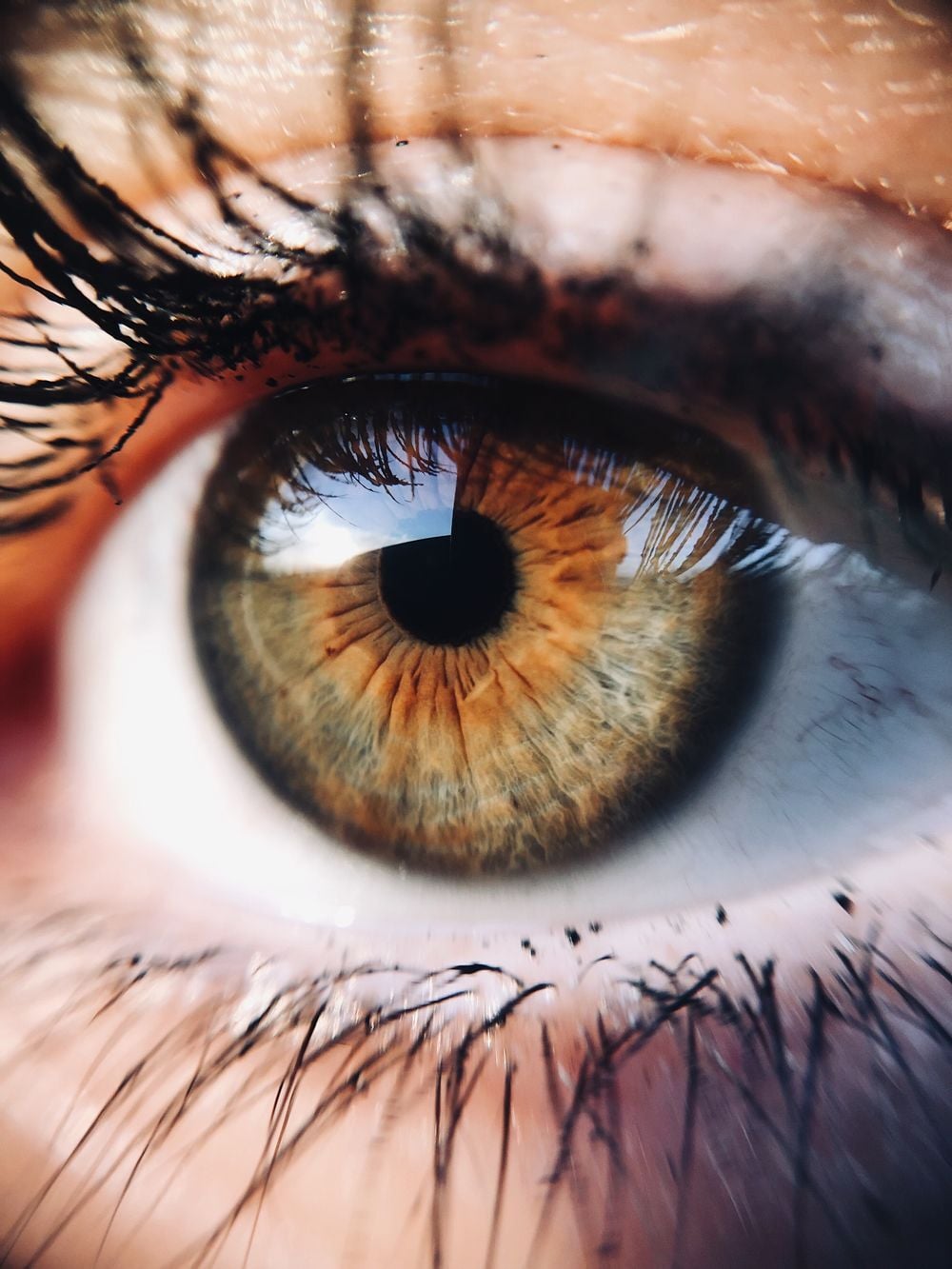
Step into bright sunlight and your pupils become smaller. Enter a dim room, and they widen. These changes happen automatically through neural pathways involving the brainstem, which help regulate how much light enters the eyes. The pupillary light reflex is so dependable that healthcare professionals routinely examine it when assessing neurological function. Although pupil size can also be influenced by other factors, the response to changing light is one of the clearest examples of the nervous system adjusting our bodies without conscious instruction.
14. Your Body Makes Tiny Balance Corrections All Day Long

Standing still isn’t nearly as still as it looks. Even when someone appears perfectly motionless, the body makes small adjustments to maintain balance. Information from vision, the inner ear, muscles, and joints helps the nervous system detect changes in position and respond through coordinated muscle activity. These automatic postural corrections become especially noticeable when a surface shifts unexpectedly. Rather than waiting for us to consciously decide how to react, the body can begin making stabilizing adjustments almost immediately.
15. Your Brain Prepares Movements Before They Happen

Reaching for a glass of water feels like one simple action, but the nervous system has a great deal to coordinate. It must anticipate the movement’s effects, activate the appropriate muscles, and use incoming sensory feedback to make corrections along the way. Predictive motor control helps the body perform movements smoothly without waiting for every consequence to occur before responding. The cerebellum is one important contributor to this coordination. It’s not a form of perfect prediction, but it does make ordinary movements far more efficient than they might otherwise be.
16. Your Brain Knows Where Your Limbs Are With Your Eyes Closed

Close your eyes and touch your nose with one finger. You can probably do it without looking, thanks to proprioception. Specialized sensory receptors in muscles, tendons, and joints provide information about the position and movement of different body parts. The nervous system combines these signals to help track where our limbs are in space. Without this internal position sense, even simple activities such as walking, reaching, or adjusting posture would become much more difficult. It’s almost like having an invisible map of your own body.
17. Your Brain Can Miss Huge Changes Right in Front of You

How could someone fail to notice a major change in a scene they’re looking directly at? The answer involves change blindness, a phenomenon in which alterations can go unnoticed when attention is interrupted or directed elsewhere. Researchers have demonstrated this using photographs, visual interruptions, and even real-world interactions. Our visual experience may feel richly detailed, but that doesn’t mean we’re continuously comparing every part of a scene with what was there moments earlier. Sometimes the most surprising thing about vision is what slips past it.
18. Your Brain Can Overlook Something Completely Unexpected

Imagine concentrating so hard on counting basketball passes that you miss an unexpected figure walking through the scene. That’s the principle behind a famous selective-attention experiment demonstrating inattentional blindness. When attention is devoted to a demanding task, people may fail to notice an otherwise visible event. It doesn’t happen to everyone in every situation, and it doesn’t mean the eyes stopped receiving information. Rather, it shows that conscious awareness depends heavily on how attention is allocated. Seeing and noticing aren’t always the same thing.
19. Your Eyes Choose Where to Look Before You Think About It

When you enter a room, your eyes don’t examine every object in a neat, predetermined order. Instead, gaze shifts are influenced by a combination of visually striking features, current goals, and what you’re trying to understand. Bright contrasts or sudden movement can attract attention, while a task such as searching for keys changes which details become important. Eye-tracking studies reveal how people naturally move their gaze across images and environments. Much of this selection happens with little deliberate planning, quietly shaping the information we take in.
20. Your Brain Can Process Visual Information Without Conscious Awareness

Not everything the visual system processes becomes something we can consciously report seeing. Neuroscience experiments using techniques such as visual masking have shown that certain visual information can influence neural activity or behavior even when participants don’t report awareness of the stimulus. Researchers continue investigating exactly how these processes work and what their limits are. The findings don’t prove that the brain secretly makes every decision before we know it. They do reveal something more interesting: conscious vision represents only part of the visual processing taking place.
The brain’s behind-the-scenes work is what makes ordinary life feel so effortless. It stabilizes our vision, interprets sounds, coordinates movement, and filters incoming information while we’re busy thinking about something else. These mechanisms aren’t flawless, and they don’t all operate in the same way, but together they reveal just how much sophisticated processing goes into the simplest everyday experiences.
Keep Exploring The Scroller
Think your brain has a few surprising habits? There’s plenty more happening beneath the surface of everyday life. Keep exploring The Scroller for fascinating science, unexpected discoveries, and curious explanations for the things we experience without ever giving them a second thought:
20 Mind-Bending Facts About The Human Brain That Most People Don’t Know
21 Images of Optical Illusions That Disorient the Brain
15 Things Neuroscience Has Revealed About How We Make Decisions