
Making a decision can feel like a straightforward process: consider the options, weigh the consequences, and choose. But neuroscience research over the past 20 years has revealed a considerably more complicated picture of what happens inside the brain. Emotions, memories, expectations, and even physical conditions can influence choices in ways people don’t always recognize. Scientists have also challenged some familiar explanations for human behavior, including the idea that rational thinking and emotions operate separately.
1. The Brain Starts Evaluating Options Before We Notice
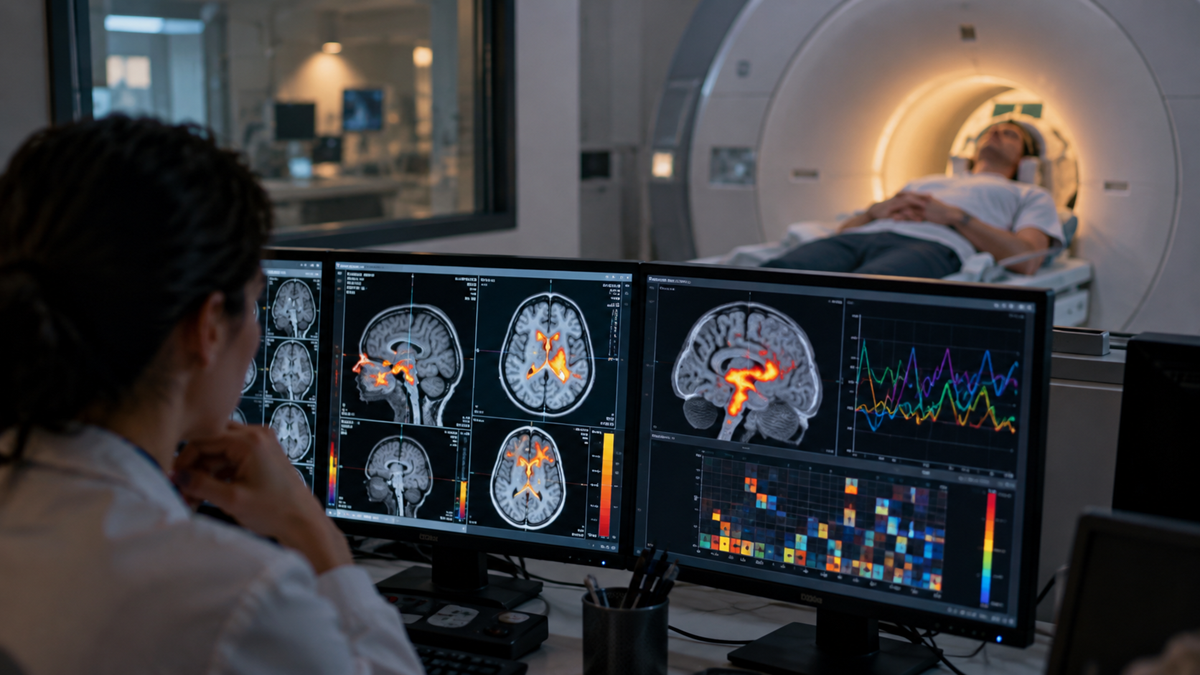
Choosing between two products or deciding what to eat can involve brain activity that begins before someone reports reaching a decision. Researchers using functional MRI have identified patterns associated with how people evaluate different options, particularly in the ventromedial prefrontal cortex. Some experiments have even predicted simple choices from brain activity recorded before participants reported consciously deciding. The predictions are far from perfect, however, and the findings don’t establish that decisions are already settled before people become aware of them.
2. Emotions Are Part of Rational Decision-Making

For years, emotions were commonly described as obstacles to good judgment. Neuroscience has helped complicate that picture. Research involving the amygdala and prefrontal cortex shows how emotional information contributes to evaluating consequences, interpreting uncertainty, and learning from experience. The distinction between emotional and rational decisions is considerably less clear than everyday language suggests. Feelings can sometimes distort judgment, but they can also provide useful information when decisions are difficult.
3. Dopamine Does More Than Make Things Feel Good

Dopamine is frequently called the brain’s pleasure chemical, although that description leaves out much of its function. Research has established its importance in learning from rewards, motivating behavior, and adjusting expectations when outcomes differ from predictions. In 2023, scientists measured rapid dopamine fluctuations in patients undergoing deep brain stimulation surgery while they completed a learning task involving rewards and punishments. The findings showed that dopamine signals could reflect unexpected positive and negative outcomes, providing rare direct evidence of these processes in the human brain.
4. The Brain Can Compare Completely Different Rewards

How does someone decide whether a concert ticket is worth more than an expensive dinner? Research published in 2009 found that activity in the ventromedial prefrontal cortex reflected the subjective value of different categories of goods, including food, consumer products, and monetary rewards. The findings supported the idea that the brain can represent very different rewards using a partly shared valuation system. Naturally, that doesn’t mean everyone assigns the same value to a particular experience.
5. Memories Help Us Decide What Happens Next

Memory isn’t just a collection of things that have already happened. A 2019 study found that activity in the hippocampus, a region closely associated with memory, increased as people spent more time deliberating over certain decisions. Participants with hippocampal damage also made less consistent choices and took longer to respond than those without such damage. The findings suggest that processes associated with memory help people compare possibilities, particularly when the available options have similar values.
Trending on The Scroller


6. Stress Can Change Which Decisions Feel Worth Taking

An important financial decision might look different after a stressful day. Research on stress and decision-making has found that biological stress responses can influence reward evaluation, cognitive control, and sensitivity to possible losses. The effects aren’t always predictable, however. Depending on the situation, stress can encourage risky behavior or make someone more cautious. Factors such as the intensity of the stress, the timing of the decision, and the kind of risk involved can all affect the outcome.
7. Habits Can Take Over Without Much Deliberation

Taking the same route home or automatically opening a familiar app doesn’t always involve evaluating the alternatives. Research into the basal ganglia and their connections with other brain regions has helped scientists distinguish habitual behavior from decisions guided by current goals. Habits can become strongly associated with particular situations, allowing familiar actions to happen with relatively little deliberation. That efficiency is useful, although it can also make old routines difficult to change when circumstances are different.
8. Sleep Loss Changes How the Brain Processes Outcomes

Making an important decision after a sleepless night may be a bad idea, but the neurological explanation is more complicated than simply losing concentration. In a study published in 2024, researchers examined risky decisions involving 56 adults after a night without sleep. They found reduced brain responses to winning and losing in several regions, including the insula, anterior cingulate cortex, and putamen. Interestingly, participants didn’t show a significant overall change in their willingness to take risks during the experiment. Sleep deprivation had altered how their brains responded to outcomes without producing an equally obvious change in behavior.
Sign up for our newsletter
9. The Brain Treats Uncertainty Differently From Risk

Imagine two bets. One offers a known 50% chance of winning, while the other involves odds that nobody will reveal. Although both involve uncertainty, neuroscience has found that the brain can process known risks differently from situations where the probabilities themselves are unclear. A 2021 meta-analysis of brain-imaging studies identified both overlapping and distinct patterns of activity associated with these situations. The findings help explain why unfamiliar odds may feel particularly uncomfortable, although people’s preferences vary considerably.
10. Other People’s Decisions Influence Our Own

Social influence is more than a matter of consciously copying someone. In a 2010 experiment, researchers examined what happened when 28 participants learned the opinions of supposedly expert music reviewers. Brain scans showed that agreement with the reviewers involved activity in the ventral striatum, a region associated with reward processing. Social influence was also associated with changes in neural responses related to the value participants assigned to music. Other people’s preferences can affect more than what someone says they like.
11. Waiting for a Reward Changes How We Value It

Most people would rather receive $50 today than the same amount next month. Neuroscientists have spent years studying this tendency, known as temporal discounting, and the brain systems involved in comparing immediate and delayed rewards. Research points to interactions among valuation and cognitive-control regions, including parts of the prefrontal cortex and striatum. The preference for immediate rewards varies considerably between people and situations, helping explain why saving money or resisting a tempting purchase can feel harder on some days than others.
12. Confidence and Accuracy Are Not the Same Thing

Someone can be absolutely certain about a decision and still be wrong. Studies of metacognition, the ability to evaluate one’s own thinking, have found that confidence involves processes that aren’t identical to those producing the decision itself. Research involving the prefrontal cortex has even shown that certain forms of brain stimulation can increase reported confidence without improving accuracy. This helps explain why feeling certain isn’t necessarily reliable evidence of having made the right choice.
13. The Brain Calculates Whether an Effort Is Worthwhile

A larger reward isn’t always more appealing when it requires considerably more work. Neuroscience studies have identified networks involved in weighing potential benefits against the physical or mental effort needed to obtain them. A 2024 review examining 39 studies highlighted several regions involved in these calculations, including the ventral striatum, anterior cingulate cortex, and ventromedial prefrontal cortex. The findings have helped researchers investigate why motivation and willingness to expend effort can differ across individuals and circumstances.
14. Exploring New Options Is a Decision of Its Own

There is a particular dilemma involved in choosing between something familiar and something that might be better. Researchers call it the explore-exploit problem, and it appears in situations ranging from selecting restaurants to searching for jobs. Brain-imaging studies have linked exploratory decisions to activity in regions of the frontal cortex involved in evaluating uncertainty and possible future rewards. Sometimes choosing an unfamiliar option is less about expecting an immediate benefit and more about gathering information that could improve later decisions.
15. Brain Scans Still Can’t Tell Us Exactly What Someone Will Choose

One of the more important lessons from recent neuroscience concerns what researchers cannot reliably predict. Brain-imaging studies have identified patterns associated with preferences, risk-taking, and other aspects of decision-making, but predicting an individual person’s behavior in everyday life remains difficult. Laboratory experiments typically involve simpler choices than selecting a career, ending a relationship, or making a major purchase. Even sophisticated models struggle to account for the shifting circumstances, memories, and personal priorities involved in real-world decisions. Two decades of research have produced a more detailed understanding of how choices develop, without turning the brain into an open book.
In the mood for more?
Check out 20 Mind-Bending Facts About The Human Brain That Most People Don’t Know, or take a look at 15 Unexpected Ways Smartphones Quietly Changed Human Behavior. If you want to see more discoveries about human behavior, you can check out 18 Everyday Decisions We Think Are Rational (But Aren’t).