You compare prices, read reviews, weigh the options, and eventually make what feels like the perfectly logical choice. Except your brain may have quietly edited the rules before you even started. Cognitive biases in everyday life can influence how we interpret information, judge situations, and make decisions, often without announcing themselves. They’re tendencies, not mind-control buttons, but they can make some surprisingly irrational choices feel completely reasonable. From that irresistible “50% off” sign to the subscription you swear you’ll cancel next month, here are 18 everyday decisions you make when your brain may be doing a little more behind-the-scenes work than you realized.
1. You Buy Something Because It’s “50% Off”

You weren’t planning to buy it, but then you saw 50% OFF. At that point, leaving it behind almost feels financially irresponsible. That original price gives your brain a reference point, something psychologists call the anchoring effect. Instead of asking, “Is this worth $40 to me?” you may start thinking, “I’m saving $40!” Of course, spending $40 to “save” $40 is some truly creative accounting. The sale didn’t necessarily make the product valuable. It made the discount feel valuable.
2. You Finish a Bad Movie Because You Already Watched an Hour
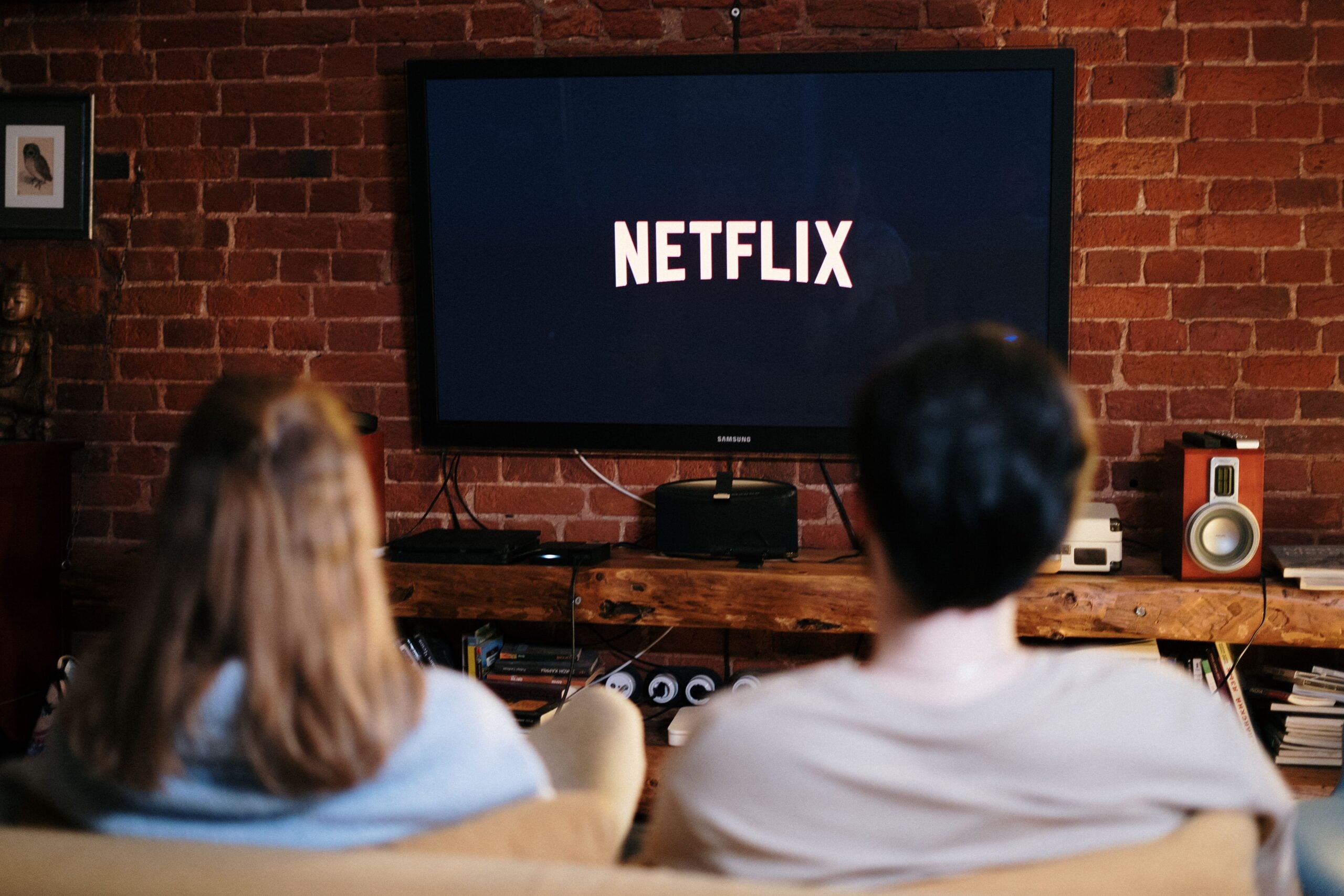
The movie is terrible. You know it’s terrible. There’s still another hour left… and somehow you keep watching. Why? You’ve already invested an hour, so quitting now feels like wasting it. That’s the sunk cost fallacy creeping into movie night. The first hour is gone whether you finish the film or not, but previous investment can make walking away strangely difficult. Be honest, how many terrible endings have you suffered simply because “I’ve come this far”?
3. You Order the Medium Because the Large Is Only $1 More
Small: $4. Medium: $6. Large: $7. Suddenly, the large looks like the deal of the century. Pricing options can change how we perceive one another, an example of context and decoy effects. That extra dollar makes the large feel much more valuable compared with the medium, even if you never wanted that much in the first place. Congratulations, you came in thirsty and somehow left carrying a beverage roughly the size of a houseplant.

4. You Keep the Subscription You Barely Use

You haven’t opened the app in three months, but canceling it? Maybe tomorrow. Keeping things exactly as they are requires zero effort, while canceling requires logging in, finding the mysterious cancellation page, and surviving seventeen “Are you sure?” screens. Status quo bias helps explain why sticking with the current option can feel easier than changing it. Five forgotten subscriptions later, doing nothing has somehow become a monthly expense.
5. You Pick the Restaurant With 4,000 Reviews

Two restaurants appear on your screen. One has 73 reviews. The other has 4,000. Which one suddenly feels safer? Other people’s choices can act as useful information, something known as social proof. Popularity may genuinely signal quality, but it doesn’t guarantee that the restaurant fits your tastes. Still, thousands of strangers apparently loved it, so what could possibly go wrong? Besides discovering that all 4,000 of them have very different opinions about pizza than you do.
Trending on The Scroller


6. You Avoid a Food Right After Hearing Someone Got Sick

Yesterday, sushi sounded delicious. Today, someone tells you their cousin got food poisoning from it, and suddenly raw fish feels like a personal threat. The availability heuristic can make vivid, recent examples feel more representative than they really are simply because they’re easy to remember. One horror story jumps to the front of your mind and starts influencing your sense of risk. Rational analysis? Maybe not. Your friend’s graphic storytelling? Unfortunately, very effective.
7. You Choose “90% Fat-Free” Over “10% Fat”
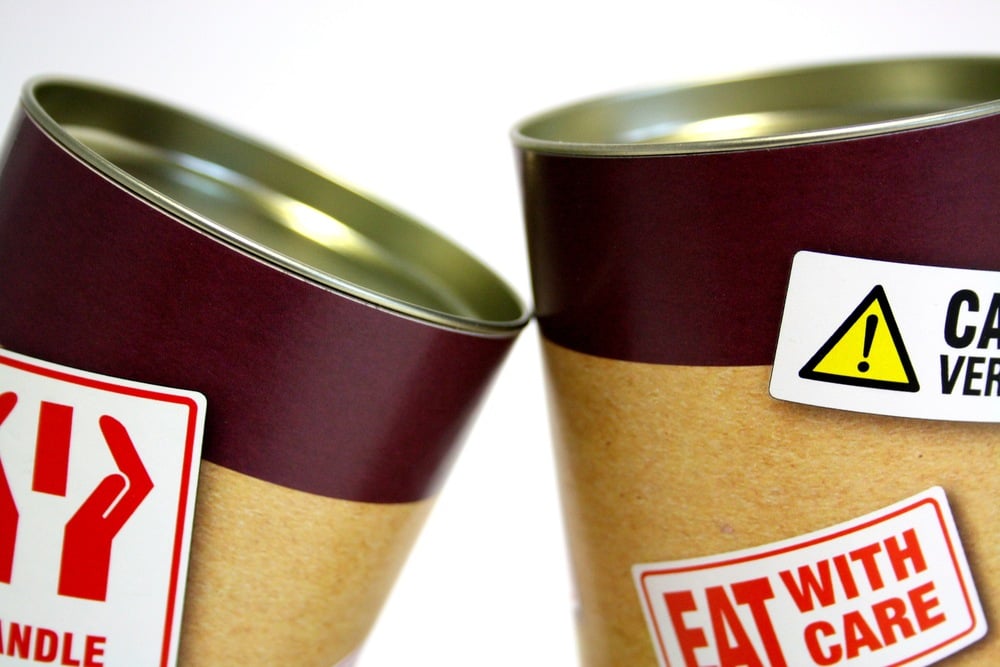
Same product. Same nutritional reality. Somehow, one sounds dramatically healthier. That’s the framing effect at work. Presenting information positively or negatively can change how we perceive it, even when the underlying facts are equivalent. “90% fat-free” focuses your attention on what you’re not getting, while “10% fat” suddenly sounds like something you should discuss with your doctor. Words are sneaky little things, aren’t they?
8. You Keep Buying the Brand You’ve Always Bought

You reach the supermarket shelf, see twelve options, and grab the same one you’ve been buying since approximately forever. Familiarity reduces uncertainty and saves mental effort, which can make sticking with a known brand perfectly sensible. But status quo bias and familiarity may also mean we stop comparing alternatives altogether. Could another one be cheaper or better? Possibly. Are you going to conduct a miniature consumer investigation while buying toothpaste? Probably not.
Sign up for our newsletter
9. You Assume the Expensive Product Must Be Better

Put two bottles of wine beside each other, make one significantly more expensive, and suddenly it starts looking suspiciously sophisticated. When we don’t have enough information to judge quality directly, price can become a shortcut for estimating it. This price-quality heuristic can influence choices in everything from beauty products to electronics. Sometimes the expensive option really is better, of course. Other times, you may simply have purchased a very luxurious-looking reason to feel fancy.
10. You Put Off Something Important Until Tomorrow

You absolutely need to do it. You fully intend to do it. You have thoughtfully scheduled it for… Future You. Present bias can make immediate costs feel more important than benefits that arrive later, helping explain why an easy pleasure now sometimes beats something valuable tomorrow. The deadline hasn’t changed, and neither has the importance of the task. But tonight has Netflix, and tomorrow apparently has a much more responsible version of you. Good luck to that person.
11. You Drive Across Town to Save $10 on Something Cheap
Saving $10 on a $30 purchase feels fantastic. Saving the same $10 on something costing $1,030? Suddenly, who cares? That’s relative thinking. We tend to evaluate savings in relation to the total price, even though ten dollars remains ten dollars either way. So yes, you may happily drive 30 minutes across town to save $10 on a bargain… while ignoring the exact same savings on something expensive. Your calculator would like a word.
12. You Trust the First Answer You Find Online
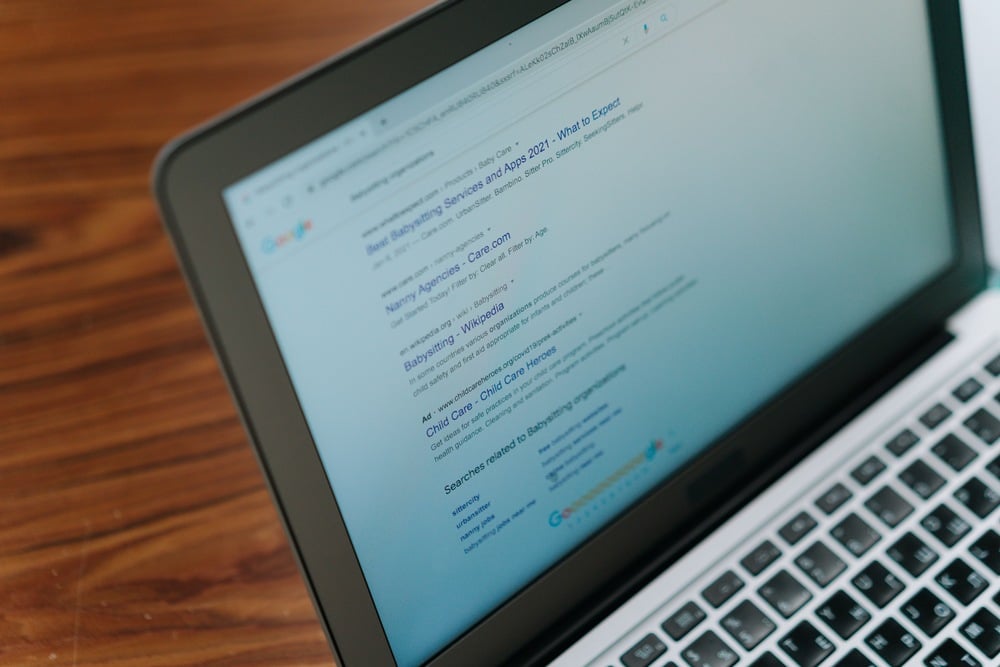
You Google something, click the first convincing answer, and five minutes later it has quietly become The Truth. Early information can become an anchor, shaping how we interpret everything we encounter afterward. Confirmation bias may then make supporting information particularly persuasive. This is one of those cognitive biases in everyday life that’s especially easy to miss online. Ever noticed how quickly “I’m researching this” becomes “I’m finding evidence that my first answer was right”?
13. You Assume Something Is Common Because You Keep Seeing It Online
Three videos about the same bizarre problem appear in your feed, and suddenly you’re wondering why this is apparently happening to everyone. The availability heuristic can make memorable, frequently encountered examples feel more common than they actually are. Your feed can show you dozens of examples without telling you anything about the true frequency outside it. Sometimes the world hasn’t suddenly developed a new obsession. Your algorithm has.
14. You Pick the Familiar Option From a Huge Menu

A restaurant hands you six pages of choices. Ten minutes later, you order the burger. Having lots of options sounds wonderful, but choice overload can sometimes make decisions harder and push us toward familiar or default choices. More choice isn’t automatically bad, but eventually comparing option number 47 with option number 48 becomes exhausting. At some point, your brain simply says, “You know what? Fries sound good.”
15. You Keep Clothes You Haven’t Worn in Years

You haven’t worn that jacket since 2019, but getting rid of it suddenly feels deeply personal. The endowment effect and loss aversion help explain why possessions can feel more valuable simply because they’re ours, making giving them up feel like a loss. Never mind that the jacket has spent five years conducting important research at the back of your closet. What if you need it someday? And thus, it receives another five-year contract.
16. You Assume the Expensive Plan Is for “Serious” Users
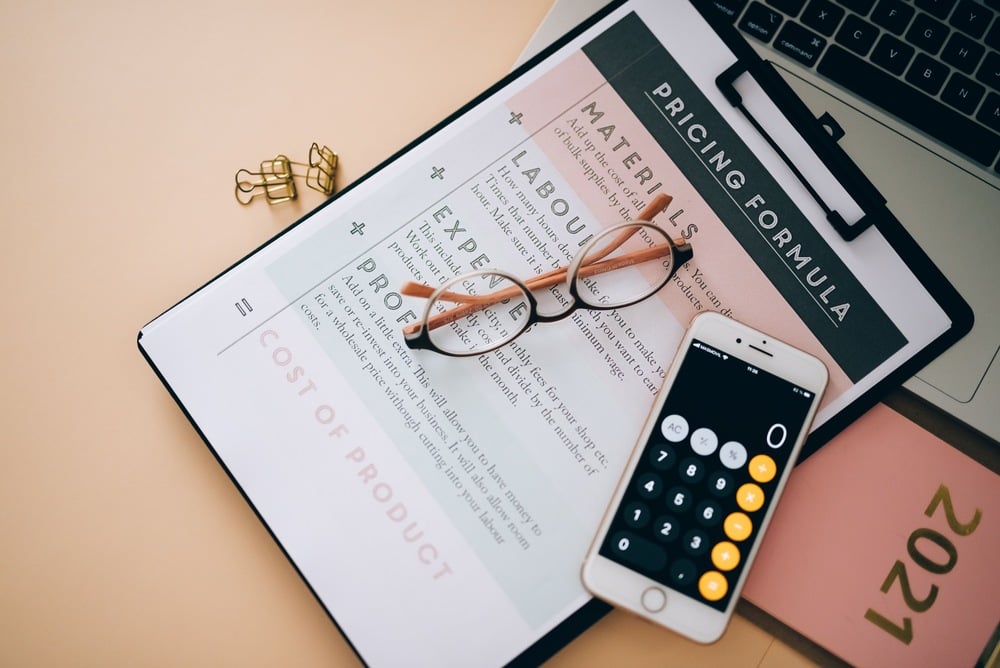
Three plans appear on your screen: Basic, Pro, and Premium. Before you’ve even compared the features, you’ve already decided the middle one feels like the “smart” choice. Pricing pages don’t just offer different options. They also shape how those options feel. The presence of a much more expensive plan can make the middle tier seem like the reasonable compromise, even if the basic version would’ve worked perfectly. Suddenly, you’re paying for “Pro” mostly because your brain didn’t want to feel… basic.
17. You Stay in the Same Job Because Leaving Feels Riskier

You know you’re unhappy, you’ve thought about leaving dozens of times, but somehow staying still feels like the safer option. That’s where loss aversion and status quo bias may quietly influence the decision. The possible downsides of changing jobs often feel more immediate than the potential benefits, even though staying also carries risks. It doesn’t mean remaining is the wrong choice. It simply helps explain why taking the first step can feel much harder than it looks from the outside. Haven’t we all had at least one job we mentally quit six months before we actually did?
18. You Think You Made the Choice Completely on Your Own
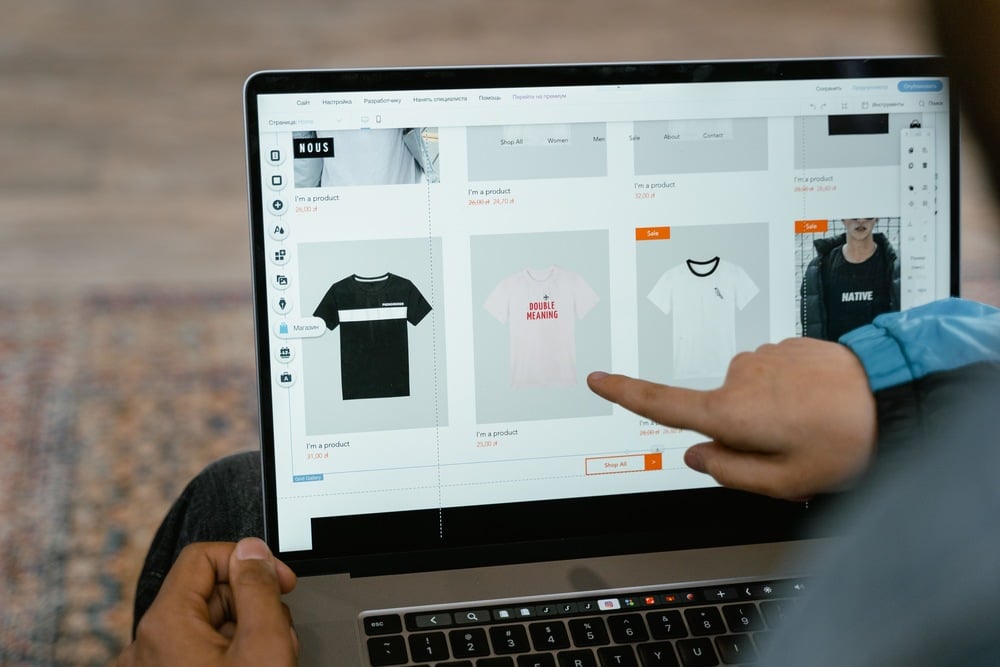
It certainly feels like your decision. But how much of it was actually yours? The order of the options, the “Most Popular” badge, the recommended choice, preselected boxes, and even where a product appears on the page can subtly shape your decision before you’ve started comparing. Psychologists call this choice architecture. It doesn’t force your hand, but it can gently influence the path you take. Sometimes the biggest decision wasn’t what you chose. It was the way the choices were presented to you in the first place.
We like to imagine ourselves calmly weighing evidence before making decisions, but everyday choices are rarely that tidy. Cognitive biases in everyday life can influence what feels valuable, risky, familiar, or worth pursuing, often before we notice what’s happening.
That doesn’t mean every decision is secretly irrational. These mental shortcuts can be useful. The interesting part is recognizing when a “logical” choice might actually be getting a little help from framing, familiarity, sunk costs, or that suspiciously persuasive sale sign. So next time you’re absolutely certain you’ve made the rational choice… maybe ask your brain for the receipts.
Keep Exploring The Scroller
Think your brain has more explaining to do? Keep exploring The Scroller for more surprising psychology, everyday behaviors, hidden biases, and familiar habits that become much stranger once you discover what might be happening behind them:
16 Things People Often Overpay For Without Realizing
15 Things Our Brains Do That Most People Don’t Realize
20 Fun Facts About Sleep