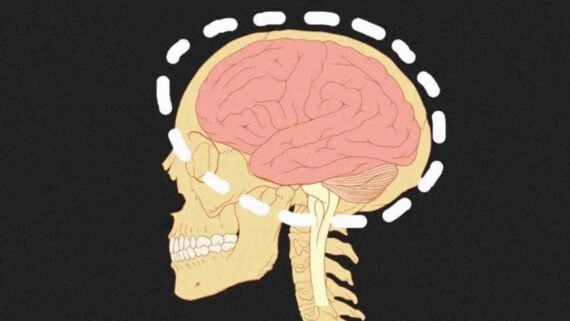
Our brains are extraordinary. For centuries, humans have tried to understand how this complex organ works, leading to the development of psychology, a field dedicated to studying behavior, cognition, and mental processes. From early philosophical ideas to modern neuroscience, researchers have continuously uncovered layers of how our brains interpret the world, make decisions, and even deceive us.
Thanks to the work of influential thinkers like Sigmund Freud, William James, and Jean Piaget, along with advances in brain imaging and cognitive science, we now know that our brains perform countless processes behind the scenes. These discoveries reveal abilities that range from subtle perception shifts to powerful emotional responses. Yet, despite all we’ve learned, there is still so much left to uncover about how our brains truly function.
1. Your brain fills in missing information
Our brains are constantly predicting and completing gaps in what we see or hear. Studies in Cognitive Psychology show that perception is not passive but constructive. This is fascinating because it means we don’t experience reality exactly as it is, we experience a version edited by our brains, and sometimes even that version gets revised.
2. Your brain rewrites your memories
Memory isn’t a perfect recording. Research shows that every time we recall something, the brain subtly alters it. Psychology explains this through reconstructive memory, making it interesting because our past can shift over time without us noticing. This is why people can share the same experience but remember it completely differently.
3. Your brain makes decisions before you’re aware of them
Neuroscience experiments reveal that brain activity predicting a decision happens seconds before we consciously realize it. Psychologists interpret this as unconscious processing at work. It’s intriguing because it challenges the idea that we are fully in control of every choice we make.
4. Your brain filters out most of reality
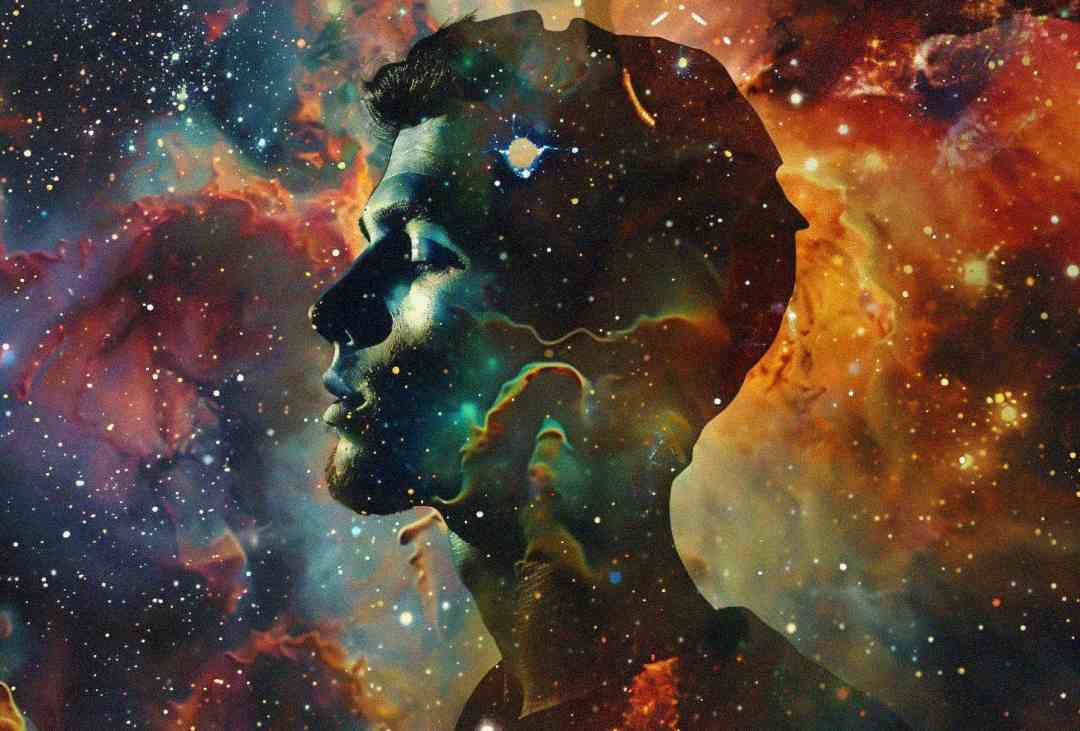
The brain processes only a fraction of the sensory information around us to avoid overload. Studies on attention explain how selective focus works. This is fascinating because it means we are unaware of most of what’s happening around us at any given moment.
5. Your brain creates habits to save energy
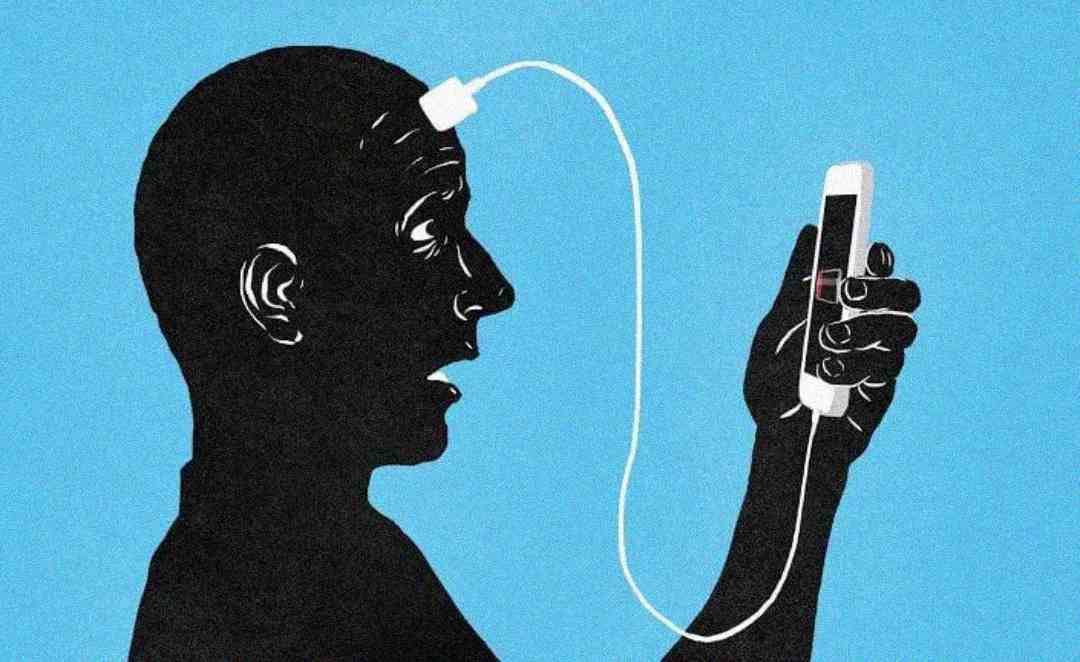
Habits form because the brain is always looking for efficiency. Behavioral Psychology shows how repeated actions become automatic over time. This is interesting because it explains why habits are so hard to break, they are energy-saving shortcuts built into our system.
Trending on The Scroller


6. Your brain is wired for patterns, even when none exist
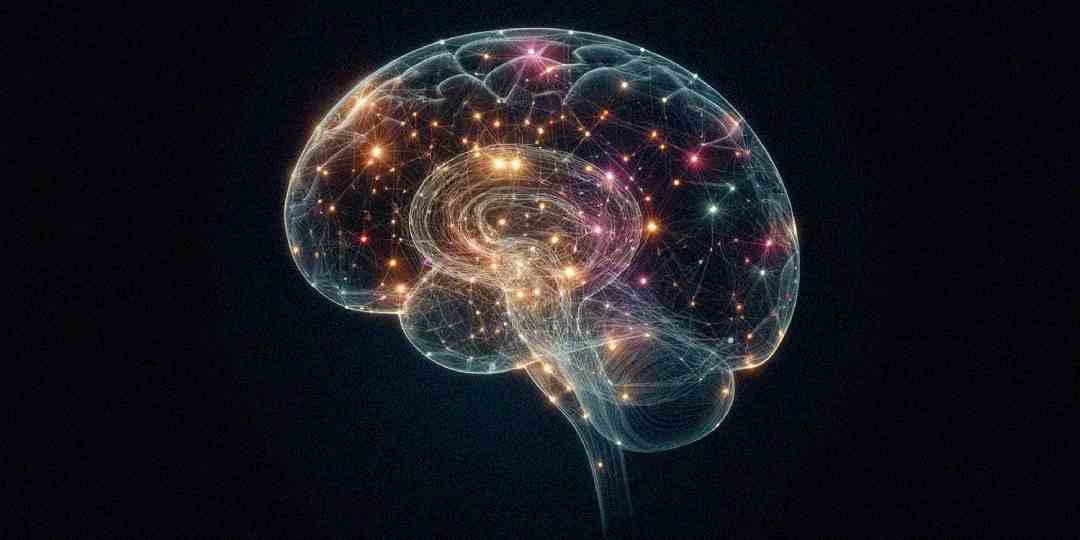
Humans are incredibly good at recognizing patterns, sometimes too good. Psychology calls this Apophenia. It’s fascinating because it explains why we see meaning in randomness, whether in clouds, numbers, or coincidences.
7. Your brain can trick you with optical illusions
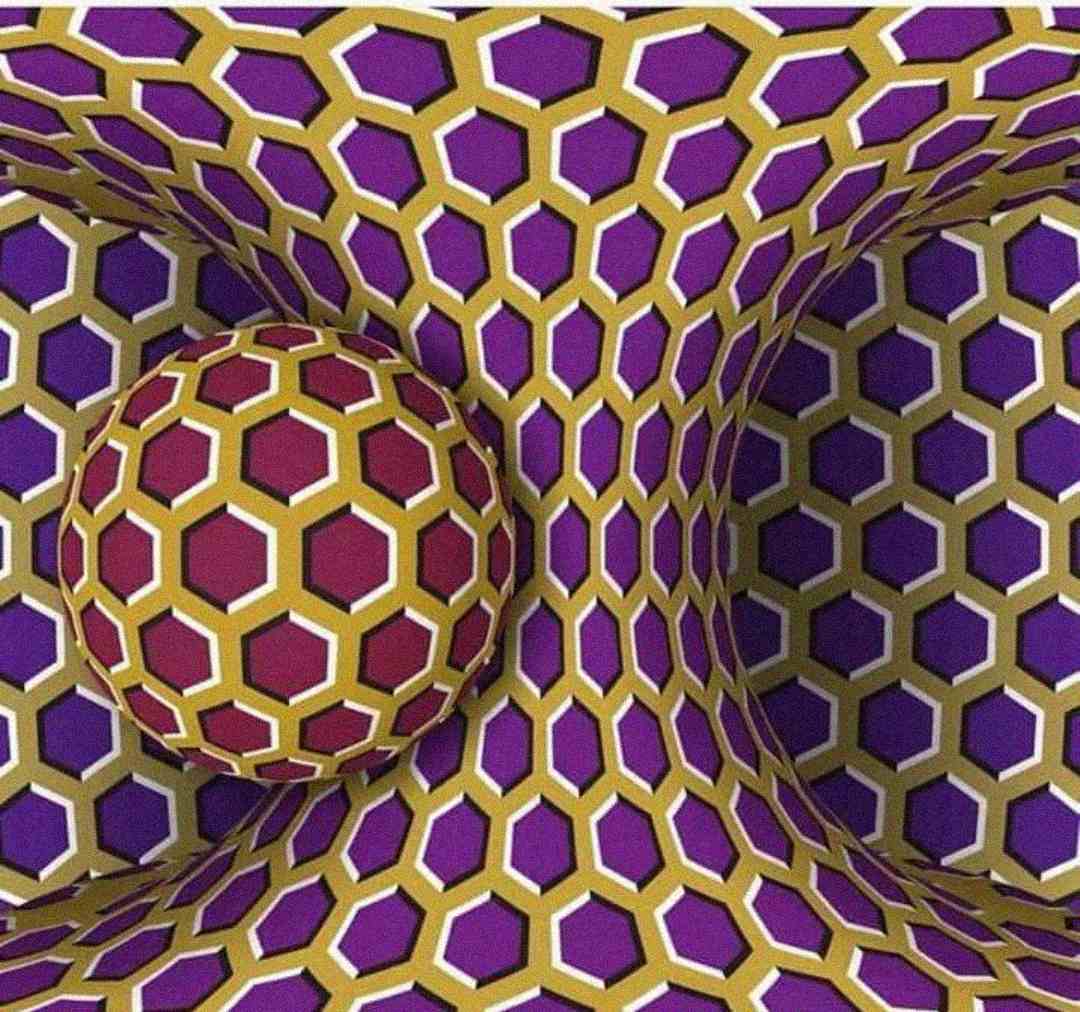
Visual illusions prove that perception is constructed rather than direct. Neuroscientific studies show how the brain interprets shapes, colors, and depth. This is fascinating because it reveals how easily our senses can be fooled, like thinking you saw a dog, only to realize it was just a rock.
8. Your brain prioritizes negative experiences
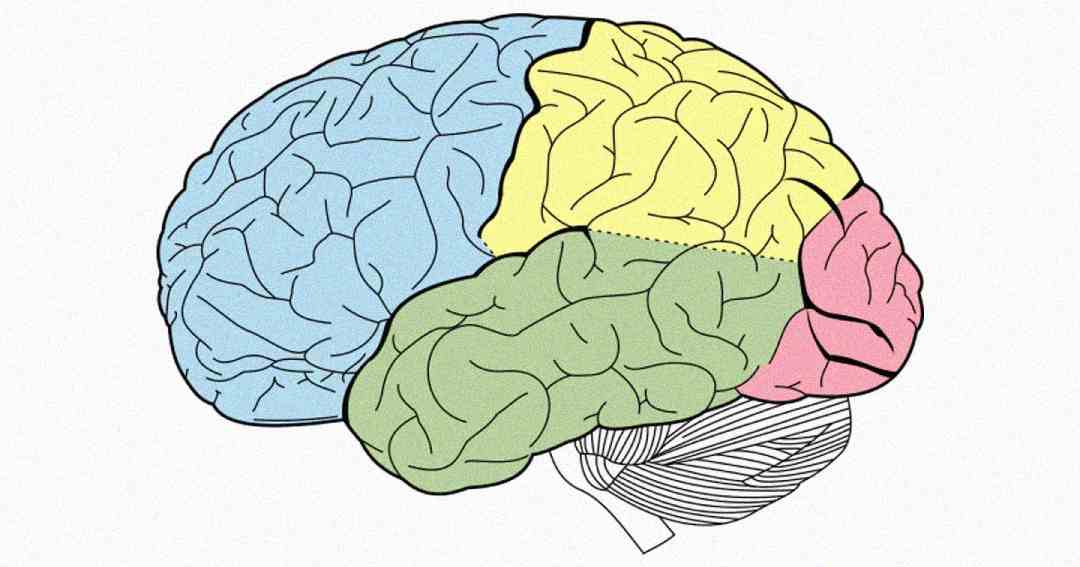
Research in psychology highlights something called Negativity Bias, where negative events have a stronger impact than positive ones. This is interesting because it explains why bad experiences feel more intense and are easier to remember.
Sign up for our newsletter
9. Your brain processes emotions faster than logic
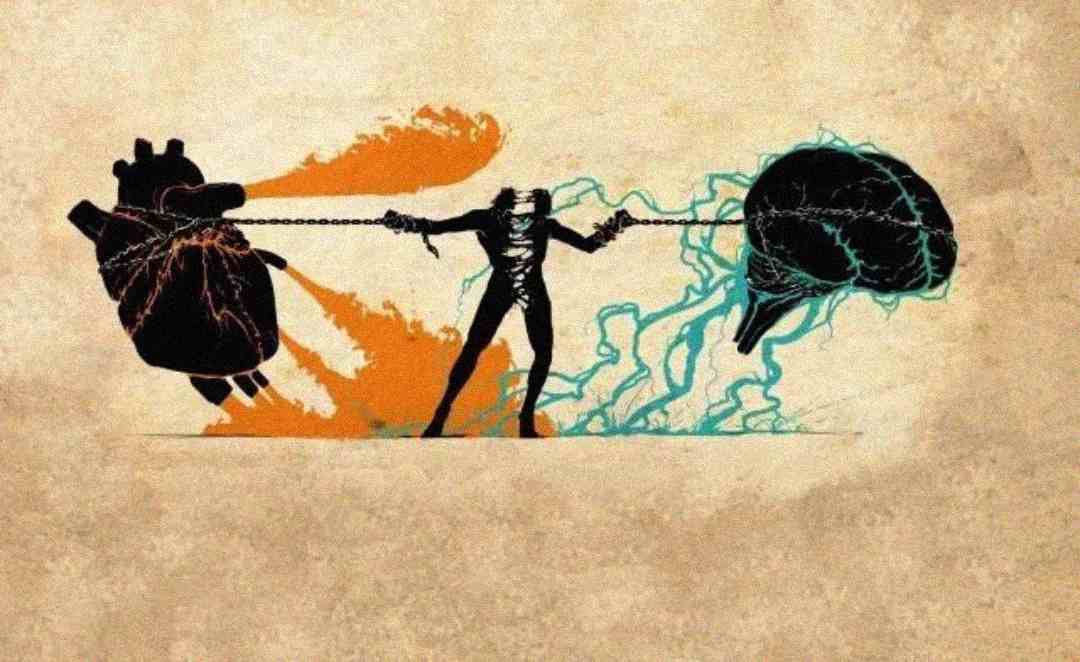
The emotional centers of the brain react before rational thinking kicks in. Psychologists connect this to survival instincts developed over time. It’s fascinating because it explains why we sometimes react emotionally first and only think things through afterward.
10. Your brain changes physically when you learn
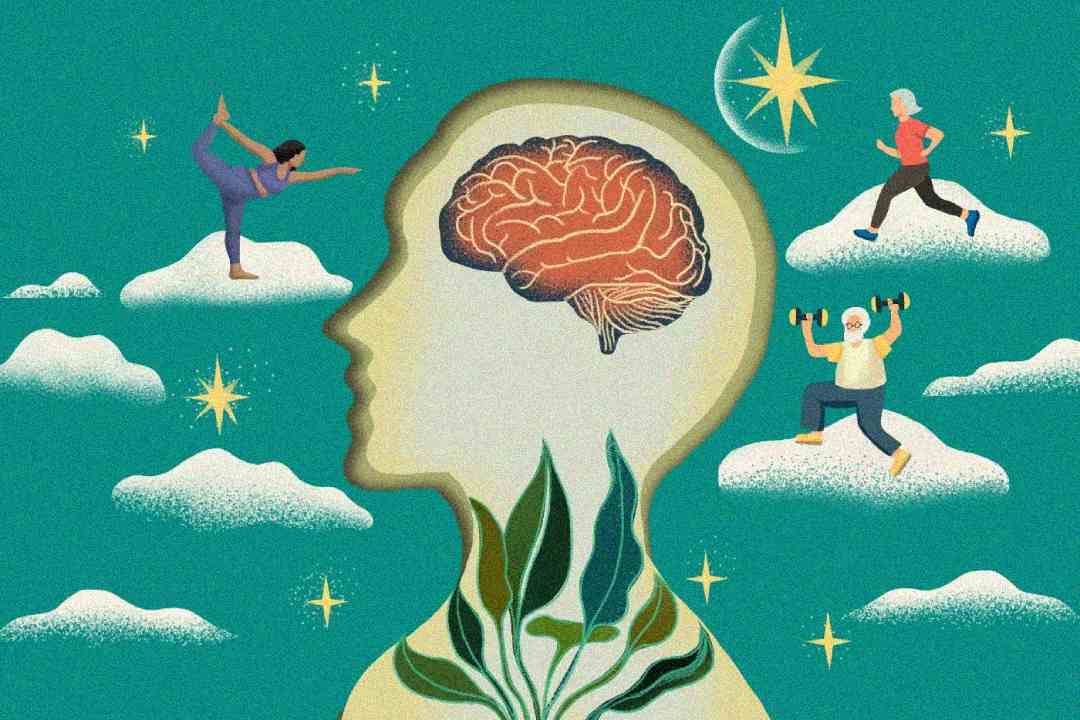
Thanks to Neuroplasticity, the brain can reorganize itself by forming new connections. Studies confirm that learning literally reshapes brain structure. This is fascinating because it proves our brains are constantly evolving, and why continuing to learn is so important.
11. Your brain mirrors other people’s actions
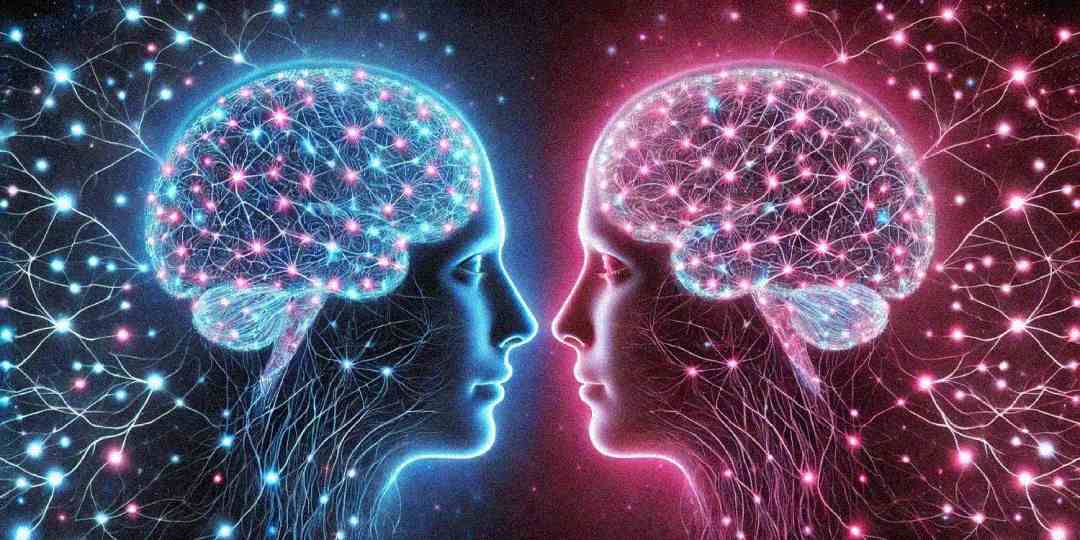
Mirror neurons activate when we observe others, helping us understand and imitate behavior. Psychology links this to empathy and social connection. It’s interesting because it explains how we naturally connect with others on both emotional and behavioral levels.
12. Your brain predicts what will happen next
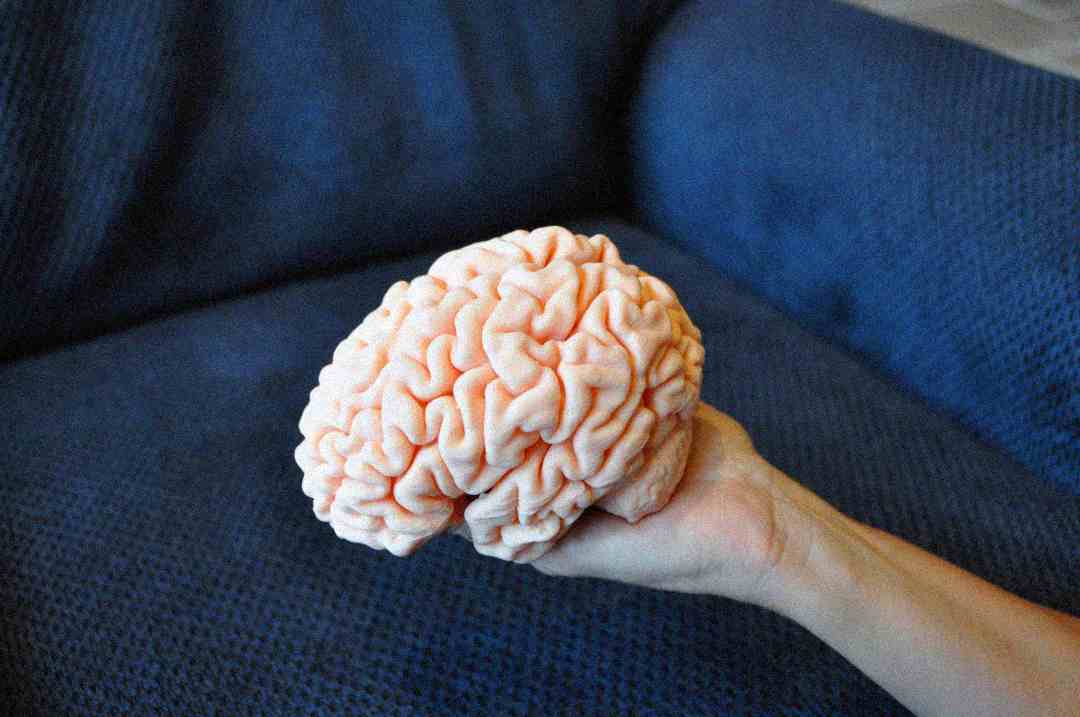
The brain is constantly forecasting future events based on past experiences. Research in Cognitive Science supports this predictive processing model. This is fascinating because it shows how much of what we perceive is actually shaped by expectation.
13. Your brain links smells to memories instantly

The olfactory system is closely tied to memory and emotion. Studies show that smells can trigger vivid and emotional recollections almost instantly. This is fascinating because it highlights a powerful and often overlooked connection, our brain and sense of smell work together in a unique way.
14. Your brain adapts to repeated stimuli
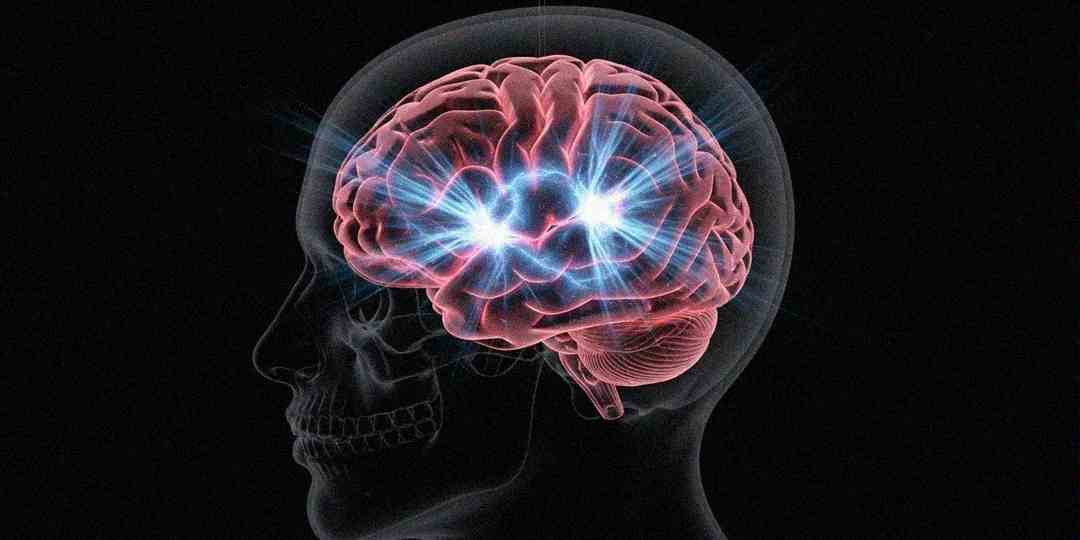
Known as habituation, the brain gradually reduces its response to familiar stimuli. Psychology explains this as a way to conserve attention and energy. It’s interesting because it’s the reason we stop noticing constant sounds, smells, or sensations over time.
15. Your brain creates a sense of self
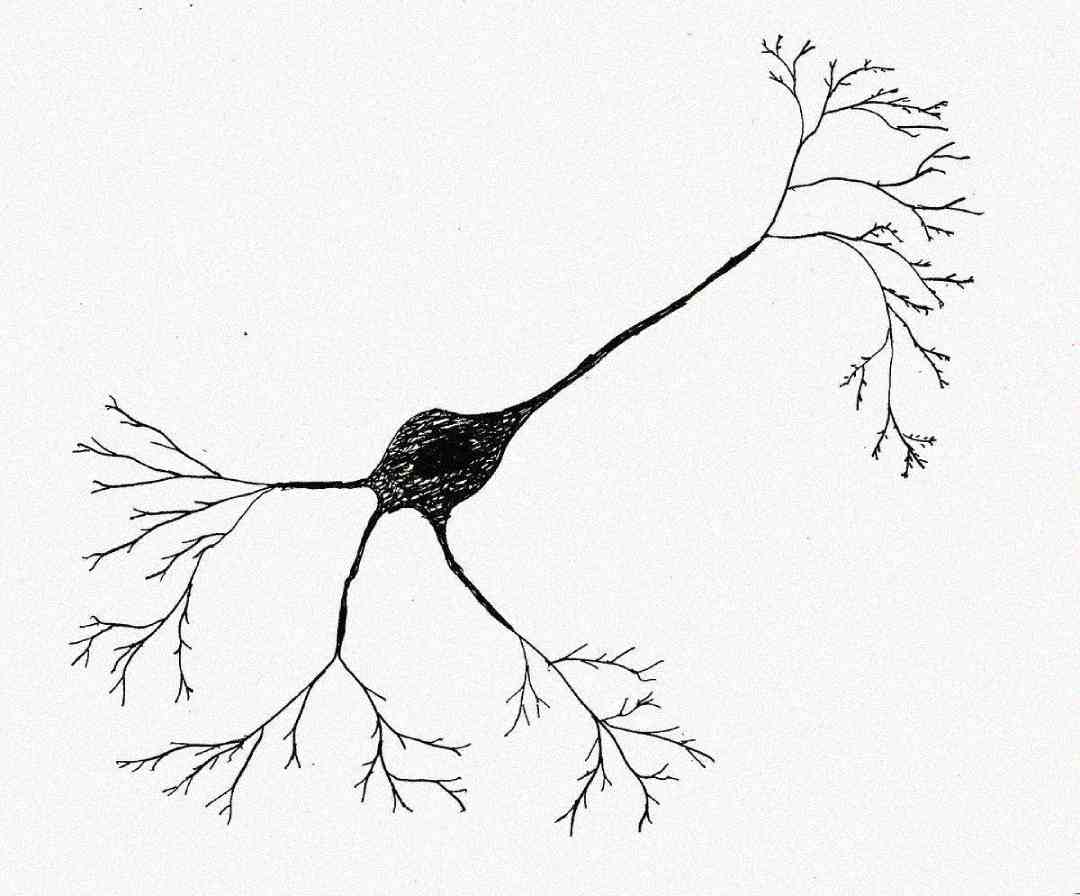
Our sense of identity comes from complex brain processes that integrate memory, perception, and emotion. Psychologists like William James explored how this “self” is constructed rather than fixed. This is fascinating because it suggests that who we are is more flexible and evolving than we might think.
How fascinating is it to explore how our brains work? The more we learn about our brains, the more we realize just how powerful and mysterious they truly are. If you’re curious about the human body and mind, keep reading and discovering more.
From shaping our memories to influencing our decisions, these insights remind us how much we owe to psychology and medicine for uncovering these incredible processes. Life itself is full of surprises, and the human brain stands as one of the most remarkable examples of that complexity.
Our minds are truly wild, and there’s so much more to uncover. If you’re interested in learning more about how our brains function and the science behind it, explore more of our content and keep feeding your curiosity: 31 Strange Facts That Sound Made Up (But Aren’t), 20 Mind-Bending Facts About The Human Brain That Most People Don’t Know, and 15 Strange Facts About the Human Body That Sound Like Pure Science Fiction.