Most of us walk around every day thinking we know exactly how our own skin and bones operate, but the reality is that the human body is a collection of high-tech systems that would make a sci-fi writer jealous. Underneath our mundane routines lies a biological machine capable of producing its own light, regenerating entire surfaces in weeks, and housing more “alien” life forms than native cells. We often view ourselves as singular individuals, but from a biological perspective, we are complex ecosystems functioning at a level of precision that modern technology is still trying to replicate.
The deeper scientists look into our internal workings, the more they realize that the human body often ignores the rules of traditional physics and chemistry in favor of something much more extraordinary. Whether it’s our ability to survive in environments that should be lethal or the fact that our brains operate on the same amount of electricity as a dim refrigerator bulb, the truth is stranger than any movie script. These strange facts remind us that we aren’t just living in a high-tech world; we are the high-tech world. Let’s dive into fifteen of the most mind-bending biological realities that prove our existence is nothing short of a sci-fi masterpiece.
1. Your body literally glows in the dark
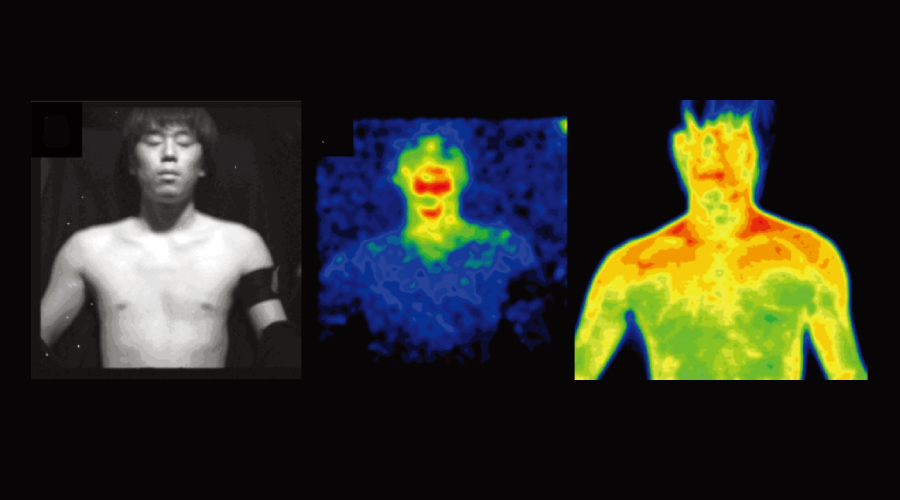
It sounds like something out of a superhero movie, but the human body is actually bioluminescent. Scientists have discovered that we emit a faint light due to metabolic chemical reactions, though it is about 1,000 times weaker than the human eye can perceive. Ultra-sensitive cameras have captured this glow, which fluctuates throughout the day following our circadian rhythms. While we aren’t bright enough to replace a flashlight yet, we are technically as glowing as a deep-sea jellyfish.
2. You are more bacteria than you are human
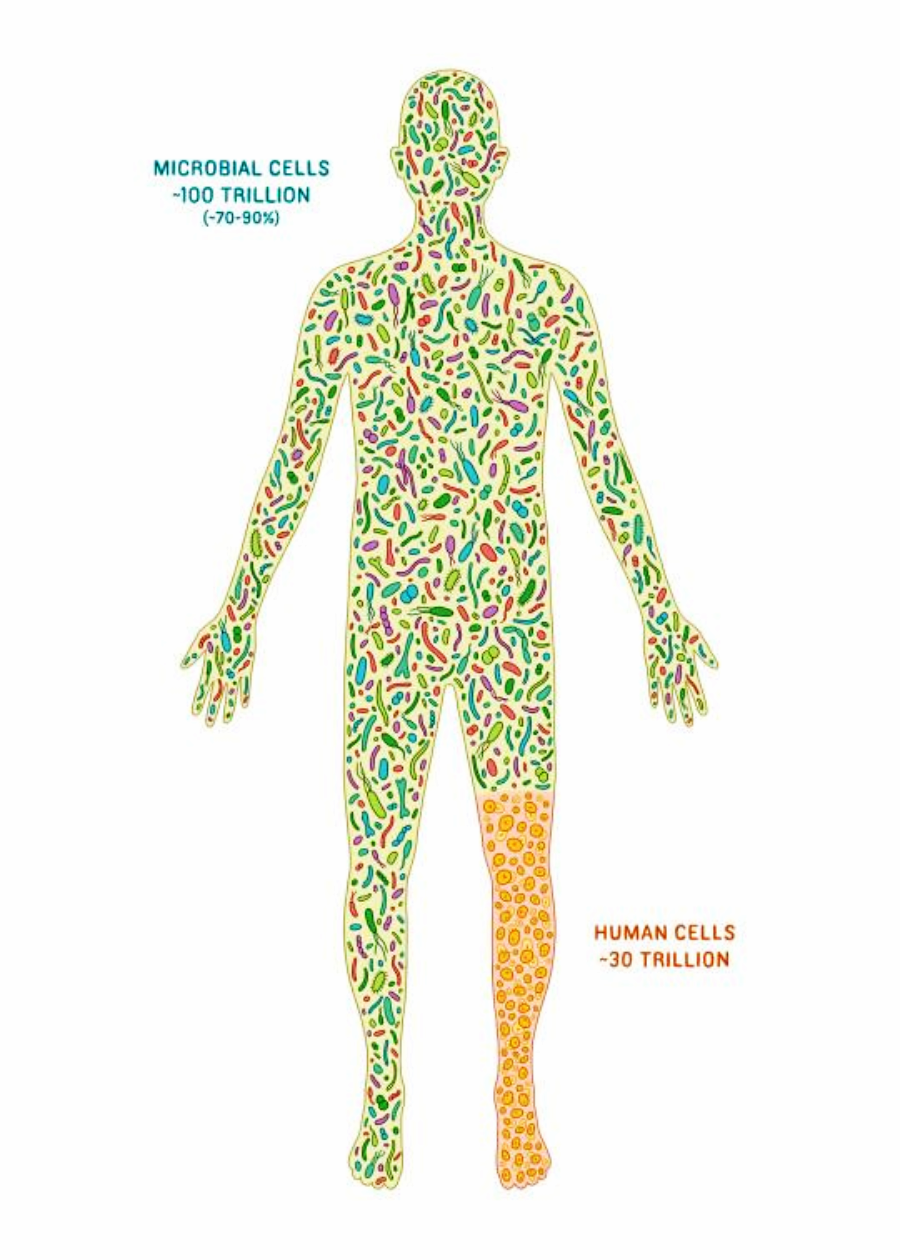
If you ever feel lonely, remember that you are a walking, talking planet for trillions of microorganisms. Recent studies show that the number of bacterial cells in the human body actually outnumbers our own human cells, making us more “them” than “us.” These microbes aren’t just hitchhikers; they help us digest food, regulate our mood, and protect our immune systems. Without this microscopic alien army, our survival would be impossible, effectively making us a symbiotic hybrid species.
3. Your stomach acid could dissolve metal

Inside your torso is a chemical bath so corrosive that it could dissolve industrial materials like zinc or even steel. The hydrochloric acid in your stomach is incredibly potent, which is necessary to break down tough food fibers and kill harmful bacteria. To prevent the human body from digesting itself, the stomach produces a thick layer of mucus every few days to act as a barrier. If that lining failed for even a short time, your own digestive juices would begin to eat through your internal organs.
4. Human bone is stronger than steel

Ounce for ounce, the bones in your human body are actually stronger than steel. A block of bone the size of a matchbox can support up to 18,000 pounds, which is roughly the weight of four pickup trucks. This incredible strength comes from a sophisticated honeycomb structure that combines rigidity with enough flexibility to prevent snapping under pressure. Despite this toughness, our bones are light enough to allow us to move with agility, a feat of structural engineering that no lab-made material has quite matched.
5. Your brain can power a light bulb
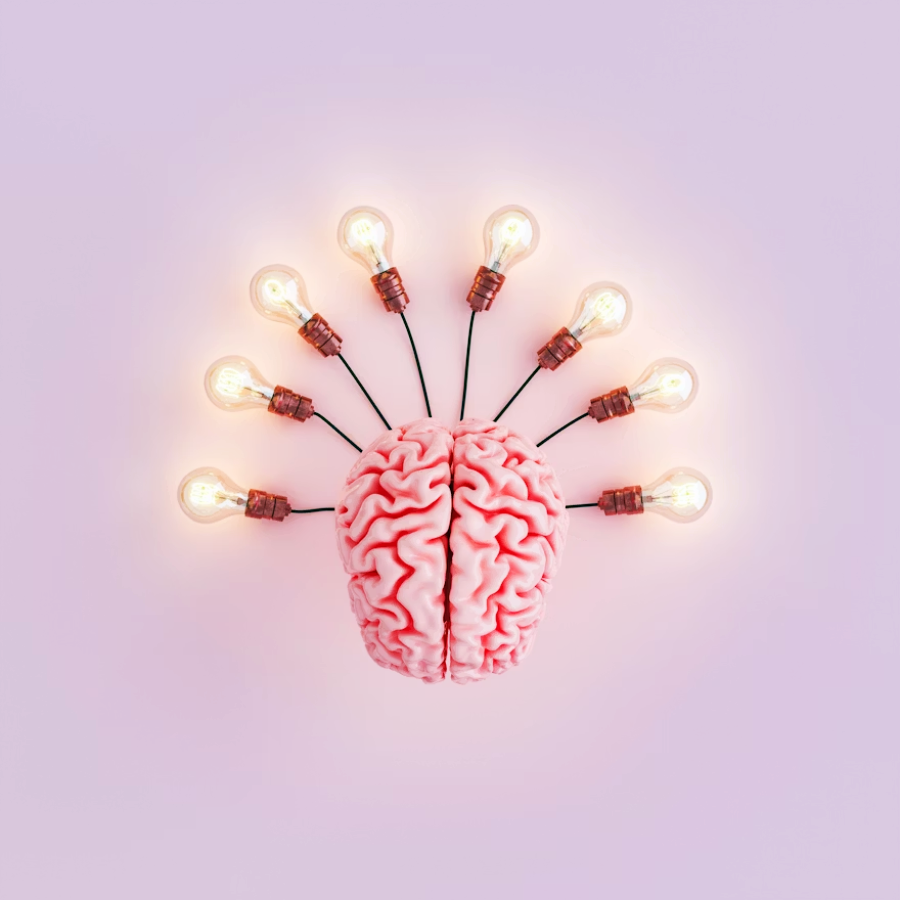
While you’re sitting and thinking, your brain is generating enough electricity to power a small 10-to-20-watt light bulb. This energy is produced by the movement of ions across the membranes of billions of neurons, creating a constant electrical storm inside your skull. This bio-electricity is how the human body sends signals from your toes to your head in a fraction of a second. It is an incredibly efficient system, allowing us to perform complex calculations and store a lifetime of memories on less power than a laptop.
Trending on The Scroller


6. You grow a new stomach lining every three days
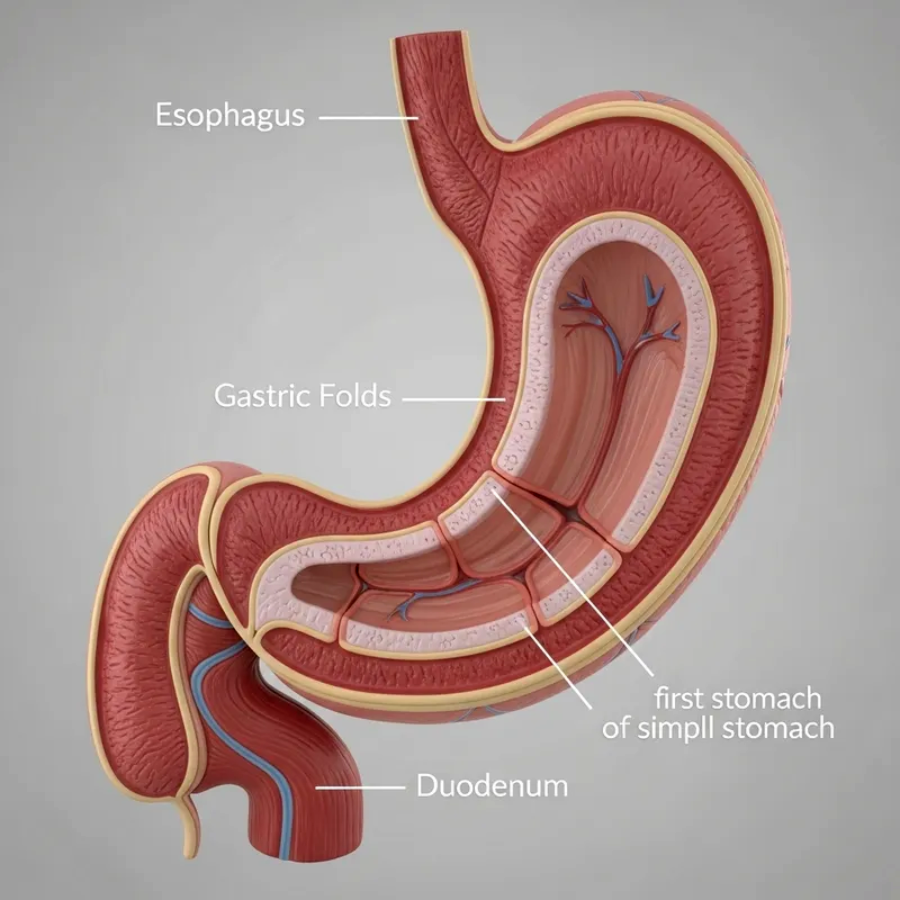
Because your digestive juices are potent enough to dissolve industrial metals, the human body has to work overtime to keep from consuming itself. To stay ahead of the acid, your stomach produces a completely new layer of mucus and cells roughly every 72 hours. If this rapid regeneration process stopped for even a week, your stomach would develop holes and begin to digest its own tissues. It’s a constant, high-speed race of biological construction happening inside you right now.
7. Humans can distinguish one trillion different scents

For a long time, scientists believed we could only smell about 10,000 distinct odors, but a recent study found that the human body is far more capable. Our olfactory system can actually differentiate between more than one trillion unique scents, making our noses more sensitive than many high-end laboratory sensors. This massive aromatic database is linked directly to our memory centers, which is why a single scent can instantly transport you back to a specific moment in your childhood.
8. Your fingers can feel objects as small as a molecule

The sense of touch in the human body is so incredibly refined that if your fingertip were the size of the Earth, you could feel the difference between a house and a car. On a smaller scale, your fingers can detect ridges that are only 13 nanometers high, which is roughly the size of a large protein molecule. This haptic technology allows us to perform delicate tasks like surgery or watchmaking with a level of precision that robots are still struggling to replicate.
Sign up for our newsletter
9. The body contains enough carbon to fill 9,000 pencils

While we feel like solid, unique beings, the human body is actually a walking warehouse of chemical elements. If you were to break down a single adult into its base components, you would find enough carbon to produce roughly 9,000 lead pencils. You also carry enough iron to forge a three-inch nail and enough fat to make seven bars of soap. It’s a strange way to view yourself, but it highlights just how much raw material goes into the construction of a human being.
10. You produce enough saliva to fill two swimming pools

The production of saliva is one of those background tasks of the human body that we rarely think about, but the volume is staggering. Over a typical lifetime, the average person produces approximately 25,000 quarts of spit, which is enough to fill two standard Olympic-sized swimming pools. This fluid isn’t just for moisture; it contains enzymes that start the digestive process and minerals that help keep your tooth enamel strong.
11. Your eyes are as sophisticated as a 576-megapixel camera
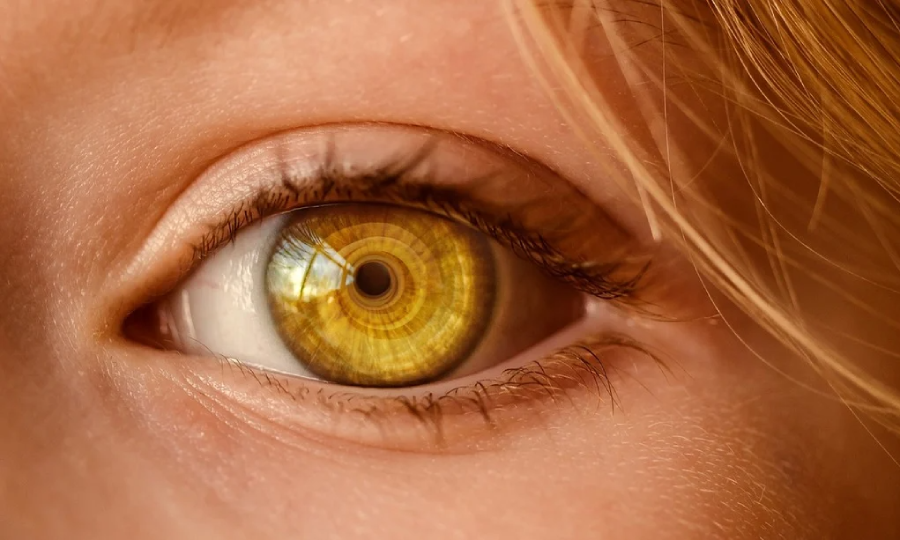
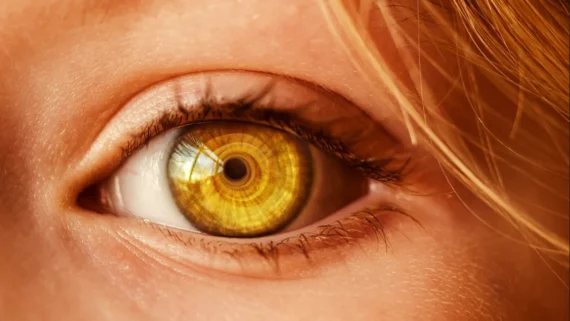
While digital cameras are getting better every year, they still have a hard time competing with the visual processing of the human body. If your eye were a digital camera, it would have a resolution of 576 megapixels, providing a level of detail that no smartphone can touch. Furthermore, your brain stitches these images together in real-time, correcting for blind spots and light changes so smoothly that you never notice the gaps.
12. Information travels along nerves at 268 miles per hour
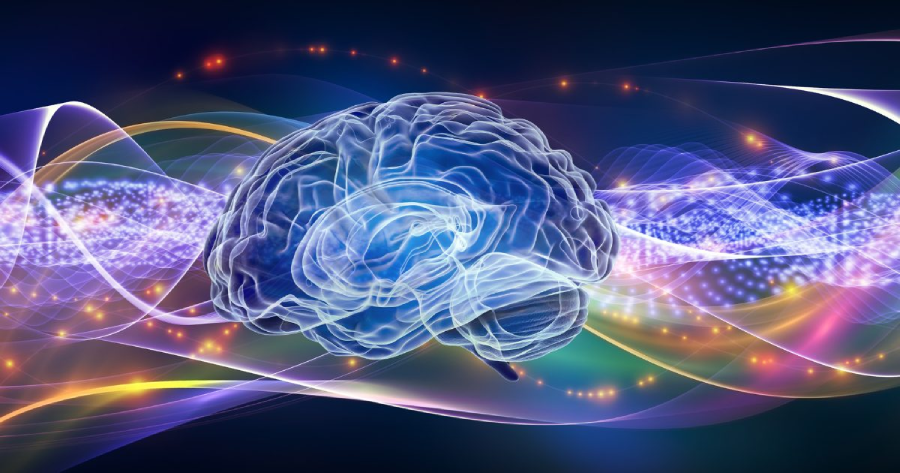
When you stub your toe, the data about that pain is sent to your brain via a biological fiber-optic system at speeds exceeding 268 miles per hour. This lightning-fast communication is made possible by the myelin sheath, a fatty layer that insulates your nerves and allows electrical signals to “jump” rather than crawl. This speed is what allows the human body to react to a hot stove or a falling object before you’ve even had time to consciously think about it.
13. Your heart pumps enough blood to fill a skyscraper
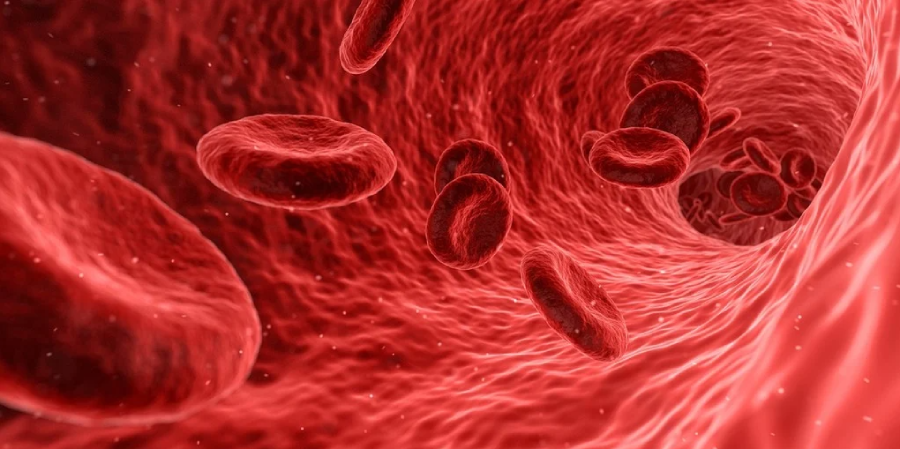
The heart is the most hardworking muscle in the human body, beating about 100,000 times a day without ever taking a break. Over an average lifetime, it pumps nearly 1.5 million barrels of blood, enough to fill a small skyscraper or about 200 industrial tank cars. This incredible endurance is a feat of engineering that no man-made pump has ever been able to replicate for decades on end without needing repairs.
14. You lose almost half a million skin cells every minute

The human body is in a constant state of shedding and renewal, acting like a biological snake. Every single minute, you lose between 30,000 and 40,000 dead skin cells, which adds up to about nine pounds of skin every year. In fact, a significant portion of the dust found in most homes is actually made up of discarded human skin. By the time you reach the age of 70, you will have grown and shed an entirely new outer layer roughly 800 times.
15. Humans are actually more star dust than earthly matter
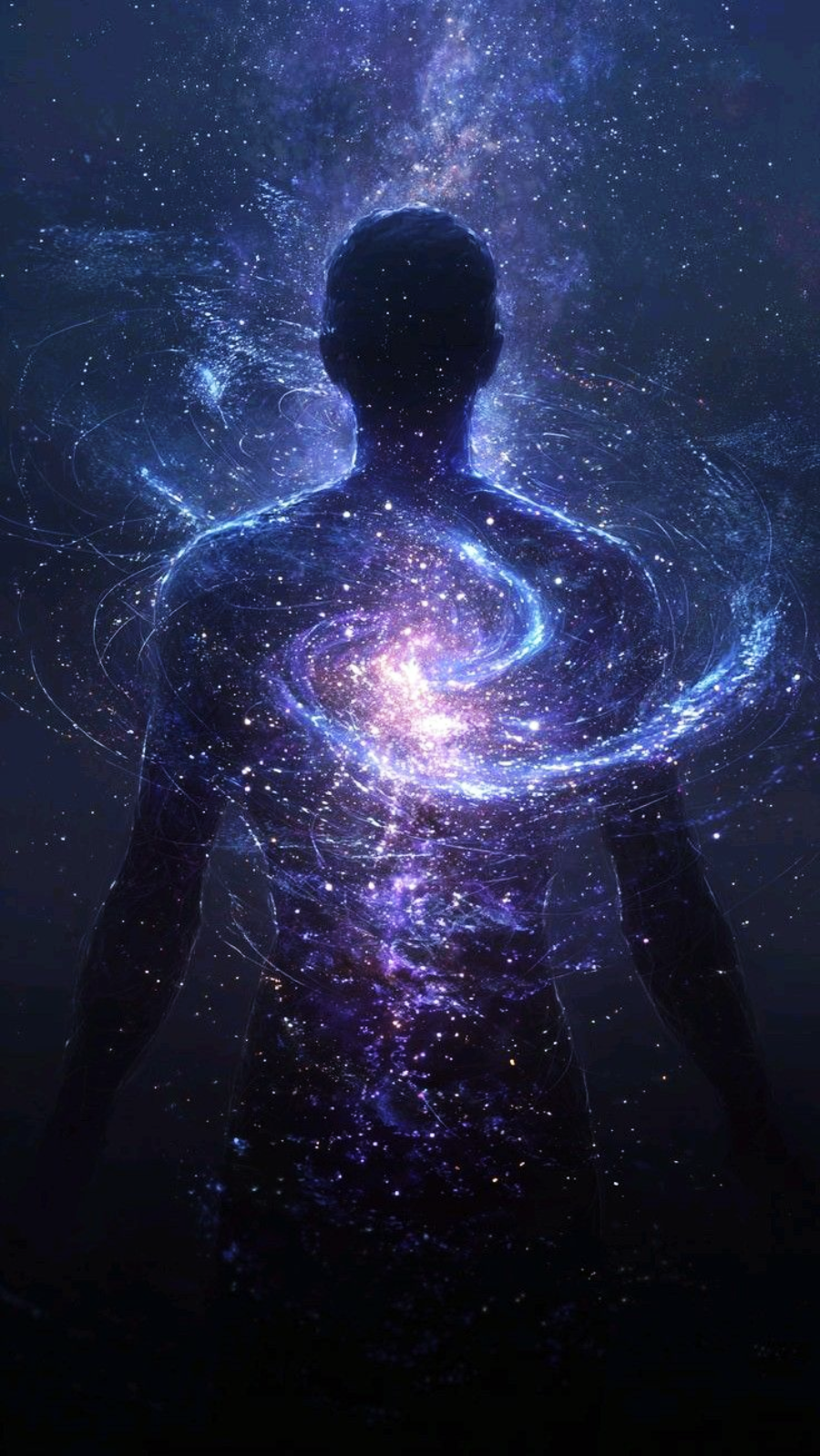
Nearly 93% of the mass of the human body is composed of elements that were forged inside the hearts of dying stars billions of years ago. Elements like carbon, nitrogen, and oxygen were scattered across the universe during supernova explosions before eventually coalescing to form our planet and us. This means your physical form is literally a collection of ancient cosmic debris. It’s a literal sci-fi origin story that connects every person on Earth to the farthest reaches of the galaxy.
Want more interesting facts?
It is a humbling reminder that while we look for wonders in the stars or through a telescope, the most incredible technology on Earth is currently sitting in your chair. These strange facts about the human body prove that our biology is far more advanced than the gadgets we use every day. If you’re ready to dive into more exciting facts, don’t miss these 18 Historical Facts That Sound Fake Until You Check Them, or 18 Fun and Surprising Facts About How to Avoid Stress. You can also check out these 20 Reality Glitches That Are Actually Real Facts.