
Life has a funny way of piling things on all at once, and most people have a tough time finding out how to avoid stress. One moment you’re enjoying a quiet break, and the next your mind is racing through unfinished tasks, old conversations, and tomorrow’s responsibilities. With constant notifications and busy schedules, it’s easy to feel overwhelmed without even noticing when it started.
The encouraging part is that easing that tension doesn’e always require a big life change. Often it is the small, simple habits that make the biggest difference, and some of them are more enjoyable than you might think. From little mindset shifts to everyday activities that help your mind relax, there are plenty of easy ways to feel more balanced. Let’s dive into 18 fun facts on how to avoid stress.
1. The L14 Hegu pressure point
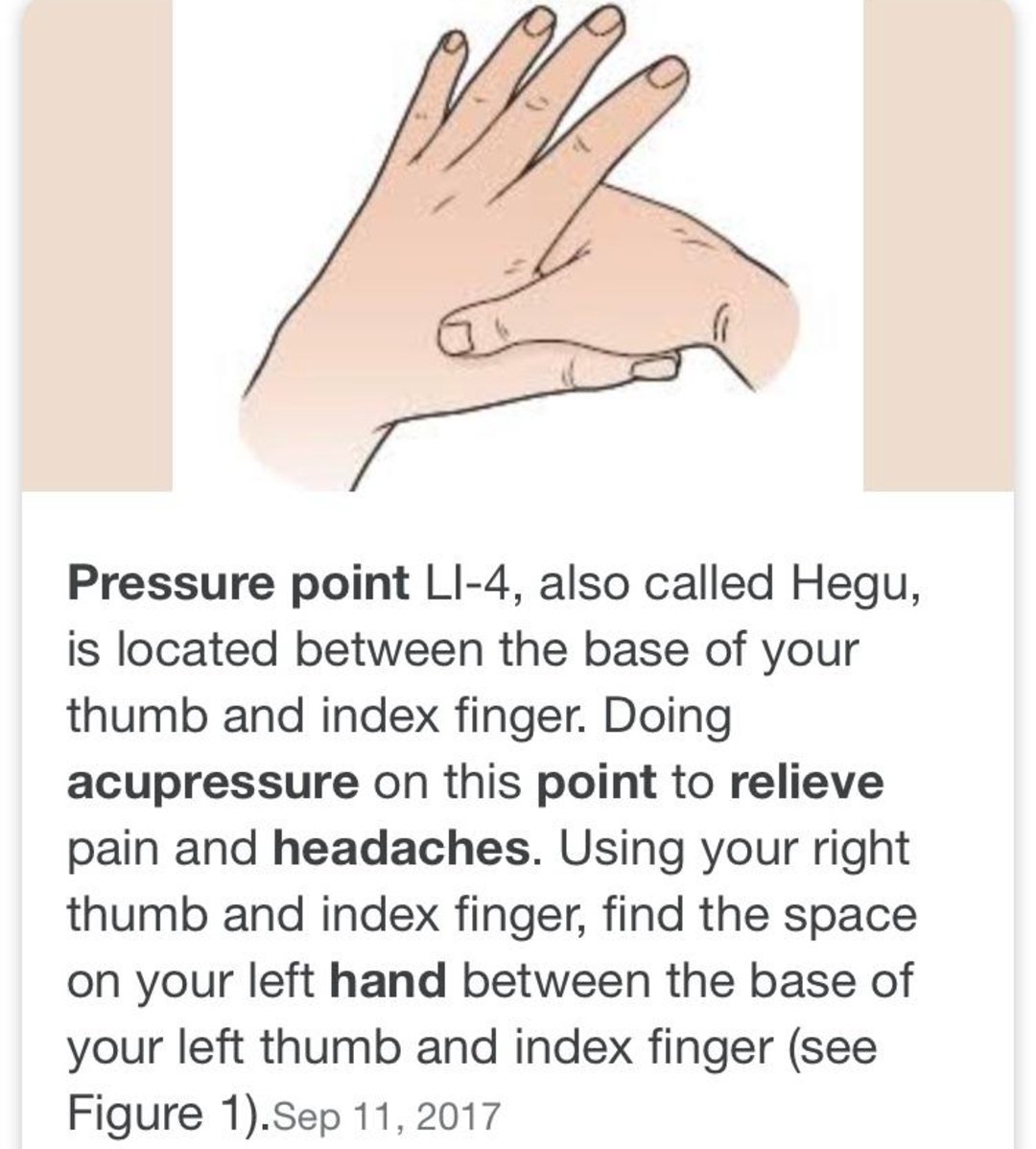
The L14 point is located in the webbing between your thumb and index finger. Applying firm but comfortable pressure here may help ease tension and promote relaxation. This area is commonly used in acupressure because it is believed to influence pathways linked to stress and discomfort. Stimulating the spot can encourage the release of endorphins and improve circulation, which may help the body shift out of a tense state.
2. Chewing gum

Chewing gum can help lower levels of cortisol, the hormone linked to stress. The repetitive motion increases blood flow to the brain, which may improve focus and reduce mental fatigue. It also gives your nervous system a small rhythmic task that can feel grounding. Some studies suggest it even helps people stay calmer during multitasking.
3. Looking at nature photos

What’s a better way to avoid stress than imagining you’re somewhere tropical? Even viewing images of forests, oceans, or mountains can calm the stress response. Natural scenes help lower heart rate and reduce activity in areas of the brain tied to rumination. Your brain processes these visuals as safe and restorative environments. It is a quick mental escape without leaving your seat.
4. Slow breathing

Lengthening your breath signals your nervous system to shift into a calmer state. This activates the vagus nerve, which helps regulate heart rate and relaxation. When exhalations are longer than inhalations, the body receives a cue that it is safe to slow down. It is one of the fastest ways to ease physical tension.
5. Forcing a laugh

Even forced laughter can trigger real physiological changes. It increases oxygen intake and stimulates circulation, which can reduce muscle tightness. Laughter also boosts endorphins, the body’s natural feel-good chemicals. Your brain often follows the body’s lead, and your mood can lift afterward.
Trending on The Scroller


6. Listening to natural sounds

Natural soundscapes like birds singing or crickets chirping can reduce mental fatigue and lower stress markers. These sounds are associated with safe outdoor environments in human evolution. Hearing them can gently shift attention away from worries, and it creates a subtle sense of spaciousness in the mind.
7. Smiling

The facial feedback effect suggests your expression can influence how you feel. When you smile, even slightly, it activates muscles linked to positive emotions. This can encourage the release of neurotransmitters like dopamine and serotonin. Your brain interprets the signal as a sign that things are okay.
8. Gentle stretching

Stretching releases built-up muscle tension that often accompanies stress. It also improves circulation and sends relaxation signals through the body. Slow movements help shift attention away from racing thoughts.
Sign up for our newsletter
9. Petting an animal

Though this isn’t the most convenient way to relieve stress if you’re having a tough day at work, maybe stopping home on lunch is doable on an extremely stressful day. Interacting with animals can lower blood pressure and reduce cortisol levels. Touch releases oxytocin, a hormone connected to bonding and calm. Animals also encourage present-moment awareness. Their steady presence can be grounding during stressful times.
10. Organizing your space

Tidying a drawer or desk can create a sense of control and accomplishment. Visual clutter can contribute to mental overload, so clearing it may reduce cognitive strain. Completing a simple task provides a much-needed dopamine boost on stressful days.
11. Splashing yourself with cool water

Cool water can activate the dive reflex, which slows the heart rate. This reflex helps the body conserve energy and can interrupt acute stress. It also brings attention back to physical sensation, which can break a cycle of anxious thinking.
12. Sitting in the sun

Natural light helps regulate circadian rhythms and supports mood balance, and also encourages the production of serotonin. Even brief exposure can improve alertness and emotional stability.
13. Practicing gratitude

It may sound corny or ridiculous, but focusing on things you appreciate can shift brain activity away from threat detection. Gratitude practices are linked to increased activity in areas related to emotional regulation. This can reduce the intensity of stress responses and, over time, it may help rewire habitual thought patterns.
14. Saying your words out loud

Speaking thoughts out loud helps the brain process emotional experiences. Labeling emotions can reduce activity in the amygdala, which is involved in fear and stress. Verbal expression adds structure to vague worries, which often makes them feel more manageable.
15. Doing an act of kindness

Helping someone else can increase oxytocin levels, a hormone linked to bonding and calm. Acts of kindness also activate reward centers in the brain, boosting mood. Shifting attention to another person’s needs can reduce rumination.
16. Fixing your posture

Posture influences both breathing patterns and emotional state, so sitting hunched can restrict lung expansion and reinforce feelings of fatigue or low mood. Standing or sitting upright allows deeper breathing and sends a confidence signal to the brain.
17. Grounding

Simple grounding exercises like naming five things you can see or hear pull attention away from racing thoughts and back to the present moment. Engaging the senses activates brain regions linked to awareness rather than worry. It can interrupt spirals of anxious thinking by redirecting mental focus outward, which helps the nervous system recognize that you are safe right now.
18. Writing out what’s bothering you

Putting your worries on paper can reduce the mental load of holding everything in your head. Research on expressive writing shows that labeling emotions helps regulate activity in the brain’s stress centers. When thoughts become structured sentences, they often feel more manageable and less overwhelming. Writing also engages the logical parts of the brain, which can balance out emotional reactivity.
Want to see more fun facts?
Check out 20 Eerie Yet Fun Facts That Most People Don’t Know, or take a look at 20 Fun Facts You’ll Wish You Learned in School (New List). Finally, if you want to see more psychology facts, check out 15 Psychology Facts Most People Find Surprising.