The concept of working a second job to make ends meet or save for a dream isn’t a modern invention of the gig economy. Decades before the internet gave us apps and digital platforms, people were finding creative side hustles to supplement their main income, often relying on physical labor and community needs. Whether it was a schoolteacher tutoring kids outside the school or a factory worker fixing bicycles in his garage, the spirit of the “extra mile” was a defining characteristic of the 20th-century working class.
These early side hustles were built on personal reputation and local handshakes rather than algorithms and star ratings. In an era without social media marketing, success depended on word-of-mouth and the literal hustle of putting up flyers or knocking on doors. Looking back at these vintage second jobs offers a fascinating glimpse into a time when resourcefulness meant using your hands, your tools, and your spare evening hours to build a better life for your family, one small task at a time.
1. Newspaper route runner
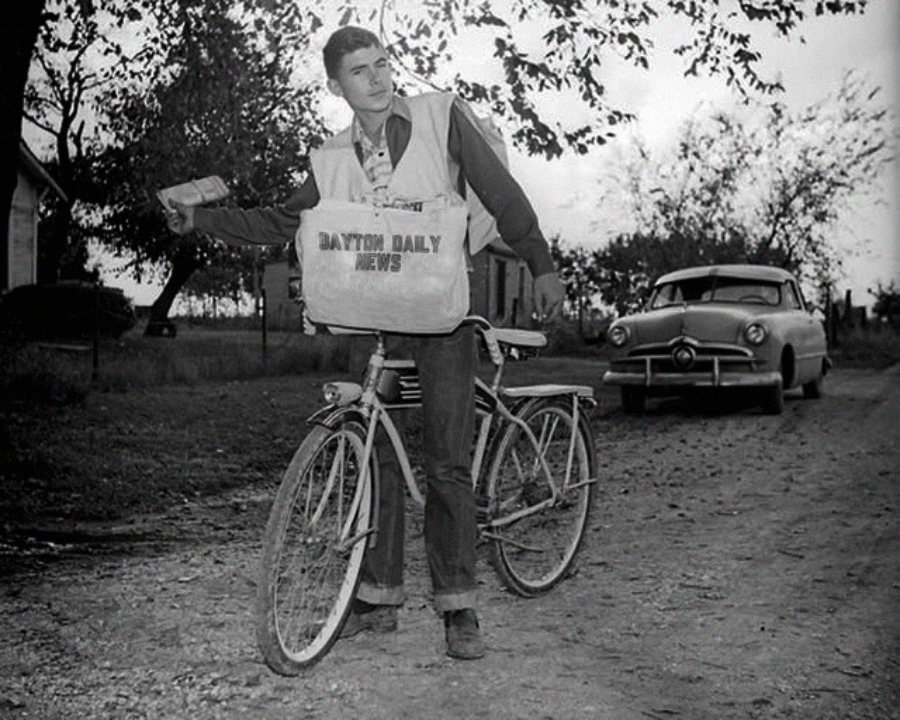
Before digital news alerts, the morning and evening papers were the primary ways people stayed connected to the world. While many think of this as a paperboy job, many adults took on these routes as morning side hustles to earn extra cash before their main shift began. It required an incredibly disciplined schedule, often starting as early as 4:00 AM in all types of weather. A fun fact of the era is that paper throwers often developed a specific flick of the wrist to ensure the newspaper landed perfectly on the porch without hitting the screen door.
2. Tupperware party host
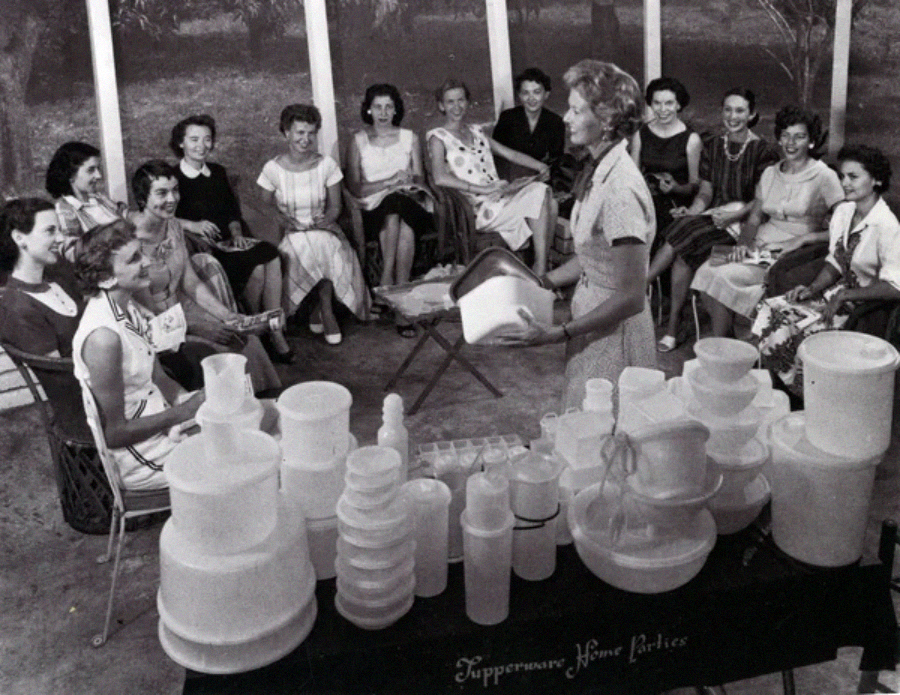
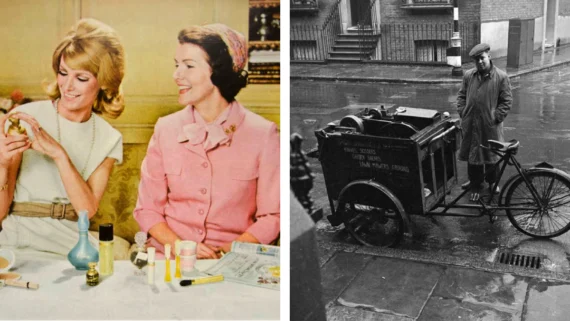
Long before influencer marketing, the Tupperware party was the ultimate social side business for stay-at-home parents and office workers alike. A host would invite neighbors over for snacks and a demonstration of burping the airtight seals on plastic containers. It was a brilliant model because it turned a living room into a retail space and offered a commission on every bowl sold. Many people don’t realize that the first Tupperware lady, Brownie Wise, actually became more famous than the inventor because her party strategy was so successful.
3. Mowing lawns on weekends
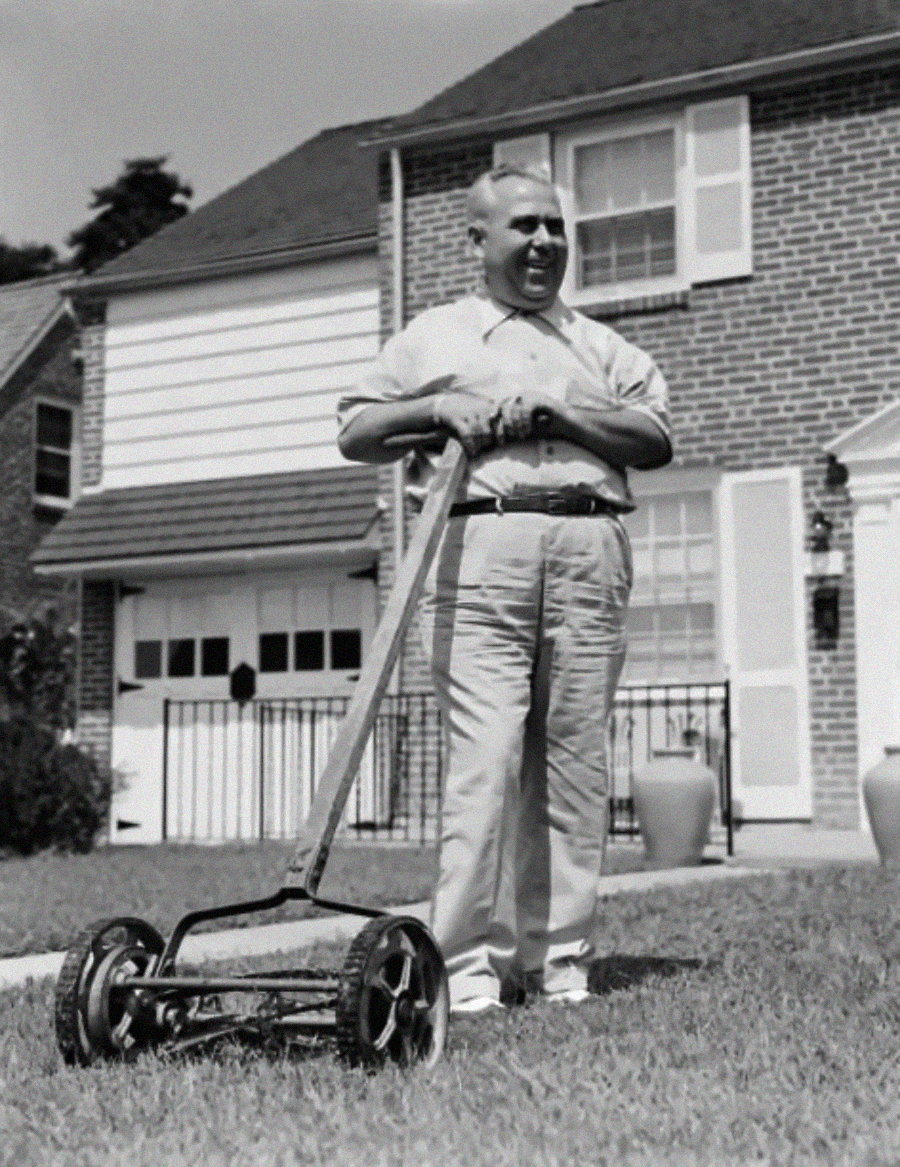
In the 1960s and 70s, the pristine suburban lawn was a major point of pride, and lawn service was often just the kid from next door with a push mower. This side hustle taught thousands of people the basics of entrepreneurship, from managing equipment to negotiating a fair price for a large corner lot. It was a physically demanding job that relied on the distinct, gasoline-scented atmosphere of Saturday mornings. Interestingly, the first power mowers were so heavy and loud that having a neighborhood helper was often a necessity rather than a luxury for older homeowners.
4. Door-to-door knife sharpener
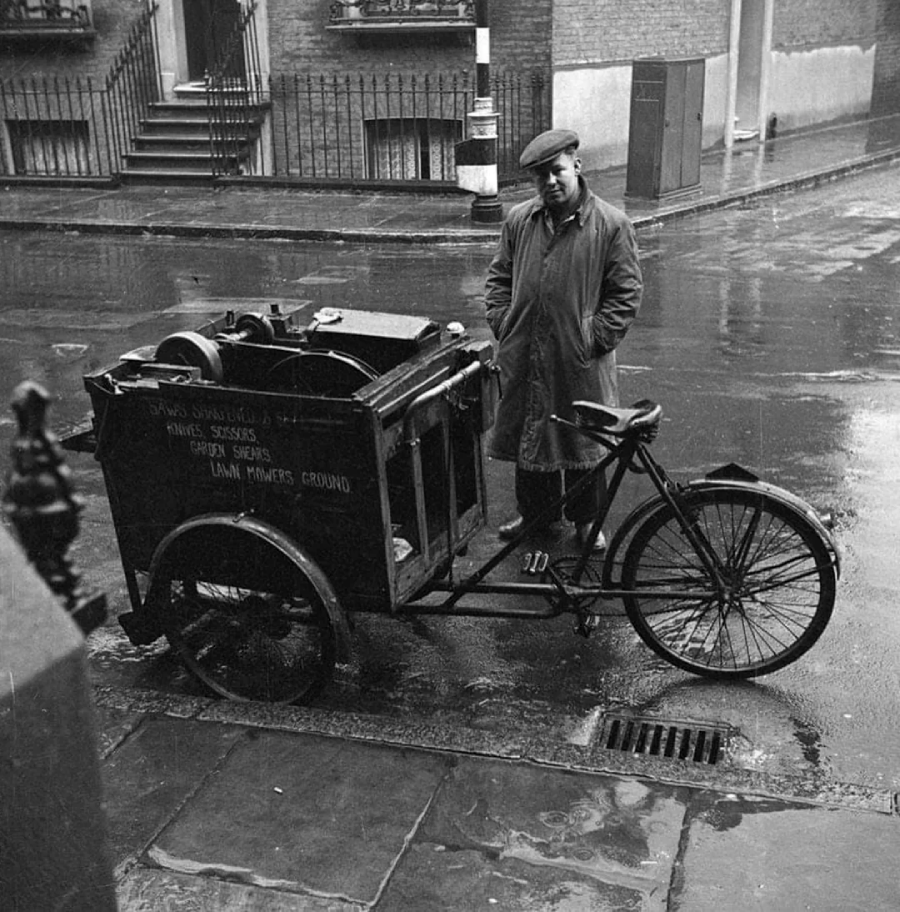
Decades ago, it was common for a skilled craftsman to walk through neighborhoods with a grinding wheel to sharpen kitchen shears and carving knives. This was a classic on-the-go business that provided an essential service to housewives who didn’t have the tools to maintain their own cutlery. The sharpener would often ring a bell or use a specific call to let the street know he had arrived. This trade was so respected that a good sharpener often had a route they would repeat every few months to maintain their client base.
5. Avon representative
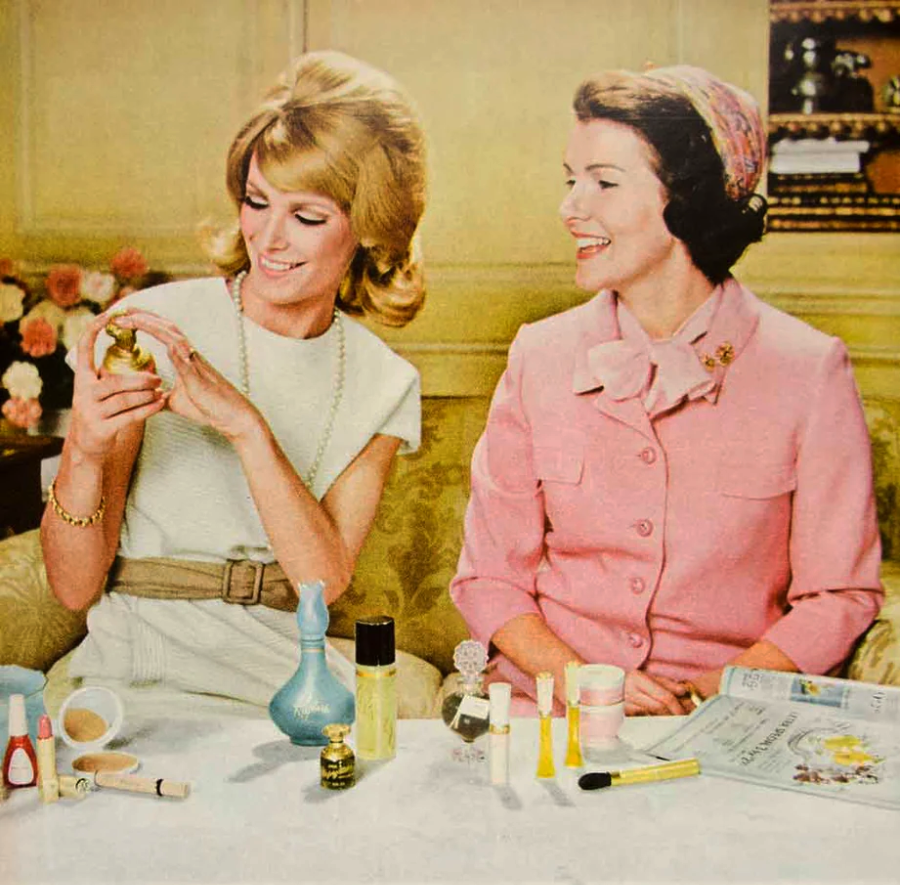
The Avon Lady is perhaps the most iconic example of a classic side business that relied entirely on personal relationships. Representatives would carry a heavy black case filled with perfume samples and lipstick shades, visiting friends and coworkers to take orders. It offered a level of financial independence that was rare for many people at the time, allowing them to build a business around their own schedule. A fascinating detail is that Avon actually started in 1886 as a way to sell books, but the perfume samples given with the books became more popular than the stories themselves.
Trending on The Scroller
6. Bowling alley pinsetter
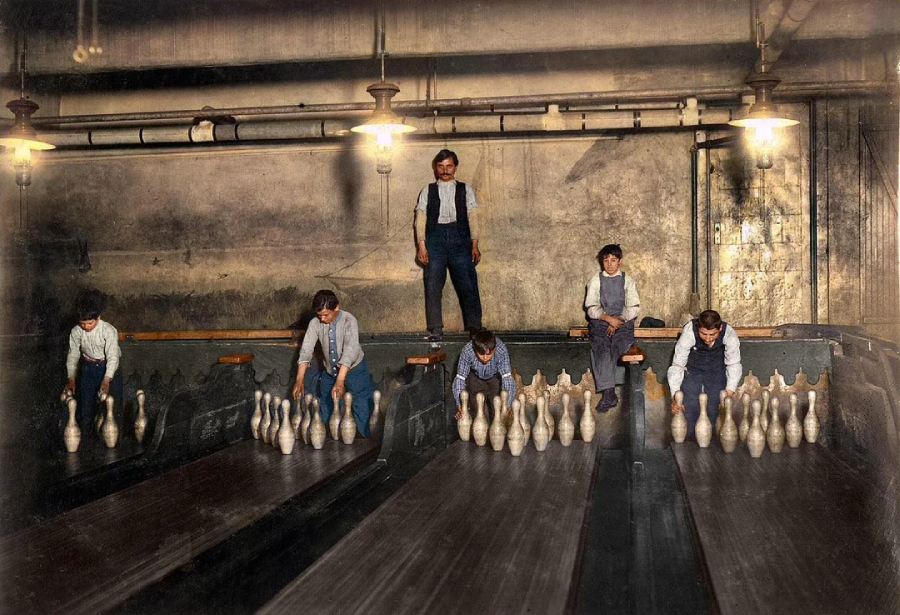
Before the invention of the automatic pinsetting machine, humans had to stand at the end of the lane to clear and reset the pins manually. While this was often a job for teenagers, many adults took the late-night shifts as a way to stack extra cash after their day jobs. It was physically demanding and surprisingly dangerous, as you had to dodge flying pins and heavy bowling balls. Despite the risk, a fast pinsetter could handle multiple lanes at once, significantly increasing their nightly tips and earnings.
7. Seamstress
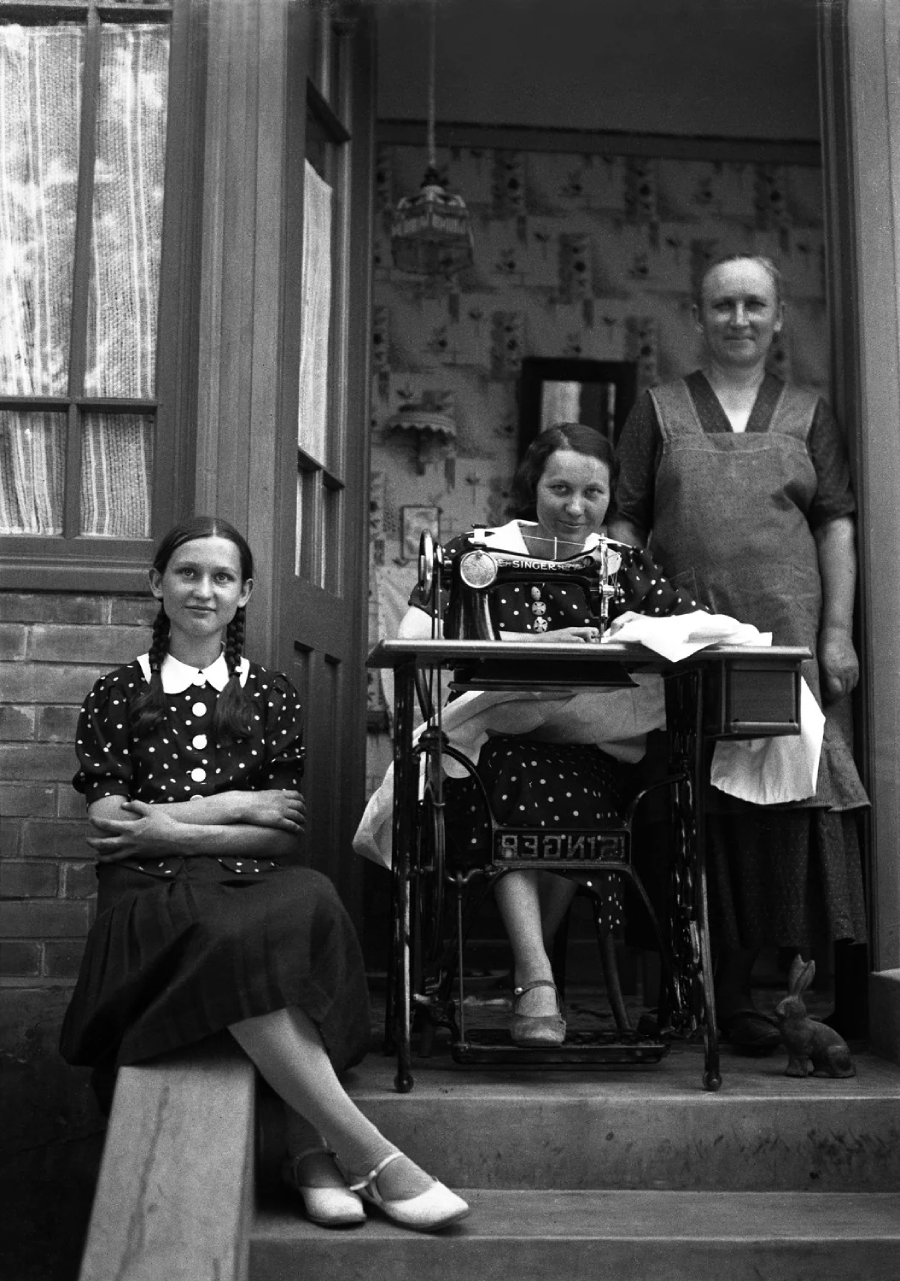
In an era before fast fashion, high-quality clothing was an investment that required frequent alterations and repairs. Many people ran thriving side hustles from their sewing rooms, creating custom Sunday dresses or tailoring suits for local businessmen. They were masters of the sewing machine and had a deep knowledge of fabrics that most people lacked. A skilled seamstress was often the busiest person in town during wedding season or right before the start of the school year.
8. Fuller Brush salesperson
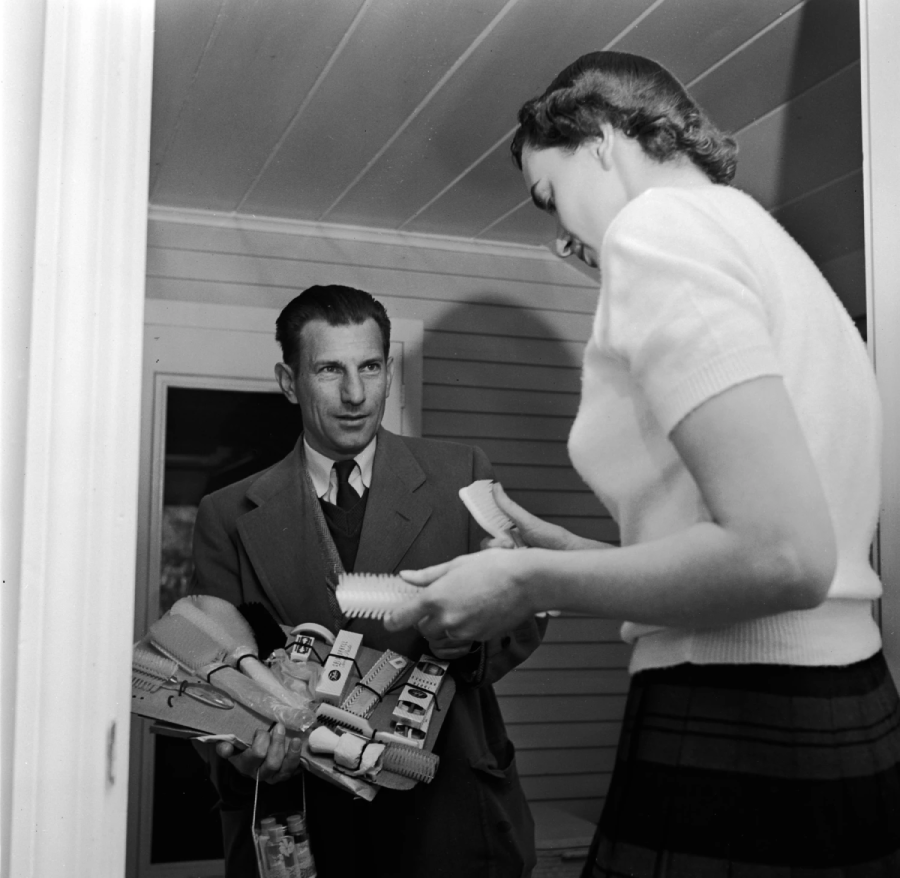
The Fuller Brush man was a staple of mid-century Americana, carrying a suitcase full of specialized brushes for every imaginable household task. From hairbrushes to lint rollers and floor mops, these salesmen were trained in the art of the demo to prove their products were superior to store brands. It was a tough job that required walking miles a day, but the commissions were high enough to help many families buy their first cars. Interestingly, several famous people, including Dick Van Dyke, started their careers as Fuller Brush salesmen.
Sign up for our newsletter
9. Piano tuner
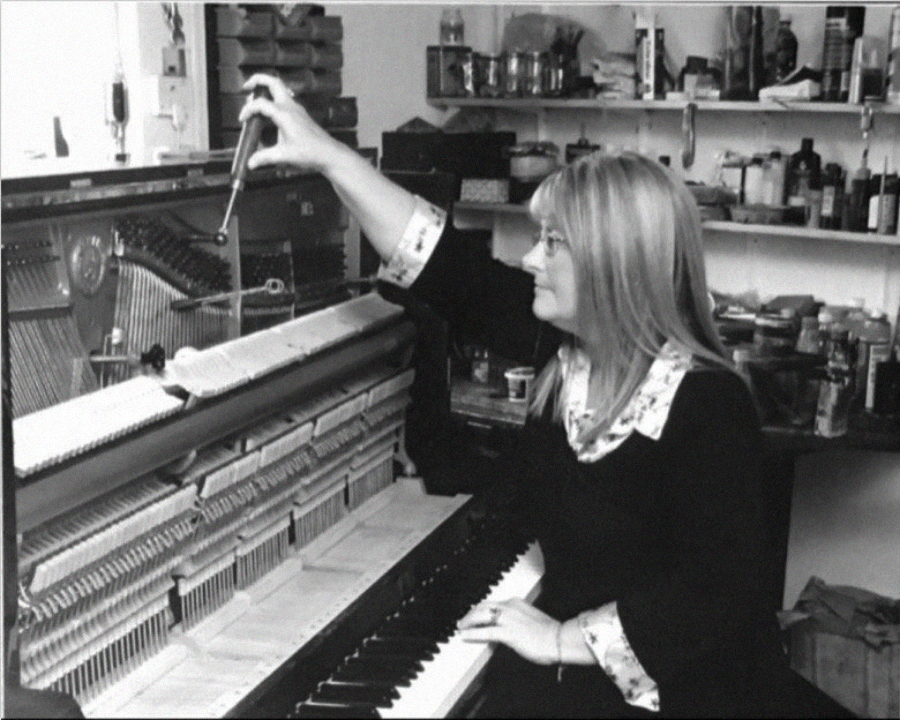
In the mid-1900s, a piano was the centerpiece of the middle-class living room, but they were notoriously sensitive to temperature and humidity. Traveling piano tuners would visit homes with a kit of tuning forks and wrenches to keep the family instrument in perfect pitch. This required an incredible ear and a high level of patience, making it a perfect niche business for musicians. Since pianos need tuning at least once a year, a loyal customer base provided a very predictable stream of side income.
10. Milkman helper
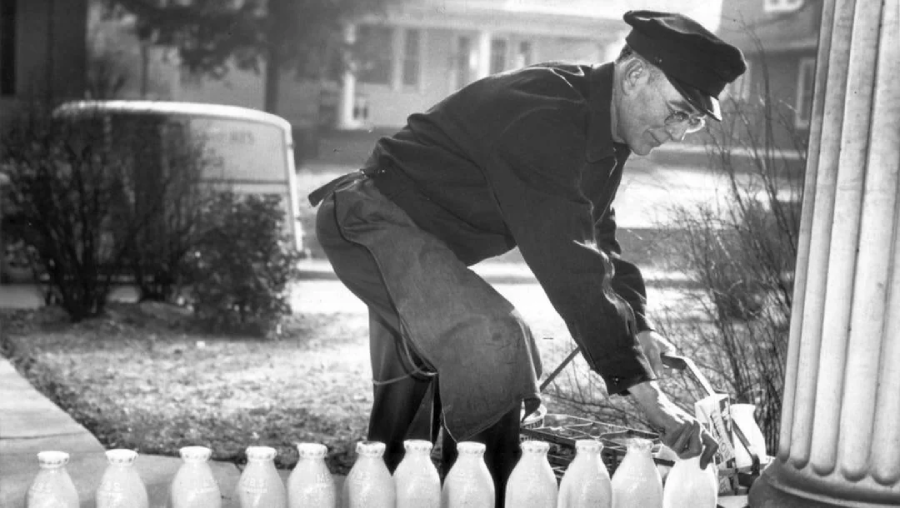
While the milkman was a full-time professional, many people took on the role of helper during the early morning hours to speed up deliveries. These helpers would jump off the moving truck, run the glass bottles to the porch, and collect the empty ones before the truck even stopped. It was an intense cardio workout that allowed workers to finish their second job before 7:00 AM. Many of these helpers were actually off-duty firemen or police officers looking to supplement their city salaries.
11. Furniture upholsterer
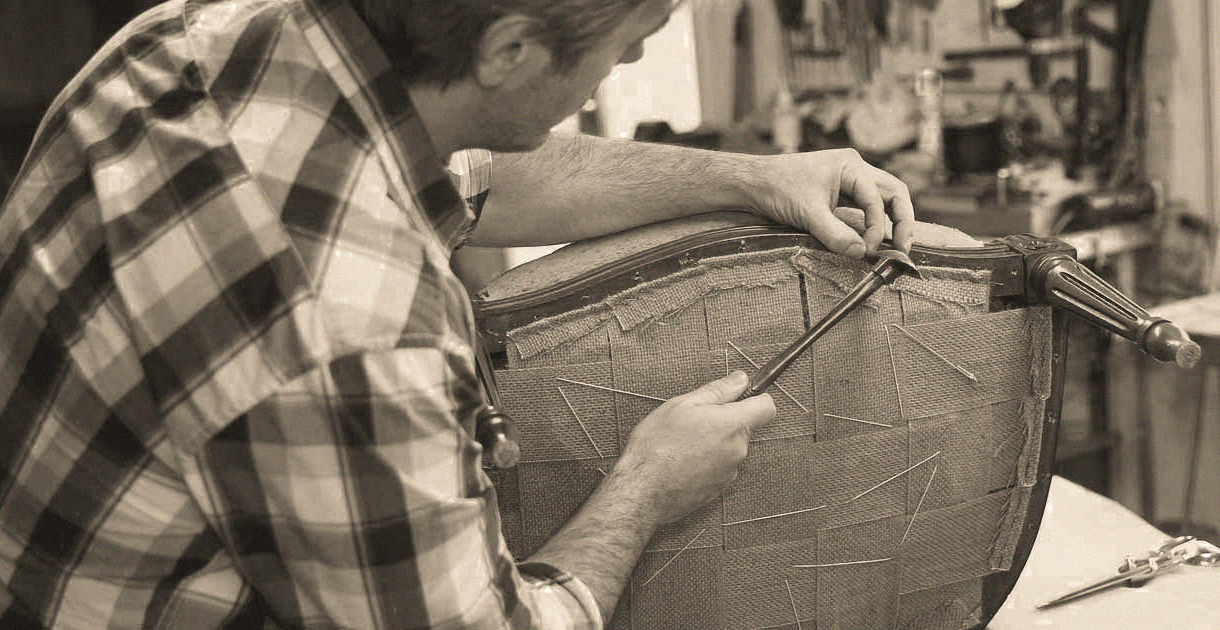
When a couch or chair became worn down in the 1960s, people didn’t throw it away; they had it reupholstered. Skilled hobbyists would often take on one or two projects a month in their garages, stripping down old frames and applying new fabric and stuffing. This side business required heavy-duty staplers, specialized needles, and a lot of physical strength to stretch the material. A well-upholstered piece could last another twenty years, making this a highly valued service in the community.
12. Tutoring young students
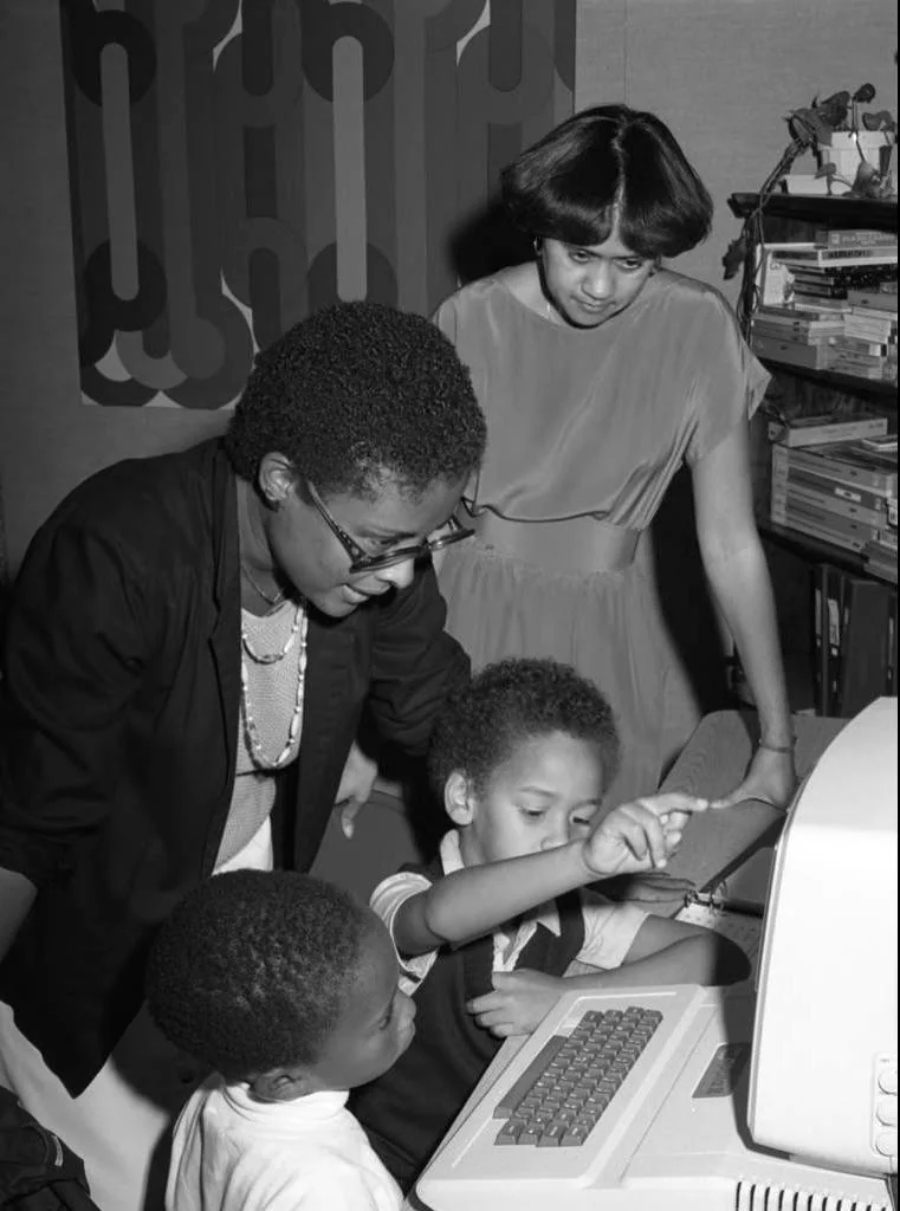
For college students or retired teachers, tutoring was a respected way to earn extra money while sharing specialized knowledge in subjects like Latin, Algebra, or Music. These sessions usually took place at a kitchen table and focused on heavy textbooks and handwritten notes rather than digital screens. It was a business built on trust, where a tutor’s success was measured by the improvement in a student’s report card. Interestingly, music tutoring was so popular in the mid-20th century that many neighborhoods had a dedicated piano teacher on almost every street.
13. Painting fences or houses
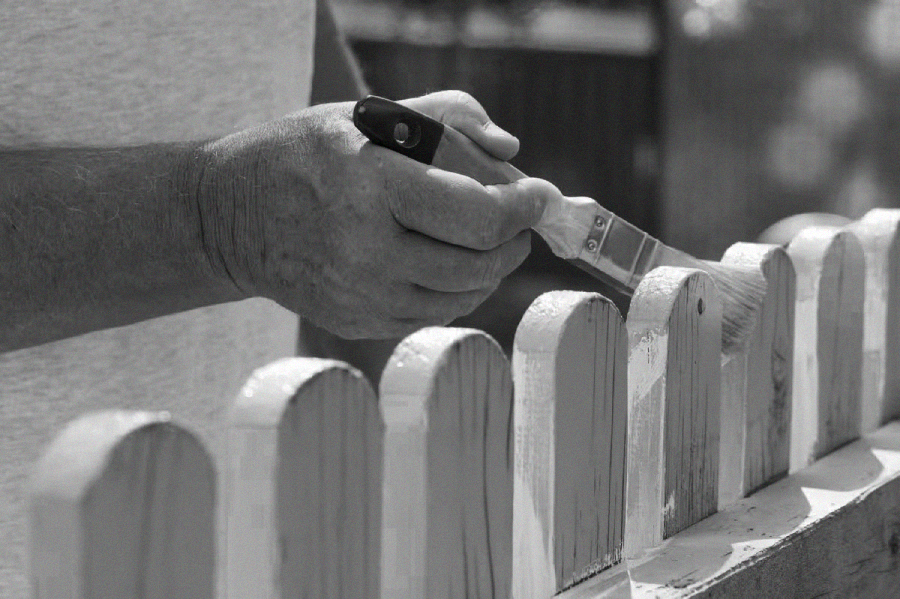
Exterior maintenance was a never-ending task in the era of wooden siding and picket fences, creating a constant demand for side-hustle painters. This work required a steady hand, a lack of fear regarding heights, and the patience to deal with the scorching summer sun. It was common for a pair of friends to bid on a house painting job to earn enough money for a summer road trip or a new set of tools. An interesting fact is that before the 1970s, most house paint was oil-based, meaning painters had to be experts at using turpentine and mineral spirits to clean their brushes at the end of the day.
14. Fixing bicycles
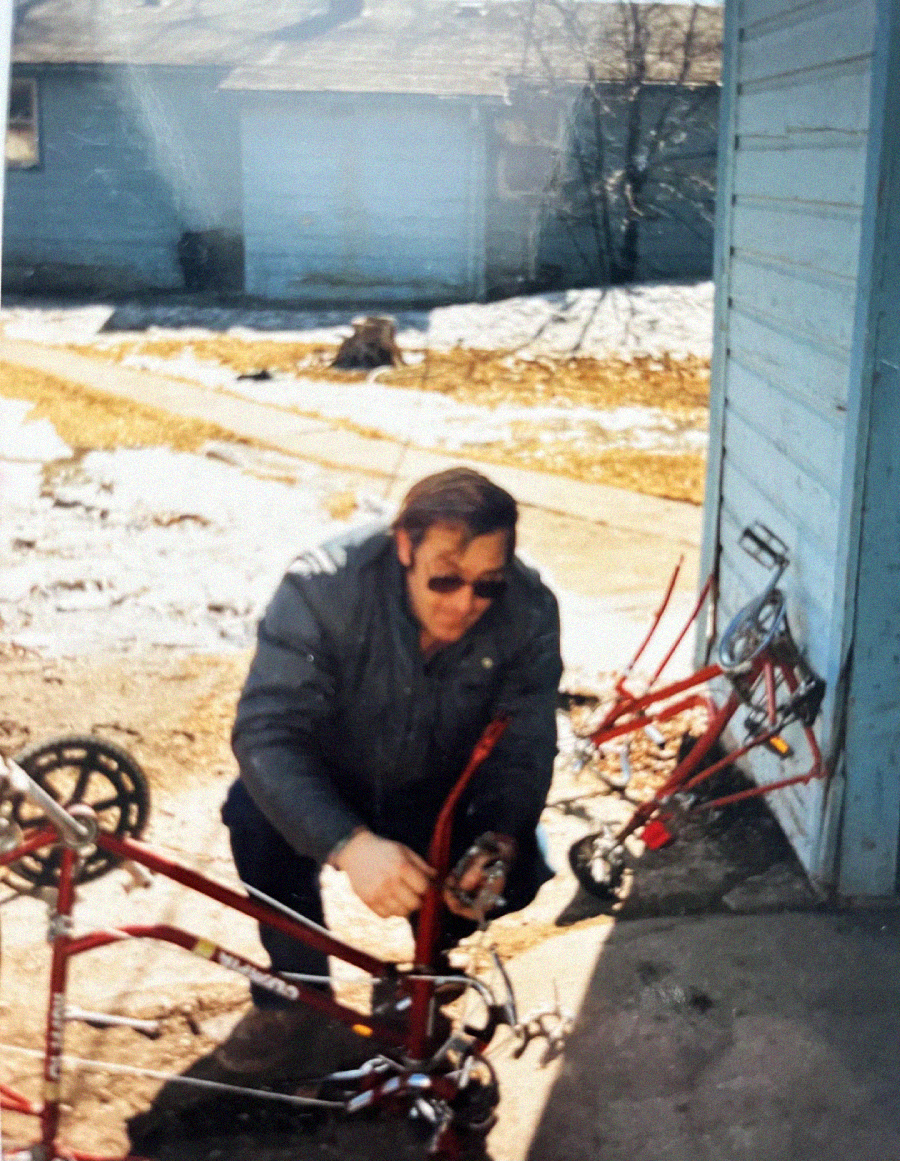
In an age when every kid in the neighborhood traveled on two wheels, having a bike doctor nearby was essential. Someone with a mechanical mind and a few wrenches could run a great side business repairing flat tires, adjusting brake cables, and oiling chains. These amateur mechanics often operated out of a shed or garage, surrounded by spare parts and old frames used for cannibalizing gear. A fun bit of nostalgia is that many of these side-hustlers became famous for customizing bikes with banana seats and sissy bars, long before professional bike shops were common in every town.
15. Sign painter
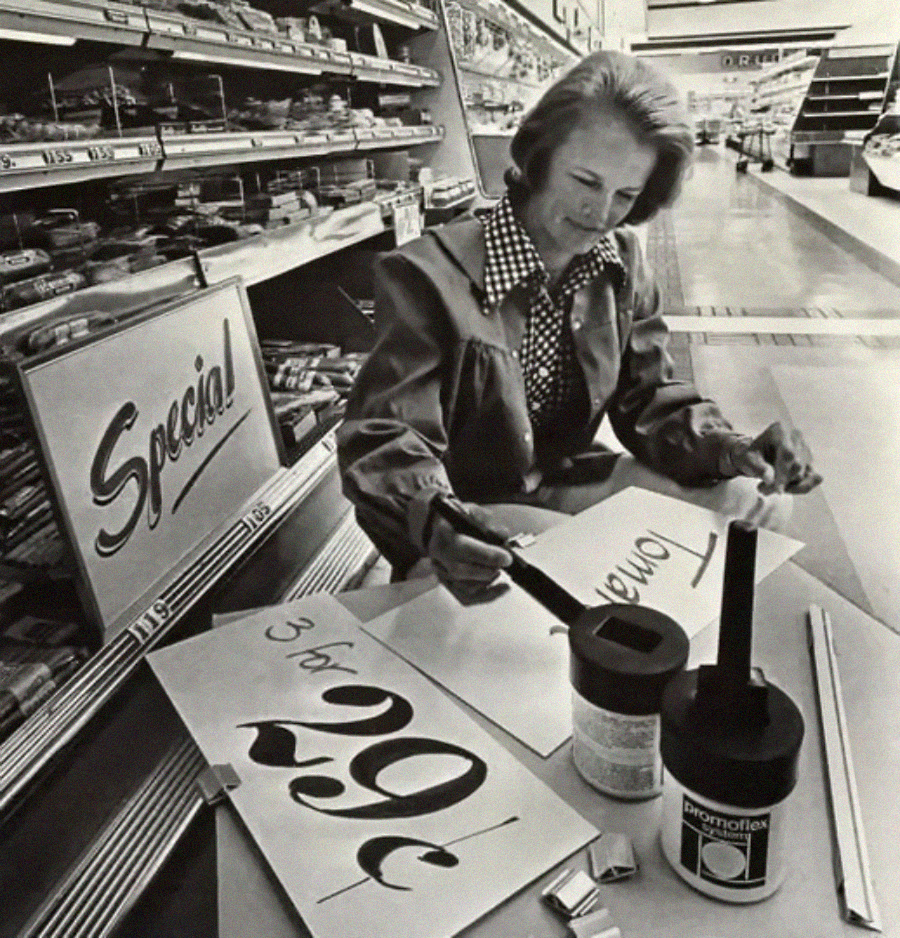
Before vinyl plotters and digital printing, every grand opening or sale sign had to be hand-painted by an artist with a steady hand. Local artists would often pick up these jobs on the weekends, using specialized brushes and oil-based paints to create eye-catching advertisements on windows or wooden boards. They had to be experts at spacing and font styles, often working on ladders in the middle of busy sidewalks. A good sign painter’s work was instantly recognizable by their lettering style, which served as their unofficial business card.
Explore more stories about people’s jobs:
These vintage side hustles remind us that the drive to succeed and provide for one’s family has always required a bit of extra effort and creativity. Long before we had apps to find work, people were using their unique talents to serve their neighbors and build their own small empires. If you enjoyed this look at historical work culture, be sure to check out these 15 Strange 1930s Jobs Born During the Great Depression, or 20 Vintage Photos That Show How Dangerous Jobs Used to Be. You can also take a look at these 15 Jobs That Only Exist Because Of The Digital Age.