
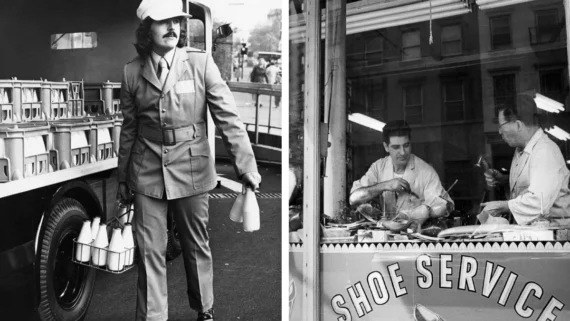
In 1975, the economic landscape allowed for a stable, comfortable lifestyle through a variety of specialized jobs that simply don’t exist in the same capacity today. This was an era where a single income from a skilled trade or a service position could easily support a family, pay for a mortgage, and secure a spot in the middle class. These roles required a specific set of manual or interpersonal skills that were highly valued before the digital revolution reshaped the labor market, creating a sense of job security that felt permanent at the time.
As technology advanced and automation took hold, many of these essential jobs began to fade into the background or disappear entirely. What were once thriving career paths with union protections and clear advancement opportunities have now become relics of a bygone industrial and analog age. Looking back at these positions offers a fascinating glimpse into how much our daily economy has shifted, turning respected professions into nostalgic memories of a world that operated at a much more human pace.
1. Typist pool supervisor
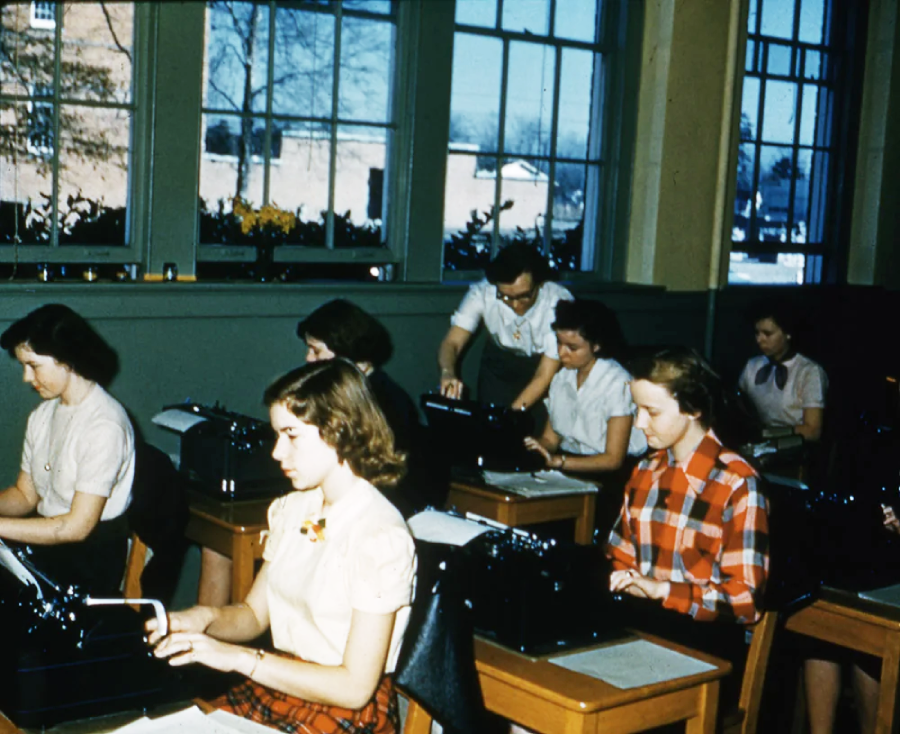
In the mid-70s, large corporations relied on massive rooms filled with skilled typists to handle all written correspondence. A supervisor in this field managed the workflow and ensured that every letter was carbon-copied and filed with surgical precision. These professionals earned a solid middle-class salary because the speed and accuracy of a company’s output depended entirely on their oversight. Interestingly, a high-level typist could often outpace modern computer users, sometimes hitting over 100 words per minute on a manual machine without the luxury of a delete key.
2. Telephone switchboard operator
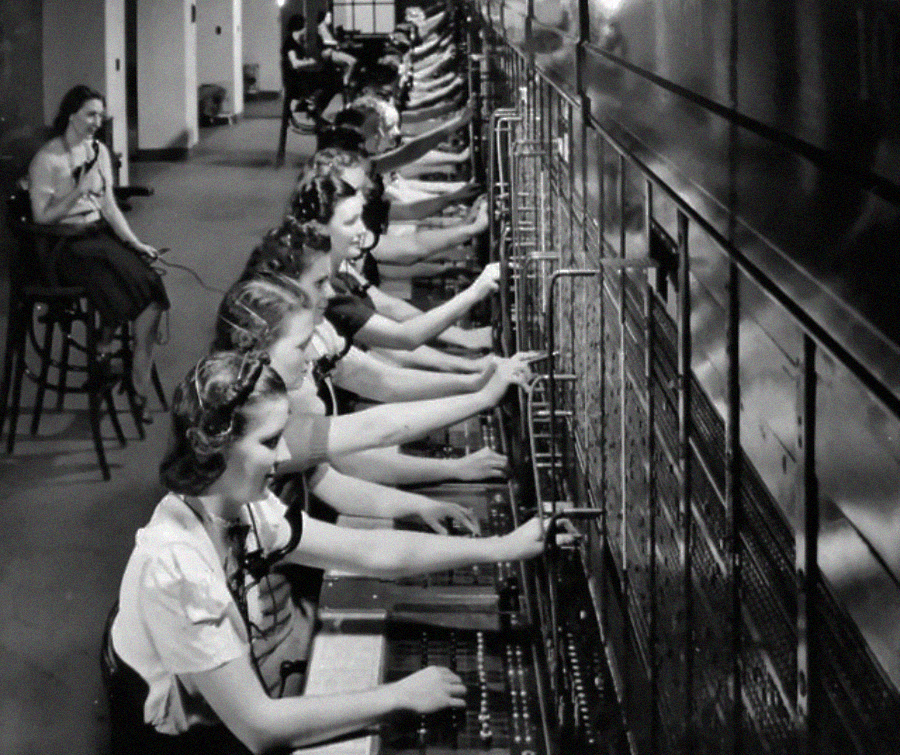
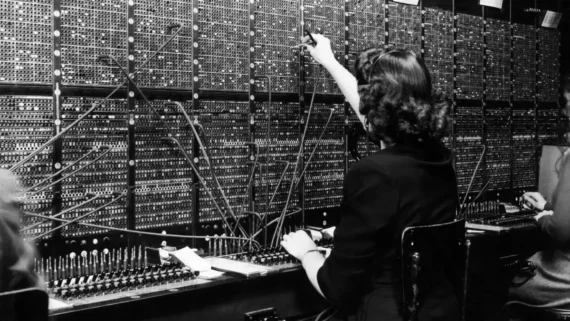
Before digital switching became the norm, connecting a long-distance call required a human being to physically plug cables into a massive board. Operators were the literal backbone of global communication, and the job was considered a prestigious, stable career for many young adults. They had to be quick-thinking and possess a calm, professional demeanor while managing hundreds of connections simultaneously. By 1975, while automation was starting, many private businesses still employed PBX operators who were often the first and most important voice a customer would hear.
3. TV repair technician
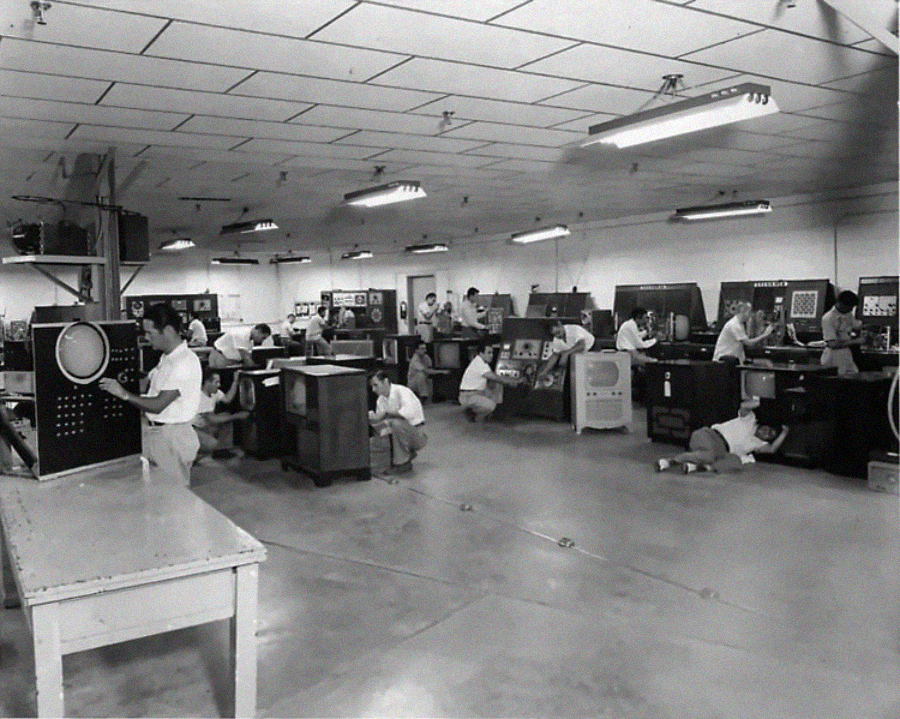
Back when televisions were massive pieces of furniture filled with glass vacuum tubes, the local repairman was a neighborhood hero. These technicians possessed a deep knowledge of electronics and would often make house calls with a suitcase full of replacement parts. A successful repair shop could easily provide a middle-class lifestyle because TVs were a significant investment that people kept for decades rather than replacing every few years. A fun fact of the era is that many grocery stores had tube testing machines where you could bring your own parts to see which one had blown.
4. Travel agent
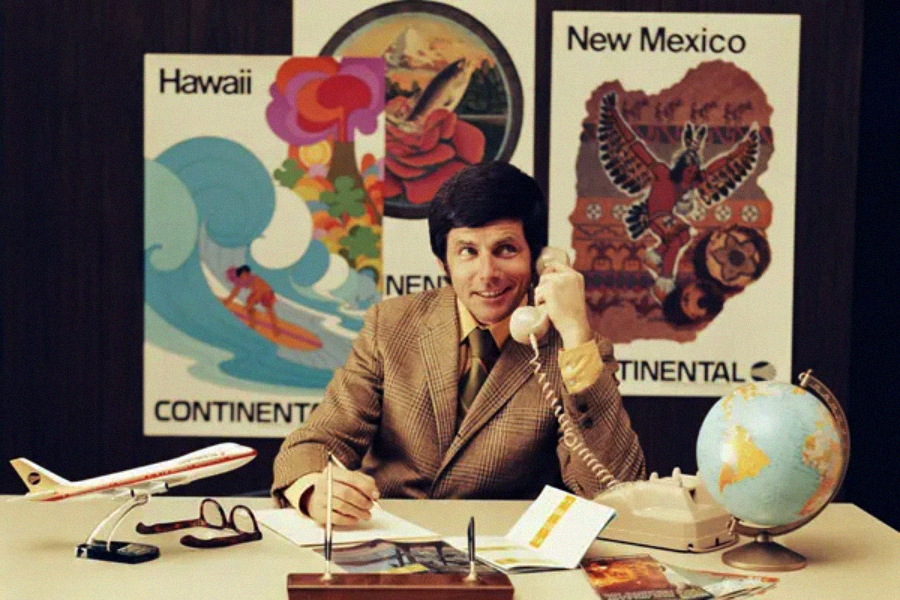
Before the internet allowed us to book flights in seconds, travel agents were the gatekeepers of the world, holding specialized knowledge of complex airline ticketing systems. They spent their days navigating thick OAG books and using specialized terminals to find the best routes for families and business travelers. The commission-based structure meant a hard-working agent could earn a very comfortable living while enjoying perks like family trips to exotic locations. It was a career built entirely on trust and the ability to find a deal that a normal person simply couldn’t access.
5. Milk delivery driver
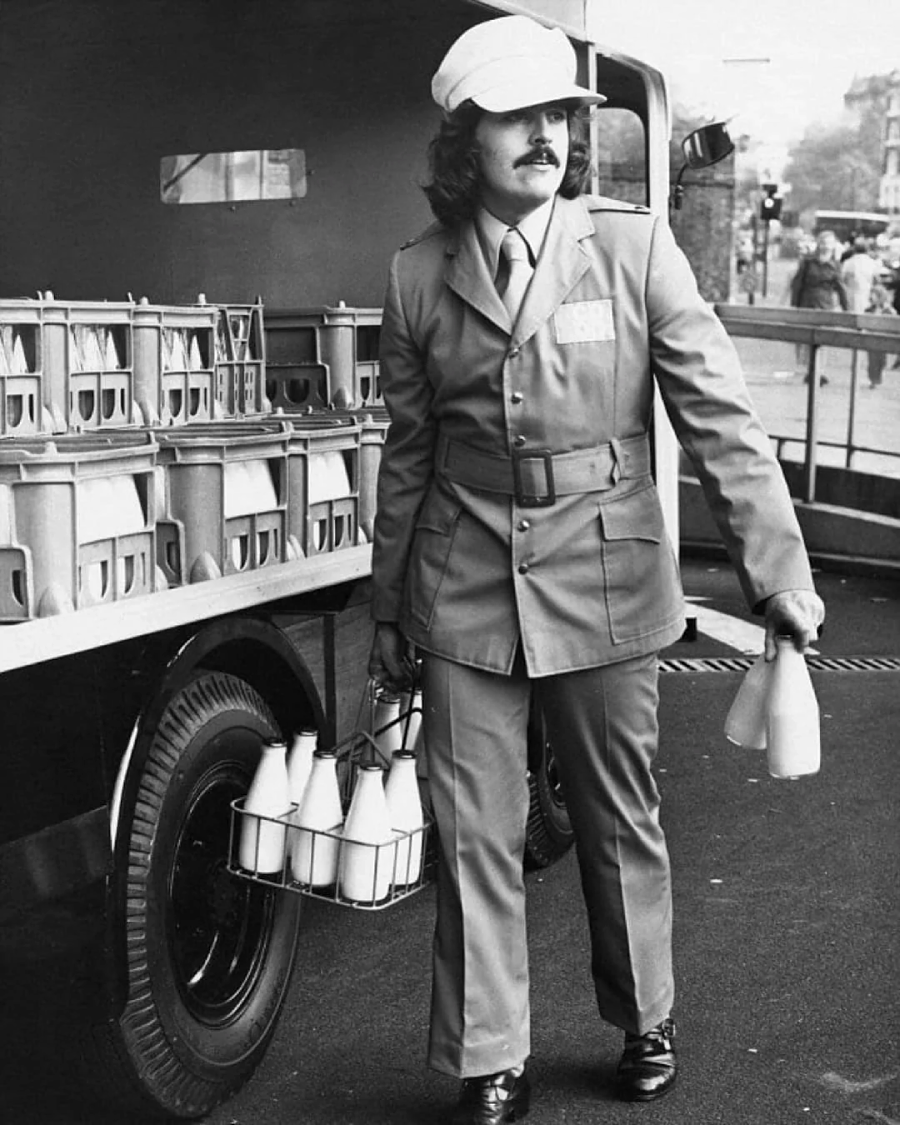
The sight of a milk truck in the early morning was a staple of 1975 suburban life, providing a reliable service that went far beyond just dairy. Drivers were often treated like members of the family, knowing exactly which porch to leave the glass bottles on and even taking custom orders via handwritten notes. This was a physically demanding but well-paid union job that provided a clear path to homeownership for thousands of workers. Interestingly, the transition to plastic jugs and supermarket dominance eventually made the doorstep delivery model a luxury rather than a necessity.
Trending on The Scroller

6. Film projectionist
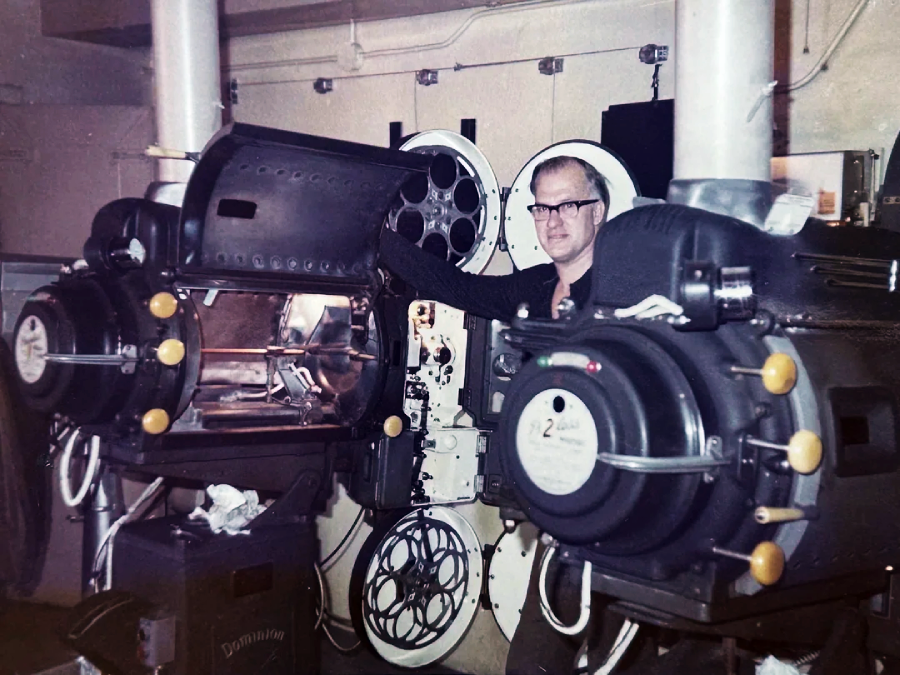
In the 1970s, being a projectionist was a highly skilled craft that required threading heavy reels of 35mm film through complex machinery. These professionals had to be experts at changeovers, seamlessly switching between two projectors so the audience never noticed the movie was split into multiple parts. Because a mistake could ruin an expensive print or stop the show, they were well-compensated members of cinema unions. Most people don’t realize that projectionists often had to manually adjust the focus and framing throughout the entire screening to ensure a perfect picture.
7. Elevator operator
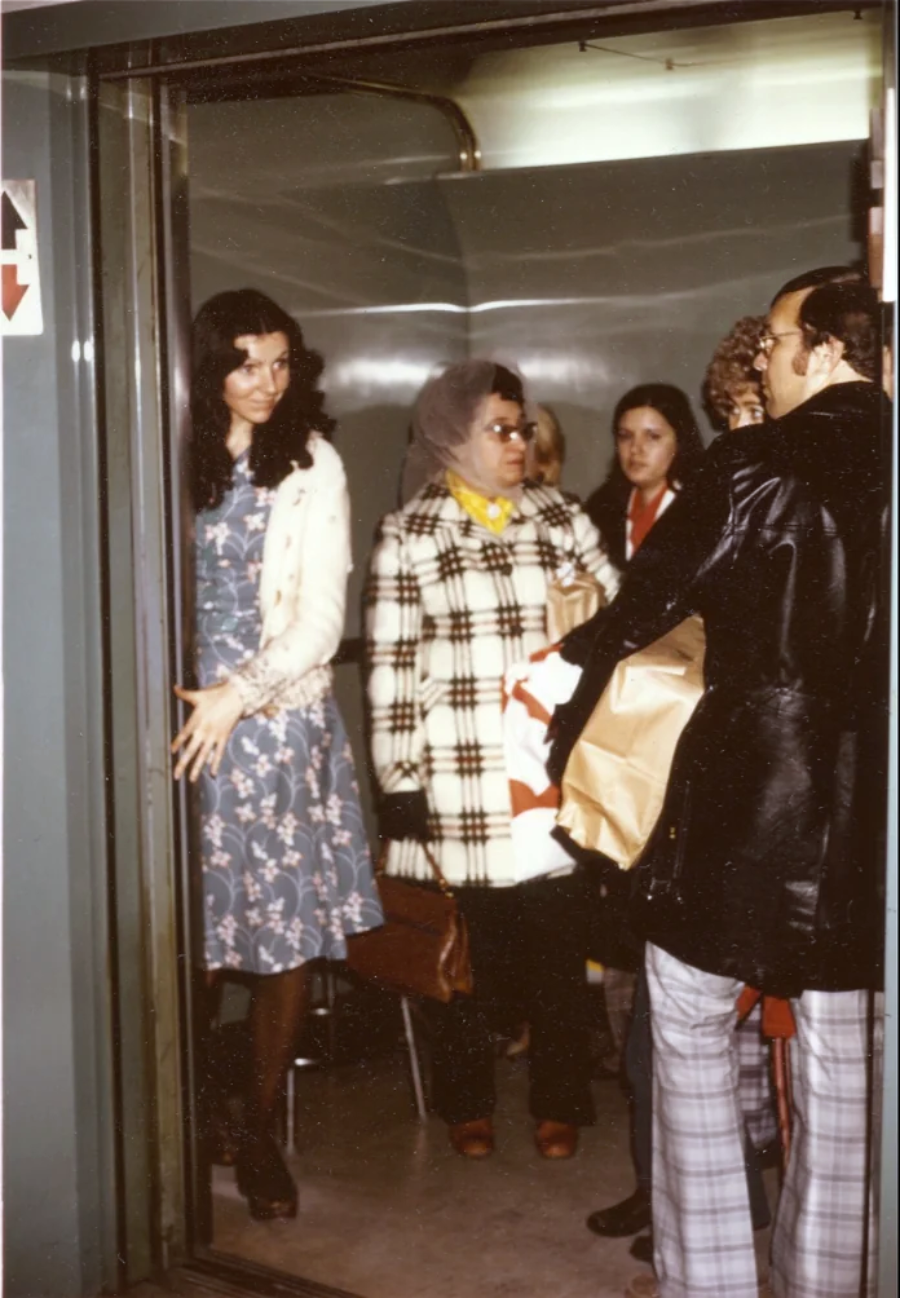
While automatic elevators were becoming common, many upscale department stores and office buildings in 1975 still employed professional operators. These individuals didn’t just push buttons; they were responsible for leveling the car perfectly with the floor and providing a level of elite customer service. It was a job that required a sharp uniform, a friendly personality, and a surprisingly steady hand. In major cities, these roles were often part of strong service unions that guaranteed a livable wage and full benefits for a simple day’s work.
8. Directory assistance operator
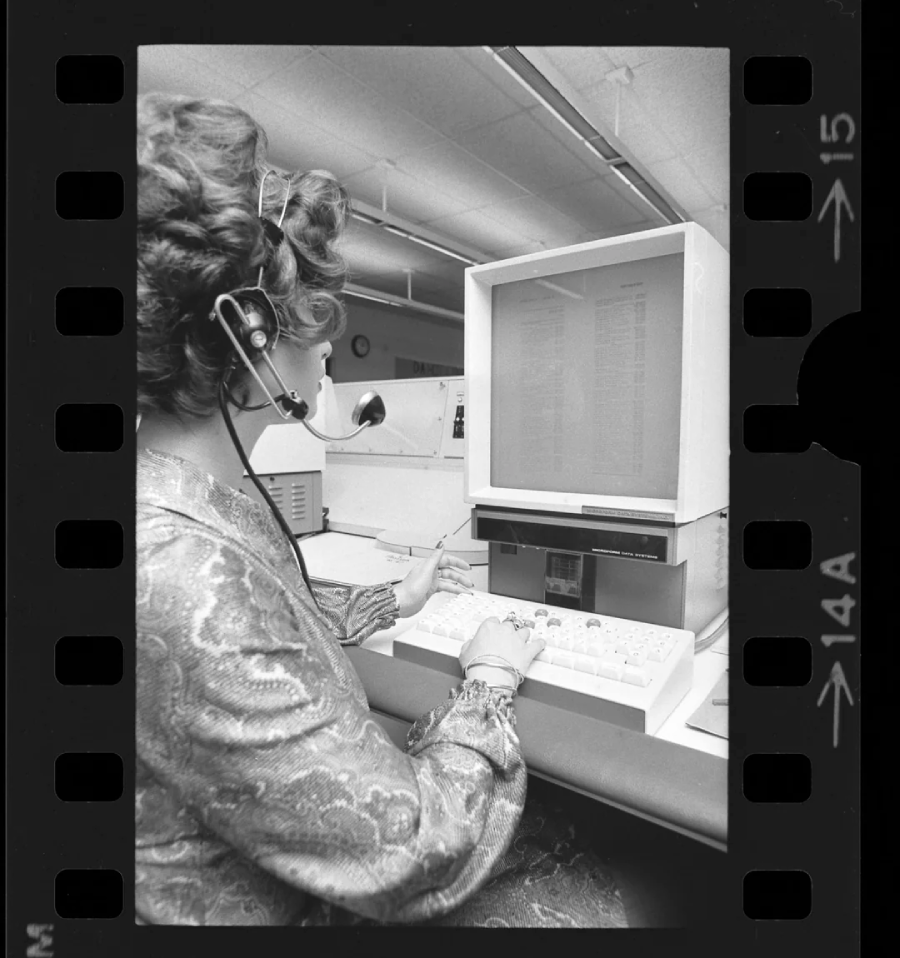
If you needed a phone number in 1975, you dialed 411 and spoke to a real person who would manually search through physical or microfiche records. These operators were incredibly fast at navigating alphabetical listings and provided a vital public service for millions. The job was a major source of employment for the middle class, offering steady hours and a clear corporate ladder. At its peak, phone companies employed tens of thousands of people just to answer these quick inquiries 24 hours a day.
Sign up for our newsletter
9. Darkroom technician

Before digital photography, every single photo taken by a journalist or a hobbyist had to be chemically developed in a darkroom. Technicians were masters of light and chemistry, spending their hours in red-lit rooms carefully processing negatives and making prints. This was a vital role in the media industry, and a head technician at a major newspaper could earn a very respectable salary. They had the power to dodge and burn an image, essentially acting as the original version of a Photoshop editor using only their hands and light.
10. Clock and watch repairer (horologist)
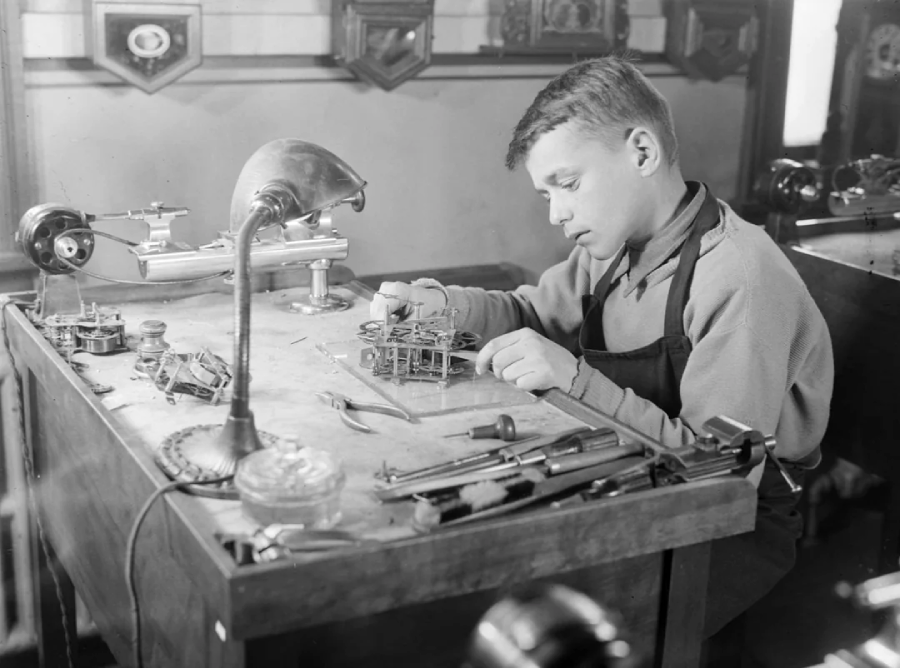
In an era where a wristwatch was a mechanical marvel meant to last a lifetime, the local horologist was always in high demand. These specialists used tiny tools to clean, oil, and calibrate the intricate gears and springs of family heirlooms. Because most people wore mechanical watches rather than battery-powered or digital ones, a skilled repairman never lacked for work. A fascinating fact is that many of these experts could identify a watch’s brand just by the specific tick sound it made on their workbench.
11. Linotype operator
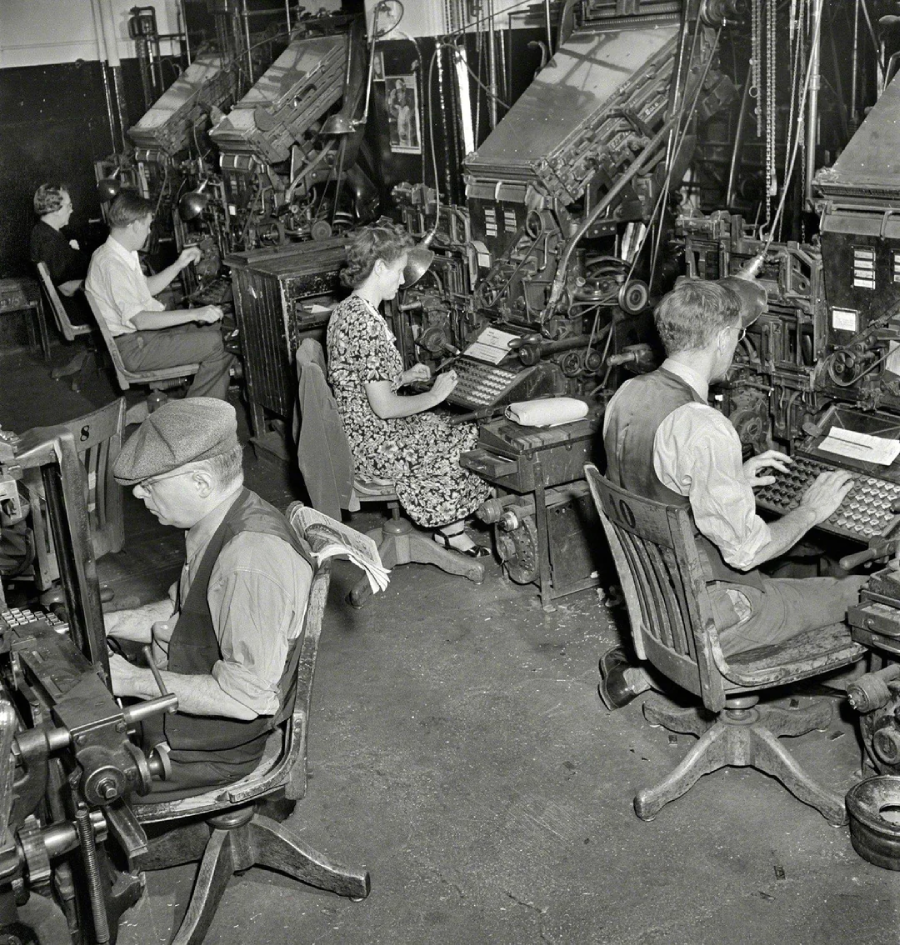
In the 1970s, newspapers were still being put together using hot metal typesetting machines that were incredibly loud and complex. Linotype operators were highly skilled tradesmen who typed on a keyboard to cast entire lines of text in molten lead. It was a dangerous, hot, and precise job that required a long apprenticeship, but it was one of the highest-paying roles in the printing industry. When cold type and computers arrived, these massive machines were sold for scrap almost overnight.
12. Door-to-door encyclopedia salesman
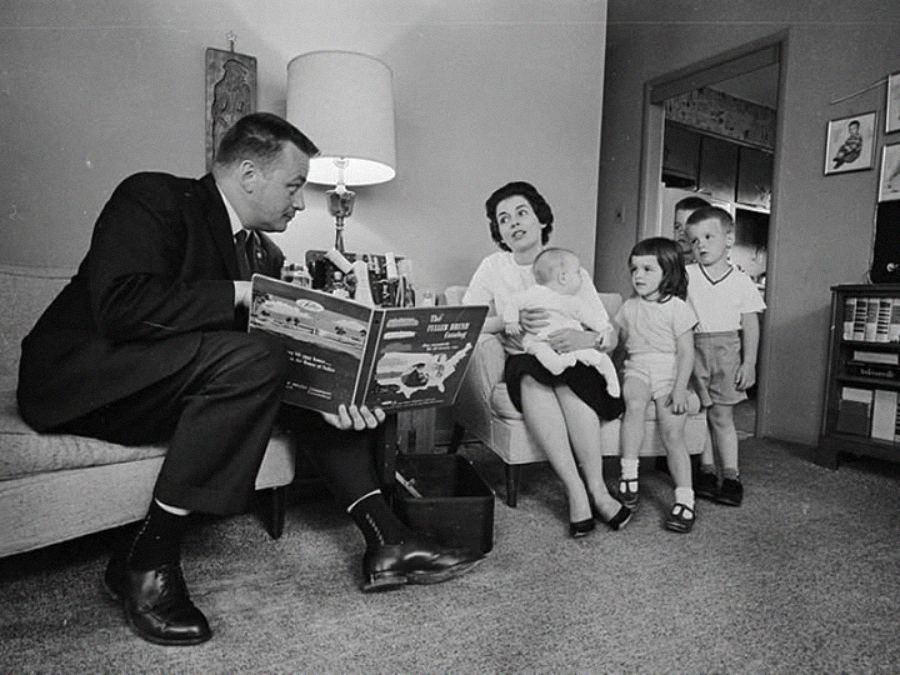
Selling encyclopedias was a legitimate, high-commission career that allowed many people to earn a middle-class income through sheer persistence. Salespeople would carry heavy sample volumes and visit families, pitching the idea that a set of books was the ultimate investment in a child’s future. It required incredible charisma and the ability to explain complex information in a way that felt accessible to the average parent. Before Wikipedia, owning a set of these gold-lettered books was the ultimate status symbol for an educated household.
13. Dictaphone transcriber
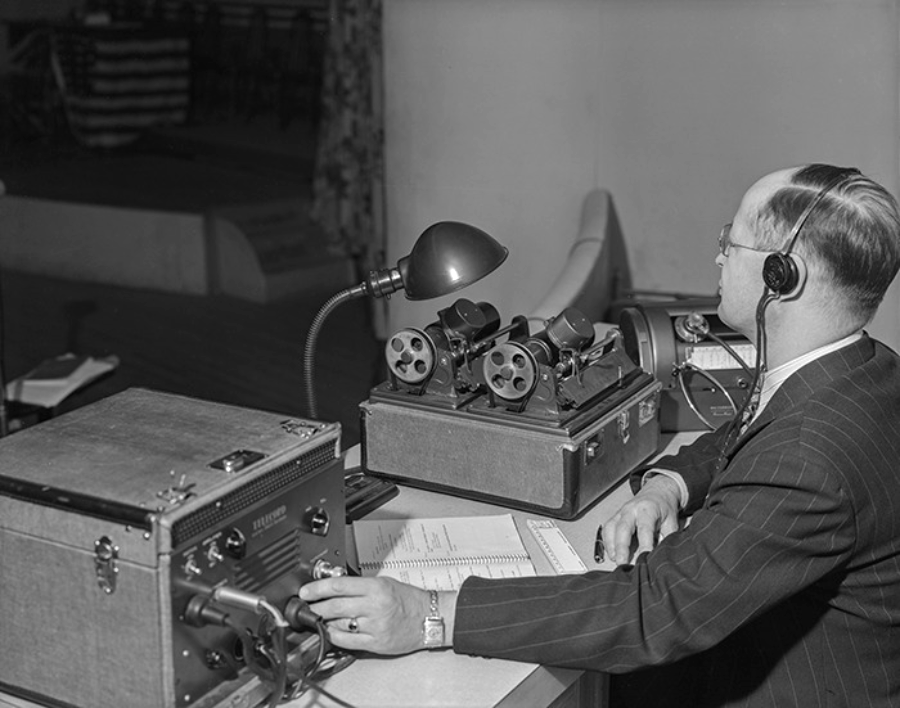
Many executives in 1975 recorded their memos and letters onto small wax or magnetic tapes while on the go. Specialized transcribers would then listen to these recordings and type them out into professional documents, often working in specialized centers. This required a high level of concentration and a mastery of grammar and business terminology. Because they handled sensitive and confidential information, these workers were often paid a premium compared to general clerks.
14. Keypunch operator
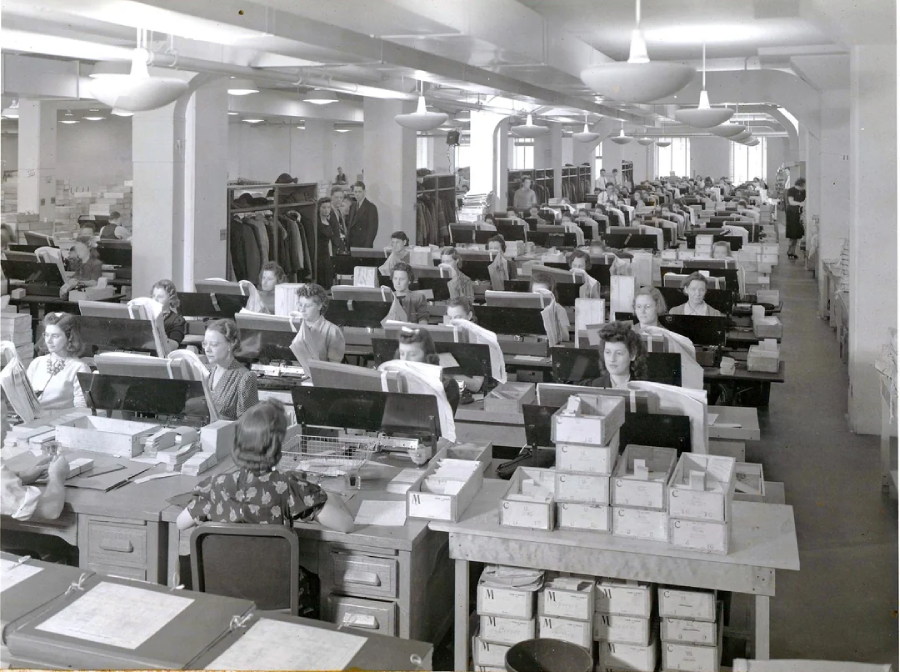
The earliest computers didn’t have monitors or mice; they were fed information via cardboard cards with holes punched in them. Keypunch operators were the people responsible for translating handwritten data into these physical cards using a specialized machine. This was a critical link in the burgeoning tech world, and skilled operators were in high demand as banks and government agencies began to digitize. It was a rhythmic, high-pressure job where a single misplaced hole could crash an entire mainframe computer program.
15. Shoe cobbler
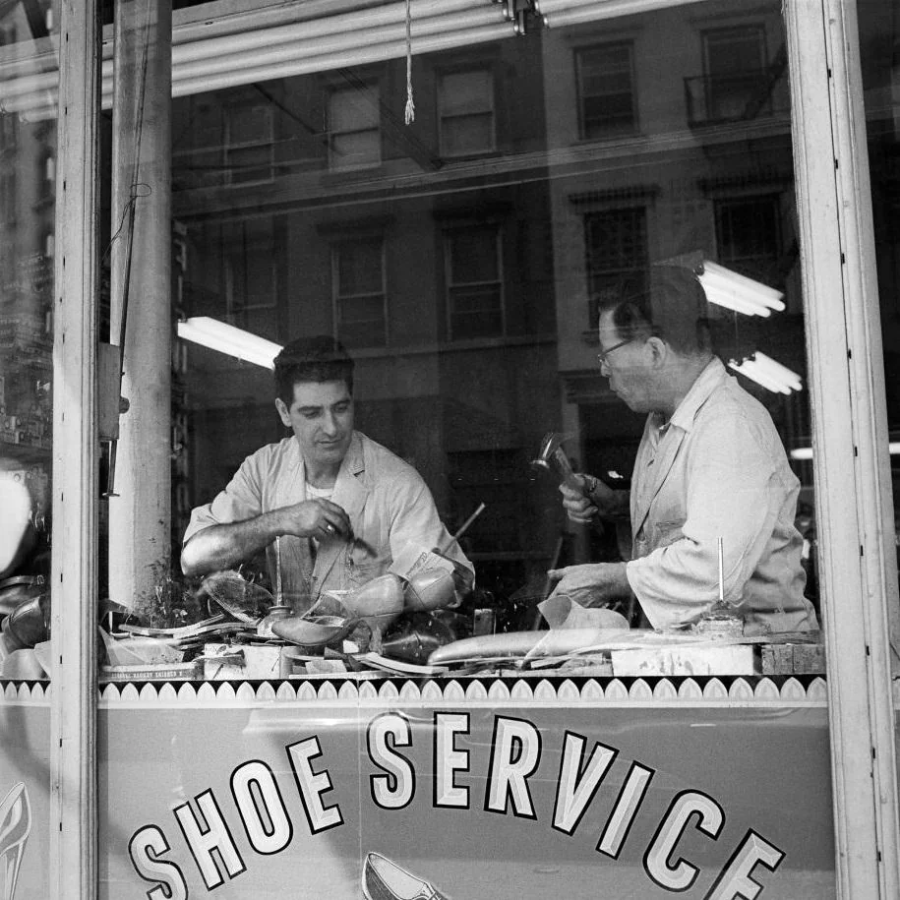
In 1975, shoes were generally made of high-quality leather and were designed to be resoled and repaired multiple times. A neighborhood cobbler could earn a very stable living by stitching, gluing, and polishing footwear back to like-new condition. People viewed their shoes as an investment, and the craft of the cobbler was respected as both a service and an art form. Today, with the rise of fast fashion and synthetic materials, it is often cheaper to buy a new pair than to fix an old one, making this trade a rarity.
Want more jobs from the past?
The disappearance of these professions highlights how much the definition of work has evolved over the last half-century. While we’ve gained incredible efficiency through technology, there is a certain charm in the specialized, human-centric roles that once fueled the economy. If you find these historical shifts as fascinating as we do, you won’t want to miss these 15 Strange 1930s Jobs Born During the Great Depression, or Odd Jobs of the Early 1900s You Probably Haven’t Heard Of. You can also check out these 19 Vanished Jobs and What They Did.