Long before the apps, the automation, and HR departments, work could be… inventive. The early 1900s were a crossroads: electricity and cinema took off, most cities grew rapidly, and entire industries were still half-manual, half-machine. It was in that gap where some truly odd roles appeared and paid the bills.
These are the jobs that thrived in that in-between era, where all of it was part hustle, part hazard, and sometimes pure showmanship. From reading novels to factory floors, to hand-resetting bowling pins, these workers kept the modern world moving in surprising ways.
1. Cigar factory lector

Workers hired them to read newspapers, novels, and politics aloud during long shifts in cigar factories, especially in Cuba, Florida, and New York. The lector kept the morale up and influenced culture on the factory floor.
2. Pin boy

Before the automatic machines came along, kids and teens reset pins by hand, cleared the lane, and sent balls back to the players. This job was often late at night and paid a low wage. It was noisy, dangerous, and constant.
3. Radium dial painter

Most of these workers were young women, hired to paint glowing numbers on watch and instrument dials in the 1910s-1920s. They were told to “lip-point” the brushes, a practice later tied to severe health crises.
4. Silent-film intertitle writer
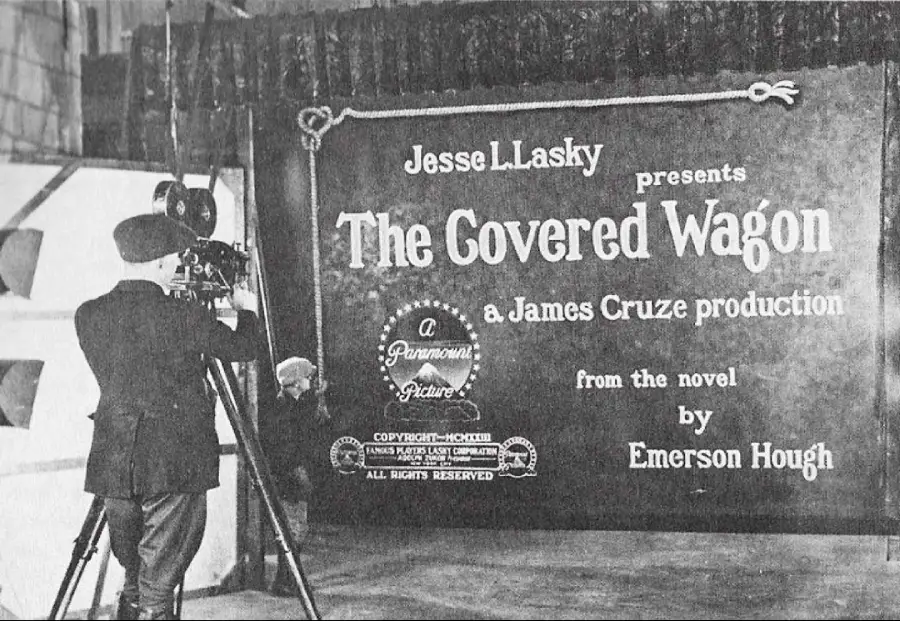
In the early 1900s, films used title cards for dialogue and story beats. Specialists wrote and designed those cards, shaping pacing and jokes between scenes.
5. Silent-movie theater pianist

Back then, live musicians scored films in real time, switching moods and themes shot-by-shot. The big city houses even had full orchestras on payroll.
Trending on The Scroller

6. Lighthouse keeper

Long before automation, keepers trimmed wicks, fueled lamps, wound clockworks, cleaned lenses, watched the weather, and stood through storms to keep the ships safe.
7. Gandy dancer

The section gangs manually aligned and tamped the rails, coordinating with chants and rhythm to place the heavy tracks in position. This was a vital maintenance before the mechanized tampers.
8. Breaker boy

Children and teenagers sat on fast conveyor belts picking slate from the coal with their bare hands, a common but grim job in the mines of the early 20th century.
Sign up for our newsletter
9. Shoe-fitting fluoroscope operator

Department stores used X-ray machines so that shoppers could “see” their toes in the shoes. The attendants operated the machines for hours, something that was later banned for obvious health reasons.
10. Pneumatic-tube cash clerk

Big stores used to shoot cash and receipts through tube networks; clerks routed canisters, reconciled tills, and kept the air-driven system humming.
11. Linotype operator

These operators typed molten-metal “slugs” of type on buzzing machines that revolutionized newspaper printing. It was fast, loud, and very hot work.
12. Telegraph messenger boy

Before phones were everywhere, boys ran with urgent cables around the city on foot or by bicycle, delivering news, market orders, and family messages.
13. Benshi (silent-film narrator in Japan)

In the era of silent cinema in Japan, a benshi would stand next to the screen and narrate the story live, giving voice to the characters, explaining plot twists, and pointing out the emotions for the audience.
14. Factory whistler

Some mills and towns paid workers to operate steam whistles and sirens, signaling shift changes and emergencies long before personal watches were common.
15. Mosquito inspector

In many cities during the early 20th century, inspectors went door to door checking cisterns, barrels, and gutters for standing water, then oiled or drained it to kill the mosquito larvae.
Want more vintage content?
If you love this kind of time-capsule work culture, you’ll definitely enjoy these 17 Jobs Teenagers Took in the 1960s, or these 17 Real-Life Professions You Won’t Believe Exist. And you can also check these 19 Vanished Jobs and What They Did.