Unexpected moments have always shaped the course of history in ways no one could predict. History has a strange way of surprising us, especially when we look back at the lives of people who once stood at the center of the world. While it may feel distant now, these moments were once unfolding in real time, full of uncertainty, tension, and human emotion. Learning about them today can still shock us, because what seems inevitable in hindsight was anything but certain to those living through it.
The past is an essential part of life, something we study and try to understand, yet for the people who lived it, nothing was guaranteed. These historical figures did not know how their stories would end, and in many cases, their deaths came suddenly, unexpectedly, and with consequences that rippled across nations and generations. The deaths of these figures caused widespread reaction in their time, shock, disbelief, and even chaos, precisely because they were so unforeseen. As you explore these stories, you may find yourself experiencing a similar sense of surprise, realizing just how unpredictable life and history can truly be.
1. Julius Caesar
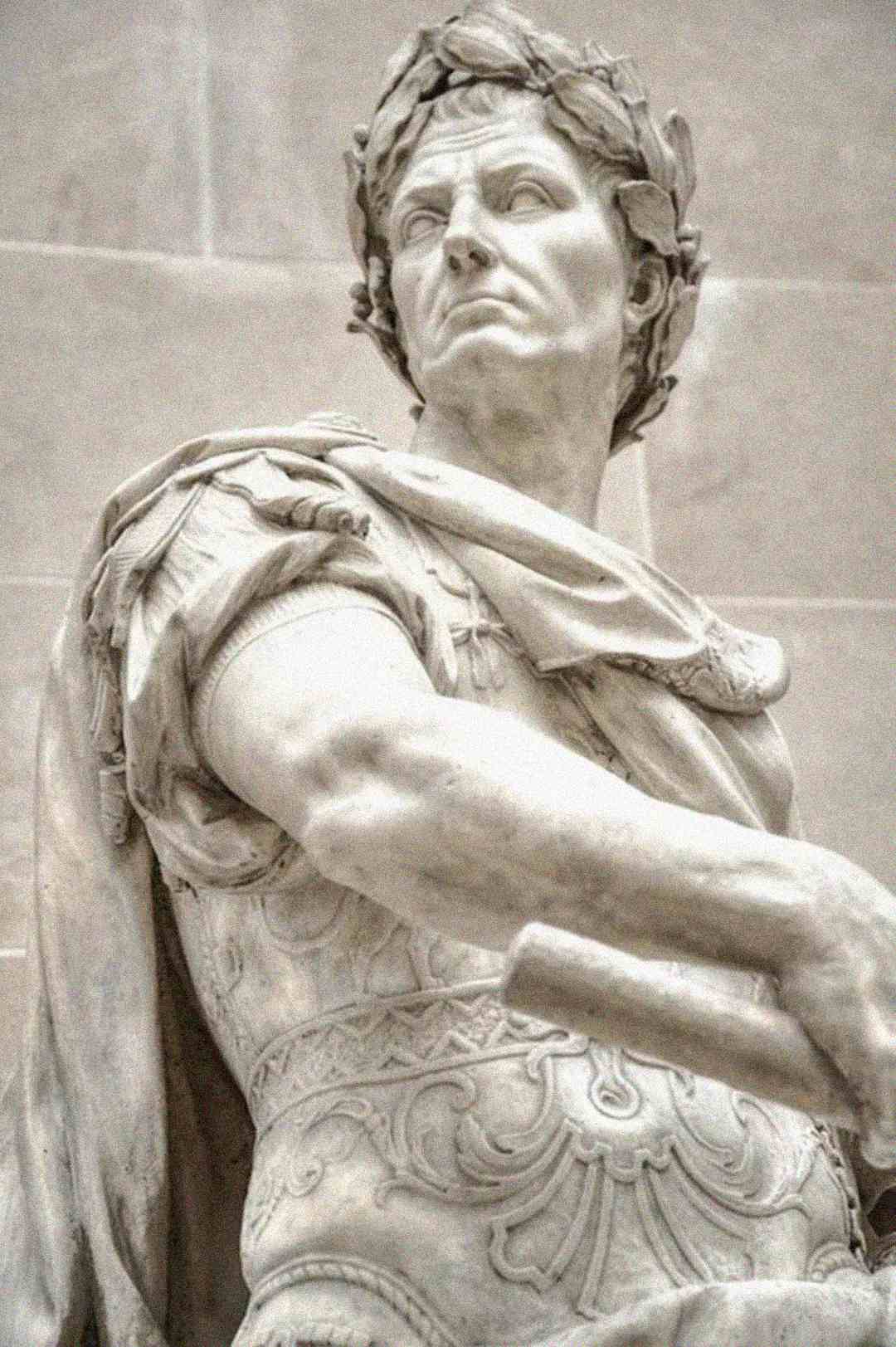
A pivotal figure in the transformation of the Roman Republic into the Roman Empire, Julius Caesar was a military general and statesman whose influence reshaped Roman politics. He was assassinated on March 15, 44 BCE by a group of senators who feared his growing power. His death was unexpected because it came from trusted allies within Rome’s political elite. The assassination plunged Rome into chaos and ultimately led to the rise of the Roman Empire under Augustus.
2. Cleopatra VII
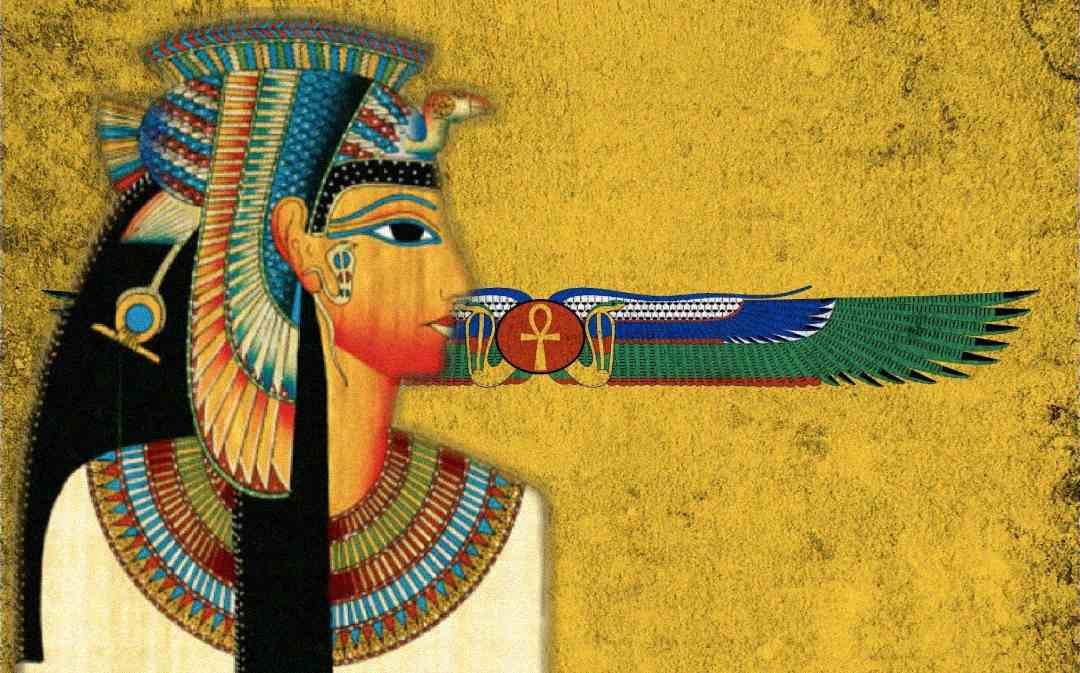
The last active ruler of the Ptolemaic Kingdom of Egypt, Cleopatra, figure know by many. She died on August 10, 30 BCE, reportedly by suicide through an asp bite after her defeat by Octavian. Her death was unexpected in its dramatic and symbolic nature, marking the end of ancient Egypt’s independence. This moment reshaped the Mediterranean world as Egypt became a province of Rome.
3. Alexander the Great
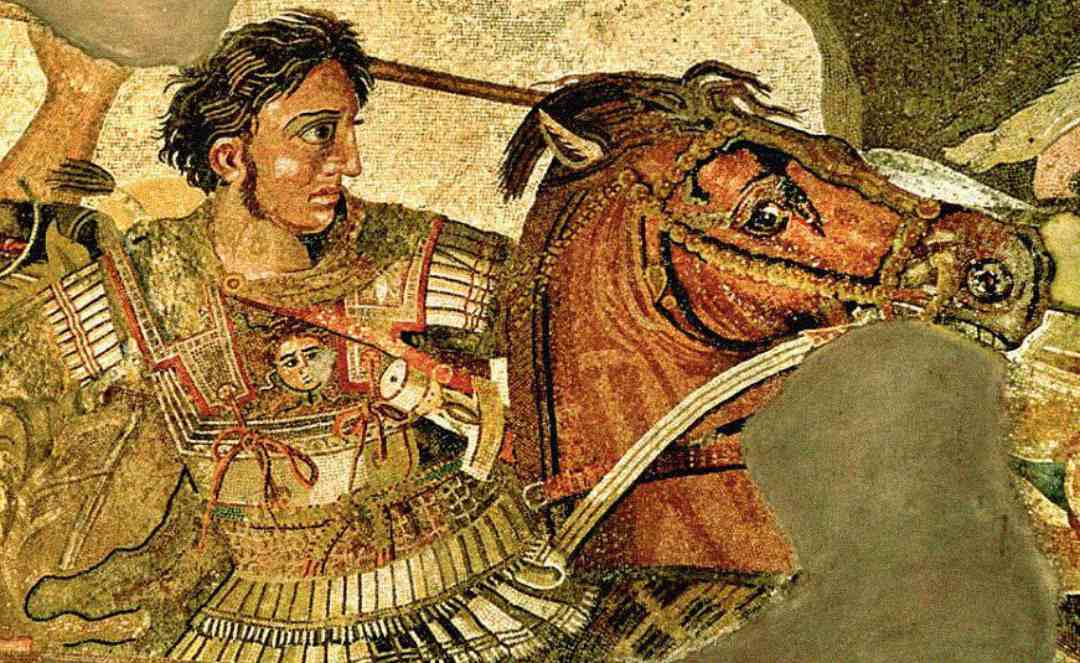
One of history’s greatest military commanders, Alexander the Great created a vast empire stretching from Greece to India. He died on June 10, 323 BCE, in Babylon at just 32 years old, possibly due to illness such as malaria or typhoid fever. His sudden death shocked his followers, as he was at the height of his power. The lack of a clear successor led to the fragmentation of his empire and years of conflict.
4. Genghis Khan
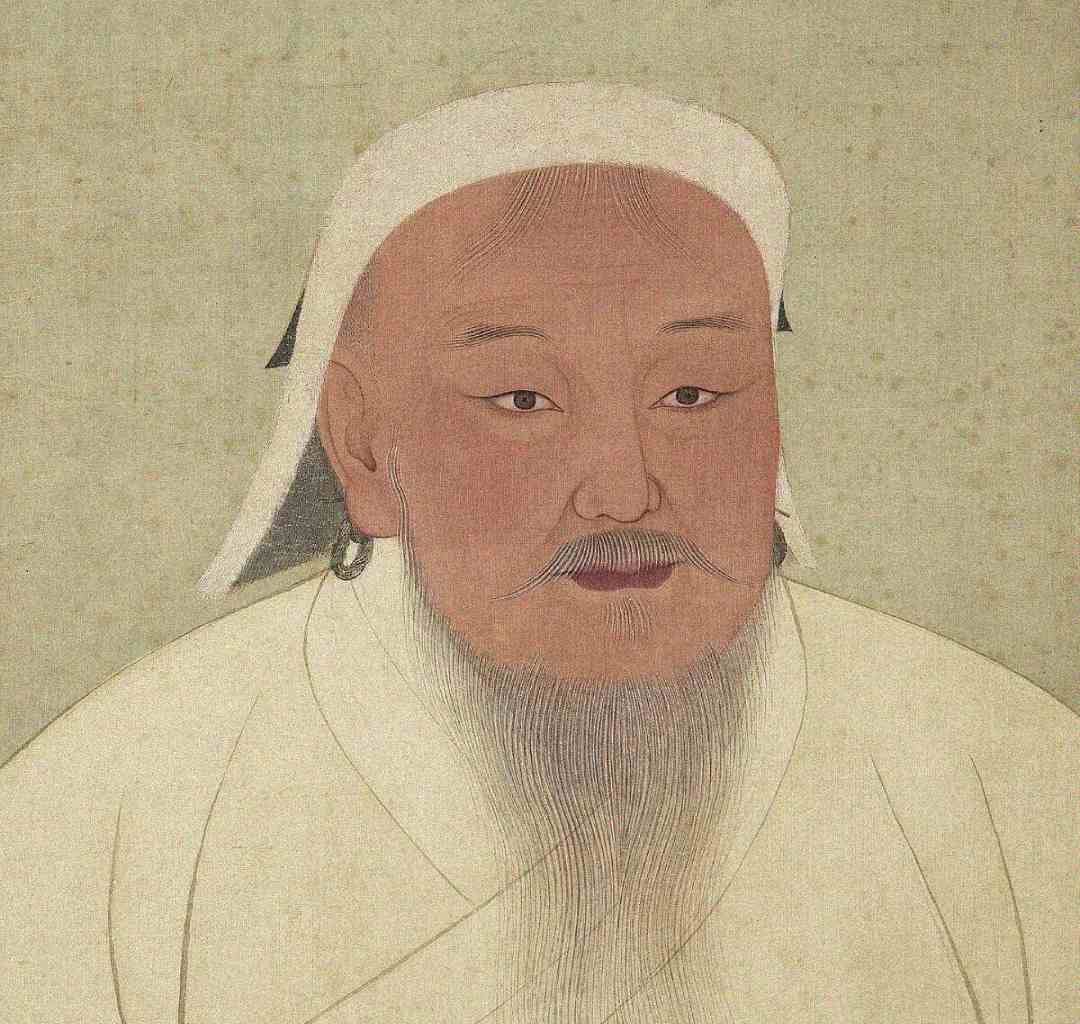
Founder of the Mongol Empire, Genghis Khan unified the Mongol tribes and led campaigns that reshaped Eurasia. He died in August 1227 during a military campaign, though the exact cause remains uncertain, with theories ranging from injury to illness. His death was unexpected due to the secrecy surrounding it and his continued dominance in battle. The Mongol Empire continued expanding, but his passing marked a turning point in its leadership.
5. Joan of Arc
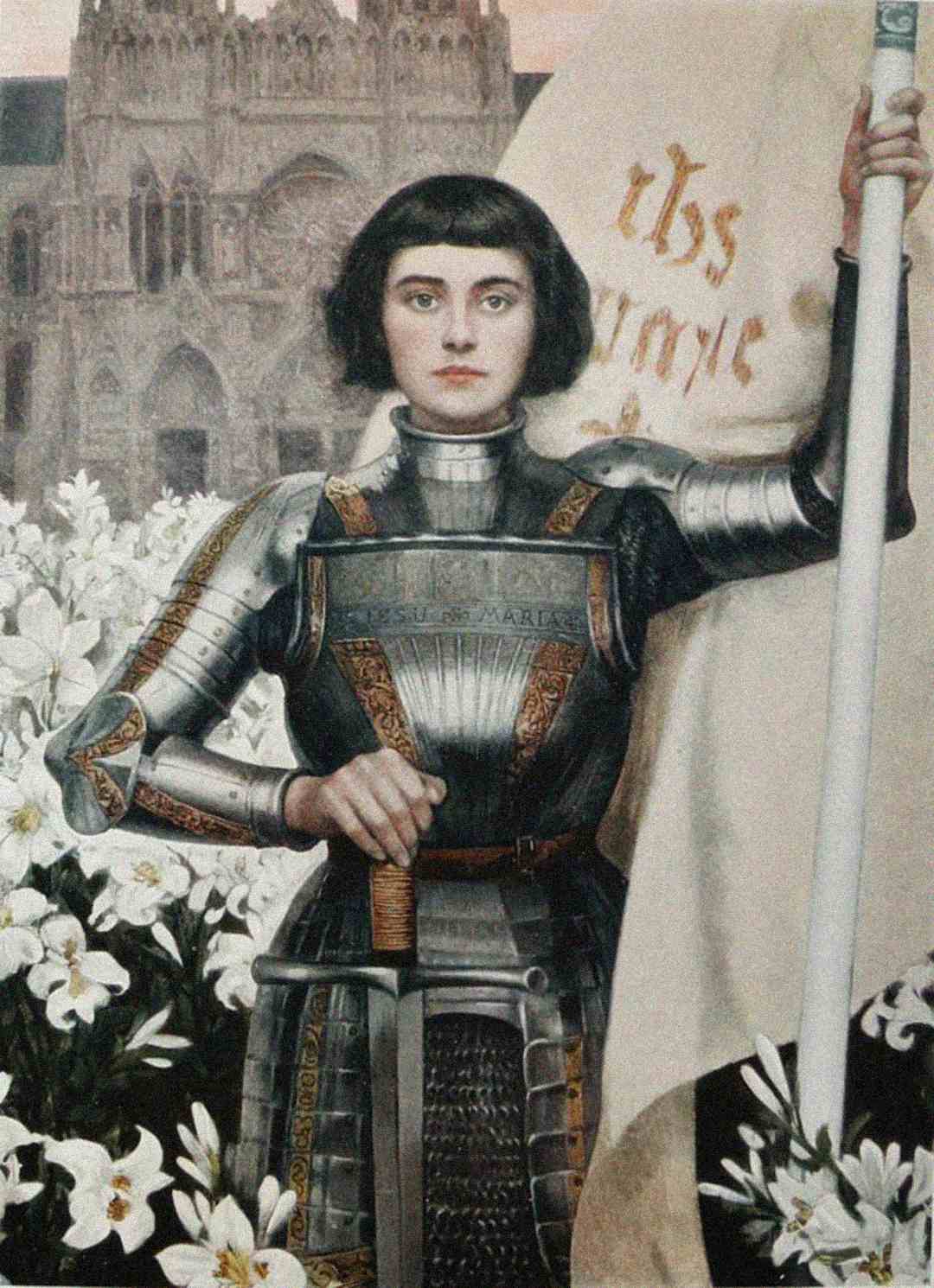
A French heroine and military leader during the Hundred Years’ War, Joan of Arc inspired French troops with her visions and leadership. She was executed on May 30, 1431, by burning at the stake after being captured and tried for heresy.
Trending on The Scroller
6. King Henry VIII
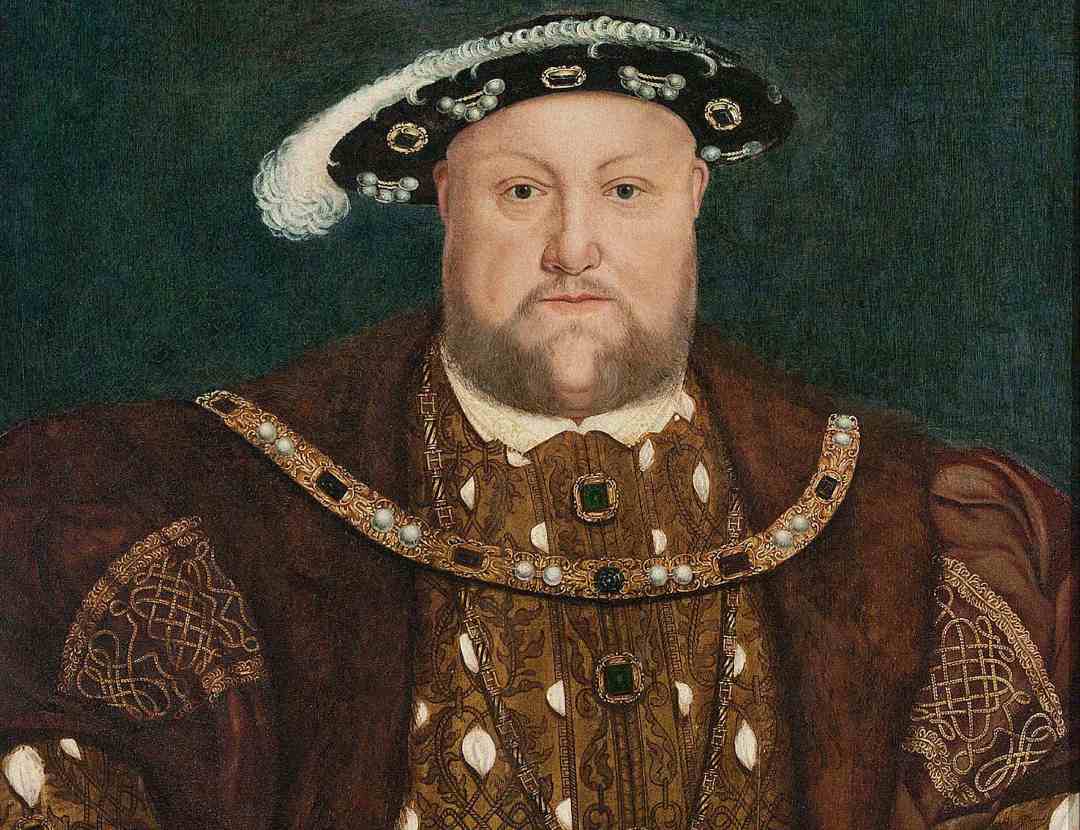
King of England from 1509 to 1547, Henry VIII is known for his six marriages and the English Reformation. He died on January 28, 1547, from health complications likely linked to obesity and infections. While his declining health was known, the extent of his condition and sudden death shocked many. His passing led to significant political and religious instability in England.
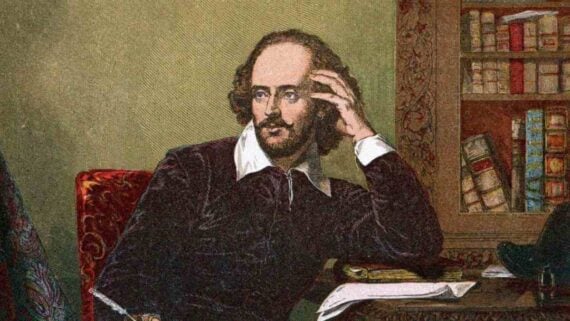
7. William Shakespeare
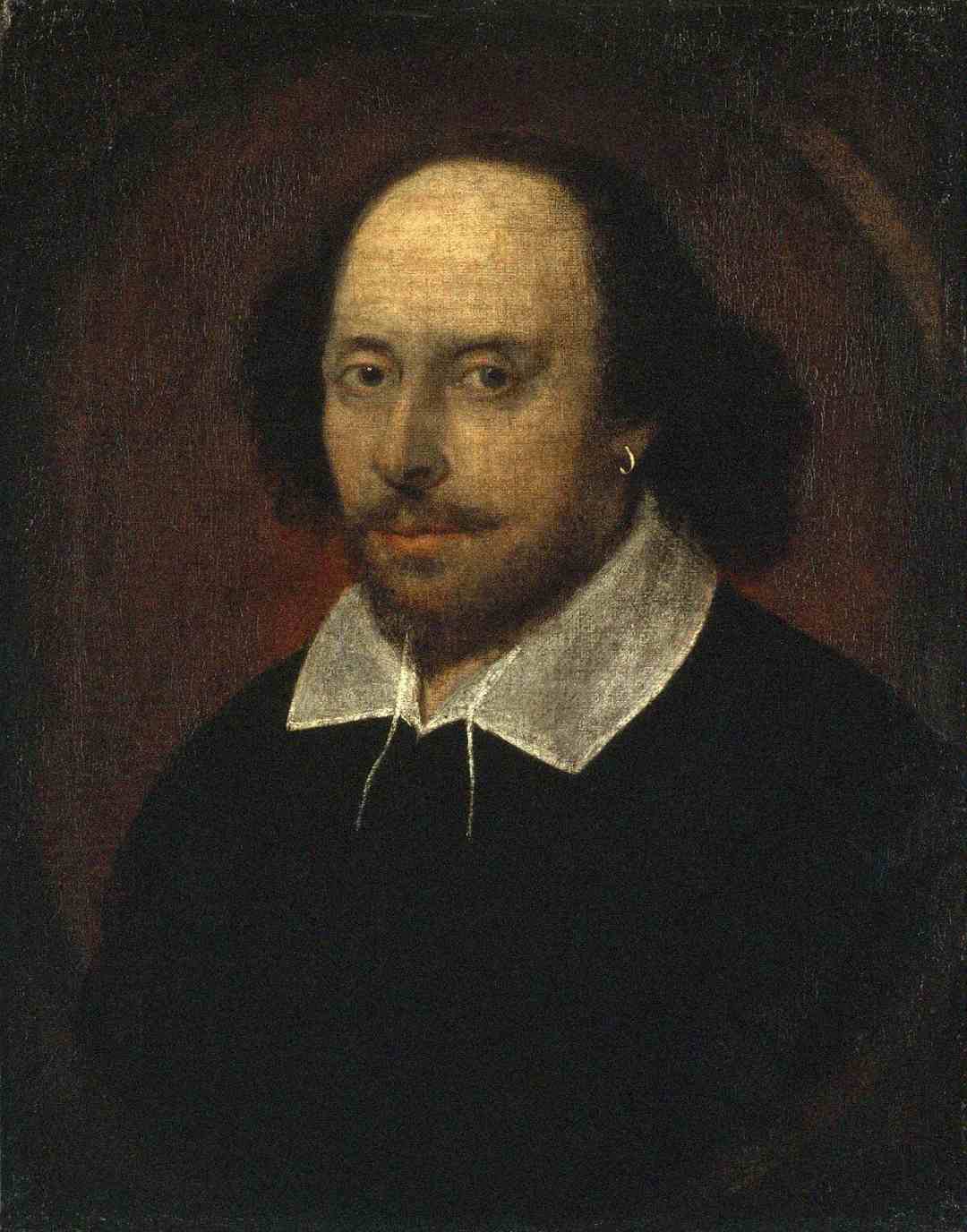
Known as one of the greatest writers in the English language, William Shakespeare’s works have had lasting cultural impact. He died on April 23, 1616, though the exact cause is unknown. His death was unexpected due to the lack of clear records and the sudden end to his literary contributions. His legacy, however, continued to shape literature and theater worldwide.
8. Isaac Newton
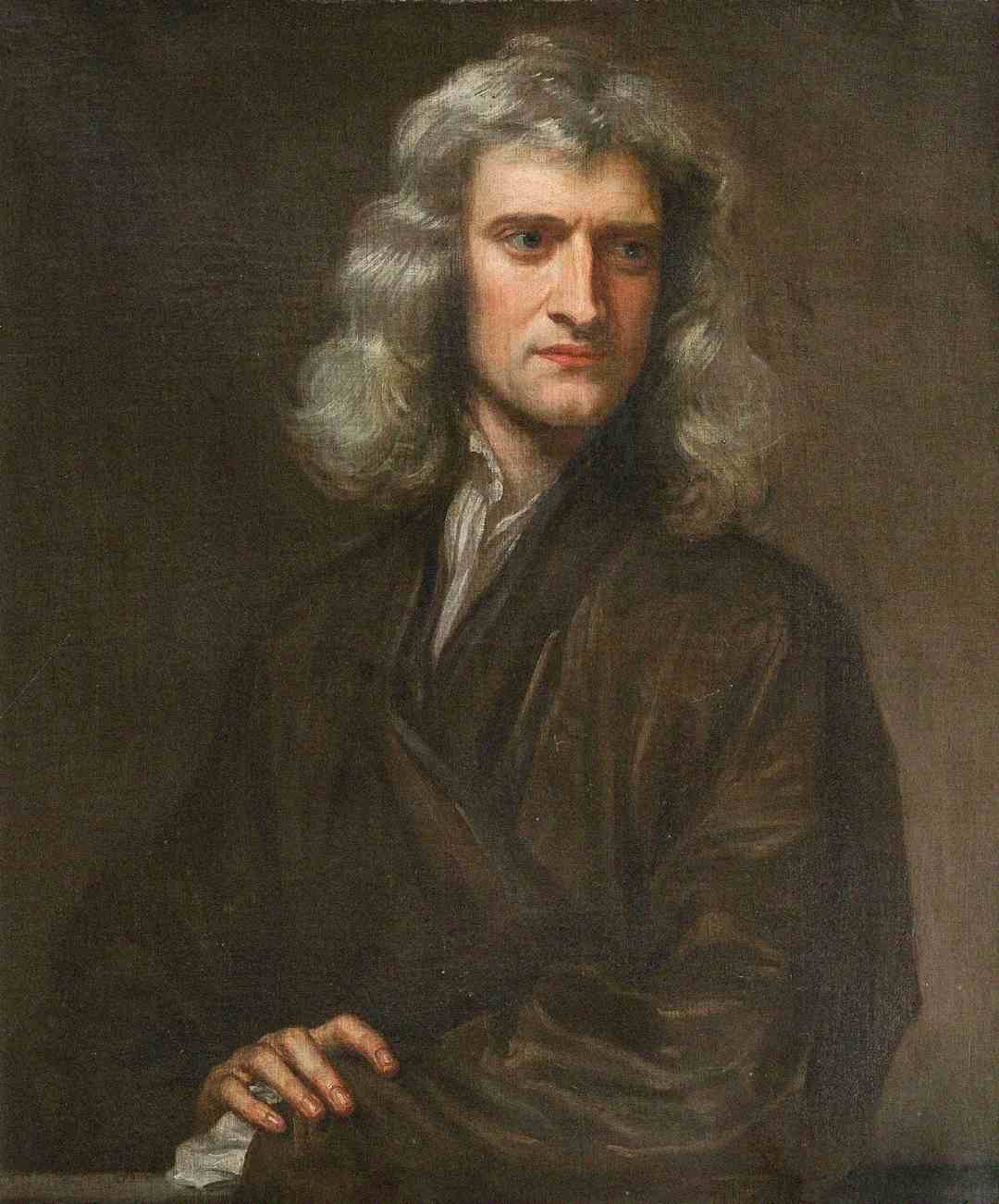
Isaac Newton developed the laws of motion and universal gravitation. He died on March 31, 1727, after a period of declining health. While not entirely sudden, his death was unexpected in its broader impact, as it marked the loss of one of the greatest scientific minds. His work laid the groundwork for modern science.
Sign up for our newsletter
9. Wolfgang Amadeus Mozart
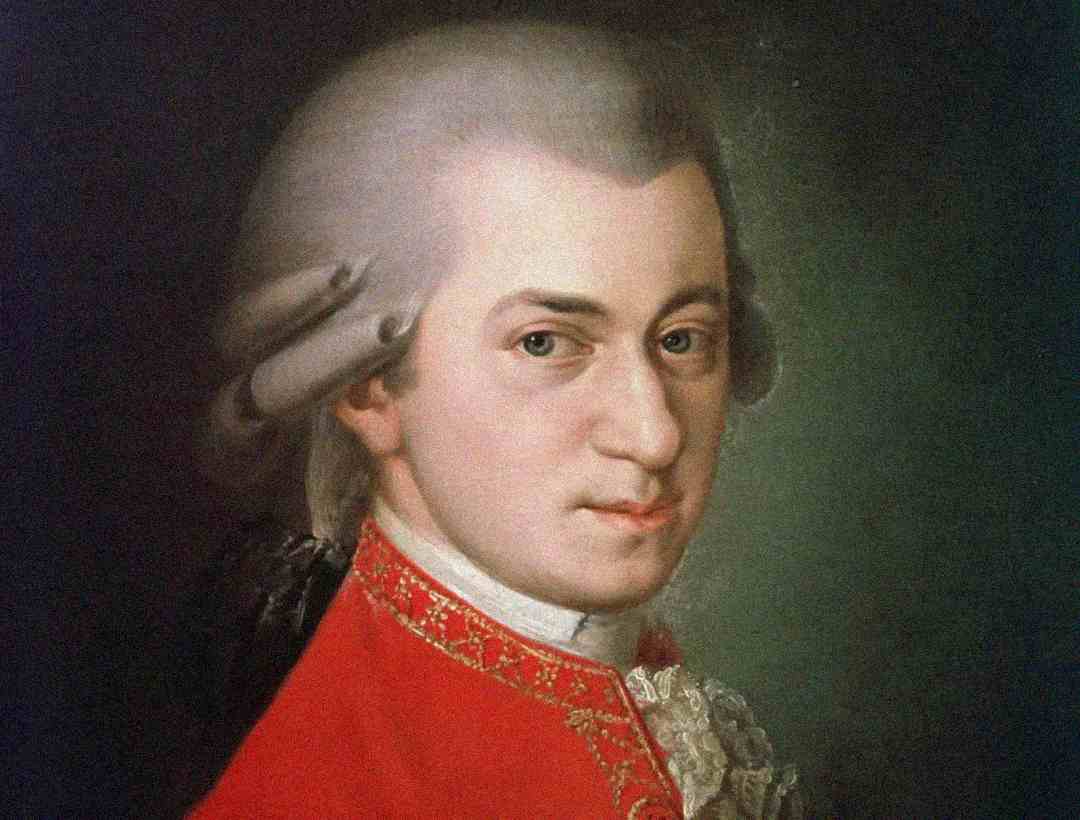
A prolific and influential composer of the Classical period, Mozart created over 600 works that are still famous today. He died on December 5, 1791, at age 35, possibly from rheumatic fever or infection. His early death was unexpected given his immense talent and productivity. The loss deeply affected the music world and cemented his legacy as a genius gone too soon.
10. Abraham Lincoln
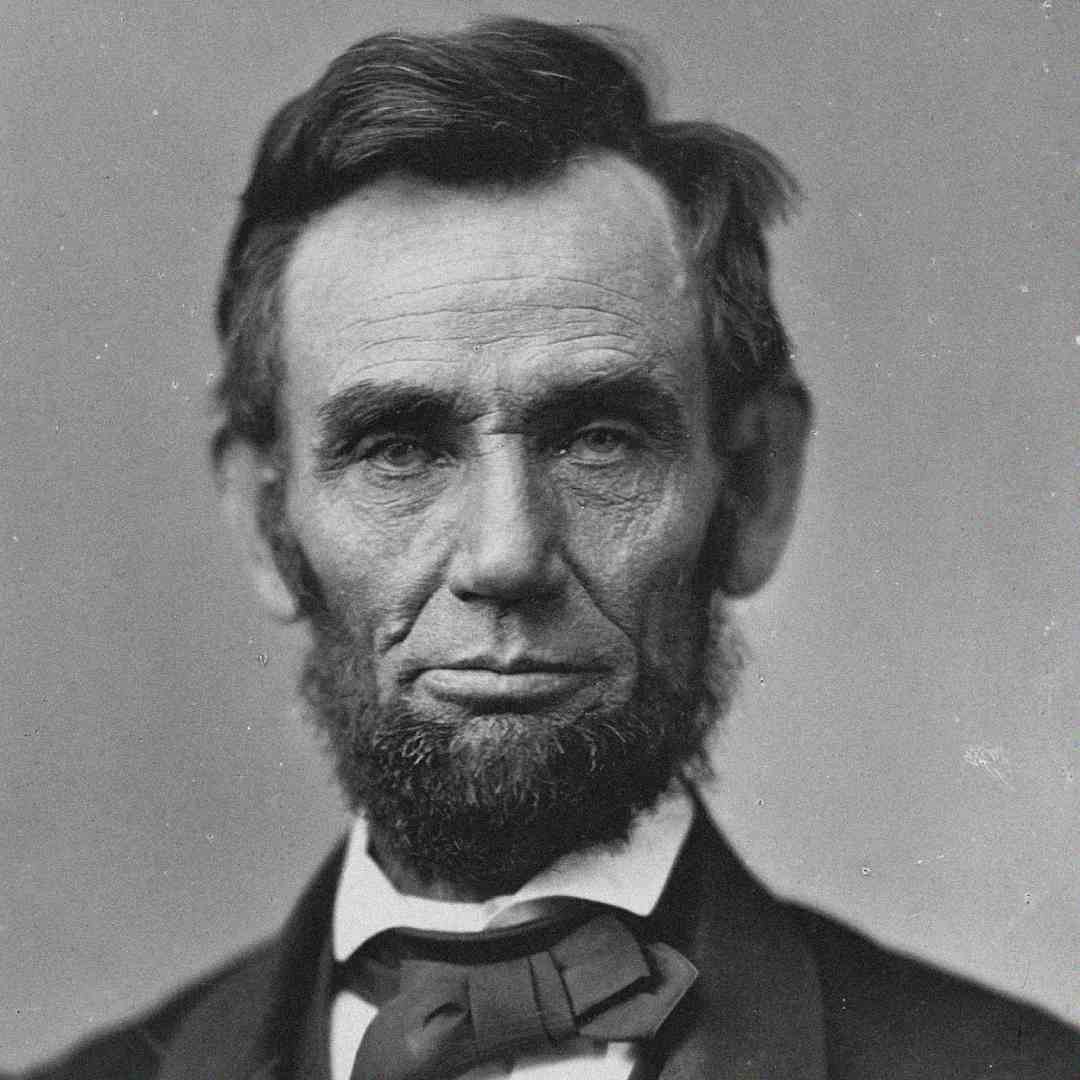
The 16th President of the United States, Abraham Lincoln led the country through the Civil War and abolished slavery. He was assassinated on April 15, 1865, by John Wilkes Booth just days after the war’s end. His death was deeply shocking to the nation. It altered the course of Reconstruction and left a lasting impact on American history.
11. Marie Curie

A pioneering scientist in radioactivity, Marie Curie was the first woman to win a Nobel Prize. She died on July 4, 1934, from aplastic anemia caused by prolonged radiation exposure. Her death was unexpected because the dangers of radiation were not fully understood at the time.
12. Mahatma Gandhi
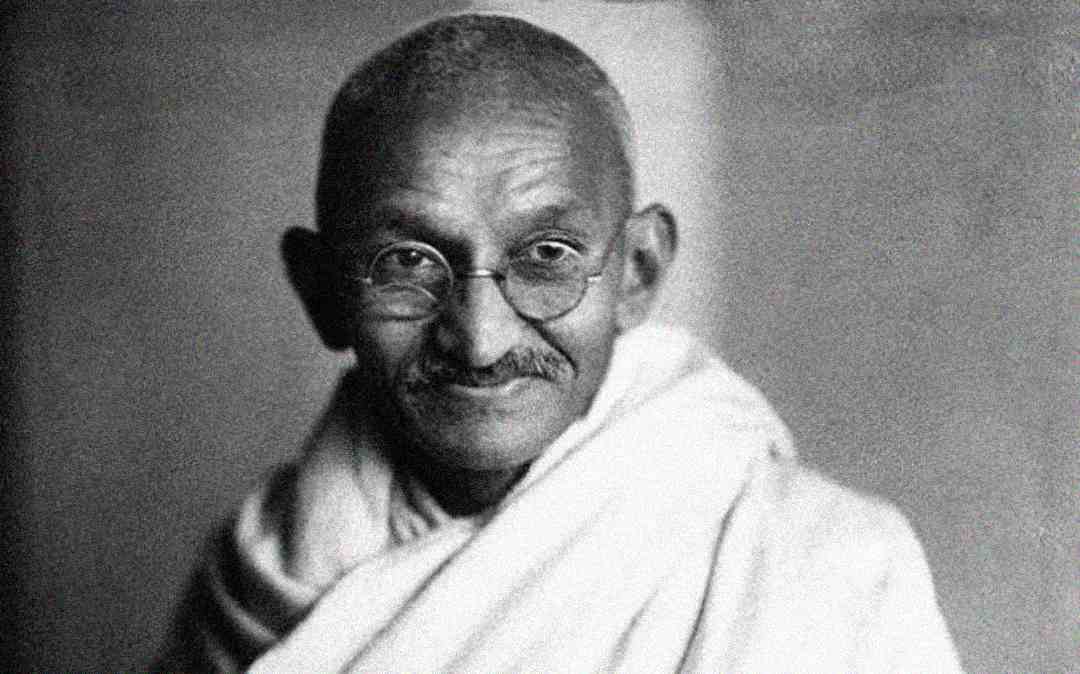
A leader of India’s nonviolent independence movement, Mahatma Gandhi inspired civil rights movements worldwide. He was assassinated on January 30, 1948, by Nathuram Godse. It sparked global mourning and reinforced his legacy of nonviolence.
13. John F. Kennedy
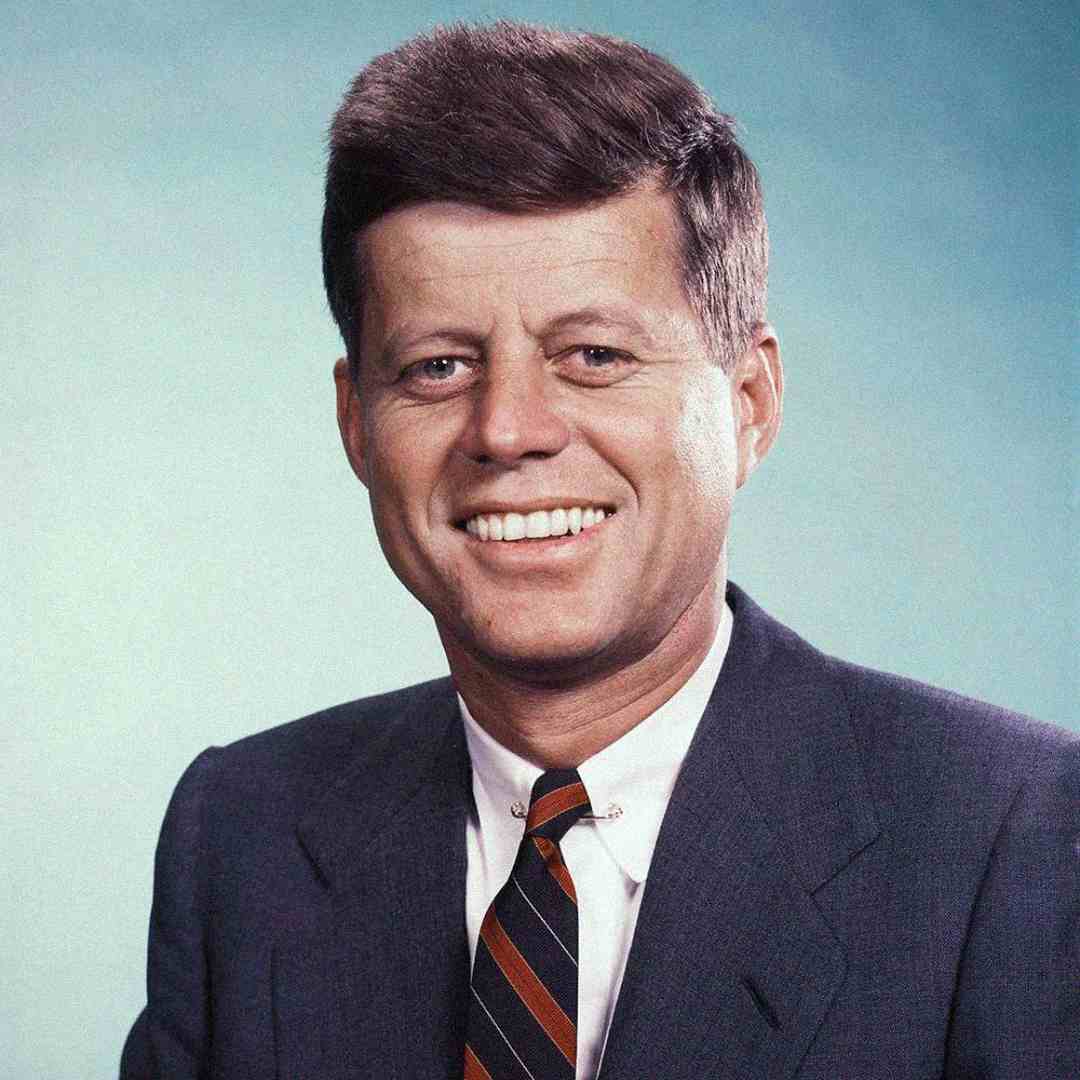
The 35th President of the United States, John F. Kennedy symbolized a new era of leadership. He was assassinated on November 22, 1963, in Dallas, Texas. His death was broadcast to the world in real time, amplifying its shock. It led to political and cultural shifts during a tense period in global history.
14. Princess Diana
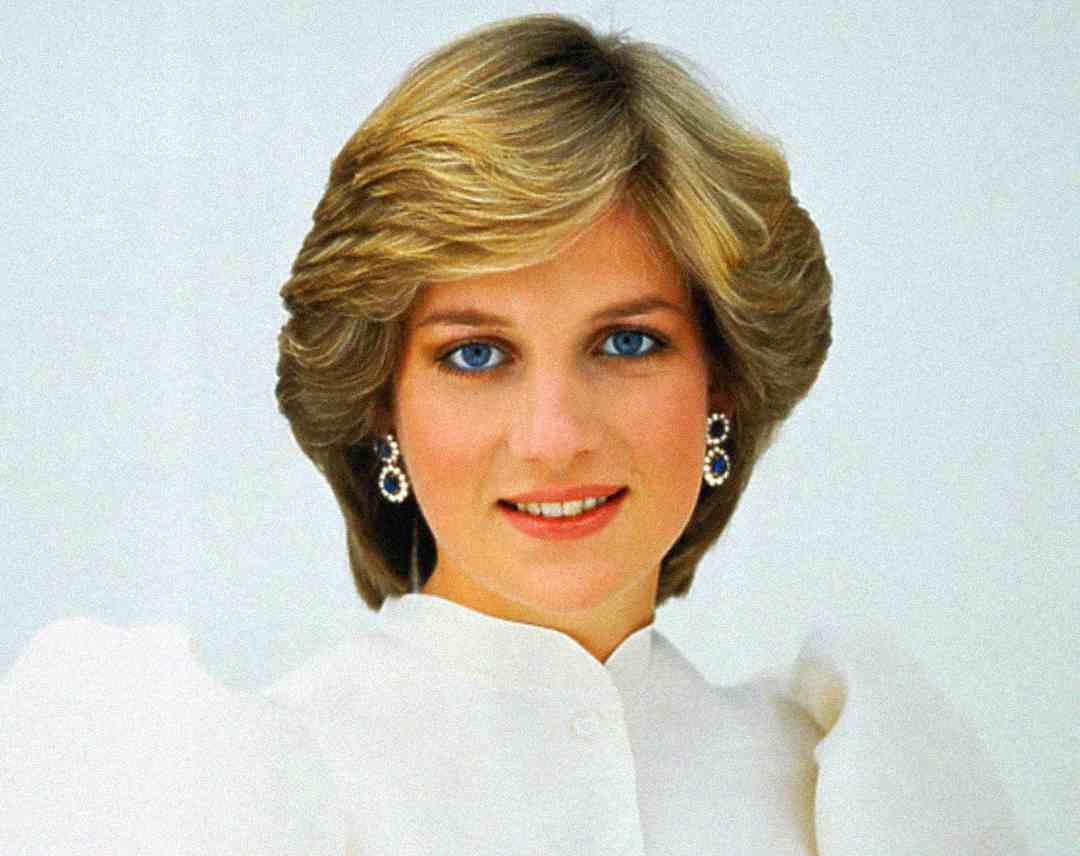
A global icon and humanitarian, Princess Diana was beloved for her charitable work and public presence. She died on August 31, 1997, in a car crash in Paris. Her death triggered an outpouring of grief worldwide. It reshaped public attitudes toward the monarchy and media.
15. Steve Irwin
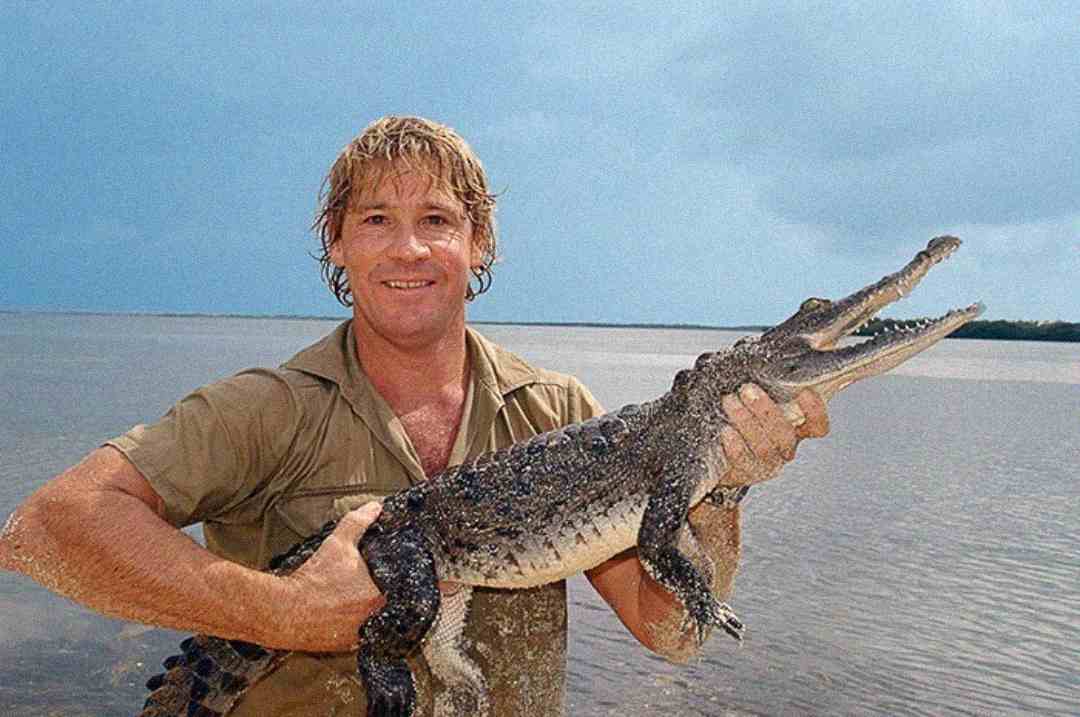
An Australian wildlife expert and television personality, Steve Irwin educated millions about conservation. He died on September 4, 2006, after being pierced by a stingray barb while filming. His death was unexpected given his experience with dangerous animals. It highlighted the risks of wildlife work.
Unexpected history reminds us that the past is far more unpredictable than it seems, and learning from it can be even more powerful than we imagine.
Looking back at these figures, it becomes clear just how astonishing and impactful their deaths truly were. These moments were more than just unexpected, they shocked entire nations, shifted the course of history, and left lasting marks that are still felt today. Each story reflects how fragile even the most powerful lives can be, and how quickly everything can change. In many ways, these events reveal the deeply human side of history, where uncertainty and surprise play a defining role.
If you found these stories fascinating, there’s so much more to explore. Learning about history isn’t just important, it can also be incredibly engaging when you dive into its most compelling and surprising details. If you’re curious to discover more stories like these, we have plenty waiting for you. Start with our recommended articles and keep uncovering the past: 15 Silent Film Actresses Who Ruled the 1920s, 15 Everyday Things People Still Use That Were Invented Over 100 Years Ago, and 15 Photos That Capture the Story of Bonnie And Clyde.