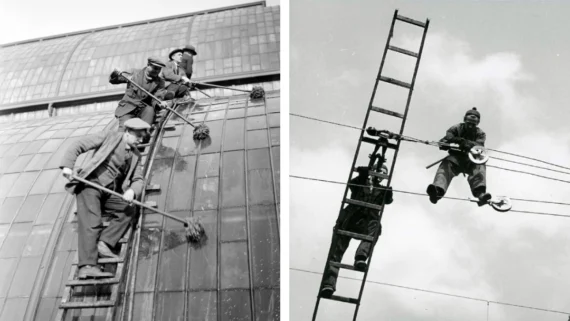
Before the era of rigorous safety protocols, hard hats, and harness requirements, the world of work was a drastically different and often deadly landscape. In the early 20th century, many jobs were performed with a level of casual disregard for physical safety that would result in immediate site closures today. Workers were expected to rely on their own balance, grip, and intuition while navigating environments that were inherently hostile to human life. Whether it was balancing on a narrow steel beam hundreds of feet above a city or handling toxic chemicals without a pair of gloves, these roles required a grit and a tolerance for risk that is almost impossible for the modern office worker to comprehend.
Looking back at these archival photos, we see a fascinating and terrifying history of human labor and the evolution of workplace standards. These jobs represent a time when the “bottom line” often outweighed the well-being of the individual, leading to some of the most spine-chilling visual records in history. From the “knocker-ups” who risked falls to wake up the working class to the painters who unknowingly ingested poison in the name of luminous watch faces, these images capture the raw reality of building the modern world. It is a sobering reminder that many of the protections we take for granted today were earned through the harrowing experiences of those who came before us.
1. The “skywalkers” of New York
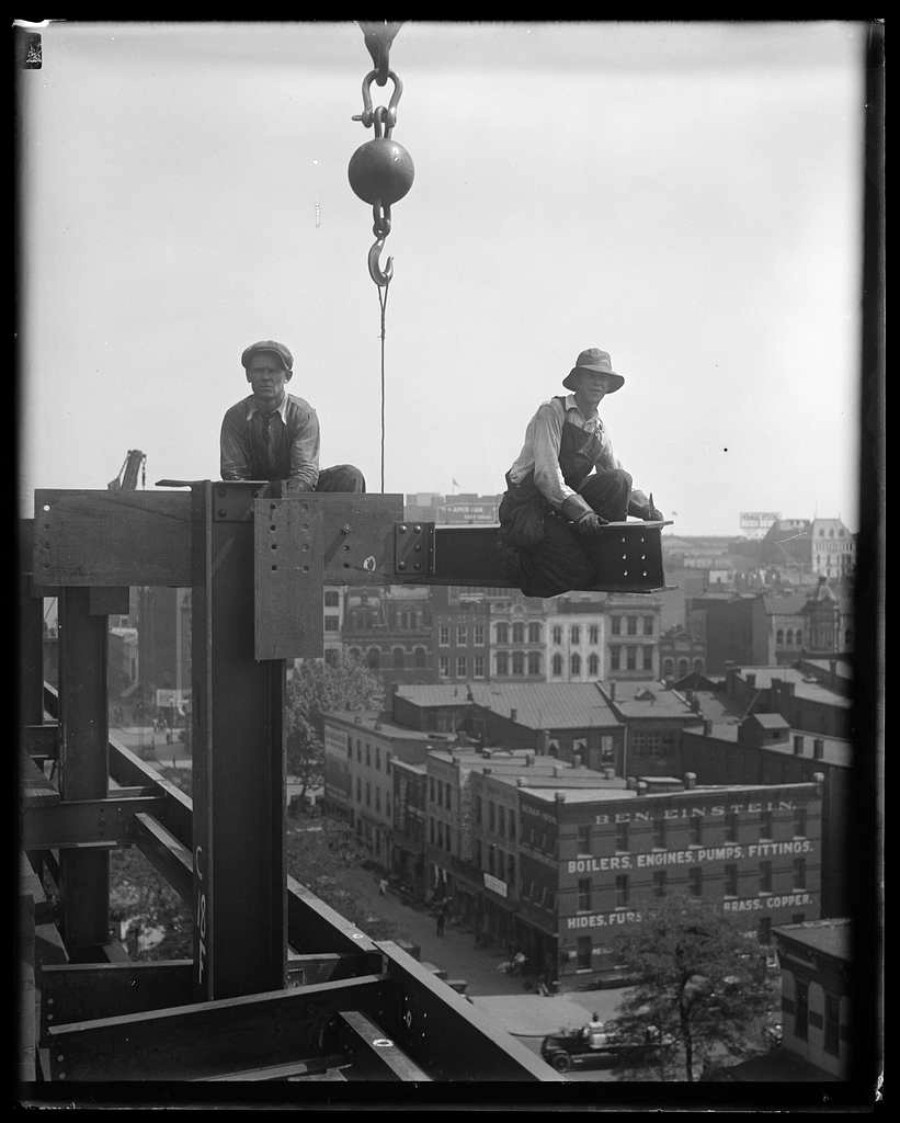
During the construction of iconic landmarks like the Empire State Building, steelworkers (often referred to as “skywalkers”) performed their jobs hundreds of feet in the air without any safety harnesses or nets. They would casually walk along narrow girders and catch red-hot rivets thrown from below with nothing but their bare hands and a tin bucket. An interesting fact is that many of these workers were Mohawk Indians, who were legendary for having “no fear of heights,” though the reality was likely a mix of immense skill and economic necessity. These photos remain some of the most vertigo-inducing images ever captured, showing men eating lunch on beams while dangling over a miniature Manhattan.
2. The radium girls
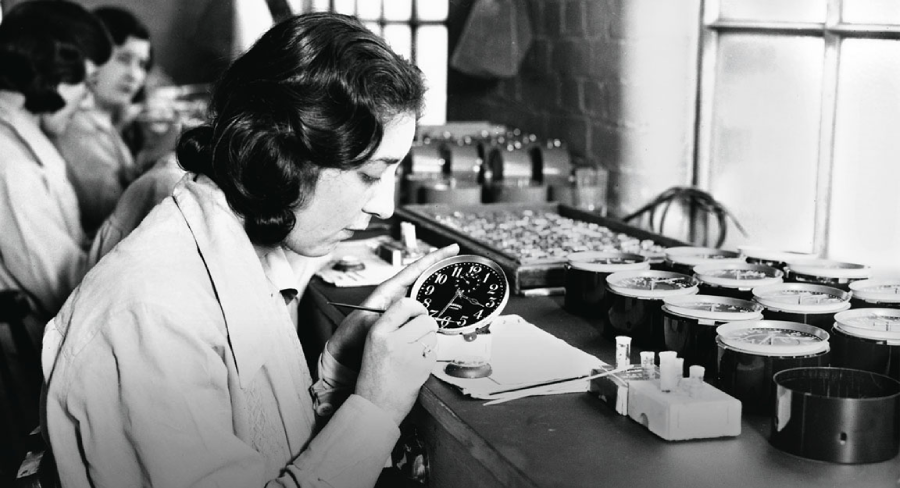
In the 1920s, young women held jobs painting the dials of watches with luminous radium paint so they would glow in the dark. To get a fine point on their brushes, they were instructed to “point” the bristles with their lips, unknowingly ingesting small amounts of radioactive material every single day. They were told the paint was harmless, and some even painted their teeth and nails with it to surprise their boyfriends at night. The tragic reality was that their bodies were being poisoned from the inside out, leading to a landmark legal battle that eventually paved the way for modern industrial safety standards.
3. The nigh soil men
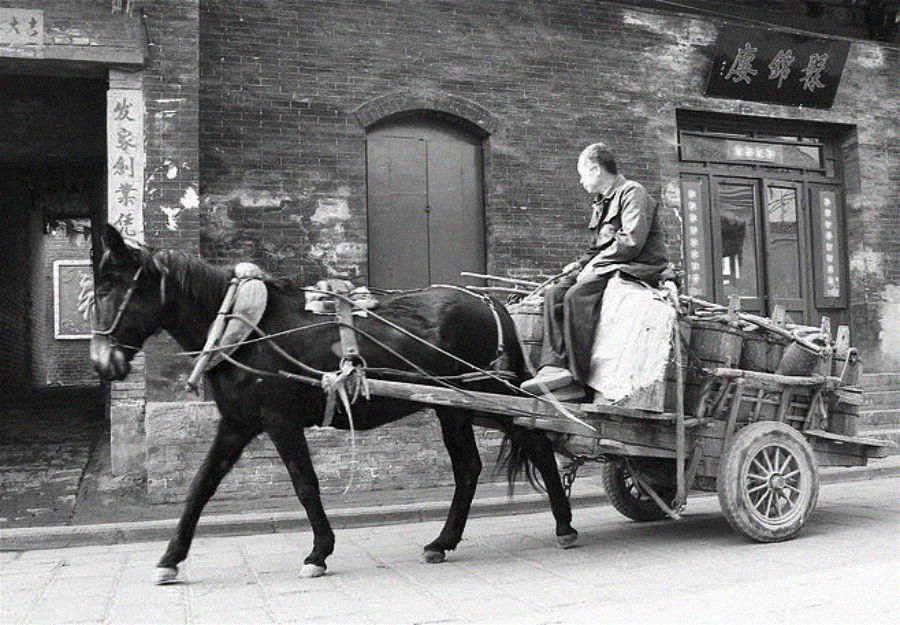
Before modern plumbing, “night soil men” had the unenviable and hazardous jobs of emptying cesspools and outhouses by hand under the cover of darkness. They worked in confined spaces filled with toxic gases like methane and hydrogen sulfide, which could be lethal in high concentrations. Beyond the obvious hygiene risks, they faced constant exposure to diseases like cholera and typhoid. It was a vital but invisible service that kept growing cities from being completely overwhelmed by their own waste, performed by those with the strongest stomachs in history.
4. Bridge painter on the Brooklyn Bridge
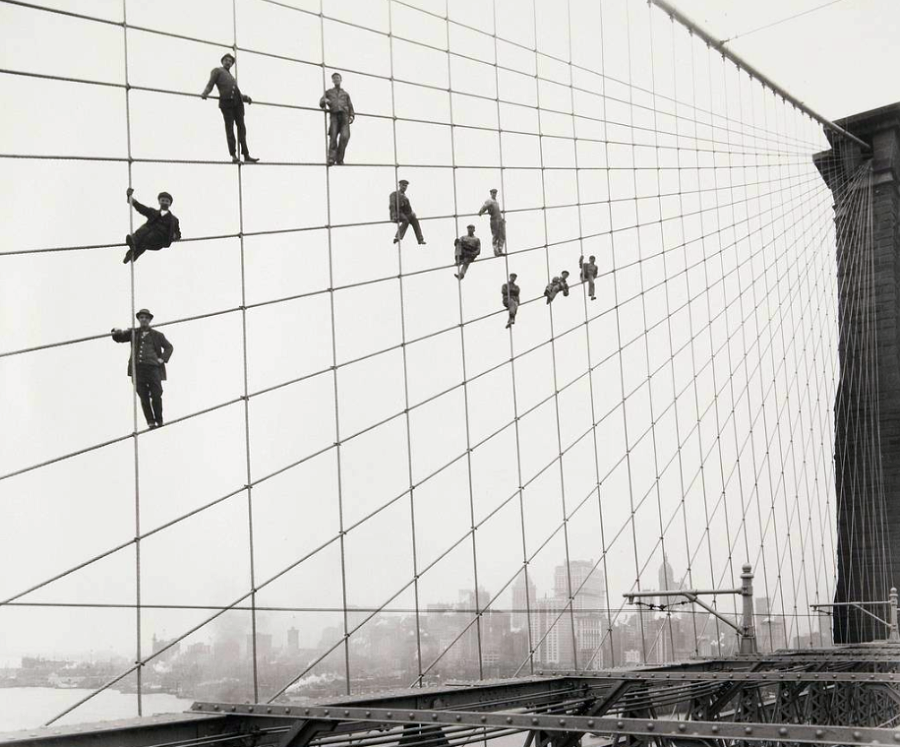
In the early 1900s, maintaining the massive cables of the Brooklyn Bridge was one of the most terrifying jobs a person could have. Painters would climb the suspension wires with heavy buckets of lead-based paint, often without any ropes to catch them if they slipped. They worked in high winds and extreme temperatures, literally clinging to the history of the city with their fingertips. It is estimated that many of these men developed long-term health issues not just from the heights, but from the constant inhalation of toxic fumes while suspended hundreds of feet above the East River.
5. Coal mine breaker boys

Child labor was a grim reality of the 19th-century mining industry, where young “breaker boys” held jobs separating impurities from coal by hand. They sat on wooden boards over conveyor belts for hours, their small fingers often becoming bloody and calloused from the sharp rocks. The air was so thick with coal dust that many developed “black lung” before they even reached adulthood. It was a brutal environment where the constant noise of the machinery and the threat of collapses made every shift a gamble with their lives.
Trending on The Scroller
6. Log drivers
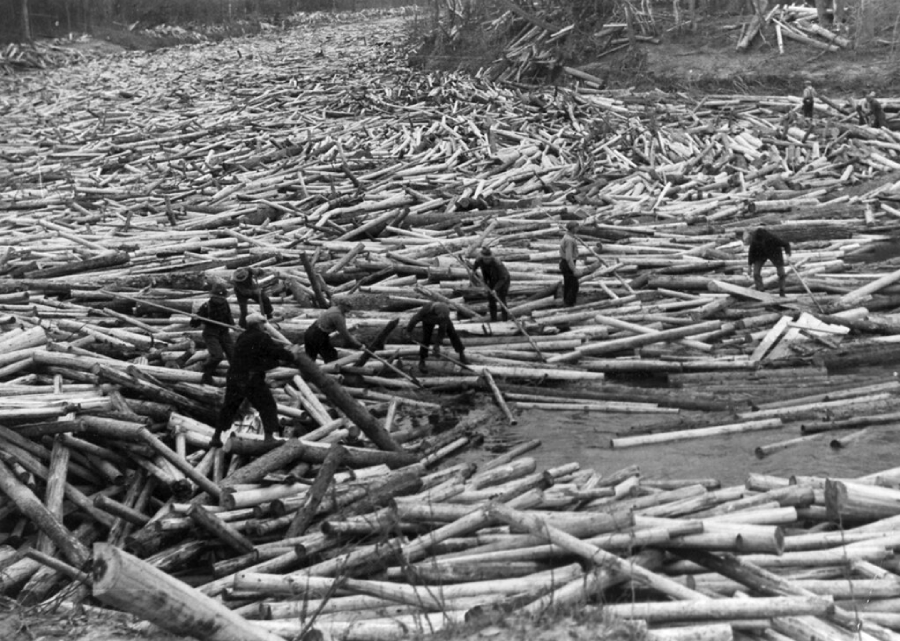
Before modern trucking, the only way to move thousands of heavy logs to the sawmill was by floating them down high-speed rivers. “Log Drivers” held the terrifying jobs of hopping between these spinning, wet trunks to break up jams using only a spiked pole called a “peavey.” One slip meant being crushed between tons of timber or pulled under into the freezing currents. These men were essentially acrobats of the wilderness, performing a life-or-death dance on the water for months at a time.
7. Steeplejacks
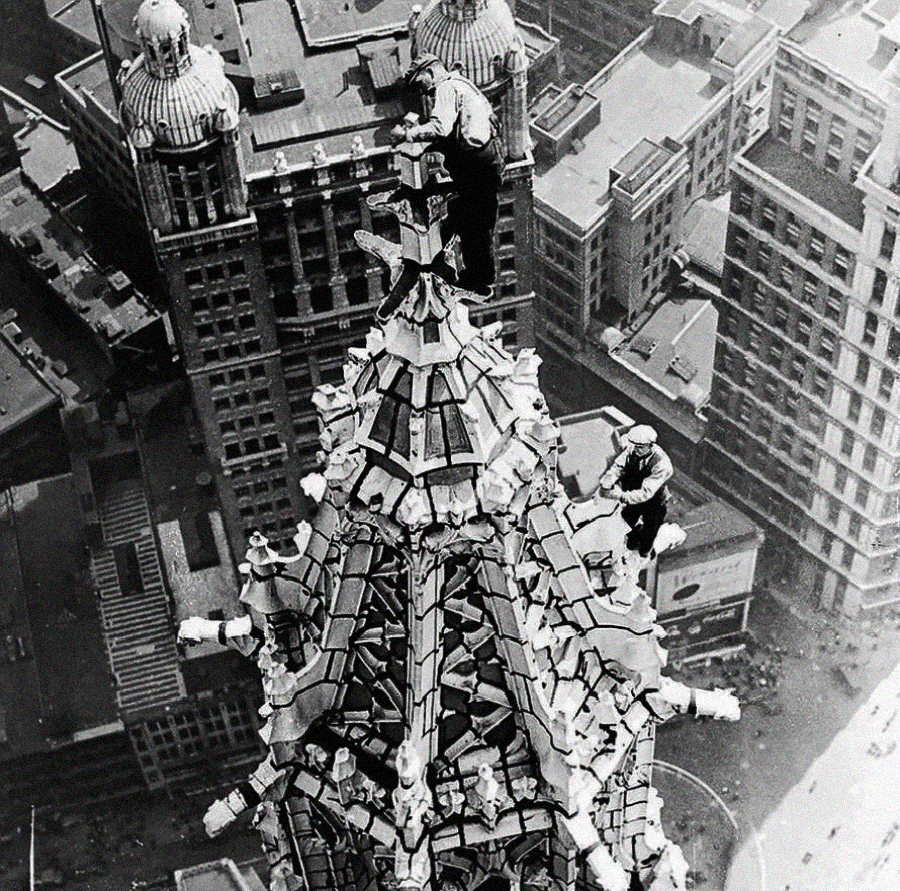
A steeplejack’s office was the very tip of a cathedral or a massive industrial chimney, often reached by a series of precarious wooden ladders lashed together. They performed maintenance and masonry jobs at heights that would make a modern rock climber sweat, usually with nothing more than a simple wooden seat called a “bosun’s chair.” An interesting fact is that legendary steeplejack Fred Dibnah became a British icon for his ability to fell giant chimneys using only fire and gravity. Their calm demeanor while perched on a crumbling ledge hundreds of feet up remains a testament to their nerves of steel.
8. Chimney sweeps
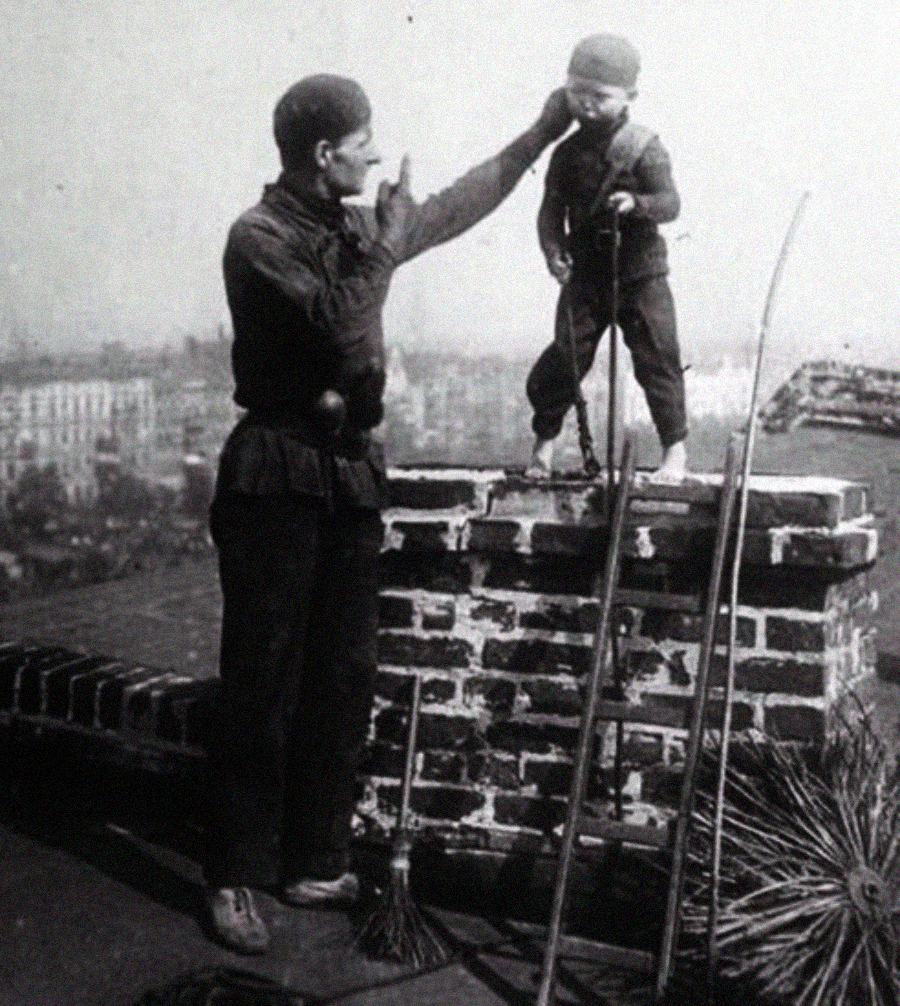
In the Victorian era, the jobs of “climbing boys” were often given to children as young as four because they were small enough to fit inside the narrow, soot-filled flues. These children were forced to scrape away flammable creosote while navigating pitch-black turns where they could easily become wedged and suffocate. Many suffered from “sweep’s cancer” due to constant soot exposure, and it took decades of activism to ban the practice. It is one of the darkest chapters in labor history, highlighting a time when a clean fireplace was prioritized over a child’s life.
Sign up for our newsletter
9. Linemen
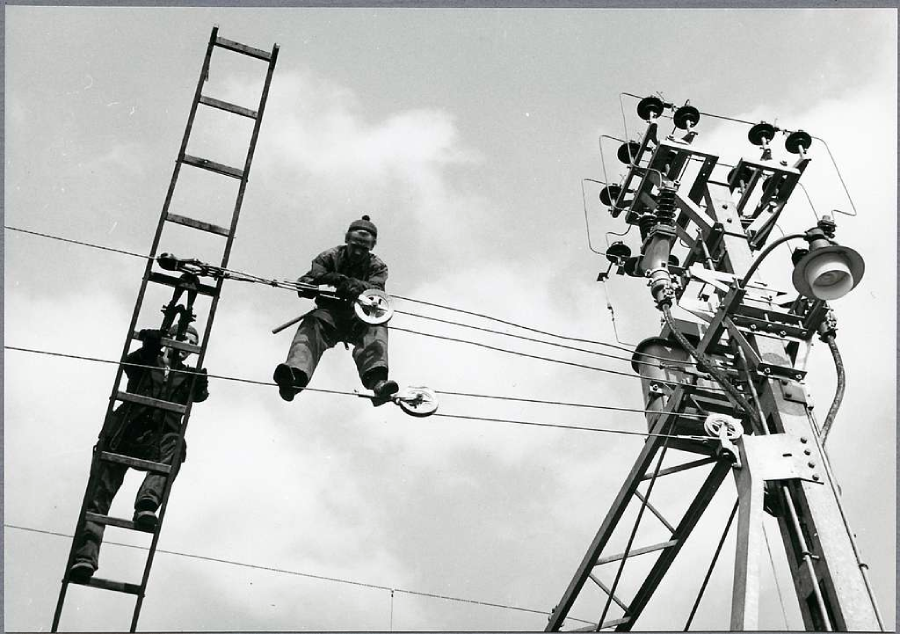
When cities first began to electrify, linemen had the high-stakes jobs of stringing thousands of miles of uninsulated wire across wooden poles. These early “electricians” worked without bucket trucks or rubber safety gloves, often tangling with “live” wires that could arc and kill instantly. Because the grid was so new, there were very few standardized safety codes, and a simple rainstorm could turn an ordinary repair into a deadly trap. These men were the true pioneers of the modern world, risking electrocution every day to bring light to the masses.
10. Bowling alley pinsetters

Before the automatic machinery we see today, bowling alleys employed young men (and often children) to sit in the “pit” and reset pins by hand. Their jobs required them to dodge heavy, high-speed bowling balls and flying wooden pins that could easily cause broken bones or concussions. They worked in cramped, noisy conditions for very little pay, often late into the night. An interesting fact is that “pin monkeys” had to be incredibly fast, jumping into a small alcove above the lane just as the next ball was released.
11. Early oil rig workers
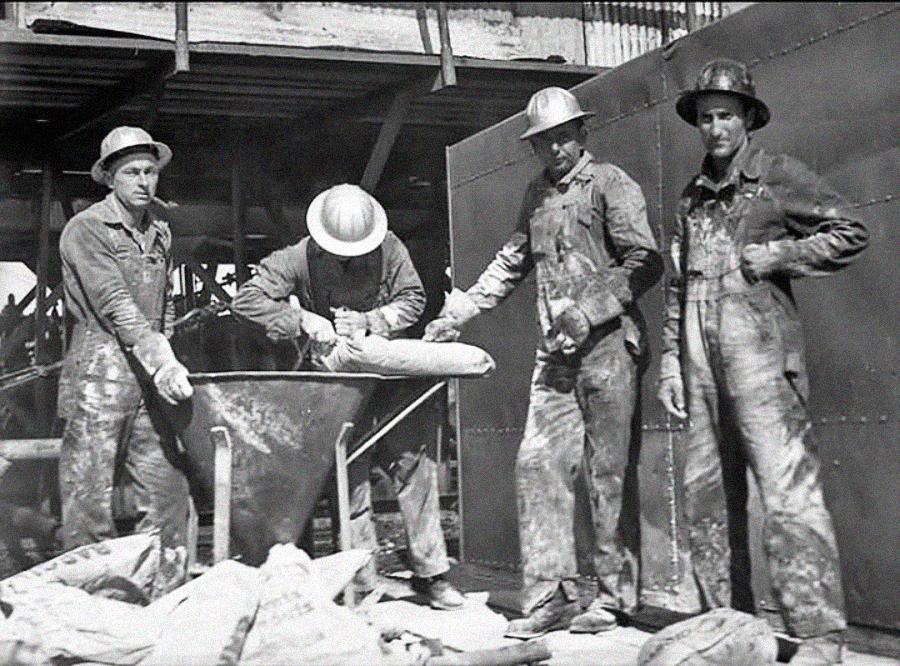
In the early days of the Texas and Oklahoma oil booms, rig workers held jobs that were essentially a daily dance with highly pressurized explosives. Before modern “blowout preventers” were perfected, hitting a pocket of oil often resulted in a “gusher,” where thousands of barrels of crude and natural gas would skyrocket into the air, soaking the crew and the wooden derrick. The smallest spark from a tool or a cigarette could turn the entire site into an inescapable inferno in a matter of seconds. These men worked on slippery, oil-slicked platforms using heavy, unshielded rotary chains that could easily catch a limb, making the quest for “black gold” one of the most hazardous gambles in the world.
12. Gandy dancers
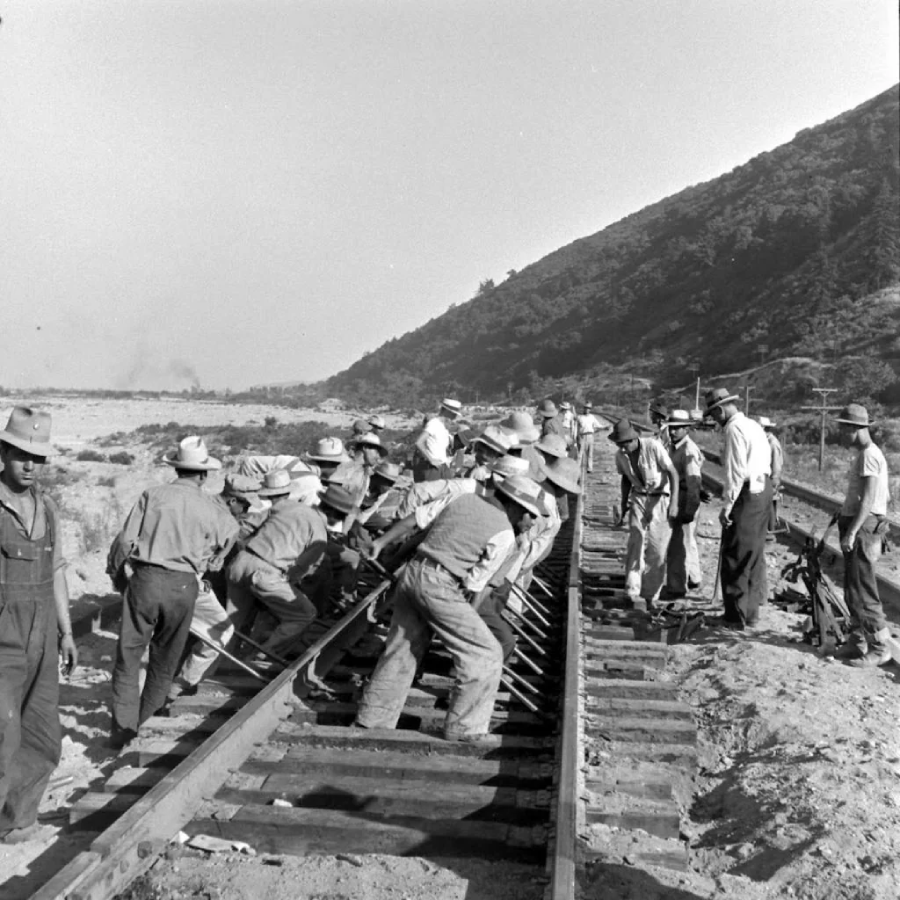
Railroad crews, known as “gandy dancers,” had the grueling jobs of laying and leveling miles of heavy steel track across the American frontier. They used long iron bars to “dance” the tracks into alignment, moving in rhythmic unison to avoid being struck by the heavy tools. The physical toll was immense, and the risk of being crushed by shifting rails or runaway equipment was a daily reality. Interestingly, they used rhythmic “chanting” or work songs to keep their movements synchronized, a practice that eventually influenced early blues and folk music.
13. Sandhogs
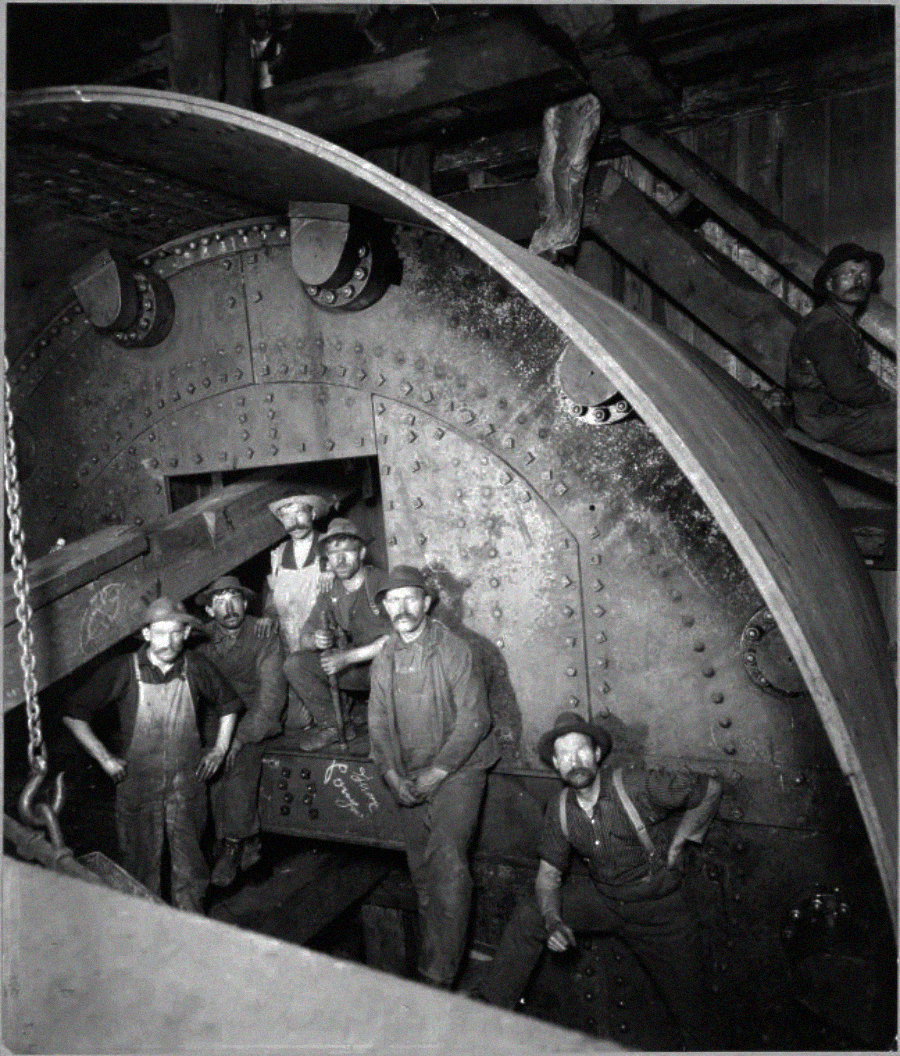
The sandhogs who dug the early subway tunnels lived their lives under extreme atmospheric pressure in “caissons” deep beneath the earth. Their jobs involved manually digging through mud and rock while fighting off the constant threat of tunnel collapses or blowouts. Many suffered from “the bends” (decompression sickness) because the science of rising to the surface slowly wasn’t yet understood. These workers literally built the veins of our modern cities while enduring conditions that felt more like a submarine in a war zone than a construction site.
14. Shipbreakers
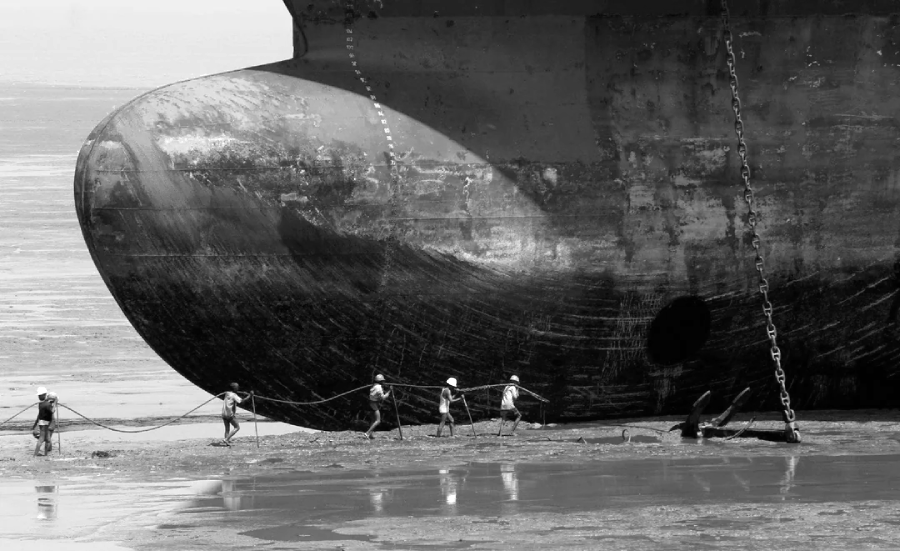
When massive steel ships reached the end of their lives, shipbreakers had the hazardous jobs of tearing them apart using torches and sledgehammers. This work was often done on muddy beaches, where workers navigated rusted, oil-slicked hulls that were prone to shifting or catching fire. They were exposed to asbestos, lead paint, and toxic fumes without any respiratory protection. It was a chaotic environment where one wrong cut could cause a multi-ton plate of steel to fall, making it one of the most physically demanding and dangerous industrial roles in history.
15. Early firefighters
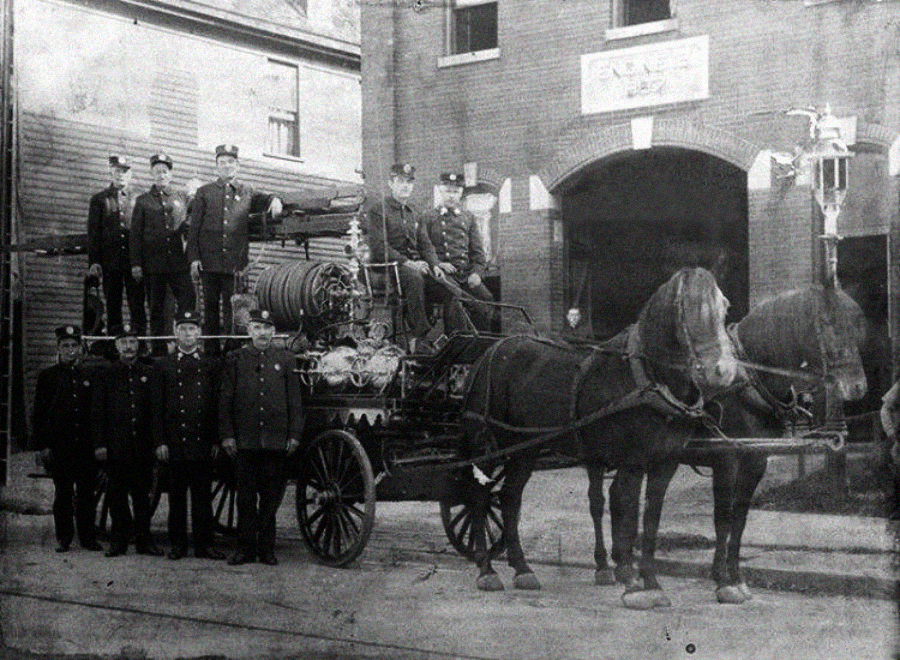
Before motorized fire trucks, firefighting was a frantic race through city streets in heavy, horse-drawn steam pumpers. Firemen held the dangerous jobs of clinging to the side of these swaying wagons as they galloped at top speed over cobblestones, often resulting in men being thrown off before even reaching the fire. Once on the scene, they fought blazes with leather hoses and wooden ladders that were prone to failure. The combination of unpredictable horses, open flames, and structural instability made every call a potential tragedy for the crew.
16. Window washers
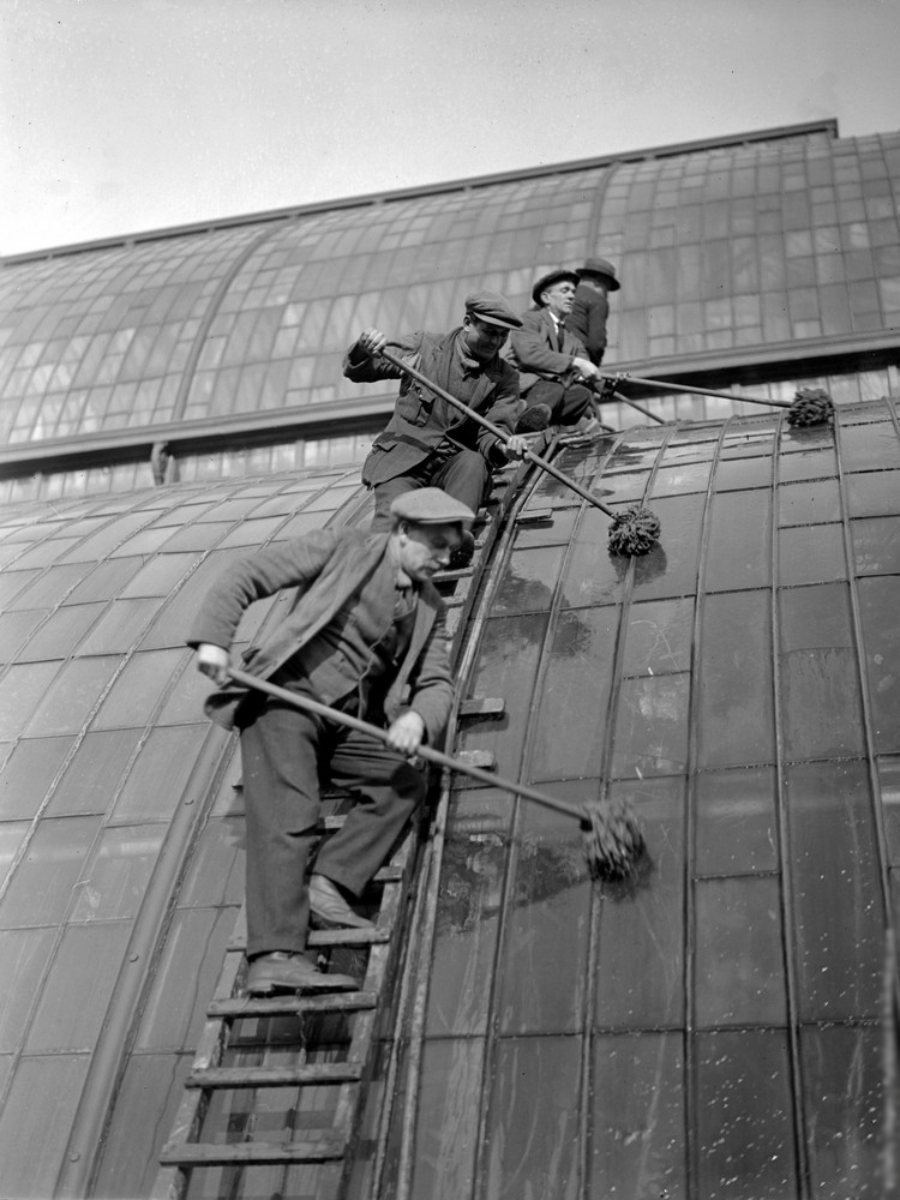
As the skyline of New York grew taller, window washers took on jobs that required them to step out onto narrow stone ledges hundreds of feet in the air. Their only “safety” equipment was a simple leather belt clipped to two small metal anchors on the window frame. If an anchor snapped or the leather was worn, there was nothing to stop a fatal fall. These men worked in high-altitude winds, often washing the windows of the Chrysler Building or the Waldorf Astoria with a nonchalance that is terrifying to behold in old photographs.
17. Quarry workers
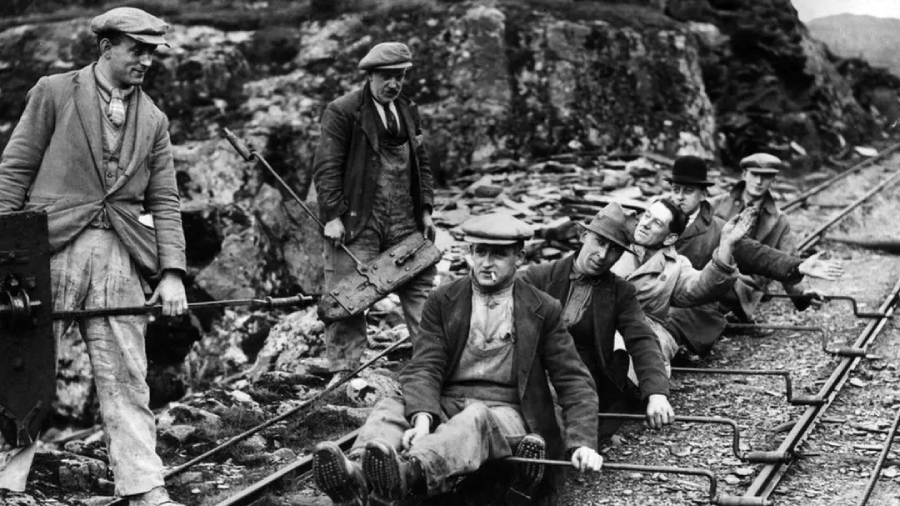
Quarrying stone for the world’s great monuments was a job that combined the dangers of explosives with the slow death of respiratory illness. Workers held jobs drilling holes for dynamite into solid rock, often in deep pits where the dust was so thick they could barely see their own hands. Accidental explosions were common, and the heavy machinery used to lift the stone blocks was notoriously prone to cable snaps. It was a brutal, noisy world where the sheer scale of the stone made human life feel incredibly fragile.
18. Steel mill pourers
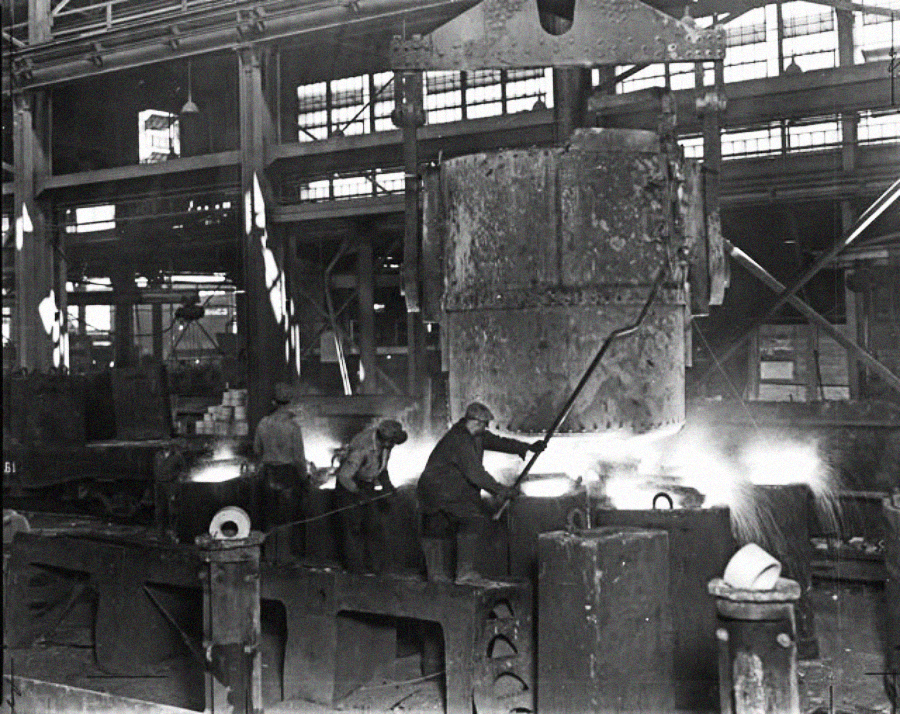
In the early steel mills of Pittsburgh and Sheffield, pourers had the high-stakes jobs of guiding ladles of molten iron into molds. They stood inches away from liquid metal heated to over 2,500 degrees, often wearing nothing but wool clothing and simple goggles for protection. Splashes and boils could cause catastrophic burns, and the intense heat made heatstroke a constant threat. The environment was a hellish landscape of sparks and smoke, yet these workers maintained the precision required to produce the steel that built the 20th century.
19. Early high-voltage research assistants
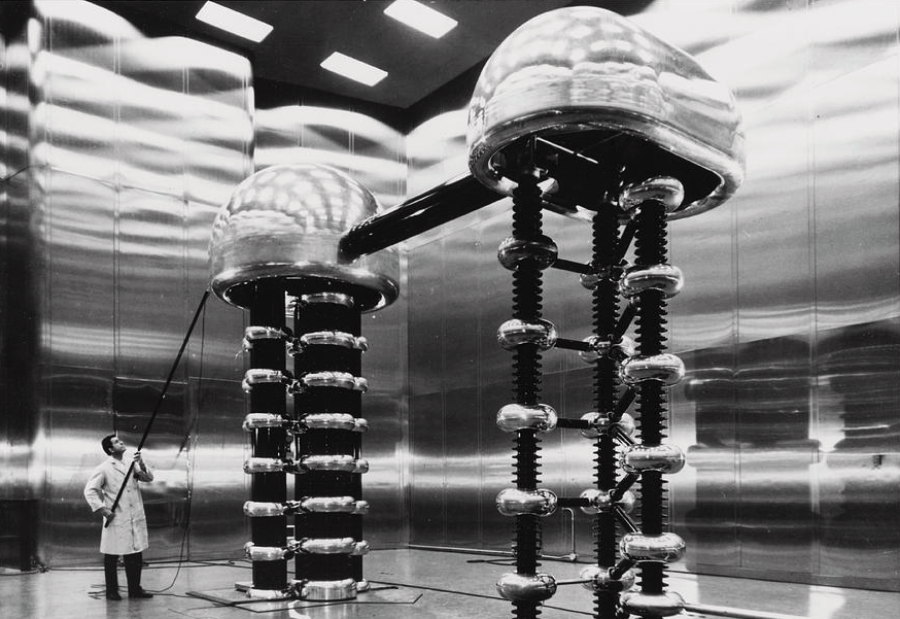
In the early days of electrical experimentation, research assistants often held the most precarious jobs in the lab. They acted as human testers for early X-ray machines and high-voltage coils, often before the long-term effects of radiation or electricity were known. Many early researchers suffered from severe radiation burns or lost fingers to experimental accidents. These men and women were the pioneers of modern physics, but they paid a heavy physical price for the technologies we now use in every hospital and home.
20. The lumberjacks of the Giant Redwoods
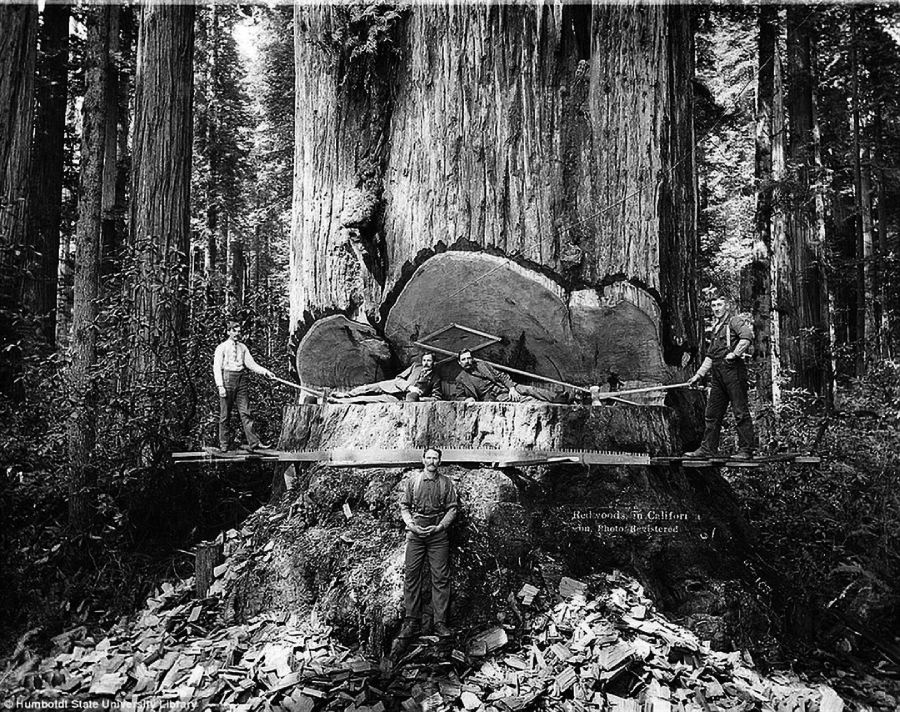
Felling a California Redwood in the early 1900s was a feat of engineering that required lumberjacks to hold jobs standing on springboards notched into the tree twenty feet off the ground. They used six-foot crosscut saws to manually bite into trunks that were wider than a city bus. The danger of the tree splitting or falling in an unpredictable direction was immense, and the sheer weight of a falling Redwood could cause a localized earthquake. It was a battle between man and nature on a gargantuan scale, requiring weeks of back-breaking labor for a single tree.
Explore more vintage stories:
Looking back at these harrowing professions reminds us just how much the concept of “safety” has evolved over a single century. These jobs were the backbone of the industrial world, and the people who held them were often the unsung heroes of the infrastructure we use every day. If you’re ready to dive into more weird jobs, don’t miss these Odd Jobs of the Early 1900s You Probably Haven’t Heard Of, or 19 Vanished Jobs and What They Did. You can also check out these 15 Strange 1930s Jobs Born During the Great Depression.