

It might seem like the world is shifting entirely toward tech and remote work, but blue-collar jobs are quietly making a strong comeback. Whether it’s construction, manufacturing, transportation, or skilled trades, the demand for these roles is steadily rising.
At the same time, more people are rethinking what a good career looks like. Not everyone wants a desk job or a four-year degree with student debt attached. Blue-collar work offers stability, solid pay, and the satisfaction of building or fixing something real. As the economy shifts, these jobs are becoming more critical than ever. Let’s take a look at 20 reasons blue-collar jobs are making a comeback.
1. An aging skilled workforce

A significant portion of America’s skilled tradespeople are nearing retirement. Many of these professionals began their careers decades ago, and now there simply aren’t enough younger workers stepping in to replace them. As these veterans leave the labor force, employers are scrambling to find trained hands to take over essential work.
2. Heavy investment in infrastructure
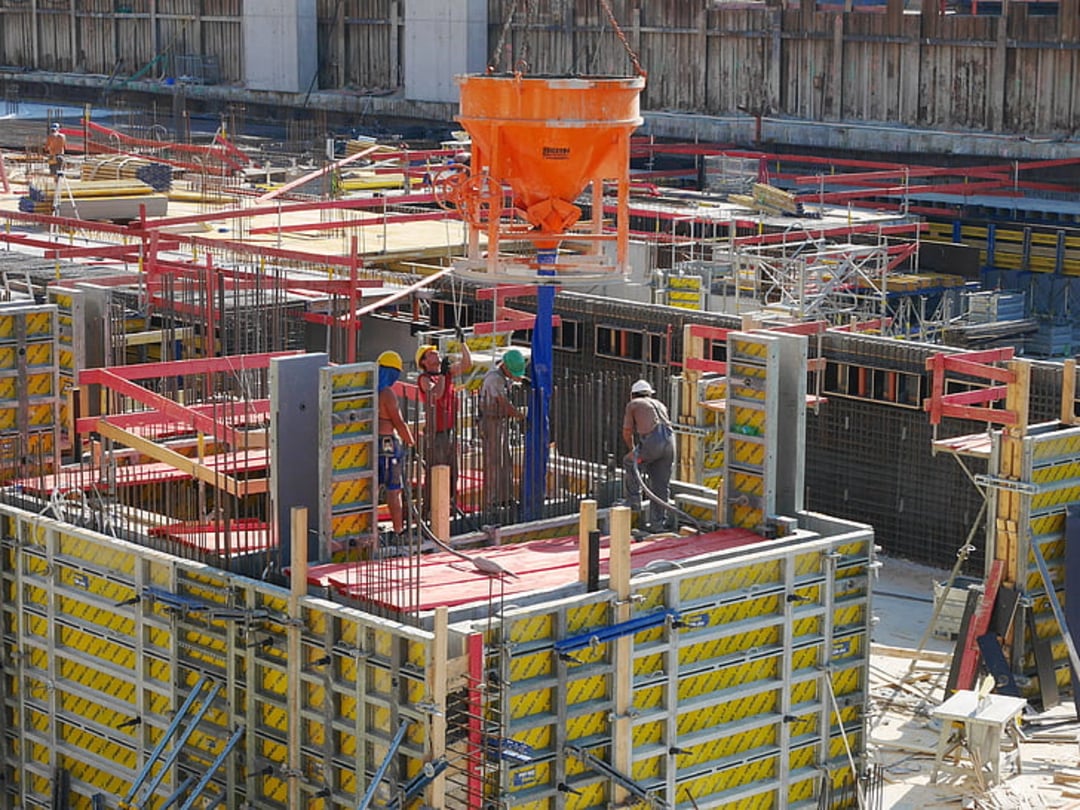
Local, state, and federal governments are investing billions in rebuilding outdated infrastructure. From highway expansions to water system upgrades and public transit overhauls, these projects require a massive, skilled workforce.
3. U.S. manufacturing is coming back

As global supply chains remain unstable and companies seek to bring production closer to home, domestic manufacturing is picking up momentum. This shift has boosted demand for machinists, welders, and factory technicians.
4. Not enough trained workers
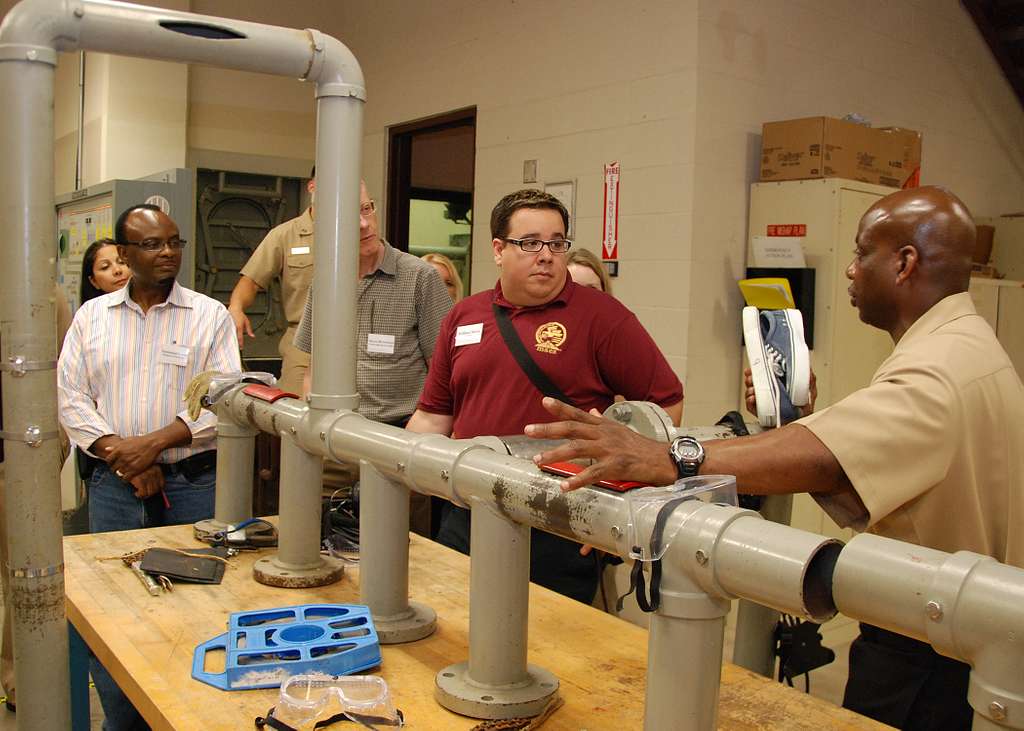
The current workforce simply cannot meet the demand for skilled trades. Many companies are operating short-staffed, increasing wages and offering on-the-job training to attract new workers.
5. Trade schools are gaining appeal
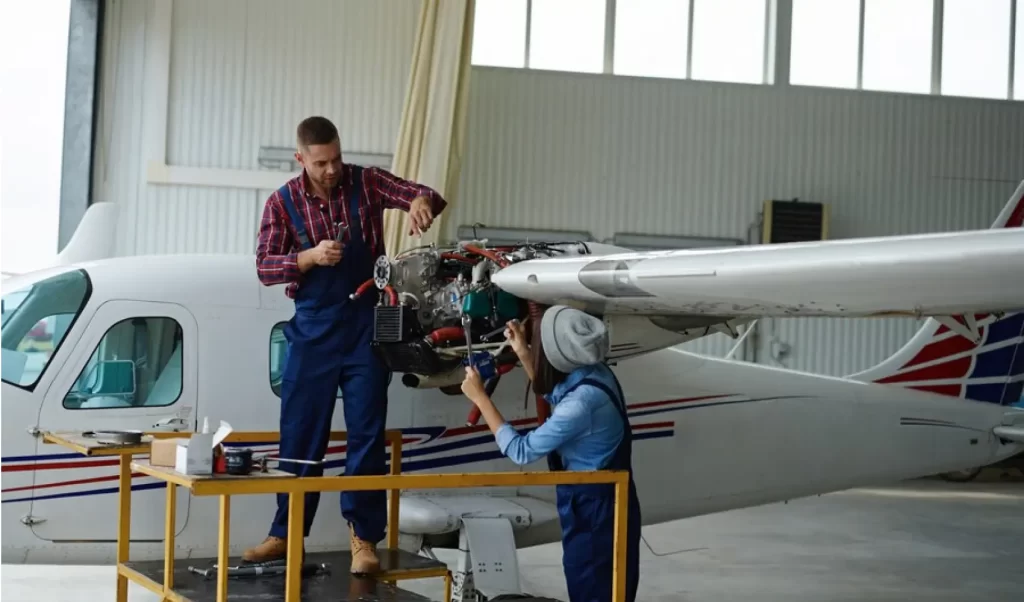
As the cost of college continues to climb and student loan debt becomes more burdensome, many young people are turning to trade schools as a smarter alternative. These programs offer targeted training, faster paths to employment, and significantly lower costs. All of which appeal to a generation increasingly skeptical of traditional four-year degrees.
Trending on The Scroller


6. Blue-collar work is becoming more technological

Today’s trades aren’t stuck in the past; they’re evolving. Electricians use digital schematics, welders work with programmable machines, and plumbers rely on advanced diagnostics. As technology becomes part of daily work, the job becomes more interesting and accessible to tech-savvy workers who might not have considered a trade before.
7. Recognition as essential workers

Blue-collar workers form the backbone of everyday life, performing the hands-on jobs that keep cities functioning and communities thriving. From construction crews and electricians to sanitation workers and delivery drivers, these roles are vital to infrastructure and daily convenience.
8. Earnings are rising

It’s a myth that blue-collar jobs don’t pay well. In many trades, wages are not only competitive with white-collar jobs, they sometimes surpass them. Plumbers, electricians, and welders can make over six figures even before overtime, especially in high-demand regions.
Sign up for our newsletter
9. People want work that feels real

People like the feeling of being able to see a job well done. Building a house, repairing an engine, or wiring a new office brings a sense of accomplishment that’s often missing in desk jobs.
10. Unions are stepping it up

Labor unions have regained visibility in recent years, advocating for better wages, healthcare, and job protections in blue-collar sectors. This renewed momentum makes trade careers more appealing, especially for those who want structured support and collective bargaining power in their employment.
11. More opportunities for freelancing and contract work

Many trades now allow for independent contracting or freelance work. Electricians, HVAC technicians, and even mechanics can start their own businesses or work on a flexible, job-by-job basis. This entrepreneurial potential attracts people who value independence and want to build their own brand.
12. Clean energy is expanding rapidly

Everyone wants green energy, and guess who does all the work to make that happen? The installation of solar panels, wind turbines, and battery storage systems requires trained labor. As this sector grows, it’s generating thousands of new positions in installation, maintenance, and operations.
13. City growth requires skilled labor

Urban areas are experiencing significant population growth, which drives demand for new buildings, utilities, and public infrastructure. From laying pipe to setting steel beams, these projects are impossible without tradespeople.
14. Trucking and logistics are booming

E-commerce and global trade continue to expand, fueling demand for commercial drivers and logistics professionals. With a shortage of qualified drivers, trucking companies are offering higher wages, signing bonuses, and flexible schedules to attract new recruits.
15. Less time, less debt, faster pay

Blue-collar careers often require only a few months to two years of training, with relatively low tuition costs. That means workers can start earning a steady income quickly. Often, before their white-collar peers even graduate.
16. These jobs can’t be automated (easily)

While AI and robotics are reshaping office jobs, many skilled trades require a human touch. You can’t automate a plumber fixing a leak under your sink or a lineman restoring power after a storm. These roles remain safe from many of the disruptions affecting other industries.
17. Housing construction is accelerating
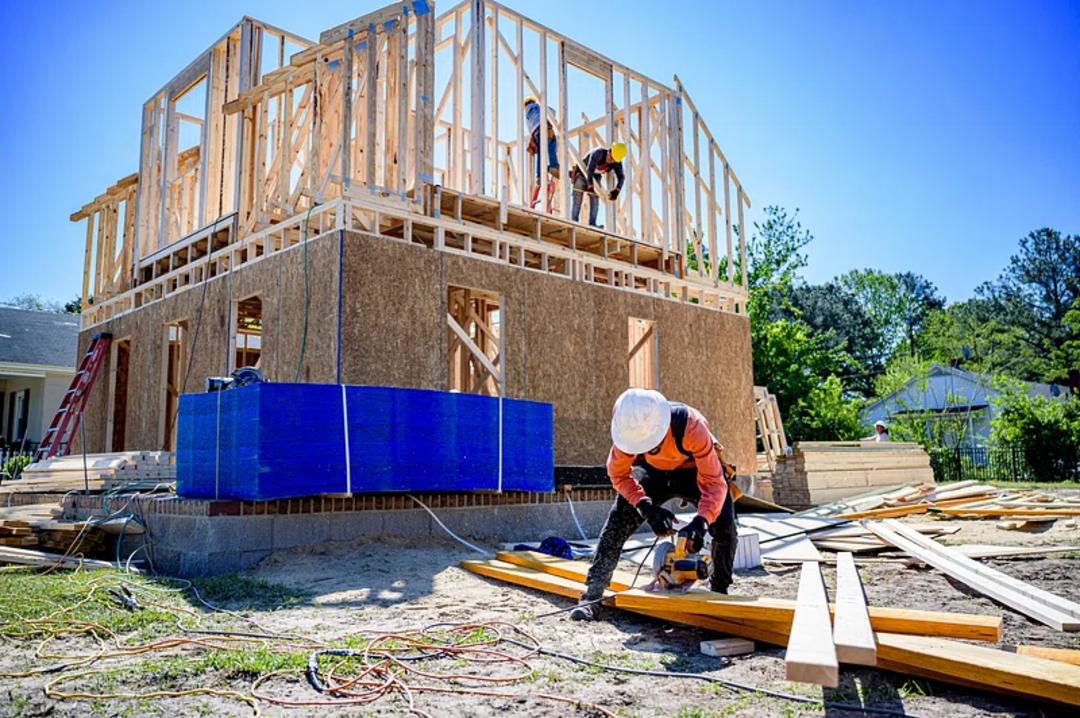
The housing market, despite its fluctuations, continues to grow, especially in the Sun Belt and suburban areas. Each new development requires roofers, framers, concrete workers, and electricians.
18. The cultural narrative is shifting

Blue-collar work is no longer seen as a fallback. Increasingly, it’s viewed as an honorable, skilled, and even aspirational career path. As media, schools, and employers help reshape the narrative, more people are seeing trades as a first choice, rather than a last resort.
19. Demand for hands-on healthcare support roles

The healthcare industry isn’t just about doctors and nurses. There’s rising demand for technicians, EMTs, medical equipment installers, and maintenance workers. These blue-collar adjacent roles are essential for operating clinics, hospitals, and mobile health units, especially in underserved areas.
20. Rising awareness of work-life balance

Many blue-collar roles offer set hours, limited screen time, and physical activity, something increasingly valued in a world of remote work burnout. Workers are reconsidering what a “good job” looks like, and for many, trades offer a healthier balance between work and life.
Want to see some more blue-collar content?
Check out 20 Blue Collar Fails That Could’ve Cost People Their Job, or take a look at 15 Photos That Show What Life Is Like On An Oil Rig. Finally, if you want to see photos of railroad workers from the past, check out 20 Vintage Photos of Railroad Workers from the Past (1890s-1970s).