Some people leave such a lasting impression on the world that their stories continue to be told long after they’re gone. Their lives, choices, and achievements have inspired writers to dig deeper, turning real events into detailed accounts that help us better understand who they were. Books about these figures go beyond simple facts, offering insight into the moments that defined them and the impact they had on history.
As you explore these individuals, you begin to see how their experiences shaped the world. Some were celebrated, while others gained recognition only years later. Each story adds another layer to our understanding of the past, showing how powerful a single life can be when it is remembered and shared. Let’s dive into 15 historical figures who had books written about them.
1. Abe Lincoln
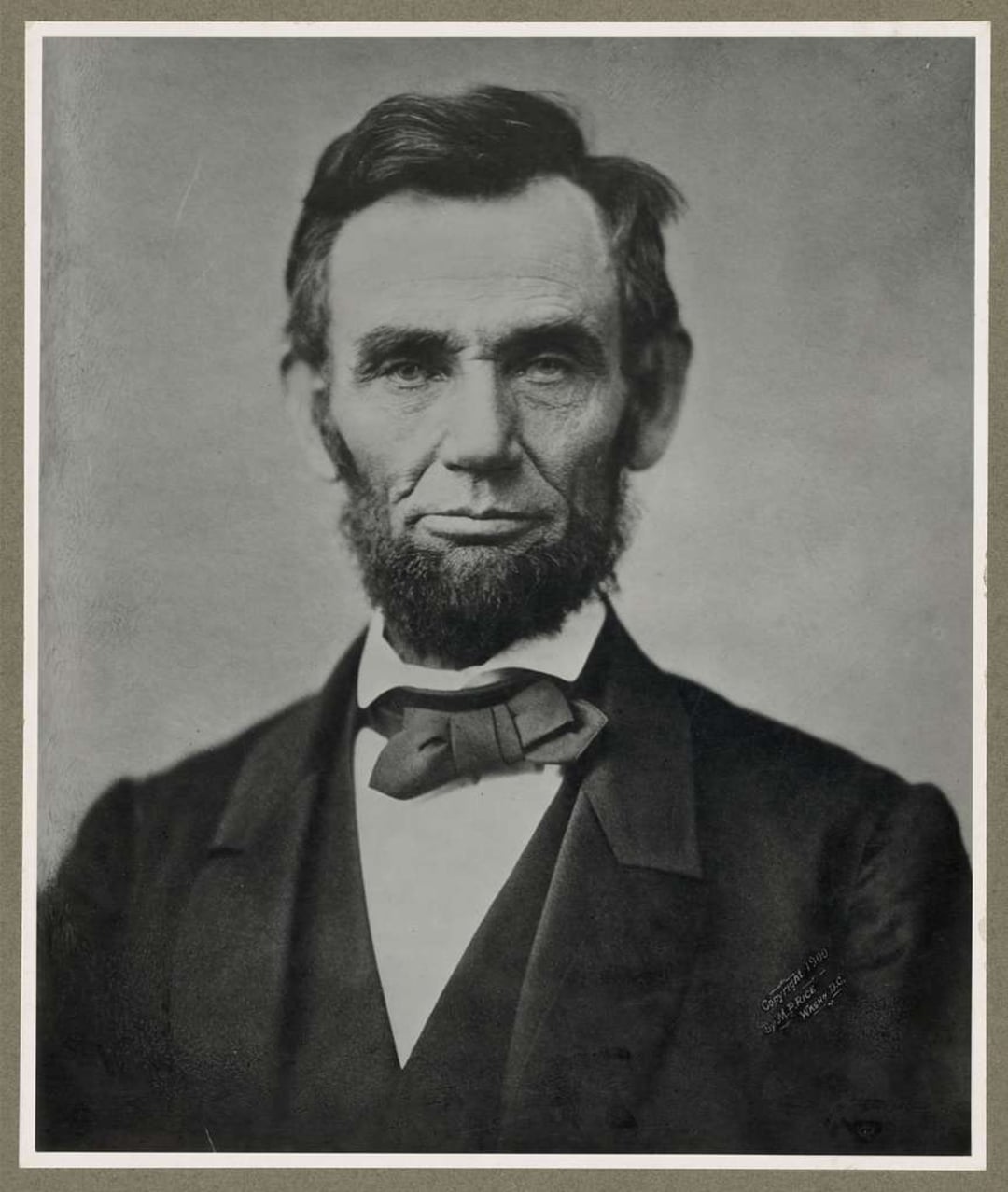
One of the most famous presidents of the past, Abraham Lincoln, led the United States through the Civil War while working to preserve the Union and issuing the Emancipation Proclamation, which changed the moral and political direction of the conflict by moving toward the abolition of slavery. His leadership during the national division and crisis made him one of the most studied presidents in American history, especially after his assassination cemented his legacy. His importance lies in preserving the United States during its greatest internal conflict. A famous work about him is Team of Rivals by Doris Kearns Goodwin.
2. Julius Caesar
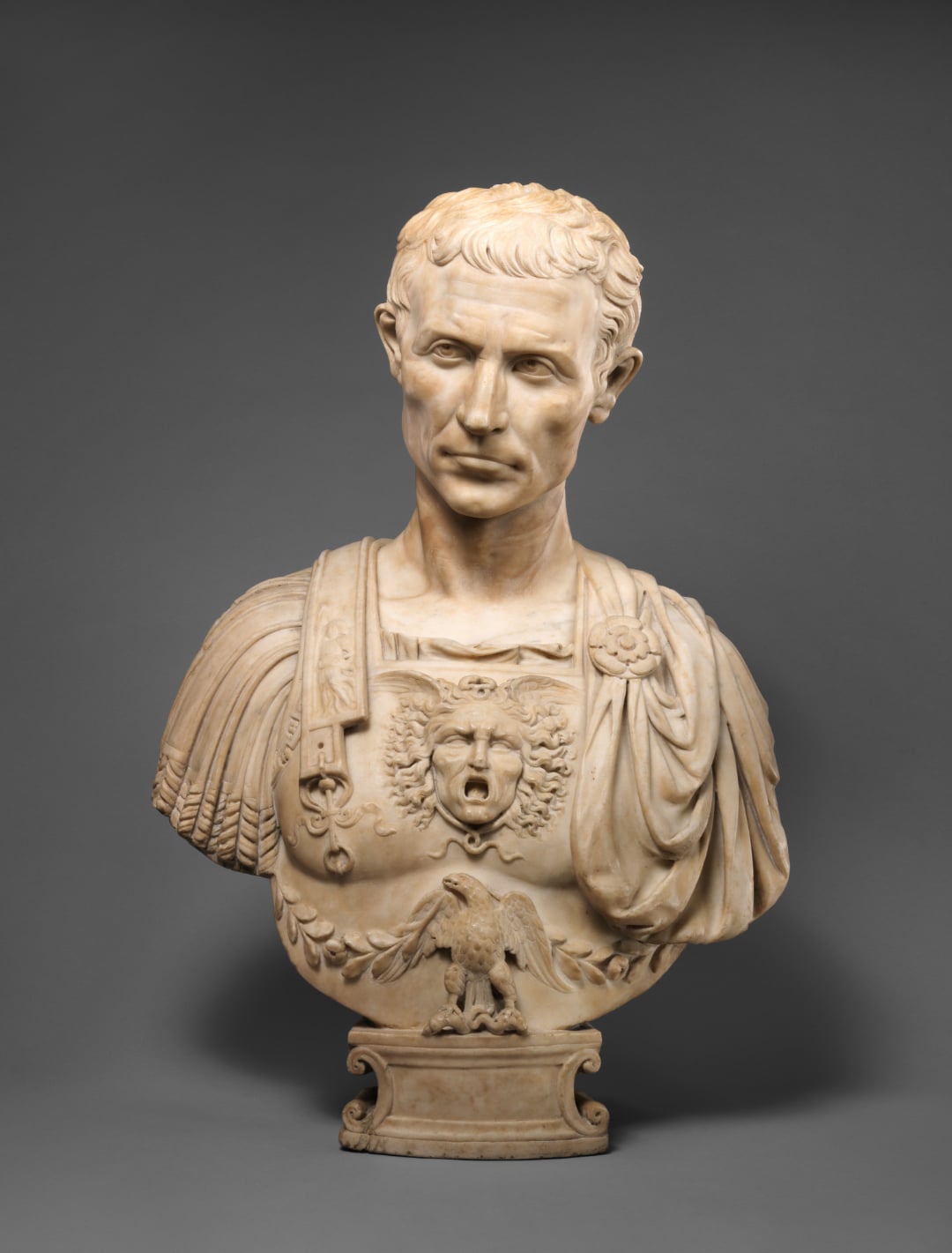
Julius Caesar was a Roman general and statesman whose military campaigns in Gaul expanded Roman territory while his growing concentration of political power helped push the Roman Republic toward collapse. His assassination by senators who feared his authority triggered a chain of events that ultimately led to the rise of the Roman Empire. He remains a defining figure in ancient history because his life marks a turning point between republic and imperial rule. His legacy is explored in Suetonius’ The Life of Julius Caesar, which examines both his political rise and personal ambition.
3. Napoleon Bonaparte
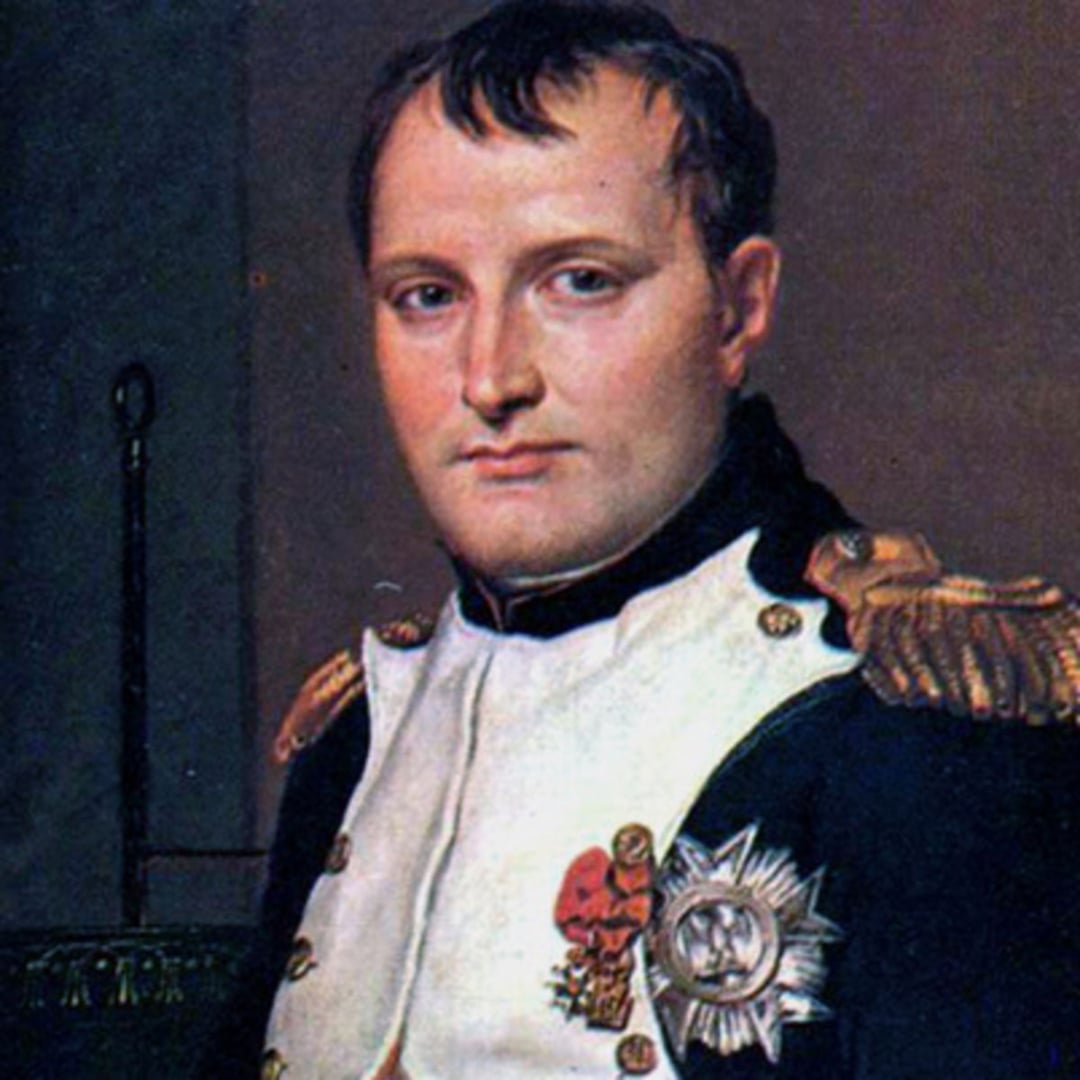
Napoleon Bonaparte rose from a military officer during the French Revolution to become Emperor of France while reshaping much of Europe through conquest, reform, and the spread of his legal code, which continues to influence modern legal systems. His eventual defeat and exile demonstrated how rapidly power could rise and collapse in European politics during that era. His historical importance lies in both his military genius and his lasting institutional reforms. A well-known biography is Napoleon: A Life by Andrew Roberts.
4. George Washington
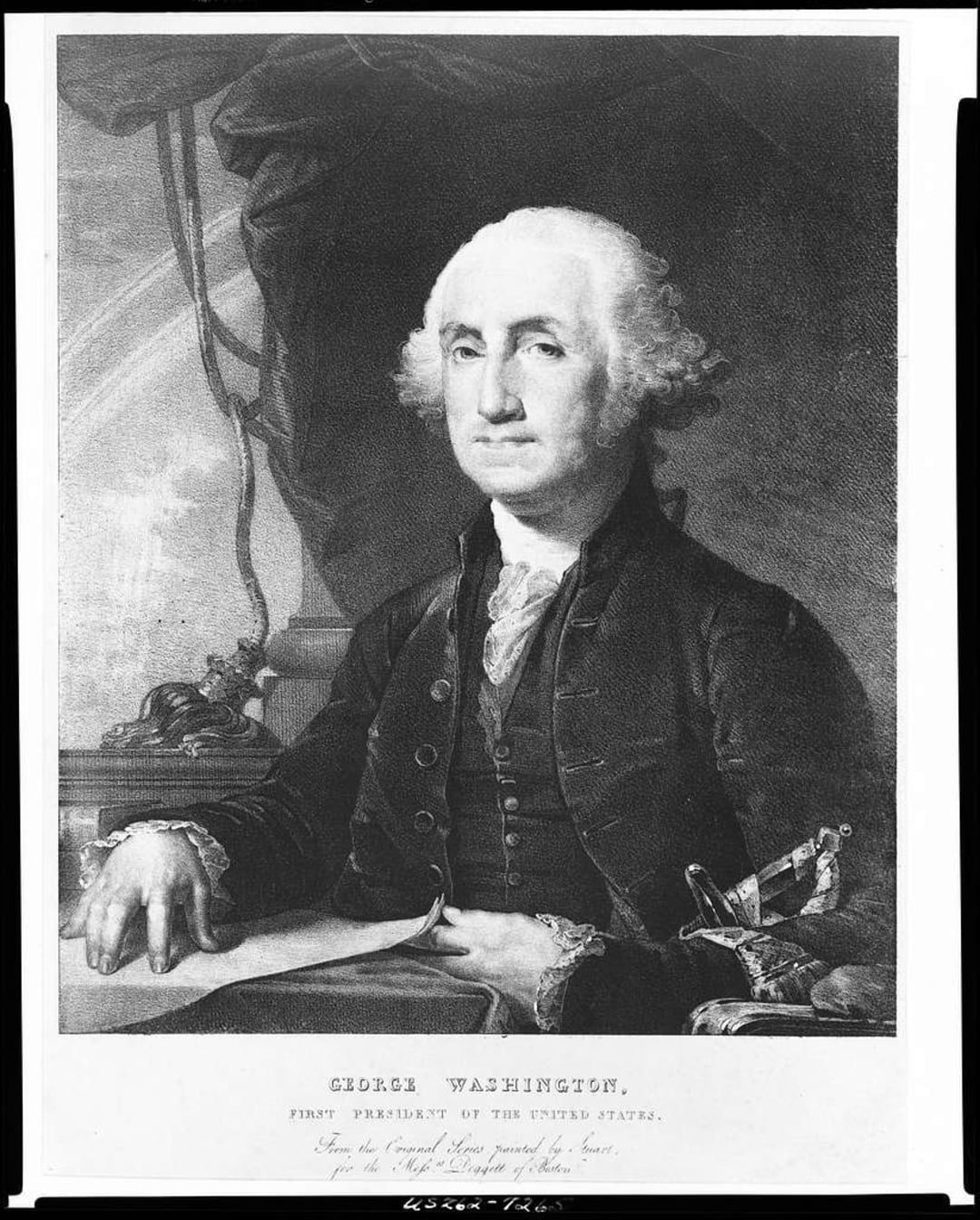
George Washington led the Continental Army to victory in the American Revolution and later guided the creation of the United States as its first president, shaping the young nation’s political traditions and expectations of leadership. His voluntary step away from power after two terms established a precedent that influenced democratic systems worldwide. He is often regarded as the foundational figure of American government and identity. Ron Chernow’s Washington: A Life captures both his public leadership and private complexity.
5. Winston Churchill
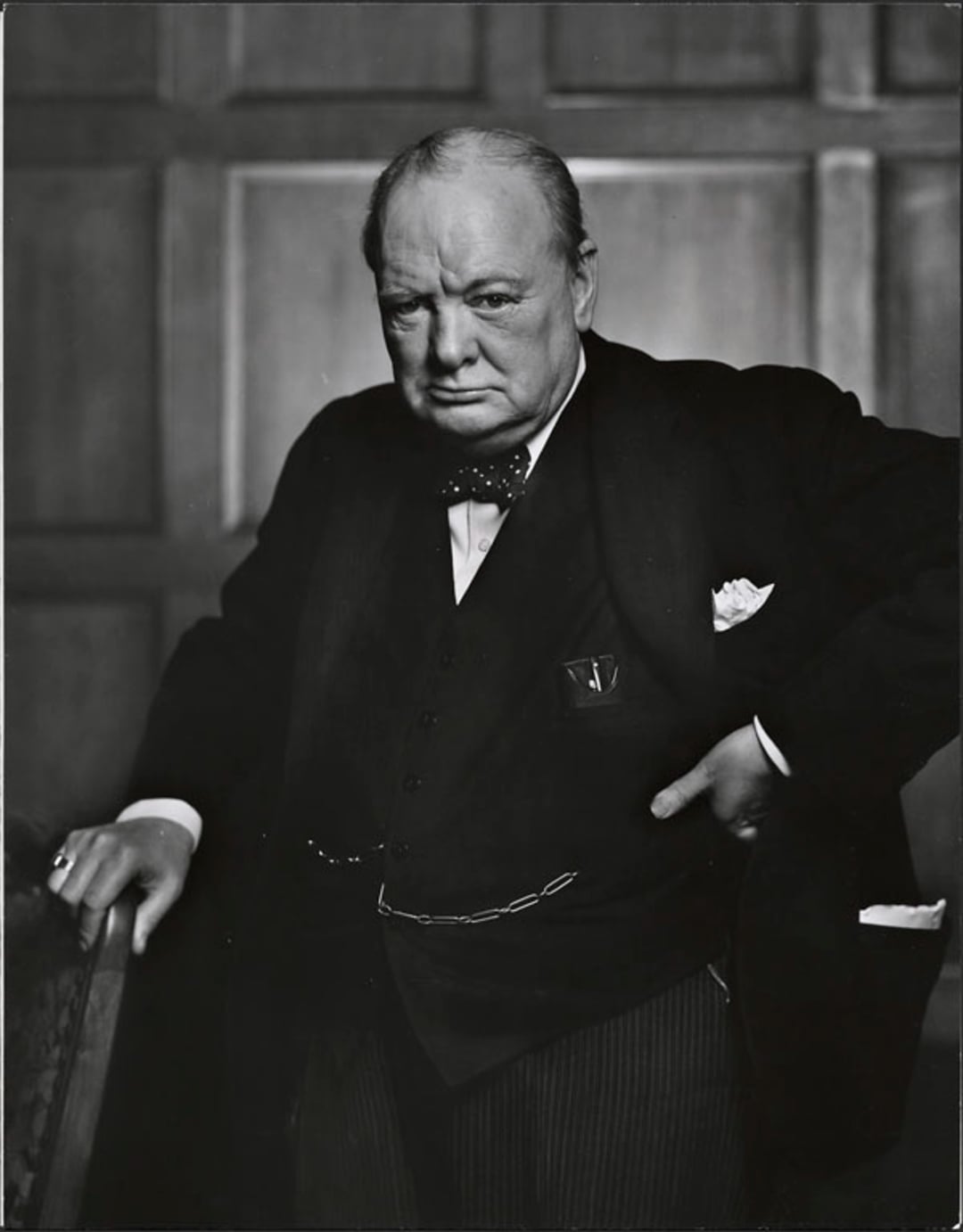
Winston Churchill led Britain through World War II, becoming known for his leadership during crisis and speeches that helped sustain national resolve during periods of intense danger and uncertainty. His political career also included decades of service before and after the war, along with extensive historical writing. He is remembered as a symbol of wartime resilience and leadership under pressure. Andrew Roberts’ Churchill: Walking with Destiny traces his life across politics, war, and personal ambition.
Trending on The Scroller


6. Mahatma Gandhi
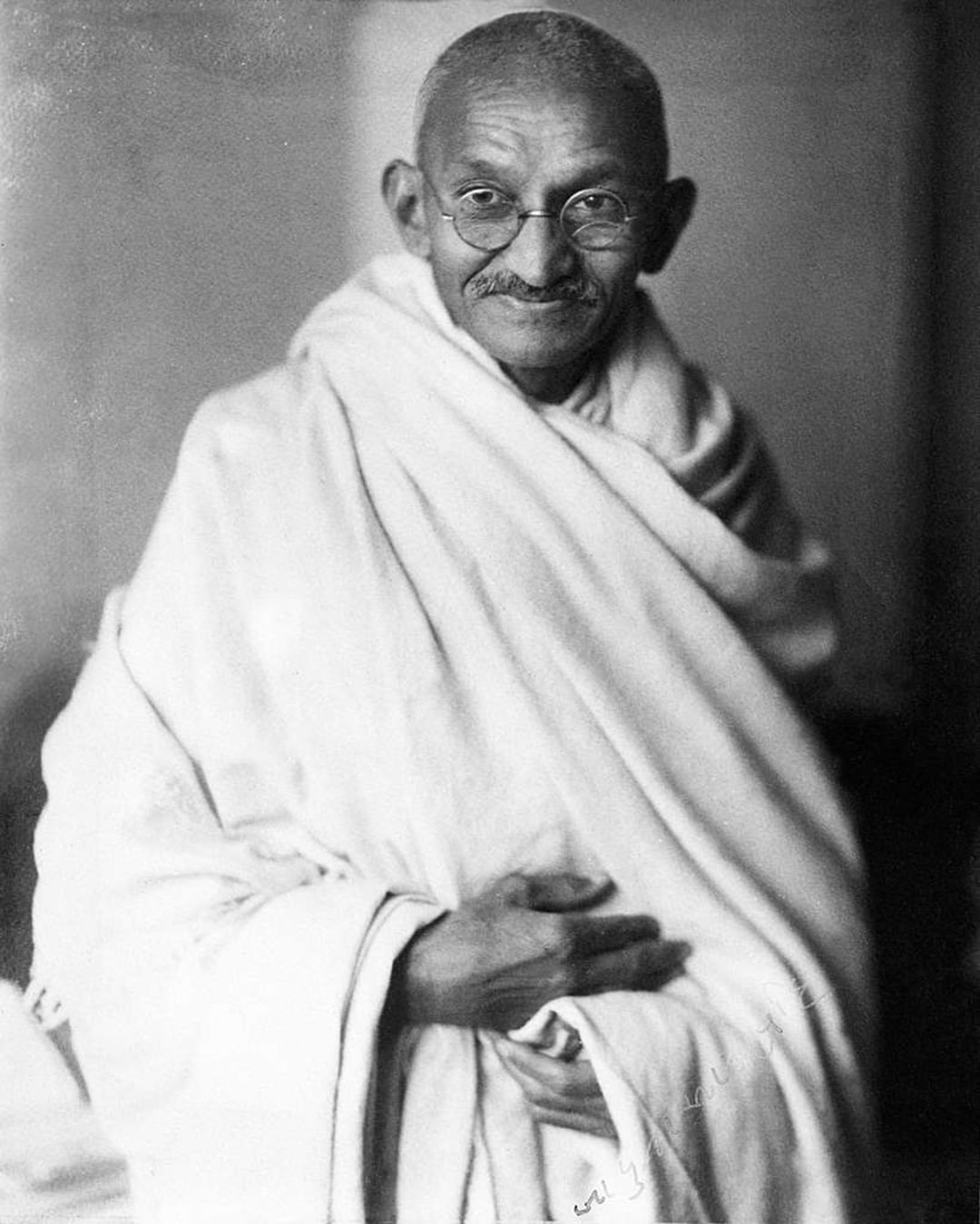
Mahatma Gandhi led India’s independence movement through nonviolent resistance, developing methods of civil disobedience that influenced political struggles around the world while challenging British colonial rule through mass participation and moral persuasion. His philosophy reshaped how resistance movements could operate without armed conflict. He remains a global symbol of peaceful political change. His autobiography, The Story of My Experiments with Truth, reflects on the development of his ideas and methods.
7. Albert Einstein
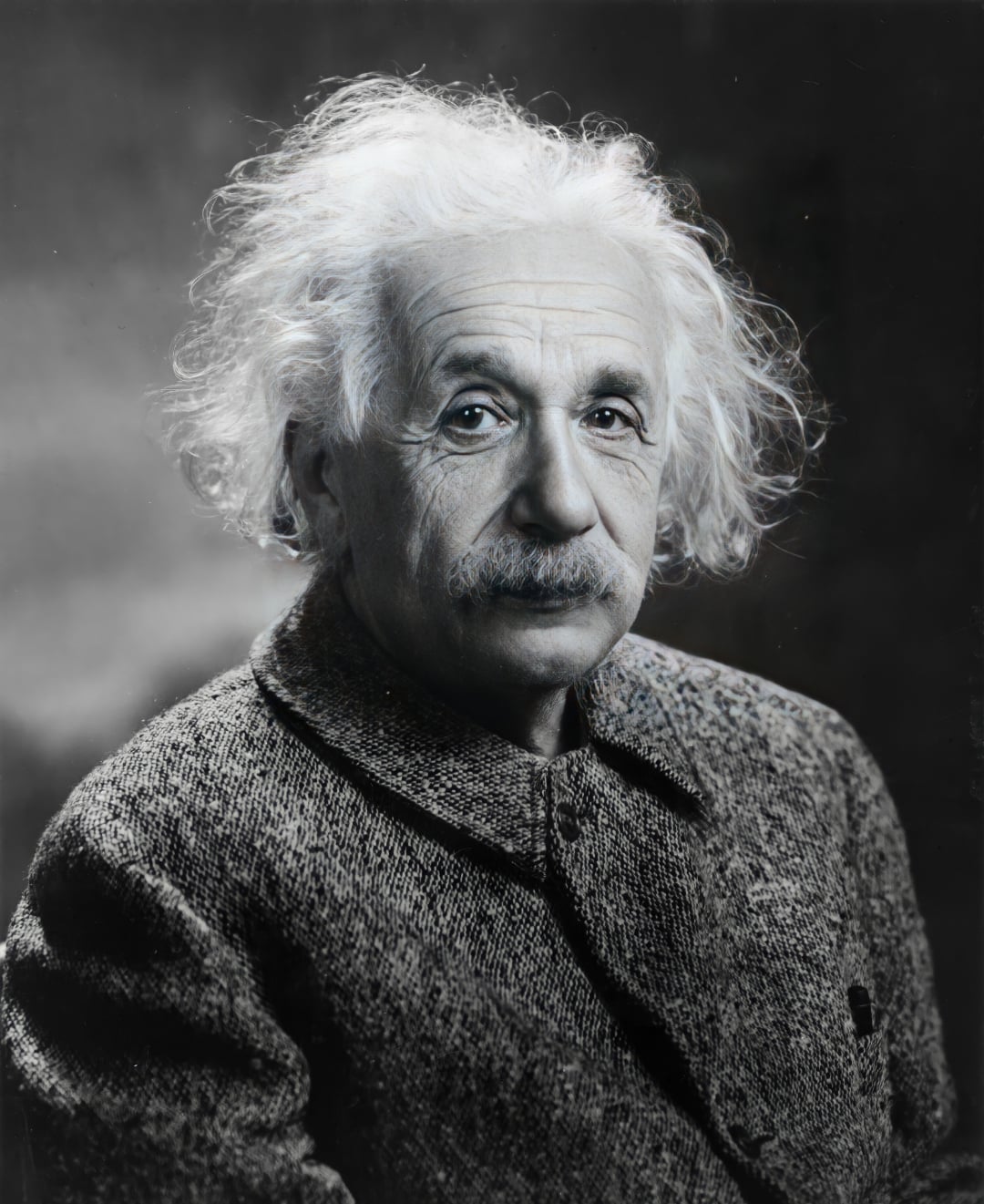
Albert Einstein transformed modern physics with his theories of relativity, fundamentally changing scientific understanding of space, time, and energy while also engaging in public discussions on ethics, politics, and global responsibility. His ideas continue to influence both scientific research and philosophical thought long after his lifetime. He is regarded as one of the most influential scientists in history. Walter Isaacson’s Einstein: His Life and Universe explores both his scientific breakthroughs and personal life.
8. Nelson Mandela
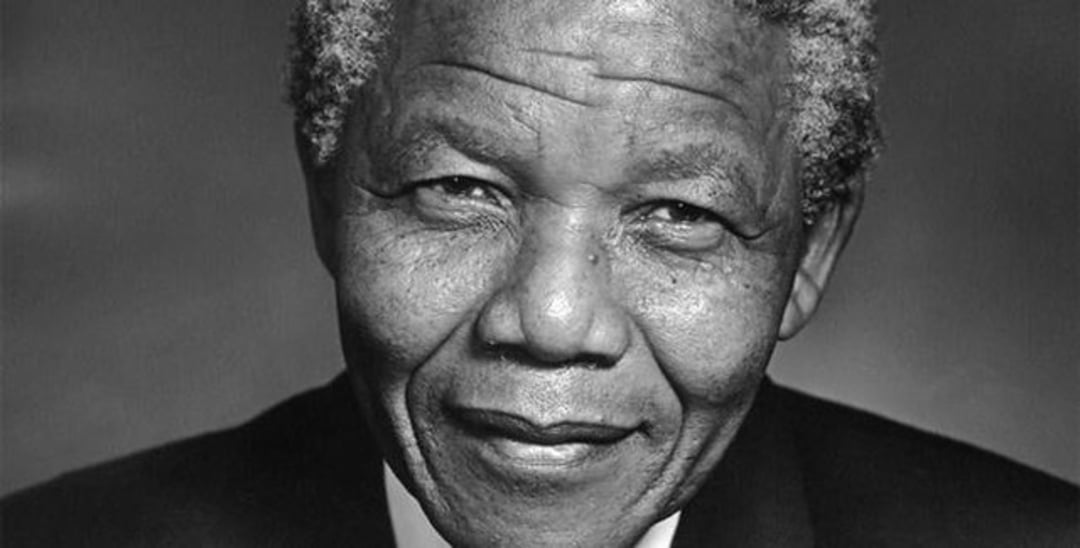
Not only famous for the famous term the “Mandela effect,” Nelson Mandela was an anti-apartheid leader who spent decades in prison for his activism before helping negotiate the end of apartheid and becoming South Africa’s first Black president. His presidency focused on reconciliation and rebuilding a divided nation. He is globally recognized as a symbol of justice achieved through persistence and forgiveness. His autobiography, Long Walk to Freedom, recounts his journey from activist to head of state.
Sign up for our newsletter
9. Christopher Columbus
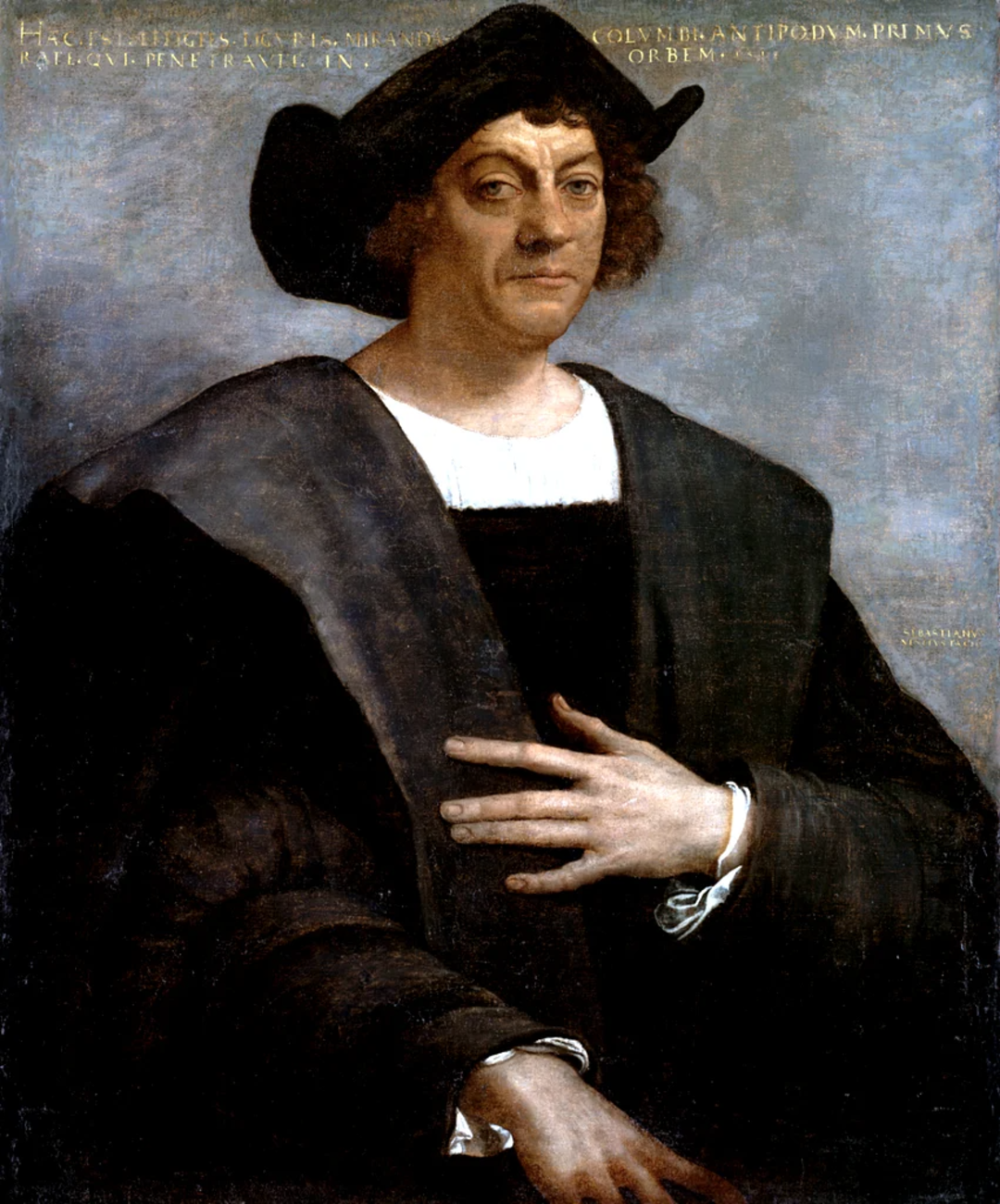
Christopher Columbus was an explorer whose transatlantic voyages beginning in 1492 connected Europe and the Americas, initiating centuries of exploration, colonization, and cultural exchange that reshaped global history. His legacy is widely debated due to the profound consequences for Indigenous populations following European expansion. He remains one of history’s most discussed explorers because of the scale of change his voyages triggered. Laurence Bergreen’s Columbus: The Four Voyages reassesses his expeditions and their long-term impact.
10. Alexander the Great
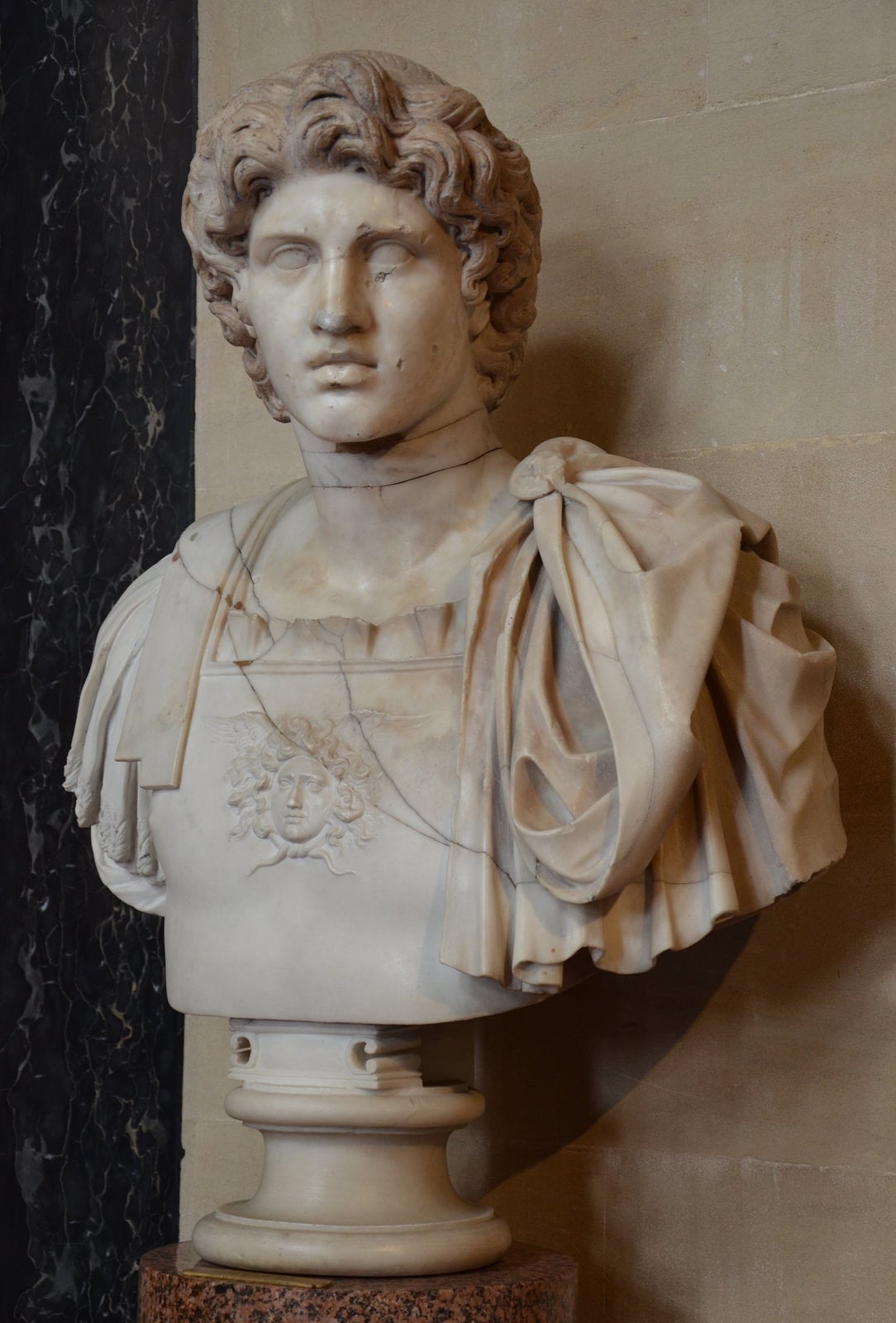
Alexander the Great was a king of Macedon who built one of the largest empires in ancient history by conquering territories across Greece, Egypt, Persia, and into India before dying at a young age. His military campaigns spread Greek culture widely, shaping the Hellenistic world for centuries after his death. He remains significant for both his unmatched battlefield success and the cultural blending that followed his conquests. His life is examined in Alexander the Great by Robin Lane Fox.
11. Isaac Newton
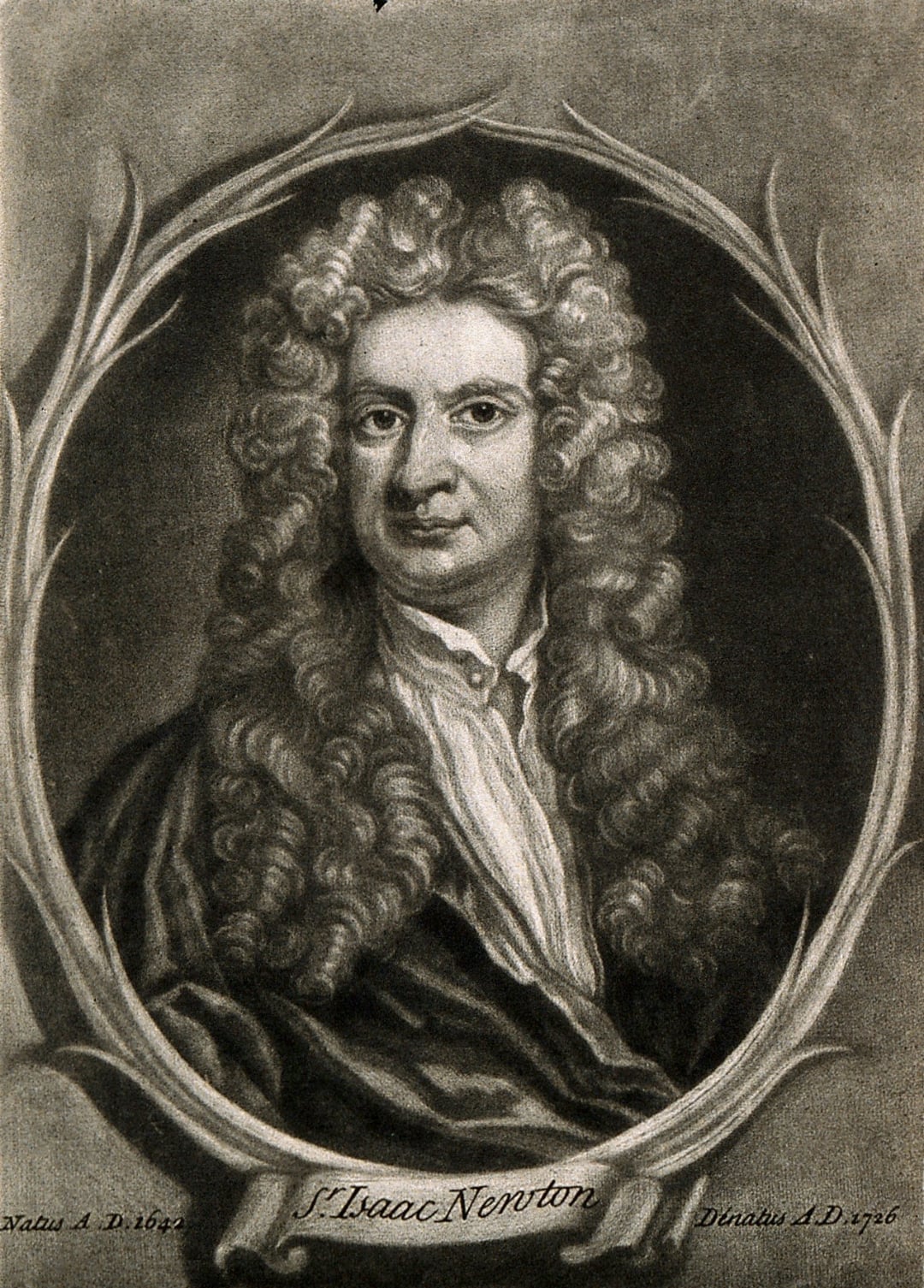
Isaac Newton developed the laws of motion and universal gravitation, fundamentally changing how humanity understands the physical world by showing that the same forces that govern objects on Earth also govern the motion of planets. His work formed the backbone of classical physics and influenced centuries of scientific progress. He is significant because he helped turn science into a predictive system based on mathematical laws rather than observation alone. His ideas are explored in Isaac Newton by James Gleick.
12. Thomas Edison
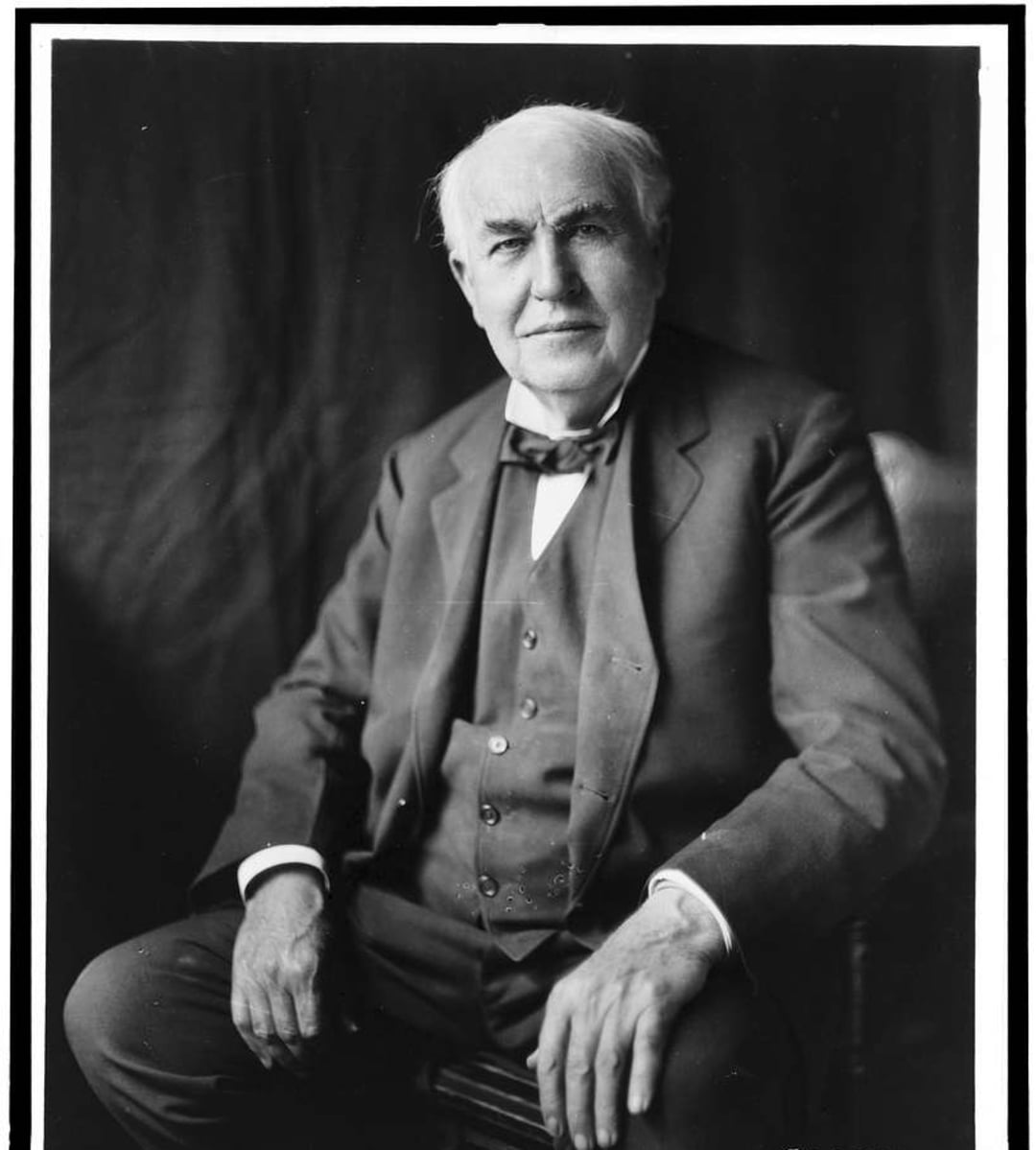
Thomas Edison became one of the most prolific inventors of the industrial age, developing practical technologies like the electric light bulb and phonograph while also building systems for large-scale invention through his research laboratories. His work helped shape how electricity and communication technologies spread across society. He is significant not just for individual inventions but for changing inventions into an organized industry. His legacy is explored in Edison: A Life of Invention by Paul Israel.
13. Nikola Tesla
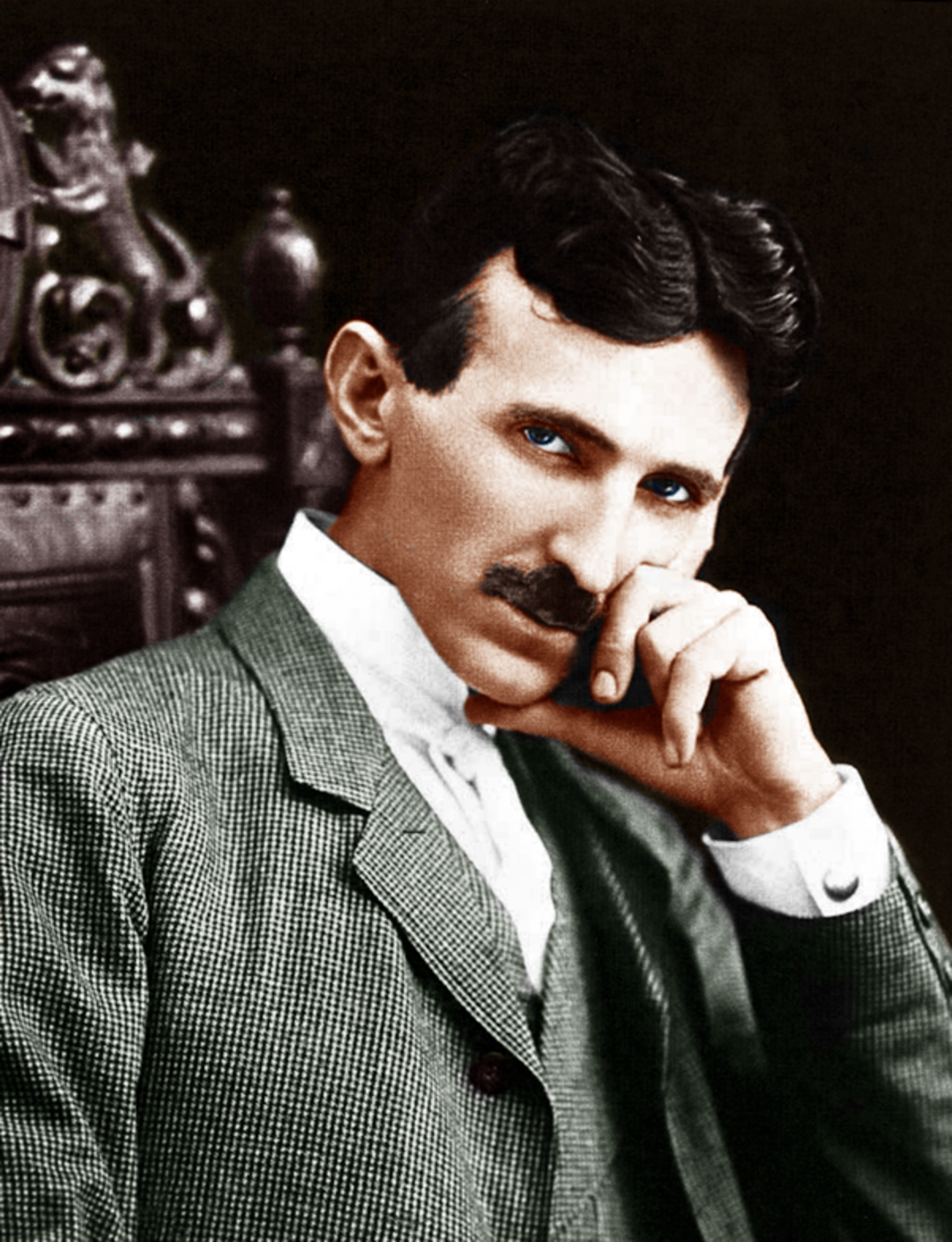
Nikola Tesla was a next-level inventor and contributed key ideas to alternating current electricity, which became the foundation for modern power distribution. He also pursued ambitious concepts like wireless energy and communication far ahead of his time. Although he struggled financially during his life, his ideas gained recognition later and became central to modern electrical systems. He is significant for pushing electrical science into new and unconventional directions. His life is explored in Tesla: Inventor of the Electrical Age by W. Bernard Carlson.
14. Charles Darwin
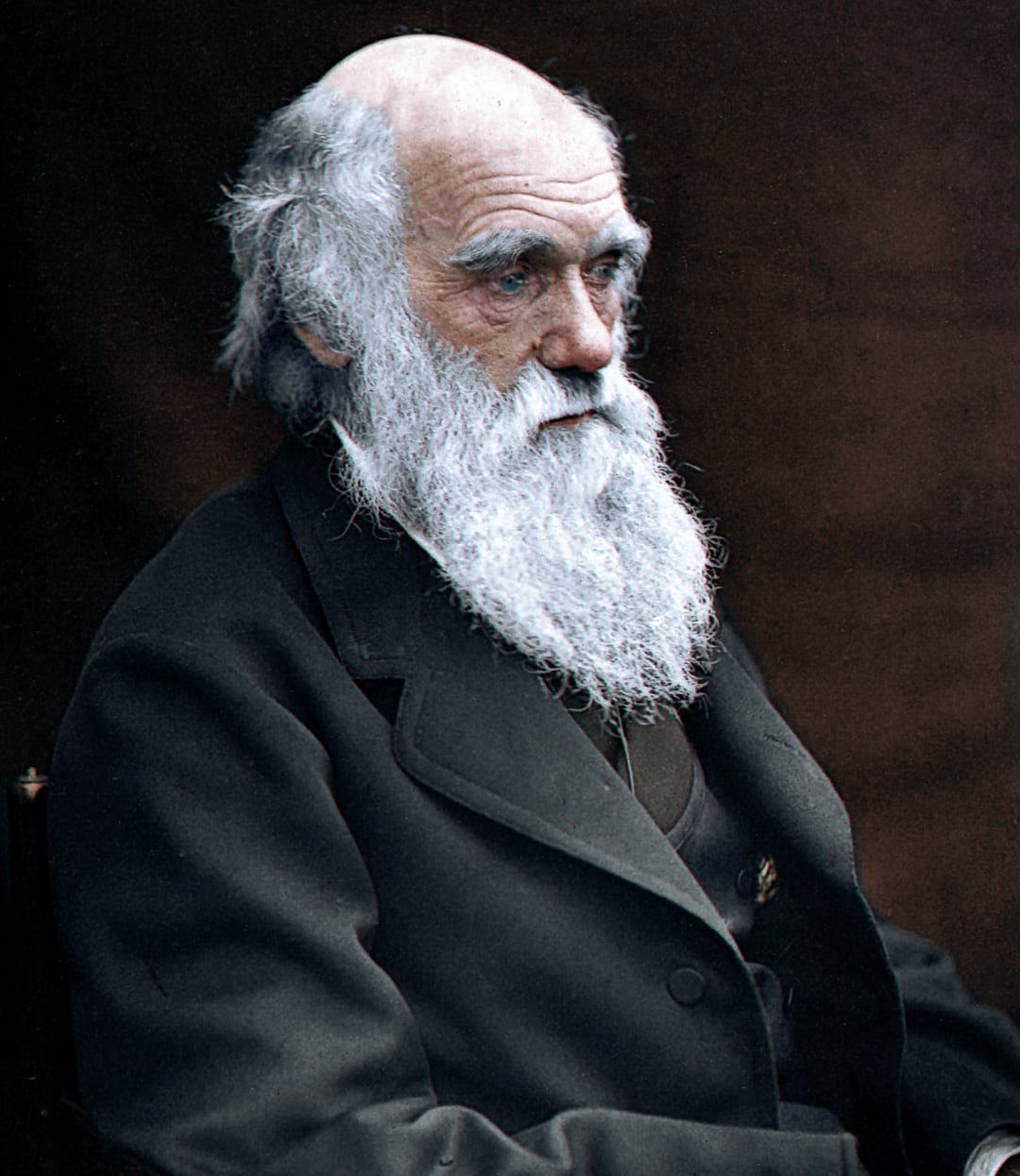
Charles Darwin introduced the theory of evolution through natural selection after years of careful observation and research, explaining how species change over time in response to environmental pressures rather than remaining fixed. His ideas challenged deeply held beliefs about life’s origins and reshaped biology into a unifying scientific discipline. Janet Browne’s Charles Darwin: The Power of Place emphasizes how his surroundings and experiences shaped the development of his thinking.
15. Theodore Roosevelt
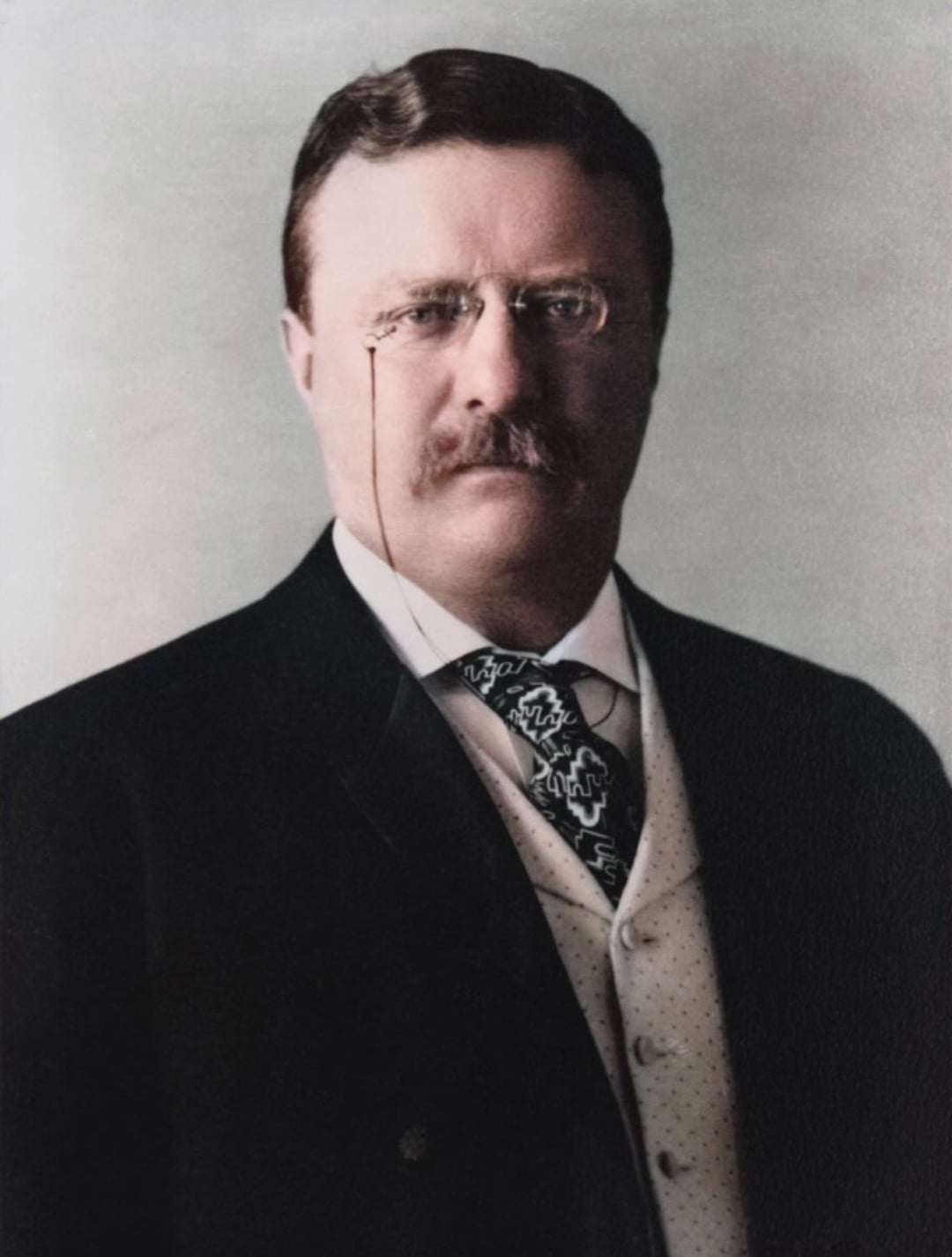
Theodore Roosevelt expanded the power of the American presidency while promoting progressive reforms, conservation efforts, and a more assertive role for the United States in world affairs during a time of rapid industrial and political change. His leadership style combined energy, public engagement, and a belief in active government. Edmund Morris’ The Rise of Theodore Roosevelt traces how his personality and ambition pushed him into the center of national life.
Want to see more historical content?
Check out 15 Historical Events That Sound Like Fiction, or take a look at 20 Random Historical Events That Inspired Actual Movie Plots. Finally, if you want to see historical images, check out 20 Stunning Historical Images That Capture the Reality of 1935.