Stepping back into 1935 is like entering a world that feels both strangely familiar and entirely alien. It was a year defined by a gritty determination to move forward, as families across the globe navigated the lingering hardships of the Great Depression with a sense of newfound resilience. In the United States, the Dust Bowl was reaching its peak, turning the Great Plains into a scorched wasteland and forcing thousands to migrate in search of a better life. Yet, despite the economic struggle, 1935 was also a time of incredible ambition, seeing the birth of the Hoover Dam and the first trans-Pacific flight, proving that the human spirit was far from broken.
These archival images offer a rare, unfiltered look at the daily lives of people who lived through this transformative era. From the elegant, streamlined fashion that dominated city streets to the humble, weary faces of rural workers, every photograph tells a story of a world caught between tradition and the fast-approaching modern age. Seeing 1935 through a lens reminds us of the small details that history books often miss, such as how people dressed for a simple trip to the market or the sheer scale of the manual labor required to build the world’s infrastructure. Let’s take a journey through twenty defining moments that capture the true essence of a year that shaped the century.
1. The Dust Bowl’s black blizzard
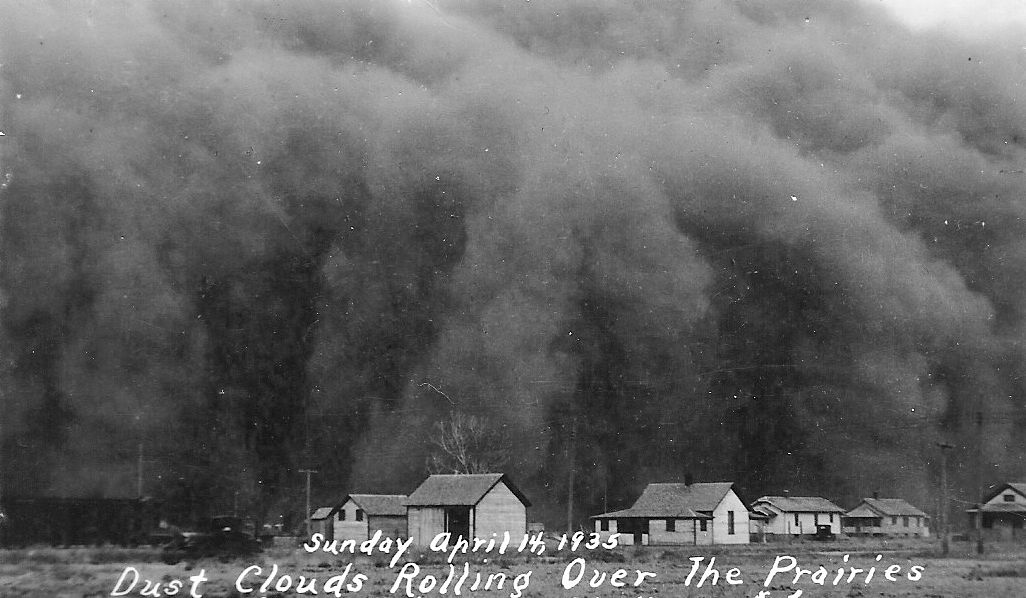
In the spring of 1935, a massive dust storm known as “Black Sunday” swept across the American Midwest, turning day into night for millions of people. This wall of dirt was so thick that it actually generated static electricity that could short out car engines and knock people to the ground. Farmers were forced to watch as their topsoil and their livelihood simply blew away into the horizon. It remains one of the most sobering visual reminders of the ecological catastrophe that defined the decade.
2. The construction of the Hoover Dam
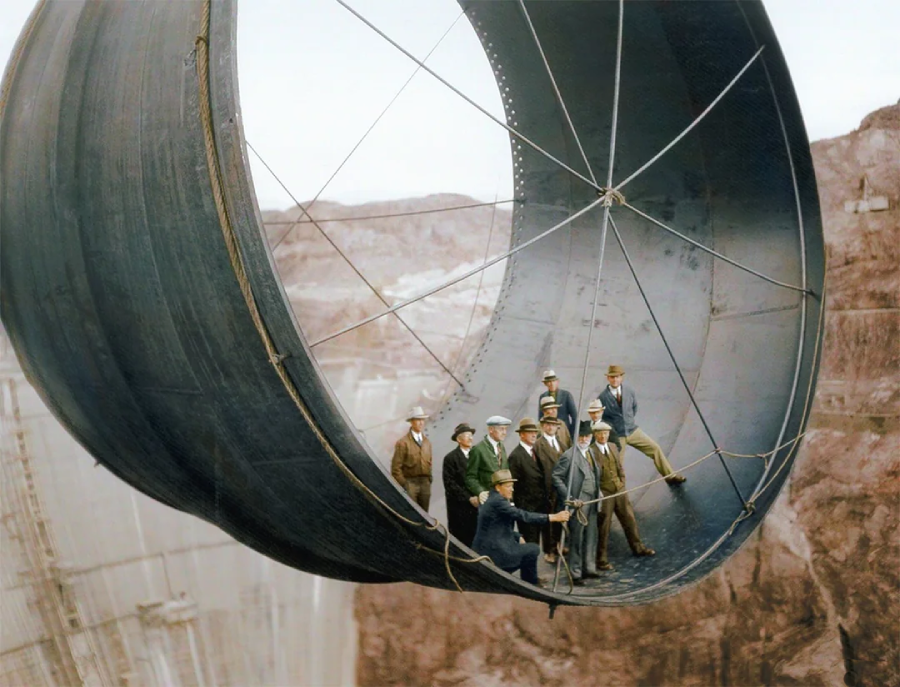
Completed two years ahead of schedule in 1935, the Hoover Dam was a colossal feat of engineering that symbolized American recovery. At the time of its dedication, it was the largest hydroelectric power plant in the world and the tallest dam ever built. Thousands of workers risked their lives in the scorching Nevada heat to pour over 3 million cubic yards of concrete. This image captures the sheer scale of the project, making the massive machinery look like tiny toys against the canyon walls.
3. Monopoly hit the shelves
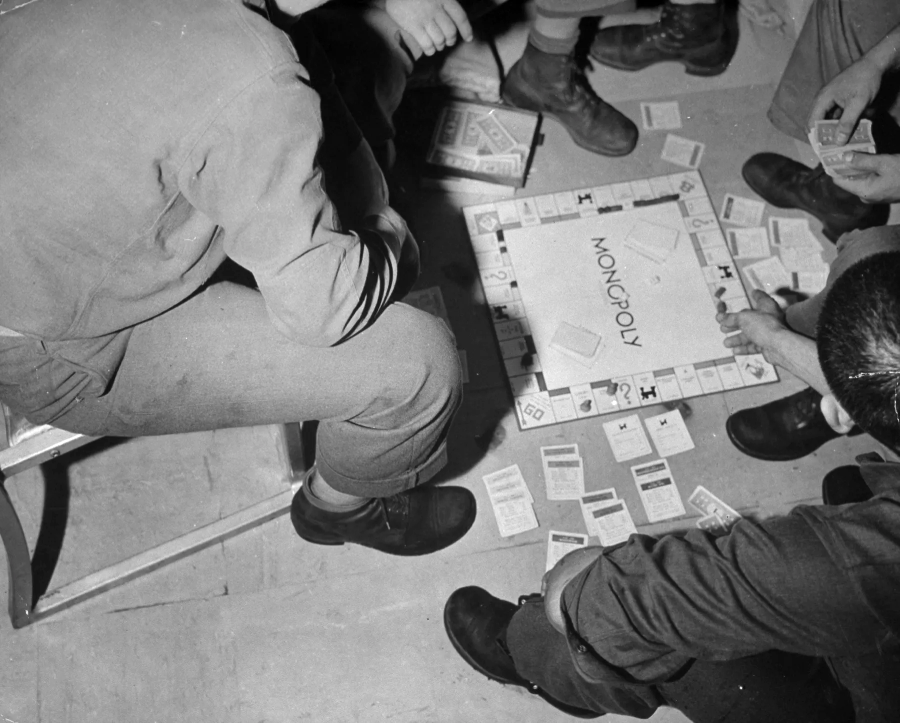
While many families were struggling to make ends meet in 1935, a new board game called Monopoly became an overnight sensation for Parker Brothers. It offered a bit of escapism, allowing players to feel like wealthy real estate moguls even if they only had a few nickels in their pockets. The game actually helped people cope with the financial stress of the era by turning “the struggle” into a competitive, social activity. Today, it remains a household staple, but its roots are firmly planted in the economic reality of the mid-thirties.
4. The first canned beer
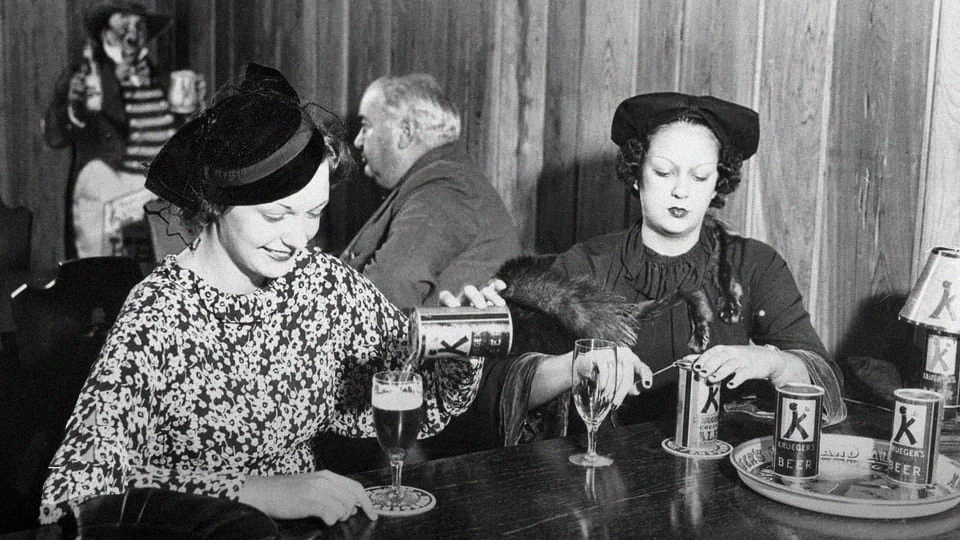
Revolutionizing the beverage industry, the first canned beer, Krueger’s Finest Beer, went on sale in January 1935. Before this, beer was only available in heavy glass bottles or barrels, making it difficult to transport and store at home. The cans were made of heavy steel and required a special “punch” opener to get to the liquid inside. This small technological shift changed consumer habits forever and paved the way for the modern convenience culture we live in today.
5. Amelia Earhart’s record-breaking solo flight
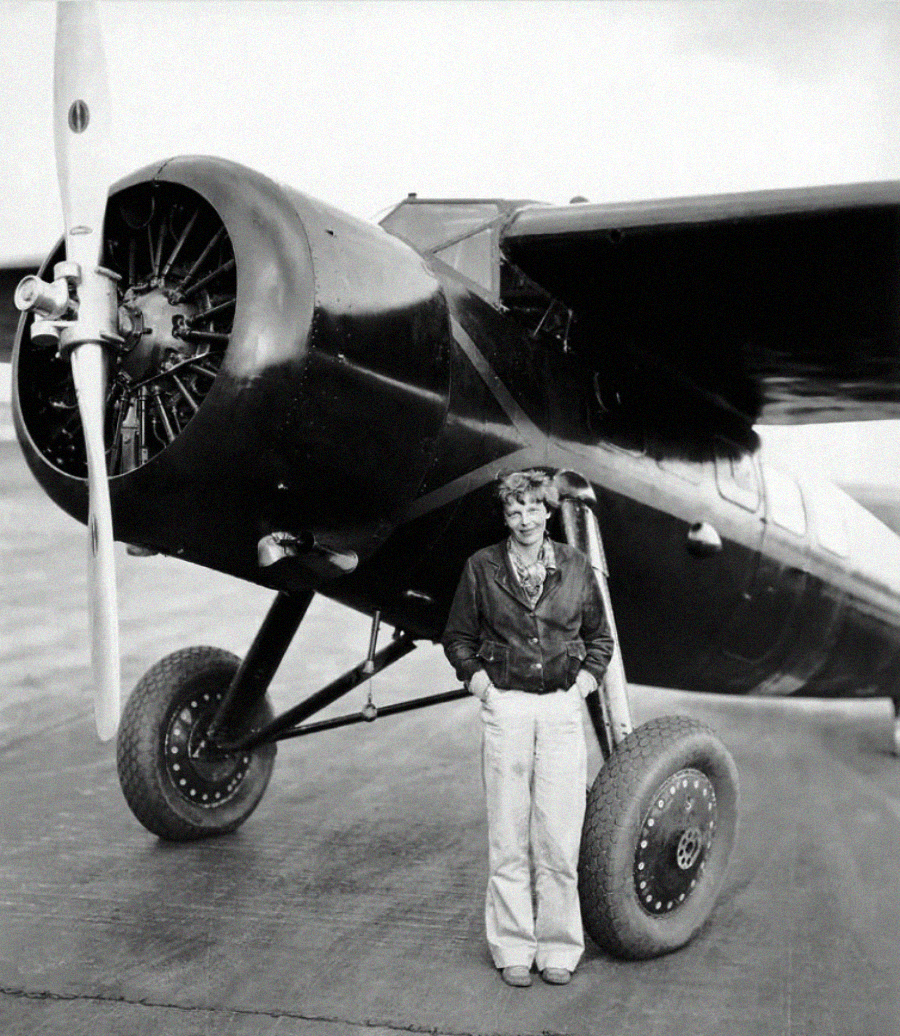
In early 1935, Amelia Earhart became the first person to fly solo from Hawaii to California, a journey that many male pilots had failed to complete. She battled freezing temperatures and heavy fog during the 18-hour flight, arriving in Oakland to a massive, cheering crowd. This photo captures her just after landing, looking remarkably poised despite the grueling physical toll of the journey. Her success during this year solidified her status as a global icon of courage and female empowerment.
Trending on The Scroller
6. The rise of the streamlined train
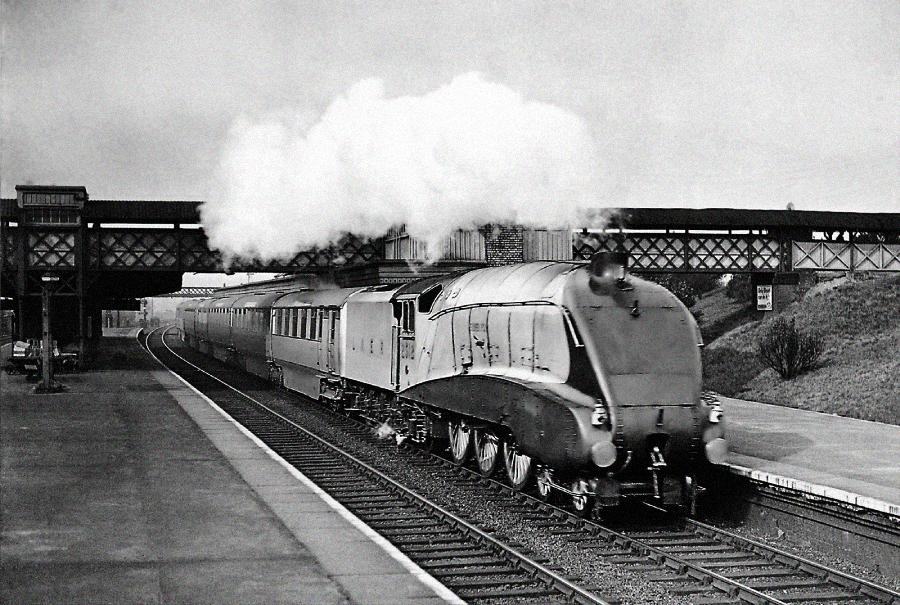
In 1935, Britain introduced the “Silver Jubilee” train to celebrate King George V’s 25th year on the throne, showcasing a sleek, futuristic design. These locomotives were designed with aerodynamics in mind, allowing them to reach speeds of over 100 miles per hour with ease. To the public, these silver-streaked machines looked like something out of a science fiction novel rather than a standard railroad. This era of streamlining influenced everything from cars to toasters, defining the aesthetic of the late 1930s.
7. Rural schoolhouses
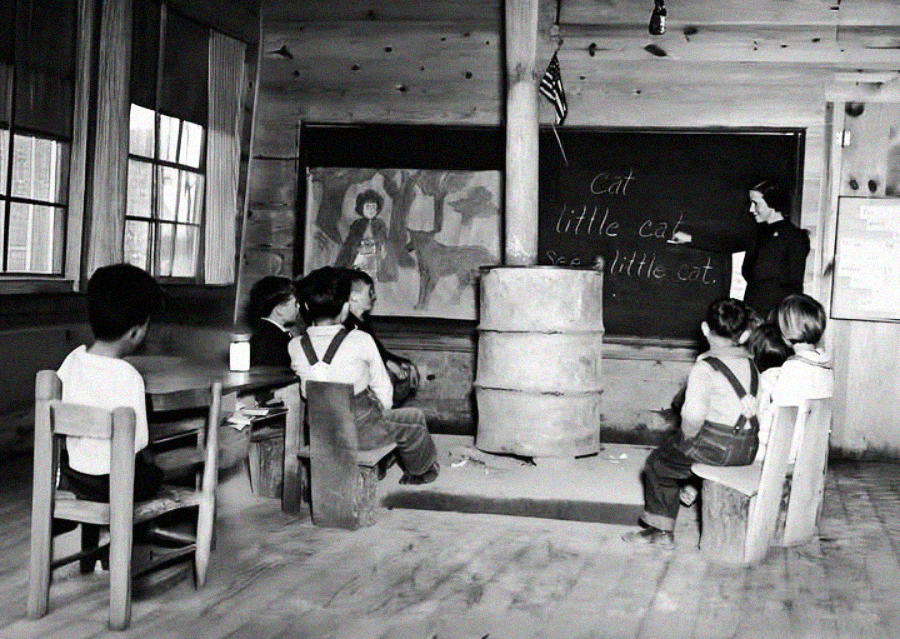
Education in 1935 looked very different for children living in the rural heartlands compared to those in the big cities. Many students still attended one-room schoolhouses where a single teacher managed children of all ages, from kindergartners to teenagers. Resources were incredibly scarce, often requiring students to share a single textbook or use slate boards instead of expensive paper. Despite the economic hardship, these schools remained the social center of their communities, providing a sense of stability during uncertain times.
8. The first night game in Major League Baseball history
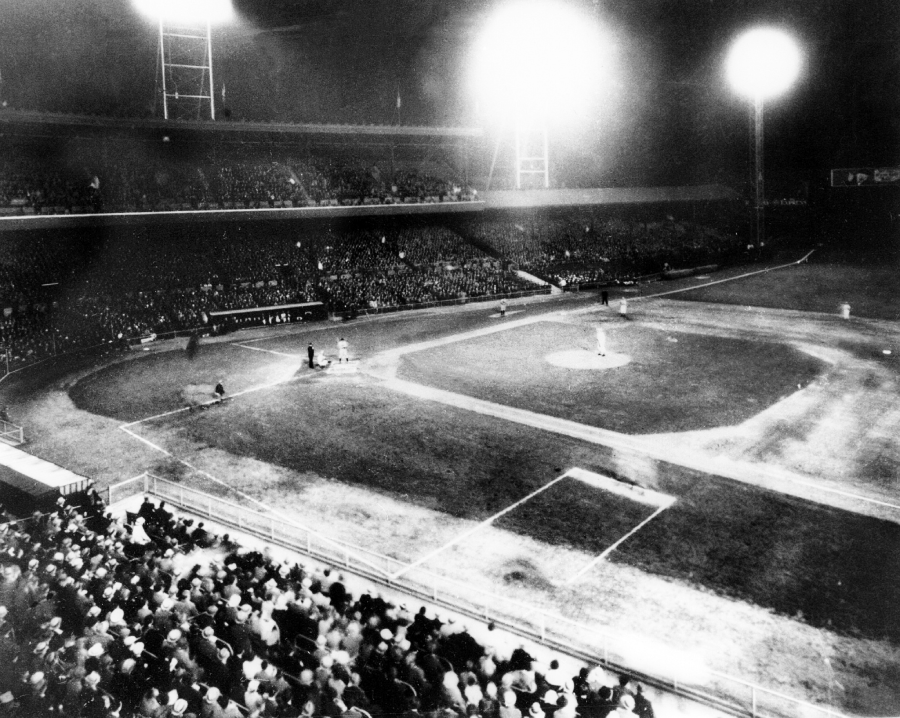
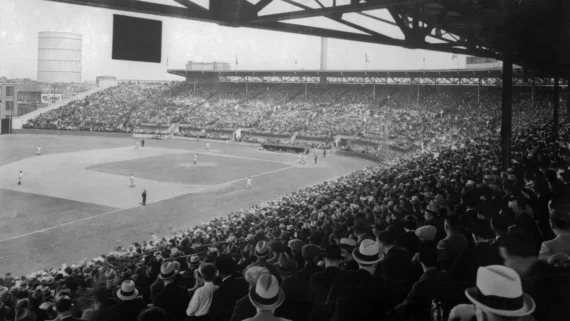
Baseball changed forever on May 24, 1935, when the Cincinnati Reds hosted the Philadelphia Phillies under a set of massive, new floodlights. Before this moment, professional baseball was strictly a daytime affair, meaning many working-class fans could never attend a game. President Franklin D. Roosevelt even flipped a ceremonial switch from the White House to signal the start of this electric revolution. The success of the night game proved that sports could thrive after dark, paving the way for the multi-billion-dollar industry we know today.
Sign up for our newsletter
9. Fashion of the Silver Screen era on city streets
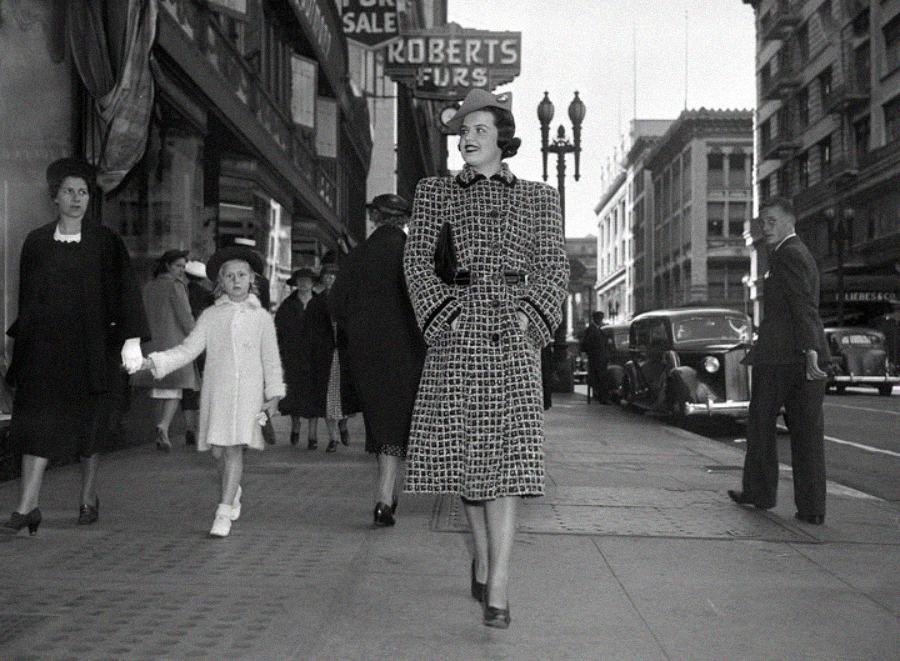
By 1935, the glamorous influence of Hollywood had trickled down to the average citizen, resulting in a very polished “street style.” Even during the Depression, women often wore cloche hats and tailored coats with faux fur collars to maintain a sense of dignity and style. Men rarely left the house without a fedora and a suit, regardless of their financial status or the weather. This image captures a busy metropolitan sidewalk, showing a level of formal dressing that has almost entirely vanished from modern daily life.
10. The CCC workers
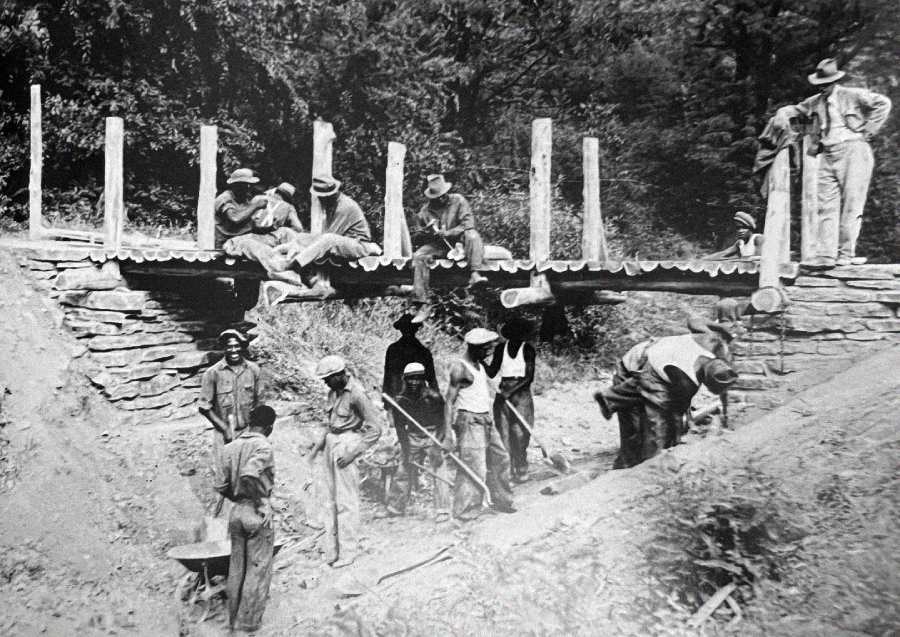
The Civilian Conservation Corps (CCC) was in full swing by 1935, employing hundreds of thousands of young men to restore the nation’s natural resources. These workers lived in semi-military camps and were paid $30 a month, most of which was sent directly home to support their struggling families. They planted billions of trees, built state parks, and fought forest fires, creating the infrastructure for the modern American park system. This photo shows the “Soil Soldiers” at work, a testament to the manual labor that literally reshaped the country’s landscape.
11. The introduction of the first parking meter
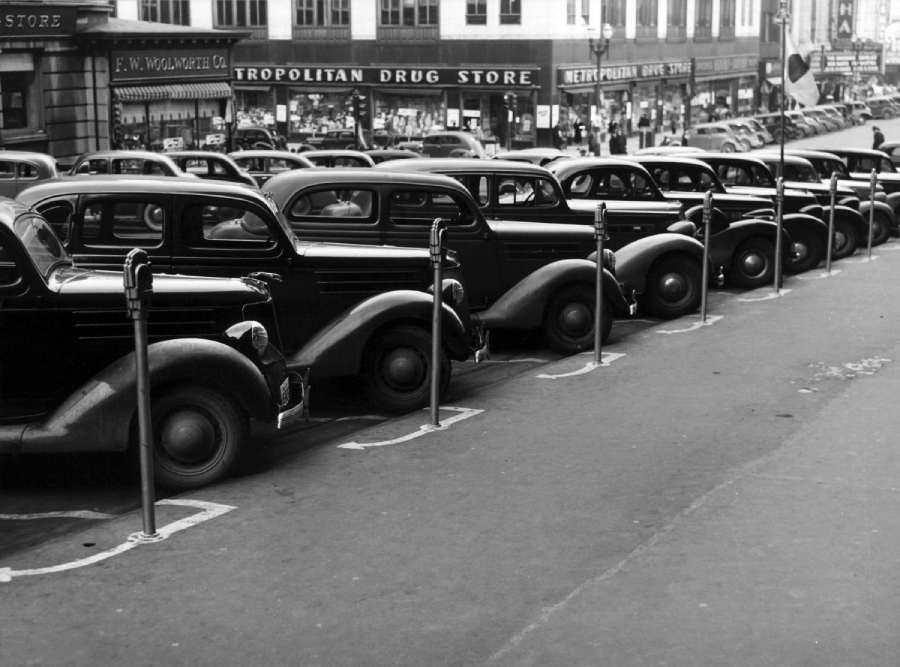
In July 1935, the world’s first parking meter, known as the “Black Maria,” was installed in Oklahoma City. As cars became more affordable and cities became more crowded, officials needed a way to manage the chaos of street parking. The device charged a nickel an hour, a move that was initially met with outrage by drivers who felt the streets should be free. Despite the early protests, the experiment was so successful at generating revenue that meters spread to every major city in the world within a decade.
12. Public library “bookmobiles” on rural roads
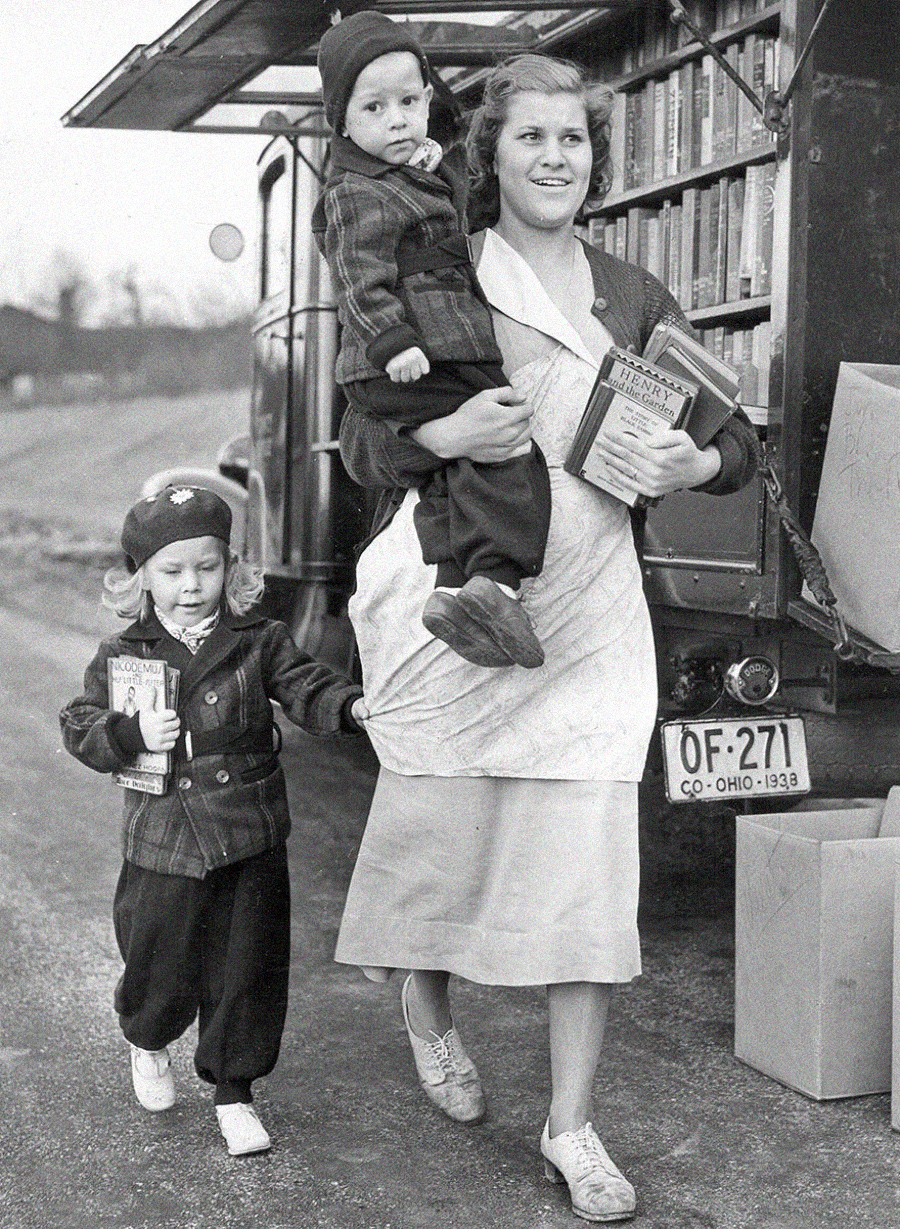
For many isolated communities in 1935, the “Bookmobile” was a literal lifeline to the outside world and the only source of new information. These traveling libraries were often converted trucks or buses packed with hundreds of volumes that moved from farm to farm. Librarians would navigate treacherous dirt roads and bridge washouts just to ensure that rural families had access to literature and news. Seeing the crowd of children gathered around the truck in this photo highlights just how much people hungered for knowledge during the lean years.
13. The fitting out of the RMS Queen Mary
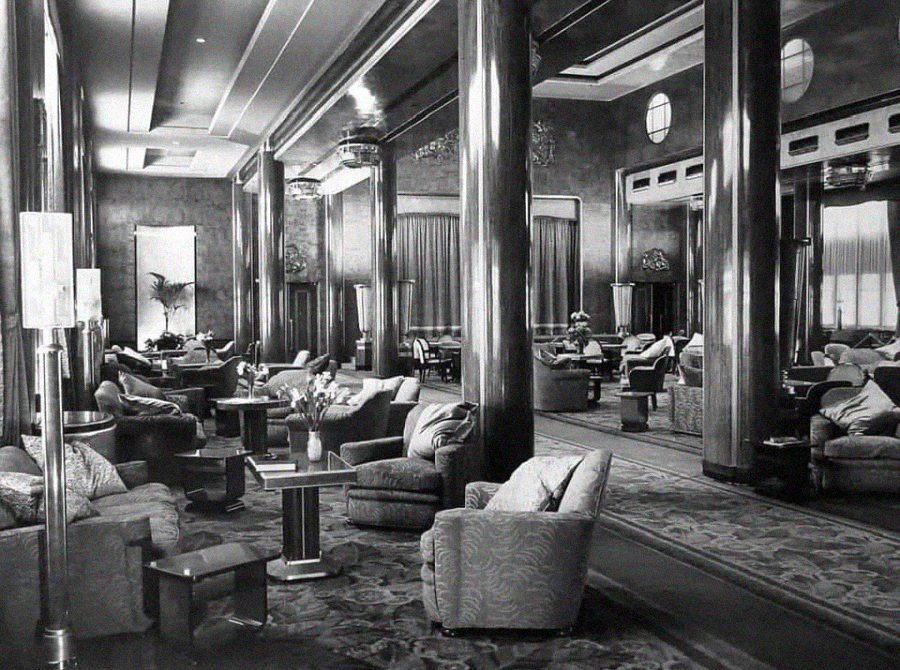
While it was launched a few months earlier, 1935 was the year the RMS Queen Mary was being “fitted out” with its legendary luxury interiors in Scotland. The ship was a floating palace of Art Deco design, featuring over 50 different types of wood veneers and world-class murals. It represented the height of British maritime pride and was intended to win back the “Blue Riband” for the fastest Atlantic crossing. This image of the ship at the docks reveals the gargantuan scale of the hull compared to the tiny shipyard workers below.
14. Times Square
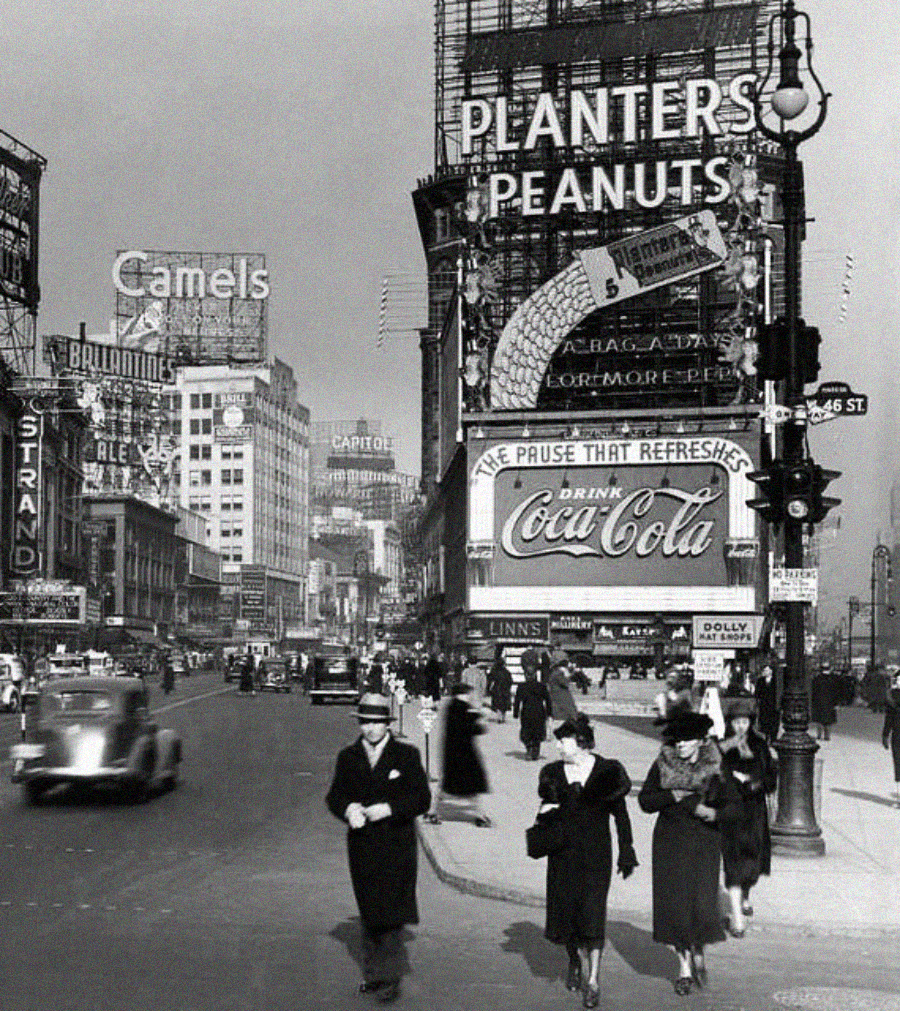
Even in the middle of the Great Depression, Times Square in 1935 remained a beacon of light and consumerism. This was the era when neon lighting became a dominant part of the New York City skyline, advertising everything from chewing gum to the latest Broadway hits. The streets were filled with yellow cabs and newsboys shouting the latest headlines about the looming tensions in Europe. It was a place of high energy where the struggle of the decade seemed to vanish under the glare of thousands of electric bulbs.
15. The “Migrant Mother” generation
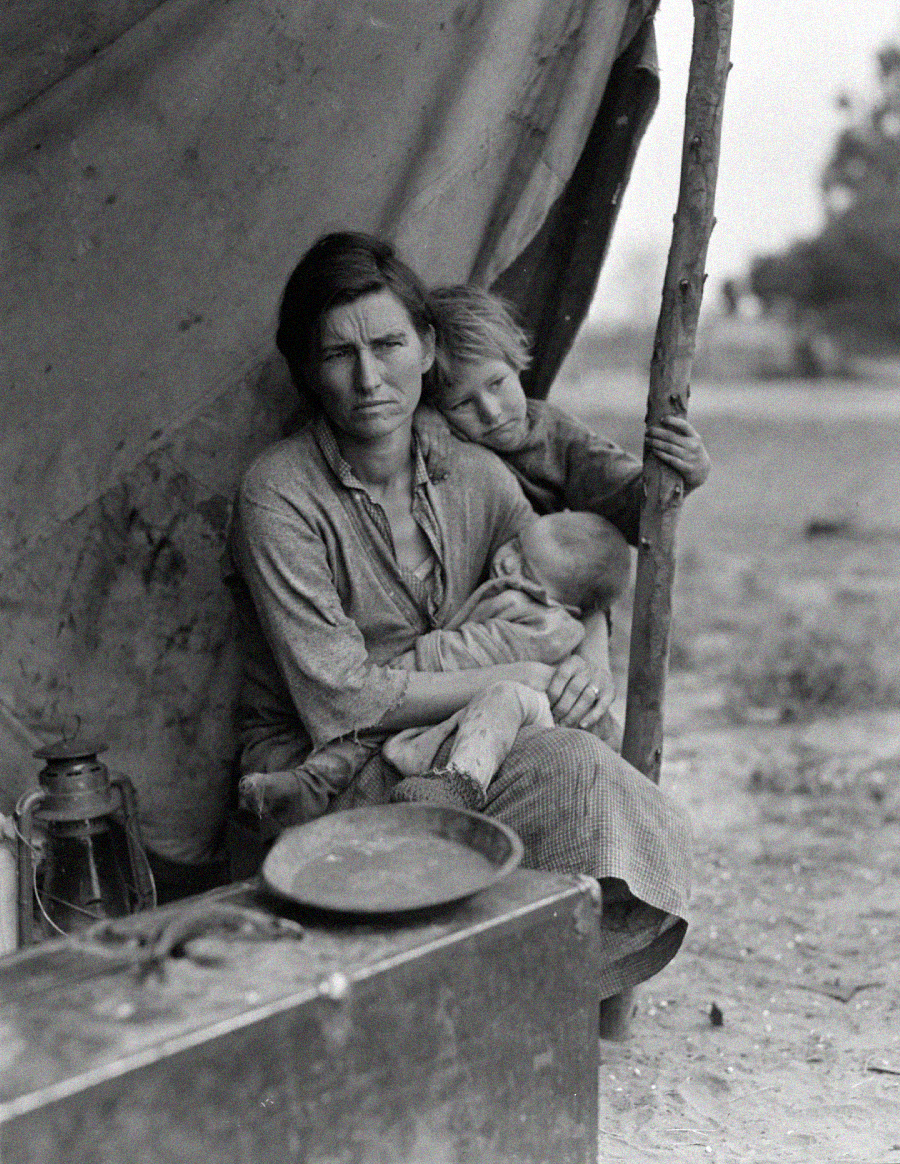
Before Dorothea Lange took her most famous photo, the Farm Security Administration began documenting rural poverty in 1935. These photographers were sent out to show the government and the wealthy urban population the reality of life in the labor camps. The images capture a haunting level of weariness in the eyes of parents who were trying to raise children with nothing but a tent and a hope for work. These portraits humanized the statistics of the Depression and eventually led to significant changes in social welfare policies.
16. Hand-cranked washing machines
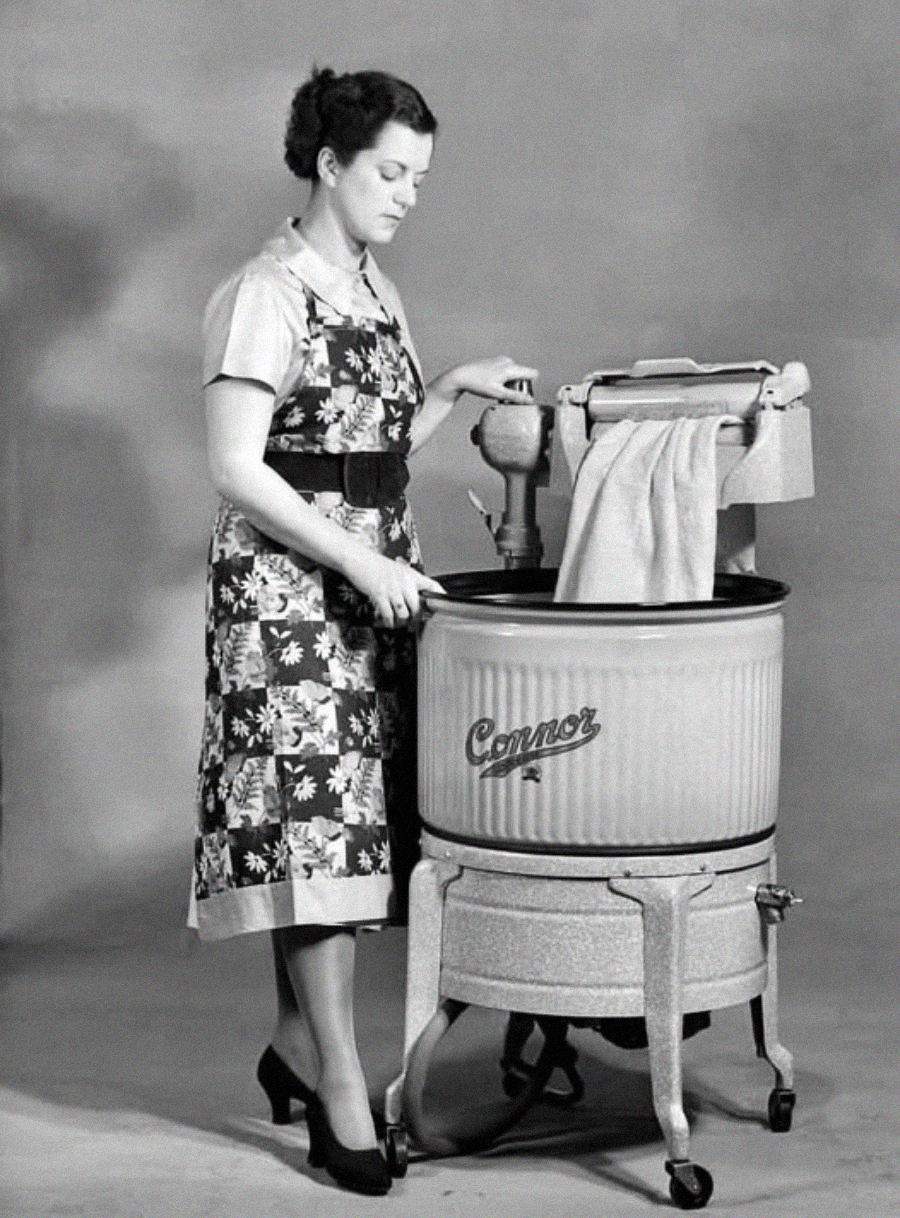
By 1935, electricity was reaching more rural homes, but laundry was still a back-breaking manual task for most families. These early washing machines featured a wooden or metal tub with a hand-cranked wringer on top to squeeze the water out of clothes. One wrong move could easily catch a finger or a button in the heavy rollers, making laundry day a bit of a hazard. This image serves as a perfect reminder of how much physical effort went into maintaining a “modern” household nine decades ago.
17. High-rise construction and the daring workers of the 30s
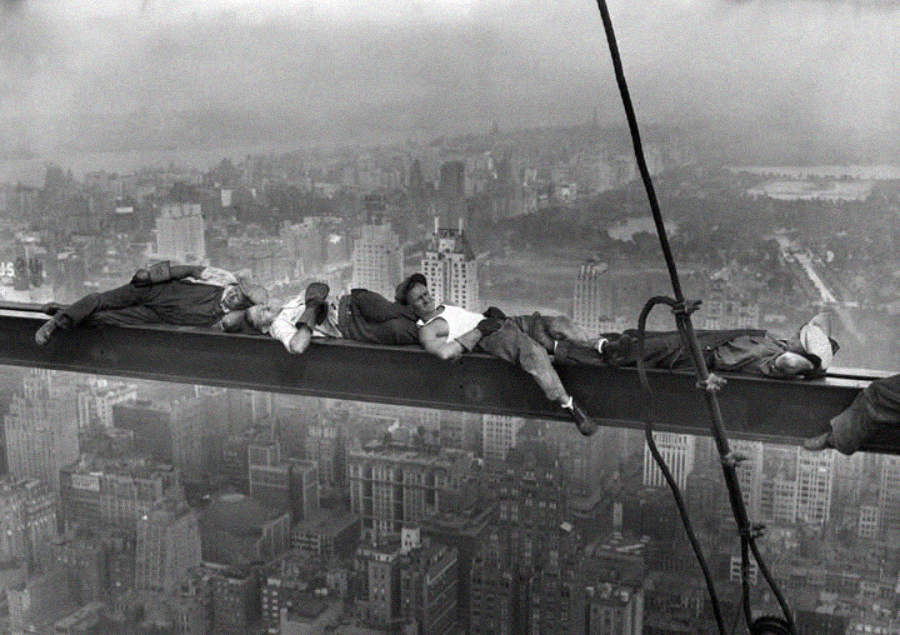
As city skylines continued to grow in 1935, workers known as “sky boys” performed incredible feats of bravery without any modern safety harnesses. This photo captures taking a break on steel beams hundreds of feet above the pavement with total nonchalance. These men were often immigrants or Mohawk Native Americans who were legendary for their lack of fear regarding heights. Their work during this year helped complete the skeletal structures of buildings that still define our cityscapes nearly a century later.
18. Art Deco diners
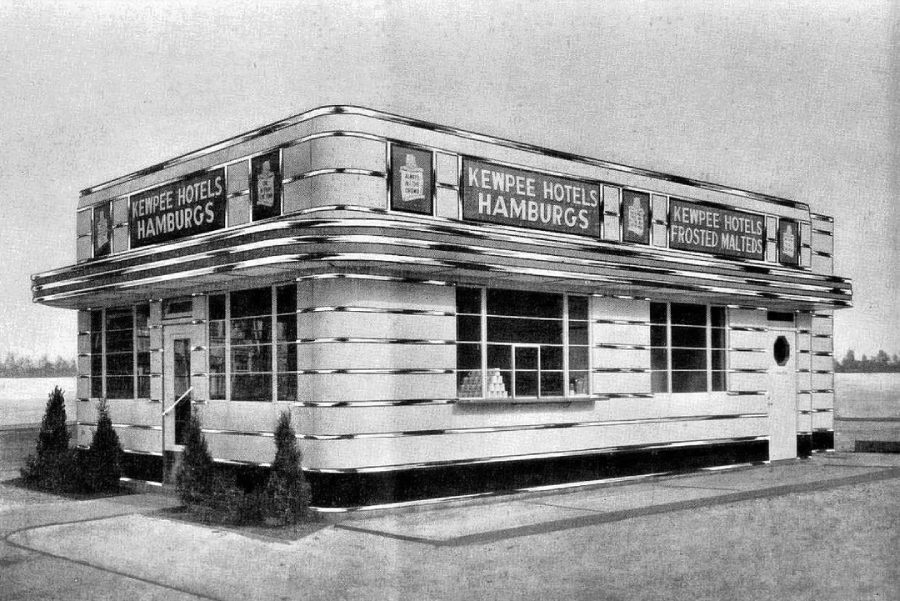
By 1935, the “diner” had evolved from a simple lunch wagon into a shimmering, chrome-plated masterpiece of Art Deco architecture. These iconic eateries were designed to look like streamlined trains, offering a fast-paced, modern dining experience for the working man. Inside, you’d find neon signs, linoleum counters, and the first integrated jukeboxes playing the hits of the big band era. They became the “third place” for Americans, where people could gather to discuss the news over a five-cent cup of coffee.
19. The first canned soup marketing campaigns
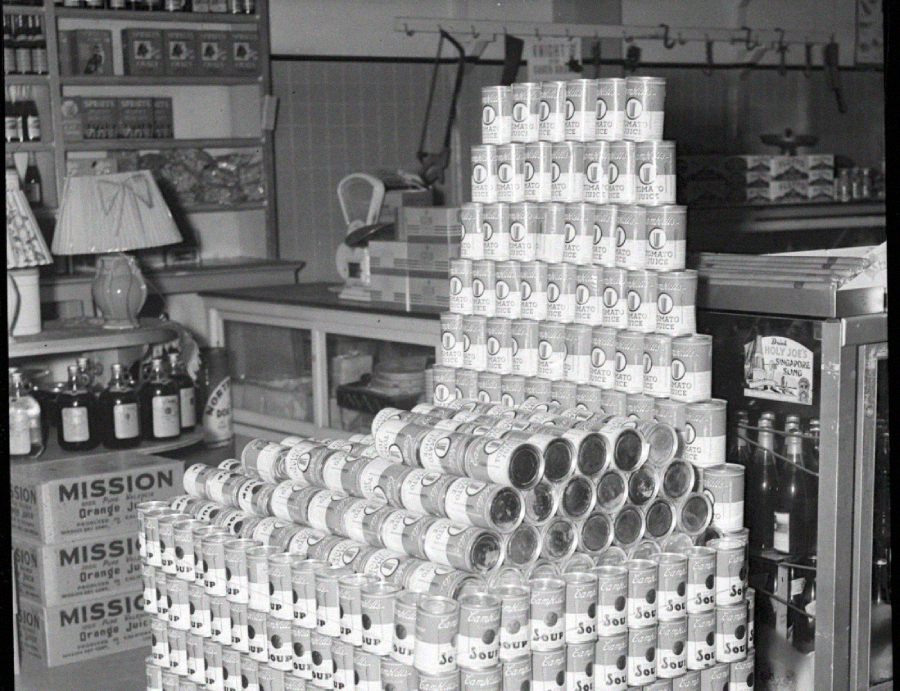
In 1935, the marketing of canned goods reached a new level of sophistication as companies targeted the “modern housewife” who wanted to save time. This image shows a grocery store display of Campbell’s soup, which had become a staple for families looking for a cheap, nutritious meal during the Depression. The bright, consistent labeling of these cans was a relatively new concept in retail, helping to create the first true “national brands.” It was the beginning of the end for bulk, unlabeled food bins and the start of the supermarket era.
20. Amateur radio, the original social media of 1935
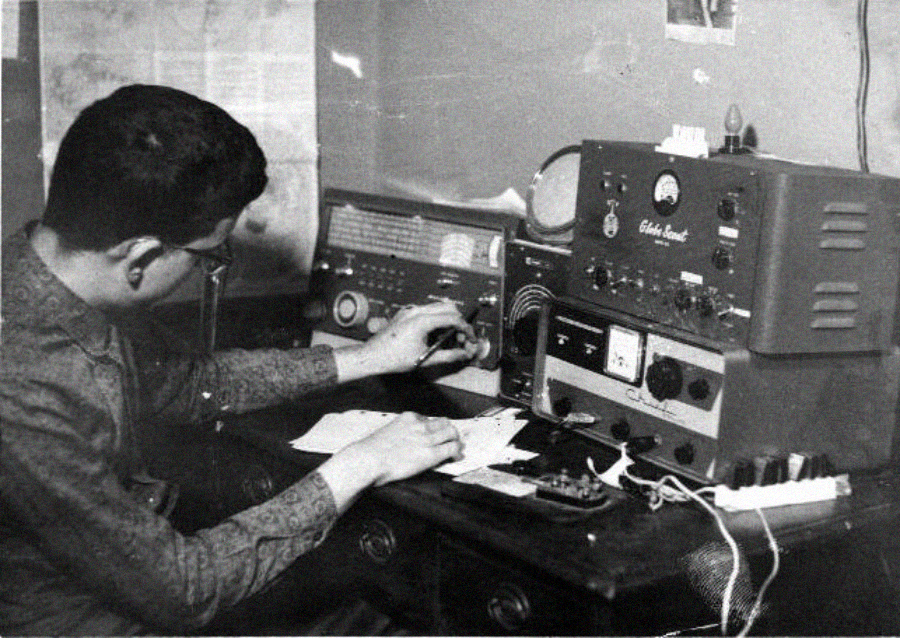
Long before the internet, “Ham Radio” was the way tech-savvy individuals connected with people across the globe in 1935. Enthusiasts would build their own massive transmitters in their attics or basements, spending late nights searching through static to find a voice from another country. During emergencies or natural disasters, these amateur operators were often the only way to get news in or out of a stricken area. This photo of a teenager with his complex radio setup captures the excitement of a generation that was just beginning to realize the world could be connected by invisible waves.
Are you in the mood for more historical images?
Looking back at these moments from 1935 is a humbling reminder of the grit and creativity that define the human experience, even during the toughest of times. These photos capture a world that was rebuilding itself with every brick laid and every record broken. If you’re in the mood for more vintage history, don’t miss these 15 Historical Facts That Make History Feel Very Recent, or 18 Last Known Photos of Historical Figures from the 1940s. You can also check out these 20 Random Historical Events That Inspired Actual Movie Plots.