We tend to view history as a series of neat, isolated boxes -the Stone Age, the Renaissance, and the Modern Era- each separated by centuries of progress. However, when you look at the actual dates, you start to realize that these “boxes” often overlap in ways that feel like a glitch in the matrix. These chronological facts challenge our perception of the world, revealing that ancient civilizations were often still thriving while modern institutions were already opening their doors. It’s a jarring experience to realize that the pioneers of the Wild West could have technically met the inventors of the lightbulb.
The problem is that our brains struggle to reconcile the aesthetic of different eras existing on the same timeline. We don’t imagine a world where mammoths and pyramids coexisted, yet the data proves that the world is a much smaller and more interconnected place than our history books suggest. These facts serve as a reminder that the “old world” didn’t just vanish overnight to make room for the new; instead, they occupied the same planet for much longer than we think. Prepare to have your internal clock reset as we explore these fifteen mind-bending historical overlaps.
1. Thomas Jefferson and John Adams died on the same 4th of July
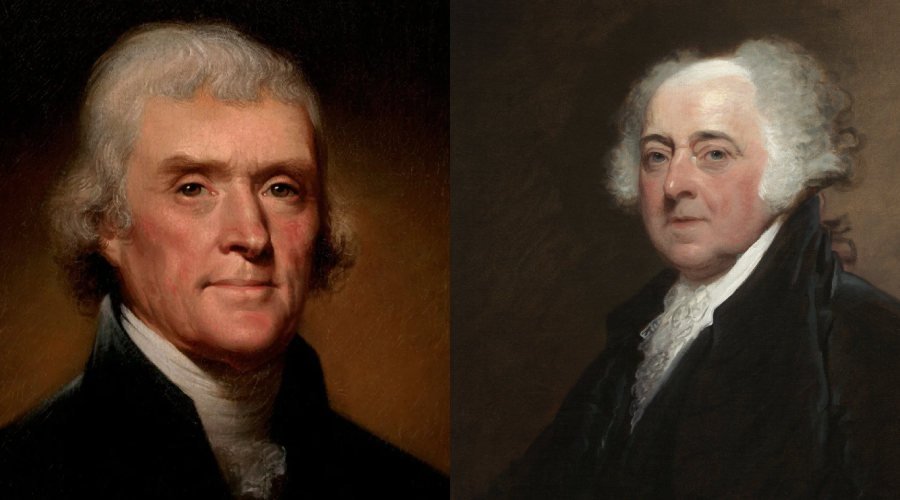
It sounds like a poorly written movie script, but two of America’s most influential Founding Fathers passed away on July 4, 1826, exactly 50 years to the day after the signing of the Declaration of Independence. Adams’ last words were reportedly “Thomas Jefferson survives,” unaware that Jefferson had actually passed away at Monticello just five hours earlier. This incredible coincidence makes the timeline of early American history feel almost divinely choreographed.
2. The Golden Gate Bridge opened the same year the Hindenburg exploded

We often think of the Golden Gate Bridge as a permanent fixture of the modern world and the Hindenburg disaster as a black-and-white relic of a bygone era. However, both events occurred in May 1937, just days apart. It’s a jarring realization that while people in San Francisco were celebrating the opening of the world’s most beautiful bridge, the era of commercial airship travel was coming to a fiery, tragic end across the country.
3. Salvador Dalí and the Teenage Mutant Ninja Turtles shared the late 80s
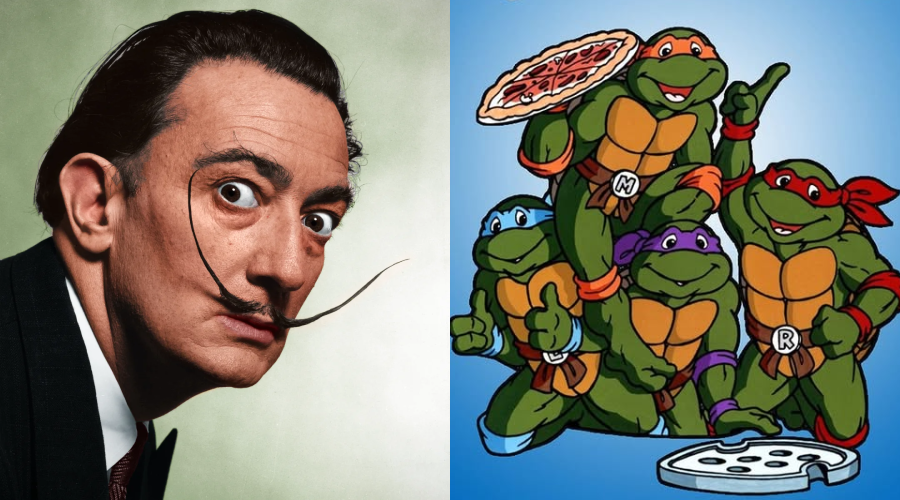
It’s difficult to reconcile the high-art surrealism of Salvador Dalí with the Saturday morning cartoon chaos of the Teenage Mutant Ninja Turtles, but they briefly occupied the same world. Dalí, whose melting clocks defined 20th-century art, passed away in 1989, the same year the TMNT craze reached its absolute peak with toys, movies, and video games. This overlap proves that the “Old World” of classical modern art survived much further into the pop-culture era than we realize.
4. Harriet Tubman was alive at the same time as Ronald Reagan
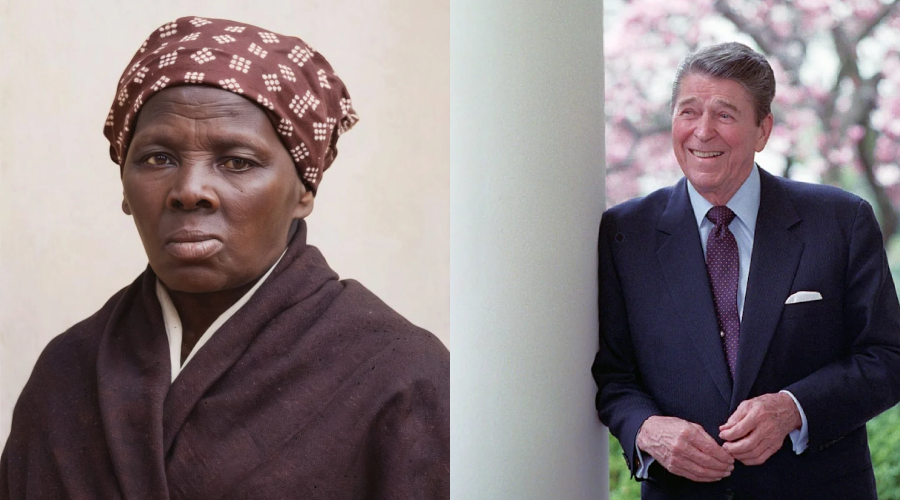
History feels distant until you realize that only one person separates the Underground Railroad from the 1980s. Harriet Tubman passed away in 1913, the same year that a young Ronald Reagan was two years old and living in Illinois. This overlap makes the struggle for civil rights and the era of modern politics feel much more closely linked than we usually perceive.
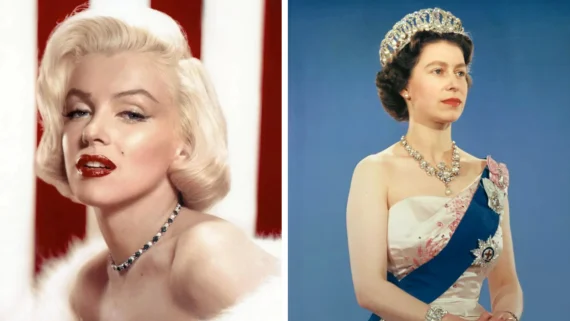
5. Marilyn Monroe and Queen Elizabeth were born in the same year
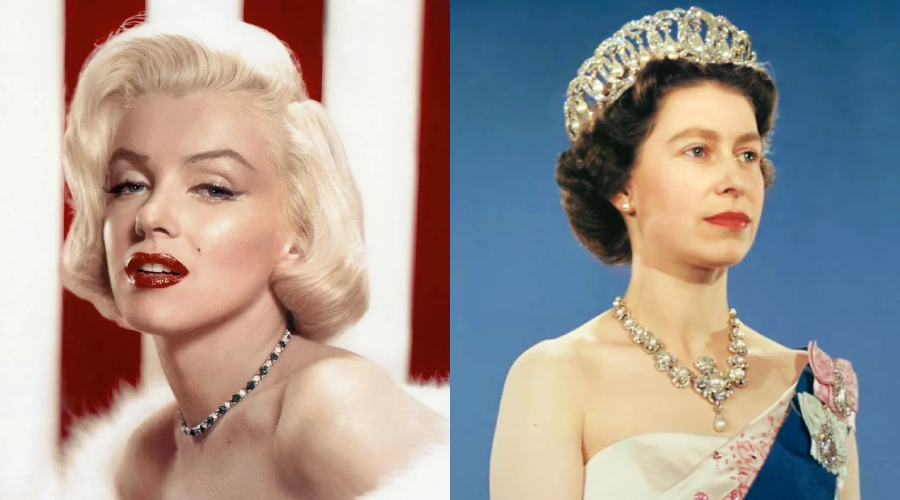
It is hard to imagine two women with more different life paths, but the Hollywood bombshell and the British monarch were both born in 1926. This chronological overlap was brought to life in a legendary 1956 photo when the two icons, both just 30 years old at the time, met at a film premiere in London. While Marilyn Monroe became the ultimate symbol of mid-century cinema before her tragic passing, Queen Elizabeth II remained a constant figure of global history well into the 21st century.
Trending on The Scroller


6. Anne Frank was born the same year as Martin Luther King
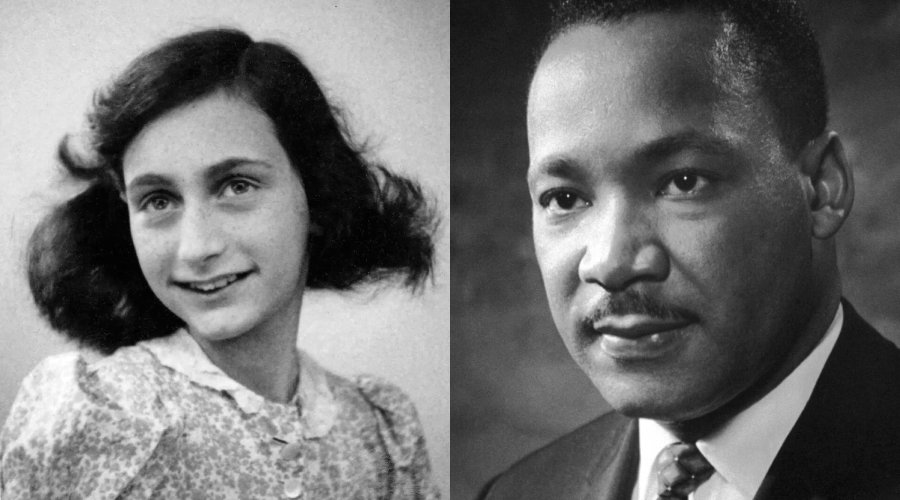
We often categorize these two icons in completely different historical “buckets”: one as a victim of the Holocaust and the other as a leader of the Civil Rights Movement. However, both Anne Frank and MLK Jr. were born in 1929. If Anne Frank had survived the war, she would have been the same age as King during his most famous speeches in the 1960s, showing how closely these global struggles for humanity aligned.
7. The fax machine was patented the same year the first wagon train crossed the Oregon Trail
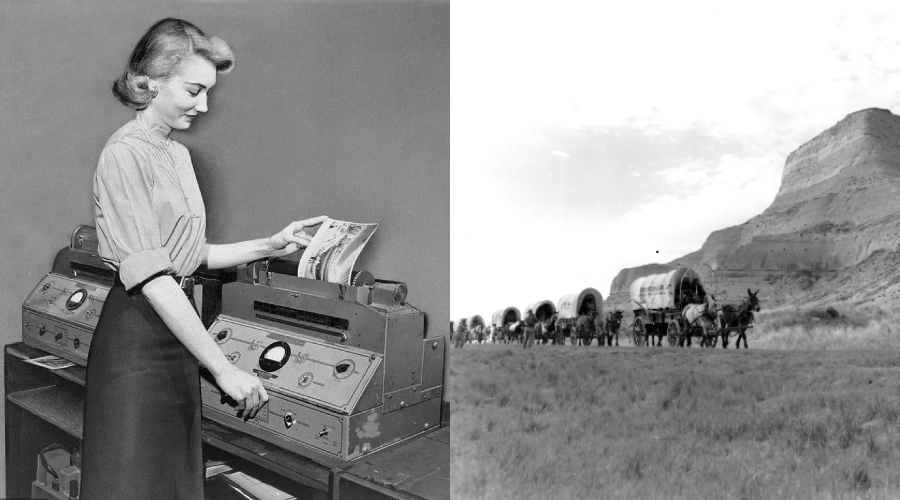
In 1843, Alexander Bain received a patent for the “Electric Printing Telegraph,” the very first version of a fax machine. That same year, the “Great Migration” of nearly 1,000 pioneers began their grueling journey westward in covered wagons. It’s wild to think that while people were dying of cholera on a dirt path, the technology to transmit images over wires already existed.
8. Microsoft was founded before the end of the Vietnam War
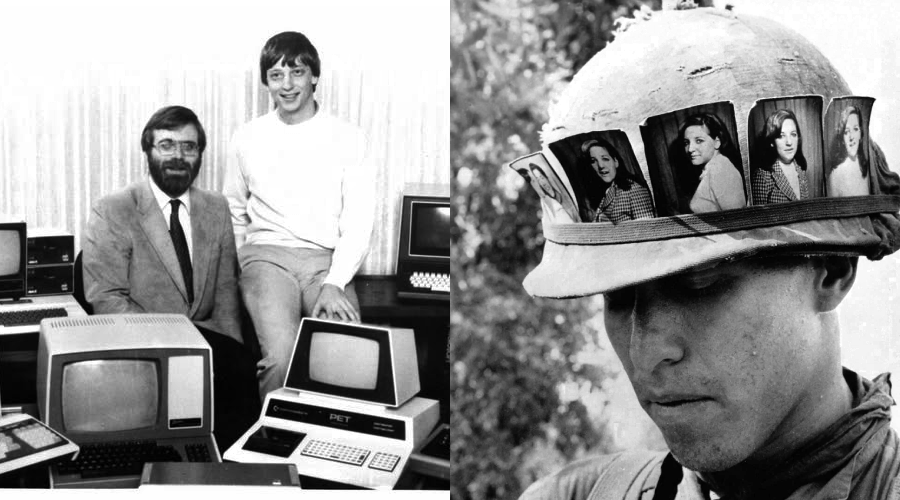
We tend to place the Vietnam War in a grainy, analog past and Microsoft at the dawn of the high-tech future, but Bill Gates and Paul Allen incorporated their company in April 1975. This was the same month as the Fall of Saigon, which officially signaled the end of the conflict. It’s a staggering reminder that the foundation of the digital world we live in today was being laid while the defining war of the previous generation was still making front-page news.
Sign up for our newsletter
9. The Brooklyn Bridge was under construction while the Battle of Little Bighorn was fought
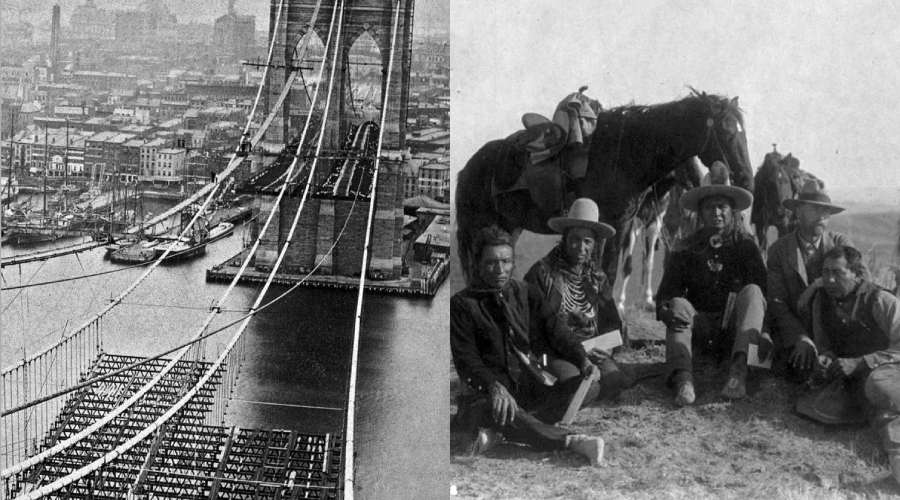
The Brooklyn Bridge is a symbol of industrial urban progress, while “Custer’s Last Stand” feels like a scene from a dusty Western legend. Yet, in 1876, as engineers in New York were weaving the massive steel cables of the bridge, the Great Sioux War was raging across the plains of Montana. This fact perfectly illustrates the “Two Americas” of the late 19th century: one building the future upward and the other fighting over the land of the past.
10. Orville Wright was still alive when the first jet engine was tested
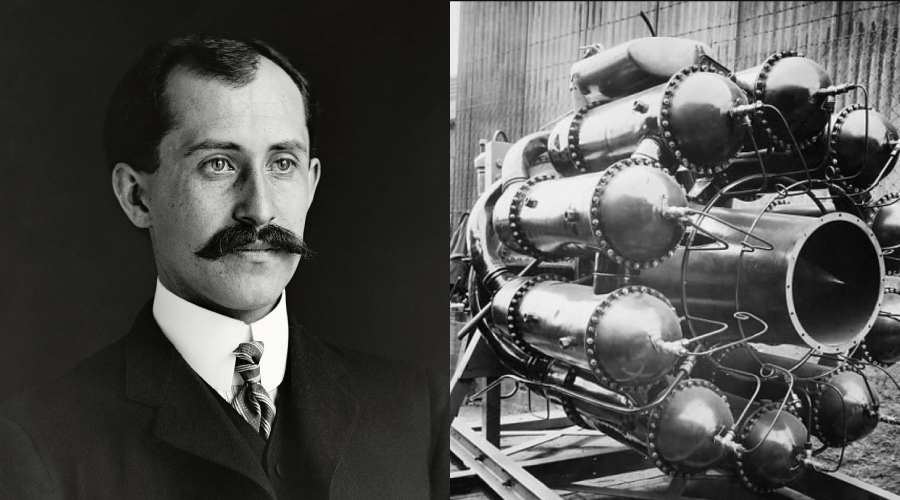
Orville Wright, who made the first powered flight in a fragile wooden glider in 1903, lived long enough to see the invention of the jet engine. He passed away in 1948, having witnessed aviation evolve from a 12-second hop on a beach to Chuck Yeager breaking the sound barrier in the Bell X-1. To see the entire history of flight -from wood and fabric to supersonic jets- within a single lifetime is a testament to how fast the 20th century moved.
11. Pablo Picasso died the year Pink Floyd released “The Dark Side of the Moon”
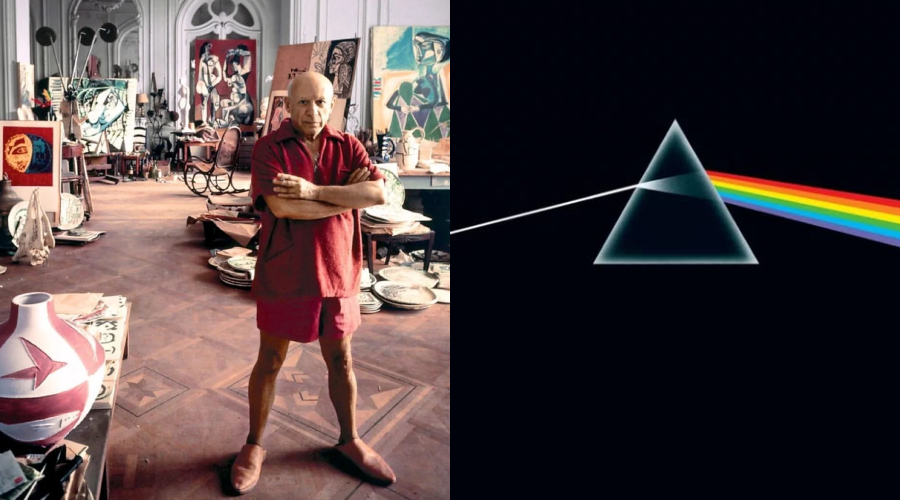
Picasso is often associated with the early 1900s and the birth of Cubism, but the legendary artist was still creating work until his death in 1973. This was the same year that Pink Floyd released their progressive rock masterpiece, The Dark Side of the Moon, which spent 900 weeks on the charts. It creates a surreal mental image to think that Picasso could have technically listened to “Money” on the radio while working in his studio.
12. Betty White was born before sliced bread was invented
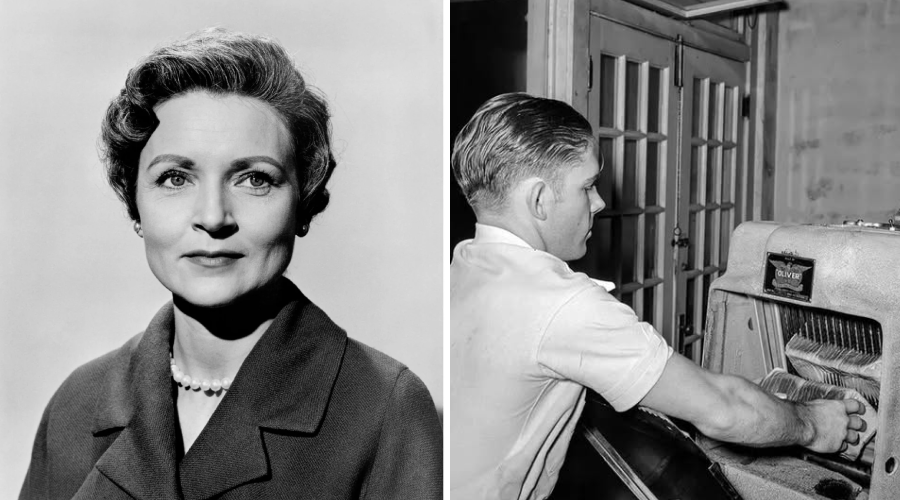
Betty White was a beloved icon of modern television, but she was actually born in 1922, six years before Otto Frederick Rohwedder sold the first loaf of pre-sliced bread in 1928. This means that for a significant portion of her childhood, the “greatest thing since sliced bread” hadn’t even happened yet. It’s a lighthearted but effective way to measure just how much the world changed over the course of her incredible 99-year life.
13. Princess Diana and Mother Teresa died within days of each other
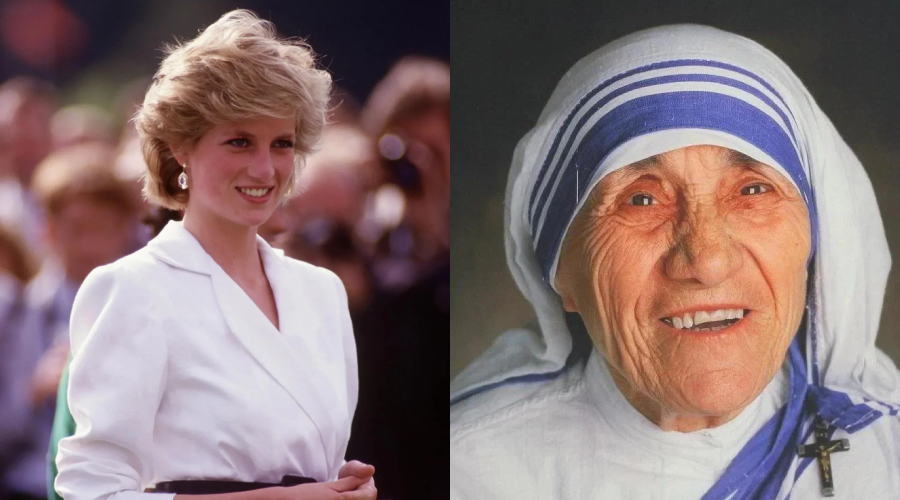
In early September 1997, the world was already in deep mourning following the tragic car accident that claimed the life of Princess Diana in Paris. Just five days later, Mother Teresa passed away in Calcutta at the age of 87. The simultaneous loss of these two global icons -one a symbol of royal glamour and the other a symbol of humble service- marked one of the most emotional weeks in modern media history.
14. The last samurai fought a modernized army only 10 years before the first car
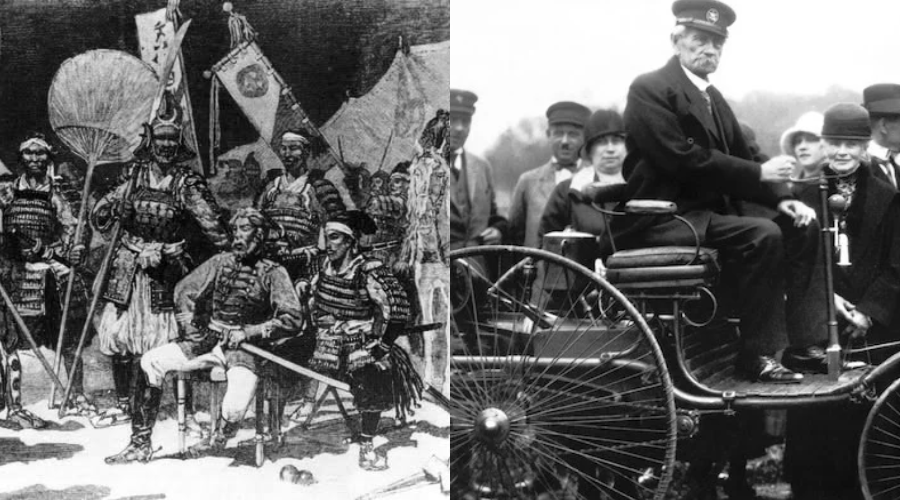
The Battle of Shiroyama in 1877 marked the end of the Samurai era in Japan, as traditional warriors faced off against a conscript army equipped with modern rifles and artillery. Just a decade later, in 1886, Karl Benz patented the first internal combustion automobile in Germany. The transition from a world of swords and feudal honor to the age of the motor vehicle happened in the blink of an historical eye.
Want more interesting facts?
Exploring these facts is a great way to realize that history is a messy, overlapping web rather than a straight line. When we break down the walls between these eras, we get a much clearer picture of how fast, and sometimes how slow, humanity actually moves. If you love having your world-view challenged by the unexpected, don’t miss these 20 Fun Facts That Sound Fake (But Are Completely True), or these 20 Fun Facts About Sleep. You can also check these 20 Mind-Bending Facts About the Human Brain That Most People Don’t Know.