

Sleep is something we all do every day, yet it’s surprisingly complex and full of mystery. While it may feel like nothing more than a break from being awake, your brain and body are actually hard at work each night. From vivid dreams to unusual sleep habits around the world, there’s much more going on during bedtime than most people realize.
Have you ever wondered why we dream, how much sleep we really need, or what happens when we don’t get enough of it? Sleep affects everything from memory and mood to health and behavior, and it even gets pretty strange at times. Let’s dive into these 20 fun facts about sleep.
1. Your brain washes itself while you sleep

During deep sleep, the brain activates the glymphatic system, which flushes out metabolic waste using cerebrospinal fluid. This cleaning cycle helps remove proteins linked to neurodegenerative diseases, making sleep essential for long-term brain health.
2. You’re briefly paralyzed every night

In REM sleep, the brain shuts down signals to most voluntary muscles. This phenomenon, called REM atonia, prevents you from physically acting on your dreams, even when your dream self is running or flying. If you wake up during this time, many people experience sleep paralysis.
3. Dreams are emotional problem solvers

Dreaming isn’t just random noise. REM sleep strengthens connections between emotional memories and reduces their emotional intensity. This is why sleep helps you process stress, trauma, and complex feelings.
4. Lack of sleep makes food more appealing

Sleep deprivation alters activity in the amygdala and reward centers, making high-calorie foods seem more desirable. At the same time, it suppresses the prefrontal cortex, weakening impulse control.
5. You burn more calories while sleeping than you think

While sleeping, your body is actively regulating hormones, repairing tissues, and maintaining organ function. These processes require energy, meaning your metabolism never truly shuts off.
Trending on The Scroller


6. Sleep strengthens your immune system

During sleep, the body increases production of cytokines, which are proteins that help fight infection and inflammation. Chronic sleep loss weakens immune responses, making illness more likely.
7. Sleep loss mimics intoxication

Staying awake for 24 hours straight impairs reaction time and judgment similarly to having a blood alcohol level of 0.10%. The brain’s ability to assess risk drops dramatically.
8. Your body temperature drops to help you fall asleep
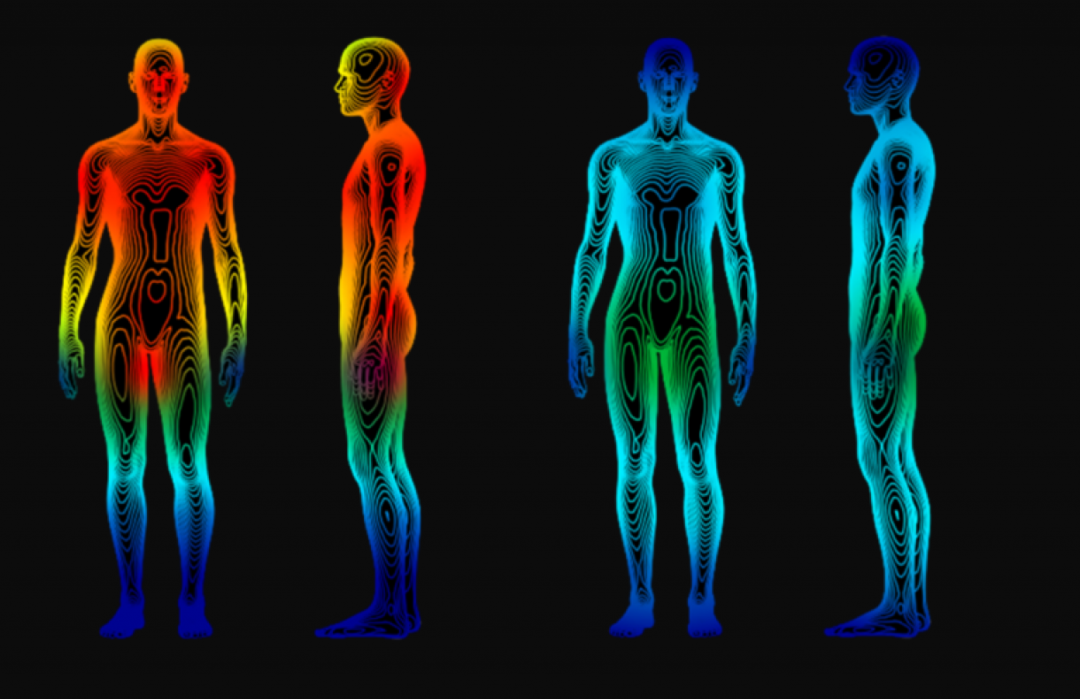
As bedtime approaches, the brain triggers vasodilation, releasing heat through the skin. This temperature decrease signals that it’s time to sleep.
Sign up for our newsletter
9. Sleeping too little changes your DNA

Short sleep alters the expression of hundreds of genes involved in metabolism, immune function, and stress regulation. These changes can occur in just one week of poor sleep.
10. Naps can improve learning efficiency

Short naps, especially those containing light REM sleep, enhance pattern recognition and problem-solving. They give the brain a chance to reorganize information.
11. Sleep helps regulate emotional reactions

Well-rested brains maintain stronger connections between the prefrontal cortex and amygdala. When sleep-deprived, emotional responses become more extreme and harder to control.
12. You replay the day while sleeping

The hippocampus reactivates daily experiences during sleep, essentially replaying them. This process helps transfer memories into long-term storage in the cortex.
13. Dreams use the same brain areas as your awake imagination
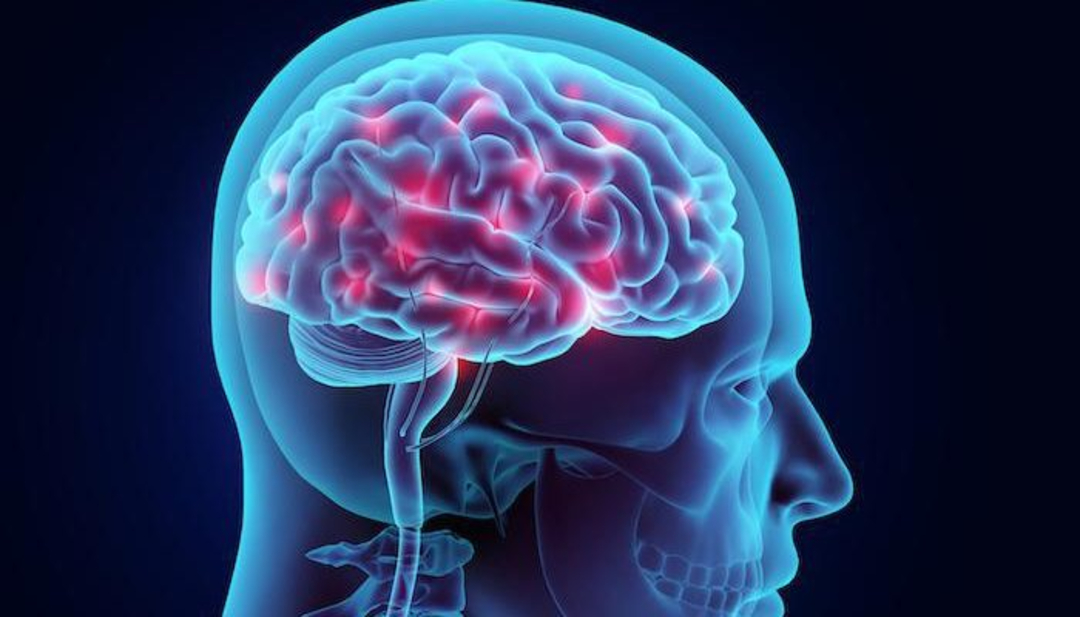
Visual and emotional brain regions are highly active during dreams, while logic centers quiet down. This combination explains why dreams feel vivid but make no sense.
14. Your pain tolerance increases after a good night’s sleep

Sleep boosts activity in pain-regulating brain regions. Poor sleep lowers pain thresholds, making discomfort feel more intense.
15. You can dream in black and white

People who grew up watching black-and-white television report monochromatic dreams more often. Dream imagery is influenced by long-term visual memory.
16. The first dream of the night is usually the shortest

REM periods start short and lengthen as the night progresses. That’s why dreams closer to morning tend to seem longer, more detailed, and easier to remember.
17. Your heart rate follows a sleep rhythm

As you move through sleep stages, your heart rate and blood pressure rise and fall in predictable patterns. These nightly fluctuations help the cardiovascular system recover and heal itself.
18. Your sense of smell stays alert while sleeping

The sleeping brain still processes certain odors, especially unfamiliar or potentially threatening ones. This selective sensitivity helps protect you without fully waking you.
19. Chronic sleep debt doesn’t fully disappear

Although recovery sleep helps, some cognitive effects of long-term sleep deprivation linger. The brain doesn’t completely catch up, emphasizing the importance of regular rest.
20. Sleep affects attractiveness

Sleep deprivation alters facial muscle tone and skin blood flow, which the brain subconsciously interprets as signs of poor health. Well-rested faces are consistently rated as more attractive and trustworthy.
Want to see more fun facts?
Check out 15 Psychology Facts Most People Find Surprising, or take a look at 25 Fun Facts To Break Out At The Bar. Finally, if you want to see facts about the ocean, check out 20 Ocean Facts That Might Spark Thalassophobia.