Some of the world’s most breathtaking wonders are far more dangerous than they appear. Crystal-clear lakes, colorful volcanic craters, glowing caves, and towering mountains may look peaceful in photographs, but many of these places hide lethal conditions capable of killing within minutes. Toxic gases, boiling temperatures, unstable terrain, extreme weather, and deadly wildlife turn these famous wonders into places where even experienced explorers must be extremely careful.
What makes these wonders so fascinating is the contrast between beauty and danger. Millions of tourists travel across the planet to witness these incredible natural locations, yet many have strict safety zones, warning systems, or areas completely closed to humans. Scientists continue studying several of these wonders because their environments are so extreme that they can barely support life. In some cases, people still attempt to get dangerously close despite repeated warnings, proving how irresistible these natural marvels can be.
1. Mount Everest
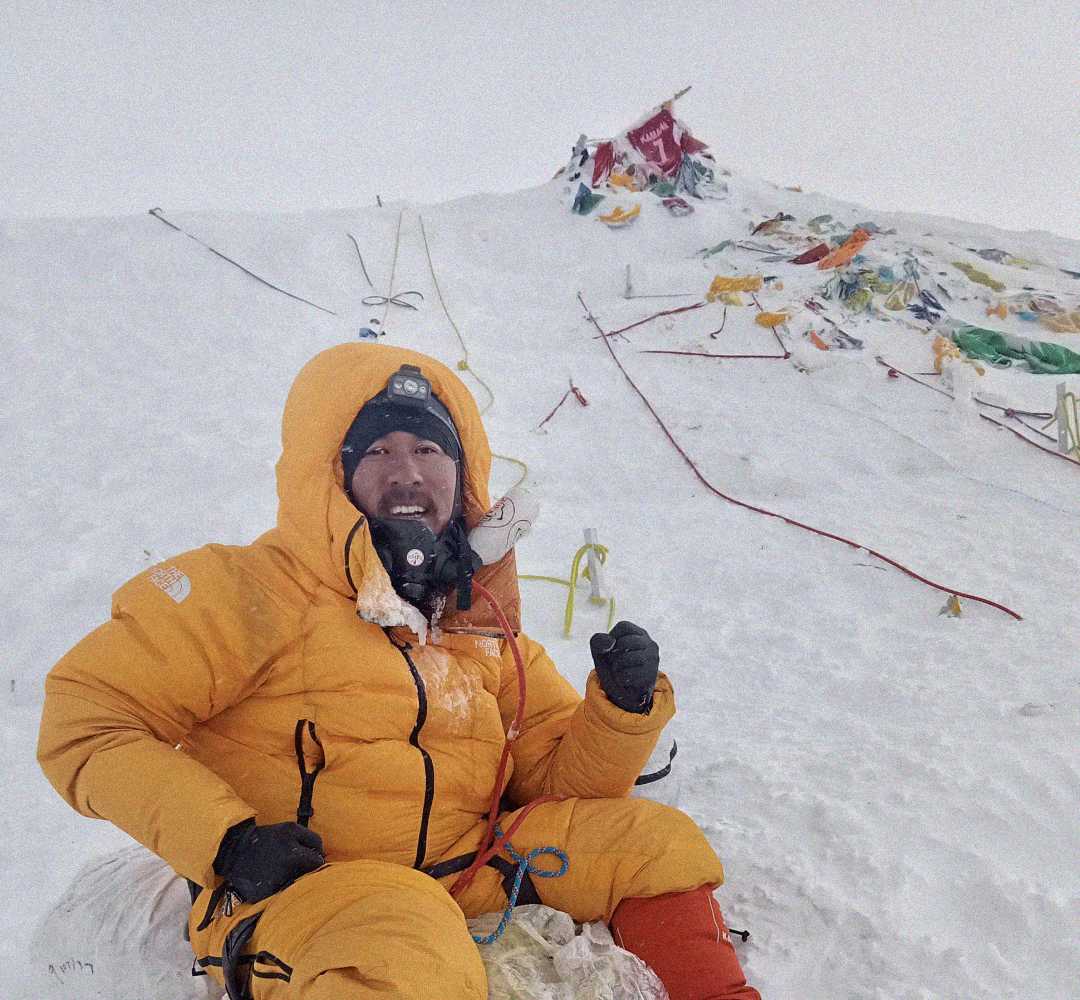
The tallest mountain on Earth remains one of the most dangerous wonders ever climbed. Located in the Himalayas between Nepal and Tibet, Everest rises over 8,848 meters above sea level. The mountain’s “death zone,” which begins above 8,000 meters, contains so little oxygen that the human body slowly begins shutting down. Even today, climbers continue attempting to reach the summit every year. Hundreds have successfully climbed Everest, but many have died from avalanches, altitude sickness, exhaustion, or sudden storms. Frozen bodies still remain on parts of the mountain because recovering them is too dangerous.
2. Lake Natron
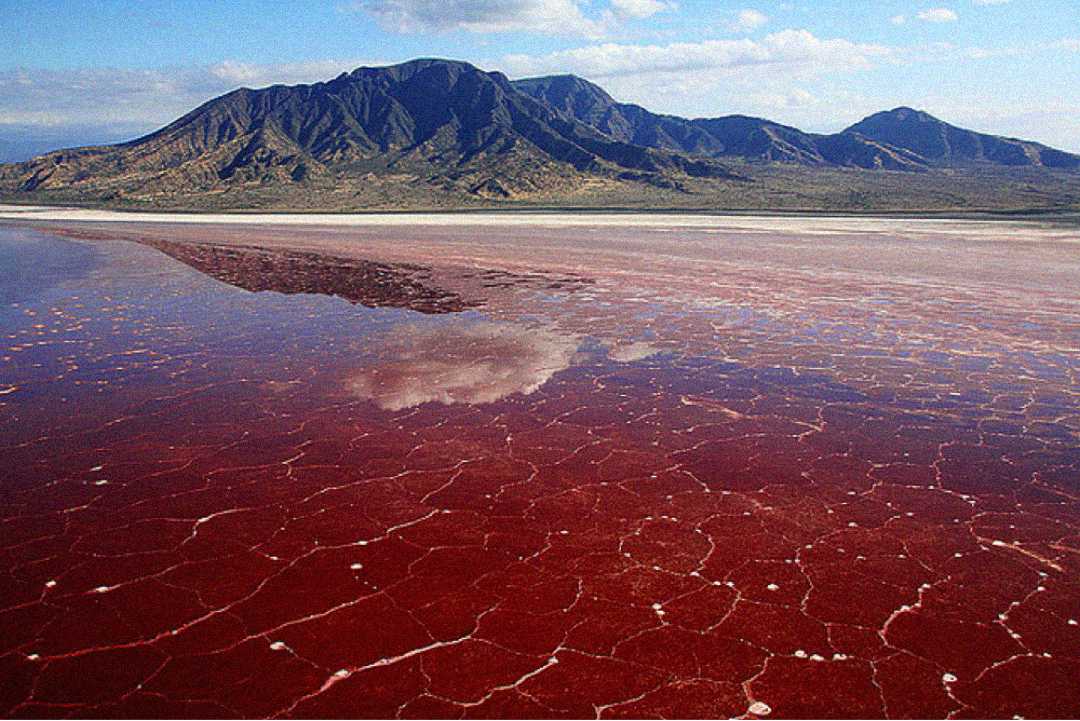
Lake Natron in northern Tanzania looks like a surreal pink-and-red paradise from above, but its waters are extremely alkaline. Temperatures in the lake can exceed 60°C, and the water’s chemical composition can severely burn skin and eyes. Photographer Nick Brandt famously documented animals preserved by the lake’s harsh conditions, giving the impression they had turned to stone. Humans do visit the area carefully, especially researchers and photographers, but direct contact with the water can be extremely dangerous.
3. Kawah Ijen
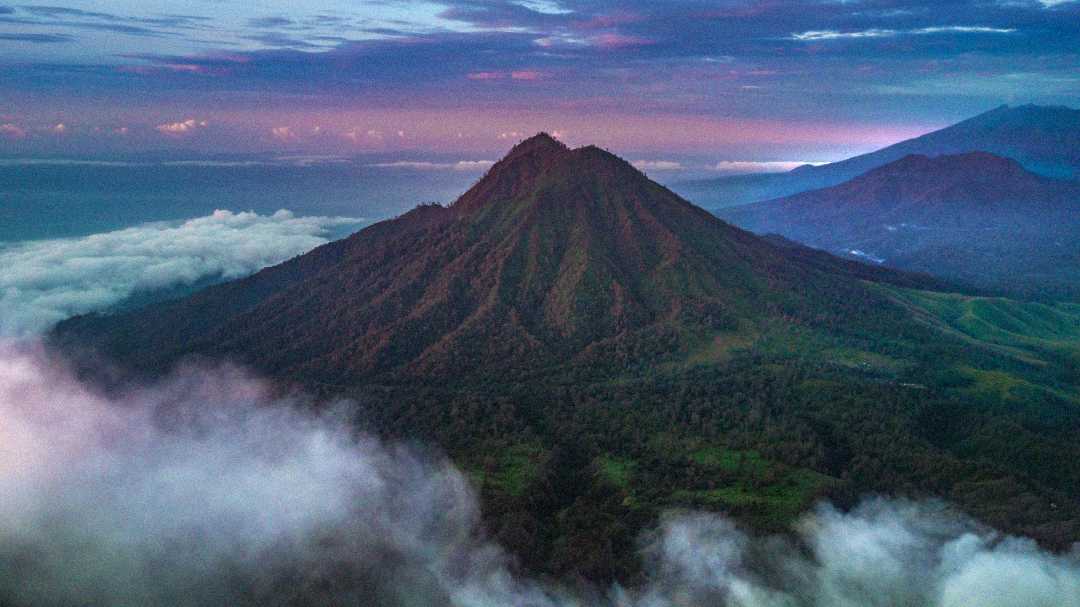
Kawah Ijen is famous for its glowing blue flames caused by burning sulfuric gases escaping from the volcano. The stunning nighttime view makes it one of Indonesia’s most famous wonders, but the crater releases toxic fumes that can seriously damage the lungs. Sulfur miners still work inside the crater carrying heavy loads by hand, often with minimal protection. Tourists are allowed near parts of the volcano, but gas masks are strongly recommended because sulfur exposure can become deadly very quickly.
4. Cave of the Crystals
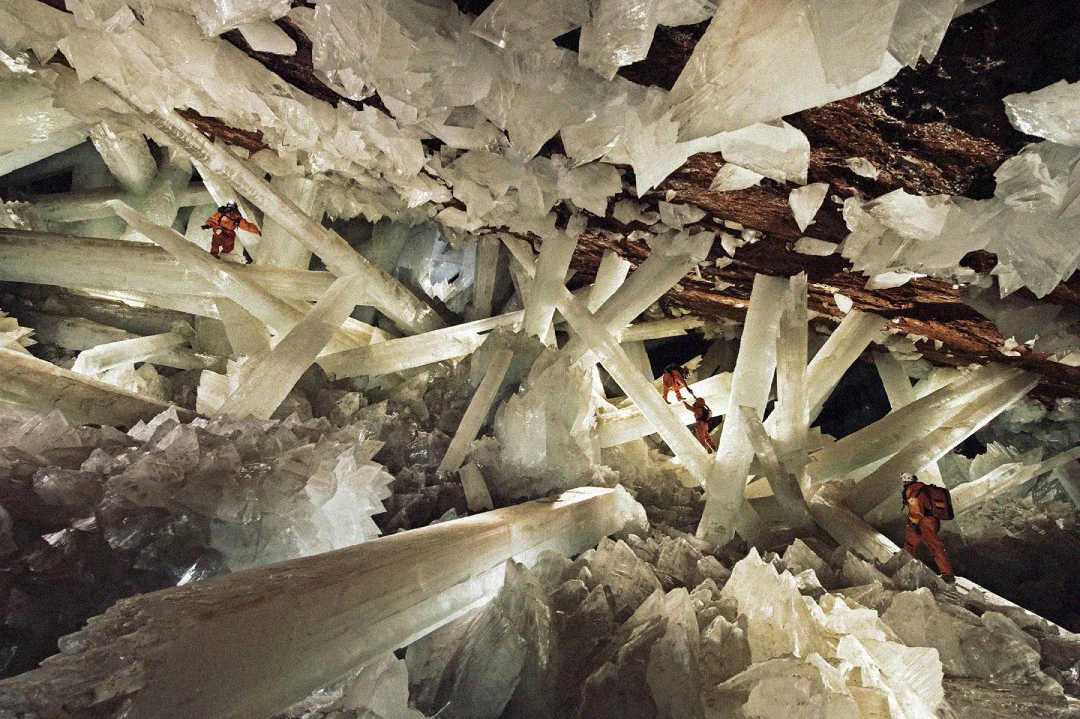
Hidden beneath Mexico’s Naica Mine, this cave contains enormous selenite crystals taller than humans. Temperatures inside can reach nearly 58°C with extremely high humidity, creating conditions that can kill an unprotected person within minutes. Scientists have entered the cave using special cooling suits and breathing systems. Without protective gear, humans cannot safely remain inside for long because the intense heat overwhelms the body rapidly.
5. Kīlauea
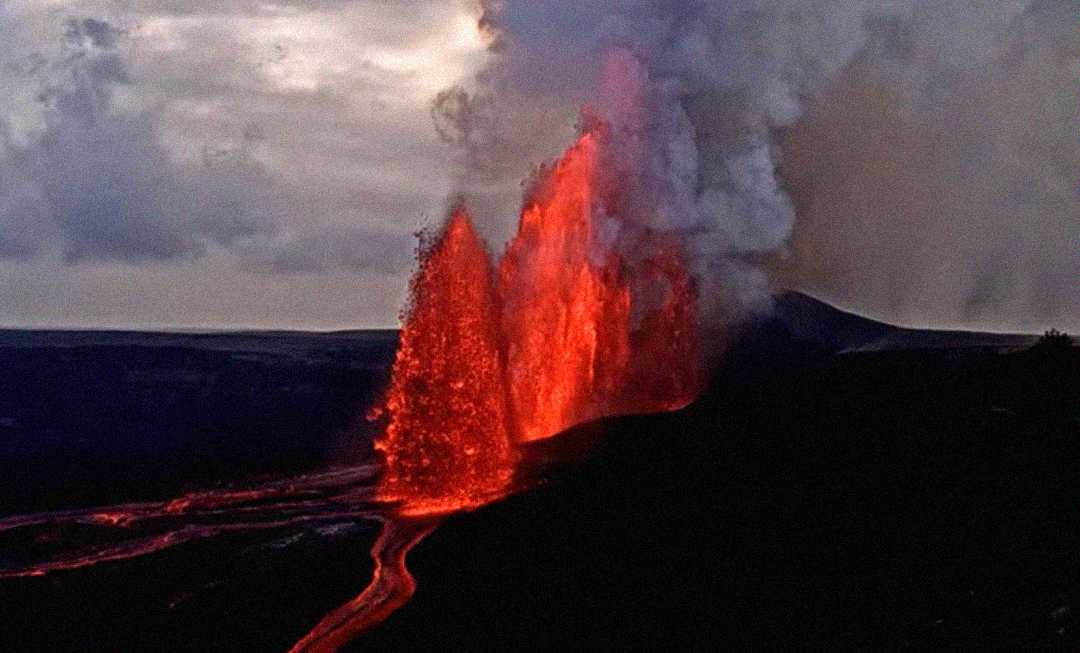
Kīlauea is one of the world’s most active volcanoes and a major natural wonder in Hawaii. While visitors often gather to watch flowing lava, the volcano produces toxic volcanic gases called vog, along with sudden eruptions and collapsing lava benches.
Trending on The Scroller


6. Death Valley
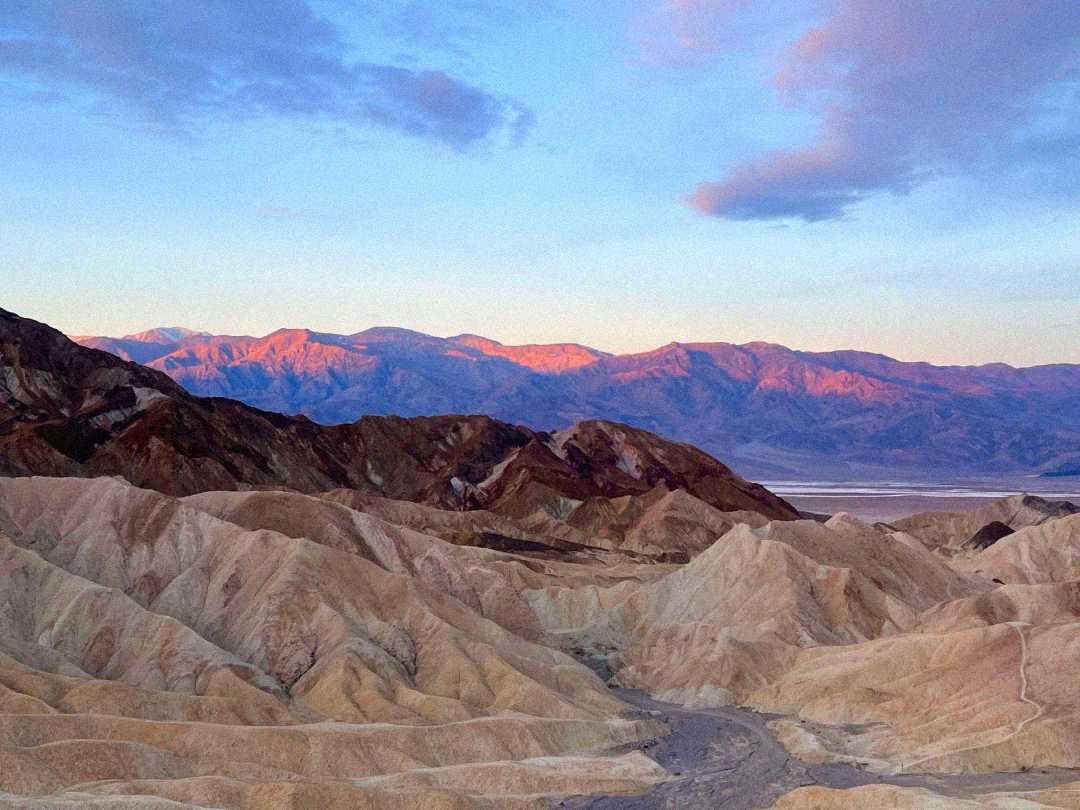
Death Valley is famous for recording some of the hottest temperatures ever measured on Earth. The desert landscape is beautiful and otherworldly, but summer temperatures can exceed 54°C. People still travel there regularly, especially photographers and hikers. However, heatstroke, dehydration, and vehicle failures can quickly become life-threatening. Park officials repeatedly warn visitors never to hike long distances during extreme heat.
7. Lake Nyos
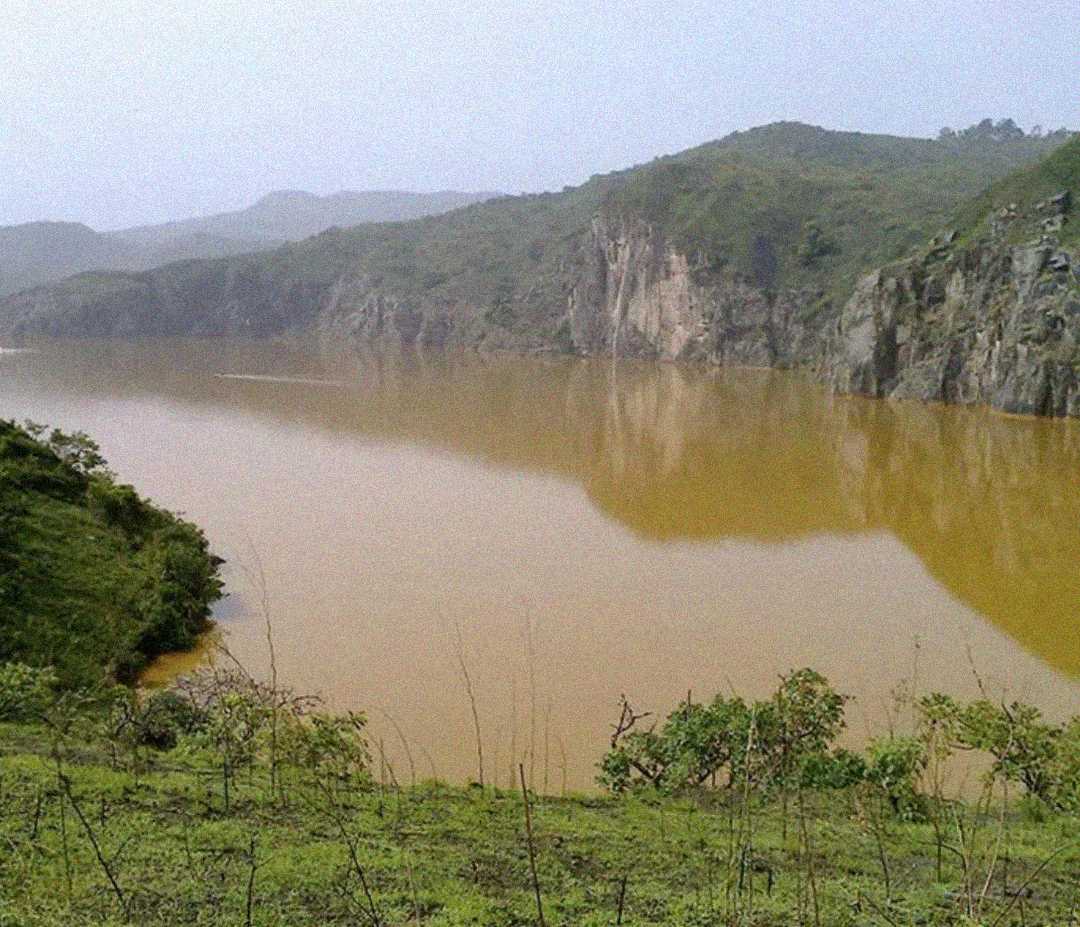
Lake Nyos appears calm, but beneath its waters lies a massive amount of dissolved carbon dioxide. In 1986, the lake suddenly released a deadly gas cloud that suffocated over 1,700 people and thousands of animals nearby.
8. Great Blue Hole
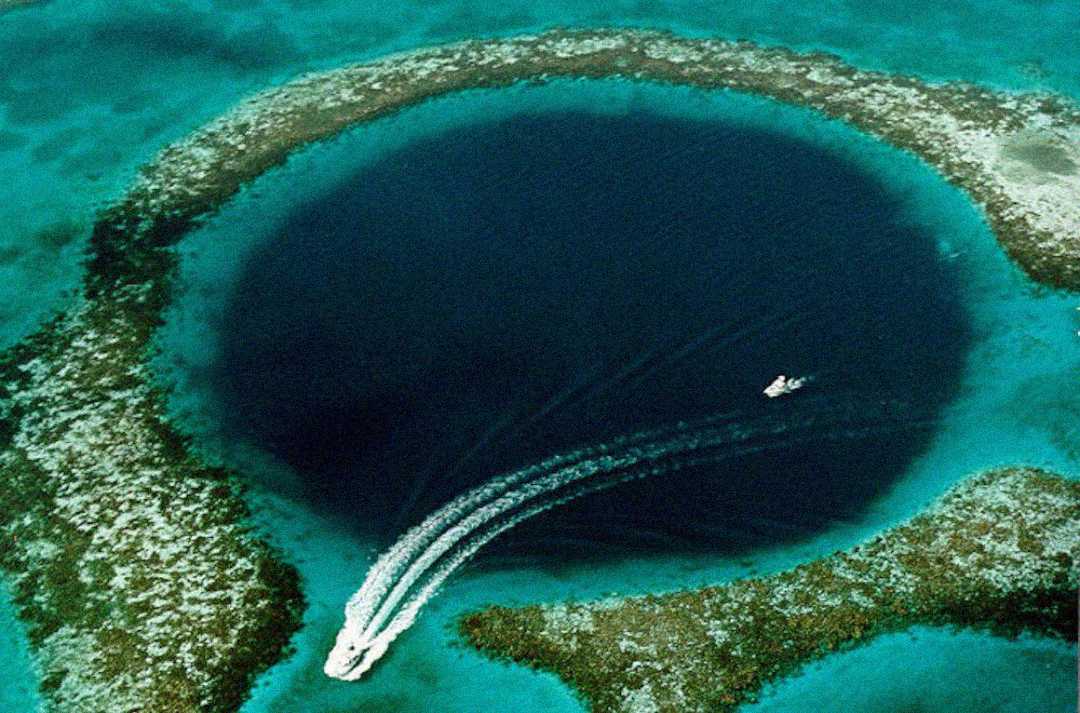
This massive underwater sinkhole off the coast of Belize attracts divers from around the world because of its perfect circular shape and deep blue color. However, deeper sections contain low oxygen levels and dangerous underwater conditions. Experienced divers still explore the site today, but only with advanced training. Sudden disorientation, depth pressure, and equipment failure can easily become fatal underwater.
Sign up for our newsletter
9. Mount Ruapehu
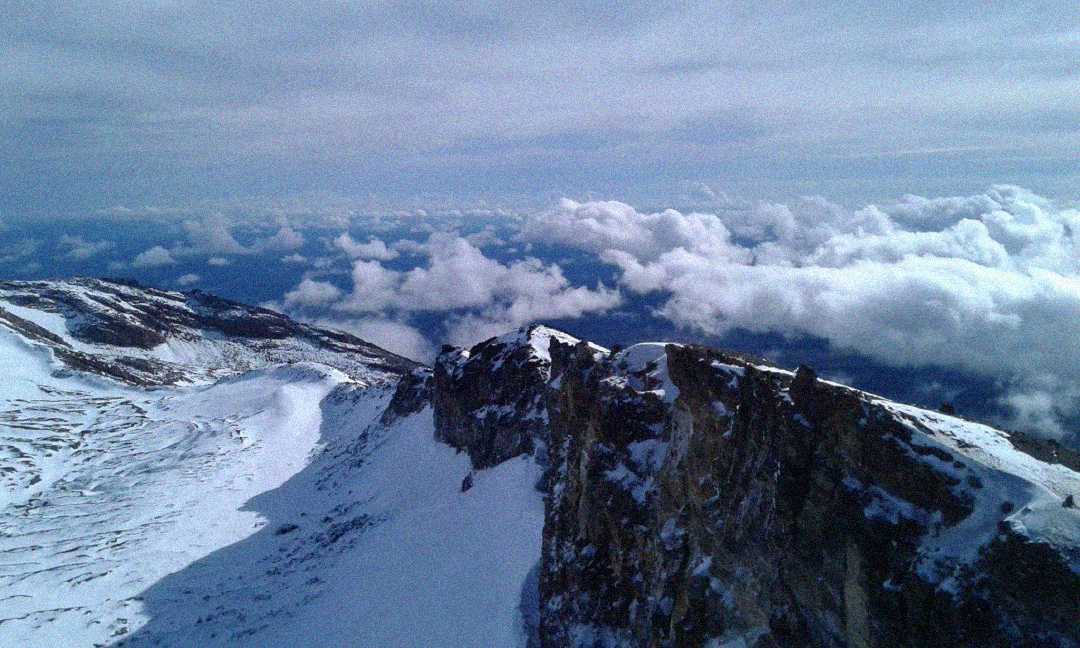
New Zealand’s Mount Ruapehu contains a highly acidic crater lake sitting near an active volcano. Sudden eruptions can trigger lahars, violent volcanic mudflows capable of destroying everything in their path.
10. Antarctica
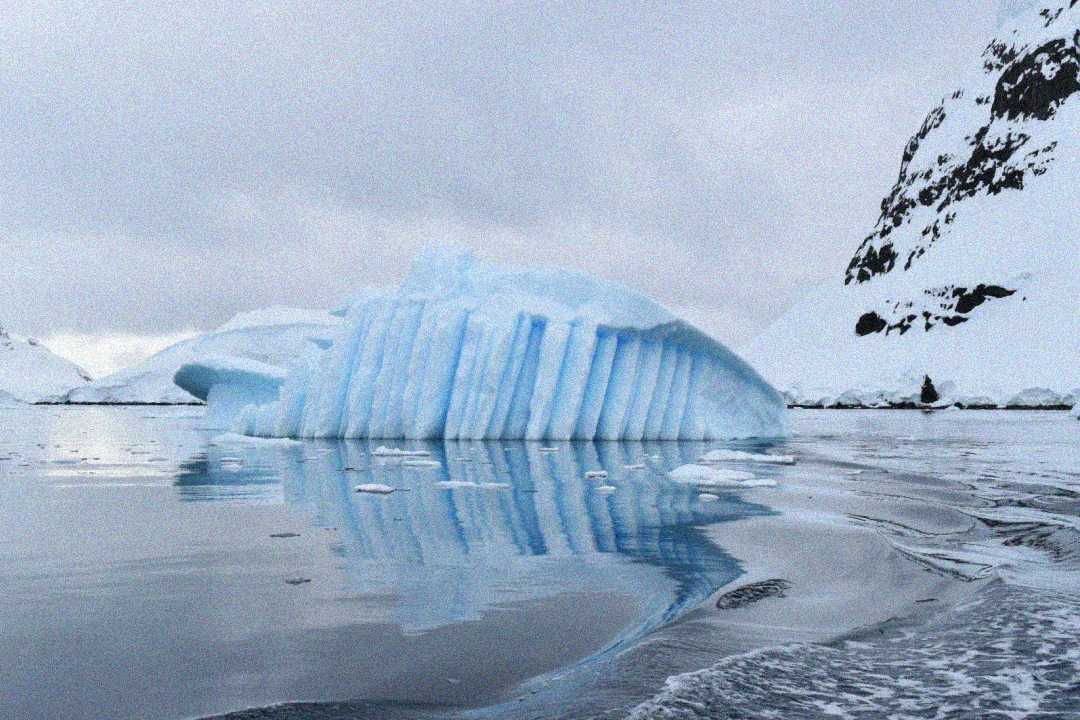
Antarctica is one of the planet’s most extraordinary wonders, covered in enormous glaciers and untouched ice fields. Yet temperatures can fall below -50°C, and hidden crevasses can swallow explorers without warning.
11. Sakurajima
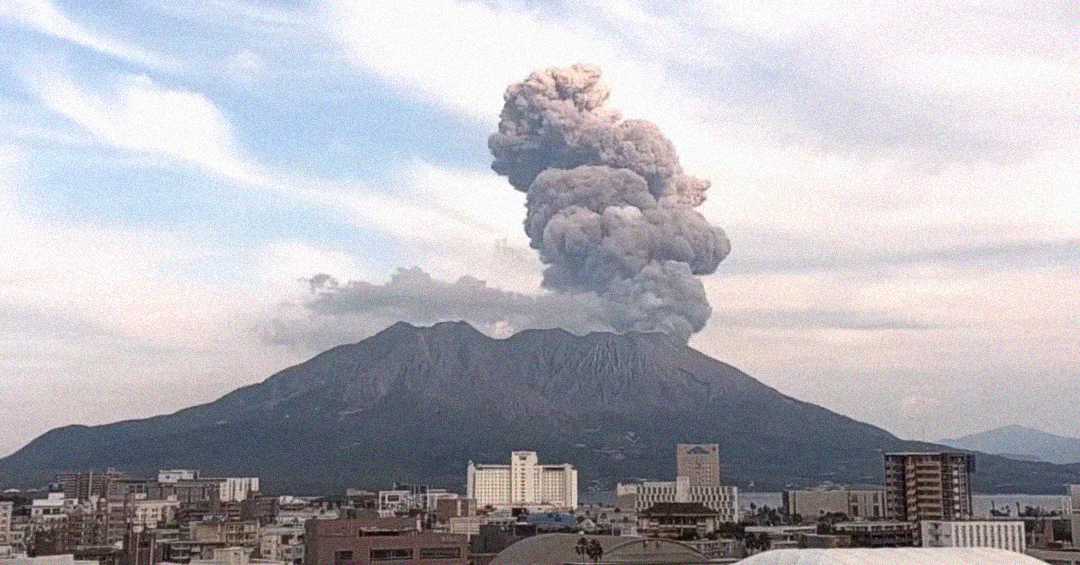
Sakurajima is one of Japan’s most active volcanoes and frequently erupts with ash clouds and volcanic lightning. The combination of ash, lava, and explosive eruptions makes it incredibly dangerous despite its beauty. People still live nearby because the volcano is closely monitored. Residents often wear helmets during periods of increased activity due to falling volcanic debris.
12. Movile Cave
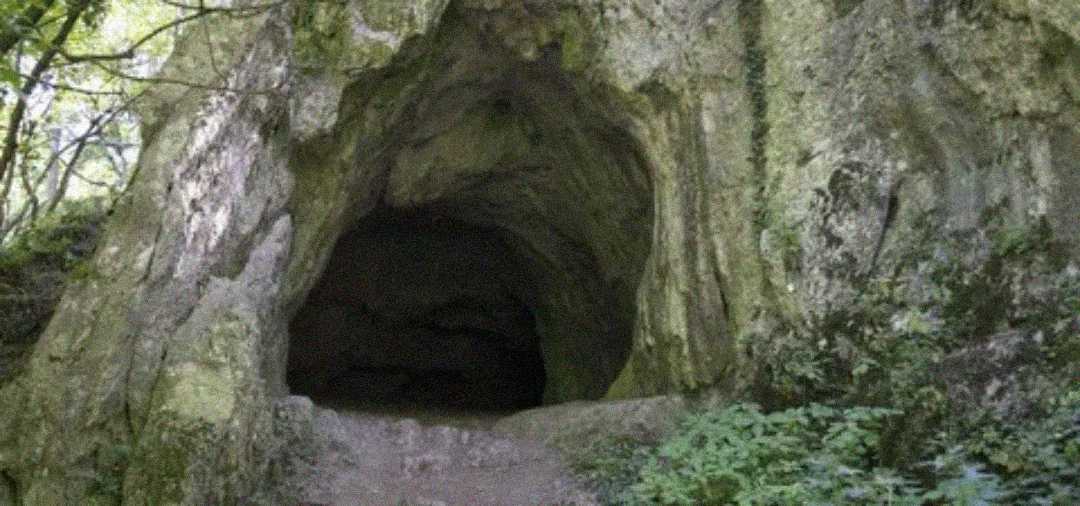
Separated from the outside world for millions of years, Movile Cave contains toxic air filled with hydrogen sulfide and extremely low oxygen levels. Strange species evolved there completely isolated from sunlight. Scientists can only enter for short periods using protective gear. The cave’s atmosphere is so dangerous that prolonged exposure can become fatal.
13. Shanay-Timpishka
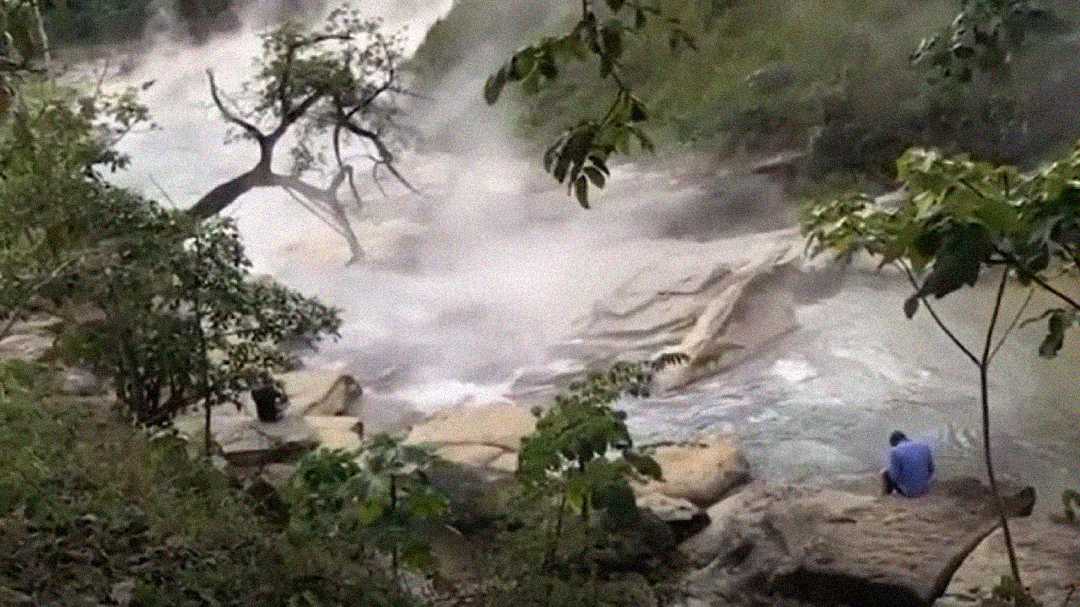
Deep within the Peruvian Amazon lies a river with temperatures hot enough to boil small animals alive. Locals have known about the river for generations, but scientists only recently began seriously studying it.
14. Nazaré
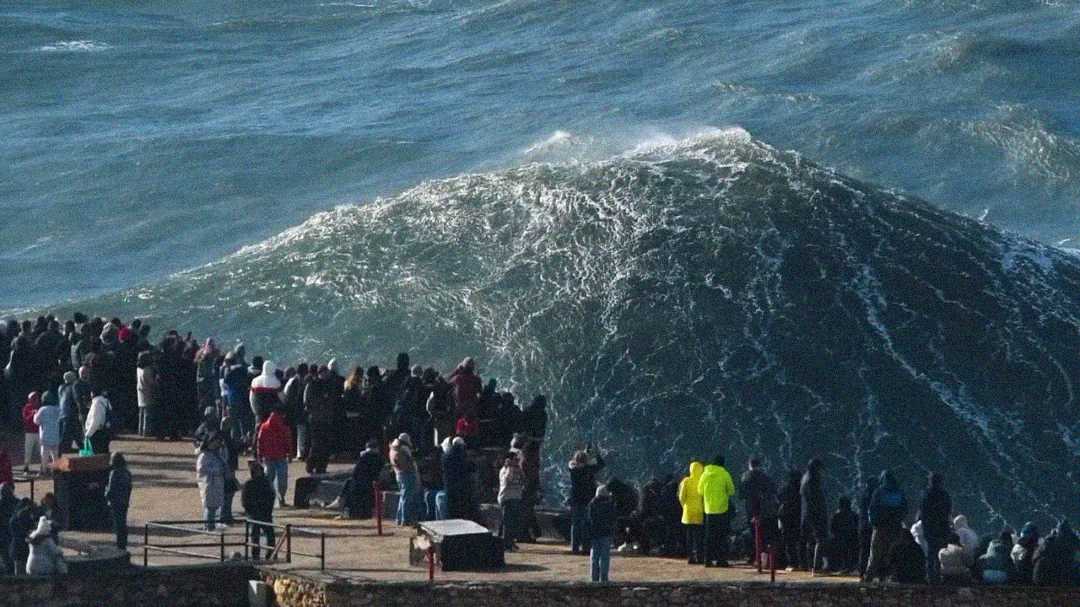
Nazaré produces some of the tallest ocean waves ever surfed due to an underwater canyon that amplifies wave energy. These giant walls of water have made the town legendary among extreme surfers. Professional athletes continue surfing there today, but the waves are powerful enough to destroy jet skis and drown experienced swimmers within seconds.
15. Mount Vesuvius
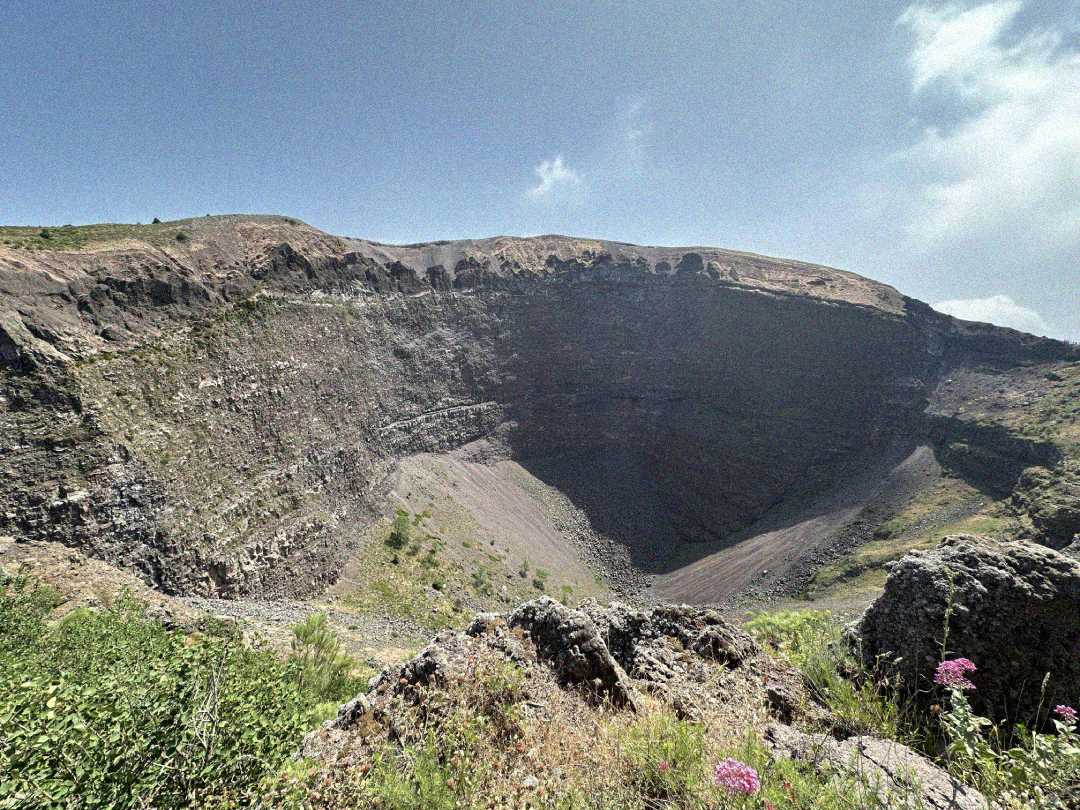
Mount Vesuvius famously destroyed Pompeii in 79 AD and remains one of the world’s most dangerous volcanoes because millions of people live nearby. Its explosive eruptions can produce deadly ash clouds, lava, and pyroclastic flows. Tourists regularly hike the volcano today, but scientists closely monitor activity levels. Emergency evacuation plans exist because another major eruption could threaten the Naples region.
Do you enjoy learning about incredible wonders like these? Keep reading so you never miss the next incredible story hidden somewhere on Earth.
These deadly wonders remind us how powerful nature truly is. Some represent millions of years of volcanic activity, while others formed through extreme climates, shifting oceans, or underground geological forces. Together, they show that the natural world is capable of creating landscapes more dramatic than anything humans could ever build. At the same time, these places reveal how fragile human life can be when facing Earth’s raw power. From toxic gases to crushing waves and freezing mountains, every location on this list demonstrates that nature deserves both admiration and respect. The beauty of these wonders often hides dangers that scientists are still trying to fully understand.
Want to enjoy even more incredible discoveries after reading this article? Keep exploring our content. We publish something new every day. And if you enjoyed learning about these deadly wonders, we also have more fascinating stories about extraordinary places, mysterious landscapes, and the most powerful natural phenomena on Earth: 15 Architectural Wonders So Unreal They Look CGI, 18 Places on Earth Where the Laws of Physics Seem to Break, and 18 Terrifying Creatures Found at the Bottom of the Ocean That Look Like Aliens.