Science fiction in the 1990s loved gadgets that could talk, recognize faces, translate languages, and place entire worlds inside a pair of goggles. Most of it felt safely distant, the kind of technology reserved for starships, secret government labs, and suspiciously wealthy movie villains. Yet many of those ideas have quietly become ordinary products, medical tools, or services people use without much thought.
The future did arrive, just with more software updates and charging cables than the movies predicted.
1. Video Calls From Almost Anywhere

A clear video conversation once required a futuristic control room or an expensive corporate conference system. Now a person can make a face-to-face call from a supermarket aisle, a train platform, or the back seat of a car using an ordinary phone. Services such as FaceTime, Zoom, WhatsApp, and Google Meet have made video communication so routine that people are often more surprised when someone calls without turning the camera on. The technology is not quite as elegant as the wall-sized screens in science fiction, but it is far more portable.
2. Phones That Recognize Their Owners’ Faces
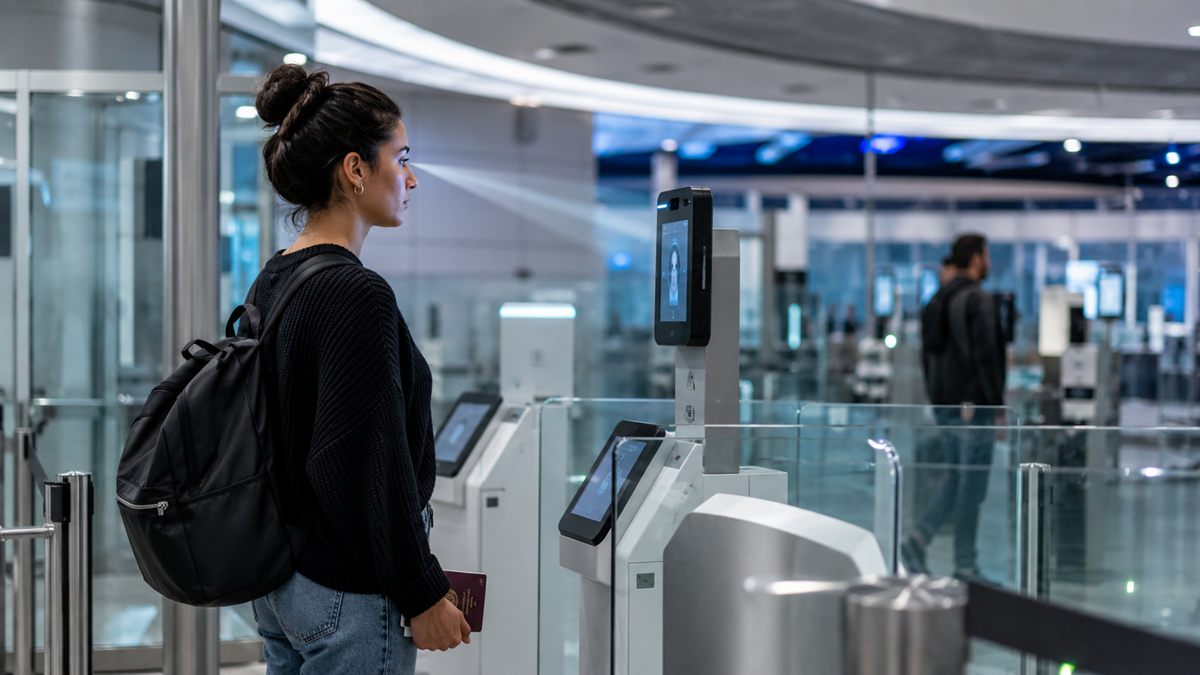
Facial recognition used to be a quick visual shortcut for showing that a building, computer, or spaceship had serious security. Today, many smartphones unlock after briefly looking at their owner, using cameras and depth sensors to confirm identity. Similar systems appear at airports, offices, apartment buildings, and automated passport gates. The process can happen so quickly that the futuristic part is easy to miss.
3. Computers You Can Control With Your Voice

Talking to a machine in the 90s usually meant something had gone terribly wrong, or the machine was about to reveal that it had developed a personality. Voice assistants changed that relationship. Phones, speakers, cars, televisions, and home appliances can now respond to spoken requests, set timers, play music, answer basic questions, and control connected devices. They still misunderstand people often enough to keep the experience grounded in reality.
4. Virtual Reality Headsets
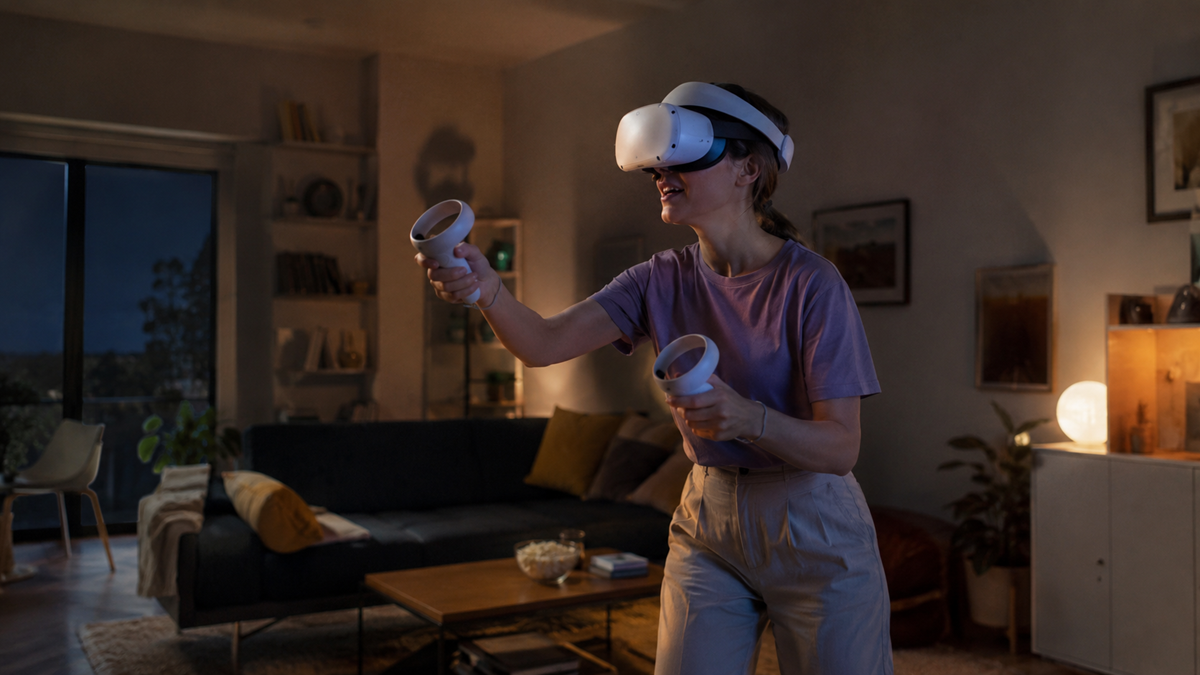
Movies such as The Lawnmower Man and shows such as VR.5 imagined virtual reality as an overwhelming digital universe that could replace ordinary life. Modern headsets are less dangerous, but the basic idea is real. Devices from Meta, Sony, HTC, and other companies can place users inside games, simulations, concerts, exercise programs, and virtual workspaces. The headsets remain bulky, yet the illusion of standing inside another environment can be remarkably convincing.
5. Watches That Work Like Tiny Computers
The communicator watch was once a reliable sign that a character lived in the future. Smartwatches now display messages, take calls, provide directions, track workouts, play music, and make contactless payments. Some models can also record heart rhythms, detect hard falls, or alert emergency contacts. They may not fire laser beams, but they have already surpassed many fictional wrist gadgets in practical usefulness.
Trending on The Scroller


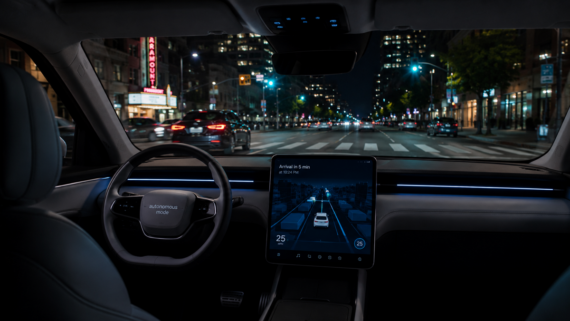
6. Cars That Can Drive Themselves
7. Real-Time Language Translation
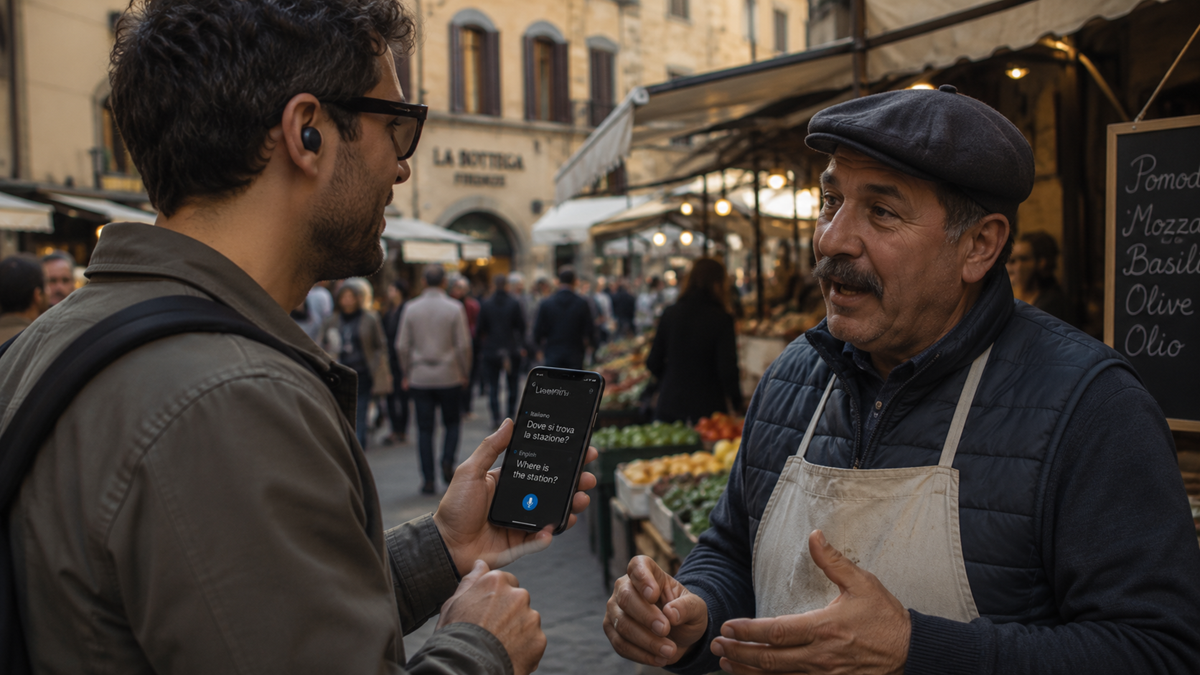
The universal translator remains one of science fiction’s most convenient inventions. Phones and earbuds can now translate spoken conversations between languages with only a short delay, while camera apps can replace foreign text on signs and menus almost instantly. The results are not flawless, particularly with humor, slang, or regional accents. For travel and basic communication, however, the technology is already surprisingly close to what fiction promised.
8. Homes That Respond to Spoken Commands

“Turn off the lights” is no longer something people say only to another person in the room. Connected homes can adjust lighting, temperature, locks, cameras, speakers, blinds, and appliances through voice commands or phone apps. Routines can even trigger several actions at once, such as lowering the lights, locking the doors, and starting music at a scheduled time. The futuristic home arrived gradually, one smart plug at a time.
Sign up for our newsletter
9. Robots That Perform Surgery
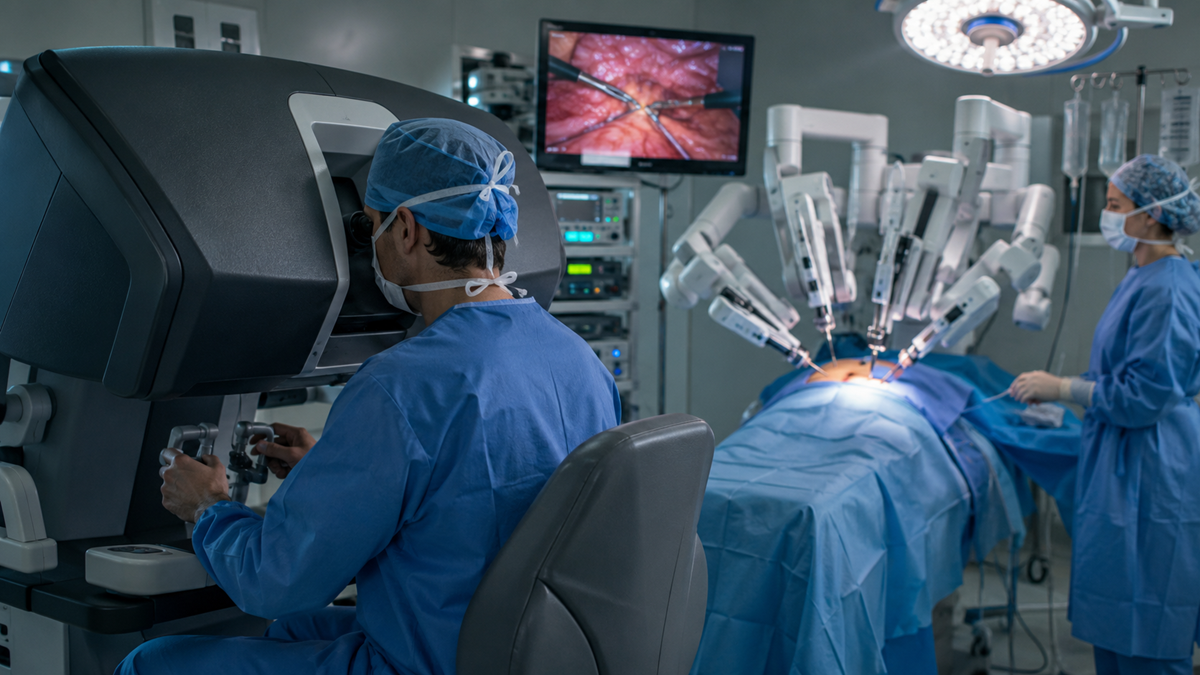
Robotic surgery sounds like a scene in which a machine takes complete control of an operating room. The real version is more measured. Systems such as the da Vinci surgical platform allow trained surgeons to control small instruments with highly precise movements, often through tiny incisions. The robot does not independently decide what to do, but it can give the surgeon greater range and stability than traditional hand-held tools.
10. Digital Money You Can Spend Without a Wallet

In the 90s, electronic credits and cashless societies were common features of futuristic cities. Contactless cards, phone payments, digital banking, and online wallets have made physical cash optional in many everyday situations. A person can now pay for food, public transport, or a hotel room by tapping a watch against a small terminal. The transaction is less dramatic than handing over a glowing space token, but the principle is much the same.
11. 3D Printers That Create Physical Objects
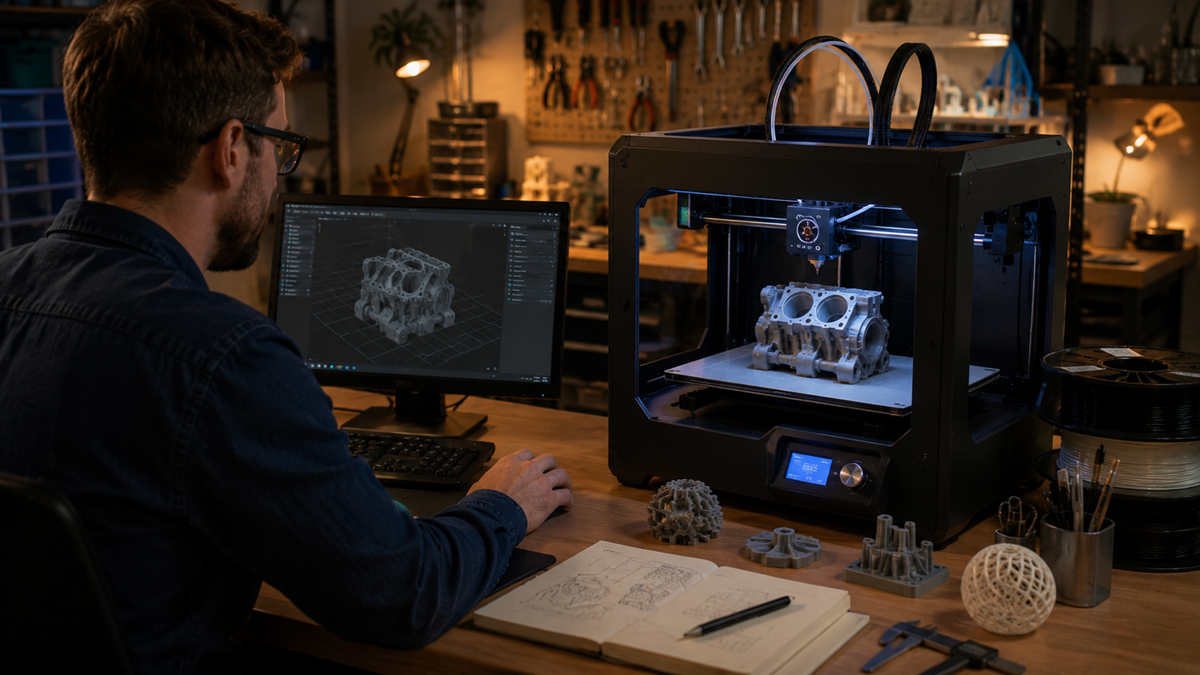
The idea of sending a digital design to a machine and receiving a finished physical object once sounded close to a replicator. Modern 3D printers can produce tools, replacement parts, toys, architectural models, dental devices, prosthetic components, and even sections of buildings. Some printers use plastic, while industrial machines can work with metal, concrete, resin, and other materials. They do not create objects from nothing, but they have changed how prototypes and specialized parts are made.
12. Bionic Limbs Controlled by Muscle Signals
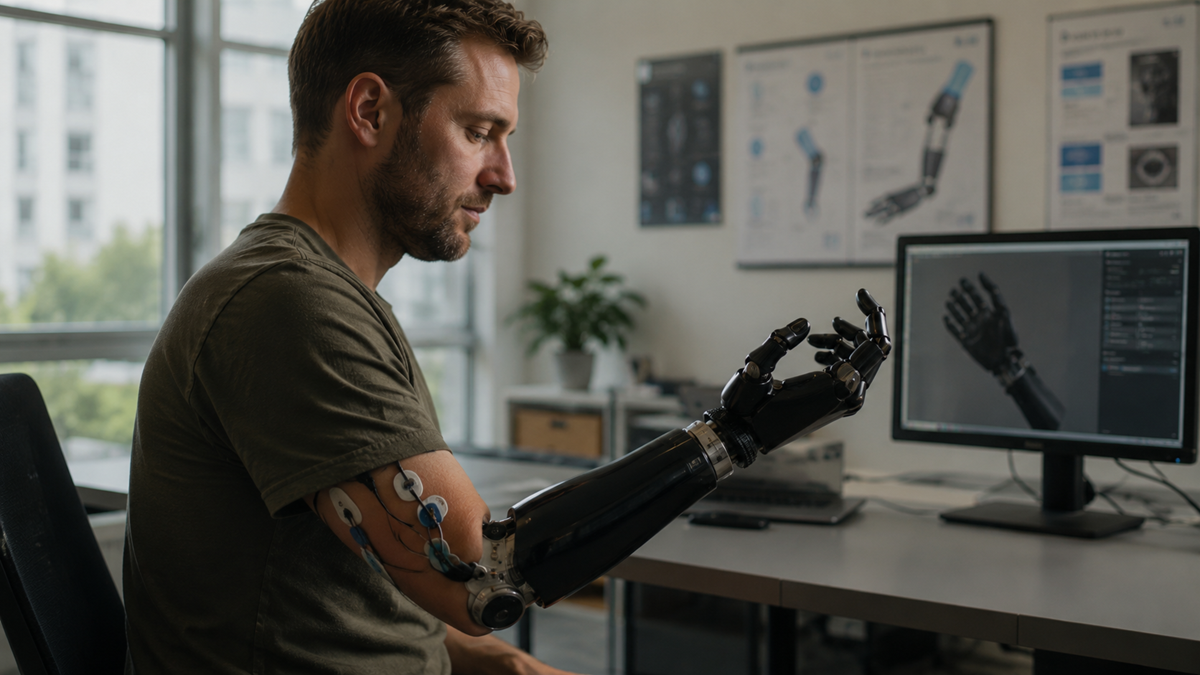
Science fiction often gave injured characters robotic arms with perfect strength and movement. Real advanced prosthetic limbs are more subtle, but they can respond to electrical signals generated by the user’s remaining muscles. Some hands allow several grip patterns, while experimental systems can provide limited sensory feedback. These devices remain expensive and are not equally accessible, but their level of control would have seemed extraordinary a few decades ago.
13. Drones That Fly Without Pilots on Board
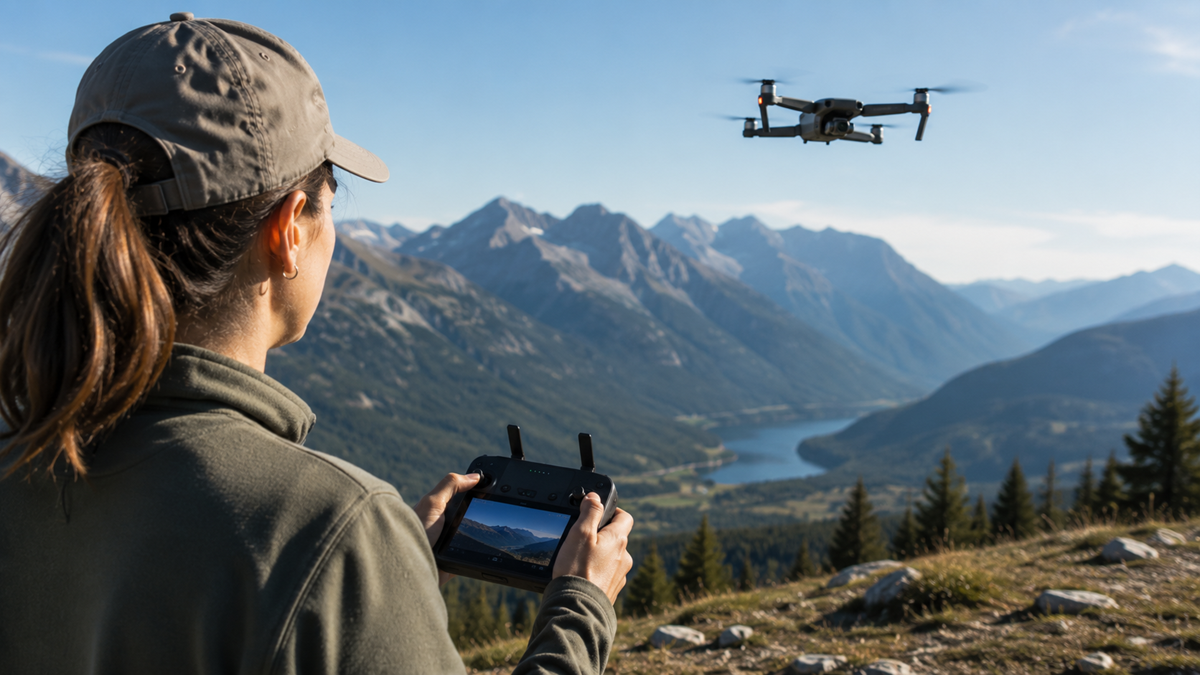
Small flying machines were once associated with military thrillers, secret surveillance, or distant planets. Consumer drones now film weddings, inspect roofs, map farmland, survey construction sites, assist rescue teams, and capture aerial footage that previously required a helicopter. Many can follow a moving subject, avoid obstacles, and return to their launch point automatically. Their most common enemy is often not another aircraft, but a badly placed tree branch.
14. Augmented Reality Over the Real World
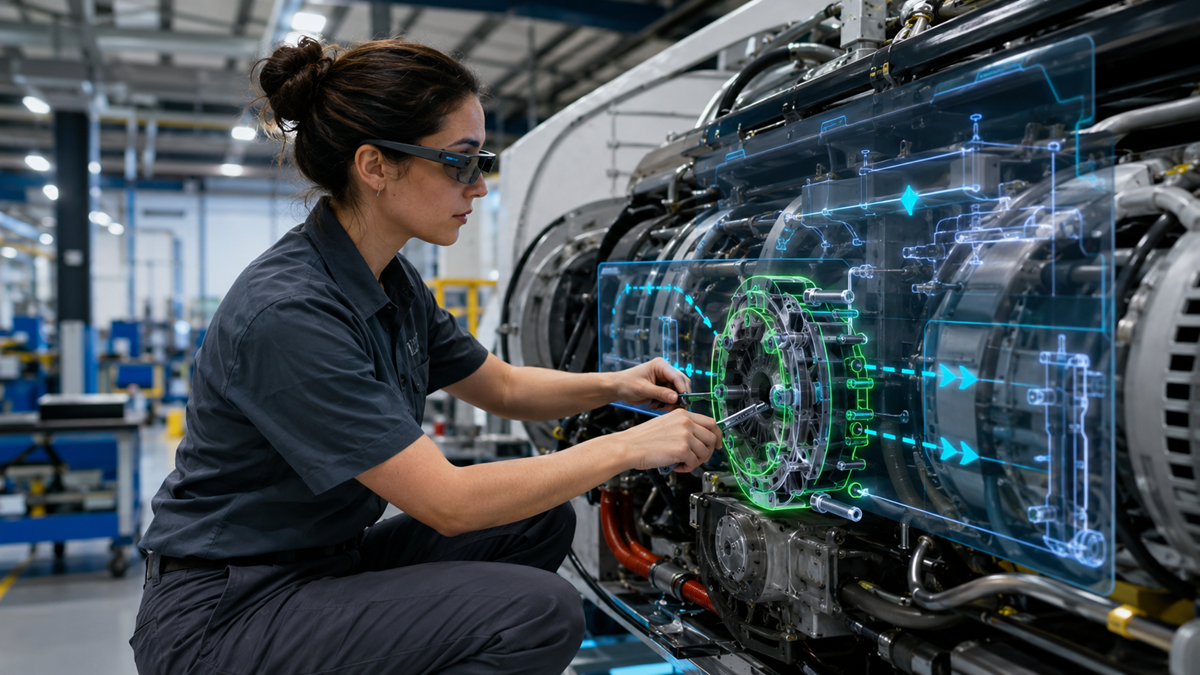
Augmented reality adds digital information to a live view of the physical world. It became widely familiar through smartphone games and social media filters, but it is also used for navigation, retail previews, industrial training, maintenance, and medical visualization. A phone can show how a sofa might look in a room before anyone buys it. Headsets and smart glasses can place instructions directly over machinery, leaving the wearer’s hands free.
15. Machines Controlled by Brain Signals
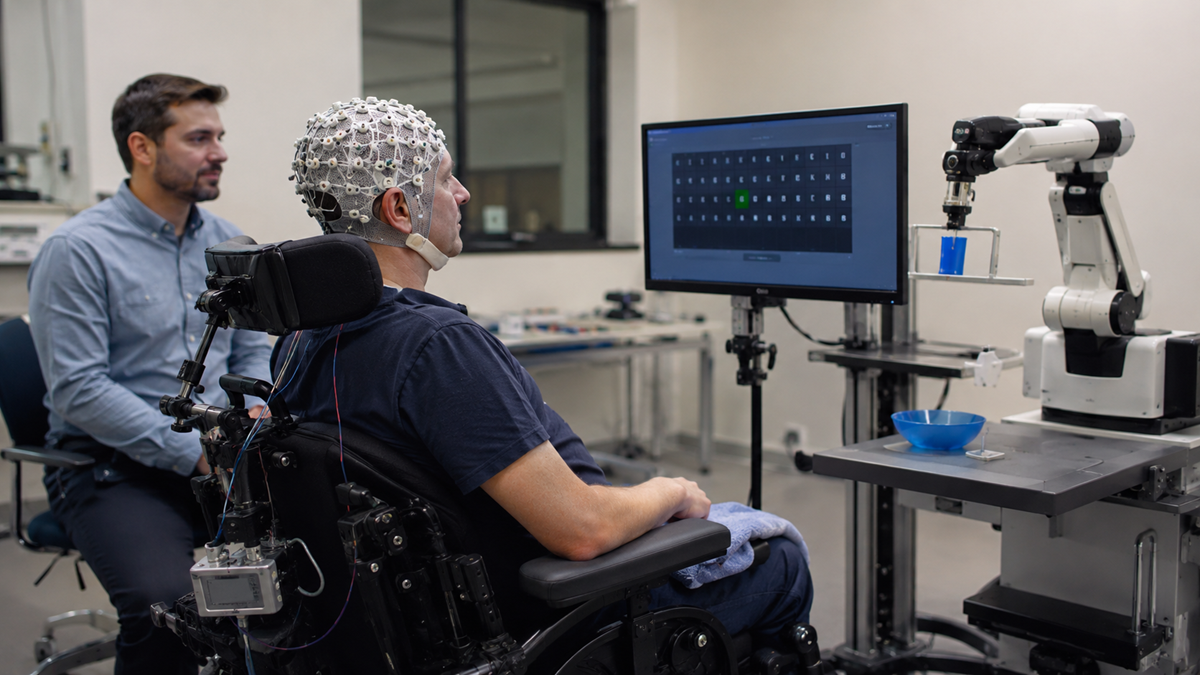
This is one of the strangest technologies on the list, and it is already being used in carefully controlled medical research. Brain-computer interfaces can translate certain neural signals into commands, allowing some people with severe paralysis to move a cursor, select letters, operate assistive devices, or control robotic equipment. The systems are still developing and should not be confused with effortless mind reading. Even in their current form, they have crossed a line that 90s science fiction treated as extremely distant.
In the mood for more?
Check out 14 Science Fiction Movies That Accurately Predicted the Future, or take a look at 10 Wildly Accurate Predictions About the Future From the 1900s. If you want to see some retro nostalgia, check out 15 Things People Paid for in the 90s That Feel Absurd Now.
Images generated by AI