Science fiction movies have often been dismissed as pure fantasy, filled with impossible technology, distant planets, and imaginary futures. Yet the genre has always been about much more than entertainment. The best movies use fictional worlds to explore real scientific ideas, social trends, and technological possibilities long before they become part of everyday life. Visionary writers and filmmakers frequently work alongside scientific research, current innovations, and emerging concerns, allowing their stories to imagine where humanity might eventually be headed.
Over the decades, countless movies have introduced concepts that once seemed unbelievable but later became surprisingly familiar. From video calls and artificial intelligence to touchscreen devices, personalized advertising, and commercial space travel, some predictions proved remarkably accurate. While no film can predict the future perfectly, these movies demonstrate how science fiction sometimes becomes an unexpected glimpse into tomorrow. Here are 14 unforgettable examples that got far closer to reality than anyone could have imagined.
1. 2001: A Space Odyssey
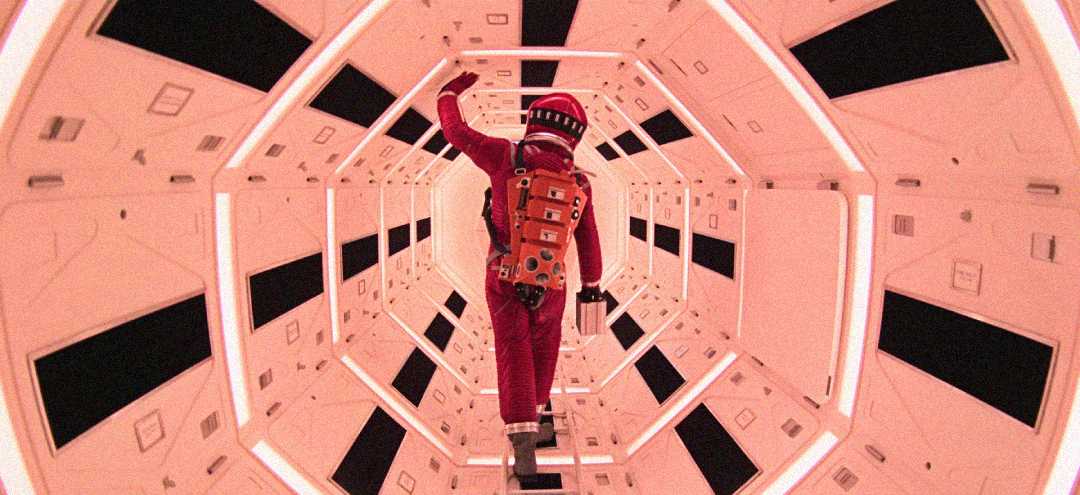
Stanley Kubrick’s masterpiece follows a mission to Jupiter guided by the intelligent computer HAL 9000. Beyond its stunning visuals, the movie explored humanity’s growing dependence on advanced computers. One of its most impressive predictions was voice-controlled artificial intelligence. HAL could answer questions, manage spacecraft systems, recognize speech, and even engage in natural conversation. Today, assistants like Siri, Alexa, and ChatGPT demonstrate many of those same capabilities.
2. Blade Runner
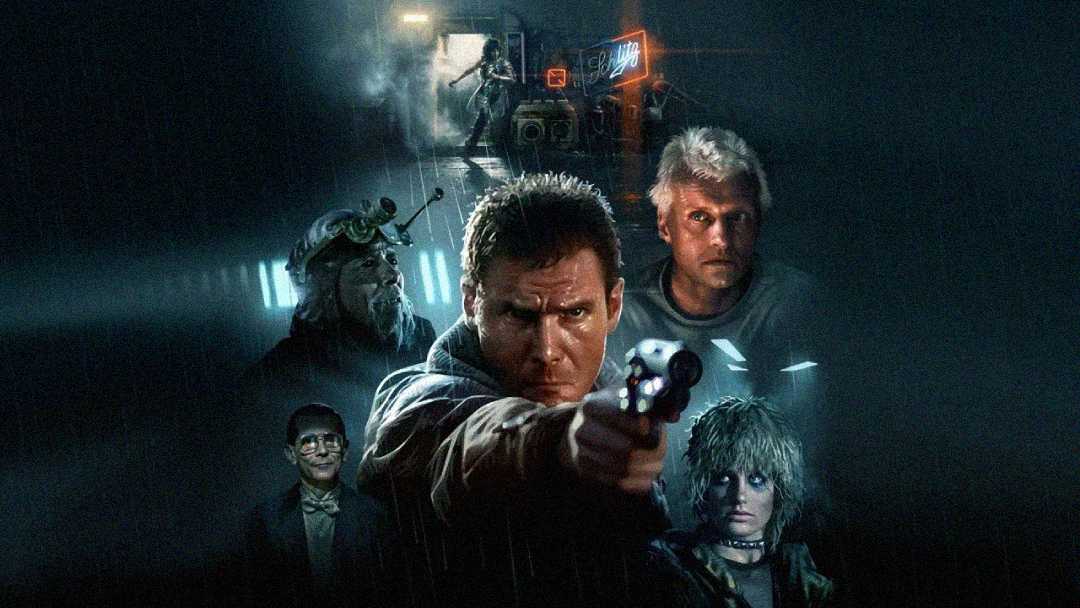
Set in a futuristic Los Angeles, the movie introduced genetically engineered replicants that were nearly impossible to distinguish from humans. Although modern AI isn’t biological, today’s rapid advances in artificial intelligence, facial recognition, synthetic media, and robotics have sparked many of the ethical debates explored by the film. Questions about machine rights, identity, and the limits of technology remain central to discussions among scientists and policymakers.
3. Minority Report
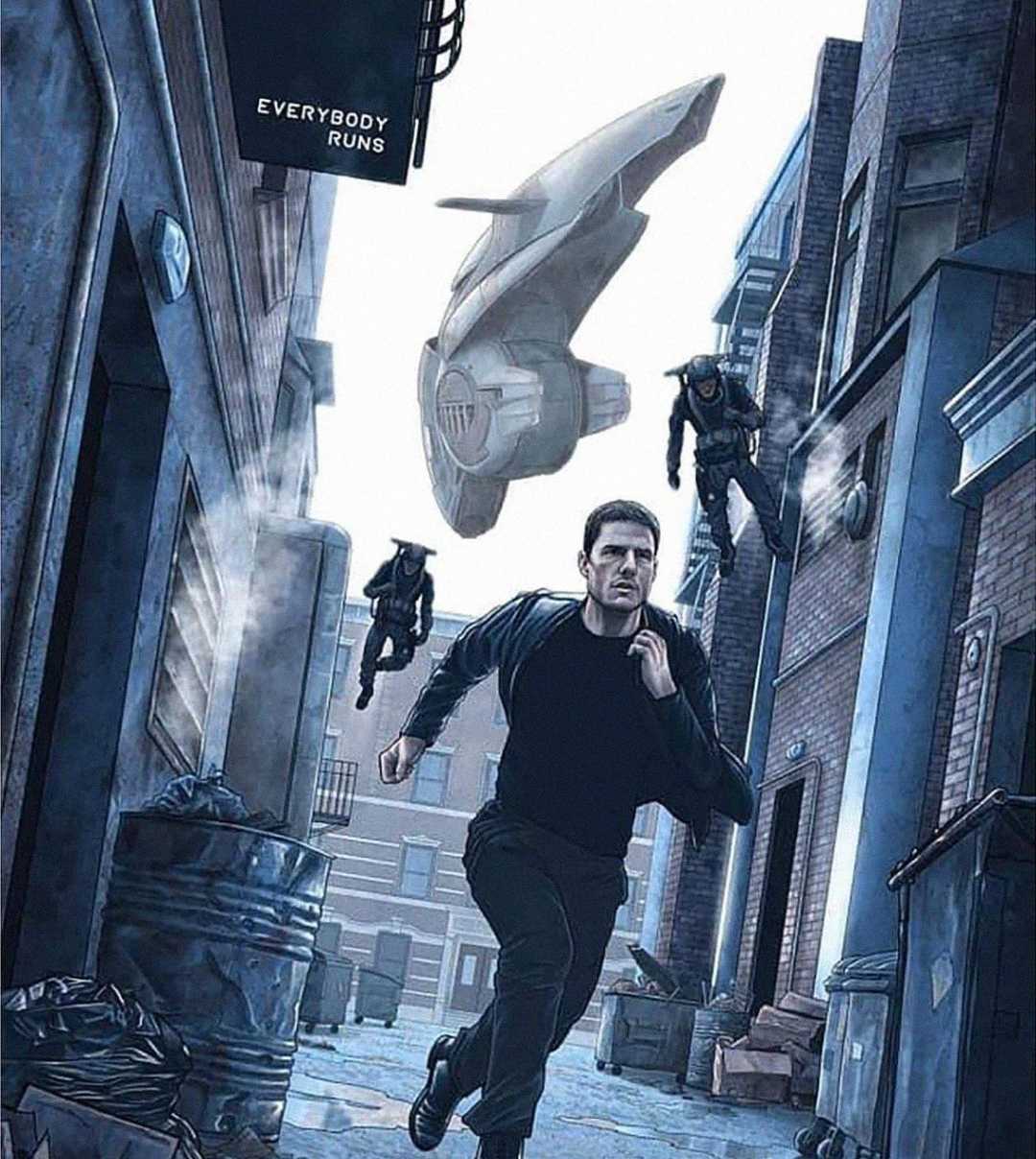
Steven Spielberg’s futuristic thriller imagined a world where police attempt to stop crimes before they happen. One prediction became strikingly accurate: personalized advertising. Throughout the movie, digital billboards recognize individuals by scanning their eyes and display customized advertisements. While today’s systems don’t rely on retinal identification in public spaces, online advertising uses browsing history, purchase habits, and user profiles to deliver highly personalized marketing remarkably similar to the film’s vision.
4. Her
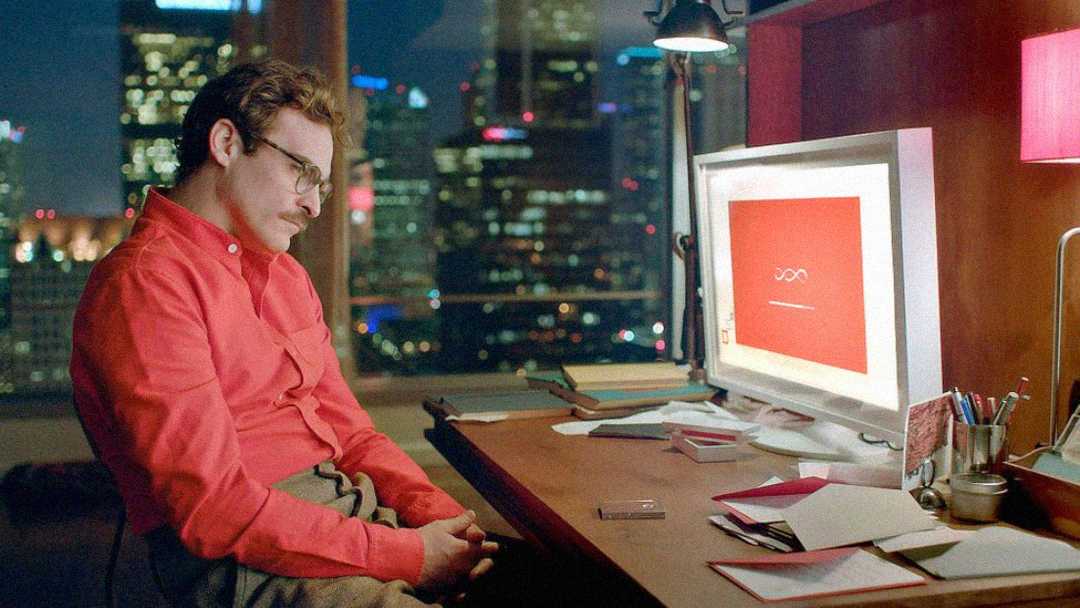
The story follows Theodore, who develops an emotional relationship with an advanced operating system. The movie predicted conversational AI capable of understanding context, learning personalities, and maintaining natural discussions. Large language models and AI assistants now hold increasingly human-like conversations, help with creative work, and even adapt responses based on users’ preferences. While fully conscious AI remains fictional, the communication style shown in the movie no longer feels far-fetched.
5. The Truman Show
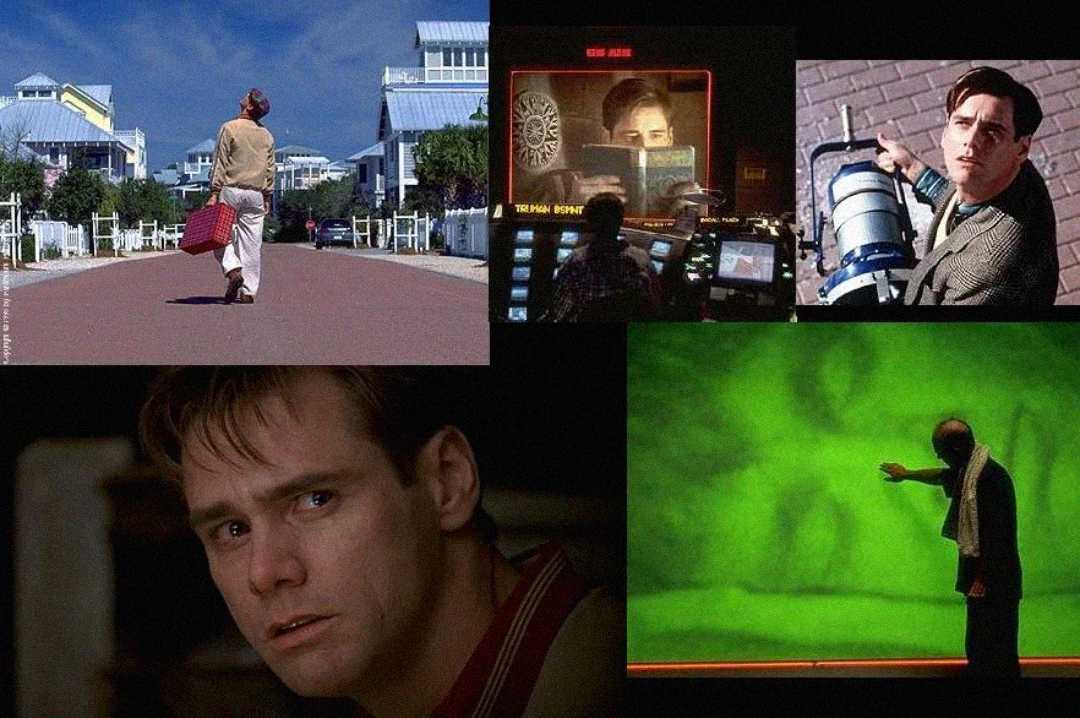
Truman unknowingly lives inside a television show where every moment of his life is broadcast to millions. Although reality TV already existed in limited forms, the movie anticipated a culture built around constant public exposure. Social media influencers, livestreaming, personal vlogs, and people willingly sharing their daily lives online echo many of the themes presented in the film.
Trending on The Scroller

6. Gattaca
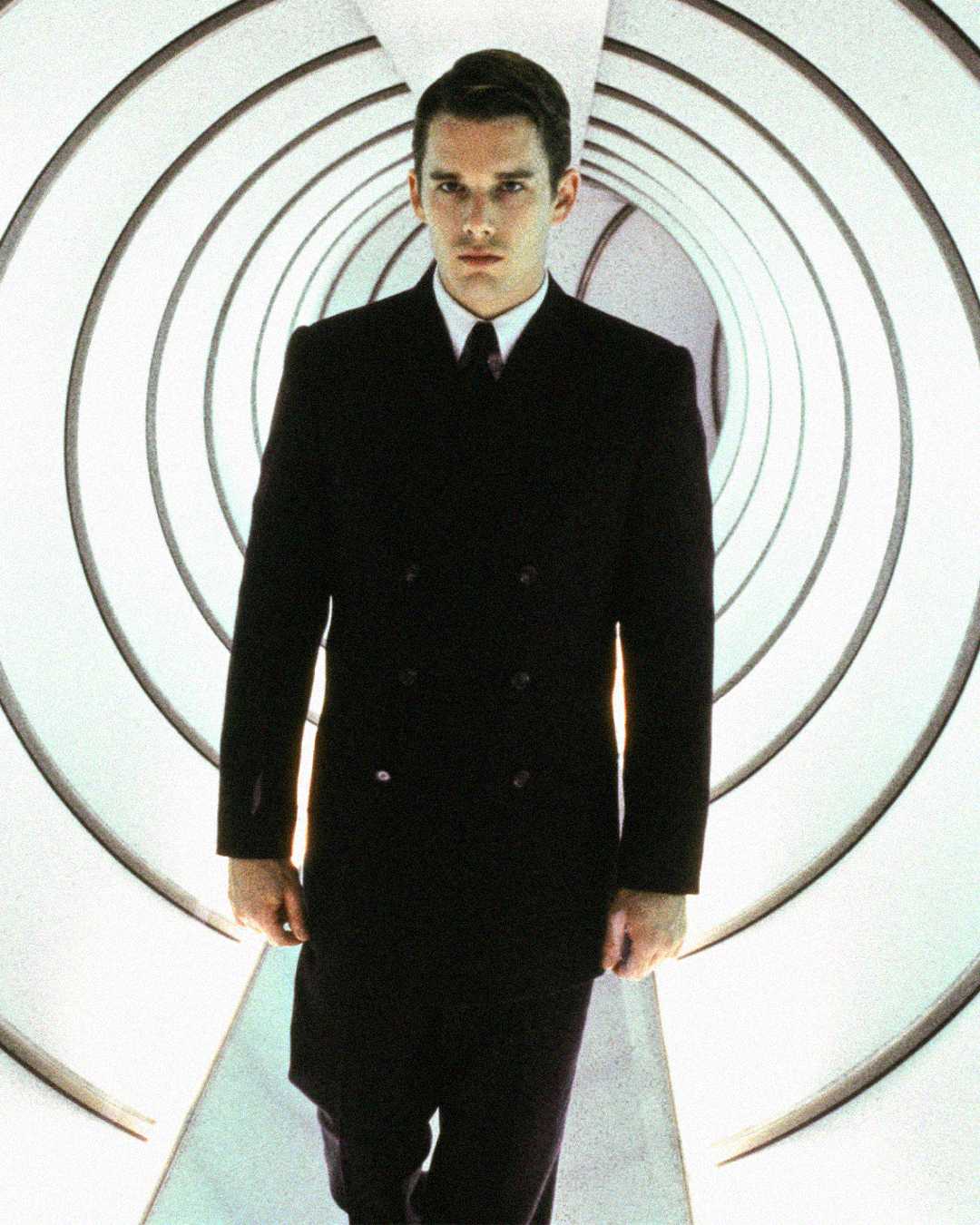
The movie portrays a future where genetic selection shapes people’s opportunities before they’re even born. While society has not embraced genetic discrimination as shown in the story, technologies such as CRISPR gene editing have transformed medical research. Scientists can now edit DNA to study diseases and potentially treat inherited disorders, making many of the movie’s scientific concepts surprisingly relevant.
7. The Matrix
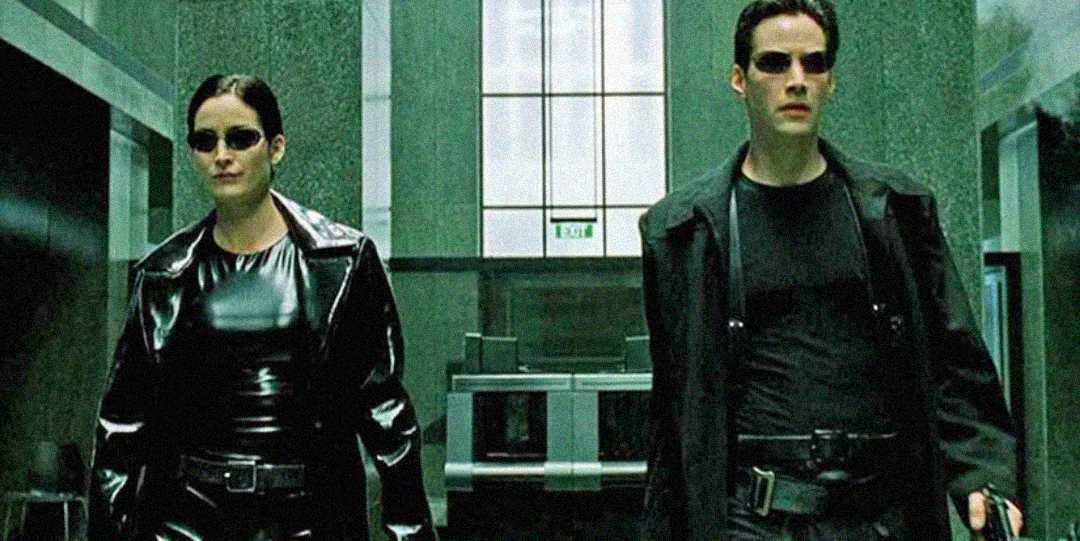
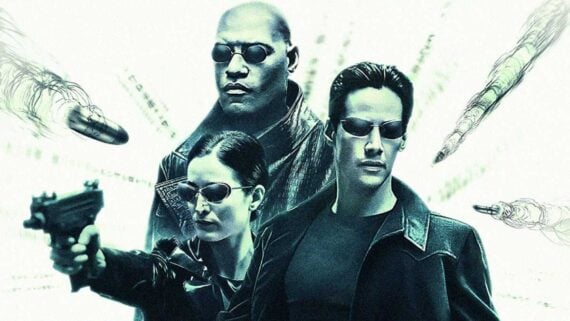
The Wachowskis imagined humanity trapped inside a computer-generated simulation controlled by intelligent machines. Although no evidence suggests we live inside a simulation, virtual reality technology has advanced dramatically. Modern VR headsets create immersive digital environments used for gaming, education, military training, healthcare, architecture, and remote collaboration, bringing parts of the movie’s digital world into everyday life.
8. Back to the Future Part II
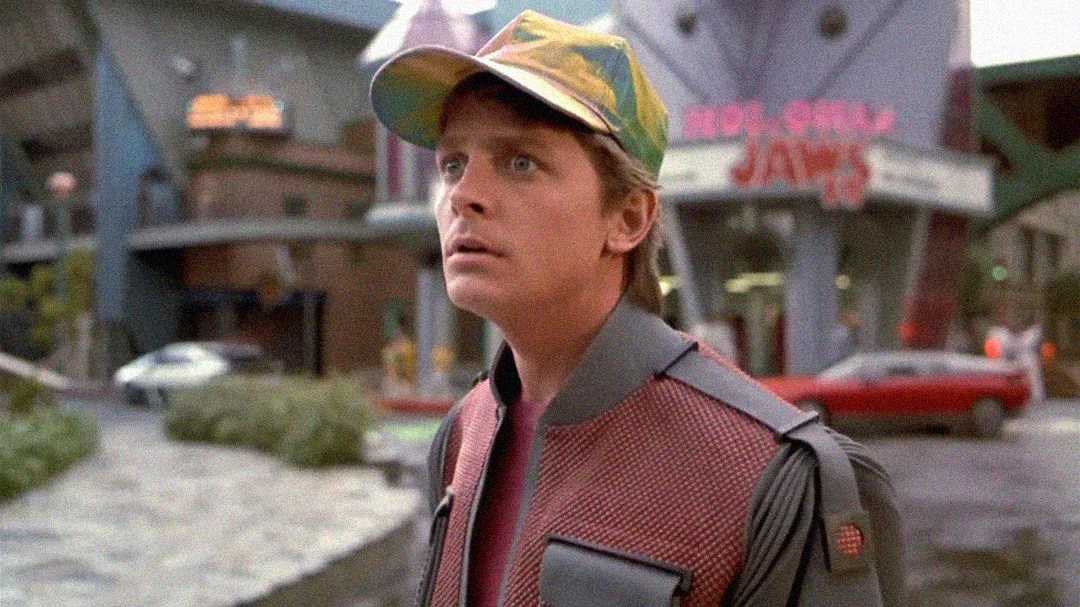
The sequel imagined life in 2015 with futuristic homes filled with advanced technology. Among its many predictions, video calling proved especially accurate. Marty McFly communicates through large video screens much like today’s Zoom, FaceTime, Google Meet, and Microsoft Teams. The movie also featured wearable technology and smart homes that resemble modern connected devices.
Sign up for our newsletter
9. Enemy of the State
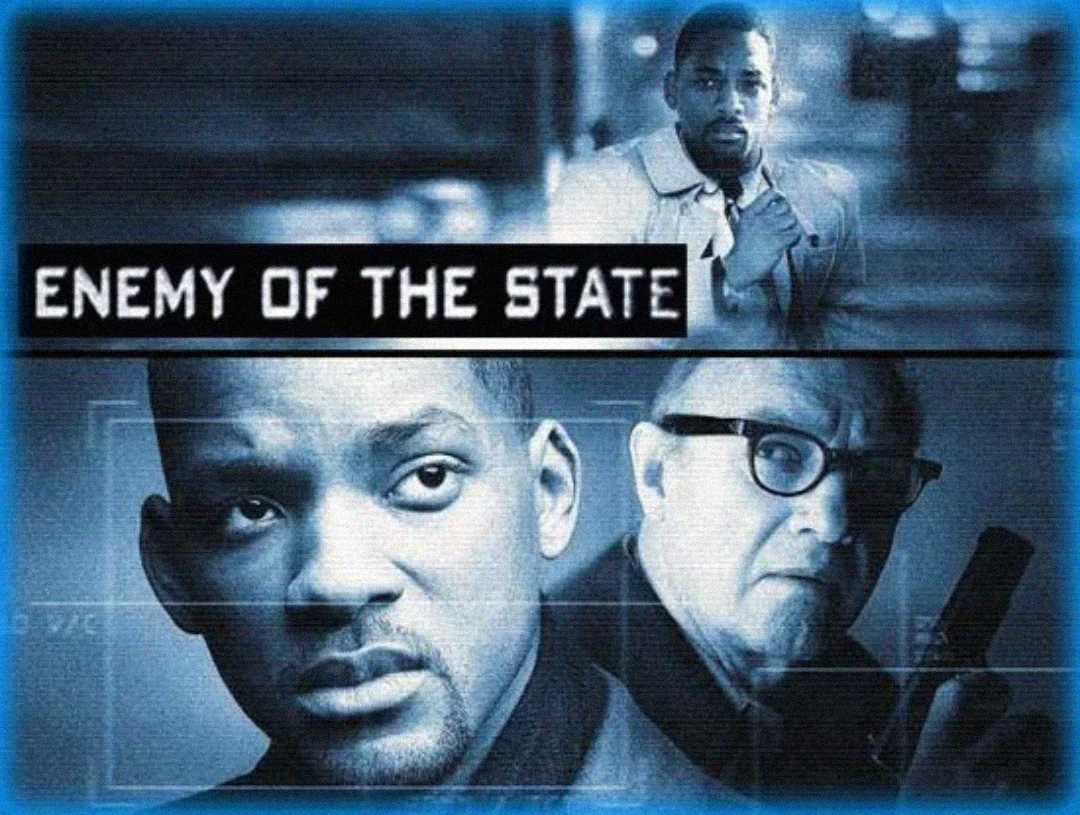
The thriller follows a lawyer who becomes the target of sophisticated government surveillance. Long before smartphones became universal, the movie depicted extensive satellite tracking, digital monitoring, and large-scale data collection. Today, GPS tracking, public security cameras, phone metadata, and online data collection have made surveillance technologies far more advanced than many viewers imagined in the late 1990s.
10. Total Recall
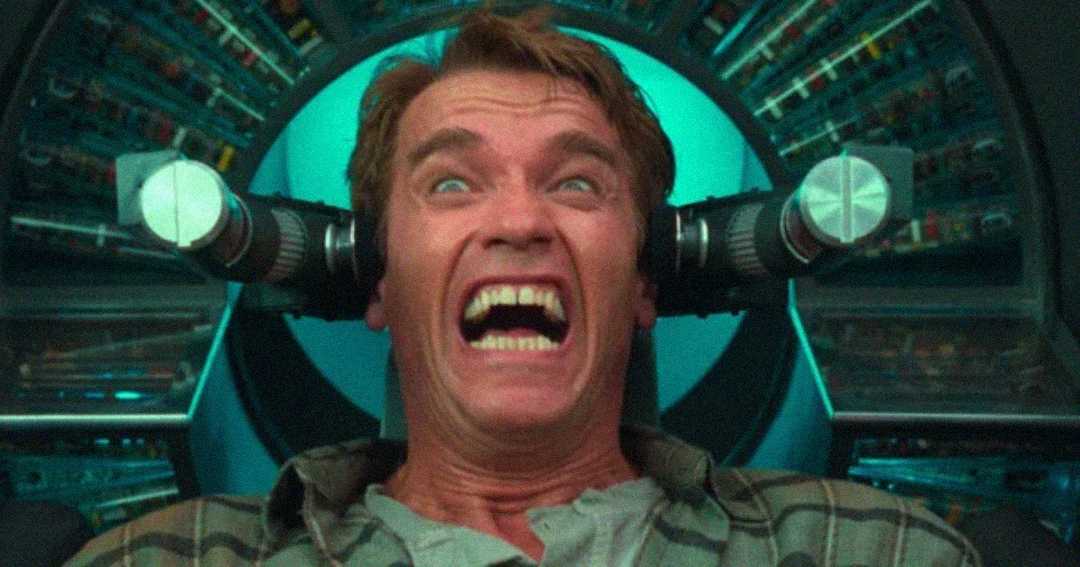
Set on Earth and Mars, the movie showcased automated taxis capable of transporting passengers without human drivers. Although today’s autonomous vehicles remain under development and still require supervision in many situations, companies have successfully deployed self-driving taxis in several cities. The concept that once seemed purely fictional has become an active area of transportation technology.
11. The Running Man
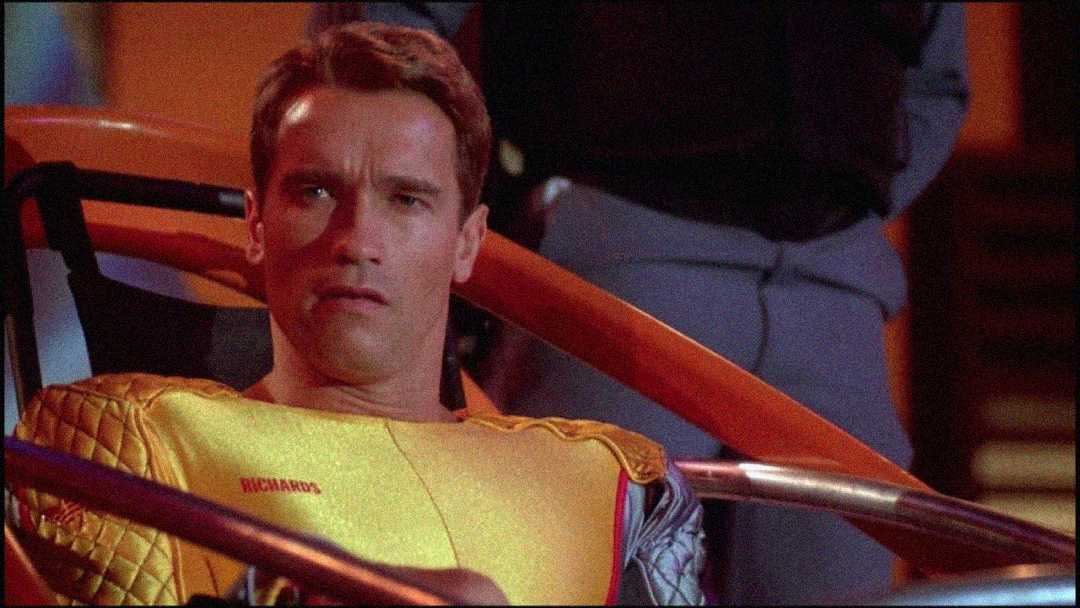
The movie presented violent reality competitions broadcast as mainstream entertainment. Thankfully, society never adopted its extreme premise, but televised competitions, streaming platforms, esports, and viral online challenges have transformed entertainment into highly interactive public spectacles.
12. Children of Men
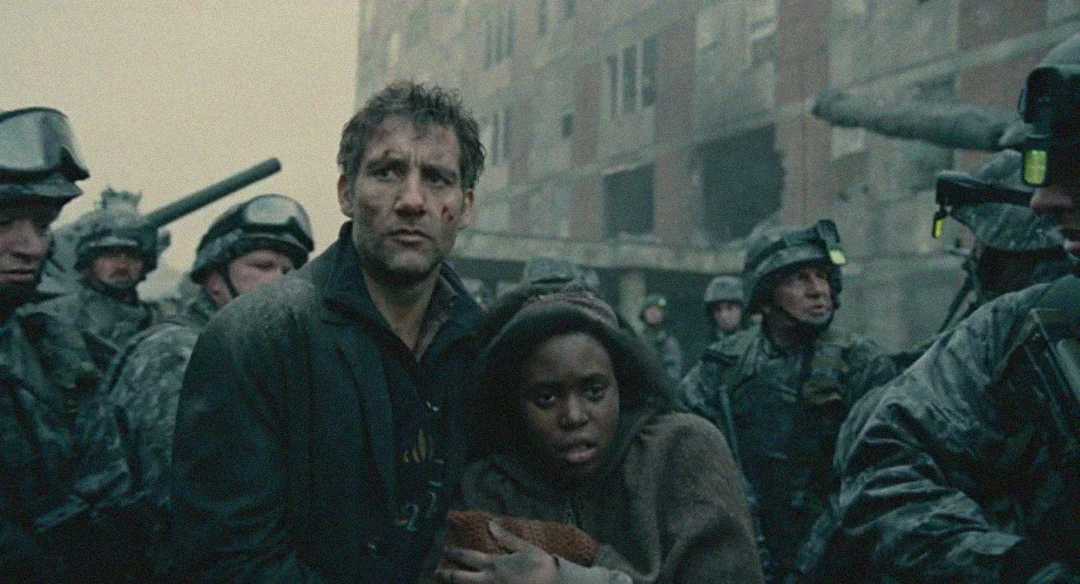
The dystopian story depicts a world struggling with political instability, mass migration, and humanitarian emergencies. While humanity did not face the film’s infertility crisis, its portrayal of refugee displacement, border tensions, and global political instability mirrors many real-world humanitarian challenges that emerged throughout the 21st century.
13. Wall-E
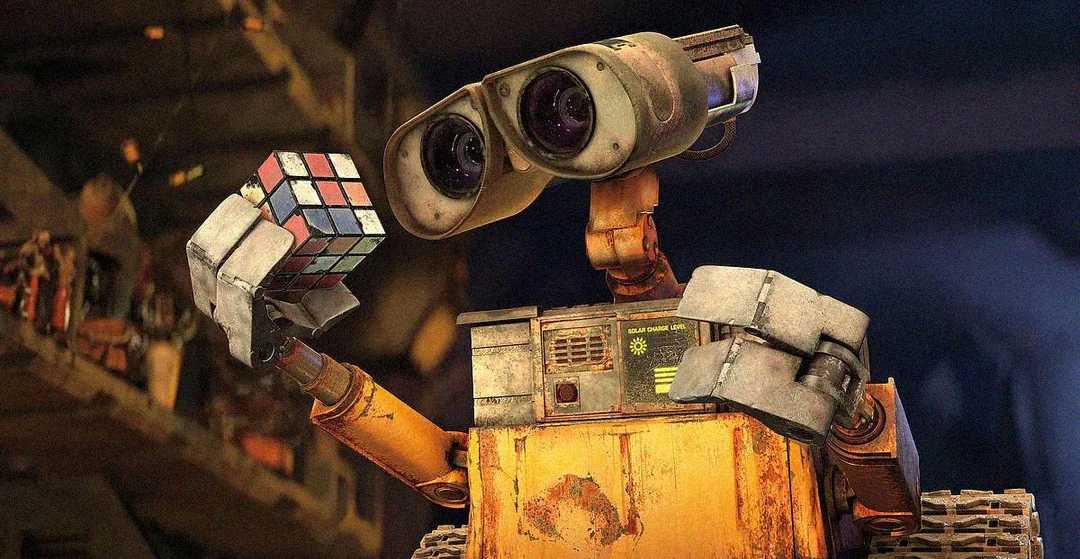
Pixar’s animated adventure follows a lonely robot cleaning a planet buried beneath centuries of garbage. The movie highlighted growing concerns about excessive consumption, plastic pollution, electronic waste, and dependence on automation. Environmental organizations continue warning about these issues today, making Wall-E one of the genre’s most socially relevant predictions.
14. Interstellar
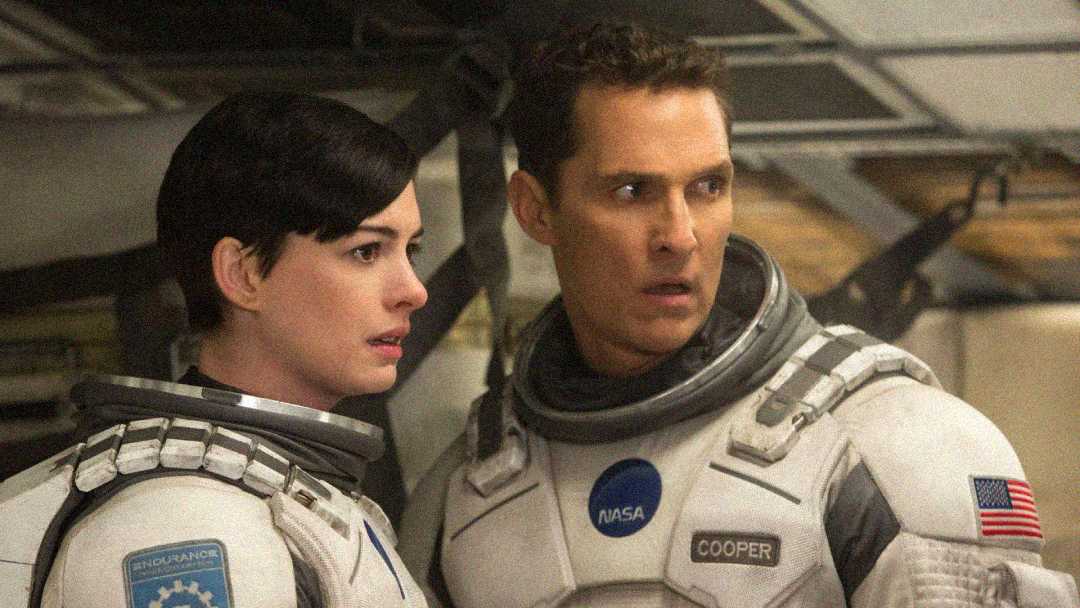
Christopher Nolan’s epic follows astronauts searching for humanity’s future among distant stars. Unlike many science fiction films, Interstellar worked closely with physicist Kip Thorne to ensure scientific accuracy. Its visualization of the black hole Gargantua later proved so realistic that scientists praised its depiction, and some of the rendering techniques even contributed to published scientific research. While interstellar travel remains beyond current capabilities, the movie demonstrated how rigorous science can shape believable fiction.
These incredible movies prove that science fiction can sometimes become reality in unexpected ways. Keep reading to discover even more amazing movies that changed the way we think about the future.
Science fiction has always reflected humanity’s biggest hopes, fears, and curiosity about what’s coming next. While not every prediction comes true, these films show how creative storytelling often begins with real scientific ideas and careful observation of society. Whether exploring artificial intelligence, genetic engineering, environmental change, or digital life, each movie reminds us that today’s fiction can become tomorrow’s headline. That’s exactly what makes revisiting these classics so fascinating years later.
We love exploring the fascinating relationship between movies and real life, from incredible behind-the-scenes stories to surprising facts and unforgettable predictions. Keep reading our latest recommendations to discover even more films that changed cinema, and sometimes even helped imagine the future before it arrived: 14 Movie Scenes That Were Changed or Removed in Different Countries, 14 Characters So Good They Outgrew Their Original Role, and 15 Movie Sequels That Ruined The Original’s Legacy.