Sometimes a character is introduced with a very clear job to do, provide comic relief, shake up the lead, add texture to the world, and then something else happens. The performance lands a little harder than expected, the writing starts making more room, and the audience responds in a way the creators cannot really ignore. Before long, that supporting player is no longer just helping the story along, they are changing what the story even feels like. Some of the best TV and film characters got there exactly that way.
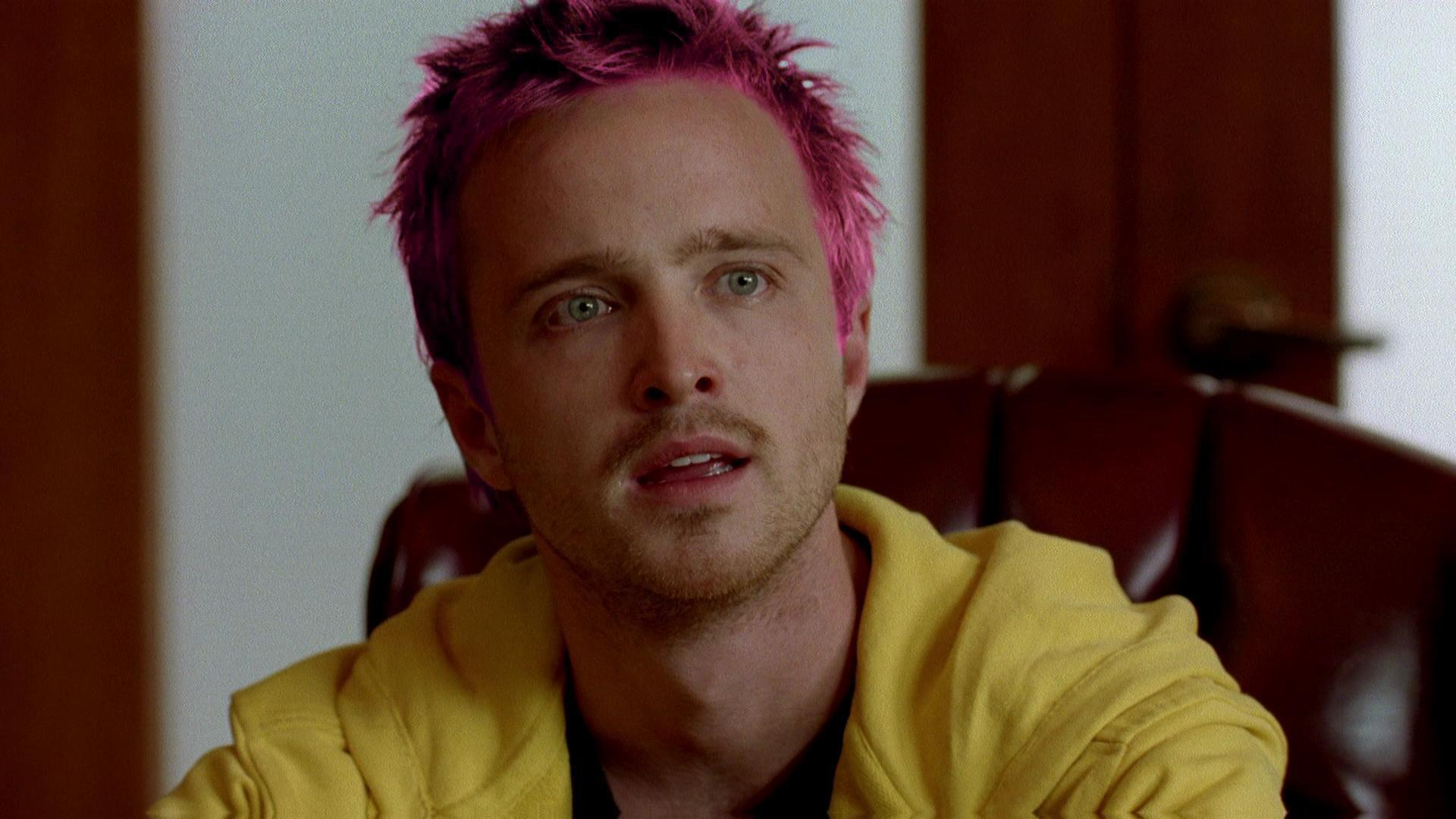
Jesse Pinkman, Breaking Bad
r/breakingbad
Jesse was never supposed to carry the kind of emotional weight he eventually did. Early on, Breaking Bad presents him as the sloppy former student, the loose cannon, the guy Walter can use because he is desperate enough to say yes. But Aaron Paul gave Jesse such panic, humor, shame, and bruised vulnerability that the character quickly became far more than a sidekick in Walt’s criminal awakening. By the end, it was hard to think of him as secondary at all, because so much of the show’s pain ran through him.
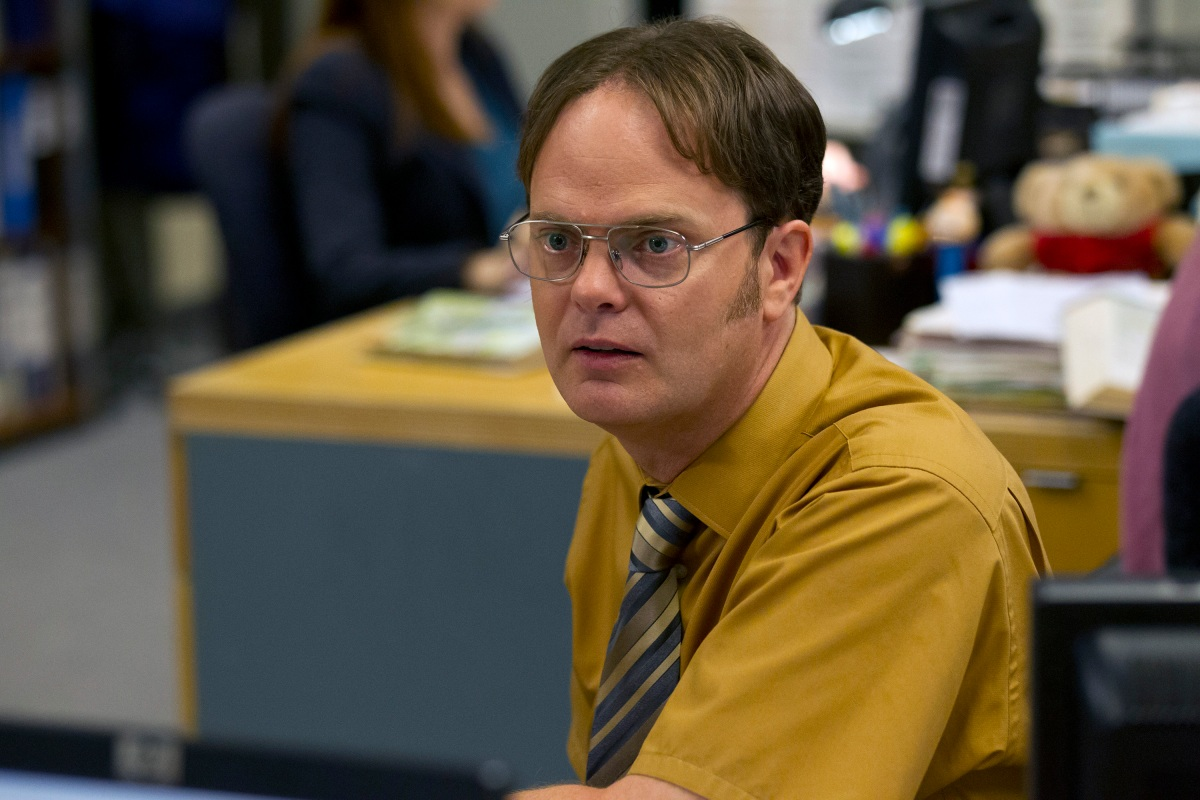
Dwight Schrute, The Office
r/soulsliders
When The Office begins, Dwight looks like the perfect second-banana character, Michael Scott’s intensely loyal employee, a workplace nuisance, a machine for awkward escalation. But Rainn Wilson gave him such weird commitment, comic precision, and flashes of genuine sadness that Dwight kept expanding past that function. He was still absurd, still deeply irritating in the way the show needed him to be, but he also became one of its most dependable sources of tension, pathos, and surprise. By the later seasons, he no longer felt like someone orbiting the main action, he felt like one of the reasons the series had a pulse at all.
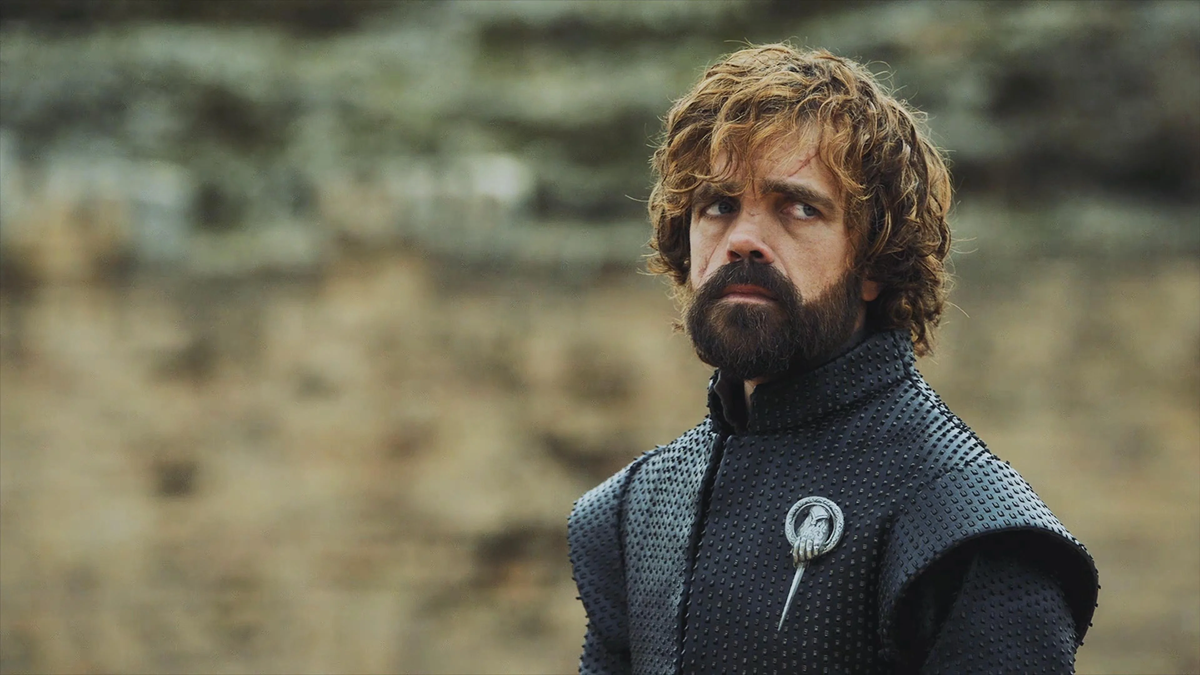
Tyrion Lannister, Game of Thrones
r/gameofthrones
In a cast that large, with that many betrayals and factions moving at once, it says a lot when one character can pull the focus just by sitting down and talking. Tyrion began as the sharp-tongued outsider in a powerful family, useful to the plot but not exactly framed as its central force. Peter Dinklage changed that almost immediately. He made Tyrion funny without turning him weightless, bitter without flattening him into cynicism, and human in a story that often preferred spectacle and blood. Plenty of characters drove the action in Game of Thrones, but Tyrion became one of the few who could reshape a whole scene simply by thinking through it out loud.
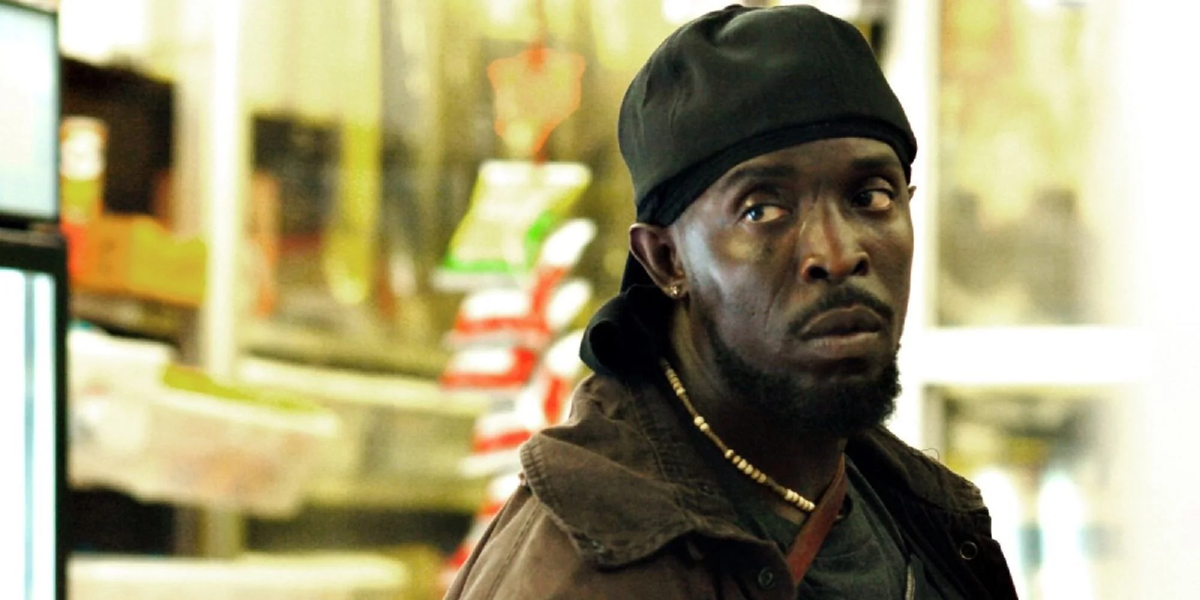
Omar Little, The Wire
r/television
The thing about Omar is that he arrives from outside the usual machinery of The Wire and somehow becomes one of the people who defines it most. The show is so invested in systems, institutions, chains of command, and then here comes this lone stickup man with a shotgun and a whistle, walking through Baltimore like a rumor everyone already believes. Michael K. Williams played him with real gravity, not just swagger, which kept Omar from ever feeling like a gimmick dropped into a sober drama. He was too alive, too strange, too sad to stay on the edges for long.
Saul Goodman, Breaking Bad and Better Call Saul
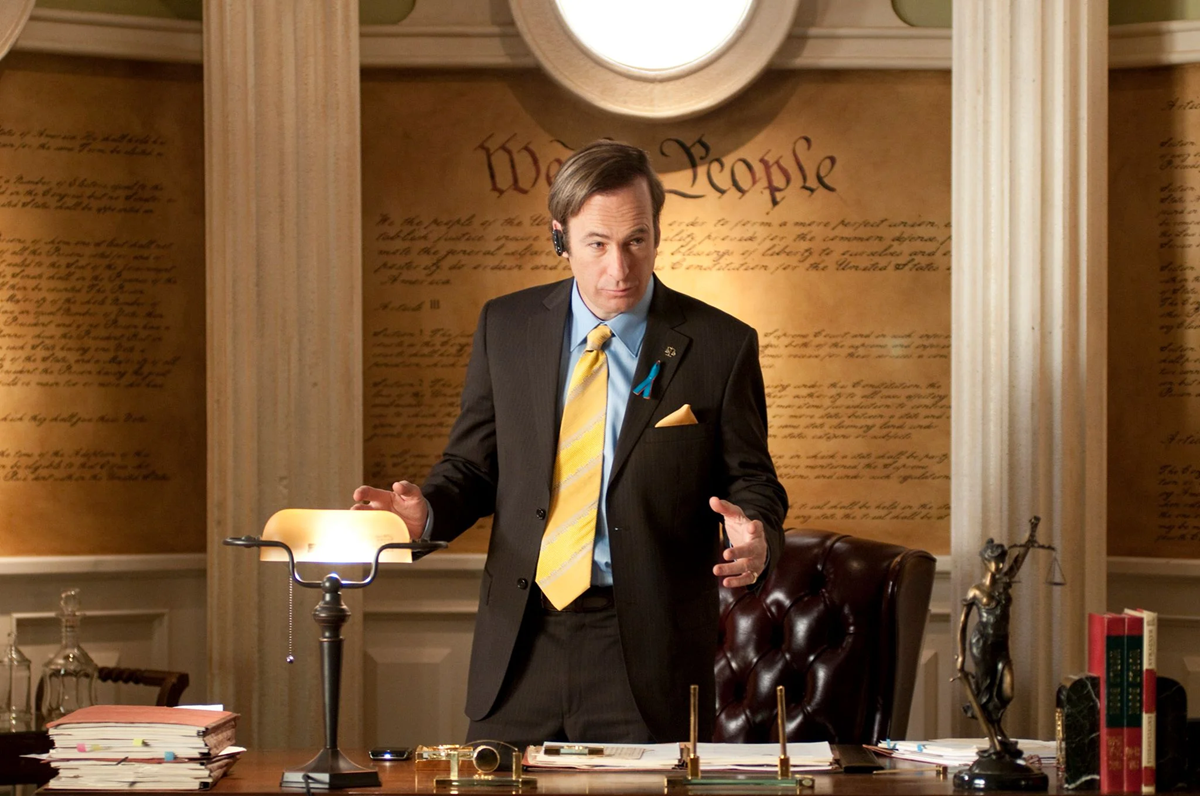
r/topcharacterdesings
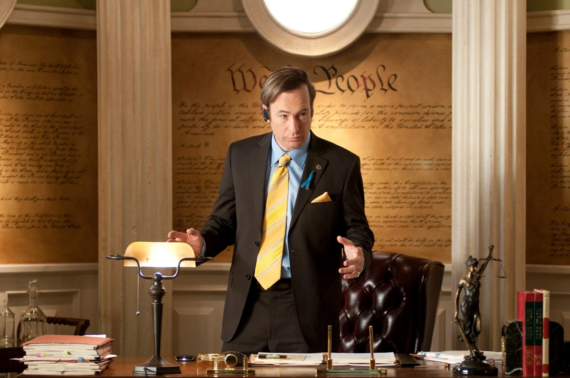
At first, Saul looks like a wonderful detour. A greasy lawyer with strip-mall energy, a fountain of bad ideas, and perfect comic timing, the kind of character who shows up, fixes a problem in the worst possible way, then leaves the leads to deal with the fallout. Bob Odenkirk kept hinting at more than that. There was exhaustion in him, embarrassment, old survival instincts, and enough buried damage that the joke started to deepen. By the time Better Call Saul finished in 2022, this side character from Breaking Bad had become the center of one of the richest character studies television has produced in years.
Trending on The Scroller
Sheldon Cooper, The Big Bang Theory
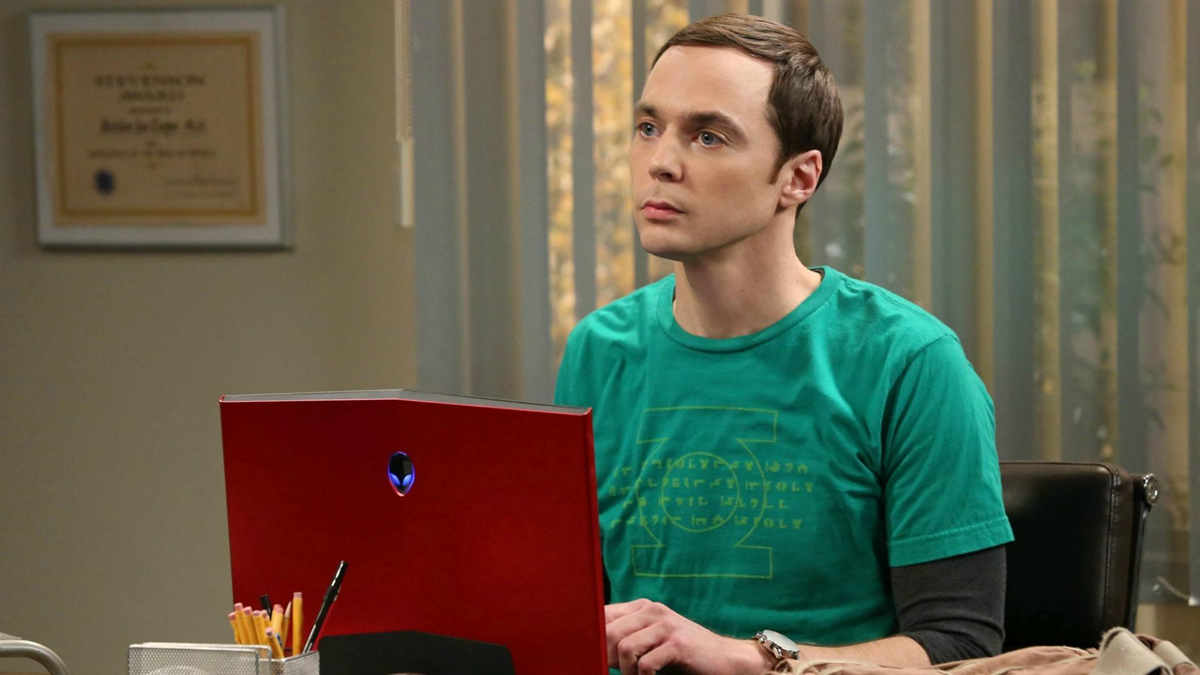
r/bigbangtheory
The Big Bang Theory began as a broader ensemble built around a cluster of socially awkward scientists and the outsider perspective Penny brought into their world. But it did not take long for Sheldon to become something else entirely. Jim Parsons played him with such precision, rhythm, and absolute conviction that the character quickly stopped feeling like one ingredient in the mix and started feeling like the show’s main gravitational pull. The series still functioned as an ensemble on paper, but Sheldon’s habits, conflicts, and worldview became too central to keep him in anything like an original supporting lane.
Harley Quinn, DC Comics and Beyond
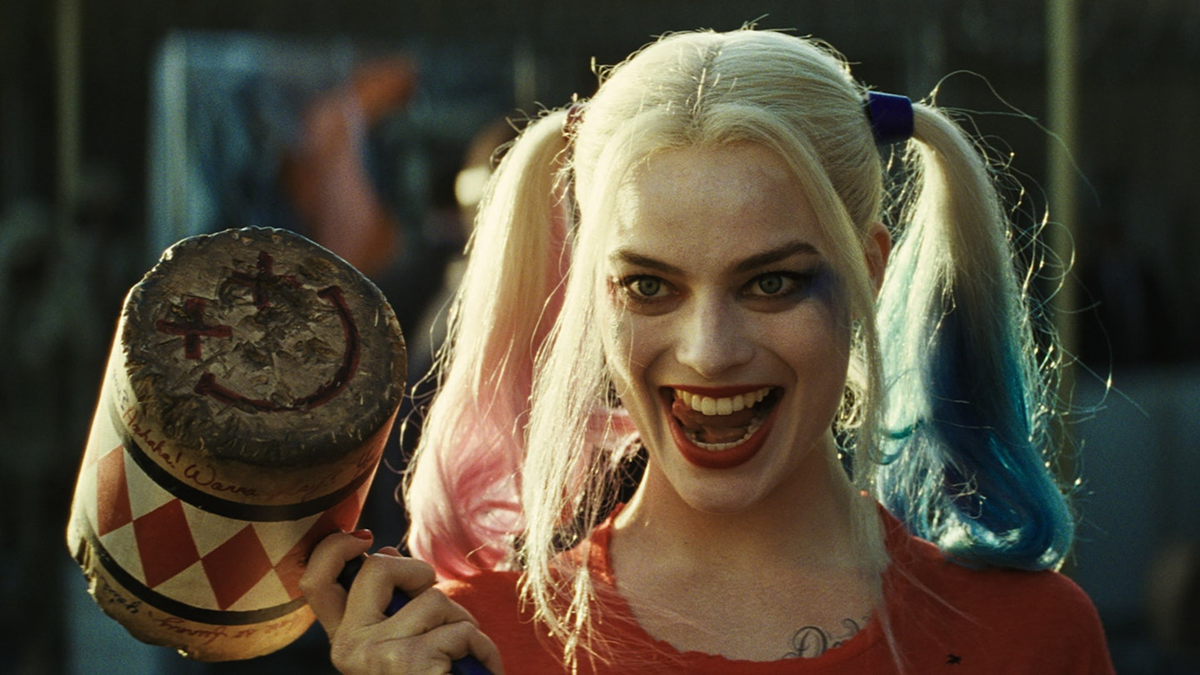
r/dcu_
Harley Quinn was created for Batman: The Animated Series in 1992, which already tells you something, she was not one of the foundational comic-book fixtures with decades of mythology behind her. She began as the Joker’s sidekick, a playful but tragic extension of his chaos, and that could have been the whole story. Instead, the character kept expanding. Different writers and performers found room for slapstick, cruelty, heartbreak, independence, and eventually a full antihero life beyond the man she was introduced to orbit. That is a rare kind of evolution, a character escaping the function that created her.
Spike, Buffy the Vampire Slayer
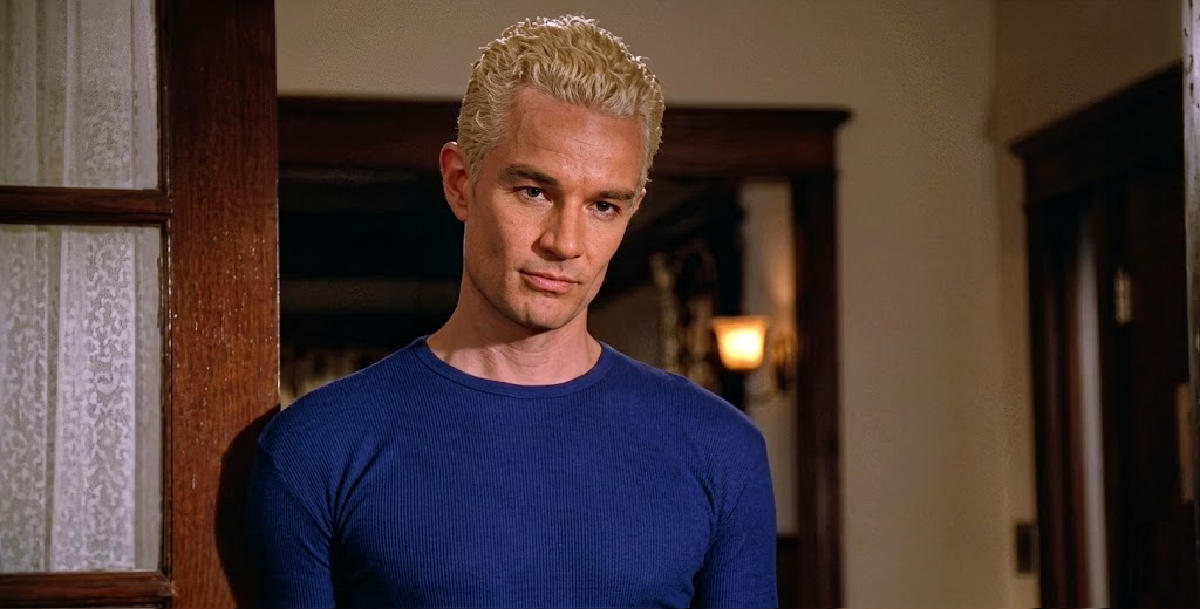
r/buffy
Spike did not become Spike overnight. When he first appeared on Buffy, he was a terrific complication, dangerous, theatrical, very funny, and clearly capable of smashing up the rhythm of an episode. But James Marsters kept giving the character more angles than a recurring villain really needed. Spike could be pathetic, sexy, ridiculous, scary, emotionally exposed, and self-deluding sometimes all in the same stretch. Once the show realized that, there was no keeping him in the old box. He grew from adversary to fixation to one of the figures most central to the series’ emotional weather.
Sign up for our newsletter
Barney Stinson, How I Met Your Mother
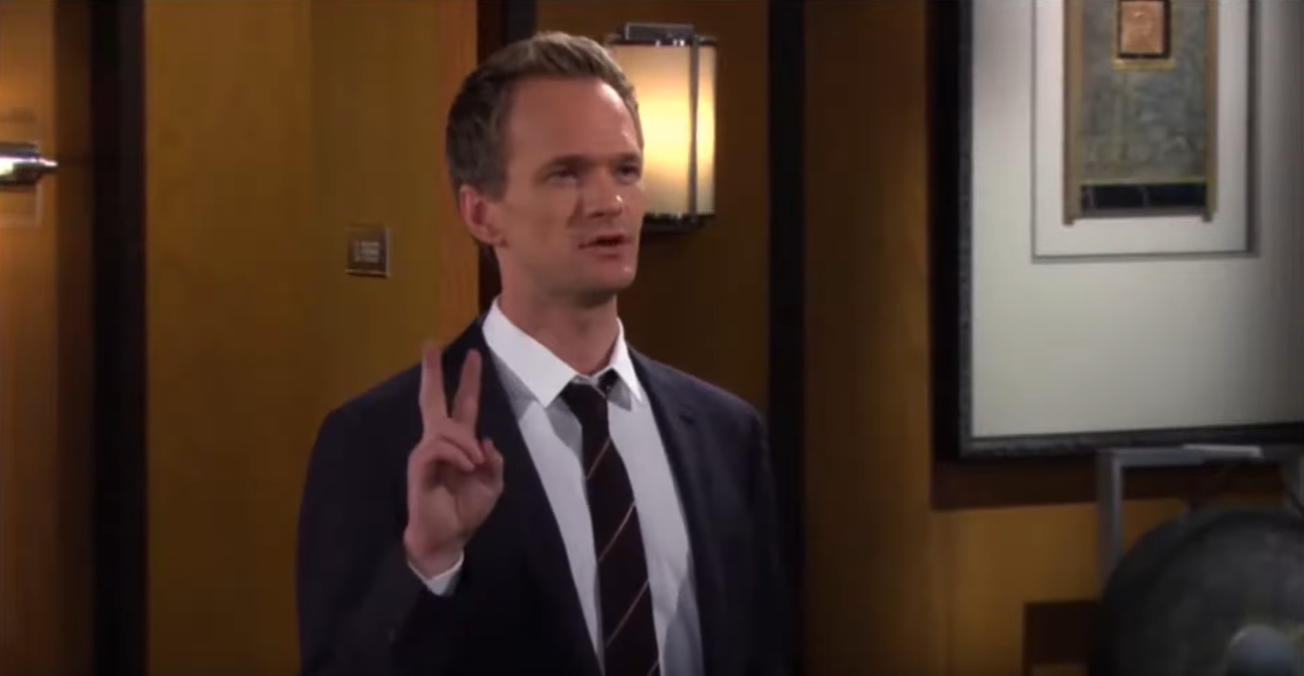
r/himym
Barney is a good example of a character outgrowing his original role even if the structure of the show technically stayed with someone else. How I Met Your Mother was built around Ted’s long romantic story, but Neil Patrick Harris turned Barney from a potential one-note womanizer into the show’s most reliable comic detonator and, at times, one of its more unexpectedly melancholic characters. The writers kept finding more to do with him because Harris made the excess feel like both a performance and a defense mechanism. He did not replace Ted as the narrative frame, but he absolutely stopped being just the loud friend at the table.
Villanelle, Killing Eve
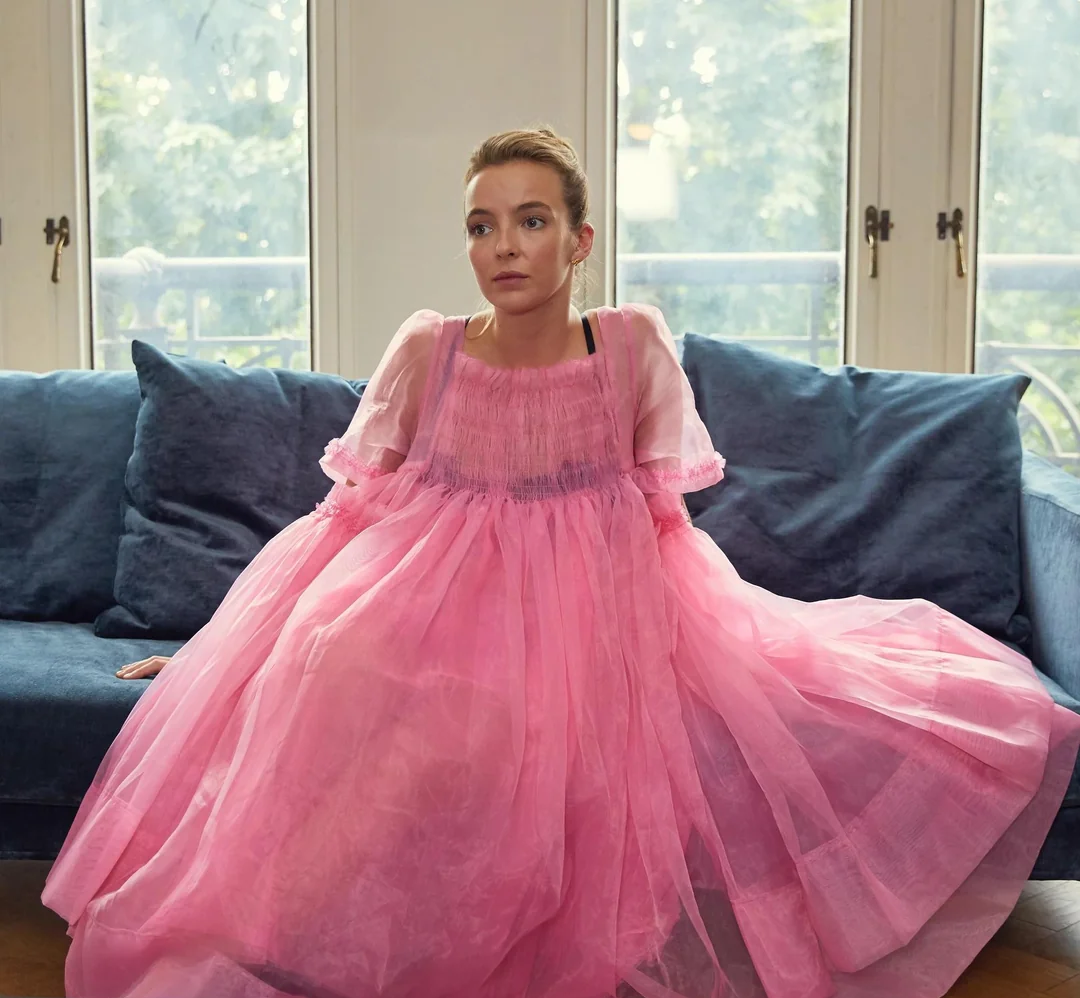
r/killingeve
It is hard to stay in your assigned lane when you are that much fun to watch. On paper, Villanelle is the target, the destabilizing assassin who gives Eve Polastri someone to obsess over and pursue. In practice, Jodie Comer made her too slippery and too inventive for that limited function. She could be terrifying one minute, childish the next, then bizarrely touching right when the show needed a pulse of feeling. Killing Eve worked best when it accepted that Villanelle was not merely the object of the drama, she was one of the reasons the drama had shape at all.
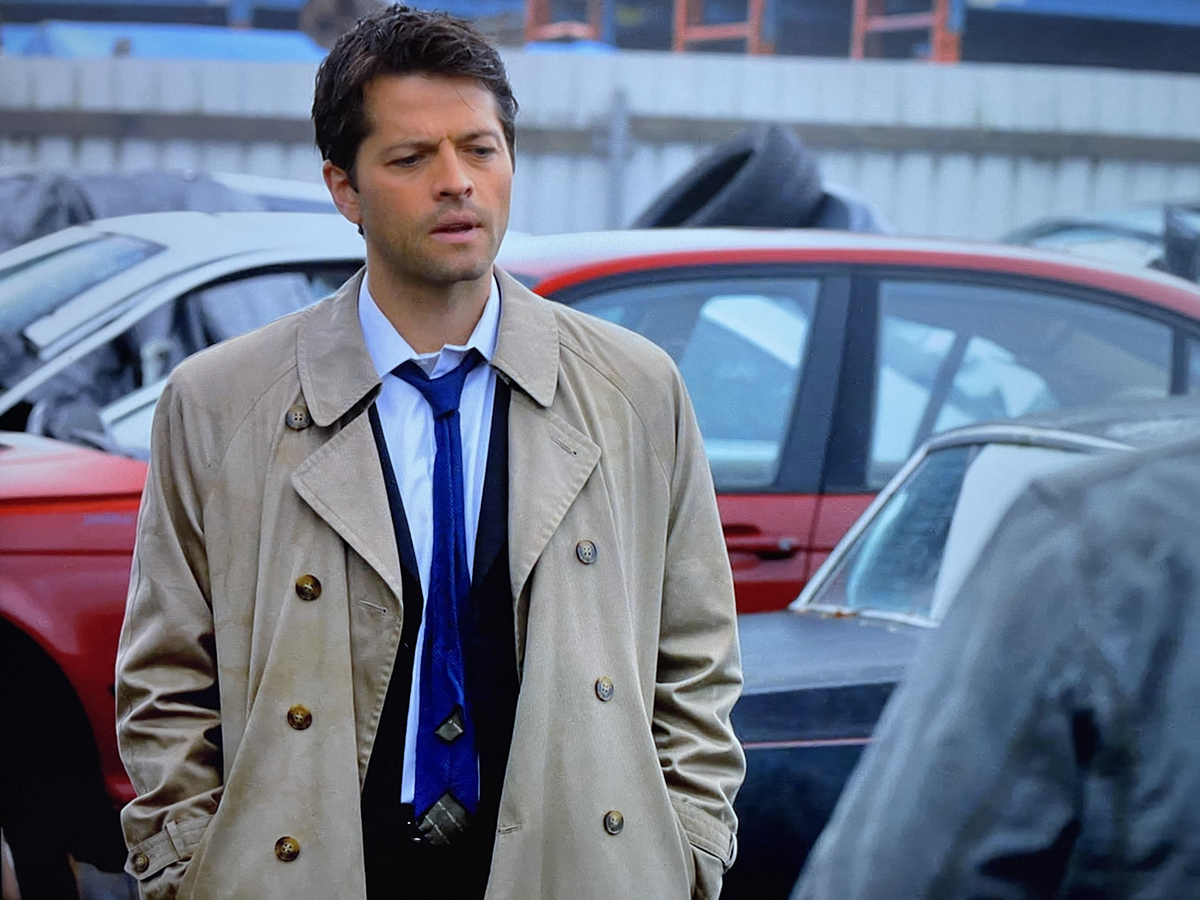
Castiel, Supernatural
r/supernatural
Long-running genre shows tend to invite this kind of thing because they leave enough time for a side character to become essential. Castiel entered Supernatural in season 4 as an angelic intervention, severe, useful, mysterious, and probably not intended to become one of the emotional anchors of the whole series. Misha Collins gave him a peculiar stillness that made the character stand apart right away, and then the show kept building on it. Castiel became funnier, sadder, stranger, more deeply tied to the Winchesters than a heavenly messenger needed to be. After a while, imagining Supernatural without him felt less like stripping away a supporting player and more like removing one of its load-bearing walls.
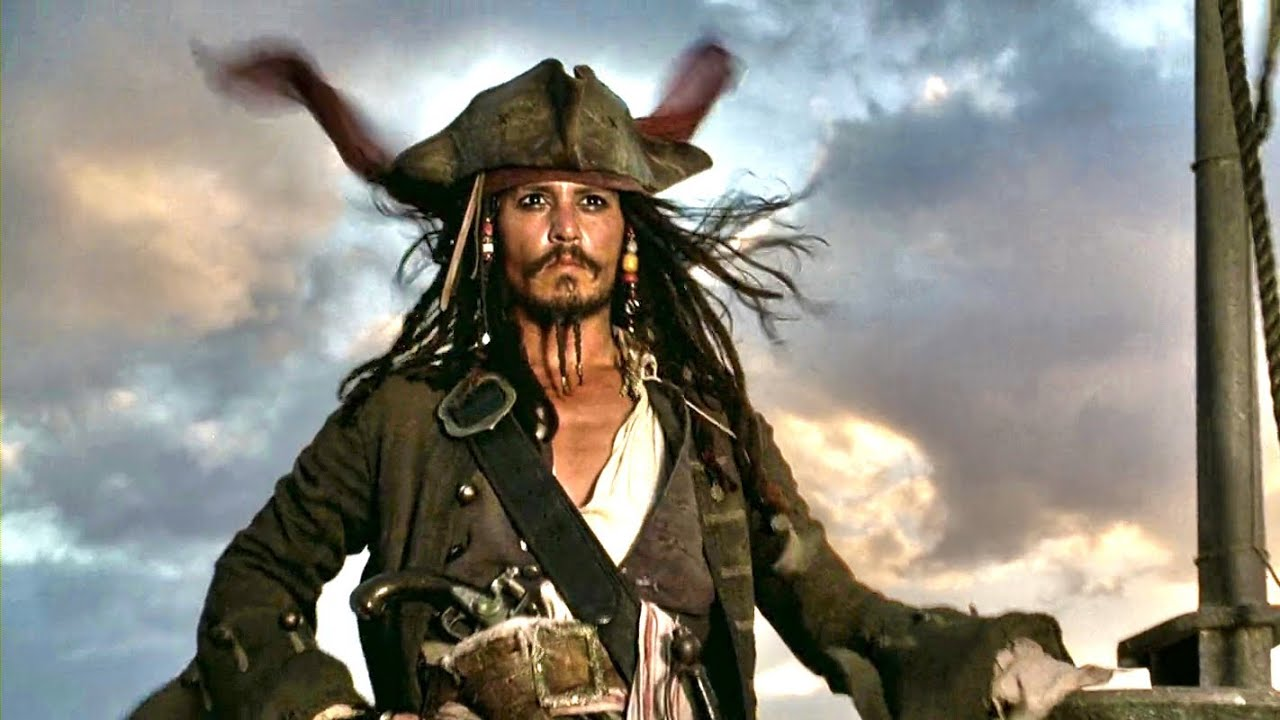
Jack Sparrow, Pirates of the Caribbean
r/piratesofthecaribbean
The first Pirates of the Caribbean film has other things going for it, a solid adventure engine, a clever curse setup, a romantic swashbuckling backbone, but everyone knew what they were really leaving the theater talking about in 2003. Johnny Depp’s Jack Sparrow moved like someone half-drunk on instinct and somehow fully aware of the room at the same time. He was meant to be part rogue, part wild card, not necessarily the soul of the entire franchise. Then the performance hit, and the movies increasingly reorganized themselves around his presence. That helped, until it started hurting.
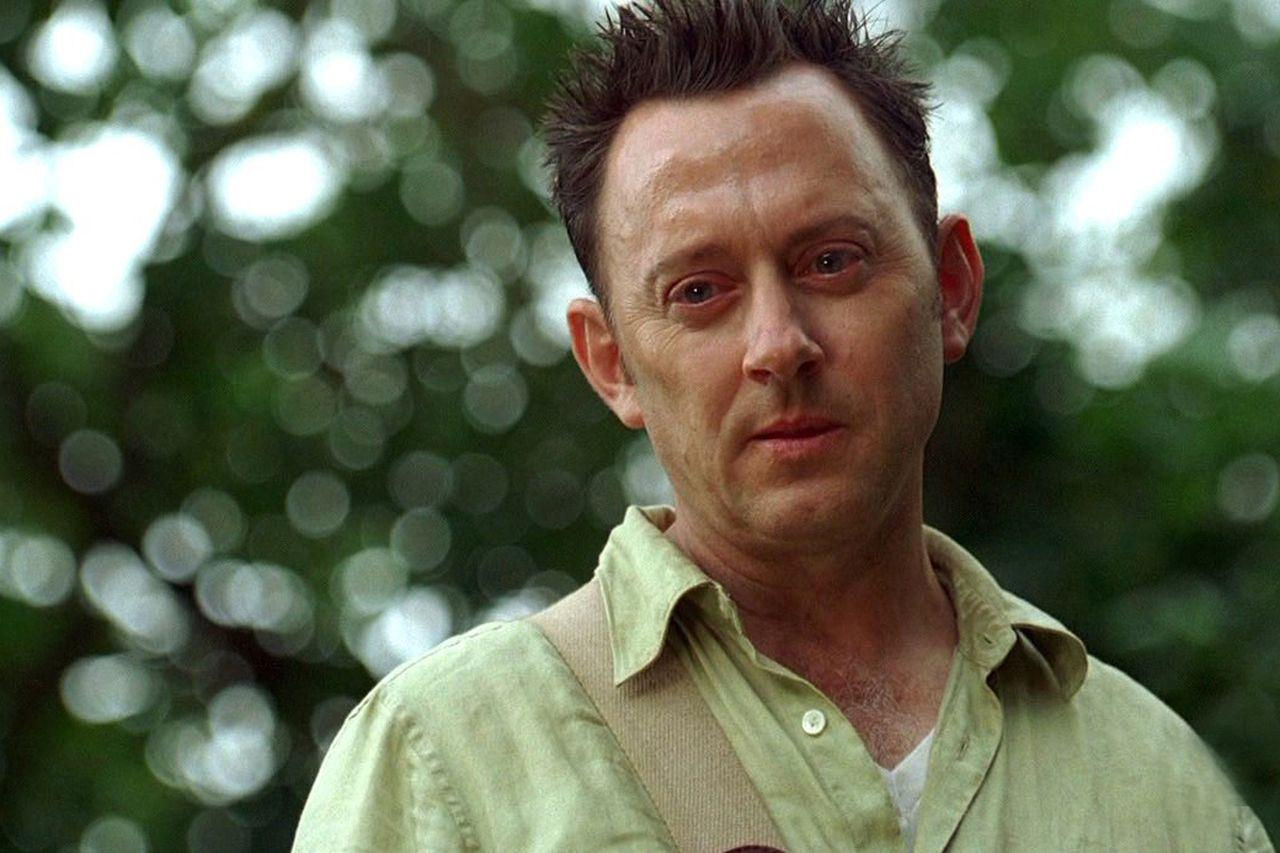
Ben Linus, Lost
r/thevileeye
Lost was always going to reward characters who could make mystery feel personal, and Ben Linus did that better than almost anyone. He was introduced as a liar, or at least someone who wore dishonesty so comfortably that it barely registered as effort. Michael Emerson made him unnerving in a very restrained way. Ben did not need big speeches or brute force to dominate the mood of an episode, he just needed a look, a pause, a sentence that sounded harmless until you thought about it for two more seconds. In a show full of mythology, smoke monsters, and timelines, he outgrew the role of manipulative obstacle and became one of the series’ defining presences.
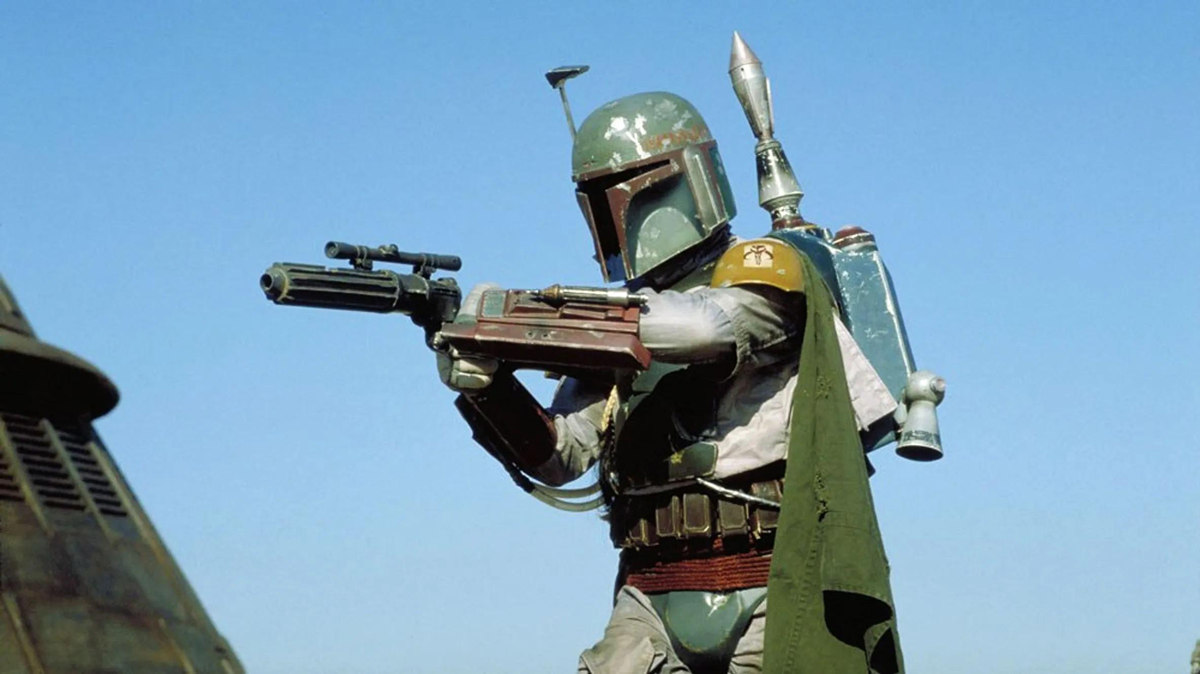
Boba Fett, Star Wars
r/starwars
Boba Fett barely had to do anything. That is part of what made it work. In the original trilogy, his screen time is limited, his dialogue is sparse, and yet the character’s design, silence, and aura of professional menace gave audiences a lot to project onto. He started as a stylish supporting threat and ended up becoming one of the most expanded figures in the broader Star Wars universe. Few characters have built that much cultural afterlife out of so little initial narrative space.
Peggy Olson, Mad Men
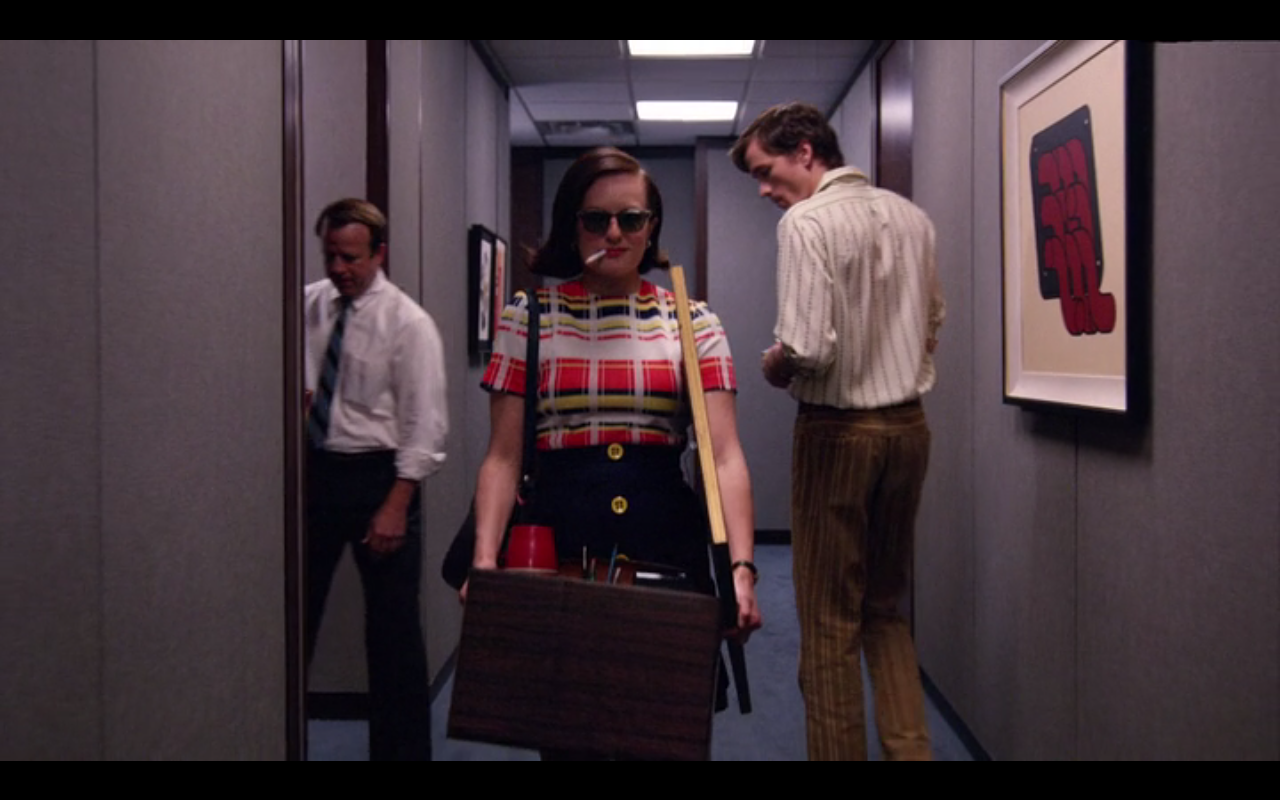
r/madmen
Peggy does not announce herself as the future of Mad Men. She begins in the pilot as a new secretary trying to decode a workplace built to minimize and patronize women like her, and the series lets that starting point matter. What followed was one of the best long-form evolutions on television. Elisabeth Moss played Peggy with ambition, insecurity, discipline, resentment, wit, and a growing sense of her own value, which made her feel less like a supporting contrast to Don Draper and more like the person tracing a different route through the same era. As the show went on, her storyline stopped feeling supplemental. It felt necessary.
In the mood for more?
You can check out 16 Movie Mistakes That Slipped Into the Final Cut and Became Iconic or 14 Deleted Scenes That Would Have Changed These Films Forever. If you want to see more TV Show facts you can check 14 TV Shows That Were Pitched a Dozen Times Before a Network Finally Said Yes.