Deleted scenes are usually deleted for a reason. Sometimes they slow the pace, explain too much, or simply point the movie in a direction the director no longer wants to go. But every so often, a cut scene feels less like trimming and more like a doorway into a totally different version of the film. These moments would have changed endings, softened mysteries, altered characters, or made already-famous movies feel just a little stranger.
I Am Legend’s Original Ending Gave the Title a Real Meaning
VIDEOS / VIA REDDIT.COM
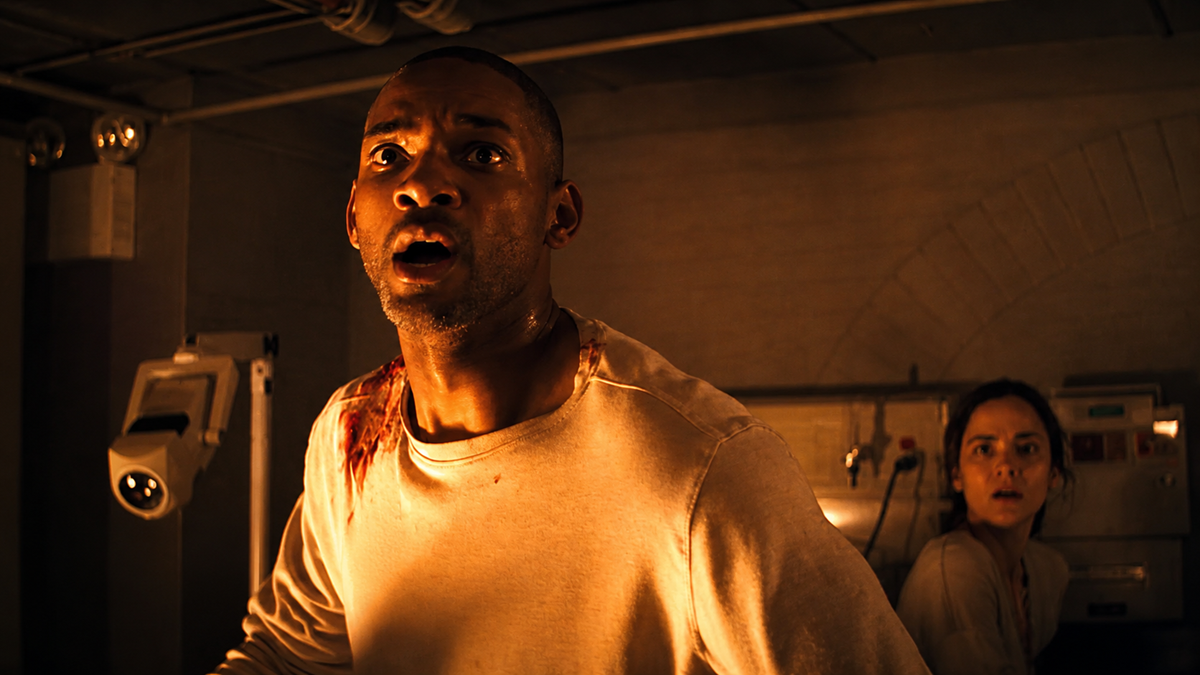
The theatrical ending of I Am Legend turns Robert Neville into a sacrificial hero, blowing himself up so Anna and Ethan can escape with the cure. The alternate ending, released later on home video, goes somewhere more unsettling: Neville realizes the infected are not mindless monsters, but beings with bonds, memory, and a reason to fear him. He returns the captured female Darkseeker, leaves with Anna and Ethan, and survives with the knowledge that he may have been the monster in their story. It is a much closer fit to the spirit of Richard Matheson’s novel, and it would have made the title feel less like a cool phrase and more like a moral punchline.
Little Shop of Horrors Almost Let Audrey II Win
MOVIES / VIA REDDIT.COM
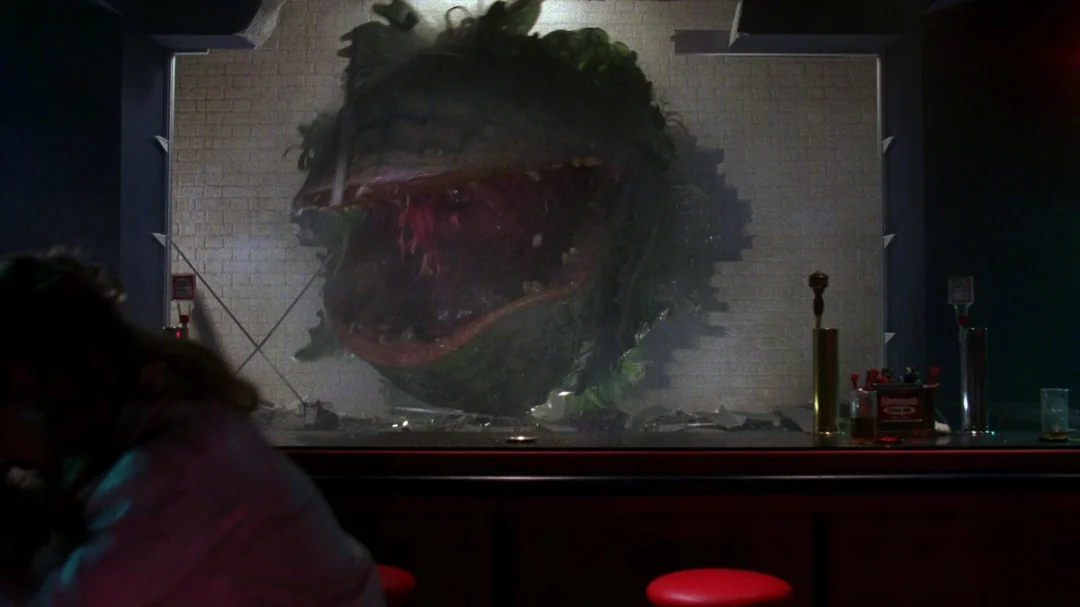
Frank Oz’s 1986 musical ends with Seymour and Audrey surviving, which gives the movie a bright, strange, Broadway-adjacent finish. The original ending was much darker and much bigger: Audrey II eats the leads, reproduces, and helps launch a full monster-plant invasion. It was expensive, elaborate, and surprisingly bleak for a mainstream musical comedy. Had it stayed, Little Shop of Horrors would probably be remembered less as a weirdly lovable cult musical and more as one of the boldest studio endings of the 1980s.
Alien’s Cocoon Scene Explained Too Much and Still Feels Horrifying
MOVIES / VIA REDDIT.COM
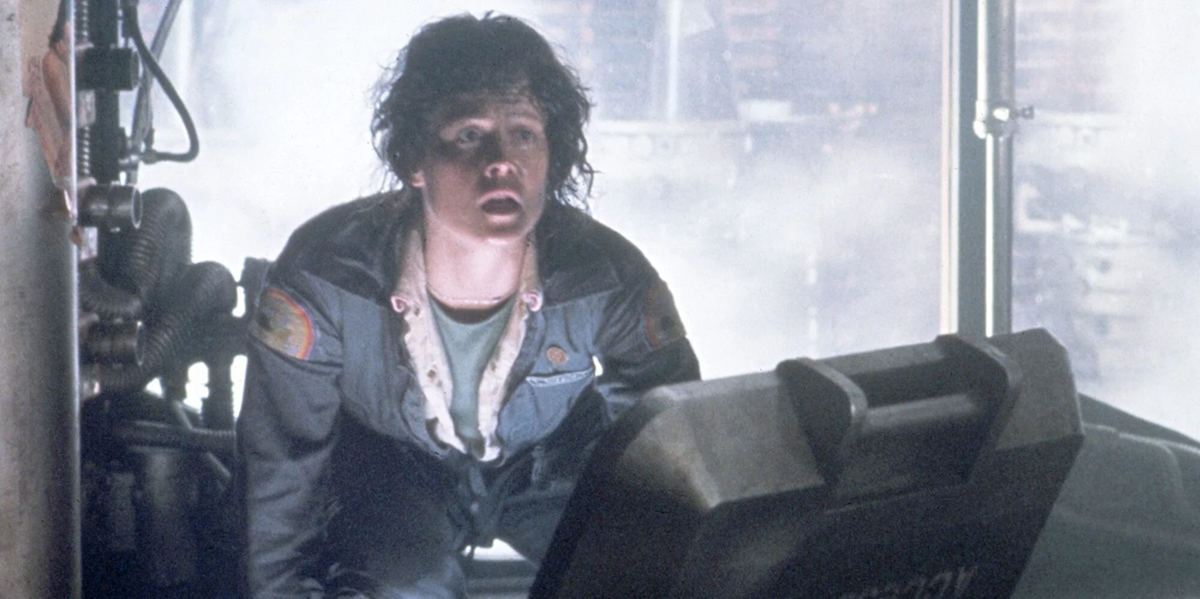
Ridley Scott’s Alien works partly because the xenomorph feels almost impossible to understand. One deleted sequence, later restored in altered form for the Director’s Cut, shows Ripley discovering Dallas and Brett cocooned inside the Nostromo. The scene suggests the creature can transform victims into eggs, which would have changed how audiences understood its life cycle before Aliens introduced the queen. It is a gross, fascinating idea, but cutting it kept the original film leaner, colder, and more mysterious.
Star Wars Cut Luke’s Life Before the Adventure
MOVIEDETAILS / VIA REDDIT.COM
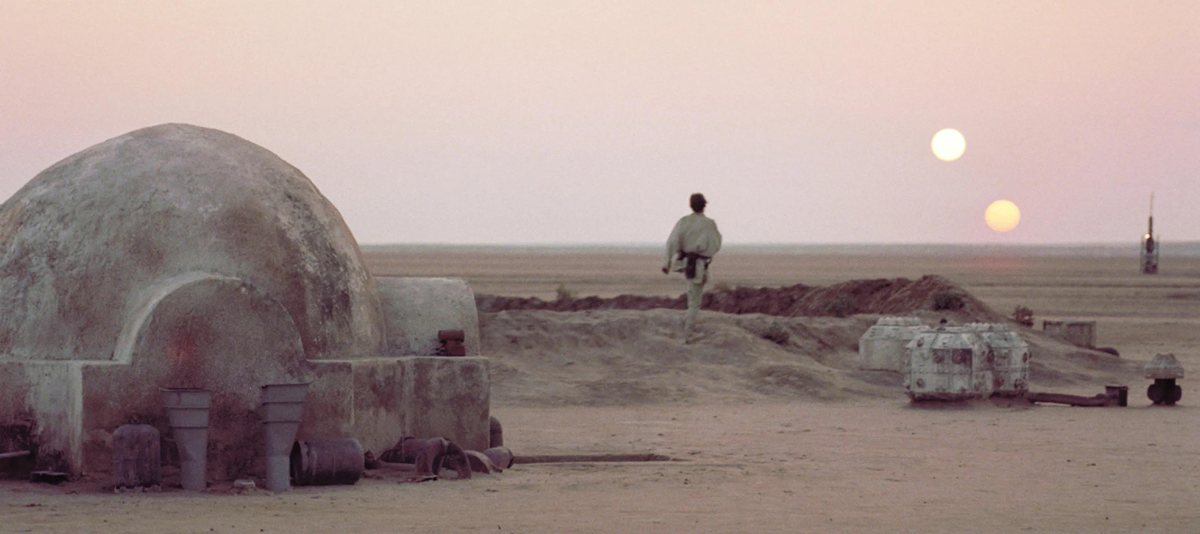
Before Luke Skywalker became the farm boy staring at twin suns, he had more scenes on Tatooine with his friends, including Biggs Darklighter. Those deleted moments showed Luke as part of a small, restless social world, not just a lonely kid waiting for something to happen. Biggs’ later appearance in the Rebel attack would have carried more emotional weight, because the film would have made him feel like an old friend rather than a familiar face who suddenly turns up. The cut helped Star Wars move faster, but it also made Luke’s old life feel much thinner.
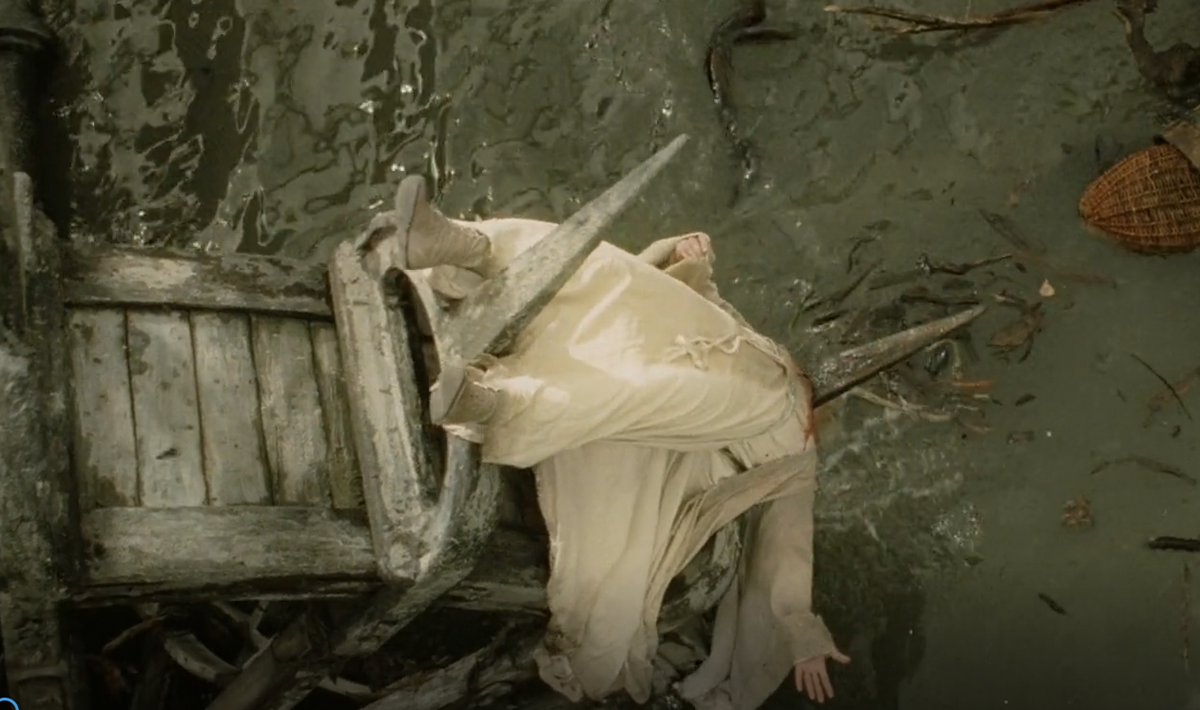
The Return of the King Removed Saruman’s Final Moment
LOTR / VIA REDDIT.COM
For anyone watching the theatrical cut of The Return of the King, Saruman simply disappears after being one of the trilogy’s major villains. The extended edition restores his death at Isengard, where Gríma Wormtongue turns on him and Saruman falls from the tower. It gives Christopher Lee a proper exit and closes a thread that otherwise hangs awkwardly over the final film. Without it, the movie gains momentum, but loses a little narrative housekeeping.
Trending on The Scroller
Terminator 2 Had an Ending That Closed the Future
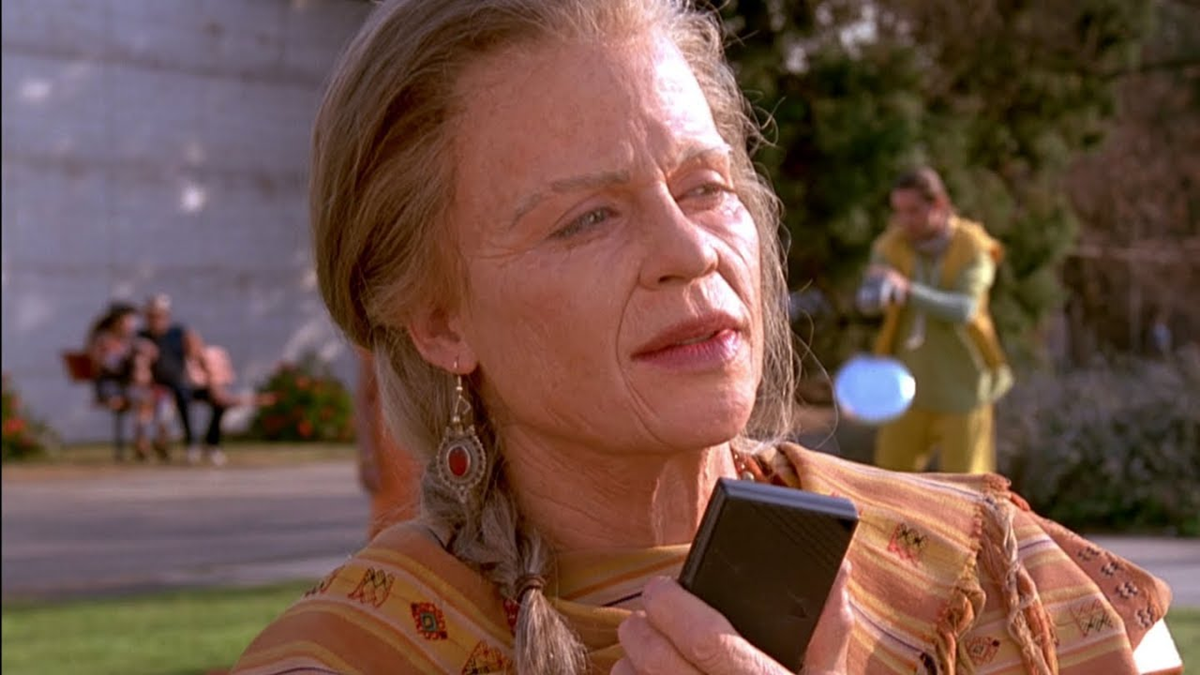
Terminator 2: Judgment Day ends on a dark road, with Sarah Connor talking about hope while the future remains unknown. The alternate ending jumps ahead to an older Sarah watching John with his daughter in a peaceful park, explaining that Judgment Day never happened and John became a senator. It is comforting, almost too comforting. Keeping it would have wrapped the story neatly, but it also would have made the later Terminator films much harder to justify.
Get Out Almost Sent Chris to Prison
FEAR / VIA YOUTUBE
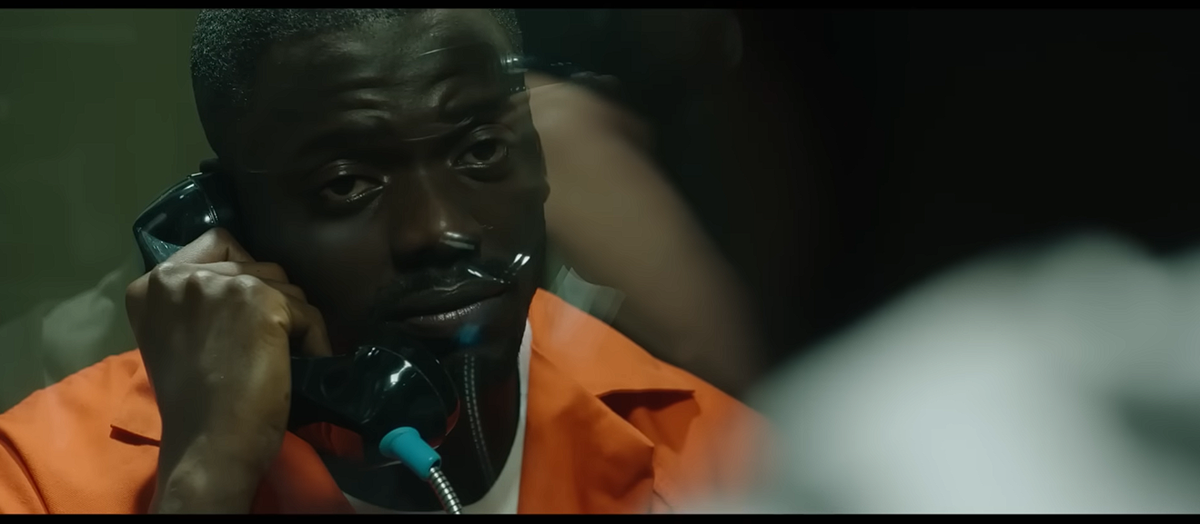
Jordan Peele filmed a much bleaker ending for Get Out in which Chris survives the Armitage house, only to be arrested for the killings. Instead of Rod stepping out of the car and giving the audience a release valve, the alternate version leaves Chris trapped inside a justice system that will not believe him. It is brutally consistent with the film’s themes. The final version still uses the fear of police lights, but lets the scene turn into escape rather than punishment.
The Shining’s Hospital Epilogue Made the Ending Less Ghostly
STANLEY KUBRICK / VIA REDDIT.COM
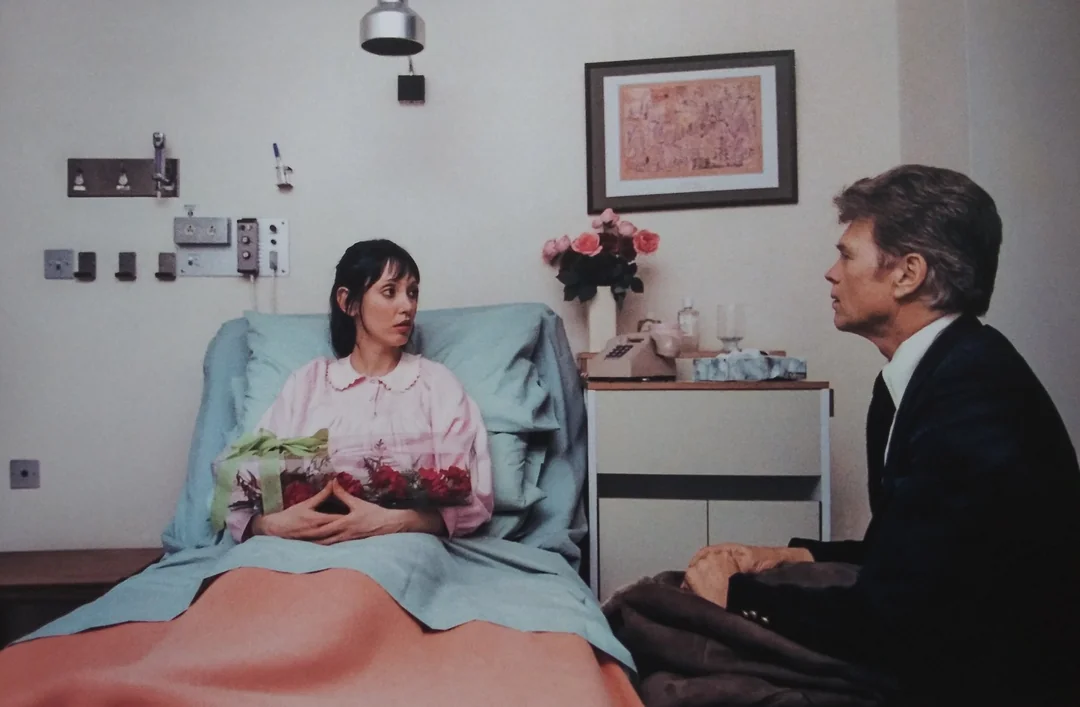
Stanley Kubrick originally ended The Shining with Wendy and Danny recovering in a hospital, where hotel manager Stuart Ullman visits them. The scene reportedly played after Jack freezes in the maze and before the final shot of the old Overlook photograph. Kubrick removed it shortly after the film opened, and the decision makes sense. The remaining ending is colder, stranger, and much harder to explain away.
Sign up for our newsletter
Titanic’s Alternate Ending Made Rose’s Secret Very Public
TITANIC / VIA REDDIT.COM
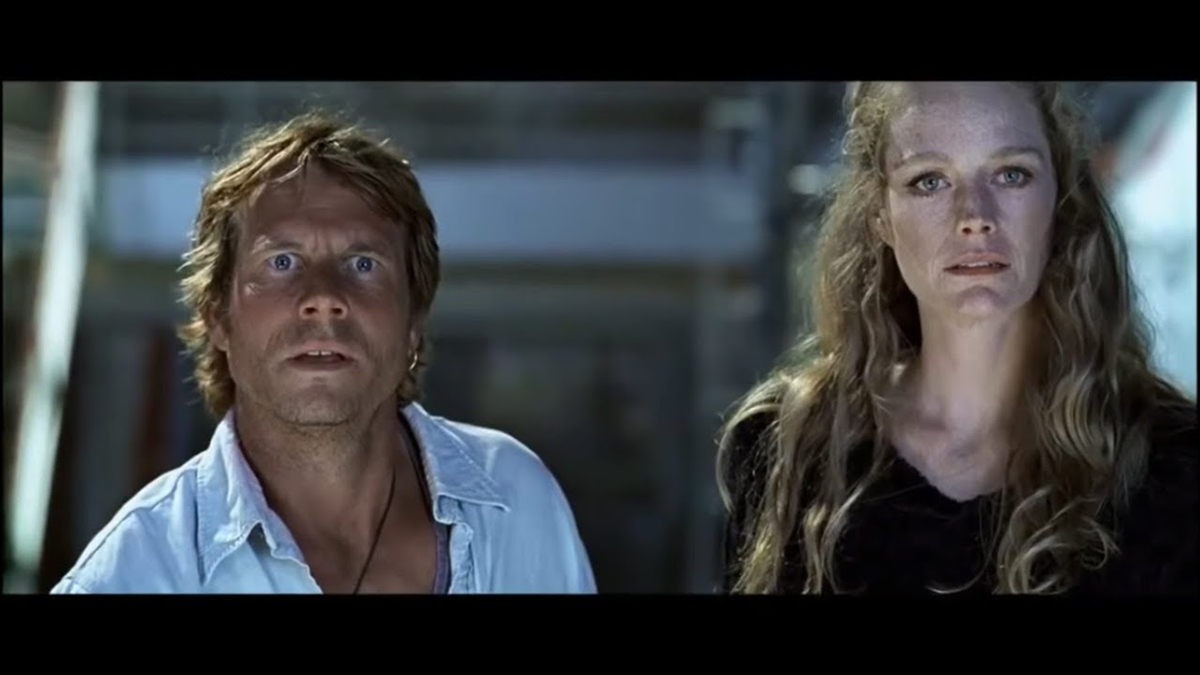
The final version of Titanic lets elderly Rose quietly drop the Heart of the Ocean into the sea, alone with her memory. The alternate ending brings Brock Lovett and Rose’s granddaughter into the moment, turning a private gesture into a dramatic group confrontation. It explains more, but it also makes the scene feel less intimate. Sometimes the cleaner version is not just shorter, it is more respectful of the feeling the movie has been building toward.
Avengers: Endgame Almost Let Tony Meet Adult Morgan
MARVELSTUDIOS / VIA REDDIT.COM
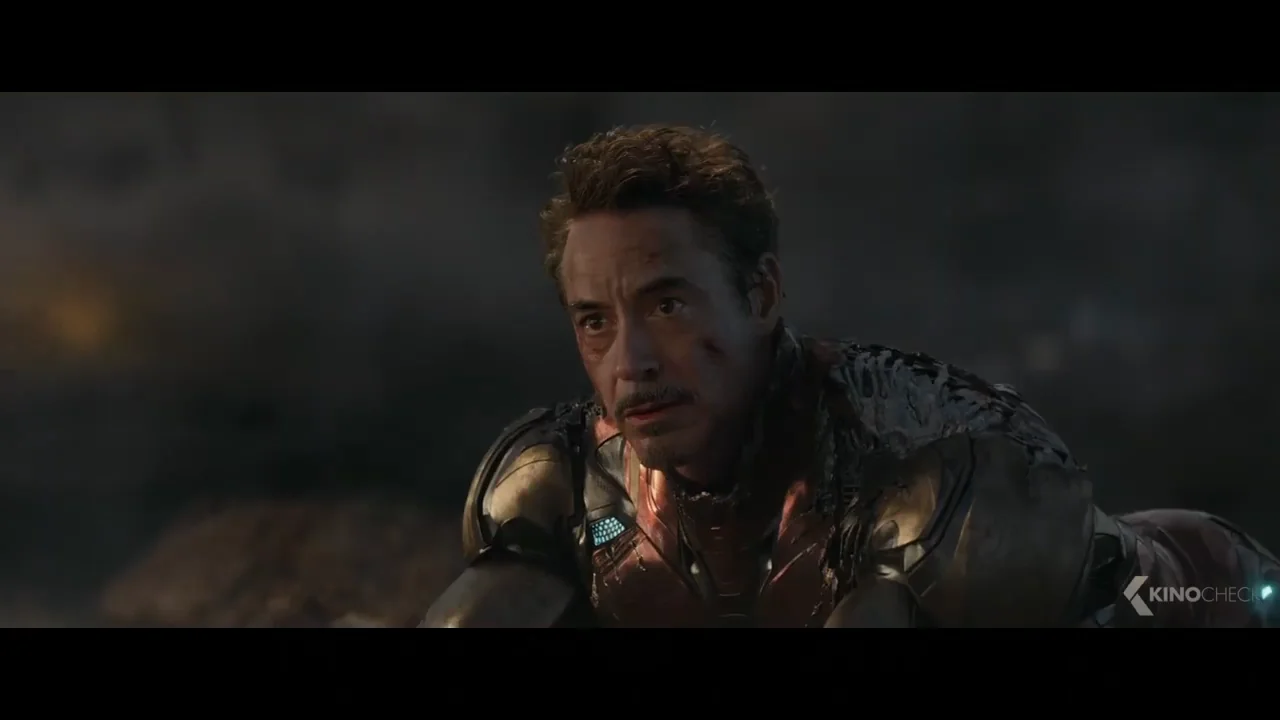
After Tony Stark’s snap in Avengers: Endgame, a deleted scene placed him in a Soul World-style space with an older version of his daughter Morgan, played by Katherine Langford. The idea echoes Thanos’ brief vision of young Gamora in Infinity War, but for Tony it would have paused the ending at a delicate moment. His goodbye already works through Pepper, Peter, Rhodey, and the message he leaves behind. Adding adult Morgan might have given him closure, but it also risked making his sacrifice feel explained instead of felt.
X-Men: Days of Future Past Cut Rogue Back Into a Smaller Role
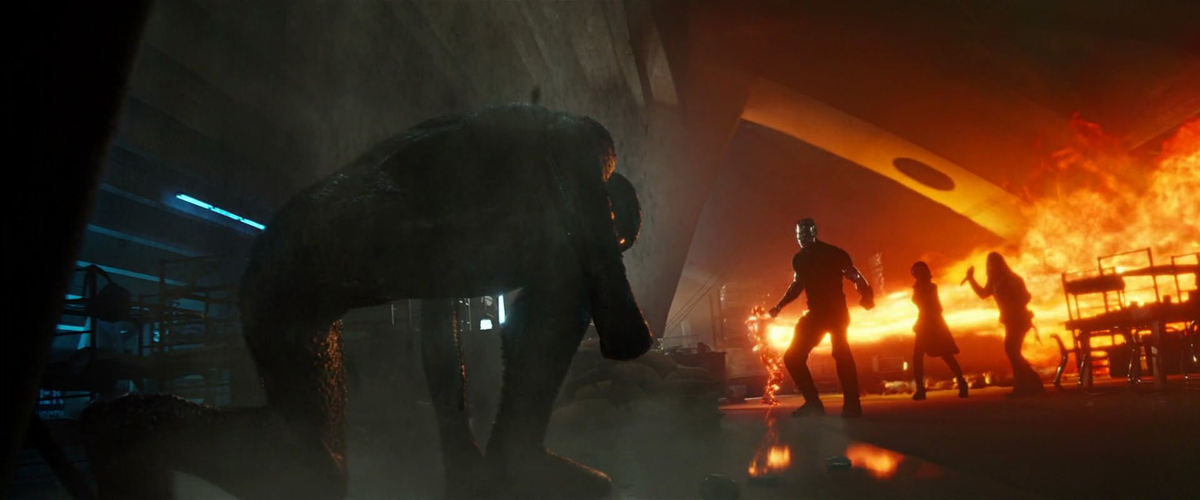
MARVELATFOX / VIA REDDIT.COM
Anna Paquin’s Rogue was heavily reduced in the theatrical version of X-Men: Days of Future Past, turning a longtime franchise character into a brief appearance. The later Rogue Cut restores a larger future-set subplot, including a rescue mission that gives the older X-Men more to do. It does not completely reinvent the movie, but it changes the shape of the future timeline. The theatrical cut is tighter, while the extended version feels more like a reunion.
Blade Runner’s Unicorn Dream Changed the Deckard Question
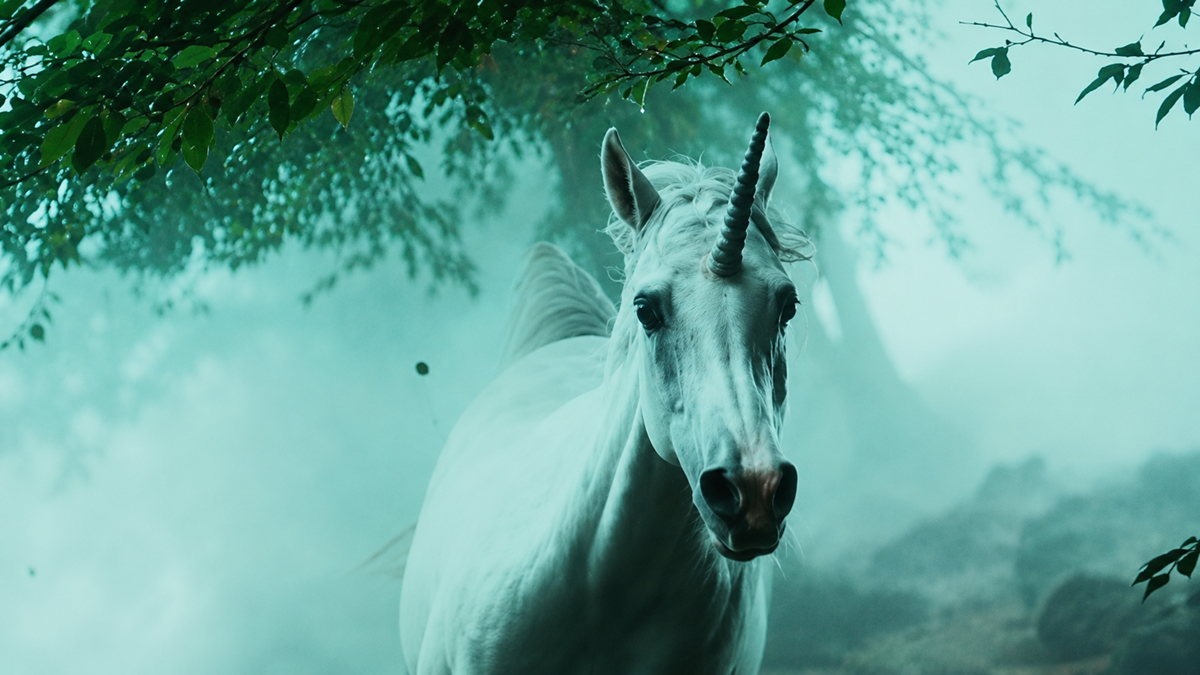
Blade Runner has always lived in the fog between human and artificial life. The unicorn dream, absent from some earlier versions and restored in later cuts, pushes that ambiguity much harder by suggesting Gaff may know Deckard’s private thoughts. That tiny image makes the famous origami unicorn feel less like a poetic flourish and more like evidence. For some viewers, it turns a question into an answer, which is exactly why the scene remains so debated.
Return of the Jedi Lost Luke Building His Lightsaber
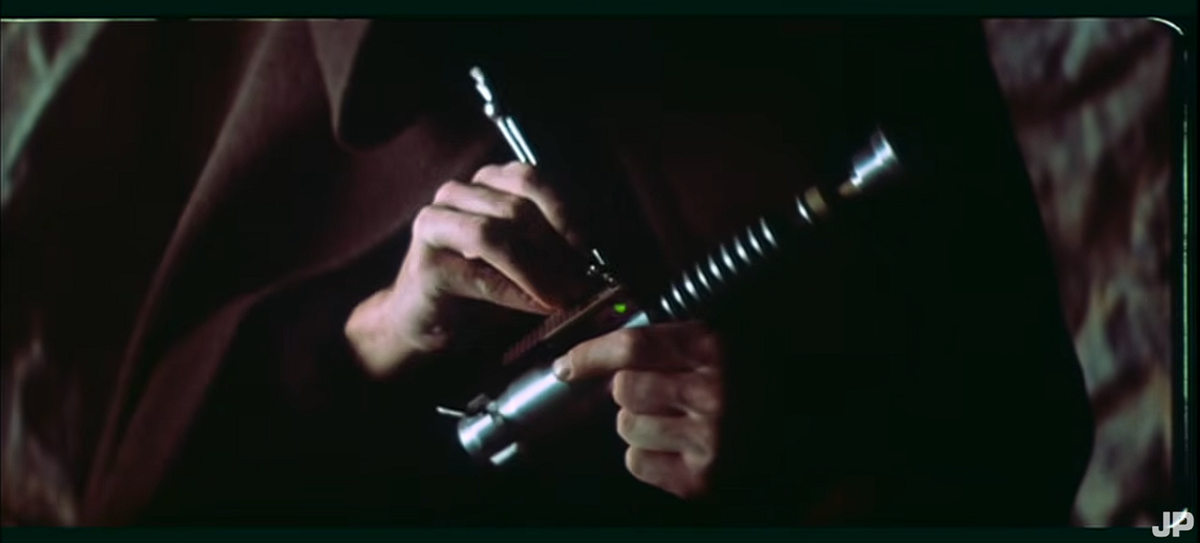
JAY PARMER / VIA YOUTUBE
A deleted scene from Return of the Jedi shows Luke quietly assembling his new green lightsaber before sending R2-D2 and C-3PO to Jabba’s palace. It is a small scene, but it changes the mood of his entrance. Instead of simply arriving as a calmer, more confident Jedi, Luke is shown preparing the weapon that marks his growth since The Empire Strikes Back. The cut keeps the rescue plan moving, but the scene gives his transformation a tactile, almost ritual quality.
Apocalypse Now’s French Plantation Sequence Changed the War Around Willard
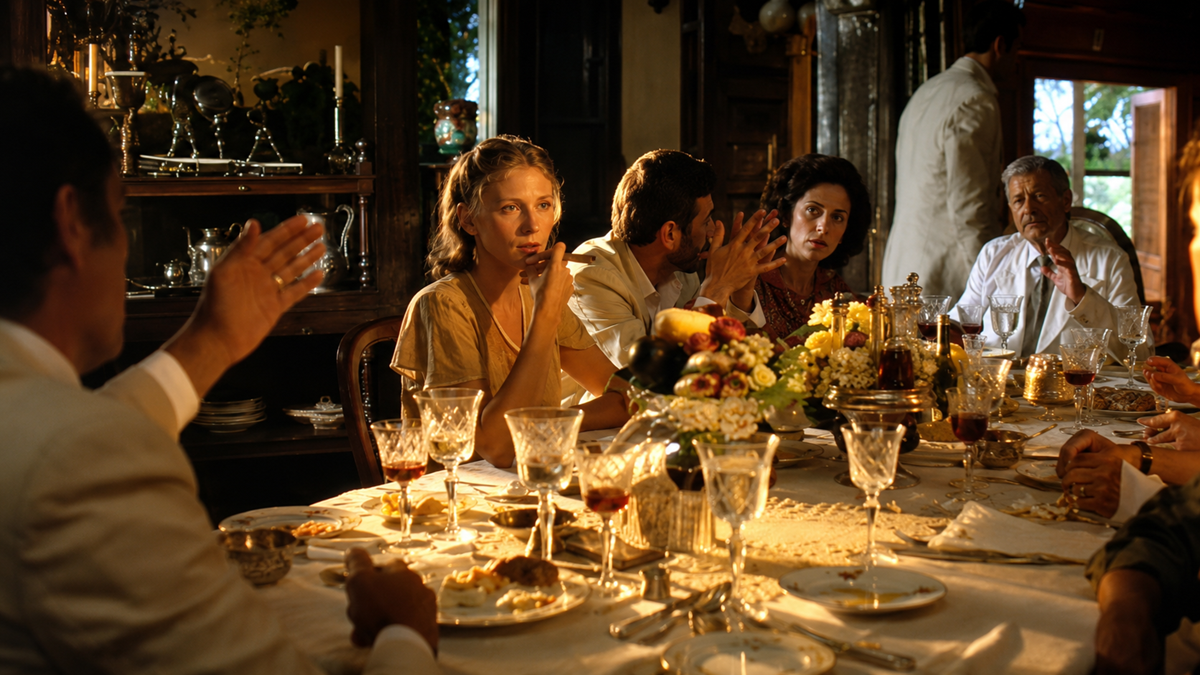
CRITERION / VIA REDDIT.COM
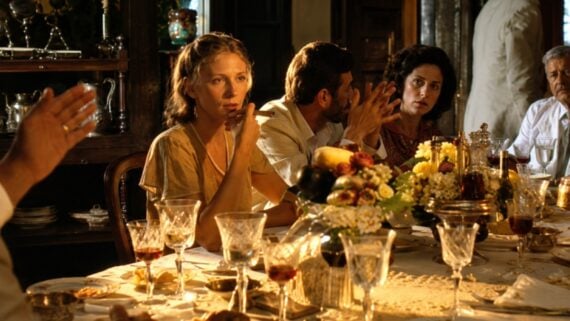
The French plantation sequence, removed from the original theatrical version and restored in later cuts, slows Apocalypse Now down in a strange way. Willard and the crew meet a French colonial family still clinging to land, rituals, and political arguments in the middle of Vietnam. It does not move the mission forward in a simple plot sense, which is probably why the leaner cut lost it. But when included, it makes the war feel older, more haunted, and less contained to the American nightmare Willard is traveling through.
In the mood for more?
Check out 15 Classic Movies With Dark Stories Behind the Scenes, or take a look at 15 Movies Based on Real Events That Sound Too Unreal to Be True. If you want to see more behind-the-scenes movie history, you can check out 16 Behind-the-Scenes Facts About the Back to the Future Trilogy.