When a feature film achieves massive box office success or critical acclaim, the Hollywood studio machine moves with absolute predictability to greenlight a sequel. The safest commercial strategy for a film franchise has traditionally been to deliver more of the exact same formula that drove audiences to theaters in the first place. Moviegoers usually expect a franchise continuation to double down on familiar character dynamics, maintain the established visual aesthetic, and stay strictly within the boundaries of its original genre. It is an industry standard built on playing it safe to protect expensive investments.
However, every so often, bold directors and adventurous screenwriters decide to throw out the traditional studio playbook entirely. Rather than giving fans a comfortable rehash of the original narrative, these creative teams choose to take incredible risks, radically shifting the tone, swapping cinematic genres, or completely redefining core characters. The most daring sequels do not just build upon their predecessors; they actively challenge the audience’s expectations and reshape the identity of the entire franchise. Let’s take a look at fourteen famous movie sequels that went in a completely unexpected direction, proving that stepping into the unknown can result in either legendary masterpieces or staggering cinematic misfires.
1. Rambo: First Blood Part II – 1985
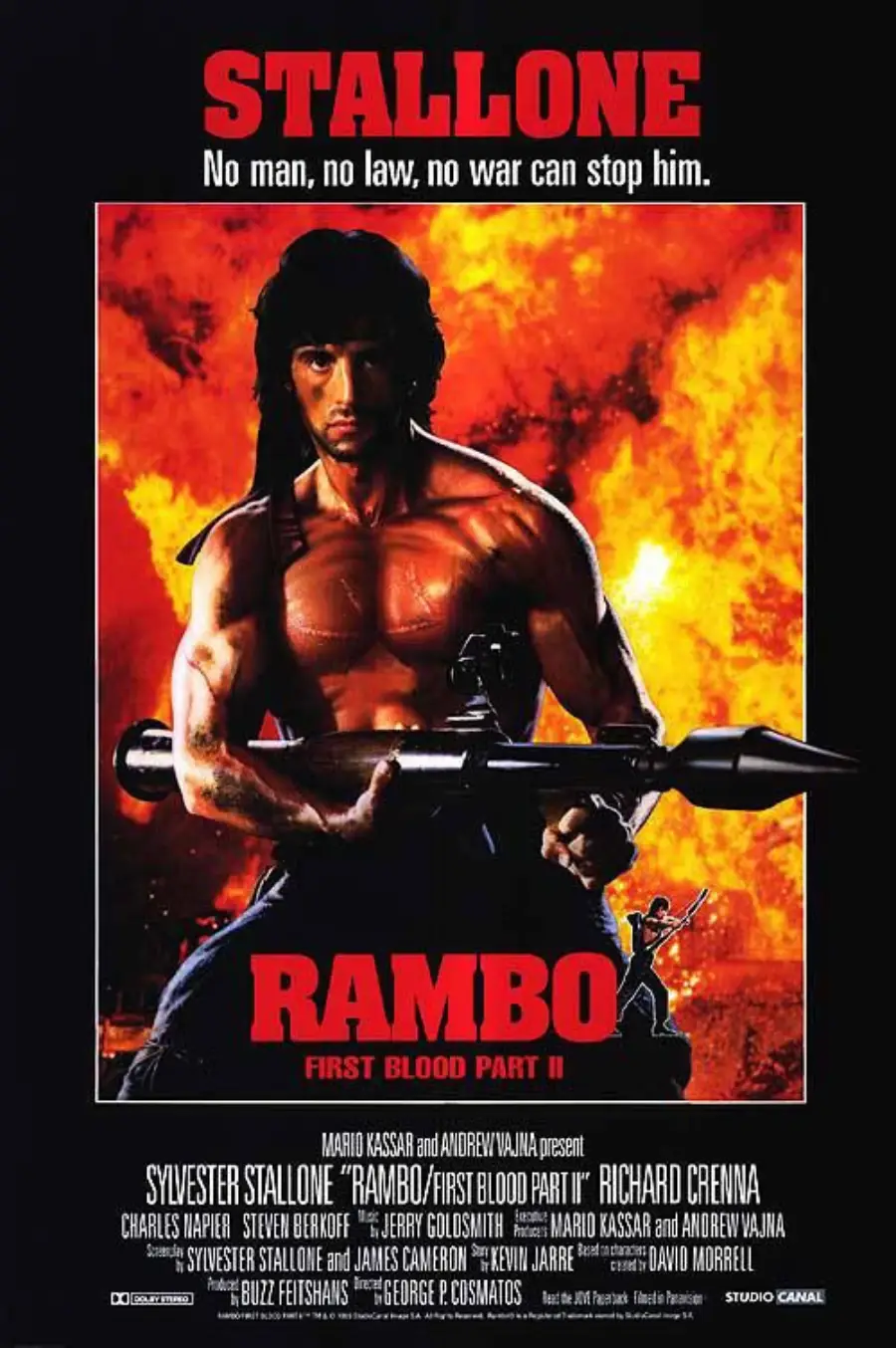
While First Blood was a grounded, character-driven thriller exploring the severe trauma and police mistreatment faced by a returning Vietnam veteran, its famous sequel abandoned the dramatic subtext for high-octane action. John Rambo didn’t kill a single person in the original theatrical cut, but the 1985 follow-up transformed him into an unstoppable, machine-gun-wielding killing machine who defined eighties action hero tropes for a generation.
2. Terminator 2: Judgment Day – 1991
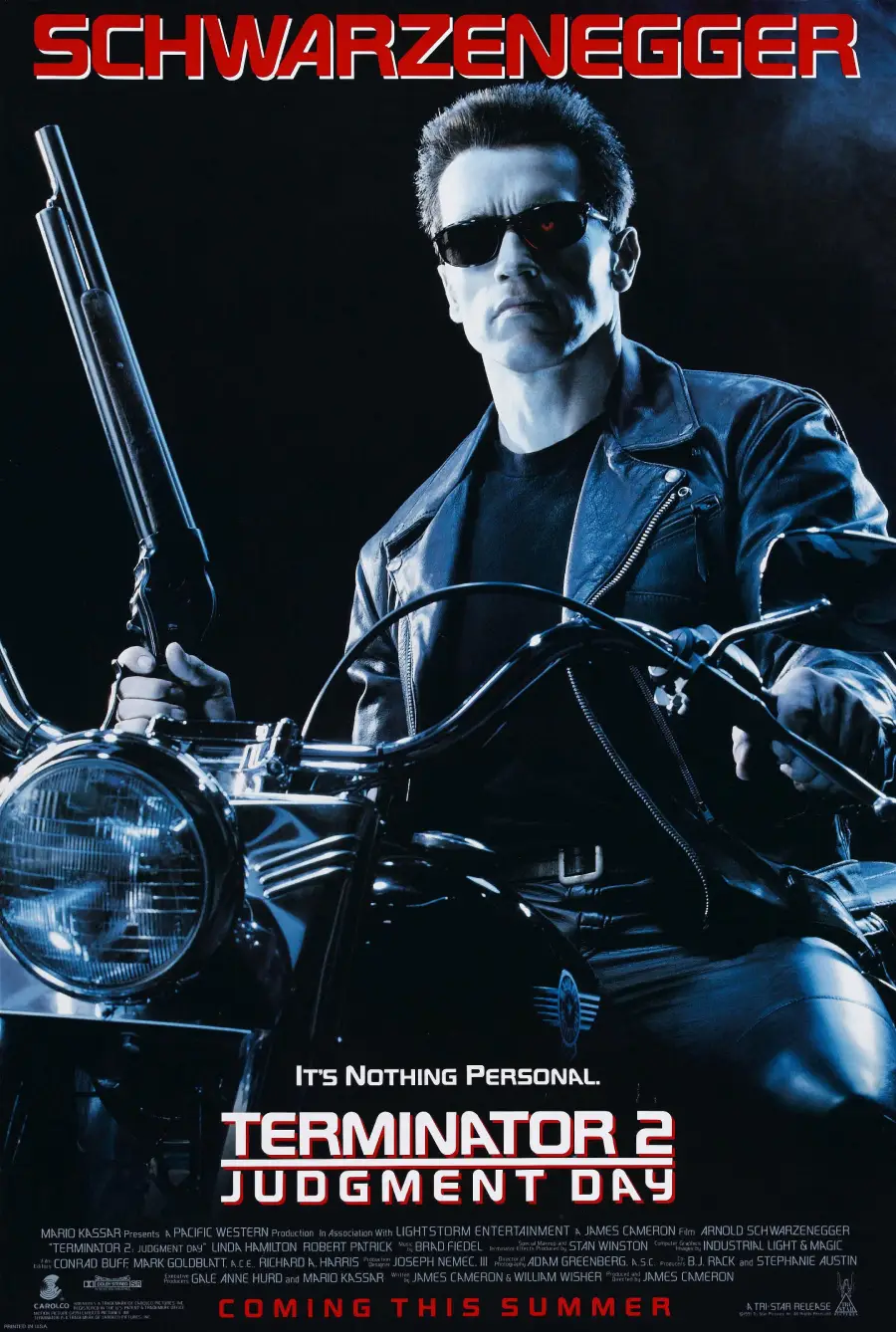
Director James Cameron executed a brilliant genre pivot by shifting the franchise from the claustrophobic sci-fi horror atmosphere of the 1984 original into a massive, groundbreaking action spectacle. To make the direction change even more shocking, Arnold Schwarzenegger’s terrifying cybernetic villain was flipped into a protective father figure, powered by revolutionary digital visual effects that set a new benchmark for Hollywood filmmaking.
3. Batman Forever – 1995
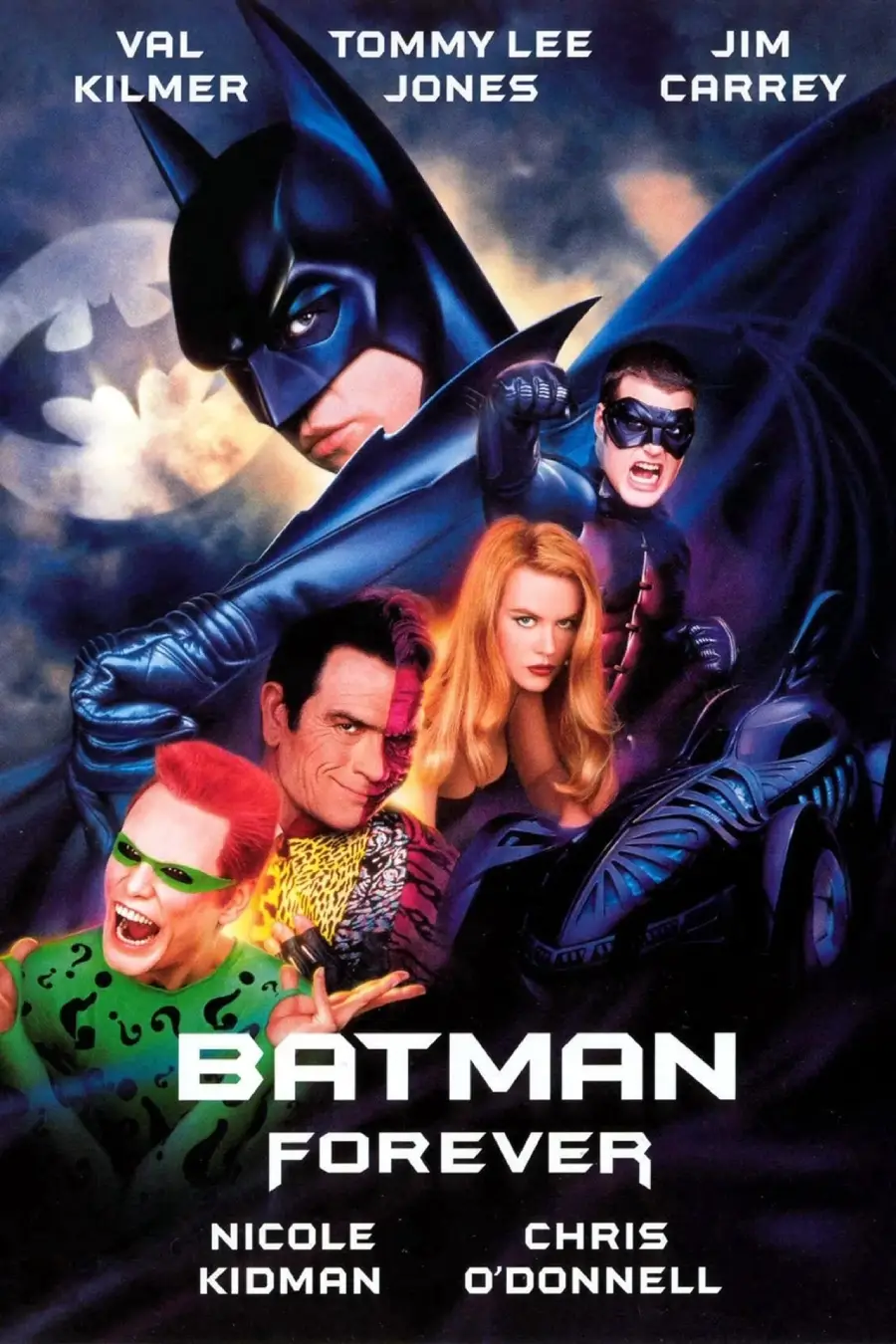
After Tim Burton delivered two dark, gothic, and psychologically twisted comic book adaptations, director Joel Schumacher took Gotham City in a radically different direction. Replacing Burton’s shadow-heavy landscape with vibrant neon lighting, campy dialogue, and cartoonish villain performances, Batman Forever alienated core fans of the original era and ultimately set off a decline that put the caped crusader on ice until Christopher Nolan’s 2005 reboot.
4. Army of Darkness – 1992
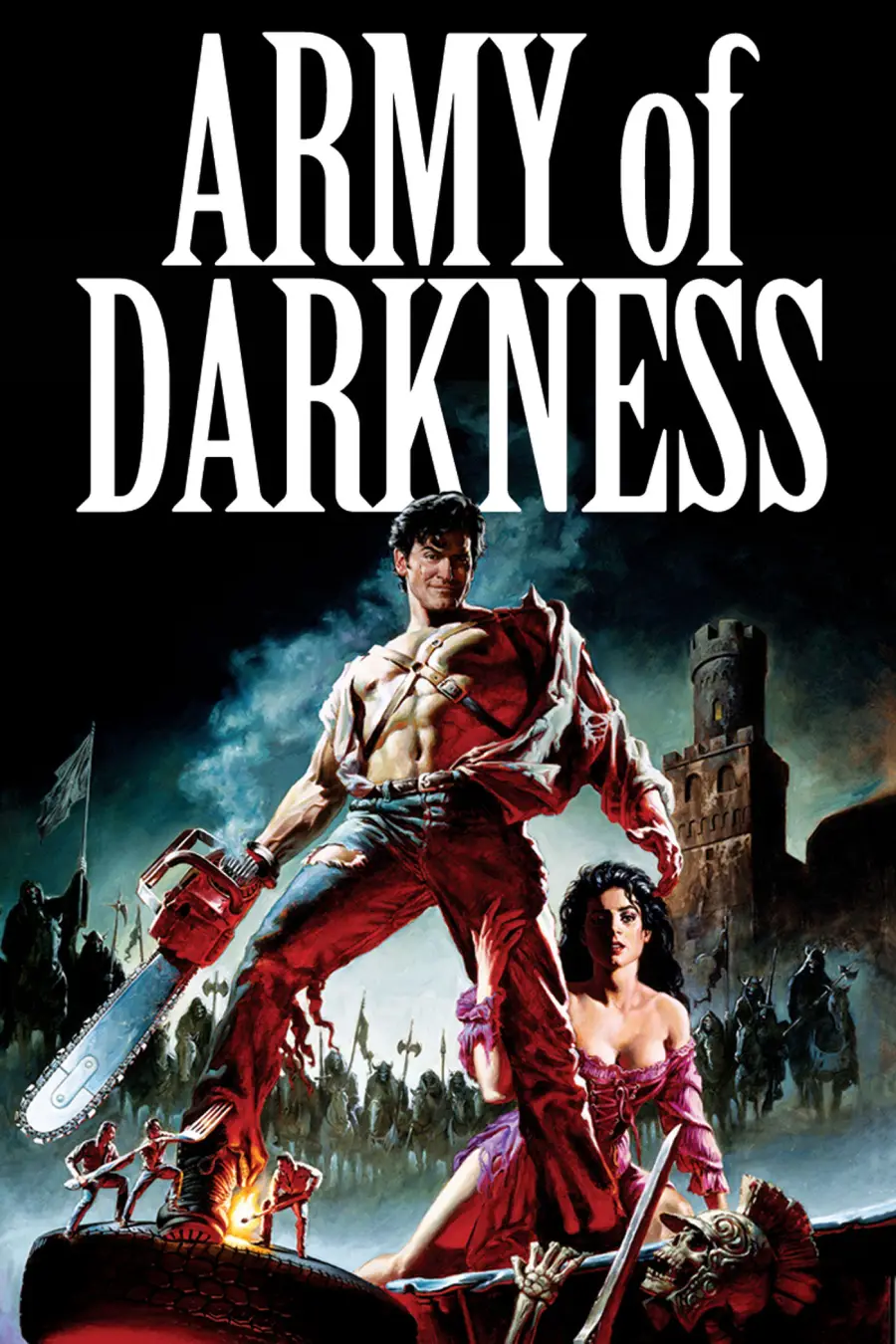
Sam Raimi began his franchise with The Evil Dead, a gritty, low-budget cabin-in-the-woods horror film that prioritized pure visceral terror over comedy. By the time the third installment arrived, Raimi completely abandoned the contemporary horror genre, transporting Bruce Campbell’s Ash Williams back to the Middle Ages for a slapstick fantasy adventure filled with skeletal armies and time-traveling heroics.
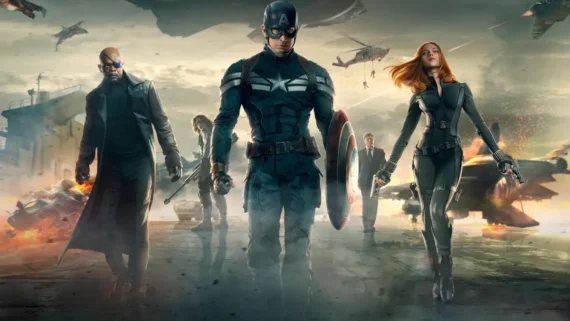
5. Captain America: The Winter Soldier – 2014
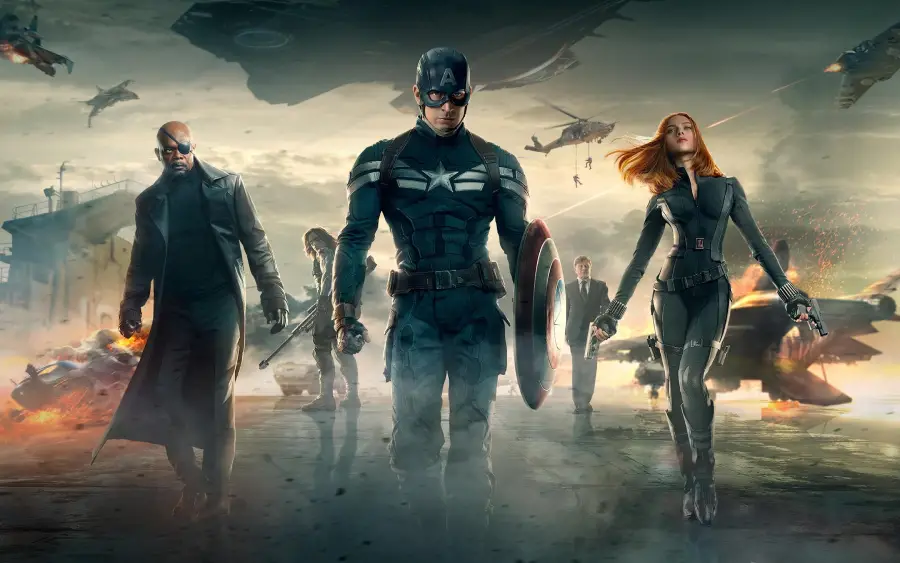
The Russo brothers took a character previously defined by retro, colorful World War II patriotism and tossed him directly into a dark, seventies-style Cold War political thriller. The sequel abandoned the bright aesthetic of the original in favor of a muted color palette, tight hand-to-hand espionage choreography, and a cynical narrative about government surveillance that elevated the entire Marvel Cinematic Universe.
Trending on The Scroller
6. Thor Ragnarok – 2017
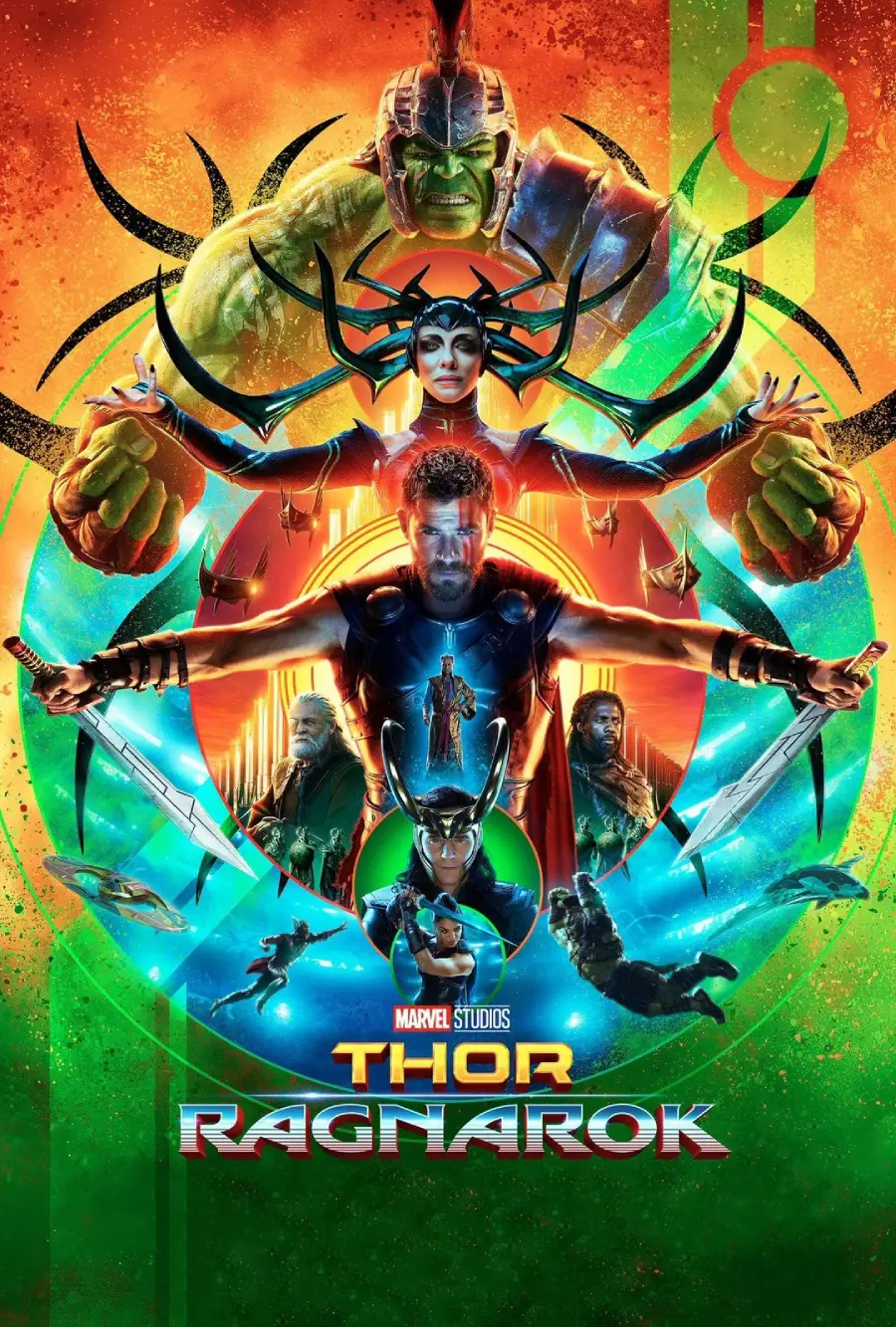
Realizing that the Norse god’s solo franchise was losing momentum under its serious, Shakespearean tone, director Taika Waititi completely overhauled the character’s identity. Waititi transformed the series into a bright, neon-soaked galactic comedy, cutting Thor’s hair, destroying his iconic hammer, and leaning into Chris Hemsworth’s exceptional comedic timing to revitalize the hero.
7. Fast Five – 2011
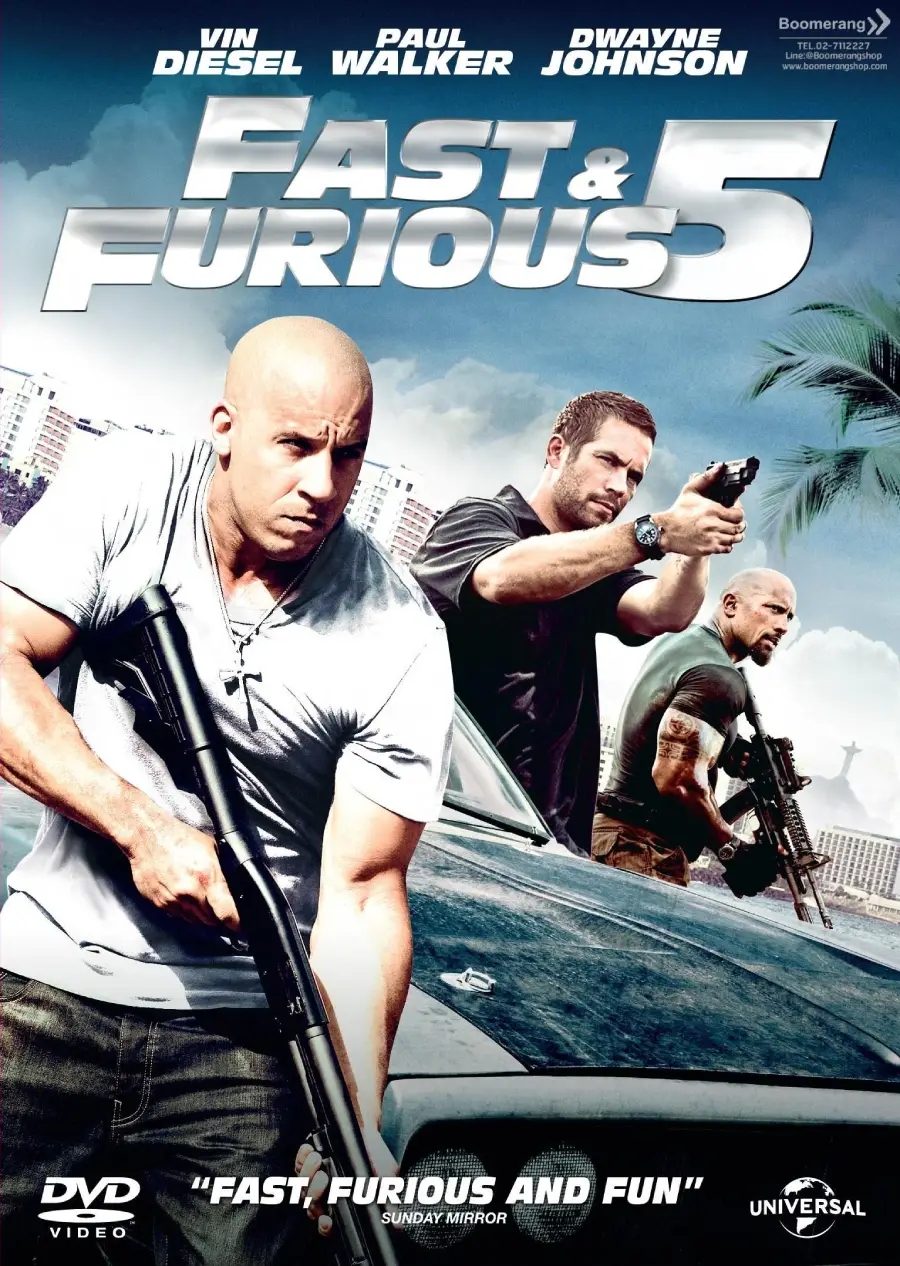
The Fast & Furious series began as a localized street-racing crime story centered on stolen DVD players, but the fifth chapter executed the biggest genre jump in modern action cinema. By shifting the setting to Rio de Janeiro and bringing in Dwayne Johnson, the franchise officially transitioned from underground car meets into a globe-trotting, high-stakes heist spectacle that redefined its identity going forward.
8. 10 Cloverfield Lane – 2016
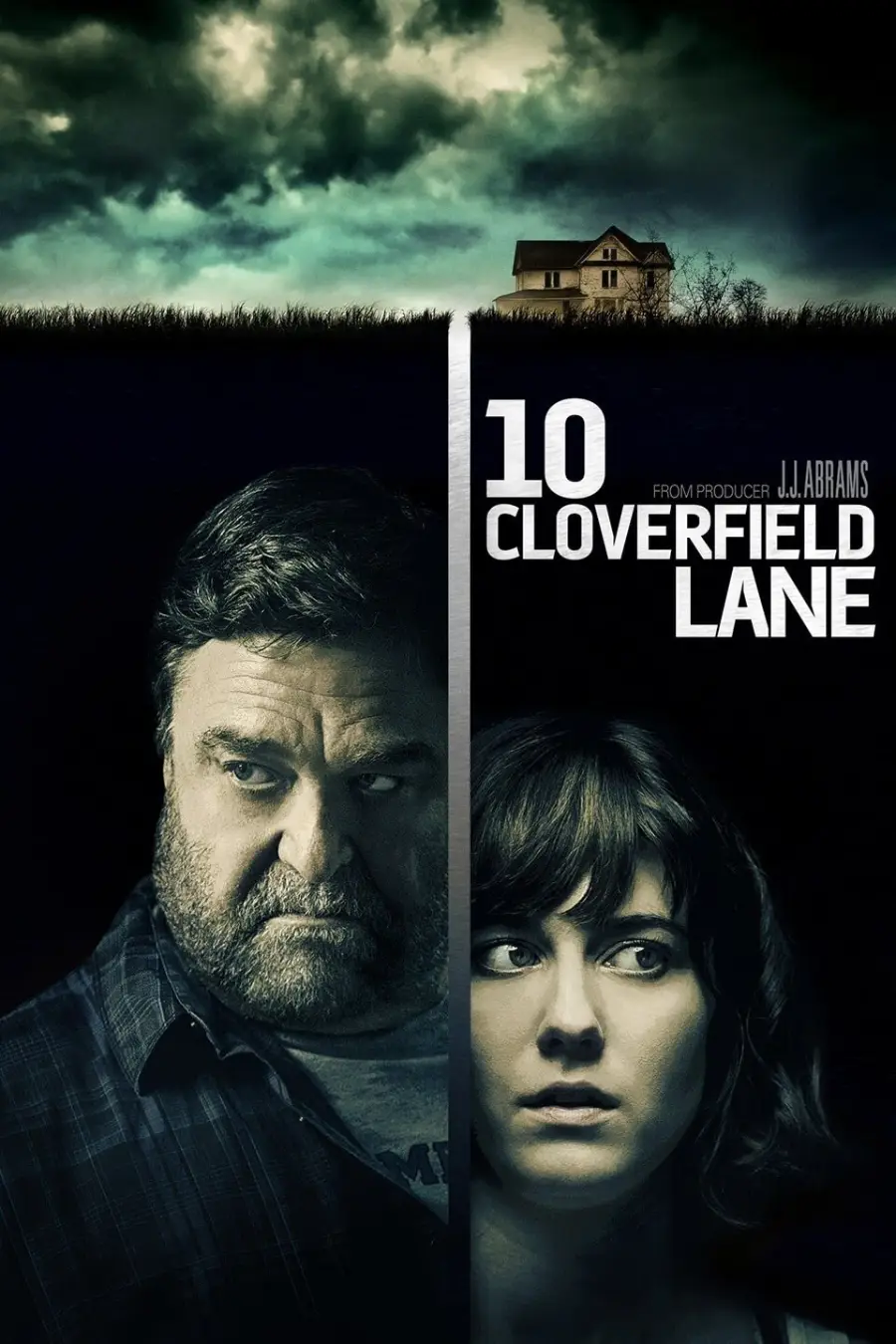
While the original 2008 Cloverfield was a massive, found-footage creature feature showing a giant monster destroying New York City, its unexpected spiritual successor took an entirely different approach. The 2016 film ditched the shaky-cam technique and massive scope, confining the narrative almost entirely inside a claustrophobic underground bomb shelter as a tense psychological thriller.
Sign up for our newsletter
9. Mad Max Beyond Thunderdome – 1985
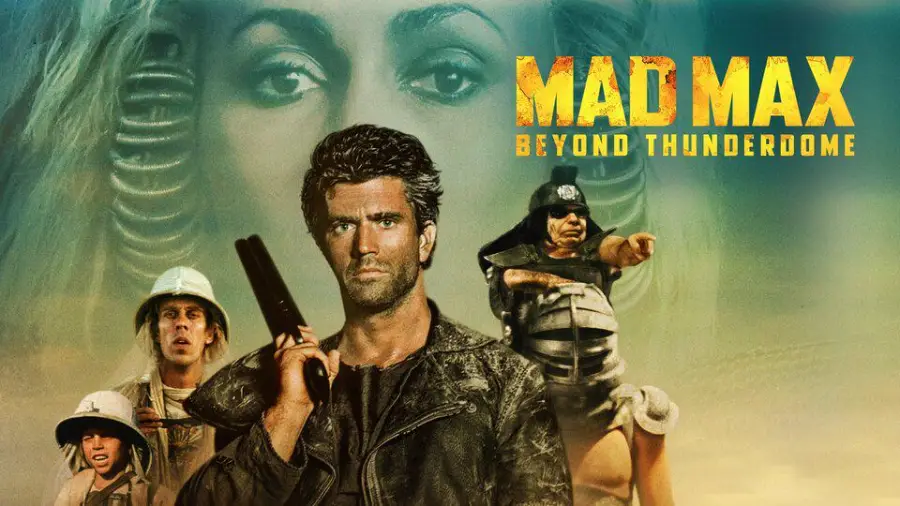
The original Mad Max was a bleak, hyper-violent Australian exploitation film, but the third installment pivoted into a much more accessible, PG-13 post-apocalyptic fantasy adventure. Featuring a kid-friendly narrative arc, elaborate arena battles, and a pop-soundtrack performance by Tina Turner, the film felt like a complete departure from the franchise’s raw, terrifying origins.
10. Back to the Future Part III – 1990
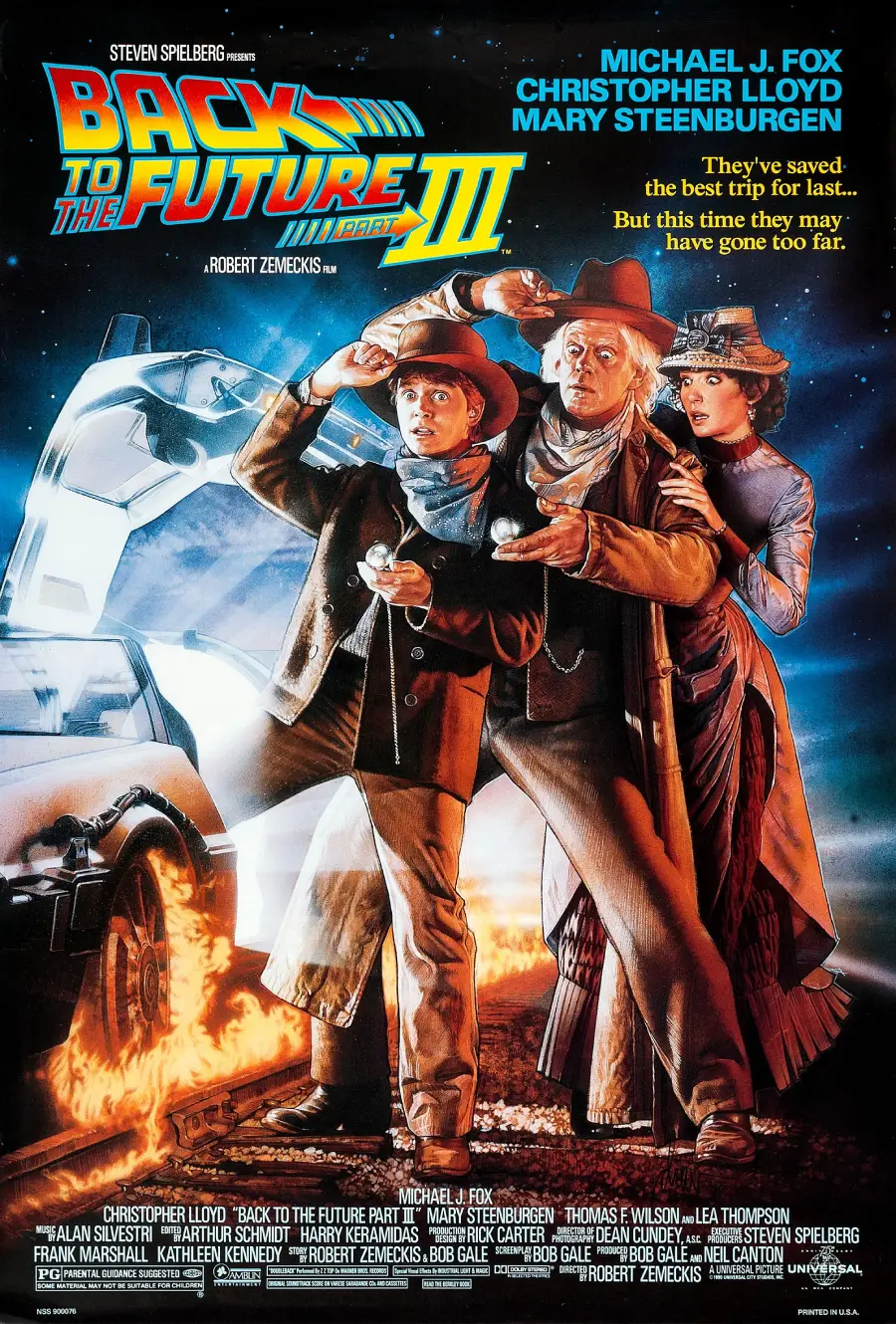
The Back to the Future trilogy stands out for changing genres with almost every single chapter, moving seamlessly from fifties suburban nostalgia to a dark, neon-lit 2015 future. The final installment took the ultimate pivot by sending Marty McFly and Doc Brown into an authentic nineteenth-century Old West saloon setting, turning the sci-fi adventure into a full-blown romantic Western.
11. Logan – 2017
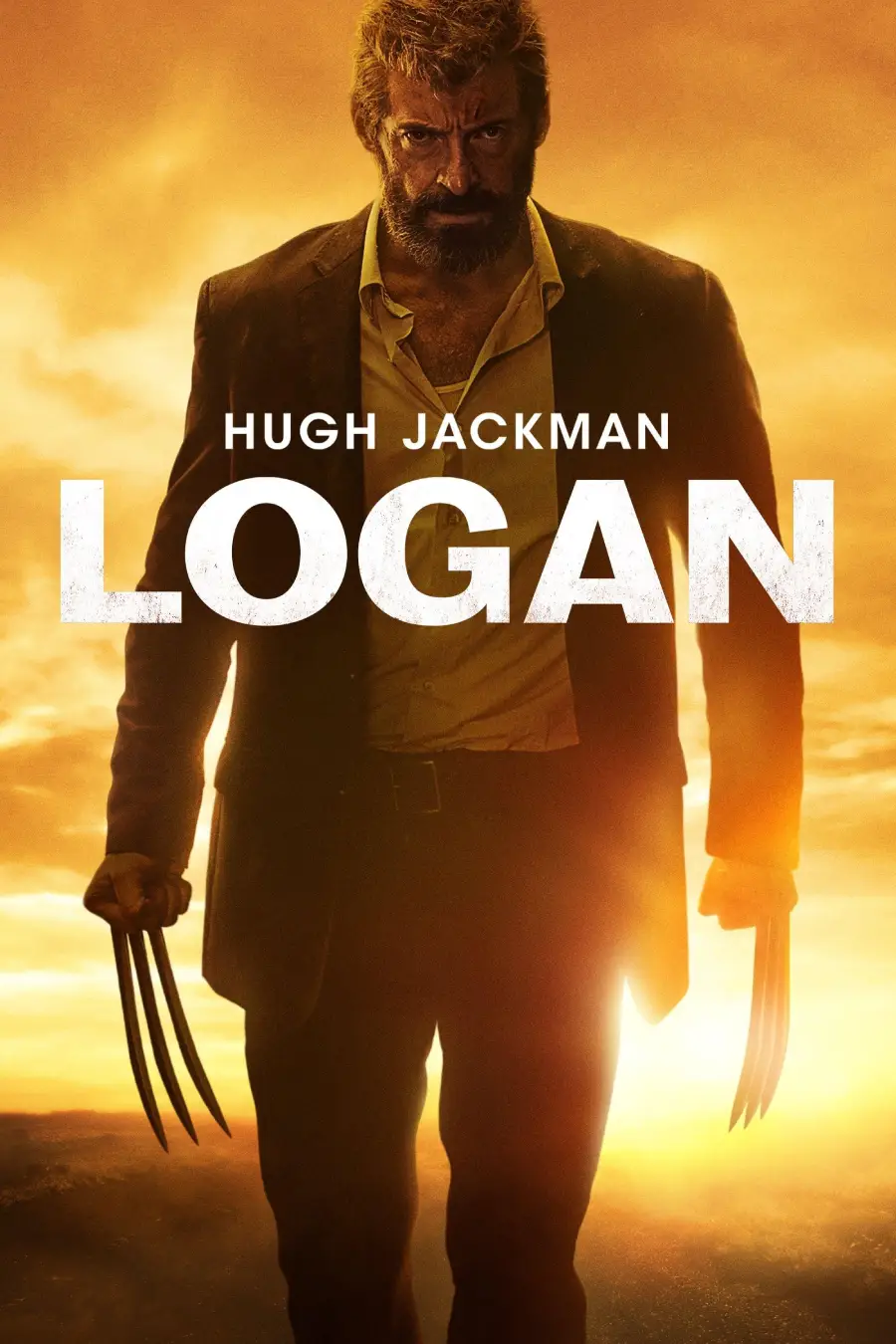
Promoted with Johnny Cash’s somber cover of “Hurt,” Hugh Jackman’s final solo outing as Wolverine signaled a dramatic break from standard superhero cinema. Operating as a slow, R-rated twilight Western about aging, mortality, and legacy, the film abandoned typical big-budget CGI spectacles to deliver a deeply emotional, visceral character study that felt entirely distinct from the rest of the X-Men universe.
12. Joker: Folie à Deux – 2024
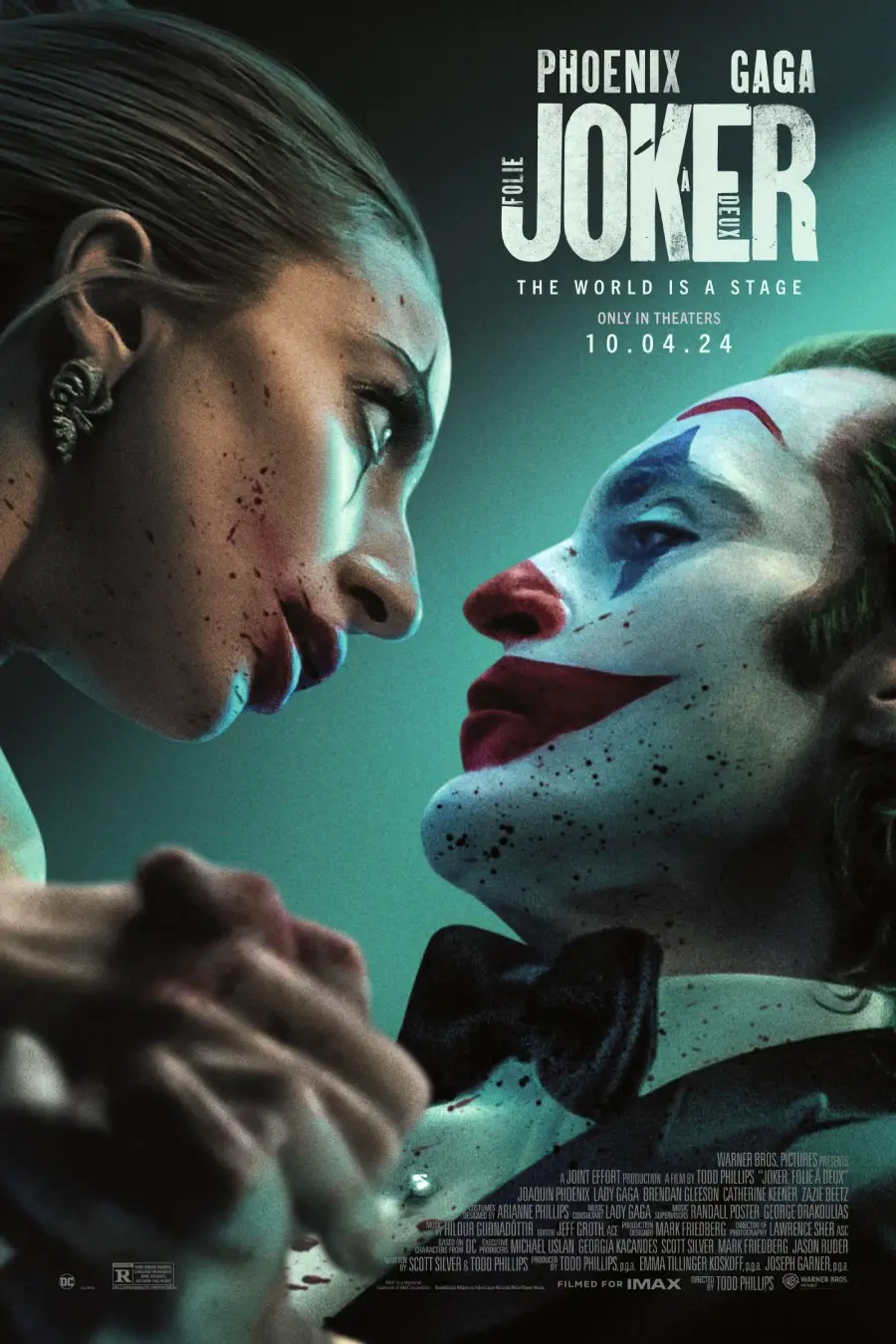
The original 2019 Joker was a dark, gritty character study inspired by seventies psychological cinema that went on to become an unexpected billion-dollar cultural phenomenon. For the 2024 follow-up, the creative team executed an absolute genre pivot by reinterpreting Arthur Fleck’s psychological spiral through elaborate musical sequences, creating one of the most widely discussed and surprising narrative shifts in modern cinema history.
13. Aliens – 1986
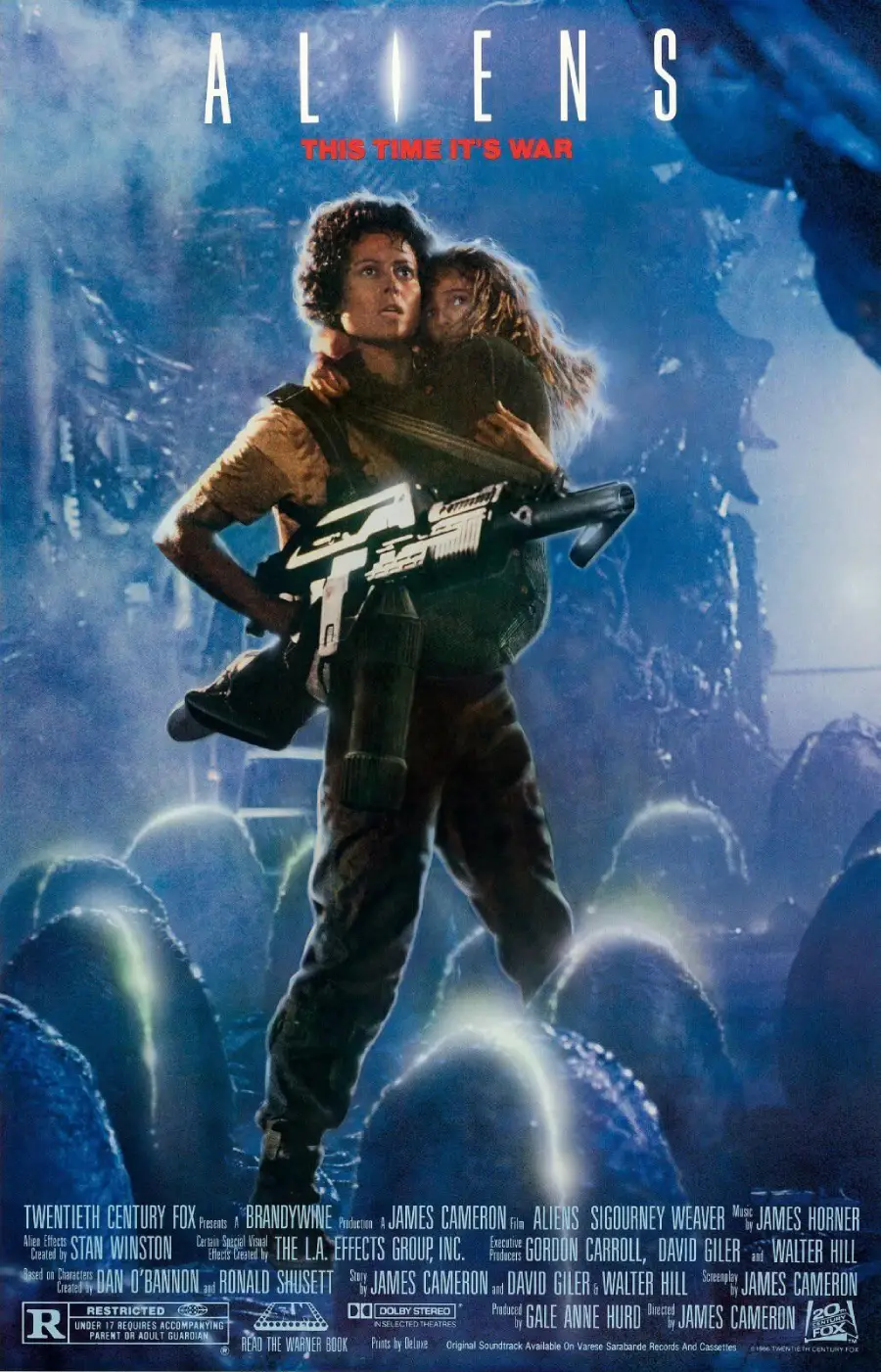
Ridley Scott’s classic 1979 original was a masterclass in slow-burn, claustrophobic sci-fi horror built on suspense and a single deadly creature hunting a vulnerable crew. When James Cameron took over the sequel, he expanded the scope exponentially, pitching the studio an action-packed military warfare film where a squad of colonial marines battles an entire hive of extraterrestrials.
14. Scream 3 – 2000
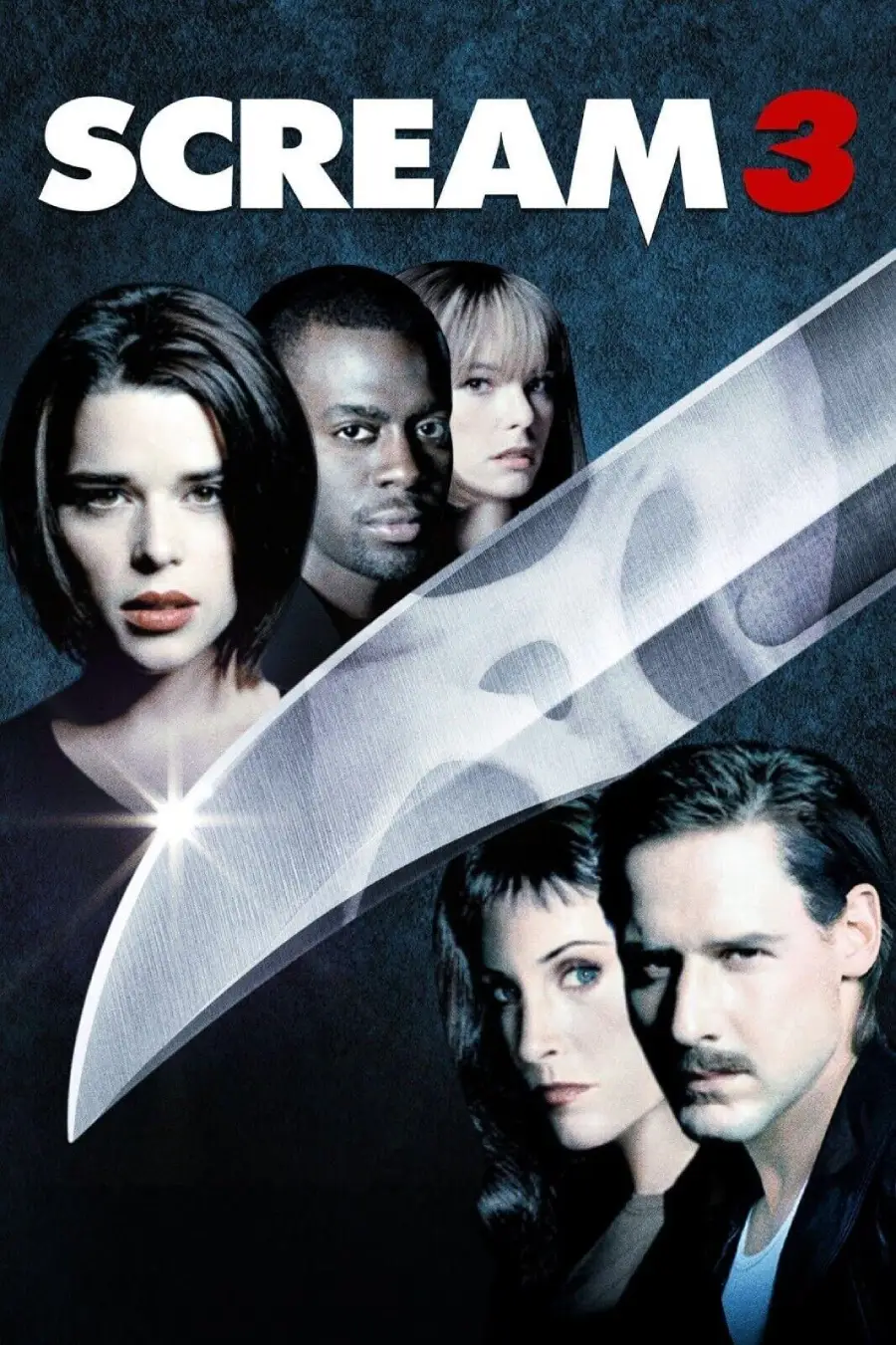
The original Scream revolutionized the slasher subgenre in 1996 by introducing sharp, self-aware meta-commentary on horror movie tropes. Forced through major script rewrites following real-world tragedies, the third installment abandoned much of its original biting satire and scary atmosphere, morphing into a lighthearted, studio-bound Hollywood comedy-mystery set on the fictional production lot of Stab 3.
Want more movie curiosities?
Exploring these radical cinematic shifts serves as an excellent reminder of how unpredictable the filmmaking process can be when directors decide to push creative boundaries. Looking back at these genre swaps, tone changes, and bold narrative gambits proves that while sticking to a safe formula keeps a franchise comfortable, true cinematic history is made when filmmakers take massive risks. When we choose to look past the predictable studio trends to appreciate the chaotic history of movie development, we gain a much deeper understanding of our favorite films. If you loved taking this fascinating look back through Hollywood history and want to enjoy more pop culture deep dives, make sure to check out these 14 Shocking Movie Cameos That Audiences Completely Missed, or 14 Famous Fictional Movie Foods We Wish Were Real. You may also like these 14 Clichés From Almost Every Romantic Comedy We Love.