During the golden era of cinema marketing, illustrated film posters served as the primary gateway to blockbusters, sci-fi adventures, and teen comedies. Throughout the decade, legendary artists utilized airbrushing, oil paints, and striking typography to distill entire cinematic experiences into single, unforgettable images. These iconic posters graced theater lobbies and bedroom walls worldwide, leaving an indelible mark on global pop culture long before digital media dominated advertising.
What made the art of this decade so enduring was its ability to tell a compelling story through a single visual snapshot. Master illustrators crafted images that sparked curiosity and captured the imagination, using bold color palettes, dramatic lighting, and hand-drawn character portraits. Exploring these legendary promotional posters offers a nostalgic journey through eighties movie history, celebrating the artistic talent behind cinema’s most famous promotional campaigns. Here are sixteen eighties film pieces that fans still instantly recognize today.
1. Indiana Jones: Raiders of the Lost Ark – 1981
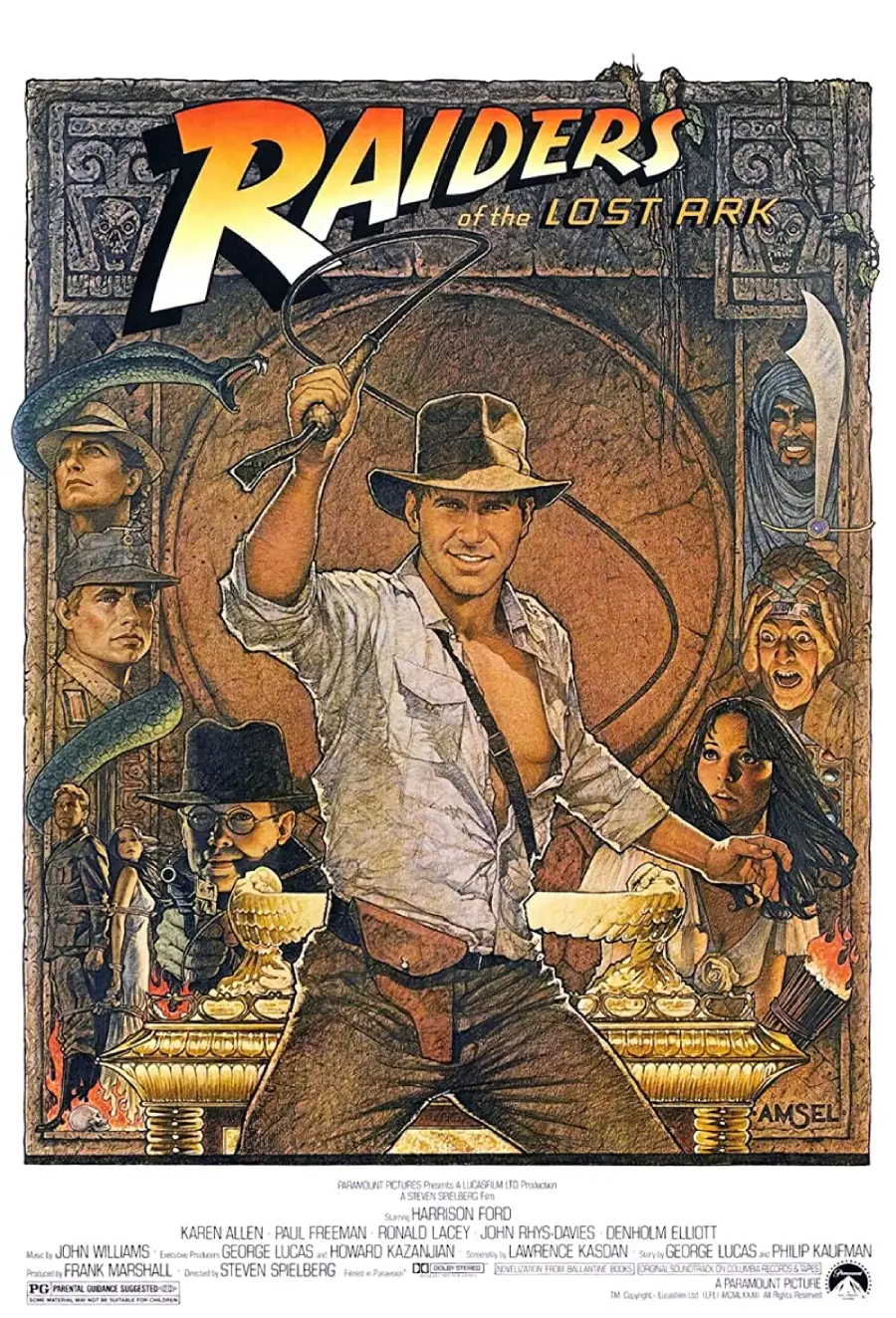
Illustrator Richard Amsel created the legendary painted artwork for the film’s re-release, capturing Harrison Ford in his iconic fedora with a whip slung over his shoulder. Amsel’s rich, warm color scheme and vintage adventure-pulp style instantly defined the visual identity of the entire Indiana Jones franchise.
2. The Thing – 1982
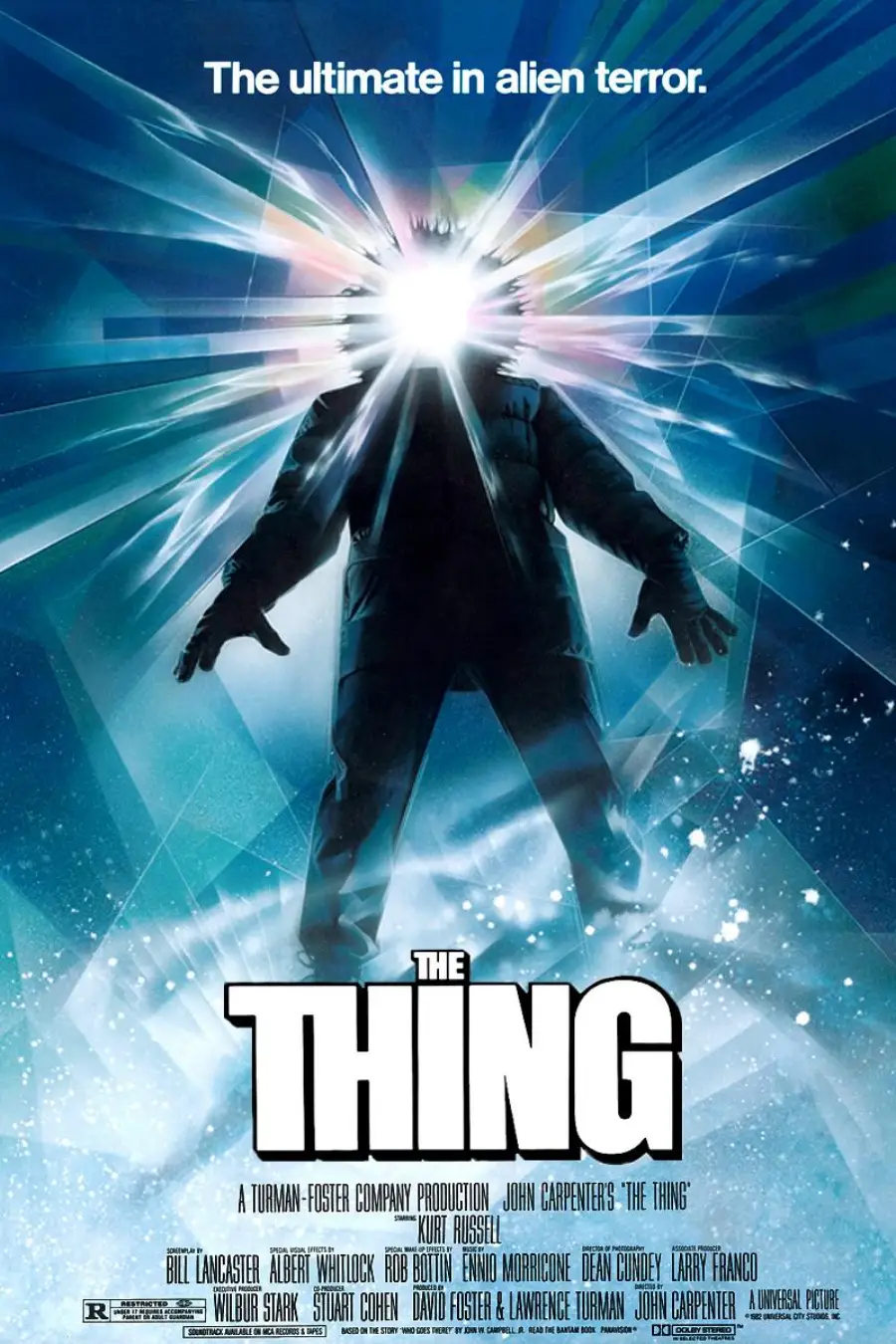
Artist Drew Struzan created the haunting artwork for John Carpenter’s sci-fi horror masterpiece in just twenty-four hours after receiving only a few film stills. Having not seen the final creature design, Struzan modeled the glowing, snow-hooded figure himself using a flashlight and a mirror in his studio.
3. E.T. the Extra-Terrestrial – 1982
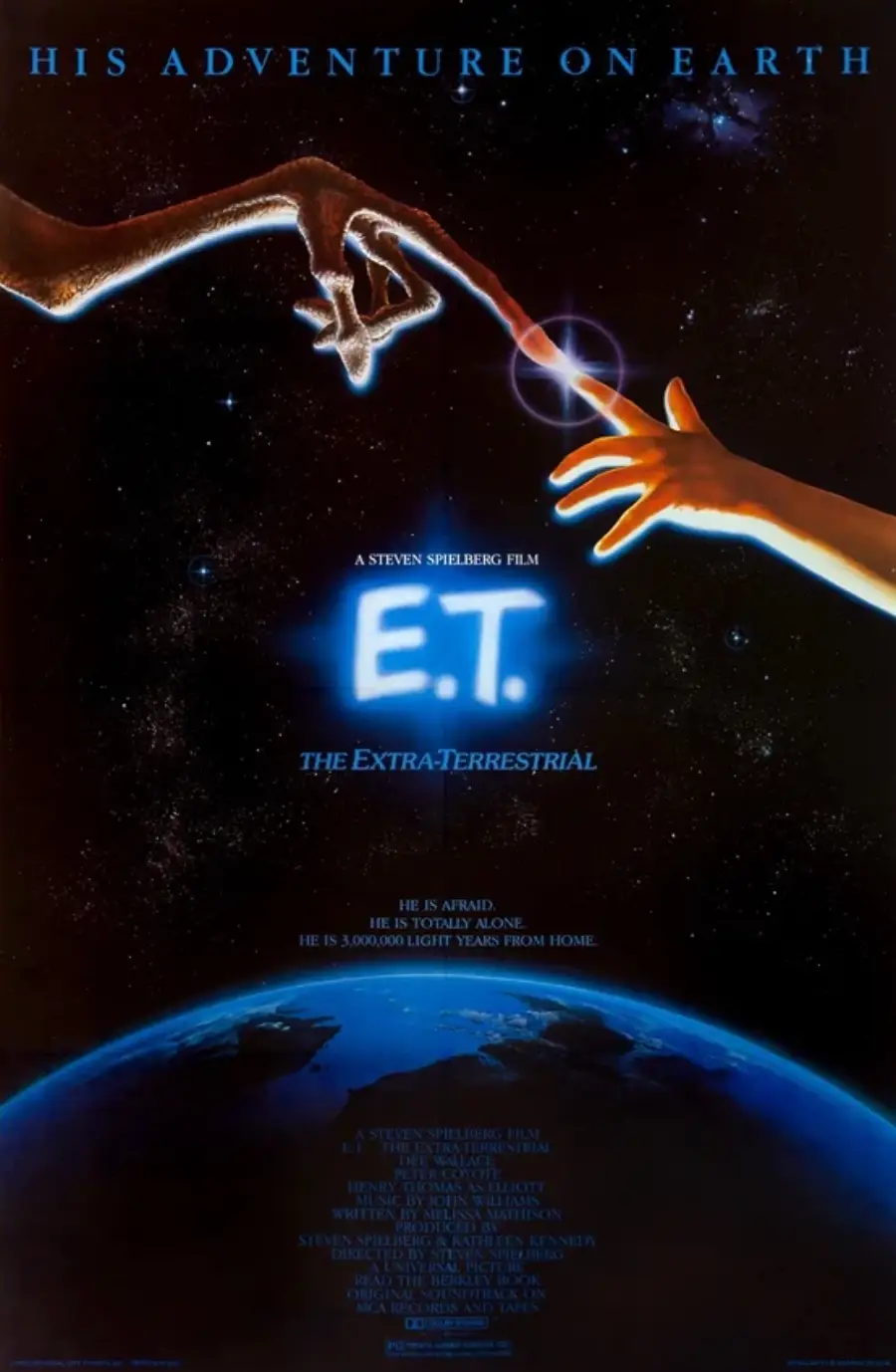
The iconic imagery of two fingers touching with a glowing light was painted by John Alvin, who drew direct inspiration from Michelangelo’s classic masterpiece The Creation of Adam. Alvin even used his daughter’s hand as a real-life reference model to paint the human hand featured in the artwork.
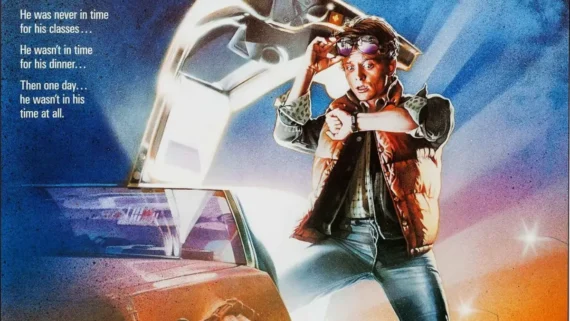
4. Back to the Future – 1985
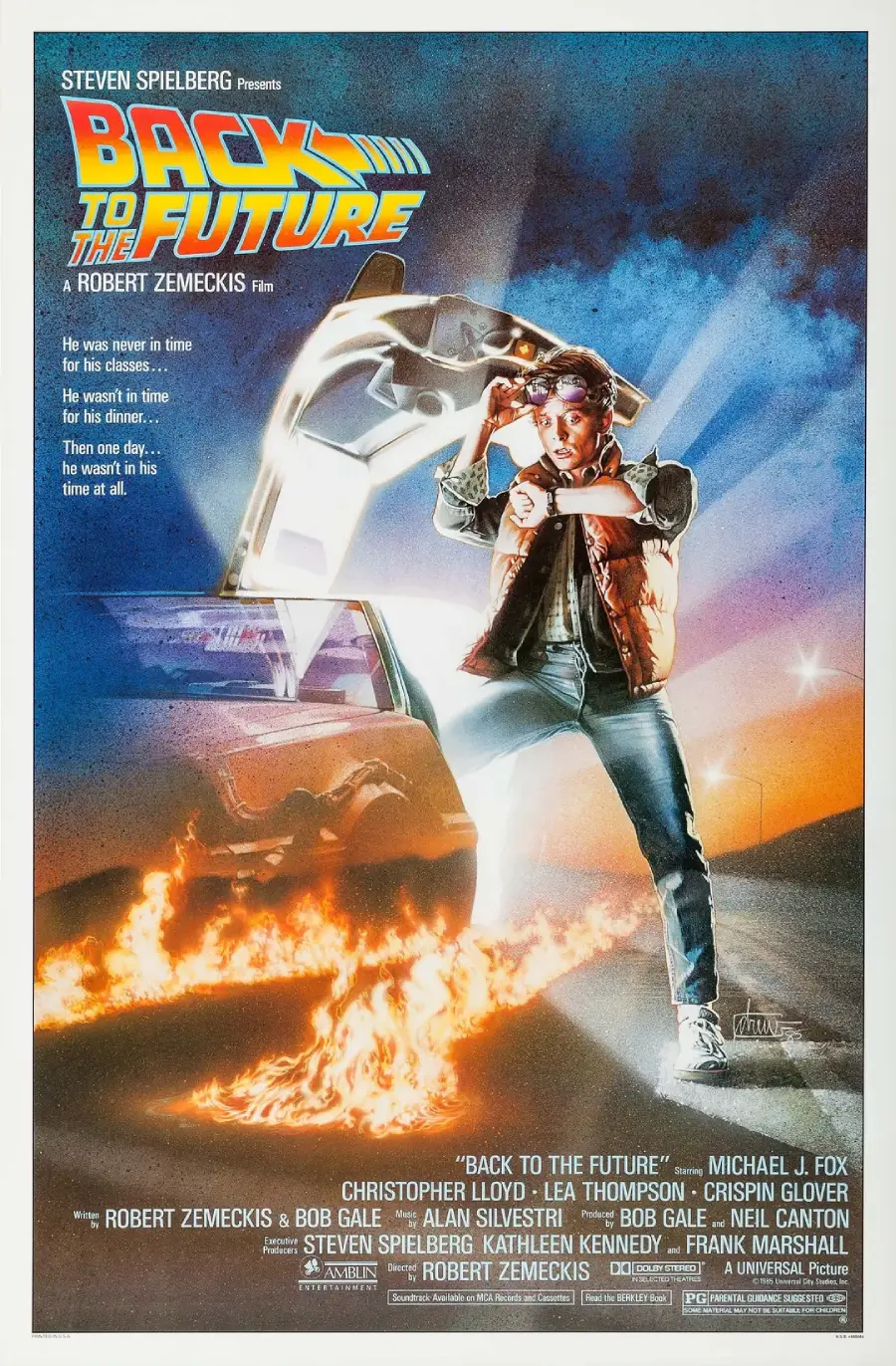
Drew Struzan painted the famous image of Marty McFly checking his wristwatch beside the DeLorean, a pose that became a landmark symbol of eighties pop culture. The composition proved so successful that Universal Pictures had Struzan recreate the exact same layout for both sequels in the trilogy.
5. Star Wars: Episode V – The Empire Strikes Back – 1980
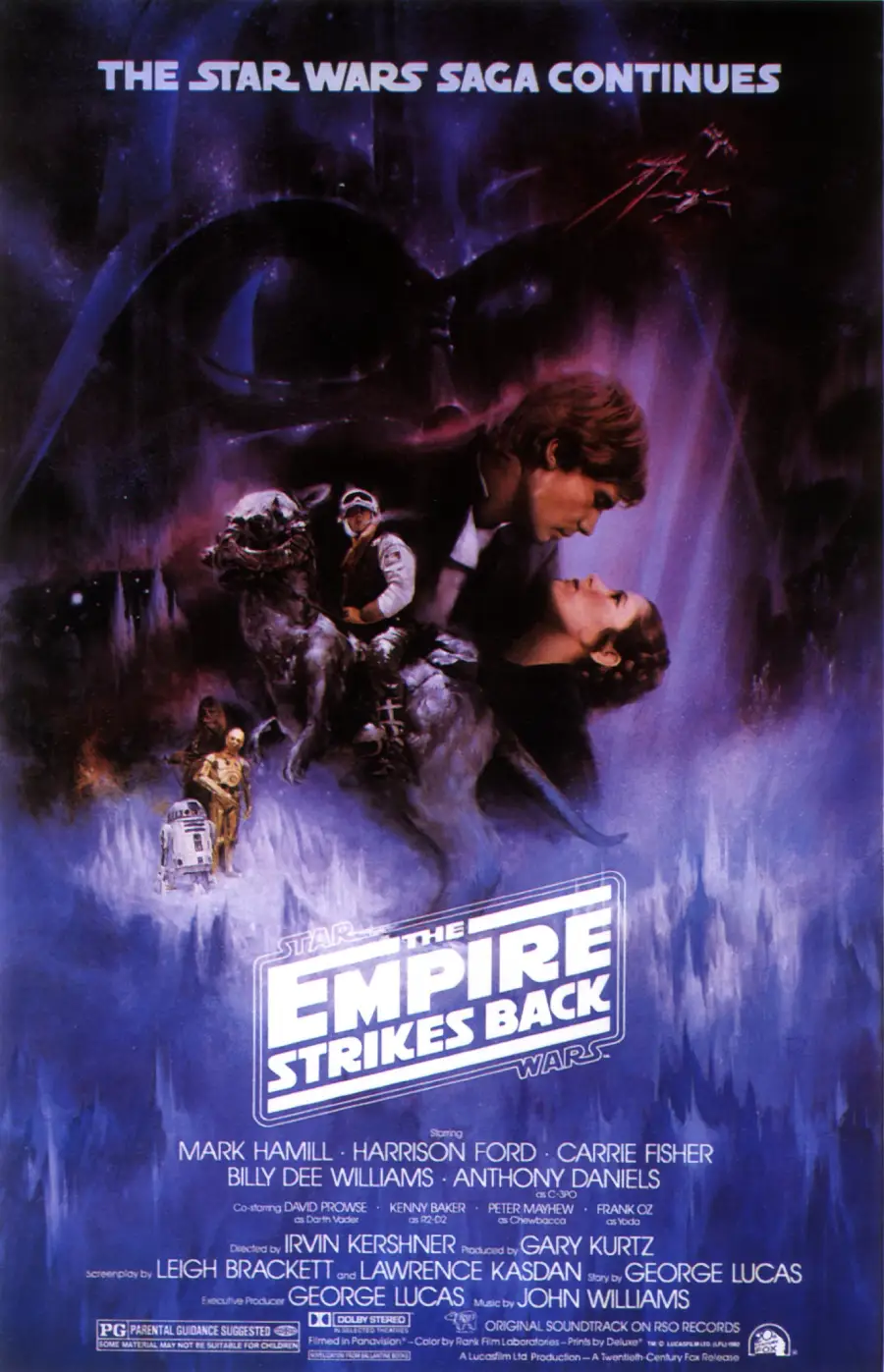
Artist Roger Kastel painted the famous style-A promotional sheet, drawing dramatic visual inspiration from classic Gone with the Wind promotional art to highlight the romance between Han Solo and Leia. The layout also famously integrated Darth Vader’s looming helmet seamlessly into the dark background space above them.
Trending on The Scroller
6. Ghostbusters – 1984
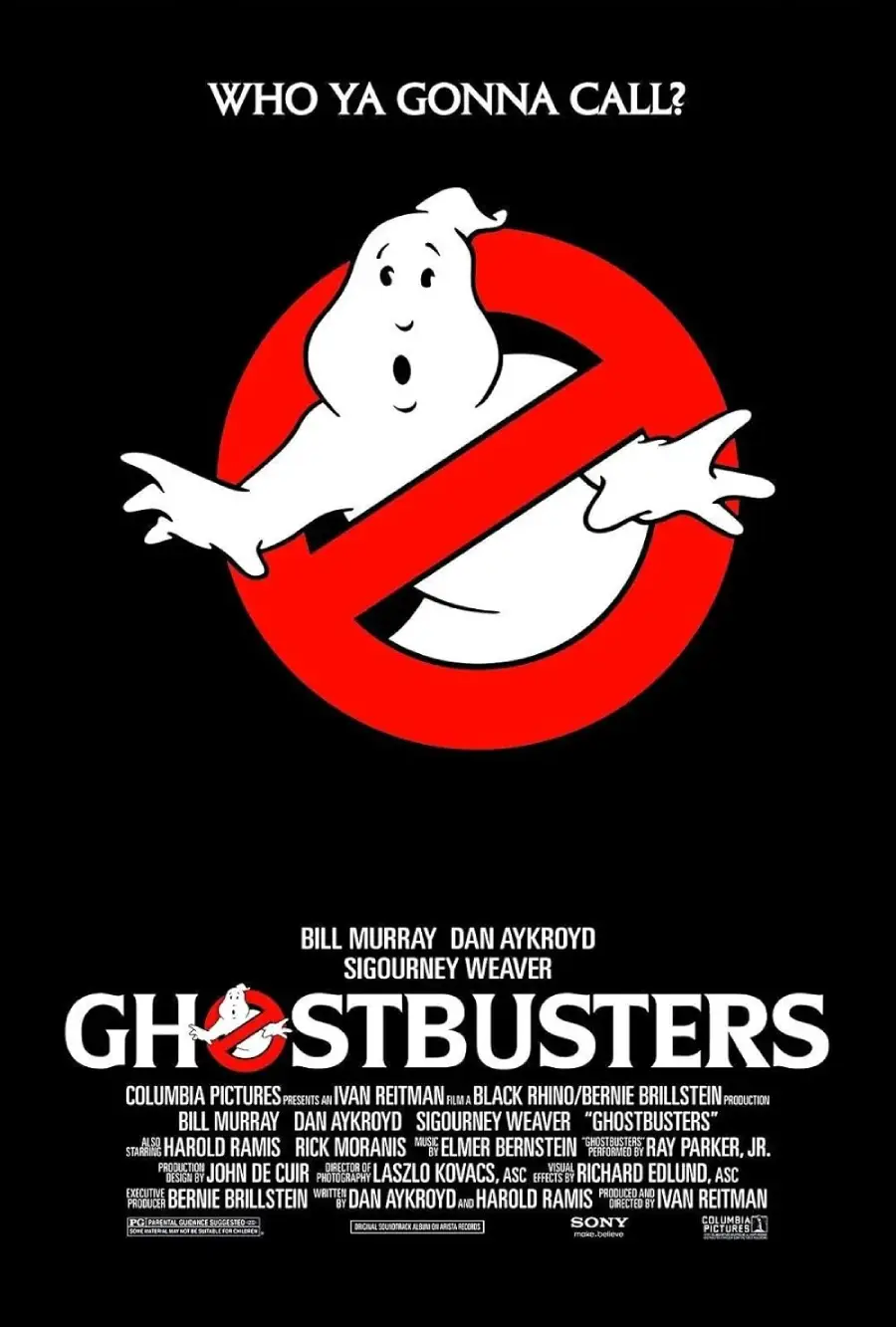
Designed by producer Michael C. Gross, the famous “No-Ghost” logo became one of the most recognizable corporate trademarks in movie history. The graphic design was so instantly iconic that the studio ran early teaser campaigns featuring the symbol alone without any text or actor names.
7. Blade Runner – 1982
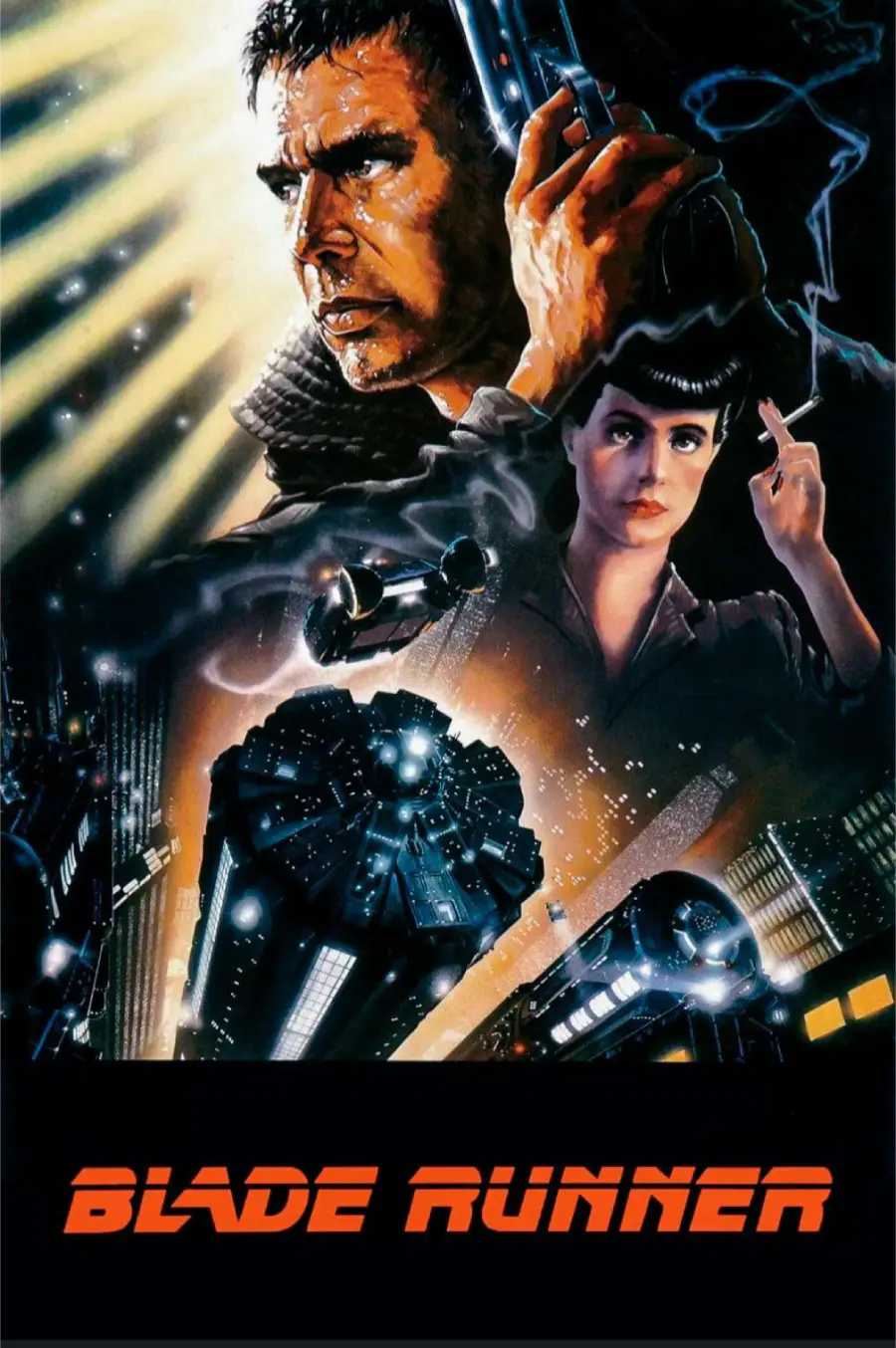
John Alvin captured the dark, neon-soaked cyberpunk atmosphere of Ridley Scott’s sci-fi noir by combining detailed airbrushing with traditional painting techniques. His striking composition juxtaposed glowing futuristic skyscrapers against moody character portraits, setting the standard for sci-fi aesthetics.
8. The Goonies – 1985
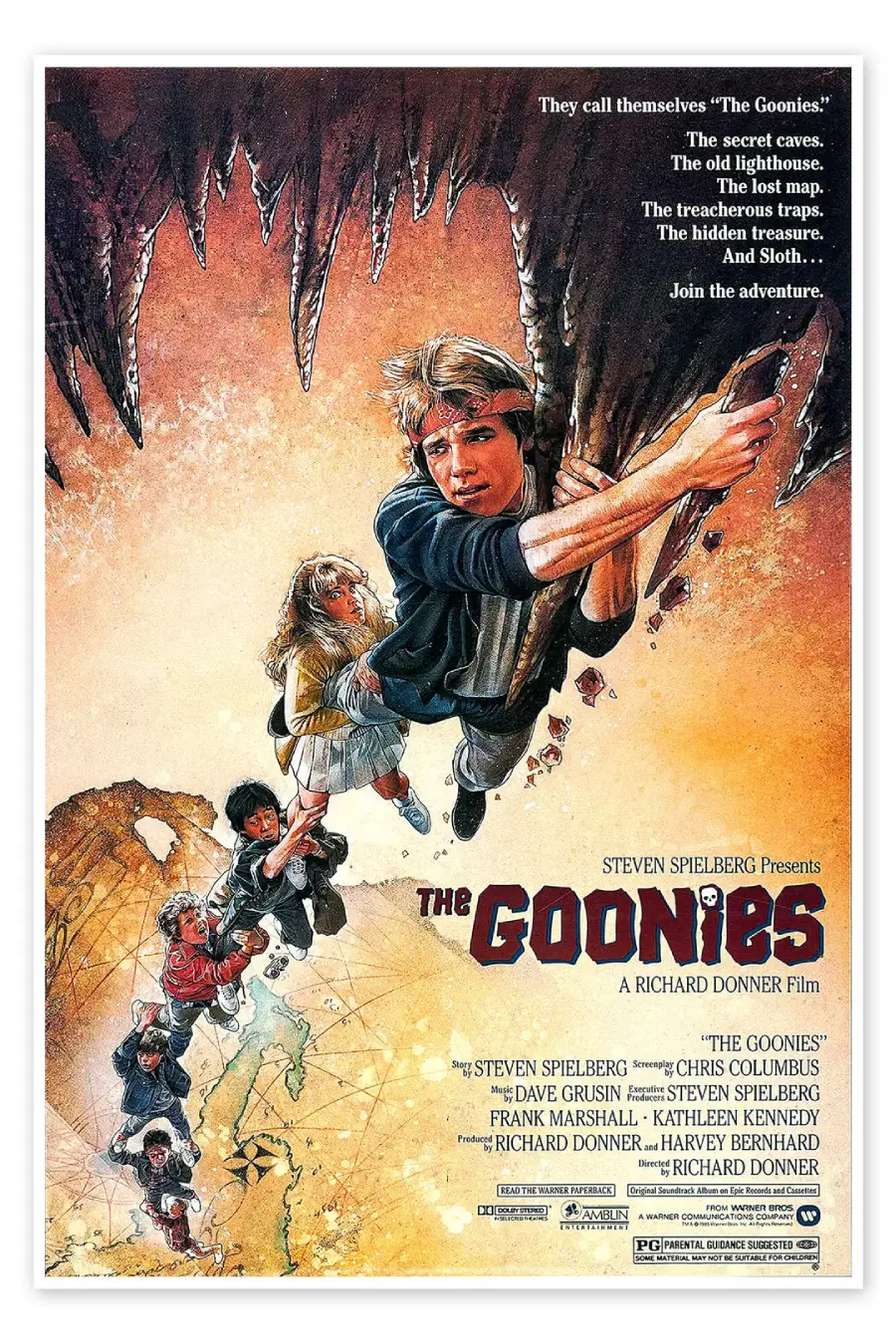
Drew Struzan brought the adventurous spirit of the teenage treasure hunters to life by posing all the main cast members hanging off a rocky cliff face. The artwork perfectly captured the ensemble dynamic and high-stakes adventure tone that made the Richard Donner classic a generation-defining favorite.
Sign up for our newsletter
9. Scarface – 1983
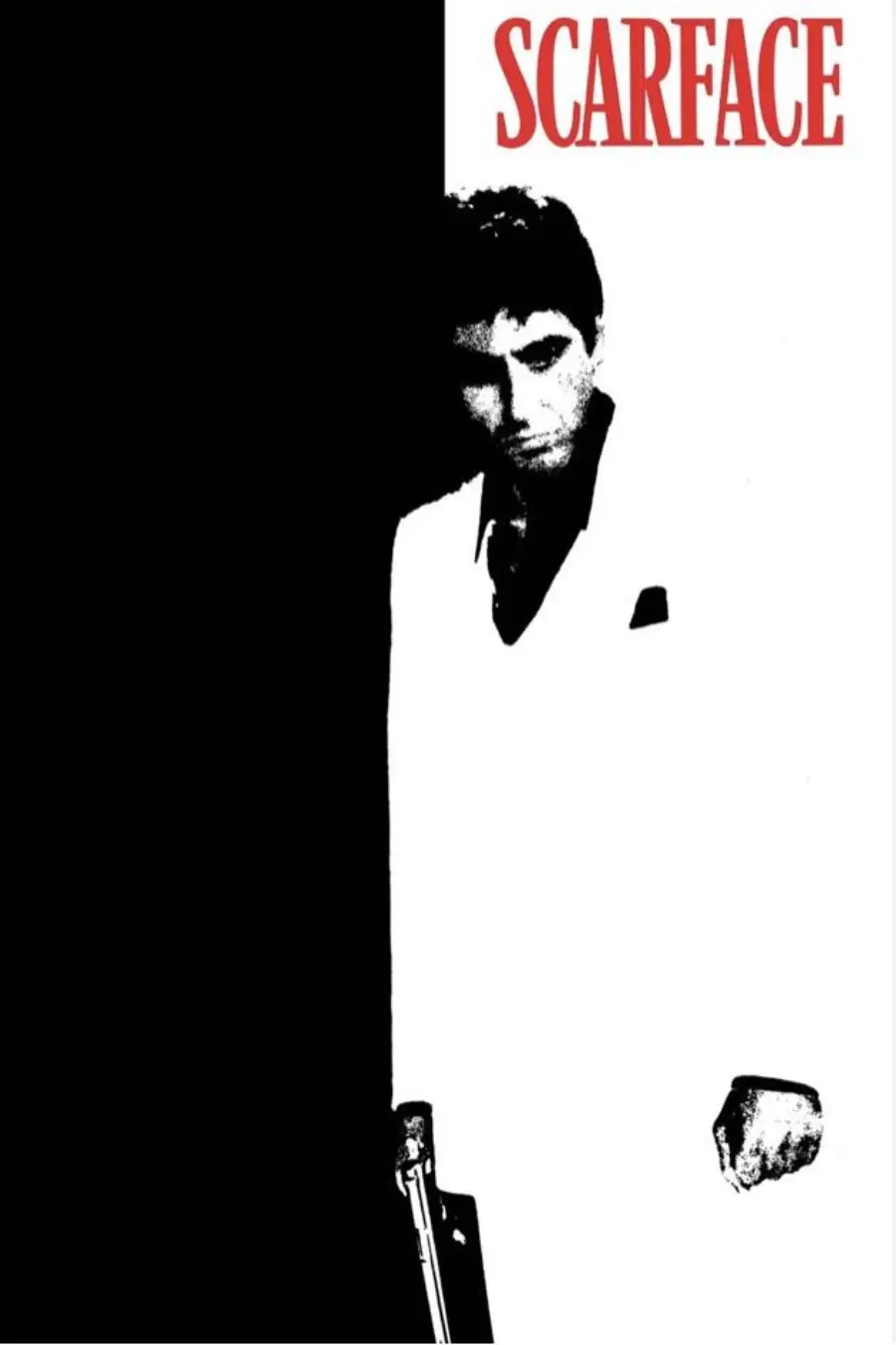
The stark, high-contrast black-and-white graphic layout featuring Al Pacino became an instant minimalist masterpiece in cinematic branding. Its high-contrast portrait design proved so timeless that it became a staple home decor item across music and pop culture for decades.
10. Tron – 1982
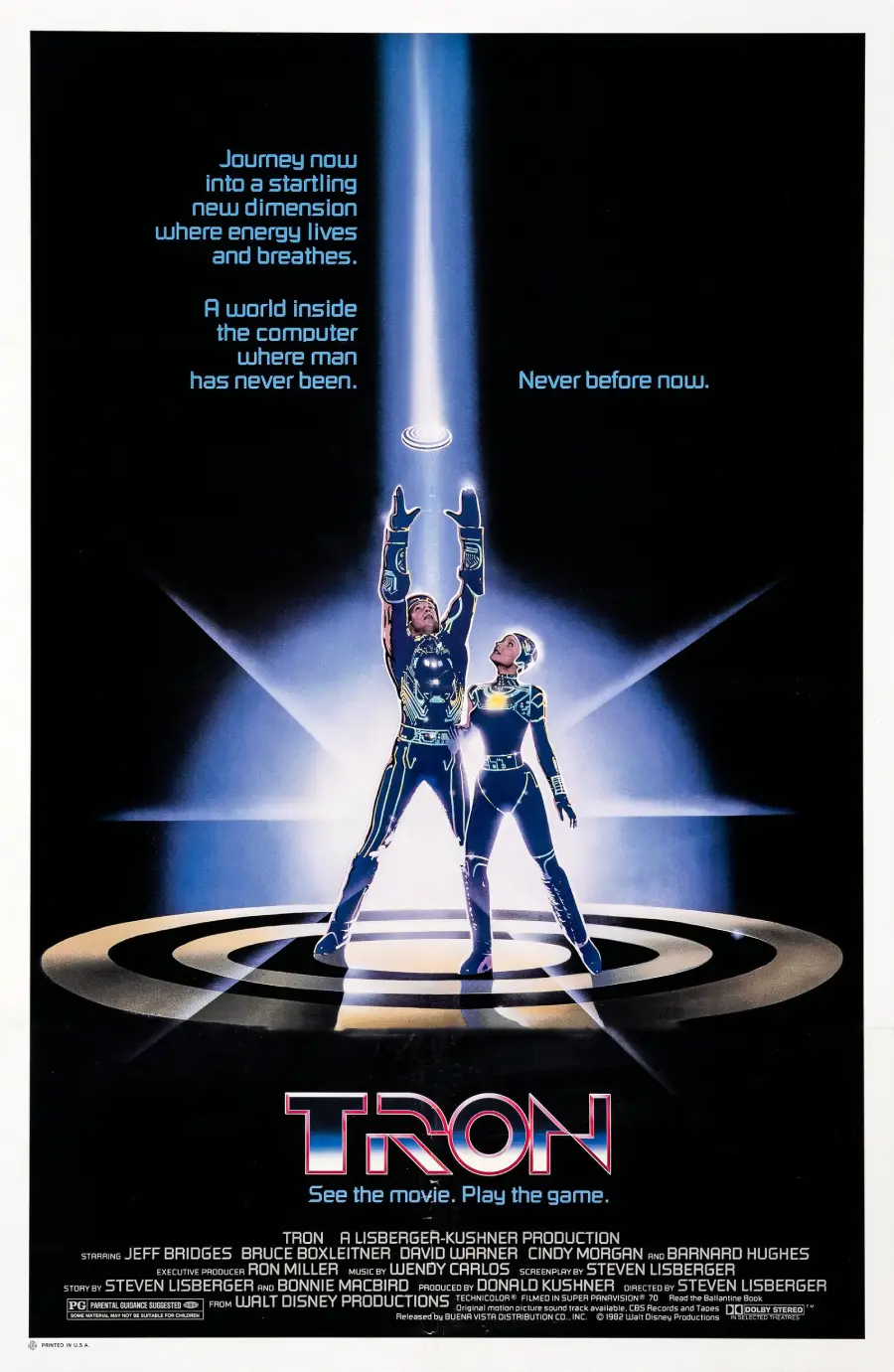
Artist Richard Taylor designed the high-concept artwork, capturing the glowing digital aesthetic of the film’s revolutionary computer-generated world. The vibrant, glowing neon lines and futuristic poses mirrored the backlit animation techniques used to create the movie’s ground-breaking visual effects.
11. Batman – 1989
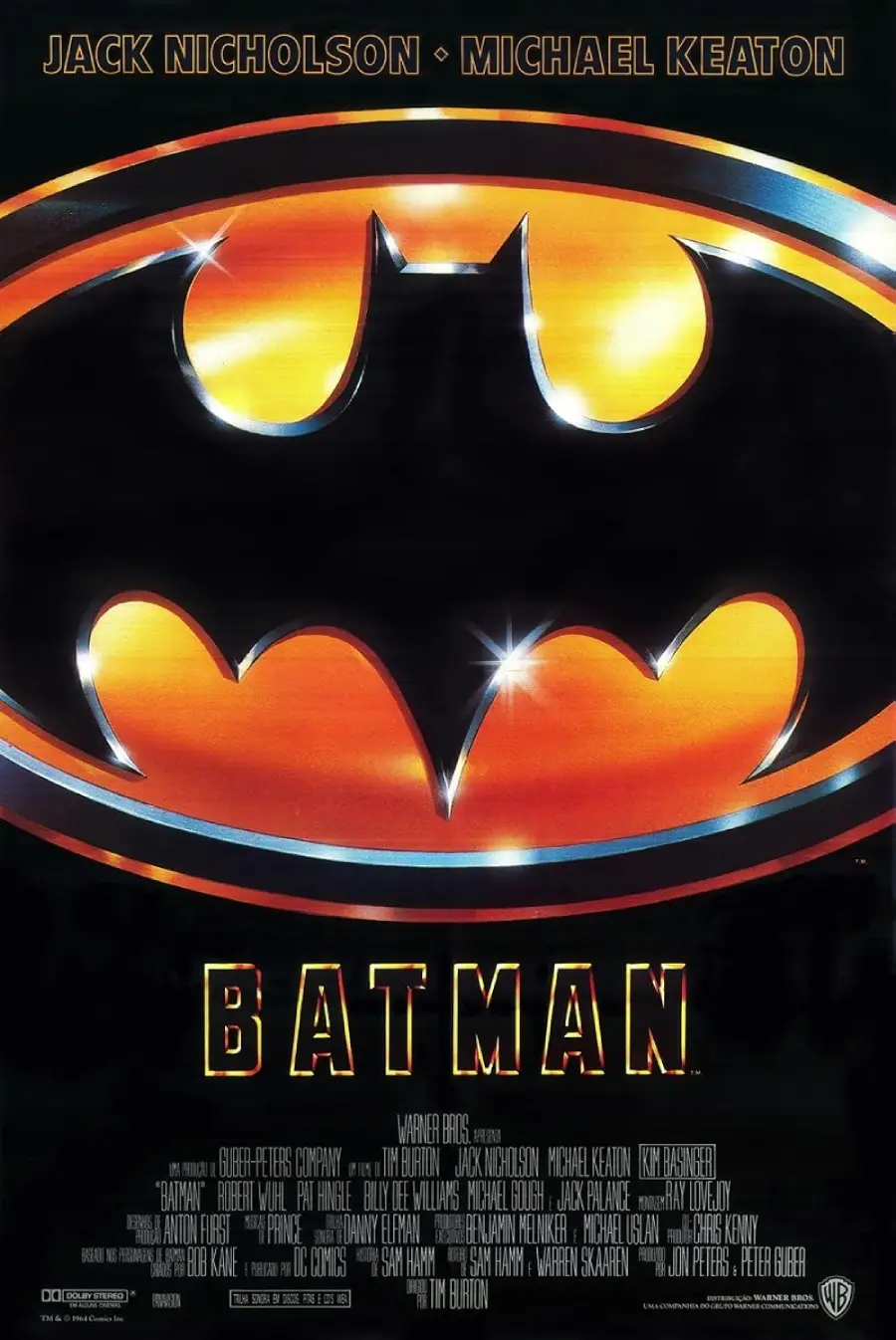
Warner Bros. made a bold marketing choice by releasing a teaser sheet that featured nothing more than the iconic yellow and black bat symbol over a dark background. Designed without a title, tagline, or cast names, the minimal graphic created unprecedented global hype and established a new precedent for movie branding.
12. The Shining – 1980
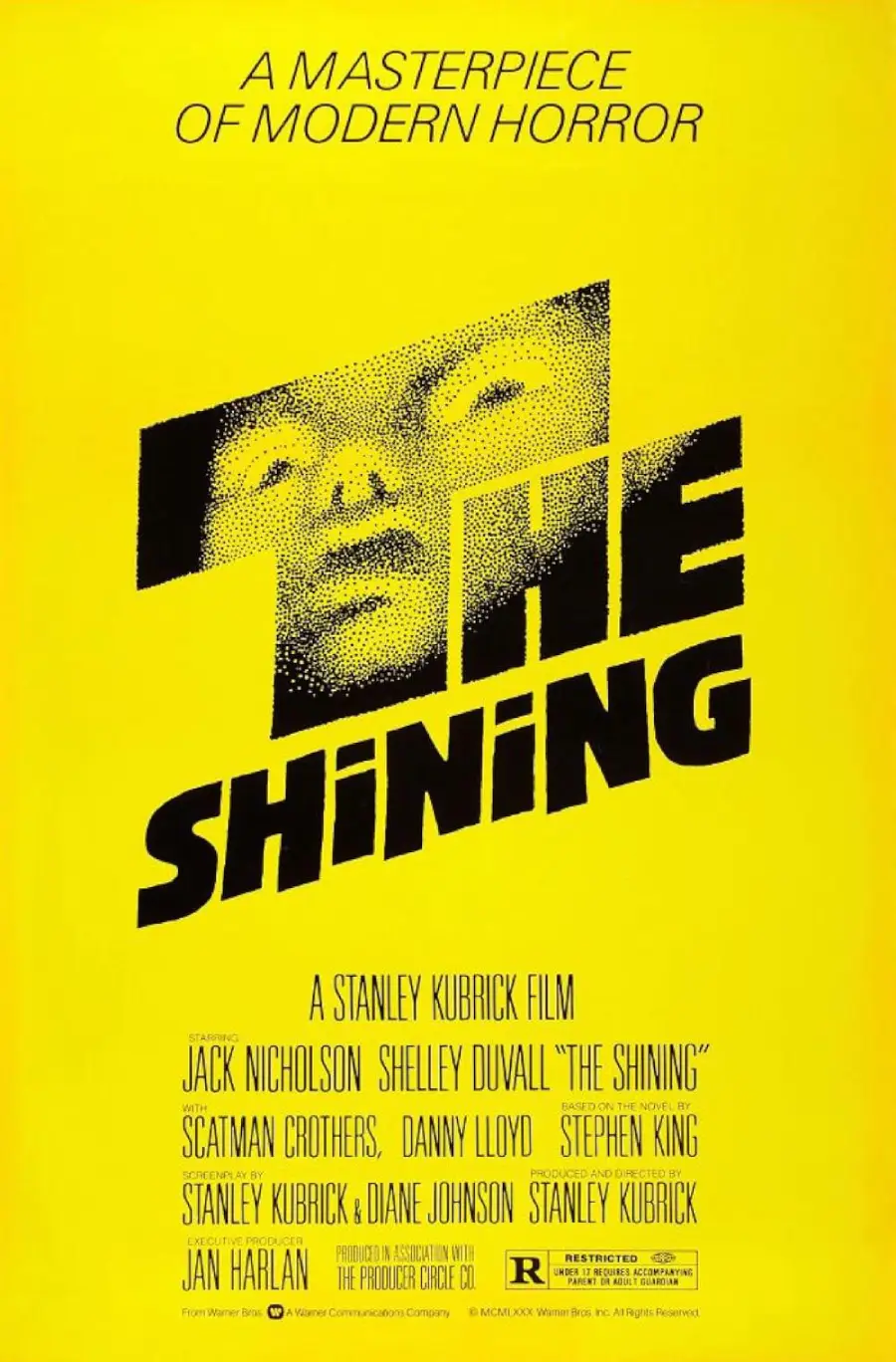
Famed graphic designer Saul Bass went through over three hundred preliminary designs before director Stanley Kubrick finally approved the creepy, pointillist yellow poster layout. Kubrick notoriously micromanaged the artwork, rejecting early concepts for being too literal or not alien enough.
13. Top Gun – 1986
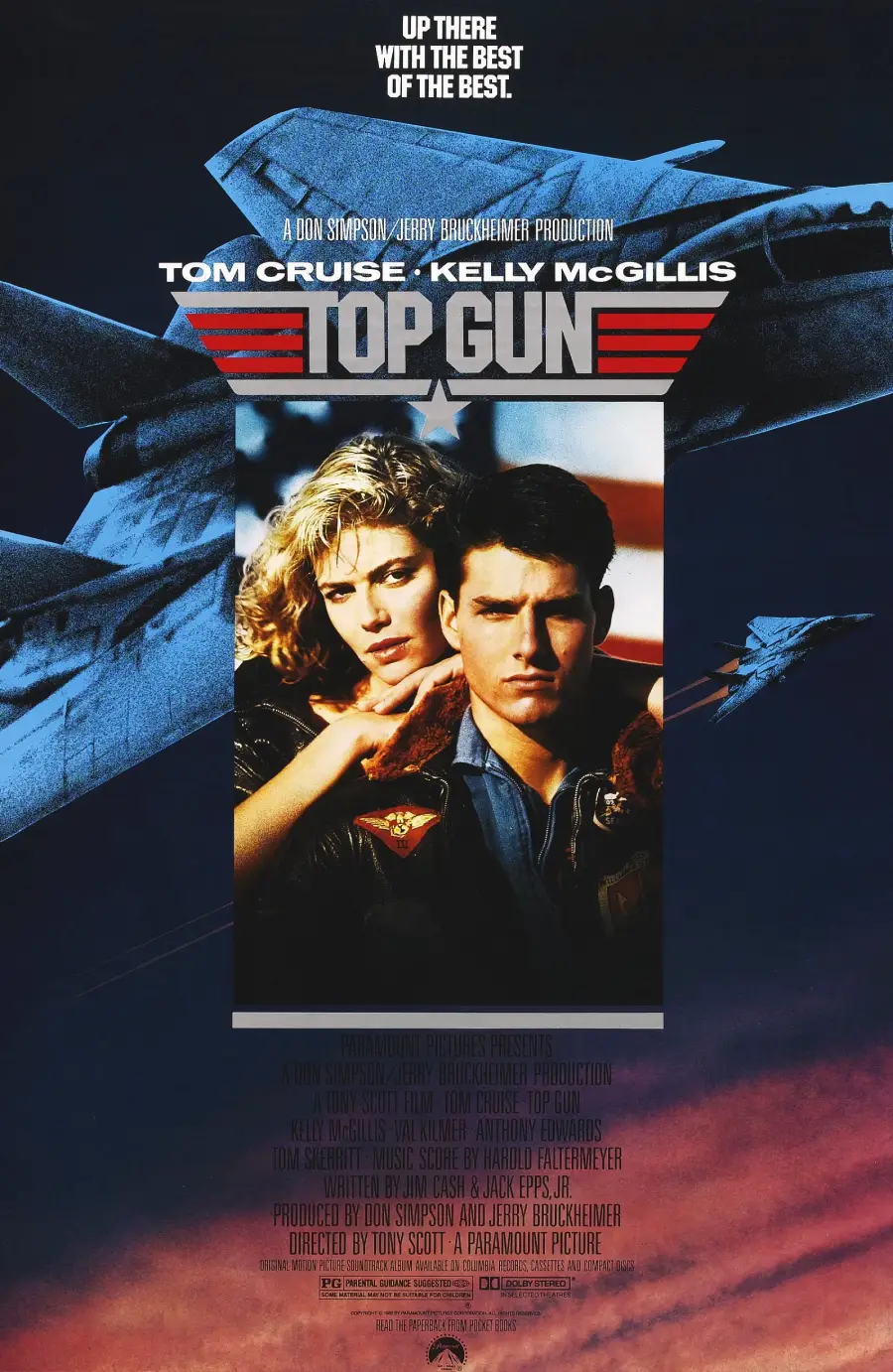
The romantic and heroic promotional artwork featured Tom Cruise and Kelly McGillis posed against a sunset gradient, anchored by sweeping fighter jet graphics below. The high-energy design perfectly encapsulated the high-octane action and blockbuster soundtrack style of the era.
14. Evil Dead II – 1987
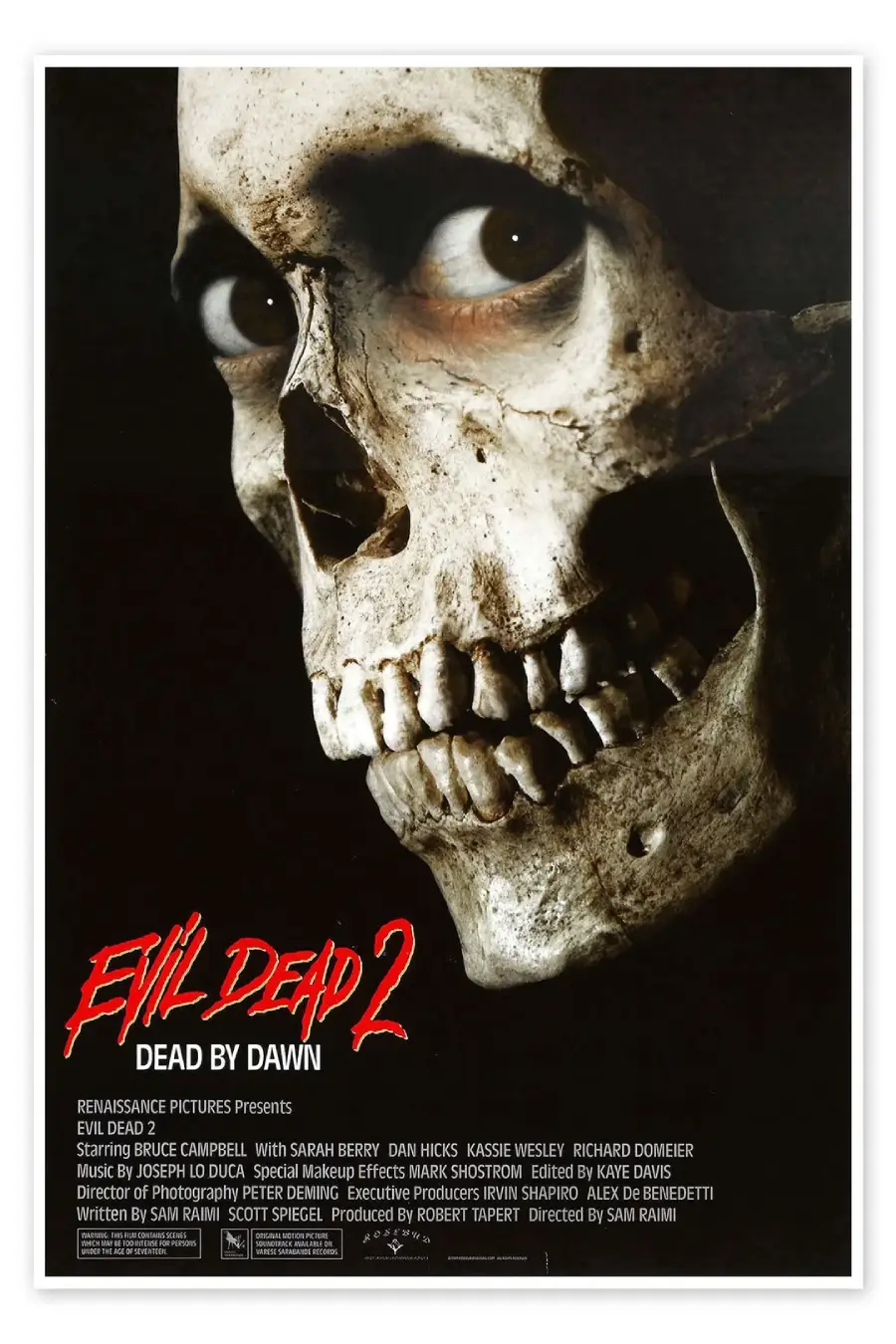
Featuring a striking skull with human eyes staring directly at the viewer, this horror artwork became an instant midnight-movie icon. Designed by the agency B.D. Fox & Friends, the grotesque yet humorous image captured the slapstick-horror tone of Sam Raimi’s cult classic.
15. Labyrinth – 1986
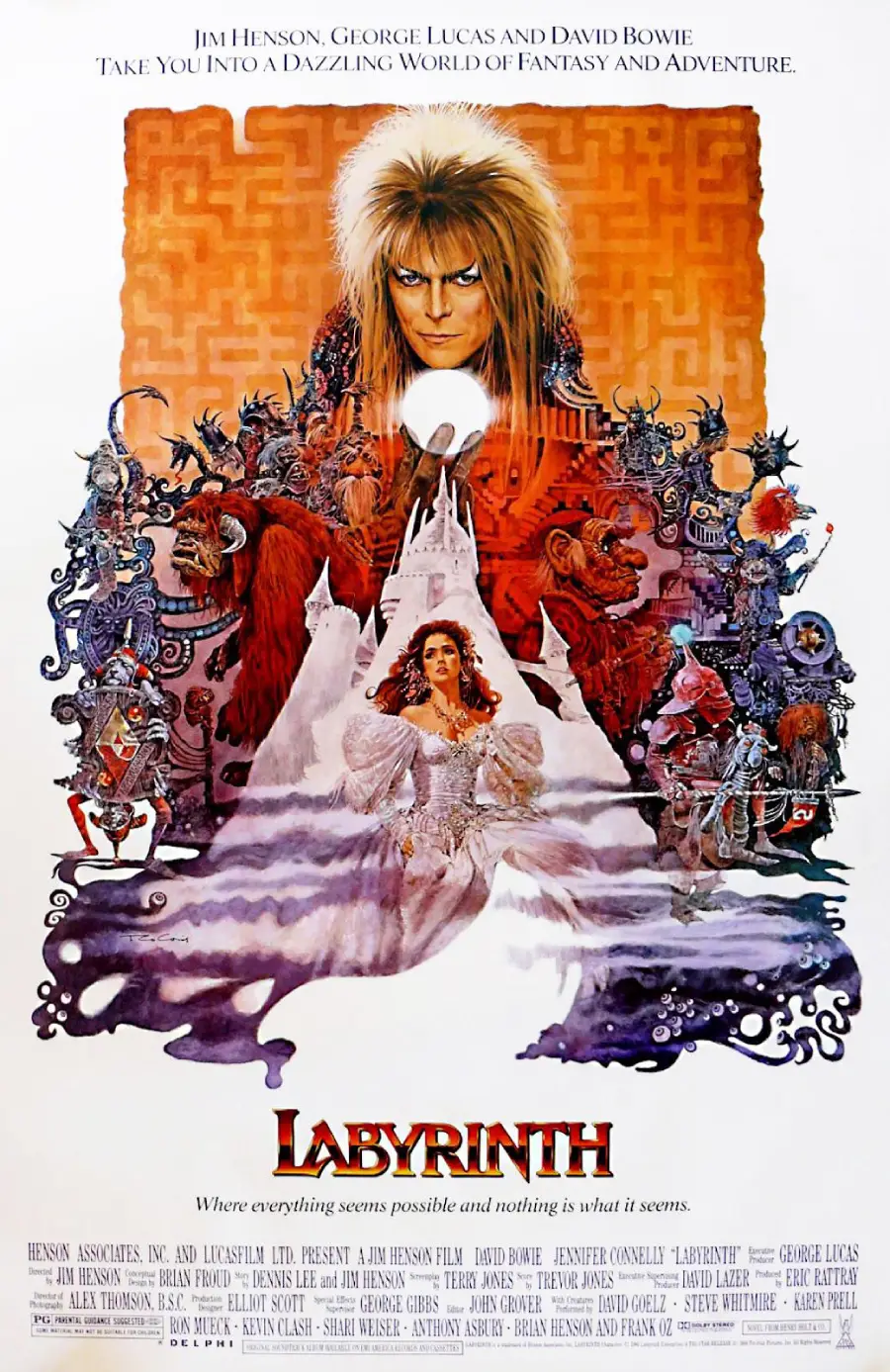
Artist Ted CoConis painted the intricate fantasy layout, surrounding David Bowie’s Goblin King and Jennifer Connelly with a detailed maze of fantastical creatures. The lush, fairytale-inspired oil painting captured the magical puppet craftsmanship created by Jim Henson’s Creature Shop.
16. The Breakfast Club – 1985
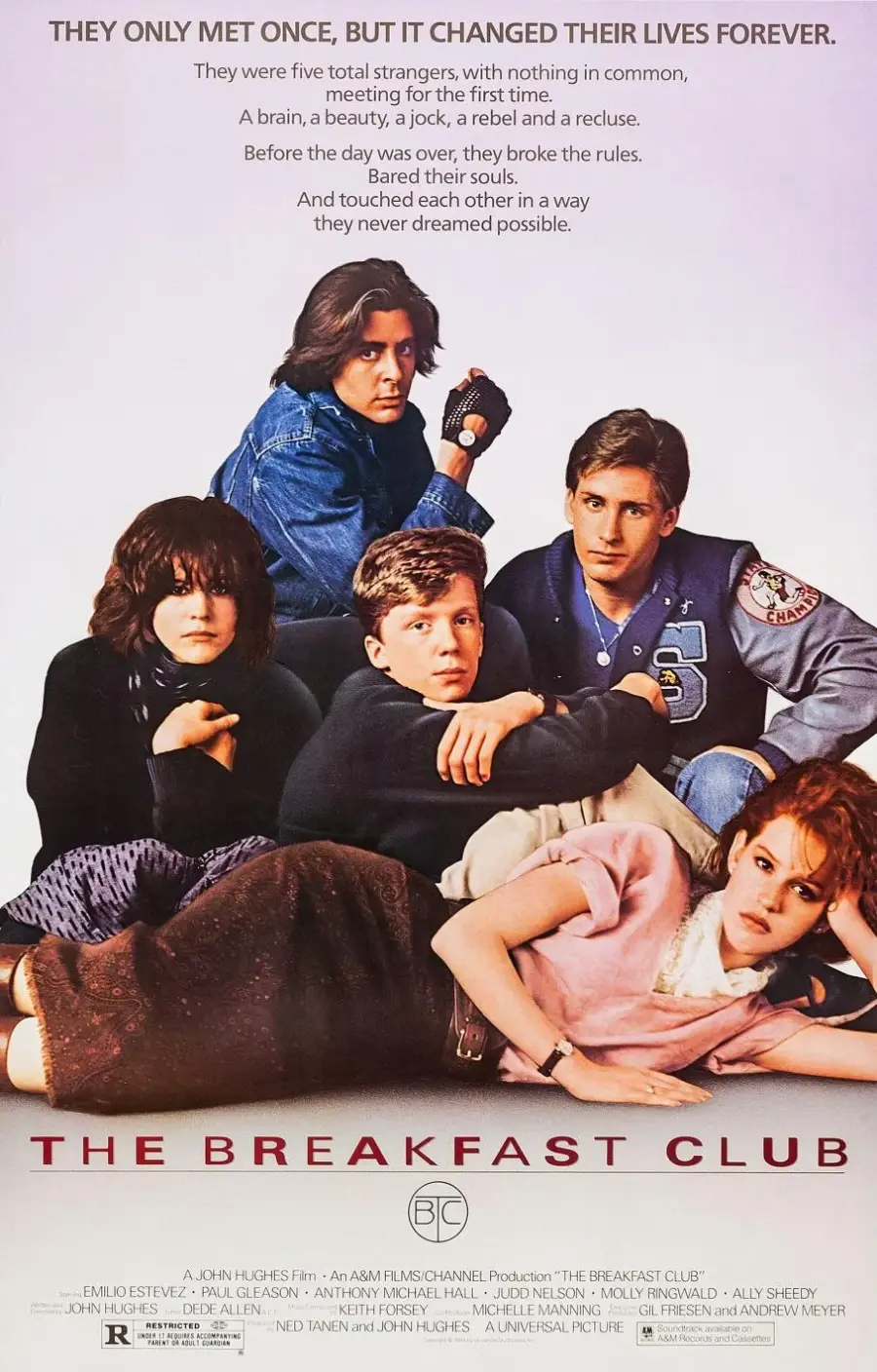
Famed celebrity photographer Annie Leibovitz shot the iconic cast photo that was translated into the simple, character-driven poster layout. By lining up the five archetypal high school students side by side, the artwork encapsulated John Hughes’s definitive teen drama in a single shot.
Check out more interesting facts from Hollywood:
Revisiting these legendary painted artworks showcases the incredible craftsmanship, bold creativity, and storytelling power that defined eighties cinema marketing. The timeless combination of hand-painted illustration, dramatic lighting, and unforgettable typography continues to influence modern film design today. If you enjoy exploring movie history, classic pop-culture archives, and retro deep dives, be sure to check out these 14 Movies That Made Accurate Predictions About the Future, or these 15 Classic Movies With Unexpected Behind-the-Scenes Stories. You can also take a look at these 15 Books That Were Turned Into Movies Again and Again.